
Novel high-density dynamic membranes break the energy-space trade-off in next-generation membrane bioreactor systems (MBRs)
-
GRAPHICAL ABSTRACT
 DownLoad:
Full size image
DownLoad:
Full size image
-
PUBLIC SUMMARY
-
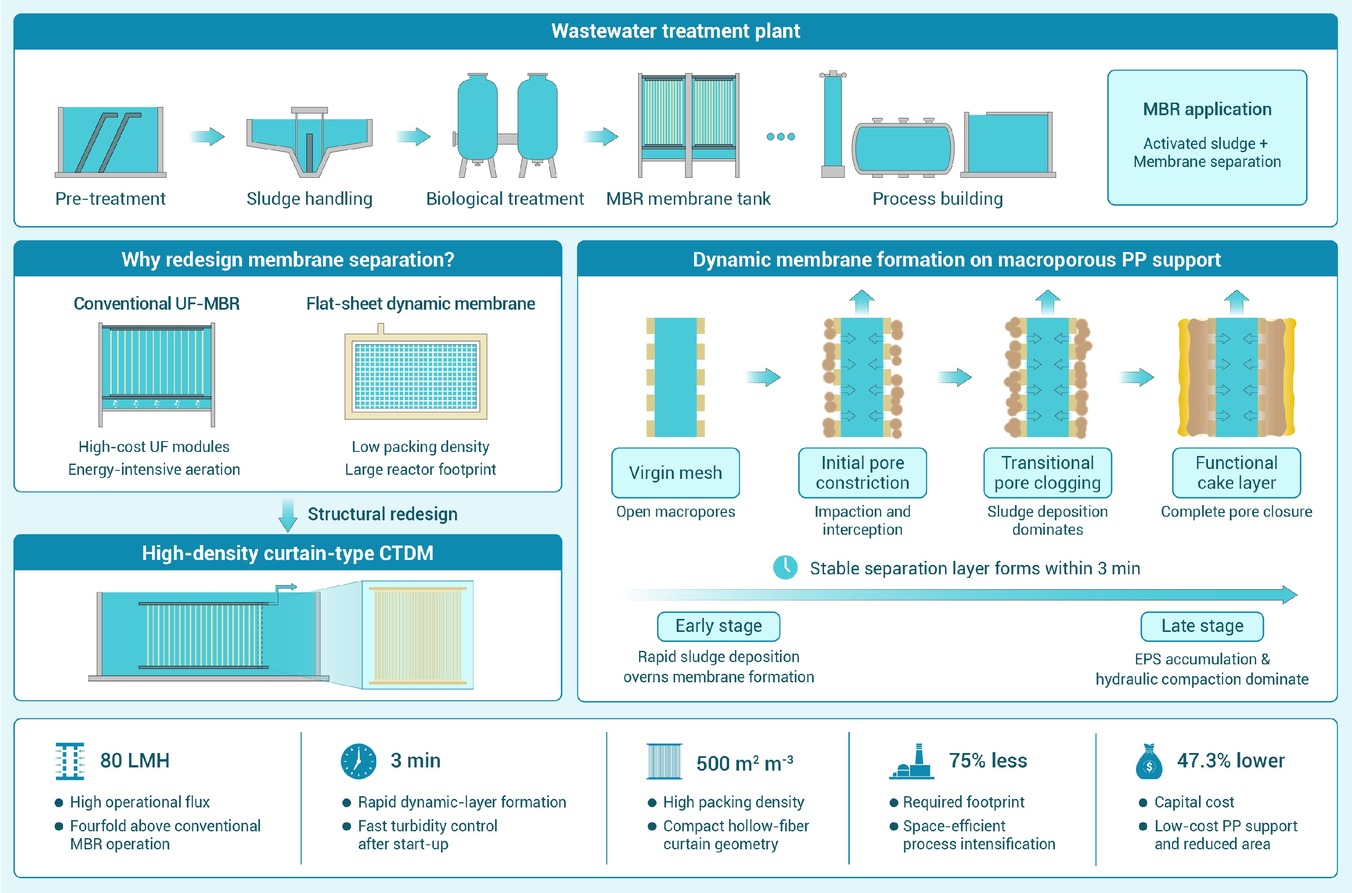
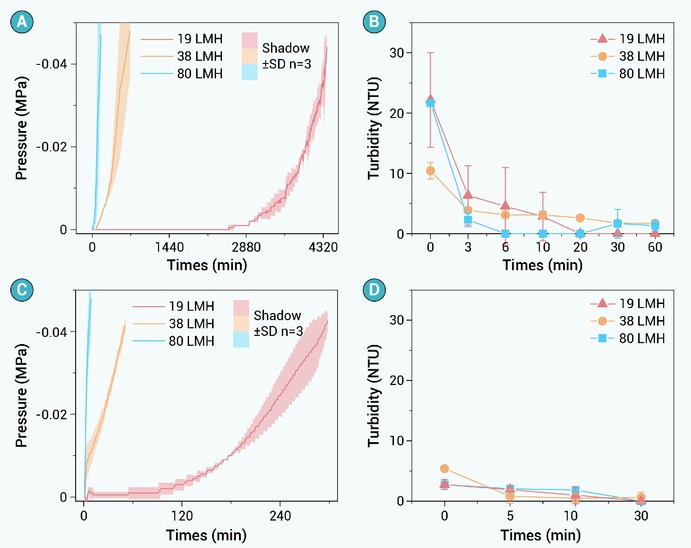
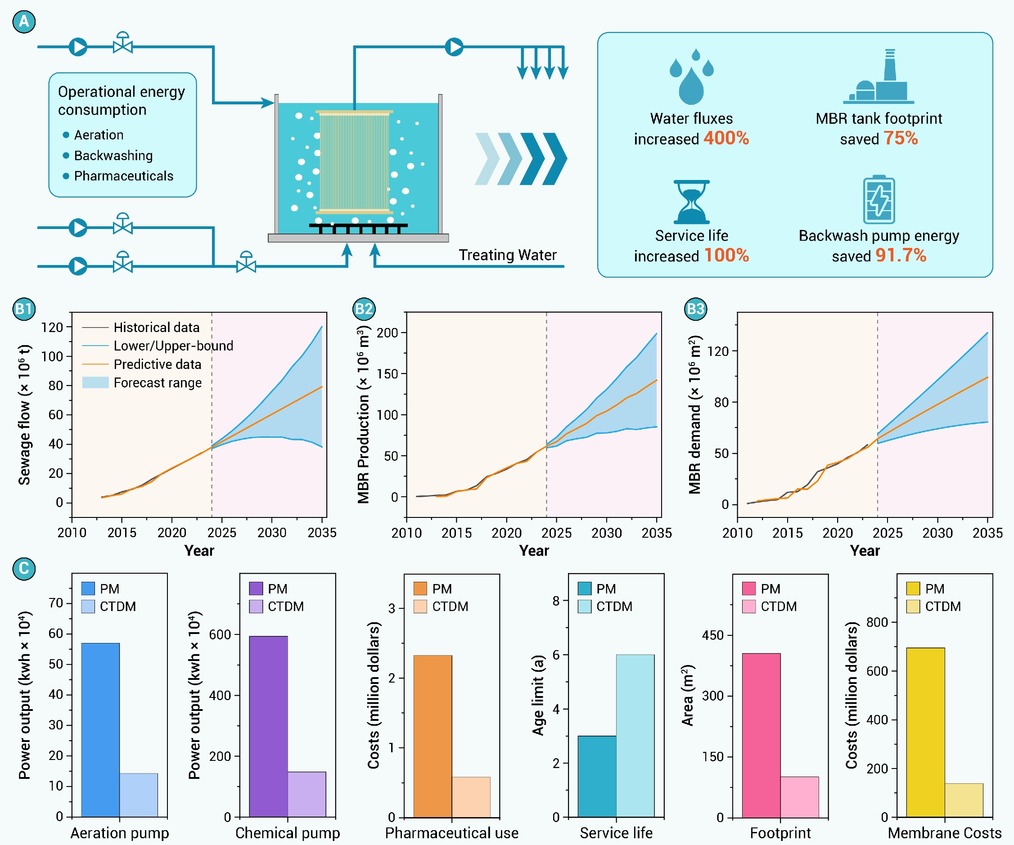
73 h stable operation at 19 LMH, compared with 5 h for the initial operating period.
Effluent turbidity fell below 10 NTU within 3 min and below 5 NTU within 30 min.
Maximum tested CTDM flux reached 80 LMH, versus 15 LMH for the PVDF control.
High-density geometry provided about 500 m2·m-3 membrane area and an estimated 47.3% CAPEX reduction.
Pilot operation with municipal sewage verified technical feasibility.
-
-
ABSTRACT
Membrane bioreactors (MBRs) are pivotal for advanced wastewater treatment, yet conventional ultrafiltration membranes face challenges of high cost, energy-intensive operation, and limited flux. The emerging dynamic membrane filtration technology in recent years addresses these limitations, but flat-sheet dynamic membranes still face challenges in engineering applications due to their large footprint. This study introduces a novel hollow fiber curtain-type dynamic membrane (CTDM) fabricated from polypropylene (PP), designed to overcome these limitations. At a flux of 19 L·m-2·h-1(LMH), the CTDM presents excellent hydraulic stability, with its steady operating duration extended 14 times (73 h vs. 5 h). It also achieves rapid turbidity removal: the effluent turbidity decreases to below 10 NTU within 3 minutes, drops below 5 NTU within 30 minutes, and further falls to less than 3 NTU within 60 minutes. Scale-up experiments using domestic sewage validated the technical feasibility of the CTDM. From an engineering economics perspective, the CTDM achieves 47.3% capital cost reduction compared to conventional MBR systems through enhanced space efficiency (500 m2·m-3 vs. < 200 m2·m-3 reactor volume). This study provides theoretical and practical support for the engineering application of dynamic membrane and is expected to promote the further development of MBR technology. -

-
REFERENCES
[1] Gharibian S. and Hazrati H. (2022). Towards practical integration of MBR with electrochemical AOP: Improved biodegradability of real pharmaceutical wastewater and fouling mitigation. Water Res. 218:118478. DOI:10.1016/j.watres.2022.118478 [2] Ni L., Wang P., Westerhoff P., et al. (2024). Mechanisms and strategies of advanced oxidation processes for membrane fouling control in MBRs: Membrane-foulant removal versus mixed-liquor improvement. Environ. Sci. & Technol. 58:11213−11235. DOI:10.1021/acs.est.4c02659 [3] He H., Xin X., Qiu W., et al. (2022). Role of nano-Fe3O4 particle on improving membrane bioreactor (MBR) performance: Alleviating membrane fouling and microbial mechanism. Water Res. 209:117897. DOI:10.1016/j.watres.2021.117897 [4] Li L., Xu G., Yu H., et al. (2018). Dynamic membrane for micro-particle removal in wastewater treatment: Performance and influencing factors. Sci. Total Environ. 627:332−340. DOI:10.1016/j.scitotenv.2018.01.239 [5] Fan B. and Huang X. (2002). Characteristics of a self-forming dynamic membrane coupled with a bioreactor for municipal wastewater treatment. Environ. Sci. Technol. 36:5245−5251. DOI:10.1021/es025789n [6] Kizilet A., Yurtsever A., Cirik K., et al. (2022). Cake layer reformation rates on self forming dynamic membranes and performance comparison with microfiltration membranes. Sci. Total Environ. 838:156384. DOI:10.1016/j.scitotenv.2022.156384 [7] Cai D., Huang J., Liu G., et al. (2018). Effect of support material pore size on the filtration behavior of dynamic membrane bioreactor. Bioresour. Technol. 255:359−363. DOI:10.1016/j.biortech.2018.02.007 [8] Mahat S. B., Omar R., Lee J. L., et al. (2020). Effect of pore size of monofilament woven filter cloth as supporting material for dynamic membrane filtration on performance using aerobic membrane bioreactor technology. ASIA-PAC J. Chem. Eng. 15:e2453. DOI:10.1002/apj.2453 [9] Ersahin M. E., Ozgun H. and van Lier J. B. (2013). Effect of support material properties on dynamic membrane filtration performance. Sep. Sci. Technol. 48:2263−2269. DOI:10.1080/01496395.2013.804840 [10] Gilcreas F. W. (1966). Standard methods for the examination of water and waste water. AJPH 56:387−388. DOI:10.2105/ajph.56.3.387 [11] Bahgat N. T., Wilfert P., Eustace S. J., et al. (2024). Phosphorous speciation in EPS extracted from aerobic granular sludge. Water Res. 262:122077. DOI:10.1016/j.watres.2024.122077 [12] DuBois M., Gilles K. A., Hamilton J. K., et al. (1956). Colorimetric method for determination of sugars and related substances. Anal Chem 28:350−356. DOI:10.1021/ac60111a017 [13] Yu M., Guo W., Liang Y., et al. (2024). Towards rapid formation of electroactive biofilm: Insights from thermodynamics and electric field manipulation. Water Res. 261:121992. DOI:10.1016/j.watres.2024.121992 [14] Zhang J., Xiao K., Liu Z., et al. (2021). Large-scale membrane bioreactors for industrial wastewater treatment in China: Technical and economic features, driving forces, and perspectives. Eng. 7:868−880. DOI:10.1016/j.eng.2020.09.012 [15] Tsuyuhara T., Hanamoto Y., Miyoshi T., et al. (2010). Influence of membrane properties on physically reversible and irreversible fouling in membrane bioreactors. Water Sci Technol 61:2235−2240. DOI:10.2166/wst.2010.122 [16] Liu Y., Lin B., Liu W., et al. (2018). Preparation and characterization of a novel nanofiltration membrane with chlorine-tolerant property and good separation performance. RSC Adv. 8:36430−36440. DOI:10.1039/C8RA06755D [17] Szewczyk P. K., Ura D. P., Metwally S., et al. (2019). Roughness and fiber fraction dominated wetting of electrospun fiber-based porous meshes. Polymers. 11:34. DOI:10.3390/polym11010034 [18] Xu J., Zhang F., Xin B., et al. (2019). Application of surface wettability modified polypropylene nonwoven in Janus composite fibrous mats for the function of directional water transport. Polym. Adv. Technol. 30:3038−3048. DOI:10.1002/pat.4735 [19] Tao J., Song X., Bao B., et al. (2020). The role of surface wettability on water transport through membranes. Chem. Eng. 219:115602. DOI:10.1016/j.ces.2020.115602 [20] Cai H. H., Fan H., Zhao L. H., et al. (2016). Effects of surface charge on interfacial interactions related to membrane fouling in a submerged membrane bioreactor based on thermodynamic analysis. J. Colloid Interface Sci. 465:33−41. DOI:10.1016/j.jcis.2015.11.044 [21] Chen L., Lv M., Ding Y.-C., et al. (2023). Investigation of filtration performance and phosphorus removal in an electric field controlled dynamic membrane bioreactor. Chem. Eng. J. 478:147328. DOI:10.1016/j.cej.2023.147328 [22] Chu H., Zhang Y., Zhou X., et al. (2014). Dynamic membrane bioreactor for wastewater treatment: Operation, critical flux, and dynamic membrane structure. J. Membr. Sci. 450:265−271. DOI:10.1016/j.memsci.2013.08.045 [23] An Y., Wang Z., Wu Z., et al. (2009). Characterization of membrane foulants in an anaerobic non-woven fabric membrane bioreactor for municipal wastewater treatment. Chem. Eng. J. 155:709−715. DOI:10.1016/j.cej.2009.09.003 [24] Salerno C., Vergine P., Berardi G., et al. (2017). Influence of air scouring on the performance of a self forming dynamic membrane bioreactor (SFD MBR) for municipal wastewater treatment. Bioresour. Technol. 223:301−306. DOI:10.1016/j.biortech.2016.10.054 [25] Saleem M., Alibardi L., Lavagnolo M. C., et al. (2016). Effect of filtration flux on the development and operation of a dynamic membrane for anaerobic wastewater treatment. J. Environ. Manage. 180:459−465. DOI:10.1016/j.jenvman.2016.05.054 [26] Kiso Y., Jung Y.-J., Park M.-S., et al. (2005). Coupling of sequencing batch reactor and mesh filtration: Operational parameters and wastewater treatment performance. Water Res. 39:4887−4898. DOI:10.1016/j.watres.2005.05.025 [27] Xiong J., Fu D. and Singh R. P. (2014). Self-adaptive dynamic membrane module with a high flux and stable operation for the municipal wastewater treatment. J. Membr. Sci. 471:308−318. DOI:10.1016/j.memsci.2014.08.001 [28] Fuchs W., Resch C., Kernstock M., et al. (2005). Influence of operational conditions on the performance of a mesh filter activated sludge process. Water Res. 39:803−810. DOI:10.1016/j.watres.2004.12.001 [29] Rezvani F., Mehrnia M. R. and Poostchi A. A. (2014). Optimal operating strategies of SFDM formation for MBR application. Sep. Purif. Technol. 124:124−133. DOI:10.1016/j.seppur.2014.01.028 [30] Turken T., Sengur-Tasdemir R., Ates-Genceli E., et al. (2019). Progress on reinforced braided hollow fiber membranes in separation technologies: A review. J. Water Process. Eng. 32:100938. DOI:10.1016/j.jwpe.2019.100938 [31] Lv M., Feng H., Ding Y., et al. (2022). Comparison of the formation, filtration performance, and structural characteristic of self-forming dynamic membranes under constant transmembrane pressure and constant filtration flux. J. Environ. Chem. Eng. 10:108691. DOI:10.1016/j.jece.2022.108691 [32] Gholami M., Middelkamp B., Roy Y., et al. (2024). Flux decline in crossflow ultrafiltration-based diafiltration process for lignin recovery from a deep eutectic solvent comprised of lactic acid and choline chloride. CHEM ENG RES DES 202:468−479. DOI:10.1016/j.cherd.2024.01.013 [33] Liu H., Yang C., Pu W., et al. (2009). Formation mechanism and structure of dynamic membrane in the dynamic membrane bioreactor. Chem. Eng. J. 148:290−295. DOI:10.1016/j.cej.2008.08.043 [34] Derjaguin B. and Landau L. (1993). Theory of the stability of strongly charged lyophobic sols and of the adhesion of strongly charged particles in solutions of electrolytes. Prog. Surf Sci. 43:30−59. DOI:10.1016/0079-6816(93)90013-L [35] Verwey E. J. W. and Overbeek J. T. G. (1955). Theory of the stability of lyophobic colloids. J. Phys. Colloid Chem. 513:631-636. DOI: 10.1021/j150453a001 [36] Feng L., Li X., Song P., et al. (2011). Surface Interactions and Fouling Properties of Micrococcus luteus with Microfiltration Membranes. Appl. Biochem. Biotechnol. 165:1235−1244. DOI:10.1007/s12010-011-9341-9 [37] Isik O., Abdelrahman A. M., Ozgun H., et al. (2019). Comparative evaluation of ultrafiltration and dynamic membranes in an aerobic membrane bioreactor for municipal wastewater treatment. Environ. Sci. Pollut. R. 26:32723−32733. DOI:10.1007/s11356-019-04409-6 [38] Elbir H., Uyanik I., Çolakoğlu E. B., et al. (2024). Pre-coating of stainless-steel mesh support material with wastewater treatment plant sludges in a dynamic membrane filtration process. J. Water Process. Eng. 64:105673. DOI:10.1016/j.jwpe.2024.105673 [39] Zamani F., Ullah A., Akhondi E., et al. (2016). Impact of the surface energy of particulate foulants on membrane fouling. J. Membr. Sci. 510:101−111. DOI:10.1016/j.memsci.2016.02.064 [40] Shen C., Zhang P., Xiang S., et al. (2025). Surface modification of PVDF membrane by physical co-deposition and bridging grafting strategy for enhanced anti-fouling performance. Surf. Interf. 75:107779. DOI:10.1016/j.surfin.2025.107779 [41] Huang P., Chen C., Gu M., et al. (2025). Solvation-based interfacial renovation of contaminated membranes for performance restoration and chlorine resistance enhancement. J. Membr. Sci. 719:123749. DOI:10.1016/j.memsci.2025.123749 [42] Li N., Zhang J., Tian Y., et al. (2016). Anti-fouling potential evaluation of PVDF membranes modified with ZnO against polysaccharide. Chem. Eng. J. 304:165−174. DOI:10.1016/j.cej.2016.06.088 [43] Meng F., Chae S.-R., Drews A., et al. (2009). Recent advances in membrane bioreactors (MBRs): Membrane fouling and membrane material. Water Res. 43:1489−1512. DOI:10.1016/j.watres.2008.12.044 [44] Chen W., Westerhoff P., Leenheer J. A., et al. (2003). Fluorescence excitation−emission matrix regional integration to quantify spectra for dissolved organic matter. Environ. Sci. Technol. 37:5701−5710. DOI:10.1021/es034354c -
ABOUT THIS ARTICLE
Cite this article:
Zhang Y., Liang Y., Chen Y., et al. (2026). Novel high-density dynamic membranes break the energy-space trade-off in next-generation membrane bioreactor systems (MBRs). The Innovation Water 1:100012. https://doi.org/10.59717/j.tiw.2026.100012
Welcome!
To request copyright permission to republish or share portions of our works, please visit Copyright Clearance Center's (CCC) Marketplace website at marketplace.copyright.com.
Export File
Citation
Zhang Y., Liang Y., Chen Y., et al. (2026). Novel high-density dynamic membranes break the energy-space trade-off in next-generation membrane bioreactor systems (MBRs). The Innovation Water 1:100012. https://doi.org/10.59717/j.tiw.2026.100012

Format
Content
-
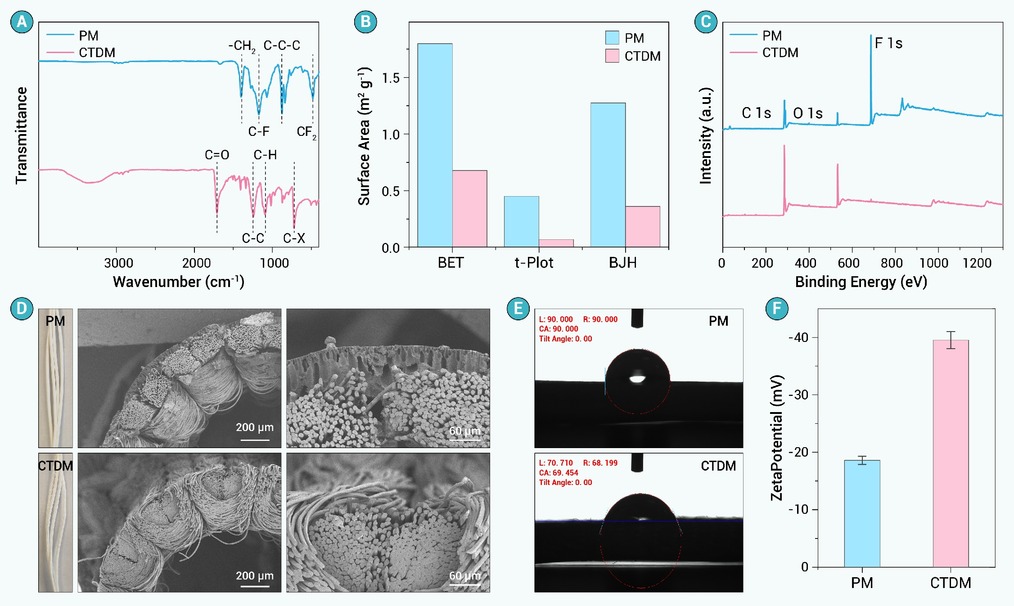
Figure 1.
Physicochemical properties of PM and CTDM
-
Figure 2.
Variations in TMP and turbidity of PM and CTDM
-
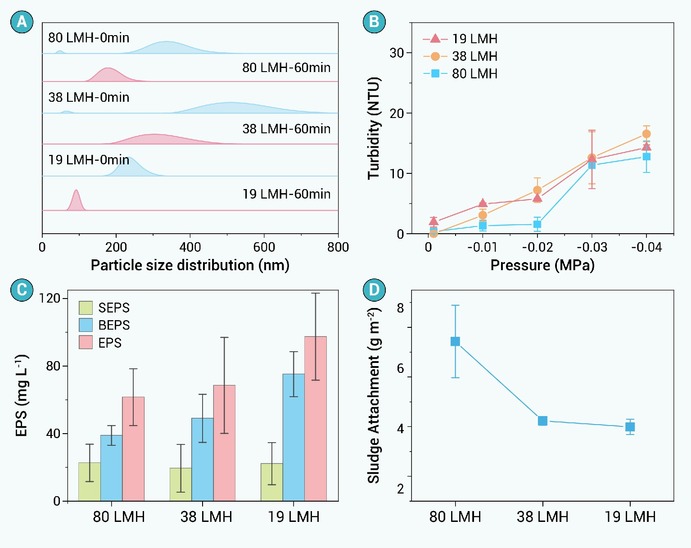
Figure 3.
Pollutant rejection and sludge attachment of CTDM
-
Figure 4.
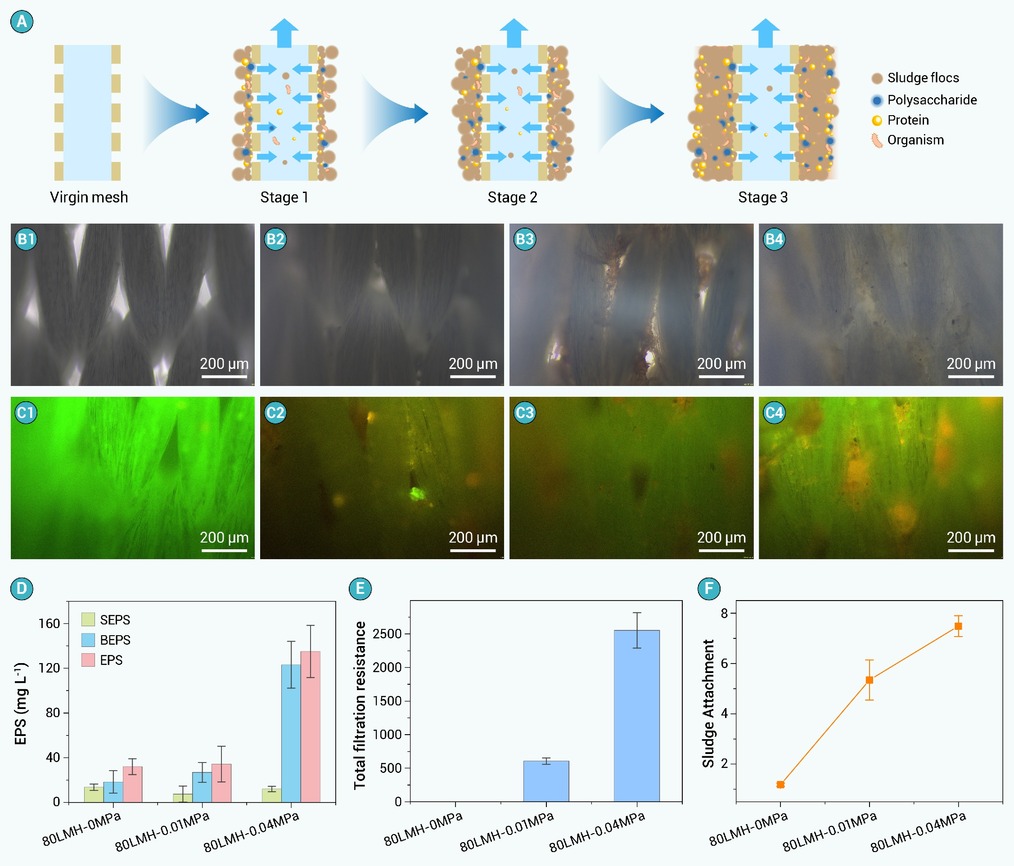
Formation process and mechanism of CTDM
-
Figure 5.
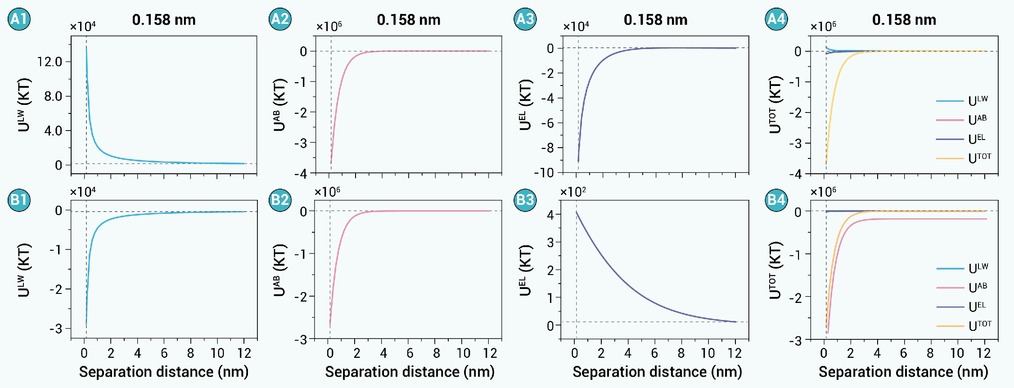
Interaction energy analysis based on XDLVO theory
-
Figure 6.
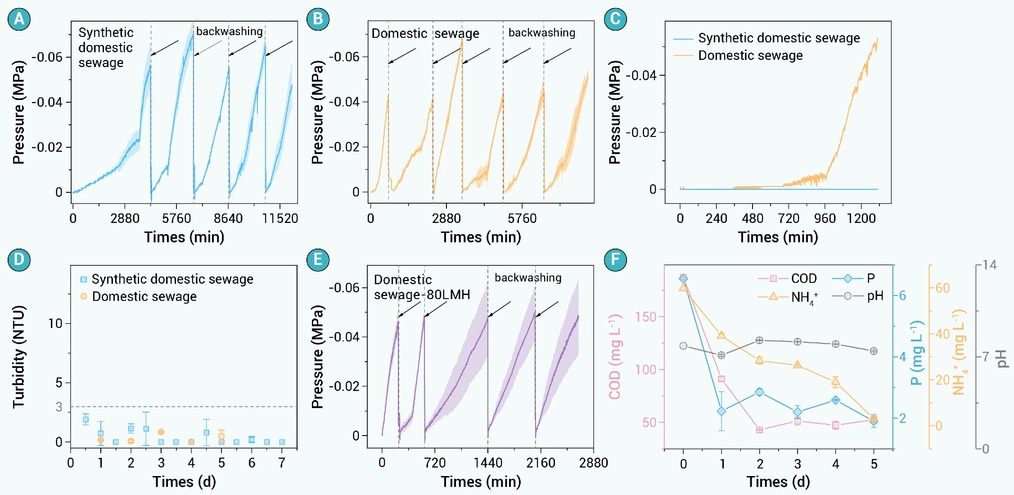
Operation performance of the medium-scale CTDM
-
Figure 7.
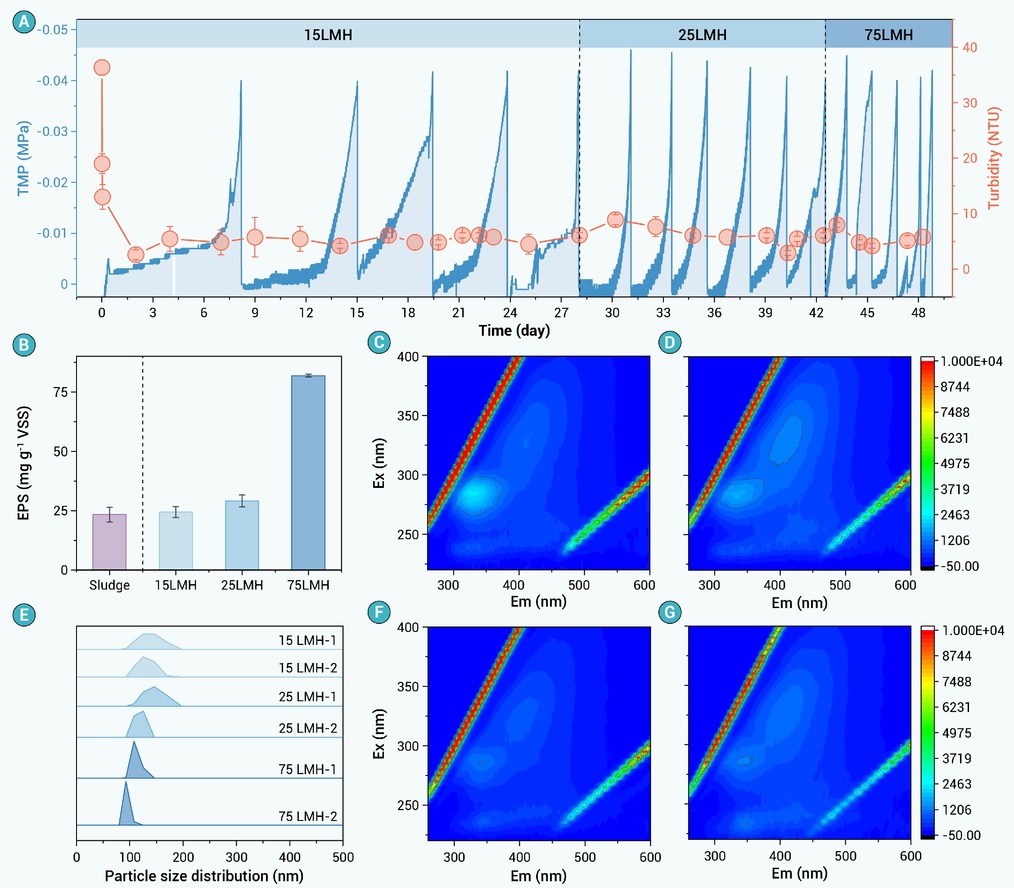
Operation performance of the large-scale CTDM
-
Figure 8.
Techno-economic comparison between CTDM and PM
