
Cancer immunotherapy: Current progress and future perspectives
-
GRAPHICAL ABSTRACT
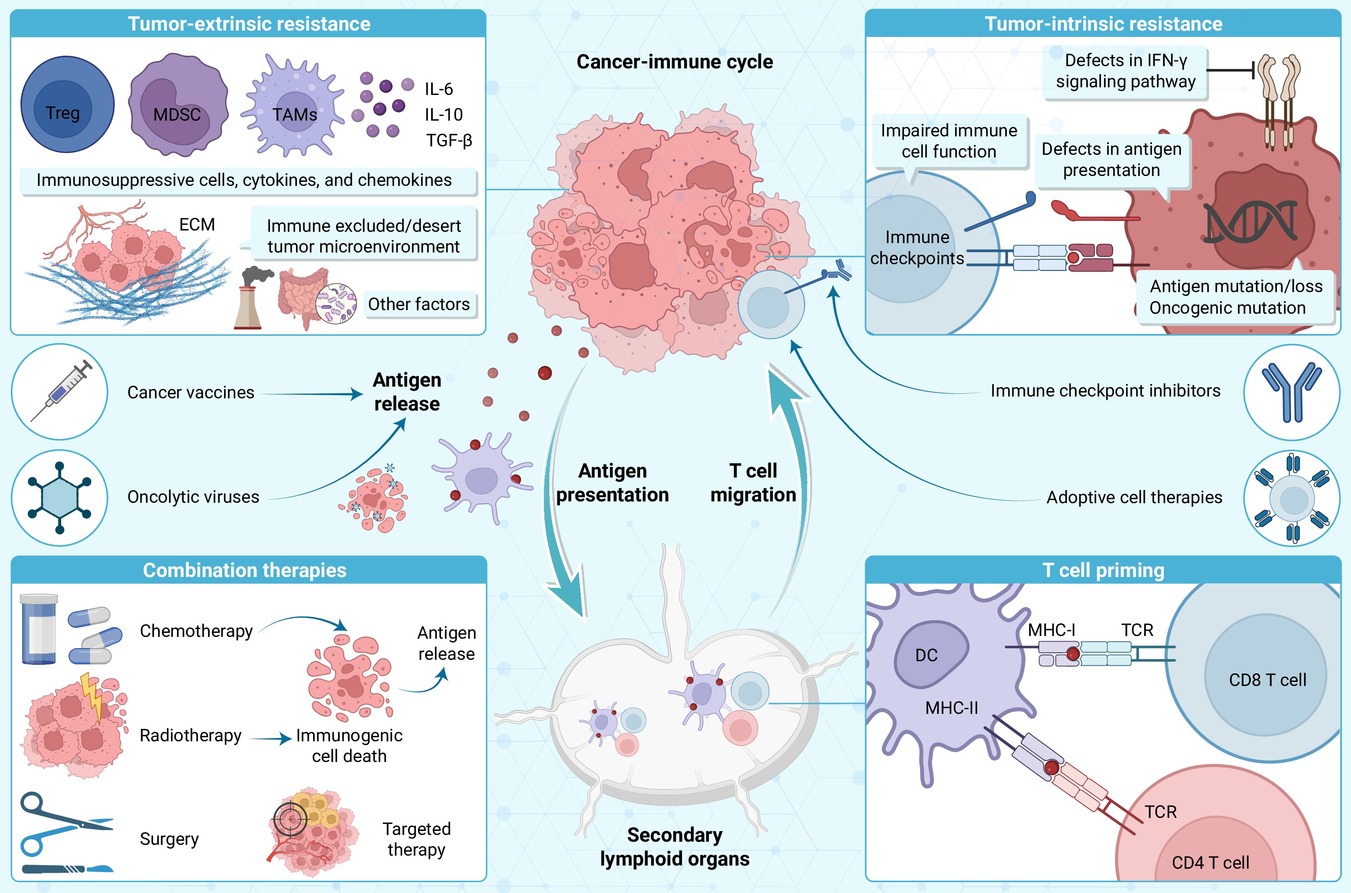
 DownLoad:
Full size image
DownLoad:
Full size image
-
PUBLIC SUMMARY
-
Cancer immunotherapies exert their effects by targeting different steps of the cancer-immune cycle.
Significant progress was achieved in immune checkpoint inhibitors, cancer vaccines, oncolytic viruses, and adoptive cell therapies.
Tumor extrinsic/intrinsic mechanisms hinder antitumor immunity and promote immune evasion and therapeutic resistance.
Rational combination strategies may enhance immune responses, overcome resistance, and improve therapeutic efficacy.
-
-
ABSTRACT
Cancer immunotherapy has revolutionized cancer treatment by harnessing the host immune system to recognize and eliminate tumor cells. In recent years, significant progress has been achieved in multiple immunotherapeutic modalities, particularly immune checkpoint inhibitors (ICIs), cancer vaccines, oncolytic virus therapies (OVs), and adoptive cell therapies (ACTs). Extensive clinical trial data proved that immunotherapy brings durable responses and survival benefits across various malignancies, supporting the official approval of numerous immunotherapy agents for cancer treatment. Despite these advances, major challenges remain, including immune-related toxicities, tumor heterogeneity, and treatment resistance, which restrict the therapeutic efficacy and tolerability. To address these limitations, emerging strategies are being actively explored, including rational combination therapies, next-generation immune cell engagers, and engineered innate immune cellular products. In this review, we comprehensively summarize recent progress in the development of cancer immunotherapy and discuss the bottlenecks and potential strategies for each therapeutic approach. Available clinical data are highlighted to provide a more intuitive understanding of the efficacy and safety of these treatments, thereby facilitating future broader application of immunotherapy. Ultimately, such insights may guide the more effective and safer use of current therapies and support the development of next-generation therapeutic alternatives. -

-
REFERENCES
[1] Zhang M., Liu C., Tu J., et al. (2025). Advances in cancer immunotherapy: historical perspectives, current developments, and future directions. Mol Cancer 24:136. DOI:10.1186/s12943-025-02305-x [2] Stanley J. O. and Mohamed S. A. (2017). Cancer immunotherapy: a brief review of the history, possibilities, and challenges ahead. J Cancer Metastasis Treat 3:250-261. DOI: 10.20517/2394-4722.2017.41 [3] Coley W. B. (1991). The treatment of malignant tumors by repeated inoculations of erysipelas. With a report of ten original cases. 1893. Clinical orthopaedics and related research:3-11 [4] Morales A., Eidinger D. and Bruce A. W. (1976). Intracavitary Bacillus Calmette-Guerin in the treatment of superficial bladder tumors. The Journal of urology 116:180−183. DOI:10.1016/s0022-5347(17)58737-6 [5] Dobosz P. and Dzieciątkowski T. (2019). The Intriguing History of Cancer Immunotherapy. Front Immunol 10:2965. DOI:10.3389/fimmu.2019.02965 [6] Kantoff P. W., Higano C. S., Shore N. D., et al. (2010). Sipuleucel-T immunotherapy for castration-resistant prostate cancer. N Engl J Med 363:411−422. DOI:10.1056/NEJMoa1001294 [7] Drolet M., Bénard É., Pérez N., et al. (2019). Population-level impact and herd effects following the introduction of human papillomavirus vaccination programmes: updated systematic review and meta-analysis. Lancet 394:497−509. DOI:10.1016/s0140-6736(19)30298-3 [8] Pol S. (2015). Hepatitis: HBV vaccine--the first vaccine to prevent cancer. Nature reviews. Gastroenterology & hepatology 12:190-191. DOI:10.1038/nrgastro.2015.28. [9] Andtbacka R. H., Kaufman H. L., Collichio F., et al. (2015). Talimogene Laherparepvec Improves Durable Response Rate in Patients With Advanced Melanoma. J Clin Oncol 33:2780−2788. DOI:10.1200/jco.2014.58.3377 [10] Brudno J. N., Maus M. V. and Hinrichs C. S. (2024). CAR T Cells and T-Cell Therapies for Cancer: A Translational Science Review. Jama 332:1924−1935. DOI:10.1001/jama.2024.19462 [11] Bouchkouj N., Przepiorka D. and Fashoyin-Aje L. A. (2025). Obecabtagene Autoleucel for B-Cell Acute Lymphoblastic Leukemia. Jama 333:1354−1355. DOI:10.1001/jama.2024.28312 [12] Peng L., Sferruzza G., Yang L., et al. (2024). CAR-T and CAR-NK as cellular cancer immunotherapy for solid tumors. Cell Mol Immunol 21:1089−1108. DOI:10.1038/s41423-024-01207-0 [13] Tarannum M., Ding X., Barisa M., et al. (2025). Engineering innate immune cells for cancer immunotherapy. Nat Biotechnol 43:516−533. DOI:10.1038/s41587-025-02629-5 [14] Pang Z., Lu M. M., Zhang Y., et al. (2023). Neoantigen-targeted TCR-engineered T cell immunotherapy: current advances and challenges. Biomark Res 11:104. DOI:10.1186/s40364-023-00534-0 [15] Chen D. S. and Mellman I. (2017). Elements of cancer immunity and the cancer-immune set point. Nature 541:321−330. DOI:10.1038/nature21349 [16] Cottrell T. R., Lotze M. T., Ali A., et al. (2025). Society for Immunotherapy of Cancer (SITC) consensus statement on essential biomarkers for immunotherapy clinical protocols. J Immunother Cancer 13. DOI:10.1136/jitc-2024-010928 [17] Marabelle A., Fakih M., Lopez J., et al. (2020). Association of tumour mutational burden with outcomes in patients with advanced solid tumours treated with pembrolizumab: prospective biomarker analysis of the multicohort, open-label, phase 2 KEYNOTE-158 study. The Lancet. Oncology 21:1353−1365. DOI:10.1016/s1470-2045(20)30445-9 [18] Benguigui M., Cooper T. J., Kalkar P., et al. (2024). Interferon-stimulated neutrophils as a predictor of immunotherapy response. Cancer cell 42:253−265.e212. DOI:10.1016/j.ccell.2023.12.005 [19] Cui X., Gu X., Li D., et al. (2025). Tertiary lymphoid structures as a biomarker in immunotherapy and beyond: Advancing towards clinical application. Cancer letters 613:217491. DOI:10.1016/j.canlet.2025.217491 [20] Burnet F. M. (1970). The concept of immunological surveillance. Progress in experimental tumor research 13:1−27. DOI:10.1159/000386035 [21] Dunn G. P., Bruce A. T., Ikeda H., et al. (2002). Cancer immunoediting: from immunosurveillance to tumor escape. Nature immunology 3:991−998. DOI:10.1038/ni1102-991 [22] Schreiber R. D., Old L. J. and Smyth M. J. (2011). Cancer immunoediting: integrating immunity's roles in cancer suppression and promotion. Science (New York, N.Y.) 331:1565−1570. DOI:10.1126/science.1203486 [23] Murphy T. L. and Murphy K. M. (2022). Dendritic cells in cancer immunology. Cellular & molecular immunology 19:3−13. DOI:10.1038/s41423-021-00741-5 [24] Pu J., Liu T., Zhou Y., et al. (2025). T cells in cancer: mechanistic insights and therapeutic advances. Biomarker research 13:97. DOI:10.1186/s40364-025-00807-w [25] van Wandeloo I. M. B., Bol K., van Herpen C., et al. (2025). Cytotoxic CD4+ T cells in cancer: an emerging target for next-generation anticancer immunotherapy? J Immunother Cancer 13. DOI:10.1136/jitc-2025-013461 [26] Helmink B. A., Reddy S. M., Gao J., et al. (2020). B cells and tertiary lymphoid structures promote immunotherapy response. Nature 577:549−555. DOI:10.1038/s41586-019-1922-8 [27] Laumont C. M., Banville A. C., Gilardi M., et al. (2022). Tumour-infiltrating B cells: immunological mechanisms, clinical impact and therapeutic opportunities. Nat Rev Cancer 22:414−430. DOI:10.1038/s41568-022-00466-1 [28] Alsaafeen B. H., Ali B. R. and Elkord E. (2025). Resistance mechanisms to immune checkpoint inhibitors: updated insights. Mol cancer 24:20. DOI:10.1186/s12943-024-02212-7 [29] Kalbasi A. and Ribas A. (2020). Tumour-intrinsic resistance to immune checkpoint blockade. Nat Rev Immunol 20:25−39. DOI:10.1038/s41577-019-0218-4 [30] Zaretsky J. M., Garcia-Diaz A., Shin D. S., et al. (2016). Mutations Associated with Acquired Resistance to PD-1 Blockade in Melanoma. N Engl J Med 375:819−829. DOI:10.1056/NEJMoa1604958 [31] Tufail M., Jiang C.-H. and Li N. (2025). Immune evasion in cancer: mechanisms and cutting-edge therapeutic approaches. Signal Transduction and Targeted Therapy 10:227. DOI:10.1038/s41392-025-02280-1 [32] Yuan Z., Li Y., Zhang S., et al. (2023). Extracellular matrix remodeling in tumor progression and immune escape: from mechanisms to treatments. Molecular cancer 22:48. DOI:10.1186/s12943-023-01744-8 [33] Hiam-Galvez K. J., Allen B. M. and Spitzer M. H. (2021). Systemic immunity in cancer. Nature Reviews Cancer 21:345−359. DOI:10.1038/s41568-021-00347-z [34] Wu W. C., Sun H. W., Chen H. T., et al. (2014). Circulating hematopoietic stem and progenitor cells are myeloid-biased in cancer patients. Proceedings of the National Academy of Sciences of the United States of America 111:4221−4226. DOI:10.1073/pnas.1320753111 [35] Priem B., Willemsen L., Anbergen T., et al. (2026). Systemically inducing trained immunity overcomes solid tumors' immunosuppressive microenvironment. Science advances 12:eadu0292. DOI:10.1126/sciadv.adu0292 [36] Spitzer M. H., Carmi Y., Reticker-Flynn N. E., et al. (2017). Systemic Immunity Is Required for Effective Cancer Immunotherapy. Cell 168:487−502.e415. DOI:10.1016/j.cell.2016.12.022 [37] Yost K. E., Satpathy A. T., Wells D. K., et al. (2019). Clonal replacement of tumor-specific T cells following PD-1 blockade. Nature medicine 25:1251−1259. DOI:10.1038/s41591-019-0522-3 [38] Mathios D., Kim J. E., Mangraviti A., et al. (2016). Anti-PD-1 antitumor immunity is enhanced by local and abrogated by systemic chemotherapy in GBM. Science translational medicine 8:370ra180. DOI:10.1126/scitranslmed.aag2942 [39] Ma S., Ong L. T., Jiang Z., et al. (2025). Targeting P4HA1 promotes CD8(+) T cell progenitor expansion toward immune memory and systemic anti-tumor immunity. Cancer cell 43:213−231.e219. DOI:10.1016/j.ccell.2024.12.001 [40] Sharma P., Goswami S., Raychaudhuri D., et al. (2023). Immune checkpoint therapy-current perspectives and future directions. Cell 186:1652−1669. DOI:10.1016/j.cell.2023.03.006 [41] Dong H., Strome S. E., Salomao D. R., et al. (2002). Tumor-associated B7-H1 promotes T-cell apoptosis: a potential mechanism of immune evasion. Nature medicine 8:793−800. DOI:10.1038/nm730 [42] Yamaguchi H., Hsu J. M., Sun L., et al. (2024). Advances and prospects of biomarkers for immune checkpoint inhibitors. Cell reports. Medicine 5:101621. DOI:10.1016/j.xcrm.2024.101621 [43] Lee A. (2025). Cosibelimab: First Approval. Drugs 85:695−698. DOI:10.1007/s40265-025-02164-2 [44] Robert C., Long G. V., Brady B., et al. (2015). Nivolumab in previously untreated melanoma without BRAF mutation. N Engl J Med 372:320−330. DOI:10.1056/NEJMoa1412082 [45] Hamid O., Robert C., Daud A., et al. (2019). Five-year survival outcomes for patients with advanced melanoma treated with pembrolizumab in KEYNOTE-001. Annals of oncology : official journal of the European Society for Medical Oncology 30:582−588. DOI:10.1093/annonc/mdz011 [46] Long G. V., Carlino M. S., McNeil C., et al. (2024). Pembrolizumab versus ipilimumab for advanced melanoma: 10-year follow-up of the phase III KEYNOTE-006 study. Annals of oncology : official journal of the European Society for Medical Oncology 35:1191−1199. DOI:10.1016/j.annonc.2024.08.2330 [47] Wolchok J. D., Chiarion-Sileni V., Rutkowski P., et al. (2025). Final, 10-Year Outcomes with Nivolumab plus Ipilimumab in Advanced Melanoma. N Engl J Med 392:11−22. DOI:10.1056/NEJMoa2407417 [48] Reck M., Rodríguez-Abreu D., Robinson A. G., et al. (2021). Five-Year Outcomes With Pembrolizumab Versus Chemotherapy for Metastatic Non-Small-Cell Lung Cancer With PD-L1 Tumor Proportion Score ≥ 50. J Clin Oncol 39:2339−2349. DOI:10.1200/jco.21.00174 [49] de Castro G., Jr., Kudaba I., Wu Y. L., et al. (2023). Five-Year Outcomes With Pembrolizumab Versus Chemotherapy as First-Line Therapy in Patients With Non-Small-Cell Lung Cancer and Programmed Death Ligand-1 Tumor Proportion Score ≥ 1% in the KEYNOTE-042 Study. J Clin Oncol 41:1986−1991. DOI:10.1200/jco.21.02885 [50] Herbst R. S., Baas P., Kim D. W., et al. (2016). Pembrolizumab versus docetaxel for previously treated, PD-L1-positive, advanced non-small-cell lung cancer (KEYNOTE-010): a randomised controlled trial. Lancet 387:1540−1550. DOI:10.1016/s0140-6736(15)01281-7 [51] Borghaei H., Gettinger S., Vokes E. E., et al. (2021). Five-Year Outcomes From the Randomized, Phase III Trials CheckMate 017 and 057: Nivolumab Versus Docetaxel in Previously Treated Non-Small-Cell Lung Cancer. J Clin Oncol 39:723−733. DOI:10.1200/jco.20.01605 [52] Lemery S., Keegan P. and Pazdur R. (2017). First FDA Approval Agnostic of Cancer Site - When a Biomarker Defines the Indication. N Engl J Med 377:1409−1412. DOI:10.1056/NEJMp1709968 [53] Le D. T., Uram J. N., Wang H., et al. (2015). PD-1 Blockade in Tumors with Mismatch-Repair Deficiency. N Engl J Med 372:2509−2520. DOI:10.1056/NEJMoa1500596 [54] Le D. T., Kim T. W., Van Cutsem E., et al. (2020). Phase II Open-Label Study of Pembrolizumab in Treatment-Refractory, Microsatellite Instability-High/Mismatch Repair-Deficient Metastatic Colorectal Cancer: KEYNOTE-164. J Clin Oncol 38:11−19. DOI:10.1200/jco.19.02107 [55] Marabelle A., Le D. T., Ascierto P. A., et al. (2020). Efficacy of Pembrolizumab in Patients With Noncolorectal High Microsatellite Instability/Mismatch Repair-Deficient Cancer: Results From the Phase II KEYNOTE-158 Study. J Clin Oncol 38:1−10. DOI:10.1200/jco.19.02105 [56] Cercek A., Foote M. B., Rousseau B., et al. (2025). Nonoperative Management of Mismatch Repair-Deficient Tumors. N Engl J Med 392:2297−2308. DOI:10.1056/NEJMoa2404512 [57] Rischin D., Porceddu S., Day F., et al. (2025). Adjuvant Cemiplimab or Placebo in High-Risk Cutaneous Squamous-Cell Carcinoma. N Engl J Med 393:774−785. DOI:10.1056/NEJMoa2502449 [58] Lewis K. D., Peris K., Sekulic A., et al. (2024). Final analysis of phase II results with cemiplimab in metastatic basal cell carcinoma after hedgehog pathway inhibitors. Annals of oncology : official journal of the European Society for Medical Oncology 35:221−228. DOI:10.1016/j.annonc.2023.10.123 [59] Kilickap S., Baramidze A., Sezer A., et al. (2025). Cemiplimab Monotherapy for First-Line Treatment of Patients with Advanced NSCLC With PD-L1 Expression of 50% or Higher: Five-Year Outcomes of EMPOWER-Lung 1. Journal of thoracic oncology : official publication of the International Association for the Study of Lung Cancer 20:941−954. DOI:10.1016/j.jtho.2025.03.033 [60] Tewari K. S., Monk B. J., Vergote I., et al. (2022). Survival with Cemiplimab in Recurrent Cervical Cancer. N Engl J Med 386:544−555. DOI:10.1056/NEJMoa2112187 [61] Novello S., Kowalski D. M., Luft A., et al. (2023). Pembrolizumab Plus Chemotherapy in Squamous Non-Small-Cell Lung Cancer: 5-Year Update of the Phase III KEYNOTE-407 Study. J Clin Oncol 41:1999−2006. DOI:10.1200/jco.22.01990 [62] Garassino M. C., Gadgeel S., Speranza G., et al. (2023). Pembrolizumab Plus Pemetrexed and Platinum in Nonsquamous Non-Small-Cell Lung Cancer: 5-Year Outcomes From the Phase 3 KEYNOTE-189 Study. J Clin Oncol 41:1992−1998. DOI:10.1200/jco.22.01989 [63] Gadgeel S. M., Rodríguez-Abreu D., Halmos B., et al. (2024). Pembrolizumab Plus Chemotherapy for Metastatic NSCLC With Programmed Cell Death Ligand 1 Tumor Proportion Score Less Than 1%: Pooled Analysis of Outcomes After Five Years of Follow-Up. Journal of thoracic oncology : official publication of the International Association for the Study of Lung Cancer 19:1228−1241. DOI:10.1016/j.jtho.2024.04.011 [64] Ascierto P. A., Del Vecchio M., Mandalá M., et al. (2020). Adjuvant nivolumab versus ipilimumab in resected stage IIIB-C and stage IV melanoma (CheckMate 238): 4-year results from a multicentre, double-blind, randomised, controlled, phase 3 trial. The Lancet. Oncology 21:1465−1477. DOI:10.1016/s1470-2045(20)30494-0 [65] Wakelee H., Liberman M., Kato T., et al. (2023). Perioperative Pembrolizumab for Early-Stage Non-Small-Cell Lung Cancer. N Engl J Med 389:491−503. DOI:10.1056/NEJMoa2302983 [66] Herbst R. S., Giaccone G., de Marinis F., et al. (2020). Atezolizumab for First-Line Treatment of PD-L1-Selected Patients with NSCLC. N Engl J Med 383:1328−1339. DOI:10.1056/NEJMoa1917346 [67] Powles T., Park S. H., Caserta C., et al. (2023). Avelumab First-Line Maintenance for Advanced Urothelial Carcinoma: Results From the JAVELIN Bladder 100 Trial After ≥2 Years of Follow-Up. J Clin Oncol 41:3486−3492. DOI:10.1200/jco.22.01792 [68] D'Angelo S. P., Russell J., Lebbé C., et al. (2018). Efficacy and Safety of First-line Avelumab Treatment in Patients With Stage IV Metastatic Merkel Cell Carcinoma: A Preplanned Interim Analysis of a Clinical Trial. JAMA Oncol 4:e180077. DOI:10.1001/jamaoncol.2018.0077 [69] Ruiz E. S., Muñoz-Couselo E., Montaudié H., et al. (2026). Efficacy and safety of cosibelimab in advanced cutaneous squamous cell carcinoma: Results from a Pivotal Open-label Study with a median follow-up of ≥2 years. Journal of the American Academy of Dermatology 94:48−56. DOI:10.1016/j.jaad.2025.09.009 [70] Finn R. S., Qin S., Ikeda M., et al. (2020). Atezolizumab plus Bevacizumab in Unresectable Hepatocellular Carcinoma. N Engl J Med 382:1894−1905. DOI:10.1056/NEJMoa1915745 [71] Ascierto P. A., Stroyakovskiy D., Gogas H., et al. (2023). Overall survival with first-line atezolizumab in combination with vemurafenib and cobimetinib in BRAF(V600) mutation-positive advanced melanoma (IMspire150): second interim analysis of a multicentre, randomised, phase 3 study. The Lancet. Oncology 24:33−44. DOI:10.1016/s1470-2045(22)00687-8 [72] Gutzmer R., Stroyakovskiy D., Gogas H., et al. (2020). Atezolizumab, vemurafenib, and cobimetinib as first-line treatment for unresectable advanced BRAF(V600) mutation-positive melanoma (IMspire150): primary analysis of the randomised, double-blind, placebo-controlled, phase 3 trial. Lancet 395:1835−1844. DOI:10.1016/s0140-6736(20)30934-x [73] Park S., Kim T. M., Han J. Y., et al. (2024). Phase III, Randomized Study of Atezolizumab Plus Bevacizumab and Chemotherapy in Patients With EGFR- or ALK-Mutated Non-Small-Cell Lung Cancer (ATTLAS, KCSG-LU19-04). J Clin Oncol 42:1241−1251. DOI:10.1200/jco.23.01891 [74] Oaknin A., Gladieff L., Martínez-García J., et al. (2024). Atezolizumab plus bevacizumab and chemotherapy for metastatic, persistent, or recurrent cervical cancer (BEATcc): a randomised, open-label, phase 3 trial. Lancet 403:31−43. DOI:10.1016/s0140-6736(23)02405-4 [75] Colombo N., Biagioli E., Harano K., et al. (2024). Atezolizumab and chemotherapy for advanced or recurrent endometrial cancer (AtTEnd): a randomised, double-blind, placebo-controlled, phase 3 trial. The Lancet. Oncology 25:1135−1146. DOI:10.1016/s1470-2045(24)00334-6 [76] Mittendorf E. A., Zhang H., Barrios C. H., et al. (2020). Neoadjuvant atezolizumab in combination with sequential nab-paclitaxel and anthracycline-based chemotherapy versus placebo and chemotherapy in patients with early-stage triple-negative breast cancer (IMpassion031): a randomised, double-blind, phase 3 trial. Lancet 396:1090−1100. DOI:10.1016/s0140-6736(20)31953-x [77] Pal S. K., Albiges L., Tomczak P., et al. (2023). Atezolizumab plus cabozantinib versus cabozantinib monotherapy for patients with renal cell carcinoma after progression with previous immune checkpoint inhibitor treatment (CONTACT-03): a multicentre, randomised, open-label, phase 3 trial. Lancet 402:185−195. DOI:10.1016/s0140-6736(23)00922-4 [78] Topalian S. L., Drake C. G. and Pardoll D. M. (2015). Immune checkpoint blockade: a common denominator approach to cancer therapy. Cancer cell 27:450−461. DOI:10.1016/j.ccell.2015.03.001 [79] Rowshanravan B., Halliday N. and Sansom D. M. (2018). CTLA-4: a moving target in immunotherapy. Blood 131:58−67. DOI:10.1182/blood-2017-06-741033 [80] Krummel M. F. and Allison J. P. (1995). CD28 and CTLA-4 have opposing effects on the response of T cells to stimulation. The Journal of experimental medicine 182:459−465. DOI:10.1084/jem.182.2.459 [81] Boutros C., Tarhini A., Routier E., et al. (2016). Safety profiles of anti-CTLA-4 and anti-PD-1 antibodies alone and in combination. Nature reviews. Clinical oncology 13:473−486. DOI:10.1038/nrclinonc.2016.58 [82] Tivol E. A., Borriello F., Schweitzer A. N., et al. (1995). Loss of CTLA-4 leads to massive lymphoproliferation and fatal multiorgan tissue destruction, revealing a critical negative regulatory role of CTLA-4. Immunity 3:541−547. DOI:10.1016/1074-7613(95)90125-6 [83] Schadendorf D., Hodi F. S., Robert C., et al. (2015). Pooled Analysis of Long-Term Survival Data From Phase II and Phase III Trials of Ipilimumab in Unresectable or Metastatic Melanoma. J Clin Oncol 33:1889−1894. DOI:10.1200/jco.2014.56.2736 [84] Zhang Y., Du X., Liu M., et al. (2019). Hijacking antibody-induced CTLA-4 lysosomal degradation for safer and more effective cancer immunotherapy. Cell research 29:609−627. DOI:10.1038/s41422-019-0184-1 [85] Cho B. C., Balaraman R., Chen H. J., et al. (2026). Gotistobart or docetaxel in metastatic squamous non-small cell lung cancer: stage 1 of the randomized phase 3 PRESERVE-003 trial. Nature medicine. DOI:10.1038/s41591-026-04323-8 [86] Wilky B. A., Schwartz G. K., Gordon M. S., et al. (2025). Botensilimab (Fc-enhanced anti-cytotoxic lymphocyte-association protein-4 antibody) Plus Balstilimab (anti-PD-1 antibody) in Patients With Relapsed/Refractory Metastatic Sarcomas. J Clin Oncol 43:1358−1368. DOI:10.1200/jco-24-02524 [87] Bullock A. J., Schlechter B. L., Fakih M. G., et al. (2024). Botensilimab plus balstilimab in relapsed/refractory microsatellite stable metastatic colorectal cancer: a phase 1 trial. Nature medicine 30:2558−2567. DOI:10.1038/s41591-024-03083-7 [88] Wei S. C., Levine J. H., Cogdill A. P., et al. (2017). Distinct Cellular Mechanisms Underlie Anti-CTLA-4 and Anti-PD-1 Checkpoint Blockade. Cell 170:1120−1133.e1117. DOI:10.1016/j.cell.2017.07.024 [89] Wang K., Coutifaris P., Brocks D., et al. (2024). Combination anti-PD-1 and anti-CTLA-4 therapy generates waves of clonal responses that include progenitor-exhausted CD8(+) T cells. Cancer cell 42:1582−1597.e1510. DOI:10.1016/j.ccell.2024.08.007 [90] Brahmer J. R., Lee J. S., Ciuleanu T. E., et al. (2023). Five-Year Survival Outcomes With Nivolumab Plus Ipilimumab Versus Chemotherapy as First-Line Treatment for Metastatic Non-Small-Cell Lung Cancer in CheckMate 227. J Clin Oncol 41:1200−1212. DOI:10.1200/jco.22.01503 [91] Di Federico A., Stumpo S., Mantuano F., et al. (2025). Long-term overall survival with dual CTLA-4 and PD-L1 or PD-1 blockade and biomarker-based subgroup analyses in patients with advanced non-small-cell lung cancer: a systematic review and reconstructed individual patient data meta-analysis. The Lancet. Oncology 26:1443−1453. DOI:10.1016/s1470-2045(25)00429-2 [92] Wolchok J. D., Chiarion-Sileni V., Gonzalez R., et al. (2022). Long-Term Outcomes With Nivolumab Plus Ipilimumab or Nivolumab Alone Versus Ipilimumab in Patients With Advanced Melanoma. J Clin Oncol 40:127−137. DOI:10.1200/jco.21.02229 [93] Ramos-Casals M. and Sisó-Almirall A. (2024). Immune-Related Adverse Events of Immune Checkpoint Inhibitors. Annals of internal medicine 177:Itc17−itc32. DOI:10.7326/aitc202402200 [94] Sangro B., Chan S. L., Kelley R. K., et al. (2024). Four-year overall survival update from the phase III HIMALAYA study of tremelimumab plus durvalumab in unresectable hepatocellular carcinoma. Annals of oncology : official journal of the European Society for Medical Oncology 35:448−457. DOI:10.1016/j.annonc.2024.02.005 [95] Keam S. J. (2023). Tremelimumab: First Approval. Drugs 83:93−102. DOI:10.1007/s40265-022-01827-8 [96] Peters S., Cho B. C., Luft A. V., et al. (2025). Durvalumab With or Without Tremelimumab in Combination With Chemotherapy in First-Line Metastatic NSCLC: Five-Year Overall Survival Outcomes From the Phase 3 POSEIDON Trial. Journal of thoracic oncology : official publication of the International Association for the Study of Lung Cancer 20:76−93. DOI:10.1016/j.jtho.2024.09.1381 [97] Wang J., Klein C., Cochran J. R., et al. (2025). Exploring new frontiers in LAG-3 biology and therapeutics. Trends in pharmacological sciences 46:638−652. DOI:10.1016/j.tips.2025.05.008 [98] Du J., Chen H., You J., et al. (2025). Proximity between LAG-3 and the T cell receptor guides suppression of T cell activation and autoimmunity. Cell 188:4025−4042.e4020. DOI:10.1016/j.cell.2025.06.004 [99] Kraehenbuehl L., Weng C. H., Eghbali S., et al. (2022). Enhancing immunotherapy in cancer by targeting emerging immunomodulatory pathways. Nature reviews. Clinical oncology 19:37−50. DOI:10.1038/s41571-021-00552-7 [100] Andrews L. P., Butler S. C., Cui J., et al. (2024). LAG-3 and PD-1 synergize on CD8(+) T cells to drive T cell exhaustion and hinder autocrine IFN-γ-dependent anti-tumor immunity. Cell 187:4355−4372.e4322. DOI:10.1016/j.cell.2024.07.016 [101] Cillo A. R., Cardello C., Shan F., et al. (2024). Blockade of LAG-3 and PD-1 leads to co-expression of cytotoxic and exhaustion gene modules in CD8(+) T cells to promote antitumor immunity. Cell 187:4373−4388.e4315. DOI:10.1016/j.cell.2024.06.036 [102] Tawbi H. A., Schadendorf D., Lipson E. J., et al. (2022). Relatlimab and Nivolumab versus Nivolumab in Untreated Advanced Melanoma. N Engl J Med 386:24−34. DOI:10.1056/NEJMoa2109970 [103] Long G. V., Lipson E. J., Hodi F. S., et al. (2024). First-Line Nivolumab Plus Relatlimab Versus Nivolumab Plus Ipilimumab in Advanced Melanoma: An Indirect Treatment Comparison Using RELATIVITY-047 and CheckMate 067 Trial Data. J Clin Oncol 42:3926−3934. DOI:10.1200/jco.24.01125 [104] Long G. V., Garnett-Benson C., Dolfi S., et al. (2025). Adjuvant nivolumab and relatlimab in stage III/IV melanoma: the randomized phase 3 RELATIVITY-098 trial. Nature medicine 31:4301−4309. DOI:10.1038/s41591-025-04032-8 [105] Cai L., Li Y., Tan J., et al. (2023). Targeting LAG-3, TIM-3, and TIGIT for cancer immunotherapy. Journal of hematology & oncology 16:101. DOI:10.1186/s13045-023-01499-1 [106] Pham T. T. D., Choi S. Y., Koh J. S., et al. (2025). Elevated TIM3 expression on bone marrow T cells drives immune dysfunction in early relapsed blood cancer after allogeneic hematopoietic stem cell transplantation. Experimental hematology & oncology 14:107. DOI:10.1186/s40164-025-00697-6 [107] Yang R., Sun L., Li C. F., et al. (2021). Galectin-9 interacts with PD-1 and TIM-3 to regulate T cell death and is a target for cancer immunotherapy. Nat Commun 12:832. DOI:10.1038/s41467-021-21099-2 [108] Chen C., Zhao F., Peng J., et al. (2024). Soluble Tim-3 serves as a tumor prognostic marker and therapeutic target for CD8(+) T cell exhaustion and anti-PD-1 resistance. Cell reports. Medicine 5:101686. DOI:10.1016/j.xcrm.2024.101686 [109] Curigliano G., Gelderblom H., Mach N., et al. (2021). Phase I/Ib Clinical Trial of Sabatolimab, an Anti-TIM-3 Antibody, Alone and in Combination with Spartalizumab, an Anti-PD-1 Antibody, in Advanced Solid Tumors. Clin Cancer Res 27:3620−3629. DOI:10.1158/1078-0432.Ccr-20-4746 [110] Davar D., Eroglu Z., Milhem M., et al. (2025). Combined Targeting of PD-1 and TIM-3 in Patients with Locally Advanced or Metastatic Non-Small Cell Lung Cancer: AMBER Part 2B. Clin Cancer Res 31:3443−3451. DOI:10.1158/1078-0432.Ccr-25-0806 [111] Abigail Beaney. (2024). Novartis discontinues blood cancer candidate after Phase III flunk: The sabatolimab trial failed to meet its primary endpoint with Novartis saying the termination allows prioritisation of key programmes. https://www.clinicaltrialsarena.com/news/sabotolimab-blood-cancer-pivotal-flop/?cf-view [112] Chu X., Tian W., Wang Z., et al. (2023). Co-inhibition of TIGIT and PD-1/PD-L1 in Cancer Immunotherapy: Mechanisms and Clinical Trials. Molecular cancer 22:93. DOI:10.1186/s12943-023-01800-3 [113] Chauvin J. M., Pagliano O., Fourcade J., et al. (2015). TIGIT and PD-1 impair tumor antigen-specific CD8+ T cells in melanoma patients. The Journal of clinical investigation 125:2046−2058. DOI:10.1172/jci80445 [114] Niu J., Maurice-Dror C., Lee D. H., et al. (2022). First-in-human phase 1 study of the anti-TIGIT antibody vibostolimab as monotherapy or with pembrolizumab for advanced solid tumors, including non-small-cell lung cancer(☆). Annals of oncology : official journal of the European Society for Medical Oncology 33:169−180. DOI:10.1016/j.annonc.2021.11.002 [115] Cho B. C., Abreu D. R., Hussein M., et al. (2022). Tiragolumab plus atezolizumab versus placebo plus atezolizumab as a first-line treatment for PD-L1-selected non-small-cell lung cancer (CITYSCAPE): primary and follow-up analyses of a randomised, double-blind, phase 2 study. The Lancet. Oncology 23:781−792. DOI:10.1016/s1470-2045(22)00226-1 [116] Finn R. S., Ryoo B. Y., Hsu C. H., et al. (2025). Tiragolumab in combination with atezolizumab and bevacizumab in patients with unresectable, locally advanced or metastatic hepatocellular carcinoma (MORPHEUS-Liver): a randomised, open-label, phase 1b-2, study. The Lancet. Oncology 26:214−226. DOI:10.1016/s1470-2045(24)00679-x [117] Peters S., Herbst R., Horinouchi H., et al. (2025). Abstract CT051: SKYSCRAPER-01: A phase III, randomized trial of tiragolumab (tira) + atezolizumab (atezo) versus placebo (pbo) + atezo in patients (pts) with previously-untreated PD-L1-high, locally advanced unresectable/metastatic NSCLC. Cancer Research 85:CT051−CT051. DOI:10.1158/1538-7445.AM2025-CT051 %J Cancer Research. DOI:10.1158/1538-7445.AM2025-CT051%JCancerResearch [118] Sun J. M., Chao Y., Kim S. B., et al. (2026). First-line tiragolumab plus atezolizumab and chemotherapy in patients with previously untreated, locally advanced unresectable or metastatic oesophageal cancer (MORPHEUS-EC): a randomised, open-label, phase 1b/2 trial. The Lancet. Oncology 27:90−102. DOI:10.1016/s1470-2045(25)00402-4 [119] Janjigian Y. Y., Oh D. Y., Pelster M., et al. (2025). Domvanalimab and zimberelimab in advanced gastric, gastroesophageal junction or esophageal cancer: a phase 2 trial. Nature medicine 31:4274−4280. DOI:10.1038/s41591-025-04022-w [120] Li B., Zhong M. C., Galindo C. C., et al. (2026). SLAMF6 as a drug-targetable suppressor of T cell immunity against cancer. Nature 652:722–730. DOI:10.1038/s41586-026-10106-5 [121] Haslam A., Olivier T. and Prasad V. (2025). How many people in the US are eligible for and respond to checkpoint inhibitors: An empirical analysis. International journal of cancer 156:2352−2359. DOI:10.1002/ijc.35347 [122] Verdys P., Johansen A. Z., Gupta A., et al. (2025). Acquired resistance to immunotherapy in solid tumors. Trends in molecular medicine 31:1008−1020. DOI:10.1016/j.molmed.2025.03.010 [123] Sharma P., Hu-Lieskovan S., Wargo J. A., et al. (2017). Primary, Adaptive, and Acquired Resistance to Cancer Immunotherapy. Cell 168:707−723. DOI:10.1016/j.cell.2017.01.017 [124] Keenan B. P., Yadav M., Ansstas G., et al. (2026). Intratumoral heterogeneity and immunotherapy resistance: clinical implications. Annals of oncology : official journal of the European Society for Medical Oncology 37:314−328. DOI:10.1016/j.annonc.2025.10.1239 [125] Teixidó Mulet M., Veas Rodriguez J., Terán E., et al. (2026). Biomarker-guided immunotherapy in gastric cancer: current insights and future perspectives. Cancer treatment reviews 145:103124. DOI:10.1016/j.ctrv.2026.103124 [126] Goswami S., Chen Y., Anandhan S., et al. (2020). ARID1A mutation plus CXCL13 expression act as combinatorial biomarkers to predict responses to immune checkpoint therapy in mUCC. Science translational medicine 12:eabc4220. DOI:10.1126/scitranslmed.abc4220 [127] Galsky M. D., Saci A., Szabo P. M., et al. (2020). Nivolumab in Patients with Advanced Platinum-resistant Urothelial Carcinoma: Efficacy, Safety, and Biomarker Analyses with Extended Follow-up from CheckMate 275. Clin Cancer Res 26:5120−5128. DOI:10.1158/1078-0432.Ccr-19-4162 [128] Robert C., Lewis K. D., Gutzmer R., et al. (2022). Biomarkers of treatment benefit with atezolizumab plus vemurafenib plus cobimetinib in BRAF(V600) mutation-positive melanoma. Annals of oncology : official journal of the European Society for Medical Oncology 33:544−555. DOI:10.1016/j.annonc.2022.01.076 [129] Jiang Z., Zhang H., Gao Y., et al. (2025). Multi-omics strategies for biomarker discovery and application in personalized oncology. Molecular biomedicine 6:115. DOI:10.1186/s43556-025-00340-0 [130] Wan G., Chen W., Khattab S., et al. (2024). Multi-organ immune-related adverse events from immune checkpoint inhibitors and their downstream implications: a retrospective multicohort study. The Lancet. Oncology 25:1053−1069. DOI:10.1016/s1470-2045(24)00278-x [131] Wang S. J., Dougan S. K. and Dougan M. (2023). Immune mechanisms of toxicity from checkpoint inhibitors. Trends in cancer 9:543−553. DOI:10.1016/j.trecan.2023.04.002 [132] Sanborn R. E., Hamid O., de Vries E. G., et al. (2021). CX-072 (pacmilimab), a Probody PD-L1 inhibitor, in combination with ipilimumab in patients with advanced solid tumors (PROCLAIM-CX-072): a first-in-human, dose-finding study. J Immunother Cancer 9:e002446. DOI:10.1136/jitc-2021-002446 [133] Champiat S., Dercle L., Ammari S., et al. (2017). Hyperprogressive Disease Is a New Pattern of Progression in Cancer Patients Treated by Anti-PD-1/PD-L1. Clin Cancer Res 23:1920−1928. DOI:10.1158/1078-0432.Ccr-16-1741 [134] Li G., Choi J. E., Kryczek I., et al. (2023). Intersection of immune and oncometabolic pathways drives cancer hyperprogression during immunotherapy. Cancer cell 41:304−322.e307. DOI:10.1016/j.ccell.2022.12.008 [135] Soeung M., Yan X., Zanca C., et al. (2025). Nivolumab plus ipilimumab induce hyper-progression in renal medullary carcinoma: results of a phase II trial and preclinical evidence. Nat Commun 16:10474. DOI:10.1038/s41467-025-65462-z [136] Zhou Y., Wei Y., Tian X., et al. (2025). Cancer vaccines: current status and future directions. Journal of hematology & oncology 18:18. DOI:10.1186/s13045-025-01670-w [137] Pail O., Lin M. J., Anagnostou T., et al. (2025). Cancer vaccines and the future of immunotherapy. Lancet 406:189−202. DOI:10.1016/s0140-6736(25)00553-7 [138] Zaidi N., Jaffee E. M. and Yarchoan M. (2025). Recent advances in therapeutic cancer vaccines. Nat Rev Cancer 25:517−533. DOI:10.1038/s41568-025-00820-z [139] Cheng E. M., Tsarovsky N. W., Sondel P. M., et al. (2022). Interleukin-12 as an in situ cancer vaccine component: a review. Cancer Immunol Immunother 71:2057−2065. DOI:10.1007/s00262-022-03144-1 [140] Hillman G. G., Reich L. A., Rothstein S. E., et al. (2017). Radiotherapy and MVA-MUC1-IL-2 vaccine act synergistically for inducing specific immunity to MUC-1 tumor antigen. J Immunother Cancer 5:4. DOI:10.1186/s40425-016-0204-3 [141] Heumann T., Judkins C., Li K., et al. (2023). A platform trial of neoadjuvant and adjuvant antitumor vaccination alone or in combination with PD-1 antagonist and CD137 agonist antibodies in patients with resectable pancreatic adenocarcinoma. Nat Commun 14:3650. DOI:10.1038/s41467-023-39196-9 [142] Agarwal P., Guo M., Munjal K., et al. (2025). A Phase II Study of Neoadjuvant GVAX and Cyclophosphamide Combined with Nivolumab and SBRT Followed by Surgery in Borderline Resectable Pancreatic Adenocarcinoma. Clin Cancer Res 31:3205−3214. DOI:10.1158/1078-0432.Ccr-24-3403 [143] Novik A. V., Danilova A. B., Sluzhev M. I., et al. (2020). An Open-Label Study of the Safety and Efficacy of Tag-7 Gene-Modified Tumor Cells-Based Vaccine in Patients with Locally Advanced or Metastatic Malignant Melanoma or Renal Cell Cancer. Oncologist 25:e1303−e1317. DOI:10.1634/theoncologist.2020-0160 [144] Hotchkiss K. M., Batich K. A., Mohan A., et al. (2023). Dendritic cell vaccine trials in gliomas: Untangling the lines. Neuro Oncol 25:1752−1762. DOI:10.1093/neuonc/noad088 [145] Fröbom R., Berglund E., Berglund D., et al. (2020). Phase I trial evaluating safety and efficacy of intratumorally administered inflammatory allogeneic dendritic cells (ilixadencel) in advanced gastrointestinal stromal tumors. Cancer Immunol Immunother 69:2393−2401. DOI:10.1007/s00262-020-02625-5 [146] Rob L., Cibula D., Knapp P., et al. (2022). Safety and efficacy of dendritic cell-based immunotherapy DCVAC/OvCa added to first-line chemotherapy (carboplatin plus paclitaxel) for epithelial ovarian cancer: a phase 2, open-label, multicenter, randomized trial. J Immunother Cancer 10:e003190. DOI:10.1136/jitc-2021-003190 [147] Cibula D., Rob L., Mallmann P., et al. (2021). Dendritic cell-based immunotherapy (DCVAC/OvCa) combined with second-line chemotherapy in platinum-sensitive ovarian cancer (SOV02): A randomized, open-label, phase 2 trial. Gynecol Oncol 162:652−660. DOI:10.1016/j.ygyno.2021.07.003 [148] Carpenter E. L., Van Decar S., Adams A. M., et al. (2023). Prospective, randomized, double-blind phase 2B trial of the TLPO and TLPLDC vaccines to prevent recurrence of resected stage III/IV melanoma: a prespecified 36-month analysis. J Immunother Cancer 11:e006665. DOI:10.1136/jitc-2023-006665 [149] Bota D. A., Taylor T. H., Piccioni D. E., et al. (2022). Phase 2 study of AV-GBM-1 (a tumor-initiating cell targeted dendritic cell vaccine) in newly diagnosed Glioblastoma patients: safety and efficacy assessment. J Exp Clin Cancer Res 41:344. DOI:10.1186/s13046-022-02552-6 [150] Liau L. M., Ashkan K., Brem S., et al. (2023). Association of Autologous Tumor Lysate-Loaded Dendritic Cell Vaccination With Extension of Survival Among Patients With Newly Diagnosed and Recurrent Glioblastoma: A Phase 3 Prospective Externally Controlled Cohort Trial. JAMA Oncol 9:112−121. DOI:10.1001/jamaoncol.2022.5370 [151] Liau L. M., Ashkan K., Tran D. D., et al. (2018). First results on survival from a large Phase 3 clinical trial of an autologous dendritic cell vaccine in newly diagnosed glioblastoma. J Transl Med 16:142. DOI:10.1186/s12967-018-1507-6 [152] Spira A., Hansen A. R., Harb W. A., et al. (2021). Multicenter, Open-Label, Phase I Study of DSP-7888 Dosing Emulsion in Patients with Advanced Malignancies. Targeted oncology 16:461−469. DOI:10.1007/s11523-021-00813-6 [153] Patel S. P., Petroni G. R., Roszik J., et al. (2021). Phase I/II trial of a long peptide vaccine (LPV7) plus toll-like receptor (TLR) agonists with or without incomplete Freund's adjuvant (IFA) for resected high-risk melanoma. J Immunother Cancer 9:e003220. DOI:10.1136/jitc-2021-003220 [154] Speetjens F. M., Welters M. J. P., Slingerland M., et al. (2022). Intradermal vaccination of HPV-16 E6 synthetic peptides conjugated to an optimized Toll-like receptor 2 ligand shows safety and potent T cell immunogenicity in patients with HPV-16 positive (pre-)malignant lesions. J Immunother Cancer 10:e005016. DOI:10.1136/jitc-2022-005016 [155] Thompson E. M., Ashley D. M., Ayasoufi K., et al. (2025). A peptide vaccine targeting the CMV antigen pp65 in children and young adults with recurrent high-grade glioma and medulloblastoma: a phase 1 trial. Nature cancer 6:1559−1569. DOI:10.1038/s43018-025-00998-z [156] Noguchi M., Arai G., Egawa S., et al. (2020). Mixed 20-peptide cancer vaccine in combination with docetaxel and dexamethasone for castration-resistant prostate cancer: a randomized phase II trial. Cancer Immunol Immunother 69:847−857. DOI:10.1007/s00262-020-02498-8 [157] Engelhard V. H., Obeng R. C., Cummings K. L., et al. (2020). MHC-restricted phosphopeptide antigens: preclinical validation and first-in-humans clinical trial in participants with high-risk melanoma. J Immunother Cancer 8:e000262. DOI:10.1136/jitc-2019-000262. [158] Schoen R. E., Boardman L. A., Cruz-Correa M., et al. (2023). Randomized, Double-Blind, Placebo-Controlled Trial of MUC1 Peptide Vaccine for Prevention of Recurrent Colorectal Adenoma. Clin Cancer Res 29:1678−1688. DOI:10.1158/1078-0432.Ccr-22-3168 [159] Rini B. I., Stenzl A., Zdrojowy R., et al. (2016). IMA901, a multipeptide cancer vaccine, plus sunitinib versus sunitinib alone, as first-line therapy for advanced or metastatic renal cell carcinoma (IMPRINT): a multicentre, open-label, randomised, controlled, phase 3 trial. The Lancet. Oncology 17:1599−1611. DOI:10.1016/s1470-2045(16)30408-9 [160] Makino T., Miyata H., Yasuda T., et al. (2024). A phase 3, randomized, double-blind, multicenter, placebo-controlled study of S-588410, a five-peptide cancer vaccine as an adjuvant therapy after curative resection in patients with esophageal squamous cell carcinoma. Esophagus : official journal of the Japan Esophageal Society 21:447−455. DOI:10.1007/s10388-024-01072-w [161] Besse B., Felip E., Garcia Campelo R., et al. (2023). Randomized open-label controlled study of cancer vaccine OSE2101 versus chemotherapy in HLA-A2-positive patients with advanced non-small-cell lung cancer with resistance to immunotherapy: ATALANTE-1. Annals of oncology : official journal of the European Society for Medical Oncology 34:920−933. DOI:10.1016/j.annonc.2023.07.006 [162] Jo J. H., Kim Y. T., Choi H. S., et al. (2024). Efficacy of GV1001 with gemcitabine/capecitabine in previously untreated patients with advanced pancreatic ductal adenocarcinoma having high serum eotaxin levels (KG4/2015): an open-label, randomised, Phase 3 trial. British journal of cancer 130:43−52. DOI:10.1038/s41416-023-02474-w [163] Laheurte C., Boullerot L., Ndao B., et al. (2025). UCPVax, a CD4 helper peptide vaccine, induces polyfunctional Th1 cells, antibody response, and epitope spreading to improve antitumor immunity. Cell reports. Medicine 6:102196. DOI:10.1016/j.xcrm.2025.102196 [164] Vavolizza R. D., Petroni G. R., Mauldin I. S., et al. (2022). Phase I/II clinical trial of a helper peptide vaccine plus PD-1 blockade in PD-1 antibody-naïve and PD-1 antibody-experienced patients with melanoma (MEL64). J Immunother Cancer 10:e005424. DOI:10.1136/jitc-2022-005424. [165] Kjeldsen J. W., Lorentzen C. L., Martinenaite E., et al. (2021). A phase 1/2 trial of an immune-modulatory vaccine against IDO/PD-L1 in combination with nivolumab in metastatic melanoma. Nature medicine 27:2212−2223. DOI:10.1038/s41591-021-01544-x [166] Hubbard J. M., Tőke E. R., Moretto R., et al. (2022). Safety and Activity of PolyPEPI1018 Combined with Maintenance Therapy in Metastatic Colorectal Cancer: an Open-Label, Multicenter, Phase Ib Study. Clin Cancer Res 28:2818−2829. DOI:10.1158/1078-0432.Ccr-22-0112 [167] Löffler M. W., Gori S., Izzo F., et al. (2022). Phase I/II Multicenter Trial of a Novel Therapeutic Cancer Vaccine, HepaVac-101, for Hepatocellular Carcinoma. Clin Cancer Res 28:2555−2566. DOI:10.1158/1078-0432.Ccr-21-4424 [168] Platten M., Bunse L., Wick A., et al. (2021). A vaccine targeting mutant IDH1 in newly diagnosed glioma. Nature 592:463−468. DOI:10.1038/s41586-021-03363-z [169] Wainberg Z. A., Weekes C. D., Furqan M., et al. (2025). Lymph node-targeted, mKRAS-specific amphiphile vaccine in pancreatic and colorectal cancer: phase 1 AMPLIFY-201 trial final results. Nature medicine 31:3648−3653. DOI:10.1038/s41591-025-03876-4 [170] Braun D. A., Moranzoni G., Chea V., et al. (2025). A neoantigen vaccine generates antitumour immunity in renal cell carcinoma. Nature 639:474−482. DOI:10.1038/s41586-024-08507-5 [171] Awad M. M., Govindan R., Balogh K. N., et al. (2022). Personalized neoantigen vaccine NEO-PV-01 with chemotherapy and anti-PD-1 as first-line treatment for non-squamous non-small cell lung cancer. Cancer cell 40:1010−1026.e1011. DOI:10.1016/j.ccell.2022.08.003 [172] Saxena M., Anker J. F., Kodysh J., et al. (2025). Atezolizumab plus personalized neoantigen vaccination in urothelial cancer: a phase 1 trial. Nature cancer 6:988−999. DOI:10.1038/s43018-025-00966-7 [173] Wang C. and Yuan F. (2024). A comprehensive comparison of DNA and RNA vaccines. Advanced drug delivery reviews 210:115340. DOI:10.1016/j.addr.2024.115340 [174] Patel P. M., Ottensmeier C. H., Mulatero C., et al. (2018). Targeting gp100 and TRP-2 with a DNA vaccine: Incorporating T cell epitopes with a human IgG1 antibody induces potent T cell responses that are associated with favourable clinical outcome in a phase I/II trial. Oncoimmunology 7:e1433516. DOI:10.1080/2162402x.2018.1433516 [175] Shaw H., Patel P., Payne M., et al. (2024). Abstract CT024: A DNA plasmid melanoma cancer vaccine, SCIB1, combined with nivolumab + ipilimumab in patients with advanced unresectable melanoma: Efficacy and safety results from the open-label Phase 2 SCOPE Trial. Cancer Research 84:CT024−CT024. DOI:10.1158/1538-7445.AM2024-CT024 %J Cancer Research. DOI:10.1158/1538-7445.AM2024-CT024%JCancerResearch [176] Choi Y. J., Hur S. Y., Kim T. J., et al. (2020). A Phase II, Prospective, Randomized, Multicenter, Open-Label Study of GX-188E, an HPV DNA Vaccine, in Patients with Cervical Intraepithelial Neoplasia 3. Clin Cancer Res 26:1616−1623. DOI:10.1158/1078-0432.Ccr-19-1513 [177] Lim M. C., Choi Y. J., Hur S. Y., et al. (2024). GX-188E DNA vaccine plus pembrolizumab in HPV 16- and/or 18-positive recurrent or advance cervical cancer: a phase 2 trial. EClinicalMedicine 74:102716. DOI:10.1016/j.eclinm.2024.102716 [178] Zhang X., Goedegebuure S. P., Chen M. Y., et al. (2024). Neoantigen DNA vaccines are safe, feasible, and induce neoantigen-specific immune responses in triple-negative breast cancer patients. Genome medicine 16:131. DOI:10.1186/s13073-024-01388-3 [179] Kyriakopoulos C. E., Eickhoff J. C., Ferrari A. C., et al. (2020). Multicenter Phase I Trial of a DNA Vaccine Encoding the Androgen Receptor Ligand-binding Domain (pTVG-AR, MVI-118) in Patients with Metastatic Prostate Cancer. Clin Cancer Res 26:5162−5171. DOI:10.1158/1078-0432.Ccr-20-0945 [180] Cecil D. L., Liao J. B., Dang Y., et al. (2021). Immunization with a Plasmid DNA Vaccine Encoding the N-Terminus of Insulin-like Growth Factor Binding Protein-2 in Advanced Ovarian Cancer Leads to High-level Type I Immune Responses. Clin Cancer Res 27:6405−6412. DOI:10.1158/1078-0432.Ccr-21-1579 [181] Szymura S. J., Wang L., Zhang T., et al. (2024). Personalized neoantigen vaccines as early intervention in untreated patients with lymphoplasmacytic lymphoma: a non-randomized phase 1 trial. Nat Commun 15:6874. DOI:10.1038/s41467-024-50880-2 [182] Yarchoan M., Gane E. J., Marron T. U., et al. (2024). Personalized neoantigen vaccine and pembrolizumab in advanced hepatocellular carcinoma: a phase 1/2 trial. Nature medicine 30:1044−1053. DOI:10.1038/s41591-024-02894-y [183] Ramos da Silva J., Bitencourt Rodrigues K., Formoso Pelegrin G., et al. (2023). Single immunizations of self-amplifying or non-replicating mRNA-LNP vaccines control HPV-associated tumors in mice. Science translational medicine 15:eabn3464. DOI:10.1126/scitranslmed.abn3464 [184] Chehelgerdi M. and Chehelgerdi M. (2023). The use of RNA-based treatments in the field of cancer immunotherapy. Molecular cancer 22:106. DOI:10.1186/s12943-023-01807-w [185] Sahin U., Derhovanessian E., Miller M., et al. (2017). Personalized RNA mutanome vaccines mobilize poly-specific therapeutic immunity against cancer. Nature 547:222−226. DOI:10.1038/nature23003 [186] Weber J. S., Carlino M. S., Khattak A., et al. (2024). Individualised neoantigen therapy mRNA-4157 (V940) plus pembrolizumab versus pembrolizumab monotherapy in resected melanoma (KEYNOTE-942): a randomised, phase 2b study. Lancet 403:632−644. DOI:10.1016/s0140-6736(23)02268-7 [187] Rojas L. A., Sethna Z., Soares K. C., et al. (2023). Personalized RNA neoantigen vaccines stimulate T cells in pancreatic cancer. Nature 618:144−150. DOI:10.1038/s41586-023-06063-y [188] Sethna Z., Guasp P., Reiche C., et al. (2025). RNA neoantigen vaccines prime long-lived CD8(+) T cells in pancreatic cancer. Nature 639:1042−1051. DOI:10.1038/s41586-024-08508-4 [189] Rappaport A. R., Kyi C., Lane M., et al. (2024). A shared neoantigen vaccine combined with immune checkpoint blockade for advanced metastatic solid tumors: phase 1 trial interim results. Nature medicine 30:1013−1022. DOI:10.1038/s41591-024-02851-9 [190] Tang J., Amin M. A. and Campian J. L. (2025). Past, Present, and Future of Viral Vector Vaccine Platforms: A Comprehensive Review. Vaccines 13:524. DOI:10.3390/vaccines13050524 [191] Boorjian S. A., Alemozaffar M., Konety B. R., et al. (2021). Intravesical nadofaragene firadenovec gene therapy for BCG-unresponsive non-muscle-invasive bladder cancer: a single-arm, open-label, repeat-dose clinical trial. Lancet Oncol 22:107−117. DOI:10.1016/s1470-2045(20)30540-4 [192] Narayan V. M., Boorjian S. A., Alemozaffar M., et al. (2024). Efficacy of Intravesical Nadofaragene Firadenovec for Patients With Bacillus Calmette-Guérin-Unresponsive Nonmuscle-Invasive Bladder Cancer: 5-Year Follow-Up From a Phase 3 Trial. J Urol 212:74−86. DOI:10.1097/ju.0000000000004020 [193] Quoix E., Lena H., Losonczy G., et al. (2016). TG4010 immunotherapy and first-line chemotherapy for advanced non-small-cell lung cancer (TIME): results from the phase 2b part of a randomised, double-blind, placebo-controlled, phase 2b/3 trial. The Lancet. Oncology 17:212−223. DOI:10.1016/s1470-2045(15)00483-0 [194] Scurr M., Pembroke T., Bloom A., et al. (2017). Effect of Modified Vaccinia Ankara-5T4 and Low-Dose Cyclophosphamide on Antitumor Immunity in Metastatic Colorectal Cancer: A Randomized Clinical Trial. JAMA Oncol 3:e172579. DOI:10.1001/jamaoncol.2017.2579 [195] Cappuccini F., Bryant R., Pollock E., et al. (2020). Safety and immunogenicity of novel 5T4 viral vectored vaccination regimens in early stage prostate cancer: a phase I clinical trial. J Immunother Cancer 8:e000928. DOI:10.1136/jitc-2020-000928. [196] Leoni G., D'Alise A. M., Cotugno G., et al. (2020). A Genetic Vaccine Encoding Shared Cancer Neoantigens to Treat Tumors with Microsatellite Instability. Cancer Res 80:3972−3982. DOI:10.1158/0008-5472.Can-20-1072 [197] Overman M., Fakih M., Le D., et al. (2021). 410 Phase I interim study results of Nous-209, an off-the-shelf immunotherapy, with pembrolizumab, for the treatment of tumors with a deficiency in mismatch repair/microsatellite instability (dMMR/MSI). Journal for ImmunoTherapy of Cancer 9. DOI:10.1136/jitc-2021-SITC2021.410. [198] D'Alise A. M., Brasu N., De Intinis C., et al. (2022). Adenoviral-based vaccine promotes neoantigen-specific CD8(+) T cell stemness and tumor rejection. Science translational medicine 14:eabo7604. DOI:10.1126/scitranslmed.abo7604 [199] Vogelzang N. J., Beer T. M., Gerritsen W., et al. (2022). Efficacy and Safety of Autologous Dendritic Cell-Based Immunotherapy, Docetaxel, and Prednisone vs Placebo in Patients With Metastatic Castration-Resistant Prostate Cancer: The VIABLE Phase 3 Randomized Clinical Trial. JAMA Oncol 8:546−552. DOI:10.1001/jamaoncol.2021.7298 [200] Chen X., Mao Z., Kolawole E. M., et al. (2026). Overcoming T cell tolerance to tumor self-antigens through catch-bond engineering. Science (New York, N.Y.) 391:eadx3162. DOI:10.1126/science.adx3162 [201] Zhang Z., Yao S., Wang Y., et al. (2026). Cancer vaccines: Discovery, development, and challenges for clinical translation. Biomaterials 325:123615. DOI:10.1016/j.biomaterials.2025.123615 [202] Ma R., Li Z., Chiocca E. A., et al. (2023). The emerging field of oncolytic virus-based cancer immunotherapy. Trends Cancer 9:122−139. DOI:10.1016/j.trecan.2022.10.003 [203] Shalhout S. Z., Miller D. M., Emerick K. S., et al. (2023). Therapy with oncolytic viruses: progress and challenges. Nat Rev Clin Oncol 20:160−177. DOI:10.1038/s41571-022-00719-w [204] Macedo N., Miller D. M., Haq R., et al. (2020). Clinical landscape of oncolytic virus research in 2020. J Immunother Cancer 8:e001486. DOI:10.1136/jitc-2020-001486. [205] Reitmajer M., Nanz L., Müller N., et al. (2025). Comparative real-world outcomes of stage III melanoma patients treated with talimogene laherparepvec or interleukin 2. Ther Adv Med Oncol 17:17588359251324035. DOI:10.1177/17588359251324035. [206] van Akkooi A. C. J., Haferkamp S., Papa S., et al. (2021). A Retrospective Chart Review Study of Real-World Use of Talimogene Laherparepvec in Unresectable Stage IIIB-IVM1a Melanoma in Four European Countries. Adv Ther 38:1245−1262. DOI:10.1007/s12325-020-01590-w [207] Cai R., Zhao Y., Guo D., et al. (2025). Analysis of talimogene laherparepvec (T-VEC) safety signals from food and drug administration adverse event reporting system (FAERS). Eur J Pharmacol 1005:178056. DOI:10.1016/j.ejphar.2025.178056 [208] Tan R. B. and Yap Y. H. (2025). Talimogene Laherparepvec (T-VEC): Expanding Horizons in Oncolytic Viral Therapy Across Multiple Cancer Types. Anticancer Agents Med Chem 26:175-185. DOI:10.2174/0118715206379105250429115604 [209] Runcie K., Bracero Y., Samouha A., et al. (2025). Phase I study of intratumoral injection of talimogene laherparepvec for the treatment of advanced pancreatic cancer. Oncologist 30:oyae200. DOI:10.1093/oncolo/oyae200 [210] Xia Z. J., Chang J. H., Zhang L., et al. (2004). [Phase III randomized clinical trial of intratumoral injection of E1B gene-deleted adenovirus (H101) combined with cisplatin-based chemotherapy in treating squamous cell cancer of head and neck or esophagus]. Ai Zheng 23:1666−1670 [211] Zhang Y., Qian L., Chen K., et al. (2024). Oncolytic adenovirus in treating malignant ascites: A phase II trial and longitudinal single-cell study. Mol Ther 32:2000−2020. DOI:10.1016/j.ymthe.2024.04.029 [212] Dai H. S., Liu Z. P., Bi H. Q., et al. (2025). Recombinant human type-5 adenovirus (H101) combined with radiofrequency ablation versus traditional radiofrequency ablation for hepatocellular carcinoma ≤ 3 cm: a phase III randomized controlled trial. Int J Surg 112:12827. DOI:10.1097/js9.0000000000004438 [213] Maruyama Y., Sakurai A., Noda S., et al. (2023). Regulatory Issues: PMDA - Review of Sakigake Designation Products: Oncolytic Virus Therapy with Delytact Injection (Teserpaturev) for Malignant Glioma. Oncologist 28:664−670. DOI:10.1093/oncolo/oyad041 [214] Todo T., Ito H., Ino Y., et al. (2022). Intratumoral oncolytic herpes virus G47∆ for residual or recurrent glioblastoma: a phase 2 trial. Nat Med 28:1630−1639. DOI:10.1038/s41591-022-01897-x [215] Lin D., Shen Y. and Liang T. (2023). Oncolytic virotherapy: basic principles, recent advances and future directions. Signal Transduct Target Ther 8:156. DOI:10.1038/s41392-023-01407-6 [216] Tian Y., Xie D. and Yang L. (2022). Engineering strategies to enhance oncolytic viruses in cancer immunotherapy. Signal Transduct Target Ther 7:117. DOI:10.1038/s41392-022-00951-x [217] Lang F. F., Conrad C., Gomez-Manzano C., et al. (2018). Phase I Study of DNX-2401 (Delta-24-RGD) Oncolytic Adenovirus: Replication and Immunotherapeutic Effects in Recurrent Malignant Glioma. J Clin Oncol 36:1419−1427. DOI:10.1200/jco.2017.75.8219 [218] Tejada S., Alonso M., Patiño A., et al. (2018). Phase I Trial of DNX-2401 for Diffuse Intrinsic Pontine Glioma Newly Diagnosed in Pediatric Patients. Neurosurgery 83:1050−1056. DOI:10.1093/neuros/nyx507 [219] Gállego Pérez-Larraya J., Garcia-Moure M., Labiano S., et al. (2022). Oncolytic DNX-2401 Virus for Pediatric Diffuse Intrinsic Pontine Glioma. N Engl J Med 386:2471−2481. DOI:10.1056/NEJMoa2202028 [220] van Putten E. H. P., Kleijn A., van Beusechem V. W., et al. (2022). Convection Enhanced Delivery of the Oncolytic Adenovirus Delta24-RGD in Patients with Recurrent GBM: A Phase I Clinical Trial Including Correlative Studies. Clin Cancer Res 28:1572−1585. DOI:10.1158/1078-0432.Ccr-21-3324 [221] Ling A. L., Solomon I. H., Landivar A. M., et al. (2023). Clinical trial links oncolytic immunoactivation to survival in glioblastoma. Nature 623:157−166. DOI:10.1038/s41586-023-06623-2 [222] Qian X., Ning W., Yang J., et al. (2025). The oncolytic adenovirus Ad-TD-nsIL12 in primary or progressive pediatric IDH wild-type diffuse intrinsic pontine glioma results of two phase I clinical trials. Nat Commun 16:6934. DOI:10.1038/s41467-025-62260-5 [223] Ning W., Qian X., Dunmall L. C., et al. (2024). Non-secreting IL12 expressing oncolytic adenovirus Ad-TD-nsIL12 in recurrent high-grade glioma: a phase I trial. Nat Commun 15:9299. DOI:10.1038/s41467-024-53041-7 [224] Otani Y., Yoo J. Y., Lewis C. T., et al. (2022). NOTCH-Induced MDSC Recruitment after oHSV Virotherapy in CNS Cancer Models Modulates Antitumor Immunotherapy. Clin Cancer Res 28:1460−1473. DOI:10.1158/1078-0432.Ccr-21-2347 [225] Fares J., Ahmed A. U., Ulasov I. V., et al. (2021). Neural stem cell delivery of an oncolytic adenovirus in newly diagnosed malignant glioma: a first-in-human, phase 1, dose-escalation trial. Lancet Oncol 22:1103−1114. DOI:10.1016/s1470-2045(21)00245-x [226] Shimizu Y., Gumin J., Gao F., et al. (2022). Characterization of patient-derived bone marrow human mesenchymal stem cells as oncolytic virus carriers for the treatment of glioblastoma. J Neurosurg 136:757−767. DOI:10.3171/2021.3.Jns203045 [227] Wang X., Tian H., Chi Z., et al. (2025). Oncolytic virus OH2 extends survival in patients with PD-1 pretreated melanoma: phase Ia/Ib trial results and biomarker insights. J Immunother Cancer 13:e010662. DOI:10.1136/jitc-2024-010662 [228] Tan Z., Wu Y., Fan Z., et al. (2025). Intratumoral oncolytic virus OH2 injection in patients with locally advanced or metastatic sarcoma: a phase 1/2 trial. J Immunother Cancer 13. DOI:10.1136/jitc-2024-010543 [229] Zhang B., Huang J., Tang J., et al. (2021). Intratumoral OH2, an oncolytic herpes simplex virus 2, in patients with advanced solid tumors: a multicenter, phase I/II clinical trial. J Immunother Cancer 9:e002224. DOI:10.1136/jitc-2020-002224 [230] Cui C., Wang X., Lian B., et al. (2022). OrienX010, an oncolytic virus, in patients with unresectable stage IIIC-IV melanoma: a phase Ib study. J Immunother Cancer 10:e004307. DOI:10.1136/jitc-2021-004307 [231] Andtbacka R. H. I., Curti B., Daniels G. A., et al. (2021). Clinical Responses of Oncolytic Coxsackievirus A21 (V937) in Patients With Unresectable Melanoma. J Clin Oncol 39:3829−3838. DOI:10.1200/jco.20.03246 [232] Shen Y., Song W., Lin D., et al. (2023). VG161 activates systemic antitumor immunity in pancreatic cancer models as a novel oncolytic herpesvirus expressing multiple immunomodulatory transgenes. J Med Virol 95:e28108. DOI:10.1002/jmv.28108 [233] Shen Y., Bai X., Zhang Q., et al. (2025). Oncolytic virus VG161 in refractory hepatocellular carcinoma. Nature 641:503−511. DOI:10.1038/s41586-025-08717-5 [234] Heo J., Liang J. D., Kim C. W., et al. (2023). Safety and dose escalation of the targeted oncolytic adenovirus OBP-301 for refractory advanced liver cancer: Phase I clinical trial. Mol Ther 31:2077−2088. DOI:10.1016/j.ymthe.2023.04.006 [235] Hajda J., Leuchs B., Angelova A. L., et al. (2021). Phase 2 Trial of Oncolytic H-1 Parvovirus Therapy Shows Safety and Signs of Immune System Activation in Patients With Metastatic Pancreatic Ductal Adenocarcinoma. Clin Cancer Res 27:5546−5556. DOI:10.1158/1078-0432.Ccr-21-1020 [236] Yu B., Kline C., Hoare O., et al. (2025). Measles Oncolytic Virus as an Immunotherapy for Recurrent/Refractory Pediatric Medulloblastoma and Atypical Teratoid/Rhabdoid Tumor: Results from PNOC005. Clin Cancer Res 31:3463−3475. DOI:10.1158/1078-0432.Ccr-24-3721 [237] Packiriswamy N., Upreti D., Zhou Y., et al. (2020). Oncolytic measles virus therapy enhances tumor antigen-specific T-cell responses in patients with multiple myeloma. Leukemia 34:3310−3322. DOI:10.1038/s41375-020-0828-7 [238] Hua Y., Wang C., Li F., et al. (2025). Phase 1, open-label, multicenter, dose escalation safety and tolerability study of oncolytic virus OVV-01 in advanced solid tumors. J Immunother Cancer 13:e011517. DOI:10.1136/jitc-2025-011517 [239] Jirovec E., Quixabeira D. C. A., Clubb J. H. A., et al. (2024). Single intravenous administration of oncolytic adenovirus TILT-123 results in systemic tumor transduction and immune response in patients with advanced solid tumors. J Exp Clin Cancer Res 43:297. DOI:10.1186/s13046-024-03219-0 [240] Pakola S. A., Peltola K. J., Clubb J. H. A., et al. (2024). Safety, Efficacy, and Biological Data of T-Cell-Enabling Oncolytic Adenovirus TILT-123 in Advanced Solid Cancers from the TUNIMO Monotherapy Phase I Trial. Clin Cancer Res 30:3715−3725. DOI:10.1158/1078-0432.Ccr-23-3874 [241] Jiang Z., Yang N., Jin J., et al. (2025). Preclinical and clinical evaluation of intratumoral injection of an IL-12 expressing SKV-012 oncolytic virus for advanced solid tumors. J Immunother Cancer 13:e011642. DOI:10.1136/jitc-2025-011642 [242] He Y., Huang X., Li X., et al. (2024). Preliminary efficacy and safety of YSCH-01 in patients with advanced solid tumors: an investigator-initiated trial. J Immunother Cancer 12:e008999. DOI:10.1136/jitc-2024-008999 [243] Alwithenani A., Hengswat P. and Chiocca E. A. (2025). Oncolytic viruses as cancer therapeutics: From mechanistic insights to clinical translation. Mol Ther 33:2217−2228. DOI:10.1016/j.ymthe.2025.03.035 [244] Ribas A., Dummer R., Puzanov I., et al. (2017). Oncolytic Virotherapy Promotes Intratumoral T Cell Infiltration and Improves Anti-PD-1 Immunotherapy. Cell 170:1109−1119.e1110. DOI:10.1016/j.cell.2017.08.027 [245] Robert C., Gastman B., Gogas H., et al. (2024). Open-label, phase II study of talimogene laherparepvec plus pembrolizumab for the treatment of advanced melanoma that progressed on prior anti-PD-1 therapy: MASTERKEY-115. Eur J Cancer 207:114120. DOI:10.1016/j.ejca.2024.114120 [246] Li R., Shah P. H., Stewart T. F., et al. (2024). Oncolytic adenoviral therapy plus pembrolizumab in BCG-unresponsive non-muscle-invasive bladder cancer: the phase 2 CORE-001 trial. Nat Med 30:2216−2223. DOI:10.1038/s41591-024-03025-3 [247] Block M. S., Clubb J. H. A., Mäenpää J., et al. (2025). The oncolytic adenovirus TILT-123 with pembrolizumab in platinum resistant or refractory ovarian cancer: the phase 1a PROTA trial. Nat Commun 16:1381. DOI:10.1038/s41467-025-56482-w [248] Balasubramanian A., Marceaux C., Kanwal S., et al. (2025). Effects of CVA21, an Oncolytic Virus, in Combination with Pembrolizumab on Immunogenicity and the Tumor Microenvironment in Advanced NSCLC: A Phase I/II Trial. Clin Cancer Res 31:4644−4654. DOI:10.1158/1078-0432.Ccr-25-1449 [249] Nassiri F., Patil V., Yefet L. S., et al. (2023). Oncolytic DNX-2401 virotherapy plus pembrolizumab in recurrent glioblastoma: a phase 1/2 trial. Nat Med 29:1370−1378. DOI:10.1038/s41591-023-02347-y [250] Liu J., Wang X., Li Z., et al. (2024). Neoadjuvant oncolytic virus orienx010 and toripalimab in resectable acral melanoma: a phase Ib trial. Signal Transduct Target Ther 9:318. DOI:10.1038/s41392-024-02029-2 [251] Xie C., Zheng X., He S., et al. (2025). Clinical Evaluation of M1-c6v1 Oncolytic Virus Combined with Camrelizumab and Apatinib in Advanced Hepatocellular Carcinoma. Clin Cancer Res 31:4288−4298. DOI:10.1158/1078-0432.Ccr-25-1620 [252] Davar D., Carneiro B. A., Dy G. K., et al. (2024). Phase I study of a recombinant attenuated oncolytic virus, MEDI5395 (NDV-GM-CSF), administered systemically in combination with durvalumab in patients with advanced solid tumors. J Immunother Cancer 12:e009336. DOI:10.1136/jitc-2024-009336. [253] Toulmonde M., Guegan J. P., Spalato-Ceruso M., et al. (2024). Reshaping the tumor microenvironment of cold soft-tissue sarcomas with oncolytic viral therapy: a phase 2 trial of intratumoral JX-594 combined with avelumab and low-dose cyclophosphamide. Mol Cancer 23:38. DOI:10.1186/s12943-024-01946-8 [254] Puzanov I., Milhem M. M., Minor D., et al. (2016). Talimogene Laherparepvec in Combination With Ipilimumab in Previously Untreated, Unresectable Stage IIIB-IV Melanoma. J Clin Oncol 34:2619−2626. DOI:10.1200/jco.2016.67.1529 [255] Chesney J. A., Puzanov I., Collichio F. A., et al. (2023). Talimogene laherparepvec in combination with ipilimumab versus ipilimumab alone for advanced melanoma: 5-year final analysis of a multicenter, randomized, open-label, phase II trial. J Immunother Cancer 11. DOI:10.1136/jitc-2022-006270. [256] Curti B. D., Richards J., Hyngstrom J. R., et al. (2022). Intratumoral oncolytic virus V937 plus ipilimumab in patients with advanced melanoma: the phase 1b MITCI study. J Immunother Cancer 10. DOI:10.1136/jitc-2022-005224. [257] Monge C., Xie C., Myojin Y., et al. (2023). Phase I/II study of PexaVec in combination with immune checkpoint inhibition in refractory metastatic colorectal cancer. J Immunother Cancer 11:e005640. DOI:10.1136/jitc-2022-005640. [258] Kwong M. L. M. and Yang J. C. (2024). Lifileucel: FDA-approved T-cell therapy for melanoma. Oncologist 29:648−650. DOI:10.1093/oncolo/oyae136 [259] Monberg T. J., Pakola S. A., Albieri B., et al. (2025). Safety and efficacy of combined treatment with tumor-infiltrating lymphocytes and oncolytic adenovirus TILT-123 in metastatic melanoma. Cell Rep Med 6:102016. DOI:10.1016/j.xcrm.2025.102016 [260] Wang S., Li Y., Xu C., et al. (2024). An oncolytic vaccinia virus encoding hyaluronidase reshapes the extracellular matrix to enhance cancer chemotherapy and immunotherapy. J Immunother Cancer 12:e008431. DOI:10.1136/jitc-2023-008431. [261] Pakola S. A., Ojala N., Kudling T. V., et al. (2025). Oncolytic adenovirus encoding variant interleukin-2 combined with chemotherapy enables PD-L1 inhibition in pancreatic cancer models. Cancer Immunol Immunother 74:234. DOI:10.1007/s00262-025-04072-6 [262] Soliman H., Hogue D., Han H., et al. (2023). Oncolytic T-VEC virotherapy plus neoadjuvant chemotherapy in nonmetastatic triple-negative breast cancer: a phase 2 trial. Nat Med 29:450−457. DOI:10.1038/s41591-023-02210-0 [263] Symmans W. F., Yau C., Chen Y. Y., et al. (2021). Assessment of Residual Cancer Burden and Event-Free Survival in Neoadjuvant Treatment for High-risk Breast Cancer: An Analysis of Data From the I-SPY2 Randomized Clinical Trial. JAMA Oncol 7:1654−1663. DOI:10.1001/jamaoncol.2021.3690 [264] Yau C., Osdoit M., van der Noordaa M., et al. (2022). Residual cancer burden after neoadjuvant chemotherapy and long-term survival outcomes in breast cancer: a multicentre pooled analysis of 5161 patients. Lancet Oncol 23:149−160. DOI:10.1016/s1470-2045(21)00589-1 [265] Toulmonde M., Cousin S., Kind M., et al. (2022). Randomized phase 2 trial of intravenous oncolytic virus JX-594 combined with low-dose cyclophosphamide in patients with advanced soft-tissue sarcoma. J Hematol Oncol 15:149. DOI:10.1186/s13045-022-01370-9 [266] Musher B. L., Rowinsky E. K., Smaglo B. G., et al. (2024). LOAd703, an oncolytic virus-based immunostimulatory gene therapy, combined with chemotherapy for unresectable or metastatic pancreatic cancer (LOKON001): results from arm 1 of a non-randomised, single-centre, phase 1/2 study. Lancet Oncol 25:488−500. DOI:10.1016/s1470-2045(24)00079-2 [267] Ponce S., Cedrés S., Ricordel C., et al. (2023). ONCOS-102 plus pemetrexed and platinum chemotherapy in malignant pleural mesothelioma: a randomized phase 2 study investigating clinical outcomes and the tumor microenvironment. J Immunother Cancer 11:e007552. DOI:10.1136/jitc-2023-007552. [268] Monga V., Miller B. J., Tanas M., et al. (2021). Intratumoral talimogene laherparepvec injection with concurrent preoperative radiation in patients with locally advanced soft-tissue sarcoma of the trunk and extremities: phase IB/II trial. J Immunother Cancer 9:e003119. DOI:10.1136/jitc-2021-003119. [269] Guan J., Sun K., Guerrero C. A., et al. (2024). A Phase 2 Study of In Situ Oncolytic Virus Therapy and Stereotactic Body Radiation Therapy Followed by Pembrolizumab in Metastatic Non-Small Cell Lung Cancer. Int J Radiat Oncol Biol Phys 118:1531−1540. DOI:10.1016/j.ijrobp.2023.08.044 [270] Shirakawa Y., Tazawa H., Tanabe S., et al. (2021). Phase I dose-escalation study of endoscopic intratumoral injection of OBP-301 (Telomelysin) with radiotherapy in oesophageal cancer patients unfit for standard treatments. Eur J Cancer 153:98−108. DOI:10.1016/j.ejca.2021.04.043 [271] Ressler J. M., Plaschka M., Silmbrod R., et al. (2025). Efficacy and tolerability of neoadjuvant therapy with Talimogene laherparepvec in cutaneous basal cell carcinoma: a phase II trial (NeoBCC trial). Nat Cancer 6:51−66. DOI:10.1038/s43018-024-00879-x [272] Dummer R., Gyorki D. E., Hyngstrom J., et al. (2021). Neoadjuvant talimogene laherparepvec plus surgery versus surgery alone for resectable stage IIIB-IVM1a melanoma: a randomized, open-label, phase 2 trial. Nat Med 27:1789−1796. DOI:10.1038/s41591-021-01510-7 [273] Abou-Alfa G. K., Galle P. R., Chao Y., et al. (2024). PHOCUS: A Phase 3, Randomized, Open-Label Study of Sequential Treatment with Pexa-Vec (JX-594) and Sorafenib in Patients with Advanced Hepatocellular Carcinoma. Liver Cancer 13:248−264. DOI:10.1159/000533650 [274] Bradbury P. A., Morris D. G., Nicholas G., et al. (2018). Canadian Cancer Trials Group (CCTG) IND211: A randomized trial of pelareorep (Reolysin) in patients with previously treated advanced or metastatic non-small cell lung cancer receiving standard salvage therapy. Lung Cancer 120:142−148. DOI:10.1016/j.lungcan.2018.03.005 [275] Noonan A. M., Farren M. R., Geyer S. M., et al. (2016). Randomized Phase 2 Trial of the Oncolytic Virus Pelareorep (Reolysin) in Upfront Treatment of Metastatic Pancreatic Adenocarcinoma. Mol Ther 24:1150−1158. DOI:10.1038/mt.2016.66 [276] Cohn D. E., Sill M. W., Walker J. L., et al. (2017). Randomized phase IIB evaluation of weekly paclitaxel versus weekly paclitaxel with oncolytic reovirus (Reolysin®) in recurrent ovarian, tubal, or peritoneal cancer: An NRG Oncology/Gynecologic Oncology Group study. Gynecol Oncol 146:477−483. DOI:10.1016/j.ygyno.2017.07.135 [277] Jung K. H., Choi I. K., Lee H. S., et al. (2017). Oncolytic adenovirus expressing relaxin (YDC002) enhances therapeutic efficacy of gemcitabine against pancreatic cancer. Cancer Lett 396:155−166. DOI:10.1016/j.canlet.2017.03.009 [278] Xu B., Ma R., Russell L., et al. (2018). An oncolytic herpesvirus expressing E-cadherin improves survival in mouse models of glioblastoma. Nat Biotechnol 37:45–54. DOI:10.1038/nbt.4302. [279] Ilett E. J., Bárcena M., Errington-Mais F., et al. (2011). Internalization of oncolytic reovirus by human dendritic cell carriers protects the virus from neutralization. Clin Cancer Res 17:2767−2776. DOI:10.1158/1078-0432.Ccr-10-3266 [280] Chen Y., Chen X., Bao W., et al. (2024). An oncolytic virus-T cell chimera for cancer immunotherapy. Nat Biotechnol 42:1876−1887. DOI:10.1038/s41587-023-02118-7 [281] Xu Y., Zhang X., Han X., et al. (2026). Sensitized mast cells for targeted drug delivery and augmented cancer immunotherapy. Cell 189:872−886.e823. DOI:10.1016/j.cell.2025.11.015 [282] Alvarez-Breckenridge C. A., Yu J., Price R., et al. (2012). NK cells impede glioblastoma virotherapy through NKp30 and NKp46 natural cytotoxicity receptors. Nat Med 18:1827−1834. DOI:10.1038/nm.3013 [283] Marotel M., Hasim M. S., Hagerman A., et al. (2020). The two-faces of NK cells in oncolytic virotherapy. Cytokine Growth Factor Rev 56:59−68. DOI:10.1016/j.cytogfr.2020.06.005 [284] Alvarez-Breckenridge C. A., Yu J., Price R., et al. (2012). The histone deacetylase inhibitor valproic acid lessens NK cell action against oncolytic virus-infected glioblastoma cells by inhibition of STAT5/T-BET signaling and generation of gamma interferon. J Virol 86:4566−4577. DOI:10.1128/jvi.05545-11 [285] Du B., Qin J., Lin B., et al. (2025). CAR-T therapy in solid tumors. Cancer Cell 43:665−679. DOI:10.1016/j.ccell.2025.03.019 [286] Keam S. J. (2024). Lifileucel: First Approval. Mol Diagn Ther 28:339−344. DOI:10.1007/s40291-024-00708-y [287] Medina T., Chesney J. A., Kluger H. M., et al. (2025). Long-Term Efficacy and Safety of Lifileucel Tumor-Infiltrating Lymphocyte Cell Therapy in Patients With Advanced Melanoma: A 5-Year Analysis of the C-144-01 Study. J Clin Oncol 43:3565−3572. DOI:10.1200/jco-25-00765 [288] Bot A., Scharenberg A., Friedman K., et al. (2026). In vivo chimeric antigen receptor (CAR)-T cell therapy. Nat Rev Drug Discov 25:116−137. DOI:10.1038/s41573-025-01291-5 [289] Norberg S. M. and Hinrichs C. S. (2023). Engineered T cell therapy for viral and non-viral epithelial cancers. Cancer Cell 41:58−69. DOI:10.1016/j.ccell.2022.10.016 [290] Klobuch S., Seijkens T. T. P., Schumacher T. N., et al. (2024). Tumour-infiltrating lymphocyte therapy for patients with advanced-stage melanoma. Nat Rev Clin Oncol 21:173−184. DOI:10.1038/s41571-023-00848-w [291] Zhang P., Zhang G. and Wan X. (2023). Challenges and new technologies in adoptive cell therapy. J Hematol Oncol 16:97. DOI:10.1186/s13045-023-01492-8 [292] Wang H., Song X., Shen L., et al. (2022). Exploiting T cell signaling to optimize engineered T cell therapies. Trends Cancer 8:123−134. DOI:10.1016/j.trecan.2021.10.007 [293] Baulu E., Gardet C., Chuvin N., et al. (2023). TCR-engineered T cell therapy in solid tumors: State of the art and perspectives. Sci Adv 9:eadf3700. DOI:10.1126/sciadv.adf3700 [294] Keam S. J. (2024). Afamitresgene Autoleucel: First Approval. Mol Diagn Ther 28:861−866. DOI:10.1007/s40291-024-00749-3 [295] Das S. and Matosevic S. (2025). Afamitresgene autoleucel: first cell therapy for synovial sarcoma. Trends Pharmacol Sci 46:584−585. DOI:10.1016/j.tips.2025.03.002 [296] D'Angelo S. P., Araujo D. M., Abdul Razak A. R., et al. (2024). Afamitresgene autoleucel for advanced synovial sarcoma and myxoid round cell liposarcoma (SPEARHEAD-1): an international, open-label, phase 2 trial. Lancet 403:1460−1471. DOI:10.1016/s0140-6736(24)00319-2 [297] Hong D. S., Van Tine B. A., Biswas S., et al. (2023). Autologous T cell therapy for MAGE-A4(+) solid cancers in HLA-A*02(+) patients: a phase 1 trial. Nat Med 29:104−114. DOI:10.1038/s41591-022-02128-z [298] Wermke M., Holderried T. A. W., Luke J. J., et al. (2024). First-in-human dose escalation trial to evaluate the clinical safety and efficacy of an anti-MAGEA1 autologous TCR-transgenic T cell therapy in relapsed and refractory solid tumors. J Immunother Cancer 12:e008668. DOI:10.1136/jitc-2023-008668. [299] Kawai A., Ishihara M., Nakamura T., et al. (2023). Safety and Efficacy of NY-ESO-1 Antigen-Specific T-Cell Receptor Gene-Transduced T Lymphocytes in Patients with Synovial Sarcoma: A Phase I/II Clinical Trial. Clin Cancer Res 29:5069−5078. DOI:10.1158/1078-0432.Ccr-23-1456 [300] Ishihara M., Kitano S., Kageyama S., et al. (2022). NY-ESO-1-specific redirected T cells with endogenous TCR knockdown mediate tumor response and cytokine release syndrome. J Immunother Cancer 10:e003811. DOI:10.1136/jitc-2021-003811 [301] Pan Q., Weng D., Liu J., et al. (2023). Phase 1 clinical trial to assess safety and efficacy of NY-ESO-1-specific TCR T cells in HLA-A*02:01 patients with advanced soft tissue sarcoma. Cell Rep Med 4:101133. DOI:10.1016/j.xcrm.2023.101133 [302] Ishihara M., Nishida Y., Kitano S., et al. (2023). A phase 1 trial of NY-ESO-1-specific TCR-engineered T-cell therapy combined with a lymph node-targeting nanoparticulate peptide vaccine for the treatment of advanced soft tissue sarcoma. Int J Cancer 152:2554−2566. DOI:10.1002/ijc.34453 [303] Meng F., Zhao J., Tan A. T., et al. (2021). Immunotherapy of HBV-related advanced hepatocellular carcinoma with short-term HBV-specific TCR expressed T cells: results of dose escalation, phase I trial. Hepatol Int 15:1402−1412. DOI:10.1007/s12072-021-10250-2 [304] Wu X., Quan D., Li W., et al. (2025). Clinical results of an HBV-specific T-cell receptor-T-cell therapy (SCG101) in patients with HBV-related hepatocellular carcinoma treated in an investigator-initiated, interventional trial. Gut 75:147−160. DOI:10.1136/gutjnl-2025-335456 [305] Yang F., Zheng X., Koh S., et al. (2023). Messenger RNA electroporated hepatitis B virus (HBV) antigen-specific T cell receptor (TCR) redirected T cell therapy is well-tolerated in patients with recurrent HBV-related hepatocellular carcinoma post-liver transplantation: results from a phase I trial. Hepatol Int 17:850−859. DOI:10.1007/s12072-023-10524-x [306] Bear A. S., Nadler R. B., O'Hara M. H., et al. (2024). Natural TCRs targeting KRASG12V display fine specificity and sensitivity to human solid tumors. J Clin Invest 134:e175790. DOI:10.1172/jci175790 [307] Wermke M., Araujo D. M., Chatterjee M., et al. (2025). Autologous T cell therapy for PRAME(+) advanced solid tumors in HLA-A*02(+) patients: a phase 1 trial. Nat Med 31:2365−2374. DOI:10.1038/s41591-025-03650-6 [308] Meyer T., Finn R. S., Borad M., et al. (2026). Phase I trial of ADP-A2AFP TCR T-cell therapy in patients with advanced hepatocellular or gastric hepatoid carcinoma. J Hepatol 84:113−121. DOI:10.1016/j.jhep.2025.07.033 [309] Krakow E. F., Brault M., Summers C., et al. (2024). HA-1-targeted T-cell receptor T-cell therapy for recurrent leukemia after hematopoietic stem cell transplantation. Blood 144:1069−1082. DOI:10.1182/blood.2024024105 [310] Li J., Xiao Z., Wang D., et al. (2023). The screening, identification, design and clinical application of tumor-specific neoantigens for TCR-T cells. Mol Cancer 22:141. DOI:10.1186/s12943-023-01844-5 [311] Shao W., Yao Y., Yang L., et al. (2024). Novel insights into TCR-T cell therapy in solid neoplasms: optimizing adoptive immunotherapy. Exp Hematol Oncol 13:37. DOI:10.1186/s40164-024-00504-8 [312] Wolf N. K., Kissiov D. U. and Raulet D. H. (2023). Roles of natural killer cells in immunity to cancer, and applications to immunotherapy. Nat Rev Immunol 23:90−105. DOI:10.1038/s41577-022-00732-1 [313] Dagher O. K. and Posey A. D., Jr. (2023). Forks in the road for CAR T and CAR NK cell cancer therapies. Nat Immunol 24:1994−2007. DOI:10.1038/s41590-023-01659-y [314] Maalej K. M., Merhi M., Inchakalody V. P., et al. (2023). CAR-cell therapy in the era of solid tumor treatment: current challenges and emerging therapeutic advances. Mol Cancer 22:20. DOI:10.1186/s12943-023-01723-z [315] Xiao X., Huang S., Chen S., et al. (2021). Mechanisms of cytokine release syndrome and neurotoxicity of CAR T-cell therapy and associated prevention and management strategies. J Exp Clin Cancer Res 40:367. DOI:10.1186/s13046-021-02148-6 [316] Wang X., Zhang Y., Jin Y., et al. (2025). An iPSC-derived CD19/BCMA CAR-NK therapy in a patient with systemic sclerosis. Cell 188:4225−4238.e4212. DOI:10.1016/j.cell.2025.05.038 [317] Melo Garcia L., Gangadharan A., Banerjee P., et al. (2025). Overcoming CD226-related immune evasion in acute myeloid leukemia with CD38 CAR-engineered NK cells. Cell Rep 44:115122. DOI:10.1016/j.celrep.2024.115122 [318] Wang L., Wang Y., He X., et al. (2025). CD70-targeted iPSC-derived CAR-NK cells display potent function against tumors and alloreactive T cells. Cell Rep Med 6:101889. DOI:10.1016/j.xcrm.2024.101889 [319] Caruso S., De Angelis B., Del Bufalo F., et al. (2022). Safe and effective off-the-shelf immunotherapy based on CAR.CD123-NK cells for the treatment of acute myeloid leukaemia. J Hematol Oncol 15:163. DOI:10.1186/s13045-022-01376-3 [320] Luo J., Guo M., Huang M., et al. (2025). Neoleukin-2/15-armored CAR-NK cells sustain superior therapeutic efficacy in solid tumors via c-Myc/NRF1 activation. Signal Transduct Target Ther 10:78. DOI:10.1038/s41392-025-02158-2 [321] Röder J., Alekseeva T., Kiefer A., et al. (2025). ErbB2/HER2-targeted CAR-NK cells eliminate breast cancer cells in an organoid model that recapitulates tumor progression. Mol Ther 33:3559−3575. DOI:10.1016/j.ymthe.2025.04.033 [322] Zhang B., Yang M., Zhang W., et al. (2024). Chimeric antigen receptor-based natural killer cell immunotherapy in cancer: from bench to bedside. Cell Death Dis 15:50. DOI:10.1038/s41419-024-06438-7 [323] Acharya S., Basar R., Daher M., et al. (2024). CD28 Costimulation Augments CAR Signaling in NK Cells via the LCK/CD3ζ/ZAP70 Signaling Axis. Cancer Discov 14:1879−1900. DOI:10.1158/2159-8290.Cd-24-0096 [324] Liu E., Marin D., Banerjee P., et al. (2020). Use of CAR-Transduced Natural Killer Cells in CD19-Positive Lymphoid Tumors. N Engl J Med 382:545−553. DOI:10.1056/NEJMoa1910607 [325] Marin D., Li Y., Basar R., et al. (2024). Safety, efficacy and determinants of response of allogeneic CD19-specific CAR-NK cells in CD19(+) B cell tumors: a phase 1/2 trial. Nat Med 30:772−784. DOI:10.1038/s41591-023-02785-8 [326] Lei W., Liu H., Deng W., et al. (2025). Safety and feasibility of 4-1BB co-stimulated CD19-specific CAR-NK cell therapy in refractory/relapsed large B cell lymphoma: a phase 1 trial. Nat Cancer 6:786−800. DOI:10.1038/s43018-025-00940-3 [327] Ghobadi A., Bachanova V., Patel K., et al. (2025). Induced pluripotent stem-cell-derived CD19-directed chimeric antigen receptor natural killer cells in B-cell lymphoma: a phase 1, first-in-human trial. Lancet 405:127−136. DOI:10.1016/s0140-6736(24)02462-0 [328] Li B., Zhu X., Ge J., et al. (2025). Intraperitoneal infusion of NKG2D CAR-NK cells induces endogenous CD8(+) T cell activation in patients with advanced colorectal cancer. Mol Ther 33:4509−4528. DOI:10.1016/j.ymthe.2025.05.026 [329] Wang D., Li B., Shen G., et al. (2025). NKG2D CAR-NK adoptive cellular immunotherapy combined with or without PD-1 blockade in the treatment of patients with metastatic colorectal cancer: an exploratory study. Cancer Immunol Immunother 74:341. DOI:10.1007/s00262-025-04196-9 [330] Courtney A. N., Zhou X., Tian G., et al. (2025). Facts and Hopes of Chimeric Antigen Receptor-Redirected NK T Cells. Clin Cancer Res 31:5137−5144. DOI:10.1158/1078-0432.Ccr-25-0197 [331] Hadiloo K., Tahmasebi S. and Esmaeilzadeh A. (2023). CAR-NKT cell therapy: a new promising paradigm of cancer immunotherapy. Cancer Cell Int 23:86. DOI:10.1186/s12935-023-02923-9 [332] Heczey A., Xu X., Courtney A. N., et al. (2023). Anti-GD2 CAR-NKT cells in relapsed or refractory neuroblastoma: updated phase 1 trial interim results. Nat Med 29:1379−1388. DOI:10.1038/s41591-023-02363-y [333] Heczey A., Courtney A. N., Montalbano A., et al. (2020). Anti-GD2 CAR-NKT cells in patients with relapsed or refractory neuroblastoma: an interim analysis. Nat Med 26:1686−1690. DOI:10.1038/s41591-020-1074-2 [334] Lu J., Ma Y., Li Q., et al. (2024). CAR Macrophages: a promising novel immunotherapy for solid tumors and beyond. Biomark Res 12:86. DOI:10.1186/s40364-024-00637-2 [335] Sloas C., Gill S. and Klichinsky M. (2021). Engineered CAR-Macrophages as Adoptive Immunotherapies for Solid Tumors. Front Immunol 12:783305. DOI:10.3389/fimmu.2021.783305 [336] Abdin S. M., Paasch D., Kloos A., et al. (2023). Scalable generation of functional human iPSC-derived CAR-macrophages that efficiently eradicate CD19-positive leukemia. J Immunother Cancer 11:e007705. DOI:10.1136/jitc-2023-007705. [337] Gao L., Shi C., Yang Z., et al. (2023). Convection-enhanced delivery of nanoencapsulated gene locoregionally yielding ErbB2/Her2-specific CAR-macrophages for brainstem glioma immunotherapy. J Nanobiotechnology 21:56. DOI:10.1186/s12951-023-01810-9 [338] Chen Y., Zhu X., Liu H., et al. (2023). The application of HER2 and CD47 CAR-macrophage in ovarian cancer. J Transl Med 21:654. DOI:10.1186/s12967-023-04479-8 [339] Paasch D., Meyer J., Stamopoulou A., et al. (2022). Ex Vivo Generation of CAR Macrophages from Hematopoietic Stem and Progenitor Cells for Use in Cancer Therapy. Cells 11. DOI:10.3390/cells11060994. [340] Zhang W., Liu L., Su H., et al. (2019). Chimeric antigen receptor macrophage therapy for breast tumours mediated by targeting the tumour extracellular matrix. Br J Cancer 121:837−845. DOI:10.1038/s41416-019-0578-3 [341] Reiss K. A., Angelos M. G., Dees E. C., et al. (2025). CAR-macrophage therapy for HER2-overexpressing advanced solid tumors: a phase 1 trial. Nat Med 31:1171−1182. DOI:10.1038/s41591-025-03495-z [342] Hayday A., Dechanet-Merville J., Rossjohn J., et al. (2024). Cancer immunotherapy by γδ T cells. Science 386:eabq7248. DOI:10.1126/science.abq7248 [343] Xu Y., Xiang Z., Alnaggar M., et al. (2021). Allogeneic Vγ9Vδ2 T-cell immunotherapy exhibits promising clinical safety and prolongs the survival of patients with late-stage lung or liver cancer. Cell Mol Immunol 18:427−439. DOI:10.1038/s41423-020-0515-7 [344] Ma S., Caligiuri M. A. and Yu J. (2022). Harnessing IL-15 signaling to potentiate NK cell-mediated cancer immunotherapy. Trends Immunol 43:833−847. DOI:10.1016/j.it.2022.08.004 [345] Van Acker H. H., Anguille S., Willemen Y., et al. (2016). Interleukin-15 enhances the proliferation, stimulatory phenotype, and antitumor effector functions of human gamma delta T cells. J Hematol Oncol 9:101. DOI:10.1186/s13045-016-0329-3 [346] Fowler D., Barisa M., Southern A., et al. (2024). Payload-delivering engineered γδ T cells display enhanced cytotoxicity, persistence, and efficacy in preclinical models of osteosarcoma. Sci Transl Med 16:eadg9814. DOI:10.1126/scitranslmed.adg9814 [347] Tugues S., Burkhard S. H., Ohs I., et al. (2015). New insights into IL-12-mediated tumor suppression. Cell Death Differ 22:237−246. DOI:10.1038/cdd.2014.134 [348] Kaczanowska S., Beury D. W., Gopalan V., et al. (2021). Genetically engineered myeloid cells rebalance the core immune suppression program in metastasis. Cell 184:2033−2052.e2021. DOI:10.1016/j.cell.2021.02.048 [349] Ghasemi A., Martinez-Usatorre A., Li L., et al. (2024). Cytokine-armed dendritic cell progenitors for antigen-agnostic cancer immunotherapy. Nat Cancer 5:240−261. DOI:10.1038/s43018-023-00668-y [350] Ng Y. Y., Du Z., Zhang X., et al. (2022). CXCR4 and anti-BCMA CAR co-modified natural killer cells suppress multiple myeloma progression in a xenograft mouse model. Cancer Gene Ther 29:475−483. DOI:10.1038/s41417-021-00365-x [351] Labanieh L. and Mackall C. L. (2023). CAR immune cells: design principles, resistance and the next generation. Nature 614:635−648. DOI:10.1038/s41586-023-05707-3 [352] Rizkallah J., Wehbeh B. E. D., Wassouf W., et al. (2026). Adoptive cell therapies in solid tumors: current clinical landscape, challenges, and future directions. Front Immunol 17:1800292. DOI:10.3389/fimmu.2026.1800292 [353] Haas A. R., Tanyi J. L., O'Hara M. H., et al. (2019). Phase I Study of Lentiviral-Transduced Chimeric Antigen Receptor-Modified T Cells Recognizing Mesothelin in Advanced Solid Cancers. Mol Ther 27:1919−1929. DOI:10.1016/j.ymthe.2019.07.015 [354] Goff S. L., Morgan R. A., Yang J. C., et al. (2019). Pilot Trial of Adoptive Transfer of Chimeric Antigen Receptor-transduced T Cells Targeting EGFRvIII in Patients With Glioblastoma. J Immunother 42:126−135. DOI:10.1097/cji.0000000000000260 [355] Lu J., Cui J., Dong J., et al. (2026). The in vivo revolution in CAR-T therapy medicinal products: challenges and regulatory prospects. Signal Transduct Target Ther 11:192. DOI:10.1038/s41392-026-02633-4. [356] Cameron B. J., Gerry A. B., Dukes J., et al. (2013). Identification of a Titin-derived HLA-A1-presented peptide as a cross-reactive target for engineered MAGE A3-directed T cells. Sci Transl Med 5:197ra103. DOI:10.1126/scitranslmed.3006034 [357] Linette G. P., Stadtmauer E. A., Maus M. V., et al. (2013). Cardiovascular toxicity and titin cross-reactivity of affinity-enhanced T cells in myeloma and melanoma. Blood 122:863−871. DOI:10.1182/blood-2013-03-490565 [358] Wu Y. and Li Y. R. (2025). Frontiers of cytokine engineering in CAR cell therapy for cancer. Front Oncol 15:1642022. DOI:10.3389/fonc.2025.1642022 [359] Frlic T. and Pavlin M. (2025). Metabolic reprogramming of CAR T cells: a new frontier in cancer immunotherapy. Front Immunol 16:1688995. DOI:10.3389/fimmu.2025.1688995 [360] Escobar G., Berger T. R. and Maus M. V. (2025). CAR-T cells in solid tumors: Challenges and breakthroughs. Cell Rep Med 6:102353. DOI:10.1016/j.xcrm.2025.102353 [361] Punekar S. R., Ward J., Park J. C., et al. (2025). EVEREST-2: Initial data of the logic-gated Tmod chimeric antigen receptor T-cell (CAR T) therapy A2B694 for patients with solid tumors associated with mesothelin (MSLN) expression and with human leukocyte antigen (HLA) loss of heterozygosity (LOH). Journal of Clinical Oncology 43:3040−3040. DOI:10.1200/JCO.2025.43.16_suppl.3040 [362] Adusumilli P. S., Zauderer M. G., Rivière I., et al. (2021). A Phase I Trial of Regional Mesothelin-Targeted CAR T-cell Therapy in Patients with Malignant Pleural Disease, in Combination with the Anti-PD-1 Agent Pembrolizumab. Cancer Discov 11:2748−2763. DOI:10.1158/2159-8290.Cd-21-0407 [363] Bagley S. J., Logun M., Fraietta J. A., et al. (2024). Intrathecal bivalent CAR T cells targeting EGFR and IL13Rα2 in recurrent glioblastoma: phase 1 trial interim results. Nat Med 30:1320−1329. DOI:10.1038/s41591-024-02893-z [364] Aznar M. A., Good C. R., Barber-Rotenberg J. S., et al. (2025). Clinical and molecular dissection of CAR T cell resistance in pancreatic cancer. Cell Rep Med 6:102301. DOI:10.1016/j.xcrm.2025.102301 [365] Fenis A., Demaria O., Gauthier L., et al. (2024). New immune cell engagers for cancer immunotherapy. Nat Rev Immunol 24:471−486. DOI:10.1038/s41577-023-00982-7 [366] Mountzios G., Sun L., Cho B. C., et al. (2025). Tarlatamab in Small-Cell Lung Cancer after Platinum-Based Chemotherapy. N Engl J Med 393:349−361. DOI:10.1056/NEJMoa2502099 [367] Shirley M. (2023). Glofitamab: First Approval. Drugs 83:935−941. DOI:10.1007/s40265-023-01894-5 [368] Frampton J. E. (2023). Epcoritamab: First Approval. Drugs 83:1331−1340. DOI:10.1007/s40265-023-01930-4 [369] Kang C. (2022). Mosunetuzumab: First Approval. Drugs 82:1229−1234. DOI:10.1007/s40265-022-01749-5 [370] Yu B., Jiang T. and Liu D. (2020). BCMA-targeted immunotherapy for multiple myeloma. J Hematol Oncol 13:125. DOI:10.1186/s13045-020-00962-7 [371] Kang C. (2022). Teclistamab: First Approval. Drugs 82:1613−1619. DOI:10.1007/s40265-022-01793-1 [372] Dhillon S. (2023). Elranatamab: First Approval. Drugs 83:1621−1627. DOI:10.1007/s40265-023-01954-w [373] Lee A. (2025). Linvoseltamab: First Approval. Drugs 85:1329−1333. DOI:10.1007/s40265-025-02207-8 [374] Dhillon S. (2022). Tebentafusp: First Approval. Drugs 82:703−710. DOI:10.1007/s40265-022-01704-4 [375] Syed Y. Y. (2025). Catumaxomab: First Approval. Drugs 85:957−963. DOI:10.1007/s40265-025-02187-9 [376] Dhillon S. (2024). Tarlatamab: First Approval. Drugs 84:995−1003. DOI:10.1007/s40265-024-02070-z [377] Kantarjian H., Stein A., Gökbuget N., et al. (2017). Blinatumomab versus Chemotherapy for Advanced Acute Lymphoblastic Leukemia. N Engl J Med 376:836−847. DOI:10.1056/NEJMoa1609783 [378] Locatelli F., Zugmaier G., Rizzari C., et al. (2021). Effect of Blinatumomab vs Chemotherapy on Event-Free Survival Among Children With High-risk First-Relapse B-Cell Acute Lymphoblastic Leukemia: A Randomized Clinical Trial. Jama 325:843−854. DOI:10.1001/jama.2021.0987 [379] Nathan P., Hassel J. C., Rutkowski P., et al. (2021). Overall Survival Benefit with Tebentafusp in Metastatic Uveal Melanoma. N Engl J Med 385:1196−1206. DOI:10.1056/NEJMoa2103485 [380] Phillips T. J., Carlo-Stella C., Morschhauser F., et al. (2025). Glofitamab in Relapsed/Refractory Mantle Cell Lymphoma: Results From a Phase I/II Study. J Clin Oncol 43:318−328. DOI:10.1200/jco.23.02470 [381] Prica A., Roschewski M., Beale P., et al. (2025). Glofitamab with Polatuzumab Vedotin in Refractory Burkitt's Lymphoma. N Engl J Med 392:1760−1762. DOI:10.1056/NEJMc2501018 [382] Hutchings M., Mous R., Clausen M. R., et al. (2021). Dose escalation of subcutaneous epcoritamab in patients with relapsed or refractory B-cell non-Hodgkin lymphoma: an open-label, phase 1/2 study. Lancet 398:1157−1169. DOI:10.1016/s0140-6736(21)00889-8 [383] Budde L. E., Zhang H., Kim W. S., et al. (2025). Mosunetuzumab Plus Polatuzumab Vedotin in Transplant-Ineligible Refractory/Relapsed Large B-Cell Lymphoma: Primary Results of the Phase III SUNMO Trial. J Clin Oncol 43:3799−3811. DOI:10.1200/jco-25-01957 [384] Wermke M., Gambardella V., Kuboki Y., et al. (2025). Phase I Dose-Escalation Results for the Delta-Like Ligand 3/CD3 IgG-Like T-Cell Engager Obrixtamig (BI 764532) in Patients With Delta-Like Ligand 3+ Small Cell Lung Cancer or Neuroendocrine Carcinomas. J Clin Oncol 43:3021−3031. DOI:10.1200/jco-25-00363 [385] Kim W. S., Shortt J., Zinzani P. L., et al. (2025). A Phase II Study of Acimtamig (AFM13) in Patients with CD30-Positive, Relapsed, or Refractory Peripheral T-cell Lymphomas. Clin Cancer Res 31:65−73. DOI:10.1158/1078-0432.Ccr-24-1913 [386] Stein M. N., Vinceneux A., Robbrecht D., et al. (2025). Pasritamig, a First-in-Class, Bispecific T-Cell Engager Targeting Human Kallikrein 2, in Metastatic Castration-Resistant Prostate Cancer: A Phase I Study. J Clin Oncol 43:2515−2526. DOI:10.1200/jco-25-00678 [387] Lopez J. S., Milhem M., Butler M. O., et al. (2025). Phase 1 study of IMCnyeso, a T cell receptor bispecific ImmTAC targeting NY-ESO-1-expressing malignancies. Cell Rep Med 6:101994. DOI:10.1016/j.xcrm.2025.101994 [388] Gauthier L., Morel A., Anceriz N., et al. (2019). Multifunctional Natural Killer Cell Engagers Targeting NKp46 Trigger Protective Tumor Immunity. Cell 177:1701−1713.e1716. DOI:10.1016/j.cell.2019.04.041 [389] Synnott D., O'Reilly D., De Freitas D., et al. (2025). Cytokine release syndrome in solid tumors. Cancer 131:e70069. DOI:10.1002/cncr.70069 [390] Géraud A., Hueso T., Laparra A., et al. (2024). Reactions and adverse events induced by T-cell engagers as anti-cancer immunotherapies, a comprehensive review. Eur J Cancer 205:114075. DOI:10.1016/j.ejca.2024.114075 [391] Tapia-Galisteo A., Álvarez-Vallina L. and Sanz L. (2023). Bi- and trispecific immune cell engagers for immunotherapy of hematological malignancies. J Hematol Oncol 16:83. DOI:10.1186/s13045-023-01482-w [392] Jungmichel S., Scheifele F., Sobieraj A., et al. (2022). Enhanced anti-tumor responses with a novel dual pMHC T-cell engager bispecific antibody. Cancer Research 82. [393] Alderson R. F., Huang L., Zhang X., et al. (2021). Combinatorial Anti-Tumor Activity in Animal Models of a Novel CD123 x CD3 Bispecific Dart® Molecule (MGD024) with Cytarabine, Venetoclax or Azacitidine Supports Combination Therapy in Acute Myeloid Leukemia. Blood 138:1165-1165. DOI:10.1182/blood-2021-153192. [394] Leong S. R., Sukumaran S., Hristopoulos M., et al. (2017). An anti-CD3/anti-CLL-1 bispecific antibody for the treatment of acute myeloid leukemia. Blood 129:609−618. DOI:10.1182/blood-2016-08-735365 [395] Wrangle J. M., Velcheti V., Patel M. R., et al. (2018). ALT-803, an IL-15 superagonist, in combination with nivolumab in patients with metastatic non-small cell lung cancer: a non-randomised, open-label, phase 1b trial. Lancet Oncol 19:694−704. DOI:10.1016/s1470-2045(18)30148-7 [396] Peng K., Zhao X., Li H., et al. (2025). Membrane-IL12 adjuvant mRNA vaccine polarizes pre-effector T cells for optimized tumor control. J Exp Med 222):e20241454. DOI:10.1084/jem.20241454. [397] Vesely M. D., Zhang T. and Chen L. (2022). Resistance Mechanisms to Anti-PD Cancer Immunotherapy. Annu Rev Immunol 40:45−74. DOI:10.1146/annurev-immunol-070621-030155 [398] Mandal K., Barik G. K. and Santra M. K. (2025). Overcoming resistance to anti-PD-L1 immunotherapy: mechanisms, combination strategies, and future directions. Mol Cancer 24:246. DOI:10.1186/s12943-025-02400-z [399] Trefny M. P., Kroemer G., Zitvogel L., et al. (2025). Metabolites as agents and targets for cancer immunotherapy. Nat Rev Drug Discov 24:764−784. DOI:10.1038/s41573-025-01227-z [400] Kwon S. Y., Thi-Thu Ngo H., Son J., et al. (2024). Exploiting bacteria for cancer immunotherapy. Nat Rev Clin Oncol 21:569−589. DOI:10.1038/s41571-024-00908-9 [401] Elkrief A., Pidgeon R., Maleki Vareki S., et al. (2025). The gut microbiome as a target in cancer immunotherapy: opportunities and challenges for drug development. Nat Rev Drug Discov 24:685−704. DOI:10.1038/s41573-025-01211-7 [402] Gao L., He Y., Wang K., et al. (2026). Protein modification systems as cancer biomarkers and therapeutic targets. Precis Clin Med 9:pbag014. DOI:10.1093/pcmedi/pbag014 [403] Li K. Q., Ding S. Q., Lei Y., et al. (2026). Decoding the crosstalk between ubiquitination and other post-translational modifications in cancer immunity: from mechanisms to clinical prospects. NPJ Precis Oncol. DOI:10.1038/s41698-026-01488-w. [404] Chang T. G., Park S., Schäffer A. A., et al. (2025). Hallmarks of artificial intelligence contributions to precision oncology. Nat Cancer 6:417−431. DOI:10.1038/s43018-025-00917-2 [405] Lotter W., Hassett M. J., Schultz N., et al. (2024). Artificial Intelligence in Oncology: Current Landscape, Challenges, and Future Directions. Cancer Discov 14:711−726. DOI:10.1158/2159-8290.Cd-23-1199 -
ABOUT THIS ARTICLE
Cite this article:
Alu A., Zhou Y., Battaglia G., et al. (2026). Cancer immunotherapy: Current progress and future perspectives. The Innovation Drug Discovery 1:100031. https://doi.org/10.59717/j.xinn-drugdisc.2026.100031
Welcome!
To request copyright permission to republish or share portions of our works, please visit Copyright Clearance Center's (CCC) Marketplace website at marketplace.copyright.com.
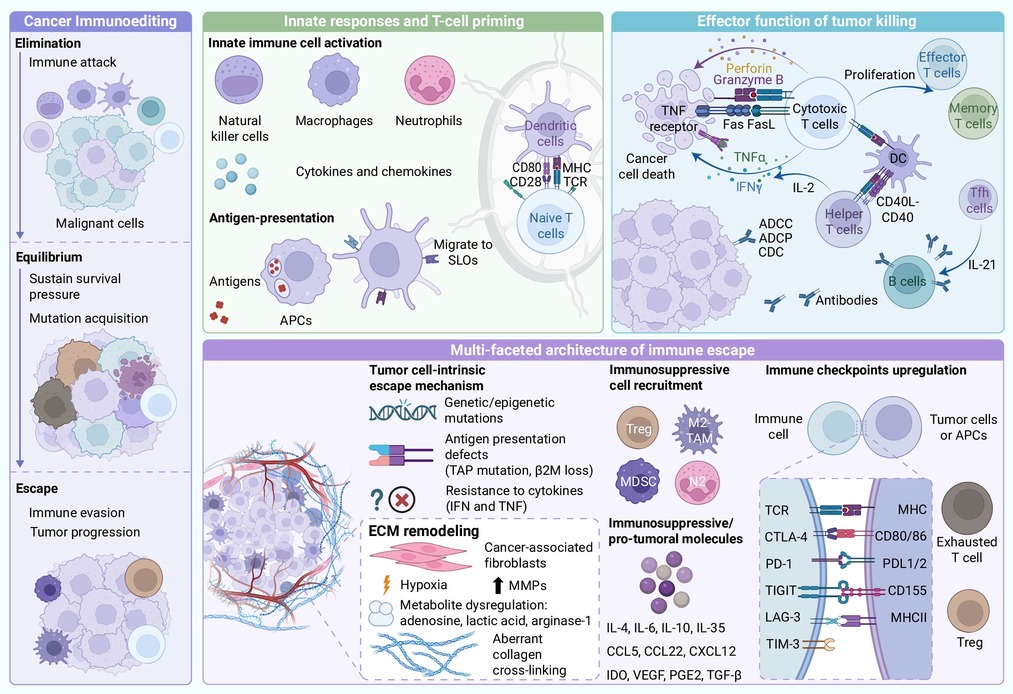
Export File
Citation
Alu A., Zhou Y., Battaglia G., et al. (2026). Cancer immunotherapy: Current progress and future perspectives. The Innovation Drug Discovery 1:100031. https://doi.org/10.59717/j.xinn-drugdisc.2026.100031

Format
Content
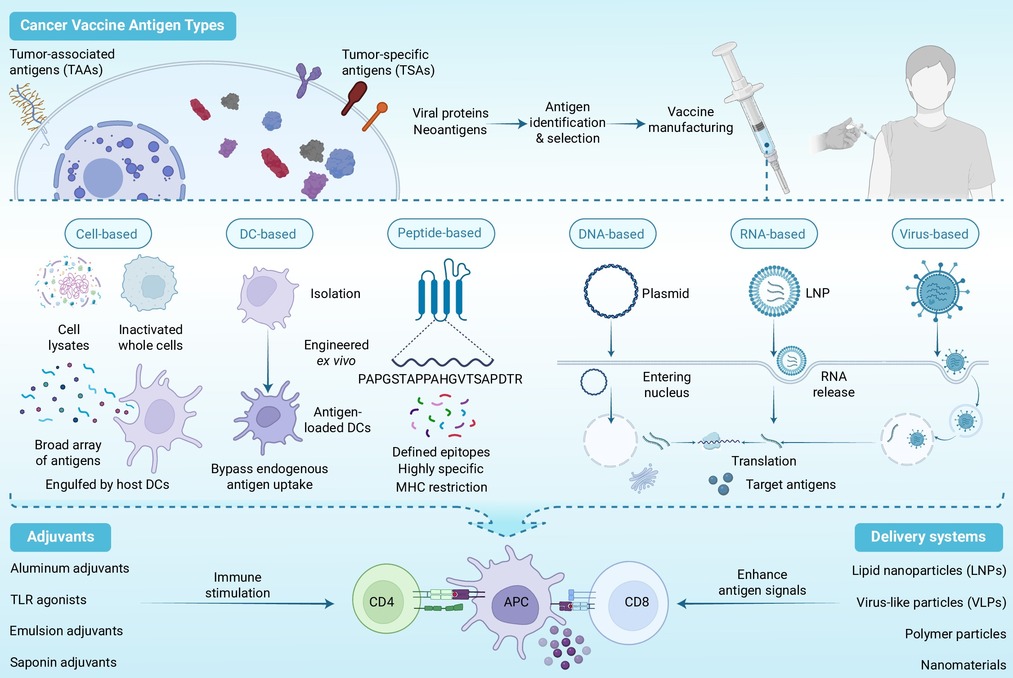
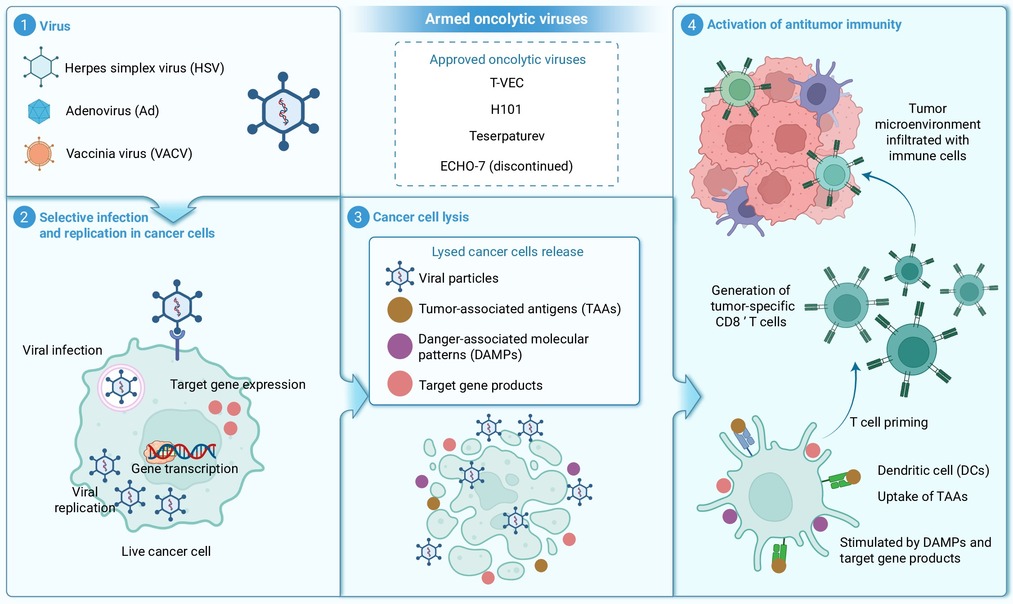
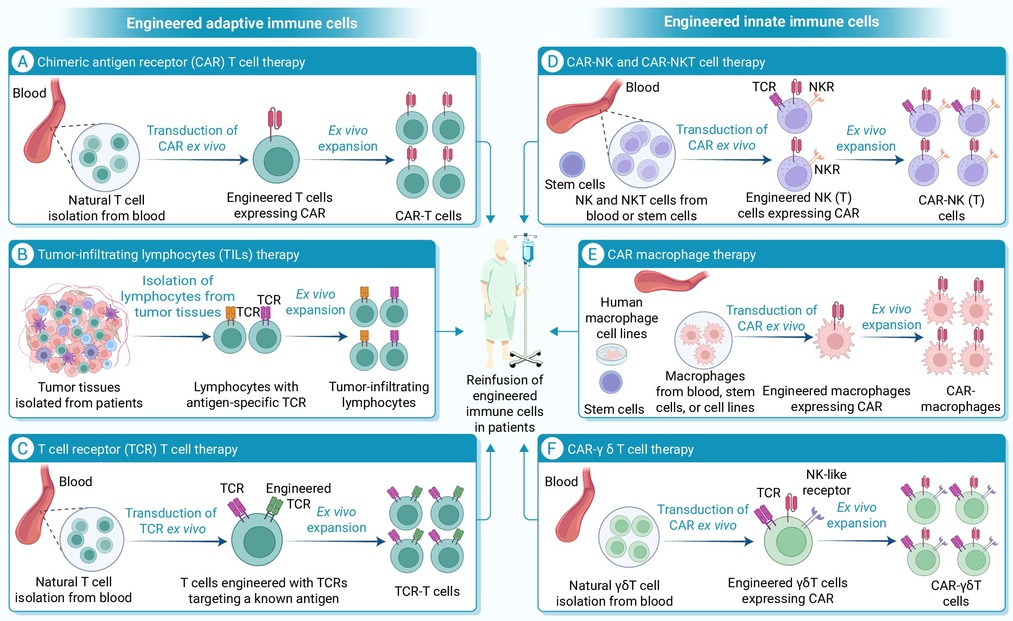
-
Figure 1.
Dynamic interplay between antitumor immunity and tumor immune invasion
-
Figure 2.
Immune-activation mechanisms of therapeutic cancer vaccines
-
Figure 3.
The cancer-killing mechanisms of oncolytic viruses (OVs)
-
Figure 4.
Cancer immunotherapy with adoptive immune cell therapy
