
Target identification of celastrol based on PROTAC technology and its antitumor mechanism in MDA-MB-231 cells
-
GRAPHICAL ABSTRACT
 DownLoad:
Full size image
-
PUBLIC SUMMARY
-
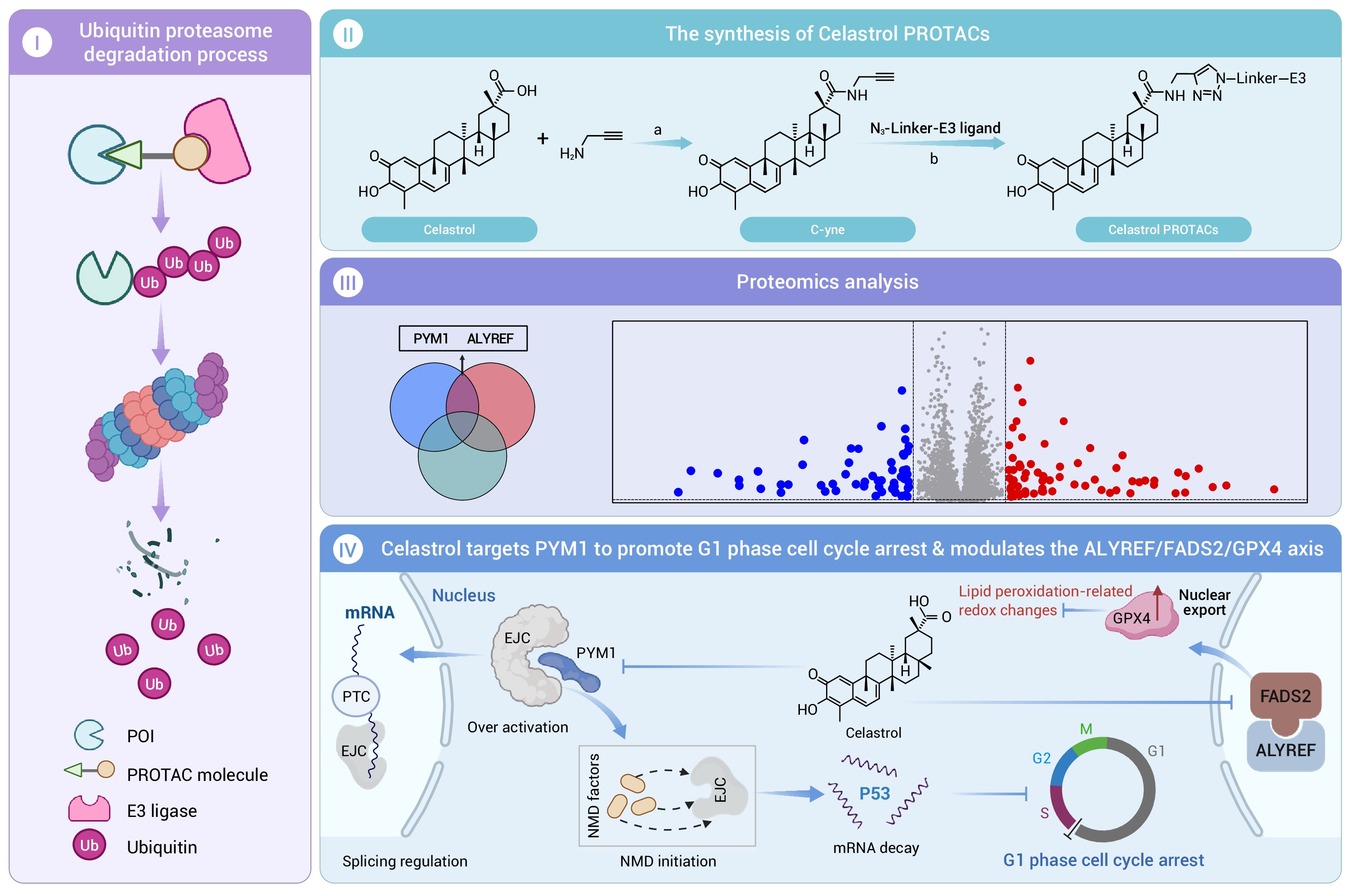
Proteolysis-targeting chimera (PROTAC) proteomics identified PYM1 and ALYREF as celastrol targets.
Celastrol perturbed exon junction complex–linked nonsense-mediated mRNA decay and promoted G1 arrest.
Celastrol modulated the ALYREF/FADS2/GPX4 axis and enhanced lipid peroxidation-related redox changes.
-
-
ABSTRACT
Celastrol is a pentacyclic triterpenoid natural product derived from Tripterygium wilfordii, known for its significant antitumor activity. However, its specific molecular targets in triple-negative breast cancer (TNBC) remain unclear. This study aimed to identify targets of celastrol using proteolysis-targeting chimera (PROTAC) technology and to verify its antitumor mechanism in MDA-MB-231 cells. The candidate targets PYM1 and ALYREF for celastrol were identified in MDA-MB-231 cells. Microscale thermophoresis (MST), cellular thermal shift assay (CETSA), and drug affinity responsive target stability (DARTS) were used to confirm the binding of celastrol to PYM1 and ALYREF. Mechanistic studies suggested that celastrol interfered with PYM1-associated EJC regulation, accompanied by impaired nucleocytoplasmic cycling of the EJC core components Y14 and MAGOH. This perturbation was associated with suppression of nonsense-mediated mRNA decay (NMD)-related mRNA surveillance, partial activation of p53/p21 signaling, and G1 phase cell cycle arrest in MDA-MB-231 cells. In addition, celastrol modulated the ALYREF/FADS2/GPX4 axis and increased MDA accumulation, suggesting a potential involvement of this axis in lipid peroxidation-related redox changes in MDA-MB-231 cells. These findings provide new insights into the pharmacological mechanisms of celastrol and may contribute to innovative therapeutic strategies for triple-negative breast cancer.-
Keywords:
- Celastrol /
- PROTAC /
- Target identification /
- PYM1 /
- ALYREF /
- Triple-negative breast cancer
-

-
REFERENCES
[1] Wang C., Dai S., Zhao X., et al. (2023). Celastrol as an emerging anticancer agent: Current status, challenges and therapeutic strategies. Biomed. Pharmacother. 163:114882. DOI:10.1016/j.biopha.2023.114882 [2] Tu Y., Dai G., Chen Y., et al. (2025). Emerging Target Discovery Strategies Drive the Decoding of Therapeutic Power of Natural Products and Further Drug Development: A Case Study of Celastrol. Exploration. 5:e20240247. DOI:10.1002/EXP.20240247 [3] Zhu Y., Meng Y., Zhang J., et al. (2024). Recent Trends in anti-tumor mechanisms and molecular targets of celastrol. Int J Biol Sci. 20:5510−30. DOI:10.7150/ijbs.99592 [4] Xu H., Zhao H., Ding C., et al. (2023). Celastrol suppresses colorectal cancer via covalent targeting peroxiredoxin 1. Signal Transduct. Target. Ther. 8:51. DOI:10.1038/s41392-022-01231-4 [5] Yang Y., Tse Y.S., Zhang Q., et al. (2024). Multiplexed Target Profiling with Integrated Chemical Genomics and Chemical Proteomics. J. Med. Chem. 67:17542−50. DOI:10.1021/acs.jmedchem.4c01463 [6] Yang F., Zhou H., Luo P., et al. (2024). Celastrol induces DNA damage and cell death in BCR-ABL T315I-mutant CML by targeting YY1 and HMCES. Phytomedicine. 134:155937. DOI:10.1016/j.phymed.2024.155937 [7] Liu D.D., Luo P., Gu L., et al. (2021). Celastrol exerts a neuroprotective effect by directly binding to HMGB1 protein in cerebral ischemia-reperfusion. J. Neuroinflammation. 18:174. DOI:10.1186/s12974-021-02216-w [8] Luo P., Zhang Q., Shen S., et al. (2023). Mechanistic engineering of celastrol liposomes induces ferroptosis and apoptosis by directly targeting VDAC2 in hepatocellular carcinoma. Asian J. Pharm. Sci. 18:100874. DOI:10.1016/j.ajps.2023.100874 [9] Yuan Z., Wang J., Qu Q., et al. (2023). Celastrol Combats Methicillin-Resistant Staphylococcus aureus by Targeting Δ1 -Pyrroline-5-Carboxylate Dehydrogenase. Adv Sci (Weinh). 10:e2302459. DOI:10.1002/advs.202302459 [10] Zhu Y., Wan N., Shan X., et al. (2021). Celastrol targets adenylyl cyclase-associated protein 1 to reduce macrophages-mediated inflammation and ameliorates high fat diet-induced metabolic syndrome in mice. Acta Pharm. Sin. B 11:1200−12. DOI:10.1016/j.apsb.2020.12.008 [11] Wang L., Lin F., Liu J., et al. (2025). Revealing a new target: Celastrol alleviates pulmonary fibrosis by inhibiting PCAF. Bioorg. Chem. 163:108722. DOI:10.1016/j.bioorg.2025.108722 [12] Wu Y., Yang Y., Wang W., et al. (2022). PROTAC technology as a novel tool to identify the target of lathyrane diterpenoids. Acta Pharm. Sin. B 12:4262−65. DOI:10.1016/j.apsb.2022.07.007 [13] Bondeson D.P., Mares A., Smith I.E., et al. (2015). Catalytic in vivo protein knockdown by small-molecule PROTACs. Nat. Chem. Biol. 11:611−7. DOI:10.1038/nchembio.1858 [14] Li K. and Crews C.M. (2022). PROTACs: past, present and future. Chem. Soc. Rev. 51(12):5214−36. DOI:10.1039/d2cs00193d [15] Liu Y., Liang J., Zhu R., et al. (2024). Application of PROTACs in Target Identification and Target Validation. Acta Mater. Med. 3:72−87. DOI:10.15212/amm-2024-0010 [16] Bray F., Laversanne M., Sung H., et al. (2024). Global cancer statistics 2022: GLOBOCAN estimates of incidence and mortality worldwide for 36 cancers in 185 countries. CA Cancer J. Clin. 74:229−63. DOI:10.3322/caac.21834 [17] Shrivastava S., Jeengar M.K., Reddy V.S., et al. (2015). Anticancer effect of celastrol on human triple negative breast cancer: possible involvement of oxidative stress, mitochondrial dysfunction, apoptosis and PI3K/Akt pathways. Exp. Mol. Pathol. 98:313−27. DOI:10.1016/j.yexmp.2015.03.031 [18] Yan F., Wu Z., Li Z., et al. (2020). Celastrol inhibits migration and invasion of triple-negative breast cancer cells by suppressing Interleukin-6 via downregulating Nuclear Factor-κB (NF-κB). Med. Sci. Monit. 26:e922814. DOI:10.12659/MSM.922814 [19] Thompson A., Schäfer J., Kuhn K., et al. (2003). Tandem mass tags: a novel quantification strategy for comparative analysis of complex protein mixtures by MS/MS. Anal. Chem. 75:1895−904. DOI:10.1021/ac0262560 [20] McAlister G.C., Huttlin E.L., Haas W., et al. (2012). Increasing the multiplexing capacity of TMTs using reporter ion isotopologues with isobaric masses. Anal. Chem. 84:7469−78. DOI:10.1021/ac301572t [21] Han X., Wei W. and Sun Y. (2022). PROTAC Degraders with Ligands Recruiting MDM2 E3 Ubiquitin Ligase: An Updated Perspective. Acta Mater. Med. 1:244−59. DOI:10.15212/amm-2022-0010 [22] Diem M.D., Chan C.C., Younis I., et al. (2007). PYM binds the cytoplasmic exon-junction complex and ribosomes to enhance translation of spliced mRNAs. Nat. Struct. Mol. Biol. 14:1173−9. DOI:10.1038/nsmb1321 [23] Gehring N.H., Lamprinaki S., Kulozik A.E., et al. (2009). Disassembly of exon junction complexes by PYM. Cell. 137:536−48. DOI:10.1016/j.cell.2009.02.042 [24] Brogna S., McLeod T. and Petric M. (2016). The Meaning of NMD: Translate or Perish. Trends Genet. 32:395−407. DOI:10.1016/j.tig.2016.04.007 [25] Carrard J. and Lejeune F. (2023). Nonsense-mediated mRNA decay, a simplified view of a complex mechanism. BMB Rep. 56:625−32. DOI:10.5483/BMBRep.2023-0190 [26] Thermann R., Neu-Yilik G., Deters A., et al. (1998). Binary specification of nonsense codons by splicing and cytoplasmic translation. EMBO J. 17:3484−94. DOI:10.1093/emboj/17.12.3484 [27] Gehring N.H., Neu-Yilik G., Schell T., et al. (2003). Y14 and hUpf3b form an NMD-activating complex. Mol. Cell. 11:939−49. DOI:10.1016/s1097-2765(03)00142-4 [28] Martin L., Grigoryan A., Wang D., et al. (2014). Identification and characterization of small molecules that inhibit nonsense-mediated RNA decay and suppress nonsense p53 mutations. Cancer Res. 74:3104−13. DOI:10.1158/0008-5472.CAN-13-2235 [29] Sureau A., Gattoni R., Dooghe Y., et al. (2001). SC35 autoregulates its expression by promoting splicing events that destabilize its mRNAs. EMBO J. 20:1785−96. DOI:10.1093/emboj/20.7.1785 [30] Mendell J.T., Sharifi N.A., Meyers J.L., et al. (2004). Nonsense surveillance regulates expression of diverse classes of mammalian transcripts and mutes genomic noise. Nat. Genet. 36:1073−8. DOI:10.1038/ng1429 [31] Gudikote J.P., Cascone T., Poteete A., et al. (2021). Inhibition of nonsense-mediated decay rescues p53β/γ isoform expression and activates the p53 pathway in MDM2-overexpressing and select p53-mutant cancers. J. Biol. Chem. 297:101163. DOI:10.1016/j.jbc.2021.101163 [32] Yang X., Yang Y., Sun B.F., et al. (2017). 5-methylcytosine promotes mRNA export - NSUN2 as the methyltransferase and ALYREF as an m5C reader. Cell Res. 27:606−25. DOI:10.1038/cr.2017.55 [33] Lorito N., Subbiani A., Smiriglia A., et al. (2024). FADS1/2 control lipid metabolism and ferroptosis susceptibility in triple-negative breast cancer. EMBO Mol. Med. 16:1533−59. DOI:10.1038/s44321-024-00090-6 [34] Xuan Y., Wang H., Yung M.M., et al. (2022). SCD1/FADS2 fatty acid desaturases equipoise lipid metabolic activity and redox-driven ferroptosis in ascites-derived ovarian cancer cells. Theranostics. 12:3534−52. DOI:10.7150/thno.70194 [35] Ni Z., Shi Y., Liu Q., et al. (2024). Degradation-Based Protein Profiling: A Case Study of Celastrol. Adv. Sci. (Weinh). 11:e2308186. DOI:10.1002/advs.202308186 -
ABOUT THIS ARTICLE
Cite this article:
Zhu M., Song H., Liu Y., et al. (2026). Target identification of celastrol based on PROTAC technology and its antitumor mechanism in MDA-MB-231 cells. The Innovation Drug Discovery 1:100046. https://doi.org/10.59717/j.xinn-drugdisc.2026.100046
Welcome!
To request copyright permission to republish or share portions of our works, please visit Copyright Clearance Center's (CCC) Marketplace website at marketplace.copyright.com.
Export File
Citation
Zhu M., Song H., Liu Y., et al. (2026). Target identification of celastrol based on PROTAC technology and its antitumor mechanism in MDA-MB-231 cells. The Innovation Drug Discovery 1:100046. https://doi.org/10.59717/j.xinn-drugdisc.2026.100046

Format
Content
-
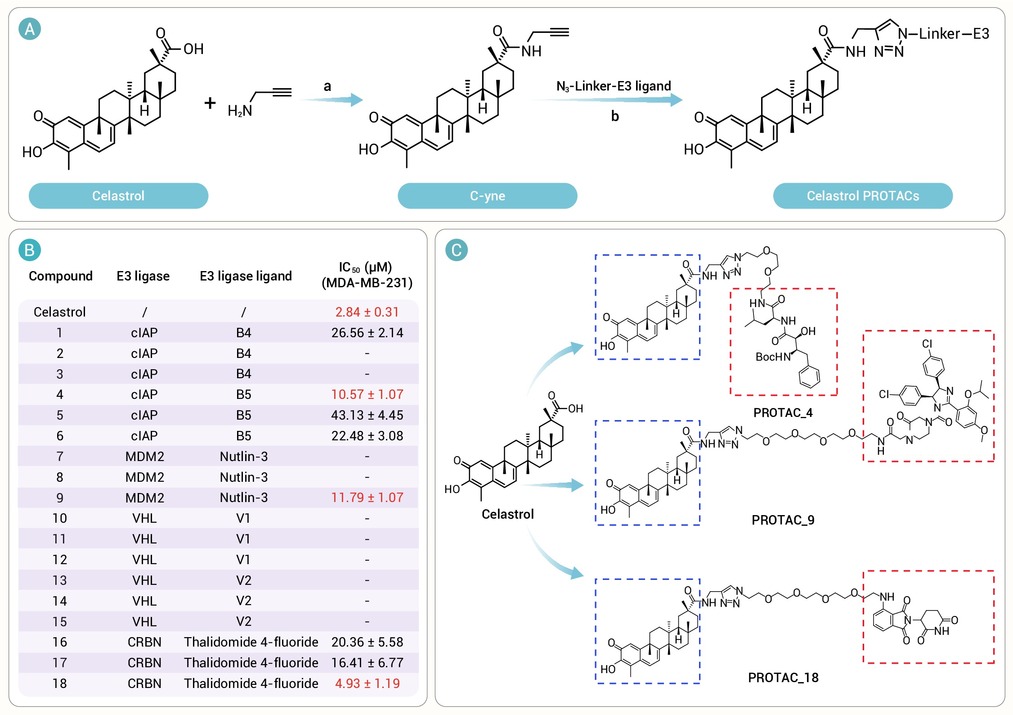
Figure 1.
The synthesis of celastrol PROTACs and in vitro proliferation inhibition in MDA-MB-231 cells of PROTAC library based on celastrol
-
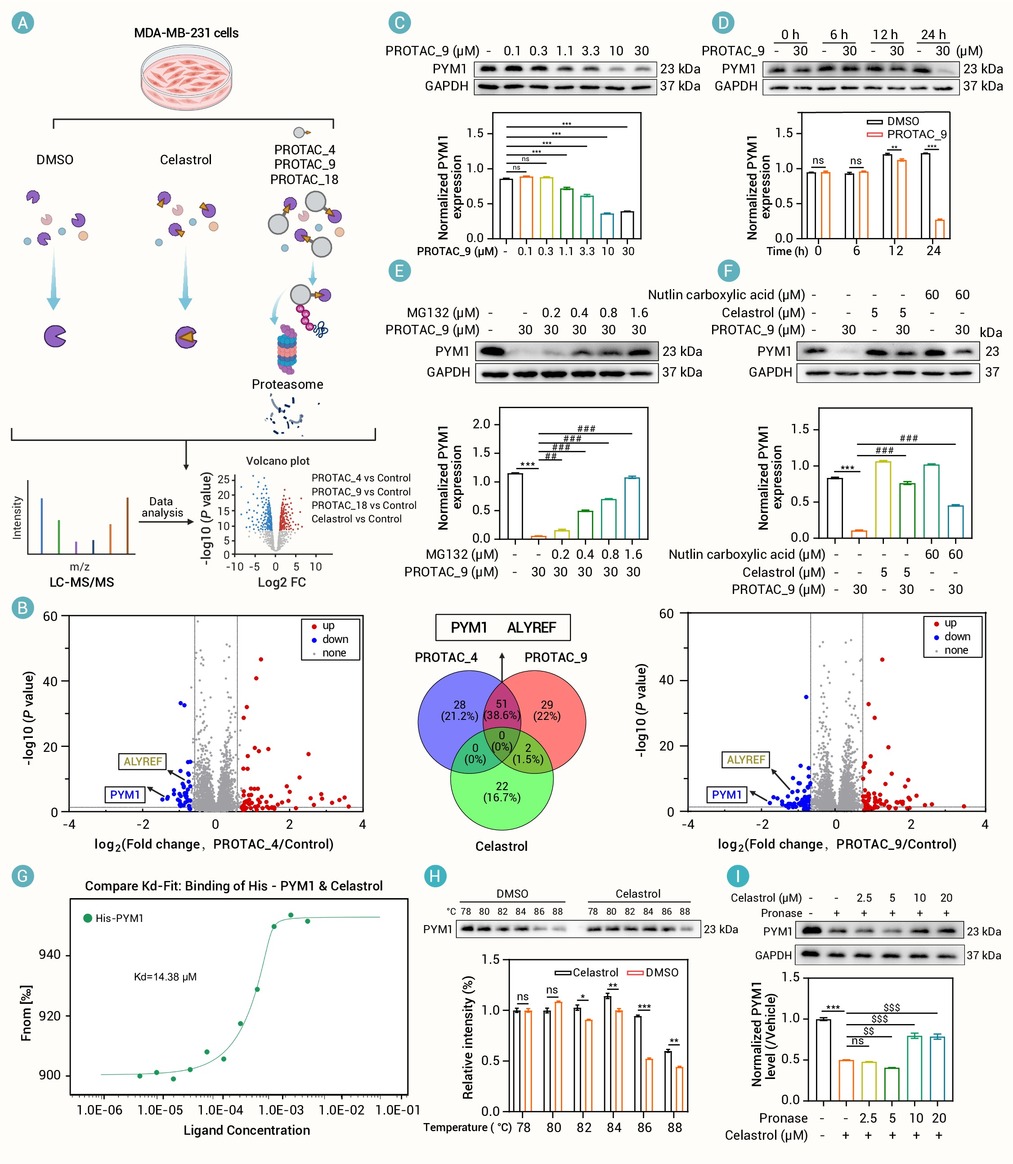
Figure 2.
Target identification of celastrol by PROTAC in MDA-MB-231 cells
-
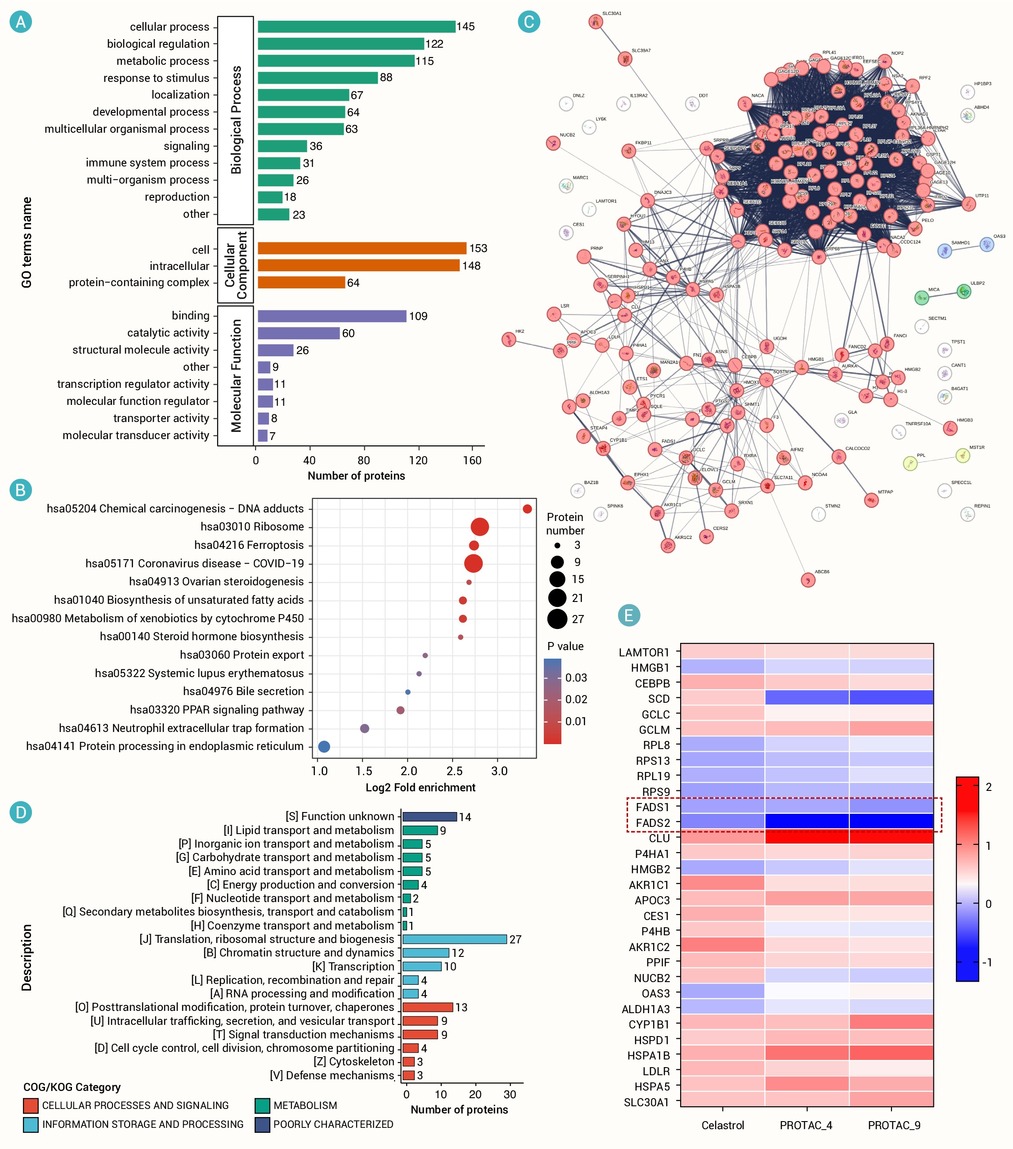
Figure 3.
Degradation proteomics was used to identify the target of celastrol in MDA-MB-231 cells
-
Figure 4.
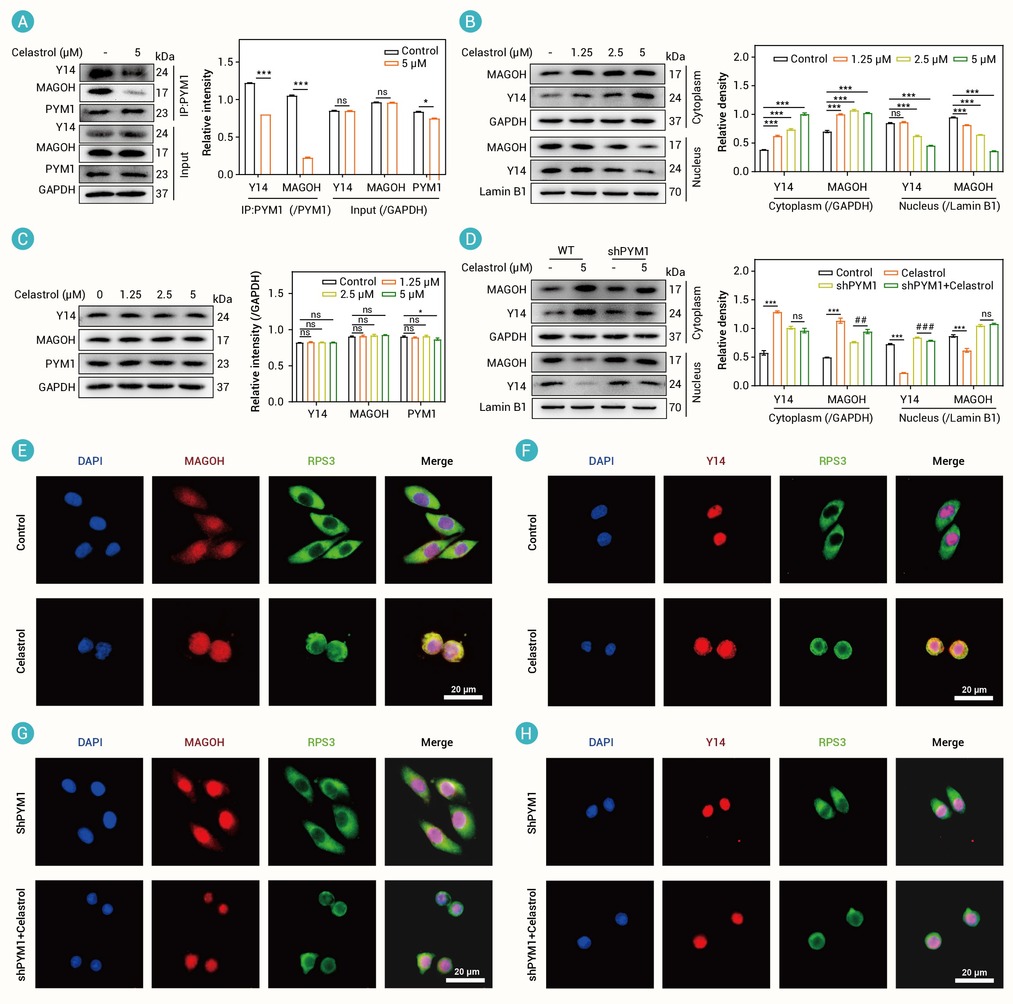
Celastrol disrupts the cellular cycle of Y14 and MAGOH, interfering with EJC function
-
Figure 5.
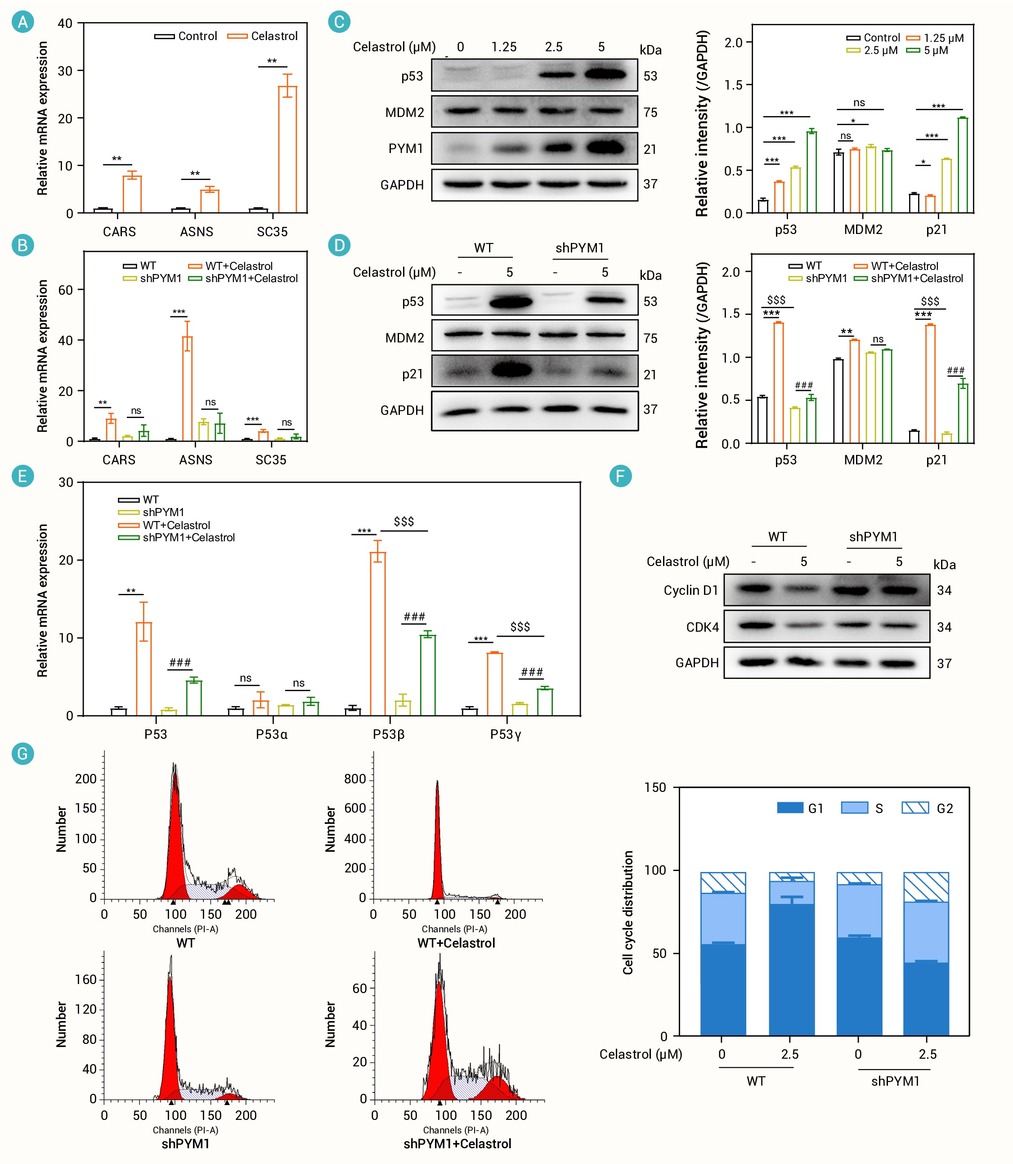
Celastrol perturbs PYM1-associated EJC/NMD regulation and promotes G1 phase cell cycle arrest in MDA-MB-231 cells
-
Figure 6.
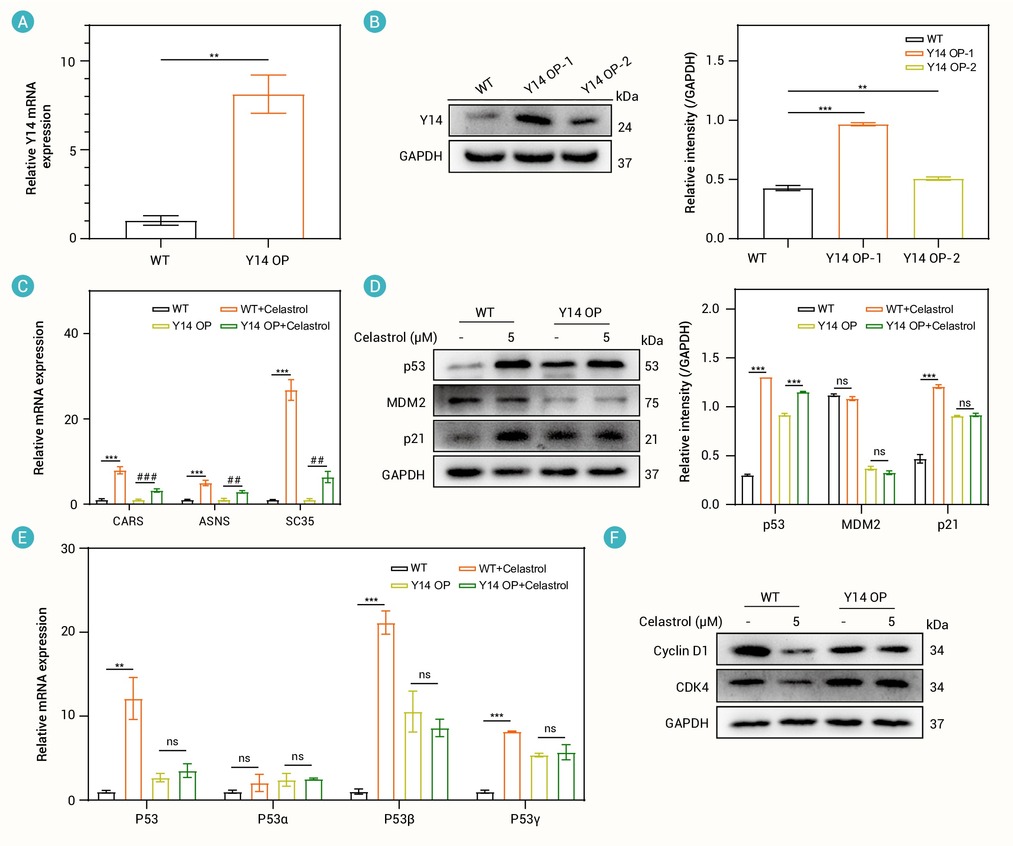
Y14 overexpression partially attenuates celastrol-induced NMD-associated changes
-
Figure 7.
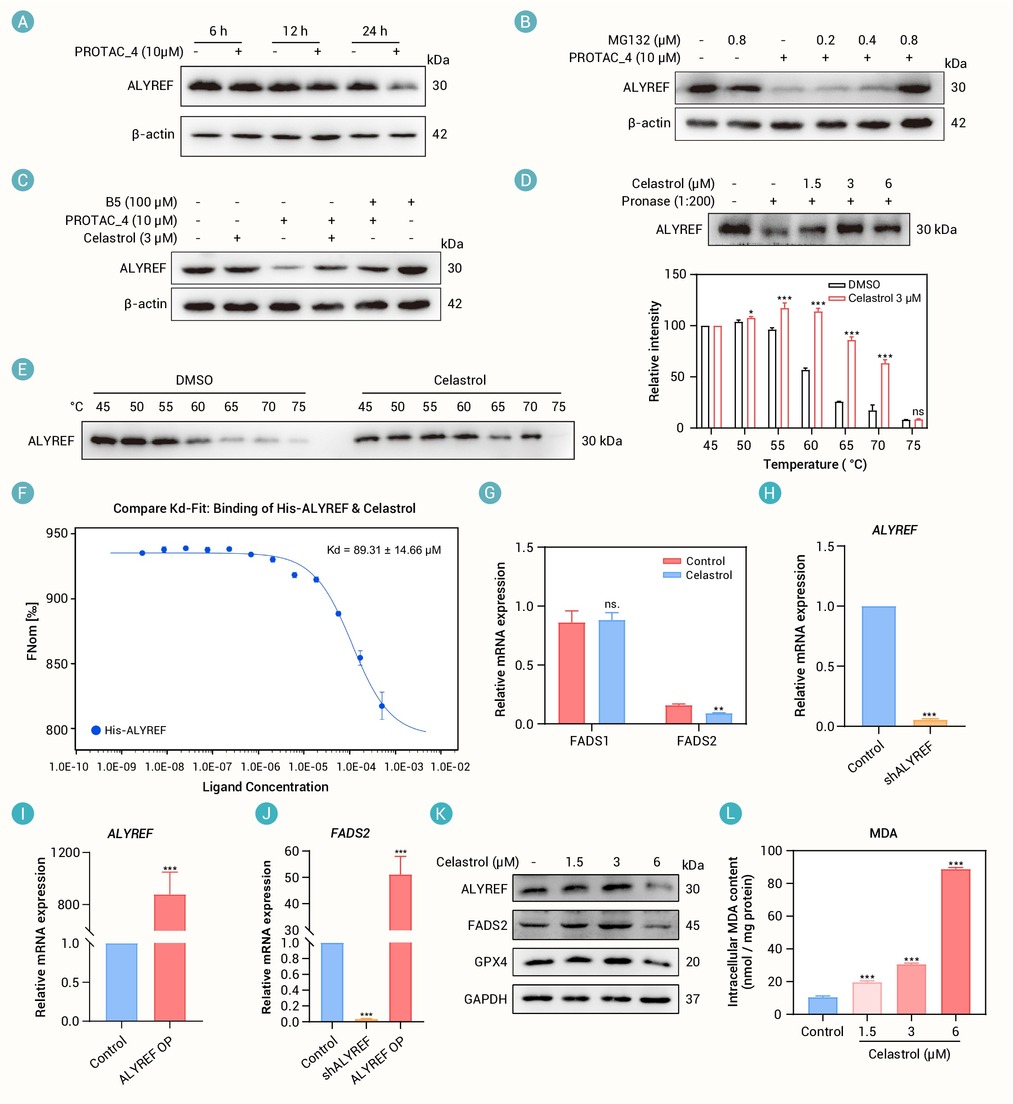
Celastrol modulates the ALYREF/FADS2/GPX4 pathway and lipid peroxidation-related redox changes in MDA-MB-231 cells
