
Reinspecting and offsetting lifecycle carbon with advanced materials in buildings for smart cities
-
GRAPHICAL ABSTRACT
 DownLoad:
Full size image
DownLoad:
Full size image
-
PUBLIC SUMMARY
-
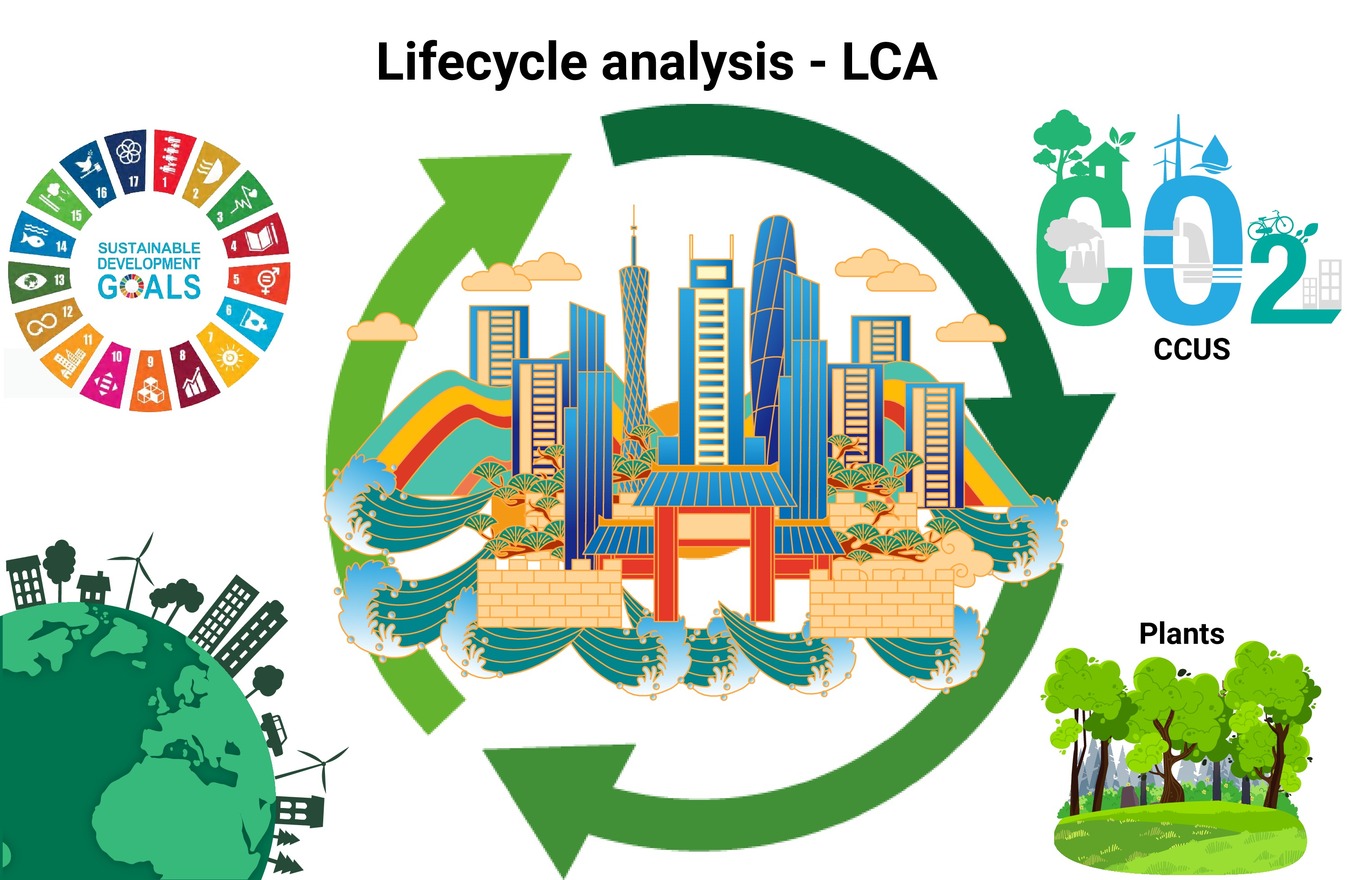
A cross-scale material-component-system framework underpins smart city decarbonization; revised LCA integrating carbon elimination and offsetting is required for quantitative carbon governance guidance.
This work establishes a multi-scale nano-to-macro framework to offset building lifecycle carbon via energy transition, renewable systems, multi-energy storage and optimized building design.
It updates the LCA methodology by incorporating CCS and afforestation carbon sinks, quantifying the function, mechanism and priority of diverse carbon neutralization strategies.
The study identifies key carbon reduction bottlenecks and delivers targeted roadmaps, industrial initiatives and policy tools for China’s building and energy chains to achieve 2060 carbon neutrality.
-
-
ABSTRACT
A cross-scale ‘material-component-system’ framework is essential for climate change adaption, zero-carbon and Sustainable Development Goals (SDGs) of smart cities, whereas reinspecting lifecycle analysis (LCA) approach with carbon emission elimination and off-setting is highly necessary to provide stage-based quantifiable guidelines and initiatives. In this study, offsetting lifecycle carbon emissions in buildings was conducted through an innovative nano/micro/meso/macro-scale framework with cross-disciplinary mechanisms, such as electrification/hydrogenation transitions, consistent carbon database/standardization, passive/active designs, decentralised renewable unit, hybrid thermal-electrical-gas storages, advanced energy conversion and management, among others. Afterward, a reinspection of LCA approach is proposed with advanced carbon elimination and off-setting strategies (e.g., carbon capture and storage, photosynthesis conversion through tree planting and afforestation). Fundamental roles, underlying mechanisms and priority sequence of each strategy in carbon-neutrality are specifically quantified, together with bottlenecks and challenges. Finally, a roadmap, and initiatives and policy actions are provided in the building sectors and the entire energy supply chain in China, with carbon-positive and carbon-negative strategies for carbon neutrality in China by 2060. -

-
REFERENCES
[1] Duan H., Zhou S., Jiang K., et al. (2021). Assessing China's efforts to pursue the 1.5 C warming limit. Science 372:378–385. DOI:10.1126/science.aba8768 [2] Fenner A.E., Kibert C.J., Woo J., et al. (2018). The carbon footprint of buildings: A review of methodologies and applications. Renew. Sustain. Energy Rev. 94:1142−1152. DOI:10.1016/j.rser.2018.06.052 [3] Zhao S., Song Q., Duan H., et al. (2019). Uncovering the lifecycle GHG emissions and its reduction opportunities from the urban buildings: A case study of Macau. Resour. Conserv. Recycl. 147:214−226. DOI:10.1016/j.resconrec.2019.04.022 [4] Yu D., Tan H. and Ruan Y. (2011). A future bamboo-structure residential building prototype in China: Life cycle assessment of energy use and carbon emission. Energy Build. 43:2638−2646. DOI:10.1016/j.enbuild.2011.06.012 [5] Huang B., Gao X., Xu J., et al. (2020). A Life Cycle Thinking Framework to Mitigate the Environmental Impact of Building Materials. One Earth 3:564−573. DOI:10.1016/j.oneear.2020.10.008 [6] Fragkos P., van Soest H.L., Schaeffer R., et al. (2020). Energy system transitions and low-carbon pathways in Australia, Brazil, Canada, China, EU-28, India, Indonesia, Japan, Republic of Korea, Russia and the United States. Energy. DOI:10.1016/j.energy.2020.119385 [7] Ebrahimi S., Mac Kinnon M. and Brouwer J. (2018). California end-use electrification impacts on carbon neutrality and clean air. Appl. Energy 213:435−449. DOI:10.1016/j.apenergy.2017.12.089 [8] Shea R.P., Worsham M.O., Chiasson A.D., et al. (2020). A lifecycle cost analysis of transitioning to a fully-electrified, renewably powered, and carbon-neutral campus at the University of Dayton. Sustain. Energy Technol. Assess. DOI:10.1016/j.seta.2019.100576 [9] Zheng Y., Song A., Dan Z., et al. (2026). Integrating renewable energy with electric vehicle charging infrastructure in China: A strategy for enhanced accessibility and carbon abatement. Nexus 3:100113. DOI:10.1016/j.ynexs.2025.100113 [10] Dan Z., Song A., Zheng Y., et al. (2025). City information models for optimal EV charging and energy-resilient renaissance. Nexus 2:100056. DOI:10.1016/j.ynexs.2025.100056 [11] Chastas P., Theodosiou T., Kontoleon K.J. and Bikas D. (2018). Normalising and assessing carbon emissions in the building sector: A review on the embodied CO2 emissions of residential buildings. Build. Environ. 130:212−226. DOI:10.1016/j.buildenv.2017.12.029 [12] Dixit M.K. (2019). Life cycle recurrent embodied energy calculation of buildings: A review. J. Clean. Prod. 209:731−754. DOI:10.1016/j.jclepro.2018.10.247 [13] Dixit M.K. (2017). Life cycle embodied energy analysis of residential buildings: A review of literature to investigate embodied energy parameters. Renew. Sustain. Energy Rev. 79:390−413. DOI:10.1016/j.rser.2017.05.080 [14] Robati M., Daly D. and Kokogiannakis G. (2019). A method of uncertainty analysis for whole-life embodied carbon emissions (CO2-e) of building materials of a net-zero energy building in Australia. J. Clean. Prod. 225:541−553. DOI:10.1016/j.jclepro.2019.04.017 [15] Oh B.K., Glisic B., Lee S.H., et al. (2019). Comprehensive investigation of embodied carbon emissions, costs, design parameters, and serviceability in optimum green construction of two-way slabs in buildings. J. Clean. Prod. 222:111−128. DOI:10.1016/j.jclepro.2019.03.040 [16] Teng Y. and Pan W. (2020). Estimating and minimizing embodied carbon of prefabricated high-rise residential buildings considering parameter, scenario and model uncertainties. Build. Environ. DOI:10.1016/j.buildenv.2020.106951 [17] Thilakarathna P.S.M., Seo S., Baduge K.S.K., et al. (2020). Embodied carbon analysis and benchmarking emissions of high and ultra-high strength concrete using machine learning algorithms. J. Clean. Prod. DOI:10.1016/j.jclepro.2020.121281 [18] Zhou Y. and Cao S. (2020). Quantification of energy flexibility of residential net-zero-energy buildings involved with dynamic operations of hybrid energy storages and diversified energy conversion strategies. Sustain. Energy Grids Netw. DOI:10.1016/j.segan.2020.100304 [19] Zhou Y. and Cao S. (2019). Energy flexibility investigation of advanced grid-responsive energy control strategies with the static battery and electric vehicles: A case study of a high-rise office building in Hong Kong. Energy Convers. Manag. DOI:10.1016/j.enconman.2019.111888 [20] Zhou Y. and Zheng S. (2020). Machine-learning based hybrid demand-side controller for high-rise office buildings with high energy flexibilities. Appl. Energy DOI:10.1016/j.apenergy.2019.114416 [21] Zhou Y., Cao S., Jan H.L.M., et al. (2020). Heuristic battery-protective strategy for energy management of an interactive renewables–buildings–vehicles energy sharing network with high energy flexibility. Energy Convers. Manag. DOI:10.1016/j.enconman.2020.112891 [22] Waite M. and Modi V. (2020). Electricity Load Implications of Space Heating Decarbonization Pathways. Joule 4:376−394. DOI:10.1016/j.joule.2019.12.011 [23] Chen S., Liu P.and Li Z. (2020). Low carbon transition pathway of power sector with high penetration of renewable energy. Renew. Sustain. Energy Rev. DOI:10.1016/j.rser.2020.109985 [24] Jäger-Waldau A., Kougias I., Taylor N., et al. (2020). How photovoltaics can contribute to GHG emission reductions of 55% in the EU by 2030. Renew. Sustain. Energy Rev. DOI:10.1016/j.rser.2020.109836 [25] LETI Embodied Carbon Primer. https://b80d7a04-1c28-45e2-b904-e0715cface93.filesusr.com/ugd/252d09_8ceffcbcafdb43cf8a19ab9af5073b92.pdf [26] Lu K., Jiang X., Tam V.W.Y., et al. (2019). Development of a Carbon Emissions Analysis Framework Using Building Information Modeling and Life Cycle Assessment for the Construction of Hospital Projects. Sustainability 11:6274. DOI:10.3390/su11226274 [27] Jiang Z. (2021). Installation of off-shore wind turbines: A technical review. Renew. Sustain. Energy Rev. DOI:10.1016/j.rser.2020.110576 [28] Lim J.Y., Safder U., How B.S., et al. (2020). Nationwide sustainable renewable energy and Power-to-X deployment planning in South Korea assisted with forecasting model. Appl. Energy DOI:10.1016/j.apenergy.2020.116302 [29] Baccioli A., Bargiacchi E., Barsali S., et al. (2020). Cost effective power-to-X plant using carbon dioxide from a geothermal plant to increase renewable energy penetration. Energy Convers. Manag. DOI:10.1016/j.enconman.2020.113494 [30] Zhou Y., Cao S., Hensen J.L.M., et al. (2019). Energy integration and interaction between buildings and vehicles: A state-of-the-art review. Renew. Sustain. Energy Rev. DOI:10.1016/j.rser.2019.109337 [31] Yang S., Wan M.P., Chen W., et al. (2020). Model predictive control with adaptive machine-learning-based model for building energy efficiency and comfort optimization. Appl. Energy DOI:10.1016/j.apenergy.2020.115147. [32] Bechtel S., Rafii-Tabrizi S., Scholzen F., et al. (2020). Influence of thermal energy storage and heat pump parametrization for demand-side-management in a nearly-zero-energy-building using model predictive control. Energy Build. DOI:10.1016/j.enbuild.2020.110364 [33] Saloux E. and Candanedo J.A. (2020). Optimal rule-based control for the management of thermal energy storage in a Canadian solar district heating system. Sol. Energy 207:1191−1201. DOI:10.1016/j.solener.2020.07.064 [34] Babin A., Vaneeckhaute C.and Iliuta M.C. (2021). Potential and challenges of bioenergy with carbon capture and storage as a carbon-negative energy source: A review. Biomass Bioenergy DOI:10.1016/j.biombioe.2021.105968 [35] Zhou Y. (2022). Transition towards carbon-neutral districts based on storage techniques and spatiotemporal energy sharing with electrification and hydrogenation. Renew. Sustain. Energy Rev. 162:112444. DOI:10.1016/j.rser.2022.112444 [36] Dixit M.K., Fernández-Solís J.L., Lavy S., et al. (2010). Identification of parameters for embodied energy measurement: A literature review. Energy Build. 42:1238−1247. DOI:10.1016/j.enbuild.2010.02.014 [37] Akeiber H., Nejat P., Majid M.Z.A., et al. (2016). A review on phase change material (PCM) for sustainable passive cooling in building envelopes. Renew. Sustain. Energy Rev. 60:1470−1497. DOI:10.1016/j.rser.2016.02.045 [38] Song A. and Zhou Y. (2023). A hierarchical control with thermal and electrical synergies on battery cycling ageing and energy flexibility in a multi-energy sharing network. Renew. Energy 212:1020−1037. DOI:10.1016/j.renene.2023.10.026 [39] Lizana J., Chacartegui R., Barrios-Padura A., et al. (2018). Advanced low-carbon energy measures based on thermal energy storage in buildings: A review. Renew. Sustain. Energy Rev. 82:3705−3749. DOI:10.1016/j.rser.2017.09.062 [40] Dirutigliano D., Delmastro C. and Moghadam S.T. (2018). A multi-criteria application to select energy retrofit measures at the building and district scale. Therm. Sci. Eng. Prog. 6:457−464. DOI:10.1016/j.tsep.2018.04.008 [41] New Cases in Positive Energy Districts Booklet! https://jpi-urbaneurope.eu/news/new-cases-in-positive-energy-districts-booklet/ [42] IEA EBC - Annex 83 - Positive Energy Districts. Website: https://www.buildup.eu/en/explore/links/iea-ebc-annex-83-positive-energy-districts [43] Shnapp S., Paci D. and Bertoldi P. (2020). Enabling Positive Energy Districts across Europe: energy efficiency couples renewable energy. EUR 30325 EN, Publications Office of the European Union, Luxembourg. DOI:10.2760/452028. [44] Bossi S., Gollner C. and Theierling S. (2020). Towards 100 Positive Energy Districts in Europe: Preliminary Data Analysis of 61 European Cases. Energies 13:6083. DOI:10.3390/en13226083 [45] Zhang X., Zheng R. and Wang F. (2019). Uncertainty in the life cycle assessment of building emissions: A comparative case study of stochastic approaches. Build. Environ. 147:121−131. DOI:10.1016/j.buildenv.2018.10.043 [46] Silva D.A.L., Nunes A.O., Piekarski C.M., et al. (2019). Why using different Life Cycle Assessment software tools can generate different results for the same product system. A cause–effect analysis of the problem. Sustain. Prod. Consum. 20:304−315. DOI:10.1016/j.spc.2019.04.003 [47] Rossi B., Marique A.F., Glaumann M., et al. (2012). Lifecycle assessment of residential buildings in three different European locations, basic tool. Build. Environ. 51:395−401. DOI:10.1016/j.buildenv.2011.12.010 [48] Kang G., Kim T., Kim Y.W., et al. (2015). Statistical analysis of embodied carbon emission for building construction. Energy Build. 105:326−333. DOI:10.1016/j.enbuild.2015.07.051 [49] Moncaster A.M. and Song J.Y. (2012). A comparative review of existing data and methodologies for calculating embodied energy and carbon of buildings. Int. J. Sustain. Build. Technol. Urban Dev. DOI:10.1080/2093761X.2012.673915. [50] Kalakul S., Malakul P., Siemanond K., et al. (2014). Integration of life cycle assessment software with tools for economic and sustainability analyses and process simulation for sustainable process design. J. Clean. Prod. 71:98−109. DOI:10.1016/j.jclepro.2013.11.074 [51] Yang X., Hu M., Wu J., et al. (2018). Building-information-modeling enabled life cycle assessment, a case study on carbon footprint accounting for a residential building in China. J. Clean. Prod. 183:729−743. DOI:10.1016/j.jclepro.2018.02.143 [52] Lobaccaro G., Wiberg A.H., Ceci G., et al. (2018). Parametric design to minimize the embodied GHG emissions in a ZEB. Energy Build. 167:106−123. DOI:10.1016/j.enbuild.2018.02.022 [53] Monahan J. and Powell J.C. (2011). An embodied carbon and energy analysis of modern methods of construction in housing: A case study using a lifecycle assessment framework. Energy Build. 43:179−188. DOI:10.1016/j.enbuild.2010.09.022 [54] Gan V.J.L., Cheng J.C.P. and Lo I.M.C. (2019). A comprehensive approach to mitigation of embodied carbon in reinforced concrete buildings. J. Clean. Prod. 229:582−597. DOI:10.1016/j.jclepro.2019.04.137 [55] Kayaçetin N.C. and Tanyer A.M. (2020). Embodied carbon assessment of residential housing at urban scale. Renew. Sustain. Energy Rev. DOI:10.1016/j.rser.2019.109470 [56] Shadram F., Johansson T.D., Lu W., et al. (2016). An integrated BIM-based framework for minimizing embodied energy during building design. Energy Build. 128:592−604. DOI:10.1016/j.enbuild.2016.07.034 [57] Lei J., Yang J. and Yang E.H. (2016). Energy performance of building envelopes integrated with phase change materials for cooling load reduction in tropical Singapore. Appl. Energy 162:207−217. DOI:10.1016/j.apenergy.2015.10.117 [58] Gil-Baez M., Barrios-Padura Á., Molina-Huelva M., et al. (2017). Natural ventilation systems in 21st-century for near zero energy school buildings. Energy 137:1186−1200. DOI:10.1016/j.energy.2017.06.089 [59] Nomura M. and Hiyama K. (2017). A review: Natural ventilation performance of office buildings in Japan. Renew. Sustain. Energy Rev. 74:746−754. DOI:10.1016/j.rser.2017.03.078 [60] Bienvenido-Huertas D., Sánchez-García D. and Rubio-Bellido C. (2020). Analysing natural ventilation to reduce the cooling energy consumption and the fuel poverty of social dwellings in coastal zones. Appl. Energy DOI:10.1016/j.apenergy.2020.115845 [61] Peippo K., Kauranen P. and Lund P.D. (1991). A multicomponent PCM wall optimized for passive solar heating systems. Energy Build. 17:259−270. DOI:10.1016/0378-7788(91)90016-8 [62] Kim Y.M., Kim S.Y., Shin S.W., et al. (2009). Contribution of natural ventilation in a double skin envelope to heating load reduction in winter. Build. Environ. 44:2236−2244. DOI:10.1016/j.buildenv.2009.03.007 [63] Elghamry R. and Hassan H. (2020). Experimental investigation of building heating and ventilation by using Trombe wall coupled with renewable energy system under semi-arid climate conditions. Sol. Energy 201:63−74. DOI:10.1016/j.solener.2020.05.043 [64] O'Donovan A., O'Sullivan P.D. and Murphy M.D. (2019). Predicting air temperatures in a naturally ventilated nearly zero energy building: Calibration, validation, analysis and approaches. Appl. Energy 250:991−1010. DOI:10.1016/j.apenergy.2019.05.042 [65] Chen Y., Tong Z., Wu W., et al. (2019). Achieving natural ventilation potential in practice: Control schemes and levels of automation. Appl. Energy 235:1141−1152. DOI:10.1016/j.apenergy.2018.10.103 [66] Sakiyama N.R.M., Mazzaferro L., Carlo J.C., et al. (2020). Natural ventilation potential from weather analyses and building simulation. Energy Build. DOI:10.1016/j.enbuild.2020.110596 [67] Ahmed T., Kumar P. and Mottet L. (2021). Natural ventilation in warm climates: The challenges of thermal comfort, heatwave resilience and indoor air quality. Renew. Sustain. Energy Rev. DOI:10.1016/j.rser.2020.110669 [68] Xie X., Sahin O., Luo Z. and Yao R. (2020). Impact of neighbourhood-scale climate characteristics on building heating demand and night ventilation cooling potential. Renew. Energy 150:943−956. DOI:10.1016/j.renene.2020.03.042 [69] Heracleous C. and Michael A. (2019). Experimental assessment of the impact of natural ventilation on indoor air quality and thermal comfort conditions of educational buildings in the Eastern Mediterranean region during the heating period. J. Build. Eng. DOI:10.1016/j.jobe.2019.100917 [70] Zeyghami M., Goswami D.Y. and Stefanakos E. (2018). A review of clear sky radiative cooling developments and applications in renewable power systems and passive building cooling. Sol. Energy Mater. Sol. Cells 178:115−128. DOI:10.1016/j.solmat.2018.01.020 [71] Eicker U. and Dalibard A. (2011). Photovoltaic–thermal collectors for night radiative cooling of buildings. Sol. Energy 85:1322−1335. DOI:10.1016/j.solener.2011.03.013 [72] Yan T., Sun Z., Gao J., et al. (2020). Simulation study of a pipe-encapsulated PCM wall system with self-activated heat removal by nocturnal sky radiation. Renew. Energy 146:1451−1464. DOI:10.1016/j.renene.2019.09.071 [73] Katramiz E., Ghaddar N. and Ghali K. (2020). Daytime radiative cooling: To what extent it enhances office cooling system performance in comparison to night cooling in semi-arid climate? J. Build. Eng. DOI:10.1016/j.jobe.2019.101020. [74] Katramiz E., Al Jebaei H., Alotaibi S., et al. (2020). Sustainable cooling system for Kuwait hot climate combining diurnal radiative cooling and indirect evaporative cooling system. Energy DOI:10.1016/j.energy.2020.119045 [75] Tso C.Y., Chan K.C. and Chao C.Y.H. (2017). A field investigation of passive radiative cooling under Hong Kong’s climate. Renew. Energy 106:52−61. DOI:10.1016/j.renene.2017.01.044 [76] Li Z., Chen Q., Song Y., et al. (2020). Fundamentals, materials, and applications for daytime radiative cooling. Adv. Mater. Technol. DOI:10.1002/admt.201901007. [77] Raman A.P., Anoma M.A., Zhu L., et al. (2014). Passive radiative cooling below ambient air temperature under direct sunlight. Nature 515:540−544. DOI:10.1038/nature13883 [78] Vall S. and Castell A. (2017). Radiative cooling as low-grade energy source: A literature review. Renew. Sustain. Energy Rev. 77:803−820. DOI:10.1016/j.rser.2017.04.070 [79] Lu X., Xu P., Wang H., et al. (2016). Cooling potential and applications prospects of passive radiative cooling in buildings: The current state-of-the-art. Renew. Sustain. Energy Rev. 65:1079−1097. DOI:10.1016/j.rser.2016.07.033 [80] Yin X., Yang R., Tan G., et al. (2020). Terrestrial radiative cooling: Using the cold universe as a renewable and sustainable energy source. Science 370:786−791. DOI:10.1126/science.abb0997 [81] Rodríguez L.R., Ramos J.S., Delgado M.C.G., et al. (2018). Mitigating energy poverty: Potential contributions of combining PV and building thermal mass storage in low-income households. Energy Convers. Manag. 173:65−80. DOI:10.1016/j.enconman.2018.06.078 [82] Sameti M. and Haghighat F. (2018). Integration of distributed energy storage into net-zero energy district systems: Optimum design and operation. Energy 153:575−591. DOI:10.1016/j.energy.2018.04.034 [83] Reilly A. and Kinnane O. (2017). The impact of thermal mass on building energy consumption. Appl. Energy 198:108−121. DOI:10.1016/j.apenergy.2017.04.044 [84] Zhu L., Hurt R., Correia D., et al. (2009). Detailed energy saving performance analyses on thermal mass walls demonstrated in a zero energy house. Energy Build. 41:303−310. DOI:10.1016/j.enbuild.2008.09.013 [85] Lu F., Yu Z., Zou Y., et al. (2021). Cooling system energy flexibility of a nearly zero-energy office building using building thermal mass: Potential evaluation and parametric analysis. Energy Build. DOI:10.1016/j.enbuild.2021.110763. [86] Raftery P., Lee E., Webster T., et al. (2014). Effects of furniture and contents on peak cooling load. Energy Build. 85:445−457. DOI:10.1016/j.enbuild.2014.09.037 [87] Ljungdahl V., Taha K., Dallaire J., et al. (2021). Phase change material based ventilation module - Numerical study and experimental validation of serial design. Energy DOI:10.1016/j.energy.2021.121209 [88] Johra H. and Heiselberg P. (2017). Influence of internal thermal mass on the indoor thermal dynamics and integration of phase change materials in furniture for building energy storage: A review. Renew. Sustain. Energy Rev. 69:19−32. DOI:10.1016/j.rser.2016.11.055 [89] Piselli C., Prabhakar M., de Gracia A., et al. (2020). Optimal control of natural ventilation as passive cooling strategy for improving the energy performance of building envelope with PCM integration. Renew. Energy 162:171−181. DOI:10.1016/j.renene.2020.05.077 [90] Lizana J., Chacartegui R., Barrios-Padura A., et al. (2017). Advances in thermal energy storage materials and their applications towards zero energy buildings: A critical review. Appl. Energy 203:219−239. DOI:10.1016/j.apenergy.2017.06.038 [91] Zhang Z. (2020). Fractional-order time-sharing-control-based wireless power supply for multiple appliances in intelligent building. J. Adv. Res. 25:227−234. DOI:10.1016/j.jare.2020.05.004 [92] Sovacool B.K. and Rio D.D.F.D. (2020). Smart home technologies in Europe: A critical review of concepts, benefits, risks and policies. Renew. Sustain. Energy Rev. DOI:10.1016/j.rser.2019.109663 [93] Karthick T., Charles R.S., Jeslin D.N.J., et al. (2021). Design of IoT based smart compact energy meter for monitoring and controlling the usage of energy and power quality issues with demand side management for a commercial building. Sustain. Energy Grids Netw. DOI:10.1016/j.segan.2021.100454 [94] Antonini E.G.A., Romero D.A. and Amon C.H. (2020). Optimal design of wind farms in complex terrains using computational fluid dynamics and adjoint methods. Appl. Energy DOI:10.1016/j.apenergy.2019.114426 [95] Zhou Y., Zheng S. and Zhang G. (2020). A review on cooling performance enhancement for phase change materials integrated systems—flexible design and smart control with machine learning applications. Build. Environ. DOI:10.1016/j.buildenv.2020.106786 [96] Heo S.K., Nam K.J., Loy-Benitez J., et al. (2019). A deep reinforcement learning-based autonomous ventilation control system for smart indoor air quality management in a subway station. Energy Build. DOI:10.1016/j.enbuild.2019.109440. [97] Rey-Hernández J.M., San José-Alonso J.F., Velasco-Gómez E., et al. (2020). Performance analysis of a hybrid ventilation system in a near zero energy building. Build. Environ. DOI:10.1016/j.buildenv.2020.107265 [98] Chen Y., Tong Z., Zheng Y., et al. (2020). Transfer learning with deep neural networks for model predictive control of HVAC and natural ventilation in smart buildings. J. Clean. Prod. DOI:10.1016/j.jclepro.2019.119866 [99] Southall R.G. (2018). An assessment of the potential of supply-side ventilation demand control to regulate natural ventilation flow patterns and reduce domestic space heating consumption. Energy Build. 168:201−214. DOI:10.1016/j.enbuild.2018.03.044 [100] Fischer D. and Madani H. (2017). On heat pumps in smart grids: A review. Renew. Sustain. Energy Rev. 70:342−357. DOI:10.1016/j.rser.2016.11.017 [101] Hanif M., Mahlia T.M.I., Zare A., et al. (2014). Potential energy savings by radiative cooling system for a building in tropical climate. Renew. Sustain. Energy Rev. 32:642−650. DOI:10.1016/j.rser.2013.12.011 [102] Raman N.S., Devaprasad K., Chen B., et al. (2020). Model predictive control for energy-efficient HVAC operation with humidity and latent heat considerations. Appl. Energy DOI:10.1016/j.apenergy.2020.115765 [103] Park H. and Park D.Y. (2021). Comparative analysis on predictability of natural ventilation rate based on machine learning algorithms. Build. Environ. DOI:10.1016/j.buildenv.2021.107744 [104] Miller C. (2019). What's in the box. ! towards explainable machine learning applied to non-residential building smart meter classification. Energy Build. 199:523−536. DOI:10.1016/j.enbuild.2019.05.057 [105] Schmidt M. and Åhlund C. (2018). Smart buildings as Cyber-Physical Systems: Data-driven predictive control strategies for energy efficiency. Renew. Sustain. Energy Rev. 90:742−756. DOI:10.1016/j.rser.2018.04.025 [106] Zhao D., Aili A., Zhai Y., et al. (2019). Subambient Cooling of Water: Toward Real-World Applications of Daytime Radiative Cooling. Joule 3:111−123. DOI:10.1016/j.joule.2018.10.001 [107] Bijarniya J.P., Sarkar J. and Maiti P. (2020). Review on passive daytime radiative cooling: Fundamentals, recent researches, challenges and opportunities. Renew. Sustain. Energy Rev. DOI:10.1016/j.rser.2020.110263 [108] Ahmad T. and Chen H. (2018). Potential of three variant machine-learning models for forecasting district level medium-term and long-term energy demand in smart grid environment. Energy 160:1008−1020. DOI:10.1016/j.energy.2018.08.030 [109] Ryu S.H. and Moon H.J. (2016). Development of an occupancy prediction model using indoor environmental data based on machine learning techniques. Build. Environ. 107:1−9. DOI:10.1016/j.buildenv.2016.07.021 [110] Huchuk B., Sanner S. and O'Brien W. (2019). Comparison of machine learning models for occupancy prediction in residential buildings using connected thermostat data. Build. Environ. DOI:10.1016/j.buildenv.2019.106177. [111] Brusco G., Burgio A., Menniti D., et al. (2014). Energy management system for an energy district with demand response availability. IEEE Trans. Smart Grid 5:2385−2393. DOI:10.1109/TSG.2014.2326044 [112] Pallonetto F., De Rosa M., Milano F., et al. (2019). Demand response algorithms for smart-grid ready residential buildings using machine learning models. Appl. Energy 239:1265−1282. DOI:10.1016/j.apenergy.2019.01.074 [113] Peng Y., Rysanek A., Nagy Z., et al. (2018). Using machine learning techniques for occupancy-prediction-based cooling control in office buildings. Appl. Energy 211:1343−1358. DOI:10.1016/j.apenergy.2017.11.080 [114] Li Y., Gao W., Zhang X., et al. (2020). Techno-economic performance analysis of zero energy house applications with home energy management system in Japan. Energy Build. DOI:10.1016/j.enbuild.2020.109862 [115] Ren H., Sun Y., Albdoor A.K., et al. (2021). Improving energy flexibility of a net-zero energy house using a solar-assisted air conditioning system with thermal energy storage and demand-side management. Appl. Energy DOI:10.1016/j.apenergy.2021.116433. [116] Stavrakas V. and Flamos A. (2020). A modular high-resolution demand-side management model to quantify benefits of demand-flexibility in the residential sector. Energy Convers. Manag. DOI:10.1016/j.enconman.2019.112339. [117] Vivian J., Prataviera E., Cunsolo F., et al. (2020). Demand Side Management of a pool of air source heat pumps for space heating and domestic hot water production in a residential district. Energy Convers. Manag. DOI:10.1016/j.enconman.2020.113457. [118] Groppi D., Pfeifer A., Garcia D.A., et al. (2021). A review on energy storage and demand side management solutions in smart energy islands. Renew. Sustain. Energy Rev. DOI:10.1016/j.rser.2020.110183 [119] Xu A.F., Chen X., Zhang M., et al. (2020). Sharing economy market system for private EV parking with consideration of demand side management. Energy DOI:10.1016/j.energy.2019.116321 [120] Guelpa E. and Verda V. (2021). Demand Response and other Demand Side Management techniques for District Heating: A review. Energy DOI:10.1016/j.energy.2020.119440 [121] Kalair A.R., Abas N., Hasan Q.U., et al. (2020). Demand side management in hybrid rooftop photovoltaic integrated smart nano grid. J. Clean. Prod. DOI:10.1016/j.jclepro.2020.120747 [122] Venizelou V., Makrides G., Efthymiou V., Georghiou G.E. (2020). Methodology for deploying cost-optimum price-based demand side management for residential prosumers. Renew. Energy 153:228−240. DOI:10.1016/j.renene.2020.01.021 [123] Guo J., Jiang Y., Wang Y., et al. (2020). Thermal storage and thermal management properties of a novel ventilated mortar block integrated with phase change material for floor heating: an experimental study. Energy Convers. Manag. DOI:10.1016/j.enconman.2019.112288 [124] Qin D., Liu Z., Zhou Y., et al. (2021). Dynamic performance of a novel air-soil heat exchanger coupling with diversified energy storage components—modelling development, experimental verification, parametrical design and robust operation. Renew. Energy 167:542−557. DOI:10.1016/j.renene.2020.11.113 [125] Zhou Y., Yu C.W.F. and Zhang G. (2018). Study on heat-transfer mechanism of wallboards containing active phase change material and parameter optimization with ventilation. Appl. Therm. Eng. 144:1091−1108. DOI:10.1016/j.applthermaleng.2018.07.012 [126] Borri E., Zsembinszki G. and Cabeza L.F. (2021). Recent developments of thermal energy storage applications in the built environment: A bibliometric analysis and systematic review. Appl. Therm. Eng. DOI:10.1016/j.applthermaleng.2021.116666. [127] Zhou Y., Zheng S., Liu Z., et al. (2020). Passive and active phase change materials integrated building energy systems with advanced machine-learning based climate-adaptive designs, intelligent operations, uncertainty-based analysis and optimisations: A state-of-the-art review. Renew. Sustain. Energy Rev. DOI:10.1016/j.rser.2020.109889 [128] Gholamibozanjani G. and Farid M. (2020). Application of an active PCM storage system into a building for heating/cooling load reduction. Energy DOI:10.1016/j.energy.2020.118572 [129] Zhao D., Yin X., Xu J., et al. (2019). Radiative sky cooling-assisted thermoelectric cooling system for building applications. Energy DOI:10.1016/j.energy.2019.116322. [130] Chinde V., Hirsch A., Livingood W., et al. (2021). Simulating dispatchable grid services provided by flexible building loads: State of the art and needed building energy modeling improvements. Build. Simul. 14:441−462. DOI:10.1007/s12273-021-00768-9 [131] Zhang J. and Zheng Y. (2020). The flexibility pathways for integrating renewable energy into China's coal dominated power system: The case of Beijing-Tianjin-Hebei Region. J. Clean. Prod. DOI:10.1016/j.jclepro.2019.118925. [132] Kathirgamanathan A., De Rosa M., et al. (2021). Data-driven predictive control for unlocking building energy flexibility: A review. Renew. Sustain. Energy Rev. DOI:10.1016/j.rser.2020.110120. [133] He Y., Zhou Y., Yuan J., et al. (2021). Transformation towards a carbon-neutral residential community in California, U. S.A., with hydrogen economy and advanced energy management strategies. Energy Convers. Manag. 249:114834. DOI:10.1016/j.enconman.2021.114834 [134] Wheeler V.M., Kim J., Daligault T., et al. (2022). Photovoltaic windows cut energy use and CO2 emissions by 40% in highly glazed buildings. One Earth 5:1271−1285. DOI:10.1016/j.oneear.2022.10.022 [135] Rounis E.D., Athienitis A. and Stathopoulos T. (2021). Review of air-based PV/T and BIPV/T systems-Performance and modelling. Renew. Energy 163:1729−1753. DOI:10.1016/j.renene.2020.10.114 [136] Wang Z., Kortge D., Zhu J., et al. (2020). Lightweight, Passive Radiative Cooling to Enhance Concentrating Photovoltaics. Joule 4:2702−2717. DOI:10.1016/j.joule.2020.09.014 [137] Li R., Shi Y., Wu M., et al. (2020). Photovoltaic panel cooling by atmospheric water sorption–evaporation cycle. Nat. Sustain. 3:636−643. DOI:10.1038/s41893-020-00535-4 [138] Sudhakar P., Santosh R., Asthalakshmi B., et al. (2020). Performance augmentation of solar photovoltaic panel through PCM integrated natural water circulation cooling technique. Renew. Energy DOI:10.1016/j.renene.2020.11.138 [139] Gonçalves J.E., van Hooff T. and Saelens D. (2020). Understanding the behaviour of naturally-ventilated BIPV modules: A sensitivity analysis. Renew. Energy 161:133−148. DOI:10.1016/j.renene.2020.06.063 [140] Saadon S., Gaillard L., Menezo C., et al. (2020). Exergy, exergoeconomic and enviroeconomic analysis of a building integrated semi-transparent photovoltaic/thermal (BISTPV/T) by natural ventilation. Renew. Energy 150:981−989. DOI:10.1016/j.renene.2020.01.041 [141] Kumar A. and Chowdhury A. (2019). Reassessment of different antireflection coatings for crystalline silicon solar cell in view of their passive radiative cooling properties. Sol. Energy 183:410−418. DOI:10.1016/j.solener.2019.03.030 [142] Čurpek J. and Čekon M. (2020). Climate response of a BiPV façade system enhanced with latent PCM-based thermal energy storage. Renew. Energy 152:368−384. DOI:10.1016/j.renene.2020.01.091 [143] Bayrak F., Oztop H.F. and Selimefendigil F. (2020). Experimental study for the application of different cooling techniques in photovoltaic (PV) panels. Energy Convers. Manag. DOI:10.1016/j.enconman.2020.112789. [144] Marinić-Kragić I., Nižetić S., Grubišić-Čabo F., et al. (2020). Analysis and optimization of passive cooling approach for free-standing photovoltaic panel: Introduction of slits. Energy Convers. Manag. DOI:10.1016/j.enconman.2019.112277 [145] Goswami A. and Sadhu P.K. (2021). Degradation analysis and the impacts on feasibility study of floating solar photovoltaic systems. Sustain. Energy Grids Netw. 26:100425. DOI:10.1016/j.segan.2021.100425 [146] Clemons S.K.C., Salloum C.R., Herdegen K.G., et al. (2021). Life cycle assessment of a floating photovoltaic system and feasibility for application in Thailand. Renew. Energy 168:448−462. DOI:10.1016/j.renene.2020.12.072 [147] McKuin B., Zumkehr A., Ta J., et al. (2021). Energy and water co-benefits from covering canals with solar panels. Nat. Sustain. DOI:10.1038/s41893-021-00693-8. [148] Zhang N., Jiang T., Guo C., et al. (2020). High-performance semitransparent polymer solar cells floating on water: Rational analysis of power generation, water evaporation and algal growth. Nano Energy DOI:10.1016/j.nanoen.2020.105111 [149] Zhou Y., Cao S. and Hensen J.L.M. (2020). An energy paradigm transition framework from negative towards positive district energy sharing networks—Battery cycling aging, advanced battery management strategies, flexible vehicles-to-buildings interactions, uncertainty and sensitivity analysis. Appl. Energy DOI:10.1016/j.apenergy.2021.116606 [150] Dai J., Zhang C., Lim H.V., et al. (2020). Design and construction of floating modular photovoltaic system for water reservoirs. Energy DOI:10.1016/j.energy.2019.116549. [151] Haas J., Khalighi J., de la Fuente A., et al. (2020). Floating photovoltaic plants: Ecological impacts versus hydropower operation flexibility. Energy Convers. Manag. DOI:10.1016/j.enconman.2019.112414 [152] Brogna R., Feng J., Sørensen J.N., et al. (2020). A new wake model and comparison of eight algorithms for layout optimization of wind farms in complex terrain. Appl. Energy DOI:10.1016/j.apenergy.2019.114189 [153] Sahebzadeh S., Rezaeiha A. and Montazeri H. (2020). Towards optimal layout design of vertical-axis wind-turbine farms: Double rotor arrangements. Energy Convers. Manag. DOI:10.1016/j.enconman.2020.113527 [154] Wu Y., Zhang S., Wang R., et al. (2020). A design methodology for wind farm layout considering cable routing and economic benefit based on genetic algorithm and GeoSteiner. Renew. Energy 146:687−698. DOI:10.1016/j.renene.2019.09.048 [155] Tao S., Xu Q., Feijóo A., et al. (2020). Wind farm layout optimization with a three-dimensional Gaussian wake model. Renew. Energy 159:553−569. DOI:10.1016/j.renene.2020.04.073 [156] Mittal P. and Mitra K. (2020). In search of flexible and robust wind farm layouts considering wind state uncertainty. J. Clean. Prod. DOI:10.1016/j.jclepro.2019.119195 [157] Dhoot A., Antonini E.G.A., Romero D.A., et al. (2021). Optimizing wind farms layouts for maximum energy production using probabilistic inference: Benchmarking reveals superior computational efficiency and scalability. Energy DOI:10.1016/j.energy.2021.120035 [158] Tao S., Xu Q., Feijóo A., et al. (2020). Nonuniform wind farm layout optimization: A state-of-the-art review. Energy DOI:10.1016/j.energy.2020.118339 [159] Zhou Y., Zheng S. and Zhang G. (2020). Machine learning-based optimal design of a phase change material integrated renewable system with on-site PV, radiative cooling and hybrid ventilations—study of modelling and application in five climatic regions. Energy DOI:10.1016/j.energy.2019.116608 [160] Zhou Y., Zheng S. and Zhang G. (2020). Machine-learning based study on the on-site renewable electrical performance of an optimal hybrid PCMs integrated renewable system with high-level parameters’ uncertainties. Renew. Energy DOI:10.1016/j.renene.2019.11.037 [161] Tang L., Zhou Y., Zheng S., et al. (2020). Exergy-based optimisation of a phase change materials integrated hybrid renewable system for active cooling applications using supervised machine learning method. Sol. Energy 195:514−526. DOI:10.1016/j.solener.2019.12.042 [162] Qin D., Liu Z., Zhou Y., et al. (2021). Dynamic performance of a novel air-soil heat exchanger coupling with diversified energy storage components—modelling development, experimental verification, parametrical design and robust operation. Renew. Energy DOI:10.1016/j.renene.2020.11.113 [163] Liu Z., Sun P., Xie M., et al. (2021). Multivariant optimization and sensitivity analysis of an experimental vertical earth-to-air heat exchanger system integrating phase change material with Taguchi method. Renew. Energy 173:401−414. DOI:10.1016/j.renene.2021.03.106 [164] Hacker J.N., De Saulles T.P., Minson A.J., et al. (2008). Embodied and operational carbon dioxide emissions from housing: A case study on the effects of thermal mass and climate change. Energy Build. 40:375−384. DOI:10.1016/j.enbuild.2007.04.010 [165] Kočí J., Fořt J. and Černý R. (2020). Energy efficiency of latent heat storage systems in residential buildings: Coupled effects of wall assembly and climatic conditions. Renew. Sustain. Energy Rev. DOI:10.1016/j.rser.2020.110097. [166] Sharifzadeh M., Hien R.K.T. and Shah N. (2019). Greenhouse gas (GHG) emissions from electricity-water nexus via renewable wind and solar power generation, and carbon capture and storage. Appl. Energy 235:31−42. DOI:10.1016/j.apenergy.2018.10.089 [167] Hou F., Chen X., Chen X., et al. (2020). Comprehensive analysis method of determining global long-term GHG mitigation potential of passenger battery electric vehicles. J. Clean. Prod. DOI:10.1016/j.jclepro.2020.125137. [168] Hoekstra A. (2019). The underestimated potential of battery electric vehicles to reduce emissions. Joule 3:1412−1414. DOI:10.1016/j.joule.2019.04.012 [169] Yang F., Xie Y., Deng C., et al. (2018). Predictive modeling of battery degradation and greenhouse gas emissions from US state-level electric vehicle operation. Nat. Commun. 9:2429. DOI:10.1038/s41467-018-04826-0 [170] Yadav D. and Banerjee R. (2020). Net energy and carbon footprint analysis of solar hydrogen production from the high-temperature electrolysis process. Appl. Energy DOI:10.1016/j.apenergy.2020.114503. [171] Lubner S.D. and Prasher R.S. (2022). Combined heat and electricity using thermal storage to decarbonize buildings and industries. One Earth 5:230−231. DOI:10.1016/j.oneear.2022.03.008 [172] Petkov I. and Gabrielli P. (2020). Power-to-hydrogen as seasonal energy storage: an uncertainty analysis for optimal design of low-carbon multi-energy systems. Appl. Energy DOI:10.1016/j.apenergy.2020.115197 [173] Kakoulaki G., Kougias I., Taylor N., et al. (2021). Green hydrogen in Europe–A regional assessment: Substituting existing production with electrolysis powered by renewables. Energy Convers. Manag. DOI:10.1016/j.enconman.2020.113649 [174] Fózer D., Volanti M., Passarini F., et al. (2020). Bioenergy with carbon emissions capture and utilisation towards GHG neutrality: Power-to-Gas storage via hydrothermal gasification. Appl. Energy DOI:10.1016/j.apenergy.2020.115923 [175] Rehfeldt M., Worrell E., Eichhammer W., et al. (2020). A review of the emission reduction potential of fuel switch towards biomass and electricity in European basic materials industry until 2030. Renew. Sustain. Energy Rev. DOI:10.1016/j.rser.2019.109672 [176] Klöckner K. and Letmathe P. (2020). Is the coherence of coal phase-out and electrolytic hydrogen production the golden path to effective decarbonisation? Appl. Energy DOI:10.1016/j.apenergy.2020.115779 [177] Maddalena R., Roberts J.J. and Hamilton A. (2018). Can Portland cement be replaced by low-carbon alternative materials. A study on the thermal properties and carbon emissions of innovative cements. J. Clean. Prod. 186:933−942. DOI:10.1016/j.jclepro.2018.03.124 [178] Verbeke S. and Audenaert A. (2018). Thermal inertia in buildings: A review of impacts across climate and building use. Renew. Sustain. Energy Rev. 82:2300−2318. DOI:10.1016/j.rser.2017.09.073 [179] Zeinelabdein R., Omer S. and Gan G. (2018). Critical review of latent heat storage systems for free cooling in buildings. Renew. Sustain. Energy Rev. 82:2843−2868. DOI:10.1016/j.rser.2017.09.085 [180] Xu H., Romagnoli A., Sze J.Y., et al. (2017). Application of material assessment methodology in latent heat thermal energy storage for waste heat recovery. Appl. Energy 187:281−290. DOI:10.1016/j.apenergy.2016.11.070 [181] Du K., Calautit J., Wang Z., et al. (2018). A review of the applications of phase change materials in cooling, heating and power generation in different temperature ranges. Appl. Energy 220:242−273. DOI:10.1016/j.apenergy.2018.03.023 [182] Javed M.S., Ma T., Jurasz J., et al. (2020). Solar and wind power generation systems with pumped hydro storage: Review and future perspectives. Renew. Energy 148:176−192. DOI:10.1016/j.renene.2019.10.153 [183] Zubi G., Dufo-López R., Carvalho M., et al. (2018). The lithium-ion battery: State of the art and future perspectives. Renew. Sustain. Energy Rev. 89:292−308. DOI:10.1016/j.rser.2018.03.014 [184] Shafiei E., Davidsdottir B., Leaver J., et al. (2017). Energy, economic, and mitigation cost implications of transition toward a carbon-neutral transport sector: A simulation-based comparison between hydrogen and electricity. J. Clean. Prod. 141:237−247. DOI:10.1016/j.jclepro.2016.09.098 [185] Blanco H., Nijs W., Ruf J., et al. (2018). Potential for hydrogen and Power-to-Liquid in a low-carbon EU energy system using cost optimization. Appl. Energy 232:617−639. DOI:10.1016/j.apenergy.2018.09.061 [186] Nguyen T., Abdin Z., Holm T., et al. (2019). Grid-connected hydrogen production via large-scale water electrolysis. Energy Convers. Manag. DOI:10.1016/j.enconman.2019.112108 [187] Niemi R., Mikkola J. and Lund P.D. (2012). Urban energy systems with smart multi-carrier energy networks and renewable energy generation. Renew. Energy 48:524−536. DOI:10.1016/j.renene.2012.04.021 [188] Liu Z., Liu Z., Xin X., et al. (2020). Proposal and assessment of a novel carbon dioxide energy storage system with electrical thermal storage and ejector condensing cycle: Energy and exergy analysis. Appl. Energy DOI:10.1016/j.apenergy.2020.115067 [189] Kocak B., Fernandez A.I. and Paksoy H. (2020). Review on sensible thermal energy storage for industrial solar applications and sustainability aspects. Sol. Energy 209:135−169. DOI:10.1016/j.solener.2020.08.061 [190] Serale G., Fiorentini M., Capozzoli A., et al. (2018). Formulation of a model predictive control algorithm to enhance the performance of a latent heat solar thermal system. Energy Convers. Manag. 173:438−449. DOI:10.1016/j.enconman.2018.06.066 [191] Azaroual M., Ouassaid M. and Maaroufi M. (2020). Model Predictive Control and Optimal Cost for A Grid-Connected Photovoltaic/Wind/Battery System. Int. Conf. Renew. Energies Develop. Countries. DOI:10.1109/REDEC49234.2020.9163878 [192] Brahmia I., Wang J., de Oliveira L., et al. (2020). Hierarchical smart energy management strategy based on cooperative distributed economic model predictive control for multi‐microgrids systems. Int. Trans. Electr. Energy Syst. DOI:10.1002/2050-7038.12732 [193] Hu J., Shan Y., Guerrero J.M., Ioinovici A., et al. (2020). Model predictive control of microgrids – An overview. Renew. Sustain. Energy Rev. DOI:10.1016/j.rser.2020.110422 [194] Lin R.H. and Zhao Y.Y. (2020). Toward a hydrogen society: Hydrogen and smart grid integration. Int. J. Hydrogen Energy 45:20164−20175. DOI:10.1016/j.ijhydene.2020.05.115 [195] Testi D., Urbanucci L., Giola C., et al. (2020). Stochastic optimal integration of decentralized heat pumps in a smart thermal and electric micro-grid. Energy Convers. Manag. DOI:10.1016/j.enconman.2020.112734 [196] You C. and Kim J. (2020). Optimal design and global sensitivity analysis of a 100% renewable energy sources based smart energy network for electrified and hydrogen cities. Energy Convers. Manag. DOI:10.1016/j.enconman.2020.113252 [197] Zhou Y., Cao S., Kosonen R., et al. (2020). Multi-objective optimisation of an interactive buildings-vehicles energy sharing network with high energy flexibility using the Pareto archive NSGA-II algorithm. Energy Convers. Manag. DOI:10.1016/j.enconman.2020.113017 [198] Salpakari J. and Lund P.D. (2016). Optimal and rule-based control strategies for energy flexibility in buildings with PV. Appl. Energy 161:425−436. DOI:10.1016/j.apenergy.2015.10.072 [199] Khemakhem S., Rekik M. and Krichen L. (2020). A collaborative energy management among plug-in electric vehicle, smart homes and neighbors' interaction for residential power load profile smoothing. J. Build. Eng. DOI:10.1016/j.jobe.2019.100976 [200] Salpakari J., Rasku T., Lindgren J., et al. (2017). Flexibility of electric vehicles and space heating in net zero energy houses: an optimal control model with thermal dynamics and battery degradation. Appl. Energy 190:800−812. DOI:10.1016/j.apenergy.2017.01.055 [201] Tol H.İ. and Svendsen S. (2012). Improving the dimensioning of piping networks and network layouts in low-energy district heating systems connected to low-energy buildings: A case study in Roskilde, Denmark. Energy 38:276−290. DOI:10.1016/j.energy.2011.12.012 [202] Hakimi S.M. and Hasankhani A. (2020). Intelligent energy management in off-grid smart buildings with energy interaction. J. Clean. Prod. DOI:10.1016/j.jclepro.2019.118906 [203] Carli R., Dotoli M., Jantzen J., et al. (2020). Energy scheduling of a smart microgrid with shared photovoltaic panels and storage: The case of the Ballen marina in Samsø. Energy. DOI:10.1016/j.energy.2020.117188 [204] Ottelin J., Heinonen J. and Junnila S. (2018). Carbon footprint trends of metropolitan residents in Finland: how strong mitigation policies affect different urban zones. J. Clean. Prod. 170:1523−1535. DOI:10.1016/j.jclepro.2017.09.233 [205] He G., Lin J., Sifuentes F., et al. (2020). Rapid cost decrease of renewables and storage accelerates the decarbonization of China’s power system. Nat. Commun. 11:2486. DOI:10.1038/s41467-020-16184-x [206] Nzengue Y., du Boishamon A., Laffont-Eloire K., et al. (2017). Planning city refurbishment: An exploratory study at district scale how to move towards positive energy districts. Int. Conf. Eng. Tech. Innov. DOI:10.1109/ICE.2017.8280045. [207] Nieuwenhout C. The Energy Transition in the Built Environment – Towards Positive Energy Districts. http://energyandclimatelaw.blogspot.com/2020/10/the-energy-transition-in-built.html#more [208] Millot A., Krook-Riekkola A. and Maïzi N. (2020). Guiding the future energy transition to net-zero emissions: Lessons from exploring the differences between France and Sweden. Energy Policy. DOI:10.1016/j.enpol.2020.111358 [209] Zhou Y. and Zheng S. (2020). Machine learning-based multi-objective optimisation of an aerogel glazing system using NSGA-II—study of modelling and application in the subtropical climate Hong Kong. J. Clean. Prod. DOI:10.1016/j.jclepro.2020.119964 [210] Pan W. and Teng Y. (2018). Rethinking system boundaries of the life cycle carbon emissions of buildings. Renew. Sustain. Energy Rev. 90:379−390. DOI:10.1016/j.rser.2018.04.008 [211] Hammond G.P. and Jones C.I. (2010). Embodied carbon: the concealed impact of residential construction. In Global Warming, pp:367–384. [212] CEN. (2012). EN 15804: Sustainability of construction works-Environmental product declarations-Core rules for the product category of construction products. CEN, Brussels. [213] Blengini G.A. (2009). Life cycle of buildings, demolition and recycling potential: a case study in Turin, Italy. Build. Environ. 44:319−330. DOI:10.1016/j.buildenv.2008.04.013 [214] Himpe E., Trappers L., Debacker W., et al. (2013). Life cycle energy analysis of a zero-energy house. Build. Res. Inf. 41:435−449. DOI:10.1080/09613218.2013.788447 [215] Matthäus D. and Mehling M. (2020). De-risking Renewable Energy Investments in Developing Countries: A Multilateral Guarantee Mechanism. Joule 4:2627−2645. DOI:10.1016/j.joule.2020.09.016 [216] Trutnevyte E., Hirt L.F., Bauer N., et al. (2019). Societal Transformations in Models for Energy and Climate Policy: The Ambitious Next Step. One Earth 1:423−433. DOI:10.1016/j.oneear.2019.11.007 [217] He Y., Zhou Y., Wang Z., et al. (2021). Quantification on fuel cell degradation and techno-economic analysis of a hydrogen-based grid-interactive residential energy sharing network with fuel-cell-powered vehicles. Appl. Energy. DOI:10.1016/j.apenergy.2021.117444 [218] He Y., Zhou Y., Wang Z., et al. (2022). An inter-city energy migration framework between city-center demand-shortage and suburb renewable-abundant buildings through daily commuting with fuel-cell vehicles. Appl. Energy 324:119714. DOI:10.1016/j.apenergy.2022.119714 [219] Zhang W., Yun X., Meng W., et al. (2021). Urban residential energy switching in China between 1980 and 2014 prevents 2.2 million premature deaths. One Earth 4:1602–1613. DOI:10.1016/j.oneear.2021.10.012. [220] IEA. (2022). CO2 emissions reductions in China, 2015-2060 by scenario. IEA, Paris. https://www.iea.org/data-and-statistics/charts/co2-emissions-reductions-in-china-2015-2060 [221] Harrouz J.P., Ghali K., Hmadeh M., et al. (2022). Feasibility of MOF-based carbon capture from indoor spaces as air revitalization system. Energy Build. 255:111666. DOI:10.1016/j.enbuild.2022.111666 [222] Liu Z., Deng Z., He G., et al. (2021). Challenges and opportunities for carbon neutrality in China. Nat. Rev. Earth Environ. DOI:10.1038/s43017-021-00022-1 [223] The State Council of the People’s Republic of China. (2001). Outline of the National 10th Five-year Plan [in Chinese]. http://www.gov.cn/gongbao/content/2001/content_60699.htm [224] The State Council of the People’s Republic of China. (2006). Outline of the National 11th Five-year Plan [in Chinese]. http://www.gov.cn/gongbao/content/2006/content_268766.htm [225] The State Council of the People’s Republic of China. (2011). Outline of the National 12th Five-year Plan [in Chinese]. http://www.gov.cn/2011lh/content_1825838.htm [226] National Development and Reform Commission of the People’s Republic of China. (2007). China’s National Climate Change Programme [in Chinese]. https://www.ndrc.gov.cn/xwdt/xwfb/200706/t20070604_957690.html [227] Government of China. (2018). The People’s Republic of China Third National Communication on Climate Change. UNFCCC. https://unfccc.int/documents/197660 [228] General Office of the State Council of the People’s Republic of China. (2009). Decision of Targets for Controlling Greenhouse Gas Emission by the Standing Committee of the State Council [in Chinese]. [229] The State Council of the People’s Republic of China. (2021). The Forest Cover Reached 23.04% Achieving the 13th FYP Target [in Chinese]. Economic Daily. http://www.gov.cn/xinwen/2020-12/18/content_5570486.htm [230] BP. (2016). BP Statistical Review of World Energy. http://www.bp.com/en/global/corporate/energy-economics/statistical-review-of-world-energy.html. [231] IEA. (2015). World Energy Outlook 2015. http://www.worldenergyoutlook.org/. [232] The State Council of the People’s Republic of China. (2016). Outline of the National 13th Five-year Plan [in Chinese]. http://www.gov.cn/xinwen/2016-03/17/content_5054992.htm [233] The State Council of the People’s Republic of China. (2015). Enhanced Actions on Climate Change: China’s Intended Nationally Determined Contributions [in Chinese]. http://www.gov.cn/xinwen/2015-06/30/content_2887330.htm [234] Duan H., Zhou S., Jiang K., et al. (2021). Assessing China’s efforts to pursue the 1.5 C warming limit. Science 372:378–385. DOI:10.1126/science.aba8768 [235] IEA. (2020). CO2 Emissions Reductions in China, 2015–2060 by Scenario. https://www.iea.org/data-and-statistics/charts/co2-emissions-reductions-in-china-2015-2060. [236] IEA. (2020). World Energy Outlook 2020. https://www.iea.org/reports/world-energy-outlook-2020 [237] Fan J.L., Li Z., Li K., et al. (2022). Modelling plant-level abatement costs and effects of incentive policies for coal-fired power generation retrofitted with CCUS. Energy Policy 165:112959. DOI:10.1016/j.enpol.2022.112959 [238] Fan J.L., Yu P., Li K., et al. (2022). A levelized cost of hydrogen (LCOH) comparison of coal-to-hydrogen with CCS and water electrolysis powered by renewable energy. Energy 242:123003. DOI:10.1016/j.energy.2022.123003 [239] Li K., Shen S., Fan J.L., et al. (2022). The role of carbon capture, utilization and storage in realizing China's carbon neutrality: A source-sink matching analysis for existing coal-fired power plants. Resour. Conserv. Recycl. 178:106070. DOI:10.1016/j.resconrec.2022.106070 -
ABOUT THIS ARTICLE
Cite this article:
Zhou Y., Song A., Dan Z., et al. (2026). Reinspecting and offsetting lifecycle carbon with advanced materials in buildings for smart cities. The Innovation Energy 3:100170. https://doi.org/10.59717/j.xinn-energy.2026.100170
Welcome!
To request copyright permission to republish or share portions of our works, please visit Copyright Clearance Center's (CCC) Marketplace website at marketplace.copyright.com.
Export File
Citation
Zhou Y., Song A., Dan Z., et al. (2026). Reinspecting and offsetting lifecycle carbon with advanced materials in buildings for smart cities. The Innovation Energy 3:100170. https://doi.org/10.59717/j.xinn-energy.2026.100170

Format
Content
-
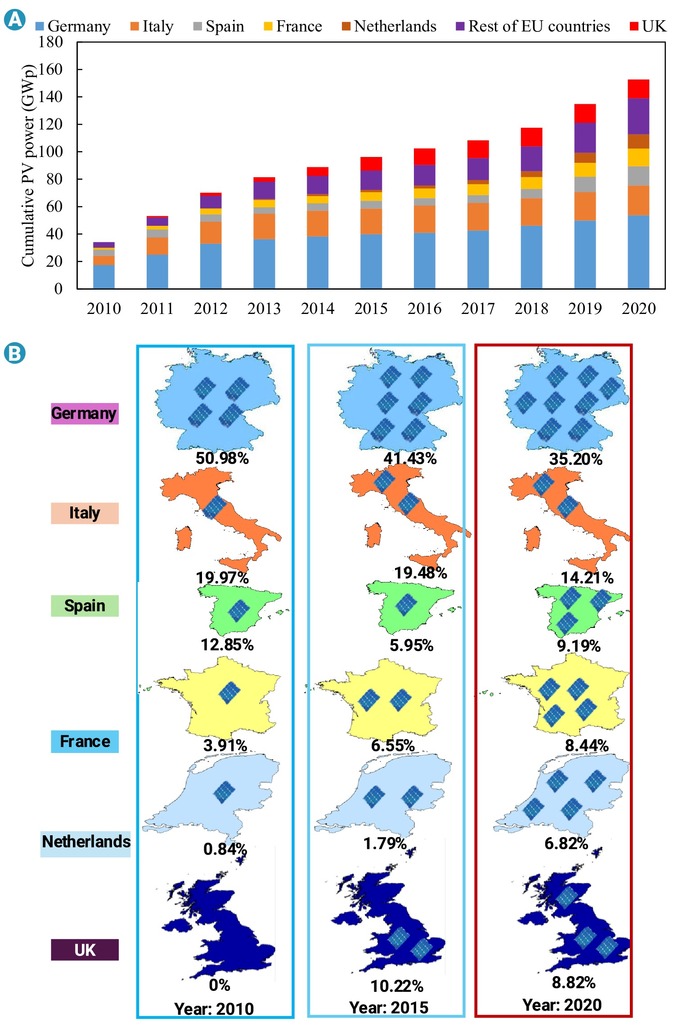
Figure 1.
Grid-connected PV capacity in EU and the United Kingdom by 2020:24
-
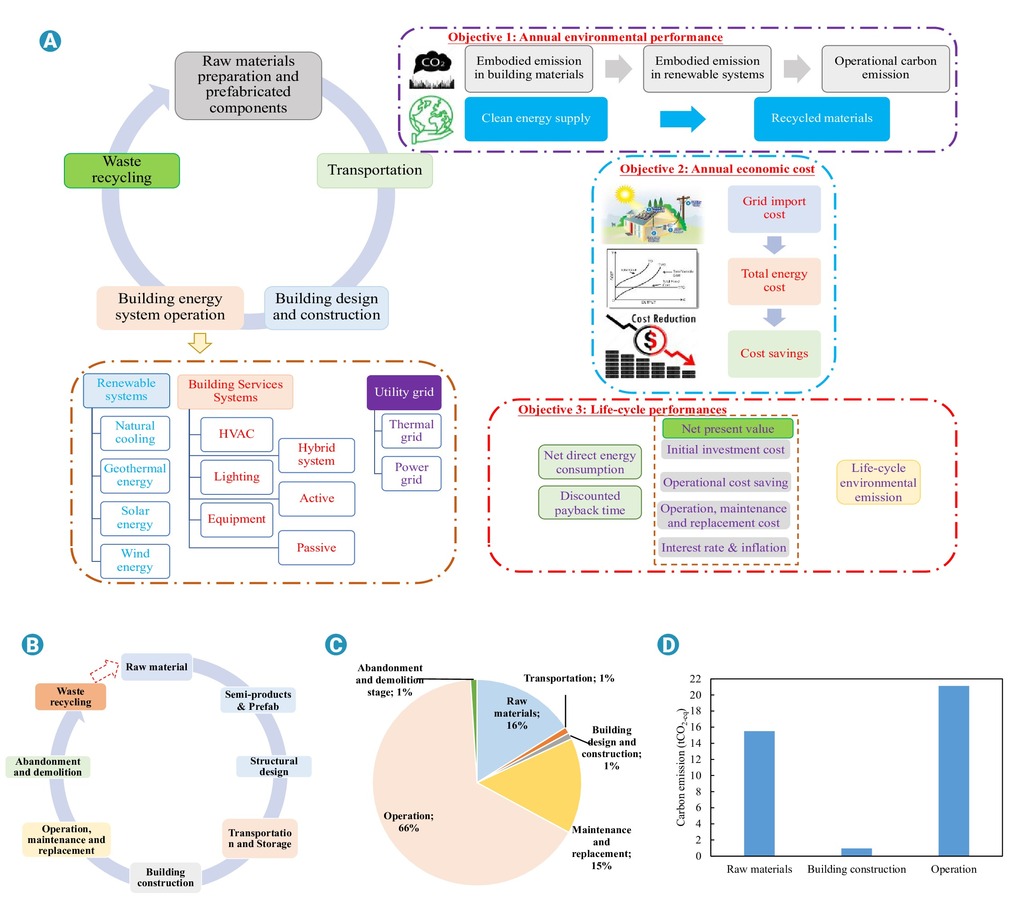
Figure 2.
An overview of the lifecycle-based techno-economic-environmental performance of district energy systems
-
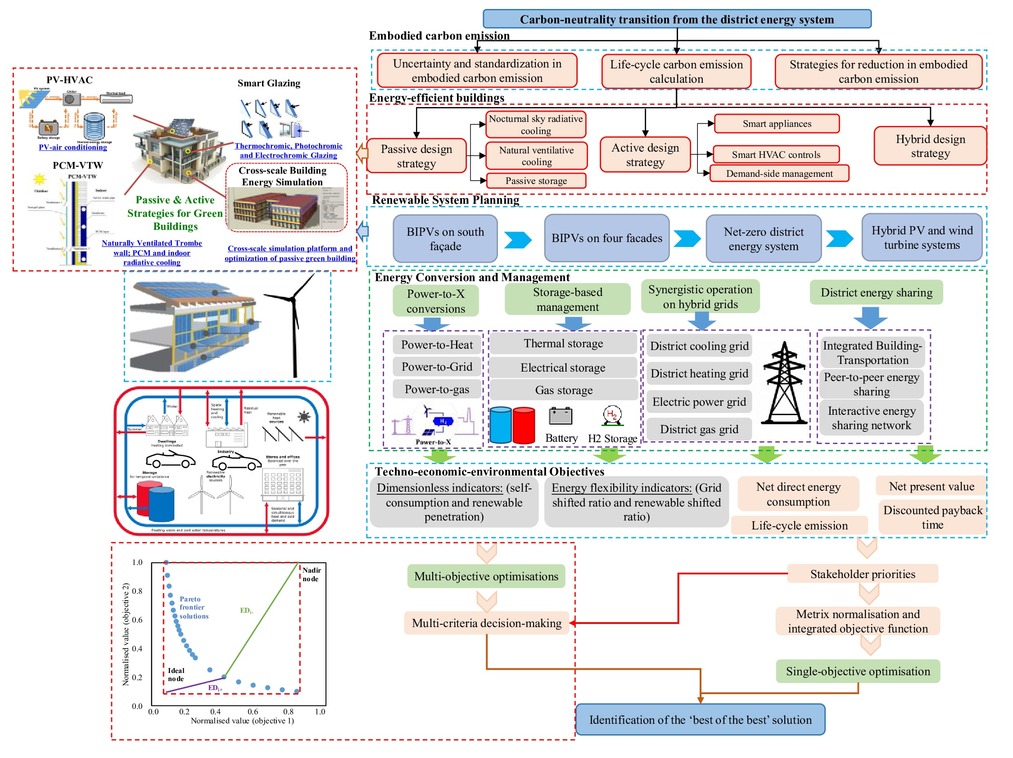
Figure 3.
An overall framework of the research methodology for carbon-neutrality transition of energy districts.
-
Figure 4.
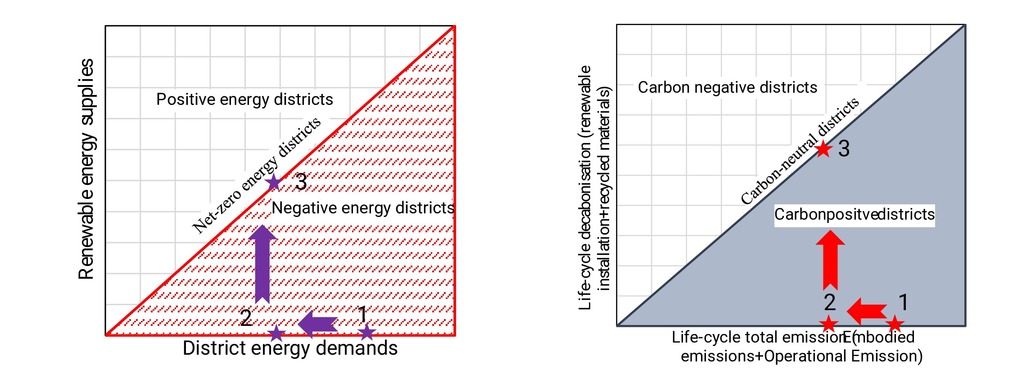
Demonstration of (A) negative, net-zero and positive energy districts; (B) lifecycle carbon-negative, carbon-neutral and carbon-positive districts.
-
Figure 5.
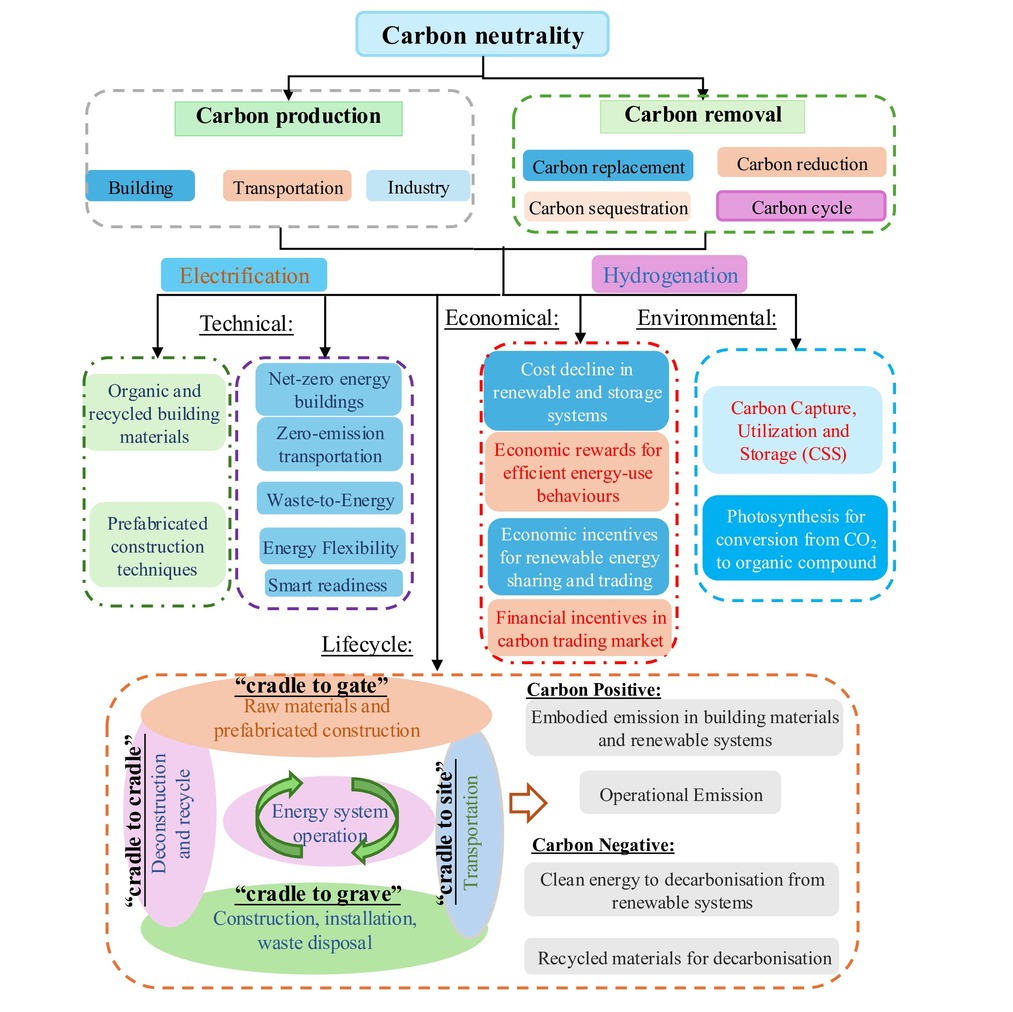
An overview on outlooks and multidisciplinary research for carbon-neutrality transition.
-
Figure 6.
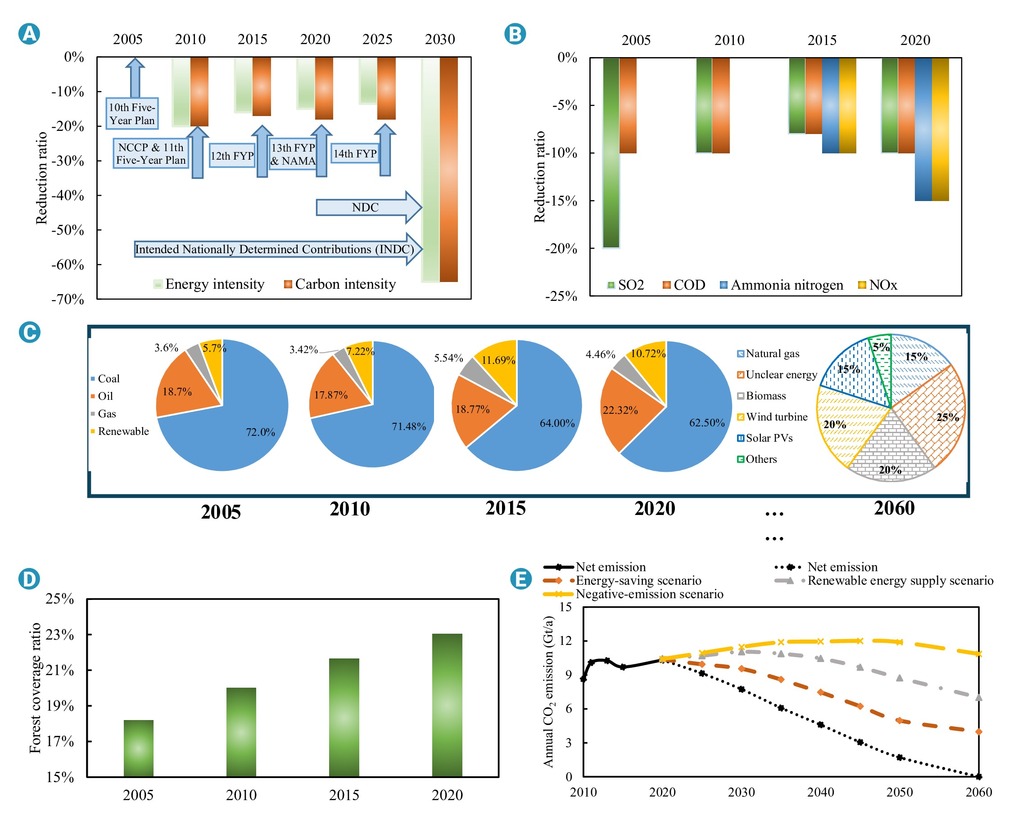
Roadmap, initiatives and policy actions to achieve
2060 carbon neutrality in China:223-229
