
Innovations in science, technology, engineering, and policy (iSTEP) for addressing environmental issues towards sustainable development
-
GRAPHICAL ABSTRACT
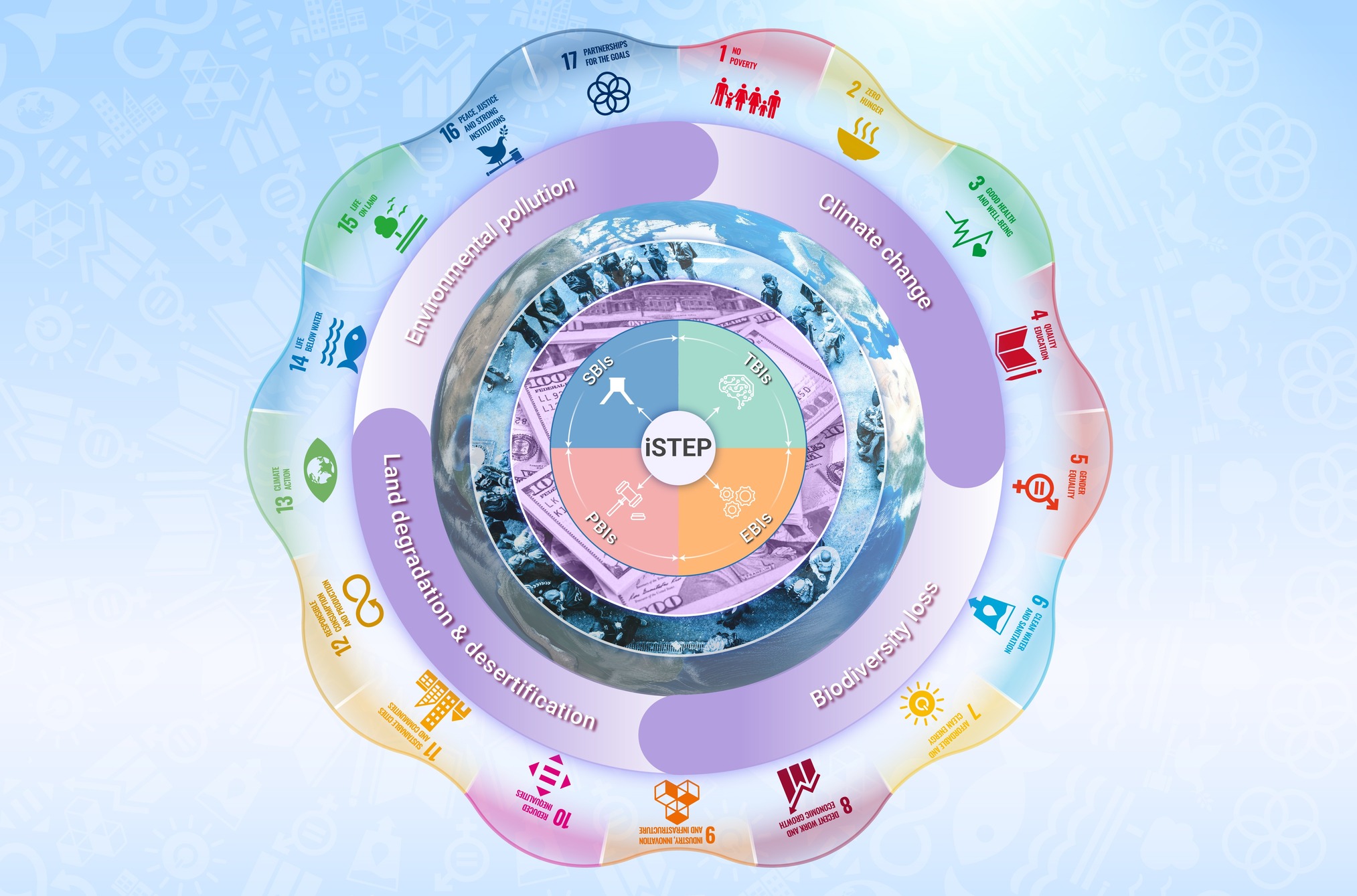
 DownLoad:
Full size image
DownLoad:
Full size image
-
PUBLIC SUMMARY
-
The evolution of sustainability science and the essence of sustainability and sustainable development are reviewed.
Climate change, biodiversity loss, land degradation and desertification, and pollution hinder the SDGs achievement.
iSTEP is addressing key environmental issues towards sustainable development, with its synergies outlined.
Recommendations and future perspectives on iSTEP for promoting sustainable development are proposed.
-
-
ABSTRACT
Sustainable development depends on the integration of the economy, society, and environment. Yet, escalating environmental challenges pose threats to both society and the economy. Despite progress in addressing environmental issues to promote sustainability, knowledge gaps in scientific research, technological advancement, engineering practice, and policy development persist. In this review, we aim to narrow these gaps by proposing innovation-based solutions and refining existing paradigms. Reviewing past research and actions, we first elucidate the evolution of sustainability science and the essence of sustainable development and its assessment. Secondly, we summarize current major environmental issues, including global warming and climate change, biodiversity loss, land degradation and desertification, and environmental pollution, as well as their relationships with sustainability and the achievement of Sustainable Development Goals (SDGs). Subsequently, this review critically evaluates the role of innovations in science, technology, engineering, and policy (iSTEP) and their synergies in advancing sustainability and SDGs. While their sequential relationships may vary based on specific contexts or sustainability scenarios within the iSTEP framework, each component reinforces the others, fostering continuous improvement. Finally, this review offers recommendations and future perspectives for formulating sustainability roadmaps. Recommendations include fostering a vision of sustainability, promoting interdisciplinary collaboration, and encouraging transboundary cooperation among stakeholders for future sustainability endeavors. -

-
REFERENCES
[1] World Commission on Environment and Development (WCED). (1987). Our Common Future (Oxford University Press). https://digitallibrary.un.org/record/139811?ln=en&v=pdf. [2] Lélé, S.M. (1991). Sustainable development: A critical review. World Dev. 19: 607−621. DOI: 10.1016/0305-750X(91)90197-P. [3] Bossel, H. (1999). Indicators for sustainable development: Theory, Method, Applications (International Institute for Sustainable Development). https://www.iisd.org/system/files/publications/balatonreport.pdf. [4] Blicharska, M., Smithers, R.J., Mikusiński, G., et al. (2019). Biodiversity’s contributions to sustainable development. Nat. Sustain. 2: 1083−1093. DOI: 10.1038/s41893-019-0417-9. [5] Cardinale, B.J., Duffy, J.E., Gonzalez, A., et al. (2012). Biodiversity loss and its impact on humanity. Nature 486: 59−67. DOI: 10.1038/nature11148. [6] Kuhlman, T. and Farrington, J. (2010). What is sustainability. Sustainability 2: 3436−3448. DOI: 10.3390/su2113436. [7] Guo H., Luo L., Wang H., et al., (2023). The STEP to facilitate achieving Sustainable Development Goals. The Innovation Geoscience 1: 100037. DOI: 10.59717/j.xinn-geo.2023.100037. [8] Viña, A. and Liu, J. (2023). Effects of global shocks on the evolution of an interconnected world. Ambio. 52: 95−106. DOI: 10.1007/s13280-022-01778-0. [9] Krlev, G. and J. Terstriep. (2022). Measuring innovation for sustainability transitions. Environ. Innov. Soc. Transit. 45: 270−288. DOI: 10.1016/j.eist.2022.11.005. [10] Zhang, J., Wang, S., Liu, Y., et al. (2022). Does having more sustainable communities bring better sustainability. The Innovation 3: 100267. DOI: 10.1016/j.xinn.2022.100267. [11] Mensah, J. (2019). Sustainable development: Meaning, history, principles, pillars, and implications for human action: Literature review. Cogent. Soc. Sci. 5: 1653531. DOI: 10.1080/23311886.2019.1653531. [12] Sharpley, R. (2000). Tourism and sustainable development: Exploring the theoretical divide. J. Sustain. Tour. 8: 1−19. DOI: 10.1080/09669580008667346. [13] Sachs, W. (2021). The development dictionary: A guide to knowledge as power. Community Dev. J. 56: 366−369. DOI: 10.1093/cdj/bsaa015. [14] Skene, K.R. (2021). No goal is an island: the implications of systems theory for the Sustainable Development Goals. Environ. Dev. Sustain. 23: 9993−10012. DOI: 10.1007/s10668-020-01043-y. [15] Kidd, C.V. (1992). The evolution of sustainability. J. Agr. Environ. Ethic. 5: 1−26. DOI: 10.1007/BF01965413. [16] Klarin, T. (2018). The concept of sustainable development: From its beginning to the contemporary issues. Zagreb Int. Rev. Econ. 21: 67−94. DOI: 10.2478/zireb-2018-0005. [17] Kates, R.W., Clark, W.C., Corell, R., et al. (2001). Sustainability science. Science 292: 641−642. DOI: 10.1126/science.1059386. [18] Kates, R.W. (2011). What kind of a science is sustainability science. Pro.c Natl. Acad. Sci. USA 108: 19449−19450. DOI: 10.1073/pnas.1116097108. [19] Martens, P. (2006). Sustainability: science or fiction. Sustainability: Sci. Pract. Policy 2: 36−41. DOI: 10.1080/15487733.2006.11907976. [20] Clark, W.C. and Harley, A.G. (2020). Sustainability science: Toward a synthesis. Annu. Rev. Env. Resour. 45: 1−56. DOI: 10.1146/annurev-environ-012420-043621. [21] Mebratu, D. (1998). Sustainability and sustainable development: Historical and conceptual review. Environ. Impact Assess Rev. 18: 493−520. DOI: 10.1016/S0195-9255(98)00019-5. [22] Zharova, L. and Chechel, A. (2020). Historical aspects of sustainable development and economic evolution interconnection. Skhid 2: 21−28. DOI: 10.21847/1728-9343.2020.2(166).201399. [23] Swain, R.B. (2018). A critical analysis of the sustainable development goals. Leal Filho, W. (ed) Handbook of sustainability science and research (Springer), pp: 341–355. DOI: 10.1007/978-3-319-63007-6_20. [24] International Council for Science (ICSU) and International Social Science Council (ISSC). (2015). Review of the Sustainable Development Goals (ICSU, ISSC). [25] Holden, E., Linnerud, K., and Banister, D. (2014). Sustainable development: Our common future revisited. Global Environ. Chang. 26: 130−139. DOI: 10.1016/j.gloenvcha.2014.04.006. [26] Hopwood, B., Mellor, M., and O'Brien, G. (2005). Sustainable development: mapping different approaches. Sustain. Dev. 13: 38−52. DOI: 10.1002/sd.244. [27] Dasgupta, P. (2010). Nature’s role in sustaining economic development. Phil. T. Roy. Soc. B 365: 5−11. DOI: 10.1098/rstb.2009.0231. [28] Dasgupta, P. (2013). The nature of economic development and the economic development of nature. Economic and Political Weekly 48: 38−51. [29] Arrow, K.J., Dasgupta, P., Goulder, L.H., et al. (2012). Sustainability and the measurement of wealth. Environ. Dev. Econ. 17: 317−353. DOI: 10.1017/S1355770X12000137. [30] Purvis, B., Mao, Y., and Robinson, D. (2019). Three pillars of sustainability: in search of conceptual origins. Sustain. Sci. 14: 681−695. DOI: 10.1007/s11625-018-0627-5. [31] Barbier, E.B. (1987). The concept of sustainable economic development. Environ. Conserv. 14: 101−110. DOI: 10.1017/S0376892900011449. [32] Elkington, J. (1997). Cannibals with Forks: The Triple Bottom Line of 21st Century Business (Capstone).https://www.sdg.services/uploads/9/9/2/1/9921626/cannibalswithforks.pdf. [33] United Nations (UN). (2015). Transforming our world: The 2030 agenda for sustainable development (UN). https://sustainabledevelopment.un.org/post2015/transformingourworld/publication. [34] Di Marco, M., Baker, M.L., Daszak, P., et al. (2020). Sustainable development must account for pandemic risk. Proc. Natl. Acad. Sci. USA 117: 3888−3892. DOI: 10.1073/pnas.2001655117. [35] Naidoo, R. and Fisher, B. (2020). Reset Sustainable Development Goals for a pandemic world. Nature 583: 198−201. DOI: 10.1038/d41586-020-01999-x. [36] Pradhan, P., Subedi, D.R., Khatiwada, D., et al. (2021). The COVID-19 pandemic not only poses challenges, but also opens opportunities for sustainable transformation. Earth's Future 9: e2021EF001996. DOI: 10.1029/2021EF001996. [37] Fu, B., Wang, S., Zhang, J., et al. (2019). Unravelling the complexity in achieving the 17 sustainable development goals. Natl. Sci. Rev. 6: 386−388. DOI: 10.1093/nsr/nwz038. [38] Hansmann, R., Mieg, H. A., and Frischknecht, P. (2012). Principal sustainability components: Empirical analysis of synergies between the three pillars of sustainability. Int. J. Sustain. Dev. World Ecol. 19: 451−459. DOI: 10.1080/13504509.2012.696220. [39] Zhang, J., Wang, S., Zhao, W., et al. (2022). Finding pathways to synergistic development of Sustainable Development Goals in China. Humanit. Soc. Sci. Commun. 9: 21. DOI: 10.1057/s41599-022-01036-4. [40] Kates, R.W., Parris, T.M., and Leiserowitz, A.A. (2005). What is sustainable development. goals, indicators, values, and practice. Environment: Sci. Policy Sustain. Dev. 47: 8−21. DOI: 10.1080/00139157.2005.10524444. [41] UN. (2007). Indicators of Sustainable Development: Guidelines and Methodologies (UN).https://sustainabledevelopment.un.org/content/documents/guidelines.pdf. [42] Sachs, J., Schmidt-Traub, G., Kroll, C., et al. (2016). SDG Index and Dashboards - Global Report (Bertelsmann Stiftung and. Sustainable Development Solutions Network (SDSN)). https://sdgtransformationcenter.org/reports/sdg-index-2016. [43] International Union for Conservation of Nature (IUCN). (1997). An Approach to Assessing Progress Toward Sustainability: Tools and Training Series (IUCN). https://portals.iucn.org/library/node/7321. [44] Wackernagel, M., Hanscom L., and Lin. D. (2017). Making the Sustainable Development Goals Consistent with Sustainability. Front. Energy Res. 5: 18. DOI: 10.3389/fenrg.2017.00018. [45] Milovanović, A. and Lekić, O. (2018). Indicators of Sustainable Development and the Urban Sustainability. Fikfak, A., Kosanović, S., Konjar M., and Anguillari, E. (eds). Sustainability and Resilience Socio-Spatial Perspective (TU Delft Open), pp: 103–122. [46] Elder, M. and Olsen, S.H. (2019). The design of environmental priorities in the SDGs. Global Policy 10: 70−82. DOI: 10.1111/1758-5899.12596. [47] Hametner, M. (2022). Economics without ecology: How the SDGs fail to align socioeconomic development with environmental sustainability. Ecol. Econ. 199: 107490. DOI: 10.1016/j.ecolecon.2022.107490. [48] Xing, Q., Wu, C., Chen, F., et al. (2024). Intranational synergies and trade-offs reveal common and differentiated priorities of sustainable development goals in China. Nat. Commun. 15: 2251. DOI: 10.1038/s41467-024-46491-6. [49] Steffen, W., Richardson, K., Rockström, J., et al. (2015). Planetary boundaries: Guiding human development on a changing planet. Science 347: 1259855. DOI: 10.1126/science.1259855. [50] Chu, E.W. and Karr, J.R. (2017). Environmental Impact: Concept, Consequences, Measurement. Reference Module in Life Sciences. DOI: 10.1016/B978-0-12-809633-8.02380-3. [51] United States Global Change Research Program (USGCRP). (2017). Climate Science Special Report: Fourth National Climate Assessment, Volume I. Wuebbles, D.J., Fahey, D.W., Hibbard, K.A., et al. (eds). U.S. Global Change Research Program. DOI: 10.7930/J0J964J6. [52] Levy II, H., Horowitz, L.W., Schwarzkopf, M.D., et al. (2013). The roles of aerosol direct and indirect effects in past and future climate change. J. Geophys. Res.: Atmos. 118: 4521−4532. DOI: 10.1002/jgrd.50192. [53] Letu, H., Nakajima, T.Y., Wang, T., et al. (2022). A new benchmark for surface radiation products over the east asia–pacific region retrieved from the himawari-8/ahi next-generation geostationary satellite. Bull. Am. Meteorol. Soc. 103: E873−E888. DOI: 10.1175/BAMS-D-20-0148.1. [54] Wang, F., Harindintwali, J.D., Wei, K., et al. (2023). Climate change: Strategies for mitigation and adaptation. The Innovation Geoscience 1: 100015. DOI: 10.59717/j.xinn-geo.2023.100015. [55] National Oceanic and Atmospheric Administration (NOAA). (2023). Monthly Global Climate Report for Annual 2022. www.ncei.noaa.gov/access/monitoring/monthly-report/global/202213. [56] Rohde, M.M. (2023). Floods and droughts are intensifying globally. Nat. Water 1: 226−227. DOI: 10.1038/s44221-023-00047-y. [57] Mondal, S., K. Mishra, A., Leung, R., et al. (2023). Global droughts connected by linkages between drought hubs. Nat. Commun. 14: 144. DOI: 10.1038/s41467-022-35531-8. [58] Yang, W., Wang, Z., Wu, S., et al. (2024) Climate change and urbanization inducing a tipping point in the hydrosphere. The Innovation Geoscience 2: 100074. DOI: 10.59717/j.xinn-geo.2024.100074. [59] Pradhan, P., Seydewitz, T., Zhou, B., et al. (2022). Climate extremes are becoming more frequent, co-occurring, and persistent in Europe. Anthr. Sci. 1: 264−277. DOI: 10.1007/s44177-022-00022-4. [60] Wu, Y., Wen, B., Li, S., et al. (2022). Fluctuating temperature modifies heat-mortality association around the globe. The Innovation 3: 100225. DOI: 10.1016/j.xinn.2022.100225. [61] He, C., Liu, Z., Wu, J., et al. (2021). Future global urban water scarcity and potential solutions. Nat. Commun. 12: 4667. DOI: 10.1038/s41467-021-25026-3. [62] Rentschler, J., Salhab, M., and Jafino, B.A. (2022). Flood exposure and poverty in 188 countries. Nat. Commun. 13: 3527. DOI: 10.1038/s41467-022-30727-4. [63] Wang, H., Xu, C., Liu, Y., et al. (2021). From unusual suspect to serial killer: Cyanotoxins boosted by climate change may jeopardize megafauna. The Innovation 2: 100092. DOI: 10.1016/j.xinn.2021.100092. [64] Wang, H., Wang, P., Zhao, X., et al. (2021). What triggered the Asian elephant's northward migration across southwestern Yunnan. The Innovation 2: 100142. DOI: 10.1016/j.xinn.2021.100142. [65] Zhao, X., Liu, Y., Guo, Y.M., et al. (2023). Meta-analysis reveals cyanotoxins risk across African inland waters. J. Hazard Mater. 451: 131160. DOI: 10.1016/j.jhazmat.2023.131160. [66] Zhenmin, L. and Espinosa, P. (2019). Tackling climate change to accelerate sustainable development. Nat. Clim. Change 9: 494−496. DOI: 10.1038/s41558-019-0519-4. [67] Soergel, B., Kriegler, E., Weindl, I., et al. (2021). A sustainable development pathway for climate action within the UN 2030 Agenda. Nat. Clim. Change 11: 656−664. DOI: 10.1038/s41558-021-01098-3. [68] Mbow, C., Rosenzweig, C., Barioni, L.G., et al. (2019). Food Security. Shukla, P.R., Skea, J., Calvo Buendia, E., et al. (eds). Climate Change and Land: IPCC Special Report on Climate Change, Desertification, Land Degradation, Sustainable Land Management, Food Security, and Greenhouse Gas Fluxes in Terrestrial Ecosystems (Cambridge University Press), pp: 437–550. DOI: 10.1017/9781009157988.007. [69] Mirzabaev, A., Kerr, R.B., Hasegawa, T., et al. (2023). Severe climate change risks to food security and nutrition. Clim. Risk Manage 39: 1000473. DOI: 10.1016/j.crm.2022.100473. [70] Pradhan, P., Reusser, D.E., and Kropp, J.P. (2013). Embodied Greenhouse Gas Emissions in Diets. PLOS ONE 8: e62228. DOI: 10.1371/journal.pone.0062228. [71] Hiç, C., Pradhan, P., Rybski, D., et al. (2016). Food surplus and its climate burdens. Environ. Sci. Technol. 50: 4269−4277. DOI: 10.1021/acs.est.5b05088. [72] Pradhan, P. and Kropp, J.P. (2020). Interplay between diets, health, and climate change. Sustainability 12: 3878. DOI: 10.3390/su12093878. [73] Bodirsky, B.L., Dietrich, J.P., Martinelli, E., et al. (2020). The ongoing nutrition transition thwarts long-term targets for food security, public health and environmental protection. Sci. Rep. 10: 19778. DOI: 10.1038/s41598-020-75213-3. [74] Wang, F., Harindintwali, J.D., Yuan, Z., et al. (2021). Technologies and perspectives for achieving carbon neutrality. The Innovation 2: 100180. DOI: 10.1016/j.xinn.2021.100180. [75] Mugabowindekwe, M., Brandt, M., Chave, J., et al. (2023). Nation-wide mapping of tree-level aboveground carbon stocks in Rwanda. Nat. Clim. Change 13: 91−97. DOI: 10.1038/s41558-022-01544-w. [76] Qiao, L., Zuo, Z., Zhang, R., et al. (2023). Soil moisture–atmosphere coupling accelerates global warming. Nat. Commun. 14: 4908. DOI: 10.1038/s41467-023-40641-y. [77] Intergovernmental Panel on Climate Change (IPCC). (2023). Summary for Policymakers. Lee, H., and Romero, J. (eds). Climate Change 2023: Synthesis Report. Contribution of Working Groups I, II and III to the Sixth Assessment Report of the Intergovernmental Panel on Climate Change. DOI: 10.59327/IPCC/AR6-9789291691647.001. [78] Jones, M.W., Peters, G.P., Gasser, T., et al. (2023). National contributions to climate change due to historical emissions of carbon dioxide, methane, and nitrous oxide since 1850. Sci. Data 10: 155. DOI: 10.1038/s41597-023-02041-1. [79] Carley, S. and Konisky, D.M. (2020). The justice and equity implications of the clean energy transition. Nat. Energy 5: 569−577. DOI: 10.1038/s41560-020-0641-6. [80] Gebrechorkos, S., Leyland, J., Slater, L., et al. (2023). A high-resolution daily global dataset of statistically downscaled CMIP6 models for climate impact analyses. Sci. Data 10: 611. DOI: 10.1038/s41597-023-02528-x. [81] Brocca, L., Zhao, W., and Lu, H. (2023). High-resolution observations from space to address new applications in hydrology. The Innovation 4: 100437. DOI: 10.1016/j.xinn.2023.100437. [82] Smith, A., Bates, P.D., Wing, O., et al. (2019). New estimates of flood exposure in developing countries using high-resolution population data. Nat. Commun. 10: 1814. DOI: 10.1038/s41467-019-09282-y. [83] Kitsios, V., O’Kane, T.J., and Newth, D. (2023). A machine learning approach to rapidly project climate responses under a multitude of net-zero emission pathways. Commun. Earth Environ. 4: 355. DOI: 10.1038/s43247-023-01011-0. [84] Bi, K., Xie, L., Zhang, H., et al. (2023). Accurate medium-range global weather forecasting with 3D neural networks. Nature 619: 533−538. DOI: 10.1038/s41586-023-06185-3. [85] Chen, G., Cheng, Q., Lyons, T.W., et al. (2022). Reconstructing Earth’s atmospheric oxygenation history using machine learning. Nat. Commun. 13: 5862. DOI: 10.1038/s41467-022-33388-5. [86] Horton, P., and Horton, B.P. (2019). Re-defining Sustainability: Living in Harmony with Life on Earth. One Earth 1: 86−94. DOI: 10.1016/j.oneear.2019.08.019. [87] Allan, J.D. and Flecker, A.S. (1993). Biodiversity Conservation in Running Waters: Identifying the major factors that threaten destruction of riverine species and ecosystems. BioScience 43: 32−43. DOI: 10.2307/1312104. [88] Cimatti, M., Chaplin-Kramer, R., and Di Marco, M. (2023). The role of high-biodiversity regions in preserving Nature’s Contributions to People. Nat. Sustain. 6: 1385−1393. DOI: 10.1038/s41893-023-01179-5. [89] Dudgeon, D., Arthington, A.H., Gessner, M.O., et al. (2006). Freshwater biodiversity: importance, threats, status and conservation challenges. Biol. Rev. 81: 163−182. DOI: 10.1017/S1464793105006950. [90] Zhang, S., Zhou, Y., Yu, R., et al. (2022). China's biodiversity conservation in the process of implementing the sustainable development goals (SDGs). J. Clean Prod. 338: 130595. DOI: 10.1016/j.jclepro.2022.130595. [91] Zabin, C.J., Jurgens, L.J., Bible, J.M., et al. (2022). Increasing the resilience of ecological restoration to extreme climatic events. Front. Ecol. Environ. 20: 310−318. DOI: 10.1002/fee.2471. [92] Maxwell, S.L., Butt, N., Maron, M., et al. (2019). Conservation implications of ecological responses to extreme weather and climate events. Divers. Distrib. 25: 613−625. DOI: 10.1111/ddi.12878. [93] Till, A., Rypel, A.L., Bray, A., et al. (2019). Fish die-offs are concurrent with thermal extremes in north temperate lakes. Nat. Clim. Change 9: 637−641. DOI: 10.1038/s41558-019-0520-y. [94] Seebens, H., Blackburn, T.M., Dyer, E.E., et al. (2017). No saturation in the accumulation of alien species worldwide. Nat. Commun. 8: 14435. DOI: 10.1038/ncomms14435. [95] Carpenter, S.R., Caraco, N.F., Correll, D.L., et al. (1998). Nonpoint pollution of surface waters with phosphorus and nitrogen. Ecol. Appl. 8: 559−568. DOI: 10.1890/1051-0761(1998)008[0559:NPOSWW]2.0.CO;2. [96] Cantera, I., Coutant, O., Jézéquel, C., et al. (2022). Low level of anthropization linked to harsh vertebrate biodiversity declines in Amazonia. Nat. Commun. 13: 3290. DOI: 10.1038/s41467-022-30842-2. [97] Palmer, M. and Ruhi, A. (2019). Linkages between flow regime, biota, and ecosystem processes: Implications for river restoration. Science 365: eaaw2087. DOI: 10.1126/science.aaw2087. [98] Wang, H., Wang, P., Xu, C., et al. (2022). Can the “10-year fishing ban” rescue biodiversity of the Yangtze River. The Innovation 3: 100235. DOI: 10.1016/j.xinn.2022.100235. [99] Yu, Q., Wang, H., Li, Y., et al. (2015). Effects of high nitrogen concentrations on the growth of submersed macrophytes at moderate phosphorus concentrations. Water Res. 83: 385−395. DOI: 10.1016/j.watres.2015.06.053. [100] Liu, M., Li, Y., Wang, H., et al. (2022). Ecosystem complexity explains the scale-dependence of ammonia toxicity on macroinvertebrates. Water Res. 226: 119266. DOI: 10.1016/j.watres.2022.119266. [101] Wang, H., Xiao, X., Wang, H., et al. (2017). Effects of high ammonia concentrations on three cyprinid fish: Acute and whole-ecosystem chronic tests. Sci. Total. Environ. 598: 900−909. DOI: 10.1016/j.scitotenv.2017.04.070. [102] IUCN. (2023). The IUCN Red List of Threatened Species. Version 2023-1. https://www.iucnredlist.org. Accessed on [17/06/2024]. [103] Almond, R.E.A., Grooten M., and Petersen, T. (2020). WWF (2020) Living Planet Report 2020 - Bending the curve of biodiversity loss (WWF). https://wwfin.awsassets.panda.org/downloads/lpr_2020_full_report.pdf. [104] Guo, Y., Tan, H., Zhang, L., et al. (2023). Global food loss and waste embodies unrecognized harms to air quality and biodiversity hotspots. Nat. Food 4: 686–698. DOI: 10.1038/s43016-023-00810-0. . [105] Mirzabaev, A., Wu, J., Evans, J., et al. (2019). Desertification. Shukla, P.R., Skea, J., Calvo Buendia, E., et al. (eds). Climate Change and Land: IPCC Special Report on Climate Change, Desertification, Land Degradation, Sustainable Land Management, Food Security, and Greenhouse Gas Fluxes in Terrestrial Ecosystems (Cambridge University Press), pp: 249–344. DOI: 10.1017/9781009157988.005. [106] Olsson, L., Barbosa, H., S. Bhadwal, S., et al. (2019). Land degradation. Shukla, P.R., Skea, J., Calvo Buendia, E., et al. (eds). Climate Change and Land: IPCC Special Report on Climate Change, Desertification, Land Degradation, Sustainable Land Management, Food Security, and Greenhouse Gas Fluxes in Terrestrial Ecosystems (Cambridge University Press), pp: 345–436. DOI: 10.1017/9781009157988.006. [107] Global Environment Facility. (2023). Combating Land Degradation. https://www.thegef.org/sites/default/files/2023-05/GEF_Land_Degradation_2023_05.pdf. [108] Reynolds, J. F., Smith, D. M. S., Lambin, E. F., et al. (2007). Global desertification: Buildinga science for dryland development. Science 316: 847−851. DOI: 10.1126/science.1131634. [109] United Nations Convention to Combat Desertification (UNCCD). (2022). Land Restoration for Recovery and Resilience Second Edition (UNCCD). www.unccd.int/sites/default/files/2022-04/UNCCD_GLO2_low-res_2.pdf. [110] Davis, D.K. (2016). The arid lands: History, power, knowledge (The MIT Press). DOI: 10.7551/mitpress/10651.001.0001. [111] Huang, J., Yu, H., Guan, X., et al. (2016). Accelerated dryland expansion under climate change. Nat. Clim. Change 6: 166−171. DOI: 10.1038/nclimate2837. [112] Rojas-Downing, M.M., Nejadhashemi, A.P., Harrigan, T., et al. (2017). Climate change and livestock: Impacts, adaptation, and mitigation. Clim. Risk Manage 16: 145−163. DOI: 10.1016/j.crm.2017.02.001. [113] Verstraete, M.M., Hutchinson, C.F., Grainger, A., et al. (2011). Towards a global drylands observing system: Observational requirements and institutional solutions. Land Degrad. Dev. 22: 198−213. DOI: 10.1002/ldr.1046. [114] Berdugo, M., Kéfi, S., Soliveres, S., et al. (2017). Plant spatial patterns identify alternative ecosystem multifunctionality states in global drylands. Nat. Ecol. Evol. 1: 0003. DOI: 10.1038/s41559-016-0003. [115] Berdugo, M., Delgado-Baquerizo, M., Soliveres, S., et al. (2020). Global ecosystem thresholds driven by aridity. Science 367: 787−790. DOI: 10.1126/science.aay5958. [116] United Nations Department of Economic and Social Affairs (UNDESA). (2023). Proportion of land that is degraded over total land area (%). https://unstats.un.org/sdgs/dataportal/database. [117] Herrick, J.E., Van Zee, J.W., Havstad, K.M., et al. (2005). Monitoring Manual for Grassland, Shrubland and Savanna Ecosystems. Volume II: Design, Supplementary Methods and Interpretation (USDA - ARS Jornada Experimental Range). https://www.blm.gov/noc/blm-library/technical-reference/monitoring-manual-grassland-shrubland-and-savanna-ecosystems. [118] Maestre, F.T. and Escudero, A. (2009), Is the patch size distribution of vegetation a suitable indicator of desertification processes? Ecology 90: 1729–1735. DOI: 10.1890/08-2096.1. [119] Parra, G.F., Guerrero, L., Bredonck, S., et al. (2021). The future of temporary wetlands in drylands under the global change. Inland Waters 11: 445−456. DOI: 10.1080/20442041.2021.1936865. [120] Çolak, M.A., Öztaş, B., Özgencil, İ.K., et al. (2022). Increase in water abstraction and climate change have substantial effect on morphometry, salinity and biotic communities in lakes: Examples from the semi-arid Burdur Closed Basin (Turkey). Water 12: 1241. DOI: 10.3390/w14081241. [121] Cunillera-Montcusí, D., Beklioğlu, M., Cañedo-Argüelles, M., et al. (2022). Freshwater salinisation: A research agenda for a saltier world. Trends Ecol. Evol. 37: 440−453. DOI: 10.1016/j.tree.2021.12.005. [122] Rietkerk, M., Dekke, S.C., de Ruiter, P.C., et al. (2004). Self-organized patchiness and catastrophic shifts in ecosystems. Science 305: 1926−29 . DOI: 10.1126/science.1101867. [123] Kéfi, S.M., Rietkerk, M., Alados, C.L., et al. (2007). Spatial vegetation patterns and imminent desertification in Mediterranean arid ecosystems. Nature 449: 213−17. DOI: 10.1038/nature06111. [124] Meron E. (2015). Nonlinear Physics of Ecosystems (CRC Press). DOI: 10.1201/b18360. [125] Li, C., Fu, B., Wang, S., et al. (2023). Climate-driven ecological thresholds in China’s drylands modulated by grazing. Nat. Sustain. 6: 1363−1372. DOI: 10.1038/s41893-023-01187-5. [126] Lin, Y., Han, G., Zhao, M., et al. (2010). Spatial vegetation patterns as early signs of desertification: A case study of a desert steppe in inner mongolia, china. Landscape Ecol. 25: 1519−1527. DOI: 10.1007/s10980-010-9520-z. [127] Maestre, F.T., Eldridge, D.J., Soliveres, S., et al. (2016). Structure and functioning of dryland ecosystems in a changing world. Annu. Rev. Ecol. Evol. Syst. 47: 215−237. DOI: 10.1146/annurev-ecolsys-121415-032311. [128] Padilla, F.M. and Pugnaire, F.I. (2006). The role of nurse plants in the restoration of degraded environments. Front. Ecol. Environ. 4: 196−202. DOI: 10.1890/1540-9295(2006)004[0196:TRONPI]2.0.CO;2. [129] Puigdefabregas, J., Sole, A., Gutierrez, L., et al. (1999). Scales and processes of water and sediment redistribution in drylands: Results from the rambla honda field site in southeast spain. Earth Sci. Rev. 48: 39−70. DOI: 10.1016/S0012-8252(99)00046-X. [130] Delgado-Baquerizo, M., Maestre, F.T., Eldridge, D.J., et al. (2016), Biocrust-forming mosses mitigate the negative impacts of increasing aridity on ecosystem multifunctionality in drylands. New Phytol. 209: 1540-1552. DOI: 10.1111/nph.13688. [131] Jeppesen, E., Beklioğlu, M., Özkan, K., et al. (2020). Salinisation increase due to global change will have substantial negative effect on inland waters and freshwater resources: A call for multifaceted research at the local and global scale. The Innovation 1: 100030. DOI: 10.1016/j.xinn.2020.100030. [132] Yılmaz, G., Çolak, M.A., Özgencil, İ.K., et al. (2021). Decadal changes in size, salinity, waterbirds, and fish in lakes of the Konya Closed Basin, Turkey, associated with climate change and increasing water abstraction for agriculture. Inland Waters 11: 538−555. DOI: 10.1080/20442041.2021.1924034. [133] Wang, F., Liu, J., Qin, G., et al. (2023). Coastal blue carbon in China as a nature-based solution toward carbon neutrality. The Innovation 4: 100481. DOI: 10.1016/j.xinn.2023.100481. [134] Jones, E.R., Bierkens, M.F.P., van Puijenbroek, P.J.T.M., et al. (2023). Sub-Saharan Africa will increasingly become the dominant hotspot of surface water pollution. Nat. Water 1: 602−613. DOI: 10.1038/s44221-023-00105-5. [135] Lewis, D. (2023). Air pollution in China is falling — but there is a long way to go. Nature 617: 230−231. DOI: 10.1038/d41586-023-01452-9. [136] Xu, F., Huang, Q., Yue, H., et al. (2023). The challenge of population aging for mitigating deaths from PM2.5 air pollution in China. Nat. Commun. 14: 5222. DOI: 10.1038/s41467-023-40908-4. [137] Jin, L., Apte, J.S., Miller, S.L., et al. (2022). Global endeavors to address the health effects of urban air pollution. Environ. Sci. Technol. 56: 6793−6798. DOI: 10.1021/acs.est.2c02627. [138] Beloconi, A. and Vounatsou, P. (2021). Substantial reduction in particulate matter air pollution across Europe during 2006–2019: A spatiotemporal modeling analysis. Environ. Sci. Technol. 55: 15505−15518. DOI: 10.1021/acs.est.1c03748. [139] Sun, Y., Guo, Y., Xu, C., et al. (2023). Will “air eutrophication” increase the risk of ecological threat to public health. Environ. Sci. Technol. 57: 10512−10520. DOI: 10.1021/acs.est.3c01368. [140] Wiśniewska, K., Lewandowska, A.U., and Śliwińska-Wilczewska, S. (2019). The importance of cyanobacteria and microalgae present in aerosols to human health and the environment – Review study. Environ. Int. 131: 104964. DOI: 10.1016/j.envint.2019.104964. [141] Zhai, Y., Li, X., Wang, T., et al. (2018). A review on airborne microorganisms in particulate matters: Composition, characteristics and influence factors. Environ. Int. 113: 74−90. DOI: 10.1016/j.envint.2018.01.007. [142] Kampa, M. and Castanas, E. (2008). Human health effects of air pollution. Environ. Pollut. 151: 362−367. DOI: 10.1016/j.envpol.2007.06.012. [143] Cohen, A.J., Brauer, M., Burnett, R., et al. (2017). Estimates and 25-year trends of the global burden of disease attributable to ambient air pollution: An analysis of data from the Global Burden of Diseases Study 2015. The Lancet 389: 1907−1918. DOI: 10.1016/S0140-6736(17)30505-6. [144] Murray, C.J.L. (2022). The global burden of disease study at 30 years. Nat. Med. 28: 2019−2026. DOI: 10.1038/s41591-022-01990-1. [145] IHME (2021). Global Burden of Disease Study 2021 (GBD 2021) Data Resources. https://ghdx.healthdata.org/gbd-2021. Accessed on [10/06/2024]. [146] Ajiboye, T.O., Oyewo, O.A., and Onwudiwe, D.C., (2021). Simultaneous removal of organics and heavy metals from industrial wastewater: a review. Chemosphere 262: 128379. DOI: 10.1016/j.chemosphere.2020.128379. [147] Zhu, X., Li, H., Luo, Y., et al. (2024). Evaluation and prediction of anthropogenic impacts on long-term multimedia fate and health risks of pfos and pfoa in the elbe river basin. Water Res. 257: 121675. DOI: 10.1016/j.watres.2024.121675. [148] Yang, W., Zhang, J., and Krebs, P. (2022). Low impact development practices mitigate urban flooding and non-point pollution under climate change. J. Cleaner Prod. 347: 131320. DOI: 10.1016/j.jclepro.2022.131320. [149] Yang, W., Zhang, J., Hua, P., et al. (2023) Investigating non-point pollution mitigation strategies in response to changing environments: A cross-regional study in China and Germany. Water Res. 244: 120432. DOI: 10.1016/j.watres.2023.120432. [150] Wei, H., Huang, Y., Santiago, P.J., et al. (2023). Decoding the metabolic response of Escherichia coli for sensing trace heavy metals in water. Proc. Natl. Acad. Sci. USA 120: e2210061120. DOI: 10.1073/pnas.2210061120. [151] Zhai, M., Fu, B., Zhai, Y., et al. (2023). Simultaneous removal of pharmaceuticals and heavy metals from aqueous phase via adsorptive strategy: A critical review. Water Res. 236: 119924. DOI: 10.1016/j.watres.2023.119924. [152] Stapleton, M.J., Ansari, A.J., and Hai, F.I. (2023). Antibiotic sorption onto microplastics in water: A critical review of the factors, mechanisms and implications. Water Res. 233: 119790. DOI: 10.1016/j.watres.2023.119790. [153] Du, M., Peng, X., Zhang, H., et al. (2021). Geology, environment, and life in the deepest part of the world’s oceans. The Innovation 2: 100109. DOI: 10.1016/j.xinn.2021.100109. [154] Wu, S., Hua, P., Gui, D., et al. (2022). Occurrences, transport drivers, and risk assessments of antibiotics in typical oasis surface and groundwater. Water Res. 225: 119138. DOI: 10.1016/j.watres.2022.119138. [155] Yang, W., Wang, Z., Hua, P., et al. (2021). Impact of green infrastructure on the mitigation of road-deposited sediment induced stormwater pollution. Sci. Total. Environ. 770: 145294. DOI: 10.1016/j.scitotenv.2021.145294. [156] Schulte-Uebbing, L.F., Beusen, A.H.W., Bouwman, A.F., et al. (2022). From planetary to regional boundaries for agricultural nitrogen pollution. Nature 610: 507−512. DOI: 10.1038/s41586-022-05158-2. [157] Gu, B., Zhang, X., Lam, S.K., et al. (2023). Cost-effective mitigation of nitrogen pollution from global croplands. Nature 613: 77−84. DOI: 10.1038/s41586-022-05481-8. [158] Ladha J.K., Jat M.L., Stirling C.M., et al. (2020). Achieving the sustainable development goals in agriculture: The crucial role of nitrogen in cereal-based systems. Adv. Agron. 163: 39−116. DOI: 10.1016/bs.agron.2020.05.006. [159] Schneider, K., Barreiro-Hurle, J., and Rodriguez-Cerezo, E. (2023). Pesticide reduction amidst food and feed security concerns in Europe. Nat. Food 4: 746−750. DOI: 10.1038/s43016-023-00834-6. [160] Maggi, F., Tang, F.H.M., and Tubiello, F.N. (2023). Agricultural pesticide land budget and river discharge to oceans. Nature 620: 1013−1017. DOI: 10.1038/s41586-023-06296-x. [161] Bai, Z., Fan, X., Jin, X., et al. (2022). Relocate 10 billion livestock to reduce harmful nitrogen pollution exposure for 90% of China’s population. Nat. Food 3: 152−160. DOI: 10.1038/s43016-021-00453-z. [162] Zhu, Z., Zhang, X., Dong, H., et al. (2022). Integrated livestock sector nitrogen pollution abatement measures could generate net benefits for human and ecosystem health in China. Nat. Food 3: 161−168. DOI: 10.1038/s43016-022-00462-6. [163] Zhou, Z., Liu, Y., Wang, S., et al. (2023). Interactions between Phosphorus Enrichment and Nitrification Accelerate Relative Nitrogen Deficiency during Cyanobacterial Blooms in a Large Shallow Eutrophic Lake. Environ. Sci. Technol. 57: 2992−3001. DOI: 10.1021/acs.est.2c07599. [164] Duan, Z., Tan, X., Shi, L., et al. (2023). Phosphorus accumulation in extracellular polymeric substances (EPS) of colony-forming cyanobacteria challenges imbalanced nutrient reduction strategies in eutrophic lakes. Environ. Sci. Technol. 57: 1600−1612. DOI: 10.1021/acs.est.2c04398. [165] Zhang, X., Zhang, X., Zhang, Z., et al. (2022). Pesticides in the atmosphere and seawater in a transect study from the Western Pacific to the Southern Ocean: The importance of continental discharges and air-seawater exchange. Water Res. 217: 118439. DOI: 10.1016/j.watres.2022.118439. [166] Li, W., Xin, S., Deng, W., et al. (2023). Occurrence, spatiotemporal distribution patterns,partitioning and risk assessments of multiple pesticide residues in typical estuarine water environments in eastern China. Water Res. 245: 120570. DOI: 10.1016/j.watres.2023.120570. [167] Wang, H., Wang, H., Liang, X., et al. (2014). Total phosphorus thresholds for regime shifts are nearly equal in subtropical and temperate shallow lakes with moderate depths and areas. Freshwater Biol. 59: 1659−1671. DOI: 10.1111/fwb.12372. [168] Liu, M., Wang, H., Wang, H., et al. (2021). Decreasing toxicity of un-ionized ammonia on the gastropod Bellamya aeruginosa when moving from laboratory to field scale. Ecotox. Environ. Safe 227: 112933. DOI: 10.1016/j.ecoenv.2021.112933. [169] Yu, Q., Wang, H., Wang, H., et al. (2022). Effects of high ammonium loading on two submersed macrophytes of different growth form based on an 18-month pond experiment. Front. Plant Sci. 13: 939589. DOI: 10.3389/fpls.2022.939589. [170] Yu, Q., Wang, H., Xu, C., et al. (2018). Higher tolerance of canopy-forming potamogeton crispus than rosette-forming vallisneria natans to high nitrogen concentration as evidenced from experiments in 10 ponds with contrasting nitrogen levels. Front. Plant Sci. 9: 01845. DOI: 10.3389/fpls.2018.01845. [171] Yu, Q., Wang, H., Wang, H., et al. (2017). Does the responses of Vallisneria natans (Lour.) Hara to high nitrogen loading differ between the summer high-growth season and the low-growth season? Sci. Total. Environ. 601–602: 1513–1521. DOI: 10.1016/j.scitotenv.2017.05.268. [172] Ma, S., Xu, Y., Wang, H., et al. (2023). Mechanisms of high ammonium loading promoted phosphorus release from shallow lake sediments: A five-year large-scale experiment. Water Res. 245: 120580. DOI: 10.1016/j.watres.2023.120580. [173] Ma, S., Wang, H., Wang, H., et al. (2021). Effects of nitrate on phosphorus release from lake sediments. Water Res. 194: 116894. DOI: 10.1016/j.watres.2021.116894. [174] Ma, S., Wang, H., Wang, H., et al. (2018). High ammonium loading can increase alkaline phosphatase activity and promote sediment phosphorus release: A two-month mesocosm experiment. Water Res. 145: 388−397. DOI: 10.1016/j.watres.2018.08.043. [175] Wuepper, D., Borrelli, P., and Finger, R. (2020). Countries and the global rate of soil erosion. Nat. Sustain. 3: 51−55. DOI: 10.1038/s41893-019-0438-4. [176] Kemp, D.B., Sadler, P.M., and Vanacker, V. (2020). The human impact on North American erosion, sediment transfer, and storage in a geologic context. Nat. Commun. 11: 6012. DOI: 10.1038/s41467-020-19744-3. [177] Leibowitz, S.G., Hill, R.A., Creed, I.F., et al. (2023). National hydrologic connectivity classification links wetlands with stream water quality. Nat. Water 1: 370−380. DOI: 10.1038/s44221-023-00057-w. [178] Savelli, E., Mazzoleni, M., Di Baldassarre, G., et al. (2023). Urban water crises driven by elites’ unsustainable consumption. Nat. Sustain. 6: 929−940. DOI: 10.1038/s41893-023-01100-0. [179] Shen, X., Cai, Y., Su, M., et al. (2022). High discharge intensified low net ecosystem productivity, hypoxia, and acidification at three outlets of the Pearl River Estuary, China. Water Res. 214: 118171. DOI: 10.1016/j.watres.2022.118171. [180] Wang, M., Houlton, B.Z., Wang, S., et al. (2021). Human-caused increases in reactive nitrogen burial in sediment of global lakes. The Innovation 2: 100158. DOI: 10.1016/j.xinn.2021.100158. [181] Gong, Z., Chen, H., and Zhang, G. (2015). Silent Soil: Idea, Culture and Dream (Science Press). [182] Hossain, A., Krupnik, T.J., Timsina, J., et al. (2020). Agricultural Land Degradation: Processes and Problems Undermining Future Food Security. Fahad, S., Hasanuzzaman, M., Alam, M., et al. (Eds). Environment, Climate, Plant and Vegetation Growth (Springer), pp: 17–61. DOI: 10.1007/978-3-030-49732-3_2. [183] Hou, D., O’Connor, D., Igalavithana, A.D., et al. (2020). Metal contamination and bioremediation of agricultural soils for food safety and sustainability. Nat. Rev. Earth Environ. 1: 366−381. DOI: 10.1038/s43017-020-0061-y. [184] Rani, L., Thapa, K., Kanojia, N., et al. (2021). An extensive review on the consequences of chemical pesticides on human health and environment. J. Clean Prod. 283: 124657. DOI: 10.1016/j.jclepro.2020.124657. [185] Wang, F. (2023). Editorial overview: Emerging contaminants in soil. Curr. Opin. Environ. Sci. Health 35: 100505. DOI: 10.1016/j.coesh.2023.100505. [186] Wang, F., Fu, Y.H., Sheng, H.J., et al. (2021). Antibiotic resistance in the soil ecosystem: A One Health perspective. Curr. Opin. Environ. Sci. Health 20: 100230. DOI: 10.1016/j.coesh.2021.100230. [187] Wang, Y., Xiang, L., Amelung, W., et al. (2023). Micro- and nanoplastics in soil ecosystems: Analytical methods, fate, and effects. TrAC, Trends Anal. Chem. 169: 117309. DOI: 10.1016/j.trac.2023.117309. [188] Wang, J., Chen, L., Tan, Z., et al. (2023). Inherent spatiotemporal uncertainty of renewable power in China. Nat. Commun. 14: 5379. DOI: 10.1038/s41467-023-40670-7. [189] Chen, J., Liu, J., Han, S., et al. (2023). Nontraditional biomanipulation: A powerful ecotechnology to combat cyanobacterial blooms in eutrophic freshwaters. The Innovation Life 1: 100038. DOI: 10.59717/j.xinn-life.2023.100038. [190] Mitra, A. and Zaman, S. (2020). Soil Pollution and Its Mitigation. Mitra, A., and Zaman, S. (eds). Environmental Science - A Ground Zero Observation on the Indian Subcontinent (Springer International Publishing), pp: 315–348. DOI: 10.1007/978-3-030-49131-4_9. [191] He, X., Bryant, B.P., Moran, T., et al. (2021). Climate-informed hydrologic modeling and policy typology to guide managed aquifer recharge. Sci. Adv. 7: eabe6025. DOI: 10.1126/sciadv.abe6025. [192] Yue, H., He, C., Huang, Q., et al. (2020). Stronger policy required to substantially reduce deaths from PM2.5 pollution in China. Nat. Commun. 11: 1462. DOI: 10.1038/s41467-020-15319-4. [193] Carlson, R.R., Foo, S.A., Burns, J.H.R., et al. (2022). Untapped policy avenues to protect coral reef ecosystems. Proc. Natl. Acad. Sci. USA 119: e2117562119. DOI: 10.1073/pnas.2117562119. [194] Gerber, L.R. (2023). Bridging the gap between science and policy for a sustainable future. Nat. Water 1: 824−824. DOI: 10.1038/s44221-023-00145-x. [195] Merkel, A. (1998). The role of science in sustainable development. Science 281: 336−337. DOI: 10.1126/science.281.5375.336. [196] Schneegans, S. and Straza, T.R.A. (2023). To what extent are we using science for sustainable development. Environ. Sci. Technol. 57: 16719−16727. DOI: 10.1021/acs.est.3c05021. [197] Dietz, S. and Neumayer, E. (2007). Weak and strong sustainability in the SEEA: Concepts and measurement. Ecol. Econ. 61: 617−626. DOI: 10.1016/j.ecolecon.2006.09.007. [198] Herrero, M., Thornton, P.K., Mason-D’Croz, D., et al. (2020). Innovation can accelerate the transition towards a sustainable food system. Nat. Food 1: 266−272. DOI: 10.1038/s43016-020-0074-1. [199] Herrero, M., Thornton, P., Mason-D'Croz, D., et al. (2021). Articulating the effect of food systems innovation on the Sustainable Development Goals. Lancet Planet Health 5: E50−E62. DOI: 10.1016/S2542-5196(20)30277-1. [200] Karmaoui, A., Yoganandan, G., Sereno, D., et al. (2023). Global network analysis of links between business, climate change, and sustainability and setting up the interconnections framework. Environ. Dev. Sustain. DOI: 10.1007/s10668-023-03883-w. [201] Sun, Y., Zhang, X., Ding, Y., et al. (2022). Understanding human influence on climate change in China. Natl. Sci. Rev. 9: nwab113. DOI: 10.1093/nsr/nwab113. [202] Spake, R., Barajas-Barbosa, M.P., Blowes, S.A., et al. (2022). Detecting thresholds of ecological change in the Anthropocene. Annu. Rev. Environ. Resour. 47: 797−821. DOI: 10.1146/annurev-environ-112420-015910. [203] Fu, B., Wang, S., Liu, Y., et al. (2017). Hydrogeomorphic ecosystem responses to natural and anthropogenic changes in the Loess Plateau of China. Annu. Rev. Earth Planet Sci. 45: 223−243. DOI: 10.1146/annurev-earth-063016-020552. [204] Lehmann, J., Bossio, D.A., Kögel-Knabner I., et al. (2020). The concept and future prospects of soil health. Nat. Rev. Earth Environ. 1: 544−553. DOI: 10.1038/s43017-020-0080-8. [205] Liverman, D.M. (2018). Development goals and geography. Dialogues Hum. Geogr. 8: 206−211. DOI: 10.1177/2043820618780793. [206] Elder, M. and Zusman, E. (2016). Strengthening the Linkages between Air Pollution and the Sustainable Development Goals (Institute for Global Environmental Strategies). https://www.iges.or.jp/en/pub/strengthening-linkages-between-air-pollution/en. [207] An, L., Zvoleff, A., Liu, J., et al. (2014). Agent-based modeling in coupled human and natural systems (CHANS): Lessons from a comparative analysis. Ann. Am. Assoc. Geogr. 104: 723−745. DOI: 10.1080/00045608.2014.910085. [208] Kapsar, K.E., Hovis, C.L., Bicudo da Silva, R.F., et al. (2019). Telecoupling research: The first five years. Sustainability 11: 1033. DOI: 10.3390/su11041033. [209] Liu, J., Viña A., Yang, W., et al. (2018). China’s environment on a metacoupled planet. Annu. Rev. Environ. Resour. 43: 1−34. DOI: 10.1146/annurev-environ-102017-030040. [210] Feng, L., Guo, M., Wang, W., et al. (2023). Evaluation of the effects of long-term natural and artificial restoration on vegetation characteristics, soil properties and their coupling coordinations. Sci. Total. Environ. 884: 163828. DOI: 10.1016/j.scitotenv.2023.163828. [211] Wei, X., Liu, R., and Chen, W. (2023). Meta theories of technological innovation based on the analysis of classic texts. Heliyon 9: e16779. DOI: 10.1016/j.heliyon.2023.e16779. [212] Filho, W.L., Wall, T., Salvia, A.L., et al. (2023). The central role of climate action in achieving the United Nations' Sustainable Development Goals. Sci. Rep. 13: 20582. DOI: 10.1038/s41598-023-47746-w. [213] Newman, R. and Noy, I. (2023). The global costs of extreme weather that are attributable to climate change. Nat. Commun. 14: 6103. DOI: 10.1038/s41467-023-41888-1. [214] Liu, Y., Cai, W., Lin, X., et al. (2023). Nonlinear El Niño impacts on the global economy under climate change. Nat. Commun. 14: 5887. DOI: 10.1038/s41467-023-41551-9. [215] Dunnett, S., Holland, R., Taylor, G., et al. (2022). Predicted wind and solar energy expansion has minimal overlap with multiple conservation priorities across global regions. Proc. Natl. Acad. Sci. USA 119: e2104764119. DOI: 10.1073/pnas.2104764119. [216] Turner, S.W.D., Voisin, N., and Nelson, K. (2022). Revised monthly energy generation estimates for 1,500 hydroelectric power plants in the United States. Sci. Data 9: 675. DOI: 10.1038/s41597-022-01748-x. [217] Mo, L., Zohner, C.M., Reich, P.B., et al. (2023). Integrated global assessment of the natural forest carbon potential. Nature 624: 92−101. DOI: 10.1038/s41586-023-06723-z. [218] Singh, K., Hachem-Vermette, C., and D’Almeida, R. (2023). Solar neighborhoods: The impact of urban layout on a large-scale solar strategies application. Sci. Rep. 13: 18843. DOI: 10.1038/s41598-023-43348-8. [219] Wang, Y., Wang, R., Tanaka, K., et al. (2023). Accelerating the energy transition towards photovoltaic and wind in China. Nature 619: 761−767. DOI: 10.1038/s41586-023-06180-8. [220] Fan, J.L., Li, Z., Huang, X., et al. (2023). A net-zero emissions strategy for China’s power sector using carbon-capture utilization and storage. Nat Commun 14: 5972. DOI: 10.1038/s41467-023-41548-4. [221] Reyna, J. and Chester, M. (2017). Energy efficiency to reduce residential electricity and natural gas use under climate change. Nat. Commun. 8: 14916. DOI: 10.1038/ncomms14916. [222] Arneth, A., Shin, Y., Leadley, P., et al. (2020). Post-2020 biodiversity targets need to embrace climate change. Proc. Natl. Acad. Sci. USA 117: 30882−30891. DOI: 10.1073/pnas.2009584117. [223] Keesing, F. and Ostfeld, R.S. (2021). Impacts of biodiversity and biodiversity loss on zoonotic diseases. Proc. Natl. Acad. Sci. USA 118: e2023540118. DOI: 10.1073/pnas.2023540118. [224] Luo, L., Wang, X., Guo, H., et al. (2022). Eighteen years (2001–2018) of forest habitat loss across the Asian elephant’s range and its drivers. Sci. Bull. 67: 1513−1516. DOI: 10.1016/j.scib.2022.04.013. [225] Anderson, M., Clark, M., Olivero, A.P., et al. (2023). A resilient and connected network of sites to sustain biodiversity under a changing climate. Proc. Natl. Acad. Sci. USA 120: e2204434119. DOI: 10.1073/pnas.2204434119. [226] Li, F., Wu, S., Liu, H., et al. (2024). Biodiversity loss through cropland displacement for urban expansion in China. Sci. Total. Environ. 907: 167988. DOI: 10.1016/j.scitotenv.2023.167988. [227] Randin, C., Ashcroft, M.B., Bolliger, J., et al. (2020). Monitoring biodiversity in the Anthropocene using remote sensing in species distribution models. Remote Sens. Environ. 239: 111626. DOI: 10.1016/j.rse.2019.111626. [228] Waverek, M., Carr, E., Jean-Philippe, S., et al. (2023). Drone remote sensing in urban forest management: A case study. Urban For. Urban Gree. 86: 127978. DOI: 10.1016/j.ufug.2023.127978. [229] Jiang, Y., Miao, Y., Qian, J., et al. (2022). Comparative analysis of complete chloroplast genome sequences of five endangered species and new insights into phylogenetic relationships of Paris. Gene 833: 146572. DOI: 10.1016/j.gene.2022.146572. [230] Giuliani, G., Mazzetti, P., Santoro, M., et al. (2020). Knowledge generation using satellite earth observations to support sustainable development goals (SDG): A use case on Land degradation. Int. J. Appl. Earth Obs. Geoinf. 88: 102068. DOI: 10.1016/j.jag.2020.102068. [231] Cao, M., Chen, M., Zhang, J., et al. (2023). Spatio-temporal changes in the causal interactions among Sustainable Development Goals in China. Humanit. Soc. Sci. Commun. 10: 50. DOI: 10.1057/s41599-023-01952-z. [232] Zhang, J., Wang, S., Pradhan, P., et al. (2022). Mapping the complexity of the food-energy-water nexus from the lens of Sustainable Development Goals in China. Resour. Conserv. Recy. 183: 106357. DOI: 10.1016/j.resconrec.2022.106357. [233] Li, J., Yang, Z., Zhu, Q., et al. (2023). Biodegradation of soil agrochemical contamination mitigates the direct horizontal transfer risk of antibiotic resistance genes to crops. Sci. Total. Environ. 901: 166454. DOI: 10.1016/j.scitotenv.2023.166454. [234] Chen, L., Wei, W., Tong, B., et al. (2024). Long-term terrace change and ecosystem service response in an inland mountain province of China. Catena 234: 107586. DOI: 10.1016/j.catena.2023.107586. [235] Wu, D., Xie, Yu., Lyu, S., et al. (2023). Disentangling the complex impacts of urban digital transformation and environmental pollution: Evidence from smart city pilots in China. Sustain. Cities Soc. 88: 104266. DOI: 10.1016/j.scs.2022.104266. [236] Jin, L., Sun, X., Ren, H., et al. (2023). Biological filtration for wastewater treatment in the 21st century: A data-driven analysis of hotspots, challenges and prospects. Sci. Total. Environ. 855: 158951. DOI: 10.1016/j.scitotenv.2022.158951. [237] Zhong, T., Lin, T., Zhang, X., et al. (2023). Impact of biological activated carbon filtration and backwashing on the behaviour of PFASs in drinking water treatment plants. J. Hazard Mater. 446: 130641. DOI: 10.1016/j.jhazmat.2022.130641. [238] Lino, F.A.M., Ismail, K.A.R., Castañeda-Ayarza, J.A., et al. (2023). Municipal solid waste treatment in Brazil: A comprehensive review. Energy Nexus 11: 100232. DOI: 10.1016/j.nexus.2023.100232. [239] Xing, X., Xiong, Y., Yang, R., et al. (2021). Predicting the effect of confinement on the COVID-19 spread using machine learning enriched with satellite air pollution observations. Proc. Natl. Acad. Sci. USA 118: e2109098118. DOI: 10.1073/pnas. 2109098118. DOI: 10.1073/pnas.2109098118. [240] Zolkos, S.G., Goetz, S.J., and Dubayah, R. (2013). A meta-analysis of terrestrial aboveground biomass estimation using lidar remote sensing. Remote Sens. Environ. 128: 289−298. DOI: 10.1016/j.rse.2012.10.017. [241] Ayanlade, A. and Drake, N. (2016). Forest loss in different ecological zones of the Niger Delta, Nigeria: evidence from remote sensing. Geo.Journal 81: 717−735. DOI: 10.1007/s10708-015-9658-y. [242] Seidel, D.P., Dougherty, E., and Carlson, C. (2018). Ecological metrics and methods for GPS movement data. Int. J. Geogr. Inf. Sci. 32: 2272−2293. DOI: 10.1080/13658816.2018.1498097. [243] Akroyd, J., Harper, Z., Soutar, D., et al. (2022). Universal digital twin: Land use. Data-Centric. Eng. 3: e3. DOI: 10.1017/dce.2021.21. [244] Liu, Y., Lv, X., Qin, X., et al. (2007). An integrated GIS-based analysis system for land-use management of lake areas in urban fringe. Landscape Urban Plan 82: 233−246. DOI: 10.1016/j.landurbplan.2007.02.012. [245] Guo H., Liang D., Sun Z., et al. (2022). Measuring and evaluating SDG indicators with Big Earth Data. Sci. Bull. 67: 1792−1801. DOI: 10.1016/j.scib.2022.07.015. [246] Guo, H. (2022). Big Earth Data in Support of the Sustainable Development Goals (2022): The Belt and Road (Science Press and EDP Sciences). [247] Konya, A. and Nematzadeh, P. (2024). Recent applications of AI to environmental disciplines: A review. Sci. Total. Environ. 906: 167705. DOI: 10.1016/j.scitotenv.2023.167705. [248] Guo H., Chen F., Sun Z., et al. (2021). Big Earth Data: a practice of sustainability science to achieve the Sustainable Development Goals. Sci. Bull. 66: 1050−1053. DOI: 10.1016/j.scib.2021.01.012. [249] Guo, H., and Liang, D. (2024). Big Earth Data and its role in sustainability. Sci. Bull. 69: 1623−1627. DOI: 10.1016/j.scib.2024.03.023. [250] Buyukozkan G., Karabulut Y., and Mukul, E. (2018). A novel renewable energy selection model for United Nations’ sustainable development goals. Energy 165: 290−302. DOI: 10.1016/j.energy.2018.08.215. [251] Olabi A.G. and Abdelkareem M.A. (2022). Renewable energy and climate change. Renew Sust. Energ. Rev. 158: 112111. DOI: 10.1016/j.rser.2022.112111. [252] Gössling, S. (2013). Urban transport transitions: Copenhagen, City of Cyclists. J. Transp. Geogr. 33: 196−206. DOI: 10.1016/j.jtrangeo.2013.10.013. [253] Adams, W. M., Perrow, M. R., and Carpenter, A. (2004). Conservatives and champions: River managers and the river restoration discourse in the United Kingdom. Environ. Plan A 36: 1929−1942. DOI: 10.1068/a3637. [254] Calzadilla V.P. and Mauger, R. (2018). The UN's new sustainable development agenda and renewable energy: The challenge to reach SDG7 while achieving energy justice. J Energy Nat. Reso. La. 36: 233−254. DOI: 10.1080/02646811.2017.1377951. [255] Araújo, O.Q.F. and Medeiros, J.F. (2017). Carbon capture and storage technologies: present scenario and drivers of innovation. Curr. Opin. Chem. Eng. 17: 22−34. DOI: 10.1016/j.coche.2017.05.004. [256] Arts, R.J., Chadwick, A., Eiken, O., et al. (2008). Ten years' experience of monitoring CO2 injection in the Utsira Sand at Sleipner, offshore Norway. First Break 26: 65−70. DOI: 10.3997/1365-2397.26.1115.27807. [257] Lewis III R.R. (2005). Ecological engineering for successful management and restoration of mangrove forests. Ecol. Eng. 24: 403−418. DOI: 10.1016/j.ecoleng.2004.10.003. [258] Palmer M.A., Filoso S., and Fanelli R.M. (2014). From ecosystems to ecosystem services: Stream restoration as ecological engineering. Ecol. Eng. 65: 62−70. DOI: 10.1016/j.ecoleng.2013.07.059. [259] Sklar F.H., Chimney M.J., Newman S., et al. (2005). The ecological - Societal underpinnings of Everglades restoration. Front. Ecol. Environ. 3: 161−169. DOI: 10.1890/1540-9295(2005)003[0161:TEUOER]2.0.CO;2. [260] Buxton, R.T., Avery-Gomm, S., Lin, H.Y., et al. (2020). Half of resources in threatened species conservation plans are allocated to research and monitoring. Nat. Commun. 11: 4668. DOI: 10.1038/s41467-020-18486-6. [261] Haywood, J.C., Fuller, W.J., Godley, B.J,. et al. (2020). Spatial ecology of loggerhead turtles: Insights from stable isotope markers and satellite telemetry. Divers. Distrib. 26: 368−381. DOI: 10.1111/ddi.13023. [262] Wei, F., Hu, Y., Zhu, L., et al. (2012). Black and white and read all over: the past, present and future of giant panda genetics. Mol. Ecol. 21: 5660−5674. DOI: 10.1111/mec.12096. [263] Poff, N., Brown, C., Grantham, T., et al. (2016). Sustainable water management under future uncertainty with eco-engineering decision scaling. Nat. Clim. Chang. 6: 25−34. DOI: 10.1038/nclimate2765. [264] Anburuvel, A. (2024). The engineering behind soil stabilization with additives: A state-of-the-art review. Geotechn. Geol. Eng. 42: 1−42. DOI: 10.1007/s10706-023-02554-x. [265] Wang C.M., Han M., Lyu J., et al. (2021). Floating forest: A novel breakwater-windbreak structure against wind and wave hazards. Front. Struct. Civil Eng. 15: 1111−1127. DOI: 10.1007/s11709-021-0757-1. [266] Manaut, N., Sanguin, H., Ouahmane, L., et al. (2015). Potentialities of ecological engineering strategy based on native arbuscular mycorrhizal community for improving afforestation programs with carob trees in degraded environments. Ecol. Eng. 79: 113−119. DOI: 10.1016/j.ecoleng.2015.03.007. [267] Dukes M.D. and Scholberg J.M. (2005). Soil moisture controlled subsurface drip irrigation on sandy soils. Appl. Eng. Agric. 21: 89−101. DOI: 10.13031/2013.17916. [268] Mirzabaev, A., Sacande, M., Motlagh, F., et al. (2022). Economic efficiency and targeting of the African Great Green Wall. Nat. Sustain. 5: 17−25. DOI: 10.1038/s41893-021-00801-8. [269] Patil M., Dalal P.H., Salifu E., et al. (2023). Biostabilization of soils as sustainable pathway for anti-desertification: Present and future perspectives. Mater Today: Proc. DOI: 10.1016/j.matpr.2023.04.216. [270] Giuliani, G., Chatenoux, B., Benvenuti, A.,et al. (2020). Monitoring land degradation at national level using satellite Earth Observation time-series data to support SDG15–exploring the potential of data cube. Big Earth Data 4: 3−22. DOI: 10.1080/20964471.2020.1711633. [271] Titchou, F.E., Zazou, H., Afanga, H., et al. (2021). Removal of organic pollutants from wastewater by advanced oxidation processes and its combination with membrane processes. Chem. Eng. Process 169: 108631. DOI: 10.1016/j.cep.2021.108631. [272] Kuller, M., Bach, P.M., Ramirez-Lovering, D., et al. (2017). Framing water sensitive urban design as part of the urban form: A critical review of tools for best planning practice. Environ. Modell. Softw. 96: 265−282. DOI: 10.1016/j.envsoft.2017.07.003. [273] Wenzel, W.W. (2009). Rhizosphere processes and management in plant-assisted bioremediation (phytoremediation) of soils. Plant Soil 321: 385−408. DOI: 10.1007/s11104-008-9686-1. [274] Gavrilescu, M. (2022). Enhancing phytoremediation of soils polluted with heavy metals. Curr. Opin. Biotech. 74: 21−31. DOI: 10.1016/j.copbio.2021.10.024. [275] Rajesh, A.V., Sundaram, C.M., Sivaganesan, V., et al. (2020). Emission reduction techniques in CI engine with catalytic converter. Mater. Today Proc. 21: 98−103. DOI: 10.1016/j.matpr.2019.05.369. [276] van Giezen, A. and Wiegmans, B. (2020). Spoilt-Ocean Cleanup: Alternative logistics chains to accommodate plastic waste recycling: An economic evaluation. Transp. Res. Interdiscipl. Perspect. 5: 100115. DOI: 10.1016/j.trip.2020.100115. [277] Cordier, M. and Uehara, T. (2019). How much innovation is needed to protect the ocean from plastic contamination. Sci. Total. Environ. 670: 789−799. DOI: 10.1016/j.scitotenv.2019.03.258. [278] Ullo, S.L. and Sinha, G.R. (2020). Advances in smart environment monitoring systems using IoT and sensors. Sensors 20: 3113. DOI: 10.3390/s20113113. [279] Kröger, S., Piletsky, S., and Turner, A. P. (2002). Biosensors for marine pollution research, monitoring and control. Mar. Pollut. Bull. 45: 24−34. DOI: 10.1016/S0025-326X(01)00309-5. [280] Liu, J., Chen, S., Wang, H., et al. (2015). Calculation of carbon footprints for water diversion and desalination projects. Energy Procedia. 75: 2483−2494. DOI: 10.1016/j.egypro.2015.07.239. [281] Halbe, J., Adamowski, J., and Pahl-Wostl, C. (2015). The role of paradigms in engineering practice and education for sustainable development. J. Clean Prod. 106: 272−282. DOI: 10.1016/j.jclepro.2015.01.093. [282] Suárez-Eiroa, B., Fernández, E., Méndez-Martínez, G., et al. (2019). Operational principles of circular economy for sustainable development: Linking theory and practice. J. Clean Prod. 214: 952−961. DOI: 10.1016/j.jclepro.2018.12.271. [283] Soyinka, O., Siu, K.W.M., Lawanson, T., et al. (2016). Assessing smart infrastructure for sustainable urban development in the Lagos metropolis. J. Urban Manag. 5: 52−64. DOI: 10.1016/j.jum.2017.01.001. [284] Thacker, S., Adshead, D., Fay, M. et al. (2019). Infrastructure for sustainable development. Nat. Sustain. 2: 324−331. DOI: 10.1038/s41893-019-0256-8. [285] Pan, Y. and Zhang, L. (2021). Roles of artificial intelligence in construction engineering and management: A critical review and future trends. Automat. Constr. 122: 103517. DOI: 10.1016/j.autcon.2020.103517. [286] Khan, S., Naushad, M., Al-Gheethi, A., et al. (2021). Engineered nanoparticles for removal of pollutants from wastewater: Current status and future prospects of nanotechnology for remediation strategies. J. Environ .Chem. Eng. 9: 106160. DOI: 10.1016/j.jece.2021.106160. [287] Corlett, R.T. (2017). A bigger toolbox: Biotechnology in biodiversity conservation. Trends Biotechnol. 35: 55−65. DOI: 10.1016/j.tibtech.2016.06.009. [288] Kamalakkannan, S. and Kulatunga, A.K. (2021). Optimization of eco-design decisions using a parametric life cycle assessment. Sustain. Prod. Consump. 27: 1297−1316. DOI: 10.1016/j.spc.2021.03.006. [289] Rusinko, C. (2007). Green manufacturing: An evaluation of environmentally sustainable manufacturing practices and their impact on competitive outcomes. IEEE T. Eng. Manag. 54: 445−454. DOI: 10.1109/TEM.2007.900806. [290] Mazor, T., Doropoulos, C., Schwarzmueller, F., et al. (2018). Global mismatch of policy and research on drivers of biodiversity loss. Nat. Ecol. Evol. 2: 1071−1074. DOI: 10.1038/s41559-018-0563-x. [291] United Nations Research Institute for Social Development (UNRISD). (2016). Policy Innovations for Transformative Change: Implementing the 2030 Agenda for Sustainable Development (Geneva UNRISD). [292] Xu, Z., Li, Y., Chau, S.N., et al. (2020). Impacts of international trade on global sustainable development. Nat. Sustain. 3: 964−971. DOI: 10.1038/s41893-020-0572-z. [293] Wang, H., Zhang, Y., Zhao, H., et al. (2017). Trade-driven relocation of air pollution and health impacts in China. Nat. Commun. 8: 738. DOI: 10.1038/s41467-017-00918-5. [294] Sun, J., Mooney, H., Wu, B., et al. (2018). Importing food damages domestic environment: Evidence from global soybean trade. Proc. Natl. Acad. Sci. USA 115: 5415−5419. DOI: 10.1073/pnas.1718153115. [295] Lenzen, M., Moran, D., Kanemoto, K. et al. (2012). International trade drives biodiversity threats in developing nations. Nature 486: 109−112. DOI: 10.1038/nature11145. [296] Zhang, Q. Jiang, X., Tong, D., et al. (2017). Transboundary health impacts of transported global air pollution and international trade. Nature 543: 705−709. DOI: 10.1038/nature21712. [297] Xue, S., Xiao, H., Ren, J. (2024). Cross-border interactions on the sustainable development between global countries. Resour. Conserv. Recy. 204: 107525. DOI: 10.1016/j.resconrec.2024.107525. [298] Wiedmann, T. and Lenzen, M. (2018). Environmental and social footprints of international trade. Nat. Geosci. 11: 314−321. DOI: 10.1038/s41561-018-0113-9. [299] Lin, H., Wang, X., Bao, G., et al. (2022). Heterogeneous spatial effects of FDI on CO2 emissions in China. Earth's Future 10: e2021EF002331. DOI: 10.1029/2021EF002331. [300] Zhong, J. and Pei, J. (2024). Carbon border adjustment mechanism: A systematic literature review of the latest developments. Clim. Policy 24: 228−242. DOI: 10.1080/14693062.2023.2190074. [301] Bellora, C. and Fontagné, L. (2023). EU in search of a carbon border adjustment mechanism. Energy Econ. 123: 106673. DOI: 10.1016/j.eneco.2023.106673. [302] Sachs, J.D., Lafortune, G., Fuller, G., et al. (2023). Implementing the SDG Stimulus. Sustainable Development Report 2023 (Dublin University Press). DOI: 10.25546/102924. [303] Chandra, A. and Idrisova, A. (2011). Convention on Biological Diversity: A review of national challenges and opportunities for implementation. Biodivers. Conserv. 20: 3295−3316. DOI: 10.1007/s10531-011-0141-x. [304] Buchanan, G.M., Butchart, S.H., Chandler, G., et al. (2020). Assessment of national-level progress towards elements of the Aichi Biodiversity Targets. Ecol. Indic. 116: 106497. DOI: 10.1016/j.ecolind.2020.106497. [305] Xu, H., Cao, Y., Yu, D., et al. (2021). Ensuring effective implementation of the post-2020 global biodiversity targets. Nat. Ecol. Evol. 5: 411−418. DOI: 10.1038/s41559-020-01375-y. [306] Joly, C.A. (2023). The Kunming-Montréal Global Biodiversity Framework. Biota. Neotrop. 22: e2022e001. DOI: 10.1590/1676-0611-bn-2022-e001. [307] Eckert, I., Brown, A., Caron, D., et al. (2023). 30×30 biodiversity gains rely on national coordination. Nat. Commun. 14: 7113. DOI: 10.1038/s41467-023-42737-x. [308] Jiang, Q., Feng, C., Ding, J., et al. (2020). The decade long achievements of China's marine ecological civilization construction (2006–2016). J. Environ. Manag. 272: 111077. DOI: 10.1016/j.jenvman.2020.111077. [309] Thonicke, K., Rahner, E., Arneth, A., et al. (2024). 10 Must Knows from Biodiversity Science 2024 (Leibniz Research Network Biodiversity). DOI: 10.5281/zenodo.10837769. [310] Zhao, W. (2022). Beginning: China's national park system. Natl. Sci. Rev. 9: nwac150. DOI: 10.1093/nsr/nwac150. [311] Santika, T., Wilson, K. A., Law, E. A., et al. (2021). Impact of palm oil sustainability certification on village well-being and poverty in Indonesia. Nat. Sustain. 4: 109−119. DOI: 10.1038/s41893-020-00630-1. [312] Ordway, E.M., Naylor, R.L., Nkongho, R.N., et al. (2019). Oil palm expansion and deforestation in Southwest Cameroon associated with proliferation of informal mills. Nat. Commun. 10: 11. DOI: 10.1038/s41467-018-07915-2. [313] Stringer, L.C. (2008). Reviewing the International Year of Deserts and Desertification 2006: What contribution towards combating global desertification and implementing the United Nations Convention to Combat Desertification. J. Arid Environ. 72: 2065−2074. DOI: 10.1016/j.jaridenv.2008.06.010. [314] Seydewitz, T., Pradhan, P., Landholm, D.M., et al. (2023). Deforestation drivers across the tropics and their impacts on carbon stocks and ecosystem services. Anthr. Sci. 2: 81−92. DOI: 10.1007/s44177-023-00051-7. [315] Guneralp, B., Seto, K.C., and Ramachandran, M. (2013). Evidence of urban land teleconnections and impacts on hinterlands. Curr. Opin. Environ. Sustain. 5: 445−451. DOI: 10.1016/j.cosust.2013.08.003. [316] Xiao, H., Bao, S., Ren, J., et al. (2024). Global transboundary synergies and trade-offs among Sustainable Development Goals from an integrated sustainability perspective. Nat. Commun. 15: 500. DOI: 10.1038/s41467-023-44679-w. [317] Xiao, H., Bao, S., Ren, J., et al. (2023). Transboundary impacts on SDG progress across Chinese cities: A spatial econometric analysis. Sustain. Cities Soc. 92: 104496. DOI: 10.1016/j.scs.2023.104496. [318] Zhao, Z., Cai, M., Wang, F., et al. (2021). Synergies and tradeoffs among Sustainable Development Goals across boundaries in a metacoupled world. Sci. Total.Environ. 751: 141749. DOI: 10.1016/j.scitotenv.2020.141749. [319] Zhang, Q. et al., 2017. Transboundary health impacts of transported global air pollution and international trade. Nature 543:705–709. DOI:10.1038/nature21712. [320] Liu, J., Wang, X., Tan, Z., and Chen, J. (2021). A tripartite evolutionary game analysis of Japan’s nuclear wastewater discharge. Ocean Coast Manage 214: 105896. DOI: 10.1016/j.ocecoaman.2021.105896. [321] Schmeier, S. and Vogel, B. (2018). Ensuring long-term cooperation over transboundary water resources through joint river basin management. Schmutz, S. and Sendzimir, J. (eds). Riverine ecosystem management: Science for governing towards a sustainable future (Springer International Publishing, Cham, 2018), pp: 347–370. DOI:10.1007/978-3-319-73250-3_18. [322] Choksi, S. (2001). The Basel Convention on the Control of Transboundary Movements of Hazardous Wastes and Their Disposal: 1999 Protocol on Liability and Compensation. Ecology L Q 28: 509. [323] Fraenkel, A.A. (1989). The Convention on Long-Range Transboundary Air Pollution: Meeting the Challenge of International Cooperation. Harv Int’l L J 30: 447. [324] Liu, Y., Huang, B., Guo, H., and Liu, J. (2023). A big data approach to assess progress towards Sustainable Development Goals for cities of varying sizes. Commun Earth Environ 4: 1−10. DOI: 10.1038/s43247-023-00730-8. [325] Xiao, H., Xu, Z., Ren, J., et al. (2022). Navigating Chinese cities to achieve sustainable development goals by 2030. The Innovation 3: 100288. DOI: 10.1016/j.xinn.2022.100288. [326] Arfanuzzaman, Md. (2021). Harnessing artificial intelligence and big data for SDGs and prosperous urban future in South Asia. Environ. Sustain. Indic. 11: 100127. DOI: 10.1016/j.indic.2021.100127. [327] Zhao, X., Liu, J., Liu, Q., et al. (2015). Physical and virtual water transfers for regional water stress alleviation in China. Proc. Natl. Acad. Sci. USA 112: 1031−1035. DOI: 10.1073/pnas.1404130112. [328] Lin, J., Pan, D., Davis, S.J., et al. (2014). China’s international trade and air pollution in the United States. Proc. Natl. Acad. Sci. USA 111: 1736−1741. DOI: 10.1073/pnas.1312860111. [329] Dada, M. and Popoola, P. (2023). Recent advances in solar photovoltaic materials and systems for energy storage applications: A review. Beni-Suef. Univ. J. Basic Appl. Sci. 12: 66. DOI: 10.1186/s43088-023-00405-5. [330] Chen, L. Hu, Y., Wang, R. et al. (2024). Green building practices to integrate renewable energy in the construction sector: A review. Environ. Chem. Lett. 22: 751−784. DOI: 10.1007/s10311-023-01675-2. [331] Davidson, M.R., Zhang, D., Xiong, W., et al. (2016). Modelling the potential for wind energy integration on China’s coal-heavy electricity grid. Nat. Energy 1: 16086. DOI: 10.1038/nenergy.2016.86. [332] Biermann, F., Sun, Y., Banik, D., et al. (2023). Four governance reforms to strengthen the SDGs. Science 381: 1159−1160. DOI: 10.1126/science.adj5434. [333] Baum, C.M., Fritz, L., Low, S., et al. (2024). Public perceptions and support of climate intervention technologies across the Global North and Global South. Nat. Commun. 15: 2060. DOI: 10.1038/s41467-024-46341-5. [334] Liu, J. (2023). Leveraging the metacoupling framework for sustainability science and global sustainable development. Natl. Sci. Rev. 10: nwad090. DOI: 10.1093/nsr/nwad090. [335] Liu, J., Hull, V., Batistella, M., et al. (2013). Framing sustainability in a telecoupled world. Ecol. Soc. 18: 26. DOI: 10.5751/ES-05873-180226. [336] Liu, J., Hull, V., Godfray, H.C.J., et al. (2018). Nexus approaches to global sustainable development. Nat. Sustain. 1: 466−476. DOI: 10.1038/s41893-018-0135-8. [337] Nicholas, M., Li, Y., and Liu, J. (2023). Broader applicability of the metacoupling framework than Tobler’s first law of geography for global sustainability: A systematic review. Geogr. Sustain. 4: 6−18. DOI: 10.1016/j.geosus.2022.11.003. [338] Yang, D., Cai, J., Hull, V., et al. (2016). New road for telecoupling global prosperity and ecological sustainability. Ecosyst. Health Sust. 2: e01242. DOI: 10.1002/ehs2.1242. [339] Guo, H., Huang, L., Luo, L., et al. (2023). Progress on achieving environmental SDGs assessed from Big Earth Data in China. Sci. Bull. 68: 3129−3132. DOI: 10.1016/j.scib.2023.09.017. [340] Liu, J., Daily, G., Ehrlich, P., et al. (2003). Effects of household dynamics on resource consumption and biodiversity. Nature 421: 530−533. DOI: 10.1038/nature01359. [341] Yu, E. and Liu, J. (2007). Environmental impacts of divorce. Proc. Natl. Acad. Sci. USA 104: 20629−20634. DOI: 10.1073/pnas.0707267104. -
ABOUT THIS ARTICLE
Cite this article:
Luo L., Zhang J., Wang H., et al., (2024). Innovations in science, technology, engineering, and policy (iSTEP) for addressing environmental issues towards sustainable development. The Innovation Geoscience 2(3): 100087. https://doi.org/10.59717/j.xinn-geo.2024.100087
Welcome!
To request copyright permission to republish or share portions of our works, please visit Copyright Clearance Center's (CCC) Marketplace website at marketplace.copyright.com.
Export File
Citation
Luo L., Zhang J., Wang H., et al., (2024). Innovations in science, technology, engineering, and policy (iSTEP) for addressing environmental issues towards sustainable development. The Innovation Geoscience 2(3): 100087. https://doi.org/10.59717/j.xinn-geo.2024.100087

Format
Content
-
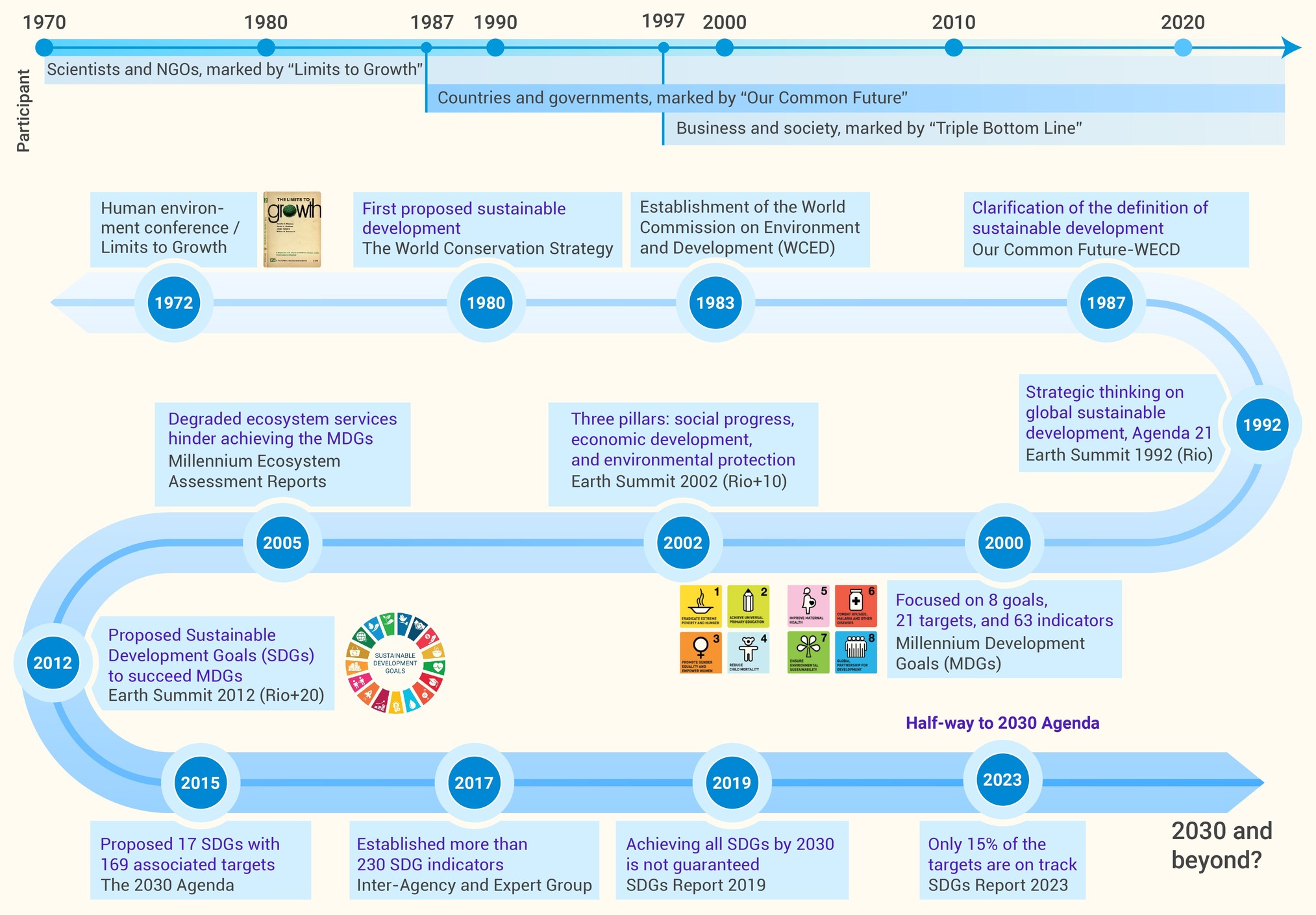
Figure 1.
An illustration of the birth and maturation of the concept of sustainable development.
-
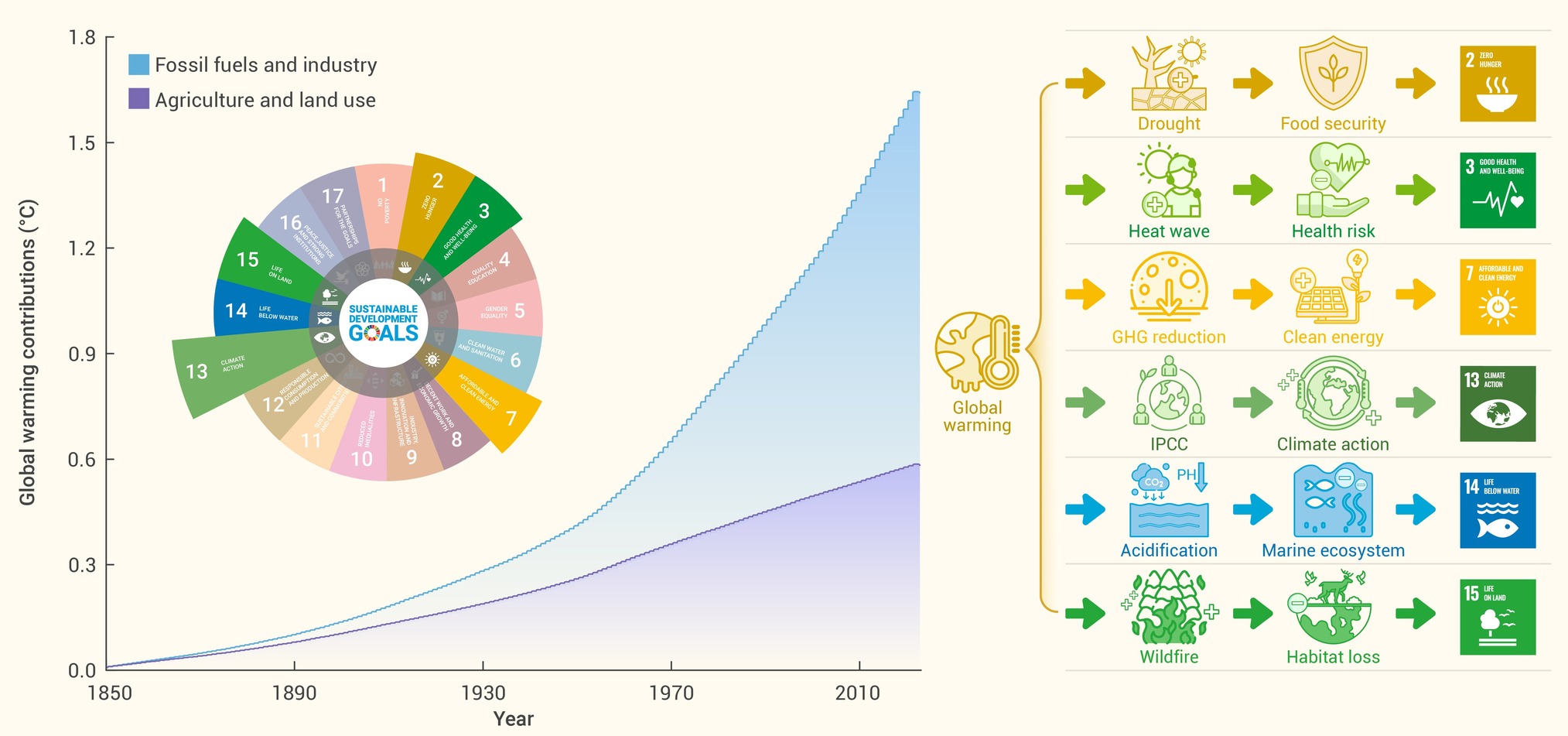
Figure 2.
Global warming trends and associated impacts on sustainable development.78
-
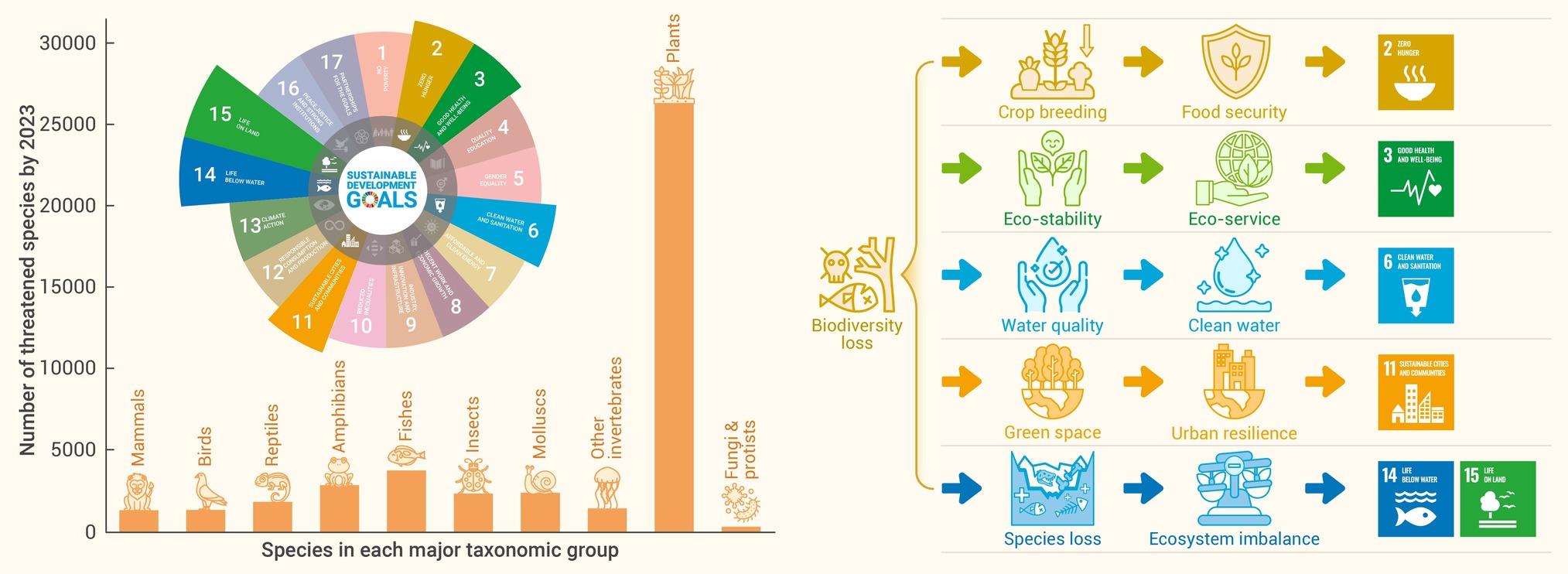
Figure 3.
Biodiversity loss across species and associated impacts on sustainable development.102
-
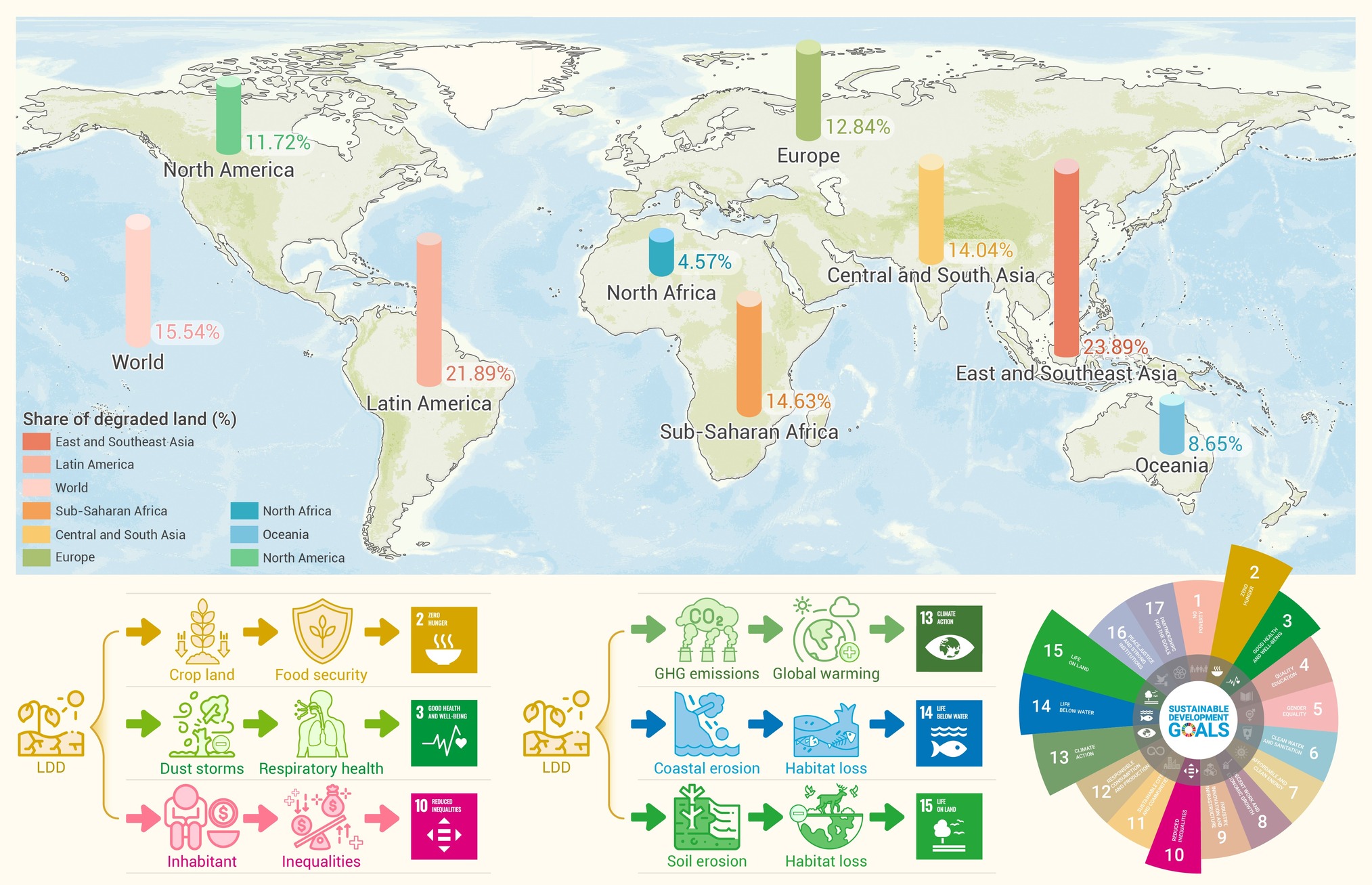
Figure 4.
Land degradation across regions and associated impacts on sustainable development.116
-
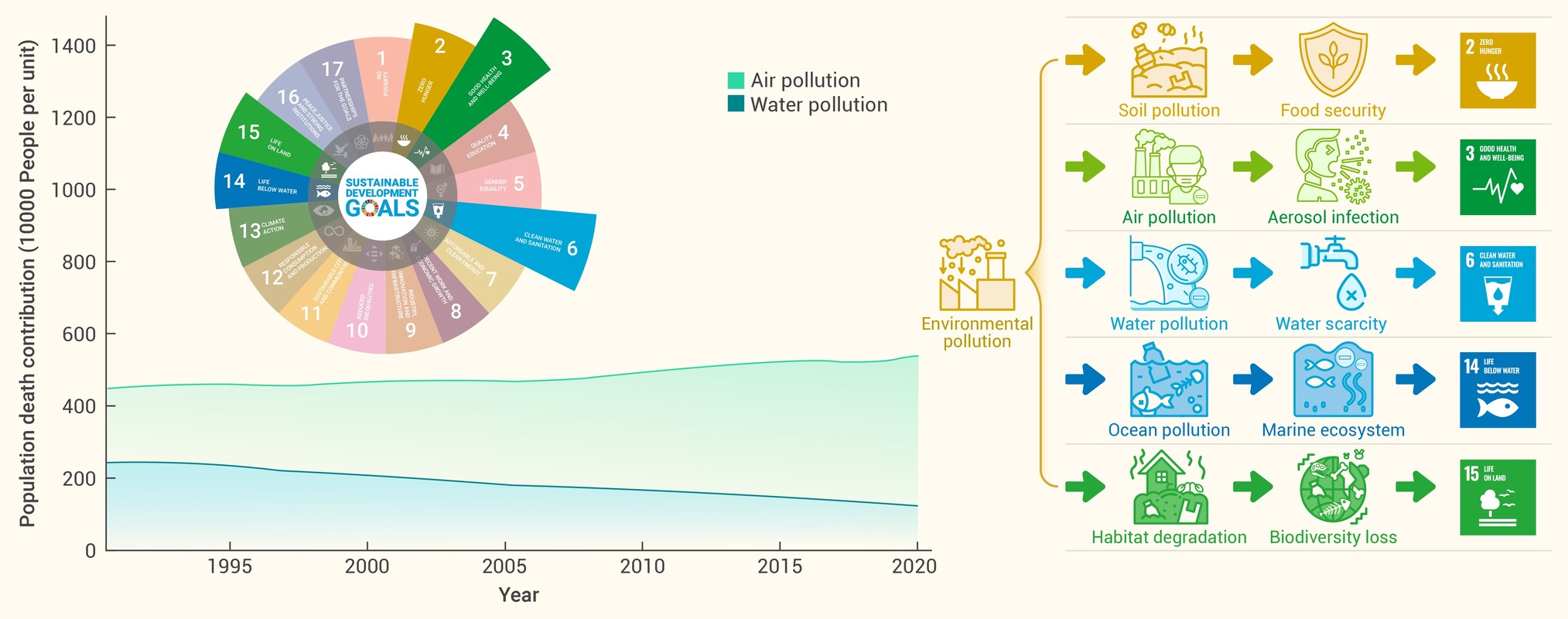
Figure 5.
Environmental pollution-induced fatalities and associated impacts on sustainable development.145
-
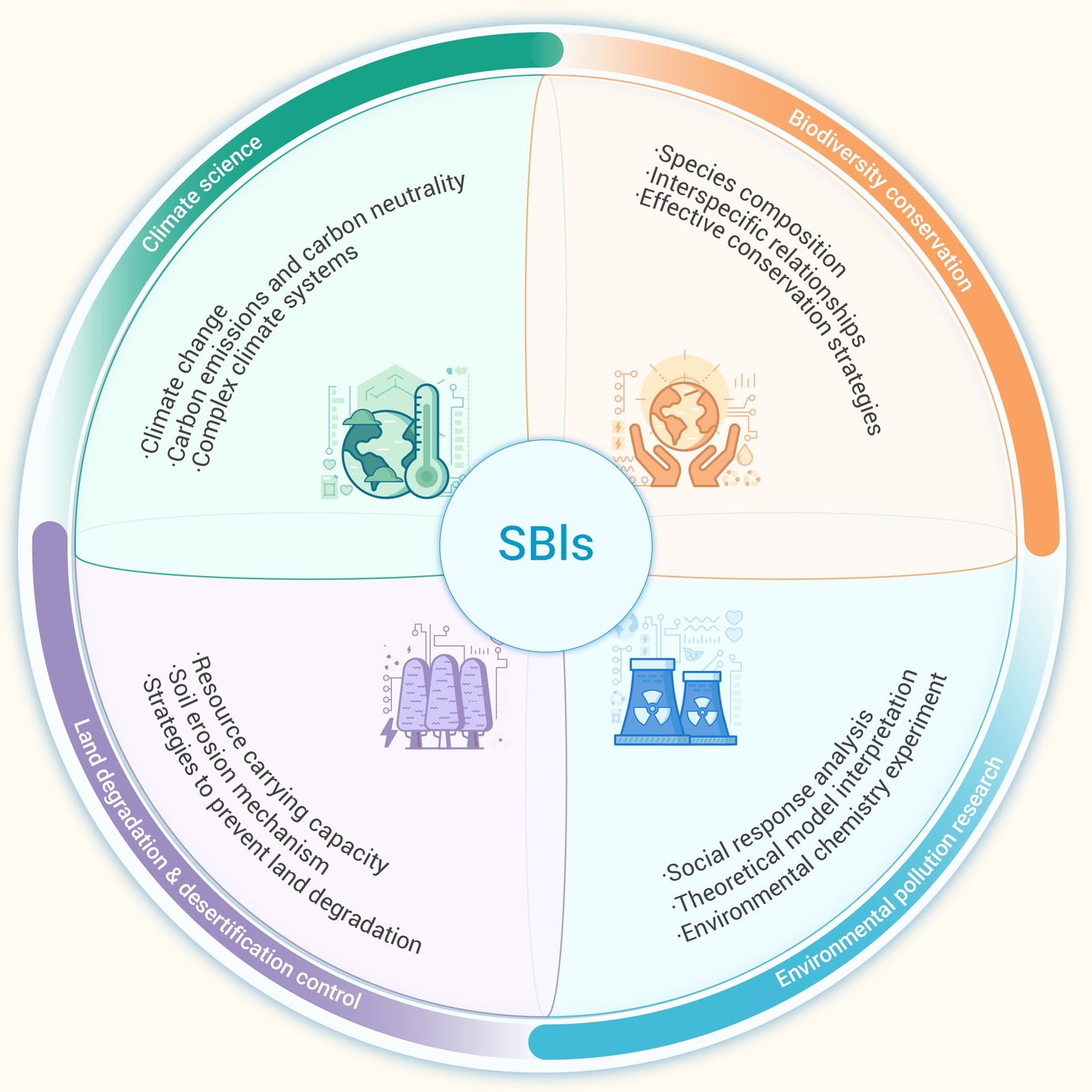
Figure 6.
Framework of SBIs for promoting environmental sustainable development.
-
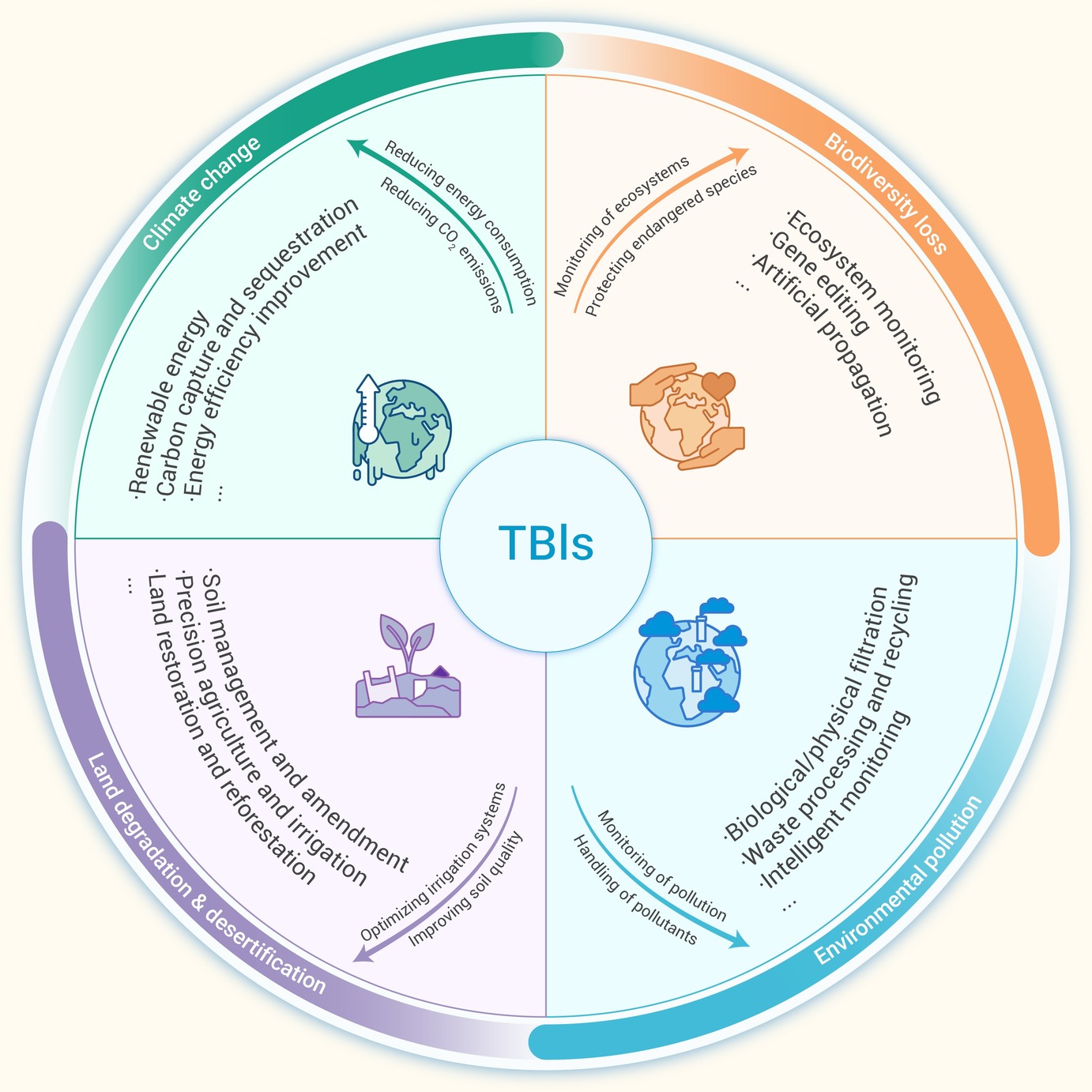
Figure 7.
Framework of TBIs for promoting environmental sustainable development.
-
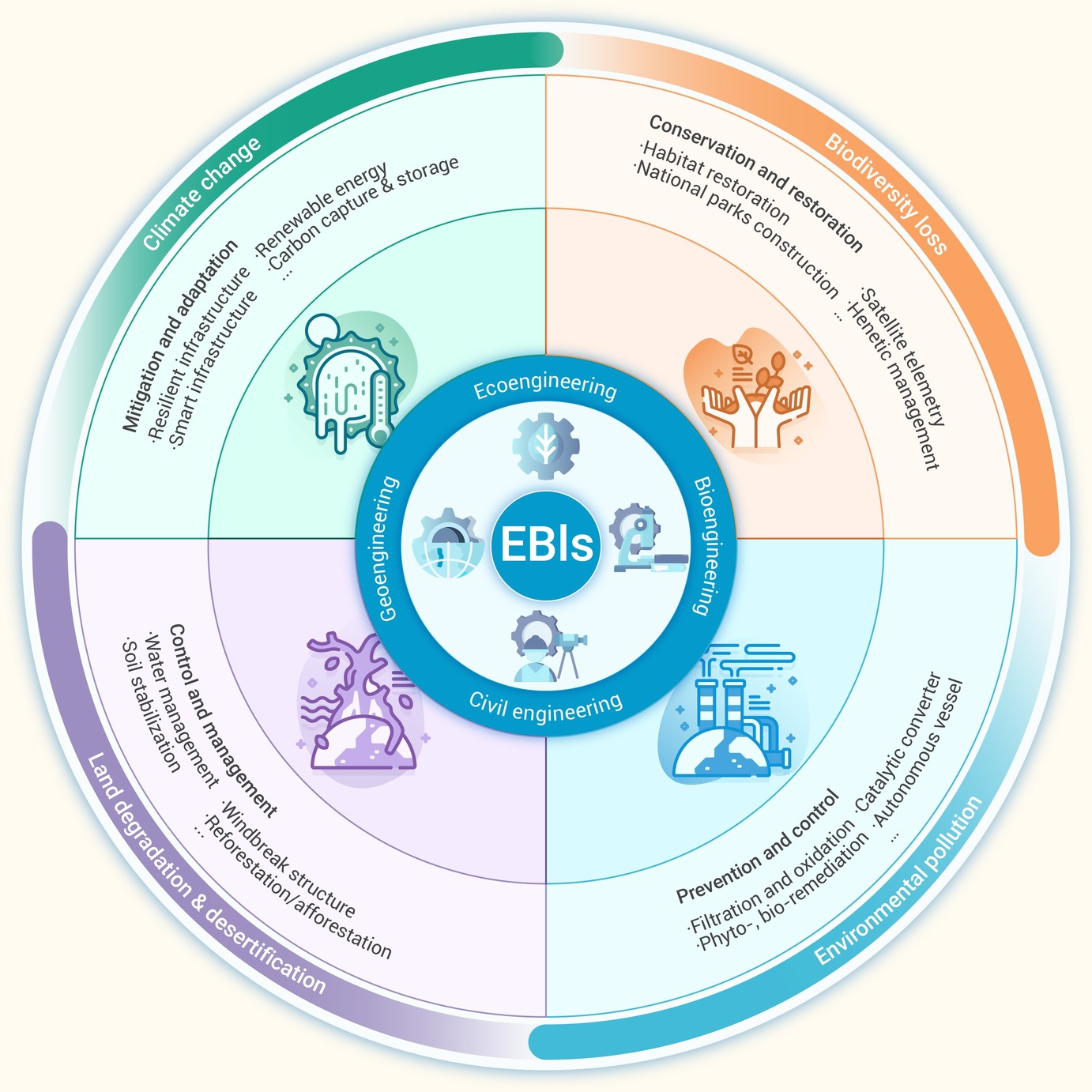
Figure 8.
Framework of EBIs for promoting environmental sustainable development.
-
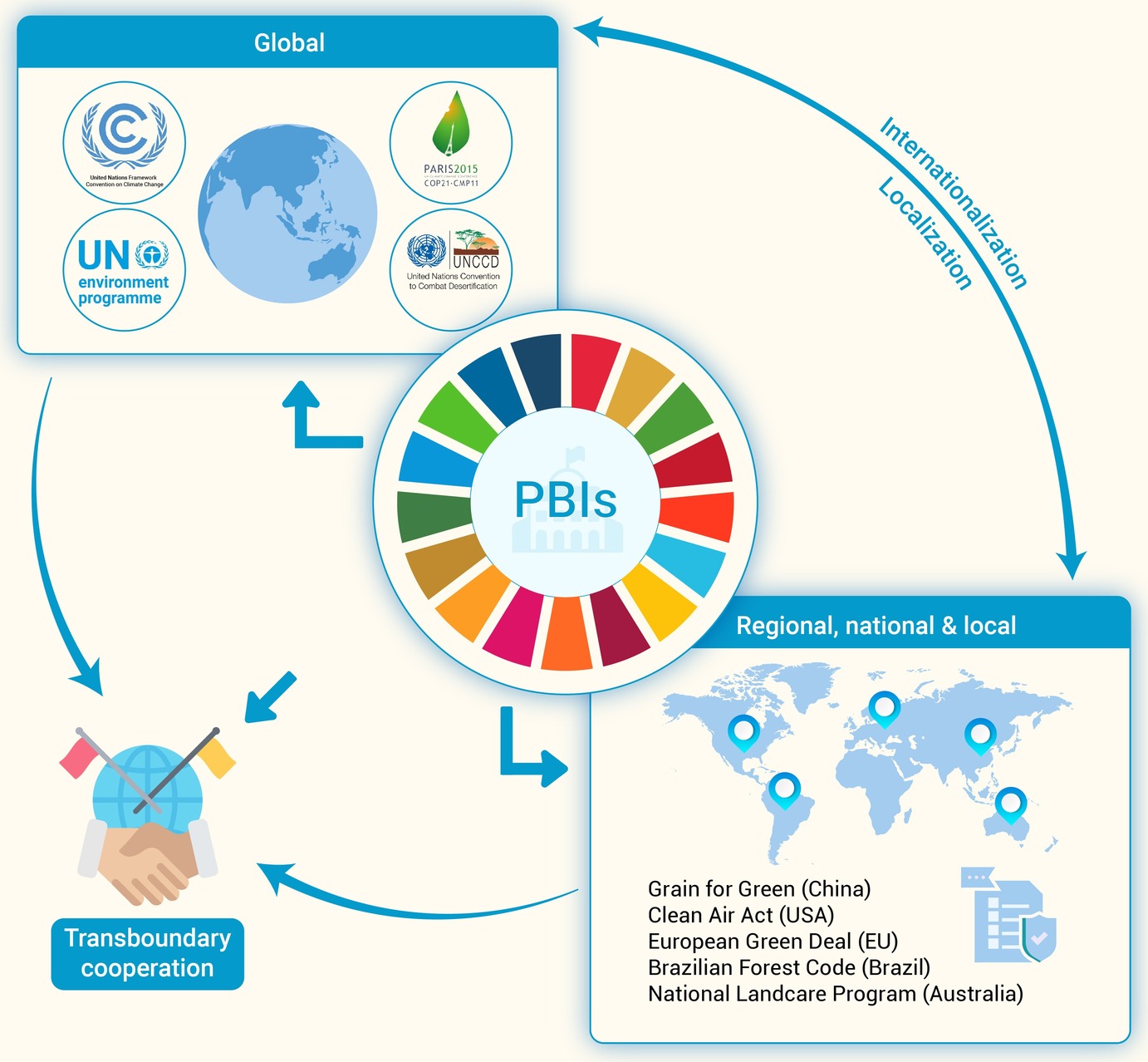
Figure 9.
Framework of PBIs for promoting environmental sustainable development.
