
Global drought-flood abrupt alternation: Spatio-temporal patterns, drivers, and projections
-
GRAPHICAL ABSTRACT

 DownLoad:
Full size image
DownLoad:
Full size image
-
PUBLIC SUMMARY
-
Greenhouse gases drive the intensification of abrupt drought-flood alternations.
Patterns of abrupt drought-flood alternations over the past 60 years reflect clear signals of human activities.
Under SSP3-7.0 and SSP5-8.5, the intensity of drought-flood abrupt alternation is projected to increase significantly.
-
-
ABSTRACT
The spatiotemporal patterns and driving factors of drought-flood abrupt alternations (DFAA) have been investigated across several regional and watershed scales; however, comprehensive examination at the global scale is lacking. Here, we employed the long period drought-flood abrupt change index (LDFAI), derived from an ensemble of 40 output datasets from eight Coupled Model Intercomparison Project phase 6 (CMIP6) models, to assess the spatiotemporal patterns, drivers, and future projections of global DFAA. The results indicate that DFAA are influenced by various anthropogenic forcings, and greenhouse gas emissions exert the most significant impact. The changes in the intensity of global DFAA (1950–2014), attributed to natural forcing (NAT), anthropogenic aerosols (AER), and greenhouse gas (GHG) forcing, accounted for 5.65%, 14.57%, and 33.55%, respectively. The rates of change of the DFAA intensity under shared socioeconomic pathways (SSPs) from 2014 to2100 were estimated to be 21.73% (SSP1-2.6), 45.37% (SSP2-4.5), 63.1% (SSP3-7.0), and 69.51% (SSP5-8.5). This means that under high radiative forcing, the regional rivalry and fossil-fuel development models will lead to a significant increase in DFAA. These findings can aid in the development of global adaptive policies related to DFAA. -

-
REFERENCES
[1] Huang J., Hu T. S., Yasir M., et al. (2019). Root growth dynamics and yield responses of rice (Oryza sativa L) under drought-Flood abrupt alternating conditions. Environ. Exp. Bot. 157:11−25. DOI:10.1016/j.envexpbot.2018.09.018 [2] Huang J., Wu F. Y., Hu T. S., et al. (2021). Interactive effects of drought-flood abrupt alternation on morpho-agronomic and nutrient use traits in rice. Agronomy-Basel. 11:2103. DOI:10.3390/agronomy11112103 [3] Qian L., Meng H. Y., Chen X. H., et al. (2023). Evaluating agricultural drought and flood abrupt alternation: A case study of cotton in the middle-and-lower Yangtze River, China. Agricultural Water Manag. 283:108313. DOI:10.1016/j.agwat.2023.108313 [4] Dickin E. and Wright D. (2008). The effects of winter waterlogging and summer drought on the growth and yield of winter wheat (Triticum aestivum L). Eur. J. Agron. 28:234−244. DOI:10.1016/j.eja.2007.07.010 [5] Jaiphong T., Tominaga J., Watanabe K., et al. (2016). Effects of duration and combination of drought and flood conditions on leaf photosynthesis, growth and sugar content in sugarcane. Plant Prod. Sci. 19:427−437. DOI:10.1080/1343943X.2016.1159520 [6] Bi W. X., Weng B. S., Yan D. H., et al. (2022). Soil phosphorus loss increases under drought-flood abrupt alternation in summer maize planting area. Agricultural Water Manag. 262:107426. DOI:10.1016/j.agwat.2021.107426 [7] Loecke T. D., Burgin A. J., Riveros-Iregui D. A., et al. (2017). Weather whiplash in agricultural regions drives deterioration of water quality. Biogeochemistry 133:7−15. DOI:10.1007/s10533-017-0315-z [8] Borrelli P., Robinson D. A., Panagos P., et al. (2020). Land use and climate change impacts on global soil erosion by water (2015-2070). Proc. Natl. Acad. Sci. USA 117:21994−22001. DOI:10.1073/pnas.2001403117 [9] Johnston E. C., Davenport F., Wang L. J., et al. (2021). Quantifying the effect of precipitation on landslide hazard in urbanized and non-urbanized areas. Geophys. Res. Lett. 48:e2021GL094038. DOI:10.1029/2021GL094038 [10] Yang P., Zhang S. Q., Xia J., et al. (2022). Analysis of drought and flood alternation and its driving factors in the Yangtze River Basin under climate change. Atmos. Res. 270:106087. DOI:10.1016/j.atmosres.2022.106087 [11] Shi W. Z., Huang S. Z., Liu D. F., et al. (2021). Drought-flood abrupt alternation dynamics and their potential driving forces in a changing environment. J. Hydrol. 597:126179. DOI:10.1016/j.jhydrol.2021.126179 [12] Ren J. X., Wang W. G., Wei J., et al. (2023). Evolution and prediction of drought-flood abrupt alternation events in Huang-Huai-Hai River Basin, China. Sci. Total Environ. 869:161707. DOI:10.1016/j.scitotenv.2023.161707 [13] Williams A. P., Seager R., Abatzoglou J. T., et al. (2015). Contribution of anthropogenic warming to California drought during 2012-2014. Geophys. Res. Lett. 42:6819−6828. DOI:10.1002/2015GL064924 [14] Fischer E. M. and Knutti R. (2014). Detection of spatially aggregated changes in temperature and precipitation extremes. Geophys. Res. Lett. 41:547−554. DOI:10.1002/2013GL058499 [15] Wang J., Chen Y., Liao W. L., et al. (2021). Anthropogenic emissions and urbanization increase risk of compound hot extremes in cities. Nat. Clim. Chang. 11:1084−1089. DOI:10.1038/s41558-021-01196-2 [16] Allabakash S. and Lim S. (2022). Anthropogenic influence of temperature changes across East Asia using CMIP6 simulations. Sci. Rep. 12:11896. DOI:10.1038/s41598-022-16110-9 [17] Ham Y. G., Kim J. H., Min S. K., et al. (2023). Anthropogenic fingerprints in daily precipitation revealed by deep learning. Nature 622:301−307. DOI:10.1038/s41586-023-06474-x [18] Chiang F., Mazdiyasni O. and AghaKouchak A. (2021). Evidence of anthropogenic impacts on global drought frequency, duration, and intensity. Nat. Commun. 12:2754. DOI:10.1038/s41467-021-22314-w [19] Jiang J., Zhou T. J., Qian Y., et al. (2023). Precipitation regime changes in High Mountain Asia driven by cleaner air. Nature 623:544−549. DOI:10.1038/s41586-023-06619-y [20] Bai X., Zhao C., Tang Y., et al. (2023). Identification, physical mechanisms and impacts of drought–flood abrupt alternation: A review. Front. Earth Sci. 11:1203603. DOI:10.3389/feart.2023.1203603 [21] Marvel K., Cook B. I., Bonfils C. J. W., et al. (2019). Twentieth-century hydroclimate changes consistent with human influence. Nature 569:59−65. DOI:10.1038/s41586-019-1149-8 [22] He C. F., Clement A. C., Kramer S. M., et al. (2023). Tropical Atlantic multidecadal variability is dominated by external forcing. Nature 622:521−527. DOI:10.1038/s41586-023-06489-4 [23] Shan K. Y., Lin Y. L., Chu P. S., et al. (2023). Seasonal advance of intense tropical cyclones in a warming climate. Nature 623:83−89. DOI:10.1038/s41586-023-06544-0 [24] Xu L., Chen N. C., Chen Z. Q., et al. (2021). Spatiotemporal forecasting in earth system science: Methods, uncertainties, predictability and future directions. Earth Sci. Rev. 222:103828. DOI:10.1016/j.earscirev.2021.103828 [25] Li X. H. and Ye X. C. (2015). Spatiotemporal Characteristics of Dry-Wet Abrupt Transition Based on Precipitation in Poyang Lake Basin, China. Water 7:1943−1958. DOI:10.3390/w7051943 [26] Liu Y., Chen S. J., Sun H. W., et al. (2019). Does the long-term precipitation variations and dry-wet conditions exist in the arid areas. A case study from China. Quat. Int. 519:3−9. DOI:10.1016/j.quaint.2019.01.034 [27] Tan X. Z., Wu X. X., Huang Z. Q., et al. (2023). Increasing global precipitation whiplash due to anthropogenic greenhouse gas emissions. Nat. Commun. 14:2796. DOI:10.1038/s41467-023-38510-9 [28] Le P. V. V., Randerson J. T., Willett R., et al. (2023). Climate-driven changes in the predictability of seasonal precipitation. Nat. Commun. 14:3822. DOI:10.1038/s41467-023-39463-9 [29] Zhang Q., Shen Z. X., Pokhrel Y., et al. (2023). Oceanic climate changes threaten the sustainability of Asia's water tower. Nature 615:87−93. DOI:10.1038/s41586-022-05643-8 [30] Wu Z. W., Li J. P., He J. H., et al. (2006). Large-scale atmospheric singularities and summer long-cycle droughts-floods abrupt alternation in the middle and lower reaches of the Yangtze River. Chinese Sci. Bull. 51:2027−2034. DOI:10.1007/s11434-006-2060-x [31] Shi W., Zhang K., Xie Y., et al. (2023). Monitoring the variation of drought-flood abrupt alternation and its response to atmospheric circulation at multi-time scales. Li Y., Hu Y., Rigo P., et al. (eds). Proceedings of PIANC smart rivers 2022 (Springer Nature Singapore). 264 :1139-1151. DOI: 10.1007/978-981-19-6138-0_100. [32] Cai G. Q., Chen S. J., Liu Y., et al. (2020). Using multiple indexes to analyze temporal and spatial patterns of precipitation and drought in Xinjiang, China. Theor. Appl. Climatol. 142:177−190. DOI:10.1007/s00704-020-03302-4 [33] Yuan Y., Gao H. and Ding T. (2021). Abrupt flood-drought alternation in southern China during summer 2019. J. Meteorol. Res. 35:998−1011. DOI:10.1007/s13351-021-1073-3 [34] Wang H. M., Peng X. and He X. G. (2024). Forecasting fierce floods with transferable AI in data-scarce regions. The Innovation 5:100652. DOI:10.1016/j.xinn.2024.100652 [35] Zhang B., Chen Y., Chen X., et al. (2024). Spatial-Temporal Variations of Drought-Flood Abrupt Alternation Events in Southeast China. Water 16:498. DOI:10.3390/w16030498 [36] Yue S. and Wang C. Y. (2004). The Mann-Kendall test modified by effective sample size to detect trend in serially correlated hydrological series. Water Resour. Manag. 18:201−218. DOI:10.1023/B:WARM.0000043140.61082.60 [37] Chou C., Neelin J. D., Chen C. A., et al. (2009). Evaluating the "rich-get-richer'' mechanism in tropical precipitation change under global warming. J. Climate. 22:1982−2005. DOI:10.1175/2008JCLI2471.1 [38] Emori S. and Brown S. J. (2005). Dynamic and thermodynamic changes in mean and extreme precipitation under changed climate. Geophys. Res. Lett. 32:L17706. DOI:10.1029/2005GL023272 [39] Zhang W. X., Furtado K., Wu P. L., et al. (2021). Increasing precipitation variability on daily-to-multiyear time scales in a warmer world. Sci. Adv. 7:eabf8021. DOI:10.1126/sciadv.abf8021 [40] Zhang W. X., Zhou T. J. and Wu P. L. (2024). Anthropogenic amplification of precipitation variability over the past century. Science 385:427−432. DOI:10.1126/science.adp0212 [41] Allen M. R. and Stott P. A. (2003). Estimating signal amplitudes in optimal fingerprinting, part I: theory. Clim. Dyn. 21:477−491. DOI:10.1007/s00382-003-0313-9 [42] Ribes A., Planton S. and Terray L. (2013). Application of regularised optimal fingerprinting to attribution. Part I: method, properties and idealised analysis. Clim. Dyn. 41:2817−2836. DOI:10.1007/s00382-013-1735-7 [43] Ribes A. and Terray L. (2013). Application of regularised optimal fingerprinting to attribution. Part II: application to global near-surface temperature. Clim. Dyn. 41:2837−2853. DOI:10.1007/s00382-013-1736-6 [44] Moses O., Blamey R. C. and Reason C. J. C. (2023). Extreme rainfall events over the Okavango river basin, southern Africa. Weather Clim. Extremes. 41:100589. DOI:10.1016/j.wace.2023.100589 [45] Hilgendorf Z., Marvin M. C., Turner C. M., et al. (2021). Assessing geomorphic change in restored coastal dune ecosystems using a multi-platform aerial approach. Remote Sens. 13:354. DOI:10.3390/rs13030354 [46] Guo X. M., Fang C. L., Mu X. F., et al. (2022). Coupling and coordination analysis of urbanization and ecosystem service value in Beijing-Tianjin-Hebei urban agglomeration. Ecol. Ind. 137:108782. DOI:10.1016/j.ecolind.2022.108782 [47] Zhou W. Q., Huang G. L. and Cadenasso M. L. (2011). Does spatial configuration matter. Understanding the effects of land cover pattern on land surface temperature in urban landscapes. Landsc. Urban Plan. 102:54−63. DOI:10.1016/j.landurbplan.2011.03.009 [48] Ji F., Wu Z. H., Huang J. P., et al. (2014). Evolution of land surface air temperature trend. Nat. Clim. Chang. 4:462−466. DOI:10.1038/NCLIMATE2223 [49] Vecchi G. A. and Soden B. J. (2007). Global warming and the weakening of the tropical circulation. J. Climate 20:4316−4340. DOI:10.1175/JCLI4258.1 [50] Lau W. K. M. and Kim K. M. (2015). Robust hadley circulation changes and increasing global dryness due to CO2 warming from CMIP5 model projections. Proc. Natl. Acad. Sci. USA 112:3630−3635. DOI:10.1073/pnas.1418682112 [51] Xie S. P., Deser C., Vecchi G. A., et al. (2010). Global warming pattern formation: Sea surface temperature and rainfall. J. Climate. 23:966−986. DOI:10.1175/2009JCLI3329.1 [52] Huang P. and Xie S. P. (2015). Mechanisms of change in ENSO-induced tropical Pacific rainfall variability in a warming climate. Nat. Geosci. 8:922−U948. DOI:10.1038/NGEO2571 [53] Zhang B. L., Ouyang C. J., Cui P., et al. (2024). Deep learning for cross-region streamflow and flood forecasting at a global scale. The Innovation 5:100617. DOI:10.1016/j.xinn.2024.100617 [54] Risser M. D., Collins W. D., Wehner M. F., et al. (2024). Anthropogenic aerosols mask increases in US rainfall by greenhouse gases. Nat. Commun. 15:1318. DOI:10.1038/s41467-024-45504-8 [55] Slangen A. B. A., Church J. A., Agosta C., et al. (2016). Anthropogenic forcing dominates global mean sea-level rise since 1970. Nat. Clim. Chang. 6:701−705. DOI:10.1038/NCLIMATE2991 [56] Hamouda M. E., Pasquero C. and Tziperman E. (2021). Decoupling of the Arctic Oscillation and North Atlantic Oscillation in a warmer climate. Nat. Clim. Chang. 11 . DOI:10.1038/s41558-020-00966-8 [57] Delworth T. L., Zeng F. R., Vecchi G. A., et al. (2016). The North Atlantic Oscillation as a driver of rapid climate change in the Northern Hemisphere. Nat. Geosci. 9:509−512. DOI:10.1038/NGEO2738 [58] Geng T., Cai W. J., Jia F., et al. (2024). Decreased ENSO post-2100 in response to formation of a permanent El Niño-like state under greenhouse warming. Nat. Commun. 15:5810. DOI:10.1038/s41467-024-50156-9 [59] Peng Q. H., Xie S. P. and Deser C. (2024). Collapsed upwelling projected to weaken ENSO under sustained warming beyond the twenty-first century. Nat. Clim. Chang. 14 . DOI:10.1038/s41558-024-02061-8 -
ABOUT THIS ARTICLE
Cite this article:
Chen Z., Li X., Zhang X., et al. (2025). Global drought-flood abrupt alternation: Spatio-temporal patterns, drivers, and projections. The Innovation Geoscience 3:100113. https://doi.org/10.59717/j.xinn-geo.2024.100113
Welcome!
To request copyright permission to republish or share portions of our works, please visit Copyright Clearance Center's (CCC) Marketplace website at marketplace.copyright.com.
Article Metrics
Relative Articles
Cited by
Export File
Citation
Chen Z., Li X., Zhang X., et al. (2025). Global drought-flood abrupt alternation: Spatio-temporal patterns, drivers, and projections. The Innovation Geoscience 3:100113. https://doi.org/10.59717/j.xinn-geo.2024.100113

Format
Content
-
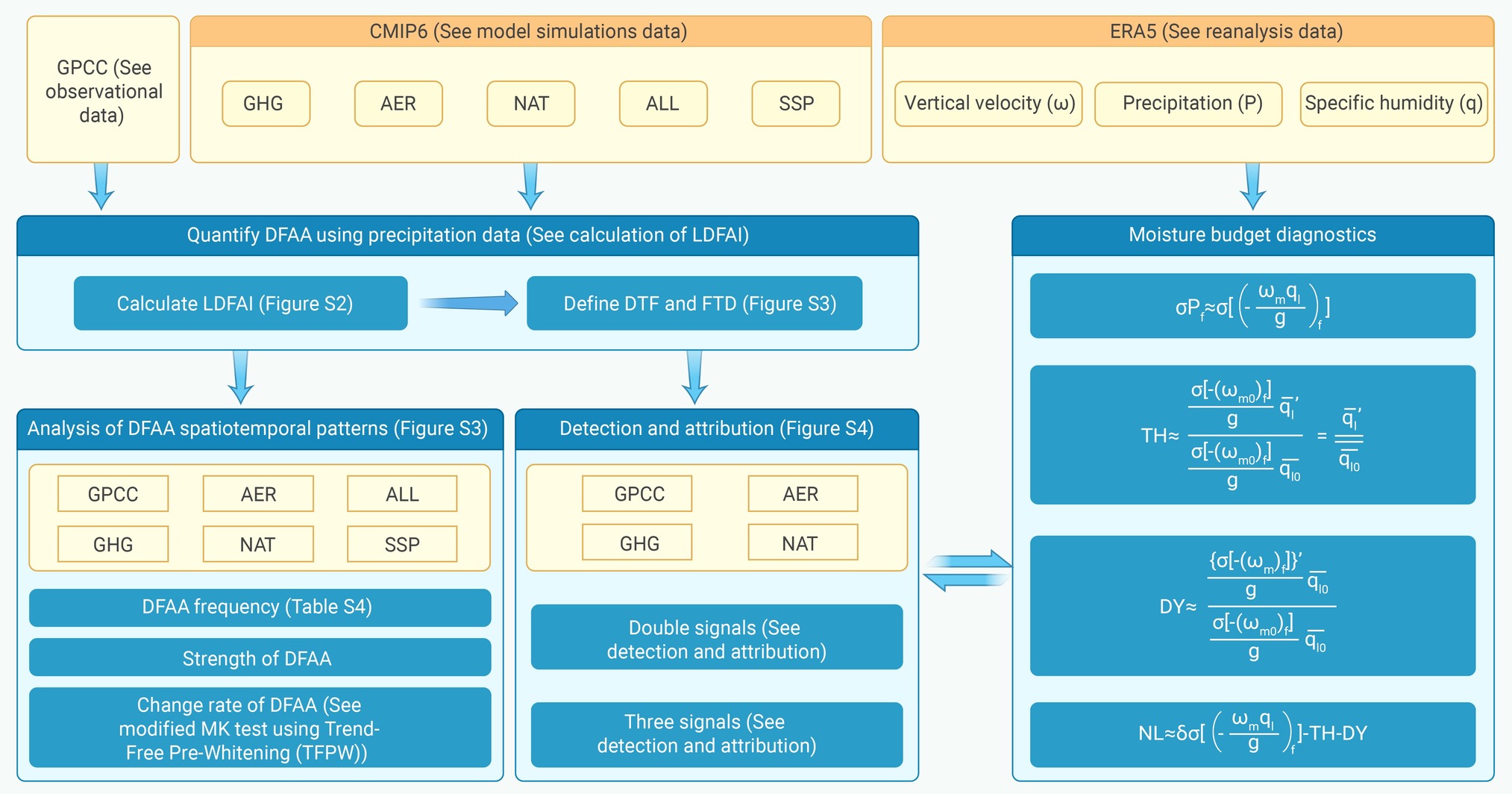
Figure 1.
Overall research framework.
-
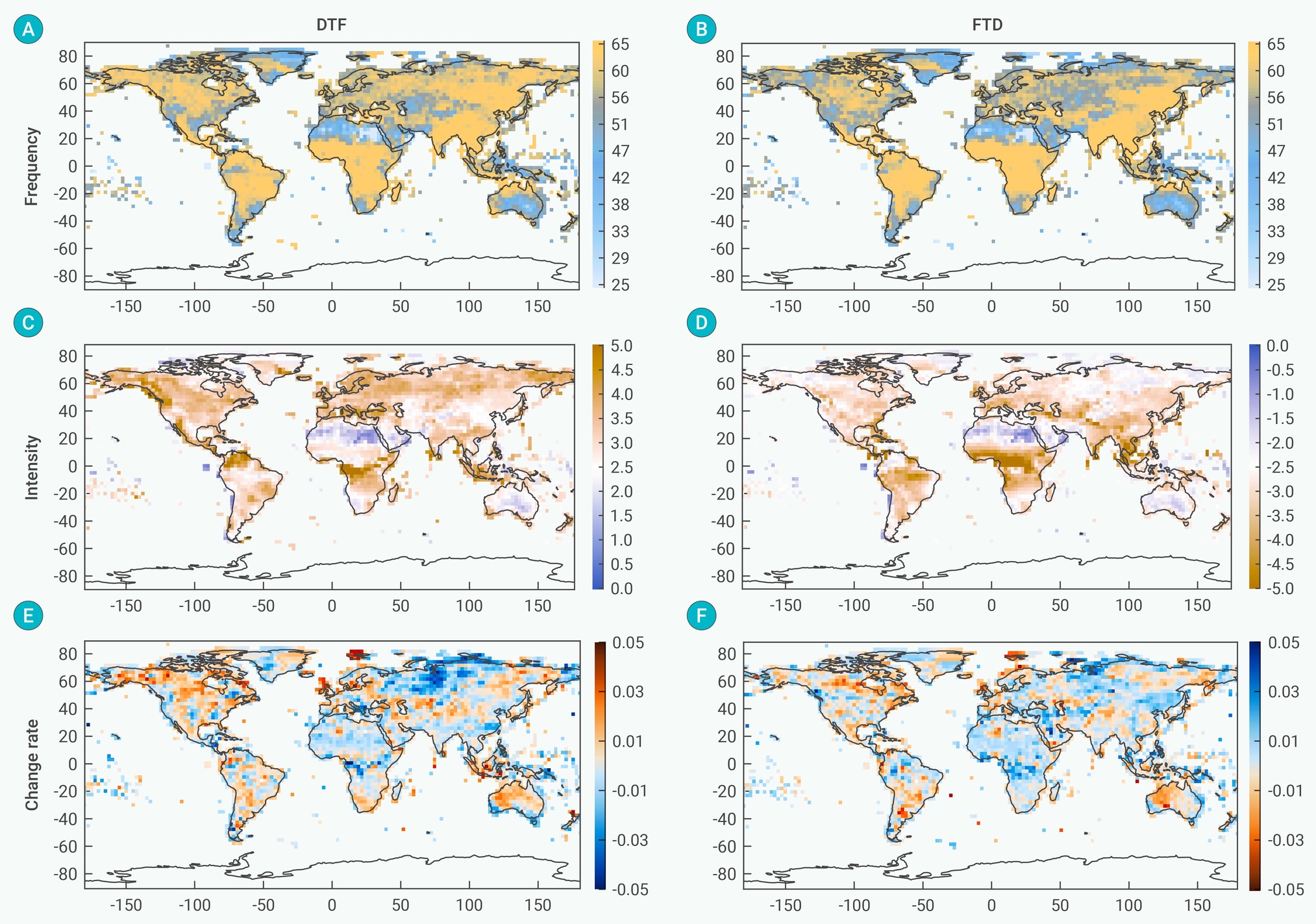
Figure 2.
Global shifts in 4-month long period drought-flood abrupt change index
-
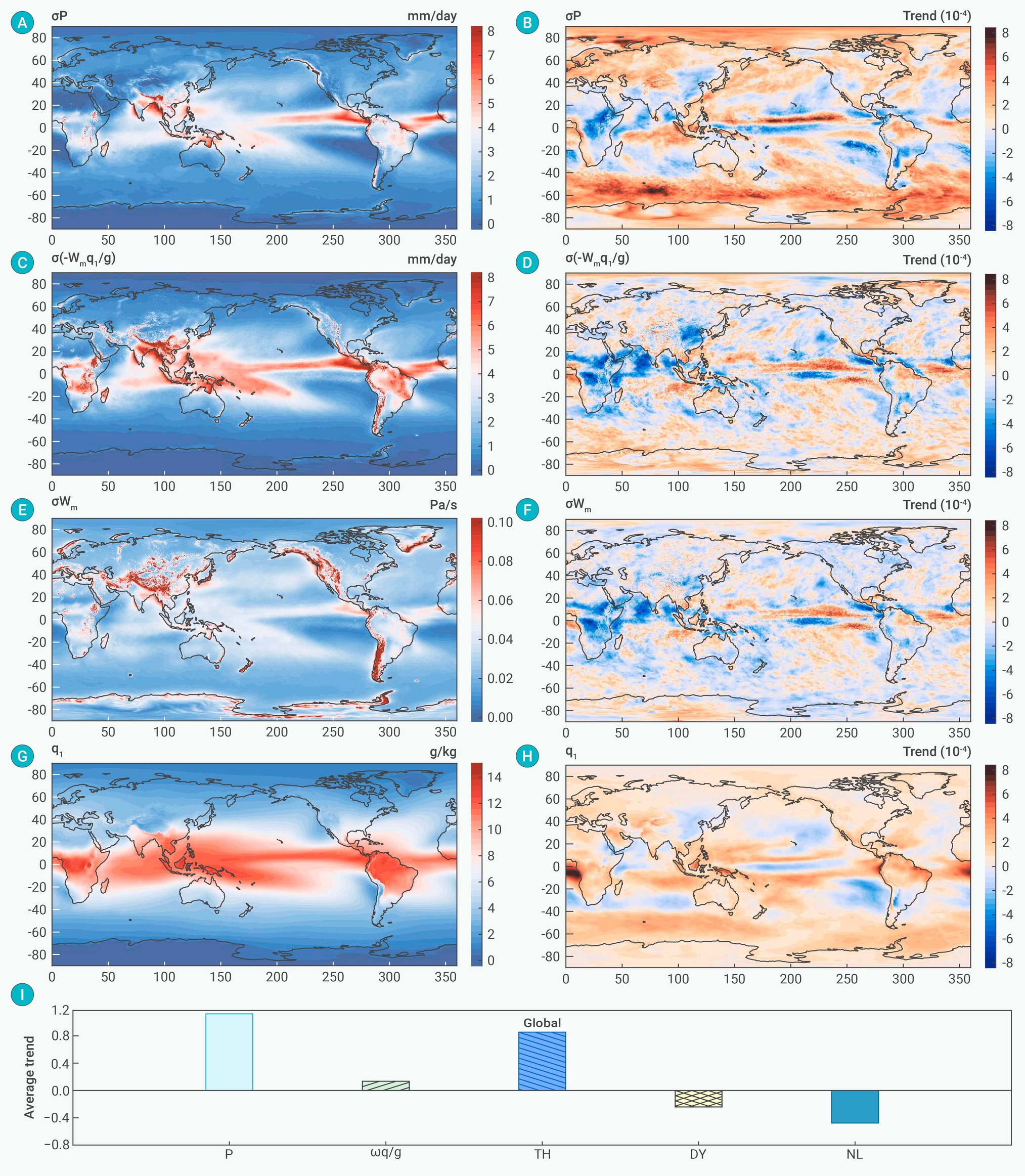
Figure 3.
Physical mechanisms of changes in precipitation variability
-
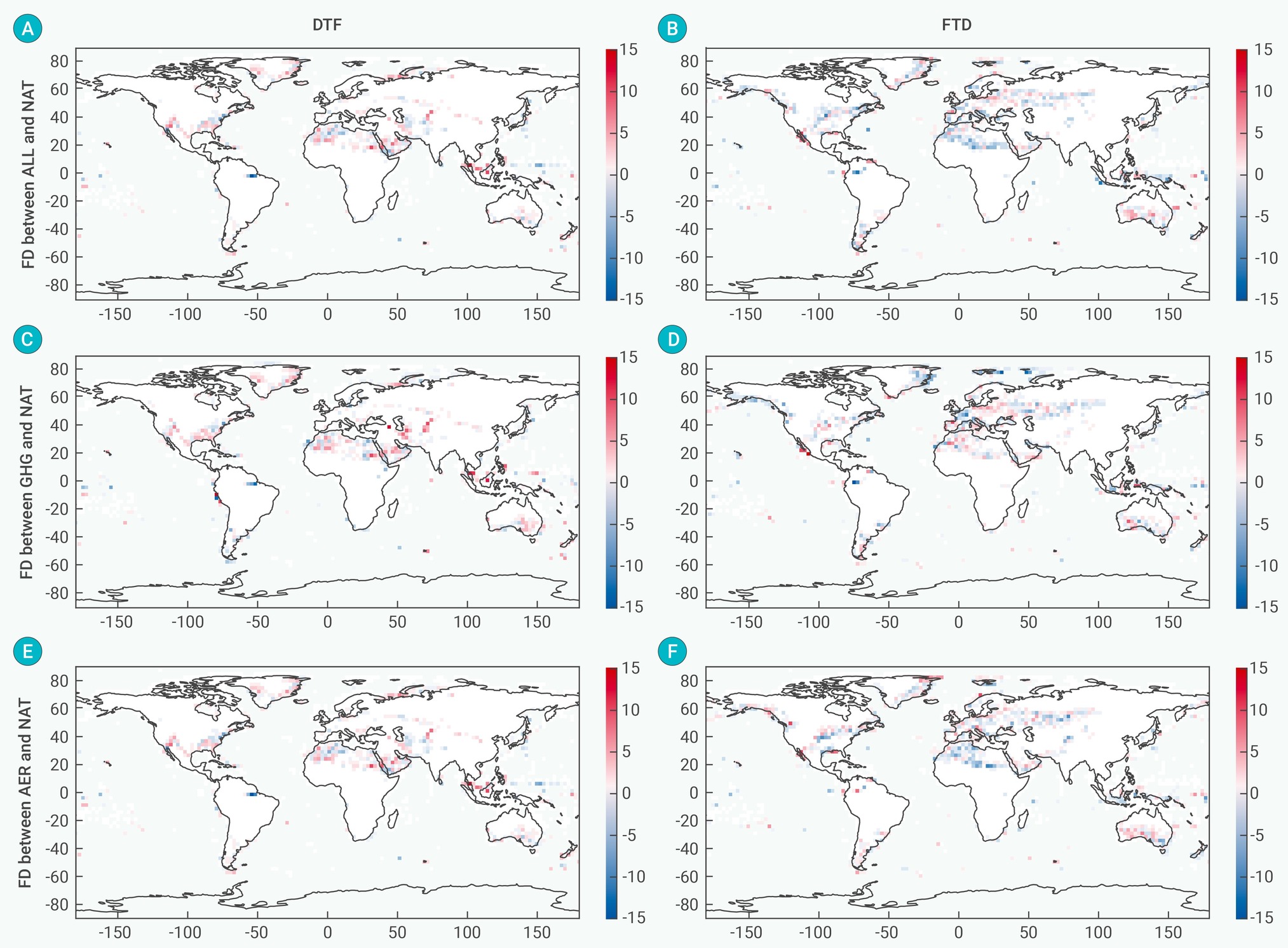
Figure 4.
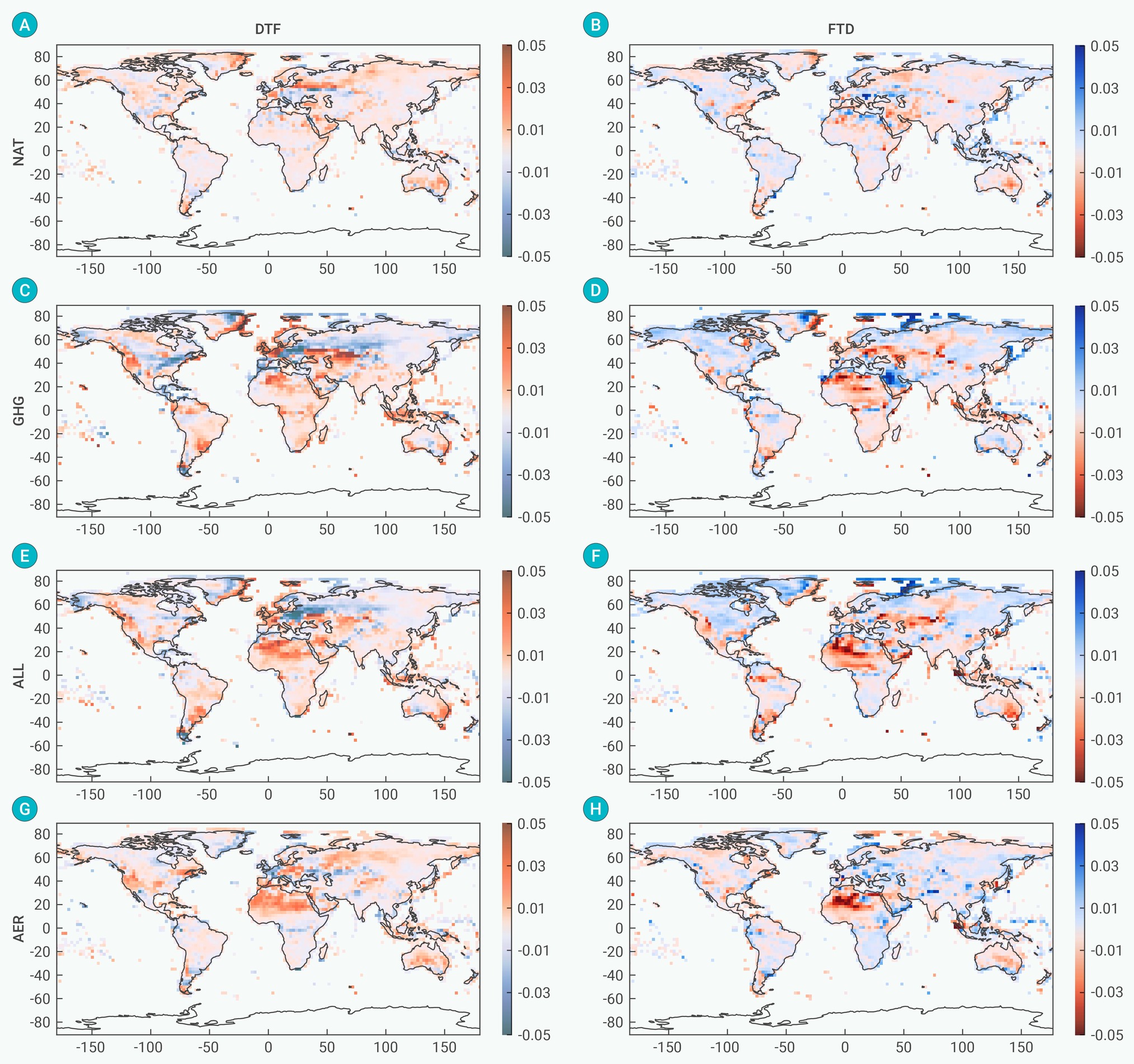
Frequency difference (FD) of 4-month LDFAI of DFAA under AER, ALL, and GHG forcings
-
Figure 5.
Results of the analysis of the changes in the DFAA intensity from 1950 to 2014
-
Figure 6.
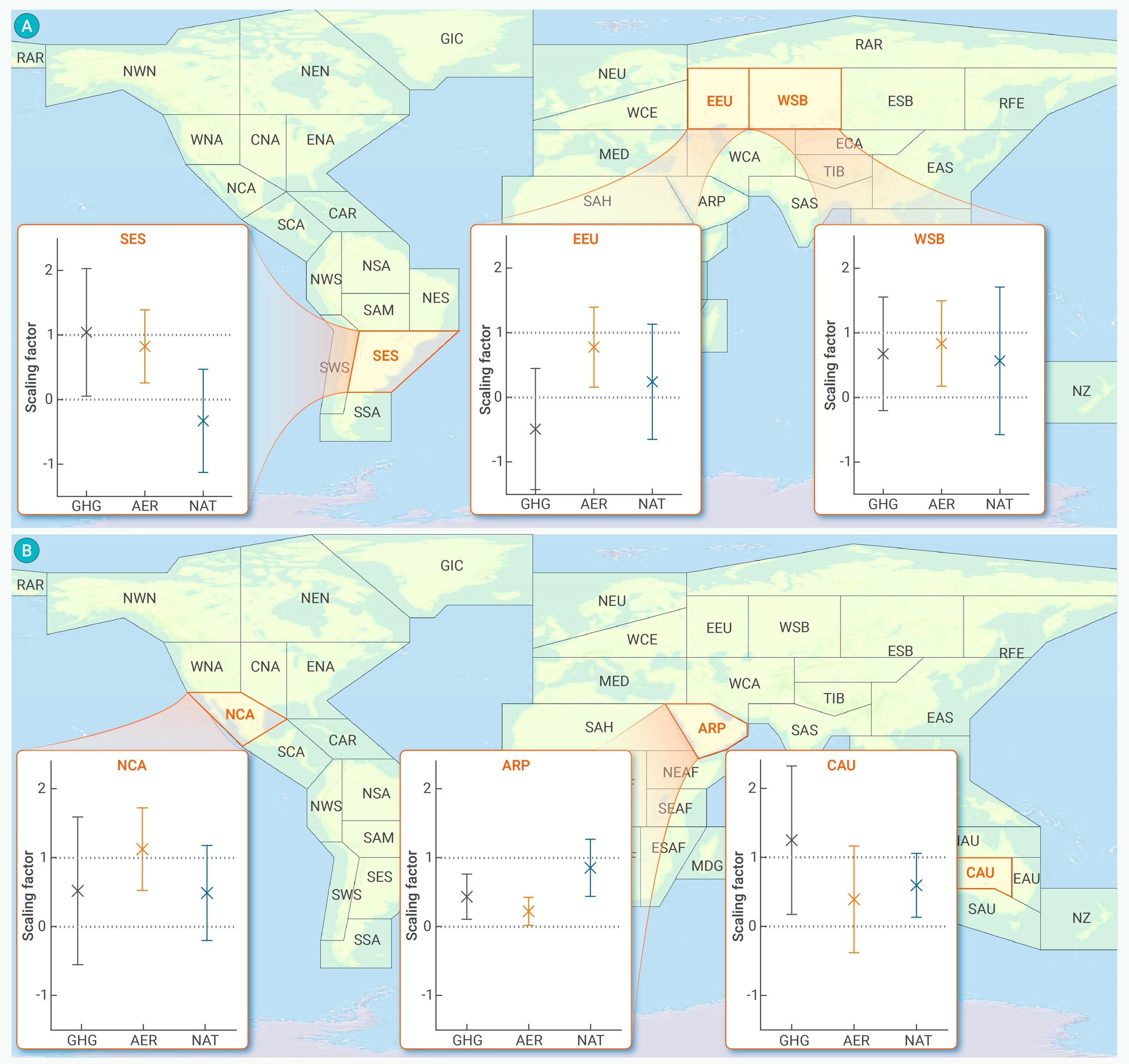
Results of attribution analysis of the abrupt global transitions from drought to flood
-
Figure 7.
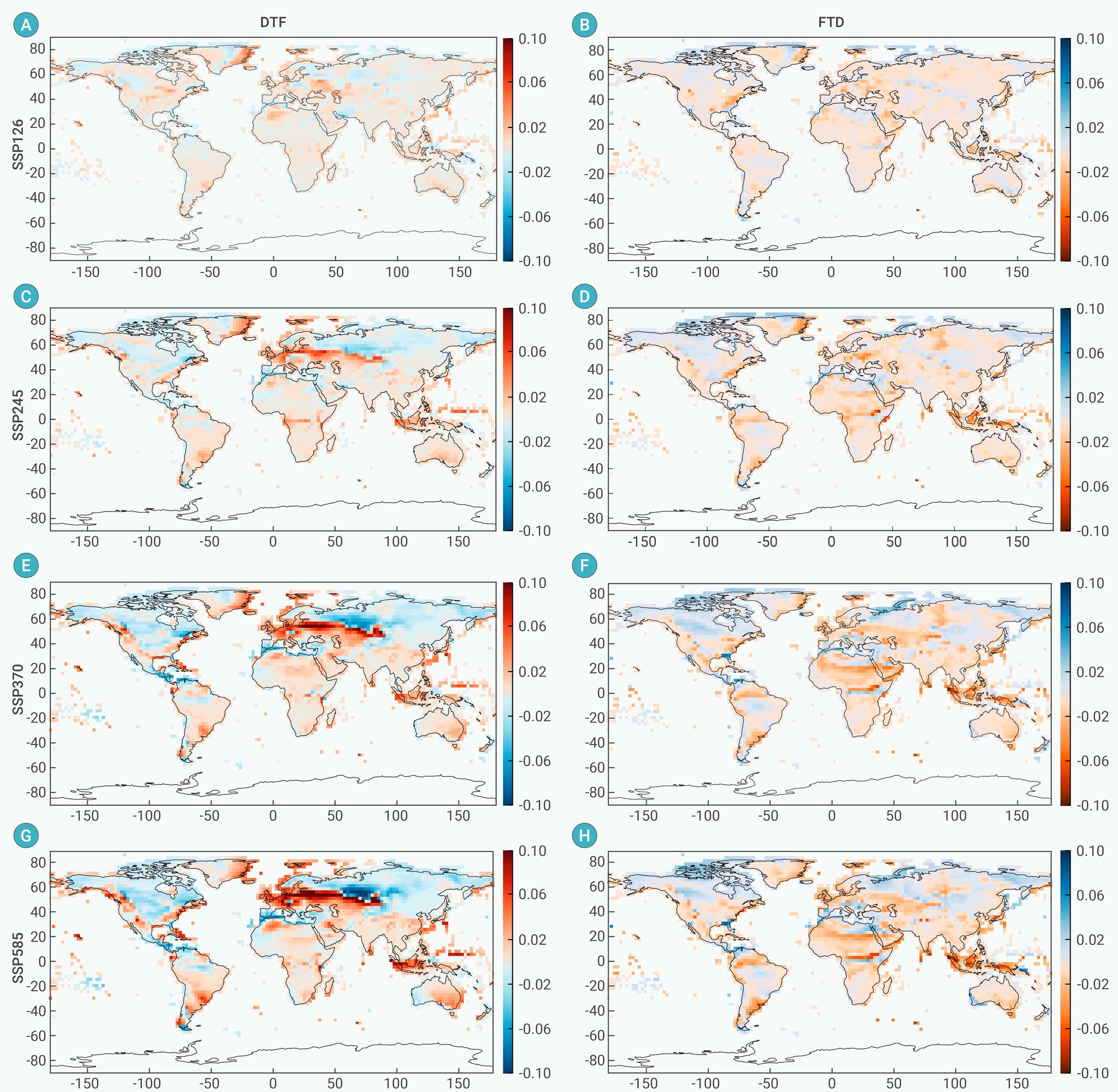
The rate of change in DFAA intensity of different emissions under future scenarios
