
Hadal trench sediments as key ecological reservoir for prokaryotic evolution
-
GRAPHICAL ABSTRACT
 DownLoad:
Full size image
DownLoad:
Full size image
-
PUBLIC SUMMARY
-
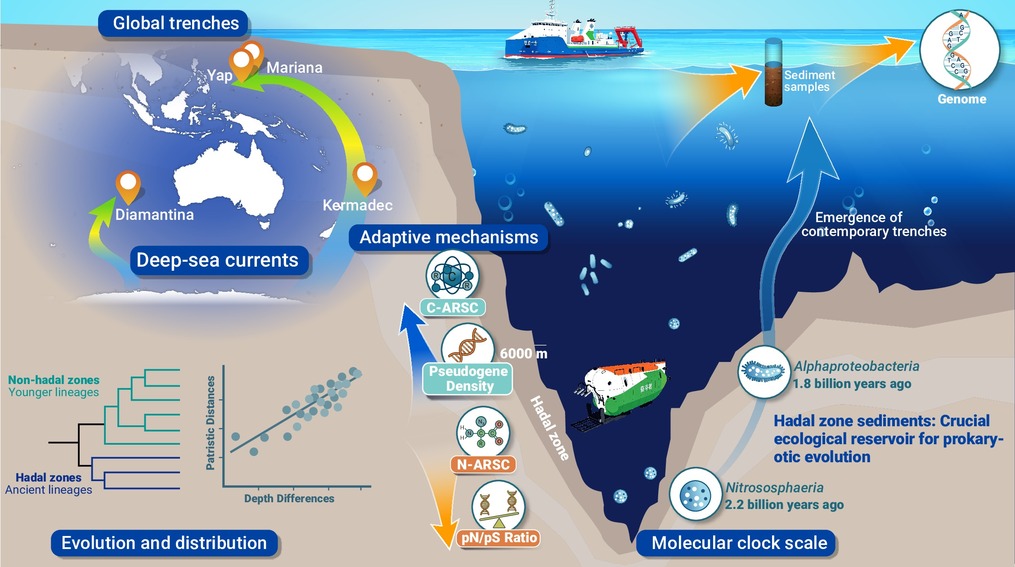
Hadal zones serve as an ancient reservoir, harboring more ancient microbial lineages than non-hadal zones.
Evolutionary distances correlate with depth differences, evidenced by vertical shift in genomic features.
Hadal microbes likely exchange across trenches via deep-sea currents to maintain genetic connectivity.
Divergence of typical ancient lineages predates the formation of contemporary oceanic trenches.
-
-
ABSTRACT
The evolutionary ecology of prokaryotes within oceanic trenches remains largely unexplored. Here, we analyzed 19,194 medium-quality prokaryotic metagenomic assembled genomes (MAGs) from sediments of the Diamantina, Kermadec, Yap and Mariana trenches. Hadal zones hosted relatively ancient phylogenetic lineages across most prokaryotic phyla compared to non-hadal zones. A linear correlation between depth differences and the pairwise patristic distances was observed inter/intra trenches, indicating a depth-dependent evolutionary boundary. This pattern was further reflected by a clear vertical shift of genomic features, including carbon/nitrogen atoms per amino-acid-residue side chain (C/N-ARSC), pseudogene density and non-synonymous to synonymous mutation ratio (pN/pS). Close phylogenomic relationships for MAGs among different trenches suggested a rapidly and continuously exchange, which was very likely facilitated by deep-sea currents. Molecular dating of hadal Nitrososphaeria and Alphaproteobacteria revealed a divergence of respective 2.2 and 1.8 billion years ago, earlier than the emergence of contemporary trenches, emphasized the hadal zone sediments as a crucial ecological reservoir for prokaryotic evolution. -

-
REFERENCES
[1] Du M.R., Peng X.T., Zhang H.B., et al. (2021). Geology, environment, and life in the deepest part of the world’s oceans. The Innovation 2:100109. DOI:10.1016/j.xinn.2021.100109 [2] Bruun A.F. (1957). Deep sea and abyssal depths. Hedgpeth J. (ed). Treatise on marine ecology and paleoecology (Geological Society of America), pp: 641-673. DOI:10.1130/MEM67V1-p641 [3] Liu R.L., Wang L., Wei Y.L., et al. (2018). The hadal biosphere: Recent insights and new directions. Deep Sea Res. II Top. Stud. Oceanogr. 155:11−18. DOI:10.1016/j.dsr2.2017.04.015 [4] Shephard L.E. and Bryant W.R. (1983). Geotechnical properties of lower trench inner-slope sediments. Tectonophysics 99:279−312. DOI:10.1016/0040-1951(83)90109-9 [5] Liu H. and Jing H.M. (2024). The vertical metabolic activity and community structure of prokaryotes along different water depths in the Kermadec and Diamantina trenches. Microorganisms 12:708. DOI:10.3390/microorganisms12040708 [6] Chen S., Xie Z., Yan K., et al. (2026). Integrated meta-omics reveals organic matter processing by bacteria in the dark ocean. Innov. Geosci. 4:100184. DOI:10.59717/j.xinn-geo.2026.100184 [7] Chen S.Y., Xu J., Cao J., et al. (2024). Depth-related microbial communities and functional genes in alpine permafrost. Innov. Life 2:100081. DOI:10.59717/j.xinn-life.2024.100081 [8] Lyons T.W., Tino C.J., Fournier G.P., et al. (2024). Co‐evolution of early Earth environments and microbial life. Nat. Rev. Microbiol. 22:572−586. DOI:10.1038/s41579-024-01044-y [9] Angel M.V. (1982). Ocean trench conservation. Environmentalist 2:1−17. DOI:10.1007/BF02340472 [10] Xiao X., Zhao W.S., Song Z.W., et al. (2025). Microbial ecosystems and ecological driving forces in the deepest ocean sediments. Cell 188:1363−1377. DOI:10.1016/j.cell.2024.12.036 [11] Peoples L.M., Grammatopoulou E., Pombrol M., et al. (2019). Microbial community diversity within sediments from two geographically separated hadal trenches. Front. Microbiol. 10:347. DOI:10.3389/fmicb.2019.00347 [12] Gao Z.M., Huang J.M., Cui G.J., et al. (2019). In situ meta‐omic insights into the community compositions and ecological roles of hadal microbes in the Mariana Trench. Environ. Microbiol. 21:4092−4108. DOI:10.1111/1462-2920.14759 [13] Crawford A.J., Beccaluva L., Serri G., et al. (1986). Petrology, geochemistry and tectonic implications of volcanics dredged from the intersection of the Yap and Mariana trenches. Earth Planet. Sci. Lett. 80:265−280. DOI:10.1016/0012-821X(86)90110-X [14] Stewart H.A. and Jamieson A.J. (2019). The five deeps: The location and depth of the deepest place in each of the world's oceans. Earth-Sci. Rev. 197:102896. DOI:10.1016/j.earscirev.2019.102896 [15] Pandey S., Bhagawati C., Dandapat S., et al. (2020). Surface chlorophyll anomalies associated with Indian Ocean Dipole and El Niño Southern Oscillation in North Indian Ocean: A case study of 2006-2007 event. Environ. Monit. Assess. 191:807. DOI:10.1007/s10661-019-7754-z [16] Li D.H., Luo R.B., Liu C.M., et al. (2016). MEGAHIT v1.0: A fast and scalable metagenome assembler driven by advanced methodologies and community practices. Methods 102:3-11. DOI:10.1016/j.ymeth.2016.02.020 [17] Uritskiy G.V., DiRuggiero J. and Taylor J. (2018). MetaWRAP—A flexible pipeline for genome-resolved metagenomic data analysis. Microbiome 6:158. DOI:10.1186/s40168-018-0541-1 [18] Parks D.H., Imelfort M., Skennerton C.T., et al. (2015). CheckM: Assessing the quality of microbial genomes recovered from isolates, single cells, and metagenomes. Genome Res. 25:1043−1055. DOI:10.1101/gr.186072.114 [19] Chaumeil P.A., Mussig A.J., Hugenholtz P., et al., (2020). GTDB-tk: A toolkit to classify genomes with the genome taxonomy database. Bioinformatics 36:1925-1927. DOI:10.1093/bioinformatics/btz848 [20] Moody E.R.R., Álvarez-Carretero S., Mahendrarajah T.A., et al. (2024). The nature of the last universal common ancestor and its impact on the early Earth system. Nat. Ecol. Evol. 8:1654−1666. DOI:10.1038/s41559-024-02461-1 [21] Hyatt D., Chen G.L., Locascio P.F., et al. (2010). Prodigal: Prokaryotic gene recognition and translation initiation site identification. BMC Bioinformatics 11:119. DOI:10.1186/1471-2105-11-119 [22] Altschul S.F., Madden T.L., Schäffer A.A., et al. (1997). Gapped BLAST and PSI-BLAST: A new generation of protein database search programs. Nucleic Acids Res. 25:3389−3402. DOI:10.1093/nar/25.17.3389 [23] Katoh K. and Standley D.M. (2013). MAFFT multiple sequence alignment software version 7: Improvements in performance and usability. Mol. Biol. Evol. 30:772−780. DOI:10.1093/molbev/mst010 [24] Capella-Gutiérrez S., Silla-Martínez J.M. and Gabaldón T. (2009). trimAl: A tool for automated alignment trimming in large-scale phylogenetic analyses. Bioinformatics 25:1972−1973. DOI:10.1093/bioinformatics/btp348 [25] Minh B.Q., Schmidt H.A., Chernomor O., et al. (2020). IQ-TREE 2: New models and efficient methods for phylogenetic inference in the genomic era. Mol. Biol. Evol. 37:1530−1534. DOI:10.1093/molbev/msaa015 [26] Syberg-Olsen M.J., Garber A.I., Keeling P.J., et al. (2022). Pseudofinder: Detection of pseudogenes in prokaryotic genomes. Mol. Biol. Evol. 39:msac153. DOI:10.1093/molbev/msac153 [27] Olm M.R., Crits C.A., Bouma G.K., et al. (2021). inStrain profiles population microdiversity from metagenomic data and sensitively detects shared microbial strains. Nat. Biotechnol. 39:727−736. DOI:10.1038/s41587-020-00797-0 [28] Li Y.D., Chen J.W., Lin Y.X. et al. (2024). Thaumarchaeota from deep-sea methane seeps provide novel insights into their evolutionary history and ecological implications. Microbiome 12:197. DOI:10.1186/s40168-024-01912-y [29] Wang S.S. and Luo H.W. (2021). Dating Alphaproteobacteria evolution with eukaryotic fossils. Nat. Commun. 12:3324. DOI:10.1038/s41467-021-23645-4 [30] Martijn J., Vosseberg J., Guy L., et al. (2018). Deep mitochondrial origin outside the sampled alphaproteobacteria. Nature 557:101−105. DOI:10.1038/s41586-018-0059-5 [31] Yang Z. (2007). PAML 4: Phylogenetic analysis by maximum likelihood. Mol. Biol. Evol. 24:1586−1591. DOI:10.1093/molbev/msm088 [32] Yang Y., Zhang C., Lenton T.M., et al. (2021). The evolution pathway of ammonia-oxidizing archaea shaped by major geological events. Mol. Biol. Evol. 38:3637−3648. DOI:10.1093/molbev/msab129 [33] Ren M.L., Feng X.Y., Huang Y.J., et al. (2019). Phylogenomics suggests oxygen availability as a driving force in Thaumarchaeota evolution. ISME J. 13:2150−2161. DOI:10.1038/s41396-019-0418-8 [34] Luo H.W. (2022). Estimating the divergence times of alphaproteobacteria based on mitochondrial endosymbiosis and eukaryotic fossils. Luo, H.W. (ed). Environmental Microbial Evolution. Methods in Molecular Biology. (Humana), pp: 95-116. DOI:10.1007/978-1-0716-2691-7_5 [35] Takahashi S., Tomita J., Nishioka K., et al. (2014). Development of a prokaryotic universal primer for simultaneous analysis of bacteria and archaea using next-generation sequencing. PLoS One 9:e105592. DOI:10.1371/journal.pone.0105592 [36] Bolyen E., Rideout J.R., Dillon M.R., et al. (2019). Reproducible, interactive, scalable and extensible microbiome data science using QIIME 2. Nat. Biotechnol. 37:852−857. DOI:10.1038/s41587-019-0209-9 [37] Jain C., Rodriguez-R L.M., Phillippy A.M., et al. (2018). High throughput ANI analysis of 90K prokaryotic genomes reveals clear species boundaries. Nat. Commun. 9:5114. DOI:10.1038/s41467-018-07641-9 [38] Ondov B.D., Treangen T.J., Melsted P., et al. (2016). Mash: Fast genome and metagenome distance estimation using MinHash. Genome Biol. 17:132. DOI:10.1186/s13059-016-0997-x [39] Moshiri N. (2020). TreeSwift: A massively scalable Python tree package. SoftwareX. 11:100436. DOI:10.1016/j.softx.2020.100436 [40] Jiang H.C., Yu L., Xu H.Z., et al. (2020). Evaluation of global ocean models on simulating the deep western boundary current in the pacific. Atmosphere-Ocean 58:219−230. DOI:10.1080/07055900.2020.1789547 [41] Nunoura T., Takaki Y., Hirai M., et al. (2015). Hadal biosphere: Insight into the microbial ecosystem in the deepest ocean on Earth. Proc. Natl. Acad. Sci. USA 112:E1230−E1236. DOI:10.1073/pnas.1421816112 [42] Chu M., Liu J., Li H., et al. (2023). Earthquake-induced redistribution and reburial of microbes in the hadal trenches. Innov. Geosci. 1:100027. DOI:10.59717/j.xinn-geo.2023.100027 [43] Parks D.H., Chuvochina M., Rinke C., et al. (2022). GTDB: An ongoing census of bacterial and archaeal diversity through a phylogenetically consistent, rank normalized and complete genome-based taxonomy. Nucleic. Acids. Res. 50:D785−D794. DOI:10.1093/nar/gkab776 [44] Avni E. and Snir S. (2020). A new phylogenomic approach for quantifying horizontal gene transfer trends in prokaryotes. Sci. Rep. 10:12425. DOI:10.1038/s41598-020-62446-5 [45] Goodhead I. and Darby A.C. (2015). Taking the pseudo out of pseudogenes. Curr. Opin. Microbiol. 23:102−109. DOI:10.1016/j.mib.2014.11.012 [46] Ivars-Martinez E., Martin-Cuadrado A.B., D'Auria G., et al. (2008). Comparative genomics of two ecotypes of the marine planktonic copiotroph Alteromonas macleodii suggests alternative lifestyles associated with different kinds of particulate organic matter. ISME J. 2:1194−1212. DOI:10.1038/ismej.2008.74 [47] Bragg J.G. and Hyder C.L. (2004). Nitrogen versus carbon use in prokaryotic genomes and proteomes. Proc. Biol. Sci. 271:S374−S377. DOI:10.1098/rsbl.2004.0193 [48] Palomo A., Dechesne A., Cordero O.X., et al. (2022). Evolutionary ecology of natural comammox Nitrospira populations. mSystems 7:e0113921. DOI:10.1128/msystems.01139-21 [49] Long H.A., Sung W. and Kucukyildirim S. (2018). Evolutionary determinants of genome-wide nucleotide composition. Nat. Ecol. Evol. 2:237−240. DOI:10.1038/s41559-017-0425-y [50] Leu A.O., Eppley J.M., Burger A., et al. (2022). Diverse genomic traits differentiate sinking-particle-associated versus free-living microbes throughout the oligotrophic open ocean water column. mBio 13:e0156922. DOI:10.1128/mbio.01569-22 [51] Wang K., Shen Y., Yang Y., et al. (2019). Morphology and genome of a snailfish from the Mariana Trench provide insights into deep-sea adaptation. Nat. Ecol. Evol. 3:823−833. DOI:10.1038/s41559-019-0864-8 [52] Brum J.R., Ignacio-Espinoza J.C., Roux S., et al. (2015). Patterns and ecological drivers of ocean viral communities. Science 348:1261498. DOI:10.1126/science.1261498 [53] Zhao F., Wang Y., Zheng S., et al. (2021). Patterns and drivers of microeukaryotic distribution along the North Equatorial Current from the Central Pacific Ocean to the South China Sea. Mar. Pollut. Bull. 165:112091. DOI:10.1016/j.marpolbul.2021.112091 [54] Villar E., Farrant G.K., Follows M. et al. (2015). Ocean plankton. Environmental characteristics of Agulhas rings affect interocean plankton transport. Science 348:1261447. DOI:10.1126/science.1261447 [55] Kawabe M. and Fujio S. (2010). Pacific Ocean circulation based on observation. J. Oceanogr. 66:389−403. DOI:10.1007/s10872-010-0034-8 -
ABOUT THIS ARTICLE
Cite this article:
Li Y., Xiao Y., Liu H., et al. (2026). Hadal trench sediments as key ecological reservoir for prokaryotic evolution. The Innovation Life 4:100209. https://doi.org/10.59717/j.xinn-life.2026.100209
Welcome!
To request copyright permission to republish or share portions of our works, please visit Copyright Clearance Center's (CCC) Marketplace website at marketplace.copyright.com.
Export File
Citation
Li Y., Xiao Y., Liu H., et al. (2026). Hadal trench sediments as key ecological reservoir for prokaryotic evolution. The Innovation Life 4:100209. https://doi.org/10.59717/j.xinn-life.2026.100209

Format
Content
-
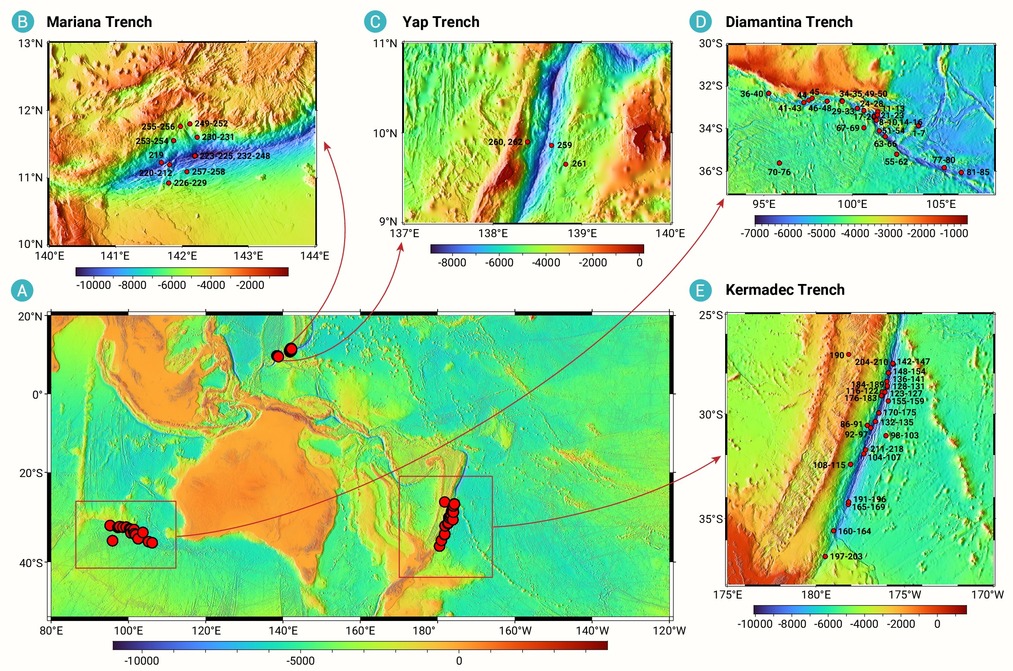
Figure 1.
Geographical distribution of the sampling sites
-
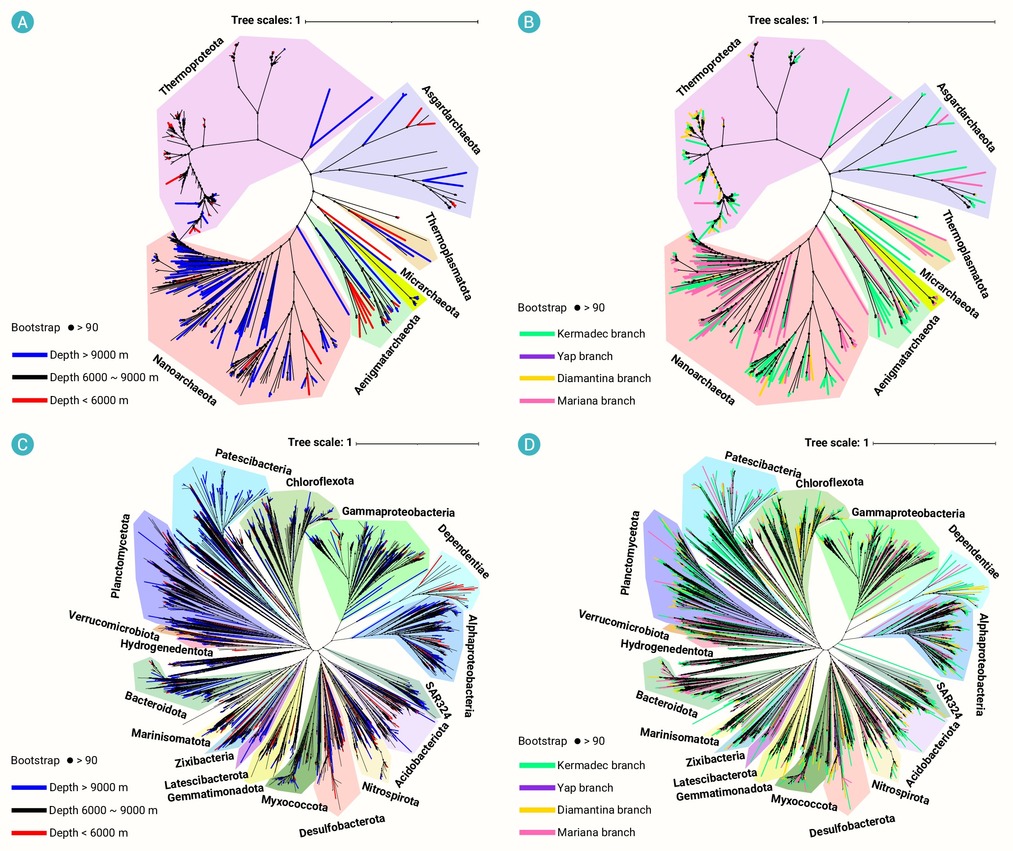
Figure 2.
Ancestral branches of archaeal and bacterial phyla predominantly associated with the hadal zone
-
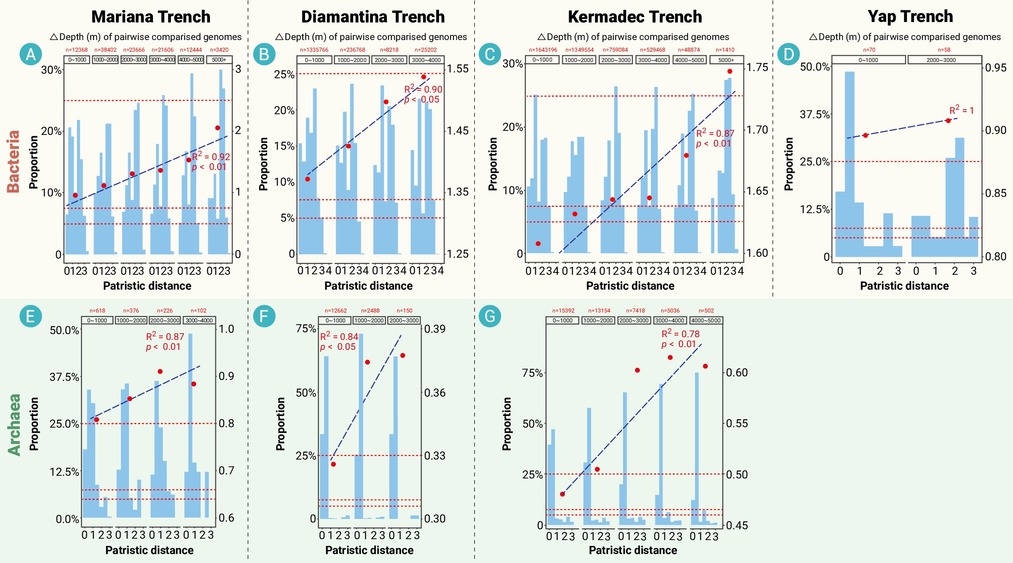
Figure 3.
Depth difference exhibited linear relationships with patristic distance within each trench for bacteria (upper panel) and archaea (lower panel)
-
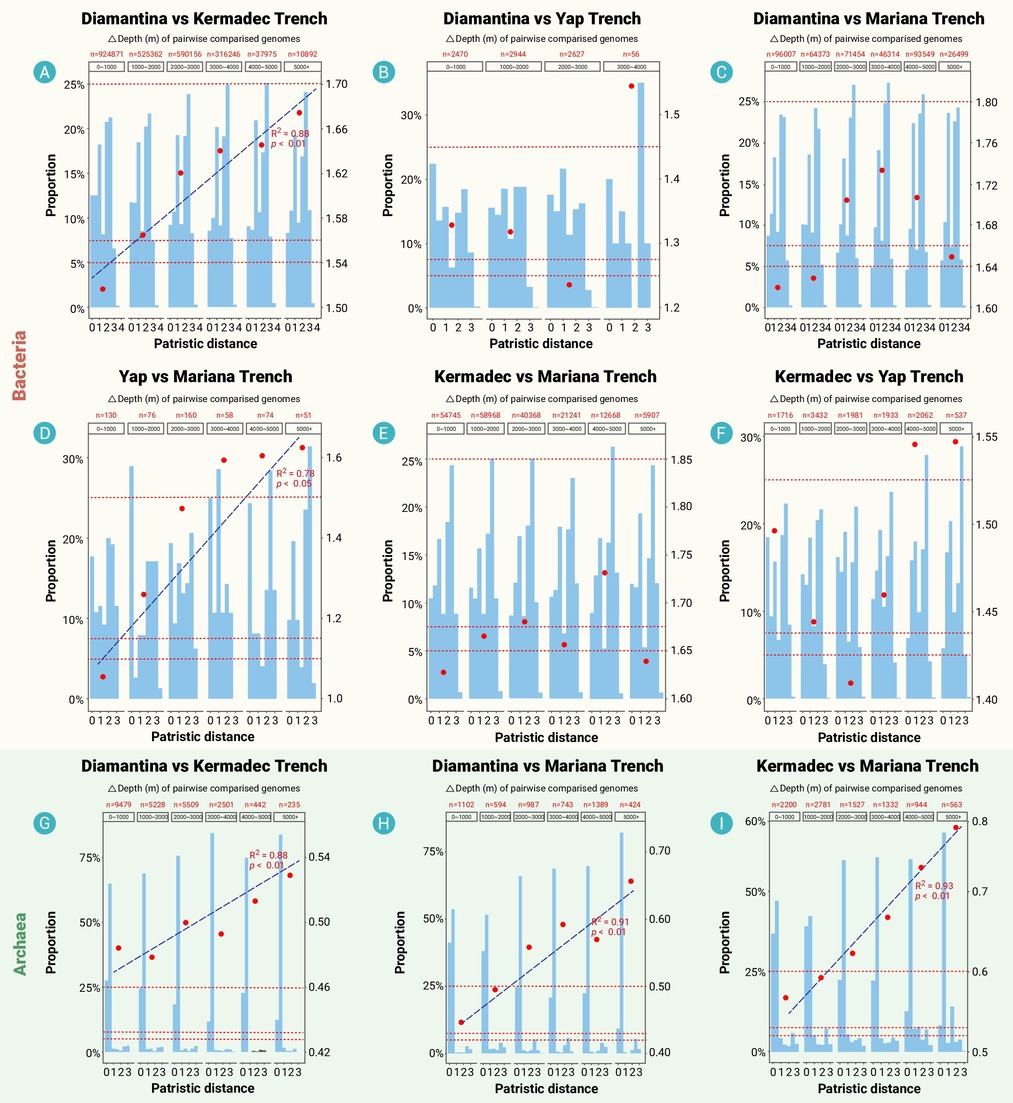
Figure 4.
Depth difference exhibited linear relationships with patristic distance between trenches for bacteria (upper panel) and archaea (lower panel)
-
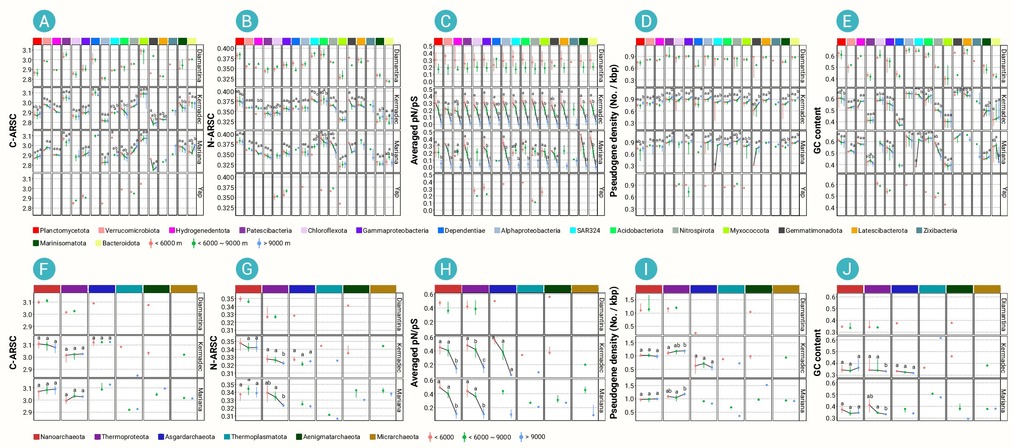
Figure 5.
Genomic characteristics of MAGs showing adaptive evolution to depth/trench-associated nutrient availability and physicochemical variations
-
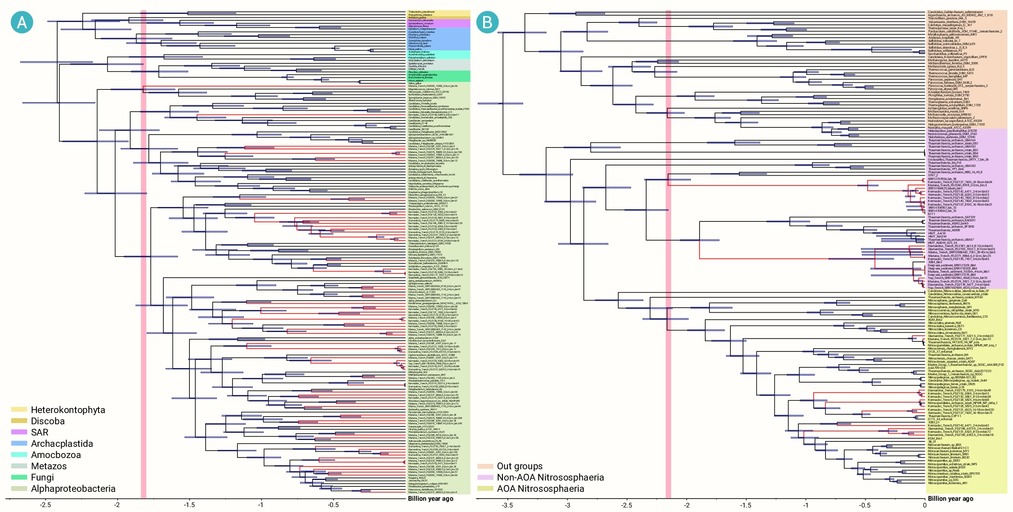
Figure 6.
Divergence time of two representative supergroups of bacterial Alphaproteobacteria (A) and archaeal Nitrosophaeria (B) through adaptive evolution based on molecular dating
-
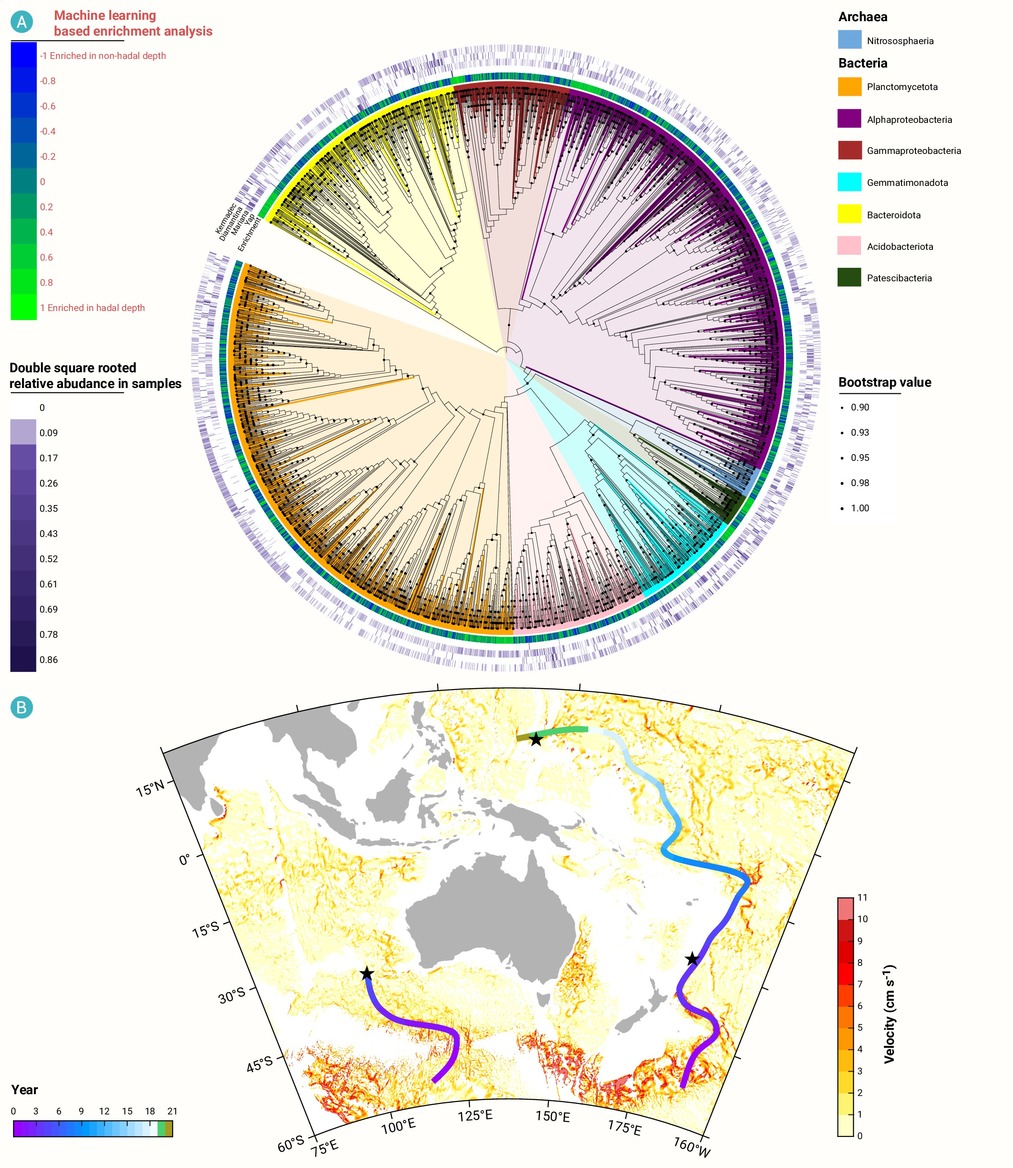
Figure 7.
Oceanic currents as key driving force for the long-distance transportation of ancient microbial lineages among different hadal zones
