
Lignin valorization into vanillin: Paving the way for a sustainable aromatic bioeconomy
-
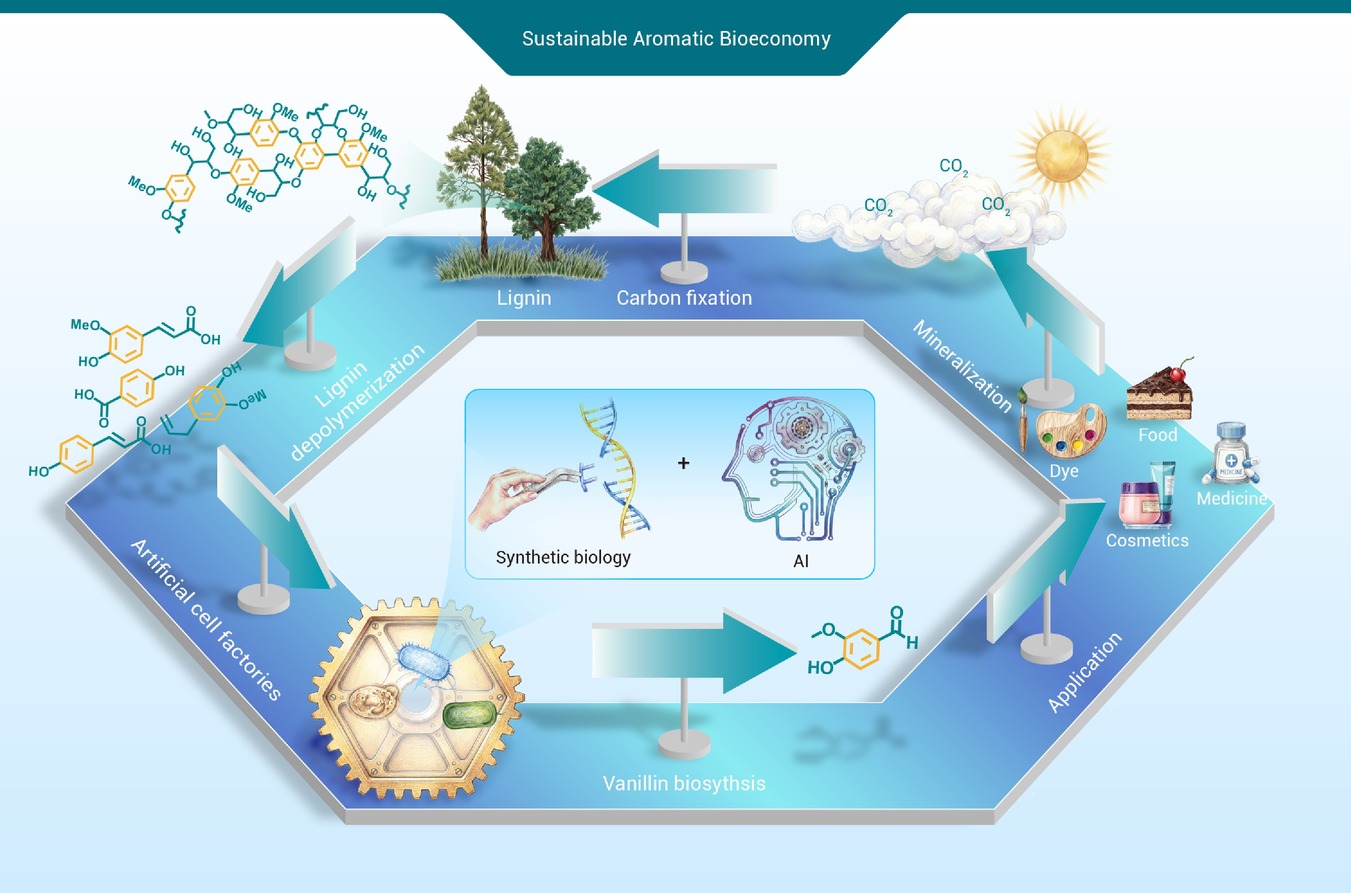
GRAPHICAL ABSTRACT
 DownLoad:
Full size image
DownLoad:
Full size image
-
PUBLIC SUMMARY
-
Lignin valorization into vanillin promotes a sustainable aromatic bioeconomy.
Microbial conversion of lignin to vanillin boosts lignin valorization.
Regulating metabolic pathways of cell factory is crucial for vanillin biosynthesis.
Fermentation strategies could alleviate aromatic toxicity and enable high-titer production.
Emerging technologies hold the promise for enhancing vanillin biosynthesis.
-
-
ABSTRACT
Lignin is the most abundant renewable aromatic resource on earth. The bioconversion of lignin into aromatic fine chemicals like vanillin aligns with the principles of sustainable “aromatic bioeconomy” concept. However, its recalcitrance and inherent heterogeneity pose significant challenges to efficient biological valorization. Therefore, this review provides a multidisciplinary perspective on aromatic ring-preserving, atom-economical pathways, emphasizing cutting-edge microbial strategies that bridge lignin-derived aromatics to vanillin production without sacrificing aromaticity. Depolymerization strategies are pivotal for enhancing the bioavailability of lignin derivatives, enabling their effective utilization as substrates for downstream vanillin biosynthesis. Furthermore, the design of robust microbial cell factories and the precise regulation of metabolic pathways increase the performance of vanillin biosynthesis. Additionally, advanced fermentation strategies are essential to alleviate vanillin cytotoxicity and enable high-titer production. Furthermore, techno-economic analysis was integrated to benchmark the industrial viability of lignin-based routes. Overall, continued advances in engineering strategies, from lignin depolymerization to vanillin biosynthesis, are reshaping lignin valorization paradigms and driving the development of a sustainable aromatic bioeconomy grounded in aromatic ring conservation. -

-
REFERENCES
[1] Liu Z.H., Li B.Z., Yuan J.S., et al. (2022). Creative biological lignin conversion routes toward lignin valorization. Trends Biotechnol. 4:1550−1566. DOI:10.1016/j.tibtech.2022.09.014 [2] Wang F., Wu T., Wang L., et al. (2025). Microbial carbon utilization for a sustainable future. Innov. Life 3:100159. DOI:10.59717/j.xinn-life.2025.100159 [3] Liu H., Liu Z.H., Zhang R.K., et al. (2022). Bacterial conversion routes for lignin valorization. Biotechnol. Adv. 60:108000. DOI:10.1016/j.biotechadv.2022.108000 [4] Liu A., Ellis D., Mhatre A., et al. (2024). Biomanufacturing of value-added chemicals from lignin. Curr. Opin. Biotech. 89:103178. DOI:10.1016/j.copbio.2024.103178 [5] Zheng S., Li R., Huang Y., et al. (2025). Gut microbiome of black soldier fly larvae for efficient use and purification of organic waste: An environmentally friendly development concept. Innov. Life 3:100134. DOI:10.59717/j.xinn-life.2025.100134 [6] Ragauskas A.J., Beckham G.T., Biddy M.J., et al. (2014). Lignin valorization: Improving lignin processing in the biorefinery. Science 344:1246843. DOI:10.1126/science.1246843 [7] Liu Z.H., Liu H., Xu T., et al. (2025). Lignin valorization reshapes sustainable biomass refining. Renew. Sustain. Energy Rev. 211:115296. DOI:10.1016/j.rser.2024.115296 [8] Questell-Santiago Y.M., Galkin M.V., Barta K., et al. (2020). Stabilization strategies in biomass depolymerization using chemical functionalization. Nat. Rev. Chem. 4:311−330. DOI:10.1038/s41570-020-0187-y [9] Xin X., Zhang R.K., Liu S.C., et al. (2024). Engineering yeast to convert lignocellulose into vanillin. Chem. Eng. J. 485:149815. DOI:10.1016/j.cej.2024.149815 [10] Zhou Y., Liu R.Y., Fu N., et al. (2025). Artificial biological funnel design enabled valorization of aromatic derivatives into catechol. J. Agric. Food Chem. 73:24222−24236. DOI:10.1021/acs.jafc.5c04730 [11] Xu C., Xu G. and Chen C. (2024). Sustainable biomass utilization powered by multiplex CRISPR editing. Innov. Materials 2:100055. DOI:10.59717/j.xinn-mater.2024.100055 [12] Xu L., Liaqat F., Sun J., et al. (2024). Advances in the vanillin synthesis and biotransformation: A review. Renew. Sustain. Energy Rev. 189:113905. DOI:10.1016/j.rser.2023.113905 [13] D’Arrigo P., Rossato L.A., Strini A., et al. (2024). From waste to value: Recent insights into producing vanillin from lignin. Molecules 29:442. DOI:10.3390/molecules29020442 [14] Saeed S., Raza S.Q., Zafar S.S., et al. (2024). Microbial conversion of pomegranate peels to biovanillin using submerged fermentation and process optimization through statistical design. Biomass Convers. Bior. 14:679−688. DOI:10.1007/s13399-021-02252-9 [15] Zhu S.Y., Li N., Liu Z.H., et al. (2025). Engineering budding yeast for the de novo synthesis of valuable flavanone derivatives. Green Chem. 27:3477−3493. DOI:10.1039/D4GC05241B [16] Nong D., Escobar N., Britz W., et al. (2020). Long-term impacts of bio-based innovation in the chemical sector: A dynamic global perspective. J. Clean. Prod. 272:122738. DOI:10.1016/j.jclepro.2020.122738 [17] Suboktagin S., Ullah M.W., Sethupathy S., et al. (2025). Microbial cell factories for bioconversion of lignin to vanillin—Challenges and opportunities: A review. Int. J. Biol. Macromol. 309:142805. DOI:10.1016/j.ijbiomac.2025.142805 [18] Zhang Y., Luan H., Qiu W., et al. (2025). Advances in vanillin synthesis: Focusing on microbial synthesis pathways and prospects. World J. Microb. Biot. 41:111. DOI:10.1007/s11274-025-04321-x [19] Liu Y., Sun L., Huo Y.X., et al. (2023). Strategies for improving the production of bio-based vanillin. Microb. Cell Fact. 22:147. DOI:10.1186/s12934-023-02144-9 [20] Liu R.Y., Li B.Z., Yuan Y.J., et al. (2025). Multiscale metabolic engineering in biological lignin valorization. The Innovation 6:100993. DOI:10.1016/j.xinn.2025.100993 [21] Giardino G.J., Wang H., Niu J., et al. (2024). From technical lignin to native lignin: Depolymerization, functionalization, and applications. Chem. Phys. Rev. 5:021302. DOI:10.1063/5.0196825 [22] Sun Z., Fridrich B., De Santi A., et al. (2018). Bright side of lignin depolymerization: Toward new platform chemicals. Chem. Rev. 118:614−678. DOI:10.1021/acs.chemrev.7b00588 [23] Chio C., Sain M., and Qin W. (2019). Lignin utilization: A review of lignin depolymerization from various aspects. Renew. Sustain. Energy Rev. 107:232−249. DOI:10.1016/j.rser.2019.03.008 [24] Abdelaziz O.Y., Clemmensen I., Meier S., et al. (2022). On the oxidative valorization of lignin to high-value chemicals: A critical review of opportunities and challenges. ChemSusChem 15:e202201232. DOI:10.1002/cssc.202201232 [25] Liu Z.H., Olson M.L., Shinde S., et al. (2017). Synergistic maximization of the carbohydrate output and lignin processability by combinatorial pretreatment. Green Chem. 19:4939−4955. DOI:10.1039/C7GC02057K [26] Rawat S., Gupta P., Singh B., et al. (2020). Molybdenum-catalyzed oxidative depolymerization of alkali lignin: Selective production of vanillin. Appl. Catal. A: Gen. 598:117567. DOI:10.1016/j.apcata.2020.117567 [27] Deng W., Zhang H., Wu X., et al. (2015). Oxidative conversion of lignin and lignin model compounds catalyzed by CeO2-supported Pd nanoparticles. Green Chem. 17:5009−5018. DOI:10.1039/C5GC01473E [28] Xu L., Zhang J., Zong Q.J., et al. (2022). High-solid ethylenediamine pretreatment to fractionate new lignin streams from lignocellulosic biomass. Chem. Eng. J. 427:130962. DOI:10.1016/j.cej.2021.130962 [29] Lv Y.H., Wang Q., Yin W.Z., et al. (2025). Insights into the reductive catalytic deconstruction of lignin over ultralow-loading palladium–zinc catalysts derived from zinc imidazolate frameworks. Green Chem. 27:5091−5103. DOI:10.1039/D4GC05467A [30] Du X., Tricker A.W., Yang W., et al. (2021). Oxidative catalytic fractionation and depolymerization of lignin in a one-pot single-catalyst system. ACS Sustainable Chem. Eng. 9:7719−7727. DOI:10.1021/acssuschemeng.0c08448 [31] Fu N., Liu R.Y., Zhou Y., et al. (2025). Technological advances in ligninolytic enzymes for the biological valorization of lignin. Green Chem. 27:4016−4039. DOI:10.1039/D4GC05724D [32] Ji T., Liaqat F., Khazi M.I., et al. (2024). Lignin biotransformation: Advances in enzymatic valorization and bioproduction strategies. Ind. Crop. Prod. 216:118759. DOI:10.1016/j.indcrop.2024.118759 [33] Li F., Zhao Y., Xue L., et al. (2022). Microbial lignin valorization through depolymerization to aromatics conversion. Trends Biotechnol. 40:1469−1487. DOI:10.1016/j.tibtech.2022.09.009 [34] Chen H., Li S., Cui Z., et al. (2023). Synergistic degradation of maize straw lignin by manganese peroxidase from Irpex lacteus. Appl. Biochem. and Biotech. 195:3855−3871. DOI:10.1007/s12010-022-04189-9 [35] Li F., Ma F., Zhao H., et al. (2019). A lytic polysaccharide monooxygenase from a White Rot fungus drives the degradation of lignin by a versatile peroxidase. Appl. Environ. Microbiol. 85:e02803−18. DOI:10.1128/aem.02803-18 [36] Zhang S., Xiao J., Wang G., et al. (2020). Enzymatic hydrolysis of lignin by ligninolytic enzymes and analysis of the hydrolyzed lignin products. Bioresour. Technol. 304:122975. DOI:10.1016/j.biortech.2020.122975 [37] Bhatt P., Bhatt K., Chen W.J., et al. (2023). Bioremediation potential of laccase for catalysis of glyphosate, isoproturon, lignin, and parathion: Molecular docking, dynamics, and simulation. J. Hazard. Mater. 443:130319. DOI:10.1016/j.jhazmat.2022.130319 [38] Zhu D., Liang N., Zhang R., et al. (2020). Insight into depolymerization mechanism of bacterial laccase for lignin. ACS Sustain. Chem. Eng. 8:12920−12933. DOI:10.1021/acssuschemeng.0c03457 [39] Liu R.Y., Liu Z.H., Li B.Z., et al. (2024). Biotransformation of lignin into 4-vinylphenol derivatives toward lignin valorization. Green Chem. 26:1770−1789. DOI:10.1039/d3gc03763k [40] Zhu D., Zhang P., Xie C., et al. (2017). Biodegradation of alkaline lignin by Bacillus ligniniphilus L1. Biotechnol. Biofuels 10:1−14. DOI:10.1186/s13068-017-0735-y [41] Cabeza Sánchez Á., Trygve Berglihn O., Ottaviano E., et al. (2024). Innovative vanillin yielding from lignin: Process modelling and assessment. Open Res. Eur. 4:5. DOI:10.12688/openreseurope.16734.2 [42] Ren T., Qi W., Su R., et al. (2019). Promising techniques for depolymerization of lignin into value‐added chemicals. ChemCatChem 11:639−654. DOI:10.1002/cctc.201900018 [43] Zhang C., Shen X., Jin Y., et al. (2023). Catalytic strategies and mechanism analysis orbiting the center of critical intermediates in lignin depolymerization. Chem. Rev. 12:4510−4601. DOI:10.1021/acs.chemrev.2c00664 [44] Wang Y., Sun S., Li F., et al. (2018). Production of vanillin from lignin: The relationship between β-O-4 linkages and vanillin yield. Ind. Crop. Prod. 116:116−121. DOI:10.1016/j.indcrop.2018.02.043 [45] Ariyanta H.A., Komalasari S., Sarwana W., et al. (2026). Valorization of rice straw-derived lignin into vanillin via oxidative depolymerization over Mo/ZSM-5 catalysts. J. Indian Chem. Soc. 103:102384. DOI:10.1016/j.jics.2025.102384 [46] Zhou M., Li C., Zhu Z., et al. (2025). Advances in catalytic conversion of lignin to vanillin using ionic liquids and deep eutectic solvents. Food Chem. 487:144638. DOI:10.1016/j.foodchem.2025.144638 [47] Hosoya T., Yamamoto K., Miyafuji H., et al. (2020). Selective production of bio-based aromatics by aerobic oxidation of native soft wood lignin in tetrabutylammonium hydroxide. RSC Adv. 10:19199−19210. DOI:10.1039/D0RA03420G [48] Ahmad M., Roberts J.N., Hardiman E.M., et al. (2011). Identification of DypB from Rhodococcus jostii RHA1 as a lignin peroxidase. Biochemistry 50:5096−5107. DOI:10.1021/bi101892z [49] Zhao X., Zhang Y., Jiang H., et al. (2022). Efficient vanillin biosynthesis by recombinant lignin-degrading bacterium Arthrobacter sp. C2 and its environmental profile via life cycle assessment. Bioresour. Technol. 347:126434. DOI:10.1016/j.biortech.2021.126434. [50] Liu Z.H., Le R.K., Kosa M., et al. (2019). Identifying and creating pathways to improve biological lignin valorization. Renew. Sustain. Energy Rev. 105:349−362. DOI:10.1016/j.rser.2019.02.009 [51] Chen Q.H., Xie D.T., Qiang S., et al. (2021). Developing efficient vanillin biosynthesis system by regulating feruloyl-CoA synthetase and enoyl-CoA hydratase enzymes. Appl. Microbiol. Biotech. 106:247−259. DOI:10.1007/s00253-021-11709-w [52] Wen Q., Xu X., He Q., et al. (2025). Dual-pathway engineering enables robust vanillin bioproduction in Pseudomonas putida. Chem. Eng. J. 526:171181. DOI:10.1016/j.cej.2025.171181 [53] Di Gioia D., Luziatelli F., Negroni A., et al. (2011). Metabolic engineering of Pseudomonas fluorescens for the production of vanillin from ferulic acid. J. Biotechnol. 156:309−316. DOI:10.1016/j.jbiotec.2011.08.014 [54] Li X., Yang J., Li X., et al. (2008). The metabolism of ferulic acid via 4-vinylguaiacol to vanillin by Enterobacter sp. Px6-4 isolated from vanilla root. Process Biochem. 43:1132-1137. DOI:10.1016/j.procbio.2008.06.006 [55] Furuya T., Miura M., Kuroiwa M., et al. (2015). High-yield production of vanillin from ferulic acid by a coenzyme-independent decarboxylase/oxygenase two-stage process. New Biotechnol. 32:335−339. DOI:10.1016/j.nbt.2015.03.002 [56] Ni J., Wu Y.T., Tao F., et al. (2018). A coenzyme-free biocatalyst for the value-added utilization of lignin-derived aromatics. J. Am. Chem. Soc. 140:16001−16005. DOI:10.1021/jacs.8b08177 [57] Furukawa H., Zenno S., Iwasawa Y., et al. (2003). Ferulic acid production from clove oil by Pseudomonas fluorescens E118. J. Biosci. Bioeng. 96:404−405. DOI:10.1016/S1389-1723(03)90146-0 [58] Ashengroph M., Nahvi I., Zarkesh-Esfahani H., et al. (2011). Pseudomonas resinovorans SPR1, a newly isolated strain with potential of transforming eugenol to vanillin and vanillic acid. New Biotechnol. 28:656−664. DOI:10.1016/j.nbt.2011.06.009 [59] Singh A., Mukhopadhyay K., and Ghosh Sachan S. (2022). Enhanced vanillin production from eugenol by Bacillus cereus NCIM-5727. Bioproc. Biosyst. Eng. 45:1811−1824. DOI:10.1007/s00449-022-02787-9 [60] Overhage J.R., Steinbüchel A., and Priefert H. (2003). Highly efficient biotransformation of eugenol to ferulic acid and further conversion to vanillin in recombinant strains of Escherichia coli. Appl. and Environ. Microbiol. 69:6569−6576. DOI:10.1128/AEM.69.11.6569-6576.2003 [61] Zhu X., Wu J., Li S., et al. (2024). Artificial biosynthetic pathway for efficient synthesis of vanillin, a feruloyl-CoA-derived natural product from eugenol. J. Agric. Food Chem. 72:6463−6470. DOI:10.1021/acs.jafc.3c08723 [62] Kasana R.C., Sharma U.K., Sharma N., et al. (2007). Isolation and identification of a novel strain of Pseudomonas chlororaphis capable of transforming isoeugenol to vanillin. Curr. Microbiol. 54:457−461. DOI:10.1007/s00284-006-0627-z [63] Yamada M., Okada Y., Yoshida T., et al. (2007). Biotransformation of isoeugenol to vanillin by Pseudomonas putida IE27 cells. Appl. Microbiol. Biotech. 73:1025−1030. DOI:10.1007/s00253-006-0569-1 [64] Zhao L.Q., Sun Z.H., Zheng P., et al. (2005). Biotransformation of isoeugenol to vanillin by a novel strain of Bacillus fusiformis. Biotechnol. Lett. 27:1505−1509. DOI:10.1007/s10529-005-1466-x [65] Han Z., Long L., and Ding S. (2019). Expression and characterization of carotenoid cleavage oxygenases from Herbaspirillum seropedicae and Rhodobacteraceae bacterium capable of biotransforming isoeugenol and 4-vinylguaiacol to vanillin. Front. Microbiol. 10:1869. DOI:10.3389/fmicb.2019.01869 [66] De Simone M., Alvigini L., Alonso-Cotchico L., et al. (2022). Rationally guided improvement of NOV1 dioxygenase for the conversion of lignin-derived isoeugenol to vanillin. Biochem. 62:419−428. DOI:10.1021/acs.biochem.2c00168 [67] Guo Y., Alvigini L., Trajkovic M., et al. (2022). Structure-and computational-aided engineering of an oxidase to produce isoeugenol from a lignin-derived compound. Nat. Commun. 13:7195. DOI:10.1038/s41467-022-34912-3 [68] Zhao L., Xie Y., Chen L., et al. (2018). Efficient biotransformation of isoeugenol to vanillin in recombinant strains of Escherichia coli by using engineered isoeugenol monooxygenase and sol-gel chitosan membrane. Process Biochem. 71:76−81. DOI:10.1016/j.procbio.2018.05.013 [69] Lu X.Y., Wu X.M., Ma B.D., et al. (2021). Enhanced thermostability of Pseudomonas nitroreducens isoeugenol monooxygenase by the combinatorial strategy of surface residue replacement and consensus mutagenesis. Catalysts 11:1199. DOI:10.3390/catal11101199 [70] van den Heuvel R.H., Fraaije M.W., Laane C., et al. (2001). Enzymatic synthesis of vanillin. J. Agric. Food Chem. 49:2954−2958. DOI:10.1021/jf010093j [71] García-Bofill M., Sutton P.W., Straatman H., et al. (2021). Biocatalytic synthesis of vanillin by an immobilised eugenol oxidase: High biocatalyst yield by enzyme recycling. Appl. Catal. A: Gen. 610:117934. DOI:10.1016/j.apcata.2020.117934 [72] Cai S.J., Lin J.C., Wang M.Y., et al. (2023). Biosynthesis of vanillin from vanillyl alcohol by recombinant Escherichia coli cells expressing 5-hydroxymethylfurfural oxidase. Ind. Crops Prod. 204:117285. DOI:10.1016/j.indcrop.2023.117285 [73] Venkitasubramanian P., Daniels L., Das S., et al. (2008). Aldehyde oxidoreductase as a biocatalyst: Reductions of vanillic acid. Enzyme Microb. Tech. 42:130−137. DOI:10.1016/j.enzmictec.2007.08.009 [74] Qiu D., Wang M., Zhou C., et al. (2022). De novo biosynthesis of vanillin in engineered Saccharomyces cerevisiae. Chem. Eng. Sci. 263:118049. DOI:10.1016/j.ces.2022.118049 [75] Li J., Yue C., Wei W., et al. (2022). Construction of a p-coumaric and ferulic acid auto-regulatory system in Pseudomonas putida KT2440 for protocatechuate production from lignin-derived aromatics. Bioresour. Technol. 344:126221. DOI:10.1016/j.biortech.2021.126221 [76] Hansen E.H., Møller B.L., Kock G.R., et al. (2009). De novo biosynthesis of vanillin in fission yeast (Schizosaccharomyces pombe) and baker's yeast (Saccharomyces cerevisiae). Appl. Environ. Microbiol. 75:2765−2774. DOI:10.1128/AEM.02681-08 [77] Wu R., Li D., Chen Q., et al. (2024). Optimization of vanillin biosynthesis in Escherichia coli K12 MG1655 through metabolic engineering. Bioresour. Technol. 411:131189. DOI:10.1016/j.biortech.2024.131189 [78] Dong P., Fan Y., Huo Y.X., et al. (2024). Pathway-adapted biosensor for high-throughput screening of O-methyltransferase and its application in vanillin synthesis. ACS Synth. Biol. 13:2873−2886. DOI:10.1021/acssynbio.4c00287 [79] Xin X., Liu D.F., Liu S.C., et al. (2025). Redesigned pathway for de novo synthesis of vanillin and co-conversion of multiple renewable substrates in Saccharomyces cerevisiae. JACS Au. 5:1133−1145. DOI:10.1021/jacsau.4c00918 [80] Wang W., Qu M., Zhang T., et al. (2025). A microbiome war in our gut. Innov. Life 3:100111. DOI:10.59717/j.xinn-life.2024.100111 [81] Wang L., Li N., Yu S., et al. (2023). Enhancing caffeic acid production in Escherichia coli by engineering the biosynthesis pathway and transporter. Bioresour. Technol. 368:128320. DOI:10.1016/j.biortech.2022.128320 [82] Yang J., Tu R., Yuan H., et al. (2021). Recent advances in droplet microfluidics for enzyme and cell factory engineering. Crit. Rev. Biotechnol. 41:1023−1045. DOI:10.1080/07388551.2021.1898326 [83] Jain A., Stavrakis S., and Demello A. (2024). Droplet-based microfluidics and enzyme evolution. Curr. Opin. Biotech. 87:103097. DOI:10.1016/j.copbio.2024.103097 [84] Ostafe R., Prodanovic R., Lloyd Ung W., et al. (2014). A high-throughput cellulase screening system based on droplet microfluidics. Biomicrofluidics 8:041102. DOI:10.1063/1.4886771 [85] Liu Y. and Chen J. (2024). Orthogonal DNA replication system accelerates evolution and cell factory construction in Escherichia coli. Innov. Life 2:100055. DOI:10.59717/j.xinn-life.2024.100055 [86] Yao X., Lv Y., Yu H., et al. (2020). Site-directed mutagenesis of coenzyme-independent carotenoid oxygenase CSO2 to enhance the enzymatic synthesis of vanillin. Appl. Microbiol. Biotech. 104:3897−3907. DOI:10.1007/s00253-020-10433-1 [87] Guan A., He Z., Wang X., et al. (2024). Protein engineering for the synthetic cell factory: Recent advance and perspective. Biotechnol. Adv. 73:108366. DOI:10.1016/j.biotechadv.2024.108366 [88] Wang Z., Xie D., Wu D., et al. (2025). Robust enzyme discovery and engineering with deep learning using CataPro. Nat. Commun. 16:2736. DOI:10.1038/s41467-025-58038-4 [89] Dauparas J., Lee G.R., Pecoraro R., et al. (2025). Atomic context-conditioned protein sequence design using LigandMPNN. Nat. Methods 22:717−723. DOI:10.1038/s41592-025-02626-1 [90] Polizzi N.F. and DeGrado W.F. (2020). A defined structural unit enables de novo design of small-molecule-binding proteins. Science 369:1227−1233. DOI:10.1126/science.abb8330 [91] Sun Y., Zhang T., Lu B., et al. (2023). Application of cofactors in the regulation of microbial metabolism: A state of the art review. Front. Microbiol. 14:1145784. DOI:10.3389/fmicb.2023.1145784 [92] Zhang X., He Y., Wu Z., et al. (2021). Whole-cell biosensors aid exploration of vanillin transmembrane transport. J. Agric. Food Chem. 69:3114−3123. DOI:10.1021/acs.jafc.0c07886 [93] Lee E.G., Yoon S.H., Das A., et al. (2008). Directing vanillin production from ferulic acid by increased acetyl‐CoA consumption in recombinant Escherichia coli. Biotechnol. Bioeng. 102:200−208. DOI:10.1002/bit.22040 [94] Chen R., Gao J., Yu W., et al. (2022). Engineering cofactor supply and recycling to drive phenolic acid biosynthesis in yeast. Nat. Chem. Biol. 18:520−529. DOI:10.1038/s41589-022-01014-6 [95] Cahn J.K., Werlang C.A., Baumschlager A., et al. (2017). A general tool for engineering the NAD/NADP cofactor preference of oxidoreductases. ACS Synth. Biol. 6:326−333. DOI:10.1021/acssynbio.6b00188 [96] Li N., Zhu S.Y., Bai L.L., et al. (2025). Revolutionizing lignin valorization: Key advances in demethylation, methylation, and methyl metabolism. Biotechnol. Adv. 83:108634. DOI:10.1016/j.biotechadv.2025.108634 [97] Zhao J., Li Y., Yi L., et al. (2023). Yeast-based whole-cell factory for the ecofriendly synthesis of vanillylamine as a critical step toward capsaicin production. ACS Sustain. Chem. Eng. 11:7683−7691. DOI:10.1021/acssuschemeng.2c07561 [98] Kunjapur A.M., Hyun J.C., and Prather K.L. (2016). Deregulation of S-adenosylmethionine biosynthesis and regeneration improves methylation in the E. coli de novo vanillin biosynthesis pathway. Microb. Cell Fact. 15:1−17. DOI:10.1186/s12934-016-0459-x [99] Delépine B., Duigou T., Carbonell P., et al. (2018). RetroPath2.0: A retrosynthesis workflow for metabolic engineers. Metab. Eng. 45:158-170. DOI:10.1016/j.ymben.2017.12.002 [100] Lemke O., Heineike B.M., Viknander S., et al. (2025). The role of metabolism in shaping enzyme structures over 400 million years. Nature 644:280−289. DOI:10.1038/s41586-025-09205-6 [101] Zhang R.K., Tan Y.S., Cui Y.Z., et al. (2021). Lignin valorization for protocatechuic acid production in engineered Saccharomyces cerevisiae. Green Chem. 23:6515−6526. DOI:10.1039/d1gc01442k [102] Wang J., Ouyang X., Meng S., et al. (2025). Rational multienzyme architecture design with iMARS. Cell 188:1349−1362. DOI:10.1016/j.cell.2024.12.029 [103] Fleige C., Meyer F., Steinbüchel A., et al. (2016). Metabolic engineering of the Actinomycete Amycolatopsis sp. Strain ATCC 39116 towards enhanced production of natural vanillin. Appl. Environ. Microb. 82:3410-3419. DOI:10.1128/aem.00802-16 [104] Kunjapur A.M., Tarasova Y., and Prather K.L. (2014). Synthesis and accumulation of aromatic aldehydes in an engineered strain of Escherichia coli. J. Am. Chem. Soc. 136:11644−11654. DOI:10.1021/ja506664a [105] Ni J., Gao Y.Y., Tao F., et al. (2018). Temperature-directed biocatalysis for the sustainable production of aromatic aldehydes or alcohols. Angew Chem. Int. Ed. Engl. 57:1214−1217. DOI:10.1002/anie.201710793 [106] Dong P., Chen Y., Wei Y., et al. (2025). Dix-seq: An integrated pipeline for fast amplicon data analysis. Innov. Life 3:100120. DOI:10.59717/j.xinn-life.2024.100120 [107] Li C., Wang C., Zhu J., et al. (2022). Advances and prospects of transcription‐factor‐based biosensors in high‐throughput screening for cell factories construction. Food Bioeng. 1:135−147. DOI:10.1002/fbe2.12019 [108] Sana B., Chia K.H.B., Raghavan S.S., et al. (2017). Development of a genetically programed vanillin-sensing bacterium for high-throughput screening of lignin-degrading enzyme libraries. Biotechnol. Biofuels 10:1−13. DOI:10.1186/s13068-017-0720-5 [109] Morabbi Heravi K., Lange J., Watzlawick H., et al. (2015). Transcriptional regulation of the vanillate utilization genes (vanABK operon) of Corynebacterium glutamicum by VanR, a PadR-like repressor. J. Bacteriol. 197:959−972. DOI:10.1128/JB.02431-14 [110] Palumbo C.T., Ouellette E.T., Zhu J., et al. (2024). Accessing monomers from lignin through carbon–carbon bond cleavage. Nat. Rev. Chem. 8:799−816. DOI:10.1038/s41570-024-00652-9 [111] Wu W., Liu F., and Singh S. (2018). Toward engineering E. coli with an autoregulatory system for lignin valorization. Proc. Natl. Acad. Sci. USA 115:2970−2975. DOI:10.1073/pnas.1720129115 [112] Ikehata Y., and Doukyu N. (2022). Improving the organic solvent tolerance of Escherichia coli with vanillin, and the involvement of an AcrAB-TolC efflux pump in vanillin tolerance. J. Biosci. Bioeng. 133:347−352. DOI:10.1016/j.jbiosc.2021.12.015 [113] Chen P., Liu Y., Li C., et al. (2023). Antibacterial mechanism of vanillin against Escherichia coli O157: H7. Heliyon 9:19280. DOI:10.1016/j.heliyon.2023.e19280 [114] Pandey A.K., Kaur H. and Gaur N.A. (2026). Advanced approaches for mitigating impact of pre-treatment generated inhibitors in lignocellulosic hydrolysates: A comprehensive review. Renew. Sustain. Energy Rev. 226:116266. DOI:10.1016/j.rser.2025.116266 [115] López P.C., Peng C., Arneborg N., et al. (2021). Analysis of the response of the cell membrane of Saccharomyces cerevisiae during the detoxification of common lignocellulosic inhibitors. Sci. Rep. 11:6853. DOI:10.1038/s41598-021-86135-z [116] Chen Z., Deng J., Han P., et al. (2026). Mass production of microbial protein using low-value materials. Innov. Life 4:100200. DOI:10.59717/j.xinn-life.2026.100200 [117] Zheng D.Q., Jin X.N., Zhang K., et al. (2017). Novel strategy to improve vanillin tolerance and ethanol fermentation performances of Saccharomycere cerevisiae strains. Bioresour. Technol. 231:53−58. DOI:10.1016/j.biortech.2017.01.040 [118] Chen P., Yan L., Wu Z., et al. (2016). A microbial transformation using Bacillus subtilis B7-S to produce natural vanillin from ferulic acid. Sci. Rep. 6:20400. DOI:10.1038/srep20400 [119] Xu K., Zhang Y.F., Guo D.Y., et al. (2022). Recent advances in yeast genome evolution with stress tolerance for green biological manufacturing. Biotechnol. Bioeng. 119:2689−2697. DOI:10.1002/bit.28183 [120] Shen Y., Li H., Wang X., et al. (2014). High vanillin tolerance of an evolved Saccharomyces cerevisiae strain owing to its enhanced vanillin reduction and antioxidative capacity. J. Ind. Microbiol. Biotechnol. 41:1637−1645. DOI:10.1007/s10295-014-1515-3 [121] Jia C., Chai R., Zhang M., et al. (2024). Improvement of Saccharomyces cerevisiae strain tolerance to vanillin through heavy ion radiation combined with adaptive laboratory evolution. J. Biotechnol. 394:112−124. DOI:10.1016/j.jbiotec.2024.08.014 [122] Yu T., Zhou Y.J., Huang M., et al. (2018). Reprogramming yeast metabolism from alcoholic fermentation to lipogenesis. Cell 174:1549−1558. DOI:10.1016/j.cell.2018.07.013 [123] Wang X., Liang Z., Hou J., et al. (2017). The absence of the transcription factor Yrr1p, identified from comparative genome profiling, increased vanillin tolerance due to enhancements of ABC transporters expressing, rRNA processing and ribosome biogenesis in Saccharomyces cerevisiae. Front. Microbiol. 8:367. DOI:10.3389/fmicb.2017.00367 [124] Wangrangsimagul N., Klinsakul K., Vangnai A.S., et al. (2012). Bioproduction of vanillin using an organic solvent-tolerant Brevibacillus agri 13. Appl. Microbiol. Biotech. 93:555−563. DOI:10.1007/s00253-011-3510-1 [125] Kotchaplai P., Ninrat J., Mahipant G., et al. (2022). Involvement of cytochrome p450 in organic-solvent tolerant Bacillus subtilis GRSW1-B1 in vanillin production via ferulic acid metabolism. Fermentation 8:508. DOI:10.3390/fermentation8100508 [126] Combes J., Rivera E.C., Clément T., et al. (2021). Solvent selection strategy for an ISPR (In situ/In stream product recovery) process: The case of microbial production of p-coumaric acid coupled with a liquid-liquid extraction. Sep. Purif. Technol. 259:118170. DOI:10.1016/j.seppur.2020.118170 [127] Combes J., Imatoukene N., Couvreur J., et al. (2021). Intensification of p-coumaric acid heterologous production using extractive biphasic fermentation. Bioresour. Technol. 337:125436. DOI:10.1016/j.biortech.2021.125436 [128] Hua D., Ma C., Song L., et al. (2007). Enhanced vanillin production from ferulic acid using adsorbent resin. Appl. Microbiol. Biotech. 74:783−790. DOI:10.1007/s00253-006-0735-5 [129] dos Santos Barbosa E., Perrone D., do Amaral Vendramini A.L., et al. (2008). Vanillin production by Phanerochaete chrysosporium grown on green coconut agro-industrial husk in solid state fermentation. BioResour. 3:1042−1050. DOI:10.15376/biores.3.4.1042-1050 [130] Luziatelli F., Brunetti L., Ficca A.G., et al. (2019). Maximizing the efficiency of vanillin production by biocatalyst enhancement and process optimization. Front. Bioeng. Biotech. 7:00279. DOI:10.3389/fbioe.2019.00279 [131] Paz A., Outeiriño D., de Souza Oliveira R.P., et al. (2018). Fed-batch production of vanillin by Bacillus aryabhattai BA03. New biotechnol. 40:186−191. DOI:10.1016/j.nbt.2017.07.012 [132] Chai W.Y., Teo K.T.K., Tan M.K., et al. (2022). Fermentation process control and optimization. Chem. Eng. Technol. 45:1731−1747. DOI:10.1002/ceat.202200029 [133] Valério R., Bernardino A.R., Torres C.A., et al. (2021). Feeding strategies to optimize vanillin production by Amycolatopsis sp. ATCC 39116. Bioproc. Biosyst. Eng. 44:737-747. DOI:10.1007/s00449-020-02482-7 [134] Yan L., Chen P., Zhang S., et al. (2016). Biotransformation of ferulic acid to vanillin in the packed bed-stirred fermentors. Sci. Rep. 6:34644. DOI:10.1038/srep34644 [135] Zhu D., Xu L., Sethupathy S., et al. (2021). Decoding lignin valorization pathways in the extremophilic Bacillus ligniniphilus L1 for vanillin biosynthesis. Green Chem. 23:9554−9570. DOI:10.1039/D1GC02692E [136] Ma X.K., and Daugulis A.J. (2014). Transformation of ferulic acid to vanillin using a fed‐batch solid–liquid two‐phase partitioning bioreactor. Biotechnol. Progr. 30:207−214. DOI:10.1002/btpr.1830 [137] Khwanjaisakun N., Amornraksa S., Simasatitkul L., et al. (2020). Techno-economic analysis of vanillin production from kraft lignin: Feasibility study of lignin valorization. Bioresource Technol. 299:122559. DOI:10.1016/j.biortech.2019.122559 [138] Ebrahimpourboura Z., Mosalpuri M., Yang C., et al. (2024). Comparative techno-economic and life cycle assessment of electrocatalytic processes for lignin valorization. Green Chem. 26:11303−11315. DOI:10.1039/D4GC01963F [139] Liu Z.H., Hao N., Wang Y.Y., et al. (2021). Transforming biorefinery designs with ‘Plug-In Processes of Lignin’ to enable economic waste valorization. Nat. Commun. 12:3912. DOI:10.1038/s41467-021-23920-4 [140] Werner A.Z., Cordell W.T., Lahive C.W., et al. (2023). Lignin conversion to β-ketoadipic acid by Pseudomonas putida via metabolic engineering and bioprocess development. Sci. Adv. 9:0053. DOI:10.1126/sciadv.adj0053 [141] Zhu S.Y., Li N., Liu Z.H., et al. (2025). Harnessing aromatic properties for sustainable bio-valorization of lignin derivatives into flavonoids. Green Carbon 3:172−195. DOI:10.1016/j.greenca.2024.11.005 -
ABOUT THIS ARTICLE
Cite this article:
Shang R.-J., Liu D.-F., Xin X., et al. (2026). Lignin valorization into vanillin: Paving the way for a sustainable aromatic bioeconomy. The Innovation Life 4:100229. https://doi.org/10.59717/j.xinn-life.2026.100229
Welcome!
To request copyright permission to republish or share portions of our works, please visit Copyright Clearance Center's (CCC) Marketplace website at marketplace.copyright.com.
Export File
Citation
Shang R.-J., Liu D.-F., Xin X., et al. (2026). Lignin valorization into vanillin: Paving the way for a sustainable aromatic bioeconomy. The Innovation Life 4:100229. https://doi.org/10.59717/j.xinn-life.2026.100229

Format
Content
-
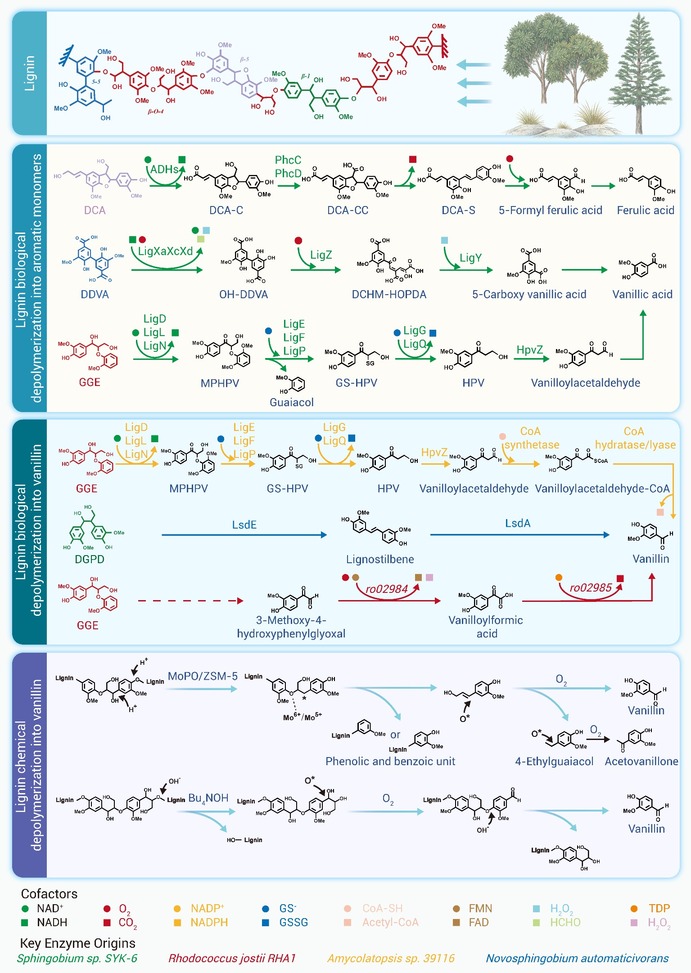
Figure 1.
Depolymerization strategies producing aromatic precursors or vanillin from lignin
-
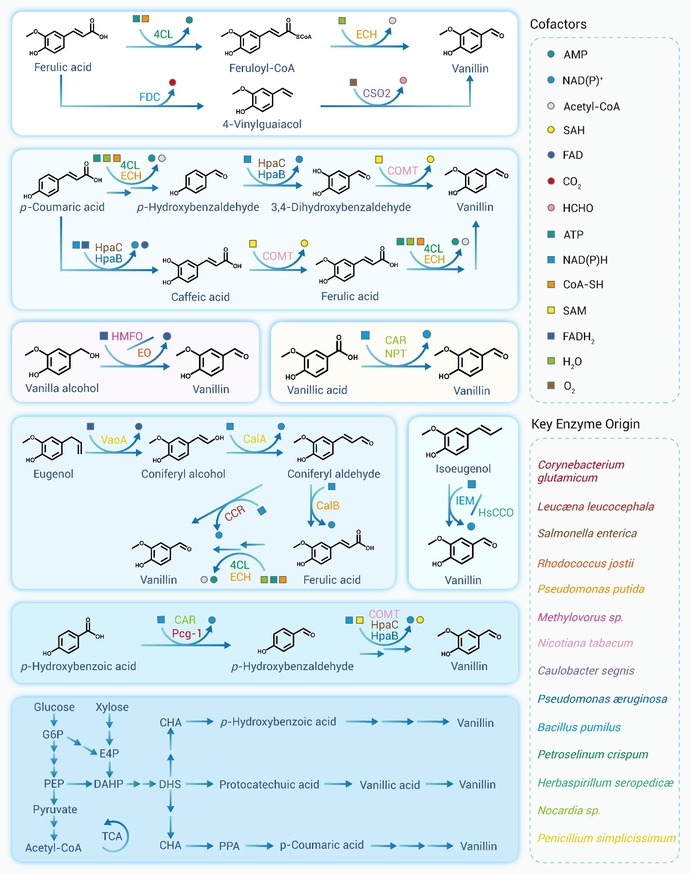
Figure 2.
Pathways and key enzymes for vanillin biosynthesis from lignin-derived aromatic monomers
-
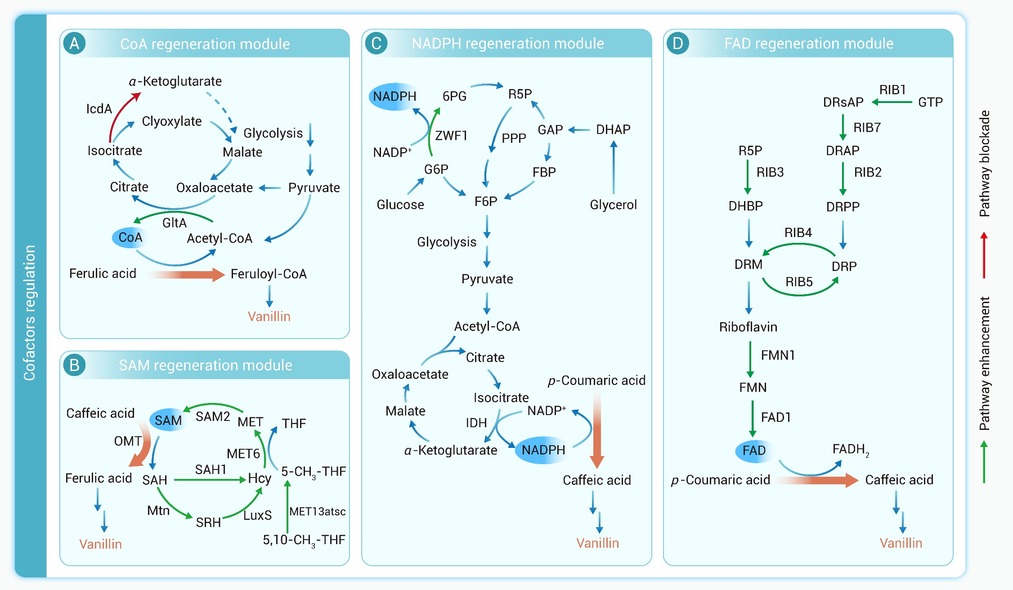
Figure 3.
Cofactors regulation strategies for the biosynthesis of vanillin
-
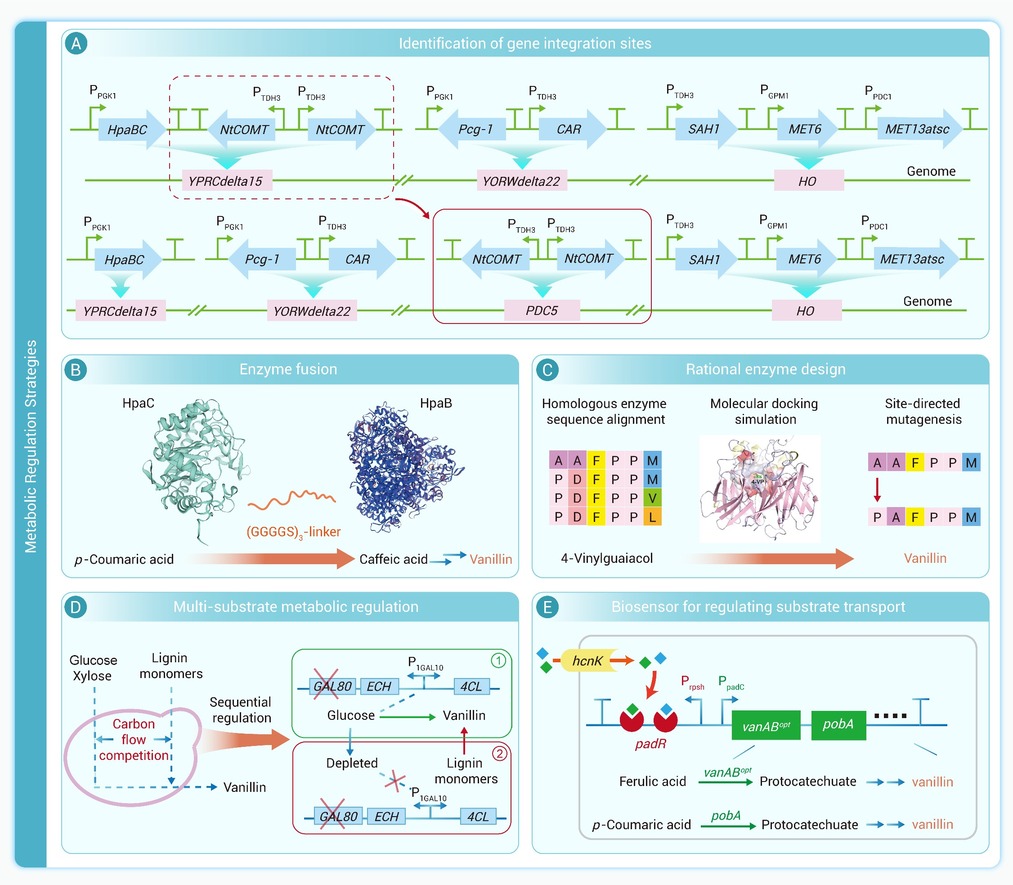
Figure 4.
Frontier metabolic regulation strategies for the biosynthesis of vanillin
-
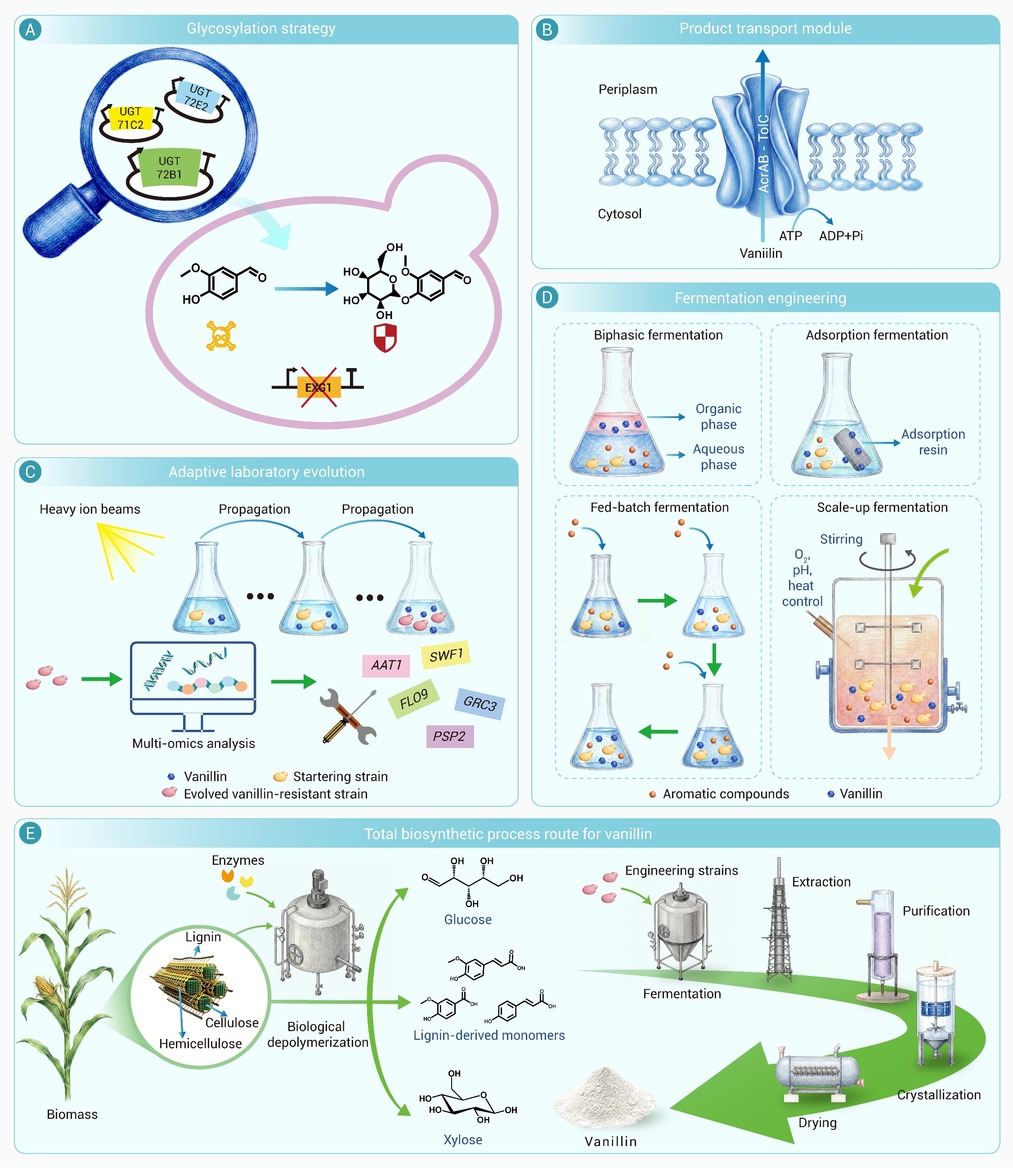
Figure 5.
Fermentation strategies for enhancing vanillin yield
-
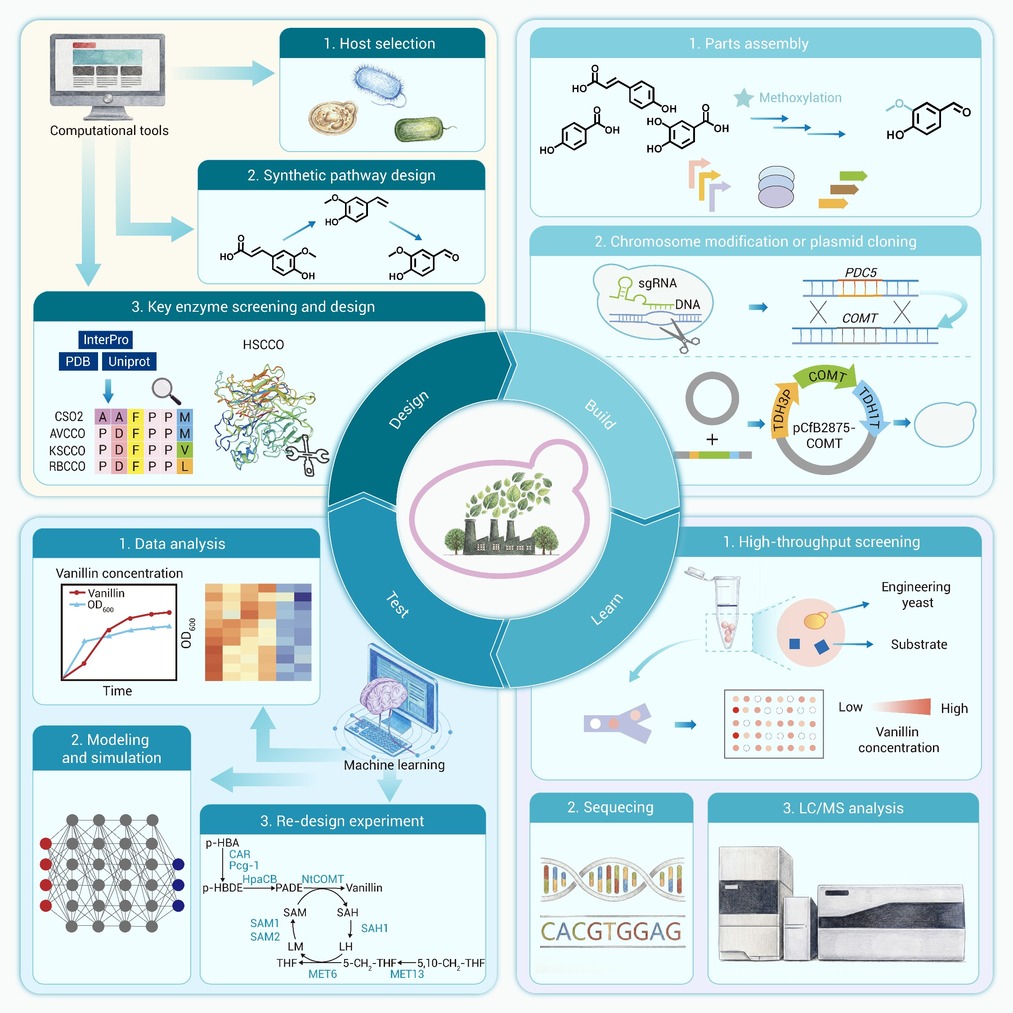
Figure 6.
The application of synthetic biology technologies in vanillin biosynthesis.
