
Singlet oxygen-responsive nanoplatform for synergetic photodynamic-immunotherapy guided by NIR-II imaging
-
GRAPHICAL ABSTRACT
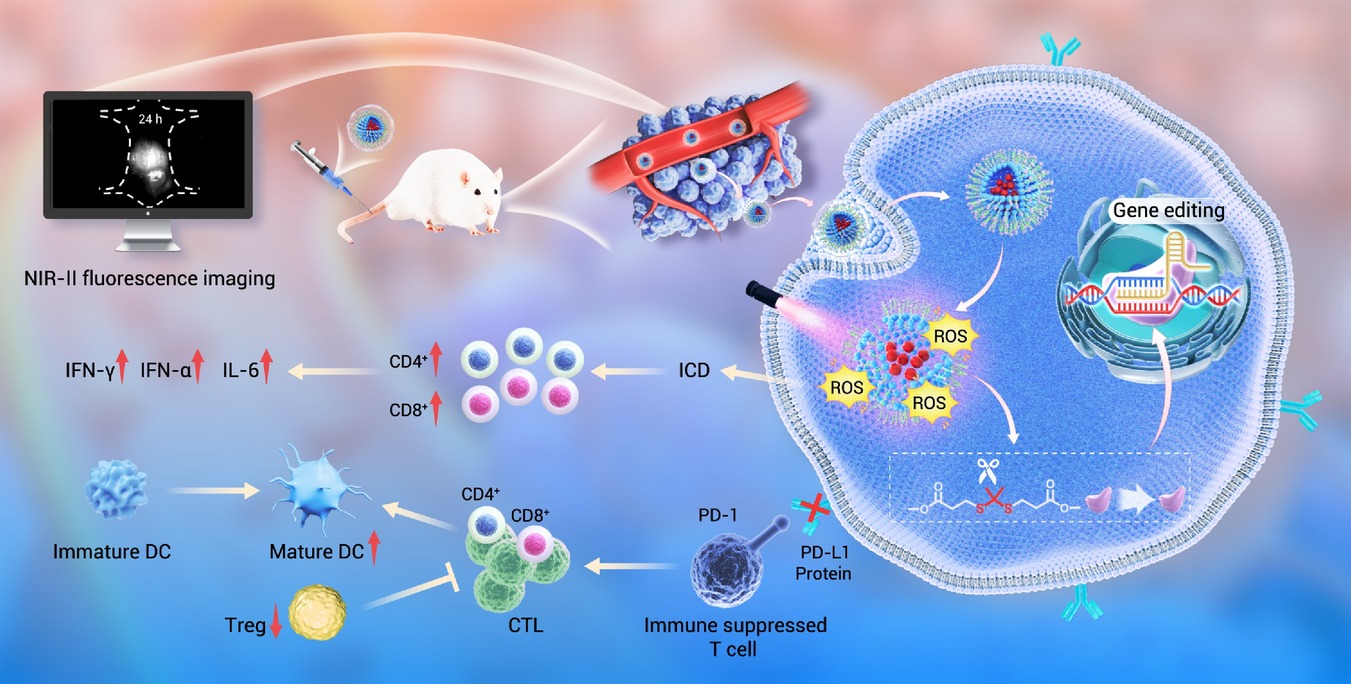
 DownLoad:
Full size image
DownLoad:
Full size image
-
PUBLIC SUMMARY
-
This study develops a light-activated system to improve therapy for triple-negative breast cancer.
The nanoparticle uses CRISPR/Cas9 to edit the PD-L1 gene and a light-triggered therapy to kill tumor cells.
The two methods work together to reshape the tumor's immune environment and enhance anti-tumor immunity.
The system is monitored using advanced near-infrared imaging.
-
-
ABSTRACT
Triple-negative breast cancer (TNBC) presents significant treatment challenges due to its lack of clear molecular targets and immunosuppressive tumor microenvironment (TME). This study reports the development of a light-triggered biomimetic nanodelivery system (OPTC-RNP@CM) to overcome these hurdles. The system integrates a semiconducting polymer for second near-infrared (NIR-II) imaging, a photosensitizer (Ce6), and CRISPR/Cas9 ribonucleoprotein targeting PD-L1 via a singlet oxygen-cleavable linker. Coated with homologous tumor cell membranes for enhanced targeting, the nanoparticles accumulate at the tumor site. Upon NIR irradiation, generated singlet oxygen simultaneously triggers the release of Cas9 RNP for PD-L1 gene editing and induces photodynamic therapy (PDT). This dual action promotes immunogenic cell death (ICD) and, synergistically with PD-1/PD-L1 pathway blockade, effectively remodels the immunosuppressive TME, amplifying the antitumor immune response. This versatile platform offers a promising strategy for precise and enhanced immunotherapy against TNBC. -

-
REFERENCES
[1] Simon N., Antignani A., Sarnovsky R., et al. (2016). Targeting a cancer-specific epitope of the epidermal growth factor receptor in triple-negative breast cancer. J. Natl. Cancer Inst. 108:djw028. DOI:10.1093/jnci/djw028 [2] Leon-Ferre R.A. and Goetz M.P. (2023). Advances in systemic therapies for triple negative breast cancer. BMJ 381:e071674. DOI:10.1136/bmj-2022-071674 [3] Derakhshan F. and Reis-Filho J.S. (2025). Pathogenesis of triple-negative breast cancer. Annu. Rev. Pathol. 17:181−204. DOI:10.1146/annurev-pathol-042420-093238 [4] Nasiri F., Kazemi M., Mirarefin S.M.J., et al. (2022). CAR-T cell therapy in triple-negative breast cancer: Hunting the invisible devil. Front. Immunol. 13:1018786. DOI:10.3389/fimmu.2022.1018786 [5] Guha M., Srinivasan S., Raman P., et al. (2018). Aggressive triple negative breast cancers have unique molecular signature on the basis of mitochondrial genetic and functional defects. Biochim. Biophys. Acta Mol. Basis Dis. 1864:1060−1071. DOI:10.1016/j.bbadis.2018.01.002 [6] Zhang Y. and Zhang Z. (2020). The history and advances in cancer immunotherapy: Understanding the characteristics of tumor-infiltrating immune cells and their therapeutic implications. Cell. Mol. Immunol. 17:807−821. DOI:10.1038/s41423-020-0488-6 [7] Fan L., Qu S., Qian J., et al. (2024). Melanin-based duplex Cas9 ribonucleoprotein nanomedicine for synergistic phototherapy and immunotherapy. Chem. Eng. J. 493:152754. DOI:10.1016/j.cej.2024.152754 [8] Wang X., Tokheim C., Gu S.S., et al. (2021). In vivo CRISPR screens identify the E3 ligase Cop1 as a modulator of macrophage infiltration and cancer immunotherapy target. Cell 184:5357−5374. DOI:10.1016/j.cell.2021.09.006 [9] Zhao L., Li D., Zhang Y., et al. (2022). HSP70-Promoter-Driven CRISPR/Cas9 system activated by reactive oxygen species for multifaceted anticancer immune response and potentiated immunotherapy. ACS Nano 16:13821−13833. DOI:10.1021/acsnano.2c01885 [10] Liu X., Wang D., Zhang P., et al. (2019). Recent advances in nanosized drug delivery systems for overcoming the barriers to anti-PD immunotherapy of cancer. Nano Today 29:100801. DOI:10.1016/j.nantod.2019.100801 [11] Zhao L., Luo Y., Huang Q., et al. (2020). Photo-enhanced CRISPR/Cas9 system enables robust PD-L1 gene disruption in cancer cells and cancer stem-like cells for efficient cancer immunotherapy. Small 16:2004879. DOI:10.1002/smll.202004879 [12] Li L., Yang Z., Zhu S., et al. (2019). A rationally designed semiconducting polymer brush for NIR-II imaging-guided light-triggered remote control of CRISPR/Cas9 genome editing. Adv. Mater. 31:1901187. DOI:10.1002/adma.201901187 [13] Hayashi K., Nikolos F., Lee Y.C., et al. (2020). Tipping the immunostimulatory and inhibitory DAMP balance to harness immunogenic cell death. Nat. Commun. 11:6299. DOI:10.1038/s41467-020-19970-9 [14] Aria H. and Rezaei M. (2023). Immunogenic cell death inducer peptides: A new approach for cancer therapy, current status and future perspectives. Biomed. Pharmacother. 161:114503. DOI:10.1016/j.biopha.2023.114503 [15] Li Z., Lai X., Fu S., et al. (2022). Immunogenic cell death activates the tumor immune microenvironment to boost the immunotherapy efficiency. Adv. Sci. 9:2201734. DOI:10.1002/advs.202201734 [16] Minute L., Teijeira A., Sanchez-Paulete A.R., et al. (2020). Cellular cytotoxicity is a form of immunogenic cell death. J. immunother. cancer 8:e000325. DOI:10.1136/jitc-2019-000325 [17] Xiong W., Cheng Z., Chen H., et al. (2024). Biomimetic tumor cell membrane-encapsulated nanoparticles combine NIR-II photothermal therapy and chemotherapy for enhanced immunotherapy in triple-negative breast cancer. Adv. Funct. Mater. n/a:2410841. DOI:10.1002/adfm.202410841. [18] Dai X., Liu D., Pan P., et al. (2024). Multifunctional two-dimensional Bi2Se3 nanodisks as a non-inflammatory photothermal agent for glioma treatment. J. Colloid Interface Sci. 661:930−942. DOI:10.1016/j.jcis.2024.01.130 [19] Lan G., Ni K., Xu Z., et al. (2018). Nanoscale metal–organic framework overcomes hypoxia for photodynamic therapy primed cancer immunotherapy. J. Am. Chem. Soc. 140:5670−5673. DOI:10.1021/jacs.8b01072 [20] Overchuk M., Weersink R.A., Wilson B.C. et al. (2023). Photodynamic and photothermal therapies: synergy opportunities for nanomedicine. ACS Nano 17:7979−8003. DOI:10.1021/acsnano.3c00891 [21] Ji Y., Fan L., Qu S. and Han X. (2022). Stimuli-responsive delivery strategies for controllable gene editing in tumor therapeutics. J. Mater. Chem. B 10:7694−7707. DOI:10.1039/D2TB01055K [22] Rahaiee S., Assadpour E., Faridi Esfanjani A., et al. (2020). Application of nano/microencapsulated phenolic compounds against cancer. Adv. Colloid Interface Sci. 279:102153. DOI:10.1016/j.cis.2020.102153 [23] Lyu Y., Yang C., Lyu X. and Pu K. (2021). Active delivery of CRISPR system using targetable or controllable nanocarriers. Small 17:2005222. DOI:10.1002/smll.202005222 [24] Lyu Y., He S., Li J., et al. (2019). A photolabile semiconducting polymer nanotransducer for near-infrared regulation of CRISPR/Cas9 gene editing. Angew. Chem. Int. Ed. 58:18197−18201. DOI:10.1002/anie.201909264 [25] Miao Q., Xie C., Zhen X., et al. (2017). Molecular afterglow imaging with bright, biodegradable polymer nanoparticles. Nat. Biotechnol. 35:1102−1110. DOI:10.1038/nbt.3987 [26] Jiang Y. and Pu K. (2018). Multimodal biophotonics of semiconducting polymer nanoparticles. Acc. Chem. Res. 51:1840−1849. DOI:10.1021/acs.accounts.8b00242 [27] Li J., Huang J., Lyu Y., et al. (2019). Photoactivatable organic semiconducting pro-nanoenzymes. J. Am. Chem. Soc. 141:4073−4079. DOI:10.1021/jacs.8b13507 [28] Li J. and Pu K. (2019). Development of organic semiconducting materials for deep-tissue optical imaging, phototherapy and photoactivation. Chem. Soc. Rev. 48:38−71. DOI:10.1039/c8cs00001h [29] Polstein L.R. and Gersbach C.A. (2015). A light-inducible CRISPR-Cas9 system for control of endogenous gene activation. Nat. Chem. Biol. 11:198−200. DOI:10.1038/nchembio.1753 [30] Pan Y., Yang J., Luan X., et al. Near-infrared upconversion–activated CRISPR-Cas9 system: A remote-controlled gene editing platform. Sci. Adv. 5:eaav7199. DOI:10.1126/sciadv.aav7199 [31] Ju A., Lee S.W., Lee Y.E., et al. (2019). A carrier-free multiplexed gene editing system applicable for suspension cells. Biomaterials 217:119298. DOI:10.1016/j.biomaterials.2019.119298 [32] Xu X., Liu C., Wang Y., et al. (2021). Nanotechnology-based delivery of CRISPR/Cas9 for cancer treatment. Adv. Drug Deliv. Rev. 176:113891. DOI:10.1016/j.addr.2021.113891 [33] Chen Z., Hu Q. and Gu Z. (2018). Leveraging engineering of cells for drug delivery. Acc. Chem. Res. 51:668−677. DOI:10.1021/acs.accounts.7b00526 [34] Fang R.H., Jiang Y., Fang J.C. and Zhang L. (2017). Cell membrane-derived nanomaterials for biomedical applications. Biomaterials 128:69−83. DOI:10.1016/j.biomaterials.2017.02.041 [35] Miao Y., Yang Y., Guo L., et al. (2022). Cell membrane-camouflaged nanocarriers with biomimetic deformability of erythrocytes for ultralong circulation and enhanced cancer therapy. ACS Nano 16:6527−6540. DOI:10.1021/acsnano.2c00893 [36] Li J., Tian C., Yuan Y., et al. (2015). A water-soluble conjugated polymer with pendant disulfide linkages to PEG chains: A highly efficient ratiometric probe with solubility-induced fluorescence conversion for thiol detection. Macromolecules 48:1017−1025. DOI:10.1021/ma5021775 [37] Xiong W., Cheng Z., Chen H., et al. (2024). Biomimetic tumor cell membrane‐encapsulated nanoparticles combine NIR-II photothermal therapy and chemotherapy for enhanced immunotherapy in triple‐negative breast cancer. Adv. Funct. Mater. 34:2410841. DOI:10.1002/adfm.202410841 [38] Fang R.H., Gao W. and Zhang L. (2023). Targeting drugs to tumours using cell membrane-coated nanoparticles. Nat. Rev. Clin. Oncol. 20:33−48. DOI:10.1038/s41571-022-00699-x [39] Liang S., Hu D., Li G., et al. (2022). NIR-II fluorescence visualization of ultrasound-induced blood-brain barrier opening for enhanced photothermal therapy against glioblastoma using indocyanine green microbubbles. Sci. Bull. 67:2316−2326. DOI:10.1016/j.scib.2022.10.025 [40] Li Y., Qu F., Wan F., et al. (2025). Aggregation control of anionic pentamethine cyanine enabling excitation wavelength selective NIR-II fluorescence imaging-guided photodynamic therapy. Nat. Commun. 16:762. DOI:10.1038/s41467-024-55429-x -
ABOUT THIS ARTICLE
Cite this article:
Ji Y., Qian J., Fan L., et al. (2026). Singlet oxygen-responsive nanoplatform for synergetic photodynamic-immunotherapy guided by NIR-II imaging. The Innovation Materials 4:100190. https://doi.org/10.59717/j.xinn-mater.2026.100190
Welcome!
To request copyright permission to republish or share portions of our works, please visit Copyright Clearance Center's (CCC) Marketplace website at marketplace.copyright.com.
Article Metrics
Relative Articles
Cited by
Export File
Citation
Ji Y., Qian J., Fan L., et al. (2026). Singlet oxygen-responsive nanoplatform for synergetic photodynamic-immunotherapy guided by NIR-II imaging. The Innovation Materials 4:100190. https://doi.org/10.59717/j.xinn-mater.2026.100190

Format
Content
-
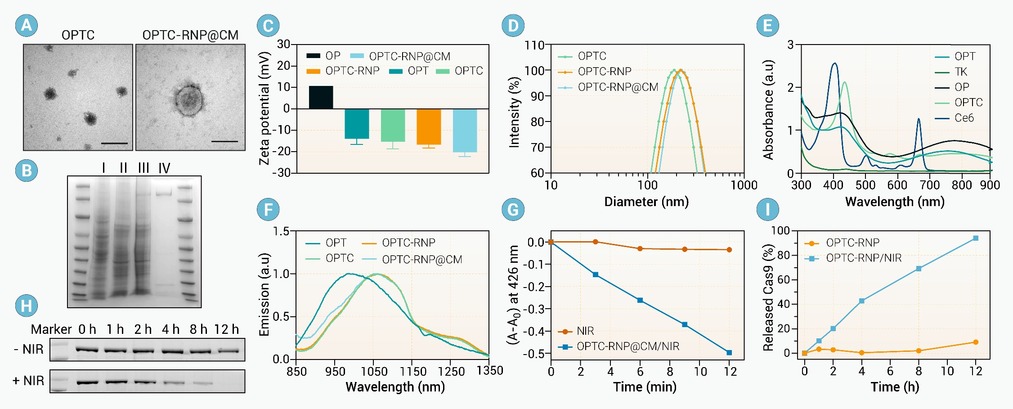
Figure 1.
Basic characterization of the OPTC-RNP@CM synthesis pro-cess and in vitro protein release experiments
-
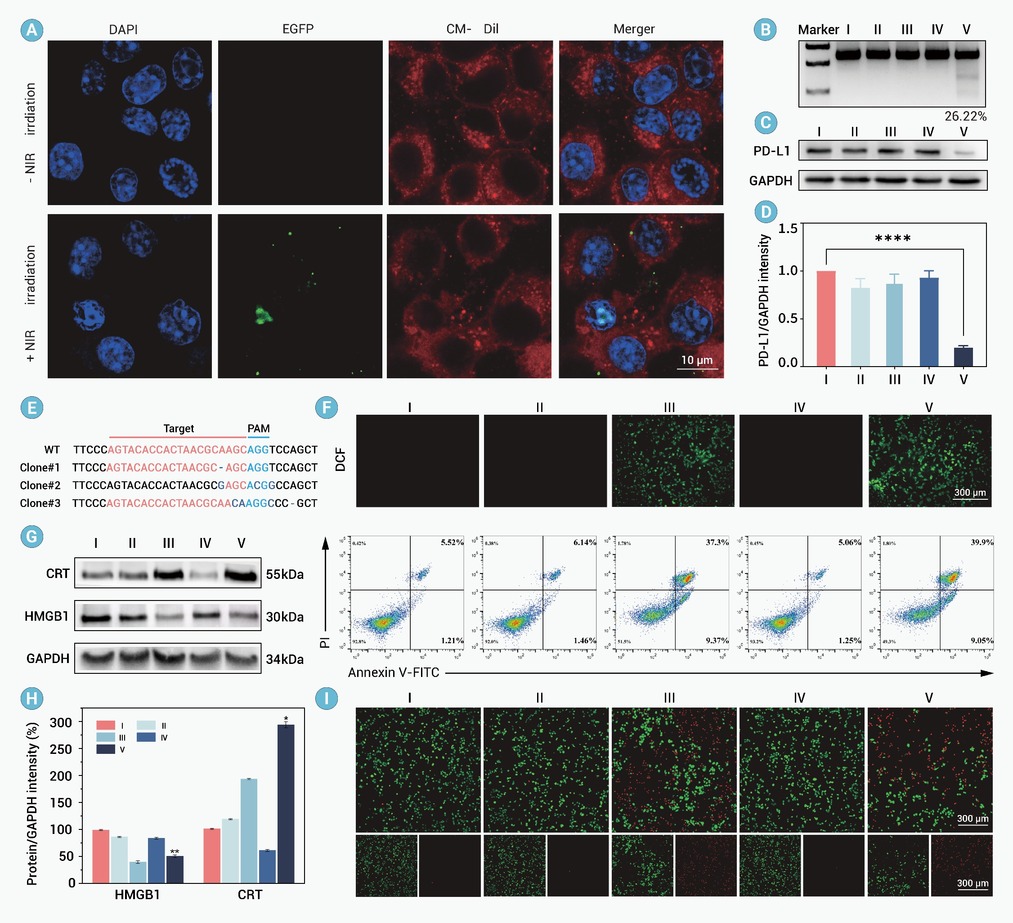
Figure 2.
In vitro cell-based validation experiments
-
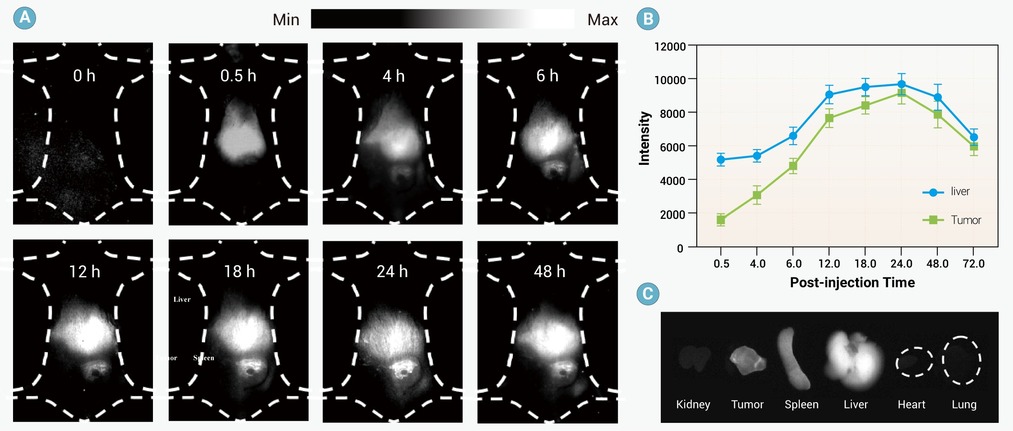
Figure 3.
The distribution of OPTC-RNP@CM in vivo after intravenous injection in breast cancer-bearing mice
-
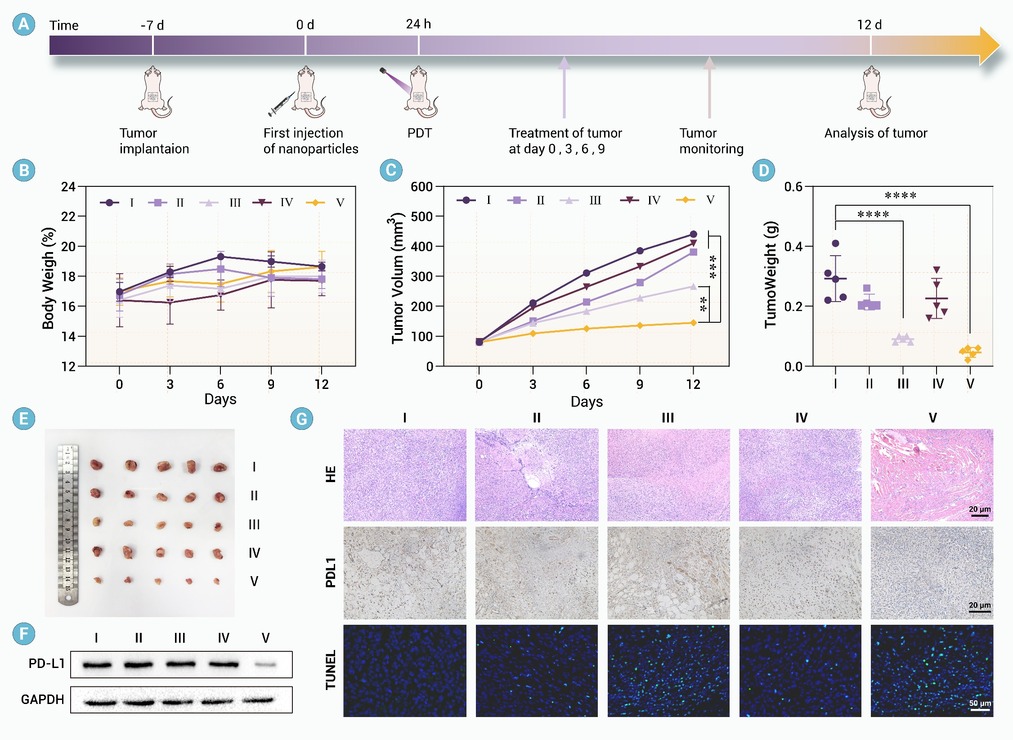
Figure 4.
Synergistic triple-negative breast cancer immunotherapy via gene editing and photodynamic therapy utilizing OPTC-RNP@CM in vivo
-
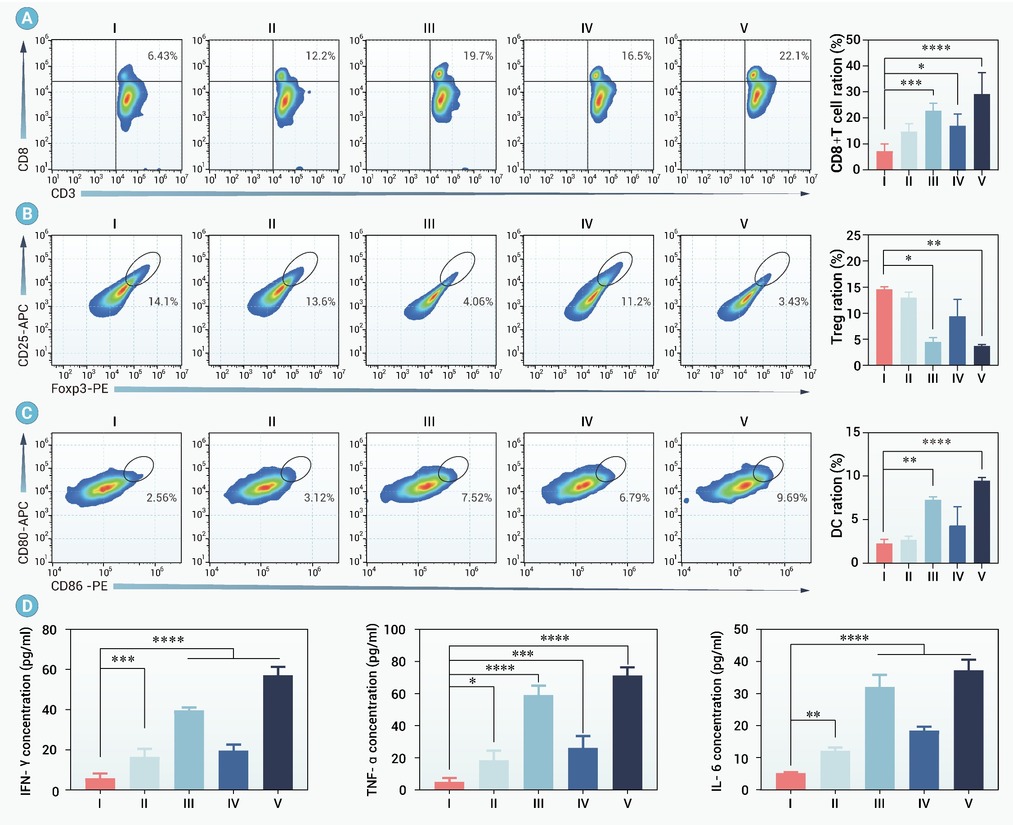
Figure 5.
Synergistic activating T cell-mediated anti-tumor immunity by targeting PD-L1 and PDT
