
The frequency of core MMR gene alterations in lung cancer and their clinical characterization: A comprehensive study of over 26,000 cases
-
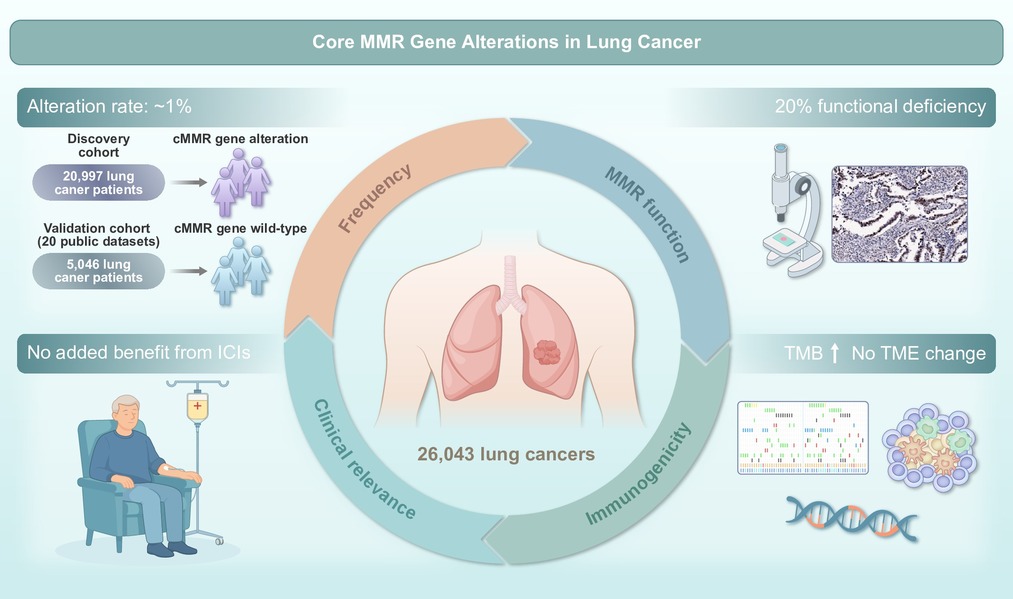
GRAPHICAL ABSTRACT
 DownLoad:
Full size image
DownLoad:
Full size image
-
PUBLIC SUMMARY
-
Core mismatch repair (cMMR) gene alterations are rare in lung cancer (~1%).
Only ~20% of cMMR gene alterations lead to functional mismatch repair deficiency.
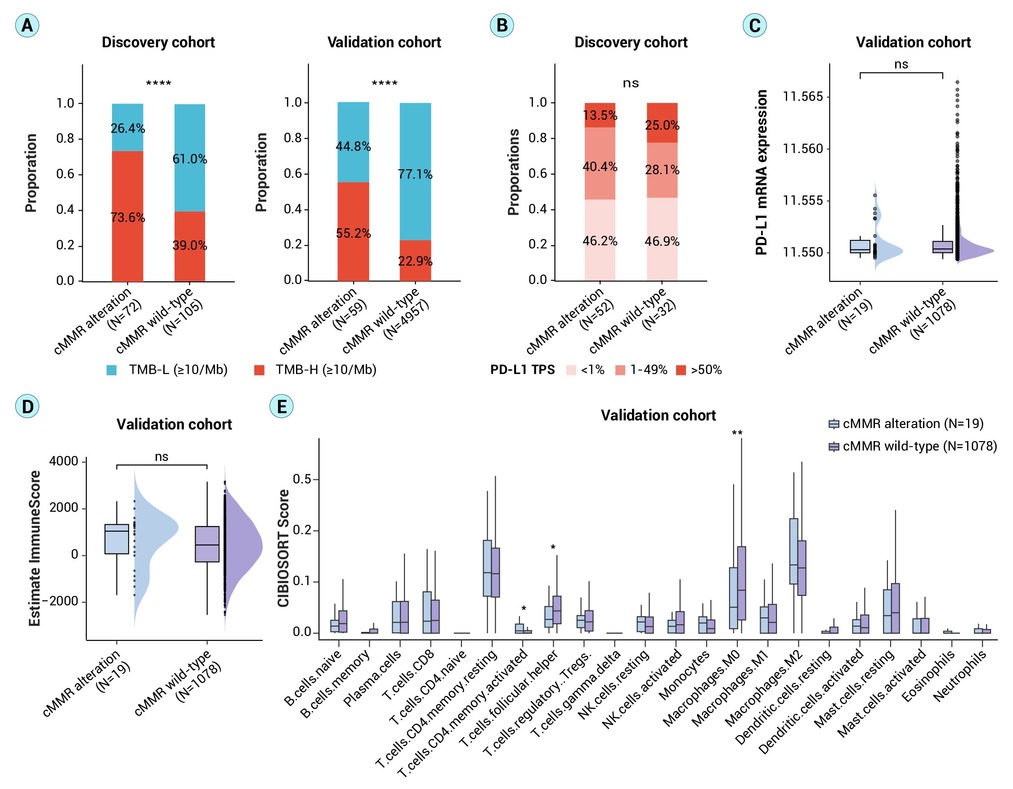
cMMR gene alterations increase tumor mutation burden but not immune cell infiltration.
No additional immunotherapy benefit was observed in limited cases with cMMR gene alterations.
-
-
ABSTRACT
Mismatch repair (MMR) deficiency is a pan-cancer biomarker predictive of immune checkpoint inhibitor (ICI) response, yet its role in lung cancer remains unclear. We analyzed genomic and clinical data of 26,043 lung cancers (20,997 discovery; 5,046 validation) to comprehensively characterize deleterious core MMR gene alterations and their functional and clinical implications. Deleterious core MMR (cMMR) gene alterations were identified in 0.9% and 1.2% patients of the discovery and validation cohort, respectively, with significant enrichment in squamous carcinomas. Functionally, approximately 20% of tumors with cMMR gene alteration exhibited MMR protein loss and/or microsatellite instability-high, which were nearly absent in cMMR wild-type tumors. The tumors with cMMR gene alteration had a higher rate of tumor mutation burden-high compared to their wild-type counterparts (discovery cohort: 73.6% vs. 39.0%, P<0.001; validation cohort: 55.2% vs. 22.9%; P<0.001). Within a limited subset of advanced lung cancer patients receiving ICIs, response rates and survival outcomes were comparable between cMMR gene alteration and wild-type groups. Immune profiling revealed no significant differences in PD-L1 expression or immune infiltration scores between cMMR gene alteration and wild-type tumors. In summary, cMMR gene alterations are rare in lung cancer but confer genomic instability in a subset of cases. Crucially, the majority of these alterations do not lead to functional MMR deficiency or immune microenvironment activation. These findings indicate that cMMR gene alterations alone may be insufficient to guide immunotherapy decisions. Further studies are warranted to clarify the clinical utility of MMR deficiency in lung cancer. -

-
REFERENCES
[1] Dudley J. C., Lin M.-T., Le D. T., et al. (2016). Microsatellite instability as a biomarker for PD-1 blockade. Clin. Cancer Res. Official J. Am. Assoc. Cancer Res. 22:813−20. DOI:10.1158/1078-0432.ccr-15-1678 [2] Bijlsma M. F., Sadanandam A., Tan P., et al. (2017). Molecular subtypes in cancers of the gastrointestinal tract. Nat. Rev. Gastroenterol. Hepatol. 14:333−342. DOI:10.1038/nrgastro.2017.33 [3] Sinicrope F. A. and Sargent D. J. (2012). Molecular pathways: Microsatellite instability in colorectal cancer: Prognostic, predictive, and therapeutic implications. Clin. Cancer Res. 18:1506−1512. DOI:10.1158/1078-0432.ccr-11-1469 [4] Germano G., Amirouchene-Angelozzi N., Rospo G., et al. (2018). The clinical impact of the genomic landscape of mismatch repair–deficient cancers. Cancer Discov. 8:1518−1528. DOI:10.1158/2159-8290.cd-18-0150 [5] Jia K., Chen Y., Xie Y., et al. (2024). Helicobacter pylori and immunotherapy for gastrointestinal cancer. The Innovation 5:100561. DOI:10.1016/j.xinn.2023.100561 [6] Matsuno Y., Atsumi Y., Shimizu A., et al. (2019). Replication stress triggers microsatellite destabilization and hypermutation leading to clonal expansion in vitro. Nat. Commun. 10:3925. DOI:10.1038/s41467-019-11760-2 [7] Schrock A. B., Ouyang C., Sandhu J., et al. (2019). Tumor mutational burden is predictive of response to immune checkpoint inhibitors in MSI-high metastatic colorectal cancer. Ann. Oncol. 30:1096−1103. DOI:10.1093/annonc/mdz134 [8] Zeverijn L. J., Geurts B. S., Battaglia T. W., et al. (2024). The innate immune landscape of dMMR/MSI cancers predicts the outcome of Nivolumab treatment: Results from the drug rediscovery protocol. Clin. Cancer Res. 30:4339−4351. DOI:10.1158/1078-0432.ccr-24-0480 [9] Le D. T., Durham J. N., Smith K. N., et al. (2017). Mismatch repair deficiency predicts response of solid tumors to PD-1 blockade. Science 357:409−413. DOI:10.1126/science.aan6733 [10] Leiter A., Veluswamy R. R. and Wisnivesky J. P. (2023). The global burden of lung cancer: Current status and future trends. Nat. Rev. Clin. Oncol. 20:624−639. DOI:10.1038/s41571-023-00798-3 [11] Huang W., Zhai G., Dong H., et al. (2023). Geographical and sexual disparities of lung cancer mortality trends in China: A population-based study. Innov. Med. 1:100032. DOI:10.59717/j.xinn-med.2023.100032 [12] Camidge D. R., Doebele R. C. and Kerr K. M. (2019). Comparing and contrasting predictive biomarkers for immunotherapy and targeted therapy of NSCLC. Nat. Rev. Clin. Oncol. 16:341−355. DOI:10.1038/s41571-019-0173-9 [13] Mamdani H., Matosevic S., Khalid A. B., et al. (2022). Immunotherapy in lung cancer: Current landscape and future directions. Front. Immunol. 13:823618. DOI:10.3389/fimmu.2022.823618 [14] Yang S.-R., Gedvilaite E., Ptashkin R., et al. (2024). Microsatellite instability and mismatch repair deficiency define a distinct subset of lung cancers characterized by smoking exposure, high tumor mutational burden, and recurrent somatic MLH1 inactivation. J. Thorac. Oncol. 19:409−424. DOI:10.1016/j.jtho.2023.10.004 [15] Tian J., Wang H., Lu C., et al. (2023). Genomic characteristics and prognosis of lung cancer patients with MSI-H: A cohort study. Lung Cancer 181:107255. DOI:10.1016/j.lungcan.2023.107255 [16] Qin J., Shi D., Yin Y., et al. (2022). The clinical and genomic characteristics of MSI-h/dMMR lung cancer. J. Clin. Oncol. 40:e21142−e21142. DOI:10.1200/jco.2022.40.16_suppl.e21142 [17] Warth A., Körner S., Penzel R., et al. (2016). Microsatellite instability in pulmonary adenocarcinomas: A comprehensive study of 480 cases. Virchows Arch. 468:313−319. DOI:10.1007/s00428-015-1892-7 [18] Olivares-Hernández A., Morillo E. del B., Pérez C. P., et al. (2022). Influence of DNA mismatch repair (MMR) system in survival and response to immune checkpoint inhibitors (ICIs) in non-small cell lung cancer (NSCLC): Retrospective analysis. Biomedicines 10:360. DOI:10.3390/biomedicines10020360 [19] George J., Lim J. S., Jang S. J., et al. (2015). Comprehensive genomic profiles of small cell lung cancer. Nature 524:47−53. DOI:10.1038/nature14664 [20] Jamal-Hanjani M., Wilson G. A., McGranahan N., et al. (2017). Tracking the evolution of non–small-cell lung cancer. N. Engl. J. Med. 376:2109−2121. DOI:10.1056/nejmoa1616288 [21] Hammerman P. S., Lawrence M. S., Voet D., et al. (2012). Comprehensive genomic characterization of squamous cell lung cancers. Nature 489:519−525. DOI:10.1038/nature11404 [22] Rizvi H., Sanchez-Vega F., La K., et al. (2018). Molecular determinants of response to anti–programmed cell death (PD)-1 and anti–programmed death-ligand (PD-L)-ligand 1 blockade in patients with non–small-cell lung cancer profiled with targeted next-generation sequencing. J. Clin. Oncol. 36:JCO.2017.75.338. DOI:10.1200/jco.2017.75.3384 [23] Zhang T., Joubert P., Ansari-Pour N., et al. (2021). Genomic and evolutionary classification of lung cancer in never smokers. Nat. Genet. 53:1348−1359. DOI:10.1038/s41588-021-00920-0 [24] Jordan E. J., Kim H. R., Arcila M. E., et al. (2017). Prospective comprehensive molecular characterization of lung adenocarcinomas for efficient patient matching to approved and emerging therapies. Cancer Discov. 7:596−609. DOI:10.1158/2159-8290.cd-16-1337 [25] Ding L., Getz G., Wheeler D. A., et al. (2008). Somatic mutations affect key pathways in lung adenocarcinoma. Nature 455:1069−1075. DOI:10.1038/nature07423 [26] Chen J., Yang H., Teo A. S. M., et al. (2020). Genomic landscape of lung adenocarcinoma in East Asians. Nat. Genet. 52:177−186. DOI:10.1038/s41588-019-0569-6 [27] Rizvi N. A., Hellmann M. D., Snyder A., et al. (2015). Cancer immunology. Mutational landscape determines sensitivity to PD-1 blockade in non-small cell lung cancer. Sci. New York N. Y. 348:124–128. DOI:10.1126/science.aaa1348 [28] Lengel H. B., Mastrogiacomo B., Connolly J. G., et al. (2023). Genomic mapping of metastatic organotropism in lung adenocarcinoma. Cancer Cell 41:970−985.e3. DOI:10.1016/j.ccell.2023.03.018 [29] Caso R., Sanchez-Vega F., Tan K. S., et al. (2020). The underlying tumor genomics of predominant histologic subtypes in lung adenocarcinoma. J. Thorac. Oncol. 15:1844−1856. DOI:10.1016/j.jtho.2020.08.005 [30] Caso R., Connolly J. G., Zhou J., et al. (2021). Preoperative clinical and tumor genomic features associated with pathologic lymph node metastasis in clinical stage I and II lung adenocarcinoma. NPJ Precis. Oncol. 5:70. DOI:10.1038/s41698-021-00210-2 [31] Gillette M. A., Satpathy S., Cao S., et al. (2020). Proteogenomic characterization reveals therapeutic vulnerabilities in lung adenocarcinoma. Cell 182:200−225.e35. DOI:10.1016/j.cell.2020.06.013 [32] Imielinski M., Berger A. H., Hammerman P. S., et al. (2012). Mapping the hallmarks of lung adenocarcinoma with massively parallel sequencing. Cell 150:1107−1120. DOI:10.1016/j.cell.2012.08.029 [33] Skakodub A., Walch H., Tringale K. R., et al. (2023). Genomic analysis and clinical correlations of non-small cell lung cancer brain metastasis. Nat. Commun. 14:4980. DOI:10.1038/s41467-023-40793-x [34] Hendriks Y. M. C., Jong A. E. de, Morreau H., et al. (2006). Diagnostic approach and management of lynch syndrome (hereditary nonpolyposis colorectal carcinoma): A guide for clinicians. CA Cancer J. Clin. 56:213−225. DOI:10.3322/canjclin.56.4.213 [35] Xu R., Lee Y.-J., Kim C.-H., et al. (2023). Invasive FoxM1 phosphorylated by PLK1 induces the polarization of tumor-associated macrophages to promote immune escape and metastasis, amplified by IFITM1. J. Exp. Clin. Cancer Res. 42:302. DOI:10.1186/s13046-023-02872-1 [36] Hwang Y. S., Cho H. J., Park E. S., et al. (2022). KLK6/PAR1 axis promotes tumor growth and metastasis by regulating cross-talk between tumor cells and macrophages. Cells 11:4101. DOI:10.3390/cells11244101 [37] Initiative A. P. C. G., Consortium I. B. C., Consortium I. M.-S., et al. (2013). Signatures of mutational processes in human cancer. Nature 500:415−421. DOI:10.1038/nature12477 [38] Riedinger C. J., Esnakula A., Haight P. J., et al. (2024). Characterization of mismatch-repair/microsatellite instability-discordant endometrial cancers. Cancer 130:385−399. DOI:10.1002/cncr.35030 [39] Cheng A. S., Leung S. C. Y., Gao D., et al. (2019). Mismatch repair protein loss in breast cancer: Clinicopathological associations in a large British Columbia cohort. Breast Cancer Res. Tr. 179:3−10. DOI:10.1007/s10549-019-05438-y [40] Hu L., Sun J., Li Z., et al. (2022). Clinical relevance of pathogenic germline variants in mismatch repair genes in Chinese breast cancer patients. NPJ Breast Cancer 8:52. DOI:10.1038/s41523-022-00417-x [41] Rodrigues D. N., Rescigno P., Liu D., et al. (2018). Immunogenomic analyses associate immunological alterations with mismatch repair defects in prostate cancer. J. Clin. Invest. 128:4441−4453. DOI:10.1172/jci121924 [42] Schwartz C. J., Silva E. M. da, Marra A., et al. (2021). Morphological and genomic characteristics of breast cancers occurring in individuals with Lynch Syndrome. Clin. Cancer Res. 28:404−413. DOI:10.1158/1078-0432.ccr-21-2027 [43] Mark Y., Alexander H. and Jaffee E. M. (2017). Tumor mutational burden and response rate to PD-1 inhibition. N. Engl. J. Med. 377:2500−2501. DOI:10.1056/nejmc1713444 [44] Maccaroni E., Lenci E., Agostinelli V., et al. (2021). Lynch syndrome-associated lung cancer: Pitfalls of an immunotherapy-based treatment strategy in an unusual tumor type. Explor. Target. Antitumor Ther. 2:240−248. DOI:10.37349/etat.2021.00044 [45] Yang M., Yu P., He Z., et al. (2024). Case report: Target and immunotherapy of a lung adenocarcinoma with enteric differentiation, EGFR mutation, and high microsatellite instability. Front. Immunol. 14:1266304. DOI:10.3389/fimmu.2023.1266304 [46] Thorsson V., Gibbs D. L., Brown S. D., et al. (2018). The immune landscape of cancer. Immunity 48:812−830.e14. DOI:10.1016/j.immuni.2018.03.023 [47] Zheng M. (2023). Self-limited cancer progression with increasing tumor mutations. Innov. Med. 1:100039. DOI:10.59717/j.xinn-med.2023.100039 -
ABOUT THIS ARTICLE
Cite this article:
Hu L., Pei Y., Wang X., et al. (2025). The frequency of core MMR gene alterations in lung cancer and their clinical characterization: A comprehensive study of over 26,000 cases. The Innovation Medicine 3:100163. https://doi.org/10.59717/j.xinn-med.2025.100163
Welcome!
To request copyright permission to republish or share portions of our works, please visit Copyright Clearance Center's (CCC) Marketplace website at marketplace.copyright.com.
Article Metrics
Relative Articles
Cited by
Export File
Citation
Hu L., Pei Y., Wang X., et al. (2025). The frequency of core MMR gene alterations in lung cancer and their clinical characterization: A comprehensive study of over 26,000 cases. The Innovation Medicine 3:100163. https://doi.org/10.59717/j.xinn-med.2025.100163

Format
Content
-
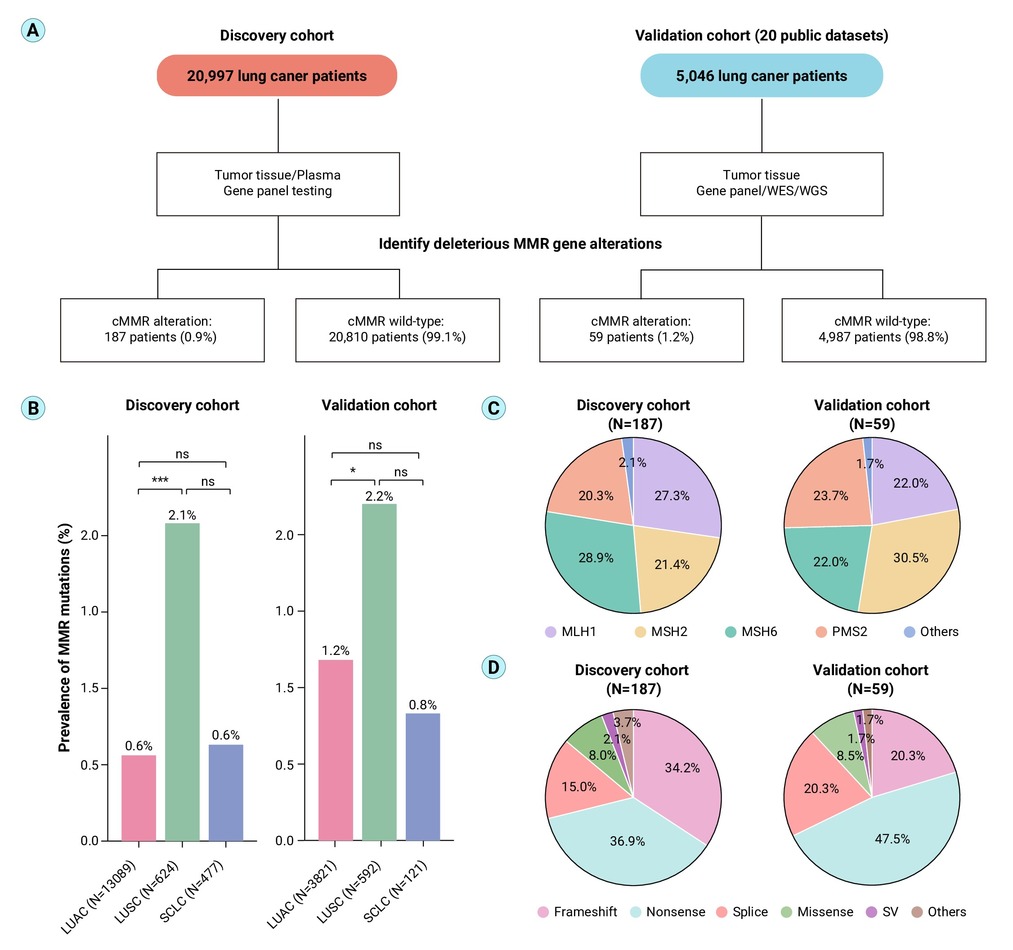
Figure 1.
Prevalence and histologic distribution of cMMR gene alterations in lung cancer
-
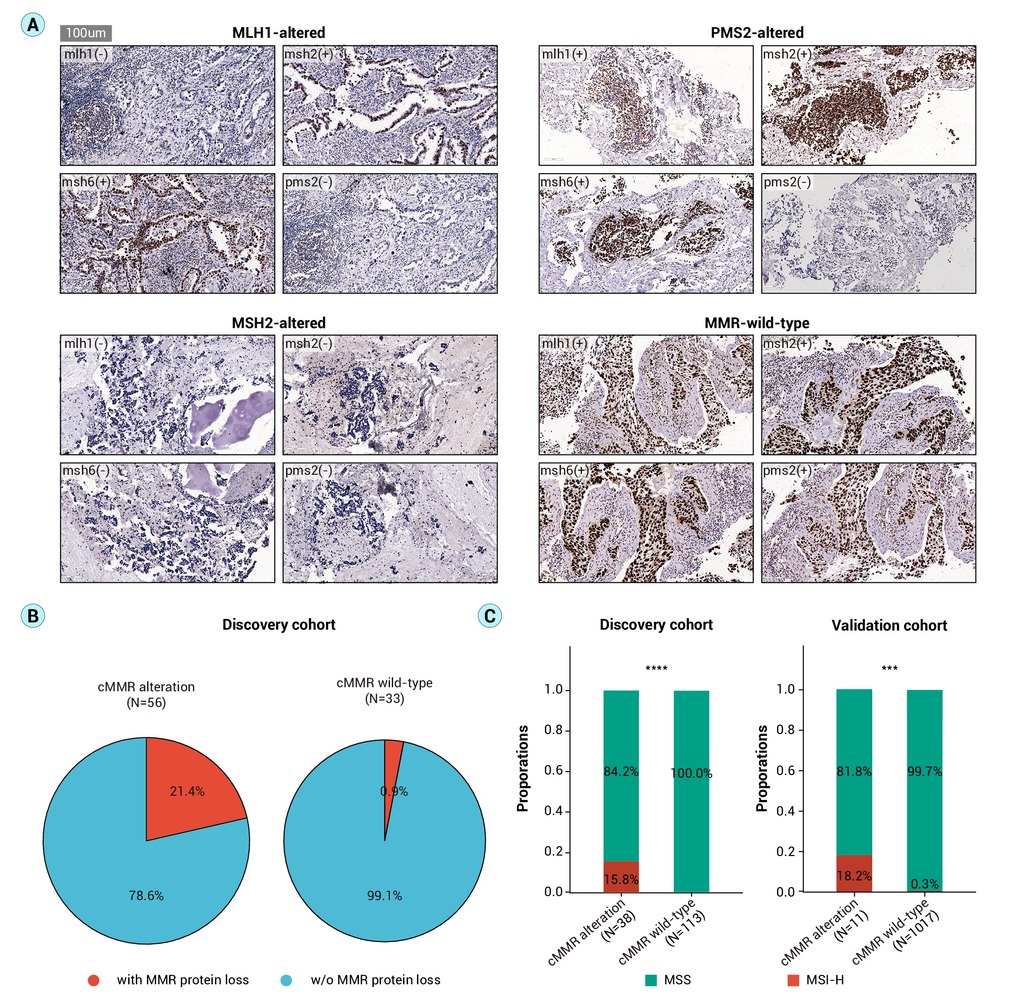
Figure 2.
Functional consequences of cMMR gene alterations in lung cancer
-
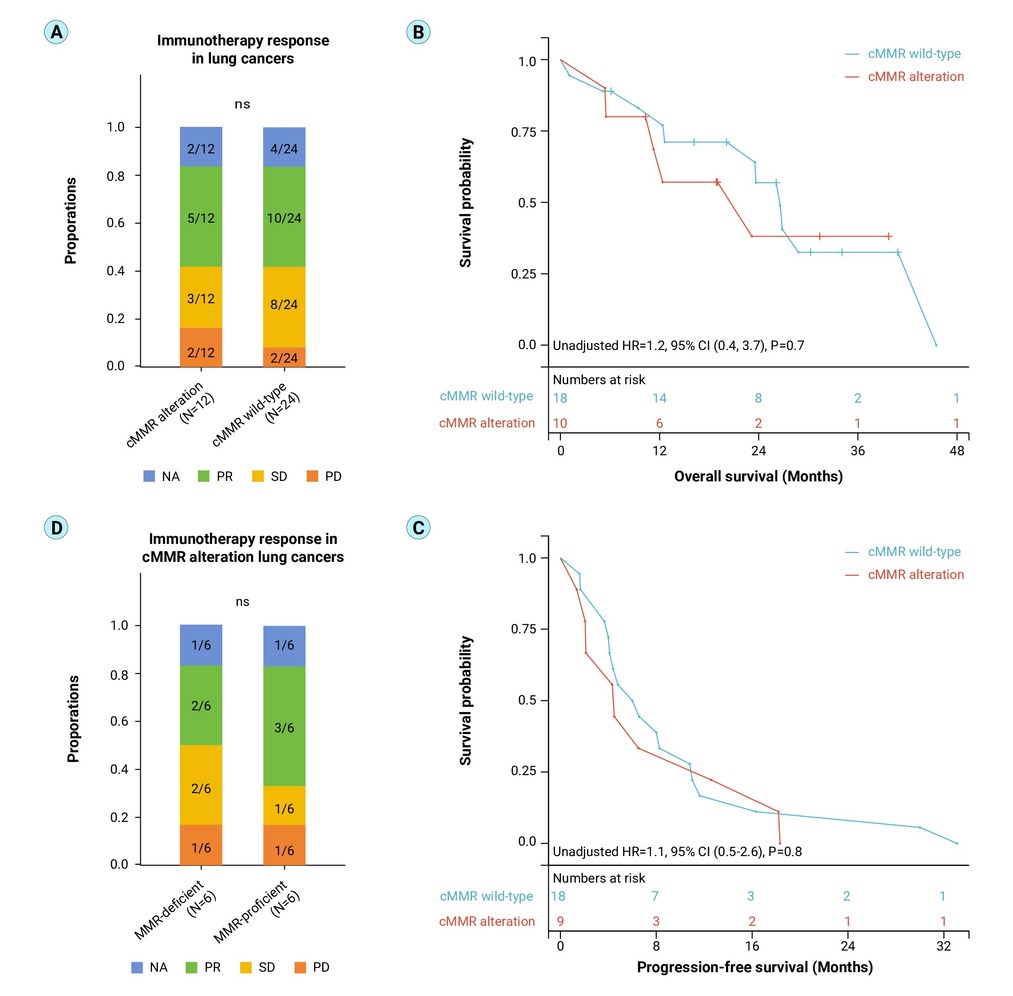
Figure 3.
cMMR gene alterations and immunotherapy response in lung cancer
-
Figure 4.
Immunogenicity and immune microenvironment in lung cancer with cMMR gene alteration
-
Figure 5.
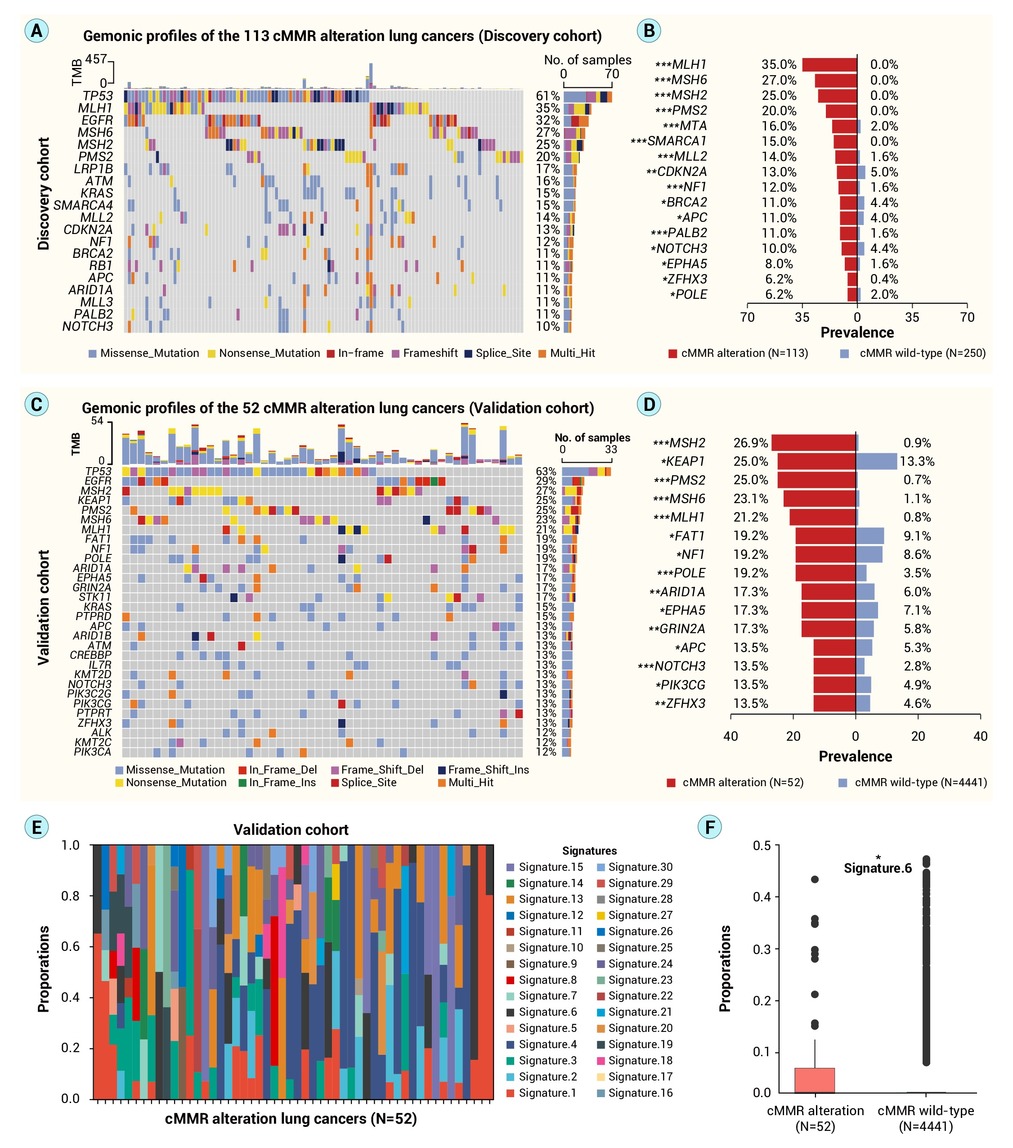
Genomic profile and mutational signature of lung cancer with cMMR gene alteration
