
In utero adverse exposures and cardiovascular health in the offspring
-
GRAPHICAL ABSTRACT
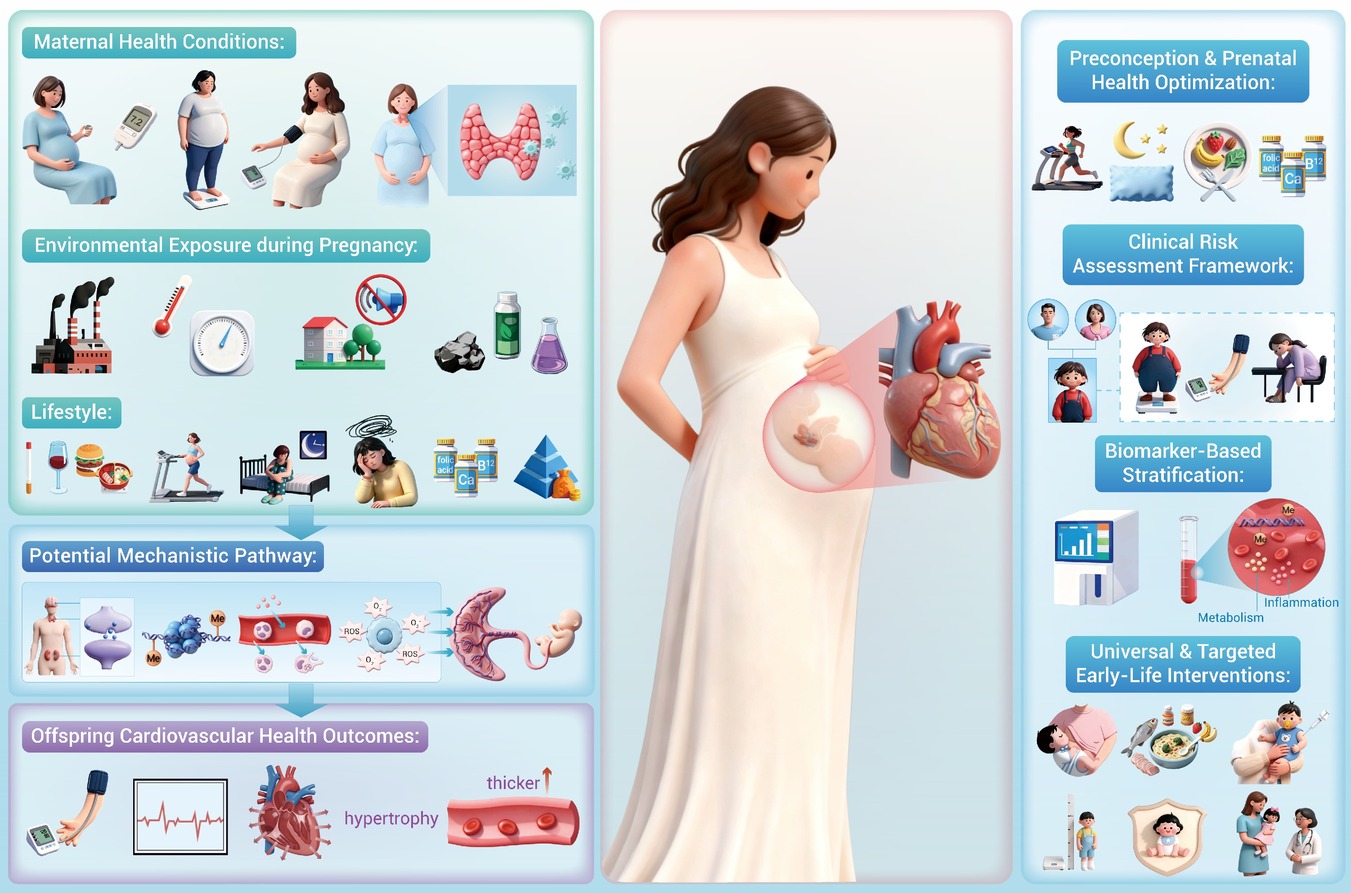
 DownLoad:
Full size image
DownLoad:
Full size image
-
PUBLIC SUMMARY
-
Cardiovascular health can be shaped before birth.
Maternal conditions, pollutants and unhealthy lifestyle may raise children’s future cardiovascular risk.
Early detection and prevention of adverse exposures is essential to children's cardiovascular health.
-
-
ABSTRACT
Cardiovascular disease (CVD) remains the leading cause of global mortality, with a concerning trend toward younger onset. This shift highlights the urgent need to advance the window of attention and intervention for cardiovascular health (CVH). The Developmental Origins of Health and Disease (DOHaD) hypothesis proposes that adverse intrauterine exposures can program long-term alterations in offspring CVH, underscoring the significance of early-life origins. Maternal health conditions during pregnancy, environmental exposures, and lifestyle factors are consistently associated with adverse cardiovascular outcomes in children, including elevated blood pressure, structural and functional abnormalities, and impaired cardiometabolic profiles. These associations are mediated through pathways involving placental dysfunction, inflammation, oxidative stress, and hormonal imbalance, which collectively reshape fetal cardiovascular development and increase susceptibility to CVD later in life. From a management perspective, adverse intrauterine exposures should be integrated into pediatric CVH risk assessment, and preventive strategies should be shifted to the preconception and prenatal periods. This review highlights intrauterine environment as a critical determinant of intergenerational cardiovascular risk and emphasizes the necessity of implementing precision prevention strategies beginning from the earliest stages of life. -

-
REFERENCES
[1] GBD 2021 Diseases and Injuries Collaborators. (2024). Global incidence, prevalence, years lived with disability (YLDs), disability-adjusted life-years (DALYs), and healthy life expectancy (HALE) for 371 diseases and injuries in 204 countries and territories and 811 subnational locations, 1990-2021: A systematic analysis for the Global Burden of Disease Study 2021. Lancet 403:2133−2161. DOI:10.1016/s0140-6736(24)00757-8 [2] Li Y., Cao G. Y., Jing W. Z., et al. (2023). Global trends and regional differences in incidence and mortality of cardiovascular disease, 1990-2019: findings from 2019 global burden of disease study. Eur. J. Prev. Cardiol. 30:276−286. DOI:10.1093/eurjpc/zwac285 [3] Zhang B., Luo W., Cai Y., et al. (2024). Global burden of adolescent and young adult cardiovascular diseases and risk factors: Results from Global Burden of Disease Study 2019. Innov. Med. 2:100063. DOI:10.59717/j.xinn-med.2024.100063 [4] Lloyd-Jones D. M., Hong Y., Labarthe D., et al. (2010). Defining and setting national goals for cardiovascular health promotion and disease reduction: The American Heart Association's strategic impact goal through 2020 and beyond. Circulation 121:586−613. DOI:10.1161/circulationaha.109.192703 [5] Lloyd-Jones D. M., Allen N. B., Anderson C. A. M., et al. (2022). Life's Essential 8: Updating and enhancing the American Heart Association's construct of cardiovascular health: A presidential advisory from the American Heart Association. Circulation 146:e18−e43. DOI:10.1161/cir.0000000000001078 [6] Lloyd-Jones D. M., Ning H., Labarthe D., et al. (2022). Status of cardiovascular health in US adults and children using the American Heart Association's new "Life's Essential 8" metrics: Prevalence estimates from the National Health and Nutrition Examination Survey (NHANES), 2013 through 2018. Circulation 146:822−835. DOI:10.1161/circulationaha.122.060911 [7] Hochmayr C., Ndayisaba J. P., Gande N., et al. (2021). Prevalence and differences of ideal cardiovascular health in urban and rural adolescents in the Region of Tyrol: Results from the EVA Tyrol study. BMC Cardiovasc. Disord. 21:338. DOI:10.1186/s12872-021-02156-6 [8] Laitinen T. T., Ruohonen S., Juonala M., et al. (2017). Ideal cardiovascular health in childhood-longitudinal associations with cardiac structure and function: The Special Turku Coronary Risk Factor Intervention Project (STRIP) and the cardiovascular risk in Young Finns Study (YFS). Int. J. Cardiol. 230:304−309. DOI:10.1016/j.ijcard.2016.12.117 [9] Jacobs D. R., Jr., Woo J. G., Sinaiko A. R., et al. (2022). Childhood cardiovascular risk factors and adult cardiovascular events. N. Engl. J. Med. 386:1877−1888. DOI:10.1056/NEJMoa2109191 [10] Barker D. J. (2007). The origins of the developmental origins theory. J. Intern. Med. 261:412−417. DOI:10.1111/j.1365-2796.2007.01809.x [11] Arima Y. and Fukuoka H. (2020). Developmental origins of health and disease theory in cardiology. J. Cardiol. 76:14−17. DOI:10.1016/j.jjcc.2020.02.003 [12] Jiang S., Ye J., Wang H., et al. (2023). The construction of an intrauterine diagnosis and treatment system and comprehensive lifecycle health service of congenital heart disease: Xinhua Hospital model. Cardiol. Discov. 3:191−202. DOI:10.1097/cd9.0000000000000089 [13] International Association of Diabetes and Pregnancy Study Groups Consensus Panel, Metzger B. E., Gabbe S. G., et al. (2010). International association of diabetes and pregnancy study groups recommendations on the diagnosis and classification of hyperglycemia in pregnancy. Diabetes Care 33:676−682. DOI:10.2337/dc09-1848 [14] Venkatesh K. K., Perak A. M., Wu J., et al. (2025). Impact of hypertensive disorders of pregnancy and gestational diabetes mellitus on offspring cardiovascular health in early adolescence. Am. J. Obstet. Gynecol. 232:218 e211-218 e212. DOI:10.1016/j.ajog.2024.04.037 [15] Perak A. M., Lancki N., Kuang A., et al. (2021). Associations of maternal cardiovascular health in pregnancy with offspring cardiovascular health in early adolescence. JAMA 325:658−668. DOI:10.1001/jama.2021.0247 [16] Yuan W. L., Lin J., Kramer M. S., et al. (2020). Maternal glycemia during pregnancy and child carotid intima media thickness, pulse wave velocity, and augmentation index. J. Clin. Endocrinol. Metab. 105:dgaa211. DOI:10.1210/clinem/dgaa211 [17] Wahab R. J., Jaddoe V. W. V., Roest A. A. W., et al. (2020). Associations of maternal glycemia in the first half of pregnancy with alterations in cardiac structure and function in childhood. Diabetes Care 43:2272−2280. DOI:10.2337/dc19-2580 [18] Landon M. B., Rice M. M., Varner M. W., et al. (2015). Mild gestational diabetes mellitus and long-term child health. Diabetes Care 38:445−452. DOI:10.2337/dc14-2159 [19] Krishnaveni G. V., Veena S. R., Hill J. C., et al. (2010). Intrauterine exposure to maternal diabetes is associated with higher adiposity and insulin resistance and clustering of cardiovascular risk markers in Indian children. Diabetes Care 33:402−404. DOI:10.2337/dc09-1393 [20] Tam W. H., Ma R. C. W., Ozaki R., et al. (2017). In utero exposure to maternal hyperglycemia increases childhood cardiometabolic risk in offspring. Diabetes Care 40:679−686. DOI:10.2337/dc16-2397 [21] Niu Z., Ako A. A., Geiger S. D., et al. (2025). Maternal cardiometabolic risk factors in pregnancy and offspring blood pressure at age 2 to 18 years. JAMA Netw. Open 8:e259205. DOI:10.1001/jamanetworkopen.2025.9205 [22] Krishnaveni G. V., Veena S. R., Jones A., et al. (2015). Exposure to maternal gestational diabetes is associated with higher cardiovascular responses to stress in adolescent indians. J. Clin. Endocrinol. Metab. 100:986−993. DOI:10.1210/jc.2014-3239 [23] Yu Y., Arah O. A., Liew Z., et al. (2019). Maternal diabetes during pregnancy and early onset of cardiovascular disease in offspring: Population based cohort study with 40 years of follow-up. BMJ 367:l6398. DOI:10.1136/bmj.l6398 [24] Lowe W. L., Jr., Scholtens D. M., Kuang A., et al. (2019). Hyperglycemia and Adverse Pregnancy Outcome Follow-up Study (HAPO FUS): Maternal gestational diabetes mellitus and childhood glucose metabolism. Diabetes Care 42:372−380. DOI:10.2337/dc18-1646 [25] Li Z., Niu Y., Wu Y., et al. (2023). Association of maternal glucose concentrations during pregnancy with cardiovascular alterations in early childhood: A prospective birth cohort study. J. Nutr. 153:190−196. DOI:10.1016/j.tjnut.2022.12.013 [26] Himmelmann A., Svensson A. and Hansson L. (1994). Relation of maternal blood pressure during pregnancy to birth weight and blood pressure in children. The Hypertension in Pregnancy Offspring Study. J. Intern. Med. 235:347−352. DOI:10.1111/j.1365-2796.1994.tb01085.x [27] Staley J. R., Bradley J., Silverwood R. J., et al. (2015). Associations of blood pressure in pregnancy with offspring blood pressure trajectories during childhood and adolescence: Findings from a prospective study. J. Am. Heart Assoc. 4:e001422. DOI:10.1161/JAHA.114.001422 [28] Birukov A., Herse F., Nielsen J. H., et al. (2020). Blood pressure and angiogenic markers in pregnancy: Contributors to pregnancy-induced hypertension and offspring cardiovascular risk. Hypertension 76:901−909. DOI:10.1161/hypertensionaha.119.13966 [29] Bongers-Karmaoui M. N., Wiertsema C. J., Mulders A. G. M. G. J., et al. (2023). Gestational hypertensive disorders and blood pressure and childhood cardiac outcomes: A prospective cohort study. BJOG 130:1226−1237. DOI:10.1111/1471-0528.17468 [30] Timpka S., Macdonald-Wallis C., Hughes A. D., et al. (2016). Hypertensive disorders of pregnancy and offspring cardiac structure and function in adolescence. J. Am. Heart Assoc. 5:e003906. DOI:10.1161/JAHA.116.003906 [31] Himmelmann A., Himmelmann K., Svensson A., et al. (1997). Glucose and insulin levels in young subjects with different maternal histories of hypertension: The Hypertension in Pregnancy Offspring Study. J. Intern. Med. 241:19−22. DOI:10.1046/j.1365-2796.1997.66890000.x [32] Yang L., Huang C., Zhao M., et al. (2023). Maternal hypertensive disorders during pregnancy and the risk of offspring diabetes mellitus in childhood, adolescence, and early adulthood: A nationwide population-based cohort study. BMC Med. 21:59. DOI:10.1186/s12916-023-02762-5 [33] Miettola S., Hartikainen A.-L., Vääräsmäki M., et al. (2013). Offspring’s blood pressure and metabolic phenotype after exposure to gestational hypertension in utero. Eur. J. Epidemiol. 28:87−98. DOI:10.1007/s10654-013-9763-5 [34] Rice M. M., Landon M. B., Varner M. W., et al. (2018). Pregnancy-associated hypertension and offspring cardiometabolic health. Obstet. Gynec. 131:313−321. DOI:10.1097/AOG.0000000000002433 [35] Wen J., Aihemaitijiang S., Li H., et al. (2025). Association of maternal body mass index and gestational weight gain rate with cardiometabolic traits in childhood: A prospective cohort study. Nutr. Metab. Cardiovasc. Dis. 35:103699. DOI:10.1016/j.numecd.2024.07.016 [36] Gademan M. G., van Eijsden M., Roseboom T. J., et al. (2013). Maternal prepregnancy body mass index and their children's blood pressure and resting cardiac autonomic balance at age 5 to 6 years. Hypertension 62:641−647. DOI:10.1161/hypertensionaha.113.01511 [37] den Harink T., Roelofs M. J. M., Limpens J., et al. (2022). Maternal obesity in pregnancy and children's cardiac function and structure: A systematic review and meta-analysis of evidence from human studies. PLoS One 17:e0275236. DOI:10.1371/journal.pone.0275236 [38] Sundholm J. K. M., Litwin L., Rönö K., et al. (2019). Maternal obesity and gestational diabetes: Impact on arterial wall layer thickness and stiffness in early childhood - RADIEL study six-year follow-up. Atherosclerosis 284:237−244. DOI:10.1016/j.atherosclerosis.2019.01.037 [39] Taylor P. D., Gu H., Saunders H., et al. (2022). Lifestyle intervention in obese pregnancy and cardiac remodelling in 3-year olds: children of the UPBEAT RCT. Int. J. Obes. 46:2145−2155. DOI:10.1038/s41366-022-01210-3 [40] Gilley S. P., Harrall K. K., Friedman C., et al. (2023). Association of maternal BMI and rapid infant weight gain with childhood body size and composition. Pediatrics 151:e2022059244. DOI:10.1542/peds.2022-059244 [41] Zhu B. B., Gao H., Geng M. L., et al. (2022). Sex discrepancy observed for gestational metabolic syndrome parameters and polygenic risk associated with preschoolers' BMI growth trajectory: The Ma'anshan Birth Cohort Study. Front. Endocrinol. (Lausanne) 13:857711. DOI:10.3389/fendo.2022.857711 [42] Razaz N., Villamor E., Muraca G. M., et al. (2020). Maternal obesity and risk of cardiovascular diseases in offspring: A population-based cohort and sibling-controlled study. Lancet Diabetes Endocrinol. 8:572−581. DOI:10.1016/S2213-8587(20)30151-0 [43] Kahn S., Wainstock T. and Sheiner E. (2020). Maternal obesity and offspring's cardiovascular morbidity - Results from a population based cohort study. Early Hum. Dev. 151:105221. DOI:10.1016/j.earlhumdev.2020.105221 [44] Andreoli L., Andersen J., Avcin T., et al. (2024). The outcomes of children born to mothers with autoimmune rheumatic diseases. Lancet Rheumatol. 6:e573−e586. DOI:10.1016/S2665-9913(24)00096-1 [45] de Steenwinkel F. D., Hokken-Koelega A. C., de Ridder M. A., et al. (2014). Rheumatoid arthritis during pregnancy and postnatal catch-up growth in the offspring. Arthritis Rheumatol. 66:1705−1711. DOI:10.1002/art.38519 [46] Sim S. Y., Choi H. Y., Jung M. H., et al. (2022). Catch-up growth of infants born to mothers with autoimmune rheumatic disorders. Pediatr. Rheumatol. Online J. 20:7. DOI:10.1186/s12969-022-00667-w [47] Rytter D., Andersen S. L., Bech B. H., et al. (2016). Maternal thyroid function in pregnancy may program offspring blood pressure, but not adiposity at 20 y of age. Pediatr. Res. 80:7−13. DOI:10.1038/pr.2016.56 [48] Lee S. Y., Cabral H. J., Aschengrau A., et al. (2020). Associations between maternal thyroid function in pregnancy and obstetric and perinatal outcomes. J. Clin. Endocrinol. Metab. 105:e2015−2023. DOI:10.1210/clinem/dgz275 [49] Zhang Y., Zhang L., Zhao W., et al. (2023). Cardiac structural and functional remodeling in the fetuses associated with maternal hypothyroidism during pregnancy. J. Matern. Fetal Neonatal Med. 36:2203796. DOI:10.1080/14767058.2023.2203796 [50] Cai W., Chen L., Zhang M., et al. (2025). Association between maternal thyroid hormone concentration with normal thyroid function during pregnancy and preschoolers' glycolipid metabolism: A birth cohort study. Thyroid 35:444−456. DOI:10.1089/thy.2024.0334 [51] Rajagopalan S., Al-Kindi S. G. and Brook R. D. (2018). Air pollution and cardiovascular disease: JACC state-of-the-art review. J. Am. Coll. Cardiol. 72:2054−2070. DOI:10.1016/j.jacc.2018.07.099 [52] Sun Y., Wang M., Wang Y., et al. (2023). Exposure to airborne PM2.5 chemical exposome increases heart rate of middle- and old-aged populations. Innov. Med. 1:100042. DOI:10.59717/j.xinn-med.2023.100042 [53] Cai M., Su B., Hu G., et al. (2024). Long term exposure to PM2.5 chemical components associated with prevalence of cardiovascular diseases in China. Innov. Med. 2:100077. DOI:10.59717/j.xinn-med.2024.100077 [54] Gheissari R., Liao J., Garcia E., et al. (2022). Health outcomes in children associated with prenatal and early-life exposures to air pollution: A narrative review. Toxics 10:458. DOI:10.3390/toxics10080458 [55] Zhang M., Mueller N. T., Wang H., et al. (2018). Maternal exposure to ambient particulate matter </=2.5 microm during pregnancy and the risk for high blood pressure in childhood. Hypertension 72:194-201. DOI:10.1161/hypertensionaha.117.10944 [56] Moody E. C., Cantoral A., Tamayo-Ortiz M., et al. (2019). Association of prenatal and perinatal exposures to particulate matter with changes in hemoglobin A1c levels in children aged 4 to 6 years. JAMA Netw. Open 2:e1917643. DOI:10.1001/jamanetworkopen.2019.17643 [57] Fossati S., Valvi D., Martinez D., et al. (2020). Prenatal air pollution exposure and growth and cardio-metabolic risk in preschoolers. Environ. Int. 138:105619. DOI:10.1016/j.envint.2020.105619 [58] Rosa M. J., Hair G. M., Just A. C., et al. (2020). Identifying critical windows of prenatal particulate matter (PM2.5) exposure and early childhood blood pressure. Environ. Res. 182:109073. DOI:10.1016/j.envres.2019.109073 [59] Madhloum N., Nawrot T. S., Gyselaers W., et al. (2019). Neonatal blood pressure in association with prenatal air pollution exposure, traffic, and land use indicators: An ENVIRONAGE birth cohort study. Environ. Int. 130:104853. DOI:10.1016/j.envint.2019.05.047 [60] van Rossem L., Rifas-Shiman S. L., Melly S. J., et al. (2015). Prenatal air pollution exposure and newborn blood pressure. Environ. Health Perspect. 123:353−359. DOI:10.1289/ehp.1307419 [61] Ni Y., Szpiro A. A., Young M. T., et al. (2021). Associations of pre- and postnatal air pollution exposures with child blood pressure and modification by maternal nutrition: A prospective study in the CANDLE cohort. Environ. Health Perspect. 129:47004. DOI:10.1289/EHP7486 [62] Margetaki K., Bempi V., Michalaki E., et al. (2024). Prenatal air pollution exposure and childhood obesity: Effect modification by maternal fruits and vegetables intake. Int. J. Hyg. Environ. Health 256:114314. DOI:10.1016/j.ijheh.2023.114314 [63] Frondelius K., Oudin A. and Malmqvist E. (2018). Traffic-related air pollution and child BMI-A study of prenatal exposure to nitrogen oxides and body mass index in children at the age of four years in Malmo, Sweden. Int. J. Environ. Res. Public Health 15:2294. DOI:10.3390/ijerph15102294 [64] Fleisch A. F., Aris I. M., Rifas-Shiman S. L., et al. (2018). Prenatal exposure to traffic pollution and childhood body mass index trajectory. Front. Endocrinol. (Lausanne) 9:771. DOI:10.3389/fendo.2018.00771 [65] Tan Y., Liao J., Zhang B., et al. (2021). Prenatal exposure to air pollutants and early childhood growth trajectories: A population-based prospective birth cohort study. Environ. Res. 194:110627. DOI:10.1016/j.envres.2020.110627 [66] Friedman C., Dabelea D., Glueck D. H., et al. (2023). Early-life exposure to residential black carbon and childhood cardiometabolic health. Environ. Res. 239:117285. DOI:10.1016/j.envres.2023.117285 [67] McGuinn L. A., Coull B. A., Kloog I., et al. (2020). Fine particulate matter exposure and lipid levels among children in Mexico city. Environ. Epidemiol. 4:e088. DOI:10.1097/ee9.0000000000000088 [68] Sun J., Wang J., Yang J., et al. (2022). Association between maternal exposure to indoor air pollution and offspring congenital heart disease: A case-control study in East China. BMC Public Health 22:767. DOI:10.1186/s12889-022-13174-0 [69] Ruan X., Shang W., Lu J., et al. (2024). Maternal multivitamin supplementation mitigates the risk of fetal congenital heart disease associated with high indoor total volatile organic compounds exposure in east china: A case-control study. Environ. Health 23:110. DOI:10.1186/s12940-024-01150-7 [70] Warembourg C., Nieuwenhuijsen M., Ballester F., et al. (2021). Urban environment during early-life and blood pressure in young children. Environ. Int. 146:106174. DOI:10.1016/j.envint.2020.106174 [71] Gonçalves Soares A., Santos S., Seyve E., et al. (2024). Prenatal urban environment and blood pressure trajectories from childhood to early adulthood. JACC Adv. 3:100808. DOI:10.1016/j.jacadv.2023.100808 [72] Warembourg C., Maitre L., Tamayo-Uria I., et al. (2019). Early-life environmental exposures and blood pressure in children. J. Am. Coll. Cardiol. 74:1317−1328. DOI:10.1016/j.jacc.2019.06.069 [73] Qi J., Wang Y., Wang L., et al. (2023). The modification effect of ozone pollution on the associations between heat wave and cardiovascular mortality. Innov. Med. 1:100043. DOI:10.59717/j.xinn-med.2023.100043 [74] Liang X., Liu Q., Wu X., et al. (2024). The impact of air temperature and humidity on children’s blood pressure mediated by lipids: A prospective cohort study. Environ. Int. 192:109040. DOI:10.1016/j.envint.2024.109040 [75] Li N., Cai L., Heizhati M., et al. (2020). Maternal exposure to cold spells during pregnancy is associated with higher blood pressure and hypertension in offspring later in life. J. Clin. Hypertens. (Greenwich) 22:1884−1891. DOI:10.1111/jch.14015 [76] Yang T., Wang H., Du B., et al. (2025). Prenatal heat exposure and childhood cardiovascular development: Evidence from a prospective birth cohort in Shanghai. Environ. Int. 205:109895. DOI:10.1016/j.envint.2025.109895 [77] Bao W.-W., Jiang N., Zhao Y., et al. (2024). Urban greenspaces and child blood pressure in China: Evidence from a large population-based cohort study. Environ. Res. 244:117943. DOI:10.1016/j.envres.2023.117943 [78] Luo Y.-N., Yang B.-Y., Zou Z., et al. (2022). Associations of greenness surrounding schools with blood pressure and hypertension: A nationwide cross-sectional study of 61,229 children and adolescents in China. Environ. Res. 204:112004. DOI:10.1016/j.envres.2021.112004 [79] Yi L., Rifas-Shiman S., Pescador Jimenez M., et al. (2025). Assessing greenspace and cardiovascular health through deep-learning analysis of street-view imagery in a cohort of US children. Environ. Res. 265:120459. DOI:10.1016/j.envres.2024.120459 [80] Zhao S., Yang X., Xu Q., et al. (2023). Association of maternal metals exposure, metabolites and birth outcomes in newborns: A prospective cohort study. Environ. Int. 179:108183. DOI:10.1016/j.envint.2023.108183 [81] de Assis Araujo M. S., Figueiredo N. D., Camara V. M., et al. (2020). Maternal-child exposure to metals during pregnancy in Rio de Janeiro city, Brazil: The Rio Birth Cohort Study of Environmental Exposure and Childhood Development (PIPA project). Environ. Res. 183:109155. DOI:10.1016/j.envres.2020.109155 [82] Ma Y., Liang C., Wang Z., et al. (2023). Association between prenatal metals exposure and blood pressure in 5-6 years children: A birth cohort study. Environ. Res. 219:114974. DOI:10.1016/j.envres.2022.114974 [83] Akhtar E., Roy A. K., Haq M. A., et al. (2021). A longitudinal study of rural Bangladeshi children with long-term arsenic and cadmium exposures and biomarkers of cardiometabolic diseases. Environ. Pollut. 271:116333. DOI:10.1016/j.envpol.2020.116333 [84] Sanders A. P., Svensson K., Gennings C., et al. (2018). Prenatal lead exposure modifies the effect of shorter gestation on increased blood pressure in children. Environ. Int. 120:464−471. DOI:10.1016/j.envint.2018.08.038 [85] Farzan S. F., Howe C. G., Chen Y., et al. (2018). Prenatal lead exposure and elevated blood pressure in children. Environ. Int. 121:1289−1296. DOI:10.1016/j.envint.2018.10.049 [86] Zhang A., Hu H., Sánchez B. N., et al. (2012). Association between prenatal lead exposure and blood pressure in children. Environ. Health Perspect. 120:445−450. DOI:10.1289/ehp.1103736 [87] Vahter M., Akesson A., Lidén C., et al. (2007). Gender differences in the disposition and toxicity of metals. Environ. Res. 104:85−95. DOI:10.1016/j.envres.2006.08.003 [88] Unuvar E., Ahmadov H., Kiziler A. R., et al. (2007). Mercury levels in cord blood and meconium of healthy newborns and venous blood of their mothers: Clinical, prospective cohort study. Sci. Total Environ. 374:60−70. DOI:10.1016/j.scitotenv.2006.11.043 [89] Gribble M. O., Cheng A., Berger R. D., et al. (2015). Mercury exposure and heart rate variability: A systematic review. Curr. Environ. Health Rep. 2:304−314. DOI:10.1007/s40572-015-0053-0 [90] Valera B., Muckle G., Poirier P., et al. (2012). Cardiac autonomic activity and blood pressure among Inuit children exposed to mercury. Neurotoxicology 33:1067−1074. DOI:10.1016/j.neuro.2012.05.005 [91] Gallego-Viñas G., Ballester F. and Llop S. (2019). Chronic mercury exposure and blood pressure in children and adolescents: A systematic review. Environ. Sci. Pollut. Res. Int. 26:2238−2252. DOI:10.1007/s11356-018-3796-y [92] Costet N., Doyen M., Rouget F., et al. (2024). Early exposure to mercury and cardiovascular function of seven-year old children in Guadeloupe (French West Indies). Environ. Res. 246:117955. DOI:10.1016/j.envres.2023.117955 [93] Rahimlou M., Mousavi M. A., Chiti H., et al. (2024). Association of maternal exposure to endocrine disruptor chemicals with cardio-metabolic risk factors in children during childhood: A systematic review and meta-analysis of cohort studies. Diabetol. Metab. Syndr. 16:82. DOI:10.1186/s13098-024-01320-0 [94] Sol C. M., Santos S., Asimakopoulos A. G., et al. (2020). Associations of maternal phthalate and bisphenol urine concentrations during pregnancy with childhood blood pressure in a population-based prospective cohort study. Environ. Int. 138:105677. DOI:10.1016/j.envint.2020.105677 [95] Bae S., Lim Y.-H., Lee Y. A., et al. (2017). Maternal urinary bisphenol a concentration during midterm pregnancy and children's blood pressure at age 4. Hypertension 69:367−374. DOI:10.1161/hypertensionaha.116.08281 [96] Valvi D., Casas M., Romaguera D., et al. (2015). Prenatal phthalate exposure and childhood growth and blood pressure: Evidence from the Spanish INMA-Sabadell Birth Cohort Study. Environ. Health Perspect. 123:1022−1029. DOI:10.1289/ehp.1408887 [97] Gao H., Chen L.-W., Gong C., et al. (2023). The associations between prenatal phthalate exposure and childhood glycolipid metabolism and blood pressure: An updated systematic review and a pilot meta-analysis of prospective cohort studies. Ecotoxicol. Environ. Saf. 262:115157. DOI:10.1016/j.ecoenv.2023.115157 [98] Philips E. M., Jaddoe V. W. V. and Trasande L. (2017). Effects of early exposure to phthalates and bisphenols on cardiometabolic outcomes in pregnancy and childhood. Reprod. Toxicol. 68:105−118. DOI:10.1016/j.reprotox.2016.08.015 [99] Du B., Wang Q., Xu Z., et al. (2024). Exploring the impact of prenatal perfluoroalkyl and polyfluoroalkyl substances exposure on blood pressure in early childhood: A longitudinal analysis. Ecotoxicol. Environ. Saf. 274:116220. DOI:10.1016/j.ecoenv.2024.116220 [100] Xu Z., Du B., Wang H., et al. (2023). Perfluoroalkyl substances in umbilical cord blood and blood pressure in offspring: A prospective cohort study. Environ. Health 22:72. DOI:10.1186/s12940-023-01023-5 [101] Gardener H., Sun Q. and Grandjean P. (2021). PFAS concentration during pregnancy in relation to cardiometabolic health and birth outcomes. Environ. Res. 192:110287. DOI:10.1016/j.envres.2020.110287 [102] Schlezinger J. J. and Gokce N. (2024). Perfluoroalkyl/polyfluoroalkyl substances: Links to cardiovascular disease risk. Circ. Res. 134:1136−1159. DOI:10.1161/CIRCRESAHA.124.323697 [103] Stevens D. R., Blaauwendraad S. M., Bommarito P. A., et al. (2024). Gestational organophosphate pesticide exposure and childhood cardiovascular outcomes. Environ. Int. 193:109082. DOI:10.1016/j.envint.2024.109082 [104] Berghuis S., Bos A., Sauer B., et al. (2022). Prenatal environmental exposure to persistent organic pollutants and indices of overweight and cardiovascular risk in Dutch adolescents. Nutrients 14:2269. DOI:10.3390/nu14112269 [105] Güil-Oumrait N., Valvi D., Garcia-Esteban R., et al. (2021). Prenatal exposure to persistent organic pollutants and markers of obesity and cardiometabolic risk in Spanish adolescents. Environ. Int. 151:106469. DOI:10.1016/j.envint.2021.106469 [106] Cabral M., Fonseca M. J., González-Beiras C., et al. (2018). Maternal smoking: A life course blood pressure determinant. Nicotine Tob. Res. 20:674−680. DOI:10.1093/ntr/ntx117 [107] Parada-Ricart E., Luque V., Zaragoza M., et al. (2022). Effect of maternal smoking during pregnancy on child blood pressure in a European cohort. Sci. Rep. 12:17308. DOI:10.1038/s41598-022-21337-7 [108] Taal H. R., de Jonge L. L., van Osch-Gevers L., et al. (2013). Parental smoking during pregnancy and cardiovascular structures and function in childhood: The Generation R Study. Int. J. Epidemiol. 42:1371−1380. DOI:10.1093/ije/dyt178 [109] Li S., Cao C., Watson D., et al. (2024). Maternal smoking during pregnancy links to childhood blood pressure through birth weight and body mass index: NHANES 1999-2018. J. Hum. Hypertens. 38:134−139. DOI:10.1038/s41371-023-00865-3 [110] Gunes T., Koklu E., Yikilmaz A., et al. (2007). Influence of maternal smoking on neonatal aortic intima-media thickness, serum IGF-I and IGFBP-3 levels. Eur. J. Pediatr. 166:1039−1044. DOI:10.1007/s00431-006-0376-9 [111] Milei J., Ottaviani G., Lavezzi A. M., et al. (2008). Perinatal and infant early atherosclerotic coronary lesions. Can. J. Cardiol. 24:137−141. DOI:10.1016/s0828-282x(08)70570-1 [112] Geerts C. C., Bots M. L., van der Ent C. K., et al. (2012). Parental smoking and vascular damage in their 5-year-old children. Pediatrics 129:45−54. DOI:10.1542/peds.2011-0249 [113] Wang B., Peng Y., Wang H., et al. (2025). Association of secondhand smoke exposure during pregnancy with left ventricle structure and function in offspring at 4 years old: A prospective birth cohort study. BMC Pregnancy Childbirth 25:515. DOI:10.1186/s12884-025-07636-7 [114] Nordenstam F. (2021). Prenatal nicotine exposure was associated with long-term impact on the cardiovascular system and regulation-Review. Acta Paediatr. 110:2536−2544. DOI:10.1111/apa.15914 [115] Nordenstam F., Norman M. and Wickström R. (2019). Blood pressure and heart rate variability in preschool children exposed to smokeless tobacco in fetal life. J. Am. Heart Assoc. 8:e012629. DOI:10.1161/jaha.119.012629 [116] Martin F. Z., Fraser A. and Zuccolo L. (2022). Alcohol intake and hypertensive disorders of pregnancy: A negative control analysis in the ALSPAC cohort. J. Am. Heart Assoc. 11:e025102. DOI:10.1161/jaha.121.025102 [117] Yu H., Li W., Mao Z., et al. (2022). Association between hypertensive disorders during pregnancy and elevated blood pressure in offspring: A systematic review and meta-analysis. J. Clin. Hypertens. (Greenwich) 24:1397−1404. DOI:10.1111/jch.14577 [118] Humphriss R., Hall A., May M., et al. (2013). Prenatal alcohol exposure and childhood balance ability: findings from a UK birth cohort study. BMJ open 3:e002718. DOI:10.1136/bmjopen-2013-002718 [119] Taylor K., Elhakeem A., Thorbjørnsrud Nader J. L., et al. (2021). Effect of maternal prepregnancy/early-pregnancy body mass index and pregnancy smoking and alcohol on congenital heart diseases: A parental negative control study. J. Am. Heart Assoc. 10:e020051. DOI:10.1161/JAHA.120.020051 [120] Clemente-Suárez V. J., Beltrán-Velasco A. I., Redondo-Flórez L., et al. (2023). Global impacts of western diet and its effects on metabolism and health: A narrative review. Nutrients 15:2749. DOI:10.3390/nu15122749 [121] Sofi F., Cesari F., Abbate R., et al. (2008). Adherence to Mediterranean diet and health status: meta-analysis. Bmj 337:a1344. DOI:10.1136/bmj.a1344 [122] Theodoridis X., Chourdakis M., Chrysoula L., et al. (2023). Adherence to the DASH Diet and Risk of Hypertension: A Systematic Review and Meta-Analysis. Nutrients 15:2749. DOI:10.3390/nu15143261 [123] Williams K. A., Sr. and Patel H. (2017). Healthy plant-based diet: What does it really mean. J. Am. Coll. Cardiol. 70:423−425. DOI:10.1016/j.jacc.2017.06.006 [124] Ni Y., Szpiro A., Loftus C., et al. (2021). Associations between maternal nutrition in pregnancy and child blood pressure at 4-6 years: A prospective study in a community-based pregnancy Cohort. J. Nutr. 151:949−961. DOI:10.1093/jn/nxaa395 [125] Lin X. H., Gao L., Tian S., et al. (2021). Maternal high-fat-diet exposure is associated with elevated blood pressure and sustained increased leptin levels through epigenetic memory in offspring. Sci. Rep. 11:316. DOI:10.1038/s41598-020-79604-4 [126] Pinar-Martí A., Fernández-Barrés S., Lázaro I., et al. (2024). Maternal seafood consumption during pregnancy and cardiovascular health of children at 11 years of age. Nutrients 16:974. DOI:10.3390/nu16070974 [127] Fernández-Barrés S., Vrijheid M., Manzano-Salgado C. B., et al. (2019). The association of mediterranean diet during pregnancy with longitudinal body mass index trajectories and cardiometabolic risk in early childhood. J. Pediatr. 206:119−127.e116. DOI:10.1016/j.jpeds.2018.10.005 [128] Bryant J., Hanson M., Peebles C., et al. (2015). Higher oily fish consumption in late pregnancy is associated with reduced aortic stiffness in the child at age 9 years. Circ. Res. 116:1202−1205. DOI:10.1161/circresaha.116.305158 [129] Melzer K., Schutz Y., Boulvain M., et al. (2010). Physical activity and pregnancy: cardiovascular adaptations, recommendations and pregnancy outcomes. Sports Med. 40:493−507. DOI:10.2165/11532290-000000000-00000 [130] Millard L. A. C., Lawlor D. A., Fraser A., et al. (2013). Physical activity during pregnancy and offspring cardiovascular risk factors: Findings from a prospective cohort study. BMJ Open 3:e003574. DOI:10.1136/bmjopen-2013-003574 [131] Dhana K., Haines J., Liu G., et al. (2018). Association between maternal adherence to healthy lifestyle practices and risk of obesity in offspring: results from two prospective cohort studies of mother-child pairs in the United States. BMJ 362:k2486. DOI:10.1136/bmj.k2486 [132] May L. E., Scholtz S. A., Suminski R., et al. (2014). Aerobic exercise during pregnancy influences infant heart rate variability at one month of age. Early Hum. Dev. 90:33−38. DOI:10.1016/j.earlhumdev.2013.11.001 [133] Guillemette L., Hay J. L., Kehler D. S., et al. (2018). Exercise in pregnancy and children's cardiometabolic risk factors: A systematic review and meta-analysis. Sports Med. Open 4:35. DOI:10.1186/s40798-018-0148-x [134] van Elten T. M., Karsten M. D. A., van Poppel M. N. M., et al. (2019). Diet and physical activity in pregnancy and offspring's cardiovascular health: A systematic review. J. Dev. Orig. Health Dis. 10:286−298. DOI:10.1017/S204017441800082X [135] Fazzi C., Saunders D. H., Linton K., et al. (2017). Sedentary behaviours during pregnancy: A systematic review. Int. J. Behav. Nutr. Phys. Act. 14:32. DOI:10.1186/s12966-017-0485-z [136] Badon S. E., Littman A. J., Chan K. C. G., et al. (2018). Maternal sedentary behavior during pre-pregnancy and early pregnancy and mean offspring birth size: A cohort study. BMC Pregnancy Childbirth 18:267. DOI:10.1186/s12884-018-1902-2 [137] Huang L., Chen H., Yao F., et al. (2025). Association between sleep during pregnancy and birth outcomes: A prospective cohort study. Reprod. Biol. Endocrinol. 23:18. DOI:10.1186/s12958-025-01350-x [138] Macdonald C., Pitsillos T., Wikström A.-K., et al. (2025). Sleeping for two: A cross-sectional study on associations between objectively measured sleep during early to mid-pregnancy and maternal and fetal outcomes and inflammatory biomarker profiles. BMC Pregnancy Childbirth 25:533. DOI:10.1186/s12884-025-07634-9 [139] Lima I. L. B., Rodrigues A. F. A. C., Bergamaschi C. T., et al. (2014). Chronic sleep restriction during pregnancy--repercussion on cardiovascular and renal functioning of male offspring. PLoS One 9:e113075. DOI:10.1371/journal.pone.0113075 [140] Raimundo J. R. S., Bergamaschi C. T., Campos R. R., et al. (2016). Autonomic and renal alterations in the offspring of sleep-restricted mothers during late pregnancy. Clinics (Sao Paulo) 71:521−527. DOI:10.6061/clinics/2016(09)07 [141] Flores R. C., Yaffe R., Nhunzwi M. M., et al. (2025). Maternal shift work during pregnancy and cardiovascular health impacts on mother and offspring. J. Mol. Cell. Cardiol. 199:126−132. DOI:10.1016/j.yjmcc.2024.12.008 [142] Liao C.-W., Wei C.-F., Chen M.-H., et al. (2022). Association between maternal shift work during pregnancy child overweight and metabolic outcomes in early childhood. Front. Public Health 10:1006332. DOI:10.3389/fpubh.2022.1006332 [143] Telerant A., Dunietz G. L., Many A., et al. (2018). Mild maternal obstructive sleep apnea in non-obese pregnant women and accelerated fetal growth. Sci. Rep. 8:10768. DOI:10.1038/s41598-018-29052-y [144] Sanapo L., Hackethal S., Bublitz M. H., et al. (2024). Maternal sleep disordered breathing and offspring growth outcome: A systematic review and meta-analysis. Sleep Med. Rev. 73:101868. DOI:10.1016/j.smrv.2023.101868 [145] Chen L., Zadi Z. H., Zhang J., et al. (2018). Intermittent hypoxia in utero damages postnatal growth and cardiovascular function in rats. J. Appl. Physiol. (1985) 124:821-830. DOI:10.1152/japplphysiol.01066.2016 [146] World Health Organization. (2022). Guide for integration of perinatal mental health in maternal and child health services. World Health Organization, pp: 1-66. ISBN: 978-92-4-005714-2 [147] Nisar A., Yin J., Waqas A., et al. (2020). Prevalence of perinatal depression and its determinants in Mainland China: A systematic review and meta-analysis. J. Affect. Disord. 277:1022−1037. DOI:10.1016/j.jad.2020.07.046 [148] Woody C. A., Ferrari A. J., Siskind D. J., et al. (2017). A systematic review and meta-regression of the prevalence and incidence of perinatal depression. J. Affect. Disord. 219:86−92. DOI:10.1016/j.jad.2017.05.003 [149] Van Dijk A. E., Dawe K., Deanfield J., et al. (2014). The association of maternal prenatal psychosocial stress with vascular function in the child at age 10–11 years: Findings from the Avon longitudinal study of parents and children. Eur. J. Prev. Cardiol. 21:1097−1108. DOI:10.1177/2047487313486039 [150] Matvienko-Sikar K., O' Neill K., Fraser A., et al. (2021). Maternal prenatal anxiety and depression and trajectories of cardiometabolic risk factors across childhood and adolescence: A prospective cohort study. BMJ Open 11:e051681. DOI:10.1136/bmjopen-2021-051681 [151] Yin X., Sun N., Jiang N., et al. (2021). Prevalence and associated factors of antenatal depression: Systematic reviews and meta-analyses. Clin. Psychol. Rev. 83:101932. DOI:10.1016/j.cpr.2020.101932 [152] Gu J. and Guan H. B. (2021). Maternal psychological stress during pregnancy and risk of congenital heart disease in offspring: A systematic review and meta-analysis. J. Affect. Disord. 291:32−38. DOI:10.1016/j.jad.2021.05.002 [153] World Health Organization. (2013). Guideline: Calcium supplementation in pregnant women. World Health Organization, pp: 1-35. ISBN: 9789241505376 [154] Belizan J. M., Villar J., Bergel E., et al. (1997). Long-term effect of calcium supplementation during pregnancy on the blood pressure of offspring: Follow up of a randomised controlled trial. BMJ 315:281−285. DOI:10.1136/bmj.315.7103.281 [155] Gillman M. W., Rifas-Shiman S. L., Kleinman K. P., et al. (2004). Maternal calcium intake and offspring blood pressure. Circulation 110:1990−1995. DOI:10.1161/01.CIR.0000143199.93495.96 [156] Hatton D. C., Harrison-Hohner J., Coste S., et al. (2003). Gestational calcium supplementation and blood pressure in the offspring. Am. J. Hypertens. 16:801−805. DOI:10.1016/s0895-7061(03)01027-6 [157] Korhonen P., Tihtonen K., Isojarvi J., et al. (2022). Calcium supplementation during pregnancy and long-term offspring outcome: A systematic literature review and meta-analysis. Ann. N. Y. Acad. Sci. 1510:36−51. DOI:10.1111/nyas.14729 [158] Sinclair K. D., Allegrucci C., Singh R., et al. (2007). DNA methylation, insulin resistance, and blood pressure in offspring determined by maternal periconceptional B vitamin and methionine status. Proc. Natl. Acad. Sci. USA 104:19351−19356. DOI:10.1073/pnas.0707258104 [159] Khulan B., Cooper W. N., Skinner B. M., et al. (2012). Periconceptional maternal micronutrient supplementation is associated with widespread gender related changes in the epigenome: A study of a unique resource in the Gambia. Hum. Mol. Genet. 21:2086−2101. DOI:10.1093/hmg/dds026 [160] Krikke G. G., Grooten I. J., Vrijkotte T. G., et al. (2016). Vitamin B12 and folate status in early pregnancy and cardiometabolic risk factors in the offspring at age 5-6 years: Findings from the ABCD multi-ethnic birth cohort. BJOG 123:384−392. DOI:10.1111/1471-0528.13574 [161] Monasso G. S., Santos S., Geurtsen M. L., et al. (2021). Associations of early pregnancy and neonatal circulating folate, vitamin B-12, and homocysteine concentrations with cardiometabolic risk factors in children at 10 y of age. J. Nutr. 151:1628−1636. DOI:10.1093/jn/nxab039 [162] Monasso G. S., Felix J. F., Heil S. G., et al. (2021). Vitamin B12, folate and homocysteine concentrations during pregnancy and early signs of atherosclerosis at school-age. Clin. Nutr. 40:5133−5140. DOI:10.1016/j.clnu.2021.08.001 [163] Maher G. M., Ward L. J., Hernandez L., et al. (2023). Association between socioeconomic status with pregnancy and neonatal outcomes: An international multicenter cohort. Acta Obstet. Gynecol. Scand. 102:1459−1468. DOI:10.1111/aogs.14659 [164] Bouthoorn S. H., Van Lenthe F. J., De Jonge L. L., et al. (2014). Maternal educational level and blood pressure, aortic stiffness, cardiovascular structure and functioning in childhood: The generation R study. Am. J. Hypertens. 27:89−98. DOI:10.1093/ajh/hpt180 [165] Curci S. G., Luecken L. J., Hernández J. C., et al. (2023). Multilevel prenatal socioeconomic predictors of Mexican American children's cardiometabolic health in preschool and school age. Health Psychol. 42:788−799. DOI:10.1037/hea0001311 [166] Liu J., Liu E., Leng J., et al. (2018). Indicators of socio-economic status and risk of gestational diabetes mellitus in pregnant women in urban Tianjin, China. Diabetes Res. Clin. Pract. 144:192−199. DOI:10.1016/j.diabres.2018.08.023 [167] Sun Y., Sheridan P., Laurent O., et al. (2020). Associations between green space and preterm birth: Windows of susceptibility and interaction with air pollution. Environ. Int. 142:105804. DOI:10.1016/j.envint.2020.105804 [168] Matijasevich A., Victora C. G., Lawlor D. A., et al. (2012). Association of socioeconomic position with maternal pregnancy and infant health outcomes in birth cohort studies from Brazil and the UK. J. Epidemiol. Community Health 66:127−135. DOI:10.1136/jech.2010.108605 [169] Evenson K. R., Savitz D. A. and Huston S. L. (2004). Leisure-time physical activity among pregnant women in the US. Paediatr. Perinat. Epidemiol. 18:400−407. DOI:10.1111/j.1365-3016.2004.00595.x [170] Goyal D., Gay C. and Lee K. A. (2010). How much does low socioeconomic status increase the risk of prenatal and postpartum depressive symptoms in first-time mothers. Womens Health Issues 20:96−104. DOI:10.1016/j.whi.2009.11.003 [171] El Hajj N., Schneider E., Lehnen H., et al. (2014). Epigenetics and life-long consequences of an adverse nutritional and diabetic intrauterine environment. Reproduction 148:R111−120. DOI:10.1530/rep-14-0334 [172] Murray R., Bryant J., Titcombe P., et al. (2016). DNA methylation at birth within the promoter of ANRIL predicts markers of cardiovascular risk at 9 years. Clin. Epigenetics 8:90. DOI:10.1186/s13148-016-0259-5 [173] Krause B. J., Costello P. M., Muñoz-Urrutia E., et al. (2013). Role of DNA methyltransferase 1 on the altered eNOS expression in human umbilical endothelium from intrauterine growth restricted fetuses. Epigenetics 8:944−952. DOI:10.4161/epi.25579 [174] Albogami S. M., Al-Kuraishy H. M., Al-Maiahy T. J., et al. (2022). Hypoxia-inducible factor 1 and preeclampsia: A new perspective. Curr. Hypertens. Rep. 24:687−692. DOI:10.1007/s11906-022-01225-1 [175] Choudhry H. and Harris A. L. (2018). Advances in hypoxia-inducible factor biology. Cell Metab. 27:281−298. DOI:10.1016/j.cmet.2017.10.005 [176] Mouillet J. F., Ouyang Y., Coyne C. B., et al. (2015). MicroRNAs in placental health and disease. Am. J. Obstet. Gynecol. 213:S163−172. DOI:10.1016/j.ajog.2015.05.057 [177] Juarez Cortés E., López Y. L. G., Perez Muñoz E. I., et al. (2023). Impact of normal and overweight pregnancy in glut4 and glucose-dependent vascular contractility. Pharmacology 108:521−529. DOI:10.1159/000533344 [178] Haggarty P. (2002). Placental regulation of fatty acid delivery and its effect on fetal growth--a review. Placenta 23 Suppl A:S28-38. DOI:10.1053/plac.2002.0791 [179] Rosario F. J., Schumacher M. A., Jiang J., et al. (2012). Chronic maternal infusion of full-length adiponectin in pregnant mice down-regulates placental amino acid transporter activity and expression and decreases fetal growth. J. Physiol. 590:1495−1509. DOI:10.1113/jphysiol.2011.226399 [180] Entringer S., Buss C. and Wadhwa P. D. (2010). Prenatal stress and developmental programming of human health and disease risk: Concepts and integration of empirical findings. Curr. Opin. Endocrinol. Diabetes Obes. 17:507−516. DOI:10.1097/MED.0b013e3283405921 [181] Campbell A. L. and Murphy B. E. (1977). The maternal-fetal cortisol gradient during pregnancy and at delivery. J. Clin. Endocrinol. Metab. 45:435−440. DOI:10.1210/jcem-45-3-435 [182] Seckl J. R. and Holmes M. C. (2007). Mechanisms of disease: Glucocorticoids, their placental metabolism and fetal 'programming' of adult pathophysiology. Nat. Clin. Pract. Endocrinol. Metab. 3:479−488. DOI:10.1038/ncpendmet0515 [183] Xita N. and Tsatsoulis A. (2010). Fetal origins of the metabolic syndrome. Ann. N. Y. Acad. Sci. 1205:148−155. DOI:10.1111/j.1749-6632.2010.05658.x [184] Myatt L. and Cui X. (2004). Oxidative stress in the placenta. Histochem. Cell Biol. 122:369−382. DOI:10.1007/s00418-004-0677-x [185] Aye I. L., Lager S., Ramirez V. I., et al. (2014). Increasing maternal body mass index is associated with systemic inflammation in the mother and the activation of distinct placental inflammatory pathways. Biol. Reprod. 90:129. DOI:10.1095/biolreprod.113.116186 [186] Hedermann G., Hedley P. L., Thagaard I. N., et al. (2021). Maternal obesity and metabolic disorders associate with congenital heart defects in the offspring: A systematic review. PLoS One 16:e0252343. DOI:10.1371/journal.pone.0252343 [187] Nathanielsz P. W., Ford S. P., Long N. M., et al. (2013). Interventions to prevent adverse fetal programming due to maternal obesity during pregnancy. Nutr. Rev. 71 Suppl 1:S78-87. DOI:10.1111/nure.12062 [188] López D. A., Griffin A., Aguilar L. M., et al. (2024). Prenatal inflammation remodels lung immunity and function by programming ILC2 hyperactivation. Cell Rep. 43:114365. DOI:10.1016/j.celrep.2024.114365 [189] Bustamante Helfrich B., Chilukuri N., He H., et al. (2017). Maternal vascular malperfusion of the placental bed associated with hypertensive disorders in the Boston Birth Cohort. Placenta 52:106−113. DOI:10.1016/j.placenta.2017.02.016 [190] Deer E., Herrock O., Campbell N., et al. (2023). The role of immune cells and mediators in preeclampsia. Nat. Rev. Nephrol. 19:257−270. DOI:10.1038/s41581-022-00670-0 [191] Murphy H. R., Howgate C., O'Keefe J., et al. (2021). Characteristics and outcomes of pregnant women with type 1 or type 2 diabetes: A 5-year national population-based cohort study. Lancet Diabetes Endocrinol. 9:153−164. DOI:10.1016/s2213-8587(20)30406-x [192] Wierzchowska-Opoka M., Grunwald A., Rekowska A. K., et al. (2023). Impact of obesity and diabetes in pregnant women on their immunity and vaccination. Vaccines (Basel) 11:1247. DOI:10.3390/vaccines11071247 [193] Kelly A. C., Powell T. L. and Jansson T. (2020). Placental function in maternal obesity. Clin. Sci. (Lond) 134:961−984. DOI:10.1042/cs20190266 [194] Dong H., Sun Y., Nie L., et al. (2024). Metabolic memory: mechanisms and diseases. Signal Transduct. Target Ther. 9:38. DOI:10.1038/s41392-024-01755-x [195] Schofield L. G., Endacott S. K., Delforce S. J., et al. (2024). Importance of the (pro)renin receptor in activating the renin-angiotensin system during normotensive and preeclamptic pregnancies. Curr. Hypertens. Rep. 26:483−495. DOI:10.1007/s11906-024-01316-1 [196] Zhang R., Nie P., Zhou Y., et al. (2025). Maternal co-exposure to Cd and PS-NPLs induces offspring ovarian inflammatory aging via promoting M1 macrophage polarization. Chem. Biol. Interact. 416:111535. DOI:10.1016/j.cbi.2025.111535 [197] César H., Nascimento Sertorio M., Santamarina A., et al. (2022). The influence of parental high-fat high-sugar diet on the gut-brain axis in male offspring. Food Res. Int. 160:111706. DOI:10.1016/j.foodres.2022.111706 [198] Aye I. L., Waddell B. J., Mark P. J., et al. (2012). Oxysterols exert proinflammatory effects in placental trophoblasts via TLR4-dependent, cholesterol-sensitive activation of NF-κB. Mol. Hum. Reprod. 18:341−353. DOI:10.1093/molehr/gas001 [199] Ward E. J., Bert S., Fanti S., et al. (2023). Placental inflammation leads to abnormal embryonic heart development. Circulation 147:956−972. DOI:10.1161/circulationaha.122.061934 [200] Dunder L., Salihovic S., Lind P. M., et al. (2023). Plasma levels of per- and polyfluoroalkyl substances (PFAS) are associated with altered levels of proteins previously linked to inflammation, metabolism and cardiovascular disease. Environ. Int. 177:107979. DOI:10.1016/j.envint.2023.107979 [201] Shi G., Cui Q., Pan Y., et al. (2017). 6:2 Chlorinated polyfluorinated ether sulfonate, a PFOS alternative, induces embryotoxicity and disrupts cardiac development in zebrafish embryos. Aquat. Toxicol. 185:67−75. DOI:10.1016/j.aquatox.2017.02.002 [202] He Y. S., Cao F., Musonye H. A., et al. (2024). Serum albumin mediates the associations between heavy metals and two novel systemic inflammation indexes among U. S. adults. Ecotoxicol. Environ. Saf. 270:115863. DOI:10.1016/j.ecoenv.2023.115863 [203] Elmarasi M., Elmakaty I., Elsayed B., et al. (2024). Phenotypic switching of vascular smooth muscle cells in atherosclerosis, hypertension, and aortic dissection. J. Cell. Physiol. 239:e31200. DOI:10.1002/jcp.31200 [204] Jiao X., Yu H., Du Z., et al. (2023). Vascular smooth muscle cells specific deletion of angiopoietin-like protein 8 prevents angiotensin II-promoted hypertension and cardiovascular hypertrophy. Cardiovasc. Res. 119:1856−1868. DOI:10.1093/cvr/cvad089 [205] Steven S., Frenis K., Oelze M., et al. (2019). Vascular inflammation and oxidative stress: Major triggers for cardiovascular disease. Oxid. Med. Cell. Longev. 2019:7092151. DOI:10.1155/2019/7092151 [206] Viswanathan G., Kirshner H. F., Nazo N., et al. (2023). Single-cell analysis reveals distinct immune and smooth muscle cell populations that contribute to chronic thromboembolic pulmonary hypertension. Am. J. Respir. Crit. Care Med. 207:1358−1375. DOI:10.1164/rccm.202203-0441OC [207] Cersosimo E., Xu X. and Musi N. (2012). Potential role of insulin signaling on vascular smooth muscle cell migration, proliferation, and inflammation pathways. Am. J. Physiol. Cell Physiol. 302:C652−657. DOI:10.1152/ajpcell.00022.2011 [208] Talpur K. R., Bano I. and Abdullah M. W. (2024). Epigenetic mechanisms linking pregnancy complications to cardiovascular disease in offspring. Explor. Cardiol. 2:241−252. DOI:10.37349/ec.2024.00037 [209] Martinez S. R., Gay M. S. and Zhang L. (2015). Epigenetic mechanisms in heart development and disease. Drug Discov. Today 20:799−811. DOI:10.1016/j.drudis.2014.12.018 [210] Elliott H., Sharp G., Relton C., et al. (2019). Epigenetics and gestational diabetes: A review of epigenetic epidemiology studies and their use to explore epigenetic mediation and improve prediction. Diabetologia 62:2171−2178. DOI:10.1007/s00125-019-05011-8 [211] Wang W., Huang R., Zheng T., et al. (2022). Genome-wide placental gene methylations in gestational diabetes mellitus, fetal growth and metabolic health biomarkers in cord blood. Front. Endocrinol. (Lausanne) 13:875180. DOI:10.3389/fendo.2022.875180 [212] Petropoulos S., Guillemin C., Ergaz Z., et al. (2015). Gestational diabetes alters offspring DNA methylation profiles in human and rat: Identification of key pathways involved in endocrine system disorders, insulin signaling, diabetes signaling, and ILK signaling. Endocrinology 156:2222−2238. DOI:10.1210/en.2014-1643 [213] Mousa A., Cappello R., Estrada-Gutiérrez G., et al. (2012). Preeclampsia is associated with alterations in DNA methylation of genes involved in collagen metabolism. Am. J. Pathol. 181:1455−1463. DOI:10.1016/j.ajpath.2012.06.019 [214] Halvatsiotis P., Tsokaki T., Chrelias C., et al. (2019). Methylation profile of genes involved in inflammation, in the blood from pregnancies with maternal preeclampsia due to untreated gestational diabetes mellitus. Hormones (Athens) 18:173−178. DOI:10.1007/s42000-019-00111-x [215] Anderson C., Wright M., Ralph J., et al. (2012). Epigenomic markers for heritable risk of preeclampsia. The FASEB Journal 26:1101.6. DOI:10.1096/fasebj.26.1_supplement.1101.6 [216] Janssen B. G., Godderis L., Pieters N., et al. (2013). Placental DNA hypomethylation in association with particulate air pollution in early life. Part. Fibre. Toxicol. 10:22. DOI:10.1186/1743-8977-10-22 [217] Kingsley S. L., Eliot M. N., Whitsel E. A., et al. (2016). Maternal residential proximity to major roadways, birth weight, and placental DNA methylation. Environ. Int. 92-93:43-49. DOI:10.1016/j.envint.2016.03.020 [218] Zhou G., He T., Huang H., et al. (2019). Prenatal ambient air pollution exposure and SOD2 promoter methylation in maternal and cord blood. Ecotoxicol. Environ. Saf. 181:428−434. DOI:10.1016/j.ecoenv.2019.06.039 [219] Saenen N. D., Vrijens K., Janssen B. G., et al. (2017). Lower placental leptin promoter methylation in association with fine particulate matter air pollution during pregnancy and placental nitrosative stress at birth in the ENVIRONAGE cohort. Environ. Health Perspect. 125:262−268. DOI:10.1289/ehp38 [220] Song A., Feinberg J., Bakulski K., et al. (2022). Prenatal exposure to ambient air pollution and epigenetic aging at birth in newborns. Front. Genet. 13:929416. DOI:10.3389/fgene.2022.929416 [221] Vrijens K., Trippas A. J., Lefebvre W., et al. (2020). Association of prenatal exposure to ambient air pollution with circulating histone levels in maternal cord blood. JAMA Netw. Open 3:e205156. DOI:10.1001/jamanetworkopen.2020.5156 [222] Zhu F., Wang Z., Davis K., et al. (2024). Epigenetic upregulation of carotid body angiotensin signaling increases blood pressure. Hypertension 82:293−305. DOI:10.1101/2024.05.10.593589 [223] Tsamou M., Vrijens K., Madhloum N., et al. (2018). Air pollution-induced placental epigenetic alterations in early life: A candidate miRNA approach. Epigenetics 13:135−146. DOI:10.1080/15592294.2016.1155012 [224] Santos M. S. and Joles J. A. (2012). Early determinants of cardiovascular disease. Best Pract. Res. Clin. Endocrinol. Metab. 26:581−597. DOI:10.1016/j.beem.2012.03.003 [225] Xiong F. and Zhang L. (2013). Role of the hypothalamic–pituitary–adrenal axis in developmental programming of health and disease. Front. Neuroendocrinol. 34:27−46. DOI:10.1016/j.yfrne.2012.11.002 [226] Braun T., Challis J. R., Newnham J. P., et al. (2013). Early-life glucocorticoid exposure: The hypothalamic-pituitary-adrenal axis, placental function, and long-term disease risk. Endocr. Rev. 34:885−916. DOI:10.1210/er.2013-1012 [227] Young J. B. and Morrison S. F. (1998). Effects of fetal and neonatal environment on sympathetic nervous system development. Diabetes Care 21:B156. [228] Burford N., Webster N. and Cruz-Topete D. (2017). Hypothalamic-pituitary-adrenal axis modulation of glucocorticoids in the cardiovascular system. Int. J. Mol. Sci. 18:2150. DOI:10.3390/ijms18102150 [229] Dy J., Guan H., Sampath-Kumar R., et al. (2008). Placental 11β-Hydroxysteroid dehydrogenase type 2 is reduced in pregnancies complicated with idiopathic intrauterine growth restriction: Evidence that this is associated with an attenuated ratio of cortisone to cortisol in the umbilical artery. Placenta 29:193−200. DOI:10.1016/j.placenta.2007.10.010 [230] Schowe A. M., Czamara D., Lahti-Pulkkinen M., et al. (2024). Serial diurnal salivary cortisol profiles in 667 pregnant women—association with cardiometabolic complications. J. Clin. Endocrinol. Metab. 109:2491−2503. DOI:10.1210/clinem/dgae202 [231] Bakhireva L. N., Solomon E., Roberts M. H., et al. (2024). Independent and combined effects of prenatal alcohol exposure and prenatal stress on fetal HPA axis development. Int. J. Mol. Sci. 25:2690. DOI:10.3390/ijms25052690 [232] Eberle C., Fasig T., Brüseke F., et al. (2021). Impact of maternal prenatal stress by glucocorticoids on metabolic and cardiovascular outcomes in their offspring: A systematic scoping review. PLoS One 16:e0245386. DOI:10.1371/journal.pone.0245386 [233] Khamirchi R., Moslem A., Agah J., et al. (2020). Maternal exposure to air pollution during pregnancy and cortisol level in cord blood. Sci. Total Environ. 713:136622. DOI:10.1016/j.scitotenv.2020.136622 [234] Pande A., Kinkade C. W., Prout N., et al. (2024). Prenatal exposure to synthetic chemicals in relation to HPA axis activity: A systematic review of the epidemiological literature. Sci. Total Environ. 956:177300. DOI:10.1016/j.scitotenv.2024.177300 [235] Zhang C., Xu D., Luo H., et al. (2014). Prenatal xenobiotic exposure and intrauterine hypothalamus–pituitary–adrenal axis programming alteration. Toxicology 325:74−84. DOI:10.1016/j.tox.2014.08.015 [236] Luo H., Chen C., Guo L., et al. (2018). Exposure to maternal diabetes mellitus causes renal dopamine D1 receptor dysfunction and hypertension in adult rat offspring. Hypertension 72:962−970. DOI:10.1161/hypertensionaha.118.10908 [237] Gao L.-T., Yuan J.-Q., Zhang Z.-Y., et al. (2023). Hypermethylation of the Bmp4 promoter dampens binding of HIF-1α and impairs its cardiac protective effects from oxidative stress in prenatally GC-exposed offspring. Cell. Mol. Life Sci. 80:58. DOI:10.1007/s00018-023-04703-0 [238] Peng J., Zhou Y., Zhang Z., et al. (2018). The detrimental effects of glucocorticoids exposure during pregnancy on offspring’s cardiac functions mediated by hypermethylation of bone morphogenetic protein-4. Cell Death Dis. 9:834. DOI:10.1038/s41419-018-0841-1 [239] Lamothe J., Khurana S., Tharmalingam S., et al. (2021). Oxidative stress mediates the fetal programming of hypertension by glucocorticoids. Antioxidants 10:531. DOI:10.3390/antiox10040531 [240] Sheen J.-M., Yu H.-R., Tiao M.-M., et al. (2015). Prenatal dexamethasone-induced programmed hypertension and renal programming. Life Sci. 132:41−48. DOI:10.1016/j.lfs.2015.04.005 [241] Banjanin S., Kapoor A. and Matthews S. G. (2004). Prenatal glucocorticoid exposure alters hypothalamic–pituitary–adrenal function and blood pressure in mature male guinea pigs. J. Physiol. 558:305−318. DOI:10.1113/jphysiol.2004.063669 [242] Al-Jorani H., Jensen R. C., Jonasson M. T. E., et al. (2023). Higher maternal cortisol associated with lower blood pressure in offspring from 3 months to 5 years of age in the odense child cohort. Hypertension 80:828−836. DOI:10.1161/hypertensionaha.122.20265 [243] Mizuno M., Siddique K., Baum M., et al. (2013). Prenatal programming of hypertension induces sympathetic overactivity in response to physical stress. Hypertension 61:180−186. DOI:10.1161/hypertensionaha.112.199356 [244] Svitok P., Molcan L., Stebelova K., et al. (2016). Prenatal hypoxia in rats increased blood pressure and sympathetic drive of the adult offspring. Hypertens. Res. 39:501−505. DOI:10.1038/hr.2016.21 [245] Chen K., Sun D., Qu S., et al. (2019). Prenatal cold exposure causes hypertension in offspring by hyperactivity of the sympathetic nervous system. Clin. Sci. (Lond) 133:1097−1113. DOI:10.1042/CS20190254 [246] Karlen-Amarante M., Bassi M., Barbosa R. M., et al. (2023). Maternal high-fat diet changes breathing pattern and causes excessive sympathetic discharge in juvenile offspring rat. Am. J. Physiol. Lung Cell. Mol. Physiol. 325:L662−L674. DOI:10.1152/ajplung.00013.2023 [247] Leon R. L., Bitar L., Rajagopalan V., et al. (2024). Interdependence of placenta and fetal cardiac development. Prenat. Diagn. 44:846−855. DOI:10.1002/pd.6572 [248] Expert Panel on Integrated Guidelines for Cardiovascular Health and Risk Reduction in Children and Adolescents and National Heart, Lung, and Blood Institute. (2011). Expert panel on integrated guidelines for cardiovascular health and risk reduction in children and adolescents: Summary report. Pediatrics 128 Suppl 5:S213-S256. DOI:10.1542/peds.2009-2107C [249] Conde-Agudelo A., Papageorghiou A. T., Kennedy S. H., et al. (2013). Novel biomarkers for predicting intrauterine growth restriction: A systematic review and meta-analysis. BJOG 120:681−694. DOI:10.1111/1471-0528.12172 [250] Dioh W., Chabane M., Tourette C., et al. (2021). Testing the efficacy and safety of BIO101, for the prevention of respiratory deterioration, in patients with COVID-19 pneumonia (COVA study): A structured summary of a study protocol for a randomised controlled trial. Trials 22:42. DOI:10.1186/s13063-020-04998-5 [251] Hagemann E., Silva D. T., Davis J. A., et al. (2021). Developmental Origins of Health and Disease (DOHaD): The importance of life-course and transgenerational approaches. Paediatr. Respir. Rev. 40:3−9. DOI:10.1016/j.prrv.2021.05.005 [252] Miranda J. O., Ramalho C., Henriques-Coelho T., et al. (2017). Fetal programming as a predictor of adult health or disease: The need to reevaluate fetal heart function. Heart Fail. Rev. 22:861−877. DOI:10.1007/s10741-017-9638-z [253] Xiao N., Ding Y., Cui B., et al. (2024). Navigating obesity: A comprehensive review of epidemiology, pathophysiology, complications and management strategies. Innov. Med. 2:100090. DOI:10.59717/j.xinn-med.2024.100090 [254] Zhou Q., Zhang S., Wang Q., et al. (2016). China's community-based strategy of universal preconception care in rural areas at a population level using a novel risk classification system for stratifying couples preconception health status. BMC Health Serv. Res. 16:689. DOI:10.1186/s12913-016-1930-4 [255] Murillo C., Rueda C., Larroya M., et al. (2024). Intra-amniotic infection and/or inflammation is associated with fetal cardiac concentric hypertrophy and diastolic dysfunction in preterm labor and preterm prelabor rupture of membranes. Am. J. Obstet. Gynecol. 230:665 e661-665 e630. DOI:10.1016/j.ajog.2023.10.017 [256] Di Naro E., Cromi A., Ghezzi F., et al. (2010). Myocardial dysfunction in fetuses exposed to intraamniotic infection: new insights from tissue Doppler and strain imaging. Am. J. Obstet. Gynecol. 203:459 e451-457. DOI:10.1016/j.ajog.2010.06.033 [257] Vandenbroucke L., Doyen M., Le Lous M., et al. (2017). Chorioamnionitis following preterm premature rupture of membranes and fetal heart rate variability. PLoS One 12:e0184924. DOI:10.1371/journal.pone.0184924 [258] Fontalba-Navas A., Zafra Aparici E., Prata-Gaspar M. C. D. M., et al. (2020). Motivating pregnant and breastfeeding women in spain to avoid persistent toxic substances in their diet. Int. J. Environ. Res. Public Health 17:8719. DOI:10.3390/ijerph17238719 [259] Lassi Z. S., Imam A. M., Dean S. V., et al. (2014). Preconception care: Caffeine, smoking, alcohol, drugs and other environmental chemical/radiation exposure. Reprod. Health 11:S6. DOI:10.1186/1742-4755-11-s3-s6 [260] Hsu C.-N., Hou C.-Y., Hsu W.-H., et al. (2021). Cardiovascular diseases of developmental origins: Preventive aspects of gut microbiota-targeted therapy. Nutrients 13:2290. DOI:10.3390/nu13072290 [261] Khafagy G., Gamal M. and El-Rafie M. (2016). Effect of aerobic exercise during pregnancy on antenatal depression. Int. J. Womens Health 8:53−57. DOI:10.2147/ijwh.s94112 [262] Mai S.-Y., Liu Y., He H.-C., et al. (2023). The effects of different exercise programs on the prevention of perinatal depression: A systematic review and meta-analysis. Clin. Exp. Obstet. Gynecol. 50:9. DOI:10.31083/j.ceog5001009 [263] Poyatos-Leon R., Garcia-Hermoso A., Sanabria-Martinez G., et al. (2017). Effects of exercise-based interventions on postpartum depression: A meta-analysis of randomized controlled trials. Birth 44:200−208. DOI:10.1111/birt.12294 [264] Abroms L. C., Johnson P. R., Heminger C. L., et al. (2015). Quit4baby: Results from a pilot test of a mobile smoking cessation program for pregnant women. JMIR MHealth UHealth 3:e10. DOI:10.2196/mhealth.3846 [265] Abroms L. C., Johnson P. R., Leavitt L. E., et al. (2017). A randomized trial of text messaging for smoking cessation in pregnant women. Am. J. Prev. Med. 53:781−790. DOI:10.1016/j.amepre.2017.08.002 [266] Swingle K. L., Ricciardi A. S., Peranteau W. H., et al. (2023). Delivery technologies for women’s health applications. Nat. Rev. Bioeng. 1:408−425. DOI:10.1038/s44222-023-00040-w [267] Nakamura S., Ishihara M., Ando N., et al. (2019). Transplacental delivery of genome editing components causes mutations in embryonic cardiomyocytes of mid-gestational murine fetuses. IUBMB Life 71:835−844. DOI:10.1002/iub.2004 [268] Davenport B. N., Wilson R. L., Williams A. A., et al. (2025). Placental nanoparticle-mediated IGF1 gene therapy corrects fetal growth restriction in a guinea pig model. Gene Ther. 32:255−265. DOI:10.1038/s41434-024-00508-3 [269] Swingle K. L., Hamilton A. G., Safford H. C., et al. (2025). Placenta-tropic VEGF mRNA lipid nanoparticles ameliorate murine pre-eclampsia. Nature 637:412−421. DOI:10.1038/s41586-024-08291-2 [270] Geisler H. C., Ghalsasi A. A., Safford H. C., et al. (2024). EGFR-targeted ionizable lipid nanoparticles enhance in vivo mRNA delivery to the placenta. J. Control. Release 371:455−469. DOI:10.1016/j.jconrel.2024.05.036 [271] Joyce P., Allen C. J., Alonso M. J., et al. (2024). A translational framework to DELIVER nanomedicines to the clinic. Nat. Nanotechnol. 19:1597−1611. DOI:10.1038/s41565-024-01754-7 [272] Felsenstein J., Nelson K. M., Shirazi J., et al. (2025). Therapeutic nanoparticle safety in pregnancy: Bridging knowledge gaps with environmental insights and a translational roadmap. J. Control. Release 385:114026. DOI:10.1016/j.jconrel.2025.114026 [273] Gao F., Shen Y., Wu H., et al. (2024). Associations of stool metal exposures with childhood gut microbiome multiomics profiles in a prospective birth cohort study. Environ. Sci. Technol. 58:22053−22063. DOI:10.1021/acs.est.4c09642 [274] Koshizaka M., Eguchi A., Takaguchi K., et al. (2024). Second phase Chiba study of mother and child health (C-MACH): Japanese birth cohort study with multiomics analyses. BMJ Open 14:e085682. DOI:10.1136/bmjopen-2024-085682 [275] Warembourg C., Anguita-Ruiz A., Siroux V., et al. (2023). Statistical approaches to study exposome-health associations in the context of repeated exposure data: A simulation study. Environ. Sci. Technol. 57:16232−16243. DOI:10.1021/acs.est.3c04805 [276] Yang S.-I., Im H., Kim Y., et al. (2025). Exposome study for allergic diseases in children: Rationale and design of ECHO-COCOA study. Ecotoxicol. Environ. Saf. 302:118533. DOI:10.1016/j.ecoenv.2025.118533 [277] Vrijheid M., Slama R., Robinson O., et al. (2014). The Human Early-Life Exposome (HELIX): Project rationale and design. Environ. Health Perspect. 122:535−544. DOI:10.1289/ehp.1307204 [278] Fraser A., Macdonald-Wallis C., Tilling K., et al. (2013). Cohort Profile: the Avon Longitudinal Study of Parents and Children: ALSPAC mothers cohort. Int. J. Epidemiol. 42:97−110. DOI:10.1093/ije/dys066 [279] Rempakos A., Prescott B., Mitchell G. F., et al. (2023). Association of Life's Essential 8 with cardiovascular disease and mortality: The Framingham Heart Study. J. Am. Heart Assoc. 12:e030764. DOI:10.1161/JAHA.123.030764 -
ABOUT THIS ARTICLE
Cite this article:
Wang J., Wang H., Wang M., et al. (2026). In utero adverse exposures and cardiovascular health in the offspring. The Innovation Medicine 4:100194. https://doi.org/10.59717/j.xinn-med.2026.100194
Welcome!
To request copyright permission to republish or share portions of our works, please visit Copyright Clearance Center's (CCC) Marketplace website at marketplace.copyright.com.
Article Metrics
Relative Articles
Cited by
Export File
Citation
Wang J., Wang H., Wang M., et al. (2026). In utero adverse exposures and cardiovascular health in the offspring. The Innovation Medicine 4:100194. https://doi.org/10.59717/j.xinn-med.2026.100194

Format
Content
-
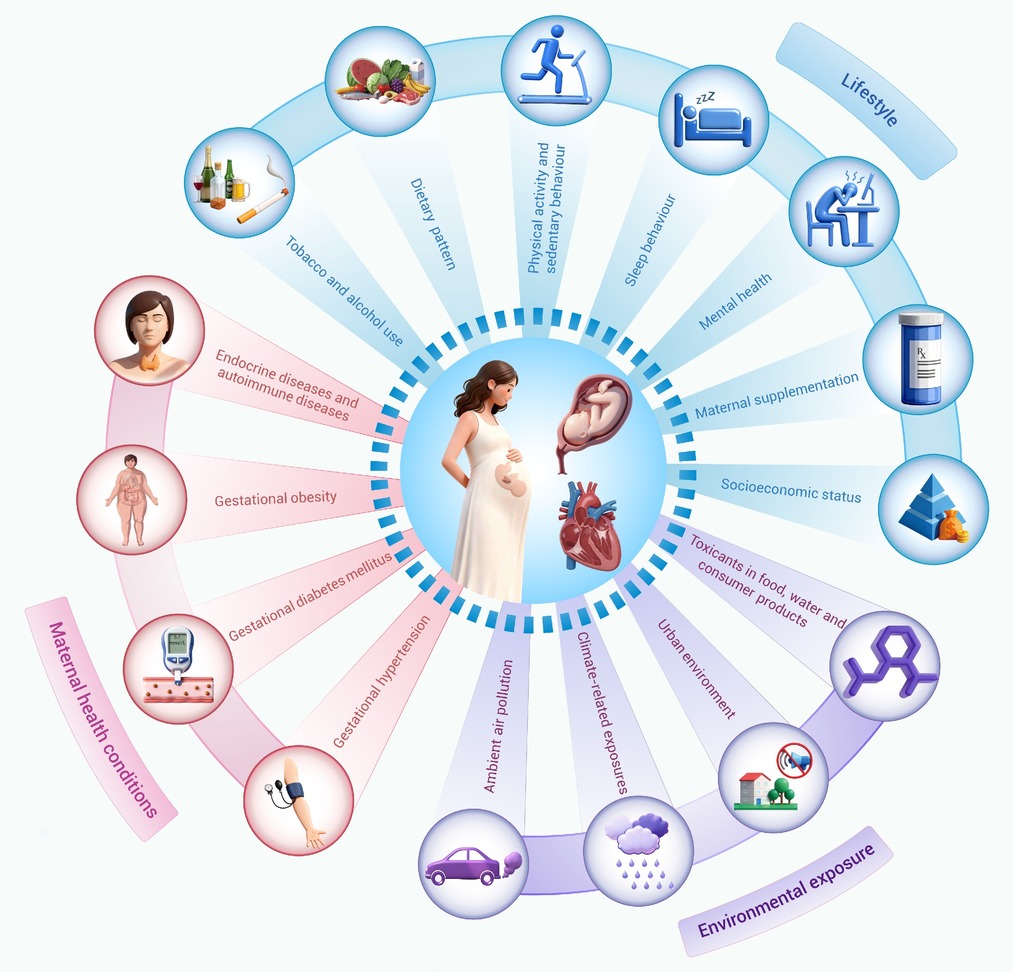
Figure 1.
In utero exposures during pregnancy and offspring cardiovascular health
-
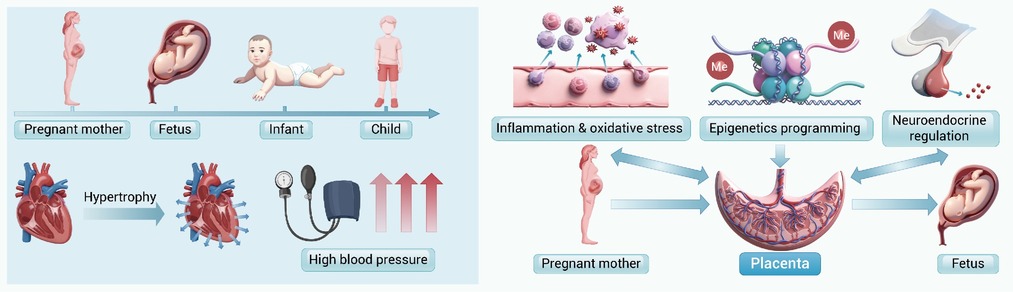
Figure 2.
Potential mechanisms linking in utero factors to offspring cardiovascular risk
-
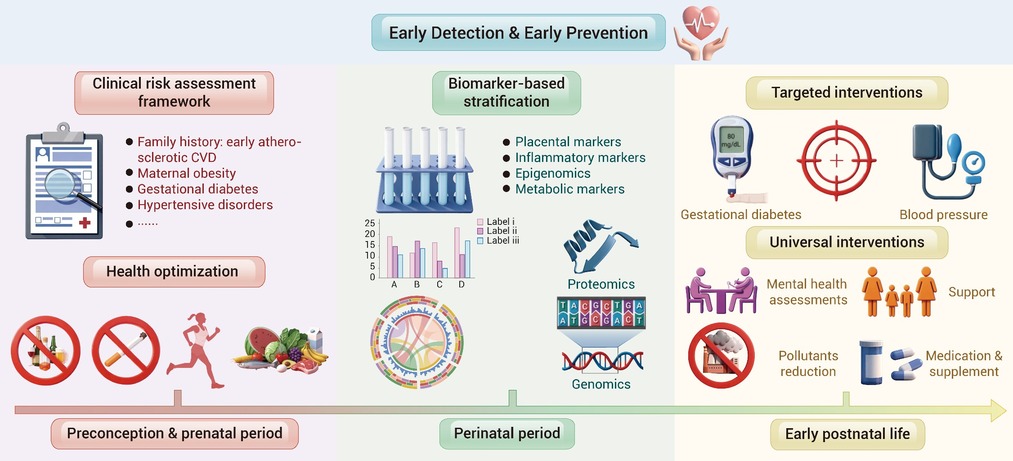
Figure 3.
An integrated framework for early detection and prevention of in utero adverse exposures to safeguard offspring cardiovascular health.
