
TNF/TNFR modulates the Traf2-Gαs axis to promote aging-related bone loss and impair PTH (1-34) efficacy
-
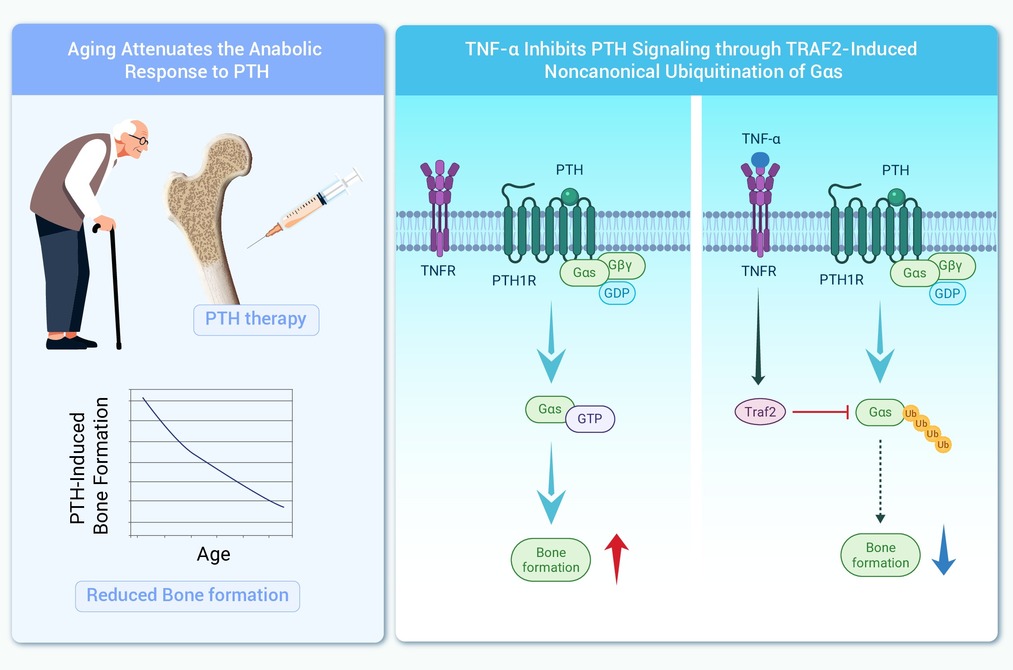
GRAPHICAL ABSTRACT
 DownLoad:
Full size image
DownLoad:
Full size image
-
PUBLIC SUMMARY
-
Tumor necrosis factor (TNF) increases in aging bones and weakens bone formation.
TNF reduces the effectiveness of parathyroid hormone (PTH) therapy in elderly bone.
Blocking TNF signaling prevents age-related bone loss in mice.
Combining TNF inhibition with PTH improves bone-building effects in aged animals.
-
-
ABSTRACT
The anti-osteoporotic effects of parathyroid hormone (PTH) analogs for patients with severe osteoporosis decrease with age; however, the underlying mechanism(s) are poorly understood. Here we provide evidence that enhanced TNF-mediated chronic inflammation during aging may play a critical role in promoting bone loss and attenuating the anabolic effects of PTH on bone in aged individuals. Specifically, we find that abolishment of TNF signaling activation by global deletion of the Tnfr1/2 genes, which encode the TNF receptors, prevents aging-related bone mass loss and improves the anabolic effects of PTH (1-34) analog to increase bone mass and bone mineral density in aged, but not young adult, mice. These effects are achieved mainly by enhancing PTH signaling in osteoblastic cells, leading to accelerated bone formation. TNF-α inhibition of PTH signaling is mediated via TRAF2, an E3 ligase. TRAF2 promotes the non-canonical K27- and K33-linked ubiquitination of Gαs, which increases Gαs protein stability but blocks Gαs activation and downstream signaling. Of clinical significance, infliximab, a TNF-α neutralizing antibody, reduces the bone loss in aged mice and improves the skeletal response to PTH. Collectively, we demonstrate a novel mechanism whereby TNF/TNFR/TRAF2 promotes aging-related bone loss and impairs the anabolic effects of PTH on bone in aged animals by inhibiting Gαs activation, and our findings suggest that modulating the TNF/TNFR signaling pathway may improve the effectiveness of PTH treatment in senile osteoporosis patients. -

-
REFERENCES
[1] Zhu X., Bai W. and Zheng H. (2021). Twelve years of GWAS discoveries for osteoporosis and related traits: advances, challenges and applications. Bone Res. 9:23. DOI:10.1038/s41413-021-00143-3 [2] Gopinath V. (2023). Osteoporosis. Med. Clin. North Am. 107:213−225. DOI:10.1016/j.mcna.2022.10.013 [3] Reid I. R. and Billington E. O. (2022). Drug therapy for osteoporosis in older adults. Lancet (London, England) 399:1080−1092. DOI:10.1016/s0140-6736(21)02646-5 [4] Cosman F. and Dempster D. W. (2021). Anabolic agents for postmenopausal osteoporosis: How do you choose. Curr. Osteoporos. Rep. 19:189−205. DOI:10.1007/s11914-021-00663-1 [5] Tsai J. N., Uihlein A. V., Lee H., et al. (2013). Teriparatide and denosumab, alone or combined, in women with postmenopausal osteoporosis: The DATA study randomised trial. Lancet (London, England) 382:50−56. DOI:10.1016/s0140-6736(13)60856-9 [6] Black D. M. and Rosen C. J. (2016). Clinical Practice. Postmenopausal Osteoporosis. N. Engl. J. Med. 374:254−262. DOI:10.1056/NEJMcp1513724 [7] Martin T. J. (2021). PTH1R actions on bone using the cAMP/protein kinase A pathway. Front. Endocrinol. 12:833221. DOI:10.3389/fendo.2021.833221 [8] Ricarte F. R., Le Henaff C., Kolupaeva V. G., et al. (2018). Parathyroid hormone(1-34) and its analogs differentially modulate osteoblastic Rankl expression via PKA/SIK2/SIK3 and PP1/PP2A-CRTC3 signaling. J. Biol. Chem. 293:20200−20213. DOI:10.1074/jbc.RA118.004751 [9] Fu X., Zhou B., Yan Q., et al. (2020). Kindlin-2 regulates skeletal homeostasis by modulating PTH1R in mice. Signal Transduct. Target. Ther. 5:297. DOI:10.1038/s41392-020-00328-y [10] Nishida S., Yamaguchi A., Tanizawa T., et al. (1994). Increased bone formation by intermittent parathyroid hormone administration is due to the stimulation of proliferation and differentiation of osteoprogenitor cells in bone marrow. Bone 15:717−723. DOI:10.1016/8756-3282(94)90322-0 [11] Pettway G. J., Meganck J. A., Koh A. J., et al. (2008). Parathyroid hormone mediates bone growth through the regulation of osteoblast proliferation and differentiation. Bone 42:806−818. DOI:10.1016/j.bone.2007.11.017 [12] Schwarz P., Jorgensen N. R., Mosekilde L., et al. (2012). Effects of increasing age, dosage, and duration of PTH treatment on BMD increase—a meta-analysis. Calcif. Tissue Int. 90:165−173. DOI:10.1007/s00223-011-9564-3 [13] Galceran T., Slatopolsky E. and Martin K. J. (1987). Differences in the response to intact b-PTH I-84 and synthetic b-PTH I-34 in isolated perfused bones from young and adult dogs. Calcif. Tissue Int. 41:290−292. DOI:10.1007/bf02555231 [14] Zhou S., Bueno E. M., Kim S. W., et al. (2011). Effects of age on parathyroid hormone signaling in human marrow stromal cells. Aging Cell 10:780−788. DOI:10.1111/j.1474-9726.2011.00717.x [15] Ferrucci L. and Fabbri E. (2018). Inflammageing: Chronic inflammation in ageing, cardiovascular disease, and frailty. Nature reviews. Cardiology 15:505−522. DOI:10.1038/s41569-018-0064-2 [16] Bektas A., Schurman S. H., Sen R., et al. (2018). Aging, inflammation and the environment. Exp. Gerontol. 105:10−18. DOI:10.1016/j.exger.2017.12.015 [17] Forrester J. V., Kuffova L. and Delibegovic M. (2020). The role of inflammation in diabetic retinopathy. Front. Immunol. 11:583687. DOI:10.3389/fimmu.2020.583687 [18] Davizon-Castillo P., McMahon B., Aguila S., et al. (2019). TNF-α-driven inflammation and mitochondrial dysfunction define the platelet hyperreactivity of aging. Blood 134:727−740. DOI:10.1182/blood.2019000200 [19] Dimitrijević M., Stanojević S., Vujić V., et al. (2014). Aging oppositely affects TNF-α and IL-10 production by macrophages from different rat strains. Biogerontology 15:475−486. DOI:10.1007/s10522-014-9513-4 [20] Michaud M., Balardy L., Moulis G., et al. (2013). Proinflammatory cytokines, aging, and age-related diseases. J. Am. Med. Dir. Assoc. 14:877−882. DOI:10.1016/j.jamda.2013.05.009 [21] Chung H. Y., Cesari M., Anton S., et al. (2009). Molecular inflammation: Underpinnings of aging and age-related diseases. Ageing Res. Rev. 8:18−30. DOI:10.1016/j.arr.2008.07.002 [22] Weivoda M. M., Chew C. K., Monroe D. G., et al. (2020). Identification of osteoclast-osteoblast coupling factors in humans reveals links between bone and energy metabolism. Nat. Commun. 11:87. DOI:10.1038/s41467-019-14003-6 [23] Kim D., Paggi J. M., Park C., et al. (2019). Graph-based genome alignment and genotyping with HISAT2 and HISAT-genotype. Nat. Biotechnol. 37:907−915. DOI:10.1038/s41587-019-0201-4 [24] Li H., Handsaker B., Wysoker A., et al. (2009). The sequence alignment/map format and SAMtools. Bioinformatics (Oxford, England) 25:2078−2079. DOI:10.1093/bioinformatics/btp352 [25] Liao Y., Smyth G. K. and Shi W. (2014). featureCounts: An efficient general purpose program for assigning sequence reads to genomic features. Bioinformatics (Oxford, England) 30:923−930. DOI:10.1093/bioinformatics/btt656 [26] Love M. I., Huber W. and Anders S. (2014). Moderated estimation of fold change and dispersion for RNA-seq data with DESeq2. Genome Biol. 15:550. DOI:10.1186/s13059-014-0550-8 [27] Wu T., Hu E., Xu S., et al. (2021). clusterProfiler 4.0: A universal enrichment tool for interpreting omics data. The Innovation 2:100141. DOI:10.1016/j.xinn.2021.100141. [28] Lei Y., Fu X., Li P., et al. (2020). LIM domain proteins Pinch1/2 regulate chondrogenesis and bone mass in mice. Bone Res. 8:37. DOI:10.1038/s41413-020-00108-y [29] Yan Q., Gao H., Yao Q., et al. (2022). Loss of phosphatidylinositol-4-phosphate 5-kinase type-1 gamma (Pip5k1c) in mesenchymal stem cells leads to osteopenia by impairing bone remodeling. J. Biol. Chem. 298:101639. DOI:10.1016/j.jbc.2022.101639 [30] Cao H., Yu S., Yao Z., et al. (2010). Activating transcription factor 4 regulates osteoclast differentiation in mice. J. Clin. Invest. 120:2755−2766. DOI:10.1172/jci42106 [31] Xiao G., Cheng H., Cao H., et al. (2012). Critical role of filamin-binding LIM protein 1 (FBLP-1)/migfilin in regulation of bone remodeling. J. Biol. Chem. 287:21450−21460. DOI:10.1074/jbc.M111.331249 [32] Cao H., Yan Q., Wang D., et al. (2020). Focal adhesion protein Kindlin-2 regulates bone homeostasis in mice. Bone Res. 8:2. DOI:10.1038/s41413-019-0073-8 [33] Lin S., Tao C., Yan Q., et al. (2024). Pip5k1c expression in osteocytes regulates bone remodeling in mice. J. Orthop. Translat. 45:36−47. DOI:10.1016/j.jot.2023.10.008 [34] Aizezi Y., Zhao H., Zhang Z., et al. (2024). Structure-based virtual screening identifies small-molecule inhibitors of O-fucosyltransferase SPINDLY in Arabidopsis. Plant Cell 36:497−509. DOI:10.1093/plcell/koad299 [35] Tao C., Lin S., Shi Y., et al. (2024). Inactivation of TNF-α/TNFR signaling attenuates progression of intervertebral disc degeneration in mice. JOR Spine 7:e70006. DOI:10.1002/jsp2.70006 [36] Gao H., Zhou L., Zhong Y., et al. (2022). Kindlin-2 haploinsufficiency protects against fatty liver by targeting Foxo1 in mice. Nat. Commun. 13:1025. DOI:10.1038/s41467-022-28692-z [37] Gao H., Zhong Y., Zhou L., et al. (2023). Kindlin-2 inhibits TNF/NF-κB-Caspase 8 pathway in hepatocytes to maintain liver development and function. eLife 12. DOI:10.7554/eLife.81792. [38] Kaya S., Schurman C. A., Dole N. S., et al. (2022). Prioritization of genes relevant to bone fragility through the unbiased integration of aging mouse bone transcriptomics and human GWAS analyses. J. Bone Miner. Res. 37:804−817. DOI:10.1002/jbmr.4516 [39] Bandyopadhyay S., Duffy M. P., Ahn K. J., et al. (2024). Mapping the cellular biogeography of human bone marrow niches using single-cell transcriptomics and proteomic imaging. Cell 187:3120−3140.e3129. DOI:10.1016/j.cell.2024.04.013 [40] Yao Z., Getting S. J. and Locke I. C. (2021). Regulation of TNF-induced osteoclast differentiation. Cells 11. DOI:10.3390/cells11010132. [41] Arkee T. and Bishop G. A. (2020). TRAF family molecules in T cells: Multiple receptors and functions. J. Leukoc. Biol. 107:907−915. DOI:10.1002/jlb.2mr1119-397r [42] Park H. H. (2018). Structure of TRAF family: Current understanding of receptor recognition. Front. Immunol. 9:1999. DOI:10.3389/fimmu.2018.01999 [43] Wang Y., Zhang P., Liu Y., et al. (2010). TRAF-mediated regulation of immune and inflammatory responses. Sci. China Life Sci. 53:159−168. DOI:10.1007/s11427-010-0050-3 [44] Zotti T., Scudiero I., Vito P., et al. (2017). The emerging role of TRAF7 in tumor development. J. Cell. Physiol. 232:1233−1238. DOI:10.1002/jcp.25676 [45] Zhu S., Jin J., Gokhale S., et al. (2018). Genetic Alterations of TRAF Proteins in Human Cancers. Front. Immunol. 9:2111. DOI:10.3389/fimmu.2018.02111 [46] Laurenza A., Sutkowski E. M. and Seamon K. B. (1989). Forskolin: A specific stimulator of adenylyl cyclase or a diterpene with multiple sites of action. Trends Pharmacol. Sci. 10:442−447. DOI:10.1016/s0165-6147(89)80008-2 [47] Ju H., Zhang C. and Lu W. (2021). Progress in heterologous biosynthesis of forskolin. J. Ind. Microbiol. Biotechnol. 48:kuab009. DOI:10.1093/jimb/kuab009 [48] Yottasan P., Chu T., Chhetri P. D., et al. (2023). Repurposing calcium-sensing receptor activator drug cinacalcet for ADPKD treatment. Transl. Res. 265:17−25. DOI:10.1016/j.trsl.2023.10.005 [49] van der Lee M. M., Verkaar F., Wat J. W., et al. (2013). β-Arrestin-biased signaling of PTH analogs of the type 1 parathyroid hormone receptor. Cell. Signal. 25:527−538. DOI:10.1016/j.cellsig.2012.11.012 [50] Pellicelli M., Miller J. A., Arabian A., et al. (2014). The PTH-Gαs-protein kinase A cascade controls αNAC localization to regulate bone mass. Mol. Cell. Biol. 34:1622−1633. DOI:10.1128/mcb.01434-13 [51] Landis C. A., Masters S. B., Spada A., et al. (1989). GTPase inhibiting mutations activate the alpha chain of Gs and stimulate adenylyl cyclase in human pituitary tumours. Nature 340:692−696. DOI:10.1038/340692a0 [52] Sepúlveda A., de la Piedra Bustamante M. J., Orlanski-Meyer E., et al. (2025). Tumor necrosis factor-alpha antagonists for treatment of pediatric Crohn's disease. Cochrane Database Syst. Rev. 8:CD014497. DOI:10.1002/14651858.CD014497.pub2 [53] Maini R., St Clair E. W., Breedveld F., et al. (1999). Infliximab (chimeric anti-tumour necrosis factor α monoclonal antibody) versus placebo in rheumatoid arthritis patients receiving concomitant methotrexate: a randomised phase III trial. Lancet 354:1932−1939. DOI:10.1016/S0140-6736(99)05246-0 [54] Onuora S. (2018). Experimental arthritis: Anti-TNF kills the macrophage response. Nat. Rev. Rheumatol. 14:64. DOI:10.1038/nrrheum.2017.207 [55] Wei J., Hettinghouse A. and Liu C. (2016). The role of progranulin in arthritis. Ann. N. Y. Acad. Sci. 1383:5−20. DOI:10.1111/nyas.13191 [56] Rubbert-Roth A., Atzeni F., Masala I. F., et al. (2018). TNF inhibitors in rheumatoid arthritis and spondyloarthritis: Are they the same. Autoimmun. Rev. 17:24−28. DOI:10.1016/j.autrev.2017.11.005 [57] Bradley J. R. (2008). TNF-mediated inflammatory disease. J. Pathol. 214:149−160. DOI:10.1002/path.2287 [58] Gerstenfeld L. C., Cho T. J., Kon T., et al. (2001). Impaired intramembranous bone formation during bone repair in the absence of tumor necrosis factor-alpha signaling. Cells Tissues Organs. 169:285−294. DOI:10.1159/000047893 [59] Chen C. P., Hertzberg M., Jiang Y., et al. (1999). Interleukin-1 and tumor necrosis factor receptor signaling is not required for bacteria-induced osteoclastogenesis and bone loss but is essential for protecting the host from a mixed anaerobic infection. Am. J. Pathol. 155:2145−2152. DOI:10.1016/S0002-9440(10)65532-0 [60] Tong L., Wijnen A. J. v., Wang H., et al. (2024). Advancing bone biology: The mutual promotion of biology and pioneering technologies. Innov. Life 2:100078. DOI:10.59717/j.xinn-life.2024.100078 [61] Nigrovic P. A., Lee P. Y. and Hoffman H. M. (2020). Monogenic autoinflammatory disorders: Conceptual overview, phenotype, and clinical approach. J. Allergy Clin. Immunol. 146:925−937. DOI:10.1016/j.jaci.2020.08.017 [62] Leerling A. T., Clunie G., Koutrouba E., et al. (2023). Diagnostic and therapeutic practices in adult chronic nonbacterial osteomyelitis (CNO). Orphanet J. Rare Dis. 18:206. DOI:10.1186/s13023-023-02831-1 [63] Takeuchi T. (2025). New anti-TNF biologics in RA: What is new and what is old? Semin. Arthritis Rheum. 72s:152693. DOI:10.1016/j.semarthrit.2025.152693. [64] Zhang M., Hu W., Cai C., et al. (2022). Advanced application of stimuli-responsive drug delivery system for inflammatory arthritis treatment. Mater. Today Bio. 14:100223. DOI:10.1016/j.mtbio.2022.100223 [65] Huang Y., Wang Z., Zhong C., et al. (2024). CRISPRa engineered Elite macrophages enable adoptive cell therapy for rheumatoid arthritis. Innov. Med. 2:100050. DOI:10.59717/j.xinn-med.2024.100050 [66] Punzi L., Galozzi P., Luisetto R., et al. (2024). Gout: One year in review 2023. Clin. Exp. Rheumatol. 42:1−9. DOI:10.55563/clinexprheumatol/uhyzcr [67] Kavanagh N., Ryan E. J., Widaa A., et al. (2018). Staphylococcal osteomyelitis: Disease progression, treatment challenges, and future directions. Clin. Microbiol. Rev. 31:e00084−17. DOI:10.1128/cmr.00084-17 [68] Hima L., Patel M. N., Kannan T., et al. (2020). Age-associated decline in neural, endocrine, and immune responses in men and women: Involvement of intracellular signaling pathways. J. Neuroimmunol. 345:577290. DOI:10.1016/j.jneuroim.2020.577290 [69] Ullah A., Chen Y., Singla R. K., et al. (2024). Exploring cytokines dynamics: Uncovering therapeutic concepts for metabolic disorders in postmenopausal women- diabetes, metabolic bone diseases, and non-alcohol fatty liver disease. Ageing Res. Rev. 101:102505. DOI:10.1016/j.arr.2024.102505 [70] Jiang X., Chen X., He L., et al. (2025). Equol promotes osteogenic differentiation of hPDLSCs by inhibiting oxidative stress via IL1B/NF-κB/CXCL1 signaling axis. Chem. Biol. Interact. 407:111367. DOI:10.1016/j.cbi.2024.111367 [71] Zhao M., Song X., Chen H., et al. (2022). Melatonin prevents chondrocyte matrix degradation in rats with experimentally induced osteoarthritis by inhibiting nuclear factor-κB via SIRT1. Nutrients 14:3966. DOI:10.3390/nu14193966 [72] Zhang W.-H., Zhou W., Luo Z.-W., et al. (2024). Anti-aging therapeutics for the musculoskeletal and cardiovascular systems: The role of regular exercise. Innov. Med. 2:100085. DOI:10.59717/j.xinn-med.2024.100085 [73] Fu W., Hu W., Yi Y. S., et al. (2021). TNFR2/14-3-3epsilon signaling complex instructs macrophage plasticity in inflammation and autoimmunity. J. Clin. Invest. 131:e144016. DOI:10.1172/JCI144016 [74] Ruiz A., Palacios Y., Garcia I., et al. (2021). Transmembrane TNF and its receptors TNFR1 and TNFR2 in mycobacterial infections. Int. J. Mol. Sci. 22:4561. DOI:10.3390/ijms22115461 [75] Shaid S., Brandts C. H., Serve H., et al. (2013). Ubiquitination and selective autophagy. Cell Death Differ. 20:21−30. DOI:10.1038/cdd.2012.72 [76] Popovic D., Vucic D. and Dikic I. (2014). Ubiquitination in disease pathogenesis and treatment. Nat. Med. 20:1242−1253. DOI:10.1038/nm.3739 [77] Yuan W.-C., Lee Y.-R., Lin S.-Y., et al. (2014). K33-linked polyubiquitination of coronin 7 by Cul3-KLHL20 ubiquitin E3 ligase regulates protein trafficking. Mol. Cell 54:586−600. DOI:10.1016/j.molcel.2014.03.035 [78] Liu H., Zhang L., Sun J., et al. (2017). Endoplasmic reticulum protein SCAP inhibits dengue virus NS2B3 protease by suppressing its K27-linked polyubiquitylation. J. Virol. 91:e02234−16. DOI:10.1128/jvi.02234-16 [79] Williams G. R., Bethard J. R., Berkaw M. N., et al. (2016). Exploring G protein-coupled receptor signaling networks using SILAC-based phosphoproteomics. Methods (San Diego, Calif.) 92:36−50. DOI:10.1016/j.ymeth.2015.06.022 [80] Suzuki A., Ozono K., Kubota T., et al. (2008). PTH/cAMP/PKA signaling facilitates canonical Wnt signaling via inactivation of glycogen synthase kinase-3beta in osteoblastic Saos-2 cells. J. Cell. Biochem. 104:304−317. DOI:10.1002/jcb.21626 [81] Marahleh A., Kitaura H., Ohori F., et al. (2019). TNF-α directly enhances osteocyte RANKL expression and promotes osteoclast formation. Front. Immunol. 10:2925. DOI:10.3389/fimmu.2019.02925 -
ABOUT THIS ARTICLE
Cite this article:
Tao C., Lin S., Shi Y., et al. (2026). TNF/TNFR modulates the Traf2-Gαs axis to promote aging-related bone loss and impair PTH (1-34) efficacy. The Innovation Medicine 4:100237. https://doi.org/10.59717/j.xinn-med.2026.100237
Welcome!
To request copyright permission to republish or share portions of our works, please visit Copyright Clearance Center's (CCC) Marketplace website at marketplace.copyright.com.
Export File
Citation
Tao C., Lin S., Shi Y., et al. (2026). TNF/TNFR modulates the Traf2-Gαs axis to promote aging-related bone loss and impair PTH (1-34) efficacy. The Innovation Medicine 4:100237. https://doi.org/10.59717/j.xinn-med.2026.100237

Format
Content
-
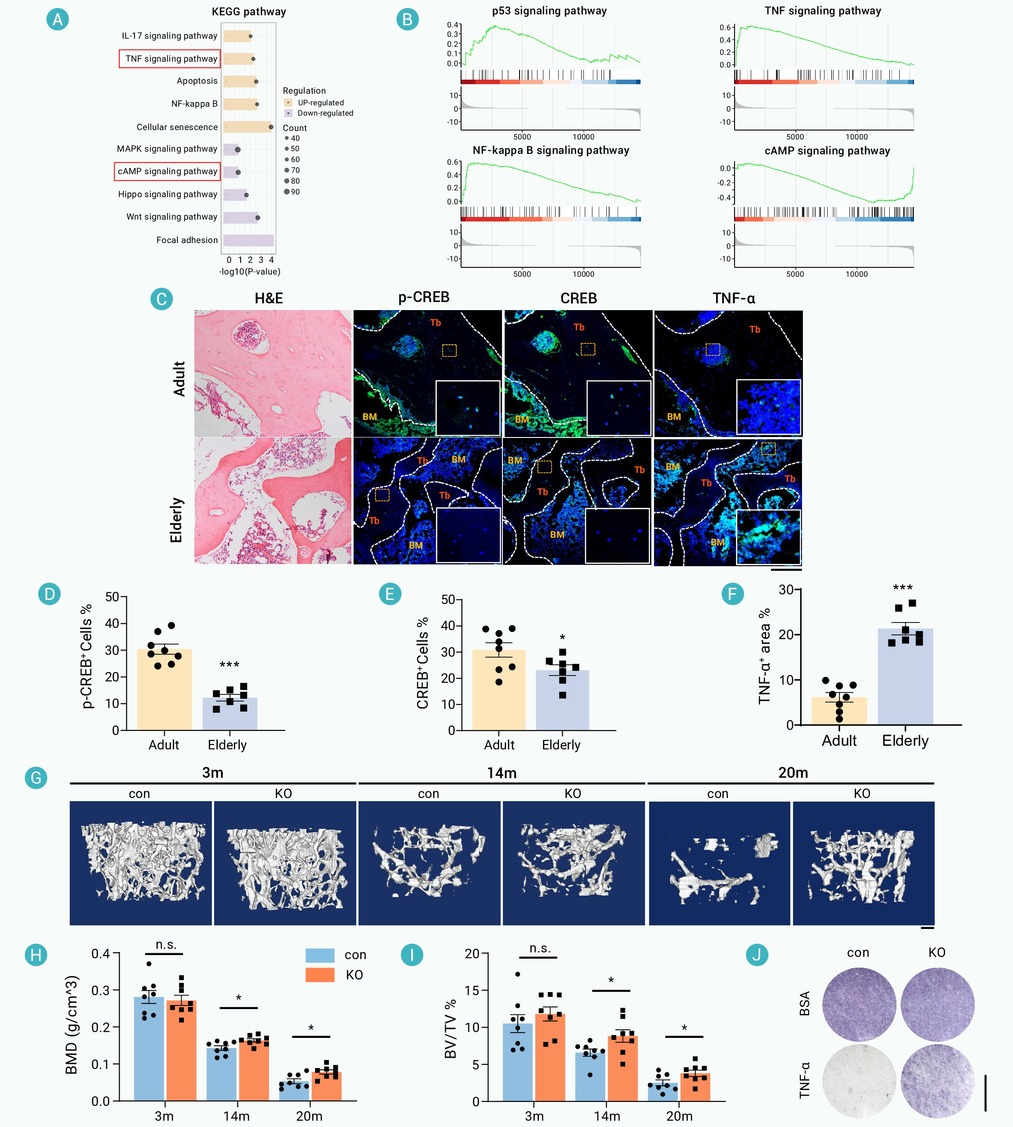
Figure 1.
Elevated TNF and reduced PTH signaling in aged human bone tissues and deleting TNFR expression reduces aging-related bone loss in mice
-
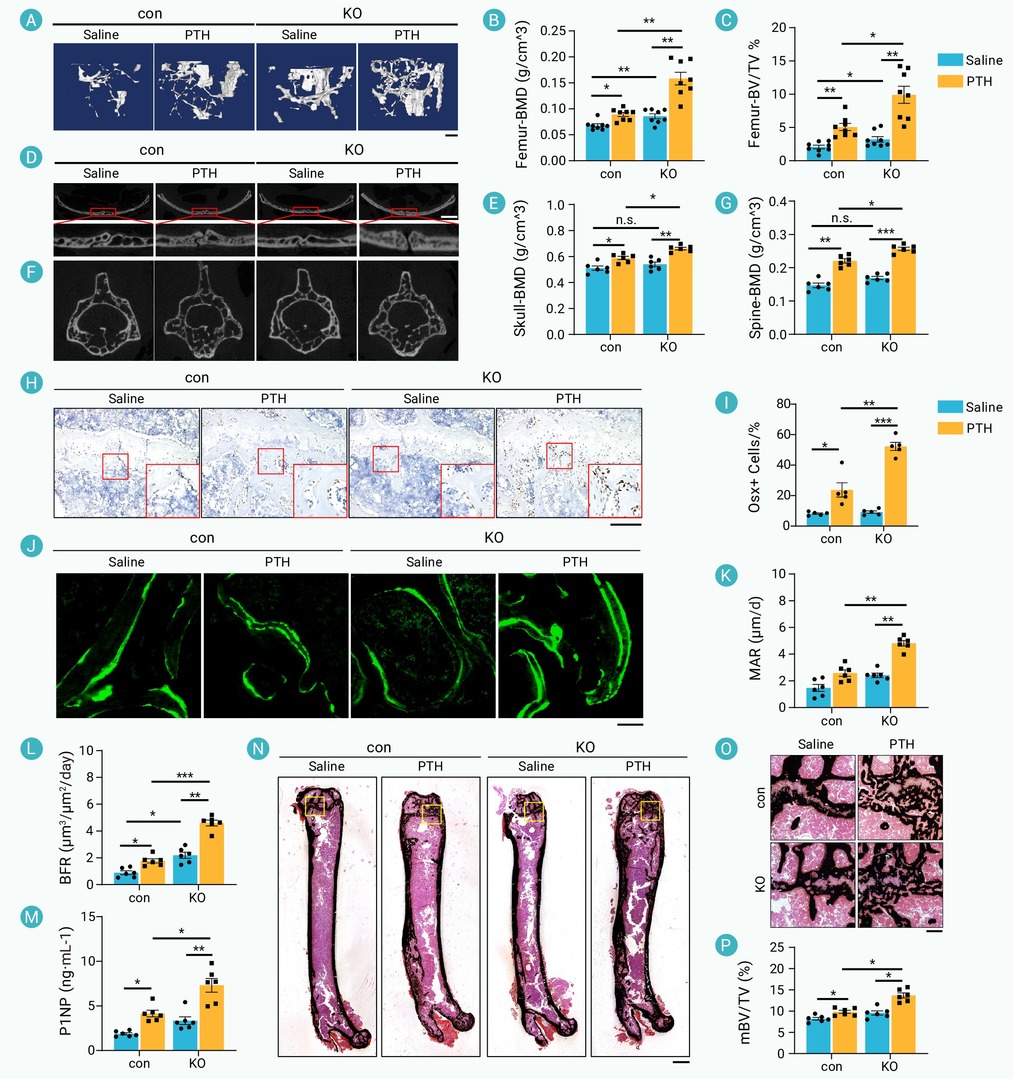
Figure 2.
Tnfr loss enhances PTH-induced bone mass and BMD in aged mice
-
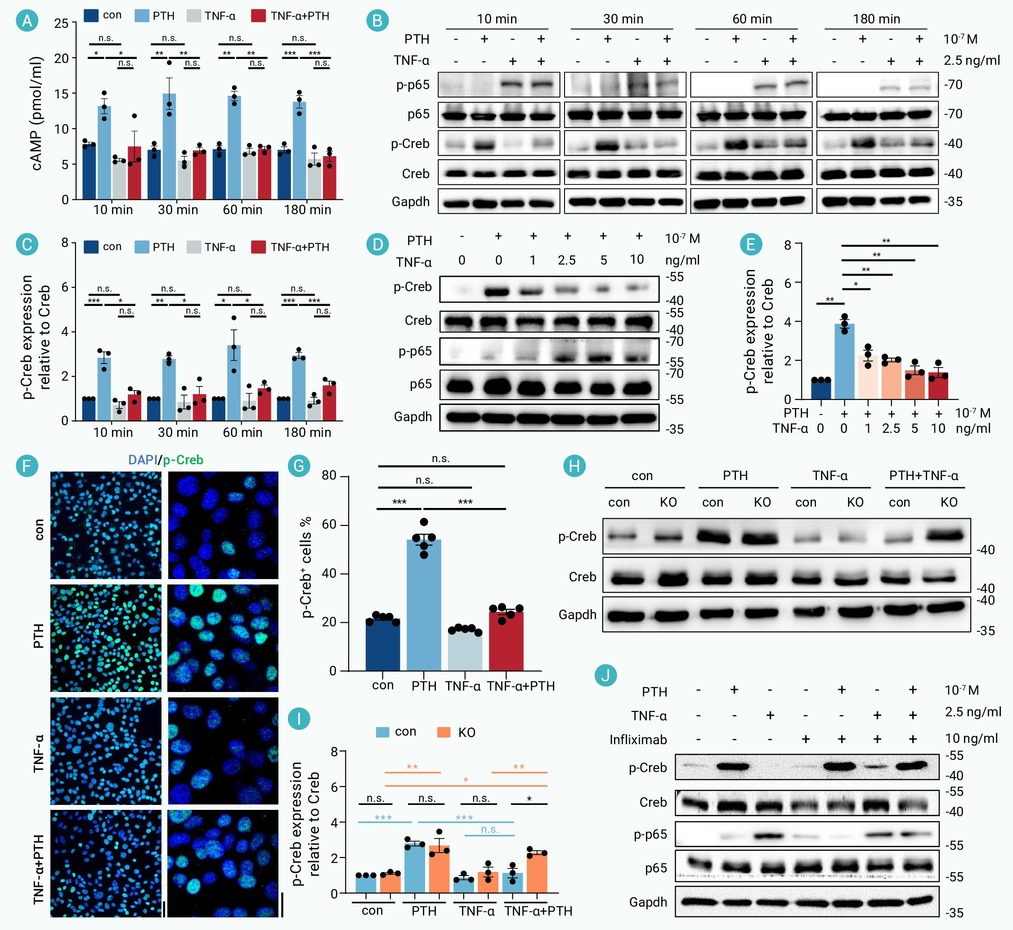
Figure 3.
TNF-α suppresses PTH-induced cAMP production and Creb phosphorylation in MLO-Y4 cells in vitro
-
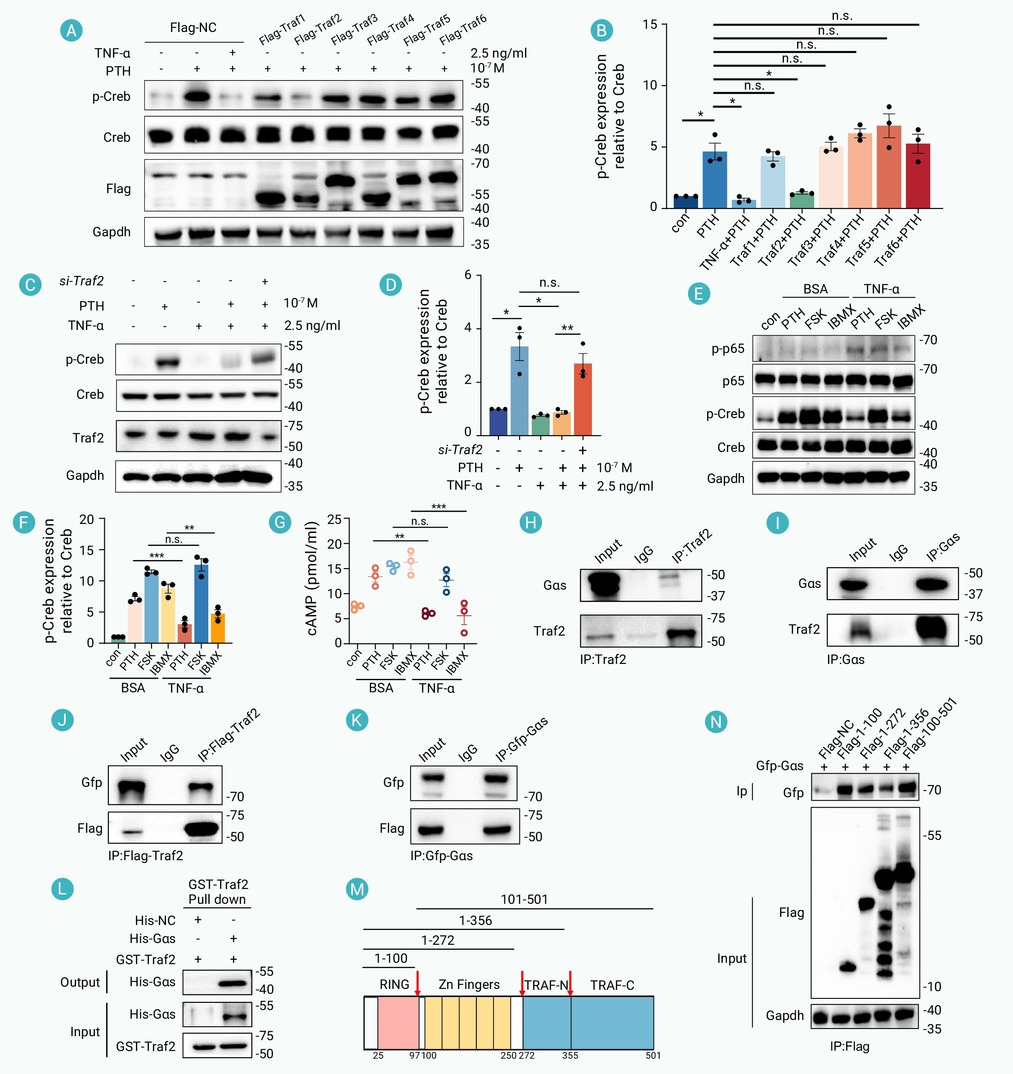
Figure 4.
Traf2 directly interacts with Gαs and mediates TNF-α inhibition of PTH signaling activation
-
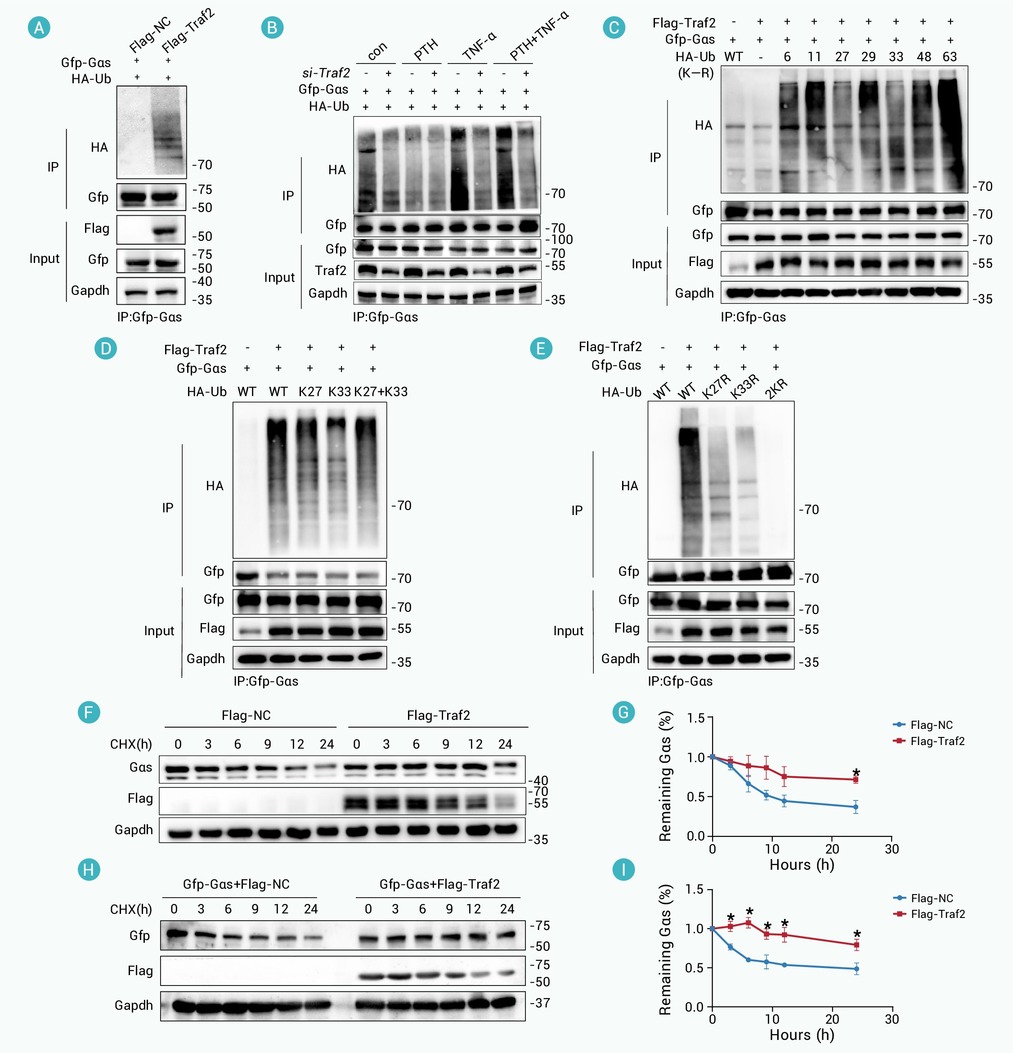
Figure 5.
Traf2 induces polyubiquitination of Gαs
-
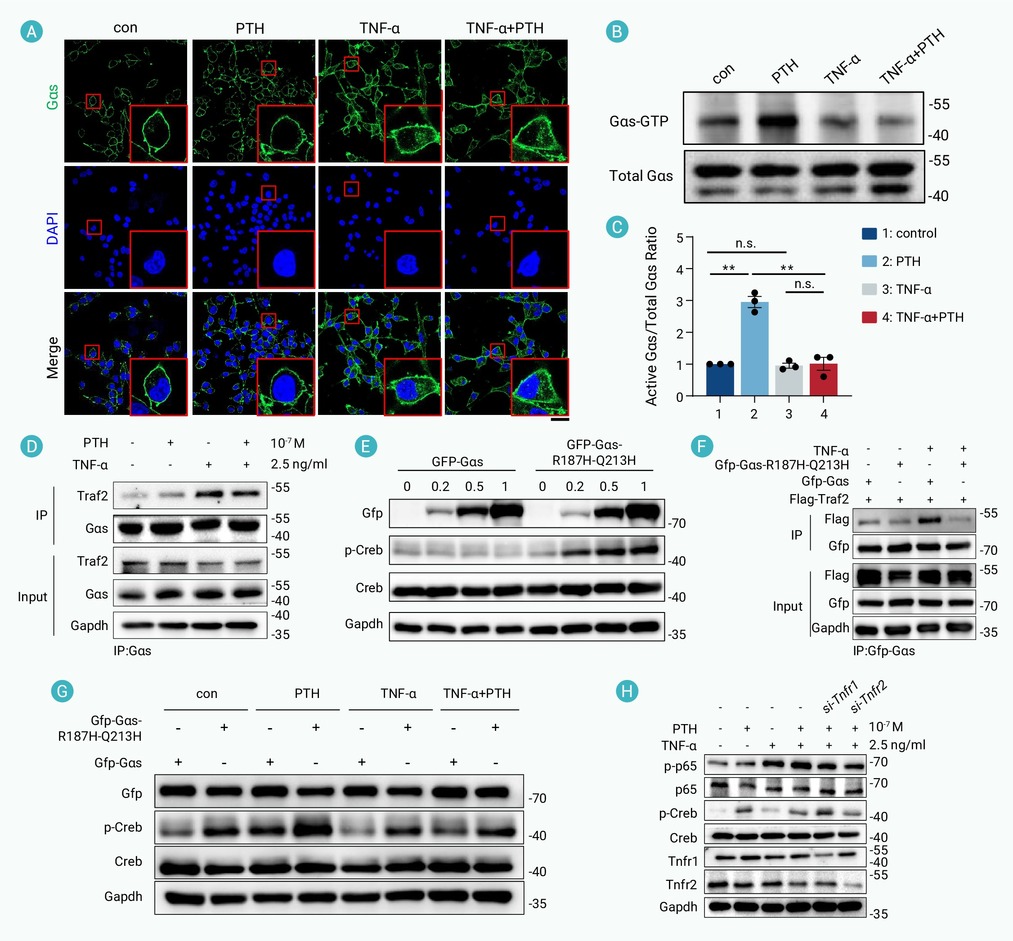
Figure 6.
Traf2-dependent Gαs inactivation mediates TNF/TNFR inhibition of PTH signaling
-
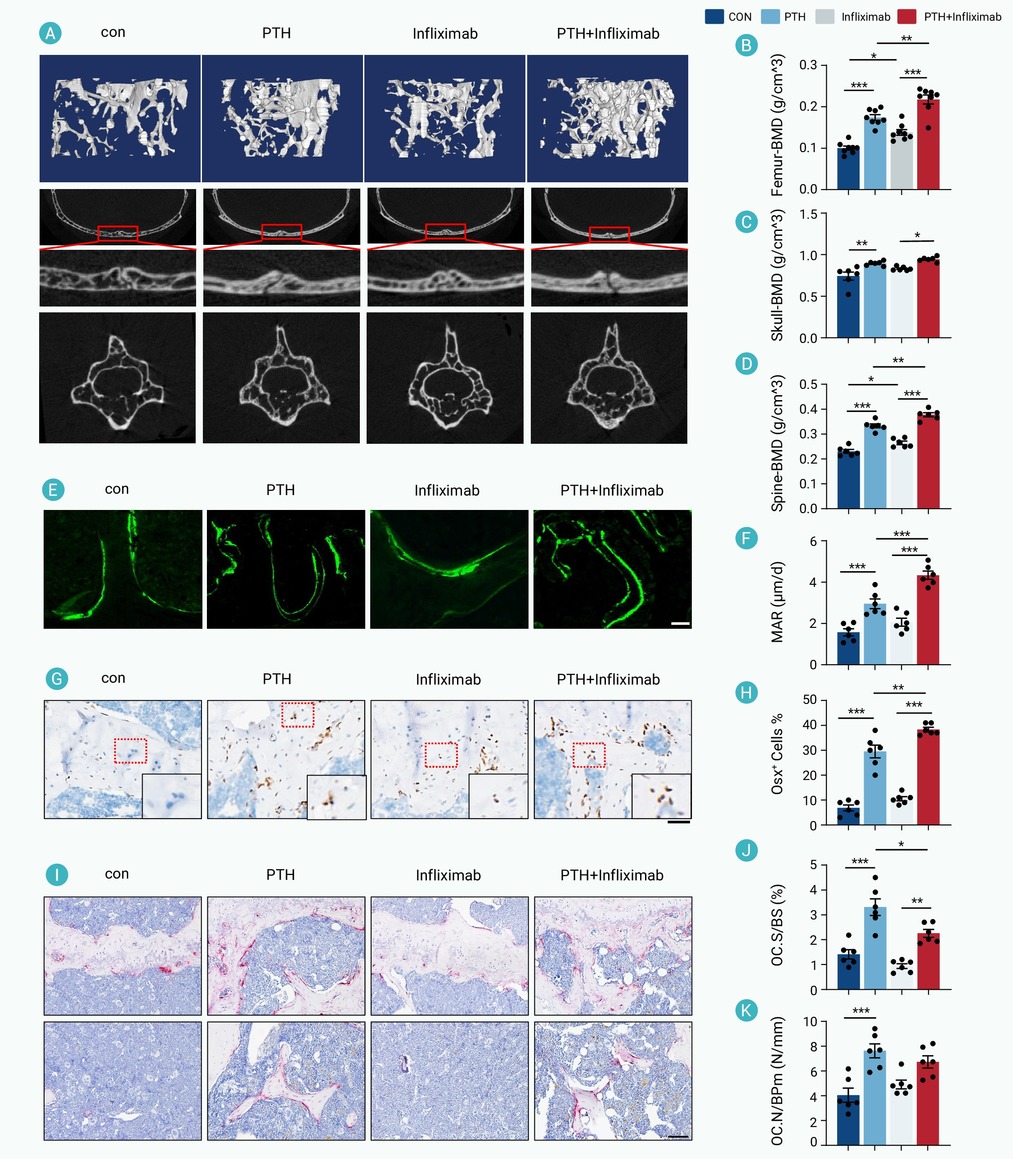
Figure 7.
TNF-α-neutralizing antibody infliximab enhances the anabolic effects of PTH on bone in aged mice
