
Neurotrophins sensing nutrition: Molecular mechanisms regulating host lipid metabolism and prospects for clinical application
-
GRAPHICAL ABSTRACT
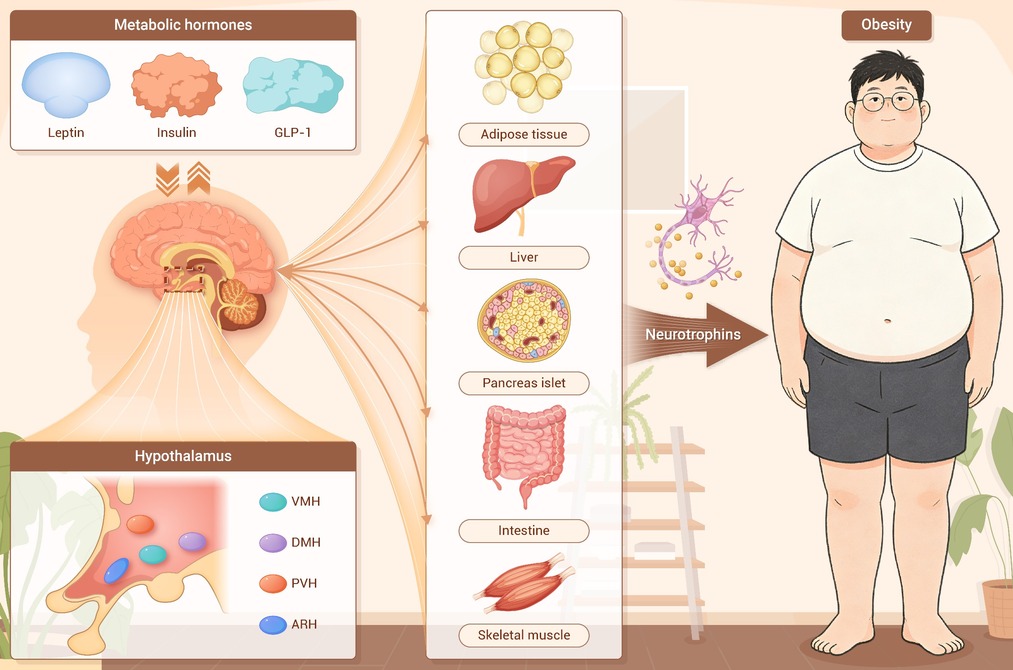
 DownLoad:
Full size image
DownLoad:
Full size image
-
PUBLIC SUMMARY
-
Neurotrophins form an integrated network linking the central system to peripheral metabolism.
This network interacts with hypothalamic nuclei involved in nutrient sensing and energy balance.
Neurotrophins also act on peripheral metabolic organs to regulate energy homeostasis.
-
-
ABSTRACT
Obesity arises from dysregulation of central nervous system and peripheral energy homeostasis pathways. To maintain metabolic balance, neural circuits in the brain integrate nutritional signals from central and peripheral systems to correct deviations in energy supply and expenditure. Hence, elucidating the core neurobiological mechanisms of metabolic regulation and how alterations in these pathways contribute to obesity and related metabolic disorders is therefore of critical importance. Notably, neurotrophins not only support neuronal growth, development and function, but also play key roles in sensing nutritional status and regulating energy metabolism. Here, we summarize the potential mechanisms by which neurotrophins in key metabolic organs, including the hypothalamus, adipose tissue, pancreas islet, liver, skeletal muscle and intestine, sense nutritional signals and regulate energy homeostasis. Furthermore, we also further highlight the clinical application prospects and translational strategies for activating, inhibiting and stratifying interventions that target neurotrophins and their receptors. Finally, we outline outstanding issues related to neurotrophins mediated nutritional regulation of lipid metabolism, providing a reference for the design of therapeutic interventions against obesity.-
Keywords:
- neurotrophins /
- sensing nutrition /
- lipid metabolism /
- obesity /
- therapeutic interventions
-

-
REFERENCES
[1] Li Y., Huang X., Yang G., et al. (2022). CD36 favours fat sensing and transport to govern lipid metabolism. Prog. Lipid Res. 88:101193. DOI:10.1016/j.plipres.2022.101193 [2] Jiang Z., Tabuchi C., Gayer S. G., et al. (2025). Immune dysregulation in obesity. Annu. Rev. Pathol. Mech. 20:483−509. DOI:10.1146/annurev-pathmechdis-051222-015350 [3] Xiao N., Ding Y., Cui B., et al. (2024). Navigating obesity: A comprehensive review of epidemiology, pathophysiology, complications and management strategies. The Innovation Medicine 2:100090. DOI:10.59717/j.xinn-med.2024.100090 [4] Campbell L. A., Kombathula R. and Jackson C. D. (2024). Obesity in Adults. JAMA 332:600−600. DOI:10.1001/jama.2024.5126 [5] Zhang M., Zhou C., Li X., et al. (2025). Interactions between gut microbiota, host circadian rhythms, and metabolic diseases. Adv. Nutr. 16:100416. DOI:10.1016/j.advnut.2025.100416 [6] Bruening J. C. and Fenselau H. (2023). Integrative neurocircuits that control metabolism and food intake. Science 381:1426−1426. DOI:10.1126/science.abl7398 [7] Ameroso D., Meng A., Chen S., et al. (2022). Astrocytic BDNF signaling within the ventromedial hypothalamus regulates energy homeostasis. Nat. Metab. 4:627−643. DOI:10.1038/s42255-022-00566-0 [8] Friedman J. M. (2025). On the causes of obesity and its treatment: The end of the beginning. Cell Metab. 37:570−577. DOI:10.1016/j.cmet.2025.01.026 [9] Van G. K. A., Anouk S., Ter H. K. W., et al. (2023). Brain responses to nutrients are severely impaired and not reversed by weight loss in humans with obesity: A randomized crossover study. Nat. Metab. 5:1059−1072. DOI:10.1038/s42255-023-00816-9 [10] Wang Y., Leung V. H., Zhang Y., et al. (2022). The role of somatosensory innervation of adipose tissues. Nature 609:569−574. DOI:10.1038/s41586-022-05137-7 [11] Cohen P. and Kajimura S. (2021). The cellular and functional complexity of thermogenic fat. Nat. Rev. Mol. Cell. Bio. 22:393−409. DOI:10.1038/s41580-021-00350-0 [12] Price R. D., Milne S. A., Sharkey J., et al. (2007). Advances in small molecules promoting neurotrophic function. Pharmacol. Therapeut. 115:292−306. DOI:10.1016/j.pharmthera.2007.03.005 [13] Wise B. L., Seidel M. F. and Lane N. E. (2021). The evolution of nerve growth factor inhibition in clinical medicine. Nat. Rev. Rheumatol. 17:34−46. DOI:10.1038/s41584-020-00528-4 [14] Wei M., Wu T. and Chen N. (2023). Bridging neurotrophic factors and bioactive peptides to Alzheimer's disease. Ageing Res. Rev. 94:102177. DOI:10.1016/j.arr.2023.102177 [15] Colardo M., Petraroia M., Lerza L., et al. (2022). NGF modulates cholesterol metabolism and stimulates ApoE secretion in glial cells conferring neuroprotection against oxidative stress. Int. J. Mol. Sci. 23:4842. DOI:10.3390/ijms23094842 [16] Cui X., Jing J., Wu R., et al. (2021). Adipose tissue-derived neurotrophic factor 3 regulates sympathetic innervation and thermogenesis in adipose tissue. Nat. Commun. 12:5362. DOI:10.1038/s41467-021-25766-2 [17] Ahuja P., Ng C. F., Pang B. P. S., et al. (2022). Muscle-generated BDNF (brain derived neurotrophic factor) maintains mitochondrial quality control in female mice. Autophagy 18:1367−1384. DOI:10.1080/15548627.2021.1985257 [18] Götz R., Köster R., Winkler C., et al. (1994). Neurotrophin-6 is a new member of the nerve growth factor family. Nature 372:266−269. DOI:10.1038/372266a0 [19] Nilsson A.-S., Fainzilber M., Falck P., et al. (1998). Neurotrophin‐7: A novel member of the neurotrophin family from the zebrafish. FEBS Lett. 424:285−290. DOI:10.1016/s0014-5793(98)00192-6 [20] Skaper S. D. (2012). The neurotrophin family of neurotrophic factors: An overview. Methods Mol. Biol. 82:1−12. DOI:10.1007/978-1-61779-536-7_1 [21] Hernández-del Caño C., Varela-Andrés N., Cebrián-León A., et al. (2024). Neurotrophins and their receptors: BDNF’s role in GABAergic neurodevelopment and disease. Int. J. Mol. Sci. 25:8312. DOI:10.3390/ijms25158312 [22] Furlan A. and Petrus P. (2023). Brain-body communication in metabolic control. Trends Endocrin. Met. 34:813−822. DOI:10.1016/j.tem.2023.08.014 [23] Katuri R. B., Gaur G. S., Sahoo J. P., et al. (2021). Association of circulating brain-derived neurotrophic factor with cognition among adult obese population. J. Obes. Metab. Syndr. 30:163. DOI:10.7570/jomes20107 [24] Jo D., Son Y., Yoon G., et al. (2020). Role of adiponectin and brain derived neurotrophic factor in metabolic regulation involved in adiposity and body fat browning. J. Clin. Med. 10:56. DOI:10.3390/jcm10010056 [25] Selvaraju V., Babu J. R. and Geetha T. (2022). Salivary neurotrophins brain-derived neurotrophic factor and nerve growth factor associated with childhood obesity: A multiplex magnetic luminescence analysis. Diagnostics 12:1130. DOI:10.3390/diagnostics12051130 [26] Gejl A. K., Enevold C., Bugge A., et al. (2019). Associations between serum and plasma brain-derived neurotrophic factor and influence of storage time and centrifugation strategy. Sci. Rep. 9:9655. DOI:10.1038/s41598-019-45976-5 [27] Lommatzsch M., Zingler D., Schuhbaeck K., et al. (2005). The impact of age, weight and gender on BDNF levels in human platelets and plasma. Neurobiol. Aging 26:115−123. DOI:10.1016/j.neurobiolaging.2004.03.002 [28] Moosaie F., Mohammadi S., Saghazadeh A., et al. (2023). Brain-derived neurotrophic factor in diabetes mellitus: A systematic review and meta-analysis. PLoS One 18:e0268816. DOI:10.1371/journal.pone.0268816 [29] Bulló M., Peeraully M. R., Trayhurn P., et al. (2007). Circulating nerve growth factor levels in relation to obesity and the metabolic syndrome in women. Eur. J. Endocrinol. 157:303−310. DOI:10.1530/EJE-06-0716 [30] Yeo G. S. H., Connie Hung C.-C., Rochford J., et al. (2004). A de novo mutation affecting human TrkB associated with severe obesity and developmental delay. Nat. Neurosci. 7:1187−1189. DOI:10.1038/nn1336 [31] López M. (2022). Hypothalamic AMPK as a possible target for energy balance-related diseases. Trends Pharmacol. Sci. 43:546−556. DOI:10.1016/j.tips.2022.04.007 [32] Argente J., Farooqi I. S., Chowen J. A., et al. (2025). Hypothalamic obesity: From basic mechanisms to clinical perspectives. Lancet Diabetes Endo. 13:57−68. DOI:10.1016/S2213-8587(24)00283-3 [33] Kosse C., Ivanov J., Knight Z., et al. (2024). A subcortical feeding circuit linking an interoceptive node to jaw movement. Nature 636:151−161. DOI:10.1038/s41586-024-08098-1 [34] Jin Y. J., Cao P. J., Bian W. H., et al. (2015). BDNF levels in adipose tissue and hypothalamus were reduced in mice with MSG-induced obesity. Nutr. Neurosci. 18:376−382. DOI:10.1179/1476830515Y.0000000039 [35] Zhang H., Liang J.-L., Wu Q.-Y., et al. (2022). Swimming suppresses cognitive decline of HFD-induced obese mice through reversing hippocampal inflammation, insulin resistance, and BDNF level. Nutrients 14:2432. DOI:10.3390/nu14122432 [36] Takuya K., Yoshitaka H., Tomomi N., et al. (2015). Calorie restriction improves cognitive decline via up-regulation of brain-derived neurotrophic factor. Int. Heart J. 56:110−115. DOI:10.1536/ihj.14-168 [37] Alkurd R., Mahrous L., Zeb F., et al. (2024). Effect of calorie restriction and intermittent fasting regimens on brain-derived neurotrophic factor levels and cognitive function in humans: A systematic review. Medicina 60:191. DOI:10.3390/medicina60010191 [38] Liu X., Zhu Z., Kalyani M., et al. (2014). Effects of energy status and diet on Bdnf expression in the ventromedial hypothalamus of male and female rats. Physiol. Behav. 130:99−107. DOI:10.1016/j.physbeh.2014.03.028 [39] Johansen V. B. I., Petersen J., Lund J., et al. (2025). Brain control of energy homeostasis: Implications for anti-obesity pharmacotherapy. Cell 188:4178−4212. DOI:10.1016/j.cell.2025.06.010 [40] Podyma B., Parekh K., Güler A. D., et al. (2021). Metabolic homeostasis via BDNF and its receptors. Trends Endocrin. Met. 32:488−499. DOI:10.1016/j.tem.2021.04.005 [41] An J. J., Kinney C. E., Tan J.-W., et al. (2020). TrkB-expressing paraventricular hypothalamic neurons suppress appetite through multiple neurocircuits. Nat. Commun. 11:1729. DOI:10.1038/s41467-020-15537-w [42] Xu B., Goulding E. H., Zang K., et al. (2003). Brain-derived neurotrophic factor regulates energy balance downstream of melanocortin-4 receptor. Nat. Neurosci. 6:736−742. DOI:10.1038/nn1073 [43] Unger T. J., Calderon G. A., Bradley L. C., et al. (2007). Selective deletion of Bdnf in the ventromedial and dorsomedial hypothalamus of adult mice results in hyperphagic behavior and obesity. J. Neurosci. 27:14265−14274. DOI:10.1523/JNEUROSCI.3308-07.2007 [44] Mou Z., Hyde T. M., Lipska B. K., et al. (2015). Human obesity associated with an intronic SNP in the brain-derived neurotrophic factor locus. Cell Rep. 13:1073−1080. DOI:10.1016/j.celrep.2015.09.065 [45] Yang H., An J. J., Sun C., et al. (2016). Regulation of energy balance via BDNF expressed in nonparaventricular hypothalamic neurons. Mol. Endocrinol. 30:494−503. DOI:10.1210/me.2015-1329 [46] Liao G.-Y., Bouyer K., Kamitakahara A., et al. (2015). Brain-derived neurotrophic factor is required for axonal growth of selective groups of neurons in the arcuate nucleus. Mol. Metab. 4:471−482. DOI:10.1016/j.molmet.2015.03.003 [47] An J. J., Liao G.-Y., Kinney C. E., et al. (2015). Discrete BDNF neurons in the paraventricular hypothalamus control feeding and energy expenditure. Cell Metab. 22:175−188. DOI:10.1016/j.cmet.2015.05.008 [48] Wang C., Godar R. J., Billington C. J., et al. (2010). Chronic administration of brain-derived neurotrophic factor in the hypothalamic paraventricular nucleus reverses obesity induced by high-fat diet. Am. J. Physiol-Reg. I. 298:R1320−R1332. DOI:10.1152/ajpregu.00844.2009 [49] Liao G.-Y., Kinney C. E., An J. J., et al. (2019). TrkB-expressing neurons in the dorsomedial hypothalamus are necessary and sufficient to suppress homeostatic feeding. Proc. Natl. Acad. Sci. 116:3256−3261. DOI:10.1073/pnas.1815744116 [50] Houtz J., Liao G.-Y., An J. J., et al. (2021). Discrete TrkB-expressing neurons of the dorsomedial hypothalamus regulate feeding and thermogenesis. Proc. Natl. Acad. Sci. 118:e2017218118. DOI:10.1073/pnas.2017218118 [51] Podyma B., Johnson D.-A., Sipe L., et al. (2020). The p75 neurotrophin receptor in AgRP neurons is necessary for homeostatic feeding and food anticipation. Elife 9:e52623. DOI:10.7554/eLife.52623 [52] Fermepin M. R., Trinchero M., Minetto J., et al. (2009). Brain derived neurotrophic factor and neurotrophin-4 employ different intracellular pathways to modulate norepinephrine uptake and release in rat hypothalamus. Neuropeptides 43:275−282. DOI:10.1016/j.npep.2009.06.001 [53] Ahima R. S. and Flier J. S. (2025). Leptin: 30 Years Later. Annu. Rev. Physiol. 88:229−250. DOI:10.1146/annurev-physiol-042324-100259 [54] Liu Z., Xiao T. and Liu H. (2023). Leptin signaling and its central role in energy homeostasis. Front. Neurosci. 17:1238528. DOI:10.3389/fnins.2023.1238528 [55] Komori T., Morikawa Y., Nanjo K., et al. (2006). Induction of brain-derived neurotrophic factor by leptin in the ventromedial hypothalamus. Neuroscience 139:1107−1115. DOI:10.1016/j.neuroscience.2005.12.066 [56] Li C., Meng F., Lei Y., et al. (2021). Leptin regulates exon-specific transcription of the Bdnf gene via epigenetic modifications mediated by an AKT/p300 HAT cascade. Mol. Psychiatry 26:1−22. DOI:10.1038/s41380-020-00922-0 [57] Rodríguez A. M., Asnani-Kishnani M., Yau-Qiu Z. X., et al. (2025). Perinatal leptin effects on hypothalamic brain-derived neurotrophic factor and energy balance-related gene regulation. J. Nutr. Biochem. 144:109994. DOI:10.1016/j.jnutbio.2025.109994 [58] Langhnoja J., Buch L., Chruvattil R., et al. (2025). Insulin receptor regulates neurotrophin and neurotrophin receptor expression in the differentiation of neural stem cells: In vitro study. J. Biochem. Mol. Toxicol. 39:e70198. DOI:10.1002/jbt.70198 [59] Negrón A., Beymer M., Yu G., et al. (2015). Prolonged hyperglycemia & hyperinsulinemia increases BDNF mRNA expression in the posterior ventromedial hypothalamus and the dorsomedial hypothalamus of fed female rats. Neuroscience 303:422−432. DOI:10.1016/j.neuroscience.2015.07.018 [60] Spielman L. J., Gibson D. L. and Klegeris A. (2017). Incretin hormones regulate microglia oxidative stress, survival and expression of trophic factors. Eur. J. Cell Biol. 96:240−253. DOI:10.1016/j.ejcb.2017.03.004 [61] Ma Q., Wang L., Liu X.-X., et al. (2023). GLP-1 plays a protective role in hippocampal neuronal cells by activating cAMP-CREB-BDNF signaling pathway against CORT+ HG-induced toxicity. Heliyon 9:e18491. DOI:10.1016/j.heliyon.2023.e18491 [62] Reichardt L. F. (2006). Neurotrophin-regulated signalling pathways. Philos. T. R. Soc. B. 361:1545−1564. DOI:10.1098/rstb.2006.1894 [63] Minichiello L. (2009). TrkB signalling pathways in LTP and learning. Nat. Rev. Neurosci. 10:850−860. DOI:10.1038/nrn2738 [64] Krabbe K., Nielsen A., Krogh-Madsen R., et al. (2007). Brain-derived neurotrophic factor (BDNF) and type 2 diabetes. Diabetologia 50:431−438. DOI:10.1007/s00125-006-0537-4 [65] Chaldakov G., Fiore M., Stankulov I., et al. (2001). NGF, BDNF, leptin, and mast cells in human coronary atherosclerosis and metabolic syndrome. Arch. Physiol. Biochem. 109:357−360. DOI:10.1076/apab.109.4.357.4249 [66] Chaldakov G. N., Fiore M., Stankulov I. S., et al. (2004). Neurotrophin presence in human coronary atherosclerosis and metabolic syndrome: a role for NGF and BDNF in cardiovascular disease. Prog. Brain Res. 146:279−289. DOI:10.1016/S0079-6123(03)46018-4 [67] Hristova M. G. (2011). Metabolic syndrome and neurotrophins: effects of metformin and non-steroidal antiinflammatory drug treatment. Eurasian J. Med. 43:141. DOI:10.5152/eajm.2011.32 [68] Civelek S., Konukoglu D., Erdenen F., et al. (2013). Serum neurotrophic factor levels in patients with type 2 diabetes mellitus: Relationship to metabolic syndrome components. Clin. Lab. 59:369−374. DOI:10.7754/clin.lab.2012.120404 [69] Sun Q., Tang D.-D., Yin E.-G., et al. (2018). Diagnostic significance of serum levels of nerve growth factor and brain derived neurotrophic factor in diabetic peripheral neuropathy. Med. Sci. Monit. 24:5943−5950. DOI:10.12659/MSM.909449 [70] Molnár I. (2020). Interactions among thyroid hormone (FT4), chemokine (MCP-1) and neurotrophin (NGF-β) levels studied in Hungarian postmenopausal and obese women. Cytokine 127:154948. DOI:10.1016/j.cyto.2019.154948 [71] Nakagawa T., Tsuchida A., Itakura Y., et al. (2000). Brain-derived neurotrophic factor regulates glucose metabolism by modulating energy balance in diabetic mice. Diabetes 49:436−444. DOI:10.2337/diabetes.49.3.436 [72] Nonomura T., Tsuchida A., Ono-Kishino M., et al. (2001). Brain‐derived neurotrophic factor regulates energy expenditure through the central nervous system in obese diabetic mice. J. Diabetes Res. 2:201−209. DOI:10.1155/edr.2001.201 [73] Zampieri T. T., Ramos-Lobo A. M., Furigo I. C., et al. (2015). SOCS3 deficiency in leptin receptor-expressing cells mitigates the development of pregnancy-induced metabolic changes. Mol. Metab. 4:237−245. DOI:10.1016/j.molmet.2014.12.005 [74] White C. L., Whittington A., Barnes M. J., et al. (2009). HF diets increase hypothalamic PTP1B and induce leptin resistance through both leptin-dependent and-independent mechanisms. Am. J. Physiol-Endoc. M. 296:E291−E299. DOI:10.1152/ajpendo.90513.2008 [75] Liu H., Du T., Li C., et al. (2021). STAT3 phosphorylation in central leptin resistance. Nutr. Metab. (Lond.) 18:39. DOI:10.1186/s12986-021-00569-w [76] Bae-Gartz I., Janoschek R., Breuer S., et al. (2019). Maternal obesity alters neurotrophin-associated MAPK signaling in the hypothalamus of male mouse offspring. Front. Neurosci. 13:962. DOI:10.3389/fnins.2019.00962 [77] Rahmouni K., Morgan D. A., Morgan G. M., et al. (2005). Role of selective leptin resistance in diet-induced obesity hypertension. Diabetes 54:2012−2018. DOI:10.2337/diabetes.54.7.2012 [78] Fischer A. W., Cannon B. and Nedergaard J. (2020). Leptin: Is it thermogenic. Endocr. Rev. 41:232−260. DOI:10.1210/endrev/bnz016 [79] Knight Z. A., Hannan K. S., Greenberg M. L., et al. (2010). Hyperleptinemia is required for the development of leptin resistance. PloS one 5:e11376. DOI:10.1371/journal.pone.0011376 [80] Myers M. G., Cowley M. A. and Münzberg H. (2008). Mechanisms of leptin action and leptin resistance. Annu. Rev. Physiol. 70:537−556. DOI:10.1146/annurev.physiol.70.113006.100707 [81] Willows J. W., Blaszkiewicz M. and Townsend K. L. (2023). The sympathetic innervation of adipose tissues: Regulation, functions, and plasticity. Compr. Physiol. 13:4985−5021. DOI:10.1002/cphy.c220030 [82] Díaz-Castro F., Morselli E. and Claret M. (2024). Interplay between the brain and adipose tissue: a metabolic conversation. EMBO Rep. 25:5277−5293. DOI:10.1038/s44319-024-00321-4 [83] Nakagomi A., Okada S., Yokoyama M., et al. (2015). Role of the central nervous system and adipose tissue BDNF/TrkB axes in metabolic regulation. NPJ Aging Mech. Dis. 1:1−11. DOI:10.1038/npjamd.2015.9 [84] Song H.-D., Kim S. N., Saha A., et al. (2019). Aging-induced brain-derived neurotrophic factor in adipocyte progenitors contributes to adipose tissue dysfunction. Aging Dis. 11:575. DOI:10.14336/AD.2019.0810 [85] Yang X., Brobst D., Chan W. S., et al. (2019). Muscle-generated BDNF is a sexually dimorphic myokine that controls metabolic flexibility. Sci. Signal. 12:eaau1468. DOI:10.1126/scisignal.aau1468 [86] Pang B. P. S., Iu E. C. Y., Hang M., et al. (2024). Deficiency of muscle-generated brain-derived neurotrophic factor causes inflammatory myopathy through reactive oxygen species-mediated necroptosis and pyroptosis. Redox Biolo. 78:103418. DOI:10.1016/j.redox.2024.103418 [87] Houtz J., Borden P., Ceasrine A., et al. (2016). Neurotrophin signaling is required for glucose-induced insulin secretion. Dev. Cell 39:329−345. DOI:10.1016/j.devcel.2016.10.003 [88] Ichimura‐Shimizu M., Kojima M., Suzuki S., et al. (2023). Brain‐derived neurotrophic factor knock-out mice develop non-alcoholic steatohepatitis. J. Pathol. 261:465−476. DOI:10.1002/path.6204 [89] Pham D. D., Bruelle C., Thi Do H., et al. (2019). Caspase-2 and p75 neurotrophin receptor (p75NTR) are involved in the regulation of SREBP and lipid genes in hepatocyte cells. Cell Death Dis. 10:537. DOI:10.1038/s41419-019-1758-z [90] Baeza-Raja B., Li P., Le Moan N., et al. (2012). p75 neurotrophin receptor regulates glucose homeostasis and insulin sensitivity. Proc. Natl. Acad. Sci. 109:5838−5843. DOI:10.1073/pnas.1103638109 [91] Baeza-Raja B., Sachs B. D., Li P., et al. (2016). p75 Neurotrophin Receptor Regulates Energy Balance in Obesity. Cell Rep. 14:255−268. DOI:10.1016/j.celrep.2015.12.028 [92] Fulgenzi G., Hong Z., Tomassoni-Ardori F., et al. (2020). Novel metabolic role for BDNF in pancreatic β-cell insulin secretion. Nat. Commun. 11:1950. DOI:10.1038/s41467-020-15833-5 [93] Peeraully M. R., Jenkins J. R. and Trayhurn P. (2004). NGF gene expression and secretion in white adipose tissue: regulation in 3T3-L1 adipocytes by hormones and inflammatory cytokines. Am. J. Physiol-Endoc. M. 287:E331−E339. DOI:10.1152/ajpendo.00076.2004 [94] Prencipe G., Minnone G., Strippoli R., et al. (2014). Nerve growth factor downregulates inflammatory response in human monocytes through TrkA. J. Immunol. 192:3345−3354. DOI:10.4049/jimmunol.1300825 [95] Meng X., Qian X., Ding X., et al. (2022). Eosinophils regulate intra-adipose axonal plasticity. Proc. Natl. Acad. Sci. 119:e2112281119. DOI:10.1073/pnas.2112281119 [96] Samario-Román J., Larqué C., Pánico P., et al. (2023). NGF and its role in immunoendocrine communication during metabolic syndrome. Int. J. Mol. Sci. 24:1957. DOI:10.3390/ijms24031957 [97] Williams K. S., Killebrew D. A., Clary G. P., et al. (2015). Differential regulation of macrophage phenotype by mature and pro-nerve growth factor. J. Neuroimmunol. 285:76−93. DOI:10.1016/j.jneuroim.2015.05.016 [98] Cao Y., Wang H. and Zeng W. (2018). Whole-tissue 3D imaging reveals intra-adipose sympathetic plasticity regulated by NGF-TrkA signal in cold-induced beiging. Protein Cell 9:527−539. DOI:10.1007/s13238-018-0528-5 [99] Sakata K., Kobayashi T., Yokokura S., et al. (2023). Early macrophage-mediated Bdnf expression in white adipose tissue during high-fat diet feeding. Biochem. Biophys. Res. Commun. 686:149163. DOI:10.1016/j.bbrc.2023.149163 [100] Sakata K. and Fukuchi M. (2024). Accelerated BDNF expression in visceral white adipose tissues following high‐fat diet feeding in mice. Genes Cells 29:1077−1084. DOI:10.1111/gtc.13162 [101] Schaaf M. J., Hoetelmans R. W., de Kloet E. R., et al. (1997). Corticosterone regulates expression of BDNF and trkB but not NT‐3 and trkC mRNA in the rat hippocampus. J. Neurosci. Res. 48:334-341. https://pubmed.ncbi.nlm.nih.gov/9169859/ [102] Krause S., Schindowski K., Zechel S., et al. (2008). Expression of trkB and trkC receptors and their ligands brain‐derived neurotrophic factor and neurotrophin‐3 in the murine amygdala. J. Neurosci. Res. 86:411−421. DOI:10.1002/jnr.21490 [103] Ernfors P., Merlio J. P. and Persson H. (1992). Cells expressing mRNA for neurotrophins and their receptors during embryonic rat development. Eur. J. Neurosci. 4:1140−1158. DOI:10.1111/j.1460-9568.1992.tb00141.x [104] Ishitsuka K., Ago T., Arimura K., et al. (2012). Neurotrophin production in brain pericytes during hypoxia: A role of pericytes for neuroprotection. Microvasc. Res. 83:352−359. DOI:10.1016/j.mvr.2012.02.009 [105] García M. n., Forster V., Hicks D., et al. (2003). In vivo expression of neurotrophins and neurotrophin receptors is conserved in adult porcine retina in vitro. Invest. Ophth. Vis. Sci. 44:4532−4541. DOI:10.1167/iovs.03-0419 [106] Oku H., Ikeda T., Honma Y., et al. (2002). Gene expression of neurotrophins and their high-affinity Trk receptors in cultured human Müller cells. Ophthalmic Res. 34:38−42. DOI:10.1159/000048323 [107] Pierucci D., Cicconi S., Bonini P., et al. (2001). NGF-withdrawal induces apoptosis in pancreatic beta cells in vitro. Diabetologia 44:1281−1295. DOI:10.1007/s001250100650 [108] Deiktakis M., Athanasakis E., Charalampopoulos I., et al. (2026). NGF promotes, in an autocrine-paracrine manner, metabolic and anti-inflammatory pathways in human and mouse adipocytes. J. Clin. Endocrinol. Metab.111:dgag017. DOI:10.1210/clinem/dgag017 [109] Camerino C., Conte E., Caloiero R., et al. (2018). Evaluation of short and long term cold stress challenge of nerve grow factor, brain-derived neurotrophic factor, osteocalcin and oxytocin mRNA expression in BAT, brain, bone and reproductive tissue of male mice using real-time PCR and linear correlation analysis. Front. Physiol. 8:1101. DOI:10.3389/fphys.2017.01101 [110] Blaszkiewicz M., Wood E., Koizar S., et al. (2020). The involvement of neuroimmune cells in adipose innervation. Mol. Med. 26:126. DOI:10.1186/s10020-020-00254-3 [111] Samah B., Porcheray F. and Gras G. (2008). Neurotrophins modulate monocyte chemotaxis without affecting macrophage function. Clin. Exp. Immunol. 151:476−486. DOI:10.1111/j.1365-2249.2007.03578.x [112] Zierold S., Buschmann K., Gachkar S., et al. (2021). Brain‐derived neurotrophic factor expression and signaling in different perivascular adipose tissue depots of patients with coronary artery disease. J. Am. Heart Assoc. 10:e018322. DOI:10.1161/JAHA.120.018322 [113] Colombo E., Bedogni F., Lorenzetti I., et al. (2013). Autocrine and immune cell‐derived BDNF in human skeletal muscle: Implications for myogenesis and tissue regeneration. J. Pathol. 231:190−198. DOI:10.1002/path.4228 [114] Von Boyen G., Steinkamp M., Reinshagen M., et al. (2006). Nerve growth factor secretion in cultured enteric glia cells is modulated by proinflammatory cytokines. J. Neuroendocrinol. 18:820−825. DOI:10.1111/j.1365-2826.2006.01478.x [115] Stanzel R. D., Lourenssen S. and Blennerhassett M. G. (2008). Inflammation causes expression of NGF in epithelial cells of the rat colon. Exp. Neurol. 211:203−213. DOI:10.1016/j.expneurol.2008.01.028 [116] Hahn C., Islamian A. P., Renz H., et al. (2006). Airway epithelial cells produce neurotrophins and promote the survival of eosinophils during allergic airway inflammation. J. Allergy Clin. Immunol. 117:787−794. DOI:10.1016/j.jaci.2005.12.1339 [117] Noga O., Englmann C., Hanf G., et al. (2003). The production, storage and release of the neurotrophins nerve growth factor, brain-derived neurotrophic factor and neurotrophin-3 by human peripheral eosinophils in allergics and non-allergics. Clin. Exp. Allergy. 33:649−654. DOI:10.1046/j.1365-2222.2003.01586.x [118] Raap U., Goltz C., Deneka N., et al. (2005). Brain-derived neurotrophic factor is increased in atopic dermatitis and modulates eosinophil functions compared with that seen in nonatopic subjects. J. Allergy Clin. Immunol. 115:1268−1275. DOI:10.1016/j.jaci.2005.02.007 [119] Tam S.-Y., Tsai M., Yamaguchi M., et al. (1997). Expression of functional TrkA receptor tyrosine kinase in the HMC-1 human mast cell line and in human mast cells. Blood 90:1807−1820. DOI:10.1182/blood.V90.5.1807 [120] Bratke K., Maruschke L., Darowski M., et al. (2007). A role for the neurotrophin receptor TrkB on maturing dendritic cells. J. Neuroimmunol. 189:88−94. DOI:10.1016/j.jneuroim.2007.07.013 [121] Heese K., Inoue N. and Sawada T. (2006). NF-kappaB regulates B-cell-derived nerve growth factor expression. Cell. Mol. Immunol. 3:63-66. https://pubmed.ncbi.nlm.nih.gov/16549052/ [122] Paredes A., Romero C., Dissen G. A., et al. (2004). TrkB receptors are required for follicular growth and oocyte survival in the mammalian ovary. Dev. Biol. 267:430−449. DOI:10.1016/j.ydbio.2003.12.001 [123] Li C., Watanabe G., Weng Q., et al. (2005). Expression of nerve growth factor (NGF), and its receptors TrkA and p75 in the reproductive organs of the adult male rats. Zool. Sci. 22:933−937. DOI:10.2108/zsj.22.933 [124] Shi X., Hu X., Fang X., et al. (2025). A feeding-induced myokine modulates glucose homeostasis. Nat. Metab. 7:68−83. DOI:10.1038/s42255-024-01175-9 [125] Peng Y., Jia L., Hu X., et al. (2025). Cellular Feimin enhances exercise performance by suppressing muscle thermogenesis. Nat. Metab. 7:84−101. DOI:10.1038/s42255-024-01176-8 [126] Chen Z.-T., Weng Z.-X., Lin J. D., et al. (2024). Myokines: Metabolic regulation in obesity and type 2 diabetes. Life Metab. 3:loae006. DOI:10.1093/lifemeta/loae006 [127] Matthews V. B., Åström M.-B., Chan M., et al. (2009). Brain-derived neurotrophic factor is produced by skeletal muscle cells in response to contraction and enhances fat oxidation via activation of AMP-activated protein kinase. Diabetologia 52:1409−1418. DOI:10.1007/s00125-009-1364-1 [128] Chan W. S., Ng C. F., Pang B. P. S., et al. (2024). Exercise-induced BDNF promotes PPARδ-dependent reprogramming of lipid metabolism in skeletal muscle during exercise recovery. Sci. Signal. 17:eadh2783. DOI:10.1126/scisignal.adh2783 [129] Ichimura-Shimizu M., Kurrey K., Miyata M., et al. (2024). Emerging insights into the role of BDNF on health and disease in periphery. Biomolecules 14:444. DOI:10.3390/biom14040444 [130] Samario-Román J., Velasco M., Larqué C., et al. (2024). NGF effects promote the maturation of rat pancreatic beta cells by regulating GLUT2 levels and distribution, and glucokinase activity. PLoS One 19:e0303934. DOI:10.1371/journal.pone.0303934 [131] Rosenbaum T., Vidaltamayo R., Sánchez-Soto M. C., et al. (1998). Pancreatic β cells synthesize and secrete nerve growth factor. Proc. Natl. Acad. Sci. 95:7784−7788. DOI:10.1073/pnas.95.13.7784 [132] Rosenbaum T., Sanchez-Soto M. and Hiriart M. (2001). Nerve growth factor increases insulin secretion and barium current in pancreatic β-cells. Diabetes 50:1755−1762. DOI:10.2337/diabetes.50.8.1755 [133] Pingitore A., Caroleo M. C., Cione E., et al. (2016). Fine tuning of insulin secretion by release of nerve growth factor from mouse and human islet β-cells. Mol. Cell. Endocrinol. 436:23−32. DOI:10.1016/j.mce.2016.07.014 [134] Genzer Y., Chapnik N. and Froy O. (2017). Effect of brain-derived neurotrophic factor (BDNF) on hepatocyte metabolism. Int. J. Biochem. Cell B. 88:69−74. DOI:10.1016/j.biocel.2017.05.008 [135] Tsai M.-S., Lin Y.-C., Sun C.-K., et al. (2014). Up-regulation of nerve growth factor in cholestatic livers and its hepatoprotective role against oxidative stress. PLoS One 9:e112113. DOI:10.1371/journal.pone.0112113 [136] Amir M., Yu M., He P., et al. (2020). Hepatic autonomic nervous system and neurotrophic factors regulate the pathogenesis and progression of non-alcoholic fatty liver disease. Front. Med. (Lausanne) 7:62. DOI:10.3389/fmed.2020.00062 [137] Hattori Y., Yamada H., Munetsuna E., et al. (2022). Increased brain-derived neurotrophic factor in the serum of persons with nonalcoholic fatty liver disease. Endocr. J. 69:999−1006. DOI:10.1507/endocrj.EJ21-0584 [138] Tsai M.-S., Lee P.-H., Sun C.-K., et al. (2018). Nerve growth factor upregulates sirtuin 1 expression in cholestasis: A potential therapeutic target. Exp. Mol. Med. 50:e426−e426. DOI:10.1038/emm.2017.235 [139] Tsai M.-S., Lee H.-M., Huang S.-C., et al. (2020). Nerve growth factor induced farnesoid X receptor upregulation modulates autophagy flux and protects hepatocytes in cholestatic livers. Arch. Biochem. Biophys. 682:108281. DOI:10.1016/j.abb.2020.108281 [140] Wang M., Zhao J., Chen J., et al. (2024). The role of sirtuin1 in liver injury: Molecular mechanisms and novel therapeutic target. PeerJ 12:e17094. DOI:10.7717/peerj.17094 [141] Passino M. A., Adams R. A., Sikorski S. L., et al. (2007). Regulation of hepatic stellate cell differentiation by the neurotrophin receptor p75NTR. Science 315:1853−1856. DOI:10.1126/science.1137603 [142] Chalazonitis A. (2004). Neurotrophin-3 in the development of the enteric nervous system. Prog. Brain Res. 146:243−263. DOI:10.1016/S0079-6123(03)46016-0 [143] Singh A. (2023). Brain-derived neurotrophic factor-a key player in the gastrointestinal system. Prz. Gastroenterol. 18:380−392. DOI:10.5114/pg.2023.132957 [144] Liu S. (2018). Neurotrophic factors in enteric physiology and pathophysiology. Neurogastroent. Motil. 30. DOI: 10.1111/nmo.13446. [145] Li W.-T., Luo Q.-Q., Wang B., et al. (2019). Bile acids induce visceral hypersensitivity via mucosal mast cell-to-nociceptor signaling that involves the farnesoid X receptor/nerve growth factor/transient receptor potential vanilloid 1 axis. FASEB J. 33:2435−2450. DOI:10.1096/fj.201800935RR [146] Winer D. A., Luck H., Tsai S., et al. (2016). The intestinal immune system in obesity and insulin resistance. Cell Metab. 23:413−426. DOI:10.1016/j.cmet.2016.01.003 [147] Yin J., Zhang M., Jiang W., et al. (2025). Microbial interactions with intestinal lipid digestion and absorption: Emerging targets for metabolic disorders. Research 8:0904. DOI:10.34133/research.0904 [148] Zhang M., Jiang W., Yin J., et al. (2026). Probiotics and triglyceride manipulation: Potential implications for alleviating hypertriglyceridemia. J. Adv. Res. 81:425−435. DOI:10.1016/j.jare.2025.06.036 [149] Serger E., Luengo-Gutierrez L., Chadwick J. S., et al. (2022). The gut metabolite indole-3 propionate promotes nerve regeneration and repair. Nature 607:585−592. DOI:10.1038/s41586-022-04884-x [150] Kristie B. Y. and Hsiao E. Y. (2021). Roles for the gut microbiota in regulating neuronal feeding circuits. J. Clin. Invest. 131:e143772. DOI:10.1172/JCI143772 [151] Heijtz R. D., Wang S., Anuar F., et al. (2011). Normal gut microbiota modulates brain development and behavior. Proc. Natl. Acad. Sci. 108:3047−3052. DOI:10.1073/pnas.1010529108 [152] Bistoletti M., Caputi V., Baranzini N., et al. (2019). Antibiotic treatment-induced dysbiosis differently affects BDNF and TrkB expression in the brain and in the gut of juvenile mice. PLoS One 14:e0212856. DOI:10.1371/journal.pone.0212856 [153] Sudo N., Chida Y., Aiba Y., et al. (2004). Postnatal microbial colonization programs the hypothalamic–pituitary–adrenal system for stress response in mice. J. Physiol. 558:263−275. DOI:10.1113/jphysiol.2004.063388 [154] Distrutti E., O’Reilly J.-A., McDonald C., et al. (2014). Modulation of intestinal microbiota by the probiotic VSL# 3 resets brain gene expression and ameliorates the age-related deficit in LTP. PloS one 9:e106503. DOI:10.1371/journal.pone.0106503 [155] Tian P., Zou R., Song L., et al. (2019). Ingestion of bifidobacterium longum subspecies infantis strain CCFM687 regulated emotional behavior and the central BDNF pathway in chronic stress-induced depressive mice through reshaping the gut microbiota. Food Funct. 10:7588−7598. DOI:10.1039/c9fo01630a [156] Kim H. J., Leeds P. and Chuang D. M. (2009). The HDAC inhibitor, sodium butyrate, stimulates neurogenesis in the ischemic brain. J. Neurochem. 110:1226−1240. DOI:10.1111/j.1471-4159.2009.06212.x [157] Kim C.-S., Jung S., Hwang G.-S., et al. (2023). Gut microbiota indole-3-propionic acid mediates neuroprotective effect of probiotic consumption in healthy elderly: A randomized, double-blind, placebo-controlled, multicenter trial and in vitro study. Clin. Nutr. 42:1025−1033. DOI:10.1016/j.clnu.2023.04.001 [158] Zhang B., Jiang M., Zhao J., et al. (2022). The mechanism underlying the influence of indole-3-propionic acid: A relevance to metabolic disorders. Front. Endocrinol. (Lausanne) 13:841703. DOI:10.3389/fendo.2022.841703 [159] Owe-Larsson M., Drobek D., Iwaniak P., et al. (2025). Microbiota-derived tryptophan metabolite indole-3-propionic acid-emerging role in neuroprotection. Molecules 30:3628. DOI:10.3390/molecules30173628 [160] Caspani G., Kennedy S., Foster J. A., et al. (2019). Gut microbial metabolites in depression: understanding the biochemical mechanisms. Microb. Cell 6:454. DOI:10.15698/mic2019.10.693 [161] Zheng Z., Zong Y., Ma Y., et al. (2024). Glucagon-like peptide-1 receptor: Mechanisms and advances in therapy. Signal Transduct. Target. Ther. 9:234. DOI:10.1038/s41392-024-01931-z [162] Drucker D. J. (2025). GLP-1-based therapies for diabetes, obesity and beyond. Nat. Rev. Drug Discov. 24:631−650. DOI:10.1038/s41573-025-01183-8 [163] Yang J.-L., Lin Y.-T., Chen W.-Y., et al. (2020). The neurotrophic function of glucagon-like peptide-1 promotes human neuroblastoma differentiation via the PI3K-AKT axis. Biology 9:348. DOI:10.3390/biology9110348 [164] Lockie S. H., Heppner K. M., Chaudhary N., et al. (2012). Direct control of brown adipose tissue thermogenesis by central nervous system glucagon-like peptide-1 receptor signaling. Diabetes 61:2753−2762. DOI:10.2337/db11-1556 [165] Wang C., Bomberg E., Billington C. J., et al. (2010). Brain-derived neurotrophic factor (BDNF) in the hypothalamic ventromedial nucleus increases energy expenditure. Brain Res. 1336:66−77. DOI:10.1016/j.brainres.2010.04.013 [166] Feetham C. H., Collabolletta V., Worth A. A., et al. (2024). Brainstem BDNF neurons are downstream of GFRAL/GLP1R signalling. Nat. Commun. 15:10749. DOI:10.1038/s41467-024-54367-y [167] Wilding J. P., Batterham R. L., Calanna S., et al. (2021). Once-weekly semaglutide in adults with overweight or obesity. N. Engl. J. Med. 384:989−1002. DOI:10.1056/NEJMoa2032183 [168] He L., Wang J., Ping F., et al. (2022). Association of glucagon-like peptide-1 receptor agonist use with risk of gallbladder and biliary diseases: A systematic review and meta-analysis of randomized clinical trials. JAMA Intern. Med. 182:513−519. DOI:10.1001/jamainternmed.2022.0338 [169] Blaszkiewicz M., Tao T., Mensah-Arhin K., et al. (2024). Gene therapy approaches for obesity-induced adipose neuropathy: Device-targeted AAV-mediated neurotrophic factor delivery to adipocytes in subcutaneous adipose. Mol. Ther. 32:1407−1424. DOI:10.1016/j.ymthe.2024.02.035 [170] Shanks H. R., Chen K., Reiman E. M., et al. (2024). p75 neurotrophin receptor modulation in mild to moderate Alzheimer disease: A randomized, placebo-controlled phase 2a trial. Nat. Med. 30:1761−1770. DOI:10.1038/s41591-024-02977-w [171] Hochberg M. (2015). Serious joint-related adverse events in randomized controlled trials of anti-nerve growth factor monoclonal antibodies. Osteoarthritis Cartilage 23:S18−S21. DOI:10.1016/j.joca.2014.10.005 [172] Davarpanah M., Shokri-Mashhadi N., Ziaei R., et al. (2021). A systematic review and meta-analysis of association between brain-derived neurotrophic factor and type 2 diabetes and glycemic profile. Sci. Rep. 11:13773. DOI:10.1038/s41598-021-93271-z [173] Sandrini L., Di Minno A., Amadio P., et al. (2018). Association between obesity and circulating brain-derived neurotrophic factor (BDNF) levels: systematic review of literature and meta-analysis. Int. J. Mol. Sci. 19:2281. DOI:10.3390/ijms19082281 [174] Bacopoulou F., Angelopoulos N. G., Papadodima S., et al. (2023). Serum concentrations of BDNF in adolescents with metabolic syndrome: A case-control study between normal-BMI adolescents and adolescents with obesity. Eur. J. Pediatr. 182:4595−4603. DOI:10.1007/s00431-023-05129-3 [175] Hristova M. and Aloe L. (2006). Metabolic syndrome–neurotrophic hypothesis. Med. Hypotheses 66:545−549. DOI:10.1016/j.mehy.2005.08.055 [176] Kheirouri S., Jabbari M. and Alizadeh M. (2018). Obestatin and nerve growth factor in patients with metabolic syndrome. Prog. Nutr. 20:137−144. DOI:10.23751/pn.v20i2-S.5915 [177] Yao H., Zhang A., Li D., et al. (2024). Comparative effectiveness of GLP-1 receptor agonists on glycaemic control, body weight, and lipid profile for type 2 diabetes: systematic review and network meta-analysis. BMJ 384:e076410. DOI:10.1136/bmj-2023-076410 [178] O’Hara D. V., Lam C. S., Mcmurray J. J., et al. (2024). Applications of SGLT2 inhibitors beyond glycaemic control. Nat. Rev. Nephrol. 20:513−529. DOI:10.1038/s41581-024-00836-y -
ABOUT THIS ARTICLE
Cite this article:
Zhang M., Yin J., Han Q., et al. (2026). Neurotrophins sensing nutrition: Molecular mechanisms regulating host lipid metabolism and prospects for clinical application. The Innovation Nutrition 1:100012. https://doi.org/10.59717/j.xinn-nutri.2026.100012
Welcome!
To request copyright permission to republish or share portions of our works, please visit Copyright Clearance Center's (CCC) Marketplace website at marketplace.copyright.com.
Export File
Citation
Zhang M., Yin J., Han Q., et al. (2026). Neurotrophins sensing nutrition: Molecular mechanisms regulating host lipid metabolism and prospects for clinical application. The Innovation Nutrition 1:100012. https://doi.org/10.59717/j.xinn-nutri.2026.100012

Format
Content
-
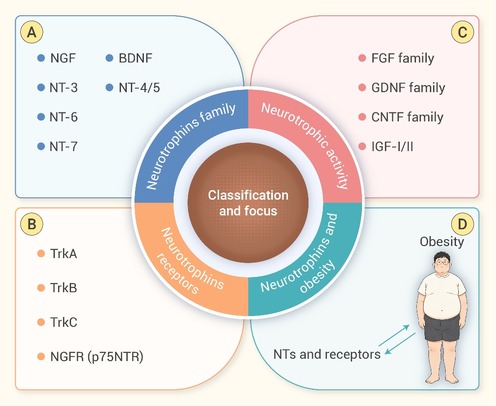
Figure 1.
The neurotrophins family and their receptors
-
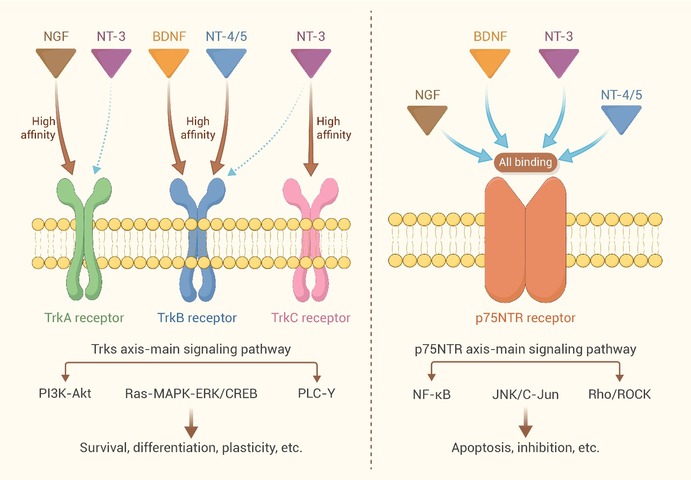
Figure 2.
Types of interactions between neurotrophins and their receptors
-
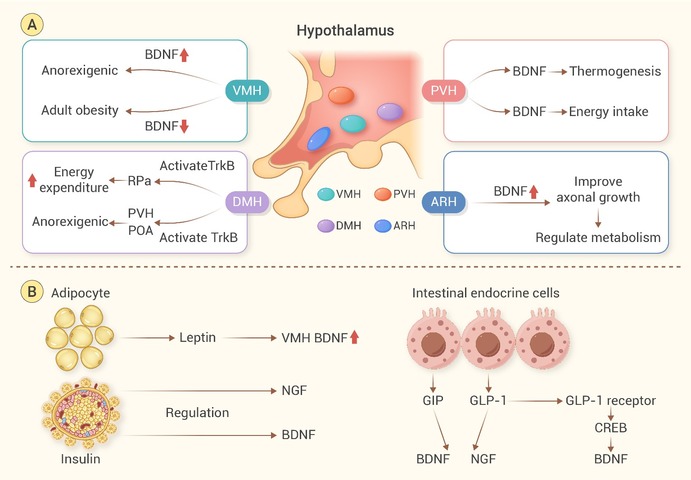
Figure 3.
Neurotrophins in the hypothalamus sense nutritional status and interact with metabolic hormones.
-
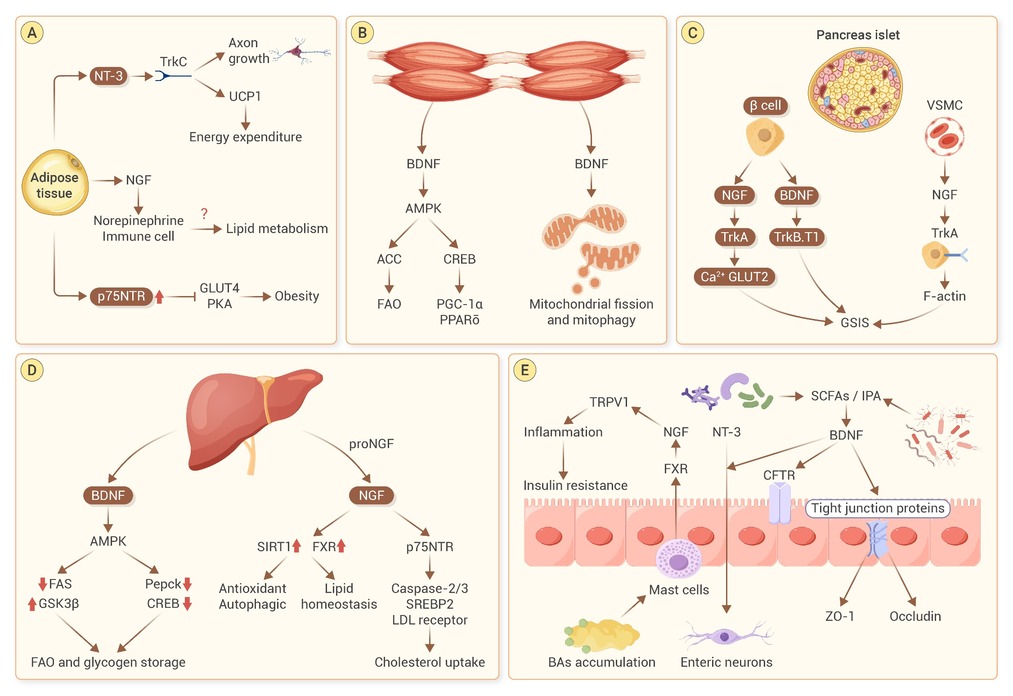
Figure 4.
Neurotrophins sense nutritional cues in peripheral tissues and regulate host lipid homeostasis.
-
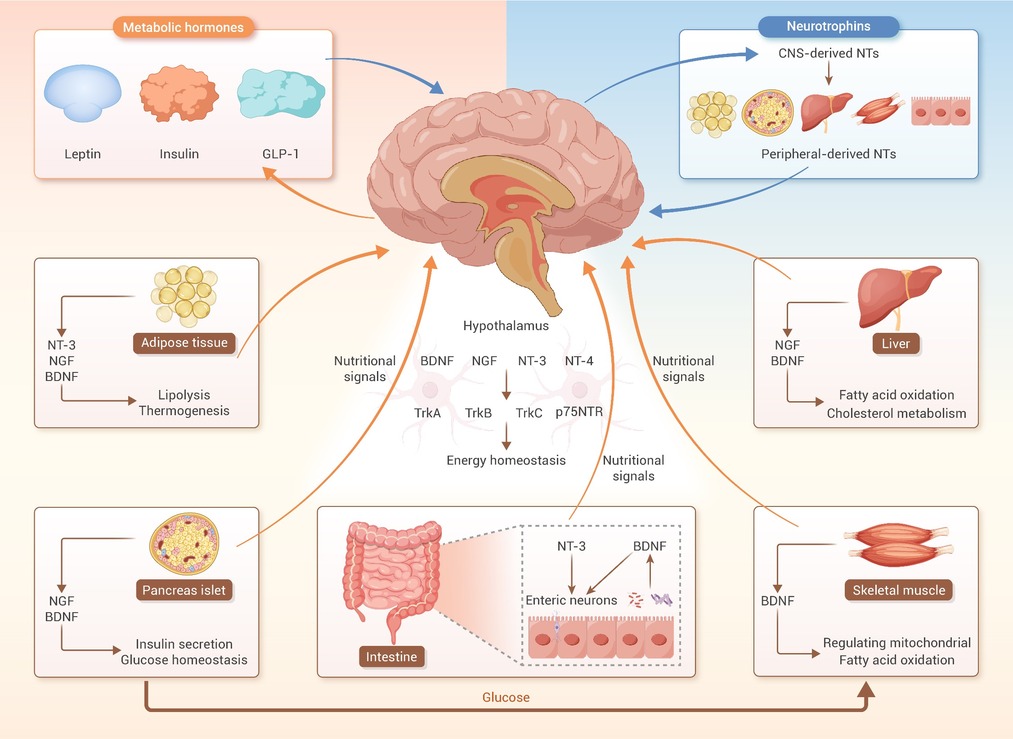
Figure 5.
Neurotrophins mediate nutritional signaling between the central nervous system and peripheral tissues
-
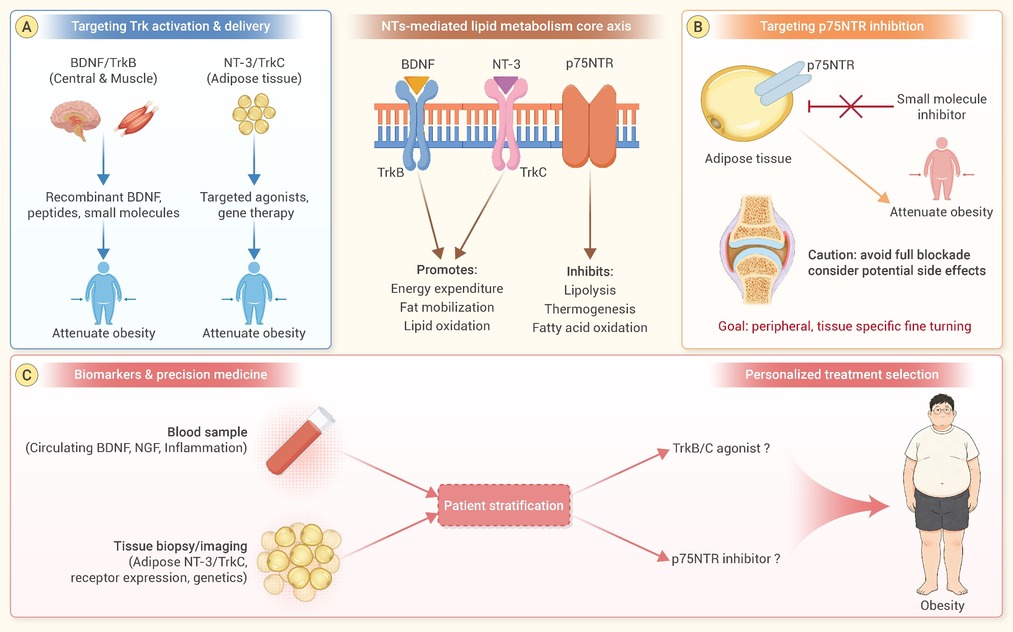
Figure 6.
Clinical application strategies targeting neurotrophins and their receptors for the treatment of obesity.
