
Development and application of AI enabled automated drug delivery system for TACE guided by DSA
-
GRAPHICAL ABSTRACT
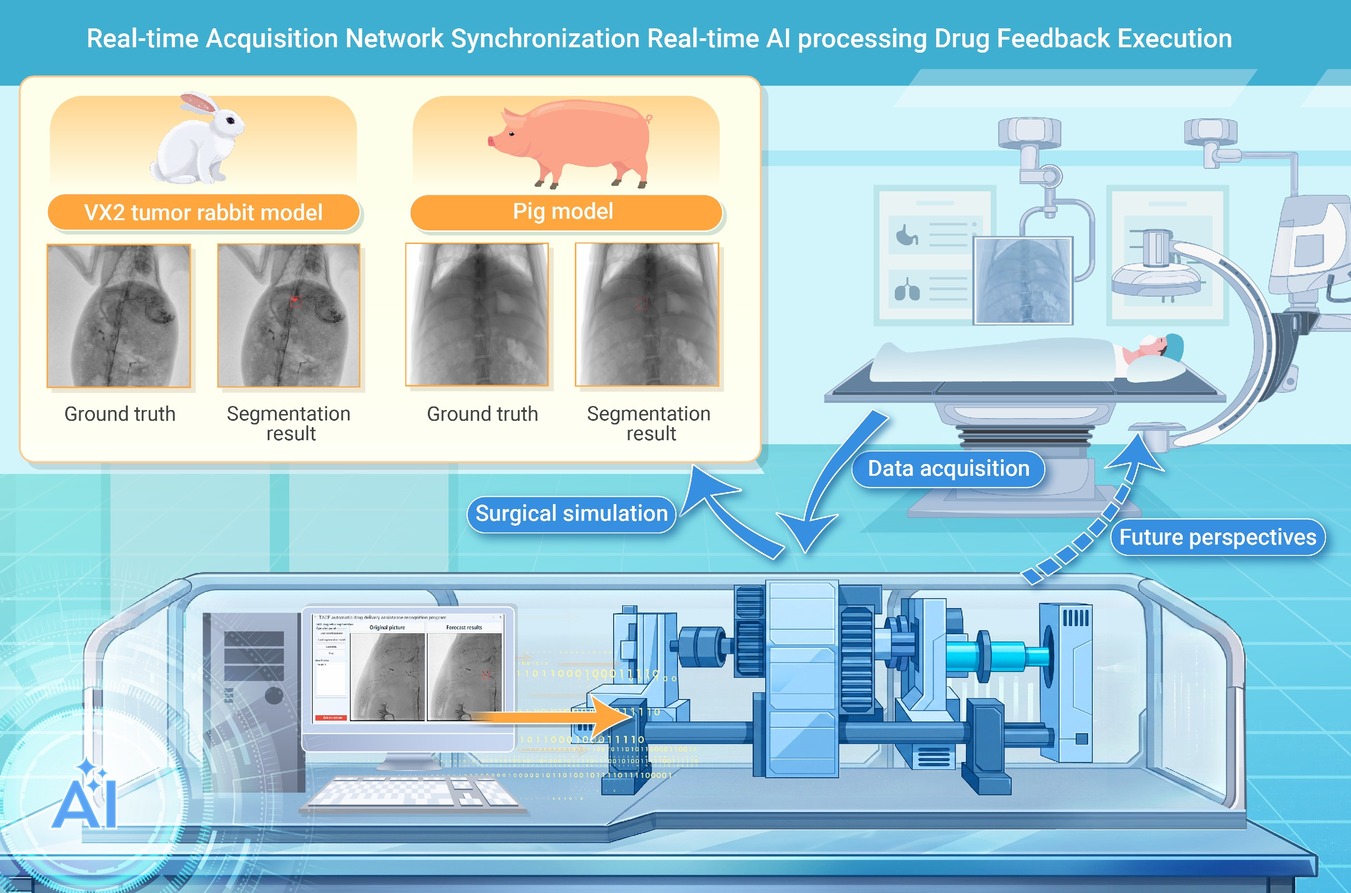
 DownLoad:
Full size image
DownLoad:
Full size image
-
PUBLIC SUMMARY
-
We developed an intelligent drug delivery system to enhance safety and precision in liver cancer therapy.
It enables automated drug delivery control through real-time imaging monitoring.
The system detects blood flow changes and adjusts dosing to reduce drug reflux.
Results show more stable injection, faster response, and strong adaptability.
It may reduce radiation exposure and improve clinical treatment outcomes.
-
-
ABSTRACT
Transarterial chemoembolization (TACE) is an important treatment modality for unresectable hepatocellular carcinoma. Real-time monitoring of drug injection and reflux during the procedure is a critical factor influencing both therapeutic efficacy and radiation dose exposure for interventional radiologists. However, existing automatic injection devices lack high-dimensional, real-time closed-loop feedback. To overcome these limitations, we developed AI-FlowTACE, an intelligent drug delivery system that integrates real-time monitoring, adaptive dynamic flow regulation, and precision braking control. AI-FlowTACE can be seamlessly incorporated into clinical workflows to acquire intraoperative DSA images in real time. By analyzing imaging feedback through an embedded Artificial Intelligence (AI) module, the system autonomously guides the injector to achieve adaptive drug delivery. The model architecture achieved segmentation AUCs of 98.15% and 97.23% in two external validation cohorts. In an in vitro simulated vascular model, AI-FlowTACE demonstrated markedly more stable injection performance than manual administration, with the cumulative error consistently maintained within 0.02 mL. In three highly sensitive rabbit blood-flow models, the system achieved drug-adjustment response times of 0.83 s, 0.70 s, and 0.82 s, respectively. In in vivo experiments using a porcine model with human-like vascular anatomy, the response time was 0.8 s, indicating excellent adaptability and feasibility. Furthermore, in real TACE procedures, simulated comparisons with manual injection further validated the system’s adaptive reflux-adjustment capability, while demonstrating a 20% reduction in additional radiation exposure.-
Keywords:
- DSA /
- TACE /
- automated drug delivery /
- Intelligent infusion pump
-

-
REFERENCES
[1] Heimbach J.K., Kulik L.M., Finn R.S., et al. (2018). AASLD guidelines for the treatment of hepatocellular carcinoma. Hepatology 67:358−380. DOI:10.1002/hep.29086 [2] Bruix J., Reig M. and Sherman M. (2016). Evidence-based diagnosis, staging, and treatment of patients with hepatocellular carcinoma. Gastroenterol 150:835−853. DOI:10.1053/j.gastro.2015.12.041 [3] Benson A.B., D’Angelica M.I., Abbott D.E., et al. (2021). Hepatobiliary cancers, version 2.2021, NCCN clinical practice guidelines in oncology. J. Natl. Compr. Canc. Netw. 19:541–565. DOI:10.6004/jnccn.2021.0022 [4] Zhang Y.J., Chen J., Zhou Z., et al. (2025). Transarterial chemoembolization with radiofrequency ablation versus surgical resection for small late-recurrence hepatocellular carcinoma. Radiology 314:e241096. DOI:10.1148/radiol.241096 [5] Lu J., Zhao M., Arai Y., et al. (2021). Clinical practice of transarterial chemoembolization for hepatocellular carcinoma: Consensus statement from an international expert panel of International Society of Multidisciplinary Interventional Oncology (ISMIO). Hepatobiliary Surg. Nutr. 10:661−671. DOI:10.21037/hbsn-21-260 [6] Li H.B., Huang L., Ni J.Y., et al. (2024). Traditional Chinese medicine in the treatment of adverse reactions after TACE for primary hepatic carcinoma: Effect, mechanism, and potential advantages. Phytomed. 135:156244. DOI:10.1016/j.phymed.2024.156244 [7] Duan X., Li H., Chen P., et al. (2024). Transcatheter arterial chemoembolization using CalliSpheres beads loaded with arsenic trioxide for unresectable large or huge hepatocellular carcinoma: A prospective study. Eur. Radiol. 34:1258−1267. DOI:10.1007/s00330-023-10097-1 [8] Raoul J.L., Forner A., Bolondi L., et al. (2019). Updated use of TACE for hepatocellular carcinoma treatment: How and when to use it based on clinical evidence. Cancer Treat. Rev. 72:28−36. DOI:10.1016/j.ctrv.2018.11.002 [9] Wang C., Zhang L., Yang Z., et al. (2024). Self-fueling ferroptosis-inducing microreactors based on pH-responsive Lipiodol pickering emulsions enable transarterial ferro-embolization therapy. Natl. Sci. Rev. 11:nwad257. DOI:10.1093/nsr/nwad257 [10] Llovet J.M., De Baere T., Kulik L., et al. (2021). Locoregional therapies in the era of molecular and immune treatments for hepatocellular carcinoma. Nat. Rev. Gastroenterol. Hepatol. 18:293−313. DOI:10.1038/s41575-020-00395-0 [11] Lencioni R., de Baere T., Soulen M.C., et al. (2016). Lipiodol transarterial chemoembolization for hepatocellular carcinoma: A systematic review of efficacy and safety data. Hepatol. 64:106−16. DOI:10.1002/hep.28453 [12] Lee E.W. and Khan S. (2017). Recent advances in transarterial embolotherapies in the treatment of hepatocellular carcinoma. Clin. Mol. Hepatol. 23:265−72. DOI:10.3350/cmh.2017.0111 [13] Angileri S.A., Lanza C., Carriero S., et al. (2023). Performance and safety of a reflux-control microcatheter used to perform DEB-TACE with LUMITM beads in HCC patients: Preliminary experience. J. Clin. Med. 12:6630. DOI:10.3390/jcm12206630 [14] Stampfl U., Bermejo J.L., Sommer C.M., et al. (2014). Efficacy and nontarget effects of transarterial chemoembolization in bridging of hepatocellular carcinoma patients to liver transplantation: A histopathologic study. J. Vasc. Interv. Radiol. 25:1018−1026.e4. DOI:10.1016/j.jvir.2014.03.007 [15] Salem R., Johnson G.E., Kim E., et al. (2021). Yttrium-90 radioembolization for the treatment of solitary, unresectable HCC: The LEGACY study. Hepatol. 74:2342−52. DOI:10.1002/hep.31819 [16] Salem R., Gordon A.C., Mouli S., et al. (2016). Y90 radioembolization significantly prolongs time to progression compared with chemoembolization in patients with hepatocellular carcinoma. Gastroenterol. 151:1155−1163.e2. DOI:10.1053/j.gastro.2016.08.029 [17] Salem R., Padia S.A., Lam M., et al. (2019). Clinical and dosimetric considerations for Y90: Recommendations from an international multidisciplinary working group. Eur. J. Nucl. Med. Mol. Imaging. 46:1695−704. DOI:10.1007/s00259-019-04340-5 [18] Gabr A., Riaz A., Johnson G.E., et al. (2021). Correlation of Y90-absorbed radiation dose to pathological necrosis in hepatocellular carcinoma: Confirmatory multicenter analysis in 45 explants. Eur. J. Nucl. Med. Mol. Imaging. 48:580−3. DOI:10.1007/s00259-020-04976-8 [19] Iacovacci V., Tamadon I., Kauffmann E.F., et al. (2021). A fully implantable device for intraperitoneal drug delivery refilled by ingestible capsules. Sci. Robot. 6:eabh3328. DOI:10.1126/scirobotics.abh3328 [20] Ahmad S., Beneyto A., Zhu T., et al. (2024). An automatic deep reinforcement learning bolus calculator for automated insulin delivery systems. Sci. Rep. 14:15245. DOI:10.1038/s41598-024-62912-4 [21] Gholap A.D., Uddin M.J., Faiyazuddin M., et al. (2024). Advances in artificial intelligence for drug delivery and development: A comprehensive review. Comput. Biol. Med. 178:108702. DOI:10.1016/j.compbiomed.2024.108702 [22] Schneider P.J., Pedersen C.A. and Scheckelhoff D.J. (2018). ASHP national survey of pharmacy practice in hospital settings: Dispensing and administration-2017. Am. J. Health Syst. Pharm. 75:1203−26. DOI:10.2146/ajhp180151 [23] Patra D., Sengupta S., Duan W., et al. (2013). Intelligent, self-powered, drug delivery systems. Nanoscale 5(4):1273−83. DOI:10.1039/c2nr32600k [24] Bi D., Qu F., Xiao W., et al. (2023). Reactive oxygen species-responsive gel-based microneedle patches for prolonged and intelligent psoriasis management. ACS Nano 17:4346−4357. DOI:10.1021/acsnano.2c08979 [25] Litman R.S., O’Neill S. and Beard J.W. (2020). What can we learn from smart-pump infusion data analysis. Br. J. Anaesth. 125:430−432. DOI:10.1016/j.bja.2020.07.002 [26] Cao J., Yip H.C., Chen Y., et al. (2023). Intelligent surgical workflow recognition for endoscopic submucosal dissection with real-time animal study. Nat. Commun. 14:6676. DOI:10.1038/s41467-023-42451-8 [27] Garrow C.R., Kowalewski K.F., Li L., et al. (2021). Machine learning for surgical phase recognition: A systematic review. Ann. Surg. 273:684−693. DOI:10.1097/SLA.0000000000004425 [28] Liu C., Liu Y., Xie R., et al. (2024). The evolution of robotics: Research and application progress of dental implant robotic systems. Int. J. Oral Sci. 16:28. DOI:10.1038/s41368-024-00296-x [29] Enayati N., De Momi E. and Ferrigno G. (2016). Haptics in robot-assisted surgery: Challenges and benefits. IEEE Rev. Biomed. Eng. 9:49−65. DOI:10.1109/RBME.2016.2538080 [30] Zuo S. and Yang G.Z. (2017). Endomicroscopy for computer and robot assisted intervention. IEEE Rev. Biomed. Eng. 10:12−25. DOI:10.1109/RBME.2017.2686483 [31] Mahapatra S., Kumari R. and Chandra P. (2024). Printed circuit boards: System automation and alternative matrix for biosensing. Trends Biotechnol. 42:591−611. DOI:10.1016/j.tibtech.2023.11.002 [32] Ahn C.H., Kim T., Jo K., et al. (2025). Two-stage deep learning model for adrenal nodule detection on CT images: A retrospective study. Radiology 314:e231650. DOI:10.1148/radiol.231650 [33] Vaswani A., Ramachandran P., Srinivas A., et al. (2021). Scaling local self-attention for parameter efficient visual backbones. 2021 IEEE/CVF conference on computer vision and pattern recognition (CVPR). 12889–12899. DOI:10.1109/CVPR46437.2021.01270. [34] Zhang C., Lei S., Ma A., et al. (2024). Evaluation of tumor microvasculature with 3D ultrasound localization microscopy based on 2D matrix array. Eur. Radiol. 34:5250−5259. DOI:10.1007/s00330-023-10039-x [35] Sorop O., van de Wouw J., Chandler S., et al. (2020). Experimental animal models of coronary microvascular dysfunction. Cardiovasc. Res. 116:756−770. DOI:10.1093/cvr/cvaa002 [36] Rizk A.A., Dybala M.P., Rodriguez K.C., et al. (2023). Pancreatic regional blood flow links the endocrine and exocrine diseases. J. Clin. Invest. 133:e166185. DOI:10.1172/JCI166185 [37] Yarmohammadi H., Gonzalez-Aguirre A.J., Maybody M., Ziv E., et al. (2018). Evaluation of the effect of operator experience on outcome of hepatic artery embolization of hepatocellular carcinoma in a tertiary cancer center. Acad. Radiol. 25:856−860. DOI:10.1016/j.acra.2017.12.011 [38] Cho Y., Choi J.W., Kwon H., et al. (2023). Transarterial chemoembolization for hepatocellular carcinoma: 2023 expert consensus-based practical recommendations of the Korean liver cancer association. Korean J. Radiol. 24:606−625. DOI:10.3348/kjr.2023.0385 [39] van den Hoven A.F., Lam M.G.E.H., Jernigan S., et al. (2015). Innovation in catheter design for intra-arterial liver cancer treatments results in favorable particle-fluid dynamics. J. Exp. Clin. Cancer Res. 34:74. DOI:10.1186/s13046-015-0188-8 [40] Basile A., Carrafiello G., Ierardi A.M., et al. (2012). Quality-improvement guidelines for hepatic transarterial chemoembolization. Cardiovasc. Intervent. Radiol. 35:765−774. DOI:10.1007/s00270-012-0423-z [41] Bargellini I., Lorenzoni V., Lorenzoni G., et al. (2021). Duration of response after DEB-TACE compared to lipiodol-TACE in HCC-naïve patients: A propensity score matching analysis. Eur. Radiol. 31:7512−7522. DOI:10.1007/s00330-021-07905-x [42] Shi Q., Zhang X., Wu M., et al. (2023). Emulsifying Lipiodol with pH-sensitive DOX@HmA nanoparticles for hepatocellular carcinoma TACE treatment eliminate metastasis. Mater. Today Bio. 23:100873. DOI:10.1016/j.mtbio.2023.100873 [43] Scartozzi M., Baroni G.S., Faloppi L., et al. (2010). Trans-arterial chemo-embolization (TACE), with either lipiodol (traditional TACE) or drug-eluting microspheres (precision TACE, pTACE) in the treatment of hepatocellular carcinoma: Efficacy and safety results from a large mono-institutional analysis. J. Exp. Clin. Cancer Res. 29:164. DOI:10.1186/1756-9966-29-164 [44] Tsurusaki M. and Murakami T. (2015). Surgical and locoregional therapy of HCC: TACE. Liver Cancer 4:165−175. DOI:10.1159/000367739 [45] Chaikof E.L., Dalman R.L., Eskandari M.K., et al. (2018). The society for vascular surgery practice guidelines on the care of patients with an abdominal aortic aneurysm. J. Vasc. Surg. 67:2−77.e2. DOI:10.1016/j.jvs.2017.10.044 [46] Mondal S.B., Gao S., Zhu N., et al. (2014). Real-time fluorescence image-guided oncologic surgery. Adv. Cancer Res. 124:171−211. DOI:10.1016/B978-0-12-411638-2.00005-7 [47] Liu Y.Z., Shah S.K., Sanders C.M., et al. (2023). Utility and usability of laser speckle contrast imaging (LSCI) for displaying real-time tissue perfusion/blood flow in robot-assisted surgery (RAS): Comparison to indocyanine green (ICG) and use in laparoscopic surgery. Surg. Endosc. 37:4803−4811. DOI:10.1007/s00464-022-09590-3 [48] Ni Z.L., Bian G.B., Li Z., et al. (2022). Space squeeze reasoning and low-rank bilinear feature fusion for surgical image segmentation. IEEE J. Biomed. Health Inform. 26:3209−3217. DOI:10.1109/JBHI.2022.3154925 [49] Jeon S.I., Park H.J., Cho H., et al. (2024). Iodinated cyanoacrylate-based novel liquid embolic compositions with inherent radiopacity for endovascular embolization. Adv. Healthc. Mater. 13:e2401099. DOI:10.1002/adhm.202401099 [50] Peart J.M., Sim R.G. and Hofman P.L. (2021). Therapeutic effects of hysterosalpingography contrast media in infertile women: What do we know about the H2O in the H2Oil trial and why does it matter. Hum. Reprod. 36:529−535. DOI:10.1093/humrep/deaa325 [51] Vollherbst D.F., Chapot R., Bendszus M., et al. (2022). Glue, onyx, squid or PHIL? Liquid embolic agents for the embolization of cerebral arteriovenous malformations and dural arteriovenous fistulas. Clin. Neuroradiol. 32:25−38. DOI:10.1007/s00062-021-01066-6 [52] Tehrani B.N., Truesdell A.G., Psotka M.A., et al. (2020). A standardized and comprehensive approach to the management of cardiogenic shock. JACC Heart Fail. 8:879−891. DOI:10.1016/j.jchf.2020.09.005 [53] Georgopoulos D., Taran S., Bolaki M.,et al. (2025). Mechanical ventilation in patients with acute brain injuries: A pathophysiology-based approach. Am. J. Respir. Crit. Care Med. 211:932−945. DOI:10.1164/rccm.202409-1813SO [54] Baker J.R., Beach P.A., Ranada S.I., et al. (2025). Cerebral blood flow dynamics in neurogenic orthostatic hypotension: A systematic review and meta-analysis. Hypertension. 82:106−117. DOI:10.1161/HYPERTENSIONAHA.124.23188 [55] Bidani A.K., Polichnowski A.J., Licea-Vargas H., et al. (2020). BP fluctuations and the real-time dynamics of renal blood flow responses in conscious rats. J. Am. Soc. Nephrol. 31:324−336. DOI:10.1681/ASN.2019070718 [56] Minsinger K.D., Kassis H.M., Block C.A., et al. (2014). Meta-analysis of the effect of automated contrast injection devices versus manual injection and contrast volume on risk of contrast-induced nephropathy. Am. J. Cardiol. 113:49−53. DOI:10.1016/j.amjcard.2013.08.040 [57] Shakir M.A., Garratt K.N. and Wimmer N.J. (2024). Impact of ACIST CVi contrast delivery system on iodinated contrast media administration and waste. J. Invasive Cardiol. 36. DOI:10.25270/jic/24.00150. [58] Pfister M., Lue J.C.L., Stefanini F.R., et al. (2014). Comparison of reaction response time between hand and foot controlled devices in simulated microsurgical testing. Biomed. Res. Int. 2014:769296. DOI:10.1155/2014/769296 [59] Endrikat J., Barbati R., Scarpa M., et al. (2018). Accuracy and repeatability of automated injector versus manual administration of an MRI contrast agent-results of a laboratory study. Invest. Radiol. 53:1−5. DOI:10.1097/RLI.0000000000000403 [60] Pan H., Pan X., Cao Z., et al. (2026). Self-expanding sodium alginate sulfate drug-loaded microspheres for stabilized arterial embolization. Carbohydr. Polym. 380:125119. DOI:10.1016/j.carbpol.2026.125119 [61] Lok C.E., Huber T.S., Orchanian-Cheff A., et al. (2024). Arteriovenous access for hemodialysis: A review. JAMA 331:1307−1317. DOI:10.1001/jama.2024.0535 [62] Xu B., Tu S., Song L., et al. (2021). Angiographic quantitative flow ratio-guided coronary intervention (FAVOR III China): A multicentre, randomised, sham-controlled trial. Lancet 398:2149−2159. DOI:10.1016/S0140-6736(21)02248-0 [63] Boraschi P., Della Pina M.C. and Donati F. (2016). Graft complications following orthotopic liver transplantation: Role of non-invasive cross-sectional imaging techniques. Eur. J. Radiol. 85:1271−1283. DOI:10.1016/j.ejrad.2016.04.008 [64] Chapman C.L., Benati J.M., Johnson B.D., et al. (2019). Renal and segmental artery hemodynamics during whole body passive heating and cooling recovery. J. Appl. Physiol. 127:974−983. DOI:10.1152/japplphysiol.00403.2019 [65] Waki Y., Kamiya S., Li Y., et al. (2021). Preserving a replaced left hepatic artery arising from the left gastric artery during laparoscopic distal gastrectomy for gastric cancer. World J. Surg. 45:543−553. DOI:10.1007/s00268-020-05832-4 [66] Lee J., Boas F.E., Duran-Struuck R., et al. (2024). Pigs as clinically relevant models for synergizing interventional oncology and immunotherapy. J. Vasc. Interv. Radiol. 35:809−817.e1. DOI:10.1016/j.jvir.2024.01.005 [67] Nykonenko A., Vávra P., Zonča P. (2017). Anatomic peculiarities of pig and human liver. Exp. Clin. Transplant. 15:21−26. DOI:10.6002/ect.2016.0067 [68] O’Brien C.C., Kolachalama V.B., Barber T.J., et al. (2013). Impact of flow pulsatility on arterial drug distribution in stent-based therapy. J. Control. Release. 168:115−124. DOI:10.1016/j.jconrel.2013.03.014 [69] Xu D., Varshney A., Ma X., et al. (2020). Nonlinear hydrodynamic instability and turbulence in pulsatile flow. Proc. Natl. Acad. Sci. U.S.A. 117:11233−11249. DOI:10.1073/pnas.1913716117 [70] Schmitt N., Floca R.O., Paech D., et al. (2021). Imaging artifacts of nonadhesive liquid embolic agents in conventional and cone-beam CT in a novel in vitro AVM model. Clin. Neuroradiol. 31:1141−1148. DOI:10.1007/s00062-021-01013-5 [71] Schmitt N., Wucherpfennig L., Hohenstatt S., et al. (2023). Visibility of liquid embolic agents in fluoroscopy: A systematic in vitro study. J. Neurointerv. Surg. 15:594−599. DOI:10.1136/neurintsurg-2022-018958 [72] Tao S., Han X., Shi D., et al. (2024). Portable device with nicking enzyme enhanced special RCA on μPADs toward sensitive detection of high-risk HPV infection. Anal. Chem. 96:12463−12472. DOI:10.1021/acs.analchem.4c02070 [73] Kim K. and Lee W.G. (2023). Portable, automated and deep-learning-enabled microscopy for smartphone-tethered optical platform towards remote homecare diagnostics: A review. Small Methods. 7:e2200979. DOI:10.1002/smtd.202200979 [74] Tong B., Xu J., Du J., et al. (2025). 2D (NH4)BiI3 enables non-volatile optoelectronic memories for machine learning. Nat. Commun. 16:1609. DOI:10.1038/s41467-025-56819-5 -
ABOUT THIS ARTICLE
Cite this article:
Du T., Xiong Y., Yu Y., et al. (2026). Development and application of AI enabled automated drug delivery system for TACE guided by DSA. The Innovation Oncology 1:100009. https://doi.org/10.59717/j.xinn-oncol.2026.100009
Welcome!
To request copyright permission to republish or share portions of our works, please visit Copyright Clearance Center's (CCC) Marketplace website at marketplace.copyright.com.
Export File
Citation
Du T., Xiong Y., Yu Y., et al. (2026). Development and application of AI enabled automated drug delivery system for TACE guided by DSA. The Innovation Oncology 1:100009. https://doi.org/10.59717/j.xinn-oncol.2026.100009

Format
Content
-
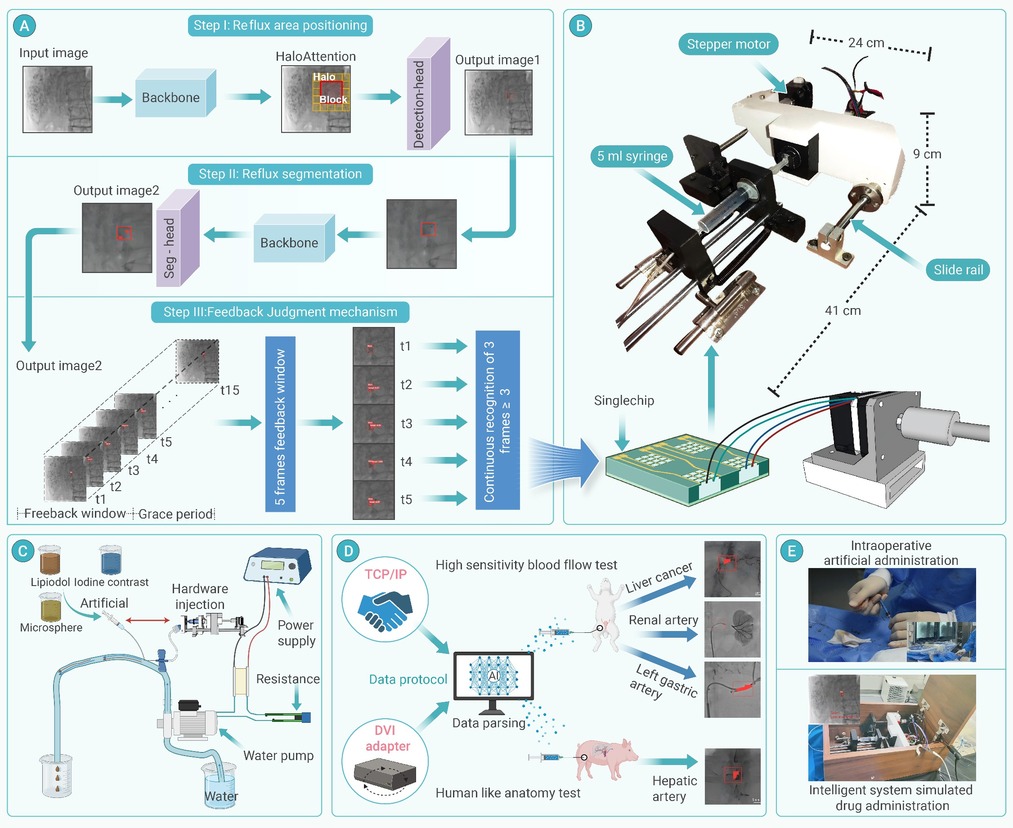
Figure 1.
Process of AI-FlowTACE
-
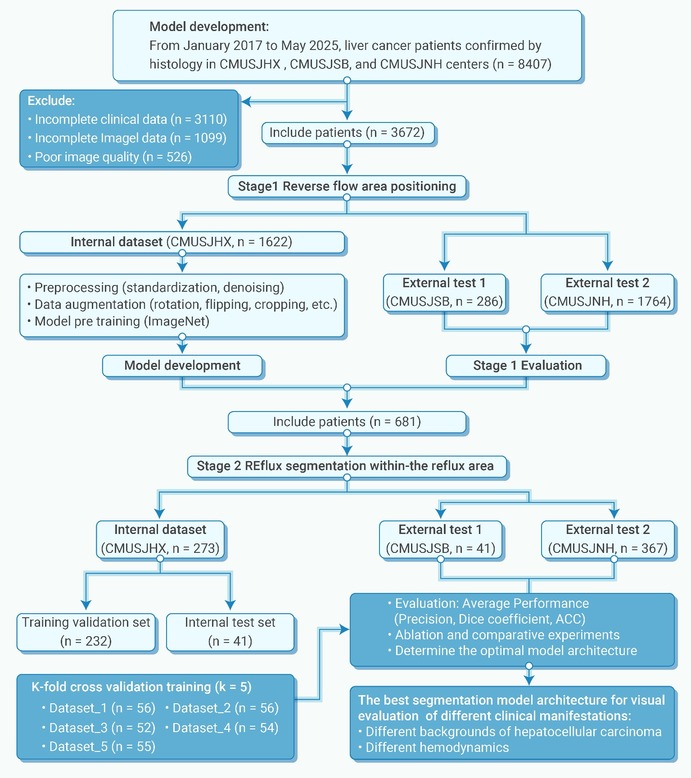
Figure 2.
The inclusion and exclusion criteria for this study
-
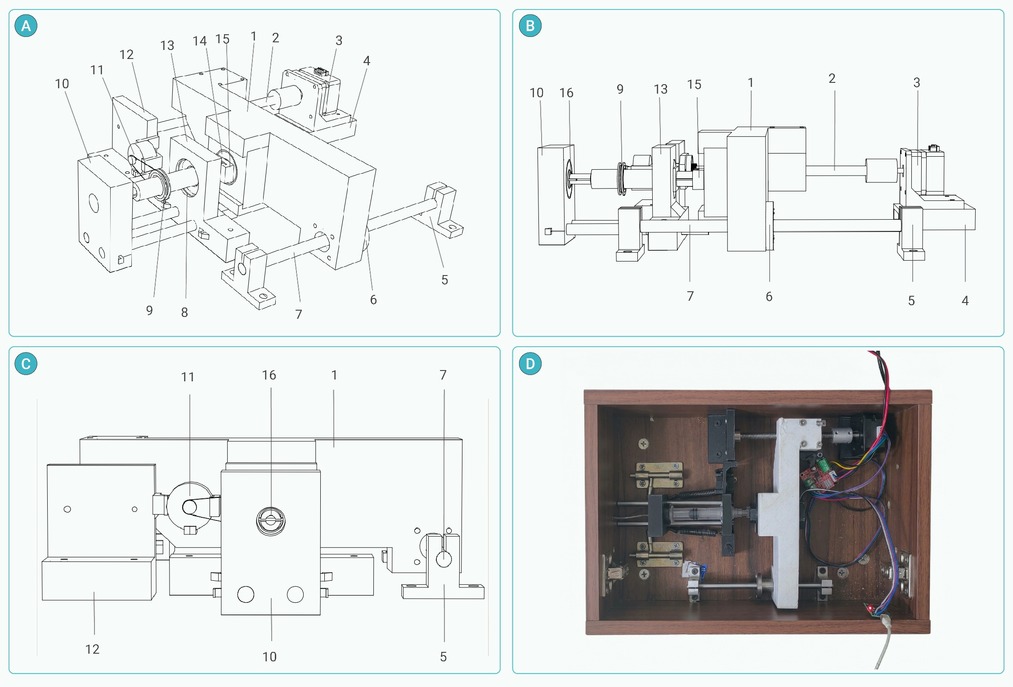
Figure 3.
Intelligent injection hardware device CAD three view and physical drawing
-
Figure 4.
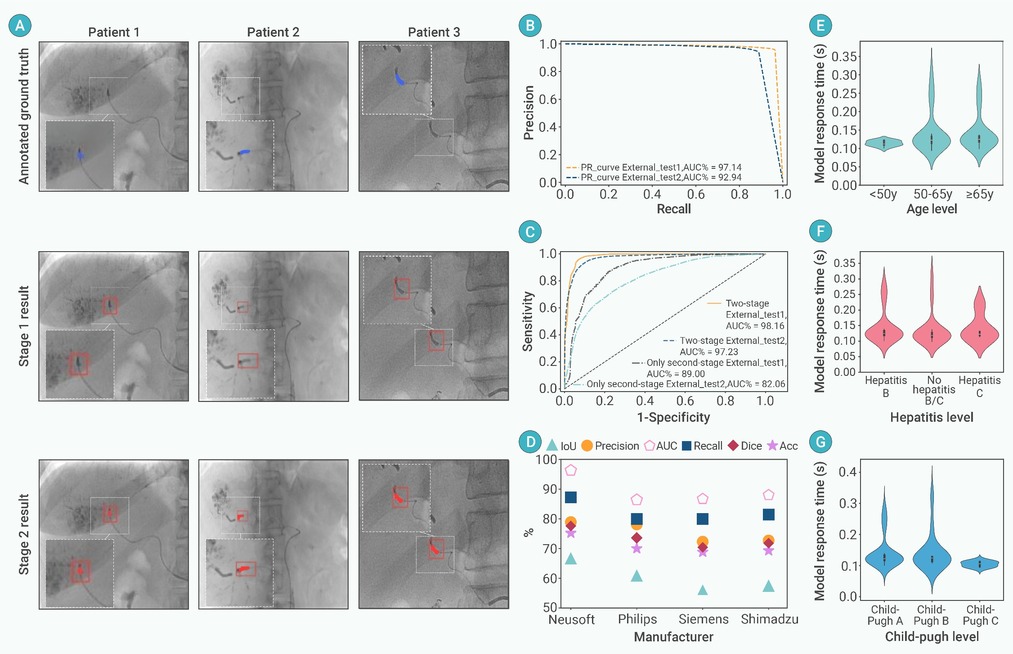
Multi level evaluation system for segmentation performance of two-stage model architecture
-
Figure 5.
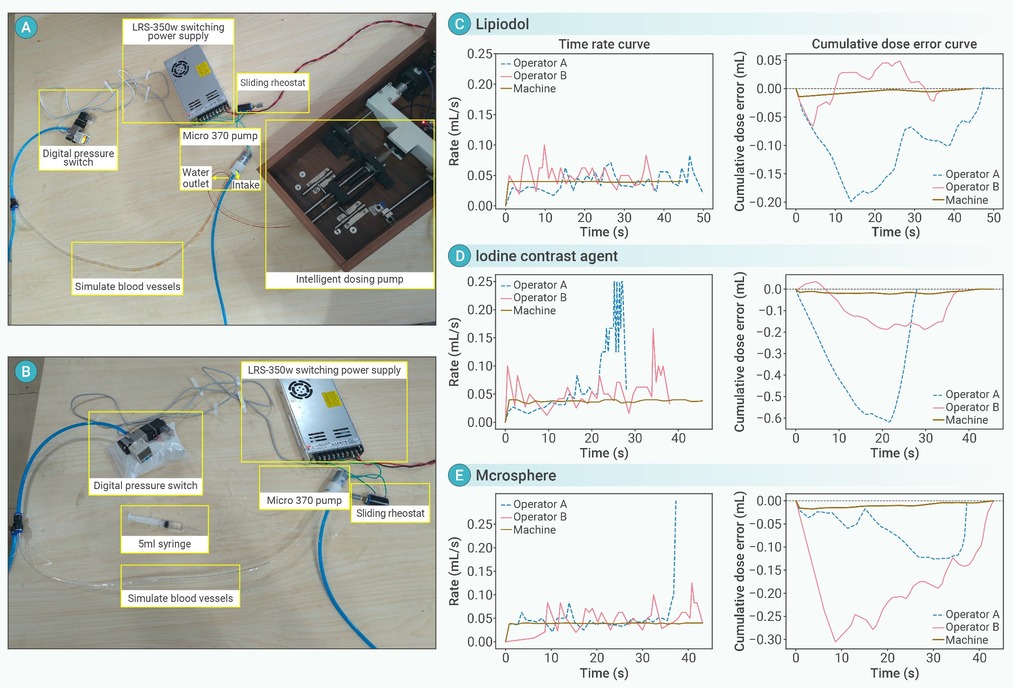
Human machine injection performance in in vitro simulated vascular simulation model
-
Figure 6.
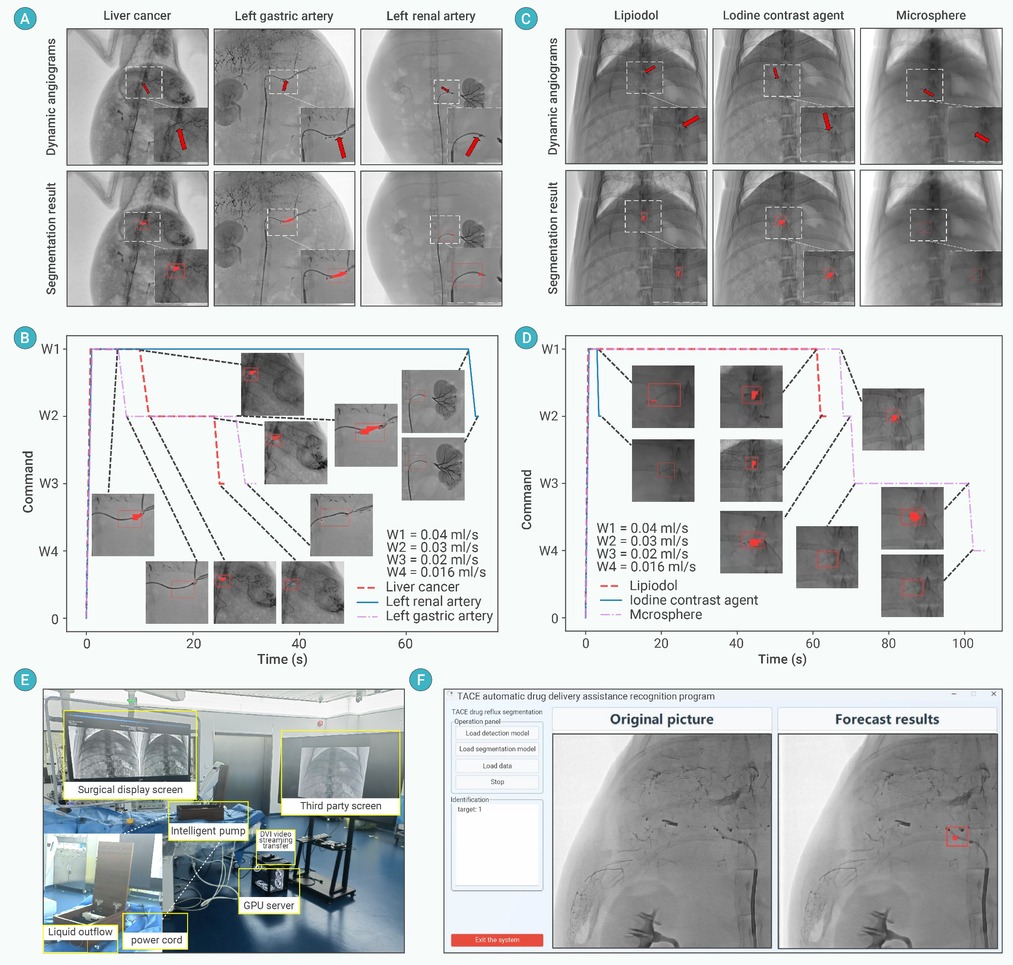
In vivo environment validation of AI FlowTACE
-
Figure 7.
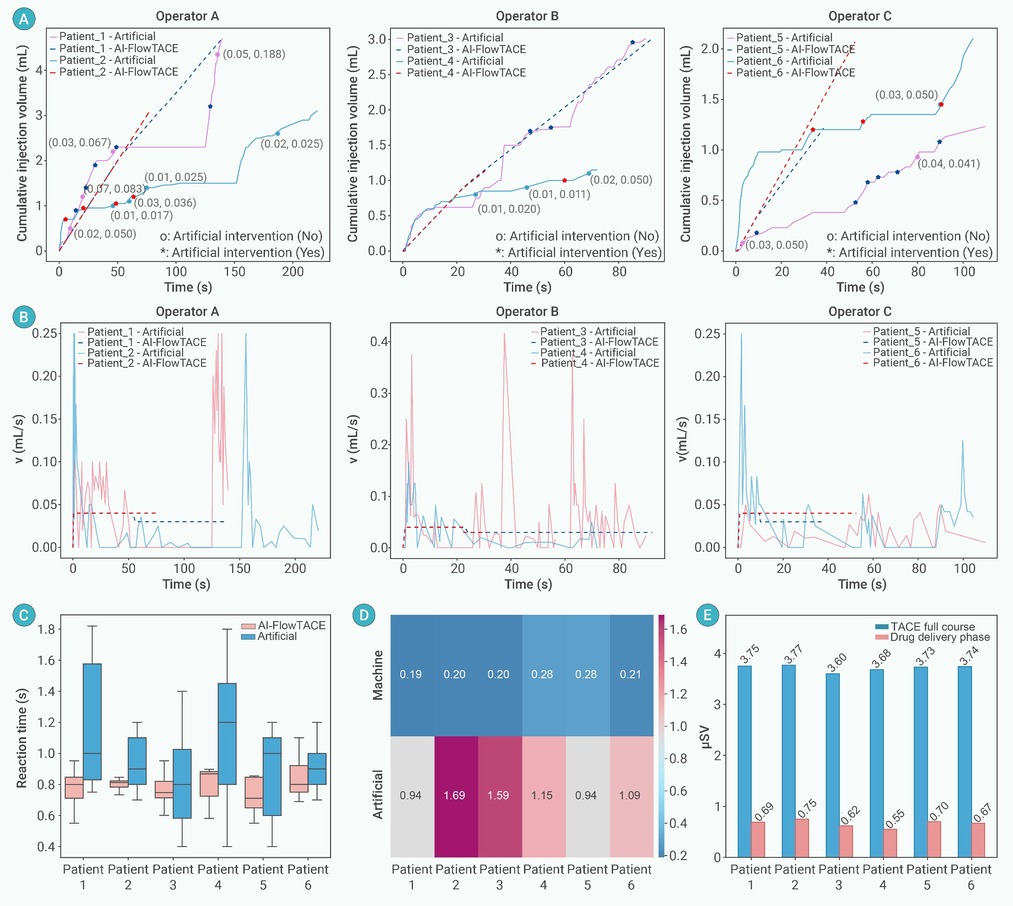
Comparative performance of human-machine drug delivery simulation in real surgery
