
A parallel-serial DNA nanodevice enables multichannel decoding of the BACE1-AS1/BACE1 axis in Alzheimer’s disease
-
GRAPHICAL ABSTRACT
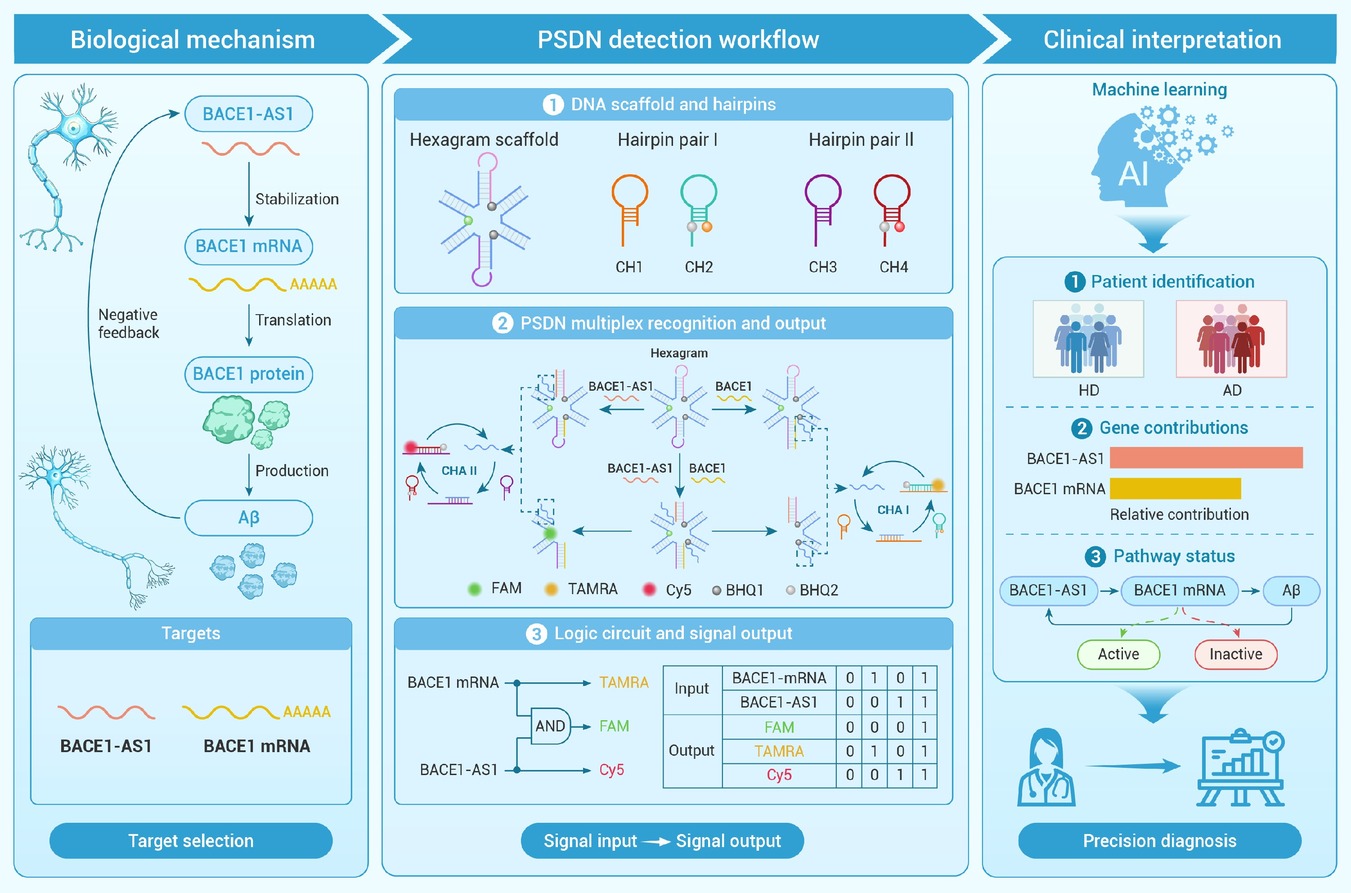
 DownLoad:
Full size image
-
PUBLIC SUMMARY
-
A parallel serial DNA nanodevice is built for multichannel decoding of the BACE1-AS1/BACE1 axis.
Relying on a hexagram DNA scaffold, the device produces coordinated fluorescence signals to show distinct molecular states.
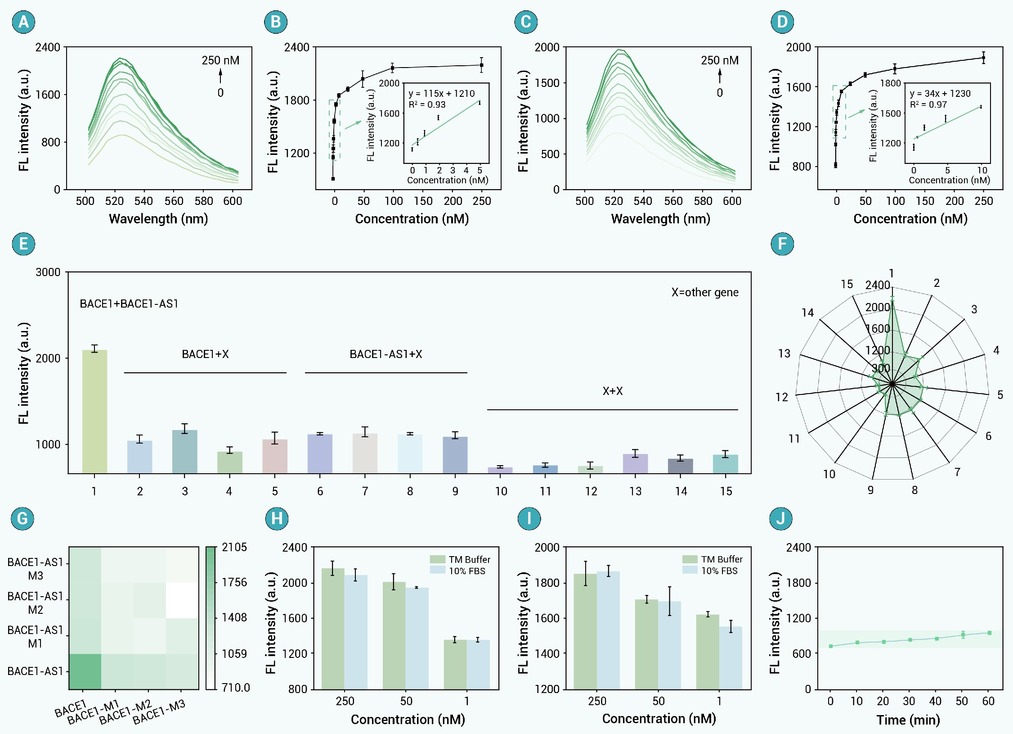
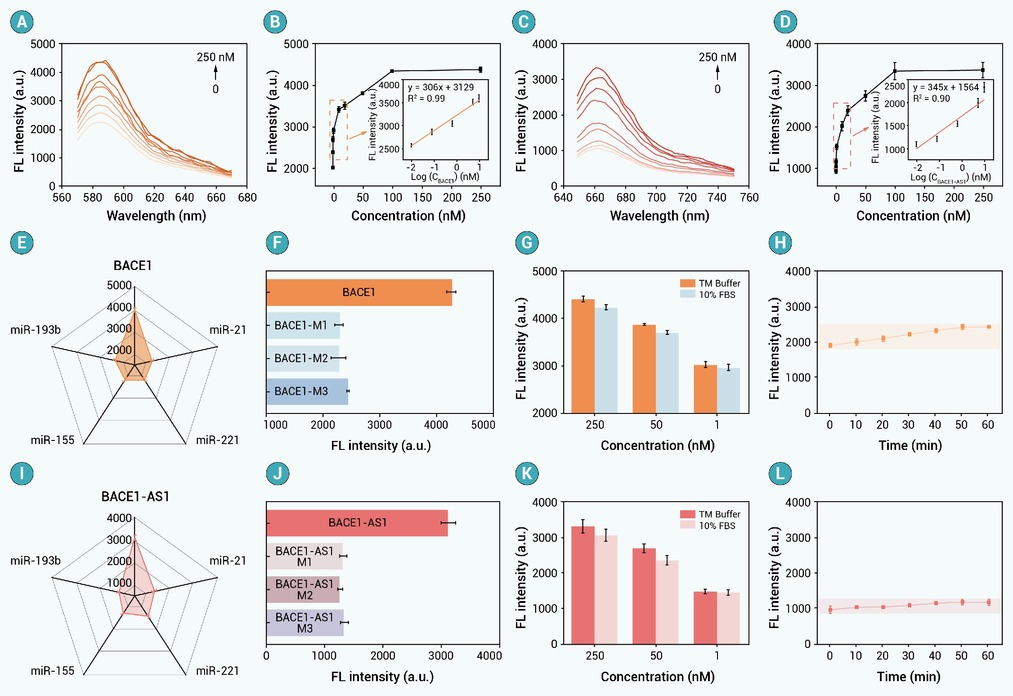
This biosensor obtains LODs of 0.16 nM for BACE1 and 0.56 nM for BACE1-AS1.
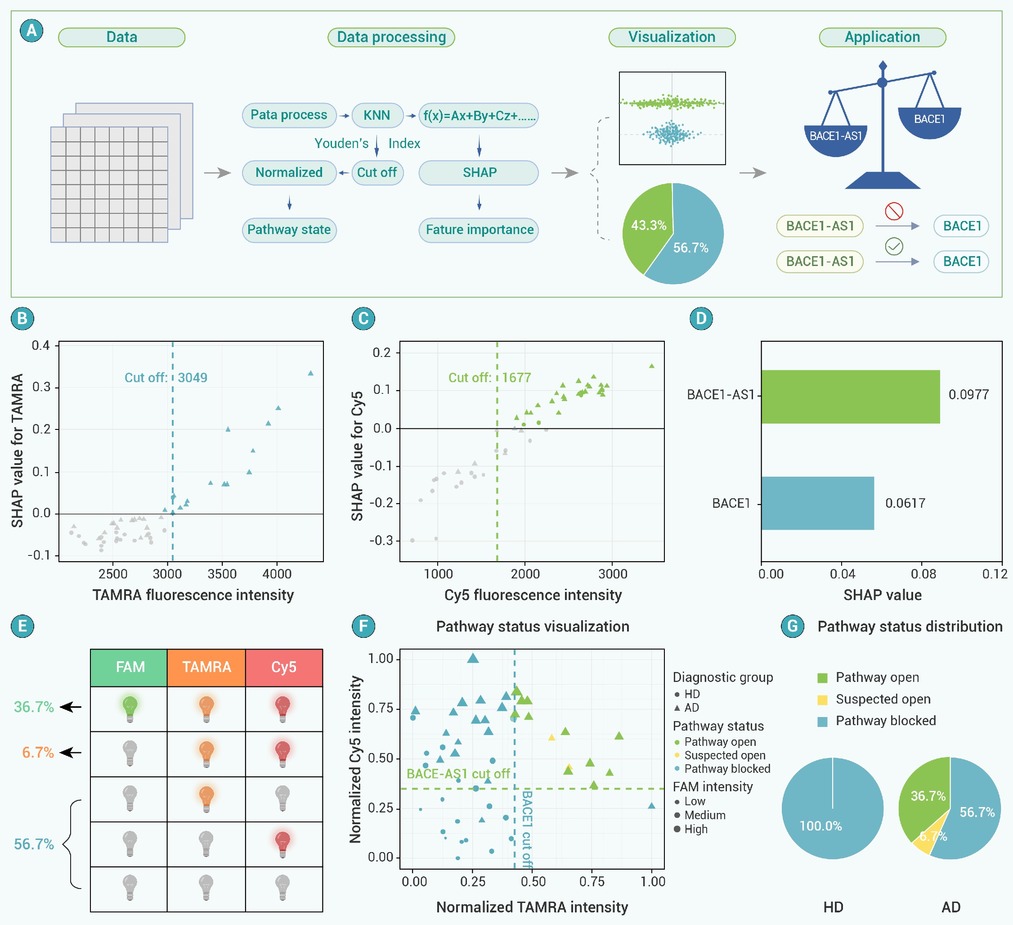
SHapley Additive exPlanations (SHAP) analysis identifies BACE1-AS1 as a more influential biomarker for AD diagnostic discrimination.
-
-
ABSTRACT
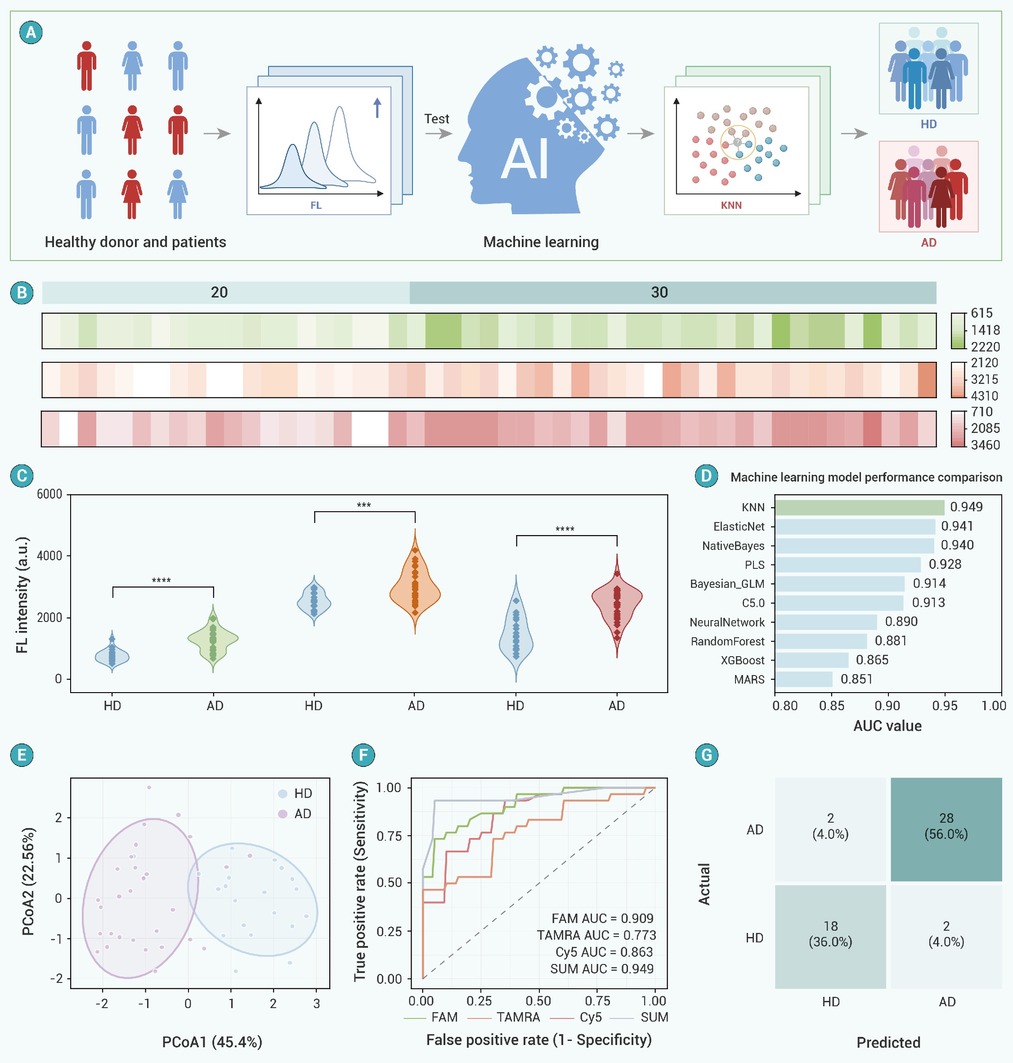
The accurate decoding of molecular interactions within disease-related signaling pathways remains a critical challenge for early and reliable diagnosis of Alzheimer’s disease (AD). While individual biomarkers such as BACE1 and its antisense transcript BACE1-AS1 have been widely studied, their coupled behavior within a functional axis proves difficult to interpret via single-output biosensing strategies. Here, we report a parallel–serial DNA nanodevice that translates the combined profile of the BACE1-AS1/BACE1 axis into multichannel fluorescence outputs. Built upon a hexagram DNA scaffold, the nanodevice generates distinct cleavage patterns in response to BACE1, BACE1-AS1, or their coexistence; these structural changes further convert into programmable downstream logic operations. Unlike conventional AND or OR logic gates that yield a single binary signal, this design combines parallel recognition with serial validation, generating three coordinated fluorescence readouts that reflect different pathway states. Results show that the device achieves limits of detection (LODs) of 0.16 nM and 0.56 nM for BACE1 and BACE1-AS1, respectively. Integration of multichannel outputs with machine learning (ML) models enables accurate discrimination of AD samples from healthy controls. Feature attribution analysis further reveals that BACE1-AS1 exerts a stronger influence on diagnostic classification than BACE1. By coupling DNA logic with multichannel signal cooperation, this work establishes a feasible strategy to convert molecular input signals into pathway-level characterizations and clinically interpretable readouts for AD detection. -

-
REFERENCES
[1] Shen, Y., Timsina, J., Heo, G., et al. (2024). CSF proteomics identifies early changes in autosomal dominant Alzheimer’s disease. Cell 18:6309−6326. DOI:10.1016/j.cell.2024.08.049 [2] Teunissen, C.E., Verberk, I.M.W., Thijssen, E.H., et al. (2022). Blood-based biomarkers for Alzheimer’s disease: towards clinical implementation. Lancet Neurol. 21:66−77. DOI:10.1016/s1474-4422(21)00361-6 [3] Hou, K., Ge, P., Sawaya, M.R., et al. (2025). How short peptides disassemble tau fibrils in Alzheimer’s disease. Nature 644:1020−1027. DOI:10.1038/s41586-025-09244-z [4] Scheltens, P., De S, B., Kivipelto, M., et al. (2021). Alzheimer’s disease. Lancet 39:1577−1590. DOI:10.1016/S0140-6736(20)32205-4 [5] Cheng, T., Jiao, K., Sun, M.Y., et al. (2024). Internal-driven DNA nanowindmill: multi-fulcrum mediated amplified rolling nanomachine for fast and ultrasensitive electrochemical detection of tau. Sens. Actuators B. Chem. 423:136797. DOI:10.1016/j.snb.2024.136797 [6] Mahaman, Y.A.R., Embaye, K.S., Huang, F., et al. (2022). Biomarkers used in Alzheimer’s disease diagnosis, treatment, and prevention. Ageing Res. Rev. 74:101544. DOI:10.1016/j.arr.2021.101544 [7] Hu, S., Zhang, L., Su, Y., et al. (2024). Sensitive detection of multiple blood biomarkers via immunomagnetic exosomal PCR for the diagnosis of Alzheimer’s disease. Sci. Adv. 10:eabm3088. DOI: https://www.science.org/doi/10.1126/sciadv.abm3088. [8] Aron, L., Ngian, Z.K., Qiu, C., et al. (2025). Lithium deficiency and the onset of Alzheimer’s disease. Nature 645:712−721. DOI:10.1038/s41586-025-09335-x [9] Yang, W., Shi, Y., Zhang, Y., et al. (2024). Intranasal carrier-free nanomodulator addresses both symptomatology and etiology of Alzheimer’s disease by restoring neuron plasticity and reprogramming lesion microenvironment. ACS Nano 18:29779−29793. DOI:10.1021/acsnano.4c09449 [10] Xiao, Y., Wong, J.H., Gao, N., et al. (2025). Universal artificial urinary biomarker probe enabled by an aptamer-DNAzyme-nanozyme construct. Nano Lett. 25:11106−11115. DOI:10.1021/acs.nanolett.5c02356 [11] Chu, D., Lei, L., Gu, S., et al. (2024). Dual-specificity tyrosine phosphorylation-regulated kinase 1A promotes the inclusion of amyloid precursor protein exon 7. Biochem. Pharmacol. 224:116233. DOI:10.1016/j.bcp.2024.116233 [12] Qi, W., Guan, W. (2024). A comprehensive review on the importance of miRNA-206 in the animal model and human diseases. Curr. Neuropharmacol. 22:1064−1079. DOI:10.2174/1570159X21666230407124146 [13] Jin, Y., Chifodya, K., Han, G., et al. (2021). High-density lipoprotein in Alzheimer’s disease: From potential biomarkers to therapeutics. J. Control. Release. 338:56−70. DOI:10.1016/j.jconrel.2021.08.018 [14] Bao, J., Qin, M., Mahaman, Y.A.R., et al. (2018). BACE1 sumoylation increases its stability and escalates the protease activity in Alzheimer’s disease. Proc. Natl. Acad. Sci. U S A. 115:3954−3959. DOI:10.1073/pnas.1800498115 [15] Meakin, P.J., Mezzapesa, A., Benabou, E., et al. (2018). The beta secretase BACE1 regulates the expression of insulin receptor in the liver. Nat. Commun. 9:1306. DOI:10.1038/s41467-018-03755-2 [16] Fotuhi, S.N., Khalaj-Kondori, M., Hoseinpour Feizi, M.A., et al. (2019). Long non-coding RNA BACE1-AS may serve as an Alzheimer’s disease blood-based biomarker. J. Mol. Neurosci. 69:351−359. DOI:10.1007/s12031-019-01364-2 [17] Zeng, T., Ni, H., Yu, Y., et al. (2019). BACE1-AS prevents BACE1 mRNA degradation through the sequestration of BACE1-targeting miRNAs. J. Chem. Neuroanat. 98:87−96. DOI:10.1016/j.jchemneu.2019.04.001 [18] Lim, J., Van A, B., Koprowski, K., et al. (2025). Amplification-free, or-gated Crispr-cascade reaction for pathogen detection in blood samples. Proc. Natl. Acad. Sci. USA. 122:e2420166122. DOI:10.1073/pnas.2420166122 [19] Tu, T., Huan, S., Feng, X., et al. (2025). Spatial confinement of a dual activatable DNAzyme sensor in the cavity of a DNA nanocage for logic-gated molecular imaging. Angew. Chem. Int. Ed. 64:e202424684. DOI:10.1002/anie.202424684 [20] Yang, Q., Dong, M.J., Xu, J., et al. (2025). Crispr/RNA aptamer system activated by an and logic gate for biomarker-driven theranostics. J. Am. Chem. Soc. 147:169−180. DOI:10.1021/jacs.4c08719 [21] Wei, J., Wang, H., Wu, Q., et al. (2020). A smart, autocatalytic, DNAzyme biocircuit for in vivo, amplified, miRNA imaging. Angew. Chem. Int. Ed. 59:5965−5971. DOI:10.1002/anie.201911712 [22] Afshan, N., Cheng, T., Yu, J., et al. (2025). Catalytic hairpin assembly-based förster resonance energy transfer biosensor for simultaneous detection of multiple miRNAs from breast cancer. Anal. Chim. Acta 1352:343925. DOI:10.1016/j.aca.2025.343925 [23] Wang, G., Cheng, T., Yuan, H., et al. (2023). Tracing cellular interaction of circRNA-miRNA axis with cu metal-organic framework supported DNA cascade assembly. Biosens. Bioelectron. 228:115226. DOI:10.1016/j.bios.2023.115226 [24] Miao, P. (2023). Magnetic multipedal DNA walking nanomachine driven by catalytic hairpin assembly. Anal. Chem. 95:6760−6764. DOI:10.1021/acs.analchem.3c00427 [25] Meng, X., Wang, H., Yang, M., et al. (2021). Target-cell-specific bioorthogonal and endogenous ATP control of signal amplification for intracellular miRNA imaging. Anal. Chem. 93:1693−1701. DOI:10.1021/acs.analchem.0c04302 [26] Mao, D., Tang, X., Zhang, R., et al. (2025). Multichrome encoding-based multiplexed, spatially resolved imaging reveals single-cell RNA epigenetic modifications heterogeneity. Nat. Commun. 16:958. DOI:10.1038/s41467-025-56331-w [27] Mao, D., Gou, H., Chen, W., et al. (2025). Enzymatic DNA orthogonal chemistry for multi-cancer diagnosis. Chem 11:102656. DOI:10.1016/j.chempr.2025.102656 [28] Wang, Y., Li, H., Cao, X., et al. (2025). In situ multiplexed imaging of miRNA heterogeneity in single urinary exosome enables non-invasive bladder cancer diagnosis. Chem. Eng. J. 523:168311. DOI:10.1016/j.cej.2025.168311 [29] Liu, L., Ju, P., Yang, K., et al. (2025). Extended linear confined zipper cascaded reaction for highly efficient intracellular imaging and assisting diagnosis of thyroid cancer. Small 21:e2500202. DOI:10.1002/smll.202500202 [30] Guo, Y., Luo, S., Liu, S., et al. (2025). Bimodal in situ analyzer for circular RNA in extracellular vesicles combined with machine learning for accurate gastric cancer detection. Adv. Sci. 12:e2409202. DOI:10.1002/advs.202409202 [31] Zhang, Y.P., Chen, H.J., Hu, Y., et al. (2024). Accurate cancer screening and prediction of pd-l1-guided immunotherapy efficacy using quantum dot nanosphere self-assembly and machine learning. Nano Lett. 24:1816−1824. DOI:10.1021/acs.nanolett.3c05060 [32] Wang, S., Zhu, Y., Zhou, Z., et al. (2024). Integrated ultrasound-enrichment and machine learning in colorimetric lateral flow assay for accurate and sensitive clinical Alzheimer’s biomarker diagnosis. Adv. Sci. 11:e2406196. DOI:10.1002/advs.202406196 -
ABOUT THIS ARTICLE
Cite this article:
Cheng T., Yu J., Zhou H., et al. (2026). A parallel-serial DNA nanodevice enables multichannel decoding of the BACE1-AS1/BACE1 axis in Alzheimer’s disease. The Innovation Neurology 1:100005. https://doi.org/10.59717/j.xinn-tine.2026.100005
Welcome!
To request copyright permission to republish or share portions of our works, please visit Copyright Clearance Center's (CCC) Marketplace website at marketplace.copyright.com.
Export File
Citation
Cheng T., Yu J., Zhou H., et al. (2026). A parallel-serial DNA nanodevice enables multichannel decoding of the BACE1-AS1/BACE1 axis in Alzheimer’s disease. The Innovation Neurology 1:100005. https://doi.org/10.59717/j.xinn-tine.2026.100005

Format
Content
-
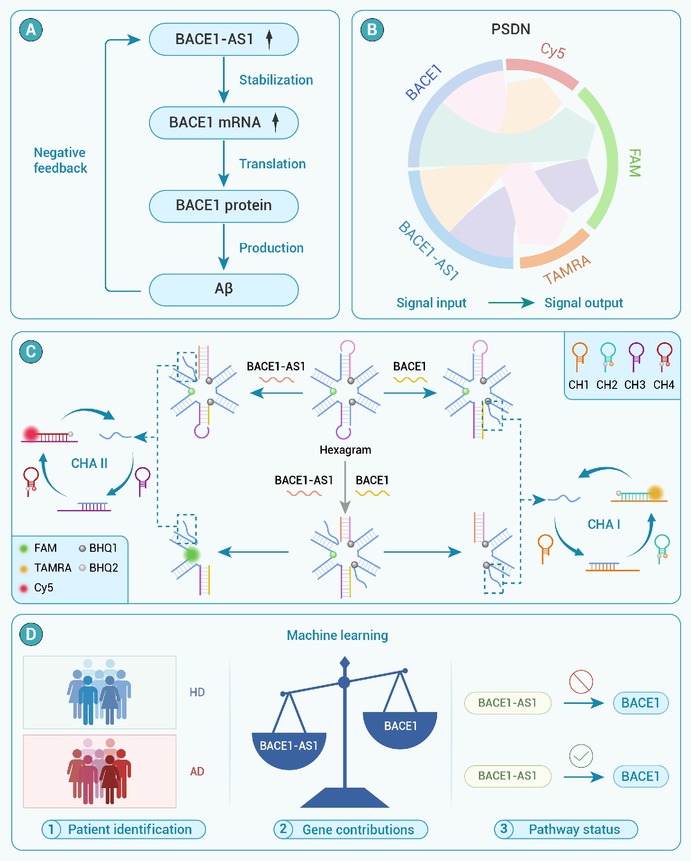
Figure 1.
Schematic illustration of machine learning-enhanced parallel-serial DNA nanodevice (PSDN) for multidimensional dissection of the BACE-AS1/BACE1 axis
-
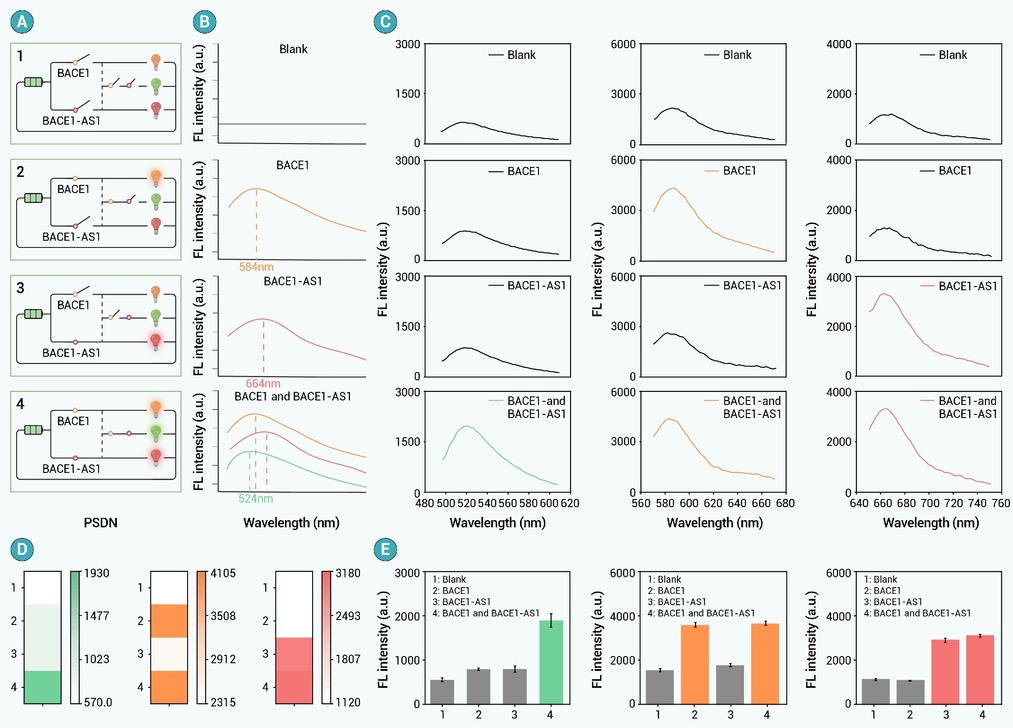
Figure 2.
Feasibility validation of the PSDN biosensor for BACE1-AS1/BACE1 sensing
-
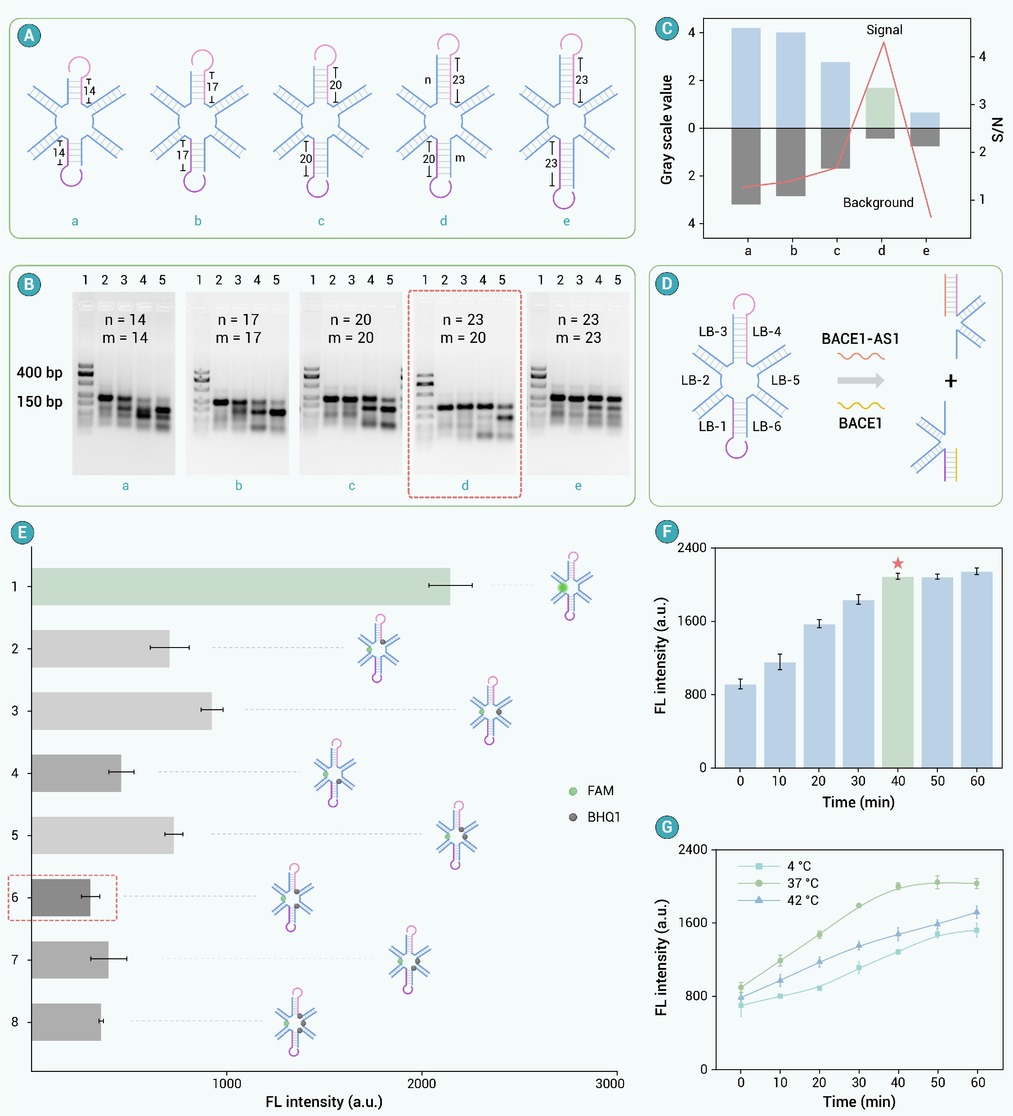
Figure 3.
Systematic optimization of the conditions of the PSDN biosensor
-
Figure 4.
Performance of the PSDN biosensor in the FAM channel
-
Figure 5.
Performance of the PSDN biosensor in the TAMRA and Cy5 channel
-
Figure 6.
Machine learning-assisted PSDN platform for AD diagnosis
-
Figure 7.
Gene importance and pathway status assessment of the PSDN platform
