
Therapeutic oligonucleotides revisited: Focus on siRNA and antisense technologies
-
GRAPHICAL ABSTRACT
 DownLoad:
Full size image
DownLoad:
Full size image
-
PUBLIC SUMMARY
-
siRNA and antisense oligonucleotide can precisely “seal off” faulty-gene for disease treatment.
They often offer long-lasting effects and can treat previously "undruggable" genetic disorders.
Approved drugs now help patients with ATTR amyloidosis, hemophilia, and Duchenne muscular dystrophy.
A key challenge is delivering these drugs beyond the liver to other tissues like brain.
New delivery technologies and multi-targeting approach aim to enable broader application in future.
-
-
ABSTRACT
Oligonucleotide therapeutics have demonstrated unique advantages, including the capacity to target traditionally undruggable disease targets and achieve prolonged pharmacological effects that can last up to months. This fast-evolving drug modality has been gaining momentum over the past two decades, evidenced by regulatory approval on multiple entities which mostly target liver. Nevertheless, further extending its application to extrahepatic targets is largely confined by corresponding delivery systems. This review first provides a concise overview of the mechanistic principles underlying oligonucleotide function and commonly employed chemical modification techniques. It then highlights recent advancements in receptor-mediated delivery systems for extrahepatic targeting, and dual-targeting oligonucleotide engagement strategies encompassing design principles and outcomes in complex disease condition. Finally, we discuss key challenges and future directions in the field. Collectively, ongoing innovations in chemical modification and delivery technologies are expected to broaden the therapeutic scope of oligonucleotide agents, paving the way for improved clinical outcomes across a wider range of diseases. -

-
REFERENCES
[1] Lundin K. E., Gissberg O. and Smith C. E. (2015). Oligonucleotide therapies: the past and the present. Hum. Gene Ther. 26:475−485. DOI:10.1089/hum.2015.070 [2] Zamecnik P. C. and Stephenson M. L. (1978). Inhibition of rous sarcoma virus replication and cell transformation by a specific oligodeoxynucleotide. Proc. Natl. Acad. Sci. 75:280−284. DOI:10.1073/pnas.75.1.280 [3] Juliano R. L., Ming X. and Nakagawa O. (2012). Cellular uptake and intracellular trafficking of antisense and siRNA oligonucleotides. Bioconjugate Chem. 23:147−157. DOI:10.1021/bc200377d [4] Roehr B. (1998). Fomivirsen approved for CMV retinitis. J. Int. Assoc. Providers AIDS Care 4:14−16 [5] Fire A., Xu S. Q., Montgomery M. K., et al. (1998). Potent and specific genetic interference by double-stranded RNA in caenorhabditis elegans. Nature 391:806−811. DOI:10.1038/35888 [6] Mccaffrey A. P., Meuse L., Pham T.-T. T., et al. (2002). RNA interference in adult mice. Nature 418:38−39. DOI:10.1038/418038a [7] Nath U. and Das S. (2007). Silence of the genes: 2006 nobel prize in physiology or medicine. Resonance 12:6−18. DOI:10.1007/s12045-007-0034-1 [8] Dowdy S. F., Setten R. L., Cui X. S., et al. (2022). Delivery of RNA therapeutics: the great endosomal escape! Nucleic Acid Ther. 32: 361-368. DOI: 10.1089/nat.2022.0004. [9] Dowdy S. F. (2017). Overcoming cellular barriers for RNA therapeutics. Nat. Biotechnol. 35:222−229. DOI:10.1038/nbt.3802 [10] Leopold P. L. (2016). Endosomal escape pathways for delivery of biologics. DOI: 10.1002/9781118978320.ch16. [11] Liu L., Botos I., Wang Y., et al. (2008). Structural basis of toll-like receptor 3 signaling with double-stranded RNA. Science 320:379−381. DOI:10.1126/science.1155406 [12] Adams D., Gonzalez-Duarte A., O’riordan William D., et al. (2018). Patisiran, an RNAi therapeutic, for hereditary transthyretin amyloidosis. N. Engl. J. Med. 379:11−21. DOI:10.1056/NEJMoa1716153 [13] Makkar S. K. (2025). Advances in RNA-based therapeutics: current breakthroughs, clinical translation, and future perspectives. Front. Genet. 16:1675209. DOI:10.3389/fgene.2025.1675209 [14] Brown J. M., Dahlman J. E., Neuman K. K., et al. (2019). Ligand conjugated multimeric siRNAs enable enhanced uptake and multiplexed gene silencing. Nucleic Acid Ther. 29:231−244. DOI:10.1089/nat.2019.0782 [15] Zhu Y. S., Tang K. X. and Lv J. Y. (2021). Peptide-drug conjugate-based novel molecular drug delivery system in cancer. Trends Pharmacol. Sci. 42:857−869. DOI:10.1016/j.tips.2021.07.001 [16] Zhang C. and Zhang B. L. (2023). RNA therapeutics: updates and future potential. Sci. China Life Sci. 66:12−30. DOI:10.1007/s11427-022-2171-2 [17] Ferrari N., Seguin R. and Renzi P. (2011). Oligonucleotides: a multi-targeted approach for the treatment of respiratory diseases. Future Med. Chem. 3:1647−1662. DOI:10.4155/fmc.11.108 [18] Shan Y., Zhao J. N., Wei K., et al. (2025). Multi-target RNA interference: A disruptive next-generation strategy for precision treatment of rheumatoid arthritis. Int. Immunopharmacol. 159:114890. DOI:10.1016/j.intimp.2025.114890 [19] Matsui M. and Corey D. R. (2017). Non-coding RNAs as drug targets. Nat. Rev. Drug Discovery 16:167−179. DOI:10.1038/nrd.2016.117 [20] Dhuri K., Bechtold C., Quijano E., et al. (2020). Antisense oligonucleotides: an emerging area in drug discovery and development. J. Clin. Med. 9:2004. DOI:10.3390/jcm9062004 [21] Crooke S. T., Wang S. Y., Vickers T. A., et al. (2017). Cellular uptake and trafficking of antisense oligonucleotides. Nat. Biotechnol. 35:230−237. DOI:10.1038/nbt.3779 [22] Bennett C. F. and Swayze E. E. (2010). RNA targeting therapeutics: molecular mechanisms of antisense oligonucleotides as a therapeutic platform. Annu. Rev. Pharmacol. Toxicol. 50:259−293. DOI:10.1146/annurev.pharmtox.010909.105654 [23] Havens M. A. and Hastings M. L. (2016). Splice-switching antisense oligonucleotides as therapeutic drugs. Nucleic Acids Res. 44:6549−6563. DOI:10.1093/nar/gkw533 [24] Aung-Htut M. T., Mcintosh C. S., Ham K. A., et al. (2019). Systematic approach to developing splice modulating antisense oligonucleotides. Int. J. Mol. Sci. 20:5030. DOI:10.3390/ijms20205030 [25] Liang X. H., Shen W., Sun H., et al. (2016). Translation efficiency of mRNAs is increased by antisense oligonucleotides targeting upstream open reading frames. Nat. Biotechnol. 34:875−880. DOI:10.1038/nbt.3589 [26] Liang X. H., Sun H., Shen W., et al. (2017). Antisense oligonucleotides targeting translation inhibitory elements in 5’ UTRs can selectively increase protein levels. Nucleic Acids Res. 45:9528−9546. DOI:10.1093/nar/gkx632 [27] Agrawal N., Dasaradhi P., Mohmmed A., et al. (2003). RNA interference: biology, mechanism, and applications. Microbiol. Mol. Biol. Rev. 67:657−685. DOI:10.1128/mmbr.67.4.657-685.2003 [28] Matranga C., Tomari Y., Shin C., et al. (2005). Passenger-strand cleavage facilitates assembly of siRNA into Ago2-containing RNAi enzyme complexes. Cell 123:607−620. DOI:10.1016/j.cell.2005.08.044 [29] Elbashir S. M., Harborth J., Lendeckel W., et al. (2001). Duplexes of 21-nucleotide RNAs mediate RNA interference in cultured mammalian cells. Nature 411:494−498. DOI:10.1038/35078107 [30] Rossi J. J. and Rossi D. J. (2021). siRNA drugs: here to stay. Mol. Ther. 29:431−432. DOI:10.1016/j.ymthe.2021.01.015 [31] Sasso J. M., Ambrose B. J., Tenchov R., et al. (2022). The progress and promise of RNA medicine- an arsenal of targeted treatments. J. Med. Chem. 65:6975−7015. DOI:10.1021/acs.jmedchem.2c00024 [32] Mckenzie L. K., El-Khoury R., Thorpe J. D., et al. (2021). Recent progress in non-native nucleic acid modifications. Chem. Soc. Rev. 50:5126−5164. DOI:10.1039/d0cs01430c [33] Stein C., Subasinghe C., Shinozuka K., et al. (1988). Physicochemical properties of phospborothioate oligodeoxynucleotides. Nucleic Acids Res. 16:3209−3221. DOI:10.1093/nar/16.8.3209 [34] Vasquez G., Migawa M. T., Wan W. B., et al. (2022). Evaluation of phosphorus and non-phosphorus neutral oligonucleotide backbones for enhancing therapeutic index of gapmer antisense oligonucleotides. Nucleic Acid Ther. 32:40−50. DOI:10.1089/nat.2021.0064 [35] Hu B., Zhong L. P., Weng Y. H., et al. (2020). Therapeutic siRNA: state of the art. Signal Transduction Targeted Ther. 5:101. DOI:10.1038/s41392-020-0207-x [36] Parmar R., Willoughby J. L. S., Liu J. X., et al. (2016). 5'-(E)-vinylphosphonate: a stable phosphate mimic can improve the rnai activity of siRNA-GalNAc conjugates. ChemBioChem 17:985−989. DOI:10.1002/cbic.201600130 [37] Wang Y. F., Zhang X., Zou G. R., et al. (2019). Detection and application of 5-formylcytosine and 5-formyluracil in DNA. Acc. Chem. Res. 52:1016−1024. DOI:10.1021/acs.accounts.8b00543 [38] Wang J., Tian T., Li X., et al. (2022). Noncoding RNAs emerging as drugs or drug targets: their chemical modification, bio-conjugation and intracellular regulation. Molecules 27:6717. DOI:10.3390/molecules27196717 [39] Bramsen J. B., Laursen M. B., Nielsen A. F., et al. (2009). A large-scale chemical modification screen identifies design rules to generate siRNAs with high activity, high stability and low toxicity. Nucleic Acids Res. 37:2867−2881. DOI:10.1093/nar/gkp106 [40] Manoharan M., Akinc A., Pandey R. K., et al. (2011). Unique gene-silencing and structural properties of 2'-fluoro-modified siRNAs. Angew. Chem. 123:2332−2336. DOI:10.1002/ange.201006519 [41] Janas M. M., Zlatev I., Liu J., et al. (2019). Safety evaluation of 2'-deoxy-2'-fluoro nucleotides in GalNAc-siRNA conjugates. Nucleic Acids Res. 47:3306−3320. DOI:10.1093/nar/gkz140 [42] Allerson C. R., Sioufi N., Jarres R., et al. (2005). Fully 2'-modified oligonucleotide duplexes with improved in vitro potency and stability compared to unmodified small interfering RNA. J. Med. Chem. 48:901−904. DOI:10.1021/jm049167j [43] Schlegel M. K., Foster D. J., Kel’in A. V., et al. (2017). Chirality dependent potency enhancement and structural impact of glycol nucleic acid modification on siRNA. J. Am. Chem. Soc. 139:8537−8546. DOI:10.1021/jacs.7b02694 [44] Schlegel M. K., Janas M. M., Jiang Y., et al. (2022). From bench to bedside: Improving the clinical safety of GalNAc-siRNA conjugates using seed-pairing destabilization. Nucleic Acids Res. 50:6656−6670. DOI:10.1093/nar/gkac539 [45] Teplova M., Minasov G., Tereshko V., et al. (1999). Crystal structure and improved antisense properties of 2'-O-(2-methoxyethyl)-RNA. Nat. Struct. Biol. 6:535−539. DOI:10.1038/9304 [46] Pallan P. S., Allerson C. R., Berdeja A., et al. (2012). Structure and nuclease resistance of 2', 4'-constrained 2'-O-methoxyethyl (cMOE) and 2’-O-ethyl (cEt) modified DNAs. Chem. Commun. 48:8195−8197. DOI:10.1039/c2cc32286b [47] Seth P. P., Allerson C. R., Berdeja A., et al. (2010). An exocyclic methylene group acts as a bioisostere of the 2'-oxygen atom in LNA. J. Am. Chem. Soc. 132:14942−14950. DOI:10.1021/ja105875e [48] Wan C., Allen T. M. and Cullis P. R. (2014). Lipid nanoparticle delivery systems for siRNA-based therapeutics. Drug Delivery Transl. Res. 4:74−83. DOI:10.1007/s13346-013-0161-z [49] Cui H., Zhu X. Y., Li S. Y., et al. (2021). Liver-targeted delivery of oligonucleotides with N-acetylgalactosamine conjugation. ACS Omega 6:16259−16265. DOI:10.1021/acsomega.1c01755 [50] Ming X. (2011). Cellular delivery of siRNA and antisense oligonucleotides via receptor-mediated endocytosis. Expert Opin. Drug Delivery 8:435−449. DOI:10.1517/17425247.2011.561313 [51] Roberts T. C., Langer R. and Wood M. J. (2020). Advances in oligonucleotide drug delivery. Nat. Rev. Drug Discovery 19:673−694. DOI:10.1038/s41573-020-0075-7 [52] Anand P., Zhang Y., Patil S., et al. (2025). Metabolic stability and targeted delivery of oligonucleotides: advancing RNA therapeutics beyond the liver. J. Med. Chem. 68:6870−6896. DOI:10.1021/acs.jmedchem.4c02528 [53] Springer A. D. and Dowdy S. F. (2018). GalNAc-siRNA conjugates: leading the way for delivery of RNAi therapeutics. Nucleic Acid Ther. 28:109−118. DOI:10.1089/nat.2018.0736 [54] Nair J. K., Attarwala H., Sehgal A., et al. (2017). Impact of enhanced metabolic stability on pharmacokinetics and pharmacodynamics of GalNAc-siRNA conjugates. Nucleic Acids Res. 45:10969−10977. DOI:10.1093/nar/gkx818 [55] Nair J. K., Willoughby J. L., Chan A., et al. (2014). Multivalent N-acetylgalactosamine-conjugated siRNA localizes in hepatocytes and elicits robust RNAi-mediated gene silencing. J. Am. Chem. Soc. 136:16958−16961. DOI:10.1021/ja505986a [56] Janas M. M., Schlegel M. K., Harbison C. E., et al. (2018). Selection of GalNAc-conjugated siRNAs with limited off-target-driven rat hepatotoxicity. Nat. Commun. 9:723. [57] Foster D. J., Brown C. R., Shaikh S., et al. (2018). Advanced siRNA designs further improve in vivo performance of GalNAc-siRNA conjugates. Mol. Ther. 26:708−717. DOI:10.1016/j.ymthe.2017.12.021 [58] Asrani S. K., Kouznetsova M., Ogola G., et al. (2018). Increasing health care burden of chronic liver disease compared with other chronic diseases, 2004-2013. Gastroenterology 155: 719-729. e714. DOI: 10.1053/j.gastro.2018.05.032. [59] Sing C. F., Haviland M. B. and Reilly S. L. (2007). Genetic architecture of common multifactorial diseases. Ciba Foundation Symposium 211-232. DOI: 10.1002/9780470514887.ch12. [60] Wu Y. Y., Chen L., Wang G. L., et al. (2013). Inhibition of hepatocellular carcinoma growth and angiogenesis by dual silencing of NET-1 and VEGF. J. Mol. Histol. 44:433−445. DOI:10.1007/s10735-012-9480-5 [61] Frontera W. R. and Ochala J. (2015). Skeletal muscle: a brief review of structure and function. Calcif. Tissue Int. 96:183−195. DOI:10.1007/s00223-014-9915-y [62] Duan D., Goemans N., Takeda S. I., et al. (2021). Duchenne muscular dystrophy. Nat. Rev. Dis. Primers 7:13. DOI:10.1038/s41572-021-00248-3 [63] Hammond S. M., Hazell G., Shabanpoor F., et al. (2016). Systemic peptide-mediated oligonucleotide therapy improves long-term survival in spinal muscular atrophy. Proc. Natl. Acad. Sci. 113:10962−10967. DOI:10.1073/pnas.1605731113 [64] Ding H. R., Chen S. J., Pan X. H., et al. (2021). Transferrin receptor 1 ablation in satellite cells impedes skeletal muscle regeneration through activation of ferroptosis. J. cachexia sarcopenia muscle 12:746−768. DOI:10.1002/jcsm.12700 [65] Malecova B., Burke R. S., Cochran M., et al. (2023). Targeted tissue delivery of RNA therapeutics using antibody-oligonucleotide conjugates (AOCs). Nucleic Acids Res. 51:5901−5910. DOI:10.1093/nar/gkad415 [66] Mullard A. (2022). Antibody-oligonucleotide conjugates enter the clinic. Nat. Rev. Drug Discovery 21:6−8. DOI:10.1038/d41573-021-00213-5 [67] Johnson N., Day J., Hamel J., et al. (2023). VP55 topline data analysis of the phase 1/2 clinical trial evaluating AOC 1001 in adult patients with myotonic dystrophy type 1: marina. Neuromuscular Disorders 33:S72. DOI:10.1016/j.nmd.2023.07.036 [68] Dyne. (2023). The FORCETM platform delivers oligonucleotides to the brain in a DM1 mouse model and in NHPs. https://www.dyne-tx.com/wp-content/uploads/Zanotti_2023_ASGCT_DM1_CNS_FINAL [69] Wolf D., Mix C., Han B., et al. (2023). P50 a phase 1/2 randomized, placebo-controlled, multiple ascending dose study (achieve) of DYNE-101 in individuals with myotonic dystrophy type 1 (DM1). Neuromuscular Disorders 33:S71. DOI:10.1016/j.nmd.2023.07.031 [70] Wolf D., Bassez G., Diaz-Manera J., et al. (2025). Safety and efficacy of DYNE-101 in adults with DM1: phase 1/2 achieve trial data (S16. 003). Neurology 104: 2675. DOI: 10.1212/WNL.0000000000210508. [71] Østergaard M. E., Carrer M., Anderson B. A., et al. (2025). Conjugation to a transferrin receptor 1-binding bicycle peptide enhances ASO and siRNA potency in skeletal and cardiac muscles. Nucleic Acids Res. 53:gkaf270. DOI:10.1093/nar/gkaf270 [72] Afshar S., Eissa H. and Rito C. J. (2025). Engineered transferrin receptor binding peptides as well as methods of making and using the same. Patent WO 2025042711A1 [73] Ulapane K. R., Kopec B. M. and Siahaan T. J. (2019). Improving in vivo brain delivery of monoclonal antibody using novel cyclic peptides. Pharmaceutics 11:568. DOI:10.3390/pharmaceutics11110568 [74] Sinanan A. C., Machell J. R., Wynne-Hughes G. T., et al. (2008). Wynne1105685 integrins and their role in muscle precursor cell adhesion. Biol. Cell 100:465−477. DOI:10.1111/j.1768-322x.2008.tb01436.x [75] Arrowhead. (2024). 2024 summer series of R&D webinars part 1-muscle programs. https://ir.arrowheadpharma.com/static-files/c8100bbd-963d-4275-9233-c0b3f18f6d31. [76] Van Dyke J., Ai T., Li X., et al. (2024). RNAi agents for inhibiting expression of DM1 protein kinase (DMPK) compositionsthereof, and methods of use. Patent WO 202408633 [77] Arrowhead. (2023). Study of ARO-DM1 in subjects with type 1 myotonic dystrophy. NCT 06138743 [78] Bacauanu V., Charati M. B., Johnson R. E., et al. (2024). Exatecan-derived topoisomerase-1 inhibitors pharmaceutical compositions, and uses thereof. Patent WO 2024049931 [79] Nair J. K., Panarese J. D., Schmidt K., et al. (2025). Dual conjugate compounds for extrahepatic delivery. Patent WO 2025259743 [80] Schmidt K., Schlegel M. K., Castoreno A., et al. (2025). Dystrophy myotonic protein kinase (DMPK) IRNA compositions and methods of use thereof. Patent WO 2025259747A2 [81] Ciurea A. V., Mohan A. G., Covache-Busuioc R.-A., et al. (2023). Unraveling molecular and genetic insights into neurodegenerative diseases: advances in understanding alzheimer's, parkinson's, and huntington's diseases and amyotrophic lateral sclerosis. Int. J. Mol. Sci. 24:10809. DOI:10.3390/ijms241310809 [82] Bors L. A. and Erdő F. (2019). Overcoming the blood-brain barrier. challenges and tricks for CNS drug delivery. Sci. Pharm. 87:6. DOI:10.3390/scipharm87010006 [83] Male D. and Gromnicova R. (2022). Nanocarriers for delivery of oligonucleotides to the CNS. Int. J. Mol. Sci. 23:760. DOI:10.3390/ijms23020760 [84] Khorkova O. and Wahlestedt C. (2017). Oligonucleotide therapies for disorders of the nervous system. Nat. Biotechnol. 35:249−263. DOI:10.1038/nbt.3784 [85] Geary R. S., Norris D., Yu R., et al. (2015). Pharmacokinetics, biodistribution and cell uptake of antisense oligonucleotides. Adv. Drug Delivery Rev. 87:46−51. DOI:10.1016/j.addr.2015.01.008 [86] Hoy S. M. (2017). Nusinersen: first global approval. Drugs 77:473−479. DOI:10.1007/s40265-017-0711-7 [87] Brown K. M., Nair J. K., Janas M. M., et al. (2022). Expanding RNAi therapeutics to extrahepatic tissues with lipophilic conjugates. Nat. Biotechnol. 40:1500−1508. DOI:10.1038/s41587-022-01334-x [88] Alnylam. (2024). A phase 2 trial of ALN-APP in patients with cerebral amyloid angiopathy. NCT 06393712 [89] Alterman J. F., Godinho B. M. D. C., Hassler M. R., et al. (2019). A divalent siRNA chemical scaffold for potent and sustained modulation of gene expression throughout the central nervous system. Nat. Biotechnol. 37:884−894. DOI:10.1038/s41587-019-0205-0 [90] Fu T. C., Fan F. S., Lin Y. Y., et al. (2025). TfR1-binding peptide conjugation facilitates robust and specific siRNA delivery to the central nervous system. Bioconjugate Chem. 36:1377−1383. DOI:10.1021/acs.bioconjchem.5c00225 [91] Conniot J., Talebian S., Simões S., et al. (2021). Revisiting gene delivery to the brain: silencing and editing. Biomater. Sci. 9:1065−1087. DOI:10.1039/d0bm01278e [92] Arrowhead. (2025). TRiMm platform for delivery of RNAi therapeutics tothe central nervous system via subcutaneous administration. https://docs.publicnow.com/viewDoc?filename=43749%5CEXT%5C5A7D981074B2CA4F6F36AAB82D3EBE56A9BC48CE_26870F548D0D07AADFF5B2E5F70C4350D0B7AAFF [93] Glebocka A., Xu Z., Carlson J., et al. (2025). Anti-transferrin receptor antibodies, conjugates thereof, and uses thereof. Patent WO 2025160275A1 [94] Haggerty L. (2025). Novartis signs us $2.2 b deal with arrowhead pharmaceuticals for RNAi therapy. Pharma Deals Rev. 2025: DOI: 10.1089/genedge.7.1.107. [95] David M., Cohen R., Beuzelin D., et al. (2025). Identification and optimization of trans-species reactive TfR1-binding VHH as tools for drug delivery across the blood-brain barrier. BioRxiv 649291. DOI: 10.1101/2025.05.23.649291. [96] Jacquot G., David M., Cohen R., et al. (2024). Transferrin receptor-binding molecules, conjugates thereof and their uses to prevent or treat nervous system diseases. Patent WO 2024261333A1 [97] Barker S., Dennis M. S., Devos S. L., et al. (2023). Oligonucleotide conjugates targeted to the transferrin receptor. Patent US 20240299575A1 [98] Barker S. J., Thayer M. B., Kim C., et al. (2024). Targeting the transferrin receptor to transport antisense oligonucleotides across the mammalian blood-brain barrier. Sci. Transl. Med. 16:eadi2245. DOI:10.1126/scitranslmed.adi2245 [99] Denali. (2026). A study to evaluate the safety, tolerability, pharmacokinetics, and pharmacodynamics of DNL628 in participants with early alzheimer's disease. NCT 07328451 [100] Alam R., Chen J.-W. E., Croy C. H., et al. (2025). Amyloid precursor protein (APP) RNAi agents. Patent WO 2025042709A1 [101] Schittny J. C. (2017). Development of the lung. Cell Tissue Res. 367:427−444. DOI:10.1007/s00441-016-2545-0 [102] Wang Y., Xuan W., Mao C., et al. (2025). Inhalable nucleic acid therapeutics for chronic pulmonary disease: progress, challenges, and prospects. Acta Biomater. DOI: 10.1016/j.actbio.2025.07.068. [103] Li Z., Carlson J., Nicholas A., et al. (2019). Integrin targeting ligands and uses thereof. Patent US 20210093725A1 [104] Arrowhead. (2024). A first-in-human study of ARO-RAGE, a novel inhaled RNA-interference therapy for asthma. https://ir.arrowheadpharma.com/static-files/7e93675e-4b6d-4ffa-bd9f-efc576e8a0ea. [105] Arrowhead. (2022). Study of ARO-RAGE in healthy subjects and patients with inflammatory lung disease. NCT 05276570 [106] Arrowhead. (2022). Study of ARO-MMP7 inhalation solution in healthy subjects and patients with idiopathic pulmonary fibrosis. NCT 05537025 [107] Schmidt K., Ingoglia B., Galloway O., et al. (2024). Alpha-v beta-6(ανβ6) integrin ligands for extrahepatic delivery. Patent WO 2024129931A1 [108] Frimpong K., Gangras P., Gavardinas K., et al. (2025). Novel therapeutic delivery moieties and uses thereof. Patent WO 2025128462A1 [109] Brown C., Foster D., Rogers A., et al. (2023). RNAi compositions and methods of use thereof for delivery by inhalation. Patent US 20230287424A1 [110] Yang M., Liu S. and Zhang C. Y. (2022). The related metabolic diseases and treatments of obesity. Healthcare 10:1616. DOI:10.3390/healthcare10091616 [111] Goga A. and Stoffel M. (2022). Therapeutic RNA-silencing oligonucleotides in metabolic diseases. Nat. Rev. Drug Discovery 21:417−439. DOI:10.1038/s41573-022-00407-5 [112] Majewski M., Glebocka A., Pei T., et al. (2024). Lipid conjugates for the delivery of therapeutic agents to adipose tissue. Patent WO 2024148329A1 [113] Arrowhead. (2024). Novel TRiMrm platform for delivery of RNAi therapeutics to adipose tissue. https://docs.publicnow.com/viewDoc?filename=43749%5CEXT%5CFB93217A379CD6FEDB54CA59F68B2299F633EB5D_9E10E5E435A9ED76024AE68D81EC80DFB6E19896 [114] Arrowhead. (2024). 2024 summer series of R&D webinarspart iv - obesity programs. https://ir.arrowheadpharma.com/static-files/d8586ad7-50f8-4973-9576-e49542a893e7. [115] Arrowhead. (2025). Study of ARO-ALK7 in adult volunteers with obesity with and without type 2 diabetes mellitus. NCT 06937203 [116] Elane F., Aditi D., James M., et al. (2025). Activin a receptor type 1c (ACVR1c) irna compositions and methods of use thereof. Patent WO 2025064660A2 [117] Mitrakou A. (2011). Kidney: its impact on glucose homeostasis and hormonal regulation. Diabetes Res. Clin. Pract. 93:S66−S72. DOI:10.1016/S0168-8227(11)70016-X [118] Bian X. C., Zhou L. P., Luo Z. W., et al. (2025). Emerging delivery systems for enabling precision nucleic acid therapeutics. ACS Nano 19:4039−4083. DOI:10.1021/acsnano.4c11858 [119] Carton-Garcia F., Saande C. J., Meraviglia-Crivelli D., et al. (2021). Oligonucleotide-based therapies for renal diseases. Biomedicines 9:303. DOI:10.3390/biomedicines9030303 [120] Yuan M. M., Hu X. W., Li N., et al. (2025). Kidney targeted delivery of siRNA mediated by peptide-siRNA conjugate for the treatment of acute kidney injury. Chin. Chem. Lett. 36:110251. DOI:10.1016/j.cclet.2024.110251 [121] Kumar V., Wahane A., Tham M. S., et al. (2024). Efficient and selective kidney targeting by chemically modified carbohydrate conjugates. Mol. Ther. 32:4383−4400. DOI:10.1016/j.ymthe.2024.10.020 [122] Jonathan L., Andrew F., Jing R. H., et al. (2025). Aminoglycosides for delivery of agents to the kidney. Patent WO 2025072699A1 [123] Ding S. Y., Jung Y. J., Lo J., et al. (2025). STRIKE platform enables kidney-selective gene silencing via megalin-mediated uptake: Sa-po0610. J. Am. Soc. Nephrol. 36:10.1681. DOI:10.1681/ASN.2025yx5b0nt7 [124] Jonathan L., Andrew F., Haojing R., et al. (2025). Polymyxins for delivery of agents to the kidney. Patent WO 2025072713A1 [125] Nishizawa N., Nakamura G., Noguchi Y., et al. (2017). A potent and selective natriuretic peptide receptor-3 blocker 11-mer peptide created by hybridization of musclin and atrial natriuretic peptide. Bioorg. Med. Chem. Lett. 27:3542−3545. DOI:10.1016/j.bmcl.2017.05.061 [126] Tao L. H., Yu H. Y. and Xin G. Y. (2025). Kidney-targeting delivery ligand, conjugate, composition and use thereof. PatentWO 2025228157A1 [127] Alnylam. (2025). Alnylam R&D day. https://capella.alnylam.com/wp-content/uploads/2025/02/Alnylam-RD-Day-2025 [128] Alkhouri N., Reddy G. K. and Lawitz E. (2021). Oligonucleotide-based therapeutics: An emerging strategy for the treatment of chronic liver diseases. Hepatology 73:1581−1593. DOI:10.1002/hep.31569 [129] Booth F. W., Roberts C. K., Thyfault J. P., et al. (2017). Role of inactivity in chronic diseases: evolutionary insight and pathophysiological mechanisms. Physiol. Rev. 97:1351−1402. DOI:10.1152/physrev.00019.2016 [130] Li T. J., Xue Y. W., Wang G. L., et al. (2016). Multi-target siRNA: therapeutic strategy for hepatocellular carcinoma. J. Cancer 7:1317. DOI:10.7150/jca.15157 [131] Komaki H., Takeshita E., Kunitake K., et al. (2025). Phase 1/2 trial of brogidirsen: dual-targeting antisense oligonucleotides for exon 44 skipping in duchenne muscular dystrophy. Cell Rep. Med. 6:101901. DOI:10.1016/j.xcrm.2024.101901 [132] Chang C. I., Kang H. S., Ban C., et al. (2009). Dual-target gene silencing by using long, synthetic siRNA duplexes without triggering antiviral responses. Mol. Cells 27:689−695. DOI:10.1007/s10059-009-0093-0 [133] Chang C. I., Lee T. Y., Kim S., et al. (2012). Enhanced intracellular delivery and multi-target gene silencing triggered by tripodal RNA structures. J. Gene Med. 14:138−146. DOI:10.1002/jgm.1653 [134] Alnylam. (2018). Bis-RNAiTM conjugates for simultaneous silencing of two different gene transcripts. https://capella.alnylam.com/wp-content/uploads/2018/10/05_Theile [135] Ueda K., Yamada Y., Tanaka H., et al. (2025). A novel bispecific siRNA concept: efficient dual knockdown of YAP1 and WWTR1 with a single guide strand. Mol. Ther. Nucleic Acids 36:102768. DOI:10.1016/j.omtn.2025.102768 [136] Belgrad J., Tang Q., Hildebrand S., et al. (2024). A programmable dual-targeting siRNA scaffold supports potent two-gene modulation in the central nervous system. Nucleic Acids Res. 52:6099−6113. DOI:10.1093/nar/gkae368 [137] Jadhav V. M., Martin Z. I., Akinc A. R., et al. (2025). Multi-targeted single entity conjugates. Patent US 20250236871A1 [138] Van D. J., Klossowski S., Glebocka A., et al. (2025). Rnai agents for dual inhibition of expression of apolipoprotein c-iii (APOC3) and proprotein convertase subtilisin kexin 9 (PCSK9), compositions thereof, and methods of use. Patent WO 2025184301A1 [139] Van D. J., Branca-Afrazi M., Glebocka A., et al. (2025). Development of a dual functional RNAi therapeutic, ARO-DIMER-PA, for mixed hyperlipidemia. J. Clin. Lipidol. 19:e111−e112. DOI:10.1016/j.jacl.2025.04.160 [140] Rona. (2026). A phase 1a, randomized, placebo-controlled, single ascending dose study to evaluate the safety, tolerability, pharmacokinetics, and pharmacodynamics of RN5681 in healthy volunteers. NCT 07347678 [141] Liu N., Zhang H. L. and Yang Z. W. (2026). Dual-target double-stranded RNA for treating hepatitis b, and pharmaceutical composition. Patent WO 2026007243A1 [142] Sirnabio. (2025). A randomized, double-blind, placebo-controlled phase i clinical study to evaluate the safety, tolerability, pharmacokinetics, and preliminary efficacy of SA1211 injection in healthy participants and participants with chronic hepatitis B. NCT 07275918 [143] Sirnaomics. (2020). Open label, dose escalation study for the safety and efficacy of STP705 in adult patients with basal cell carcinoma. NCT 04669808 [144] Goyenvalle A., Jimenez-Mallebrera C., Van R. W., et al. (2023). Considerations in the preclinical assessment of the safety of antisense oligonucleotides. Nucleic Acid Ther. 33:1−16. DOI:10.1089/nat.2022.0061 [145] Alhamadani F., Zhang K., Parikh R., et al. (2022). Adverse drug reactions and toxicity of the food and drug administration-approved antisense oligonucleotide drugs. Drug Metab. Dispos. 50:879−887. DOI:10.1124/dmd.121.000418 [146] Ranjbar S., Zhong X. B., Manautou J., et al. (2023). A holistic analysis of the intrinsic and delivery-mediated toxicity of siRNA therapeutics. Adv. Drug Delivery Rev. 201:115052. DOI:10.1016/j.addr.2023.115052 [147] Kim H., Kim S., Lee D., et al. (2024). Oligonucleotide therapeutics and their chemical modification strategies for clinical applications. J. Pharm. Invest. 54:415−433. DOI:10.1007/s40005-024-00669-8 [148] Crooke S. T., Baker B. F., Pham N. C., et al. (2018). The effects of 2'-O-methoxyethyl oligonucleotides on renal function in humans. Nucleic Acid Ther. 28:10−22. DOI:10.1089/nat.2017.0693 [149] Crooke S. T., Baker B. F., Xia S. T., et al. (2019). Integrated assessment of the clinical performance of GalNAc3-conjugated 2'-O-methoxyethyl chimeric antisense oligonucleotides: I. human volunteer experience. Nucleic Acid Ther. 29:16−32. DOI:10.1089/nat.2018.0753 [150] Hagedorn P. H., Persson R., Funder E. D., et al. (2018). Locked nucleic acid: modality, diversity, and drug discovery. Drug Discovery Today 23:101−114. DOI:10.1016/j.drudis.2017.09.018 [151] Panda P. and Mohapatra R. (2025). Revolutionizing DNA: advanced modification techniques for next-gen nanotechnology. Nucleosides, Nucleotides Nucleic Acids 44:1002−1033. DOI:10.1080/15257770.2024.2432992 [152] Bizat P. N., Sabat N. and Hollenstein M. (2025). Recent advances in biocatalytic and chemoenzymatic synthesis of oligonucleotides. ChemBioChem 26:e202400987. DOI:10.1002/cbic.202400987 [153] Large D. E., Soucy J. R., Hebert J., et al. (2019). Advances in receptor-mediated, tumor-targeted drug delivery. Adv. Ther. 2:1800091. DOI:10.1002/adtp.201800091 [154] Debacker A. J., Voutila J., Catley M., et al. (2020). Delivery of oligonucleotides to the liver with GalNAc: from research to registered therapeutic drug. Mol. Ther. 28:1759−1771. DOI:10.1016/j.ymthe.2020.06.015 [155] Li Y., Cheng J. X., Yang H. H., et al. (2021). Transferrin receptor 1 plays an important role in muscle development and denervation-induced muscular atrophy. Neural Regener. Res. 16:1308−1316. DOI:10.4103/1673-5374.301024 [156] Davis R. A., Ganguly T., Harris R., et al. (2023). Synthesis and evaluation of a monomethyl auristatin e-integrin αvβ6 binding peptide-drug conjugate for tumor targeted drug delivery. J. Med. Chem. 66:9842−9852. DOI:10.1021/acs.jmedchem.3c00631 [157] Yu Y., Chen S., Lu G. F., et al. (2014). Alphavbeta6 is required in maintaining the intestinal epithelial barrier function. Cell Biol. Int. 38:777−781. DOI:10.1002/cbin.10258 [158] Juliano R. L. (2016). The delivery of therapeutic oligonucleotides. Nucleic Acids Res. 44:6518−6548. DOI:10.1093/nar/gkw236 [159] Bien-Ly N., Yu Y. J., Bumbaca D., et al. (2014). Transferrin receptor (TfR) trafficking determines brain uptake of TfR antibody affinity variants. J. Exp. Med. 211:233−244. DOI:10.1084/jem.20131660 [160] Cochran M., Arias D., Burke R., et al. (2024). Structure-activity relationship of antibody-oligonucleotide conjugates: evaluating bioconjugation strategies for antibody-sirna conjugates for drug development. J. Med. Chem. 67:14852−14867. DOI:10.1021/acs.jmedchem.4c00802 [161] Sohrabi C., Foster A. and Tavassoli A. (2020). Methods for generating and screening libraries of genetically encoded cyclic peptides in drug discovery. Nat. Rev. Chem. 4:90−101. DOI:10.1038/s41570-019-0159-2 [162] Deng Y., Efremov A. K. and Yan J. (2022). Modulating binding affinity, specificity, and configurations by multivalent interactions. Biophys. J. 121:1868−1880. DOI:10.1016/j.bpj.2022.04.017 [163] Winkler J. (2015). Therapeutic oligonucleotides with polyethylene glycol modifications. Future Med. Chem. 7:1721−1731. DOI:10.4155/fmc.15.94 [164] Li T. J., Wu M. H., Zhu Y. Y., et al. (2014). Development of RNA interference-based therapeutics and application of multi-target small interfering RNAs. Nucleic Acid Ther. 24:302−312. DOI:10.1089/nat.2014.0480 -
ABOUT THIS ARTICLE
Cite this article:
Chen L., Xu J., Li J., et al. (2026). Therapeutic oligonucleotides revisited: Focus on siRNA and antisense technologies. The Innovation Drug Discovery 1:100007. https://doi.org/10.59717/j.xinn-drugdisc.2026.100007
Welcome!
To request copyright permission to republish or share portions of our works, please visit Copyright Clearance Center's (CCC) Marketplace website at marketplace.copyright.com.
Export File
Citation
Chen L., Xu J., Li J., et al. (2026). Therapeutic oligonucleotides revisited: Focus on siRNA and antisense technologies. The Innovation Drug Discovery 1:100007. https://doi.org/10.59717/j.xinn-drugdisc.2026.100007

Format
Content

-
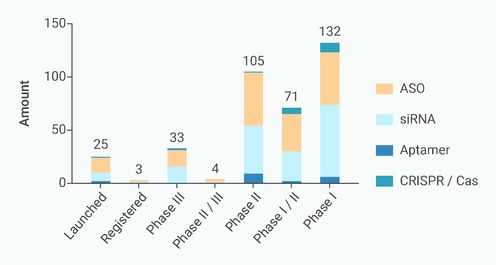
Figure 1.
Statistics on marketed and clinical-stage oligonucleotide drugs
-
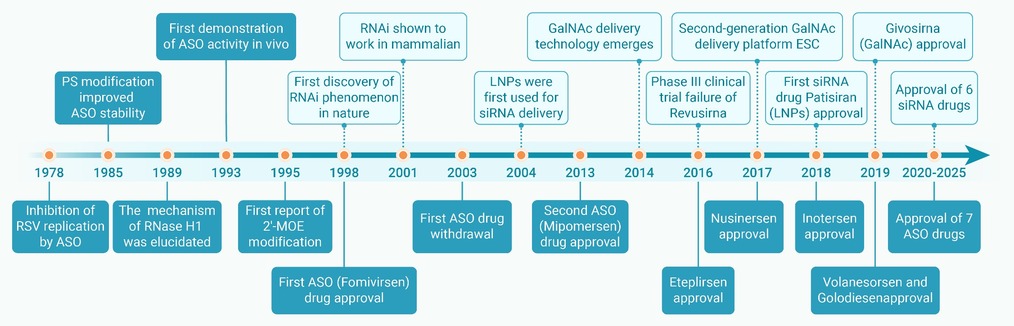
Figure 2.
Milestones in the development of ASO and siRNA
-
Figure 3.
Mechanism of ASO and siRNA
-
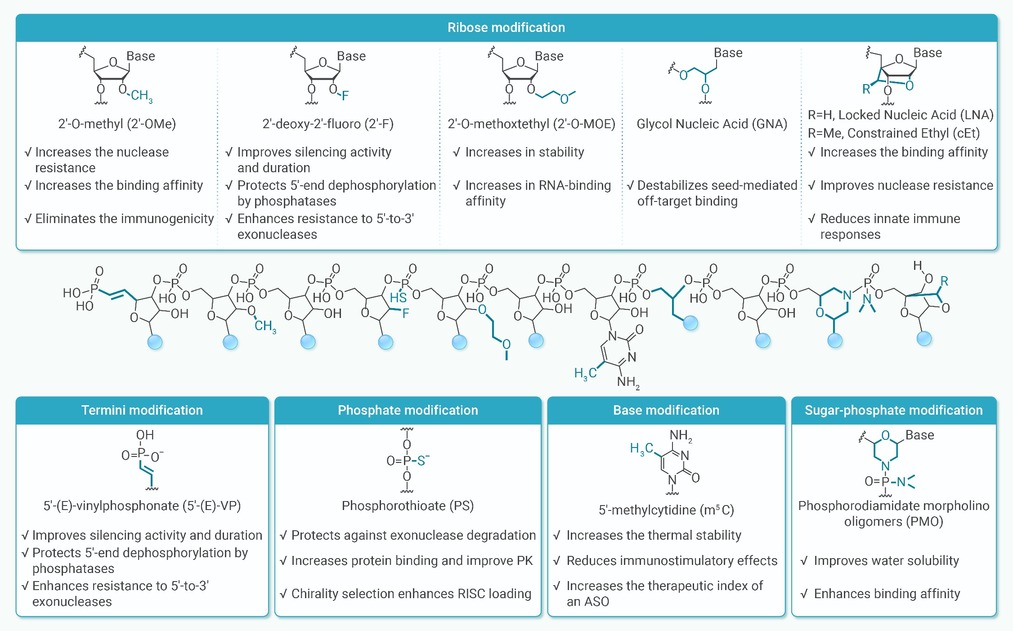
Figure 4.
Chemical modification strategies of nucleic acid monomers
-
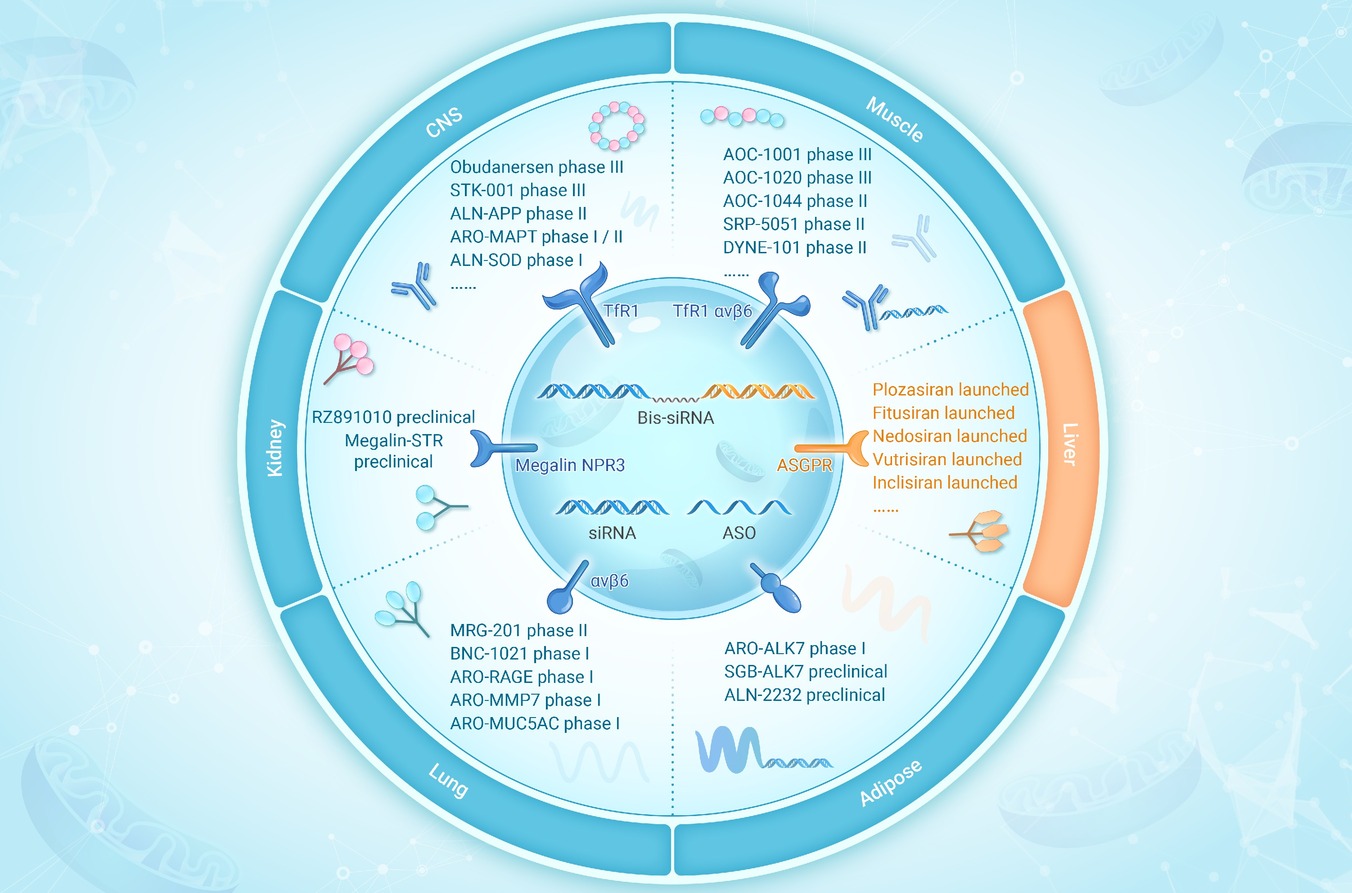
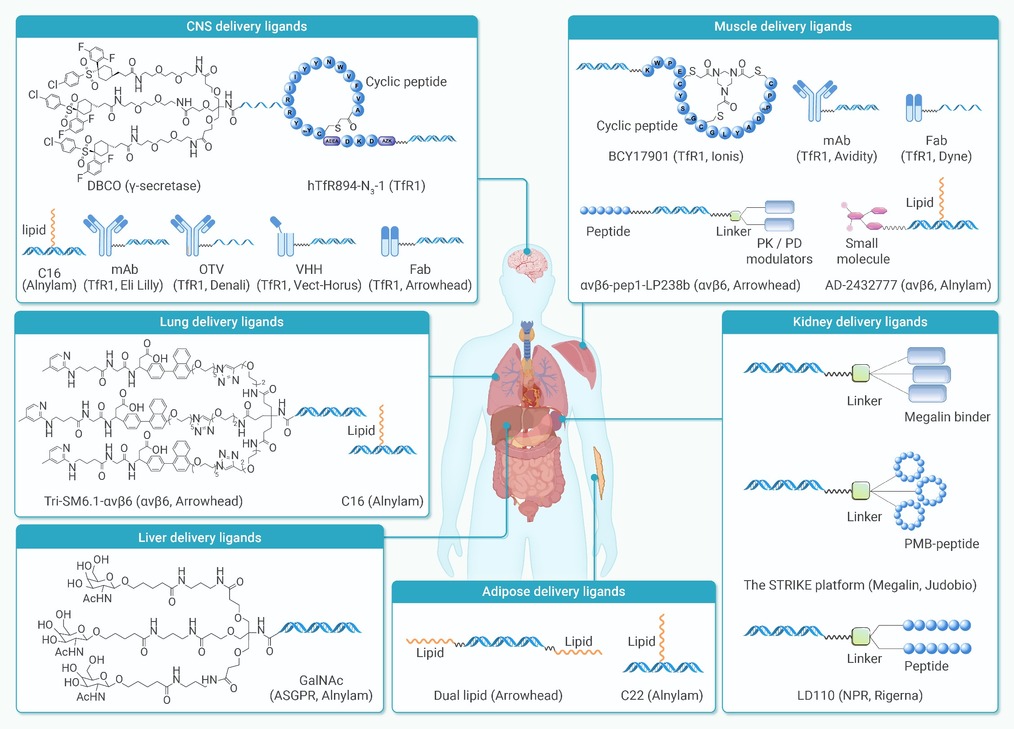
Figure 5.
Receptor-mediated oligonucleotide delivery system
