
Current diabetes drugs: Lessons learned and implications for next-generation therapeutics
-
GRAPHICAL ABSTRACT
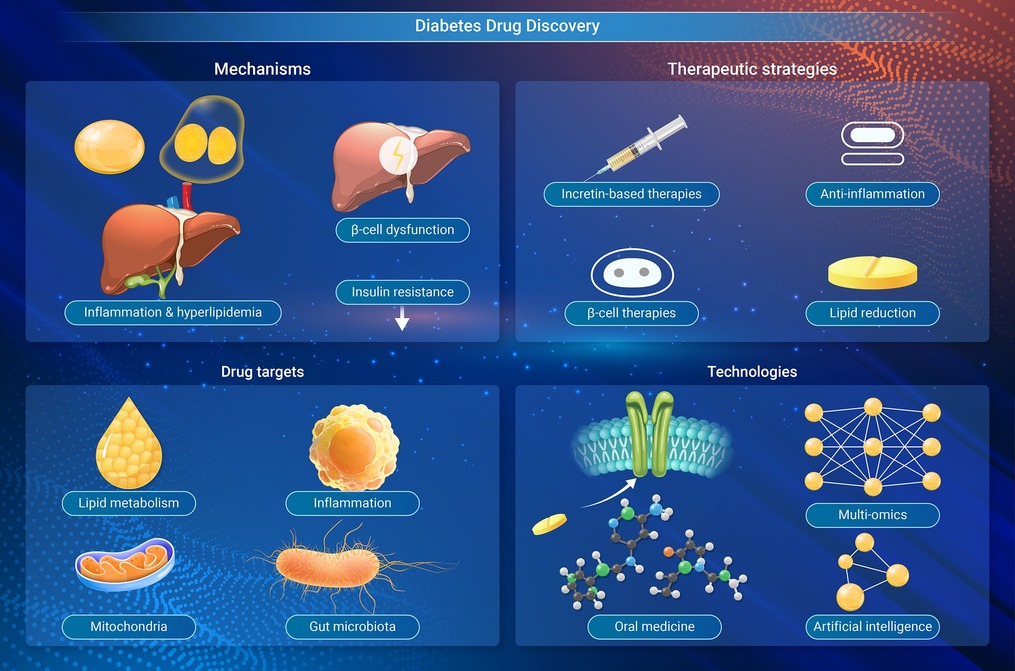
 DownLoad:
Full size image
DownLoad:
Full size image
-
PUBLIC SUMMARY
-
Insulin resistance and β-cell failure remain central therapeutic targets.
Incretin multi-agonists deliver unprecedented metabolic and weight-loss efficacy.
Lipid-metabolism and inflammation pathways offer emerging druggable nodes.
β-cell regeneration strategies show promise for disease-modifying therapy.
AI and multi-omics accelerate target discovery and molecular design.
-
-
ABSTRACT
Diabetes mellitus represents one of the most significant and costly health burdens worldwide. Despite major therapeutic advances over the past three decades, substantial unmet needs remain in glycemic durability, β-cell preservation, weight management, metabolic inflammation, lipotoxicity, and long-term cardiovascular and renal protection. This review synthesizes the molecular basis of diabetes pathogenesis, summarizes therapeutic evolution across drug classes, and highlights emerging technologies accelerating target discovery and translational development. Particular emphasis is placed on incretin-based multi-agonists, metabolic-inflammation modulators, β-cell therapeutics, and machine-learning–enabled discovery platforms. More importantly, a new "metabolism-immune-neuroendocrine" integrated therapy framework is proposed for future diabetes intervention. Together, these innovations are reshaping the landscape for the next generation of diabetes therapeutics. -

-
REFERENCES
[1] Teufel F., Orgutsova K., Genitsaridi I., et al. (2026). Global, Regional, and National Estimates of Undiagnosed Diabetes in Adults: Findings From the 2025 IDF Diabetes Atlas. Diabetes Care 49:490−496. DOI:10.2337/dc25-2583 [2] Duncan B. B., Magliano D. J. and Boyko E. J. (2025). IDF Diabetes Atlas 11th edition 2025: global prevalence and projections for 2050. Nephrol Dial Transplant 41:7−9. DOI:10.1093/ndt/gfaf177 [3] Magliano D. J., Boyko E. J. and committee I. D. F. D. A. t. e. s. (2021). IDF Diabetes Atlas. In Idf diabetes atlas, (International Diabetes Federation© International Diabetes Federation, 2021.). [4] Sun H., Saeedi P., Karuranga S., et al. (2022). IDF Diabetes Atlas: Global, regional and country-level diabetes prevalence estimates for 2021 and projections for 2045. Diabetes Res Clin Pract 183:109119. DOI:10.1016/j.diabres.2021.109119 [5] Mobasseri M., Shirmohammadi M., Amiri T., et al. (2020). Prevalence and incidence of type 1 diabetes in the world: a systematic review and meta-analysis. Health Promot Perspect 10:98−115. DOI:10.34172/hpp.2020.18 [6] Patterson C. C., Harjutsalo V., Rosenbauer J., et al. (2019). Trends and cyclical variation in the incidence of childhood type 1 diabetes in 26 European centres in the 25 year period 1989-2013: a multicentre prospective registration study. Diabetologia 62:408−417. DOI:10.1007/s00125-018-4763-3 [7] Thomas N. J., Jones S. E., Weedon M. N., et al. (2018). Frequency and phenotype of type 1 diabetes in the first six decades of life: a cross-sectional, genetically stratified survival analysis from UK Biobank. Lancet Diabetes Endocrinol 6:122−129. DOI:10.1016/s2213-8587(17)30362-5 [8] Chan J. C., Malik V., Jia W., et al. (2009). Diabetes in Asia: epidemiology, risk factors, and pathophysiology. Jama 301:2129−2140. DOI:10.1001/jama.2009.726 [9] Worldwide trends in diabetes since 1980: a pooled analysis of 751 population-based studies with 4.4 million participants. (2016). Lancet 387:1513-1530. DOI:10.1016/s0140-6736(16)00618-8. [10] Roglic G. (2016). Global report on diabetes World Health Organization. [11] Mayer-Davis E. J., Lawrence J. M., Dabelea D., et al. (2017). Incidence Trends of Type 1 and Type 2 Diabetes among Youths, 2002-2012. N Engl J Med 376:1419−1429. DOI:10.1056/NEJMoa1610187 [12] Battelino T., Danne T., Bergenstal R. M., et al. (2019). Clinical Targets for Continuous Glucose Monitoring Data Interpretation: Recommendations From the International Consensus on Time in Range. Diabetes Care 42:1593−1603. DOI:10.2337/dci19-0028 [13] Brown S. A., Kovatchev B. P., Raghinaru D., et al. (2019). Six-Month Randomized, Multicenter Trial of Closed-Loop Control in Type 1 Diabetes. N Engl J Med 381:1707−1717. DOI:10.1056/NEJMoa1907863 [14] Herold K. C., Bundy B. N., Long S. A., et al. (2019). An Anti-CD3 Antibody, Teplizumab, in Relatives at Risk for Type 1 Diabetes. N Engl J Med 381:603−613. DOI:10.1056/NEJMoa1902226 [15] Baidal D. A., Ricordi C., Berman D. M., et al. (2017). Bioengineering of an Intraabdominal Endocrine Pancreas. N Engl J Med 376:1887−1889. DOI:10.1056/NEJMc1613959 [16] Heerspink H. J., Perkins B. A., Fitchett D. H., et al. (2016). Sodium Glucose Cotransporter 2 Inhibitors in the Treatment of Diabetes Mellitus: Cardiovascular and Kidney Effects, Potential Mechanisms, and Clinical Applications. Circulation 134:752−772. DOI:10.1161/circulationaha.116.021887 [17] Heerspink H. J. L., Stefánsson B. V., Correa-Rotter R., et al. (2020). Dapagliflozin in Patients with Chronic Kidney Disease. N Engl J Med 383:1436−1446. DOI:10.1056/NEJMoa2024816 [18] McMurray J. J. V., Solomon S. D., Inzucchi S. E., et al. (2019). Dapagliflozin in Patients with Heart Failure and Reduced Ejection Fraction. N Engl J Med 381:1995−2008. DOI:10.1056/NEJMoa1911303 [19] Marso S. P., Daniels G. H., Brown-Frandsen K., et al. (2016). Liraglutide and Cardiovascular Outcomes in Type 2 Diabetes. N Engl J Med 375:311−322. DOI:10.1056/NEJMoa1603827 [20] Jastreboff A. M., Aronne L. J. and Stefanski A. (2022). Tirzepatide Once Weekly for the Treatment of Obesity. Reply. N Engl J Med 387:1434−1435. DOI:10.1056/NEJMc2211120 [21] Summary of Revisions: Standards of Care in Diabetes-2025. (2025). Diabetes Care 48:S6-s13. DOI:10.2337/dc25-SREV. [22] DeFronzo R. A., Ferrannini E., Groop L., et al. (2015). Type 2 diabetes mellitus. Nat Rev Dis Primers 1:15019. DOI:10.1038/nrdp.2015.19 [23] Prentki M. and Nolan C. J. (2006). Islet beta cell failure in type 2 diabetes. J Clin Invest 116:1802−1812. DOI:10.1172/jci29103 [24] Weir G. C. and Bonner-Weir S. (2004). Five stages of evolving beta-cell dysfunction during progression to diabetes. Diabetes 53 Suppl 3:S16-21. DOI:10.2337/diabetes.53.suppl_3.s16. [25] Cinti F., Bouchi R., Kim-Muller J. Y., et al. (2016). Evidence of β-Cell Dedifferentiation in Human Type 2 Diabetes. J Clin Endocrinol Metab 101:1044−1054. DOI:10.1210/jc.2015-2860 [26] Talchai C., Xuan S., Lin H. V., et al. (2012). Pancreatic β cell dedifferentiation as a mechanism of diabetic β cell failure. Cell 150:1223−1234. DOI:10.1016/j.cell.2012.07.029 [27] Atkinson M. A., Eisenbarth G. S. and Michels A. W. (2014). Type 1 diabetes. Lancet 383:69−82. DOI:10.1016/s0140-6736(13)60591-7 [28] Butler A. E., Janson J., Bonner-Weir S., et al. (2003). Beta-cell deficit and increased beta-cell apoptosis in humans with type 2 diabetes. Diabetes 52:102−110. DOI:10.2337/diabetes.52.1.102 [29] Drucker D. J. (2006). The biology of incretin hormones. Cell Metab 3:153−165. DOI:10.1016/j.cmet.2006.01.004 [30] Kahn S. E., Hull R. L. and Utzschneider K. M. (2006). Mechanisms linking obesity to insulin resistance and type 2 diabetes. Nature 444:840−846. DOI:10.1038/nature05482 [31] Petersen M. C. and Shulman G. I. (2018). Mechanisms of Insulin Action and Insulin Resistance. Physiol Rev 98:2133−2223. DOI:10.1152/physrev.00063.2017 [32] Nissen S. E. and Wolski K. (2007). Effect of rosiglitazone on the risk of myocardial infarction and death from cardiovascular causes. N Engl J Med 356:2457−2471. DOI:10.1056/NEJMoa072761 [33] Samuel V. T. and Shulman G. I. (2016). The pathogenesis of insulin resistance: integrating signaling pathways and substrate flux. J Clin Invest 126:12−22. DOI:10.1172/jci77812 [34] Donath M. Y. and Shoelson S. E. (2011). Type 2 diabetes as an inflammatory disease. Nat Rev Immunol 11:98−107. DOI:10.1038/nri2925 [35] Hotamisligil G. S. (2006). Inflammation and metabolic disorders. Nature 444:860−867. DOI:10.1038/nature05485 [36] Wen H., Gris D., Lei Y., et al. (2011). Fatty acid-induced NLRP3-ASC inflammasome activation interferes with insulin signaling. Nat Immunol 12:408−415. DOI:10.1038/ni.2022 [37] Lumeng C. N. and Saltiel A. R. (2011). Inflammatory links between obesity and metabolic disease. J Clin Invest 121:2111−2117. DOI:10.1172/jci57132 [38] Bray G. A., Frühbeck G., Ryan D. H., et al. (2016). Management of obesity. Lancet 387:1947−1956. DOI:10.1016/s0140-6736(16)00271-3 [39] Ghaben A. L. and Scherer P. E. (2019). Adipogenesis and metabolic health. Nat Rev Mol Cell Biol 20:242−258. DOI:10.1038/s41580-018-0093-z [40] Jastreboff A. M., Aronne L. J., Ahmad N. N., et al. (2022). Tirzepatide Once Weekly for the Treatment of Obesity. N Engl J Med 387:205−216. DOI:10.1056/NEJMoa2206038 [41] Klein S., Gastaldelli A., Yki-Järvinen H., et al. (2022). Why does obesity cause diabetes. Cell Metab 34:11−20. DOI:10.1016/j.cmet.2021.12.012 [42] Chavez J. A. and Summers S. A. (2012). A ceramide-centric view of insulin resistance. Cell Metab 15:585−594. DOI:10.1016/j.cmet.2012.04.002 [43] Samuel V. T., Liu Z. X., Qu X., et al. (2004). Mechanism of hepatic insulin resistance in non-alcoholic fatty liver disease. J Biol Chem 279:32345−32353. DOI:10.1074/jbc.M313478200 [44] Unger R. H. and Scherer P. E. (2010). Gluttony, sloth and the metabolic syndrome: a roadmap to lipotoxicity. Trends Endocrinol Metab 21:345−352. DOI:10.1016/j.tem.2010.01.009 [45] Summers S. A. (2006). Ceramides in insulin resistance and lipotoxicity. Prog Lipid Res 45:42−72. DOI:10.1016/j.plipres.2005.11.002 [46] Rosenson R. S., Elliott M., Stasiv Y., et al. (2011). Randomized trial of an inhibitor of secretory phospholipase A2 on atherogenic lipoprotein subclasses in statin-treated patients with coronary heart disease. Eur Heart J 32:999−1005. DOI:10.1093/eurheartj/ehq374 [47] Skyler J. S., Bakris G. L., Bonifacio E., et al. (2017). Differentiation of Diabetes by Pathophysiology, Natural History, and Prognosis. Diabetes 66:241−255. DOI:10.2337/db16-0806 [48] Davies M. J., Aroda V. R., Collins B. S., et al. (2022). Management of Hyperglycemia in Type 2 Diabetes, 2022. A Consensus Report by the American Diabetes Association (ADA) and the European Association for the Study of Diabetes (EASD). Diabetes Care 45:2753−2786. DOI:10.2337/dci22-0034 [49] DeFronzo R. A. (2010). Insulin resistance, lipotoxicity, type 2 diabetes and atherosclerosis: the missing links. The Claude Bernard Lecture 2009. Diabetologia 53:1270-1287. DOI:10.1007/s00125-010-1684-1. [50] Samuel V. T. and Shulman G. I. (2012). Mechanisms for insulin resistance: common threads and missing links. Cell 148:852−871. DOI:10.1016/j.cell.2012.02.017 [51] Taniguchi C. M., Emanuelli B. and Kahn C. R. (2006). Critical nodes in signalling pathways: insights into insulin action. Nat Rev Mol Cell Biol 7:85−96. DOI:10.1038/nrm1837 [52] White M. F. (2002). IRS proteins and the common path to diabetes. Am J Physiol Endocrinol Metab 283:E413−422. DOI:10.1152/ajpendo.00514.2001 [53] Aguirre V., Werner E. D., Giraud J., et al. (2002). Phosphorylation of Ser307 in insulin receptor substrate-1 blocks interactions with the insulin receptor and inhibits insulin action. J Biol Chem 277:1531−1537. DOI:10.1074/jbc.M101521200 [54] Itani S. I., Ruderman N. B., Schmieder F., et al. (2002). Lipid-induced insulin resistance in human muscle is associated with changes in diacylglycerol, protein kinase C, and IkappaB-alpha. Diabetes 51:2005−2011. DOI:10.2337/diabetes.51.7.2005 [55] Holland W. L., Brozinick J. T., Wang L. P., et al. (2007). Inhibition of ceramide synthesis ameliorates glucocorticoid-, saturated-fat-, and obesity-induced insulin resistance. Cell Metab 5:167−179. DOI:10.1016/j.cmet.2007.01.002 [56] Koves T. R., Ussher J. R., Noland R. C., et al. (2008). Mitochondrial overload and incomplete fatty acid oxidation contribute to skeletal muscle insulin resistance. Cell Metab 7:45−56. DOI:10.1016/j.cmet.2007.10.013 [57] Weisberg S. P., McCann D., Desai M., et al. (2003). Obesity is associated with macrophage accumulation in adipose tissue. J Clin Invest 112:1796−1808. DOI:10.1172/jci19246 [58] Davis B. K., Wen H. and Ting J. P. (2011). The inflammasome NLRs in immunity, inflammation, and associated diseases. Annu Rev Immunol 29:707−735. DOI:10.1146/annurev-immunol-031210-101405 [59] McGillicuddy F. C., de la Llera Moya M., Hinkle C. C., et al. (2009). Inflammation impairs reverse cholesterol transport in vivo. Circulation 119:1135−1145. DOI:10.1161/circulationaha.108.810721 [60] Ueki K., Kondo T., Tseng Y. H., et al. (2004). Central role of suppressors of cytokine signaling proteins in hepatic steatosis, insulin resistance, and the metabolic syndrome in the mouse. Proc Natl Acad Sci U S A 101:10422−10427. DOI:10.1073/pnas.0402511101 [61] Lowell B. B. and Shulman G. I. (2005). Mitochondrial dysfunction and type 2 diabetes. Science 307:384−387. DOI:10.1126/science.1104343 [62] Anderson E. J., Lustig M. E., Boyle K. E., et al. (2009). Mitochondrial H2O2 emission and cellular redox state link excess fat intake to insulin resistance in both rodents and humans. J Clin Invest 119:573−581. DOI:10.1172/jci37048 [63] Ozcan U., Cao Q., Yilmaz E., et al. (2004). Endoplasmic reticulum stress links obesity, insulin action, and type 2 diabetes. Science 306:457−461. DOI:10.1126/science.1103160 [64] Hotamisligil G. S. (2010). Endoplasmic reticulum stress and the inflammatory basis of metabolic disease. Cell 140:900−917. DOI:10.1016/j.cell.2010.02.034 [65] Guilherme A., Virbasius J. V., Puri V., et al. (2008). Adipocyte dysfunctions linking obesity to insulin resistance and type 2 diabetes. Nat Rev Mol Cell Biol 9:367−377. DOI:10.1038/nrm2391 [66] Sun K., Tordjman J., Clément K., et al. (2013). Fibrosis and adipose tissue dysfunction. Cell Metab 18:470−477. DOI:10.1016/j.cmet.2013.06.016 [67] Khan T., Muise E. S., Iyengar P., et al. (2009). Metabolic dysregulation and adipose tissue fibrosis: role of collagen VI. Mol Cell Biol 29:1575−1591. DOI:10.1128/mcb.01300-08 [68] Yamauchi T., Kamon J., Minokoshi Y., et al. (2002). Adiponectin stimulates glucose utilization and fatty-acid oxidation by activating AMP-activated protein kinase. Nat Med 8:1288−1295. DOI:10.1038/nm788 [69] Biddinger S. B. and Kahn C. R. (2006). From mice to men: insights into the insulin resistance syndromes. Annu Rev Physiol 68:123−158. DOI:10.1146/annurev.physiol.68.040104.124723 [70] Brown M. S. and Goldstein J. L. (2008). Selective versus total insulin resistance: a pathogenic paradox. Cell Metab 7:95−96. DOI:10.1016/j.cmet.2007.12.009 [71] DeFronzo R. A., Jacot E., Jequier E., et al. (1981). The effect of insulin on the disposal of intravenous glucose. Results from indirect calorimetry and hepatic and femoral venous catheterization. Diabetes 30:1000−1007. DOI:10.2337/diab.30.12.1000 [72] Keske M. A., Clerk L. H., Price W. J., et al. (2009). Obesity blunts microvascular recruitment in human forearm muscle after a mixed meal. Diabetes Care 32:1672−1677. DOI:10.2337/dc09-0206 [73] Brüning J. C., Gautam D., Burks D. J., et al. (2000). Role of brain insulin receptor in control of body weight and reproduction. Science 289:2122−2125. DOI:10.1126/science.289.5487.2122 [74] Morton G. J., Cummings D. E., Baskin D. G., et al. (2006). Central nervous system control of food intake and body weight. Nature 443:289−295. DOI:10.1038/nature05026 [75] Shulman G. I. (2014). Ectopic fat in insulin resistance, dyslipidemia, and cardiometabolic disease. N Engl J Med 371:1131−1141. DOI:10.1056/NEJMra1011035 [76] Samuel V. T., Petersen K. F. and Shulman G. I. (2010). Lipid-induced insulin resistance: unravelling the mechanism. Lancet 375:2267−2277. DOI:10.1016/s0140-6736(10)60408-4 [77] Donath M. Y., Dinarello C. A. and Mandrup-Poulsen T. (2019). Targeting innate immune mediators in type 1 and type 2 diabetes. Nat Rev Immunol 19:734−746. DOI:10.1038/s41577-019-0213-9 [78] Donath M. Y., Dalmas É., Sauter N. S., et al. (2013). Inflammation in obesity and diabetes: islet dysfunction and therapeutic opportunity. Cell Metab 17:860−872. DOI:10.1016/j.cmet.2013.05.001 [79] Eizirik D. L., Colli M. L. and Ortis F. (2009). The role of inflammation in insulitis and beta-cell loss in type 1 diabetes. Nat Rev Endocrinol 5:219−226. DOI:10.1038/nrendo.2009.21 [80] Back S. H. and Kaufman R. J. (2012). Endoplasmic reticulum stress and type 2 diabetes. Annu Rev Biochem 81:767−793. DOI:10.1146/annurev-biochem-072909-095555 [81] Accili D. (2018). Insulin Action Research and the Future of Diabetes Treatment: The 2017 Banting Medal for Scientific Achievement Lecture. Diabetes 67:1701−1709. DOI:10.2337/dbi18-0025 [82] Wachsmuth H. R., Weninger S. N. and Duca F. A. (2022). Role of the gut-brain axis in energy and glucose metabolism. Exp Mol Med 54:377−392. DOI:10.1038/s12276-021-00677-w [83] Jastreboff A. M. and Kushner R. F. (2023). New Frontiers in Obesity Treatment: GLP-1 and Nascent Nutrient-Stimulated Hormone-Based Therapeutics. Annu Rev Med 74:125−139. DOI:10.1146/annurev-med-043021-014919 [84] Nauck M. A. and Müller T. D. (2023). Incretin hormones and type 2 diabetes. Diabetologia 66:1780−1795. DOI:10.1007/s00125-023-05956-x [85] Longo S., Rizza S. and Federici M. (2023). Microbiota-gut-brain axis: relationships among the vagus nerve, gut microbiota, obesity, and diabetes. Acta Diabetol 60:1007−1017. DOI:10.1007/s00592-023-02088-x [86] Micic D., Polovina S., Micic D., et al. (2023). OBESITY AND GUT-BRAIN AXIS. Acta Endocrinol (Buchar) 19:234−240. DOI:10.4183/aeb.2023.234 [87] Wu Y., Zhou A., Tang L., et al. (2020). Bile Acids: Key Regulators and Novel Treatment Targets for Type 2 Diabetes. J Diabetes Res 2020:6138438. DOI:10.1155/2020/6138438 [88] Wu Y., Li T., Chen B., et al. (2025). Tryptophan Indole Derivatives: Key Players in Type 2 Diabetes Mellitus. Diabetes Metab Syndr Obes 18:1563−1574. DOI:10.2147/dmso.S511068 [89] Baggio L. L. and Drucker D. J. (2007). Biology of incretins: GLP-1 and GIP. Gastroenterology 132:2131−2157. DOI:10.1053/j.gastro.2007.03.054 [90] Koceva A., Janež A. and Jensterle M. (2025). Preconception use of GLP-1 and GLP-1/GIP receptor agonists for obesity treatment. Best Pract Res Clin Endocrinol Metab 39:102038. DOI:10.1016/j.beem.2025.102038 [91] Deacon C. F. (2004). Circulation and degradation of GIP and GLP-1. Horm Metab Res 36:761−765. DOI:10.1055/s-2004-826160 [92] Samms R. J., Coghlan M. P. and Sloop K. W. (2020). How May GIP Enhance the Therapeutic Efficacy of GLP-1. Trends Endocrinol Metab 31:410−421. DOI:10.1016/j.tem.2020.02.006 [93] Hayes M. R., Borner T. and De Jonghe B. C. (2021). The Role of GIP in the Regulation of GLP-1 Satiety and Nausea. Diabetes 70:1956−1961. DOI:10.2337/dbi21-0004 [94] Nauck M. A. and Meier J. J. (2018). Incretin hormones: Their role in health and disease. Diabetes Obes Metab 20 Suppl 1:5-21. DOI:10.1111/dom.13129. [95] Zhou Q., Zhao F., Zhang Y., et al. (2025). Structural pharmacology and mechanisms of GLP-1R signaling. Trends Pharmacol Sci 46:422−436. DOI:10.1016/j.tips.2025.03.003 [96] Stokes J. M., Yang K., Swanson K., et al. (2020). A Deep Learning Approach to Antibiotic Discovery. Cell 180:688−702.e613. DOI:10.1016/j.cell.2020.01.021 [97] Hay D. L., Chen S., Lutz T. A., et al. (2015). Amylin: Pharmacology, Physiology, and Clinical Potential. Pharmacol Rev 67:564−600. DOI:10.1124/pr.115.010629 [98] Mietlicki-Baase E. G. (2016). Amylin-mediated control of glycemia, energy balance, and cognition. Physiol Behav 162:130−140. DOI:10.1016/j.physbeh.2016.02.034 [99] Volčanšek Š., Koceva A., Jensterle M., et al. (2025). Amylin: From Mode of Action to Future Clinical Potential in Diabetes and Obesity. Diabetes Ther 16:1207−1227. DOI:10.1007/s13300-025-01733-8 [100] Mayendraraj A., Rosenkilde M. M. and Gasbjerg L. S. (2022). GLP-1 and GIP receptor signaling in beta cells - A review of receptor interactions and co-stimulation. Peptides 151:170749. DOI:10.1016/j.peptides.2022.170749 [101] Rodriguez R., Hergarden A., Krishnan S., et al. (2025). Biased agonism of GLP-1R and GIPR enhances glucose lowering and weight loss, with dual GLP-1R/GIPR biased agonism yielding greater efficacy. Cell Rep Med 6:102156. DOI:10.1016/j.xcrm.2025.102156 [102] Zou X., He Y., Gao Y., et al. (2025). Understanding the activation mechanism of GLP-1R/GIPR by dual agonist Tirzepatide via molecular dynamics and protein-peptide binding. Int J Biol Macromol 321:146141. DOI:10.1016/j.ijbiomac.2025.146141 [103] Liu C. M., Killion E. A., Hammoud R., et al. (2025). GIPR-Ab/GLP-1 peptide-antibody conjugate requires brain GIPR and GLP-1R for additive weight loss in obese mice. Nat Metab 7:1266−1281. DOI:10.1038/s42255-025-01295-w [104] Guida C., Stephen S., Guitton R., et al. (2017). The Role of PYY in Pancreatic Islet Physiology and Surgical Control of Diabetes. Trends Endocrinol Metab 28:626−636. DOI:10.1016/j.tem.2017.04.005 [105] Lafferty R. A., Flatt P. R. and Irwin N. (2021). Established and emerging roles peptide YY (PYY) and exploitation in obesity-diabetes. Curr Opin Endocrinol Diabetes Obes 28:253−261. DOI:10.1097/med.0000000000000612 [106] Lafferty R. A., Gault V. A., Flatt P. R., et al. (2019). Effects of 2 Novel PYY(1-36) Analogues, (P(3)L(31)P(34))PYY(1-36) and PYY(1-36)(Lys(12)PAL), on Pancreatic Beta-Cell Function, Growth, and Survival. Clin Med Insights Endocrinol Diabetes 12:1179551419855626. DOI:10.1177/1179551419855626. [107] Son J. W., le Roux C. W., Blüher M., et al. (2025). Novel GLP-1-Based Medications for Type 2 Diabetes and Obesity. Endocr Rev. DOI:10.1210/endrev/bnaf036. [108] Chen W., Binbin G., Lidan S., et al. (2023). Evolution of peptide YY analogs for the management of type 2 diabetes and obesity. Bioorg Chem 140:106808. DOI:10.1016/j.bioorg.2023.106808 [109] Oertel M., Ziegler C. G., Kohlhaas M., et al. (2024). GLP-1 and PYY for the treatment of obesity: a pilot study on the use of agonists and antagonists in diet-induced rats. Endocr Connect 13. DOI:10.1530/ec-23-0398. [110] Churm R., Davies J. S., Stephens J. W., et al. (2017). Ghrelin function in human obesity and type 2 diabetes: a concise review. Obes Rev 18:140−148. DOI:10.1111/obr.12474 [111] Brink H. S., van der Lely A. J., Delhanty P. J. D., et al. (2019). Gestational diabetes mellitus and the ghrelin system. Diabetes Metab 45:393−395. DOI:10.1016/j.diabet.2017.10.013 [112] Gagnon J., Baggio L. L., Drucker D. J., et al. (2015). Ghrelin Is a Novel Regulator of GLP-1 Secretion. Diabetes 64:1513−1521. DOI:10.2337/db14-1176 [113] Jerlhag E. (2024). Ghrelin system and GLP-1 as potential treatment targets for alcohol use disorder. Int Rev Neurobiol 178:401−432. DOI:10.1016/bs.irn.2024.07.006 [114] Page L. C., Gastaldelli A., Gray S. M., et al. (2018). Interaction of GLP-1 and Ghrelin on Glucose Tolerance in Healthy Humans. Diabetes 67:1976−1985. DOI:10.2337/db18-0451 [115] Drożdż K., Nabrdalik K., Hajzler W., et al. (2021). Metabolic-Associated Fatty Liver Disease (MAFLD), Diabetes, and Cardiovascular Disease: Associations with Fructose Metabolism and Gut Microbiota. Nutrients 14. DOI:10.3390/nu14010103. [116] Sveidahl Johansen O., Ma T., Hansen J. B., et al. (2021). Lipolysis drives expression of the constitutively active receptor GPR3 to induce adipose thermogenesis. Cell 184:3502−3518.e3533. DOI:10.1016/j.cell.2021.04.037 [117] Oqua A. I., Manchanda Y., McGlone E. R., et al. (2024). Lipid regulation of the glucagon receptor family. J Endocrinol 261. DOI:10.1530/joe-23-0335. [118] Sveidahl Johansen O., Ma T. and Gerhart-Hines Z. (2022). Leveraging GPCR signaling in thermogenic fat to counteract metabolic diseases. Mol Metab 60:101474. DOI:10.1016/j.molmet.2022.101474 [119] Gendaszewska-Darmach E., Drzazga A. and Koziołkiewicz M. (2019). Targeting GPCRs Activated by Fatty Acid-Derived Lipids in Type 2 Diabetes. Trends Mol Med 25:915−929. DOI:10.1016/j.molmed.2019.07.003 [120] de Vos W. M., Tilg H., Van Hul M., et al. (2022). Gut microbiome and health: mechanistic insights. Gut 71:1020−1032. DOI:10.1136/gutjnl-2021-326789 [121] Zhao L., Zhang F., Ding X., et al. (2018). Gut bacteria selectively promoted by dietary fibers alleviate type 2 diabetes. Science 359:1151−1156. DOI:10.1126/science.aao5774 [122] Chávez-Talavera O., Tailleux A., Lefebvre P., et al. (2017). Bile Acid Control of Metabolism and Inflammation in Obesity, Type 2 Diabetes, Dyslipidemia, and Nonalcoholic Fatty Liver Disease. Gastroenterology 152:1679−1694.e1673. DOI:10.1053/j.gastro.2017.01.055 [123] Chiang J. Y. L. and Ferrell J. M. (2020). Bile acid receptors FXR and TGR5 signaling in fatty liver diseases and therapy. Am J Physiol Gastrointest Liver Physiol 318:G554−g573. DOI:10.1152/ajpgi.00223.2019 [124] Castellanos-Jankiewicz A., Guzmán-Quevedo O., Fénelon V. S., et al. (2021). Hypothalamic bile acid-TGR5 signaling protects from obesity. Cell Metab 33:1483−1492.e1410. DOI:10.1016/j.cmet.2021.04.009 [125] Wang Q., Lin H., Shen C., et al. (2023). Gut microbiota regulates postprandial GLP-1 response via ileal bile acid-TGR5 signaling. Gut Microbes 15:2274124. DOI:10.1080/19490976.2023.2274124 [126] Wu J., Yang K., Fan H., et al. (2023). Targeting the gut microbiota and its metabolites for type 2 diabetes mellitus. Front Endocrinol (Lausanne) 14:1114424. DOI:10.3389/fendo.2023.1114424 [127] Qi Q., Li J., Yu B., et al. (2022). Host and gut microbial tryptophan metabolism and type 2 diabetes: an integrative analysis of host genetics, diet, gut microbiome and circulating metabolites in cohort studies. Gut 71:1095−1105. DOI:10.1136/gutjnl-2021-324053 [128] Lin J., Nie Q., Cheng J., et al. (2025). A microbial amino-acid-conjugated bile acid, tryptophan-cholic acid, improves glucose homeostasis via the orphan receptor MRGPRE. Cell 188:4530−4548.e4525. DOI:10.1016/j.cell.2025.05.010 [129] Chatenoud L. and Bluestone J. A. (2007). CD3-specific antibodies: a portal to the treatment of autoimmunity. Nat Rev Immunol 7:622−632. DOI:10.1038/nri2134 [130] Herold K. C., Gitelman S. E., Ehlers M. R., et al. (2013). Teplizumab (anti-CD3 mAb) treatment preserves C-peptide responses in patients with new-onset type 1 diabetes in a randomized controlled trial: metabolic and immunologic features at baseline identify a subgroup of responders. Diabetes 62:3766−3774. DOI:10.2337/db13-0345 [131] Dwyer C. J., Ward N. C., Pugliese A., et al. (2016). Promoting Immune Regulation in Type 1 Diabetes Using Low-Dose Interleukin-2. Curr Diab Rep 16:46. DOI:10.1007/s11892-016-0739-1 [132] Keymeulen B., Vandemeulebroucke E., Ziegler A. G., et al. (2005). Insulin needs after CD3-antibody therapy in new-onset type 1 diabetes. N Engl J Med 352:2598−2608. DOI:10.1056/NEJMoa043980 [133] Sims E. K., Bundy B. N., Stier K., et al. (2021). Teplizumab improves and stabilizes beta cell function in antibody-positive high-risk individuals. Sci Transl Med 13. DOI:10.1126/scitranslmed.abc8980. [134] Coppieters K. and von Herrath M. (2018). The Development of Immunotherapy Strategies for the Treatment of Type 1 Diabetes. Front Med (Lausanne) 5:283. DOI:10.3389/fmed.2018.00283 [135] Rosenstock J., Juneja R., Beals J. M., et al. (2024). The Basis for Weekly Insulin Therapy: Evolving Evidence With Insulin Icodec and Insulin Efsitora Alfa. Endocr Rev 45:379−413. DOI:10.1210/endrev/bnad037 [136] Wang Z., Hedrington M. S., Gogitidze Joy N., et al. (2010). Dose-response effects of insulin glargine in type 2 diabetes. Diabetes Care 33:1555−1560. DOI:10.2337/dc09-2011 [137] Mortality in Type 1 Diabetes in the DCCT/EDIC Versus the General Population. (2016). Diabetes Care 39:1378-1383. DOI:10.2337/dc15-2399. [138] Lachin J. M. and Nathan D. M. (2021). Understanding Metabolic Memory: The Prolonged Influence of Glycemia During the Diabetes Control and Complications Trial (DCCT) on Future Risks of Complications During the Study of the Epidemiology of Diabetes Interventions and Complications (EDIC). Diabetes Care 44:2216−2224. DOI:10.2337/dc20-3097 [139] Hirsch I. B., Juneja R., Beals J. M., et al. (2020). The Evolution of Insulin and How it Informs Therapy and Treatment Choices. Endocr Rev 41:733−755. DOI:10.1210/endrev/bnaa015 [140] Nishimura E., Pridal L., Glendorf T., et al. (2021). Molecular and pharmacological characterization of insulin icodec: a new basal insulin analog designed for once-weekly dosing. BMJ Open Diabetes Res Care 9. DOI:10.1136/bmjdrc-2021-002301. [141] Moyers J. S., Hansen R. J., Day J. W., et al. (2022). Preclinical Characterization of LY3209590, a Novel Weekly Basal Insulin Fc-Fusion Protein. J Pharmacol Exp Ther 382:346−355. DOI:10.1124/jpet.122.001105 [142] Bolli G. B., Luzio S., Marzotti S., et al. (2011). Comparative pharmacodynamic and pharmacokinetic characteristics of subcutaneous insulin glulisine and insulin aspart prior to a standard meal in obese subjects with type 2 diabetes. Diabetes Obes Metab 13:251−257. DOI:10.1111/j.1463-1326.2010.01343.x [143] Andersen G., Meiffren G., Lamers D., et al. (2018). Ultra-rapid BioChaperone Lispro improves postprandial blood glucose excursions vs insulin lispro in a 14-day crossover treatment study in people with type 1 diabetes. Diabetes Obes Metab 20:2627−2632. DOI:10.1111/dom.13442 [144] Wilson L. M. and Castle J. R. (2020). Recent Advances in Insulin Therapy. Diabetes Technol Ther 22:929−936. DOI:10.1089/dia.2020.0065 [145] Foretz M., Guigas B., Bertrand L., et al. (2014). Metformin: from mechanisms of action to therapies. Cell Metab 20:953−966. DOI:10.1016/j.cmet.2014.09.018 [146] Chen S., Gan D., Lin S., et al. (2022). Metformin in aging and aging-related diseases: clinical applications and relevant mechanisms. Theranostics 12:2722−2740. DOI:10.7150/thno.71360 [147] Kahn B. B., Alquier T., Carling D., et al. (2005). AMP-activated protein kinase: ancient energy gauge provides clues to modern understanding of metabolism. Cell Metab 1:15−25. DOI:10.1016/j.cmet.2004.12.003 [148] Zhang C. S., Li M., Ma T., et al. (2016). Metformin Activates AMPK through the Lysosomal Pathway. Cell Metab 24:521−522. DOI:10.1016/j.cmet.2016.09.003 [149] Buse J. B., DeFronzo R. A., Rosenstock J., et al. (2016). The Primary Glucose-Lowering Effect of Metformin Resides in the Gut, Not the Circulation: Results From Short-term Pharmacokinetic and 12-Week Dose-Ranging Studies. Diabetes Care 39:198−205. DOI:10.2337/dc15-0488 [150] Effect of intensive blood-glucose control with metformin on complications in overweight patients with type 2 diabetes (UKPDS 34). UK Prospective Diabetes Study (UKPDS) Group. (1998). Lancet 352:854-865. [151] de Jager J., Kooy A., Lehert P., et al. (2010). Long term treatment with metformin in patients with type 2 diabetes and risk of vitamin B-12 deficiency: randomised placebo controlled trial. Bmj 340:c2181. DOI:10.1136/bmj.c2181 [152] Myers R. W., Guan H. P., Ehrhart J., et al. (2017). Systemic pan-AMPK activator MK-8722 improves glucose homeostasis but induces cardiac hypertrophy. Science 357:507−511. DOI:10.1126/science.aah5582 [153] Cusi K., Alkhouri N., Harrison S. A., et al. (2021). Efficacy and safety of PXL770, a direct AMP kinase activator, for the treatment of non-alcoholic fatty liver disease (STAMP-NAFLD): a randomised, double-blind, placebo-controlled, phase 2a study. Lancet Gastroenterol Hepatol 6:889−902. DOI:10.1016/s2468-1253(21)00300-9 [154] Lebovitz H. E. (1999). Type 2 diabetes: an overview. Clin Chem 45:1339−1345. DOI:10.1093/clinchem/45.8.1339 [155] Ashcroft F. M. (2005). ATP-sensitive potassium channelopathies: focus on insulin secretion. J Clin Invest 115:2047−2058. DOI:10.1172/jci25495 [156] Nichols C. G. (2006). KATP channels as molecular sensors of cellular metabolism. Nature 440:470−476. DOI:10.1038/nature04711 [157] Gloyn A. L., Pearson E. R., Antcliff J. F., et al. (2004). Activating mutations in the gene encoding the ATP-sensitive potassium-channel subunit Kir6.2 and permanent neonatal diabetes. N Engl J Med 350:1838-1849. DOI:10.1056/NEJMoa032922. [158] Henquin J. C. (2000). Triggering and amplifying pathways of regulation of insulin secretion by glucose. Diabetes 49:1751−1760. DOI:10.2337/diabetes.49.11.1751 [159] Holstein A. and Egberts E. H. (2003). Risk of hypoglycaemia with oral antidiabetic agents in patients with Type 2 diabetes. Exp Clin Endocrinol Diabetes 111:405−414. DOI:10.1055/s-2003-44287 [160] Malaisse W. J. (2003). Pharmacology of the meglitinide analogs: new treatment options for type 2 diabetes mellitus. Treat Endocrinol 2:401−414. DOI:10.2165/00024677-200302060-00004 [161] Kahn S. E. (2003). The relative contributions of insulin resistance and beta-cell dysfunction to the pathophysiology of Type 2 diabetes. Diabetologia 46:3−19. DOI:10.1007/s00125-002-1009-0 [162] Cryer P. E. (2010). Hypoglycemia in type 1 diabetes mellitus. Endocrinol Metab Clin North Am 39:641−654. DOI:10.1016/j.ecl.2010.05.003 [163] Defronzo R. A. (2009). Banting Lecture. From the triumvirate to the ominous octet: a new paradigm for the treatment of type 2 diabetes mellitus. Diabetes 58:773-795. DOI:10.2337/db09-9028. [164] Maquat L. E. (2004). Nonsense-mediated mRNA decay: splicing, translation and mRNP dynamics. Nat Rev Mol Cell Biol 5:89−99. DOI:10.1038/nrm1310 [165] Tontonoz P. and Spiegelman B. M. (2008). Fat and beyond: the diverse biology of PPARgamma. Annu Rev Biochem 77:289−312. DOI:10.1146/annurev.biochem.77.061307.091829 [166] Ahmadian M., Suh J. M., Hah N., et al. (2013). PPARγ signaling and metabolism: the good, the bad and the future. Nat Med 19:557−566. DOI:10.1038/nm.3159 [167] Saltiel A. R. and Olefsky J. M. (2017). Inflammatory mechanisms linking obesity and metabolic disease. J Clin Invest 127:1−4. DOI:10.1172/jci92035 [168] Elasy T. A. and Griffin M. (2004). Thiazolidinedione use, fluid retention, and congestive heart failure: a consensus statement from the American Heart Association and American Diabetes Association: response to Nesto. Diabetes Care 27:2096; author reply 2096. DOI:10.2337/diacare.27.8.2096. [169] Kahn S. E., Zinman B., Lachin J. M., et al. (2008). Rosiglitazone-associated fractures in type 2 diabetes: an Analysis from A Diabetes Outcome Progression Trial (ADOPT). Diabetes Care 31:845−851. DOI:10.2337/dc07-2270 [170] Choi J. H., Banks A. S., Estall J. L., et al. (2010). Anti-diabetic drugs inhibit obesity-linked phosphorylation of PPARgamma by Cdk5. Nature 466:451−456. DOI:10.1038/nature09291 [171] Santos G. J., Ferreira S. M., Ortis F., et al. (2014). Metabolic memory of ß-cells controls insulin secretion and is mediated by CaMKII. Mol Metab 3:484−489. DOI:10.1016/j.molmet.2014.03.011 [172] Roehrig S., Straub A., Pohlmann J., et al. (2005). Discovery of the novel antithrombotic agent 5-chloro-N-({(5S)-2-oxo-3- [4-(3-oxomorpholin-4-yl)phenyl]-1,3-oxazolidin-5-yl}methyl)thiophene- 2-carboxamide (BAY 59-7939): an oral, direct factor Xa inhibitor. J Med Chem 48:5900−5908. DOI:10.1021/jm050101d [173] Praticò D. (2008). Oxidative stress hypothesis in Alzheimer's disease: a reappraisal. Trends Pharmacol Sci 29:609−615. DOI:10.1016/j.tips.2008.09.001 [174] Dewey F. E., Gusarova V., Dunbar R. L., et al. (2017). Genetic and Pharmacologic Inactivation of ANGPTL3 and Cardiovascular Disease. N Engl J Med 377:211−221. DOI:10.1056/NEJMoa1612790 [175] Parker H. E., Reimann F. and Gribble F. M. (2010). Molecular mechanisms underlying nutrient-stimulated incretin secretion. Expert Rev Mol Med 12:e1. DOI:10.1017/s146239940900132x [176] Drucker D. J. (2003). Enhancing incretin action for the treatment of type 2 diabetes. Diabetes Care 26:2929−2940. DOI:10.2337/diacare.26.10.2929 [177] Andersen E. S., Deacon C. F. and Holst J. J. (2018). Do we know the true mechanism of action of the DPP-4 inhibitors. Diabetes Obes Metab 20:34−41. DOI:10.1111/dom.13018 [178] Green J. B., Bethel M. A., Armstrong P. W., et al. (2015). Effect of Sitagliptin on Cardiovascular Outcomes in Type 2 Diabetes. N Engl J Med 373:232−242. DOI:10.1056/NEJMoa1501352 [179] de Boer S. A., Heerspink H. J. L., Juárez Orozco L. E., et al. (2017). Effect of linagliptin on pulse wave velocity in early type 2 diabetes: A randomized, double-blind, controlled 26-week trial (RELEASE). Diabetes Obes Metab 19:1147−1154. DOI:10.1111/dom.12925 [180] Nakamura T., Iwanaga Y., Miyaji Y., et al. (2016). Cardiovascular efficacy of sitagliptin in patients with diabetes at high risk of cardiovascular disease: a 12-month follow-up. Cardiovasc Diabetol 15:54. DOI:10.1186/s12933-016-0371-z [181] McCormick L. M., Kydd A. C., Read P. A., et al. (2014). Chronic dipeptidyl peptidase-4 inhibition with sitagliptin is associated with sustained protection against ischemic left ventricular dysfunction in a pilot study of patients with type 2 diabetes mellitus and coronary artery disease. Circ Cardiovasc Imaging 7:274−281. DOI:10.1161/circimaging.113.000785 [182] Scirica B. M., Bhatt D. L., Braunwald E., et al. (2013). Saxagliptin and cardiovascular outcomes in patients with type 2 diabetes mellitus. N Engl J Med 369:1317−1326. DOI:10.1056/NEJMoa1307684 [183] White W. B., Cannon C. P., Heller S. R., et al. (2013). Alogliptin after acute coronary syndrome in patients with type 2 diabetes. N Engl J Med 369:1327−1335. DOI:10.1056/NEJMoa1305889 [184] Wright E. M., Hirayama B. A. and Loo D. F. (2007). Active sugar transport in health and disease. J Intern Med 261:32−43. DOI:10.1111/j.1365-2796.2006.01746.x [185] Mosley J. F., 2nd, Smith L., Everton E., et al. (2015). Sodium-Glucose Linked Transporter 2 (SGLT2) Inhibitors in the Management Of Type-2 Diabetes: A Drug Class Overview. P t 40:451−462. [186] Abdul-Ghani M. A., Norton L. and Defronzo R. A. (2011). Role of sodium-glucose cotransporter 2 (SGLT 2) inhibitors in the treatment of type 2 diabetes. Endocr Rev 32:515−531. DOI:10.1210/er.2010-0029 [187] Hallow K. M., Greasley P. J., Helmlinger G., et al. (2018). Evaluation of renal and cardiovascular protection mechanisms of SGLT2 inhibitors: model-based analysis of clinical data. Am J Physiol Renal Physiol 315:F1295−f1306. DOI:10.1152/ajprenal.00202.2018 [188] Kuang H., Liao L., Chen H., et al. (2017). Therapeutic Effect of Sodium Glucose Co-Transporter 2 Inhibitor Dapagliflozin on Renal Cell Carcinoma. Med Sci Monit 23:3737−3745. DOI:10.12659/msm.902530 [189] Zinman B., Wanner C., Lachin J. M., et al. (2015). Empagliflozin, Cardiovascular Outcomes, and Mortality in Type 2 Diabetes. N Engl J Med 373:2117−2128. DOI:10.1056/NEJMoa1504720 [190] Wanner C., Inzucchi S. E. and Zinman B. (2016). Empagliflozin and Progression of Kidney Disease in Type 2 Diabetes. N Engl J Med 375:1801−1802. DOI:10.1056/NEJMc1611290 [191] Petrie M. C., Verma S., Docherty K. F., et al. (2020). Effect of Dapagliflozin on Worsening Heart Failure and Cardiovascular Death in Patients With Heart Failure With and Without Diabetes. Jama 323:1353−1368. DOI:10.1001/jama.2020.1906 [192] McDonagh T. A., Metra M., Adamo M., et al. (2021). 2021 ESC Guidelines for the diagnosis and treatment of acute and chronic heart failure. Eur Heart J 42:3599−3726. DOI:10.1093/eurheartj/ehab368 [193] Van de Laar F. A., Lucassen P. L., Akkermans R. P., et al. (2005). Alpha-glucosidase inhibitors for type 2 diabetes mellitus. Cochrane Database Syst Rev 2005:Cd003639. DOI:10.1002/14651858.CD003639.pub2 [194] Lebovitz H. E. (1997). alpha-Glucosidase inhibitors. Endocrinol Metab Clin North Am 26:539−551. DOI:10.1016/s0889-8529(05)70266-8 [195] Holman R. R., Coleman R. L., Chan J. C. N., et al. (2017). Effects of acarbose on cardiovascular and diabetes outcomes in patients with coronary heart disease and impaired glucose tolerance (ACE): a randomised, double-blind, placebo-controlled trial. Lancet Diabetes Endocrinol 5:877−886. DOI:10.1016/s2213-8587(17)30309-1 [196] Alhiary R., Kesselheim A. S., Gabriele S., et al. (2023). Patents and Regulatory Exclusivities on GLP-1 Receptor Agonists. Jama 330:650−657. DOI:10.1001/jama.2023.13872 [197] Bailey C. J., Flatt P. R. and Conlon J. M. (2023). An update on peptide-based therapies for type 2 diabetes and obesity. Peptides 161:170939. DOI:10.1016/j.peptides.2023.170939 [198] Gutgesell R. M., Nogueiras R., Tschöp M. H., et al. (2024). Dual and Triple Incretin-Based Co-agonists: Novel Therapeutics for Obesity and Diabetes. Diabetes Ther 15:1069−1084. DOI:10.1007/s13300-024-01566-x [199] Eržen S., Tonin G., Jurišić Eržen D., et al. (2024). Amylin, Another Important Neuroendocrine Hormone for the Treatment of Diabesity. Int J Mol Sci 25. DOI:10.3390/ijms25031517. [200] Ghislain J. and Poitout V. (2021). Targeting lipid GPCRs to treat type 2 diabetes mellitus - progress and challenges. Nat Rev Endocrinol 17:162−175. DOI:10.1038/s41574-020-00459-w [201] Lis J., Fichna J. and Tarasiuk-Zawadzka A. (2025). The role of free fatty acid receptors activation in pancreatic disorders. Mol Aspects Med 104:101386. DOI:10.1016/j.mam.2025.101386 [202] Bhimanwar R. S., Mittal A., Chaudhari S., et al. (2024). Recent advancements in the structural exploration of TGR5 agonists for diabetes treatment. RSC Med Chem 15:3026−3037. DOI:10.1039/d4md00473f [203] Wang J. L., Dou X. D., Cheng J., et al. (2023). Functional screening and rational design of compounds targeting GPR132 to treat diabetes. Nat Metab 5:1726−1746. DOI:10.1038/s42255-023-00899-4 [204] Hryciw D. H., Patten R. K., Rodgers R. J., et al. (2024). GPR119 agonists for type 2 diabetes: past failures and future hopes for preclinical and early phase candidates. Expert Opin Investig Drugs 33:183−190. DOI:10.1080/13543784.2024.2321271 [205] Hauge-Evans A. C., Reers C., Kerby A., et al. (2014). Effect of hyperglycaemia on muscarinic M3 receptor expression and secretory sensitivity to cholinergic receptor activation in islets. Diabetes Obes Metab 16:947−956. DOI:10.1111/dom.12301 [206] Motso A., Pelcman B., Kalinovich A., et al. (2025). GRK-biased adrenergic agonists for the treatment of type 2 diabetes and obesity. Cell 188:5142−5156.e5123. DOI:10.1016/j.cell.2025.05.042 [207] Lau J., Bloch P., Schäffer L., et al. (2015). Discovery of the Once-Weekly Glucagon-Like Peptide-1 (GLP-1) Analogue Semaglutide. J Med Chem 58:7370−7380. DOI:10.1021/acs.jmedchem.5b00726 [208] Douros J. D., Novikoff A., DuBois B., et al. (2025). A GLP-1 analogue optimized for cAMP-biased signaling improves weight loss in obese mice. Mol Metab 100:102124. DOI:10.1016/j.molmet.2025.102124 [209] Sorli C., Harashima S. I., Tsoukas G. M., et al. (2017). Efficacy and safety of once-weekly semaglutide monotherapy versus placebo in patients with type 2 diabetes (SUSTAIN 1): a double-blind, randomised, placebo-controlled, parallel-group, multinational, multicentre phase 3a trial. Lancet Diabetes Endocrinol 5:251−260. DOI:10.1016/S2213-8587(17)30013-X [210] Wilding J. P. H., Batterham R. L., Calanna S., et al. (2021). Once-Weekly Semaglutide in Adults with Overweight or Obesity. N Engl J Med 384:989−1002. DOI:10.1056/NEJMoa2032183 [211] Prado C. M., Phillips S. M., Gonzalez M. C., et al. (2024). Muscle matters: the effects of medically induced weight loss on skeletal muscle. Lancet Diabetes Endocrinol 12:785−787. DOI:10.1016/S2213-8587(24)00272-9 [212] Filippatos T. D., Panagiotopoulou T. V. and Elisaf M. S. (2014). Adverse Effects of GLP-1 Receptor Agonists. Rev Diabet Stud 11:202−230. DOI:10.1900/RDS.2014.11.202 [213] Grosicki G. J., Kim J., Fielding F., et al. (2025). Heart and health behavior responses to GLP-1 receptor agonists: a 12-wk study using wearable technology and causal inference. Am J Physiol Heart Circ Physiol 328:H235−H241. DOI:10.1152/ajpheart.00809.2024 [214] Nauck M. A. (2020). The rollercoaster history of using physiological and pharmacological properties of incretin hormones to develop diabetes medications with a convincing benefit-risk relationship. Metabolism 103:154031. DOI:10.1016/j.metabol.2019.154031 [215] Gregor M. F. and Hotamisligil G. S. (2011). Inflammatory mechanisms in obesity. Annu Rev Immunol 29:415−445. DOI:10.1146/annurev-immunol-031210-101322 [216] Hotamisligil G. S. (2017). Inflammation, metaflammation and immunometabolic disorders. Nature 542:177−185. DOI:10.1038/nature21363 [217] Hotamisligil G. S., Budavari A., Murray D., et al. (1994). Reduced tyrosine kinase activity of the insulin receptor in obesity-diabetes. Central role of tumor necrosis factor-alpha. J Clin Invest 94:1543−1549. DOI:10.1172/jci117495 [218] Bernstein L. E., Berry J., Kim S., et al. (2006). Effects of etanercept in patients with the metabolic syndrome. Arch Intern Med 166:902−908. DOI:10.1001/archinte.166.8.902 [219] Meier D. T., de Paula Souza J. and Donath M. Y. (2025). Targeting the NLRP3 inflammasome-IL-1β pathway in type 2 diabetes and obesity. Diabetologia 68:3−16. DOI:10.1007/s00125-024-06306-1 [220] Larsen C. M., Faulenbach M., Vaag A., et al. (2007). Interleukin-1-receptor antagonist in type 2 diabetes mellitus. N Engl J Med 356:1517−1526. DOI:10.1056/NEJMoa065213 [221] Everett B. M., Donath M. Y., Pradhan A. D., et al. (2018). Anti-Inflammatory Therapy With Canakinumab for the Prevention and Management of Diabetes. J Am Coll Cardiol 71:2392−2401. DOI:10.1016/j.jacc.2018.03.002 [222] Ridker P. M., Everett B. M., Thuren T., et al. (2017). Antiinflammatory Therapy with Canakinumab for Atherosclerotic Disease. N Engl J Med 377:1119−1131. DOI:10.1056/NEJMoa1707914 [223] de Zeeuw D., Bekker P., Henkel E., et al. (2015). The effect of CCR2 inhibitor CCX140-B on residual albuminuria in patients with type 2 diabetes and nephropathy: a randomised trial. Lancet Diabetes Endocrinol 3:687−696. DOI:10.1016/s2213-8587(15)00261-2 [224] Sullivan T. J., Miao Z., Zhao B. N., et al. (2013). Experimental evidence for the use of CCR2 antagonists in the treatment of type 2 diabetes. Metabolism 62:1623−1632. DOI:10.1016/j.metabol.2013.06.008 [225] Petersen K. F., Dufour S., Savage D. B., et al. (2007). The role of skeletal muscle insulin resistance in the pathogenesis of the metabolic syndrome. Proc Natl Acad Sci U S A 104:12587−12594. DOI:10.1073/pnas.0705408104 [226] Perry R. J., Camporez J. G., Kursawe R., et al. (2015). Hepatic acetyl CoA links adipose tissue inflammation to hepatic insulin resistance and type 2 diabetes. Cell 160:745−758. DOI:10.1016/j.cell.2015.01.012 [227] Abu-Elheiga L., Matzuk M. M., Abo-Hashema K. A., et al. (2001). Continuous fatty acid oxidation and reduced fat storage in mice lacking acetyl-CoA carboxylase 2. Science 291:2613−2616. DOI:10.1126/science.1056843 [228] Harriman G., Greenwood J., Bhat S., et al. (2016). Acetyl-CoA carboxylase inhibition by ND-630 reduces hepatic steatosis, improves insulin sensitivity, and modulates dyslipidemia in rats. Proc Natl Acad Sci U S A 113:E1796−1805. DOI:10.1073/pnas.1520686113 [229] Kim C. W., Addy C., Kusunoki J., et al. (2017). Acetyl CoA Carboxylase Inhibition Reduces Hepatic Steatosis but Elevates Plasma Triglycerides in Mice and Humans: A Bedside to Bench Investigation. Cell Metab 26:394−406.e396. DOI:10.1016/j.cmet.2017.07.009 [230] Loomba R., Noureddin M., Kowdley K. V., et al. (2021). Combination Therapies Including Cilofexor and Firsocostat for Bridging Fibrosis and Cirrhosis Attributable to NASH. Hepatology 73:625−643. DOI:10.1002/hep.31622 [231] Choi C. S., Savage D. B., Kulkarni A., et al. (2007). Suppression of diacylglycerol acyltransferase-2 (DGAT2), but not DGAT1, with antisense oligonucleotides reverses diet-induced hepatic steatosis and insulin resistance. J Biol Chem 282:22678−22688. DOI:10.1074/jbc.M704213200 [232] Jollet M., Tramontana F., Jiang L. Q., et al. (2024). Diacylglycerol kinase delta overexpression improves glucose clearance and protects against the development of obesity. Metabolism 158:155939. DOI:10.1016/j.metabol.2024.155939 [233] Meyers C. D., Tremblay K., Amer A., et al. (2015). Effect of the DGAT1 inhibitor pradigastat on triglyceride and apoB48 levels in patients with familial chylomicronemia syndrome. Lipids Health Dis 14:8. DOI:10.1186/s12944-015-0006-5 [234] Kersten S. (2014). Physiological regulation of lipoprotein lipase. Biochim Biophys Acta 1841:919−933. DOI:10.1016/j.bbalip.2014.03.013 [235] Wang H. and Eckel R. H. (2009). Lipoprotein lipase: from gene to obesity. Am J Physiol Endocrinol Metab 297:E271−288. DOI:10.1152/ajpendo.90920.2008 [236] Dijk W. and Kersten S. (2016). Regulation of lipid metabolism by angiopoietin-like proteins. Curr Opin Lipidol 27:249−256. DOI:10.1097/mol.0000000000000290 [237] Raal F. J., Rosenson R. S., Reeskamp L. F., et al. (2020). Evinacumab for Homozygous Familial Hypercholesterolemia. N Engl J Med 383:711−720. DOI:10.1056/NEJMoa2004215 [238] Graham M. J., Lee R. G., Bell T. A., 3rd, et al. (2013). Antisense oligonucleotide inhibition of apolipoprotein C-III reduces plasma triglycerides in rodents, nonhuman primates, and humans. Circ Res 112:1479−1490. DOI:10.1161/circresaha.111.300367 [239] Marston N. A., Bergmark B. A., Alexander V. J., et al. (2025). Olezarsen for Managing Severe Hypertriglyceridemia and Pancreatitis Risk. N Engl J Med. DOI:10.1056/NEJMoa2512761. [240] Gaudet D., Brisson D., Tremblay K., et al. (2014). Targeting APOC3 in the familial chylomicronemia syndrome. N Engl J Med 371:2200−2206. DOI:10.1056/NEJMoa1400284 [241] Boden G. (2008). Obesity and free fatty acids. Endocrinol Metab Clin North Am 37:635−646,viii-ix. DOI:10.1016/j.ecl.2008.06.007 [242] Rines A. K., Sharabi K., Tavares C. D., et al. (2016). Targeting hepatic glucose metabolism in the treatment of type 2 diabetes. Nat Rev Drug Discov 15:786−804. DOI:10.1038/nrd.2016.151 [243] Magnusson I., Rothman D. L., Katz L. D., et al. (1992). Increased rate of gluconeogenesis in type II diabetes mellitus. A 13C nuclear magnetic resonance study. J Clin Invest 90:1323-1327. DOI:10.1172/jci115997. [244] Unger R. H. and Cherrington A. D. (2012). Glucagonocentric restructuring of diabetes: a pathophysiologic and therapeutic makeover. J Clin Invest 122:4−12. DOI:10.1172/jci60016 [245] Petersen M. C., Madiraju A. K., Gassaway B. M., et al. (2016). Insulin receptor Thr1160 phosphorylation mediates lipid-induced hepatic insulin resistance. J Clin Invest 126:4361−4371. DOI:10.1172/jci86013 [246] Dang Q., Kasibhatla S. R., Reddy K. R., et al. (2007). Discovery of potent and specific fructose-1,6-bisphosphatase inhibitors and a series of orally-bioavailable phosphoramidase-sensitive prodrugs for the treatment of type 2 diabetes. J Am Chem Soc 129:15491−15502. DOI:10.1021/ja074871l [247] Erion M. D., van Poelje P. D., Dang Q., et al. (2005). MB06322 (CS-917): A potent and selective inhibitor of fructose 1,6-bisphosphatase for controlling gluconeogenesis in type 2 diabetes. Proc Natl Acad Sci U S A 102:7970−7975. DOI:10.1073/pnas.0502983102 [248] Agius L. (2008). Glucokinase and molecular aspects of liver glycogen metabolism. Biochem J 414:1−18. DOI:10.1042/bj20080595 [249] Meininger G. E., Scott R., Alba M., et al. (2011). Effects of MK-0941, a novel glucokinase activator, on glycemic control in insulin-treated patients with type 2 diabetes. Diabetes Care 34:2560−2566. DOI:10.2337/dc11-1200 [250] Kazda C. M., Ding Y., Kelly R. P., et al. (2016). Evaluation of Efficacy and Safety of the Glucagon Receptor Antagonist LY2409021 in Patients With Type 2 Diabetes: 12- and 24-Week Phase 2 Studies. Diabetes Care 39:1241−1249. DOI:10.2337/dc15-1643 [251] Guzman C. B., Zhang X. M., Liu R., et al. (2017). Treatment with LY2409021, a glucagon receptor antagonist, increases liver fat in patients with type 2 diabetes. Diabetes Obes Metab 19:1521−1528. DOI:10.1111/dom.12958 [252] Wewer Albrechtsen N. J., Pedersen J., Galsgaard K. D., et al. (2019). The Liver-α-Cell Axis and Type 2 Diabetes. Endocr Rev 40:1353−1366. DOI:10.1210/er.2018-00251 [253] Gaudet D., Alexander V. J., Baker B. F., et al. (2015). Antisense Inhibition of Apolipoprotein C-III in Patients with Hypertriglyceridemia. N Engl J Med 373:438−447. DOI:10.1056/NEJMoa1400283 [254] Khan M. S., Chandani D. K., Siddiqui E., et al. (2025). Olezarsen: FDA approval and clinical impact in familial chylomicronemia syndrome (FCS). Ann Med Surg (Lond) 87:7846−7850. DOI:10.1097/ms9.0000000000003768 [255] Graham M. J., Lee R. G., Brandt T. A., et al. (2017). Cardiovascular and Metabolic Effects of ANGPTL3 Antisense Oligonucleotides. N Engl J Med 377:222−232. DOI:10.1056/NEJMoa1701329 [256] Loomba R., Morgan E., Yousefi K., et al. (2025). Antisense oligonucleotide DGAT-2 inhibitor, ION224, for metabolic dysfunction-associated steatohepatitis (ION224-CS2): results of a 51-week, multicentre, randomised, double-blind, placebo-controlled, phase 2 trial. Lancet 406:821−831. DOI:10.1016/s0140-6736(25)00979-1 [257] Rosenson R. S., Gaudet D., Hegele R. A., et al. (2024). Zodasiran, an RNAi Therapeutic Targeting ANGPTL3, for Mixed Hyperlipidemia. N Engl J Med 391:913−925. DOI:10.1056/NEJMoa2404147 [258] Harrison S. A., Bashir M. R., Guy C. D., et al. (2019). Resmetirom (MGL-3196) for the treatment of non-alcoholic steatohepatitis: a multicentre, randomised, double-blind, placebo-controlled, phase 2 trial. Lancet 394:2012−2024. DOI:10.1016/s0140-6736(19)32517-6 [259] Kannt A., Wohlfart P., Madsen A. N., et al. (2021). Activation of thyroid hormone receptor-β improved disease activity and metabolism independent of body weight in a mouse model of non-alcoholic steatohepatitis and fibrosis. Br J Pharmacol 178:2412−2423. DOI:10.1111/bph.15427 [260] Bhimanwar R. S. and Mittal A. (2022). TGR5 agonists for diabetes treatment: a patent review and clinical advancements (2012-present). Expert Opin Ther Pat 32:191−209. DOI:10.1080/13543776.2022.1994551 [261] Loona D. P. S., Das B., Kaur R., et al. (2023). Free Fatty Acid Receptors (FFARs): Emerging Therapeutic Targets for the Management of Diabetes Mellitus. Curr Med Chem 30:3404−3440. DOI:10.2174/0929867329666220927113614 [262] Rani L., Grewal A. S., Sharma N., et al. (2021). Recent Updates on Free Fatty Acid Receptor 1 (GPR-40) Agonists for the Treatment of Type 2 Diabetes Mellitus. Mini Rev Med Chem 21:426−470. DOI:10.2174/1389557520666201023141326 [263] Krasavin M., Lukin A., Bagnyukova D., et al. (2017). Polar aromatic periphery increases agonist potency of spirocyclic free fatty acid receptor (GPR40) agonists inspired by LY2881835. Eur J Med Chem 127:357−368. DOI:10.1016/j.ejmech.2017.01.005 [264] Mizuta K., Sasaki H., Zhang Y., et al. (2020). The short-chain free fatty acid receptor FFAR3 is expressed and potentiates contraction in human airway smooth muscle. Am J Physiol Lung Cell Mol Physiol 318:L1248−l1260. DOI:10.1152/ajplung.00357.2019 [265] Tang M. Y., Xie H., Tao J. T., et al. (2024). Pathophysiological relevance and therapeutic outlook of GPR43 in atherosclerosis. Biochem Cell Biol 102:418−429. DOI:10.1139/bcb-2024-0053 [266] Ramachandran P., Brice M., Sutherland E. F., et al. (2024). Aberrant basement membrane production by HSCs in MASLD is attenuated by the bile acid analog INT-767. Hepatol Commun 8. DOI:10.1097/hc9.0000000000000574. [267] Zheng X., Chen T., Jiang R., et al. (2021). Hyocholic acid species improve glucose homeostasis through a distinct TGR5 and FXR signaling mechanism. Cell Metab 33:791−803.e797. DOI:10.1016/j.cmet.2020.11.017 [268] Aamodt K. I. and Powers A. C. (2017). Signals in the pancreatic islet microenvironment influence β-cell proliferation. Diabetes Obes Metab 19 Suppl 1:124-136. DOI:10.1111/dom.13031. [269] Dirice E., Walpita D., Vetere A., et al. (2016). Inhibition of DYRK1A Stimulates Human β-Cell Proliferation. Diabetes 65:1660−1671. DOI:10.2337/db15-1127 [270] Wang P., Alvarez-Perez J. C., Felsenfeld D. P., et al. (2015). A high-throughput chemical screen reveals that harmine-mediated inhibition of DYRK1A increases human pancreatic beta cell replication. Nat Med 21:383−388. DOI:10.1038/nm.3820 [271] Vogt É L. and Kowaltowski A. J. (2026). GLP-1, Pancreatic β-Cells, and Insulin Secretion: What We Know and Where We Need to Go. Diabetes. DOI:10.2337/db25-0695. [272] Pagliuca F. W., Millman J. R., Gürtler M., et al. (2014). Generation of functional human pancreatic β cells in vitro. Cell 159:428−439. DOI:10.1016/j.cell.2014.09.040 [273] Rezania A., Bruin J. E., Arora P., et al. (2014). Reversal of diabetes with insulin-producing cells derived in vitro from human pluripotent stem cells. Nat Biotechnol 32:1121−1133. DOI:10.1038/nbt.3033 [274] Shapiro A. M. (2012). Islet transplantation in type 1 diabetes: ongoing challenges, refined procedures, and long-term outcome. Rev Diabet Stud 9:385−406. DOI:10.1900/rds.2012.9.385 [275] Desai T. and Shea L. D. (2017). Advances in islet encapsulation technologies. Nat Rev Drug Discov 16:338−350. DOI:10.1038/nrd.2016.232 [276] Rajaei B., Garcia A. M., Juksar J., et al. (2025). Clinically compliant enrichment of human pluripotent stem cell-derived islets. Sci Transl Med 17:eadl4390. DOI:10.1126/scitranslmed.adl4390 [277] Vegas A. J., Veiseh O., Gürtler M., et al. (2016). Long-term glycemic control using polymer-encapsulated human stem cell-derived beta cells in immune-competent mice. Nat Med 22:306−311. DOI:10.1038/nm.4030 [278] Pagliuca F. W. and Melton D. A. (2013). How to make a functional β-cell. Development 140:2472−2483. DOI:10.1242/dev.093187 [279] Esteva A., Robicquet A., Ramsundar B., et al. (2019). A guide to deep learning in healthcare. Nat Med 25:24−29. DOI:10.1038/s41591-018-0316-z [280] Topol E. J. (2019). High-performance medicine: the convergence of human and artificial intelligence. Nat Med 25:44−56. DOI:10.1038/s41591-018-0300-7 [281] Eguchi K. and Nagai R. (2017). Islet inflammation in type 2 diabetes and physiology. J Clin Invest 127:14−23. DOI:10.1172/JCI88877 [282] Segerstolpe A., Palasantza A., Eliasson P., et al. (2016). Single-Cell Transcriptome Profiling of Human Pancreatic Islets in Health and Type 2 Diabetes. Cell Metab 24:593−607. DOI:10.1016/j.cmet.2016.08.020 [283] Masters S. L., Dunne A., Subramanian S. L., et al. (2010). Activation of the NLRP3 inflammasome by islet amyloid polypeptide provides a mechanism for enhanced IL-1beta in type 2 diabetes. Nat Immunol 11:897−904. DOI:10.1038/ni.1935 [284] Barabasi A. L., Gulbahce N. and Loscalzo J. (2011). Network medicine: a network-based approach to human disease. Nat Rev Genet 12:56−68. DOI:10.1038/nrg2918 [285] Loscalzo J., Kohane I. and Barabasi A. L. (2007). Human disease classification in the postgenomic era: a complex systems approach to human pathobiology. Mol Syst Biol 3:124. DOI:10.1038/msb4100163 [286] Vandanmagsar B., Youm Y. H., Ravussin A., et al. (2011). The NLRP3 inflammasome instigates obesity-induced inflammation and insulin resistance. Nat Med 17:179−188. DOI:10.1038/nm.2279 [287] Esser N., Legrand-Poels S., Piette J., et al. (2014). Inflammation as a link between obesity, metabolic syndrome and type 2 diabetes. Diabetes Res Clin Pract 105:141−150. DOI:10.1016/j.diabres.2014.04.006 [288] Orth J. D., Thiele I. and Palsson B. (2010). What is flux balance analysis. Nat Biotechnol 28:245−248. DOI:10.1038/nbt.1614 [289] Zampieri G., Vijayakumar S., Yaneske E., et al. (2019). Machine and deep learning meet genome-scale metabolic modeling. PLoS Comput Biol 15:e1007084. DOI:10.1371/journal.pcbi.1007084 [290] Vamathevan J., Clark D., Czodrowski P., et al. (2019). Applications of machine learning in drug discovery and development. Nat Rev Drug Discov 18:463−477. DOI:10.1038/s41573-019-0024-5 [291] Segler M. H. S., Preuss M. and Waller M. P. (2018). Planning chemical syntheses with deep neural networks and symbolic AI. Nature 555:604−610. DOI:10.1038/nature25978 [292] Wharton S., Aronne L. J., Stefanski A., et al. (2025). Orforglipron, an Oral Small-Molecule GLP-1 Receptor Agonist for Obesity Treatment. N Engl J Med 393:1796−1806. DOI:10.1056/NEJMoa2511774 [293] Rosenstock J., Hsia S., Nevarez Ruiz L., et al. (2025). Orforglipron, an Oral Small-Molecule GLP-1 Receptor Agonist, in Early Type 2 Diabetes. N Engl J Med 393:1065−1076. DOI:10.1056/NEJMoa2505669 [294] Das P., Sercu T., Wadhawan K., et al. (2021). Accelerated antimicrobial discovery via deep generative models and molecular dynamics simulations. Nat Biomed Eng 5:613−623. DOI:10.1038/s41551-021-00689-x [295] Jumper J., Evans R., Pritzel A., et al. (2021). Highly accurate protein structure prediction with AlphaFold. Nature 596:583−589. DOI:10.1038/s41586-021-03819-2 [296] Lin Z., Akin H., Rao R., et al. (2023). Evolutionary-scale prediction of atomic-level protein structure with a language model. Science 379:1123−1130. DOI:10.1126/science.ade2574 [297] Zhavoronkov A., Ivanenkov Y. A., Aliper A., et al. (2019). Deep learning enables rapid identification of potent DDR1 kinase inhibitors. Nat Biotechnol 37:1038−1040. DOI:10.1038/s41587-019-0224-x [298] Baek M., DiMaio F., Anishchenko I., et al. (2021). Accurate prediction of protein structures and interactions using a three-track neural network. Science 373:871−876. DOI:10.1126/science.abj8754 [299] Zhang Y., Mastouri M. and Zhang Y. (2024). Accelerating drug discovery, development, and clinical trials by artificial intelligence. Med 5:1050−1070. DOI:10.1016/j.medj.2024.07.026 [300] Gironda-Martínez A., Donckele E. J., Samain F., et al. (2021). DNA-Encoded Chemical Libraries: A Comprehensive Review with Succesful Stories and Future Challenges. ACS Pharmacol Transl Sci 4:1265−1279. DOI:10.1021/acsptsci.1c00118 [301] Lessing A., Petrov D. and Scheuermann J. (2023). Advancing small-molecule drug discovery by encoded dual-display technologies. Trends Pharmacol Sci 44:817−831. DOI:10.1016/j.tips.2023.08.006 [302] Peterson A. A. and Liu D. R. (2023). Small-molecule discovery through DNA-encoded libraries. Nat Rev Drug Discov 22:699−722. DOI:10.1038/s41573-023-00713-6 [303] Cong Z., Zhou Q., Li Y., et al. (2022). Structural basis of peptidomimetic agonism revealed by small- molecule GLP-1R agonists Boc5 and WB4-24. Proc Natl Acad Sci U S A 119:e2200155119. DOI:10.1073/pnas.2200155119 [304] Zhang H., Wu T., Wu Y., et al. (2024). Binding sites and design strategies for small molecule GLP-1R agonists. Eur J Med Chem 275:116632. DOI:10.1016/j.ejmech.2024.116632 [305] Tan X., Huang Z., Pei H., et al. (2024). Molecular glue-mediated targeted protein degradation: A novel strategy in small-molecule drug development. iScience 27:110712. DOI:10.1016/j.isci.2024.110712 [306] Zhao L., Zhao J., Zhong K., et al. (2022). Targeted protein degradation: mechanisms, strategies and application. Signal Transduct Target Ther 7:113. DOI:10.1038/s41392-022-00966-4 [307] Zhong G., Chang X., Xie W., et al. (2024). Targeted protein degradation: advances in drug discovery and clinical practice. Signal Transduct Target Ther 9:308. DOI:10.1038/s41392-024-02004-x [308] Buckley S. T., Bækdal T. A., Vegge A., et al. (2018). Transcellular stomach absorption of a derivatized glucagon-like peptide-1 receptor agonist. Sci Transl Med 10. DOI:10.1126/scitranslmed.aar7047. [309] Davies M., Pieber T. R., Hartoft-Nielsen M. L., et al. (2017). Effect of Oral Semaglutide Compared With Placebo and Subcutaneous Semaglutide on Glycemic Control in Patients With Type 2 Diabetes: A Randomized Clinical Trial. Jama 318:1460−1470. DOI:10.1001/jama.2017.14752 [310] Nauck M. A., Petrie J. R., Sesti G., et al. (2016). A Phase 2, Randomized, Dose-Finding Study of the Novel Once-Weekly Human GLP-1 Analog, Semaglutide, Compared With Placebo and Open-Label Liraglutide in Patients With Type 2 Diabetes. Diabetes Care 39:231−241. DOI:10.2337/dc15-0165 [311] Eldor R., Francis B. H., Fleming A., et al. (2023). Oral insulin (ORMD-0801) in type 2 diabetes mellitus: A dose-finding 12-week randomized placebo-controlled study. Diabetes Obes Metab 25:943−952. DOI:10.1111/dom.14901 [312] Lebovitz H. E., Fleming A., Cherrington A. D., et al. (2022). Efficacy and safety of Tregopil, a novel, ultra-rapid acting oral prandial insulin analog, as part of a basal-bolus regimen in type 2 diabetes: a randomized, active-controlled phase 2/3 study. Expert Opin Pharmacother 23:1855−1863. DOI:10.1080/14656566.2022.2141569 [313] Roopenian D. C. and Akilesh S. (2007). FcRn: the neonatal Fc receptor comes of age. Nat Rev Immunol 7:715−725. DOI:10.1038/nri2155 [314] Kontermann R. E. (2009). Strategies to extend plasma half-lives of recombinant antibodies. BioDrugs 23:93−109. DOI:10.2165/00063030-200923020-00003 [315] Schellenberger V., Wang C. W., Geething N. C., et al. (2009). A recombinant polypeptide extends the in vivo half-life of peptides and proteins in a tunable manner. Nat Biotechnol 27:1186−1190. DOI:10.1038/nbt.1588 [316] Meyer D. E. and Chilkoti A. (2002). Genetically encoded synthesis of protein-based polymers with precisely specified molecular weight and sequence by recursive directional ligation: examples from the elastin-like polypeptide system. Biomacromolecules 3:357−367. DOI:10.1021/bm015630n [317] Kataoka K., Harada A. and Nagasaki Y. (2001). Block copolymer micelles for drug delivery: design, characterization and biological significance. Adv Drug Deliv Rev 47:113−131. DOI:10.1016/s0169-409x(00)00124-1 [318] Yu J., Wang J., Zhang Y., et al. (2020). Glucose-responsive insulin patch for the regulation of blood glucose in mice and minipigs. Nat Biomed Eng 4:499−506. DOI:10.1038/s41551-019-0508-y [319] Zhou Y., Wang J., Gu Z., et al. (2016). Next Generation of Fluorine-Containing Pharmaceuticals, Compounds Currently in Phase II-III Clinical Trials of Major Pharmaceutical Companies: New Structural Trends and Therapeutic Areas. Chem Rev 116:422−518. DOI:10.1021/acs.chemrev.5b00392 [320] Chen Z., Peng I. C., Cui X., et al. (2010). Shear stress, SIRT1, and vascular homeostasis. Proc Natl Acad Sci U S A 107:10268−10273. DOI:10.1073/pnas.1003833107 [321] Zhang Q., Hu S., Talay R., et al. (2023). A prototype closed-loop brain-machine interface for the study and treatment of pain. Nat Biomed Eng 7:533−545. DOI:10.1038/s41551-021-00736-7 [322] Brandt S. J., Müller T. D., DiMarchi R. D., et al. (2018). Peptide-based multi-agonists: a new paradigm in metabolic pharmacology. J Intern Med 284:581−602. DOI:10.1111/joim.12837 [323] Drucker D. J. (2018). Mechanisms of Action and Therapeutic Application of Glucagon-like Peptide-1. Cell Metab 27:740−756. DOI:10.1016/j.cmet.2018.03.001 [324] Knerr P. J., Mowery S. A., Douros J. D., et al. (2022). Next generation GLP-1/GIP/glucagon triple agonists normalize body weight in obese mice. Mol Metab 63:101533. DOI:10.1016/j.molmet.2022.101533 [325] Aronne L. J., Horn D. B., le Roux C. W., et al. (2025). Tirzepatide as Compared with Semaglutide for the Treatment of Obesity. N Engl J Med 393:26−36. DOI:10.1056/NEJMoa2416394 [326] Dong W., Bai J., Yuan Q., et al. (2025). Mazdutide, a dual agonist targeting GLP-1R and GCGR, mitigates diabetes-associated cognitive dysfunction: mechanistic insights from multi-omics analysis. EBioMedicine 117:105791. DOI:10.1016/j.ebiom.2025.105791 [327] Sanyal A. J., Kaplan L. M., Frias J. P., et al. (2024). Triple hormone receptor agonist retatrutide for metabolic dysfunction-associated steatotic liver disease: a randomized phase 2a trial. Nat Med 30:2037−2048. DOI:10.1038/s41591-024-03018-2 [328] Dahl K., Toubro S., Dey S., et al. (2025). Amycretin, a novel, unimolecular GLP-1 and amylin receptor agonist administered subcutaneously: results from a phase 1b/2a randomised controlled study. Lancet 406:149−162. DOI:10.1016/s0140-6736(25)01185-7 [329] Gasiorek A., Heydorn A., Gabery S., et al. (2025). Safety, tolerability, pharmacokinetics, and pharmacodynamics of the first-in-class GLP-1 and amylin receptor agonist, amycretin: a first-in-human, phase 1, double-blind, randomised, placebo-controlled trial. Lancet 406:135−148. DOI:10.1016/s0140-6736(25)01176-6 [330] Campbell J. E. and Drucker D. J. (2015). Islet α cells and glucagon--critical regulators of energy homeostasis. Nat Rev Endocrinol 11:329-338. DOI:10.1038/nrendo.2015.51. [331] Kleinert M., Sachs S., Habegger K. M., et al. (2019). Glucagon Regulation of Energy Expenditure. Int J Mol Sci 20. DOI:10.3390/ijms20215407. [332] Stachteas P., Nasoufidou A., Karakasis P., et al. (2025). Efficacy of Dual Glucagon and Glucagon-like Peptide-1 Receptor Agonists Across the Cardiometabolic Continuum: A Review of Current Clinical Evidence. Rev Cardiovasc Med 26:39691. DOI:10.31083/RCM39691 [333] Zhang Q., Delessa C. T., Augustin R., et al. (2021). The glucose-dependent insulinotropic polypeptide (GIP) regulates body weight and food intake via CNS-GIPR signaling. Cell Metab 33:833-844 e835. DOI:10.1016/j.cmet.2021.01.015. [334] Chen D., Liao J., Li N., et al. (2007). A nonpeptidic agonist of glucagon-like peptide 1 receptors with efficacy in diabetic db/db mice. Proc Natl Acad Sci U S A 104:943−948. DOI:10.1073/pnas.0610173104 [335] Liao J., Hong Y., Wang Y., et al. (2014). Phenylalanine derivatives and their use as non-peptide glp-1 receptor modulators. US Patent WO2011097300A1. [336] Knudsen L. B., Kiel D., Teng M., et al. (2007). Small-molecule agonists for the glucagon-like peptide 1 receptor. Proc Natl Acad Sci U S A 104:937−942. DOI:10.1073/pnas.0605701104 [337] Rohm T. V., Meier D. T., Olefsky J. M., et al. (2022). Inflammation in obesity, diabetes, and related disorders. Immunity 55:31−55. DOI:10.1016/j.immuni.2021.12.013 [338] Shoelson S. E., Lee J. and Goldfine A. B. (2006). Inflammation and insulin resistance. J Clin Invest 116:1793−1801. DOI:10.1172/jci29069 [339] De Nardo D. and Latz E. (2011). NLRP3 inflammasomes link inflammation and metabolic disease. Trends Immunol 32:373−379. DOI:10.1016/j.it.2011.05.004 [340] Kanda H., Tateya S., Tamori Y., et al. (2006). MCP-1 contributes to macrophage infiltration into adipose tissue, insulin resistance, and hepatic steatosis in obesity. J Clin Invest 116:1494−1505. DOI:10.1172/jci26498 [341] Serhan C. N. (2014). Pro-resolving lipid mediators are leads for resolution physiology. Nature 510:92−101. DOI:10.1038/nature13479 [342] Tilg H., Zmora N., Adolph T. E., et al. (2020). The intestinal microbiota fuelling metabolic inflammation. Nat Rev Immunol 20:40−54. DOI:10.1038/s41577-019-0198-4 [343] Brestoff J. R. and Artis D. (2015). Immune regulation of metabolic homeostasis in health and disease. Cell 161:146−160. DOI:10.1016/j.cell.2015.02.022 [344] Böni-Schnetzler M. and Meier D. T. (2019). Islet inflammation in type 2 diabetes. Semin Immunopathol 41:501−513. DOI:10.1007/s00281-019-00745-4 [345] Jaitin D. A., Adlung L., Thaiss C. A., et al. (2019). Lipid-Associated Macrophages Control Metabolic Homeostasis in a Trem2-Dependent Manner. Cell 178:686−698.e614. DOI:10.1016/j.cell.2019.05.054 [346] Powell J. D., Pollizzi K. N., Heikamp E. B., et al. (2012). Regulation of immune responses by mTOR. Annu Rev Immunol 30:39−68. DOI:10.1146/annurev-immunol-020711-075024 [347] West A. P., Khoury-Hanold W., Staron M., et al. (2015). Mitochondrial DNA stress primes the antiviral innate immune response. Nature 520:553−557. DOI:10.1038/nature14156 [348] Cani P. D., Bibiloni R., Knauf C., et al. (2008). Changes in gut microbiota control metabolic endotoxemia-induced inflammation in high-fat diet-induced obesity and diabetes in mice. Diabetes 57:1470−1481. DOI:10.2337/db07-1403 [349] Donath M. Y. (2014). Targeting inflammation in the treatment of type 2 diabetes: time to start. Nat Rev Drug Discov 13:465−476. DOI:10.1038/nrd4275 [350] McLaughlin T., Abbasi F., Cheal K., et al. (2003). Use of metabolic markers to identify overweight individuals who are insulin resistant. Ann Intern Med 139:802−809. DOI:10.7326/0003-4819-139-10-200311180-00007 [351] Rajkomar A., Dean J. and Kohane I. (2019). Machine Learning in Medicine. N Engl J Med 380:1347−1358. DOI:10.1056/NEJMra1814259 [352] Gerstein H. C. and Yusuf S. (1996). Dysglycaemia and risk of cardiovascular disease. Lancet 347:949−950. DOI:10.1016/s0140-6736(96)91420-8 [353] Franks P. W. and McCarthy M. I. (2016). Exposing the exposures responsible for type 2 diabetes and obesity. Science 354:69−73. DOI:10.1126/science.aaf5094 [354] Hood L. and Price N. D. (2014). Demystifying disease, democratizing health care. Sci Transl Med 6:225ed225. DOI:10.1126/scitranslmed.3008665 [355] Laubenbacher R., Mehrad B., Shmulevich I., et al. (2024). Digital twins in medicine. Nat Comput Sci 4:184−191. DOI:10.1038/s43588-024-00607-6 [356] Collins F. S. and Varmus H. (2015). A new initiative on precision medicine. N Engl J Med 372:793−795. DOI:10.1056/NEJMp1500523 [357] McCarthy M. I. (2017). Painting a new picture of personalised medicine for diabetes. Diabetologia 60:793−799. DOI:10.1007/s00125-017-4210-x -
ABOUT THIS ARTICLE
Cite this article:
Liao J., Cong Z., Liu K., et al. (2026). Current diabetes drugs: Lessons learned and implications for next-generation therapeutics. The Innovation Drug Discovery 1:100008. https://doi.org/10.59717/j.xinn-drugdisc.2026.100008
Welcome!
To request copyright permission to republish or share portions of our works, please visit Copyright Clearance Center's (CCC) Marketplace website at marketplace.copyright.com.
Export File
Citation
Liao J., Cong Z., Liu K., et al. (2026). Current diabetes drugs: Lessons learned and implications for next-generation therapeutics. The Innovation Drug Discovery 1:100008. https://doi.org/10.59717/j.xinn-drugdisc.2026.100008

Format
Content
-
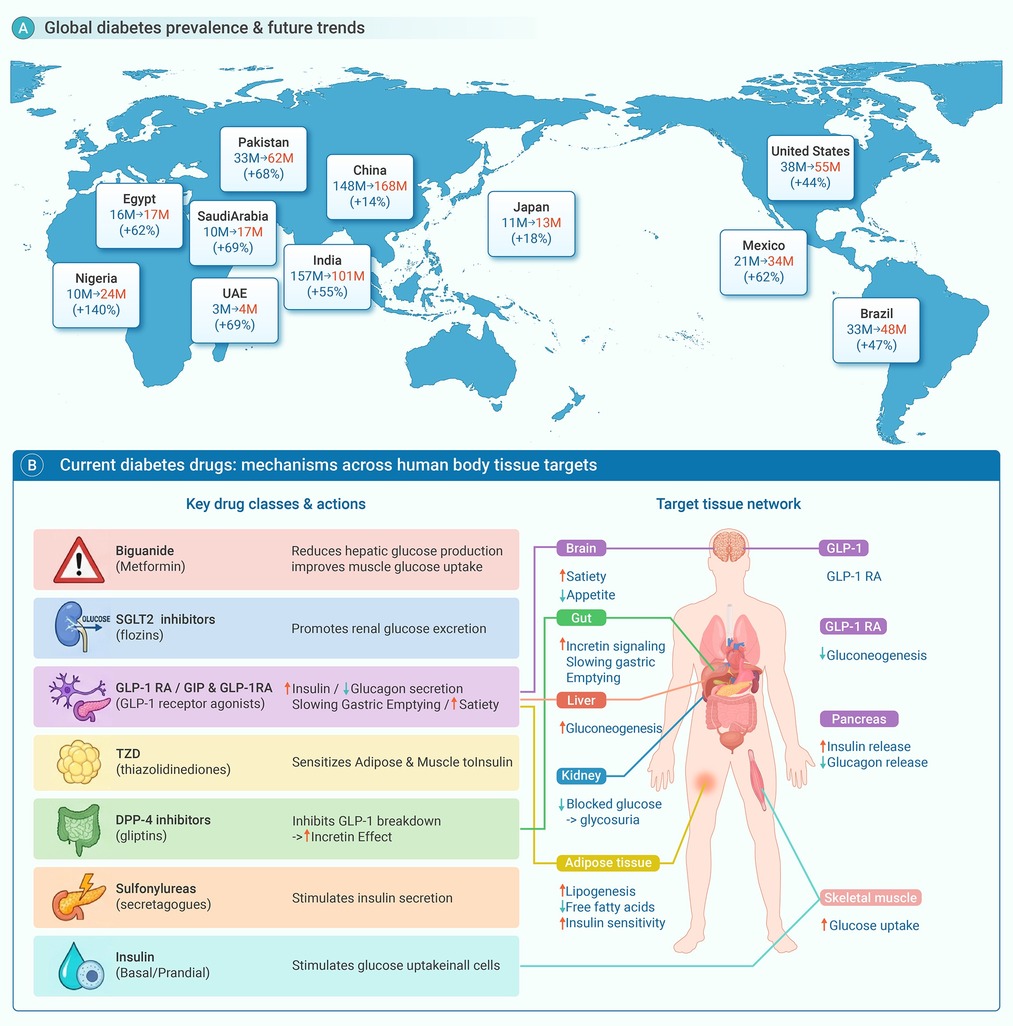
Figure 1.
Global diabetes epidemiology of T1D and T2D with a significant trend of incidence in younger age
-
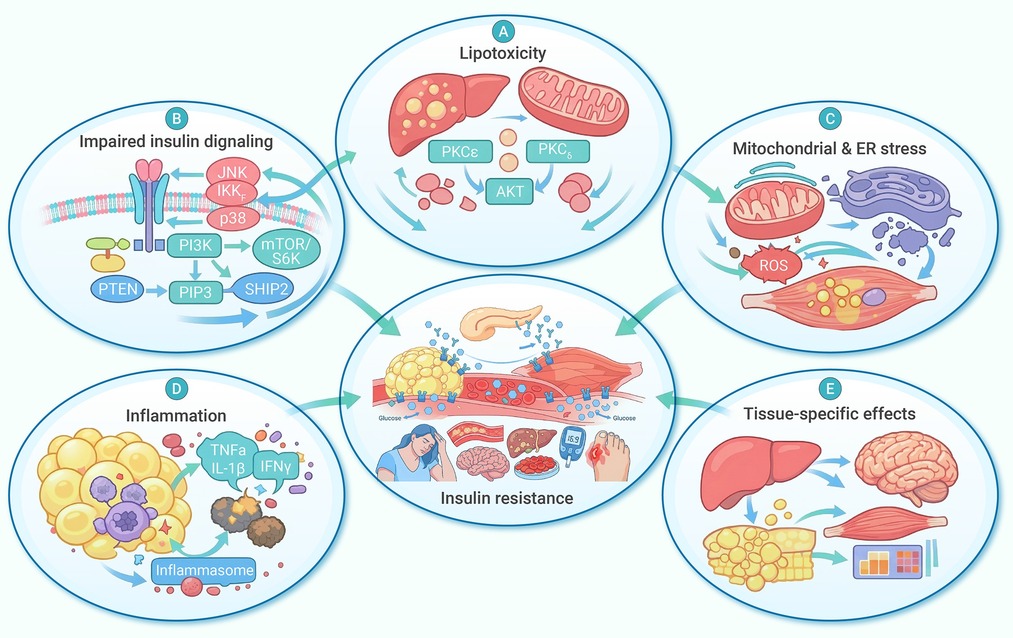
Figure 2.
Integrated mechanisms underlying insulin resistance
-
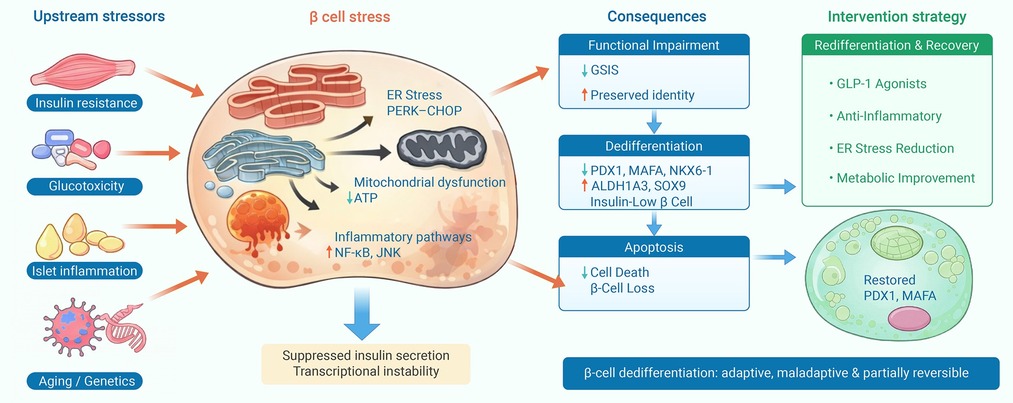
Figure 3.
β-cell failure and dedifferentiationas a central mechanism in diabetes
-
Figure 4.
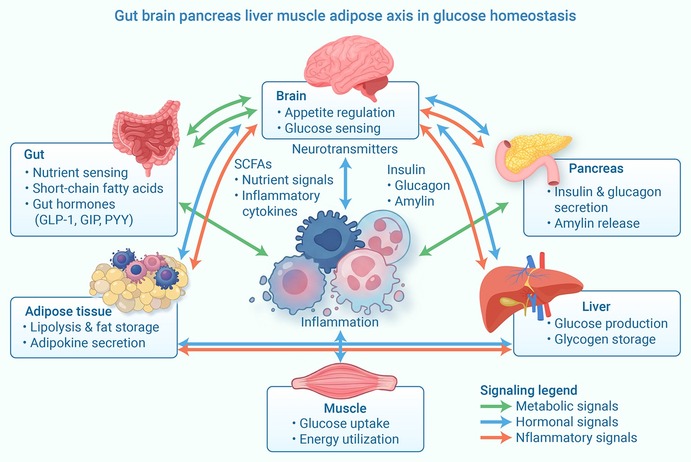
The Integrated gut-pancreases-liver-muscle-adipocytes-brain axis in glucose homeostasis. The integrated multi-organ network governs systemic glucose homeostasis, linking the gut, brain, pancreas, liver, skeletal muscle, and adipose tissue
-
Figure 5.
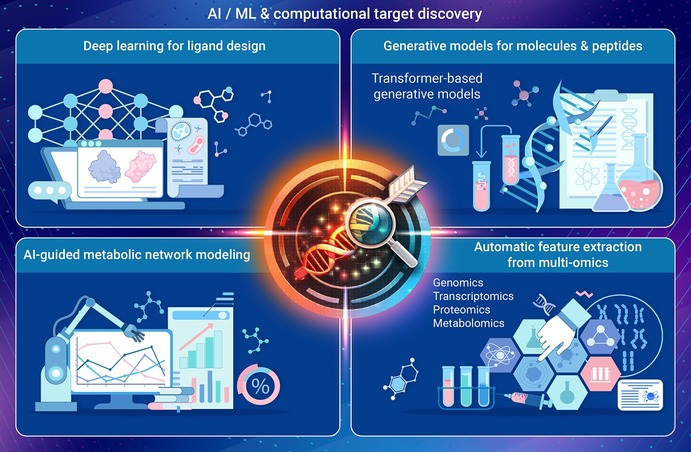
AI/ML and computational target discovery pipeline
-
Figure 6.
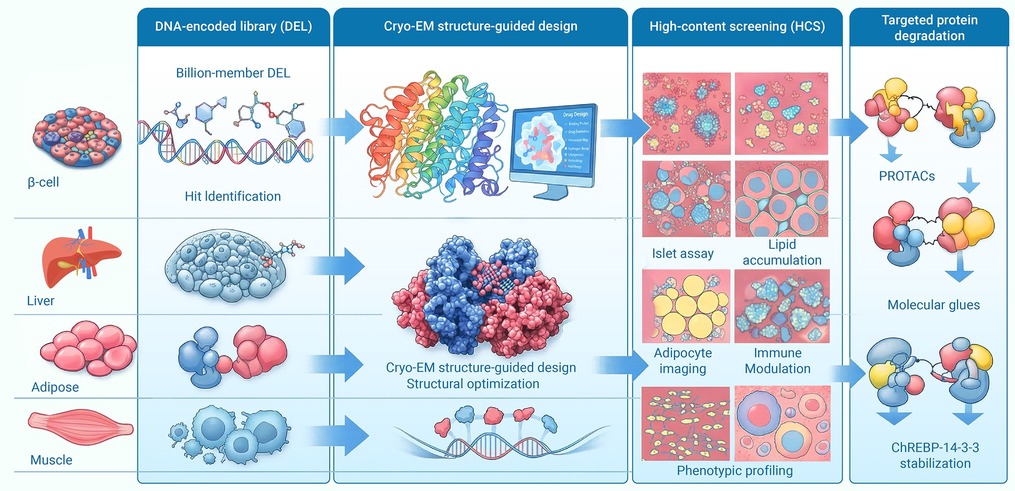
Chemical biology and screening innovation stack for diabetes drug discovery
-
Figure 7.
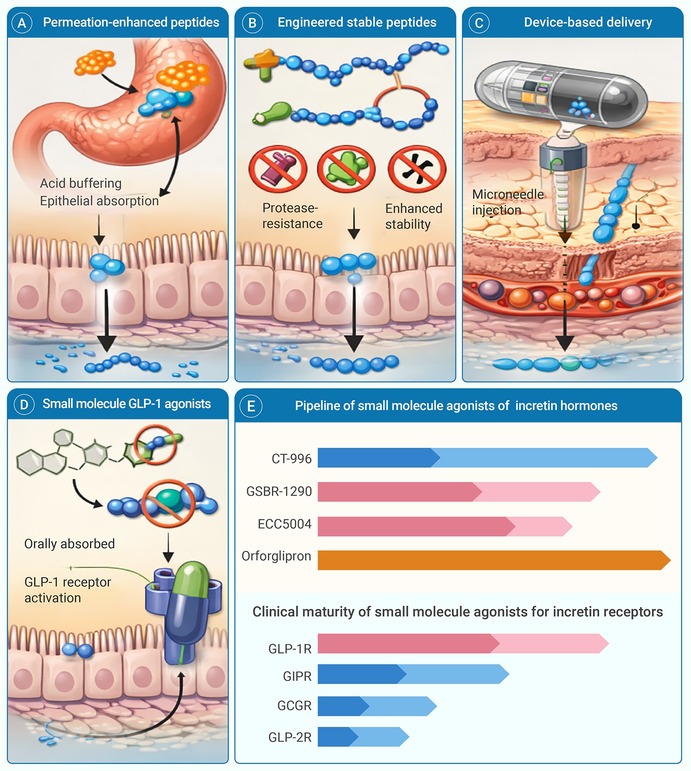
Strategies enabling oral delivery of diabetes medicines. Four complementary approaches are implemented to overcome gastrointestinal barriers and enable oral administration of biologic or small-molecule therapies for diabetes
-
Figure 8.
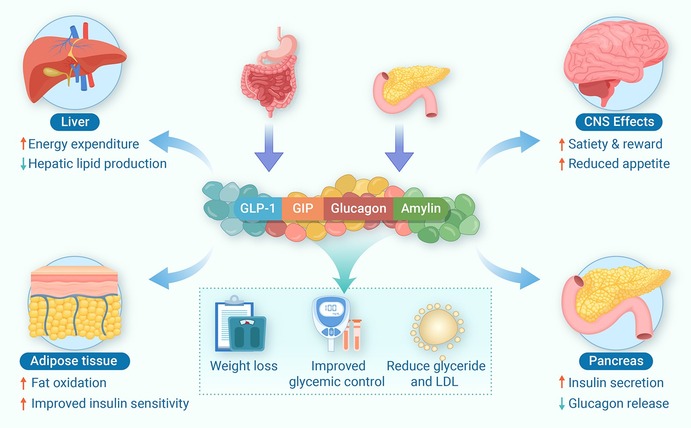
Mechanistic framework for quadruple gut-hormone agonists
-
Figure 9.
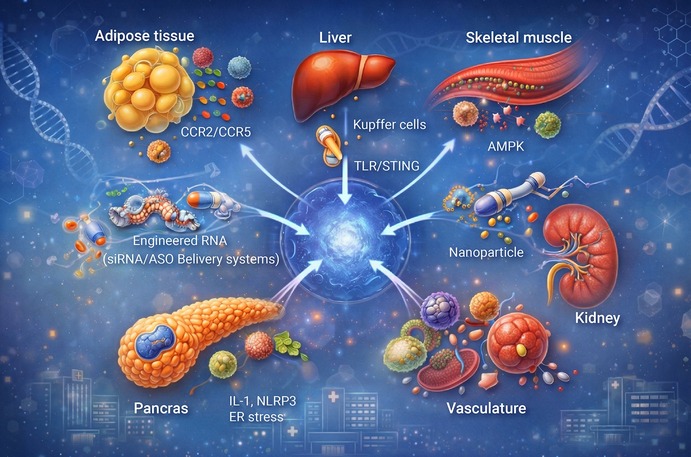
Future tissue-targeted immunometabolic reprogramming strategies
