
A multicomponent reaction-enabled discovery platform reveals a TXNRD1-targeted ferroptosis inducer
-
GRAPHICAL ABSTRACT
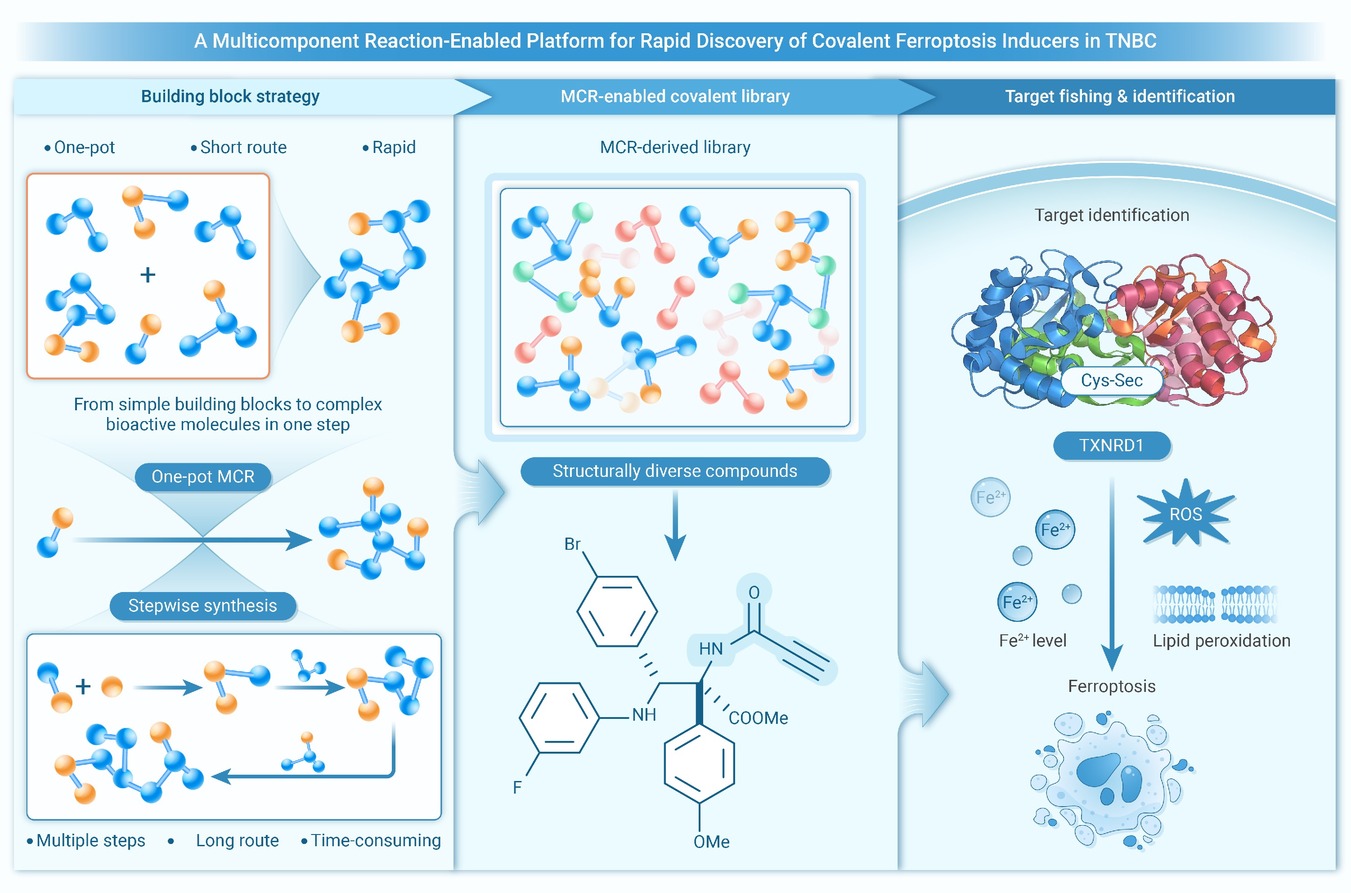
 DownLoad:
Full size image
DownLoad:
Full size image
-
PUBLIC SUMMARY
-
A multicomponent reaction-based platform enabled efficient discovery of covalent inhibitors.
HF-4aa was identified as a covalent probe targeting antioxidant enzyme TXNRD1 with nanomolar potency.
HF-4aa inhibits TXNRD1, triggers redox imbalance and ferroptosis, with preclinical antitumor activity.
-
-
ABSTRACT
Covalent inhibitors offer durable target engagement, but their discovery is often serendipitous and constrained by limited structural diversity. We introduce a multicomponent reaction (MCR)–based platform that combines modular synthesis, phenotypic screening, and proteome-level target deconvolution to identify HF-4aa, a covalent inhibitor of thioredoxin reductase 1 (TXNRD1). Stereodivergent synthesis enabled access to all four HF-4aa stereoisomers using Rh(II)/chiral phosphoric acid cocatalysis. HF-4aa displays nanomolar potency in cancer cells and modifies TXNRD1 via selenocysteine/cysteine targeting, supported by chemoproteomics and intact-protein mass spectrometry. TXNRD1 inhibition is functionally linked to redox collapse characterized by ROS accumulation, Fe2+ elevation, and lipid peroxidation, thereby inducing ferroptotic cell death. In vivo, HF-4aa suppresses tumor growth, and its efficacy is reversed by Ferrostatin-1, confirming ferroptosis dependence. Liposomal encapsulation overcomes the short metabolic half-life of free HF-4aa, and the resulting formulation demonstrates potent antitumor activity including in paclitaxel-resistant tumor models. HF-4aa serves as a proof-of-concept covalent chemical probe for TXNRD1-directed ferroptosis induction, and this study establishes a scalable MCR-based framework for systematic covalent inhibitor discovery. -

-
REFERENCES
[1] Gehringer, M., Laufer, S.A. (2019). Emerging and re-emerging warheads for targeted covalent inhibitors: Applications in medicinal chemistry and chemical biology. J. Med. Chem. 62:5673−5724. DOI:10.1021/acs.jmedchem.8b01153 [2] Baillie, T.A. (2016). Targeted covalent inhibitors for drug design. Angew. Chem. Int. Ed. 55:13408−13421. DOI:10.1002/anie.201601091 [3] Bauer, R.A. (2015). Covalent inhibitors in drug discovery: From accidental discoveries to avoided liabilities and designed therapies. Drug Discov. Today 20:1061−1073. DOI:10.1016/j.drudis.2015.05.005 [4] Boike, L., Henning, N.J., Nomura, D.K. (2022). Advances in covalent drug discovery. Nat. Rev. Drug Discov. 21:881−898. DOI:10.1038/s41573-022-00542-z [5] Soria, J.-C., Ohe, Y., Vansteenkiste, J., et al. (2018). Osimertinib in Untreated EGFR -Mutated Advanced Non–Small-Cell Lung Cancer. N. Engl. J. Med. 378:113−125. DOI:10.1056/NEJMoa1713137 [6] Byrd, J.C., Furman, R.R., Coutre, S.E., et al. (2013). Targeting BTK with Ibrutinib in Relapsed Chronic Lymphocytic Leukemia. N. Engl. J. Med. 369:32−42. DOI:10.1056/NEJMoa1215637 [7] Skoulidis, F., Li, B.T., de Langen, A.J., et al. (2025). Molecular determinants of sotorasib clinical efficacy in KRASG12C-mutated non-small-cell lung cancer. Nat. Med. 31:2755−2767. DOI:10.1038/s41591-025-03732-5 [8] Passiglia, F., Pepe, F., Russo, G., et al. (2025). Circulating tumor DNA dynamic variation predicts sotorasib efficacy in KRASp.G12C-mutated advanced non-small cell lung cancer. Cancer 131: e35917. DOI: 10.1002/cncr.35917. [9] Lanman, B.A., Parsons, A.T., Zech, S.G. (2022). Addressing atropisomerism in the development of sotorasib, a covalent inhibitor of KRAS G12C: Structural, analytical, and synthetic considerations. Acc. Chem. Res. 55:2892−2903. DOI:10.1021/acs.accounts.2c00479 [10] London, N., Miller, R.M., Krishnan, S., et al. (2014). Covalent docking of large libraries for the discovery of chemical probes. Nat. Chem. Biol. 10:1066−1072. DOI:10.1038/nchembio.1666 [11] Hartung, I.V., Rudolph, J., Mader, M.M., et al. (2023). Expanding chemical probe space: Quality criteria for covalent and degrader probes. J. Med. Chem. 66:9297−9312. DOI:10.1021/acs.jmedchem.3c00550 [12] Kornienko, A., La Clair, J.J. (2017). Covalent modification of biological targets with natural products through Paal–Knorr pyrrole formation. Nat. Prod. Rep. 34:1051−1060. DOI:10.1039/C7NP00024C [13] Byun, D.P., Ritchie, J., Jung, Y., et al. (2023). Covalent inhibition by a natural product-inspired latent electrophile. J. Am. Chem. Soc. 145:11097−11109. DOI:10.1021/jacs.3c00598 [14] Takemoto, M., Delghandi, S., Abo, M., et al. (2025). Covalent plant natural product that potentiates antitumor immunity. J. Am. Chem. Soc. 147:2902−2912. DOI:10.1021/jacs.4c17837 [15] Li, L., Wang, Y., Wang, Y., et al. (2025). Dimeric natural product panepocyclinol A inhibits STAT3 via di-covalent modification. Acta Pharm. Sin. B 15:409−423. DOI:10.1016/j.apsb.2024.10.001 [16] Neochoritis, C.G., Zhao, T., Dömling, A. (2019). Tetrazoles via multicomponent reactions. Chem. Rev. 119:1970−2042. DOI:10.1021/acs.chemrev.8b00564 [17] Zhou, X., Lai, Z., Li, J., et al. (2025). Novel Mannich-type multicomponent reactions: Discovery, mechanism, and application. Acc. Chem. Res. 58:2317−2331. DOI:10.1021/acs.accounts.5c00338 [18] De Graaff, C., Ruijter, E., Orru, R.V.A. (2012). Recent developments in asymmetric multicomponent reactions. Chem. Soc. Rev. 41:3969−3989. DOI:10.1039/C2CS15361K [19] Dömling, A., Wang, W., Wang, K. (2012). Chemistry and biology of multicomponent reactions. Chem. Rev. 112:3083−3135. DOI:10.1021/cr100233r [20] Cioc, R.C., Ruijter, E., Orru, R.V.A. (2014). Multicomponent reactions: advanced tools for sustainable organic synthesis. Green Chem. 16:2958−2975. DOI:10.1039/C4GC00013G [21] Zhang, D., Hu, W. (2017). Asymmetric multicomponent reactions based on trapping of active intermediates. Chem. Rec. 17:739−753. DOI:10.1002/tcr.201600124 [22] Guo, X., Hu, W. (2013). Novel multicomponent reactions via trapping of protic onium ylides with electrophiles. Acc. Chem. Res. 46:2427−2440. DOI:10.1021/ar300340k [23] Fu, X., Yang, H., Li, Y., et al. (2025). Multicomponent reaction-enabled semisynthesis of taxanes yields an analogue with reduced chemotherapy-induced neuropathy. JACS Au 5:4299−4308. DOI:10.1021/jacsau.5c00675 [24] Shi, T., Li, Y., Yang, J., et al. (2025). Multicatalysis-enabled multicomponent reactions generate a PTP1B inhibitor. ACS Cent. Sci. 11:938−949. DOI:10.1021/acscentsci.5c00041 [25] Shu, J., Wang, Y., Guo, W., et al. (2024). Carbenoid-involved reactions integrated with scaffold-based screening generate a Nav1.7 inhibitor. Commun. Chem. 7: 135. DOI: 10.1038/s42004-024-01213-3. [26] Sutanto, F., Shaabani, S., Neochoritis, C.G., et al. (2021). Multicomponent reaction-derived covalent inhibitor space. Sci. Adv. 7:eabd9307. DOI:10.1126/sciadv.abd9307 [27] Dixon, S.J., Lemberg, K.M., Lamprecht, M.R., et al. (2012). Ferroptosis: An iron-dependent form of nonapoptotic cell death. Cell 149:1060−1072. DOI:10.1016/j.cell.2012.03.042 [28] Niu, B., Liao, K., Zhou, Y., et al. (2021). Application of glutathione depletion in cancer therapy: Enhanced ROS-based therapy, ferroptosis, and chemotherapy. Biomaterials 277:121110. DOI:10.1016/j.biomaterials.2021.121110 [29] Doll, S., Proneth, B., Tyurina, Y.Y., et al. (2017). ACSL4 dictates ferroptosis sensitivity by shaping cellular lipid composition. Nat. Chem. Biol. 13:91−98. DOI:10.1038/nchembio.2239 [30] Shakya, A., McKee, N.W., Dodson, M., et al. (2023). Anti-ferroptotic effects of Nrf2: Beyond the antioxidant response. Mol. Cells 46:165−175. DOI:10.14348/molcells.2023.0005 [31] Anandhan, A., Dodson, M., Shakya, A., et al. (2023). NRF2 controls iron homeostasis and ferroptosis through HERC2 and VAMP8. Sci. Adv. 9:eade9585. DOI:10.1126/sciadv.ade9585 [32] Fang, X., Zhang, J., Li, Y., et al. (2023). Malic enzyme 1 as a novel anti-ferroptotic regulator in hepatic ischemia/reperfusion injury. Adv. Sci. 10:2205436. DOI:10.1002/advs.202205436 [33] Ding, Y., Chen, X., Liu, C., et al. (2021). Identification of a small molecule as inducer of ferroptosis and apoptosis through ubiquitination of GPX4 in triple-negative breast cancer cells. J. Hematol. Oncol. 14:19. DOI:10.1186/s13045-020-01016-8 [34] Huang, B., Wang, H., Liu, S., et al. (2025). Palmitoylation-dependent regulation of GPX4 suppresses ferroptosis. Nat. Commun. 16:867. DOI:10.1038/s41467-025-56344-5 [35] Ma, T., Du, J., Zhang, Y., et al. (2022). GPX4-independent ferroptosis—A new strategy in disease therapy. Cell Death Discov. 8:434. DOI:10.1038/s41420-022-01212-0 [36] Lancaster, G.I., Murphy, A.J. (2025). GPX4 methylation puts a brake on ferroptosis. Nat. Cell Biol. 27:556−557. DOI:10.1038/s41556-025-01640-x [37] Stafford, W.C., Peng, X., Olofsson, M.H., et al. (2018). Irreversible inhibition of cytosolic thioredoxin reductase 1 as a mechanistic basis for anticancer therapy. Sci. Transl. Med. 10:eaaf7444. DOI:10.1126/scitranslmed.aaf7444 [38] Zhang, J., Xu, Q., Ma, D. (2022). Inhibition of thioredoxin reductase by natural anticancer candidate β-lapachone accounts for triggering redox activation-mediated HL-60 cell apoptosis. Free Radic. Biol. Med. 180:244−252. DOI:10.1016/j.freeradbiomed.2022.01.019 [39] Yang, R., Sun, S., Zhang, Q., et al. (2025). Pharmacological inhibition of TXNRD1 by a small molecule flavonoid butein overcomes cisplatin resistance in lung cancer cells. Biol. Trace Elem. Res. 203:1949−1960. DOI:10.1007/s12011-024-04331-0 [40] Torrente, L., Prieto-Farigua, N., Falzone, A., et al. (2020). Inhibition of TXNRD or SOD1 overcomes NRF2-mediated resistance to β-lapachone. Redox Biol. 30:101440. DOI:10.1016/j.redox.2020.101440 [41] Rodrigues, J.A., Pires, B.R.B., de Amorim, I.S.S., et al. (2024). STAT3 regulates the redox profile in MDA-MB-231 breast cancer cells. Cell Biochem. Biophys. 82:3507−3516. DOI:10.1007/s12013-024-01439-x [42] Zhu, Y., Yue, P., Dickinson, C.F., et al. (2022). Natural product preferentially targets redox and metabolic adaptations and aberrantly active STAT3 to inhibit breast tumor growth in vivo. Cell Death Dis. 13:1022. DOI: 10.1038/s41419-022-05477-2. DOI:10.1038/s41419-022-05477-2 [43] Lin, C., Sun, J., Yang, Y., et al. (2025). Peptide-based nanoassembly enhances ferroptosis in cancer to overcome paclitaxel resistance. J. Controlled Release 384:113895. DOI:10.1016/j.jconrel.2025.113895 [44] Ni, Y., Chen, H., Li, R., et al. (2025). Thimerosal, a competitive thioredoxin reductase 1 (TrxR1) inhibitor discovered via high-throughput screening. Biochem. Biophys. Res. Commun. 650:117−122. DOI:10.1016/j.bbrc.2023.02.014 -
ABOUT THIS ARTICLE
Cite this article:
Fu X., Wu Q., Wu S., et al. (2026). A multicomponent reaction-enabled discovery platform reveals a TXNRD1-targeted ferroptosis inducer. The Innovation Drug Discovery 1:100011. https://doi.org/10.59717/j.xinn-drugdisc.2026.100011
Welcome!
To request copyright permission to republish or share portions of our works, please visit Copyright Clearance Center's (CCC) Marketplace website at marketplace.copyright.com.
Export File
Citation
Fu X., Wu Q., Wu S., et al. (2026). A multicomponent reaction-enabled discovery platform reveals a TXNRD1-targeted ferroptosis inducer. The Innovation Drug Discovery 1:100011. https://doi.org/10.59717/j.xinn-drugdisc.2026.100011

Format
Content
-
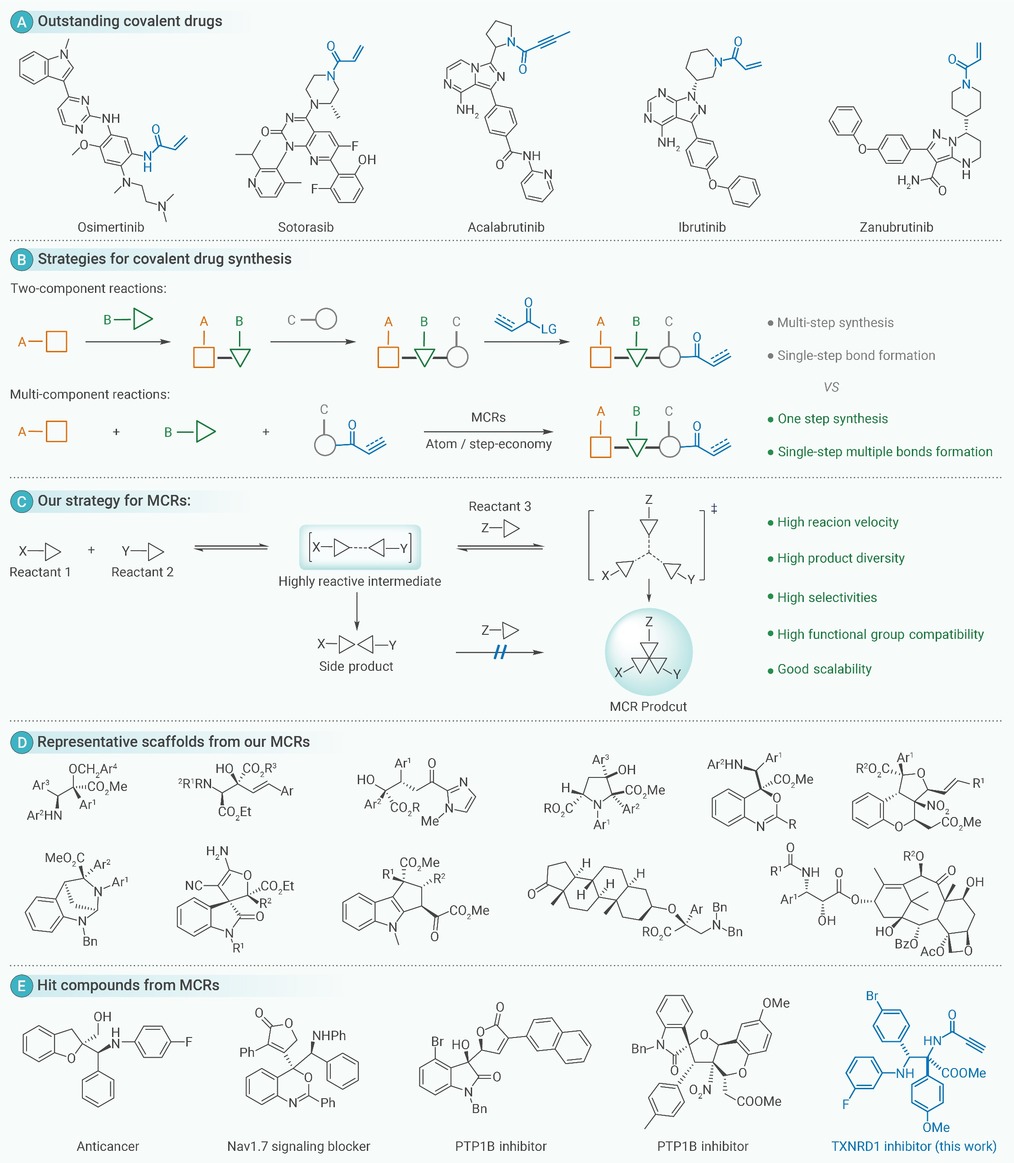
Figure 1.
MCR-driven Compound Synthesis and Hit Compound Discovery
-
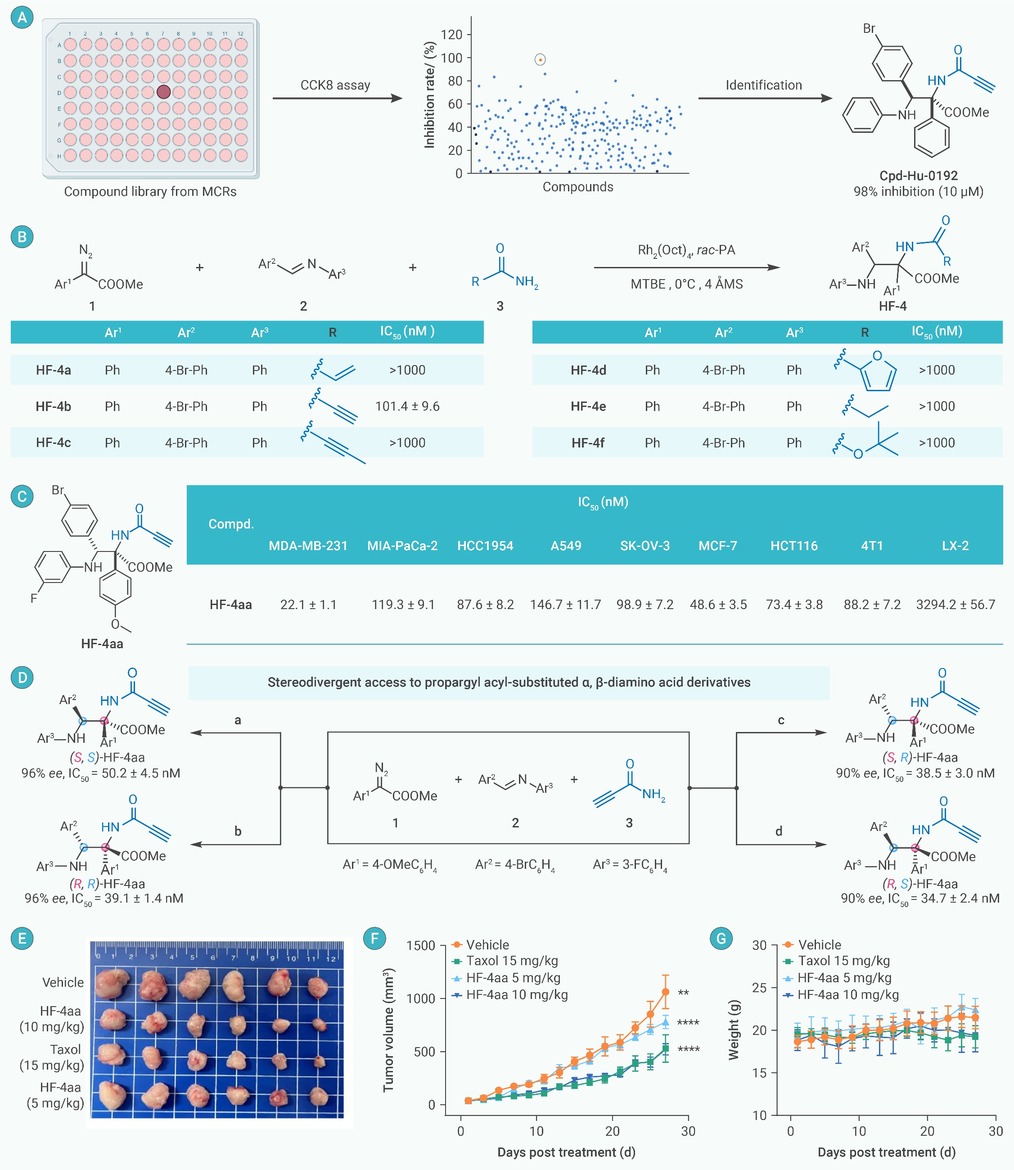
Figure 1.
Discovery of the anti-TNBC hit HF-4aa and possible mechanisms
-
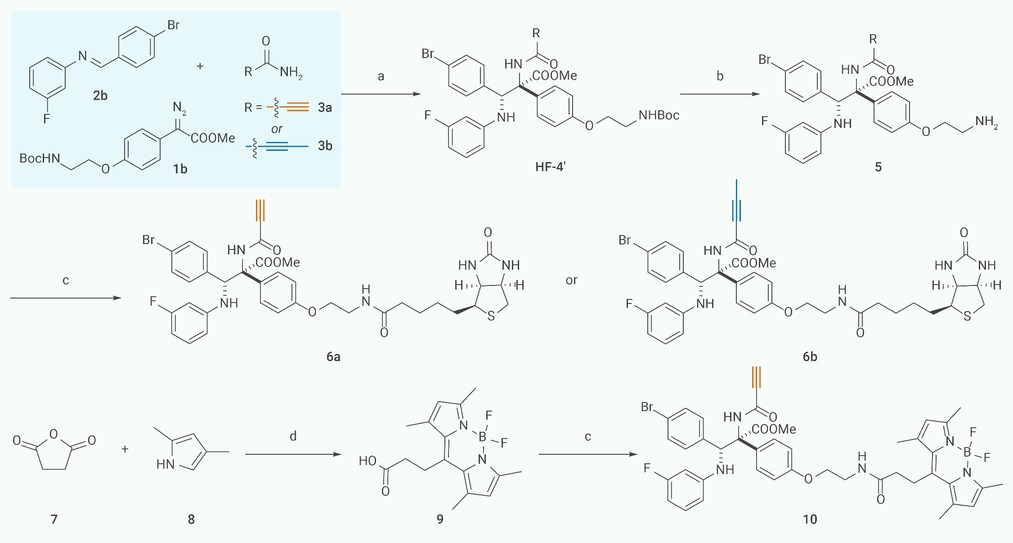
Figure 2.
Synthesis of Probes 6a and 6b
-
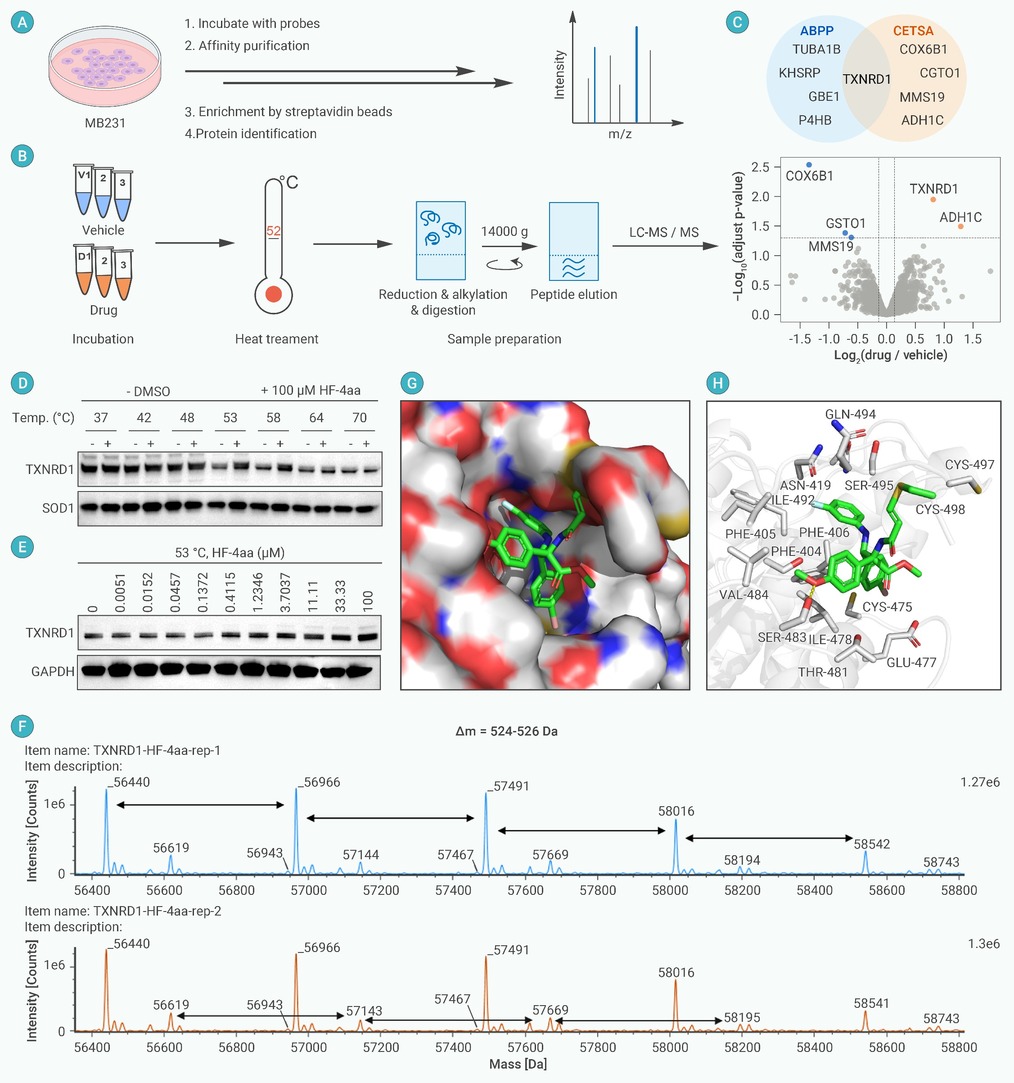
Figure 2.
HF-4aa covalently targets TXNRD1 via propiolamide warhead engagement
-
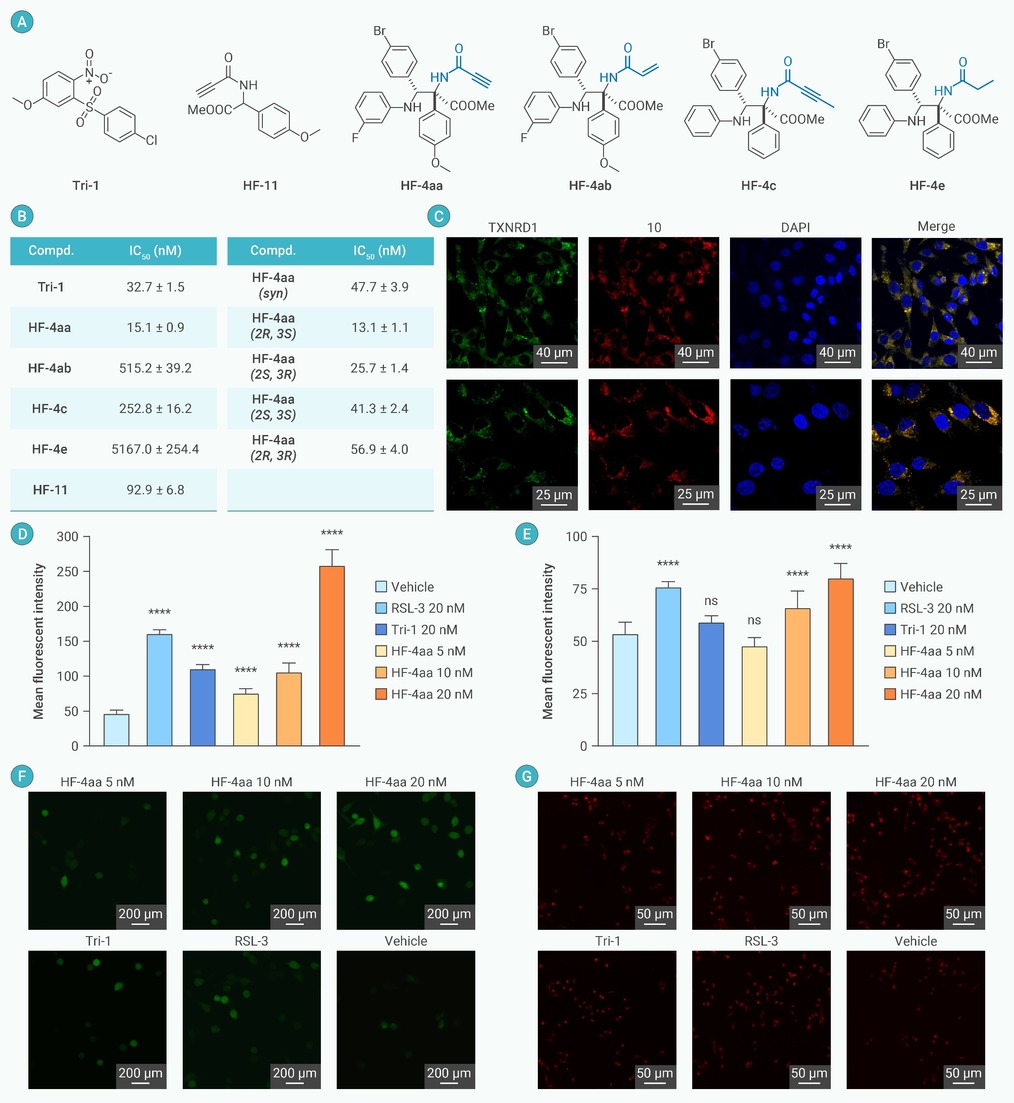
Figure 3.
HF-4aa promotes ferroptosis hallmarks in MDA-MB-231 cells
-
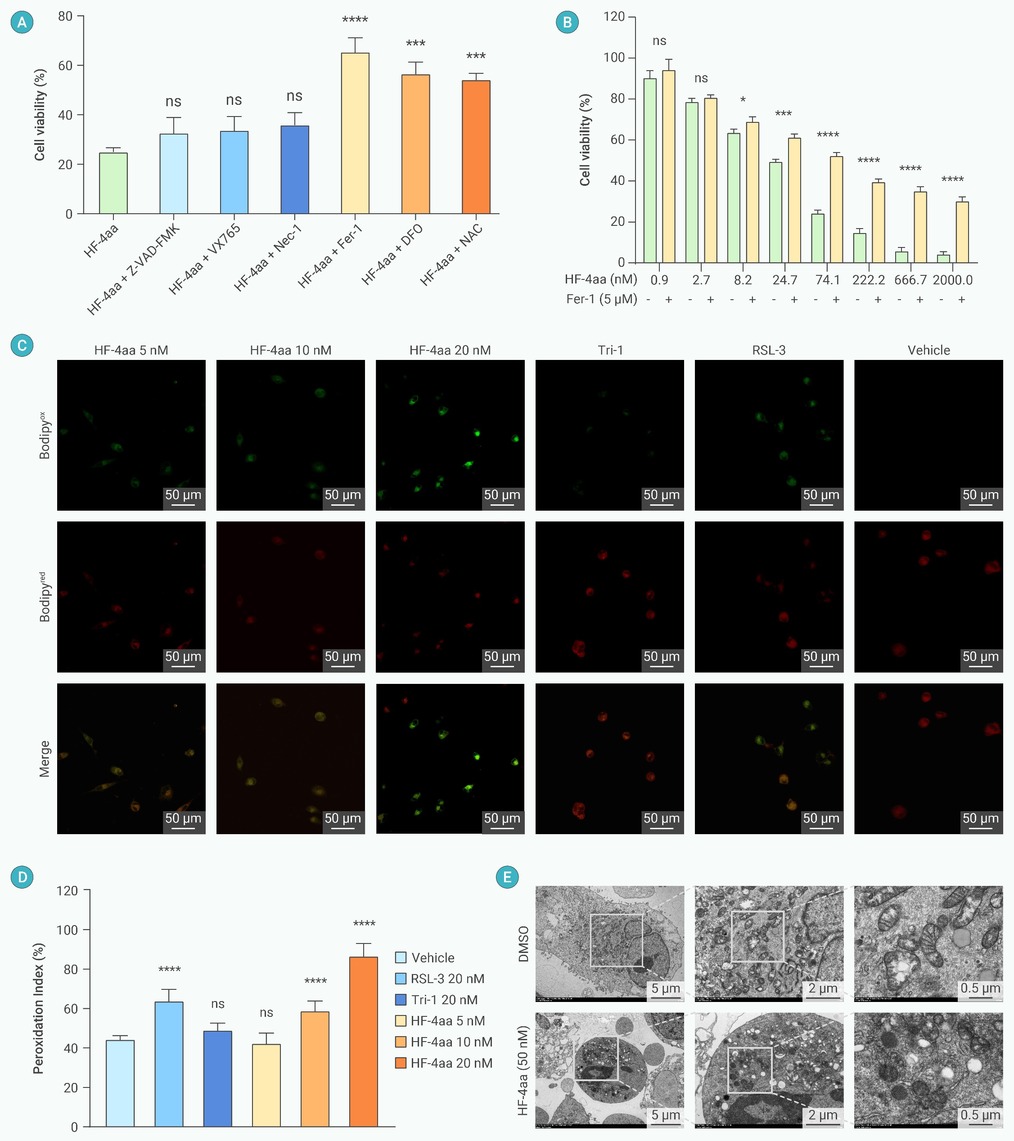
Figure 4.
HF-4aa induces lipid peroxidation and ferroptotic phenotypes
-
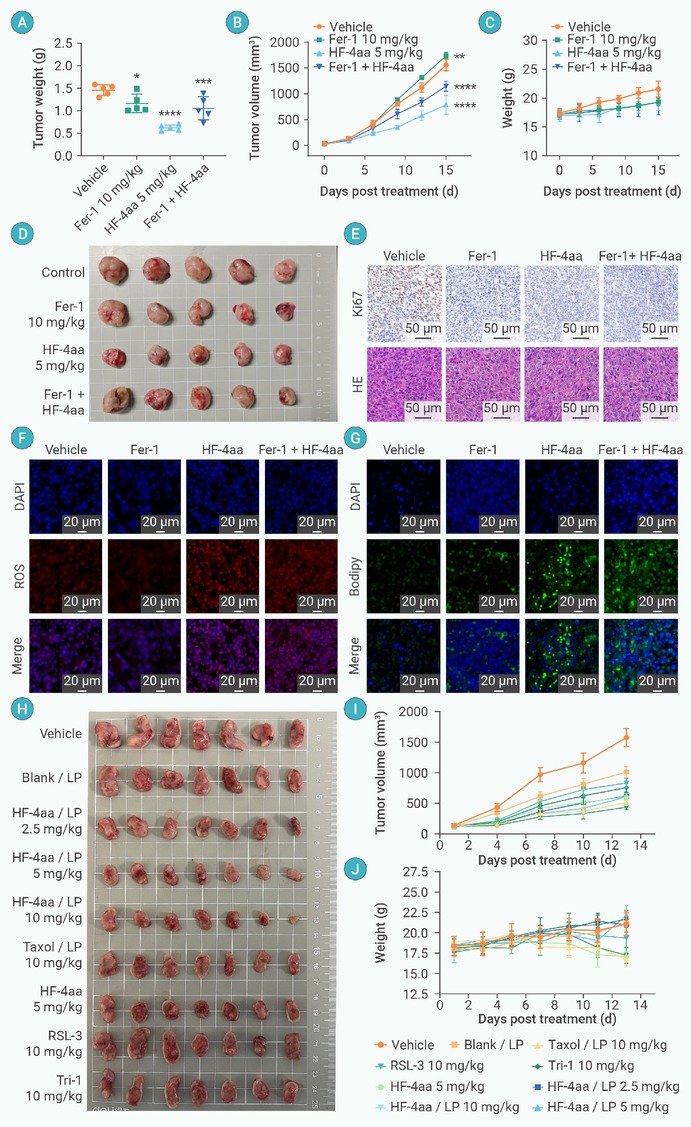
Figure 5.
HF-4aa induces ferroptosis and suppresses breast cancer growth in vivo
-
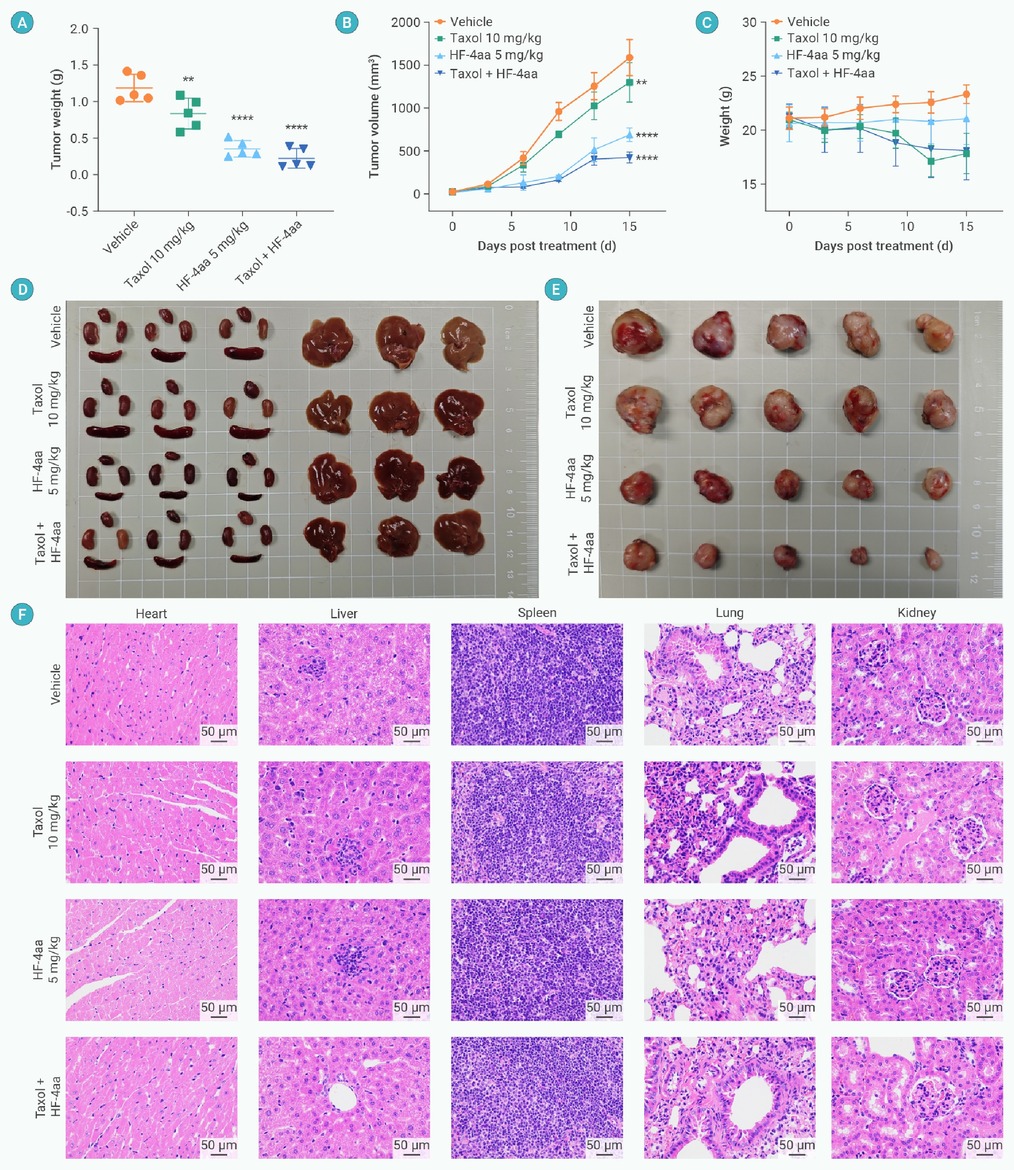
Figure 6.
LLC Paclitaxel-Resistant Mouse Model. A-C Data are represented as mean ± SEM
