
Approaches to in vivo CAR-T therapy technology and considerations of quality control and nonclinical research
-
GRAPHICAL ABSTRACT
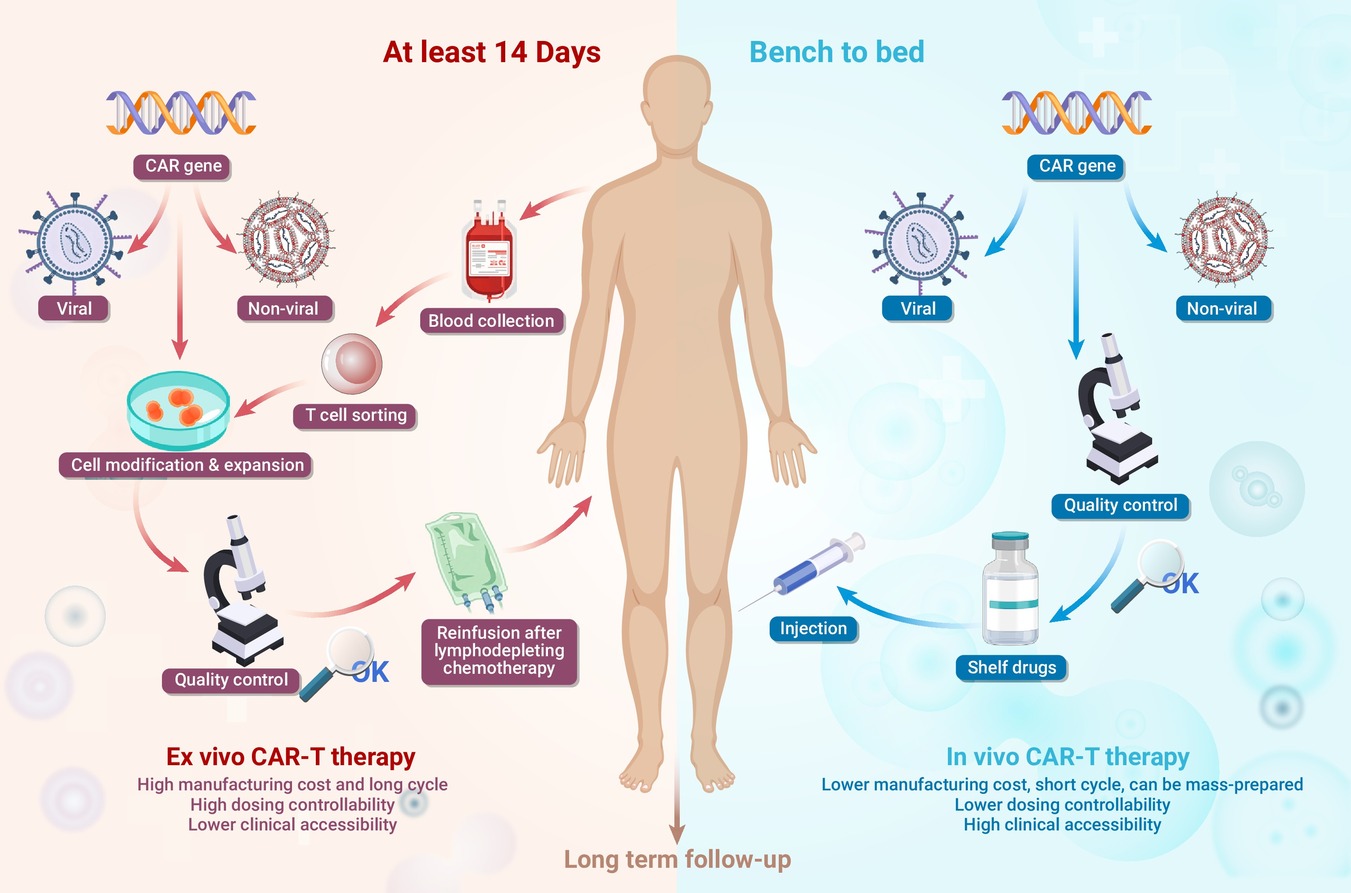
 DownLoad:
Full size image
DownLoad:
Full size image
-
PUBLIC SUMMARY
-
This review introduced the mechanisms, clinical advances and optimization strategies of in vivo CAR-T therapy.
This review focused on considerations for developing quality control strategies for in vivo CAR-T therapy.
This review focused on discussing key considerations for its nonclinical research.
-
-
ABSTRACT
Chimeric antigen receptor T-cell (CAR-T) therapy has achieved remarkable success in the treatment of hematological malignancies. However, conventional ex vivo CAR-T therapies are constrained by complex manufacturing processes, long production cycles, and limited clinical applicability. To address these limitations and to simplify the treatment process and enhance accessibility, strategies for in situ delivery of CAR-encoding genes to endogenous T cells have been developed. This review summarizes the design of carriers and payloads for in vivo CAR-T therapy, provides an overview of recent advances in the field, and examines its persistent challenges and potential solutions. The article focuses on discussing key considerations related to quality control and nonclinical research for in vivo CAR-T products based on their characteristics and relevant guidelines for gene therapy and conventional CAR-T cell products, with the aim of providing insights for the translational application of this technology. -

-
REFERENCES
[1] U.S. Food and Drug Administration. Approved Cellular and Gene Therapy Products [EB/OL]. [2026-02-25]. https://www.fda.gov/vaccines-blood-biologics/cellular-gene-therapy-products/approved-cellular-and-gene-therapy-products [2] China National Medical Products Administration. Drug Approval Number Data-Search [EB/OL]. [2026-02-25]. https://www.nmpa.gov.cn/datasearch/search-result.html [3] India Central Drugs Standard Control Organization. List of FDC and New Drugs Approved for Marketing in India [EB/OL]. [2026-02-25]. http://cdsco.nic.in/forms/list.aspx [4] Sterner R.C., Sterner R.M. (2021). CAR-T cell therapy: current limitations and potential strategies. Blood Cancer Journal 11:69. DOI:10.1038/s41408-021-00459-7 [5] Cliff E.R.S., Kelkar A.H., Russler-Germain D., et al. (2023). High Cost of Chimeric Antigen Receptor T-Cells: Challenges and Solutions. American Society of Clinical Oncology Educational Book 43:e397912. DOI:10.1200/EDBK_397912 [6] Locke F.L., Siddiqi T., Jacobson C.A., et al. (2025). Impact of vein-to-vein time in patients with R/R LBCL treated with axicabtagene ciloleucel. Blood Advances 9:2663−2676. DOI:10.1182/bloodadvances.2024013656 [7] Lickefett B., Chu L., Ortiz-Maldonado V., et al. (2023). Lymphodepletion - an essential but undervalued part of the chimeric antigen receptor T-cell therapy cycle. Frontiers in Immunology 14:1303935. DOI:10.3389/fimmu.2023.1303935 [8] Wudhikarn K., Perales M. (2022). Infectious complications, immune reconstitution, and infection prophylaxis after CD19 chimeric antigen receptor T-cell therapy. Bone Marrow Transplantation 57:1477−1488. DOI:10.1038/s41409-022-01756-w [9] Bedoya D.M., Dutoit V., Migliorini D. (2021). Allogeneic CAR T Cells: An Alternative to Overcome Challenges of CAR T Cell Therapy in Glioblastoma. Frontiers in Immunology 12:640082. DOI:10.3389/fimmu.2021.640082 [10] Lonez C., Breman E. (2024). Allogeneic CAR-T Therapy Technologies: Has the Promise Been Met. Cells 13:146. DOI:10.3390/cells13020146 [11] Sommer C., Boldajipour B., Kuo T.C., et al. (2019). Preclinical Evaluation of Allogeneic CAR T Cells Targeting BCMA for the Treatment of Multiple Myeloma. Molecular Therapy 27:1126−1138. DOI:10.1016/j.ymthe.2019.04.001 [12] Nicolai C.J., Parker M.H., Qin J., et al. (2024). In vivo CAR T-cell generation in nonhuman primates using lentiviral vectors displaying a multidomain fusion ligand. Blood 144:977−987. DOI:10.1182/blood.2024024523 [13] Beura E.T., Latimer H.J., Wong D., et al. (2024). T cell-specific in vivo transduction with preclinical candidate KLN-1010 generates BCMA directed CAR T cells with potent anti-multiple myeloma activity [Abstract]. In: Proceedings of the American Association for Cancer Research Annual Meeting 2024; Part 1 (Regular Abstracts); 2024 Apr 5-10; San Diego, CA. Philadelphia (PA): AACR. Cancer Research 84(6_Suppl): Abstract nr 48. DOI: 10.1158/1538-7445.AM2024-48 [14] Kuwana Y., Asakura Y., Utsunomiya N., et al. (1987). Expression of chimeric receptor composed of immunoglobulin-derived V regions and T-cell receptor-derived C regions. Biochemical and Biophysical Research Communications 149:960−968. DOI:10.1016/0006-291x(87)90502-x [15] Gross G., Waks T., Eshhar Z. (1989). Expression of immunoglobulin-T-cell receptor chimeric molecules as functional receptors with antibody-type specificity. Proceedings of the National Academy of Sciences of the United States of America 86:10024−10028. DOI:10.1073/pnas.86.24.10024 [16] Eshhar Z., Waks T., Gross G., et al. (1993). Specific activation and targeting of cytotoxic lymphocytes through chimeric single chains consisting of antibody-binding domains and the gamma or zeta subunits of the immunoglobulin and T-cell receptors. Proceedings of the National Academy of Sciences of the United States of America 90:720−724. DOI:10.1073/pnas.90.2.720 [17] Finney H.M., Lawson A.D., Bebbington C.R., et al. (1998). Chimeric receptors providing both primary and costimulatory signaling in T cells from a single gene product. Journal of Immunology 161:2791−2797. DOI:10.4049/jimmunol.161.6.2791 [18] Maher J., Brentjens R.J., Gunset G., et al. (2002). Human T-lymphocyte cytotoxicity and proliferation directed by a single chimeric TCRζ/CD28 receptor. Nature Biotechnology 20:70−75. DOI:10.1038/nbt0102-70 [19] Imai C., Mihara K., Andreansky M., et al. (2004). Chimeric receptors with 4-1BB signaling capacity provoke potent cytotoxicity against acute lymphoblastic leukemia. Leukemia 18:676−684. DOI:10.1038/sj.leu.2403302 [20] Pule M.A., Savoldo B., Myers G.D., et al. (2008). Virus-specific T cells engineered to coexpress tumor-specific receptors: persistence and antitumor activity in individuals with neuroblastoma. Nature Medicine 14:1264−1270. DOI:10.1038/nm.1882 [21] Kochenderfer J.N., Wilson W.H., Janik J.E., et al. (2010). Eradication of B-lineage cells and regression of lymphoma in a patient treated with autologous T cells genetically engineered to recognize CD19. Blood 116:4099−4102. DOI:10.1182/blood-2010-04-281931 [22] Sengsayadeth S., Savani B.N., Oluwole O., et al. (2021). Overview of approved CAR-T therapies, ongoing clinical trials, and its impact on clinical practice. EJHaem 3(Suppl 1): 6–10. DOI: 10.1002/jha2.338. [23] Zhong X., Matsushita M., Plotkin J., et al. (2009). Chimeric antigen receptors combining 4-1BB and CD28 signaling domains augment PI3kinase/AKT/Bcl-XL activation and CD8+ T cell-mediated tumor eradication. Molecular Therapy 18:413−420. DOI:10.1038/mt.2009.210 [24] Chmielewski M., Abken H. (2015). TRUCKs: the fourth generation of CARs. Expert Opinion on Biological Therapy 15:1145−1154. DOI:10.1517/14712598.2015.1046430 [25] Chmielewski M., Kopecky C., Hombach A.A., et al. (2011). IL-12 release by engineered T cells expressing chimeric antigen receptors can effectively Muster an antigen-independent macrophage response on tumor cells that have shut down tumor antigen expression. Cancer Research 71:5697−5706. DOI:10.1158/0008-5472.CAN-11-0103 [26] Kagoya Y., Tanaka S., Guo T., et al. (2018). A novel chimeric antigen receptor containing a JAK-STAT signaling domain mediates superior antitumor effects. Nature Medicine 24:352−359. DOI:10.1038/nm.4478 [27] Guercio M., Manni S., Boffa I., et al. (2021). Inclusion of the Inducible Caspase 9 Suicide Gene in CAR Construct Increases Safety of CAR.CD19 T Cell Therapy in B-Cell Malignancies. Frontiers in Immunology 12: 755639. DOI: 10.3389/fimmu.2021.755639 [28] Jan M., Scarfò I., Larson R.C., et al. (2021). Reversible ON- and OFF-switch chimeric antigen receptors controlled by lenalidomide. Science Translational Medicine 13(575). DOI: 10.1126/scitranslmed.abb6295 [29] Nguyen N.T., Huang K., Zeng H., et al. (2021). Nano-optogenetic engineering of CAR T cells for precision immunotherapy with enhanced safety. Nature Nanotechnology 16:1424−1434. DOI:10.1038/s41565-021-00982-5 [30] Roybal K.T., Rupp L.J., Morsut L., et al. (2016). Precision Tumor Recognition by T Cells With Combinatorial Antigen-Sensing Circuits. Cell 164:770−779. DOI:10.1016/j.cell.2016.01.011 [31] Urbanska K., Lanitis E., Poussin M., et al. (2012). A universal strategy for adoptive immunotherapy of cancer through use of a novel T-cell antigen receptor. Cancer Research 72:1844−1852. DOI:10.1158/0008-5472.CAN-11-3890 [32] Zhao J., Lin Q., Song Y., et al. (2018). Universal CARs, universal T cells, and universal CAR T cells. Journal of Hematology & Oncology 11:132. DOI:10.1186/s13045-018-0677-2 [33] Cook M.S., King E., Flaherty K.R., et al. (2025). CAR-T cells containing CD28 versus 4-1BB co-stimulatory domains show distinct metabolic profiles in patients. Cell Reports 44:115973. DOI:10.1016/j.celrep.2025.115973 [34] Kouro T., Higashijima N., Horaguchi S., et al. (2024). Novel chimeric antigen receptor-expressing T cells targeting the malignant mesothelioma-specific antigen sialylated HEG1. International Journal of Cancer 154:1828−1841. DOI:10.1002/ijc.34843 [35] Agarwal S., Hanauer J.D.S., Frank A.M., et al. (2020). In Vivo Generation of CAR T Cells Selectively in Human CD4+ Lymphocytes. Molecular Therapy 28:1783−1794. DOI:10.1016/j.ymthe.2020.05.005 [36] Pfeiffer A., Thalheimer F.B., Hartmann S., et al. (2018). In vivo generation of human CD19-CAR T cells results in B-cell depletion and signs of cytokine release syndrome. EMBO Molecular Medicine 10(11). DOI: 10.15252/emmm.201809158 [37] Andorko J.I., Russell R.M., Schnepp B.C., et al. (2025). Targeted in vivo delivery of genetic medicines utilizing an engineered lentiviral vector platform results in CAR T and NK cell generation. Molecular Therapy 33:4937−4952. DOI:10.1016/j.ymthe.2025.06.036 [38] Frank A.M., Braun A.H., Scheib L., et al. (2020). Combining T-cell-specific activation and in vivo gene delivery through CD3-targeted lentiviral vectors. Blood Advances 4:5702−5715. DOI:10.1182/bloodadvances.2020002229 [39] Smith T.T., Stephan S.B., Moffett H.F., et al. (2017). In situ programming of leukaemia-specific T cells using synthetic DNA nanocarriers. Nature Nanotechnology 12:813−820. DOI:10.1038/nnano.2017.57 [40] Tiziana C., L K.A., R B.A., et al. (2025). Efficient in vivo generation of CAR T cells using a retargeted fourth-generation lentiviral vector. Molecular Therapy 33:4953−4967. DOI:10.1016/j.ymthe.2025.07.006 [41] Espinosa-Carrasco G., Chiu E., Scrivo A., et al. (2024). Intratumoral immune triads are required for immunotherapy-mediated elimination of solid tumors. Cancer Cell 42:1202−1216.e8. DOI:10.1016/j.ccell.2024.05.025 [42] Huckaby J.T., Landoni E., Jacobs T.M., et al. (2021). Bispecific binder redirected lentiviral vector enables in vivo engineering of CAR-T cells. Journal for Immunotherapy of Cancer 9(9). DOI: 10.1136/jitc-2021-002737 [43] Zhou J., Sun L., Jia Y., et al. (2022). Lipid nanoparticles produce chimeric antigen receptor T cells with interleukin-6 knockdown in vivo. Journal of Controlled Release 350:298−307. DOI:10.1016/j.jconrel.2022.08.033 [44] Yuan L., Yishi T., Chanjuan L., et al. (2024). In situ engineering of mRNA-CAR T cells using spleen-targeted ionizable lipid nanoparticles to eliminate cancer cells. Nano Today 59:102518. DOI:10.1016/j.nantod.2024.102518 [45] Michels A., Frank A.M., Günther D.M., et al. (2021). Lentiviral and adeno-associated vectors efficiently transduce mouse T lymphocytes when targeted to murine CD8. Molecular Therapy. Methods & Clinical Development 23:334−347. DOI:10.1016/j.omtm.2021.09.014 [46] Demircan M.B., Zinser L.J., Michels A., et al. (2024). T-cell specific in vivo gene delivery with DART-AAVs targeted to CD8. Molecular Therapy 32:3470−3484. DOI:10.1016/j.ymthe.2024.08.002 [47] Parayath N.N., Stephan S.B., Koehne A.L., et al. (2020). In vitro-transcribed antigen receptor mRNA nanocarriers for transient expression in circulating T cells in vivo. Nature Communications 11:6080. DOI:10.1038/s41467-020-19486-2 [48] Agarwal S., Weidner T., Thalheimer F.B., et al. (2019). In vivo generated human CAR T cells eradicate tumor cells. OncoImmunology 8:e1671761. DOI:10.1080/2162402X.2019.1671761 [49] H. A., A.M. F., R. R., et al. (2025). Design and Preclinical Development of a Novel In Vivo Chimeric Antigen Receptor (CAR) Product for B-Cell Involved Diseases. Cytotherapy 27(5, Supplement): S161 [50] Fernández B.J., Eline V.D., E M.D., et al. (2025). T cell-specific non-viral DNA delivery and in vivo CAR-T generation using targeted lipid nanoparticles. Journal for Immunotherapy of Cancer 13(7). DOI: 10.1136/jitc-2025-011759 [51] Duan Y., Chen R., Huang Y., et al. (2021). Tuning the ignition of CAR: optimizing the affinity of scFv to improve CAR-T therapy. Cellular and Molecular Life Sciences 79:14. DOI:10.1007/s00018-021-04089-x [52] Ho N., Agarwal S., Milani M., et al. (2022). In vivo generation of CAR T cells in the presence of human myeloid cells. Molecular Therapy. Methods & Clinical Development 26:144−156. DOI:10.1016/j.omtm.2022.06.004 [53] Li D., Wang R., Liang T., et al. (2023). Camel nanobody-based B7-H3 CAR-T cells show high efficacy against large solid tumours. Nature Communications 14:5920. DOI:10.1038/s41467-023-41631-w [54] Barré-Sinoussi F., Chermann J.C., Rey F., et al. (1983). Isolation of a T-lymphotropic retrovirus from a patient at risk for acquired immune deficiency syndrome (AIDS). Science 220:868−871. DOI:10.1126/science.6189183 [55] Naldini L., Blömer U., Gallay P., et al. (1996). In vivo gene delivery and stable transduction of nondividing cells by a lentiviral vector. Science 272:263−267. DOI:10.1126/science.272.5259.263 [56] Dull T., Zufferey R., Kelly M., et al. (1998). A third-generation lentivirus vector with a conditional packaging system. Journal of Virology 72:8463−8471. DOI:10.1128/JVI.72.11.8463-8471.1998 [57] Palfi S., Gurruchaga J.M., Ralph G.S., et al. (2014). Long-term safety and tolerability of ProSavin, a lentiviral vector-based gene therapy for Parkinson's disease: a dose escalation, open-label, phase 1/2 trial. The Lancet 383:1138−1146. DOI:10.1016/S0140-6736(13)61939-X [58] Milone M.C. (2018). Clinical use of lentiviral vectors. Leukemia 32:1529−1541. DOI:10.1038/s41375-018-0106-0 [59] Nikolić J., Belot L., Raux H., et al. (2018). Structural basis for the recognition of LDL-receptor family members by VSV glycoprotein. Nature Communications 9:1029. DOI:10.1038/s41467-018-03432-4 [60] Desmaris N., Bosch A., Salaün C., et al. (2001). Production and neurotropism of lentivirus vectors pseudotyped with lyssavirus envelope glycoproteins. Molecular Therapy 4:149−156. DOI:10.1006/mthe.2001.0431 [61] Baboon envelope pseudotyped LVs outperform VSV-G-LVs for gene transfer into early-cytokine-stimulated and resting HSCs. Blood 124: 1221–1231. DOI: 10.1182/blood-2014-02-558163 [62] Colamartino A.B.L., Lemieux W., Bifsha P., et al. (2019). Efficient and Robust NK-Cell Transduction With Baboon Envelope Pseudotyped Lentivector. Frontiers in Immunology 10:2873. DOI:10.3389/fimmu.2019.02873 [63] Mystery solved: VSV-G-LVs do not allow efficient gene transfer into unstimulated T cells, B cells, and HSCs because they lack the LDL receptor. Blood 123: 1422–1424. DOI: 10.1182/blood-2013-11-540641 [64] Depolo N.J., Reed J.D., Sheridan P.L., et al. (2000). VSV-G pseudotyped lentiviral vector particles produced in human cells are inactivated by human serum. Molecular Therapy 2:218−222. DOI:10.1006/mthe.2000.0116 [65] Strebinger D., Frangieh C.J., Friedrich M.J., et al. (2023). Cell type-specific delivery by modular envelope design. Nature Communications 14:5141. DOI:10.1038/s41467-023-40788-8 [66] Efficient gene transfer into human primary blood lymphocytes by surface-engineered lentiviral vectors that display a T cell-activating polypeptide. Blood 99: 2342–2350. DOI: 10.1182/blood.v99.7.2342 [67] Buchholz C.J., Friedel T., Büning H. (2015). Surface-Engineered Viral Vectors for Selective and Cell Type-Specific Gene Delivery. Trends in Biotechnology 33:777−790. DOI:10.1016/j.tibtech.2015.09.008 [68] Xu J., Liu L., Parone P., et al. (2025). In-vivo B-cell maturation antigen CAR T-cell therapy for relapsed or refractory multiple myeloma. The Lancet 406:228−231. DOI:10.1016/S0140-6736(25)01030-X [69] Mietzsch M., Pénzes J.J., Agbandje-McKenna M. (2019). Twenty-Five Years of Structural Parvovirology. Viruses 11(4). DOI: 10.3390/v11040362 [70] Kotterman M.A., Chalberg T.W., Schaffer D.V. (2015). Viral Vectors for Gene Therapy: Translational and Clinical Outlook. Annual Review of Biomedical Engineering 17:63−89. DOI:10.1146/annurev-bioeng-071813-104938 [71] Dhungel B.P., Bailey C.G., Rasko J.E.J. (2020). Journey to the Center of the Cell: Tracing the Path of AAV Transduction. Trends in Molecular Medicine 27:172−184. DOI:10.1016/j.molmed.2020.09.010 [72] Wang D., Tai P.W.L., Gao G. (2019). Adeno-associated virus vector as a platform for gene therapy delivery. Nature Reviews Drug Discovery 18:358−378. DOI:10.1038/s41573-019-0012-9 [73] Nawaz W., Huang B., Xu S., et al. (2021). AAV-mediated in vivo CAR gene therapy for targeting human T-cell leukemia. Blood Cancer Journal 11:119. DOI:10.1038/s41408-021-00508-1 [74] Lu Z., Ni K., Liu W., et al. (2026). An AAV variant enables human T cell engineering in vivo. Vita DOI: 10.15302/vita.2026.01.0008 [75] Nyberg W.A., Wang C.H., Ark J., et al. (2025). In vivo engineering of murine T cells using the evolved adeno-associated virus variant Ark313. Immunity 58:499−512.e7. DOI:10.1016/j.immuni.2025.01.009 [76] Haifeng C., Tsvetelina H., Anastasiya S., et al. 1001 In vivo generation of CD19-specific CAR-T cells using a novel AAV gene therapy platform to treat B cell malignancies. Journal for ImmunoTherapy of Cancer 13(Suppl 2 [77] Nyberg W.A., Ark J., To A., et al. (2023). An evolved AAV variant enables efficient genetic engineering of murine T cells. Cell 186:446−460.e19. DOI:10.1016/j.cell.2022.12.022 [78] Boucas J., Lux K., Huber A., et al. (2009). Engineering adeno-associated virus serotype 2-based targeting vectors using a new insertion site-position 453-and single point mutations. The Journal of Gene Medicine 11:1103−1113. DOI:10.1002/jgm.1392 [79] Münch R.C., Janicki H., Völker I., et al. (2012). Displaying high-affinity ligands on adeno-associated viral vectors enables tumor cell-specific and safe gene transfer. Molecular Therapy 21:109−118. DOI:10.1038/mt.2012.186 [80] Breuer C.B., Hanlon K.S., Natasan J., et al. (2020). In vivo engineering of lymphocytes after systemic exosome-associated AAV delivery. Scientific Reports 10:4544. DOI:10.1038/s41598-020-61518-w [81] Pan T., Yang C., Zhao K., et al. (2025). Biomimetic artificial enveloped viral vectors: Overcoming immune barriers for re-administration and long-term gene therapy. Cell Biomaterials 1(7). DOI: 10.1016/j.celbio.2025.100143 [82] Dimitriadis G.J. (1978). Translation of rabbit globin mRNA introduced by liposomes into mouse lymphocytes. Nature 274:923−924. DOI:10.1038/274923a0 [83] Wolff J.A., Malone R.W., Williams P., et al. (1990). Direct gene transfer into mouse muscle in vivo. Science 247:1465−1468. DOI:10.1126/science.1690918 [84] Karikó K., Buckstein M., Ni H., et al. (2005). Suppression of RNA recognition by Toll-like receptors: the impact of nucleoside modification and the evolutionary origin of RNA. Immunity 23:165−175. DOI:10.1016/j.immuni.2005.06.008 [85] Coelho T., Adams D., Silva A., et al. (2013). Safety and efficacy of RNAi therapy for transthyretin amyloidosis. The New England Journal of Medicine 369:819−829. DOI:10.1056/NEJMoa1208760 [86] Kiaie S.H., Zolbanin N.M., Ahmadi A., et al. (2022). Recent advances in mRNA-LNP therapeutics: immunological and pharmacological aspects. Journal of Nanobiotechnology 20:276. DOI:10.1186/s12951-022-01478-7 [87] Igyártó B.Z., Qin Z. (2024). The mRNA-LNP vaccines - the good, the bad and the ugly. Frontiers in Immunology 15:1336906. DOI:10.3389/fimmu.2024.1336906 [88] Albertsen C.H., Kulkarni J.A., Witzigmann D., et al. (2022). The role of lipid components in lipid nanoparticles for vaccines and gene therapy. Advanced Drug Delivery Reviews 188:114416. DOI:10.1016/j.addr.2022.114416 [89] Pardi N., Tuyishime S., Muramatsu H., et al. (2015). Expression kinetics of nucleoside-modified mRNA delivered in lipid nanoparticles to mice by various routes. Journal of Controlled Release 217:345−351. DOI:10.1016/j.jconrel.2015.08.007 [90] Di J., Du Z., Wu K., et al. (2022). Biodistribution and Non-linear Gene Expression of mRNA LNPs Affected by Delivery Route and Particle Size. Pharmaceutical Research 39:105−114. DOI:10.1007/s11095-022-03166-5 [91] Patel S.K., Billingsley M.M., Frazee C., et al. (2022). Hydroxycholesterol substitution in ionizable lipid nanoparticles for mRNA delivery to T cells. Journal of Controlled Release 347:521−532. DOI:10.1016/j.jconrel.2022.05.020 [92] Billingsley M.M., Singh N., Ravikumar P., et al. (2020). Ionizable Lipid Nanoparticle-Mediated mRNA Delivery for Human CAR T Cell Engineering. Nano Letters 20:1578−1589. DOI:10.1021/acs.nanolett.9b04246 [93] Zhang X., Su K., Wu S., et al. (2024). One-Component Cationic Lipids for Systemic mRNA Delivery to Splenic T Cells. Angewandte Chemie 63:e202405444. DOI:10.1002/anie.202405444 [94] Zhao X., Chen J., Qiu M., et al. (2020). Imidazole-Based Synthetic Lipidoids for In Vivo mRNA Delivery into Primary T Lymphocytes. Angewandte Chemie 59:20083−20089. DOI:10.1002/anie.202008082 [95] Zhang Z., Ma B., Li B., et al. (2025). Cardiolipin-mimic lipid nanoparticles without antibody modification delivered senolytic in vivo CAR-T therapy for inflamm-aging. Cell Reports Medicine 6:102209. DOI:10.1016/j.xcrm.2025.102209 [96] Wang C., Zhao C., Wang W., et al. (2023). Biomimetic noncationic lipid nanoparticles for mRNA delivery. Proceedings of the National Academy of Sciences of the United States of America 120:e2311276120. DOI:10.1073/pnas.2311276120 [97] Cheng Q., Wei T., Farbiak L., et al. (2020). Selective organ targeting (SORT) nanoparticles for tissue-specific mRNA delivery and CRISPR-Cas gene editing. Nature Nanotechnology 15:313−320. DOI:10.1038/s41565-020-0669-6 [98] Wang X., Liu S., Sun Y., et al. (2022). Preparation of selective organ-targeting (SORT) lipid nanoparticles (LNPs) using multiple technical methods for tissue-specific mRNA delivery. Nature Protocols 18:265−291. DOI:10.1038/s41596-022-00755-x [99] Álvarez-Benedicto E., Tian Z., Chatterjee S., et al. (2023). Spleen SORT LNP Generated in situ CAR T Cells Extend Survival in a Mouse Model of Lymphoreplete B Cell Lymphoma. Angewandte Chemie 62:e202310395. DOI:10.1002/anie.202310395 [100] Saber N., Senti M.E., Schiffelers R.M. (2024). Lipid Nanoparticles for Nucleic Acid Delivery Beyond the Liver. Human Gene Therapy 35:617−627. DOI:10.1089/hum.2024.106 [101] Billingsley M.M., Gong N., Mukalel A.J., et al. (2023). In Vivo mRNA CAR T Cell Engineering via Targeted Ionizable Lipid Nanoparticles with Extrahepatic Tropism. Small 20:e2304378. DOI:10.1002/smll.202304378 [102] Yan F., Weppler S., Wong T.C.G., et al. (2025). Improved T Cell Delivery and Expression of mRNA Using CD8-Targeted Lipid Nanoparticles with Athebody® Designed Ankyrin Repeat Proteins (DARPins) [Abstract 667]. In: Proceedings of the American Society of Gene and Cell Therapy (ASGCT) 28th Annual Meeting; 2025 May 13-17; New Orleans, LA. Molecular Therapy 33(4_Suppl): Abstract nr 667. DOI: https://doi.org/10.1016/j.ymthe.2025.04.667. [103] Rurik J.G., Tombácz I., Yadegari A., et al. (2022). CAR T cells produced in vivo to treat cardiac injury. Science 375:91−96. DOI:10.1126/science.abm0594 [104] Hunter T., Bao Y., Zhang Y., et al. (2025). In vivo CAR T cell generation to treat cancer and autoimmune disease. Science 388:1311−1317. DOI:10.1126/science.ads8473 [105] Tombácz I., Laczkó D., Shahnawaz H., et al. (2021). Highly efficient CD4+ T cell targeting and genetic recombination using engineered CD4+ cell-homing mRNA-LNPs. Molecular Therapy 29:3293−3304. DOI:10.1016/j.ymthe.2021.06.004 [106] Nie X., Song Y., et al. (2025). 1284 A “Plug-and-Play” Erythrocyte-Mediated mRNA Delivery System Enables In Vivo Generation of CAR-Myeloid Cells for Cancer Immunotherapy [Abstract]. In: ASGCT 28th Annual Meeting Abstracts. 28th Annual Meeting of the American Society of Gene & Cell Therapy; 2025 May 13-17; New Orleans, LA [107] Wherry E.J. (2011). T cell exhaustion. Nature Immunology 12:492−499. DOI:10.1038/ni.2035 [108] Orbital Therapeutics. (2025, July 22). Orbital Therapeutics Presents Non-Human Primate Data for In Vivo CAR-T Therapy with Potential Best-in-Class Profile for Autoimmune Disease [EB/OL]. Retrieved February 25, 2026, from https://www.orbitaltx.com/orbital-therapeutics-presents-non-human-primate-data-for-in-vivo-car-t-therapy-with-potential-best-in-class-profile-for-autoimmune-disease/ [109] Metkar M., Pepin C.S., Moore M.J. (2023). Tailor made: the art of therapeutic mRNA design. Nature Reviews Drug Discovery 23:67−83. DOI:10.1038/s41573-023-00827-x [110] Chang P., Chen Y., Hua W., et al. (2024). Manufacturing CD20/CD19-targeted iCasp9 regulatable CAR-TSCM cells using a Quantum pBac-based CAR-T engineering system. PLOS ONE 19:e0309245. DOI:10.1371/journal.pone.0309245 [111] Yang Z., Liu Y., Zhao K., et al. (2023). Dual mRNA co-delivery for in situ generation of phagocytosis-enhanced CAR macrophages augments hepatocellular carcinoma immunotherapy. Journal of Controlled Release 360:718−733. DOI:10.1016/j.jconrel.2023.07.021 [112] Liu Y., An L., Huang R., et al. (2022). Strategies to enhance CAR-T persistence. Biomarker Research 10:86. DOI:10.1186/s40364-022-00434-9 [113] Argueta S., Melber K., Gorgievski M., et al. (2024). 1125 Preclinical development of MT-303, a novel LNP-formulated GPC3-specific CAR mRNA, for in vivo programming of monocytes to treat hepatocellular carcinoma. Journal for ImmunoTherapy of Cancer 12(Suppl 2). DOI: 10.1136/jitc-2024-SITC2024.1125 [114] Samal S.K., Dash M., Van Vlierberghe S., et al. (2012). Cationic polymers and their therapeutic potential. Chemical Society Reviews 41:7147−7194. DOI:10.1039/c2cs35094g [115] Gao L., Shi C., Yang Z., et al. (2023). Convection-enhanced delivery of nanoencapsulated gene locoregionally yielding ErbB2/Her2-specific CAR-macrophages for brainstem glioma immunotherapy. Journal of Nanobiotechnology 21:56. DOI:10.1186/s12951-023-01810-9 [116] Desai G. (2025). In vivo mRNA CAR-T cell engineering using peptide based targeted nanoparticles [Abstract 6401]. In: Proceedings of the American Association for Cancer Research Annual Meeting 2025; 2025 Apr 5-10; Chicago, IL. Philadelphia (PA): AACR [117] Zhao G., Zhang Y., Xu C., et al. (2023). In vivo production of CAR-T cells using virus-mimetic fusogenic nanovesicles. Science Bulletin 69:354−366. DOI:10.1016/j.scib.2023.11.055 [118] Xu G., Jin J., Fu Z., et al. (2025). Extracellular vesicle-based drug overview: research landscape, quality control and nonclinical evaluation strategies. Signal Transduction and Targeted Therapy 10:255. DOI:10.1038/s41392-025-02312-w [119] Si K., Dai Z., Li Z., et al. (2023). Engineered exosome-mediated messenger RNA and single-chain variable fragment delivery for human chimeric antigen receptor T-cell engineering. Cytotherapy 25:615−624. DOI:10.1016/j.jcyt.2023.01.005 [120] Lyu X., Yamano T., Nagamori K., et al. (2025). Direct delivery of immune modulators to tumour-infiltrating lymphocytes using engineered extracellular vesicles. Journal of Extracellular Vesicles 14:e70035. DOI:10.1002/jev2.70035 [121] Fan M., Liu H., Yan H., et al. (2022). A CAR T-inspiring platform based on antibody-engineered exosomes from antigen-feeding dendritic cells for precise solid tumor therapy. Biomaterials 282:121424. DOI:10.1016/j.biomaterials.2022.121424 [122] Agarwalla P., Ogunnaike E.A., Ahn S., et al. (2022). Bioinstructive implantable scaffolds for rapid in vivo manufacture and release of CAR-T cells. Nature Biotechnology 40:1250−1258. DOI:10.1038/s41587-022-01245-x [123] Zhu C., Ke L., Ao X., et al. (2023). Injectable Supramolecular Hydrogels for In Situ Programming of Car-T Cells toward Solid Tumor Immunotherapy. Advanced Materials 36:e2310078. DOI:10.1002/adma.202310078 [124] Zhihuan Y., Ying W. (2023). Clinical development of chimeric antigen receptor-T cell therapy for hematological malignancies. Chinese Medical Journal 136:2285−2296. DOI:10.1097/CM9.0000000000002549 [125] Zhang Y., Ross B., Upadhye A., et al. (2025). Potent Engineering of Polyfunctional CD8+ T Cells by a Novel In Vivo CAR mRNA Product Candidate (CPTX2309) in a Targeted Lipid Nanoparticle (tLNP) Utilizing CellSeekerTM Technology [Abstract 1003]. In: ACR Convergence 2025; 2025 Oct 25-29; San Diego, CA. Arthritis & Rheumatology [126] Chen X., Huang K., Qin G., et al. (2025). Lentiviral particle-mediated generation of in-vivo CAR-T cells for treating refractory B-cell lymphoma. Cytotherapy 27(5 Suppl): S212 [127] Harrison S., Ho P.J., Lim S., et al. (2025). Minimal residual disease (MRD)-negative outcomes following a novel, in vivo gene therapy generating anti–B-cell maturation antigen (BCMA) chimeric antigen receptor (CAR)-T cells in patients with relapsed and refractory multiple myeloma (RRMM): Preliminary results from inMMyCAR, the first-in-human phase 1 study of KLN-1010 [Abstract LBA-1]. In: 67th ASH Annual Meeting; 2025 Dec 6-9; Orlando, FL. [128] Nguyen D.T., Ogando-Rivas E., Liu R., et al. (2022). CAR T Cell Locomotion in Solid Tumor Microenvironment. Cells 11:1974. DOI:10.3390/cells11121974 [129] Rose L.C., Guy H.T., Ganessan K., et al. (2025). 1342 First-in-human dose escalation study to investigate the safety, pharmacokinetics, pharmacodynamics and initial efficacy of mRNA-LNP MT-302 in vivo CAR therapy in solid tumors. Journal for ImmunoTherapy of Cancer 13(Suppl 3 [130] Rose L.C., Rasha C., Guy H.T., et al. (2025). First-in-human mRNA CAR therapy: Correlative biomarker analysis from the MT-302 phase 1 study targeting TROP2 in patients with advanced epithelial tumors. Journal of Clinical Oncology 43(16 Suppl): 2591 [131] Qi W.X., Zhang W.L., Jing H.M. (2024). The impact of immune cells selection on the therapeutic efficacy of CAR-T cell therapy. Chinese Journal of Hematology 45:699−704. DOI:10.3760/cma.j.cn121090-20240321-00104 [132] Zhang X., Zhang C., Qiao M., et al. (2022). Depletion of BATF in CAR-T cells enhances antitumor activity by inducing resistance against exhaustion and formation of central memory cells. Cancer Cell 40:1407−1422.e7. DOI:10.1016/j.ccell.2022.09.013 [133] Michels K.R., Sheih A., Hernandez S.A., et al. (2023). Preclinical proof of concept for VivoVec, a lentiviral-based platform for in vivo CAR T-cell engineering. Journal for Immunotherapy of Cancer 11:e006292. DOI:10.1136/jitc-2022-006292 [134] Hou Y., Hu S., Liu C., et al. (2025). Beyond CAR-T Cells: exploring CAR-NK, CAR-M, and CAR-γδ T strategies in solid tumor immunotherapy. Frontiers in Immunology 16:1675807. DOI:10.3389/fimmu.2025.1675807 [135] Yaojie K., Jingyao L., Xueyao Z., et al. (2024). CAR-T cell therapy: developments, challenges and expanded applications from cancer to autoimmunity. Frontiers in Immunology 15:1519671. DOI:10.3389/fimmu.2024.1519671 [136] Barnas J.L., Looney R.J., Anolik J.H. (2019). B cell targeted therapies in autoimmune disease. Current Opinion in Immunology 61:92−99. DOI:10.1016/j.coi.2019.09.004 [137] Khairallah K., Pasackow C., et al. (2025). 770 In Vivo Generation of CAR-T Cells for the Treatment of B-Cell Mediated Autoimmune Diseases [Abstract]. In: ASGCT 28th Annual Meeting Abstracts. 28th Annual Meeting of the American Society of Gene & Cell Therapy; 2025 May 13-17; New Orleans, LA [138] Beaulieu B., Benenato A., et al. (2025). 774 In vivo Transient Programming of T cells with SAIL's Targeted Nanoparticles Encapsulating eRNATM-encoded hCD19 CAR Achieves Deep Depletion of B cells in blood and lymphoid tissues in a B-cell Repopulating Humanized Mouse Model [Abstract]. In: ASGCT 28th Annual Meeting Abstracts. 28th Annual Meeting of the American Society of Gene & Cell Therapy; 2025 May 13-17; New Orleans, LA. [139] Lemgart L., Wu V., et al. (2025). 260 CD19 CAR T Cells Generated In Vivo by T Cell Targeted Lipid Nanoparticles Demonstrate Robust and Durable B Cell Depletion in Non-Human Primates [Abstract]. In: ASGCT 28th Annual Meeting Abstracts. 28th Annual Meeting of the American Society of Gene & Cell Therapy; 2025 May 13-17; New Orleans, LA [140] Dörner T., Giesecke C., Lipsky P.E. (2011). Mechanisms of B cell autoimmunity in SLE. Arthritis Research & Therapy 13:243. DOI:10.1186/ar3433 [141] Qian W., Xiu X.Z., Xu Z., et al. (2025). In Vivo CD19 CAR T-Cell Therapy for Refractory Systemic Lupus Erythematosus. New England Journal of Medicine 393:1542−1544. DOI:10.1056/NEJMc2509522 [142] Henderson N.C., Rieder F., Wynn T.A. (2020). Fibrosis: from mechanisms to medicines. Nature 587:555−566. DOI:10.1038/s41586-020-2938-9 [143] Esmaeilzadeh A., Tahmasebi S., Athari S.S. (2019). Chimeric antigen receptor -T cell therapy: Applications and challenges in treatment of allergy and asthma. Biomedicine & Pharmacotherapy 123:109685. DOI:10.1016/j.biopha.2019.109685 [144] Maldini C.R., Ellis G.I., Riley J.L. (2018). CAR T cells for infection, autoimmunity and allotransplantation. Nature Reviews Immunology 18:605−616. DOI:10.1038/s41577-018-0042-2 [145] Ruella M., Xu J., Barrett D.M., et al. (2018). Induction of resistance to chimeric antigen receptor T cell therapy by transduction of a single leukemic B cell. Nature Medicine 24:1499−1503. DOI:10.1038/s41591-018-0201-9 [146] Tie Y., Tang F., Wei Y., et al. (2022). Immunosuppressive cells in cancer: mechanisms and potential therapeutic targets. Journal of Hematology & Oncology 15:61. DOI:10.1186/s13045-022-01282-8 [147] Bimbo J.F., Diest E.V., Murphy D.E., et al. (2025). T cell-specific non-viral DNA delivery and in vivo CAR-T generation using targeted lipid nanoparticles. Journal for Immunotherapy of Cancer 13(7). DOI: 10.1136/jitc-2025-011759 [148] Liu Z., Chen J., Xu M., et al. (2025). Engineered multi-domain lipid nanoparticles for targeted delivery. Chemical Society Reviews 54:5961−5994. DOI:10.1039/d4cs00891j [149] Castellarin M., Sands C., Da T., et al. (2020). A rational mouse model to detect on-target, off-tumor CAR T cell toxicity. JCI Insight 5(14). DOI: 10.1172/jci.insight.136012 [150] Ma L., Wang J., Li J., et al. (2025). On-target/off-tumor toxicities following infusion of low-affinity Nectin-4-specific CAR T cells. Molecular Therapy [151] Ruella M., Barrett D.M., Kenderian S.S., et al. (2016). Dual CD19 and CD123 targeting prevents antigen-loss relapses after CD19-directed immunotherapies. The Journal of Clinical Investigation 126:3814−3826. DOI:10.1172/JCI87366 [152] Feng K., Guo Y., Liu Y., et al. (2017). Cocktail treatment with EGFR-specific and CD133-specific chimeric antigen receptor-modified T cells in a patient with advanced cholangiocarcinoma. Journal of Hematology & Oncology 10:4. DOI:10.1186/s13045-016-0378-7 [153] Li T., Wang J. (2020). Therapeutic effect of dual CAR-T targeting PDL1 and MUC16 antigens on ovarian cancer cells in mice. BMC Cancer 20:678. DOI:10.1186/s12885-020-07180-x [154] Ottaviano G., Qasim W. (2025). Current landscape of vector safety and genotoxicity after hematopoietic stem or immune cell gene therapy. Leukemia 39:1325−1333. DOI:10.1038/s41375-025-02585-8 [155] Eyquem J., Mansilla-Soto J., Giavridis T., et al. (2017). Targeting a CAR to the TRAC locus with CRISPR/Cas9 enhances tumour rejection. Nature 543:113−117. DOI:10.1038/nature21405 [156] Dai X., Park J.J., Du Y., et al. (2019). One-step generation of modular CAR-T cells with AAV-Cpf1. Nature Methods 16:247−254. DOI:10.1038/s41592-019-0329-7 [157] Sather B.D., Ibarra G.S.R., Sommer K., et al. (2015). Efficient modification of CCR5 in primary human hematopoietic cells using a megaTAL nuclease and AAV donor template. Science Translational Medicine 7:307ra156. DOI:10.1126/scitranslmed.aac5530 [158] Tao R., Han X., Bai X., et al. (2024). Revolutionizing cancer treatment: enhancing CAR-T cell therapy with CRISPR/Cas9 gene editing technology. Frontiers in Immunology 15:1354825. DOI:10.3389/fimmu.2024.1354825 [159] Song P., Zhang Q., Xu Z., et al. (2024). CRISPR/Cas-based CAR-T cells: production and application. Biomarker Research 12:54. DOI:10.1186/s40364-024-00602-z [160] Steffens R.C., Wagner E. (2022). Directing the Way-Receptor and Chemical Targeting Strategies for Nucleic Acid Delivery. Pharmaceutical Research 40:47−76. DOI:10.1007/s11095-022-03385-w [161] Dhungel B.P., Winburn I., Pereira C.D.F., et al. (2024). Understanding AAV vector immunogenicity: from particle to patient. Theranostics 14:1260−1288. DOI:10.7150/thno.89380 [162] Chatterjee S., Kon E., Sharma P., et al. (2024). Endosomal escape: A bottleneck for LNP-mediated therapeutics. Proceedings of the National Academy of Sciences of the United States of America 121:e2307800120. DOI:10.1073/pnas.2307800120 [163] Taku K., Hidetomo H., Tetsuro S. (2022). Exhaustion of CAR T cells: potential causes and solutions. Journal of Translational Medicine 20:239. DOI:10.1186/s12967-022-03442-3 [164] Huang Y., Cao R., Wang S., et al. (2025). In vivo CAR-T cell therapy: New breakthroughs for cell-based tumor immunotherapy. Human Vaccines & Immunotherapeutics 21:2558403. DOI:10.1080/21645515.2025.2558403 [165] Wang S., Moore T.V., Dalheim A.V., et al. (2021). Melanoma reactive TCR-modified T cells generated without activation retain a less differentiated phenotype and mediate a superior in vivo response. Scientific Reports 11:13327. DOI:10.1038/s41598-021-92808-6 [166] Yan K., Xiao Z. (2025). Enhancing the antitumor activity of CD19/BCMA CAR-T cells in vitro with a PD1IL7R chimeric switch receptor. Cellular Immunology 415-416: 105001. DOI: 10.1016/j.cellimm.2025.105001 [167] C. F.M., Barbara S., Winnie L., et al. (2022). Abrogation of Immune Effector Cell Neurotoxicity Syndrome (ICANS) By Rimiducid (RIM) in Patients Treated with CD19-Specific Chimeric Antigen Receptor Modified T-Cells (CAR-T) Engineered with an Inducible Caspase 9 (iC9 CAR.19)-Clinical and Pharmacodynamic Correlates. Blood 140(Suppl 1): 7437–7438 [168] Zhang R., Wei D., Liu Z., et al. (2019). Doxycycline Inducible Chimeric Antigen Receptor T Cells Targeting CD147 for Hepatocellular Carcinoma Therapy. Frontiers in Cell and Developmental Biology 7:233. DOI:10.3389/fcell.2019.00233 [169] Wang X., Meng F., Li X., et al. (2023). Nanomodified Switch Induced Precise and Moderate Activation of CAR-T Cells for Solid Tumors. Advanced Science 10:e2205044. DOI:10.1002/advs.202205044 [170] Novotech N. (2025). In-Vivo CAR Therapies – Global Research and Development Landscape (2025). Novotech-CRO. https://novotech-cro.com/whitepapers/2025-global-report-vivo-car-cell-therapy [171] U.S. Food and Drug Administration. (2020, January). Chemistry, Manufacturing, and Control (CMC) Information for Human Gene Therapy Investigational New Drug Applications (INDs); Guidance for Industry [EB/OL]. [2026-02-25]. https://www.fda.gov/vaccines-blood-biologics/biologics-guidances/cellular-gene-therapy-guidances [172] European Medicines Agency. (2018, May 24). Guideline on the quality, non-clinical and clinical aspects of gene therapy medicinal products [EB/OL]. [2026-02-25]. https://www.ema.europa.eu/en/documents/scientific-guideline/guideline-quality-non-clinical-and-clinical-aspects-gene-therapy-medicinal-products_en.pdf [173] National Medical Products Administration, Center for Drug Evaluation. (2021). Guiding Principles for Pharmaceutical Research and Evaluation of Gene Therapy Products in vivo (Trial) [EB/OL]. [2026-02-25]. https://www.cde.org.cn/main/news/viewInfoCommon/c0ec5e347ba84df67bf75e15f6ad3f3f [174] Li Y., Huo Y., Yu L., et al. (2019). Quality Control and Nonclinical Research on CAR-T Cell Products: General Principles and Key Issues. Engineering 5:122−131. DOI:10.1016/j.eng.2018.12.003 [175] National Medical Products Administration, Center for Drug Evaluation. (2021). Guiding Principles for Pharmaceutical Research and Evaluation of Immune Cell Therapy Products (Trial) [EB/OL]. [2026-02-25]. https://www.cde.org.cn/main/news/viewInfoCommon/0584963a84e01bb4d83022f559d22144 [176] U.S. Food and Drug Administration. (2011, January). Potency Tests for Cellular and Gene Therapy Products; Guidance for Industry [EB/OL]. [2026-02-25]. https://www.fda.gov/regulatory-information/search-fda-guidance-documents/potency-tests-cellular-and-gene-therapy-products [177] Jadlowsky J., Hexner E., Marshall A., et al. (2025). Long-term safety of lentiviral or gammaretroviral gene-modified T cell therapies. Nature Medicine 31:1134−1144. DOI:10.1038/s41591-024-03478-6 [178] U.S. Food and Drug Administration. (2024, January). Human Gene Therapy Products Incorporating Human Genome Editing; Guidance for Industry [EB/OL]. [2026-02-25]. https://www.fda.gov/regulatory-information/search-fda-guidance-documents/human-gene-therapy-products-incorporating-human-genome-editing [179] U.S. Food and Drug Administration. (2024, January). Considerations for the Development of Chimeric Antigen Receptor (CAR) T Cell Products; Guidance for Industry [EB/OL]. [2026-02-25]. https://www.fda.gov/vaccines-blood-biologics/biologics-guidances/cellular-gene-therapy-guidances [180] National Medical Products Administration, Center for Drug Evaluation. (2021). Guiding Principles for Non Clinical Research and Evaluation Techniques of Gene Therapy Products (Trial) [EB/OL]. [2026-02-25]. https://www.cde.org.cn/main/news/viewInfoCommon/41bc557bec23a6ebfb0e148cc989f041 [181] National Medical Products Administration, Center for Drug Evaluation. (2021-12-03). Guiding Principles for Non Clinical Research Techniques of Gene Modified Cell Therapy Products (Trial) [EB/OL]. [2026-02-25]. https://www.cde.org.cn/zdyz/domesticinfopage?zdyzIdCODE=b7dfbba537d5ecc30659d715f5045acb [182] U.S. Food and Drug Administration. (2015, June). Considerations for the Design of Early-Phase Clinical Trials of Cellular and Gene Therapy Products; Guidance for Industry [EB/OL]. [2026-02-25]. https://www.fda.gov/regulatory-information/search-fda-guidance-documents/considerations-design-early-phase-clinical-trials-cellular-and-gene-therapy-products [183] National Medical Products Administration, Center for Drug Evaluation. (2021). Guiding Principles for Clinical Trials of Immunocellular Therapy Products (Trial) [EB/OL]. [2026-02-25]. https://www.cde.org.cn/main/news/viewInfoCommon/1936d1c9006ccce2251702221f063b1c [184] Li M., Belmonte J.C.I. (2019). Organoids - Preclinical Models of Human Disease. The New England Journal of Medicine 380:569−579. DOI:10.1056/NEJMra1806175 [185] Jassin M., Block A., Désiront L., et al. (2025). From spheroids to organoids: next-generation models for CAR-T cell therapy research in solid tumors. Frontiers in Immunology 16:1626369. DOI:10.3389/fimmu.2025.1626369 [186] Zhou Z., Y., Zhang, et al. (2025). Research progress and general considerations on nonclinical evaluation of in vivo chimeric antigen receptor (CAR)-T cell therapy. Chinese Journal of Drug Evaluation 42:409−415 [187] H. B.A., Min K.A.S., Anai P., et al. (2024). Nonclinical Toxicology, Biodistribution, and Pharmacokinetics of UB-VV111, an In Vivo Anti-CD19 CAR T Cell Therapy. Blood 144(Suppl 1): 2046 [188] Tucker D.F., Sullivan J.T., Mattia K., et al. (2018). Isolation of state-dependent monoclonal antibodies against the 12-transmembrane domain glucose transporter 4 using virus-like particles. Proceedings of the National Academy of Sciences of the United States of America 115:E4990−E4999. DOI:10.1073/pnas.1716788115 [189] Bonifant C.L., Jackson H.J., Brentjens R.J., et al. (2016). Toxicity and management in CAR T-cell therapy. Molecular Therapy: Oncolytics 3:16011 DOI:10.1038/mto.2016.11 -
ABOUT THIS ARTICLE
Cite this article:
Qin X., Hou S., Sun Z., et al. (2026). Approaches to in vivo CAR-T therapy technology and considerations of quality control and nonclinical research. The Innovation Drug Discovery 1:100012. https://doi.org/10.59717/j.xinn-drugdisc.2026.100012
Welcome!
To request copyright permission to republish or share portions of our works, please visit Copyright Clearance Center's (CCC) Marketplace website at marketplace.copyright.com.
Export File
Citation
Qin X., Hou S., Sun Z., et al. (2026). Approaches to in vivo CAR-T therapy technology and considerations of quality control and nonclinical research. The Innovation Drug Discovery 1:100012. https://doi.org/10.59717/j.xinn-drugdisc.2026.100012

Format
Content
-
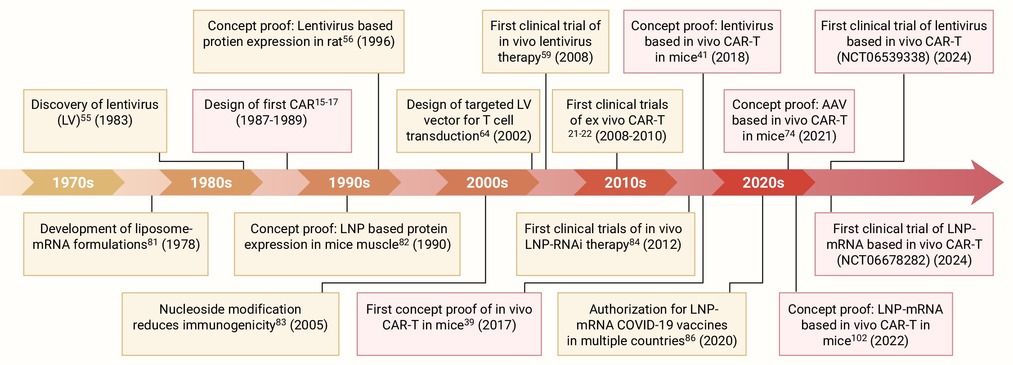
Figure 1.
In vivo CAR-T timeline
-
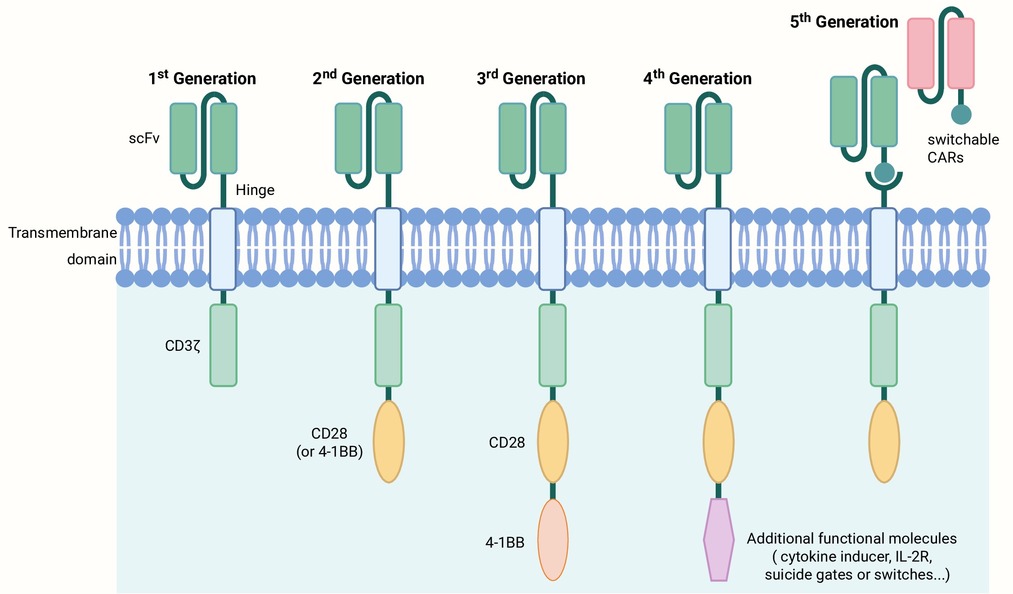
Figure 2.
Development of chimeric antigen receptor (CAR) structure
-
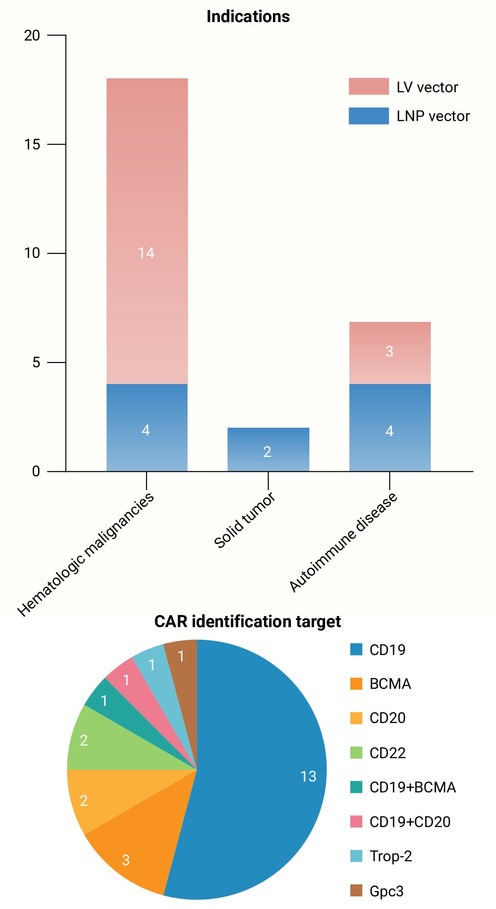
Figure 3.
Clinical trial indications and corresponding CAR targets of in vivo CAR-T therapy
-
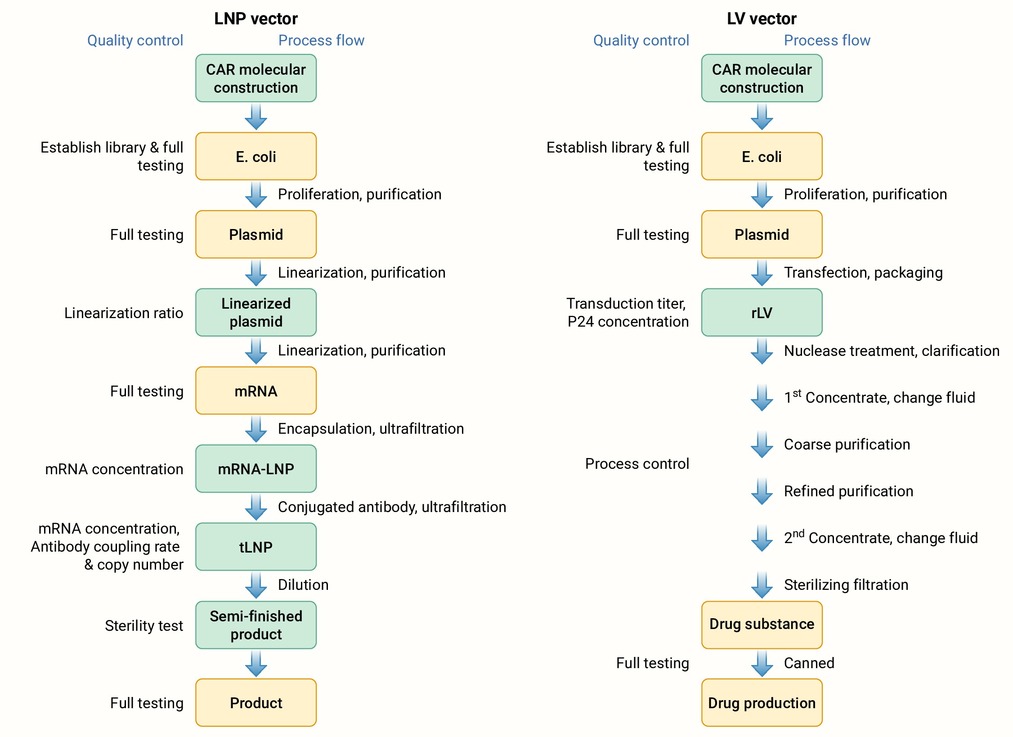
Figure 4.
Comparison of manufacturing and quality control processes of LNP-based and lentiviral-based in vivo CAR-T therapy
