
Corrosion-Resistant Amino Acid-Based Deep Eutectic Solvents toward Liquid Desiccant Air Conditioning Systems
-
GRAPHICAL ABSTRACT
 DownLoad:
Full size image
DownLoad:
Full size image
-
PUBLIC SUMMARY
-
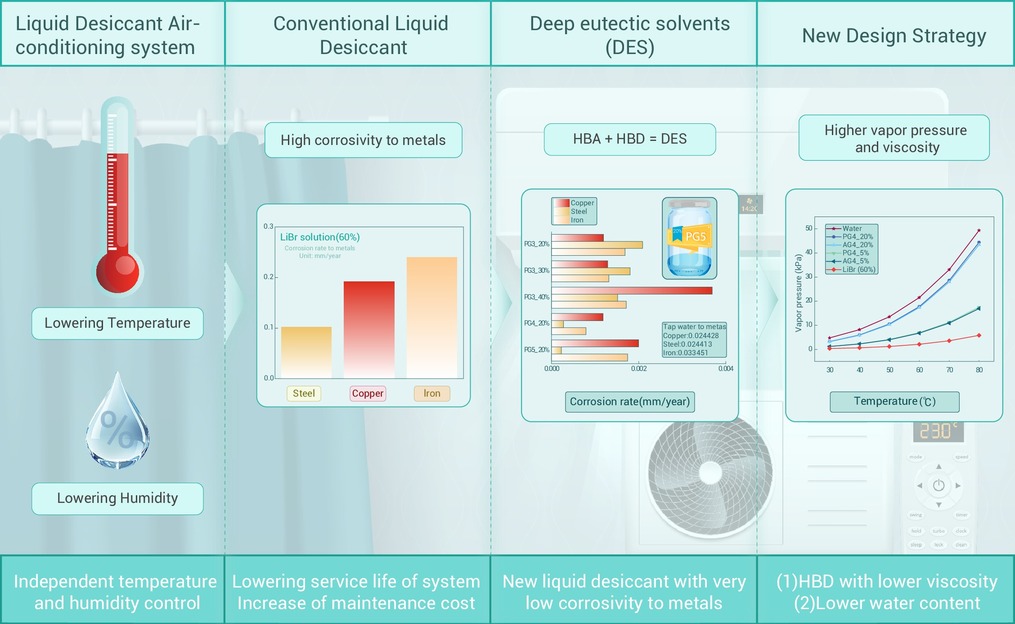
Deep eutectic solvents (DESs) offer low-corrosion alternatives to traditional liquid desiccants.
L-Arginine as HBA enhances robust hydrogen bond networks; HBD ratio and water content influence properties.
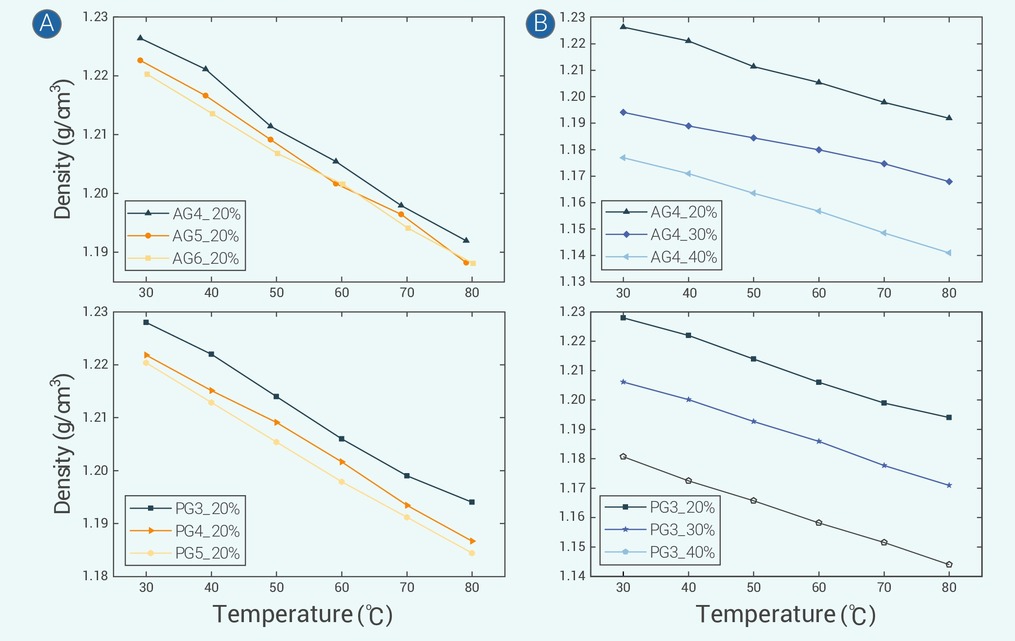
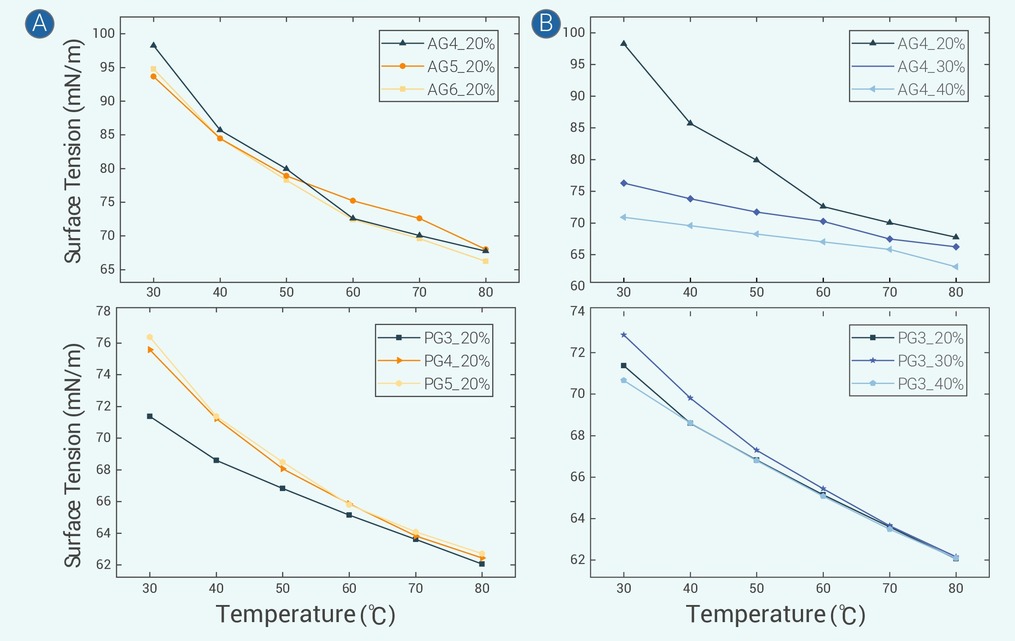
Density, viscosity, and surface tension decrease with higher HBD ratio and water content, except for PG series.
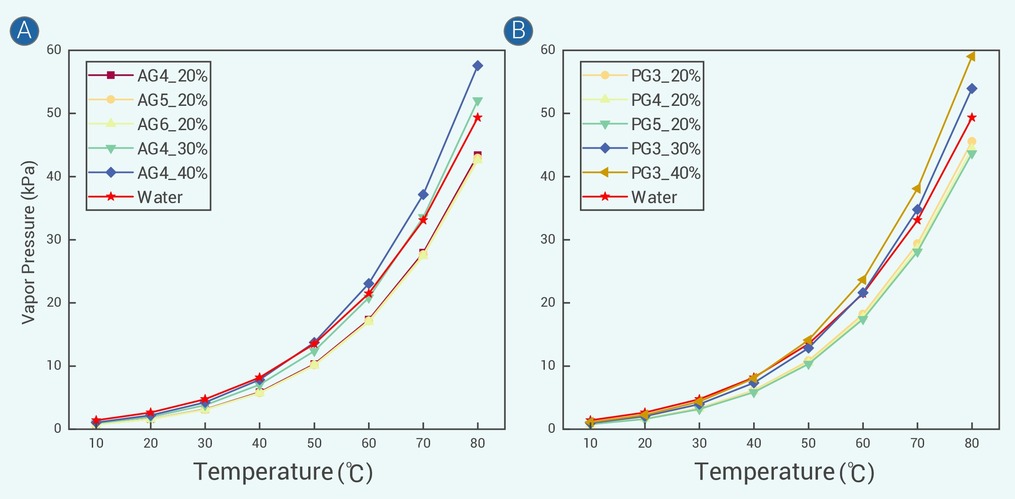
Vapor pressure drops with increasing HBD ratio but rises with higher water content in DESs.
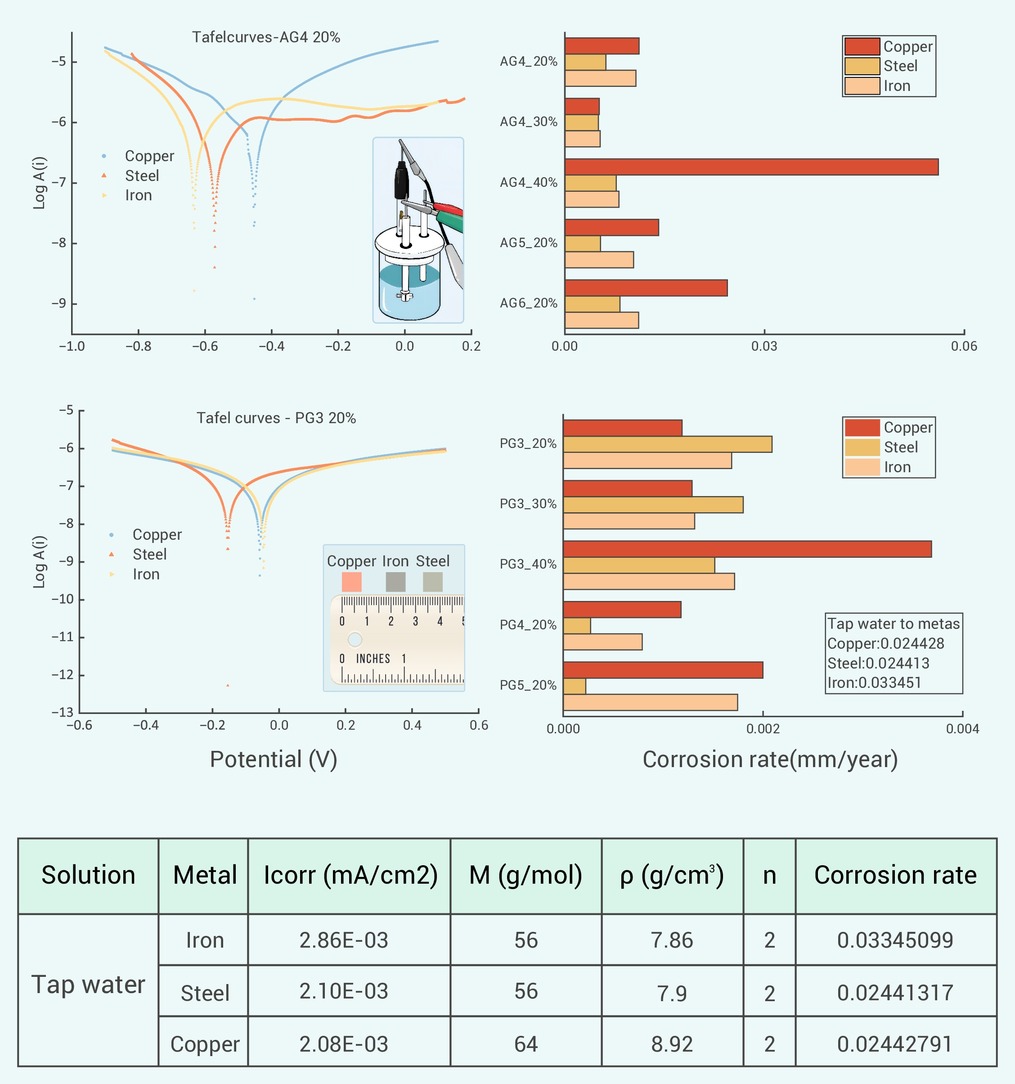
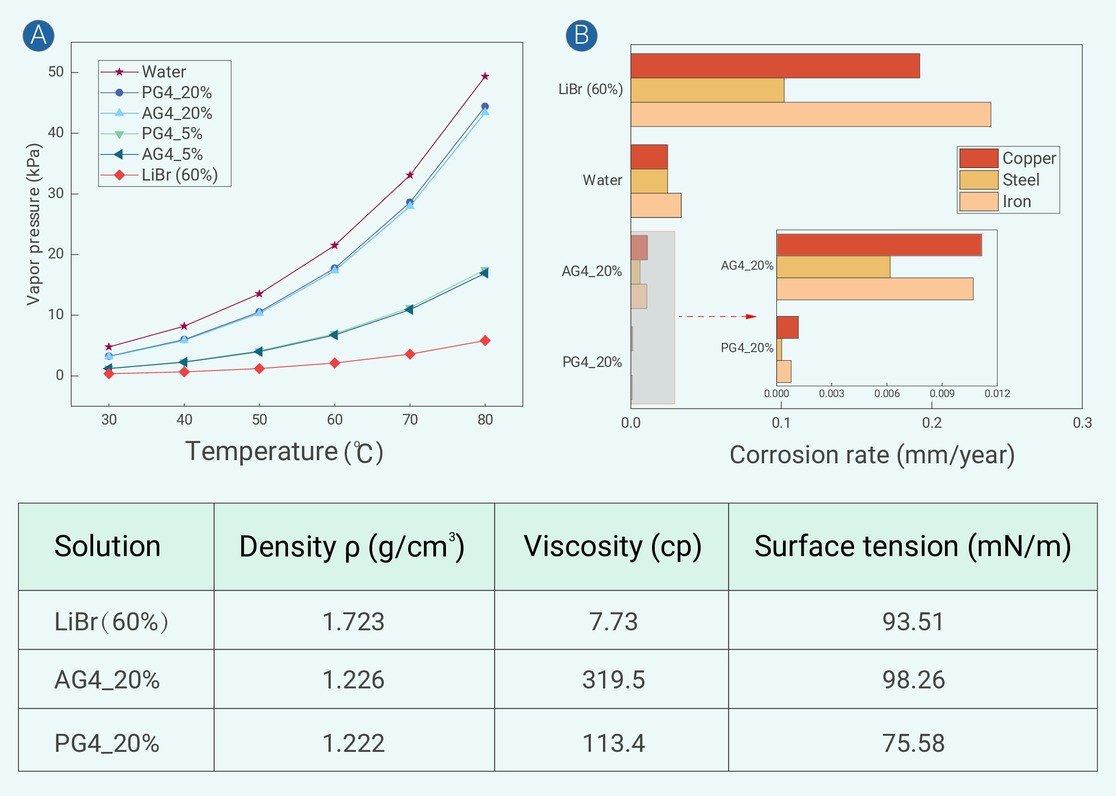
DESs show significantly lower corrosion rates than LiBr, with rates as low as 0.001 mm/year on metals.
-
-
ABSTRACT
Liquid desiccant air-conditioning systems (LDAS) represent a promising energy-efficient technology with considerable potential for reducing overall energy consumption. However, conventional liquid desiccants are hindered by their pronounced corrosivity toward metallic components, which compromises system durability and increases maintenance costs. To address this limitation, the present study explores deep eutectic solvents (DESs) as novel, low-corrosion alternatives for use as liquid desiccants. A comprehensive investigation was conducted to elucidate the effects of hydrogen bond acceptor (HBA) type, water content, and hydrogen bond donor (HBD) ratio on the physicochemical properties of DESs, utilizing both experimental and theoretical approaches. The findings indicate that L-Arginine serves as a particularly effective HBA, promoting the formation of robust hydrogen bond networks within the DES matrix. In general, density, viscosity, and surface tension decreased with increasing HBD ratio and water content, although the surface tension of the Proline-Glycerol (PG) series exhibited an exception to this trend. Concerning vapor pressure, DESs demonstrated a reduction as the HBD ratio increased, but an elevation with higher water content. Importantly, the corrosion rates of the DESs evaluated in this study were significantly lower than those of lithium bromide (LiBr) solution, with values as low as 0.001 mm/year observed on metallic substrates.-
Keywords:
- Liquid desiccant /
- Deep eutectic solvents /
- Corrosion rate /
- Thermal properties
-

-
REFERENCES
[1] Zhang Y., Zhang H., Yang H., et al. (2023). Optimization of the Liquid Desiccant Cooling Systems in Hot and Humid Areas. Sustainability 15:13511. DOI:10.3390/su151813511 [2] Bai Z., Chinnappan A., Deng J., et al. (2023). Recent progress in ionic liquids as desiccants for energy consumption in cooling applications. J. Mole. Liquid. 383:122033. DOI:10.1016/j.molliq.2023.122033 [3] Zhang Y., Zhang H., Yang H., et al. (2023). Response surface modeling and optimization scheme of an internally cooled liquid desiccant air conditioning system. J. Build. Eng. 76:107371. DOI:10.1016/j.jobe.2023.107371 [4] Yamaguchi S., Matsushita S., Jeong J., et al. (2006). Characteristics evaluation of absorption type dehumidifier using aqueous LiCl solution. Proceed. 3rd ACFA. 1:345. [5] Lazzarin R.M., Gasparella A. and Longo G.A. (1999). Chemical dehumidification by liquid desiccants: theory and experiment. I. J. Refrig. 22:334-47. DOI:10.1016/S0140-7007(98)00044-9 [6] Kinsara A.A., Elsayed M.M. and AlRabghi O.M. (1996). Proposed energy-efficient air-conditioning system using liquid desiccant. Appl. Therm. Eng. 16:791-806. DOI:10.1016/1359-4311(95)00090-9 [7] Gurubalan A., Maiya M.P. and Geoghegan P.J. (2019). A comprehensive review of liquid desiccant air conditioning system. Appl. Energy 254:113673. DOI:10.1016/j.apenergy.2019.113673 [8] Rafique M.M., Gandhidasan P. and Bahaidarah H.M.S. (2016). Liquid desiccant materials and dehumidifiers - A review. Renew. Sustain. Energy Rev. 56:179-95. DOI:10.1016/j.rser.2015.11.061 [9] Wen T., Lu L., Nie Y.D., et al. (2019). Development and investigation on the dehumidification and corrosion resistance performance of a new mixed liquid desiccant. I. J. Heat Mass Trans. 130:72-82. DOI:10.1016/j.ijheatmasstransfer.2018.10.066 [10] Fekadu G. and Subudhi S. (2018). Renewable energy for liquid desiccants air conditioning system: A review. Renew. Sustain. Energy Rev. 93:364-79. DOI:10.1016/j.rser.2018.05.016 [11] Luo J. and Yang H. (2022). A state-of-the-art review on the liquid properties regarding energy and environmental performance in liquid desiccant air-conditioning systems. Appl. Energy 325:119853. DOI:10.1016/j.apenergy.2022.119853 [12] Tsai E.S., Jiang H. and Panagiotopoulos A.Z.(2016). Monte Carlo simulations of H2O-CaCl2 and H2O-CaCl2-CO2 mixtures. Fluid Phase Equil. 407:262-8. DOI:10.1016/j.fluid.2015.05.036 [13] Peters R. and Keller J.U. (1994). Solvation model for VLE in the system H2O-LiBr from 5 to 76 wt%. Fluid Phase Equilibria. 94:129-47. DOI:10.1016/0378-3812(94)87054-3 [14] Pátek J. and Klomfar J. (2008). Thermodynamic properties of the LiCl-H2O system at vapor-liquid equilibrium from 273 K to 400 K. I. J. Refrig. 31:287-303. DOI:10.1016/j.ijrefrig.2007.05.003 [15] Okada K., Nakanome M., Kameshima Y., et al. (2010). Water vapor adsorption of CaCl2-impregnated activated carbon. Mater. Res. Bullet. 45:1549-53. DOI:10.1016/j.materresbull.2010.07.027 [16] Ye H., Yuan Z., Li S.M., et al. (2014). Activated carbon fiber cloth and CaCl2 composite sorbents for a water vapor sorption cooling system. Appl. Therm. Eng. 62:690-6. DOI:10.1016/j.applthermaleng.2013.10.035 [17] Wang J., Wang R. and Wang L. (2016). Water vapor sorption performance of ACF-CaCl2 and silica gel-CaCl2 composite adsorbents. Appl. Therm. Engi. 100:893-901. DOI:10.1016/j.applthermaleng.2016.02.100 [18] Yao Y., Yu Y. and Zhu Z. (2016). Experimental investigations on surface vapor pressure models for LiCl-CaCl2 desiccant solutions. Solar Energy 126:1-13. DOI:10.1016/j.solener.2015.12.046 [19] Kol S. and Arya M. (2025). Performance optimization of a baffle plate falling film dehumidifier using nanocarbon tube-enhanced LiCl/H2O solution. I. Commun. Heat Mass Trans. 167:109296. DOI:10.1016/j.icheatmasstransfer.2025.109296 [20] Tsai C.Y., Soriano A.N. and Li M. (2009). Vapour pressures, densities, and viscosities of the aqueous solutions containing (triethylene glycol or propylene glycol) and (LiCl or LiBr). J. Chem. Therm. 41:623-31. DOI:10.1016/j.jct.2008.12.022 [21] Królikowska M., Romanska K., Paduszynski K., et al. (2020). The study on the influence of glycols on the vapor pressure, density and dynamic viscosity of lithium bromide aqueous solution. Fluid Phase Equil. 519:112640. DOI:10.1016/j.fluid.2020.112640 [22] Leiva-García R., Muñoz-Portero M.J., García-Antón J., et al. (2012). Effects of Hydrodynamic Conditions and LiBr Concentration on the Corrosion of Copper in LiBr Absorption Machines. I. J. Electrochem. Sci. 7:1332-47. DOI:10.1016/S1452-3981(23)13417-1 [23] Kiey S.A.A., Meguid E.A.A. and Rehim S.S.A. (2023). Electrochemical Investigations on the Corrosion Behavior of 904L Stainless Steel in LiBr Solutions. J. Mater. Eng. Perform. 32:9163-73. DOI:10.1007/s11665-023-08080-4 [24] Li J., Liang C., Huang N., et al. (2012). Corrosion of steel in lithium bromide solution containing inhibitor. Corros. Eng. Sci. Techn. 47:297-301. DOI:10.1179/1743278212Y.0000000011 [25] Larios-Galvez A.K., Lopez-Sesenes R., Sarmiento-Bustos E., et al. (2022). Corrosion Behavior of Steels in LiBr-H2O-CaCl2-LiNO3 Systems. Metals 12. DOI:10.3390/met12020279 [26] Park T.J. and Jang H. (2021). Effects of Inhibitors on Corrosion Resistance of Steel in CaCl2 Solution Based on Response Surface Analysis. Corros. Sci. Techn. Korea 20:129-42. DOI:10.14773/cst.2021.20.3.129 [27] Avilés-Flores M., Larios-Gálvez A.K., Martínez-González J., et al. (2024). Corrosion Behavior of Carbon Steel in LiCl/H2O Mixtures. Metals 14. DOI:10.3390/met14040376 [28] Wen T., Lu L., Li M., et al. (2018). Comparative study of the regeneration characteristics of LiCl and a new mixed liquid desiccant solution. Energy 163:992-1005. DOI:10.1016/j.energy.2018.08.188 [29] Giampieri A., Ma Z., Smallbone A., et al. (2018). Thermodynamics and economics of liquid desiccants for heating, ventilation and air-conditioning - An overview. Appl. Energy 220:455-79. DOI:10.1016/j.apenergy.2018.03.112 [30] Wen T., Wang M., Chen Y., et al. (2019). Thermal properties study and performance investigation of potassium formate solution in a falling film dehumidifier/regenerator. I. J. Heat Mass Trans. 134:131-42. DOI:10.1016/j.ijheatmasstransfer.2019.01.031 [31] Wen T., Luo Y. and Sheng L. (2020). Experimental study on the corrosion behavior and regeneration performance of KCOOH aqueous solution. Solar Energy 201:638-48. DOI:10.1016/j.solener.2020.03.044 [32] Wen T., Luo Y., Wang M., et al. (2020). Comparative study on the liquid desiccant dehumidification performance of lithium chloride and potassium formate. Renew. Energy 167:841-52. DOI:10.1016/j.renene.2020.11.157 [33] Rippy K.C., Volk E., Beers R., et al. (2022). Corrosion of Metal Alloys in Potassium Acetate Solutions for Liquid Desiccant Dehumidification and Air Conditioning. Energies 15. DOI:10.3390/en15124421 [34] Salikandi M., Ranjbar B., Shirkhan E., et al. (2020). Thirunavukkarasu I, Sudhakar K. Recent trends in liquid desiccant materials and cooling systems: Application, performance and regeneration characteristics. J. Build. Eng. 33:101579. DOI:10.1016/j.jobe.2020.101579 [35] Lee W.C., Hong Z., Chen Y., et al. (2024). Novel DABCO-Derived Ionic Liquids for Liquid Desiccant Air Conditioning. ACS Sustain. Chem. Eng. 12:16249-59. DOI:10.1021/acssuschemeng.4c05343 [36] Spiess A., Brandt P., Schmitz A., et al. (2021). Water sorption by ionic liquids: Evidence of a diffusion-controlled sorption process derived from the case study of [BMIm][OAc]. J. Mole. Liquids 348:118023. DOI:10.1016/j.molliq.2021.118023 [37] Maekawa S., Matsumoto R., Ito K., et al. (2020). Design of quaternary ammonium type-ionic liquids as desiccants for an air-conditioning system. Green Chem. Eng. 1:109-16. DOI:10.1016/j.gce.2020.09.016 [38] Luo Y., Shao S., Qin F., et al. (2012). Investigation on feasibility of ionic liquids used in solar liquid desiccant air conditioning system. Solar Energy. 86:2718-24. DOI:10.1016/j.solener.2012.06.008 [39] Qu M., Abdelaziz O., Sun X., et al. (2017). Aqueous solution of [EMIM][OAc]: Property formulations for use in air conditioning equipment design. Appl. Therm. Eng. 124:271-8. DOI:10.1016/j.applthermaleng.2017.05.167 [40] Wang L., Liu X., Qu M., et al., (2022). Bahar B. An experimental study on dehumidification and regeneration performance of a new nonporous membrane-based heat and mass exchanger using an ionic liquid desiccant. Energy Build. 254:111592. DOI:10.1016/j.enbuild.2021.111592 [41] Watanabe H., Komura T., Matsumoto R., et al. (2019). Design of ionic liquids as liquid desiccant for an air conditioning system. Green Energy Environ. 4:139-45. DOI:10.1016/j.gee.2018.12.005 [42] Cao B., Yin Y., Kim M., et al. (2024). Characteristics of heat and mass transfer in moist air-ionic liquid desiccant bubbly systems: Parametric assessment of regeneration performance. Appl. Therm. Eng. 257:124487. DOI:10.1016/j.applthermaleng.2024.124487 [43] Cao B., Yin Y., Xu G., et al. (2023). A proposed method of bubble absorption-based deep dehumidification using the ionic liquid for low-humidity industrial environments with experimental performance. Appl. Energy 348:121534. DOI:10.1016/j.apenergy.2023.121534 [44] Cao B., Yin Y., Xu G., et al. (2023). Experimental and modeling study of bubble absorption-based deep dehumidification using the ionic liquid: Parametric analysis on heat and mass transfer. Energy Conver. Manag. 290:117169. DOI:10.1016/j.enconman.2023.117169 [45] Cao B., Yin Y., Zhang F., et al. (2023). Liquid desiccant-based deep dehumidifier working with a novel ionic liquid: Prediction model and performance comparison. I. J. Refrig. 146:74-87. DOI:10.1016/j.ijrefrig.2022.09.033 [46] Oladosu T.L., Baheta A.T. and Oumer A.N. (2021). Desiccant solutions, membrane technologies, and regeneration techniques in liquid desiccant air conditioning system. I. J. Energy Res. 45:8420-47. DOI:10.1002/er.6482 [47] Oladosu T.L., Al-Kayiem H.H., Gilani S.I.U., et al. (2021). Dehumidification and thermal regeneration characterization of binary deep eutectic solvents in liquid desiccant air conditioning systems. J. Build. Eng. 42:103056. DOI:10.1016/j.jobe.2021.103056 [48] Oladosu T.L., Pasupuleti J., Tiong S.K., et al. (2025). Magnetic field-enhanced electrodialysis regeneration of deep eutectic solvent as a greener desiccant for air dehumidification. J. Build. Eng. 104:112318. DOI:10.1016/j.jobe.2025.112318 [49] Oladosu T.L., Al-Kayiem H.H., Gilani S.I.H., et al. (2023). Performance enhancement of electrodialysis regeneration of deep eutectic solvent for liquid desiccant air conditioning systems. J. Build. Eng. 70:106343. DOI:10.1016/j.jobe.2023.106343 [50] Luo J. and Yang H. (2023). Energy, exergy, exergoeconomic and enviroeconomic (4E) assessment on a liquid desiccant air-conditioning system using green deep eutectic solvent of ethaline. Energy Conver. Manag. 277:116685. DOI:10.1016/j.enconman.2023.116685 [51] Zhang Y., Chen Y., Luo J., et al. (2025). Improving air conditioning efficiency using solar-assisted liquid desiccant systems: Experimental and simulation analysis of two desiccants. Renew. Energy 253:123572. DOI:10.1016/j.renene.2025.123572 [52] Wu S., Caparanga A.R., Leron R.B., et al. (2012). Vapor pressure of aqueous choline chloride-based deep eutectic solvents (ethaline, glyceline, maline and reline) at 30-70 °C. ThermoChim. ACTA. 544:1-5. DOI:10.1016/j.tca.2012.05.031 [53] Feng Y., Teo W.K., Siow K.S., et al. (1996). The corrosion behaviour of copper in neutral tap water. 2. Determination of corrosion rates. Corros. Sci. 38:387-95. DOI:10.1016/0010-938X(96)00111-4 -
ABOUT THIS ARTICLE
Cite this article:
Li Z., Luo J. and Yang H. (2025). Corrosion-Resistant Amino Acid-Based Deep Eutectic Solvents toward Liquid Desiccant Air Conditioning Systems. Energy Use 1:100004. https://doi.org/10.59717/ipj.energy-use.2025.100004
Welcome!
To request copyright permission to republish or share portions of our works, please visit Copyright Clearance Center's (CCC) Marketplace website at marketplace.copyright.com.
Article Metrics
Relative Articles
Cited by
Export File
Citation
Li Z., Luo J. and Yang H. (2025). Corrosion-Resistant Amino Acid-Based Deep Eutectic Solvents toward Liquid Desiccant Air Conditioning Systems. Energy Use 1:100004. https://doi.org/10.59717/ipj.energy-use.2025.100004

Format
Content
-
Figure 2.
Densities of DESs
-
Figure 3.
Surface tensions of DESs
-
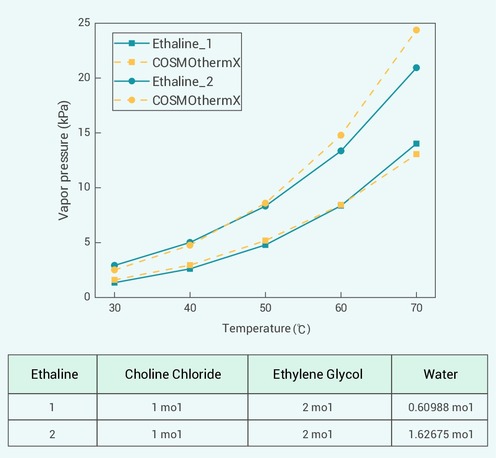
Figure 5.
Comparison of predicted and experimental vapor pressure
-
Figure 6.
Vapor pressure of DESs at various temperatures
-
Figure 7.
Tafel Curves and corrosion rates of DESs to various metals
-
Figure 8.
Comparisons of vapor pressure and corrosion rate