
Re-evaluation of CO2 storage capacity of depleted fractured-vuggy carbonate reservoir
-
GRAPHICAL ABSTRACT
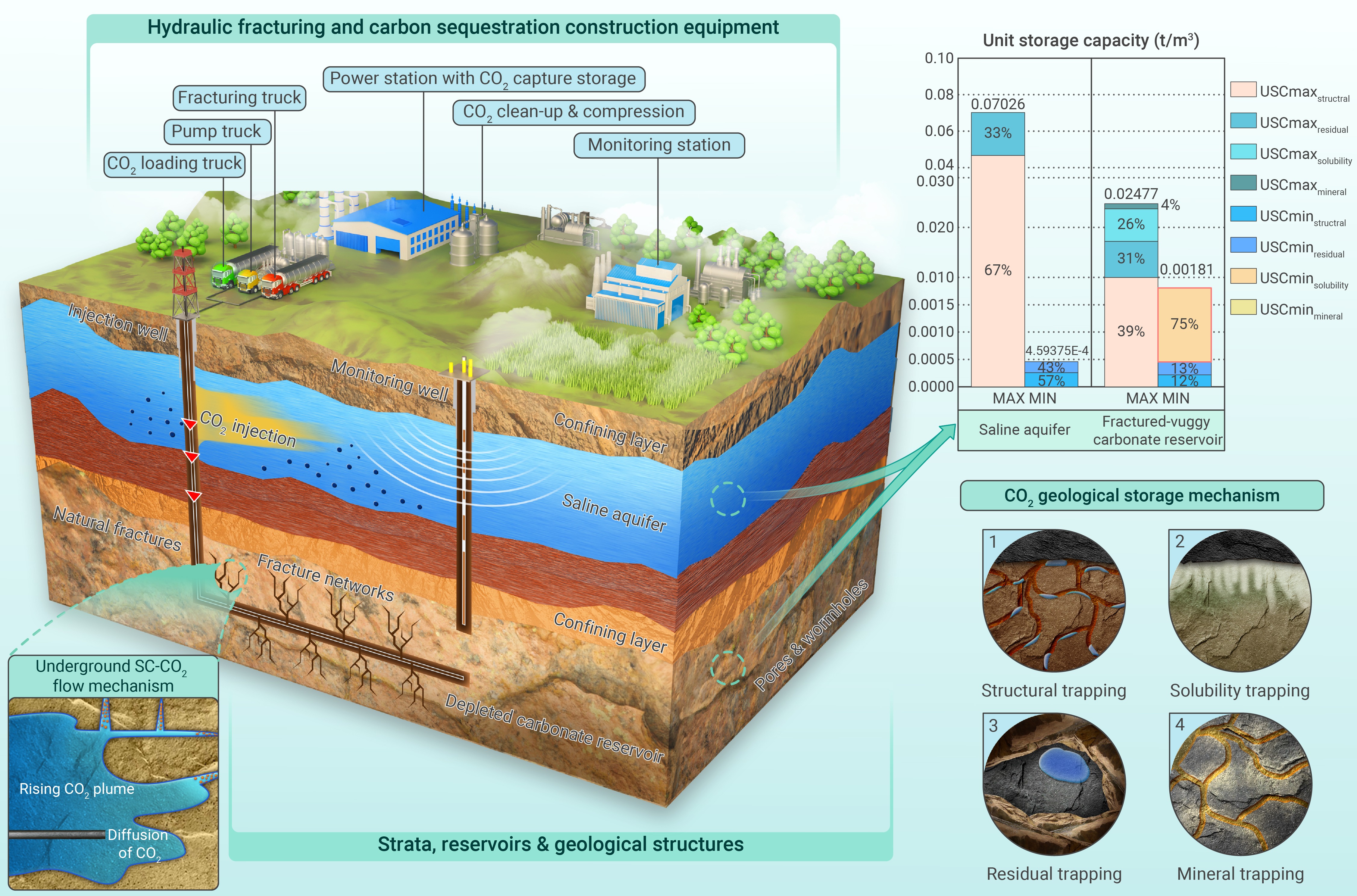
 DownLoad:
Full size image
DownLoad:
Full size image
-
PUBLIC SUMMARY
-
In carbonate reservoirs, dissolved caves provide more storage space for CO2 than other voids.
Carbonate reservoirs can dissolve 13~62 times and mineralize 1 time more of CO2 than saline aquifers.
The annual storage capacity per well of carbonate reservoirs and saline aquifers are comparable.
The minimum unit storage capacity of CO2 for carbonate reservoirs is around 4 times that of saline aquifers.
-
-
ABSTRACT
Confronting the dual crises of energy supply-demand imbalances and climate change, carbon neutrality emerges as a vital strategy for China in mitigating resource and environmental constraints, while fostering technological advancement and sustainable growth. In the context of extensive hydrocarbon exploitation, the CO2 storage capacity within depleted oil fields could be significantly underestimated in comparison to the prevalent practice of saline aquifer sequestration. In this study, we employ both theoretical and computational models to investigate the temporal (from microseconds to millennia) and spatial (spanning pore, Darcy, and hybrid scales) dynamics of CO2 trapping mechanisms in post-depletion carbonate reservoir with fractured-vuggy systems. The multiscale storage efficiency factor is obtained from simulation results and substituted into the existing analytical models for calculating CO2 storage volume in field cases, reappraising the carbon sequestration potential of fracture-vuggy carbonate. Drawing from comparative results, we discern that depleted carbonate can dissolve and mineralize more CO2 than saline layer, despite the storage volume can be considerably less. The annual storage capacity per well of two geological systems are comparable. Under unfavorable geological conditions, the minimum unit storage capacity of carbonate reservoir exceeds that of saline aquifer. The study's discoveries offer fresh perspectives on reliable and efficient CO2 geological storage, contributing to the reduction of atmospheric carbon emissions and advancing the utilization of underground resources and global energy transformation. -

-
REFERENCES
[1] Dou, X., Wang, Y., Ciais, P., et al. (2022). Near-real-time global gridded daily CO2 emissions. The Innovation 3: 100182. DOI: 10.1016/j.xinn.2021.100182. [2] Xie, H., Yue, H., Zhu, J., et al. (2015). Scientific and engineering progress in CO2 mineralization using industrial waste and natural minerals. Eng. Prc. 1: 150−157. DOI: 10.15302/J-ENG-2015017. [3] Jiang, X. (2011). A review of physical modelling and numerical simulation of long-term geological storage of CO2. Appl. Energy 88: 3557−3566. DOI: 10.1016/j.apenergy.2011.05.004. [4] Sun, K., Jia, J., Wang, S., et al. (2023). Real-time and dynamic estimation of CO2 emissions from China’s lakes and reservoirs. The Innovation Geoscience 1: 100031. DOI: 10.59717/j.xinn-geo.2023.100031. [5] Wang, F., Harindintwali, J.D., Yuan, Z., et al. (2021). Technologies and perspectives for achieving carbon neutrality. The Innovation 2: 100180. DOI: 10.1016/j.xinn.2021.100180. [6] Ajayi, T., Gomes, J.S., and Bera, A. (2019). A review of CO2 storage in geological formations emphasizing modeling, monitoring and capacity estimation approaches. Petrol. Sci. 16: 1028−1063. DOI: 10.1007/s12182-019-0368-2. [7] Ozotta, O., Ostadhassan, M., Liu, K., et al. (2021). Reassessment of CO2 sequestration in tight reservoirs and associated formations. J. Petrol. Sci. Eng. 206: 109071. DOI: 10.1016/j.petrol.2021.109071. [8] Feng, J., Tang, L., Xie, Y., et al. (2023). Offshore carbon sequestration: Renewable energy and multi-carbon transformations prompt greener future. The Innovation 1: 100016. DOI: 10.59717/j.xinn-geo.2023.100016. [9] Abidoye, L.K., Khudaida, K.J., and Das, D.B. (2015). Geological carbon sequestration in the context of two-phase flow in porous media: a review. Crit. Rev. Env. Sci. Tec. 45: 1105−1147. DOI: 10.1080/10643389.2014.924180. [10] Fatah, A., Bennour, Z., Ben Mahmud, H., et al. (2020). A review on the influence of CO2/shale interaction on shale properties: Implications of CCS in shales. Energies 13: 3200. DOI: 10.3390/en13123200. [11] Shukla, R., Ranjith, P., Haque, A., et al. (2010). A review of studies on CO2 sequestration and caprock integrity. Fuel 89: 2651−2664. DOI: 10.1016/j.fuel.2010.03.021. [12] Dai, Z., Xu, L., Xiao, T., et al. (2020). Reactive chemical transport simulations of geologic carbon sequestration: Methods and applications. Earth Sci. Rev. 208: 103265. DOI: 10.1016/j.earscirev.2020.103265. [13] Luo, A., Li, Y.M., Chen, X., et al. (2022). Review of CO2 sequestration mechanism in saline aquifers. Nat. Gas Ind. B 9: 383−393. DOI: 10.1016/j.ngib.2022.07.002. [14] Clark, J.A., and Santiso, E.E. (2018). Carbon sequestration through CO2 foam-enhanced oil recovery: A green chemistry perspective. Eng. Prc. 4: 336−342. DOI: 10.1016/j.eng.2018.05.006. [15] Liu, S.Y., Ren, B., Li, H.Y., et al. (2022). CO2 storage with enhanced gas recovery (CSEGR): A review of experimental and numerical studies. Petrol. Sci. 19: 594−607. DOI: 10.1016/j.petsci.2021.12.009. [16] Yang, B., Wang, H.Z., Li, G.S., et al. (2022). Fundamental study and utilization on supercritical CO2 fracturing developing unconventional resources: Current status, challenge and future perspectives. Petrol. Sci. 19: 2757−2780. DOI: 10.1016/j.petsci.2022.08.029. [17] Hamza, A., Hussein, I.A., Al-Marri, M.J., et al. (2021). CO2 enhanced gas recovery and sequestration in depleted gas reservoirs: A review. J. Petrol. Sci. Eng. 196: 107685. DOI: 10.1016/j.petrol.2020.107685. [18] Snæbjörnsdóttir, S.Ó., Sigfússon, B., Marieni, C., et al. (2020). Carbon dioxide storage through mineral carbonation. Nat. Rev. Earth Env. 1: 90−102. DOI: 10.1038/s43017-019-0011-8. [19] Li, Y., Jiang, X., Tang, J., et al. (2024). Simulation study of acid fracturing initiation with consideration of rock mechanics parameter variations. Rock Mech. Rock Eng. 2024: 1−19. DOI: 10.1007/s00603-024-03809-6. [20] Yang, Y., Li, Y., Yao, J., et al. (2020). Dynamic pore-scale dissolution by CO2-saturated brine in carbonates: Impact of homogeneous versus fractured versus vuggy pore structure. Water Resour. Res. 56: e2019WR026112. DOI: 10.1029/2019WR026112. [21] Cortis, A., Oldenburg, C.M., and Benson, S.M. (2008). The role of optimality in characterizing CO2 seepage from geologic carbon sequestration sites. Int. J. Greenh. Gas Con. 2: 640−652. DOI: 10.1016/j.ijggc.2008.06.001. [22] Li, Y., Peng, G., Tang, J., et al. (2023). Thermo-hydro-mechanical coupling simulation for fracture propagation in CO2 fracturing based on phase-field model. Energy 284: 128629. DOI: 10.1016/j.energy.2023.128629. [23] Jenkins, C.R., Cook, P.J., Ennis-King, J., et al. (2012). Safe storage and effective monitoring of CO2 in depleted gas fields. PNAS 109: E35−E41. DOI: 10.1073/pnas.1107202109. [24] Metz, B., Davidson, O., De Coninck, H.C., et al. (2005). IPCC special report on carbon dioxide capture and storage. Cambridge University Press. [25] Wellman, T.P., Grigg, R.B., McPherson, B.J., et al. (2003). Evaluation of CO2-brine-reservoir rock interaction with laboratory flow tests and reactive transport modeling. In Proceedings of the International Symposium on Oilfield Chemistry. SPE-80228-MS. DOI: 10.2118/80228-MS. [26] Izgec, O., Demiral, B., Bertin, H., et al. (2005). CO2 injection in carbonates. In SPE Western Regional Meeting. SPE-93773-MS. DOI: 10.2118/93773-MS. [27] Izgec, O., Keys, R., Zhu, D., et al. (2008). An integrated theoretical and experimental study on the effects of multiscale heterogeneities in matrix acidizing of carbonates. In SPE Annual Technical Conference and Exhibition. SPE-115143-MS. DOI: 10.2118/115143-MS. [28] Luquot, L., and Gouze, P. (2009). Experimental determination of porosity and permeability changes induced by injection of CO2 into carbonate rocks. Chem. Geol. 265(1-2): 148−159. DOI: 10.1016/j.chemgeo.2009.02.016. [29] Grgic, D. (2011). Influence of CO2 on the long-term chemomechanical behavior of an oolitic limestone. J. Geophys. Res. Sol. Ea. 116: B07202. DOI: 10.1029/2010JB008035. [30] Pimienta, L., Esteban, L., Sarout, J., et al. (2017). Supercritical CO2 injection and residence time in fluid-saturated rocks: Evidence for calcite dissolution and effects on rock integrity. Int. J. Greenh. Gas Con. 67: 31−48. DOI: 10.1016/j.ijggc.2017.12.010. [31] Han, S.H., Jun, Y., Shin, T.Y., et al. (2020). CO2 curing efficiency for cement paste and mortars produced by a low water-to-cement ratio. Materials 13: 3883. DOI: 10.3390/ma13173883. [32] Xu, T., Apps, J.A., and Pruess, K. (2004). Numerical simulation of CO2 disposal by mineral trapping in deep aquifers. Appl. Geochem. 19: 917−936. DOI: 10.1016/j.apgeochem.2003.12.001. [33] Suekane, T., Nobuso, T., Hirai, S., et al. (2008). Geological storage of carbon dioxide by residual gas and solubility trapping. Int. J. Greenh. Gas Con. 2: 58−64. DOI: 10.1016/S1750-5836(07)00096-5. [34] Nghiem, L., Yang, C., Shrivastava, V., et al. (2009). Optimization of residual gas and solubility trapping for CO2 storage in saline aquifers. In SPE Reservoir Simulation Symposium. SPE-119080-MS. DOI: 10.2118/119080-MS. [35] Farshidi, S.F., Fan, Y., Durlofsky, L.J., et al. (2013). Chemical reaction modeling in a compositional reservoir-simulation framework. In SPE Reservoir Simulation Symposium. SPE-163677-MS. DOI: 10.2118/163677-MS. [36] Calabrese, M., Masserano, F., and Blunt, M.J. (2005). Simulation of physical-chemical processes during carbon dioxide sequestration in geological structures. In SPE Annual Technical Conference and Exhibition. SPE-95820-MS. DOI: 10.2118/95820-MS. [37] Lin, H., Fujii, T., Takisawa, R., et al. (2007). Investigation of interactions in a simulated geologic CO2/rock minerals system for CO2 underground sequestration. In. AIP Conf. Proceed. 898: 17−21. DOI: 10.1063/1.2733061. [38] Bildstein, O., Kervévan, C., Lagneau, V., et al. (2010). Integrative modeling of caprock integrity in the context of CO2 storage: Evolution of transport and geochemical properties and impact on performance and safety assessment. Oil Gas Sci. Tech. Revue. 65: 485−502. DOI: 10.2516/ogst/2009032. [39] Hatzignatiou, D.G., Riis, F., Berenblyum, R., et al. (2011). Screening and evaluation of a saline aquifer for CO2 storage: Central Bohemian Basin, Czech Republic. Int. J. Greenh. Gas Con. 5: 1429−1442. DOI: 10.1016/j.ijggc.2011.07.006. [40] Wang, Y.Y., Wang, X.G., Dong, R.C., et al. (2023). Reservoir heterogeneity controls of CO2-EOR and storage potentials in residual oil zones: Insights from numerical simulations. Petrol. Sci. 20: 2879−2891. DOI: 10.1016/j.petsci.2023.03.023. [41] Carrillo, F.J., Bourg, I.C., and Soulaine, C. (2020). Multiphase flow modeling in multiscale porous media: An open-source micro-continuum approach. J. Comput. Phys. X 8: 100073. DOI: 10.1016/j.jcpx.2020.100073. [42] Brinkman, H.C. (1949). A calculation of the viscous force exerted by a flowing fluid on a dense swarm of particles. Flow Turbul. Combust. 1: 27−34. DOI: 10.1007/BF02120313. [43] Hirt, C.W., and Nichols, B.D. (1981). Volume of fluid (VOF) method for the dynamics of free boundaries. J. Comput. Phys. 39: 201−225. DOI: 10.1016/0021-9991(81)90145-5. [44] Howes, F.A., and Whitaker, S. (1985). The spatial averaging theorem revisited. Chem. Eng. Sci. 40: 1387−1392. DOI: 10.1016/0009-2509(85)87069-4. [45] Patankar, S. (2018). Numerical heat transfer and fluid flow. Taylor & Francis. CRC Press. DOI: 10.1201/9781482234213. [46] Juanes, R., Spiteri, E.J., Orr, F.M., et al. (2006). Impact of relative permeability hysteresis on geological CO2 storage. Water Resour. Res. 42: W12S10. DOI: 10.1029/2005WR004898. [47] Zhao, H., Wu, K., Huang, Z., et al. (2021). Numerical model of CO2 fracturing in naturally fractured reservoirs. Eng. Fract. Mech. 244: 107548. DOI: 10.1016/j.engfracmech.2021.107548. [48] Bachu, S., Bonijoly, D., Bradshaw, J., et al. (2007). CO2 storage capacity estimation: Methodology and gaps. Int. J. Greenh. Gas Con. 1: 430−443. DOI: 10.1016/S1750-5836(07)00086-2. [49] Ding, S., Xi, Y., Jiang, H., et al. (2018). CO2 storage capacity estimation in oil reservoirs by solubility and mineral trapping. Appl. Geochem. 89: 121−128. DOI: 10.1016/j.apgeochem.2017.12.001. [50] Xue, H., Lu, S., and Fu, X. (2005). Forecasting model of solubility of CH4, CO2 and N2 in crude oil. Oil Gas Geol. 26: 55−59. DOI: 10.11743/ogg20050408. [51] Bachu, S., and Adams, J.J. (2003). Sequestration of CO2 in geological media in response to climate change: Capacity of deep saline aquifers to sequester CO2 in solution. Energ. Convers. Manage. 44: 3151−3175. DOI: 10.1016/S0196-8904(03)00101-6. [52] Han, X., Feng, F., and Cong, Z. (2020). Dynamic evaluation method of caprock microscopic sealing in CO2 sequestration project. Geofluids 2020: 1−12. DOI: 10.1155/2020/8843540. [53] Liu, Y., Qiu, N., Hu, W., et al. (2019). Temperature and pressure characteristics of Ordovician gas condensate reservoirs in the Tazhong area, Tarim Basin, northwestern China. AAPG Bull 103: 1351−1381. DOI: 10.1306/1115181617017043. [54] Institute for Rock Characterization, University of Wisconsin-Madison. (2023). The Properties of Rocks. Available at: https://irc.wisc.edu/properties/ (Accessed: 2023/06/07). [55] Mao, S., Wu, K., and Moridis, G. (2023). Integrated simulation of three-dimensional hydraulic fracture propagation and Lagrangian proppant transport in multilayered reservoirs. Comput. Meth. Appl. M 410: 116037. DOI: 10.1016/j.cma.2023.116037. [56] Cong, Z., Li, Y., Pan, Y., et al. (2022). Study on CO2 foam fracturing model and fracture propagation simulation. Energy 238: 121778. DOI: 10.1016/j.energy.2021.121778. [57] Li, Z.H., Gu, Q.Y., and Zhang, D.P. (2019). Production prediction methods for carbonate reservoirs in Tarim oilfield. Xinjiang Petrol. Geo. 40: 583−587. DOI: 10.7657/XJPG20190513. [58] Mao, C., Zhong, J.H., Li, Y., et al. (2014). Ordovician carbonate rock matrix fractured-porous reservoirs in Tahe Oilfield, Tarim Basin, NW China. Petrol. Explor. Dev. 41: 745−753. DOI: 10.1016/S1876-3804(14)60087-5. [59] Qiu, Z.S., Zhang, D.M., Fu, J.G., et al. (2016). Research and application of polyamine water-based drilling fluid for long open hole interval in Tahe Oilfield. J. Liaoning Uni. Petrol. Chem. Tech. 36: 33. DOI: 10.3969/j.issn.1672-6952.2016.06.008. [60] Jiao, F.Z. (2019). Practice and knowledge of volumetric development of deep fractured-vuggy carbonate reservoirs in Tarim Basin, NW China. Petrol. Explor. Dev. 46: 576−582. DOI: 10.1016/S1876-3804(19)60059-9. [61] Wang, J.X., Lei, L., and Yu, Q.C. (2015). Evaluation of capacity and suitability of CO2 geological storage in carbonate formations in basins of China mainland. Carsol. Sin. 2015(2): 101-108. DOI: 10.11932/karst20150202. [62] Jiao, Z., Surdam, R.C., Zhou, L., et al. (2011). A feasibility study of geological CO2 sequestration in the Ordos Basin, China. Energy Proced. 4: 5982−5989. DOI: 10.1016/j.egypro.2011.02.618. [63] Nguyen, M.C., Zhang, X., Wei, N., et al. (2017). An object-based modeling and sensitivity analysis study in support of CO2 storage in deep saline aquifers at the Shenhua site, Ordos Basin. Geomech. Geophys. Geo. 3: 293−314. DOI: 10.1016/j.jog.2017.10.002. [64] Liang, D.G. (2008). Review and expectation on the discovery of Ordovician Lunnan-Tahe oilfield, Tarim Basin. Acta Petrol. Sin. 29: 153. DOI: 10.7623/syxb200801034. [65] Yu, Z., Wang, Z., Wei, H., et al. (2019). Characterization of fracture-cave karst reservoirs with different genesis in Tahe Oilfield. Edit. Depart. Petrol. Geo. Rec. Effi. 26: 53−61. DOI: 10.13673/j.cnki.cn37-1359/te.2019.06.007. [66] Han, H.S., Li, S., Ma, D.S., et al. (2018). Investigation of flue gas displacement and storage after the water flooding in a full diameter conglomerate long-core. Petrol. Explor. Dev. 45: 903−909. DOI: 10.13673/j.cnki.cn37-1359/te.2019.06.007. [67] Lu, X.B., Rong, Y.S., Li, X.B., et al. (2017). Construction of injection-production well pattern in fractured-vuggy carbonate reservoir and its development significance: A case study from Tahe oilfield in Tarim Basin. Oil Gas Geo. 38: 658−664. DOI: 10.11743/ogg20170403. [68] Wang, Q., Hao, F., Cao, Z., et al. (2021). Geochemistry and origin of the ultra-deep Ordovician oils in the Shunbei field, Tarim Basin, China: Implications on alteration and mixing. Mar. Petrol. Geol. 123: 104725. DOI: 10.1016/j.marpetgeo.2020.104725. [69] Jiao, F.Z., and Dou, Z.L. (2008). Research and practice of exploitations on cavity-fracture carbonate reservoirs in Tahe Oilfield. Petroleum Industry Press. [70] Han, Y.K., Zhang, Z.Y., Chen, W.Y., et al. (2021). Geological conditions and evolution for the accumulation of the ultra-deep oil pools in the Yueman area, Tarim Basin. Nat. Gas Geo. 32: 1634−1645. DOI: 10.11764/j.issn.1672-1926.2021.05.003. [71] Ueda, R., Yamamoto, M., Nakano, M., et al. (2007). Estimation of residual CO2 saturation using core flood test. In Annual technical conference and symposium of the Japanese Association for Petroleum Technology. In: Abstracts 2007 Special Lecture Meeting/ Technical Meeting of the Japanese Association for Petroleum Technology, p. 151 (in Japanese). [72] Lu, F., Li, F., Hu, G., et al. (2017). Drilling and completion technology for sidetracked slimhole in carbonate reservoir in Tahe Oilfield. China Petrol. Mach. 45: 37−41. DOI: 10.16082/j.cnki.issn.1001-4578.2017.09.007. [73] Xu, J.F., Qiu, Z.S., Liu, Q.L., et al. (2005). Study on mechanism of wellbore stability and technology of anti-sloughing drilling fluid in Tahe Oilfield. Oil Drill. Product. Tech. 27: 33−36. DOI: 10.3969/j.issn.1000-7393.2005.04.011. [74] Liu, J.W., and Zhang, S.N. (2005). Characteristic ions of Ordovician oil field water in Tahe Oilfield and its significations. Contrib. Geol. Miner. Resour. Res. 20(1): 40−46. DOI: https://en.cnki.com.cn/Article_en/CJFDTOTAL-DZZK200501007.htm. [75] Diao, Y.J. (2017). Study on the reservoir characterization and CO2 migration underground in the Shenhua CCS demonstration project site. PhD thesis (China University of Mining & Technology, Beijing). [76] Wang, Y.S. (2021). Study on the variation of pore scale and injectability of CO2 saltwater sequestered sandstone reservoir: Based on Shenhua CCS Demonstration Project. PhD thesis (China University of Geosciences, Wuhan). [77] Gao, Y. (2018). Investigation of CO2-formation brine-rock Reaction of Shenhua Ordos CCS Project. PhD thesis (China University of Petroleum, Beijing). [78] Pruess, K., and García, J. (2003). Solutions of test problems for disposal of CO2 in saline aquifers (No. LBNL-51812). Lawrence Berkeley National Lab. DOI: 10.2172/810487. [79] Wei, N., Li, X., Jiao, Z., et al. (2022). A hierarchical framework for CO2 storage capacity in deep saline aquifer formations. Front. Earth Sc-Switz. 9: 777323. DOI: 10.3389/feart.2021.777323. -
ABOUT THIS ARTICLE
Cite this article:
Tang J., Zhang Z., Xie J., et al., (2024). Re-evaluation of CO2 storage capacity of depleted fractured-vuggy carbonate reservoir. The Innovation Energy 1(2): 100019. https://doi.org/10.59717/j.xinn-energy.2024.100019
Welcome!
To request copyright permission to republish or share portions of our works, please visit Copyright Clearance Center's (CCC) Marketplace website at marketplace.copyright.com.
Article Metrics
Relative Articles
Cited by
Export File
Citation
Tang J., Zhang Z., Xie J., et al., (2024). Re-evaluation of CO2 storage capacity of depleted fractured-vuggy carbonate reservoir. The Innovation Energy 1(2): 100019. https://doi.org/10.59717/j.xinn-energy.2024.100019

Format
Content
-
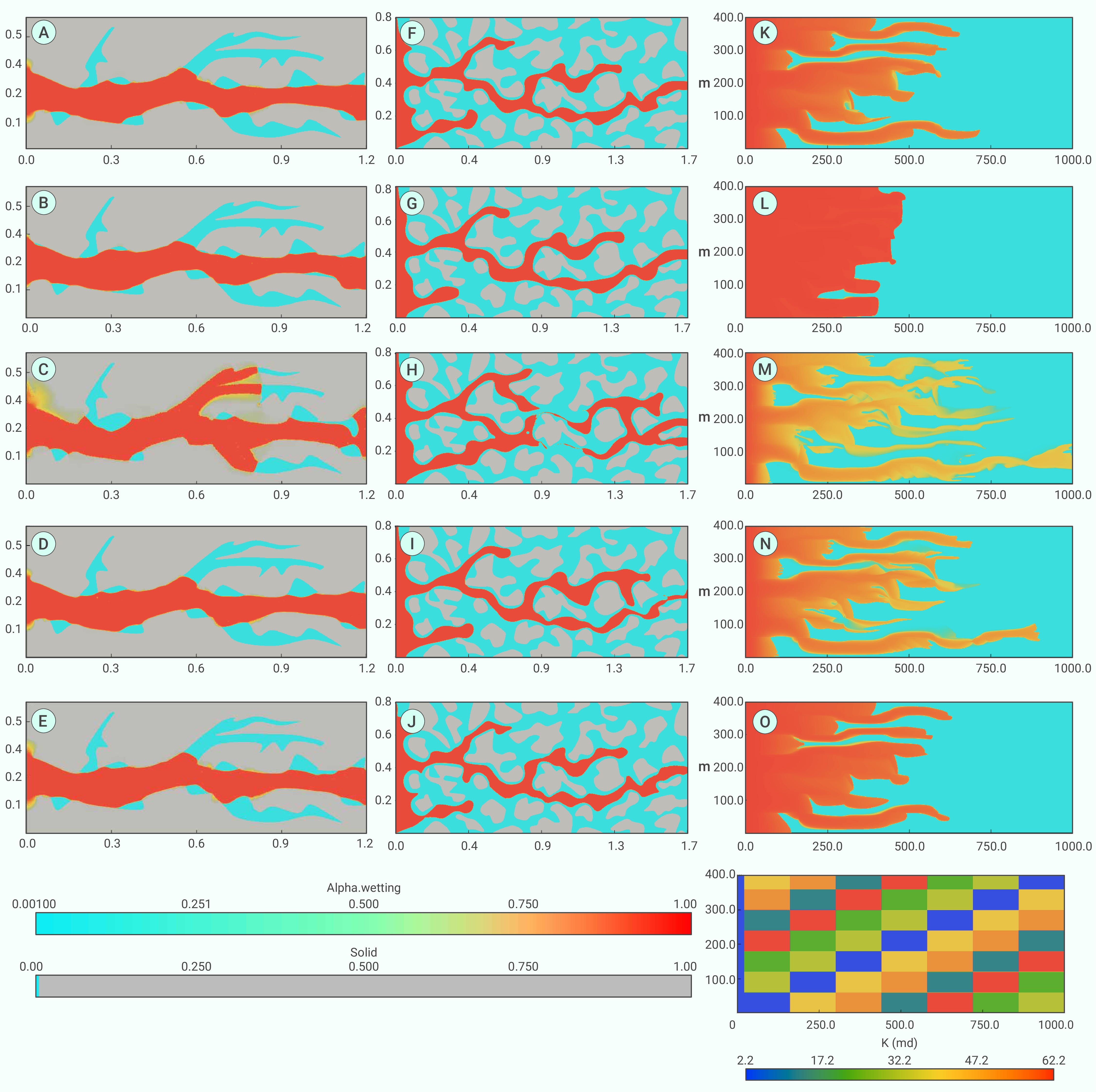
Figure 1.
Comparison of CO2 transport in complex fracture for different reservoir petrophysical properties
-
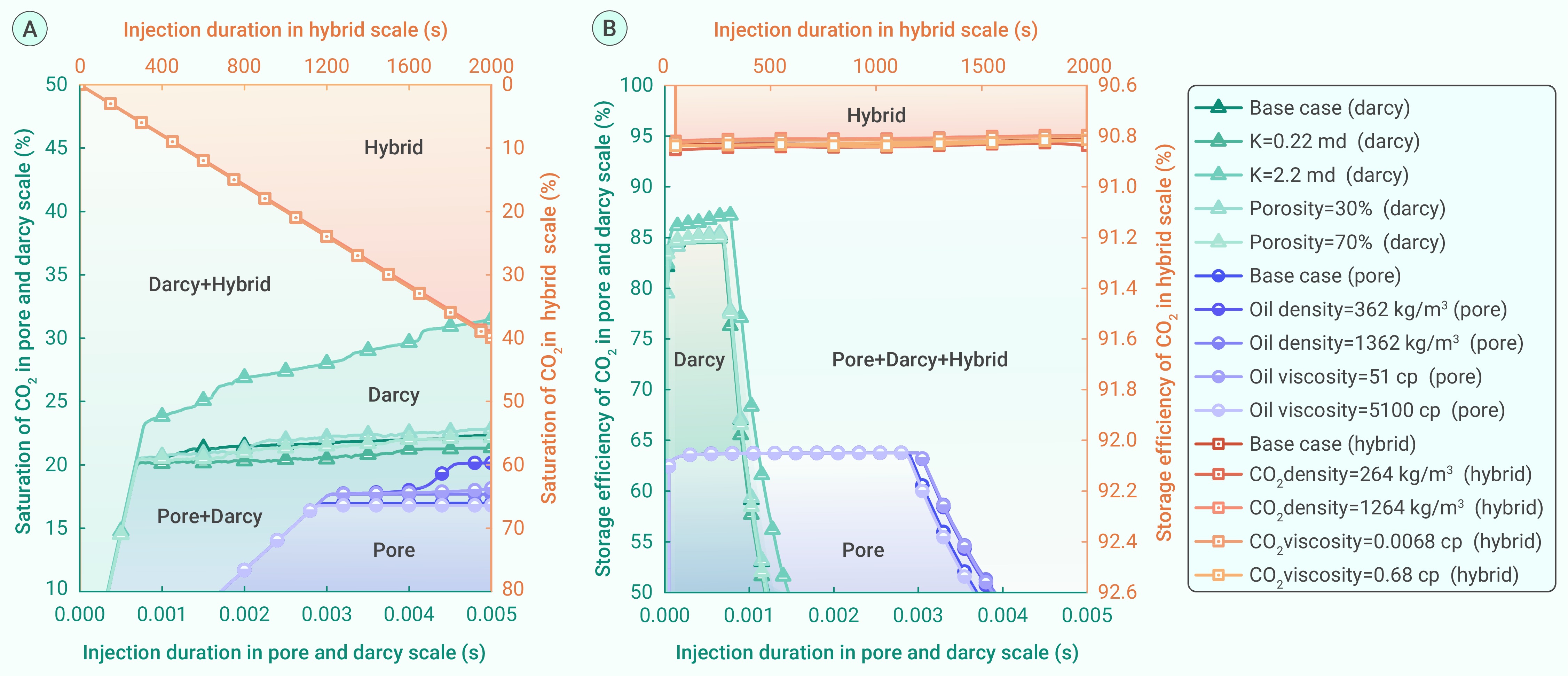
Figure 2.
The (A) saturation changes and (B) storage efficiency factor of CO2 during transport in different scales of carbonate reservoir.
-
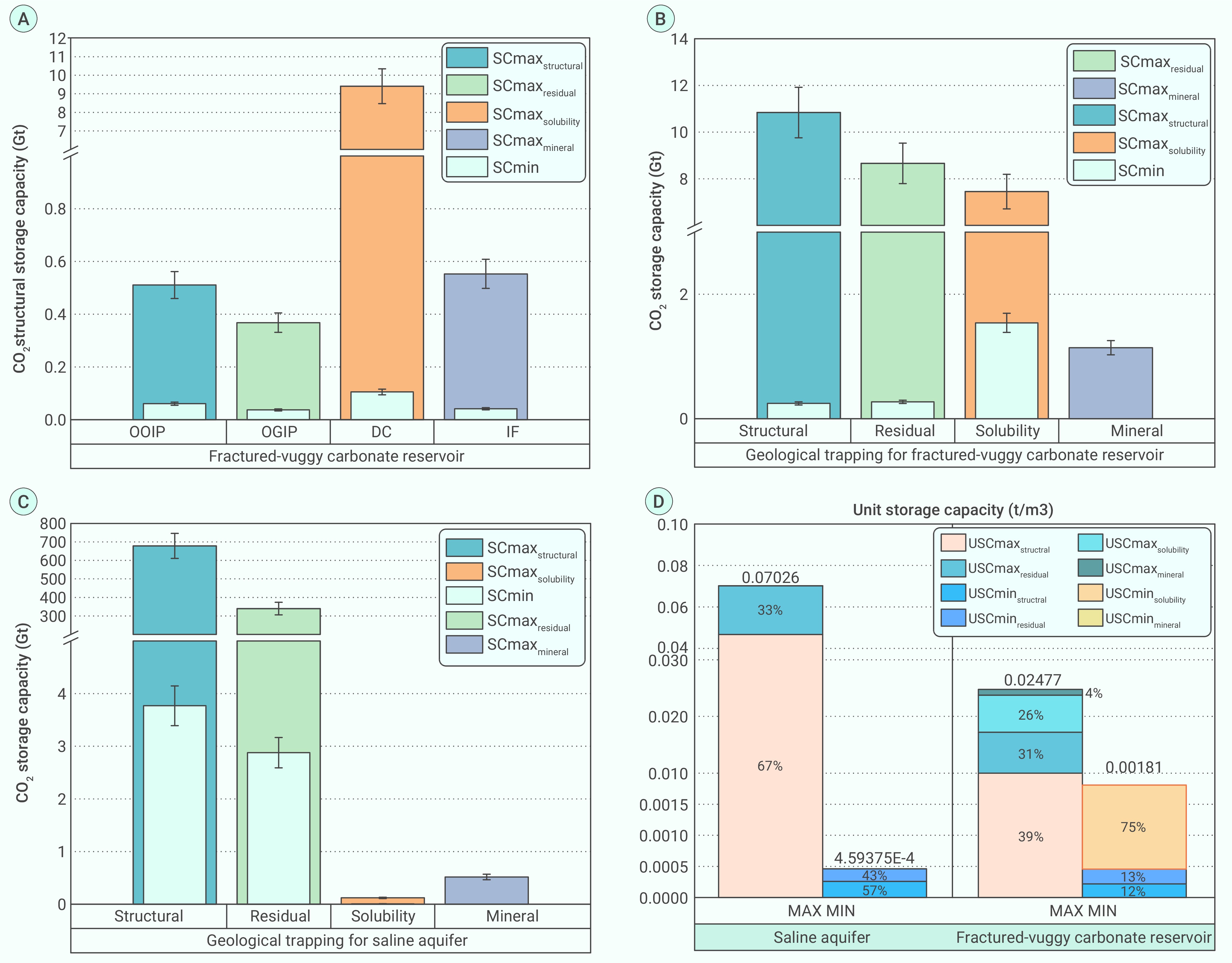
Figure 3.
Comparison of storage capacity of different geological sites
-
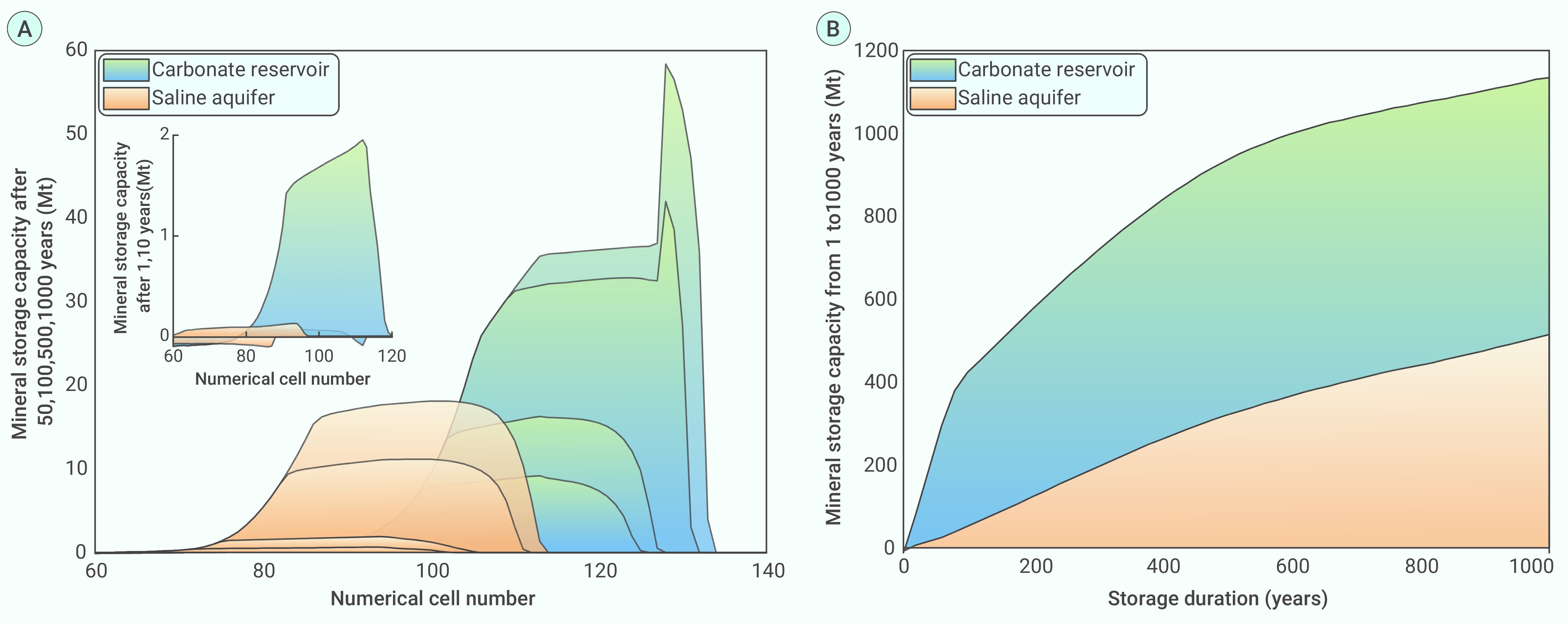
Figure 4.
Comparison of mineral trapping from 1 to
1000 years for different geological sites
