
Free autonomy renewable trade markets for government independence and carbon neutrality transitions with grid-demand-storage synergies
-
GRAPHICAL ABSTRACT
 DownLoad:
Full size image
DownLoad:
Full size image
-
PUBLIC SUMMARY
-
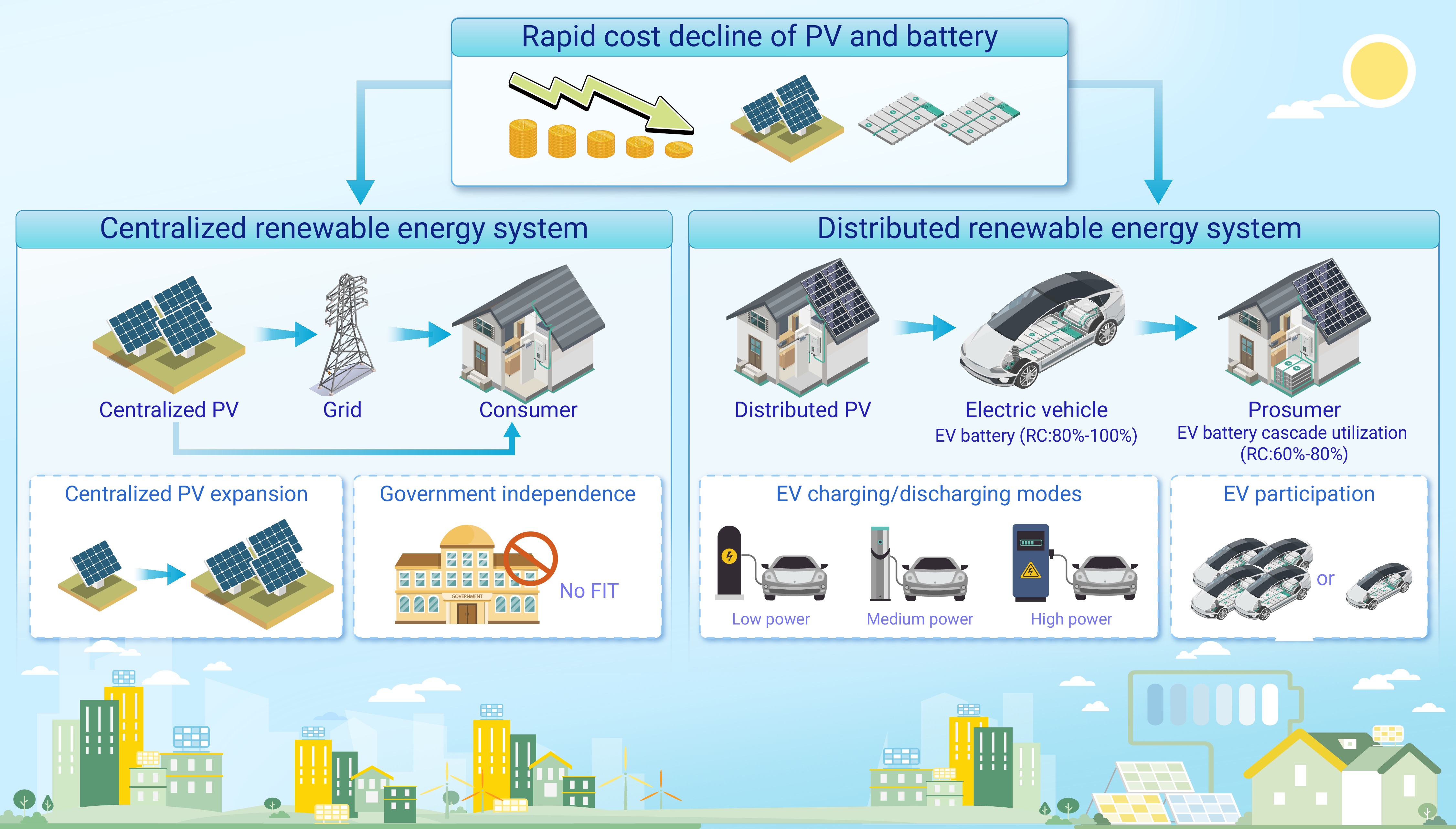
Free trading markets with spontaneous renewable system installations among stakeholders to mitigate investment pressure of government.
Distributed renewable system in free trading market for energy trading between EV owners and prosumers with flexible energy management strategies.
Vehicle-to-everything (V2X) with different charging/discharging modes with the trade-off between additional expenditures on EV battery cycling aging costs and additional economic profits.
The trade-off between profit margin and carbon emission with levelized electricity cost, levelized cost of charging and levelized carbon mitigation subsidy.
-
-
ABSTRACT
Along with the gradual phase-out of fossil-fuels, technology readiness and cost decline of renewable energy technologies and battery storages can bring new prospects for renewable energy trading market and extensive power-sector decarbonization. Renewable energy trading market has rapidly transformed from traditional grid-based transactions towards future direct free trading with multi-stakeholders. However, the direct free trading market for sustainable development of renewable energy systems is unclear, in terms of establishment conditions, increased profit margin and promotion initiatives. In this study, free trading markets with spontaneous renewable system installations among stakeholders instead of government are proposed for spatiotemporal energy and economic balances with different types of buildings and electric vehicles (EVs). For the centralized renewable energy system, it is proposed based on energy transmission and energy trading between centralized PV farms and consumers. Besides, free trading market in the distributed renewable energy system is also established between EV owners and prosumers with flexible energy management strategies (i.e. EV energy sharing, and EV battery cascade utilization). Roles of EVs under vehicle-to-everything (V2X) with different charging/discharging modes are analysed considering the trade-off between additional expenditures on EV battery cycling aging costs and additional economic profits for economic feasibility and carbon emission reduction for environmental sustainability based on dynamic energy trading mechanism and associated cost decline. The results suggest that, due to the rapid decline in the costs of both renewables and batteries, along with the increased penetration of renewable energy in centralized systems, the free-market trading model could become widely accepted by 2060. Due to the rapid decrease of battery cost and increase in grid price, the EV owners will transit from cost payers to economic earners, along with the levelized cost of charging (LCOC) with EV energy sharing decreases from 2.24 CNY/kWh in 2020 to -1.27 CNY/kWh in 2060. Furthermore, retired EV battery cascade utilization in building energy storages can reduce the levelized electricity cost (LEC) of residential building owners. Overall, this study provides valuable insights into dynamic evolutions of free trading markets on renewable energy which significantly encourages spontaneous renewable investments and trading behaviours for the sustainable renewable energy deployment. -

-
REFERENCES
[1] IPCC. Global Warming of 1.5 °C. An IPCC Special Report on the impacts of global warming of 1.5 °C above pre-industrial levels and related global greenhouse gas emission pathways, in the context of strengthening the global response to the threat of climate change, IPCC - Sr15 (2018). [2] United Nations News. Chinese President Pledges Carbon Neutrality by 2060. (2020). https://news.un.org/en/story/2020/09/1073052. [3] Chen X., Shuai C., Wu Y. et al. (2020). Analysis on the carbon emission peaks of China’s industrial, building, transport, and agricultural sectors. Sci. Total Environ. 709:135768. DOI:10.1016/j.scitotenv.2019.135768 [4] Wang J., Chen L., Tan Z., et al. (2023). Inherent spatiotemporal uncertainty of renewable power in China. Nat. Commun. 14:5379. DOI:10.1038/s41467-023-40670-7 [5] Zakaria A., Ismail F. B., Lipu M. S. H. et al. (2020). Uncertainty models for stochastic optimization in renewable energy applications. Renew. Energy 145:1543−1571. DOI:10.1016/j.renene.2019.07.081 [6] Zhou Y. (2023). Climate change adaptation with energy resilience in energy districts—A state-of-the-art review. Energy Build. 279:112649. DOI:10.1016/j.enbuild.2022.112649 [7] He G., Lin J., Sifuentes F., et al. (2020). Rapid cost decrease of renewables and storage accelerates the decarbonization of China’s power system. Nat. Commun. 11:2486. DOI:10.1038/s41467-020-16184-x [8] Braff W. A., Mueller J. M. and Trancik, J. E. (2016). Value of storage technologies for wind and solar energy. Nat. Clim. Change 6:964−969. DOI:10.1038/nclimate3045 [9] Zhuo Z., Du E., Zhang N., et al. (2022). Cost increase in the electricity supply to achieve carbon neutrality in China. Nat. Commun. 13:3172. DOI:10.1038/s41467-022-30747-0. [10] Dong, Q., Liang S., Li J., et al. (2023). Cost, energy, and carbon footprint benefits of second-life electric vehicle battery use. iScience 26:107195. DOI:10.1016/j.isci.2023.107195. [11] Kim C. (2021). A review of the deployment programs, impact, and barriers of renewable energy policies in Korea. Renew. Sustain. Energy Rev. 144:110870. DOI:10.1016/j.rser.2021.110870 [12] Atsu D., Seres I. and Farkas I. (2021). The state of solar PV and performance analysis of different PV technologies grid-connected installations in Hungary. Renew. Sustain. Energy Rev. 141:110808. DOI:10.1016/j.rser.2021.110808 [13] Li S., Peng J., Li H., et al. (2022). Zero energy potential of PV direct-driven air conditioners coupled with phase change materials and load flexibility. Renew. Energy 200:419−432. DOI:10.1016/j.renene.2022.09.088 [14] Nobuyoshi Y. J. R., Ochoa A. A. V., Leite G. N. P., et al. (2023). Real-time energy and economic performance of the multi-zone photovoltaic-drive air conditioning system for an office building in a tropical climate. Energy Convers. Manag. 297:117713. DOI:10.1016/j.enconman.2023.117713 [15] Ozcan H. G., Varga S., Gunerhan H. A., et al. (2021). Numerical simulation and parametric study of various operational factors affecting a PV-battery-air conditioner system under prevailing European weather conditions. Sustain. Cities Soc. 67:102754. DOI:10.1016/j.scs.2021.102754 [16] Reda F., Paiho S., Pasonen R., et al. (2020). Comparison of solar assisted heat pump solutions for office building applications in Northern climate. Renew. Energy 147:1392−1417. DOI:10.1016/j.renene.2019.09.044 [17] Zhao P., Xu W., Liu A., et al. (2022). Performance evaluation of a renewable driven standalone combined power and water supply system with cascade electricity and heat storage. Renew. Energy 199:1283−1299. DOI:10.1016/j.renene.2022.09.089 [18] Abedrabboh O., Ko M. and Bier Y. (2024). Comparative thermoeconomic assessment of renewable-driven hybrid-cooled sustainable greenhouses for subtropical regions. Energy Convers. Manag. 300:117990. DOI:10.1016/j.enconman.2023.117990 [19] Makolo P., Zamora R. and Lie T. T. (2021). The role of inertia for grid flexibility under high penetration of variable renewables - A review of challenges and solutions. Renew. Sustain. Energy Rev. 147:111223. DOI:10.1016/j.rser.2021.111223 [20] Cole W. J., Greer D., Denholm P., et al. (2021). Quantifying the challenge of reaching a 100% renewable energy power system for the United States. Joule 5:1732−1748. DOI:10.1016/j.joule.2021.05.011 [21] Dowling J. A., Renaldi K. Z., Ruggles T. H., et al. (2020). Role of Long-Duration Energy Storage in Variable Renewable Electricity Systems. Joule 4:1907−1928. DOI:10.1016/j.joule.2020.07.007 [22] Kittner N., Castellanos S., Hidalgo-Gonzalez P., et al. (2021). Cross-sector storage and modeling needed for deep decarbonization. Joule 5:2529−2534. DOI:10.1016/j.joule.2021.09.003 [23] Faraj K., Khaled M., Faraj J., et al. (2020). Phase change material thermal energy storage systems for cooling applications in buildings: A review. Renew. Sustain. Energy Rev. 119:109579. DOI:10.1016/j.rser.2019.109579 [24] Khalaf A. E., Eleiwi M. A. and Yassen T. A. et al. (2023). Enhancing the overall performance of the hybrid solar photovoltaic collector by open water cycle jet-cooling. Renew. Energy 208:492−503. DOI:10.1016/j.renene.2023.02.122 [25] Han Z., Liu K., Li G., et al. (2021). Electrical and thermal performance comparison between PVT-ST and PV-ST systems. Energy 237:121589. DOI:10.1016/j.energy.2021.121589 [26] Carmona M., Palacio Bastos A. and García J. D. (2021). Experimental evaluation of a hybrid photovoltaic and thermal solar energy collector with integrated phase change material (PVT-PCM) in comparison with a traditional photovoltaic (PV) module. Renew. Energy 172:680−696. DOI:10.1016/j.renene.2021.03.098 [27] Wolfram P., Weber S., Gillingham K., et al. (2021). Pricing indirect emissions accelerates low-carbon transition of US light vehicle sector. Nat. Commun. 12:7121. DOI:10.1038/s41467-021-27247-y [28] Peng L., Mauzerall D. L. and Zhong Y. D. (2023). Heterogeneous effects of battery storage deployment strategies on decarbonization of provincial power systems in China. Nat. Commun. 14, 4858 (2023). DOI:10.1038/s41467-023-40337-3. [29] Minoofar A., Mohtasebi S. S., Hashemianzadeh S., et al. (2023). Renewable energy system opportunities: A sustainable solution toward cleaner production and reducing carbon footprint of large-scale dairy farms. Energy Convers. Manag. 293:117554. DOI:10.1016/j.enconman.2023.117554 [30] Zhao W. (2022). China’s goal of achieving carbon neutrality before 2060: experts explain how. Natl. Sci. Rev. 9:nwac115. DOI:10.1093/nsr/nwac115 [31] Liu P., Zhang C., Wang Y., et al. (2021). Carbon footprint and carbon emission intensity of grassland wind farms in Inner Mongolia. J. Clean. Prod. 313:127878. DOI:10.1016/j.jclepro.2021.127878 [32] Ballif C., Perret-Aebi L.-E., Lufkin S., et al. (2018). Integrated thinking for photovoltaics in buildings. Nat. Energy 3. DOI:10.1038/s41560-018-0176-2. [33] Liu Z., Jiang Y., Li F., et al. (2021). A comprehensive study of feasibility and applicability of building integrated photovoltaic (BIPV) systems in regions with high solar irradiance. J. Clean. Prod. 307:127240. DOI:10.1016/j.jclepro.2021.127240 [34] Alves M., Segurado R. and Costa M. (2020). On the road to 100% renewable energy systems in isolated islands. Energy 198:117321. DOI:10.1016/j.energy.2020.117321 [35] Zhang W., Chiu Y.-B. and Hsiao C. Y.-L. (2022). Effects of country risks and government subsidies on renewable energy firms’ performance: Evidence from China. Renew. Sustain. Energy Rev. 158:112164. DOI:10.1016/j.rser.2022.112164 [36] Lee C.-C., Hussain J. and Chen, Y. (2022). The optimal behavior of renewable energy resources and government’s energy consumption subsidy design from the perspective of green technology implementation. Renew. Energy 195:670−680. DOI:10.1016/j.renene.2022.05.093 [37] Zhou Y. (2022). Energy sharing and trading on a novel spatiotemporal energy network in Guangdong-Hong Kong-Macao Greater Bay Area. Appl. Energy 318:119131. DOI:10.1016/j.apenergy.2022.119131 [38] Song A. and Zhou Y. (2023). Advanced cycling ageing-driven circular economy with E-mobility-based energy sharing and lithium battery cascade utilisation in a district community. J. Clean. Prod. 415:137797. DOI:10.1016/j.jclepro.2023.137797 [39] Zhou Y. (2022). Incentivising multi-stakeholders’ proactivity and market vitality for spatiotemporal microgrids in Guangzhou-Shenzhen-Hong Kong Bay Area. Appl. Energy 328:120196. DOI:10.1016/j.apenergy.2022.120196 [40] Borlaug B., Salisbury S. and Gerdes M., et al. (2020). Levelized Cost of Charging Electric Vehicles in the United States. Joule 4:1470−1485. DOI:10.1016/j.joule.2020.05.013 [41] Lanz L., Noll B. and Schmidt T. S. (2022). Comparing the levelized cost of electric vehicle charging options in Europe. Nat. Commun. 13:5277. DOI:10.1038/s41467-022-32835-7 [42] Lin, B. and Jia, Z. (2019). Impacts of carbon price level in carbon emission trading market. Appl. Energy 239:157−170. DOI:10.1016/j.apenergy.2019.01.194 [43] Yan J., Yang Y., Elia Campana P., et al. (2019). City-level analysis of subsidy-free solar photovoltaic electricity price, profits and grid parity in China. Nat. Energy 4:709−717. DOI:10.1038/s41560-019-0441-z [44] Qi S., Cheng S., Tan X., et al. (2022). Predicting China’s carbon price based on a multi-scale integrated model. Appl. Energy 324:119784. DOI:10.1016/j.apenergy.2022.119784 [45] Jiang D., Peng T., Bu Z., et al., (2024). Optimization and benefit analysis of the supply chain for sweet sorghum bioenergy production in China. Innov. Energy 1:100038. DOI:10.59717/j.xinn-energy.2024.100038. [46] Cai H., Liu X., Sun L., et al., (2024). Battery internal short circuit diagnosis based on vision transformer without real data. Innov. Energy 1:100041. DOI:10.59717/j.xinn-energy.2024.100041. -
ABOUT THIS ARTICLE
Cite this article:
Yu X. and Zhou Y. (2025). Free autonomy renewable trade markets for government independence and carbon neutrality transitions with grid-demand-storage synergies. The Innovation Energy 2:100062. https://doi.org/10.59717/j.xinn-energy.2024.100062
Welcome!
To request copyright permission to republish or share portions of our works, please visit Copyright Clearance Center's (CCC) Marketplace website at marketplace.copyright.com.

Article Metrics
Relative Articles
Cited by
Export File
Citation
Yu X. and Zhou Y. (2025). Free autonomy renewable trade markets for government independence and carbon neutrality transitions with grid-demand-storage synergies. The Innovation Energy 2:100062. https://doi.org/10.59717/j.xinn-energy.2024.100062

Format
Content
-
Figure 1.
Schematic diagram of the centralized renewable energy trading market.
-
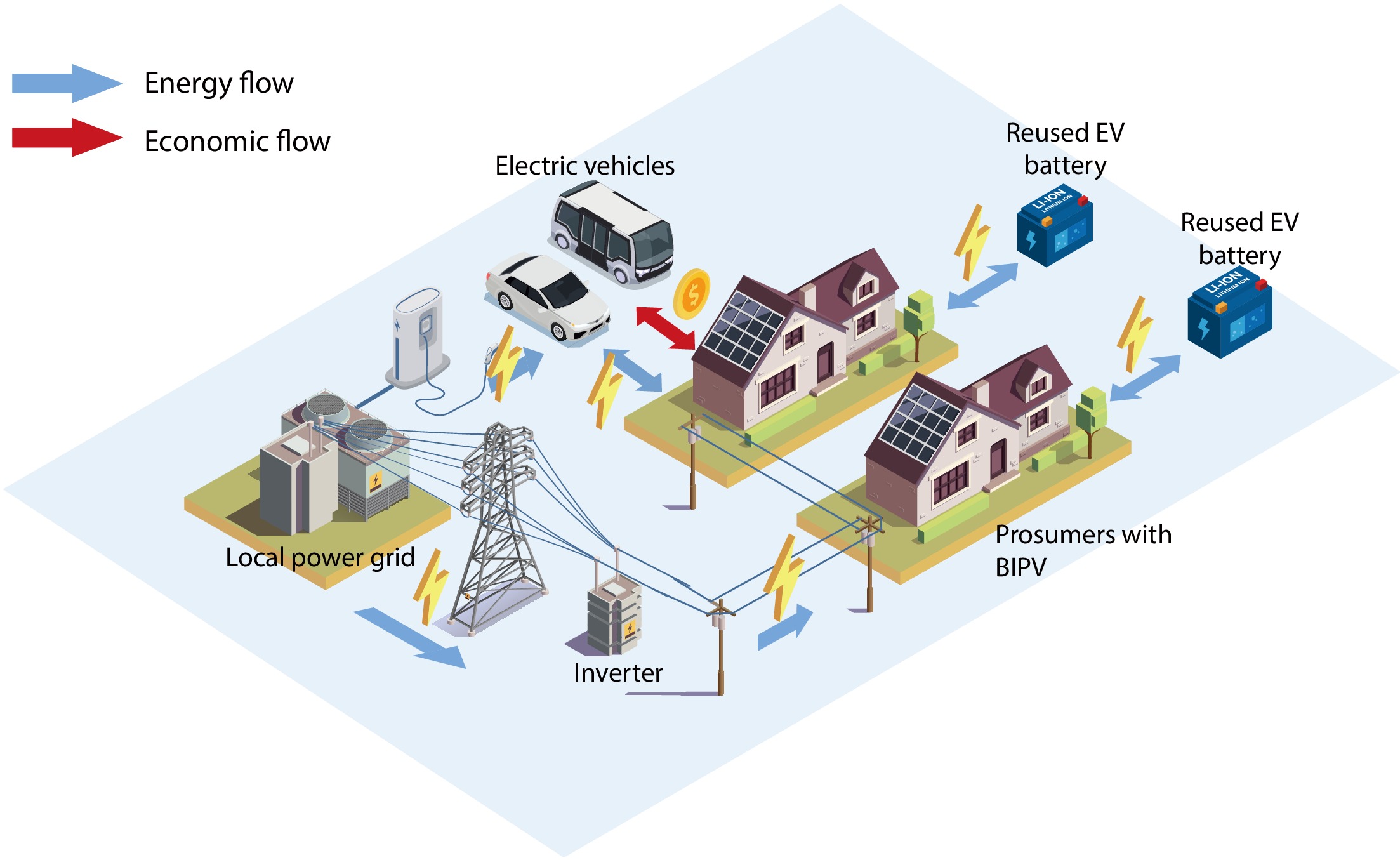
Figure 2.
Schematic diagram of the distributed renewable energy trading market.
-
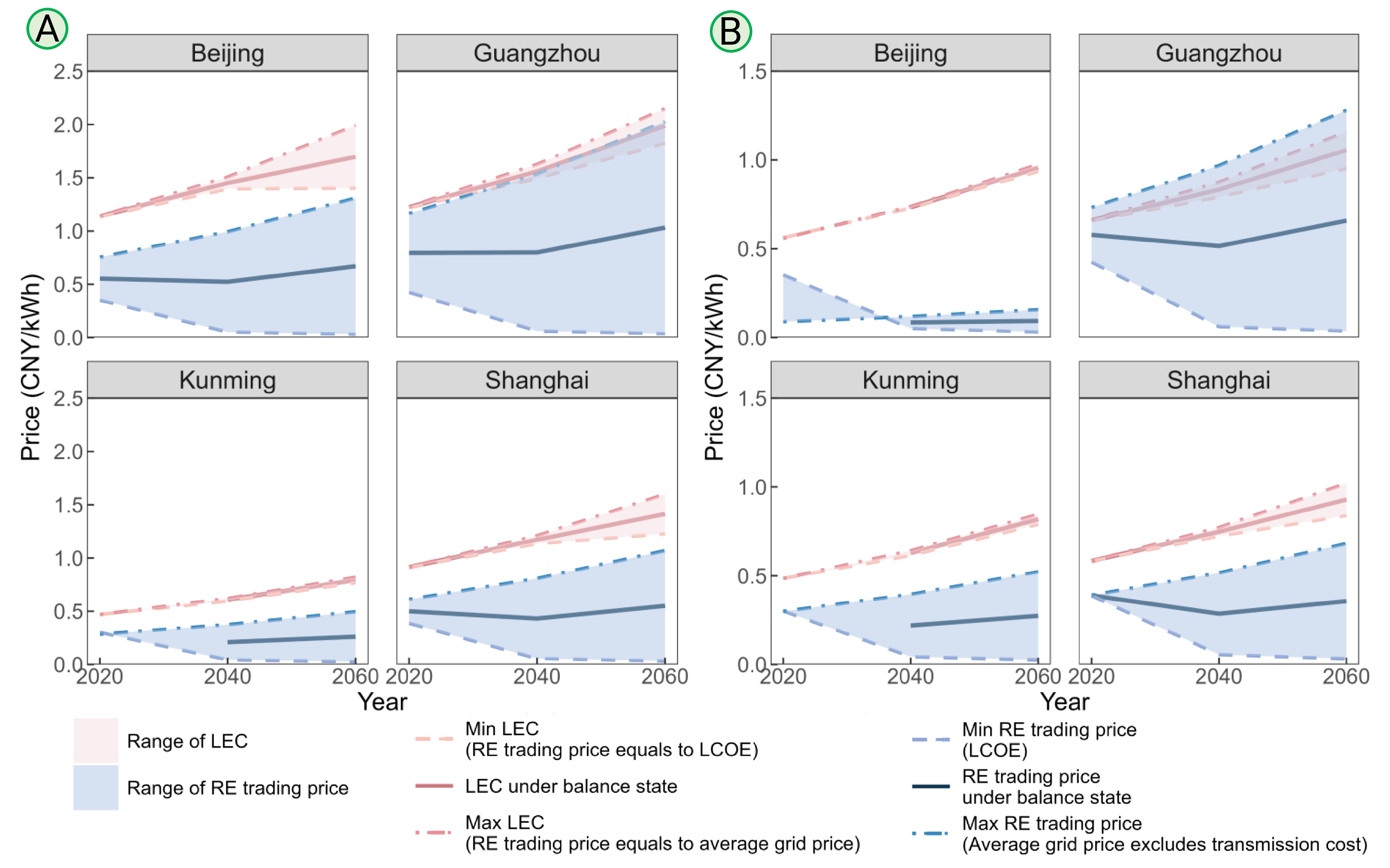
Figure 3.
Economic metrics in the centralized renewable energy trading market
-
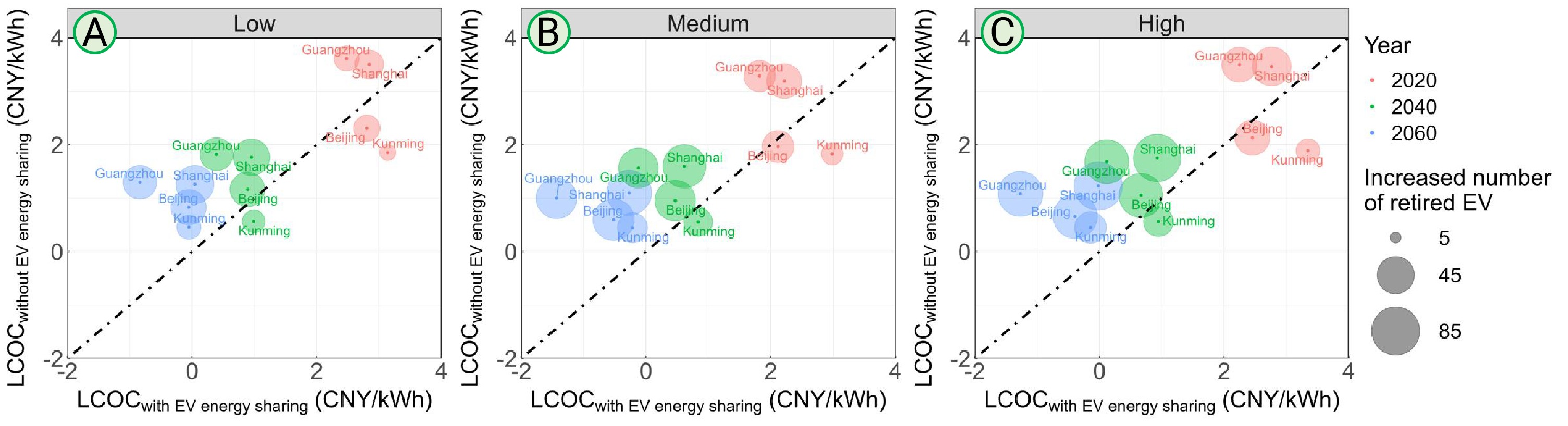
Figure 4.
Impact of EV energy sharing on the levelized cost of charging (LCOC) in the distributed renewable energy trading market
-
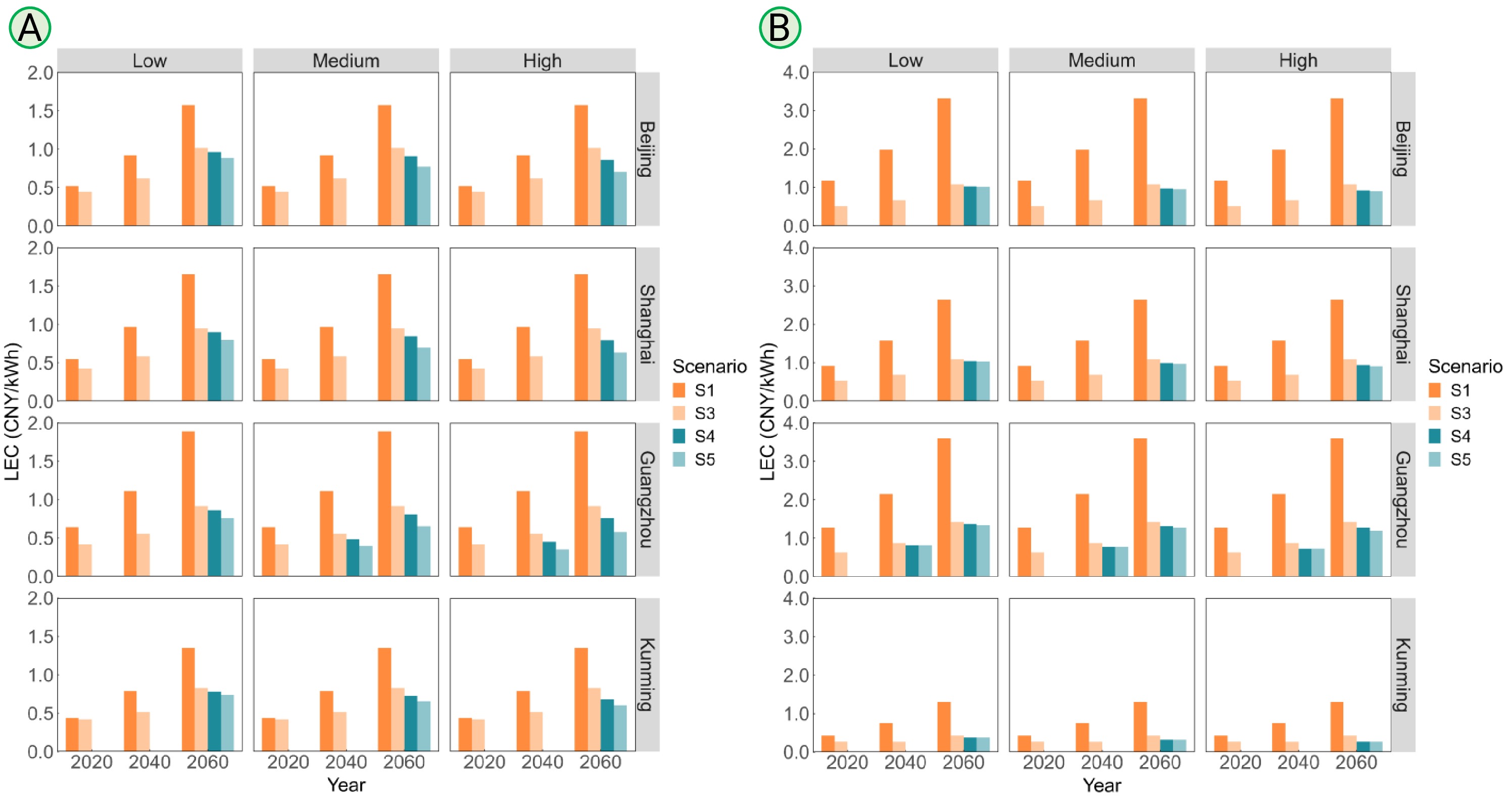
Figure 5.
Impact of EV energy sharing on the levelized electricity cost (LEC) in the distributed renewable energy trading market
-
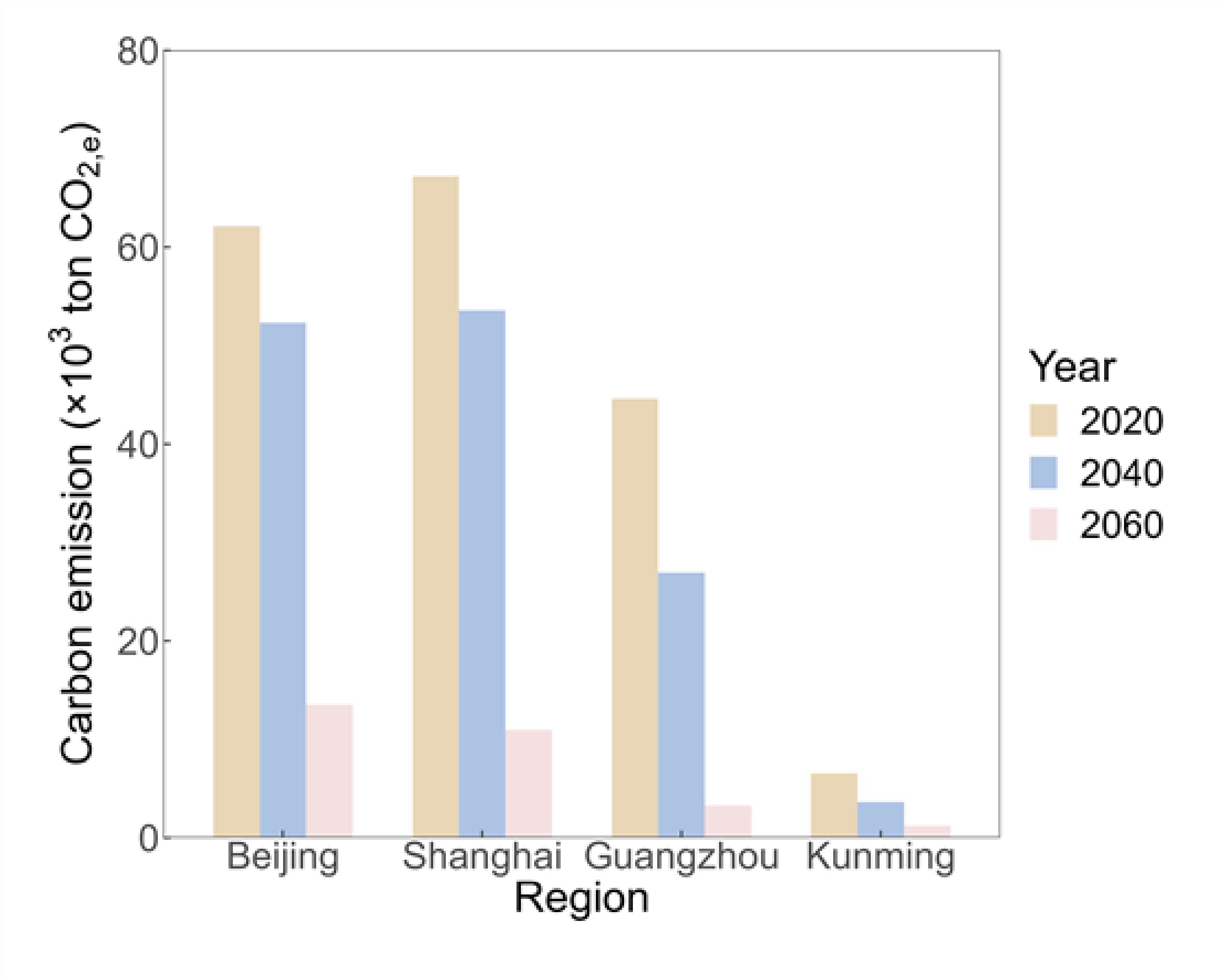
Figure 6.
Operational carbon emissions of the centralized renewable energy trading market.
-
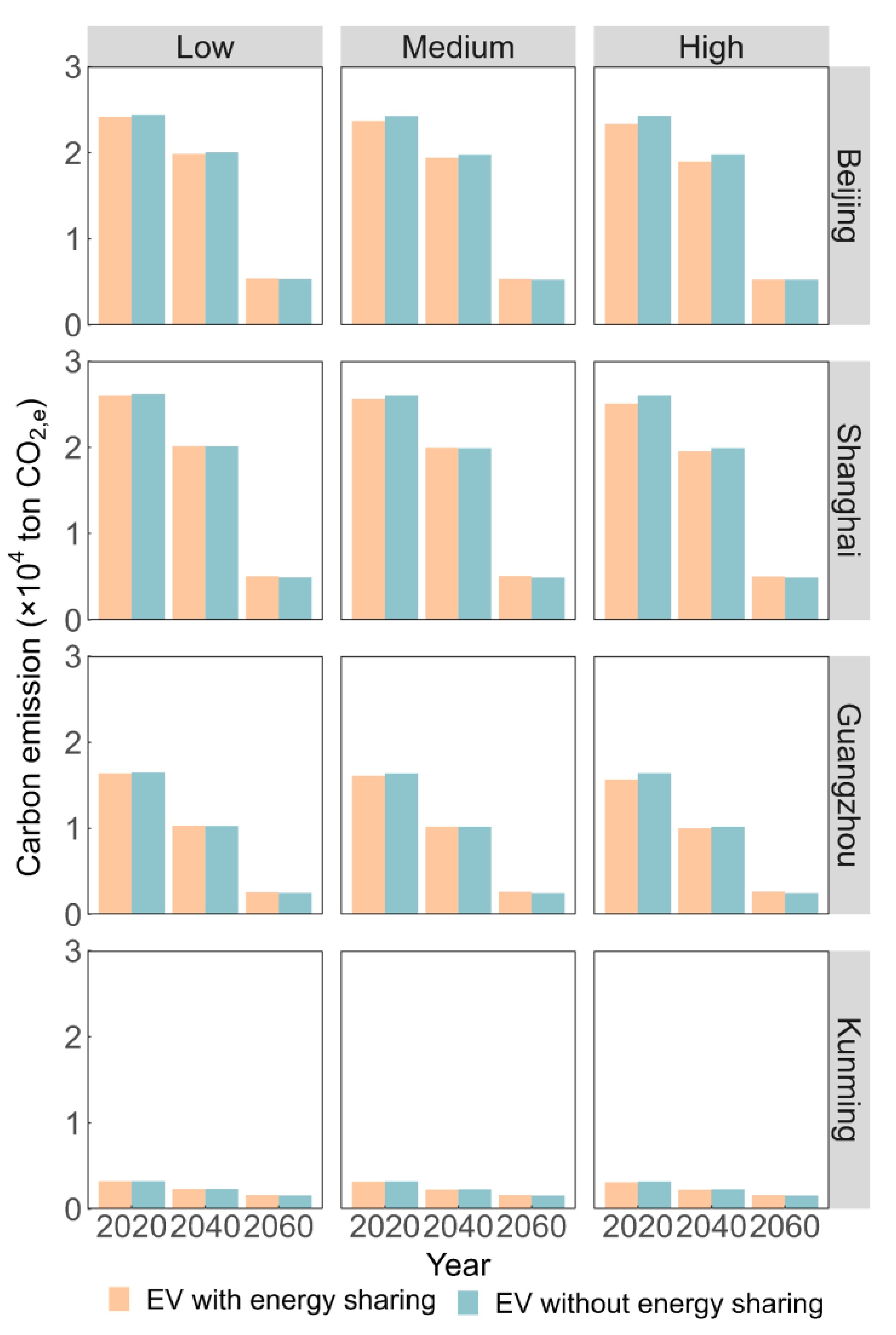
Figure 7.
Impact of EV energy sharing on the operational carbon emissions in the distributed renewable energy trading market Low, medium, and high charging/discharging mode refers to the maximum EV charging/discharging power at 5 kW, 15 kW and 50 kW, respectively.
-
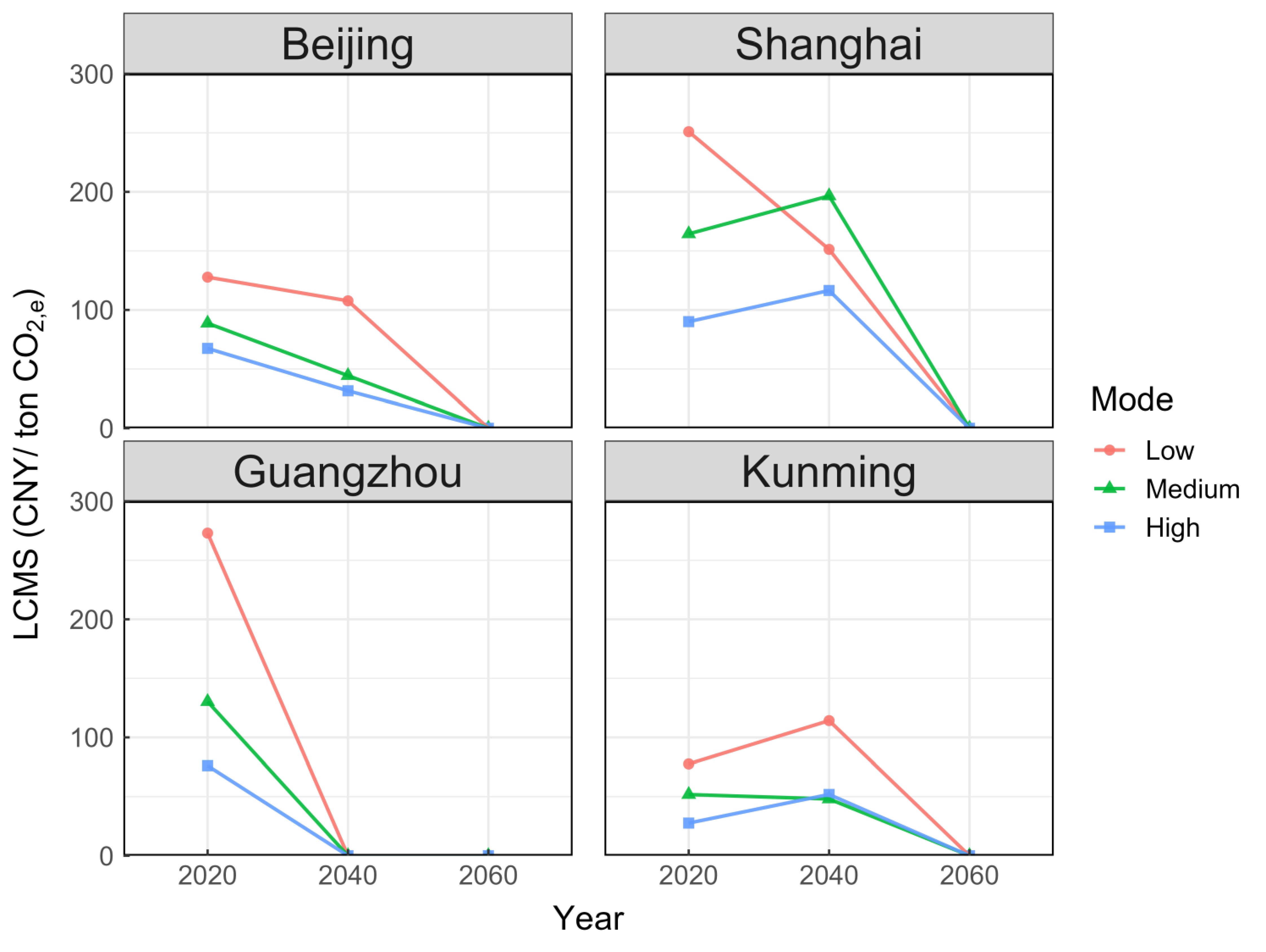
Figure 8.
Levelized carbon mitigation subsidy (LCMS) for EV owners.
