
Mitigating the vicious cycle between urban heatwaves and building energy systems in Guangdong–Hong Kong–Macao Greater Bay Area
-
GRAPHICAL ABSTRACT
 DownLoad:
Full size image
DownLoad:
Full size image
-
PUBLIC SUMMARY
-
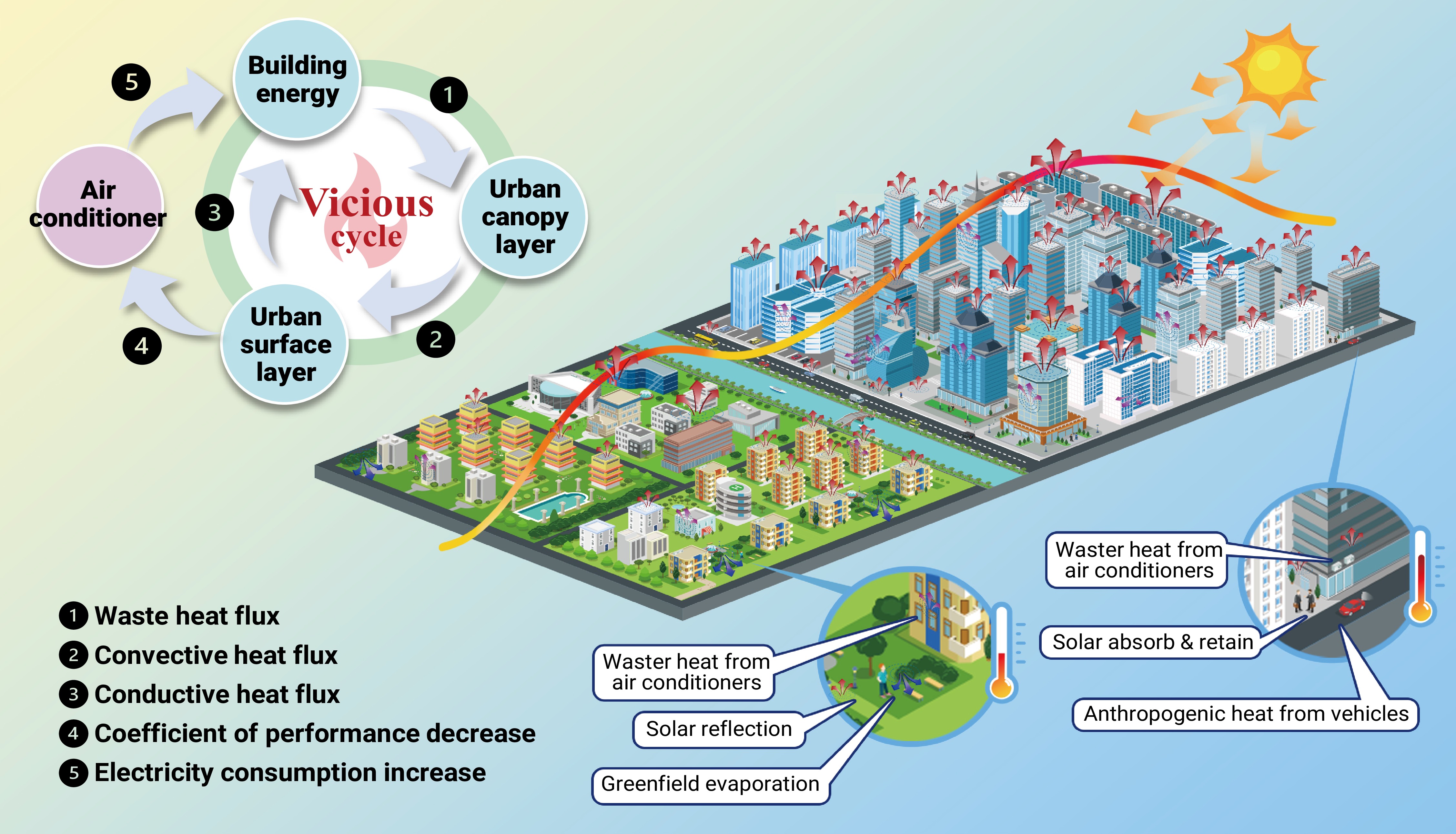
The vicious cycle between urban heatwaves and growing cooling demand is already widespread in Guangdong-Hong Kong-Macao Greater Bay Area.
A joint model coupled with urban microclimate, building energy system, and cooling equipment efficiency are proposed to quantitatively analysis the consequences of vicious cycle.
A paradigm for addressing vicious cycle from building energy perspective is proposed by rationalizing building pre-cooling and utilizing building virtual storage capabilities.
-
-
ABSTRACT
Urban heatwaves, existing in building neighborhoods, are harsh microclimate phenomena caused by human activities. With global warming and urbanization, exacerbated urban heatwaves are increasing energy-supply burdens and operational risks for building energy systems. At this point, a typical vicious cycle exists among urban microclimate, building energy systems, and cooling equipment, especially in high-density building blocks. Thereby, we propose a joint optimization model to quantify this vicious cycle by combining the urban canopy layer model, urban surface layer model, building energy model, and cooling equipment efficient model. Furthermore, optimal building energy system operation strategies are provided to mitigate the vicious cycle, by utilizing building thermal inertia and arranged building pre-cooling. Case studies are implemented in three typical cities in the Guangdong-Hong Kong-Macao Greater Bay Area in China, including Macao with high population density, Kowloon in Hong Kong with high-rise buildings, and Nanshan in Shenzhen with high-density urban villages. The results demonstrate that the vicious cycle raises urban canopy temperature by 0.97-2.09°C, which correspondingly increases building cooling energy consumption by 1.6-8.4 W/m2. By mitigating this vicious cycle based on the proposed optimization model, the energy-saving potential of building blocks can reach 11.2%, 13.4%, and 12.3%, and save1116.5 MWh,1724.71 MWh, and 823.23 MWh in the three typical areas, respectively. -

-
REFERENCES
[1] Birkel S. (2023). Daily 2-meter Air Temperature, Climate Change Institute. Preprint at https://ClimateReanalyzer.org [2] European Centre for Medium-Range Weather Forecasts. (2023). European heatwave July 2023. Preprint at https://www.ecmwf.int/ [3] Network. C. M. D. (2023). Ground-based observations in China. Preprint at https://data.cma.cn/ [4] Patz J. A., Campbell-Lendrum D., Holloway T., et al. (2005). Impact of regional climate change on human health. Nature 438:310−317. DOI:10.1038/nature04188 [5] IEA. (2018). The Future of Cooling. Preprint at https://www.iea.org/reports/the-future-of-cooling [6] IEA. (2018). Share of cooling in electricity system peak loads in selected countries/region, baseline and cooling scenario. Preprint at https://www.iea.org/data-and-statistics/charts [7] Song M., Deng R., Yan X., et al. (2024). Two-stage decision-dependent demand response driven by TCLs for distribution system resilience enhancement. Appl. Energy 361:122894. DOI:10.1016/j.apenergy.2024.122894 [8] Qi T., Ye C., Hui H., et al. (2024). Fast Frequency Regulation Utilizing Non-Aggregate Thermostatically Controlled Loads Based on Edge Intelligent Terminals. IEEE Trans. Smart Grid 15:3571−3584. DOI:10.1109/TSG.2023.3346467 [9] Chen G., Zhang H., Hui H., et al. (2021). Fast Wasserstein-Distance-Based Distributionally Robust Chance-Constrained Power Dispatch for Multi-Zone HVAC Systems. IEEE Trans. Smart Grid 12:4016−4028. DOI:10.1109/TSG.2021.3076237 [10] Yu P., Zhang H., Song Y., et al. (2024). District Cooling System Control for Providing Operating Reserve Based on Safe Deep Reinforcement Learning. IEEE Trans. Power Sys. 39:40−52. DOI:10.1109/TPWRS.2023.3237888 [11] Chen L. and Hui H. (2025). Model Predictive Control-Based Active/Reactive Power Regulation of Inverter Air Conditioners for Improving Voltage Quality of Distribution Systems. IEEE Trans. Ind. Inf. 21:922−931. DOI:10.1109/TII.2024.3468475 [12] Liu R., Hui H., Chen X., et al. (2024). Distributed Frequency Control of Heterogeneous Energy Storage Systems Considering Short-Term Ability and Long-Term Flexibility. IEEE Trans. Smart Grid 15:5693−5705. DOI:10.1109/TSG.2024.3451614 [13] Zhang Z., Hui H. and Song Y. (2025). Response Capacity Allocation of Air Conditioners for Peak-Valley Regulation Considering Interaction with Surrounding Microclimate. IEEE Trans. Smart Grid 16:1155−1167. DOI:10.1109/TSG.2024.3482361 [14] Rizwan A. M., Dennis L. Y. and Chunho L. (2008). A review on the generation, determination and mitigation of Urban Heat Island. J. Environ. Sci. 20:120−128. DOI:10.1016/S1001-0742(08)60019-4 [15] Grimm N. B., Faeth S. H., Golubiewski, N. E., et al. (2008). Global change and the ecology of cities. Science 319:756−760. DOI:10.1126/science.1150195 [16] Rajagopalan P., Lim K. C. and Jamei E. (2014). Urban heat island and wind flow characteristics of a tropical city. Solar Energy 107:159−170. DOI:10.1016/j.solener.2014.05.042 [17] Zhao L., Lee X., Smith R. B., et al. (2014). Strong contributions of local back-ground climate to urban heat islands. Nature 511:216−219. DOI:10.1038/nature13462 [18] Cao C., Lee X., Liu S., et al. (2016). Urban heat islands in China enhanced by haze pollution. Nat. Commun. 7:12509. DOI:10.1038/ncomms12509 [19] Sun Y., Zhang X., Ren G., et al. (2016). Contribution of urbanization to warming in China. Nat. Clim. Change 6:706−709. DOI:10.1038 /nclimate2956. DOI:10.1038/nclimate2956 [20] Song Y., Zhang Z. and Hui H. (2024). Interdisciplinary collaborative perspectives: Urban microclimate, urban energy systems, and urban building sectors. Innov. Energy 1:100053. DOI:10.59717/j.xinn-energy.2024.100053 [21] Tremeac B., Bousquet P., Munck C. de, et al. (2012). Influence of air conditioning management on heat island in Paris air street temperatures. Appl. Energy 95:102−110. DOI:10.1016/j.apenergy.2012.02.015 [22] Santamouris M., Paolini R., Haddad S., et al. (2020). Heat mitigation technologies can improve sustainability in cities. An holistic experimental and numerical impact assessment of urban overheating and related heat mitigation strategies on energy consumption, indoor comfort, vulnerability and heat-related mortality and morbidity in cities. Energy Build. 217:110002. DOI:10.1016/j.enbuild.2020.110002. [23] Santamouris M. (2020). Recent progress on urban overheating and heat island research. Integrated assessment of the energy, environmental, vulnerability and health impact. Synergies with the global climate change. Energy Build. 207:109482. DOI:10.1016/j.enbuild.2019.109482 [24] Craig M. T., Wohland J., Stoop L. P., et al. (2022). Overcoming the disconnect between energy system and climate modeling. Joule 6:1405−1417. DOI:10.1016/j.joule.2022.05.010 [25] Haddad S., Paolini R., Ulpiani G., et al. (2020). Holistic approach to assess co-benefits of local climate mitigation in a hot humid region of Australia. Sci. Rep. 10:14216. DOI:10.1038/s41598-020-71148-x [26] Central C. (2021). Hot Zones: Urban Heat Islands. Preprint at https://www.climatecentral.org/report/hot-zones-urban-heat-islands [27] Javanroodi K., Nik V. M., Giometto M. G., et al. (2022). Combining computational fluid dynamics and neural networks to characterize microclimate extremes: Learning the complex interactions between meso-climate and urban morphology. Sci. Total Environ. 829:154223. DOI:10.1016/j.scitotenv.2022.154223 [28] Salamanca F., Georgescu M., Mahalov A., et al. (2014). Anthropogenic heating of the urban environment due to air conditioning. J. Geophy. Res. A 119:5949−5965. DOI:10.1002/2013JD021225 [29] Salamanca F., Martilli A. and Yagüe C. (2012). A numerical study of the Urban Heat Island over Madrid during the DESIREX (2008) campaign with WRF and an evaluation of simple mitigation strategies. Int. J. Climat. 32:2372−2386. DOI:10.1002/joc.3398 [30] Wen Y. and Lian Z. (2009). Influence of air conditioners utilization on urban thermal environment. Appl. Therm. Eng. 29:670−675. DOI:10.1016/j.applthermaleng.2008.03.039 [31] Krpo A. (2009). Development and application of a numerical simulation system to evaluate the impact of anthropogenic heat fluxes on urban boundary layer climate. PhD thesis. Swiss Federal Institute of Technology Lausanne. [32] Kikegawa Y., Genchi Y., Yoshikado H., et al. (2003). Development of a numerical simulation system toward comprehensive assessments of urban warming countermeasures including their impacts upon the urban buildings’ energy-demands. Appl. Energy 76:449−466. DOI:10.1016/S0306-2619(03)00009-6 [33] Kikegawa Y., Genchi Y., Kondo H., et al. (2006). Impacts of city-block-scale countermeasures against urban heat-island phenomena upon a building’s energy-consumption for air-conditioning. Appl. Energy 83:649−668. DOI:10.1016/j.apenergy. 2005.06.001. DOI:10.1016/j.apenergy.2005.06.001 [34] Bueno B., Norford L., Hidalgo J., et al. (2013). The urban weather generator. J. Build. Perform. Sim. 6:269−281. DOI:10.1080/19401493.2012.718797 [35] Bueno B., Hidalgo J., Pigeon G., et al. (2013). Calculation of air temperatures above the urban canopy layer from measurements at a rural operational weather station. J. Appl. Meteor. Climat. 52:472−483. DOI:10.1175/JAMC-D-12-083.1 [36] Ohashi Y., Genchi Y., Kondo H., et al. (2007). Influence of air-conditioning waste heat on air temperature in Tokyo during summer: Numerical experiments using an urban canopy model coupled with a building energy model. J. Appl. Meteor. Climat. 46:66−81. DOI:10.1175/JAM2441.1 [37] Santamouris M. (2014). On the energy impact of urban heat island and global warming on buildings. Energy Build. 82:100−113. DOI:10.1016/j.enbuild.2014.07.022 [38] Li X., Sun B., Sui C., et al. (2020). Integration of daytime radiative cooling and solar heating for year-round energy saving in buildings. Nat. Commun. 11:6101. DOI:10.1038/s41467-020-19790-x [39] Centre N. W. S. D. (n.d.). Preprint at http://data.cma.cn/ [40] Geographic Sciences I. of and Natural Resources Research C. (n.d.). Resource and Environment Science and Data Center. Preprint at https://www.resdc.cn/data.aspx?DATAID=270 [41] OpenStreetMap (n.d.). Preprint at https://www.openstreetmap.org/ [42] Duan S., Luo Z., Yang X., et al. (2019). The impact of building operations on urban heat/cool islands under urban densification: A comparison between naturally-ventilated and air-conditioned buildings. Appl. Energy 235:129−138. DOI:10.1016/j.apenergy.2018.10.108 [43] Coceal O. and Belcher S. (2005). Mean winds through an inhomogeneous urban canopy. Bound. Meteor. 115:47−68. DOI:10.1007/s10546-004-1591-4 [44] Sailor D. J., Georgescu M., Milne J. M., et al. (2015). Development of a national anthropogenic heating database with an extrapolation for international cities. Atmos. Environ. 118:7−18. DOI:10.1016/j.atmosenv.2015.07.016 [45] McAdams W. H. (1954). Heat transmission (3rd ed.). (New York: McGrawHill). -
ABOUT THIS ARTICLE
Cite this article:
Zhang Z., Hui H. and Song Y. (2025). Mitigating the vicious cycle between urban heatwaves and building energy systems in Guangdong–Hong Kong–Macao Greater Bay Area. The Innovation Energy 2:100080. https://doi.org/10.59717/j.xinn-energy.2025.100080
Welcome!
To request copyright permission to republish or share portions of our works, please visit Copyright Clearance Center's (CCC) Marketplace website at marketplace.copyright.com.
Export File
Citation
Zhang Z., Hui H. and Song Y. (2025). Mitigating the vicious cycle between urban heatwaves and building energy systems in Guangdong–Hong Kong–Macao Greater Bay Area. The Innovation Energy 2:100080. https://doi.org/10.59717/j.xinn-energy.2025.100080

Format
Content
-
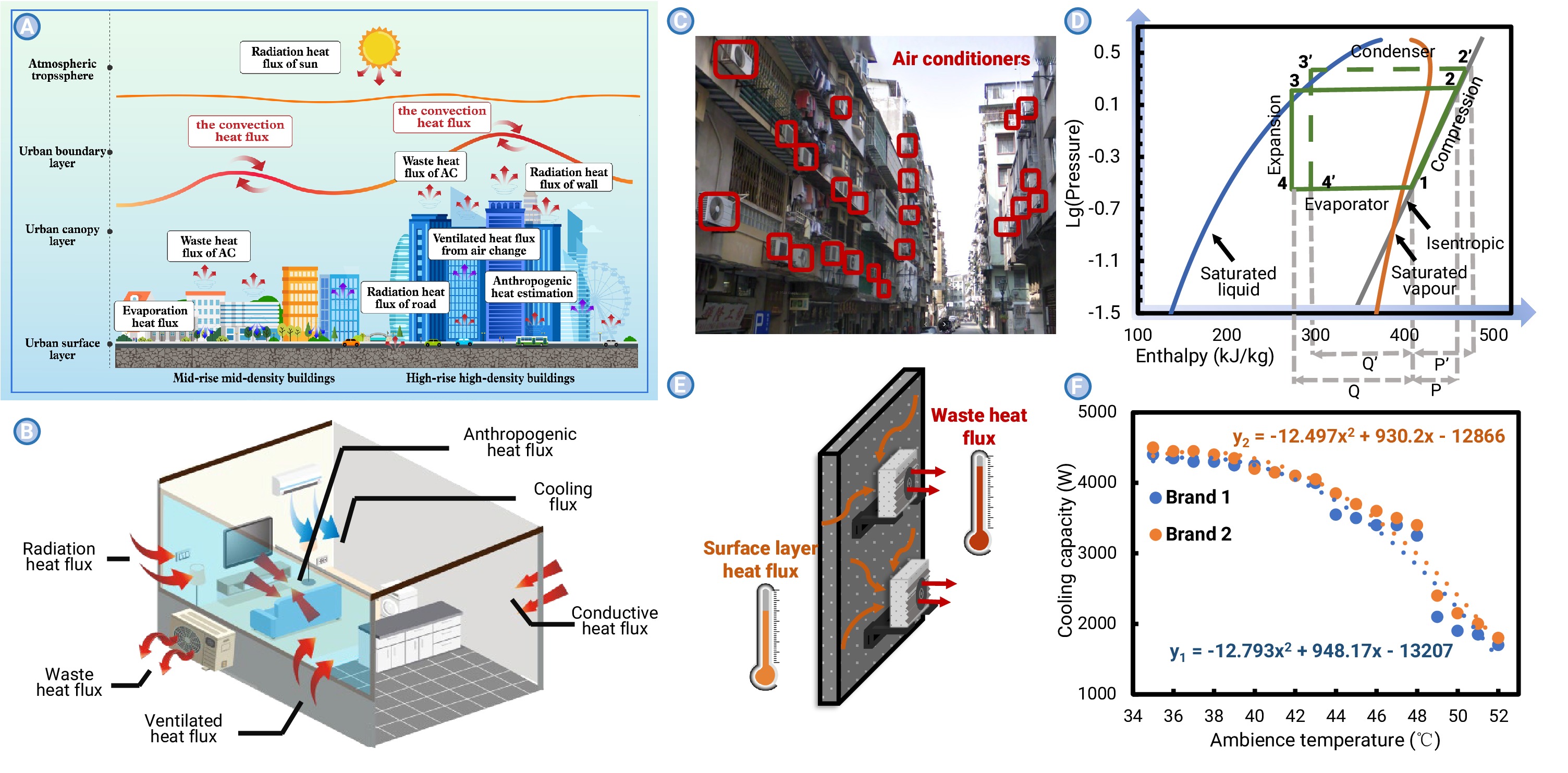
Figure 1.
The joint model framework consists of urban microclimate model & building energy system model, and the interaction between microclimate and cooling equipment.
-
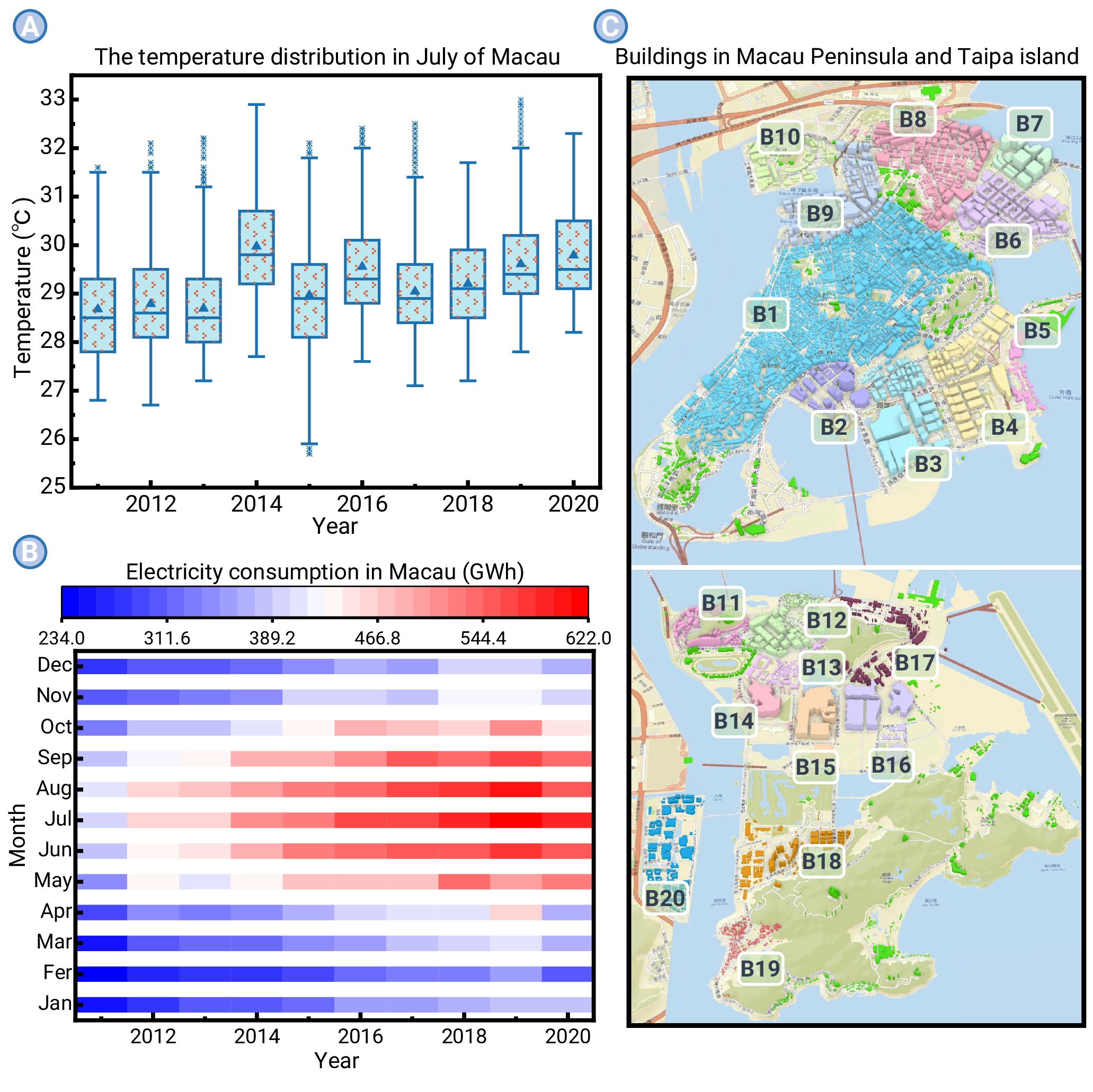
Figure 2.
Climate change, energy consumption and building characteristics of Macao.
-
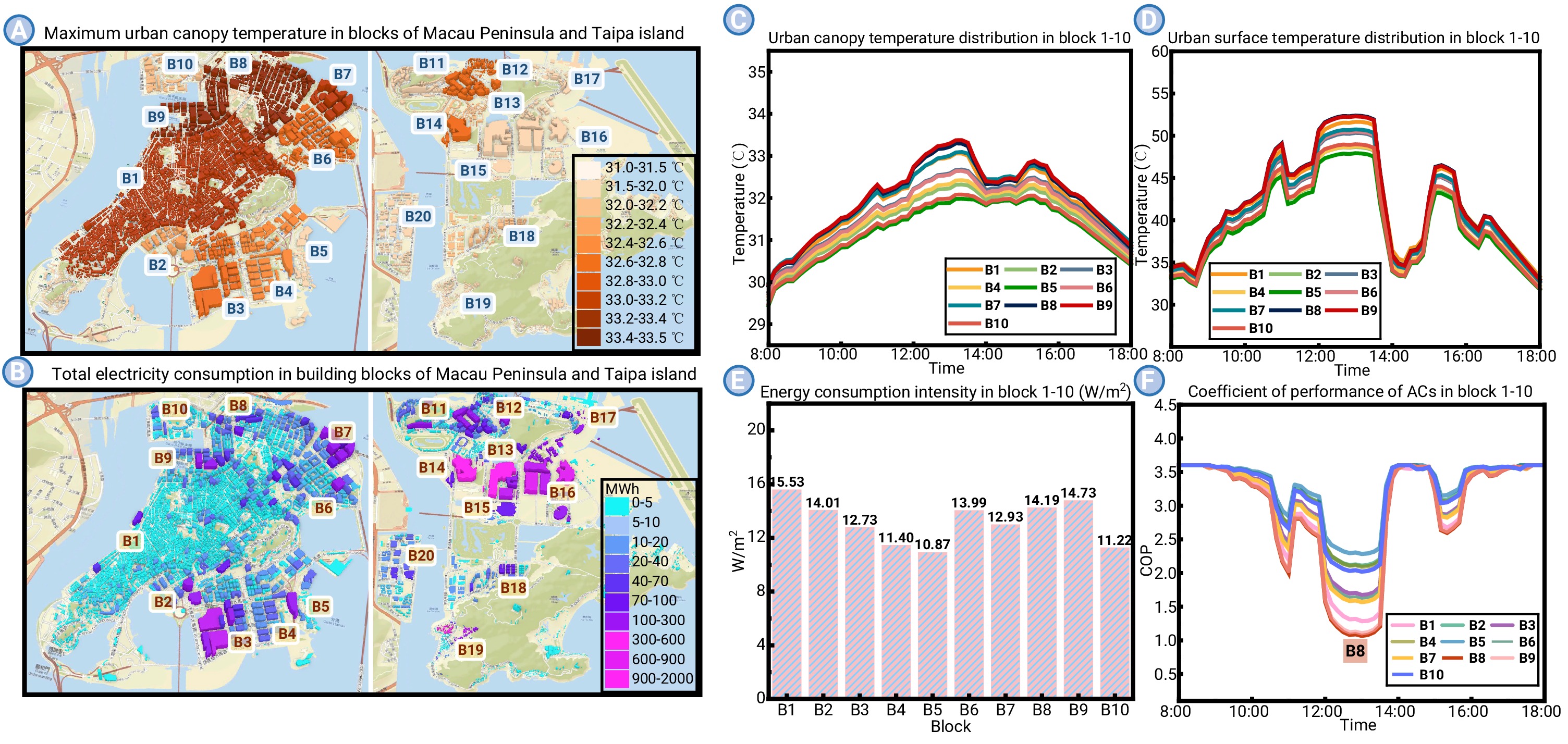
Figure 3.
The vicious cycle impact in Macao.
-
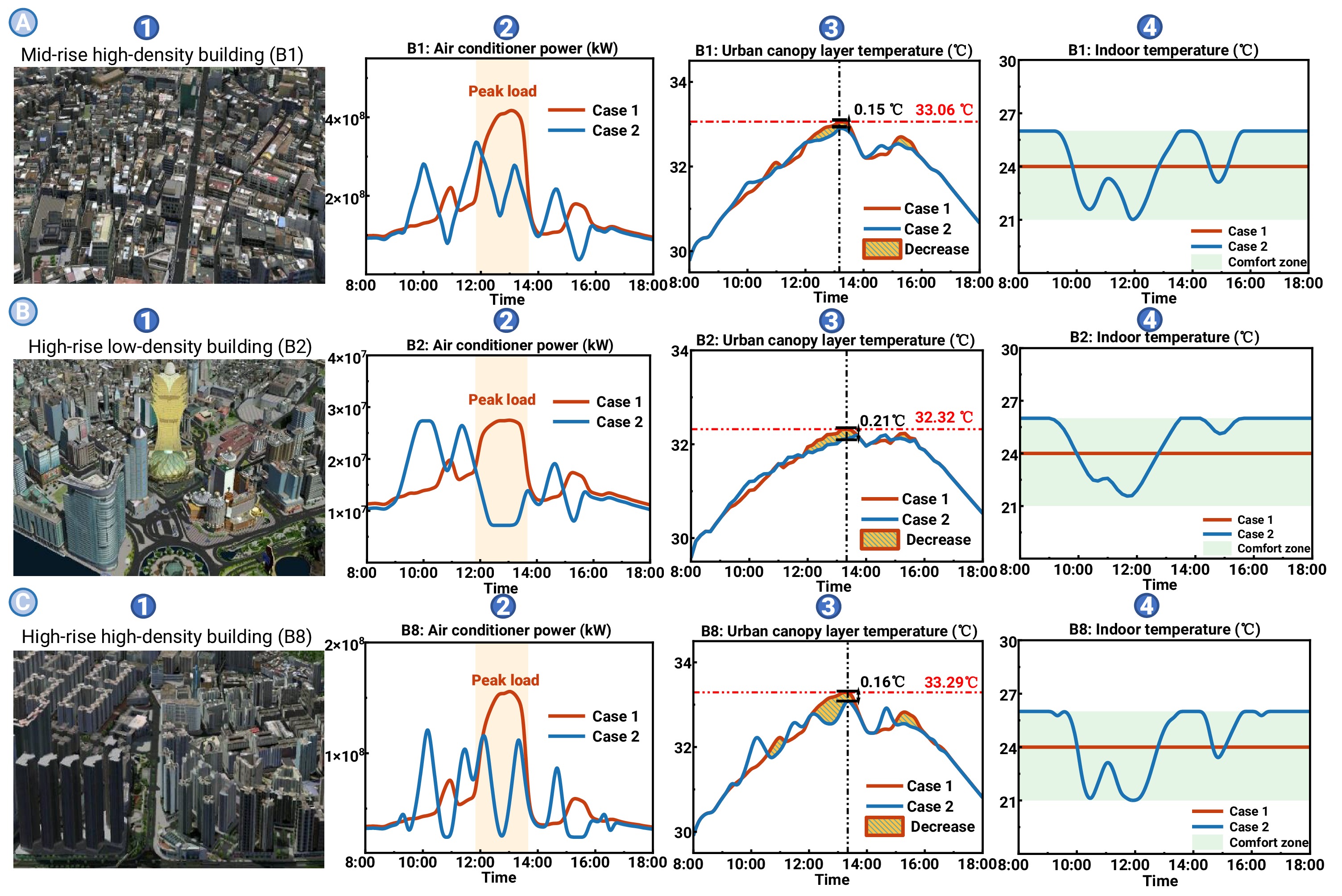
Figure 4.
The optimization results in three typical building blocks (B1, B2, B8), in Macao.
-
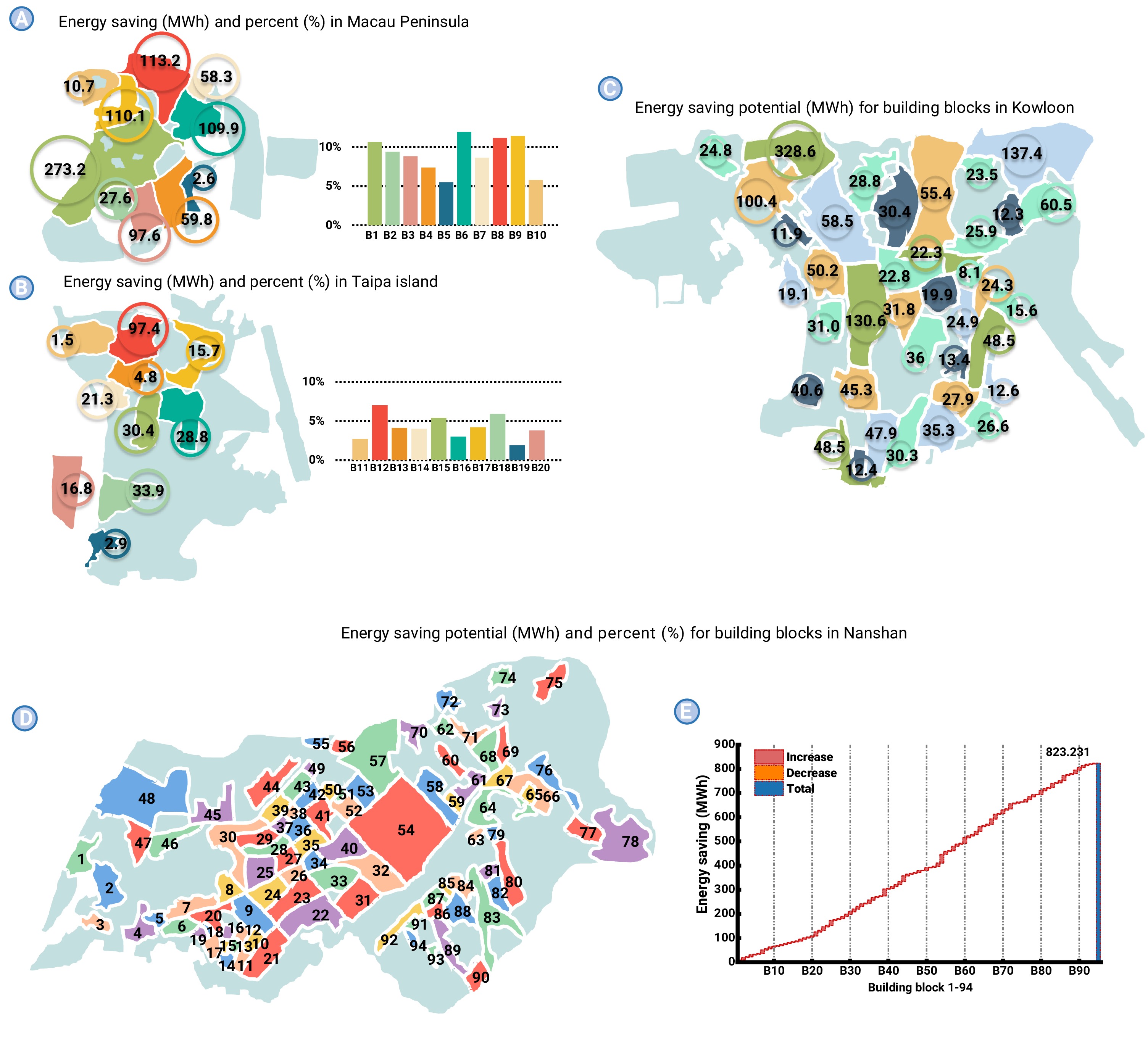
Figure 5.
The energy saving potential for each building blocks.
-
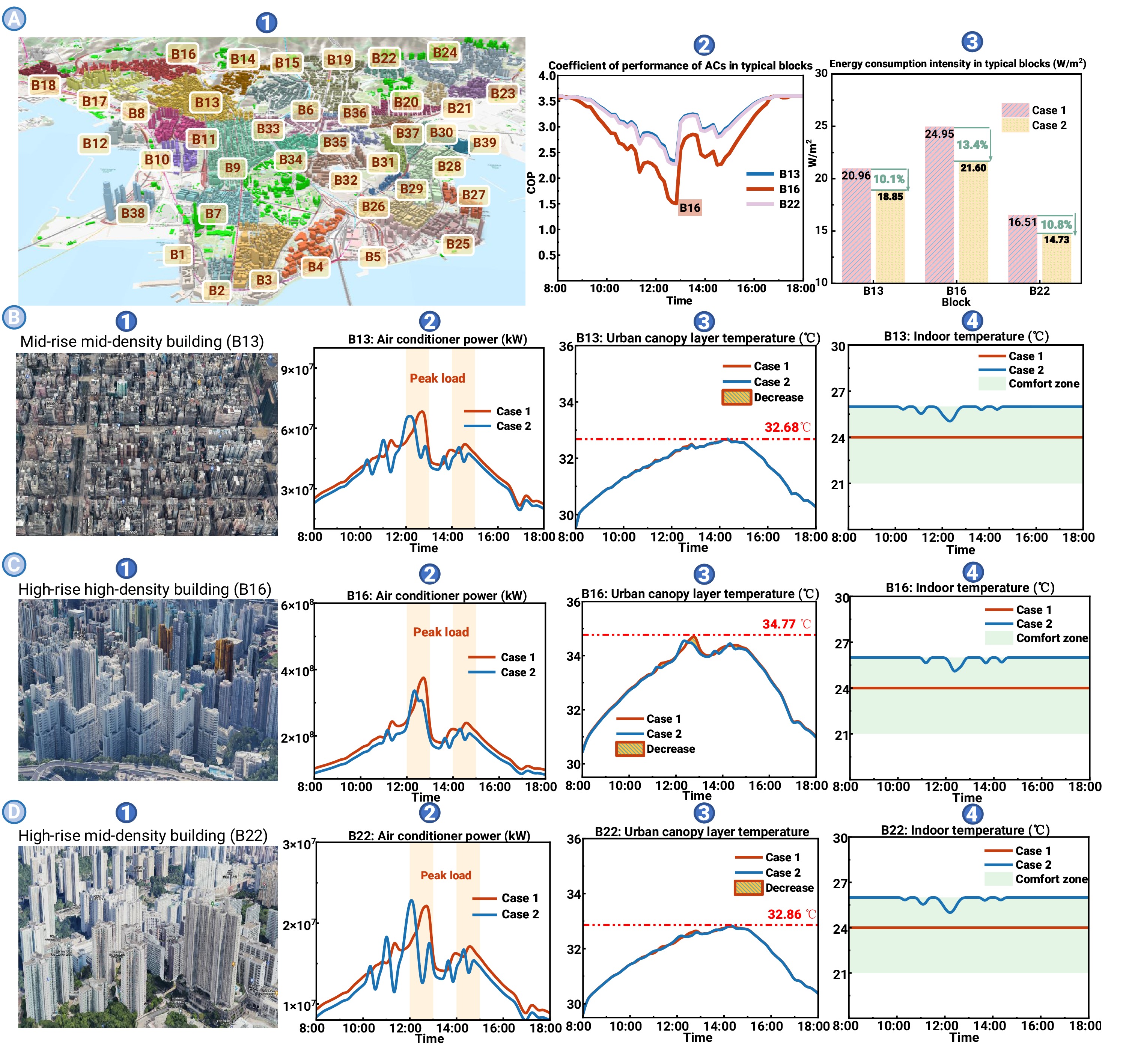
Figure 6.
Buildings, COP and energy consumption characteristics of building blocks in Kowloon and the optimization result in three typical building blocks (B13, B16, B22).
-
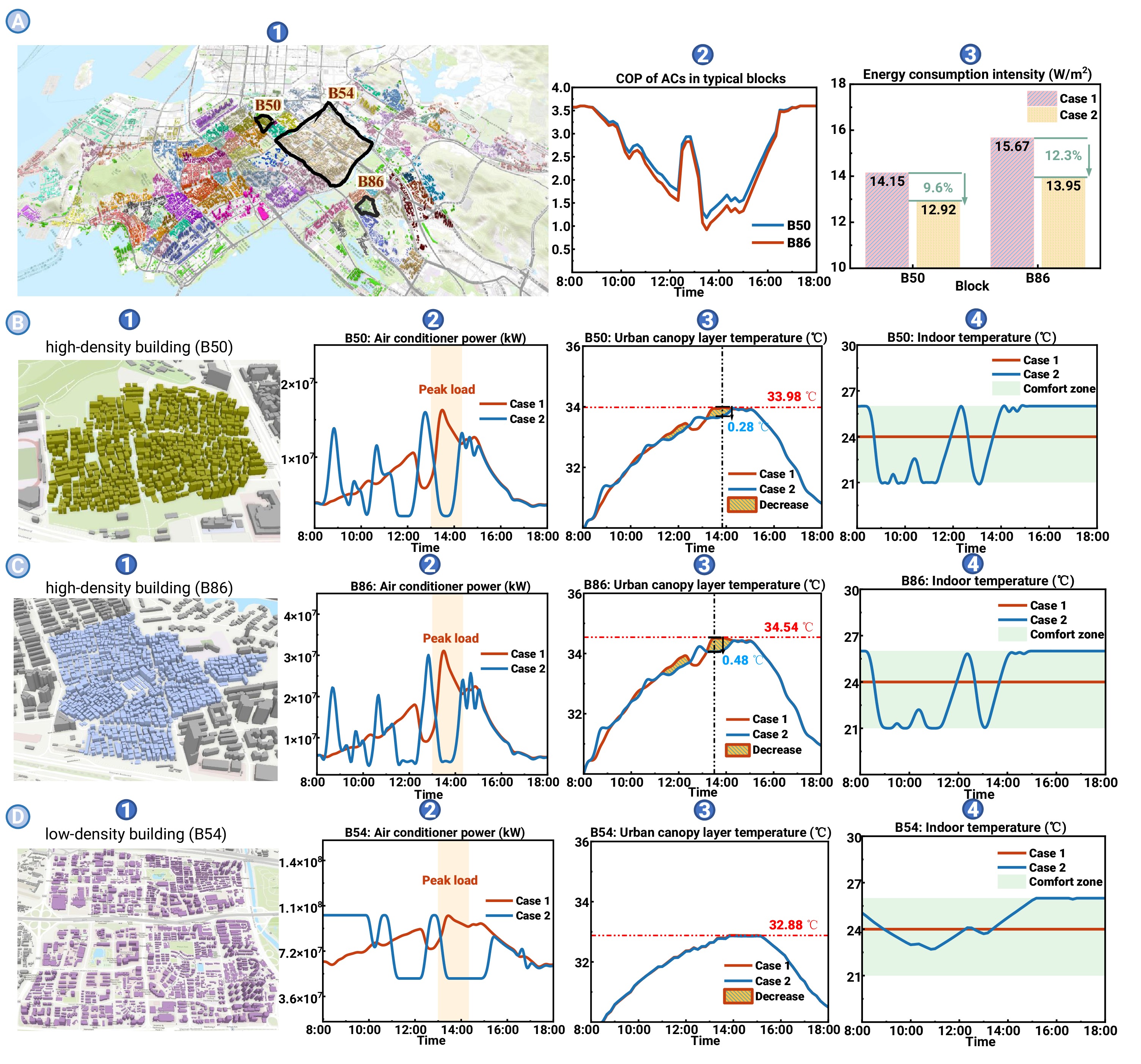
Figure 7.
Buildings, COP and energy consumption characteristics of building blocks in Nanshan and the optimization result in three typical urban villages (B50, B86, B54).
-
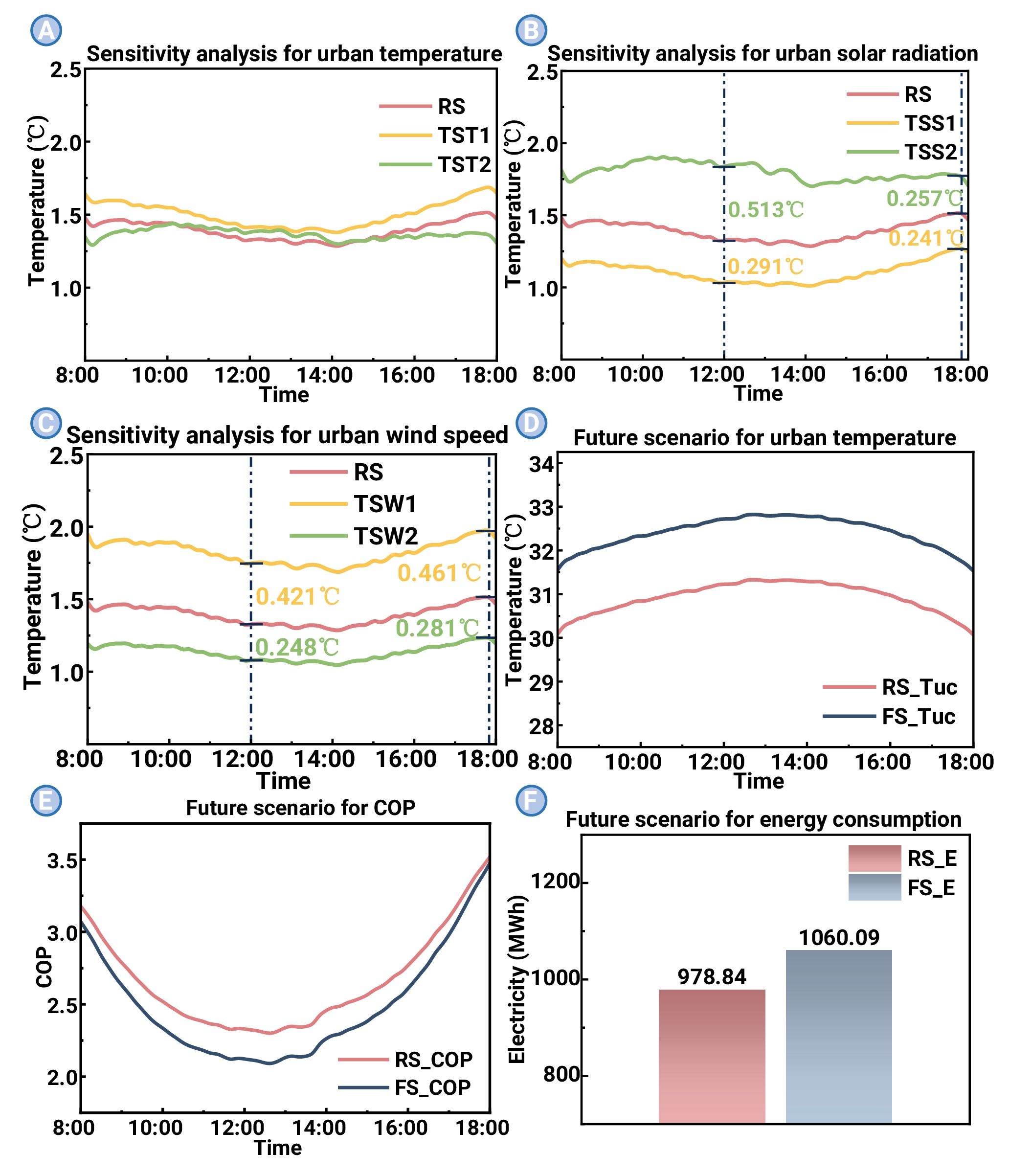
Figure 8.
Sensitivity and future scenario analysis.
