
Enhancing the agricultural circular system through thermochemical conversion techniques
-
GRAPHICAL ABSTRACT
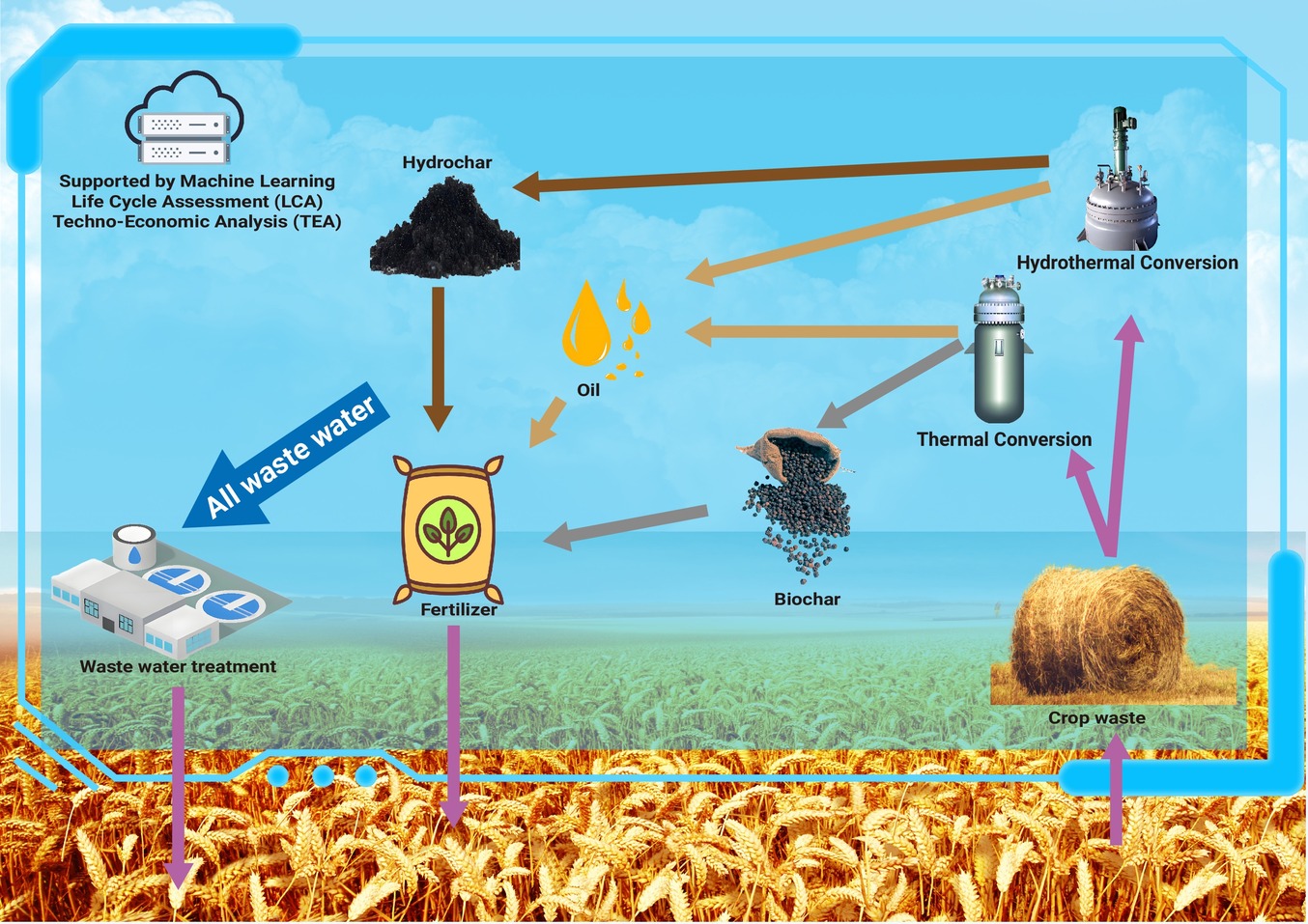
 DownLoad:
Full size image
DownLoad:
Full size image
-
PUBLIC SUMMARY
-
Agricultural biomass can be converted into biochar and hydrochar, improving crop yields by 19.9–36.9%.
Machine learning optimizes biochar properties, achieving surface areas up to 400.0 m2/g.
Biochar effectively immobilizes heavy metals (90%+ efficiency) and removes organic pollutants (96.5%).
Life cycle and techno-economic analysis show reduced greenhouse gas emissions and cost-effective production.
Thermochemical conversion supports agricultural sustainability and the circular economy.
-
-
ABSTRACT
Agricultural biomass, including lignocellulosic residues and algal feedstocks, represents an abundant renewable resource with potential for sustainable energy production and environmental remediation. This review systematically explores the latest research on turning agricultural wastes into the agricultural circular economy via thermochemical conversion techniques. Biochar and hydrochar are two of the most frequently reported products, with applications that enhance crop yields by approximately 19.9–36.9% and contribute to soil improvement and pollutant remediation. Studies employing machine learning (ML), life cycle assessment (LCA), and techno-economic analysis (TEA) demonstrate the effectiveness of these approaches: ML-optimized biochar can reach specific surface areas up to 400.0 m2/g, immobilize heavy metals in soil with efficiencies over 90.0%, and remove contaminants from wastewater with efficiencies of 84.0–90.0% for heavy metals and 96.5% for organic pollutants. LCA and TEA results confirm notable environmental and economic benefits, including greenhouse gas emission reductions of 1.5 to 3.5 tCO2-eq per ton and production costs as low as $116.0/ton for biochar and $30.0/ton for hydrochar. These findings provide a solid foundation for integrating thermochemical conversion into circular economy frameworks and advancing agricultural sustainability. -

-
REFERENCES
[1] Bwambale E., Abagale F. K. and Anornu G. K. (2022). Smart irrigation monitoring and control strategies for improving water use efficiency in precision agriculture: A review. Agr. Water Manag. 260:107324. DOI:10.1016/j.agwat.2022.107324 [2] Yu Y., Xu Z., Cui M., et al. (2024). Feasibility assessment of biochar amendment for mitigating phytotoxicity of polyvinyl chloride micro/nano-plastics: A study based on lettuce pot experiments. Environ. Poll. 362:124964. DOI:10.1016/j.envpol.2023.124964 [3] Xiong Z., Wang Y., He L., et al. (2025). Combined biochar and wheat-derived endophytic bacteria reduces cadmium uptake in wheat grains in a metal-polluted soil. J.Environ. Sci. 147:165−178. DOI:10.1016/j.jes.2023.10.009 [4] Sun Y., Wang X., Yao R., et al. (2024). Increasing sunflower productivity by mitigating soil salt stress through biochar-based amendments. Arch. Agr. Soil Sci. 70:1−16. DOI:10.1080/03650340.2024.2373163 [5] Wang D., Jiang P., Zhang H., et al. (2020). Biochar production and applications in agro and forestry systems: A review. Sci. Total Environ. 723:137775. DOI:10.1016/j.scitotenv.2020.137775 [6] Akbar Z., Akbar W. A., Irfan M., et al. (2024). Comparative effects of organic and inorganic amendments on heavy metal co‐contaminated soil remediation, reducing heavy metal bioavailability and enhancing nutrient accessibility for maize growth. Land Degrad. Develop. DOI:10.1002/ldr.5254. [7] Okolie J. A., Epelle E. I., Tabat M. E., et al. (2022). Waste biomass valorization for the production of biofuels and value-added products: A comprehensive review of thermochemical, biological and integrated processes. Process Safety Environ. Protect. 159:323−344. DOI:10.1016/j.psep.2022.159323 [8] Kumar Sarangi P., Subudhi S., Bhatia L., et al. (2023). Utilization of agricultural waste biomass and recycling toward circular bioeconomy. Environ. Sci. Pollut. Res. 30:8526−8539. DOI:10.1007/s11356-023-24826-3 [9] Gupta R., Ouderji Z. H., Uzma, et al. (2024). Machine learning for sustainable organic waste treatment: a critical review. npj Mater. Sustain. 2:5. DOI:10.1038/s41578-024-00735-4 [10] El-Naggar A., Lee S. S., Rinklebe J., et al. (2019). Biochar application to low fertility soils: A review of current status, and future prospects. Geoderma 337:536−554. DOI:10.1016/j.geoderma.2019.06.022 [11] Gupta D., Das A. and Mitra S. (2023). Role of modeling and artificial intelligence in process parameter optimization of biochar: A review. Biores. Tech.:129792. DOI:10.1016/j.biortech.2023.129792. [12] Kumar A., Saini K. and Bhaskar T. (2020). Hydochar and biochar: production, physicochemical properties and techno-economic analysis. Biores. tech. 310:123442. DOI:10.1016/j.biortech.2020.123442 [13] Liu W., Liu Y., Liu G., et al. (2022). Estimation of maize straw production and appropriate straw return rate in China. Agr. Eco. Environ. 328:107865. DOI:10.1016/j.agee.2022.107865 [14] Bangar S. P., Kajla P. and Ghosh T. (2023). Valorization of wheat straw in food packaging: A source of cellulose. Int. J. Bio. Macromole. 227:762−776. DOI:10.1016/j.ijbiomac.2022.12.199 [15] Kaur A. and Singh R. (2024). Rice straw: status, management and strategies for sustainable development with special emphasis on the Northern India and government-supported initiatives. Clean Tech. Environ. Policy:1-33. DOI:10.1007/s10098-024-02749-7. [16] Gao Y., Guo X., Liu Y., et al. (2018). A full utilization of rice husk to evaluate phytochemical bioactivities and prepare cellulose nanocrystals. Sci. rep. 8:10482. DOI:10.1038/s41598-018-28812-4 [17] Samoraj M., Çalış D., Trzaska K., et al. (2024). Advancements in algal biorefineries for sustainable agriculture: Biofuels, high-value products, and environmental solutions. Biocata. Agr. Biotech. 58:103224. DOI:10.1016/j.bcab.2024.103224 [18] Saleem M. (2022). Possibility of utilizing agriculture biomass as a renewable and sustainable future energy source. Heliyon 8. DOI:10.1016/j.heliyon.2022.e09264. [19] Fajobi M., Lasode O., Adeleke A., et al. (2022). Investigation of physicochemical characteristics of selected lignocellulose biomass. Sci. Rep. 12:2918. DOI:10.1038/s41598-022-32985-7 [20] Onokwai A., Ajisegiri E., Okokpujie I., et al. (2022). Characterization of lignocellulose biomass based on proximate, ultimate, structural composition, and thermal analysis. Mater. Today Proceed. 65:2156−2162. DOI:10.1016/j.matpr.2022.2156 [21] Sivabalan K., Hassan S., Ya H., et al. (2021). A review on the characteristic of biomass and classification of bioenergy through direct combustion and gasification as an alternative power supply. J. phys. conference series. IOP Publishing. DOI:10.1088/1742-6596/1832/1/012006. [22] Paudel P. P., Kafle S., Park S., et al. (2024). Advancements in sustainable thermochemical conversion of agricultural crop residues: A systematic review of technical progress, applications, perspectives, and challenges. Renew. Sustain. Energy Rev. 202:114723. DOI:10.1016/j.rser.2024.114723 [23] Wang X., Zhang Y., Xia C., et al. (2023). A review on optimistic biorefinery products: Biofuel and bioproducts from algae biomass. Fuel 338:127378. DOI:10.1016/j.fuel.2023.127378 [24] Kumar M., Oyedun A. O. and Kumar A. (2019). A comparative analysis of hydrogen production from the thermochemical conversion of algal biomass. International J. Hydrogen Energy 44:10384−10397. DOI:10.1016/j.ijhydene.2019.03.178 [25] Ghodke P. K., Sharma A. K., Jayaseelan A., et al. (2023). Hydrogen-rich syngas production from the lignocellulosic biomass by catalytic gasification: A state of art review on advance technologies, economic challenges, and future prospectus. Fuel 342:127800. DOI:10.1016/j.fuel.2023.127800 [26] Raheem A., Abbasi S. A., Mangi F. H., et al. (2021). Gasification of algal residue for synthesis gas production. Algal Res. 58:102411. DOI:10.1016/j.algal.2021.102411 [27] Chen W.-H., Lin B.-J., Lin Y.-Y., et al. (2021). Progress in biomass torrefaction: Principles, applications and challenges. Prog. Energy Comb. Sci. 82:100887. DOI:10.1016/j.pecs.2021.100887 [28] Lokmit C., Nakason K., Kuboon S., et al. (2023). A comparison of char fuel properties derived from dry and wet torrefaction of oil palm leaf and its techno-economic feasibility. Mater. Sci. Energy Tech. 6:192−204. DOI:10.1016/j.mset.2023.192 [29] Ullah H., Lun L., Riaz L., et al. (2021). Physicochemical characteristics and thermal degradation behavior of dry and wet torrefied orange peel obtained by dry/wet torrefaction. Biomass Conver. Bioref.:1-17. DOI:10.1007/s13399-021-01562-0. [30] Carneiro-Junior J. A. d. M., de Oliveira G. F., Alves C. T., et al. (2021). Valorization of prosopis juliflora woody biomass in northeast brazilian through dry torrefaction. Energies 14:3465. DOI:10.3390/en14113465 [31] Wu K.-T., Tsai C.-J., Chen C.-S., et al. (2012). The characteristics of torrefied microalgae. Appl. energy 100:52−57. DOI:10.1016/j.apenergy.2012.01.001 [32] Ding Y., Li D., Lv M., et al. (2023). Influence of process water recirculation on hydrothermal carbonization of rice husk at different temperatures. J. Environ. Chem. Eng. 11:109364. DOI:10.1016/j.jece.2023.109364 [33] da Costa Magalhães B., Matricon L., Romero L.-A. R., et al. (2023). Catalytic hydrotreatment of bio-oil from continuous HTL of Chlorella sorokiniana and Chlorella vulgaris microalgae for biofuel production. Biomass Bioenergy 173:106798. DOI:10.1016/j.biomass.2023.106798 [34] Martins-Vieira J. C., Torres-Mayanga P. C. and Lachos-Perez D. (2023). Hydrothermal processing of lignocellulosic biomass: an overview of subcritical and supercritical water hydrolysis. BioEnergy Res. 16:1296−1317. DOI:10.1007/s12155-023-10379-3 [35] Rojas M., Manrique R., Hornung U., et al. (2025). Advances and challenges on hydrothermal processes for biomass conversion: Feedstock flexibility, products, and modeling approaches. Biomass Bioenergy 194:107621. DOI:10.1016/j.biomass.2025.107621 [36] Patel S., Kundu S., Halder P., et al. (2019). Slow pyrolysis of biosolids in a bubbling fluidised bed reactor using biochar, activated char and lime. Journal of Analytical and Appl. Pyrolysis 144:104697. DOI:10.1016/j.jaap.2019.104697 [37] Do P. T. M. and Nguyen L. X. (2024). A review of thermochemical decomposition techniques for biochar production. Environ. Develop. Sustain.:1-57. DOI:10.1007/s10668-024-01738-1. [38] Economou F., Voukkali I., Papamichael I., et al. (2024). Turning food loss and food waste into Watts: A review of food waste as an energy source. Energies 17:3191. DOI:10.3390/en17113191 [39] Yang Y., Zhang Y., Omairey E., et al. (2018). Intermediate pyrolysis of organic fraction of municipal solid waste and rheological study of the pyrolysis oil for potential use as bio-bitumen. J. Clean. Prod. 187:390−399. DOI:10.1016/j.jclepro.2018.01.112 [40] Vuppaladadiyam A. K., Vuppaladadiyam S. S. V., Awasthi A., et al. (2022). Biomass pyrolysis: A review on recent advancements and green hydrogen production. Biores. Tech. 364:128087. DOI:10.1016/j.bior.2022.128087 [41] Ayub H. M. U., Ahmed A., Lam S. S., et al. (2022). Sustainable valorization of algae biomass via thermochemical processing route: An overview. Biores. Tech. 344:126399. DOI:10.1016/j.biortech.2022.126399 [42] Sekar M., Mathimani T., Alagumalai A., et al. (2021). A review on the pyrolysis of algal biomass for biochar and bio-oil–Bottlenecks and scope. Fuel 283:119190. DOI:10.1016/j.fuel.2021.119190 [43] Targhi N. K., Tavakoli O. and Nazemi A. H. (2022). Co-pyrolysis of lentil husk wastes and Chlorella vulgaris: Bio-oil and biochar yields optimization. J. Analyt. Appl. Pyrolysis 165:105548. DOI:10.1016/j.jaap.2022.105548 [44] Wang F., Peng W., Zeng X., et al. (2024). Insight into staged gasification of biomass waste: Essential fundamentals and applications. Sci. Total Environ.:175954. DOI:10.1016/j.scitotenv.2024.175954. [45] Mishra K., Siwal S. S., Saini A. K., et al. (2023). Recent update on gasification and pyrolysis processes of lignocellulosic and algal biomass for hydrogen production. Fuel 332:126169. DOI:10.1016/j.fuel.2023.126169 [46] Faraji M. and Saidi M. (2021). Hydrogen-rich syngas production via integrated configuration of pyrolysis and air gasification processes of various algal biomass: process simulation and evaluation using Aspen Plus software. Int. J. Hydrogen Energy 46:18844−18856. DOI:10.1016/j.ijhydene.2021.18844 [47] Selim M. M. (2020). Introduction to the integrated nutrient management strategies and their contribution to yield and soil properties. Int. J. Agr. 2020:2821678. DOI:10.1002/ijag.2821678 [48] Soni P. G., Basak N., Rai A. K., et al. (2021). Deficit saline water irrigation under reduced tillage and residue mulch improves soil health in sorghum-wheat cropping system in semi-arid region. Sci. rep. 11:1880. DOI:10.1038/s41598-021-01880-8 [49] Hossain A., Krupnik T. J., Timsina J., et al. (2020). Agricultural land degradation: processes and problems undermining future food security. In Environment, climate, plant and vegetation growth. Springer:17-61. DOI:10.1007/978-3-030-13859-7_2. [50] Hasan M. M. and Tarannum M. N. (2024). Adverse Impacts of Microplastics on Soil Physicochemical Properties and Crop Health in Agricultural Systems. J. Haz. Mater. Adv.:100528. DOI:10.1016/j.jhazmat.2024.100528. [51] Zhao Y., Zhang F., Li L., et al. (2022). Substitution experiment of biodegradable paper mulching film and white plastic mulching film in hexi oasis irrigation area. Coatings 12:1225. DOI:10.3390/coatings12102225 [52] Das P. P., Sharma M., Dhara S., et al. (2022). Application of Biochar in the Removal of Organic and Inorganic Contaminants from Wastewater: Mechanism, Operating Conditions, and Modifications. In Designer Biochar Assisted Bioremediation of Industrial Effluents. CRC Press:173-198. DOI:10.1201/9780367458656-9. [53] Militao I. M., Roddick F., Fan L., et al. (2023). PFAS removal from water by adsorption with alginate-encapsulated plant albumin and rice straw-derived biochar. J. Water Process Eng. 53:103616. DOI:10.1016/j.jwpe.2023.103616 [54] Liu Y., Lv Z., Hou H., et al. (2021). Long-term effects of combination of organic and inorganic fertilizer on soil properties and microorganisms in a Quaternary Red Clay. PLoS One 16:e0261387. DOI:10.1371/journal.pone.0261387 [55] Dong M., Jiang M., He L., et al. (2025). Challenges in safe environmental applications of biochar: Identifying risks and unintended consequence. Biochar 7:1−20. DOI:10.1007/s42400-025-00001-z [56] Akram M. Z., Libutti A. and Rivelli A. R. (2024). Drought stress in quinoa: Effects, responsive mechanisms, and management through biochar amended soil: A review. Agriculture 14:1418. DOI:10.3390/agriculture14141418 [57] Bekchanova M., Campion L., Bruns S., et al. (2024). Biochar improves the nutrient cycle in sandy-textured soils and increases crop yield: a systematic review. Environ. Evi. 13:3. DOI:10.1186/s13750-024-00239-2 [58] Kabir E., Kim K.-H. and Kwon E. E. (2023). Biochar as a tool for the improvement of soil and environment. Fron. Environ. Sci. 11:1324533. DOI:10.3389/fenvs.2023.1324533 [59] Adekiya A., Agbede T., Aboyeji C., et al. (2019). Biochar and poultry manure effects on soil properties and radish (Raphanus sativus L. ) yield. Bio. Agr. Horticult. 35:33−45. DOI:10.1080/01448765.2019.1652765 [60] Khosravi A., Zheng H., Liu Q., et al. (2022). Production and characterization of hydrochars and their application in soil improvement and environmental remediation. Chem. Eng. J. 430:133142. DOI:10.1016/j.cej.2022.133142 [61] Hossain N., Nizamuddin S. and Shah K. (2022). Thermal-chemical modified rice husk-based porous adsorbents for Cu (II), Pb (II), Zn (II), Mn (II) and Fe (III) adsorption. J. Water Process Eng. 46:102620. DOI:10.1016/j.jwpe.2022.102620 [62] Algethami J. S., Alhamami M. A., Alqadami A. A., et al. (2024). Magnetic hydrochar grafted-chitosan for enhanced efficient adsorption of malachite green dye from aqueous solutions: Modeling, adsorption behavior, and mechanism analysis. Int. J. Bio. Macromol. 254:127767. DOI:10.1016/j.ijbiomac.2023.127767 [63] Lang Q., Guo X., Zou G., et al. (2023). Hydrochar reduces oxytetracycline in soil and Chinese cabbage by altering soil properties, shifting microbial community structure and promoting microbial metabolism. Chemosphere 338:139578. DOI:10.1016/j.chemosphere.2023.139578 [64] Zhao S., Liu G., Xiong J., et al. (2024). Evaluation of hydrochar-derived modifier and water-soluble fertilizer on saline soil improvement and pasture growth. Sci. Rep. 14:16759. DOI:10.1038/s41598-024-16759-z [65] Yao H., Cheng Y., Kong Q., et al. (2025). Variation in microbial communities and network ecological clusters driven by soil organic carbon in an inshore saline soil amended with hydrochar in Yellow River Delta, China. Environ. Res. 264:120369. DOI:10.1016/j.envres.2025.120369 [66] Kravchenko E., Dela Cruz T. L., Chen X. W., et al. (2024). Ecological consequences of biochar and hydrochar amendments in soil: assessing environmental impacts and influences. Environ. Sci. Pollut. Res. 31:42614−42639. DOI:10.1007/s11356-024-42639-5 [67] Aydin E., Šimanský V., Horák J., et al. (2020). Potential of biochar to alternate soil properties and crop yields 3 and 4 years after the application. Agronomy 10:889. DOI:10.3390/agronomy10060889 [68] Liao X., Niu Y., Liu D., et al. (2020). Four-year continuous residual effects of biochar application to a sandy loam soil on crop yield and N2O and NO emissions under maize-wheat rotation. Agr. Ecosys. Environ. 302:107109. DOI:10.1016/j.agee.2020.107109 [69] Sun Y.-p., Yang J.-s., Yao R.-j., et al. (2020). Biochar and fulvic acid amendments mitigate negative effects of coastal saline soil and improve crop yields in a three year field trial. Sci. Rep. 10:8946. DOI:10.1038/s41598-020-8946-2 [70] Wang X., Li Y., Wang H., et al. (2022). Targeted biochar application alters physical, chemical, hydrological and thermal properties of salt-affected soils under cotton-sugarbeet intercropping. Catena 216:106414. DOI:10.1016/j.catena.2022.106414 [71] Kerner P., Struhs E., Mirkouei A., et al. (2023). Microbial responses to biochar soil amendment and influential factors: a three-level meta-analysis. Environ. Sci. Tech. 57:19838−19848. DOI:10.1021/es4032766 [72] Ding S., Wang B., Feng Y., et al. (2022). Livestock manure-derived hydrochar improved rice paddy soil nutrients as a cleaner soil conditioner in contrast to raw material. J. Clean. Prod. 372:133798. DOI:10.1016/j.jclepro.2022.133798 [73] Gebretsadkan A. A., Belete Y. Z., Krounbi L., et al. (2024). Soil application of activated hydrochar derived from sewage sludge enhances plant growth and reduces nitrogen loss. Sci. Total Environ. 949:174965. DOI:10.1016/j.scitotenv.2024.174965 [74] Khosravi A., Yuan Y., Liu Q., et al. (2024). Hydrochars as slow-release phosphorus fertilizers for enhancing corn and soybean growth in an agricultural soil. Carbon Res. 3:7. DOI:10.1016/j.carbon.2024.007 [75] Hagner M., Räty M., Nikama J., et al. (2021). Slow pyrolysis liquid in reducing NH3 emissions from cattle slurry—Impacts on plant growth and soil organisms. Sci. Total Environ. 784:147139. DOI:10.1016/j.scitotenv.2021.147139 [76] Hagner M., Tiilikkala K., Lindqvist I., et al. (2018). Performance of liquids from slow pyrolysis and hydrothermal carbonization in plant protection. Waste Biomass Valoriz. DOI:10.1016/j.wbv.2018.06.001. [77] Shan G., Li W., Bao S., et al. (2023). Evaluating the aqueous phase obtained from hydrothermal carbonization of municipal sludge as possible liquid fertilizer for plant growth: An analysis of heavy metals and their molecular composition. J. Clean. Prod. 404:136989. DOI:10.1016/j.jclepro.2023.136989 [78] Gao S., Lu D., Qian T., et al. (2021). Thermal hydrolyzed food waste liquor as liquid organic fertilizer. Sci. Total Environ. 775:145786. DOI:10.1016/j.scitotenv.2021.145786 [79] Tang Y., Xie H., Sun J., et al. (2022). Alkaline thermal hydrolysis of sewage sludge to produce high-quality liquid fertilizer rich in nitrogen-containing plant-growth-promoting nutrients and biostimulants. Water Res. 211:118036. DOI:10.1016/j.watres.2022.118036 [80] Xia R., Wang J., Yang X.-x., et al. (2024). Comprehensive compositional analysis of liquid organic product prepared by industrialized hydrothermal cracking of biomass waste and its potential application as fertilizer. Sci. Total Environ. 951:175264. DOI:10.1016/j.scitotenv.2024.175264 [81] Nguyen T., Bui T. H., Guo W., et al. (2023). Valorization of the aqueous phase from hydrothermal carbonization of different feedstocks: challenges and perspectives. Chem. Eng. J. 472:144802. DOI:10.1016/j.cej.2023.144802 [82] Pelagalli V., Langone M., Matassa S., et al. (2024). Pyrolysis of municipal sewage sludge: challenges, opportunities and new valorization routes for biochar, bio-oil, and pyrolysis gas. Environ. Sci. Water Res. Tech. 16:100254. DOI:10.1016/j.eswat.2024.100254 [83] Chen S., Li D., He H., et al. (2022). Substituting urea with biogas slurry and hydrothermal carbonization aqueous product could decrease NH3 volatilization and increase soil DOM in wheat growth cycle. Environ. Res. 214:113997. DOI:10.1016/j.envres.2022.113997 [84] Galaburda M., Bosacka A., Sternik D., et al. (2022). Development, synthesis and characterization of tannin/bentonite-derived biochar for water and wastewater treatment from methylene blue. Water 14:2407. DOI:10.3390/w14092407 [85] Amdeha E. (2024). Biochar-based nanocomposites for industrial wastewater treatment via adsorption and photocatalytic degradation and the parameters affecting these processes. Biomass Conver. Bioref. 14:23293−23318. DOI:10.1007/s12932-024-03872-9 [86] Zhuang L.-L., Li M., Li Y., et al. (2022). The performance and mechanism of biochar-enhanced constructed wetland for wastewater treatment. J. Water Process Eng. 45:102522. DOI:10.1016/j.jwpe.2022.102522 [87] Chen Z.-L., Xu H., Bai L.-Q., et al. (2023). Protonated-amino-functionalized bamboo hydrochar for efficient removal of hexavalent chromium and methyl orange. Prog. Nat. Sci. Mater. Inte. 33:501−507. DOI:10.1016/j.pnsmi.2023.501-507 [88] Parshetti G. K., Chowdhury S. and Balasubramanian R. (2014). Hydrothermal conversion of urban food waste to chars for removal of textile dyes from contaminated waters. Biores. Tech. 161:310−319. DOI:10.1016/j.biortech.2013.07.113 [89] Fang X., Zhang D., Feng Y., et al. (2023). Directional regulation and mechanism analysis of the surface properties of hydrothermal carbon by circulating liquid in the hydrothermal carbonization procedure. Environ. Res. 229:116003. DOI:10.1016/j.envres.2023.116003 [90] El Ouadrhiri F., Saleh E. A. M., Husain K., et al. (2023). Acid assisted-hydrothermal carbonization of solid waste from essential oils industry: Optimization using I-optimal experimental design and removal dye application. Arabian J. Chem. 16:104872. DOI:10.1016/j.arabian.2023.104872 [91] Masoumi S., Borugadda V. B., Nanda S., et al. (2021). Hydrochar: a review on its production technologies and applications. Catalysts 11:939. DOI:10.3390/catal11090939 [92] Ernest B., Yanda P. Z., Hansson A., et al. (2024). Long-term effects of adding biochar to soils on organic matter content, persistent carbon storage, and moisture content in Karagwe, Tanzania. Sci. Rep. 14:30565. DOI:10.1038/s41598-024-30565-3 [93] Gronwald M., Vos C., Helfrich M., et al. (2016). Stability of pyrochar and hydrochar in agricultural soil-a new field incubation method. Geoderma 284:85−92. DOI:10.1016/j.geoderma.2016.07.021 [94] Marzban N., Libra J. A., Ro K. S., et al. (2024). Hydrochar stability: understanding the role of moisture, time and temperature in its physiochemical changes. Biochar 6:38. DOI:10.1007/s42400-024-00038-x [95] Su G. and Jiang P. (2024). Machine learning models for predicting biochar properties from lignocellulosic biomass torrefaction. Biores. Tech. 399:130519. DOI:10.1016/j.biortech.2024.130519 [96] Chen W.-H., Aniza R., Arpia A. A., et al. (2022). A comparative analysis of biomass torrefaction severity index prediction from machine learning. Appl. Energy 324:119689. DOI:10.1016/j.apenergy.2022.119689 [97] Wei Y., He C., Qu J., et al. (2025). Applying machine learning to predict torrefaction and pyrolysis activation energy based on biomass characteristics and heating conditions. Ind. Crops Prod. 225:120388. DOI:10.1016/j.indcrop.2025.120388 [98] Onsree T. and Tippayawong N. (2021). Machine learning application to predict yields of solid products from biomass torrefaction. Renew. Energy 167:425−432. DOI:10.1016/j.renene.2021.425-432 [99] Liu Q., Zhang G., Yu J., et al. (2024). Machine learning-aided hydrothermal carbonization of biomass for coal-like hydrochar production: Parameters optimization and experimental verification. Biores. Tech. 393:130073. DOI:10.1016/j.bioresourtechnol.2024.130073 [100] Leng L., Zhou J., Zhang W., et al. (2024). Machine-learning-aided hydrochar production through hydrothermal carbonization of biomass by engineering operating parameters and/or biomass mixture recipes. Energy 288:129854. DOI:10.1016/j.energy.2024.129854 [101] Zhu X., Liu B., Sun L., et al. (2023). Machine learning-assisted exploration for carbon neutrality potential of municipal sludge recycling via hydrothermal carbonization. Biores. Tech. 369:128454. DOI:10.1016/j.bioresourtechnol.2023.128454 [102] Li J., Zhu X., Li Y., et al. (2021). Multi-task prediction and optimization of hydrochar properties from high-moisture municipal solid waste: Application of machine learning on waste-to-resource. J. Clean. Prod. 278:123928. DOI:10.1016/j.jclepro.2021.123928 [103] Zhang W., Li J., Liu T., et al. (2021). Machine learning prediction and optimization of bio-oil production from hydrothermal liquefaction of algae. Biores. Tech. 342:126011. DOI:10.1016/j.bioresourtechnol.2021.126011 [104] Shafizadeh A., Shahbeig H., Nadian M. H., et al. (2022). Machine learning predicts and optimizes hydrothermal liquefaction of biomass. Chem. Eng. J. 445:136579. DOI:10.1016/j.cej.2022.136579 [105] Li J., Zhang W., Liu T., et al. (2021). Machine learning aided bio-oil production with high energy recovery and low nitrogen content from hydrothermal liquefaction of biomass with experiment verification. Chem. Eng. J. 425:130649. DOI:10.1016/j.cej.2021.130649 [106] Leng L., Zhang W., Chen Q., et al. (2022). Machine learning prediction of nitrogen heterocycles in bio-oil produced from hydrothermal liquefaction of biomass. Biores. Tech. 362:127791. DOI:10.1016/j.biortech.2022.127791 [107] Guo G., He Y., Jin F., et al. (2023). Application of life cycle assessment and machine learning for the production and environmental sustainability assessment of hydrothermal bio-oil. Biores. Tech. 379:129027. DOI:10.1016/j.bioresourtechnol.2023.129027 [108] Liu X., Zhang X., Charoenkal K., et al. (2024). Hydrothermal bio-oil yield and higher heating value of high moisture and lipid biomass: Machine learning modeling and feature response behavior analysis. J. Energy Ins. 117:101859. DOI:10.1016/j.jenergyinst.2024.101859 [109] Liu T., Xu D., Xu M., et al. (2024). Two-step machine learning-aided two-stage hydrothermal liquefaction of biomass for bio-oil upgrading to lower nitrogen content: Experimental verification and parameter optimization. J. Clean. Prod. 477:143808. DOI:10.1016/j.jclepro.2024.143808 [110] Cheng F., Belden E. R., Li W., et al. (2022). Accuracy of predictions made by machine learned models for biocrude yields obtained from hydrothermal liquefaction of organic wastes. Chem. Eng. J. 442:136013. DOI:10.1016/j.cej.2022.136013 [111] Selvam S. M., Prabhakar M. R. and Balasubramanian P. (2023). Rough set-based machine learning for prediction of biochar properties produced through microwave pyrolysis. Biomass Conver. Bioref.:1-16. DOI:10.1007/s13399-023-01714-3. [112] Leng L., Yang L., Lei X., et al. (2022). Machine learning predicting and engineering the yield, N content, and specific surface area of biochar derived from pyrolysis of biomass. Biochar 4:63. DOI:10.1007/s42797-022-00090-9 [113] Li H., Ai Z., Yang L., et al. (2023). Machine learning assisted predicting and engineering specific surface area and total pore volume of biochar. Biores. Tech. 369:128417. DOI:10.1016/j.biortech.2023.128417 [114] Zhao F., Tang L., Song W., et al. (2024). Predicting and refining acid modifications of biochar based on machine learning and bibliometric analysis: Specific surface area, average pore size, and total pore volume. Sci. Total Environ. 948:174584. DOI:10.1016/j.scitotenv.2024.174584 [115] Khan M., Ullah Z., Mašek O., et al. (2022). Artificial neural networks for the prediction of biochar yield: a comparative study of metaheuristic algorithms. Biores. Tech. 355:127215. DOI:10.1016/j.biortech.2022.127215 [116] Sison A. E., Etchieson S. A., Güleç F., et al. (2023). Process modelling integrated with interpretable machine learning for predicting hydrogen and char yield during chemical looping gasification. J. Clean. Prod. 414:137579. DOI:10.1016/j.jclepro.2023.137579 [117] Yang Y., Shahbeik H., Shafizadeh A., et al. (2023). Predicting municipal solid waste gasification using machine learning: A step toward sustainable regional planning. Energy 278:127881. DOI:10.1016/j.energy.2023.127881 [118] Kardani N., Hedayati Marzbali M., Shah K., et al. (2022). Machine learning prediction of the conversion of lignocellulosic biomass during hydrothermal carbonization. Biofuels 13:703−715. DOI:10.1080/17597269.2022.703-715 [119] Hossain M. S., Riad M. I., Bhowmik S., et al. (2024). Experimental investigation on hydrogen-rich syngas production via gasification of common wood pellet in Bangladesh: Optimization, mathematical modeling, and techno-econo-environmental feasibility studies. Biomass Conver. Bioref.:1-28. DOI:10.1007/s13399-024-01974-x. [120] Sun Y., Zhang Y., Lu L., et al. (2022). The application of machine learning methods for prediction of metal immobilization remediation by biochar amendment in soil. Sci. Total Environ. 829:154668. DOI:10.1016/j.scitotenv.2022.154668 [121] Du Z., Sun X., Zheng S., et al. (2024). Optimal biochar selection for cadmium pollution remediation in Chinese agricultural soils via optimized machine learning. J. Haz. Mater. 476:135065. DOI:10.1016/j.jhazmat.2024.135065 [122] Zhu X., Wang X. and Ok Y. S. (2019). The application of machine learning methods for prediction of metal sorption onto biochars. J. Haz. Mater. 378:120727. DOI:10.1016/j.jhazmat.2019.120727 [123] Zhao Y., Li Y., Fan D., et al. (2021). Application of kernel extreme learning machine and Kriging model in prediction of heavy metals removal by biochar. Biores. Tech. 329:124876. DOI:10.1016/j.bioresourtechnol.2021.124876 [124] Da T.-X., Ren H.-K., He W.-K., et al. (2022). Prediction of uranium adsorption capacity on biochar by machine learning methods. J. Environ. Chem. Eng. 10:108449. DOI:10.1016/j.jece.2022.108449 [125] Ershadi A., Finkel M., Susset B., et al. (2023). Applicability of machine learning models for the assessment of long-term pollutant leaching from solid waste materials. Waste Manag. 171:337−349. DOI:10.1016/j.wastman.2023.337-349 [126] Yang X., Nguyen X. C., Tran Q. B., et al. (2022). Machine learning-assisted evaluation of potential biochars for pharmaceutical removal from water. Environ. Res. 214:113953. DOI:10.1016/j.envres.2022.113953 [127] Bibi A., Khan H., Hussain S., et al. (2023). Sustainable wastewater purification with crab shell-derived biochar: Advanced machine learning modeling & experimental analysis. Biores. Tech. 390:129900. DOI:10.1016/j.biortech.2023.129900 [128] Rajput P., Yadav S., Liu C., et al. (2025). Predicting biochar adsorption capacity for methylene blue removal using machine learning. J. Water Process Eng. 69:106749. DOI:10.1016/j.jwpe.2025.106749 [129] Zhao F., Tang L., Jiang H., et al. (2023). Prediction of heavy metals adsorption by hydrochars and identification of critical factors using machine learning algorithms. Biores. Tech. 383:129223. DOI:10.1016/j.bioresourtechnol.2023.129223 [130] Mahmoud A. E. D., Ali R. and Fawzy M. (2024). Insights into levofloxacin adsorption with machine learning models using nano-composite hydrochars. Chemosphere 355:141746. DOI:10.1016/j.chemosphere.2024.141746 [131] Zeng Y., Chen S., Li Y., et al. (2025). Using Machine Learning to Assess the Effects of Biochar-Based Fertilizers on Crop Production and N2O Emissions in China. Agronomy 15:1238. DOI:10.3390/agronomy15001238 [132] Li Y., Cao W., Hu W., et al. (2021). Detection of downhole incidents for complex geological drilling processes using amplitude change detection and dynamic time warping. J. Process Control 102:44−53. DOI:10.1016/j.jprocont.2021.44-53 [133] Killeen P., Lin C., Li F., et al. (2025). IoT-based smart farming architecture using federated learning: a nitrous oxide emission prediction use case. ACM J. Comput. Sustain. Soc. 3:1−38. DOI:10.1145/3462336 [134] Lei C., Lu T., Qian H., et al. (2023). Machine learning models reveal how biochar amendment affects soil microbial communities. Biochar 5:89. DOI:10.1016/j.biochar.2023.089 [135] Coulibali Z., Cambouris A. N. and Parent S.-É. (2020). Site-specific machine learning predictive fertilization models for potato crops in Eastern Canada. PloS one 15:e0230888. DOI:10.1371/journal.pone.0230888 [136] Köck B., Friedl A., Serna Loaiza S., et al. (2023). Automation of life cycle assessment—A critical review of developments in the field of life cycle inventory analysis. Sustainability 15:5531. DOI:10.3390/su15055331 [137] Yang Q., Mašek O., Zhao L., et al. (2021). Country-level potential of carbon sequestration and environmental benefits by utilizing crop residues for biochar implementation. Appl. Energy 282:116275. DOI:10.1016/j.apenergy.2021.116275 [138] Azzi E. S., Karltun E. and Sundberg C. (2022). Life cycle assessment of urban uses of biochar and case study in Uppsala, Sweden. Biochar 4:18. DOI:10.1007/s42400-022-0018-7 [139] Bhatnagar A., Khatri P., Krzywonos M., et al. (2022). Techno-economic and environmental assessment of decentralized pyrolysis for crop residue management: Rice and wheat cultivation system in India. J. Clean. Prod. 367:132998. DOI:10.1016/j.jclepro.2022.132998 [140] Marzeddu S., Cappelli A., Ambrosio A., et al. (2021). A life cycle assessment of an energy-biochar chain involving a gasification plant in Italy. Land 10:1256. DOI:10.3390/land1011256 [141] Lefebvre D., Williams A. G., Kirk G. J., et al. (2021). Assessing the carbon capture potential of a reforestation project. Sci. Rep. 11:19907. DOI:10.1038/s41598-021-19907-2 [142] Zhang J., Li G. and Borrion A. (2021). Life cycle assessment of electricity generation from sugarcane bagasse hydrochar produced by microwave assisted hydrothermal carbonization. J. Clean. Prod. 291:125980. DOI:10.1016/j.jclepro.2021.125980 [143] Gievers F., Mainardis M., Catenacci A., et al. (2025). Life cycle assessment of biochar and hydrochar derived from sewage sludge: Material or energy utilization. Clean. Environ. Sys. 16:100254. DOI:10.1016/j.ces.2025.100254 [144] Castro J., Ferreira J., Magalhães I., et al. (2023). Life cycle assessment and techno-economic analysis for biofuel and biofertilizer recovery as by-products from microalgae. Renew. Sustain. Energy Rev. 187:113781. DOI:10.1016/j.rser.2023.113781 [145] Huang C., Mohamed B. A. and Li L. Y. (2022). Comparative life-cycle assessment of pyrolysis processes for producing bio-oil, biochar, and activated carbon from sewage sludge. Res. Conser. Rec. 181:106273. DOI:10.1016/j.resconrec.2022.106273 [146] James A., Sánchez A., Prens J., et al. (2022). Biochar from agricultural residues for soil conditioning: Technological status and life cycle assessment. Current Opi. Environ. Sci. Health 25:100314. DOI:10.1016/j.coesh.2022.100314 [147] Li X., Chen Z., Liu P., et al. (2024). Oriented pyrolysis of biomass for hydrogen-rich gas and biochar production: an energy, environment, and economic assessment based on life cycle assessment method. Int. J. Hydrogen Energy 62:979−993. DOI:10.1016/j.ijhydene.2024.979-993 [148] Zhu X., Labianca C., He M., et al. (2022). Life-cycle assessment of pyrolysis processes for sustainable production of biochar from agro-residues. Biores. Tech. 360:127601. DOI:10.1016/j.biortech.2022.127601 [149] Chaparro-Garnica J., Guiton M., Salinas-Torres D., et al. (2022). Life Cycle assessment of biorefinery technology producing activated carbon and levulinic acid. J. Clean. Prod. 380:135098. DOI:10.1016/j.jclepro.2022.135098 [150] Fang Y., Li X., Ascher S., et al. (2023). Life cycle assessment and cost benefit analysis of concentrated solar thermal gasification of biomass for continuous electricity generation. Energy 284:128709. DOI:10.1016/j.energy.2023.128709 [151] Patel M. R. and Panwar N. L. (2024). Evaluating the agronomic and economic viability of biochar in sustainable crop production. Biomass Bioenergy 188:107328. DOI:10.1016/j.bms.2024.107328 [152] Hu M., Guo K., Zhou H., et al. (2024). Techno-economic assessment of swine manure biochar production in large-scale piggeries in China. Energy 308:133037. DOI:10.1016/j.energy.2024.133037 [153] Sahoo K., Bilek E., Bergman R., et al. (2019). Techno-economic analysis of producing solid biofuels and biochar from forest residues using portable systems. Appl. Energy 235:578−590. DOI:10.1016/j.apenergy.2019.578-590 [154] Sahoo K., Upadhyay A., Runge T., et al. (2021). Life-cycle assessment and techno-economic analysis of biochar produced from forest residues using portable systems. Int. J. Life Cycle Assess. 26:189−213. DOI:10.1007/s11356-021-06120-5 [155] Nematian M., Keske C. and Ng'ombe J. N. (2021). A techno-economic analysis of biochar production and the bioeconomy for orchard biomass. Waste Manag. 135:467−477. DOI:10.1016/j.wastman.2021.467-477 [156] Haeldermans T., Campion L., Kuppens T., et al. (2020). A comparative techno-economic assessment of biochar production from different residue streams using conventional and microwave pyrolysis. Biores. Tech. 318:124083. DOI:10.1016/j.biortech.2020.124083 [157] Rafa N., Ahmed S. F., Badruddin I. A., et al. (2021). Strategies to produce cost-effective third-generation biofuel from microalgae. Front. Energy Res. 9:749968. DOI:10.3389/fenrg.2021.749968 [158] Amjed M. A., Sobic F., Romano M. C., et al. (2024). Techno-economic analysis of a solar-driven biomass pyrolysis plant for bio-oil and biochar production. Sustain. Energy Fuels 8:4243−4262. DOI:10.1016/j.sust.2024.4243-4262 [159] Campion L., Bekchanova M., Malina R., et al. (2023). The costs and benefits of biochar production and use: A systematic review. J. Clean. Prod. 408:137138. DOI:10.1016/j.jclepro.2023.137138 [160] Mahmood R., Parshetti G. K. and Balasubramanian R. (2016). Energy, exergy and techno-economic analyses of hydrothermal oxidation of food waste to produce hydro-char and bio-oil. Energy 102:187−198. DOI:10.1016/j.energy.2016.187-198 [161] González-Arias J., Baena-Moreno F. M., Sánchez M. E., et al. (2021). Optimizing hydrothermal carbonization of olive tree pruning: A techno-economic analysis based on experimental results. Sci. Total Environ. 784:147169. DOI:10.1016/j.scitotenv.2021.147169 [162] Nadarajah K., Rodriguez-Narvaez O. M., Ramirez J., et al. (2024). Lab-scale engineered hydrochar production and techno-economic scaling-up analysis. Waste Manag. 174:568−574. DOI:10.1016/j.wasman.2023.12.024 [163] Kota K. B., Shenbagaraj S., Sharma P. K., et al. (2022). Biomass torrefaction: An overview of process and technology assessment based on global readiness level. Fuel 324:124663. DOI:10.1016/j.fuel.2022.124663 [164] Funke A. (2024). Biofuels and chemicals via fast pyrolysisand hydrothermal liquefaction. IEA Bioenergy. https://www.ieabioenergy.com/wp-content/uploads/2024/12/PS19-1_Funke-KIT.pdf. [165] Al-Rumaihi A., Shahbaz M., Mckay G., et al. (2022). A review of pyrolysis technologies and feedstock: A blending approach for plastic and biomass towards optimum biochar yield. Renew. Sustain. Energy Rev. 167:112715. DOI:10.1016/j.rser.2022.112715 [166] Cortazar M., Santamaria L., Lopez G., et al. (2023). A comprehensive review of primary strategies for tar removal in biomass gasification. Energy Conver. Manag. 276:116496. DOI:10.1016/j.enconman.2022.116496 [167] Sorunmu Y., Billen P. and Spatari S. (2020). A review of thermochemical upgrading of pyrolysis bio‐oil: Techno‐economic analysis, life cycle assessment, and technology readiness. Gcb Bioenergy 12:4−18. DOI:10.1111/gcbb.12658 [168] Giovanni Ciceri M. H. L., Maneesh K. M. and Murphy F. (2021). Hydorthermal Carbonization (HTC): Valorisation of organic waste and sludges for hydrochar production and biofertilizers. IEA Bioenergy. ISBN:978-1-910154-90-8. [169] Rahimi Z., Anand A. and Gautam S. (2022). An overview on thermochemical conversion and potential evaluation of biofuels derived from agricultural wastes. Energy Nexus 7:100125. DOI:10.1016/j.nexus.2022.100125 [170] Chen M.-L., An X.-L., Liao H., et al. (2021). Viral community and virus-associated antibiotic resistance genes in soils amended with organic fertilizers. Environ. Sci. Tech. 55:13881−13890. DOI:10.1021/acs.est.1c03847 [171] Santos D. C., Evaristo R. B., Dutra R. C., et al. (2025). Advancing Biochar Applications: A Review of Production Processes, Analytical Methods, Decision Criteria, and Pathways for Scalability and Certification. Sustainability 17:2685. DOI:10.3390/su17062685 [172] Karout Y., Curcio A., Eynard J., et al. (2023). Model-based predictive control of a solar hybrid thermochemical reactor for high-temperature steam gasification of biomass. Clean Tech. 5:329−351. DOI:10.3390/cleantechnol5010018 [173] Wang G., Zhu Q., Yan F., et al. (2022). Multi-model adaptive predictive control of superheated steam temperature of DSG solar parabolic-trough collector based on heat-steam ratio and its reference trajectory. Solar Energy 236:393−405. DOI:10.1016/j.solener.2022.03.016 [174] Wang J., Wei S., Wang Q., et al. (2021). Transient numerical modeling and model predictive control of an industrial-scale steam methane reforming reactor. Int. J. Hydrogen Energy 46:15241−15256. DOI:10.1016/j.ijhydene.2021.02.123 [175] Okolie J. A. (2023). Can biomass structural composition be predicted from a small dataset using a hybrid deep learning approach. Ind. Crop. Prod. 203:117191. DOI:10.1016/j.indcrop.2023.117191 [176] Fang Y., Li X., Wang X., et al. (2024). Machine learning-based multi-objective optimization of concentrated solar thermal gasification of biomass incorporating life cycle assessment and techno-economic analysis. Energy Conver. Manag. 302:118137. DOI:10.1016/j.enconman.2024.118137 [177] Nguyen V. G., Sharma P., Ağbulut Ü., et al. (2024). Improving the prediction of biochar production from various biomass sources through the implementation of eXplainable machine learning approaches. Int. J. Green Energy 21:2771−2798. DOI:10.1080/15435075.2024.2326076 [178] Ahmed S. F., Mehejabin F., Chowdhury A. A., et al. (2024). Biochar produced from waste‐based feedstocks: Mechanisms, affecting factors, economy, utilization, challenges, and prospects. GCB Bioenergy 16:e13175. DOI:10.1111/gcbb.13175 [179] Divyangkumar N. and Panwar N. L. (2024). Standardization, certification, and development of biochar based fertilizer for sustainable agriculture: an overview. Environ. Pollut. Manag. 1:186−202. DOI:10.1016/j.epm.2024.10.001 [180] Foster E. J., Baas P., Wallenstein M. D., et al. (2020). Precision biochar and inoculum applications shift bacterial community structure and increase specific nutrient availability and maize yield. Appl. Soil Eco. 151:103541. DOI:10.1016/j.apsoil.2020.103541 [181] Fayyaz S., Masjedi S. K., Kazemi A., et al. (2023). Life cycle assessment of reverse osmosis for high-salinity seawater desalination process: Potable and industrial water production. J. Clean. Prod. 382:135299. DOI:10.1016/j.jclepro.2022.135299 [182] Abdul Ghani L., Ali N. a., Nazaran I. S., et al. (2021). Environmental performance of small-scale seawater reverse osmosis plant for rural area water supply. Membranes 11:40. DOI:10.3390/membranes11010040 [183] Zhu J., Jin Q. and Dongming L. (2018). Investigation on two integrated membrane systems for the reuse of electroplating wastewater. Water Environ. J. 32:267−275. DOI:10.1111/wej.12324 [184] Yoonus H., Mannan M. and Al-Ghamdi S. G. (2020). Environmental performance of building integrated grey water reuse systems: life cycle assessment perspective. World Environ. Water Res. Cong. DOI:10.1061/9780784482988.001. [185] Chatzisymeon E., Foteinis S., Mantzavinos D., et al. (2013). Life cycle assessment of advanced oxidation processes for olive mill wastewater treatment. J. Clean. Prod. 54:229−234. DOI:10.1016/j.jclepro.2013.05.013 [186] Sun Y., Bai S., Wang X., et al. (2023). Prospective life cycle assessment for the electrochemical oxidation wastewater treatment process: From laboratory to industrial scale. Environ.Sci. Tech. 57:1456−1466. DOI:10.1021/acs.est.2c04185 [187] Viet N. D. and Jang A. (2023). Machine learning-based real-time prediction of micropollutant behaviour in forward osmosis membrane (waste) water treatment. J. Clean. Prod. 389:136023. DOI:10.1016/j.jclepro.2023.136023 [188] Aghilesh K., Mungray A., Agarwal S., et al. (2021). Performance optimisation of forward-osmosis membrane system using machine learning for the treatment of textile industry wastewater. J. Clean. Prod. 289:125690. DOI:10.1016/j.jclepro.2020.125690 [189] Saddiqi H. A., Javed Z., Ali Q. M., et al. (2024). Optimization and predictive modeling of membrane based produced water treatment using machine learning models. Chem. Eng. Res. Design 207:65−76. DOI:10.1016/j.cherd.2024.05.019 [190] Gao H., Zhong S., Zhang W., et al. (2021). Revolutionizing membrane design using machine learning-bayesian optimization. Environ. Sci. Tech. 56:2572−2581. DOI:10.1021/acs.est.1c04373 [191] Hu A., Liu Y., Wang X., et al. (2025). A machine learning based framework to tailor properties of nanofiltration and reverse osmosis membranes for targeted removal of organic micropollutants. Water Res. 268:122677. DOI:10.1016/j.watres.2024.122677 [192] Sun Y., Zhao Z., Tong H., et al. (2023). Machine learning models for inverse design of the electrochemical oxidation process for water purification. Environ. Sci. Tech. 57:17990−18000. DOI:10.1021/acs.est.2c08771 [193] Pascacio P., Vicente D. J., Salazar F., et al. (2024). Predictive modeling of Enterococcus sp. removal with limited data from different advanced oxidation processes: A machine learning approach. J. Environ. Chem. Eng. 12:112530. DOI:10.1016/j.jece.2024.112530 -
ABOUT THIS ARTICLE
Cite this article:
Fang Y., Wen Y., Li X., et al. (2025). Enhancing the agricultural circular system through thermochemical conversion techniques. The Innovation Energy 2:100121. https://doi.org/10.59717/j.xinn-energy.2025.100121
Welcome!
To request copyright permission to republish or share portions of our works, please visit Copyright Clearance Center's (CCC) Marketplace website at marketplace.copyright.com.
Article Metrics
Relative Articles
Cited by
Export File
Citation
Fang Y., Wen Y., Li X., et al. (2025). Enhancing the agricultural circular system through thermochemical conversion techniques. The Innovation Energy 2:100121. https://doi.org/10.59717/j.xinn-energy.2025.100121

Format
Content
-
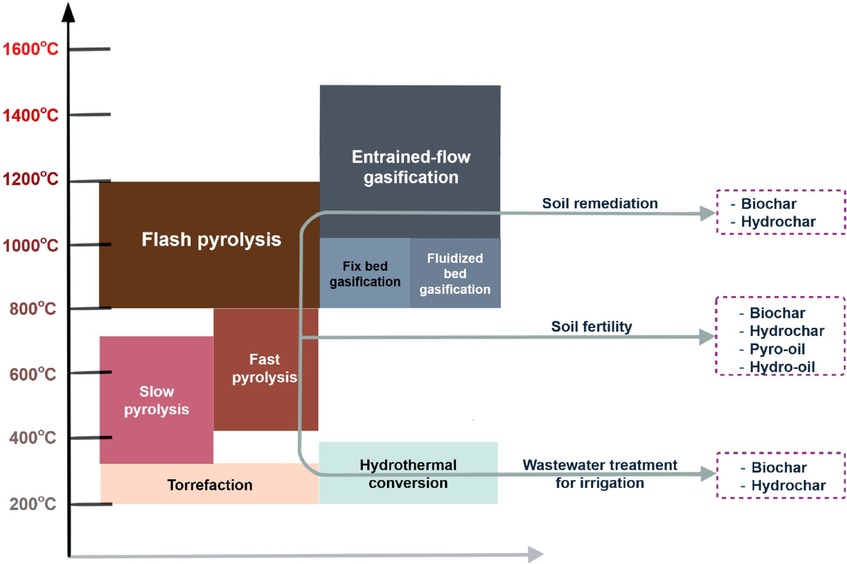
Figure 1.
Overview of thermochemical conversion processes and their applications based on typical operating temperatures.
-
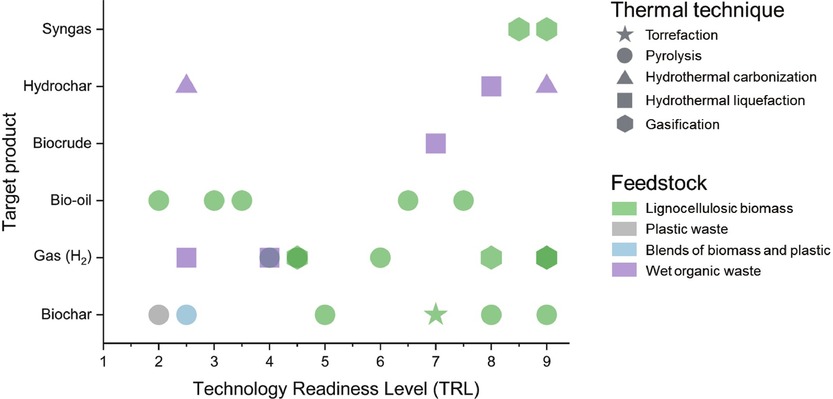
Figure 2.
Technology readiness level of the applications of different thermochemical conversion techniques.
