
Characteristics, fate, and effects of Helicobacter pylori in municipal wastewater treatment plant
-
GRAPHICAL ABSTRACT
 DownLoad:
Full size image
DownLoad:
Full size image
-
PUBLIC SUMMARY
-
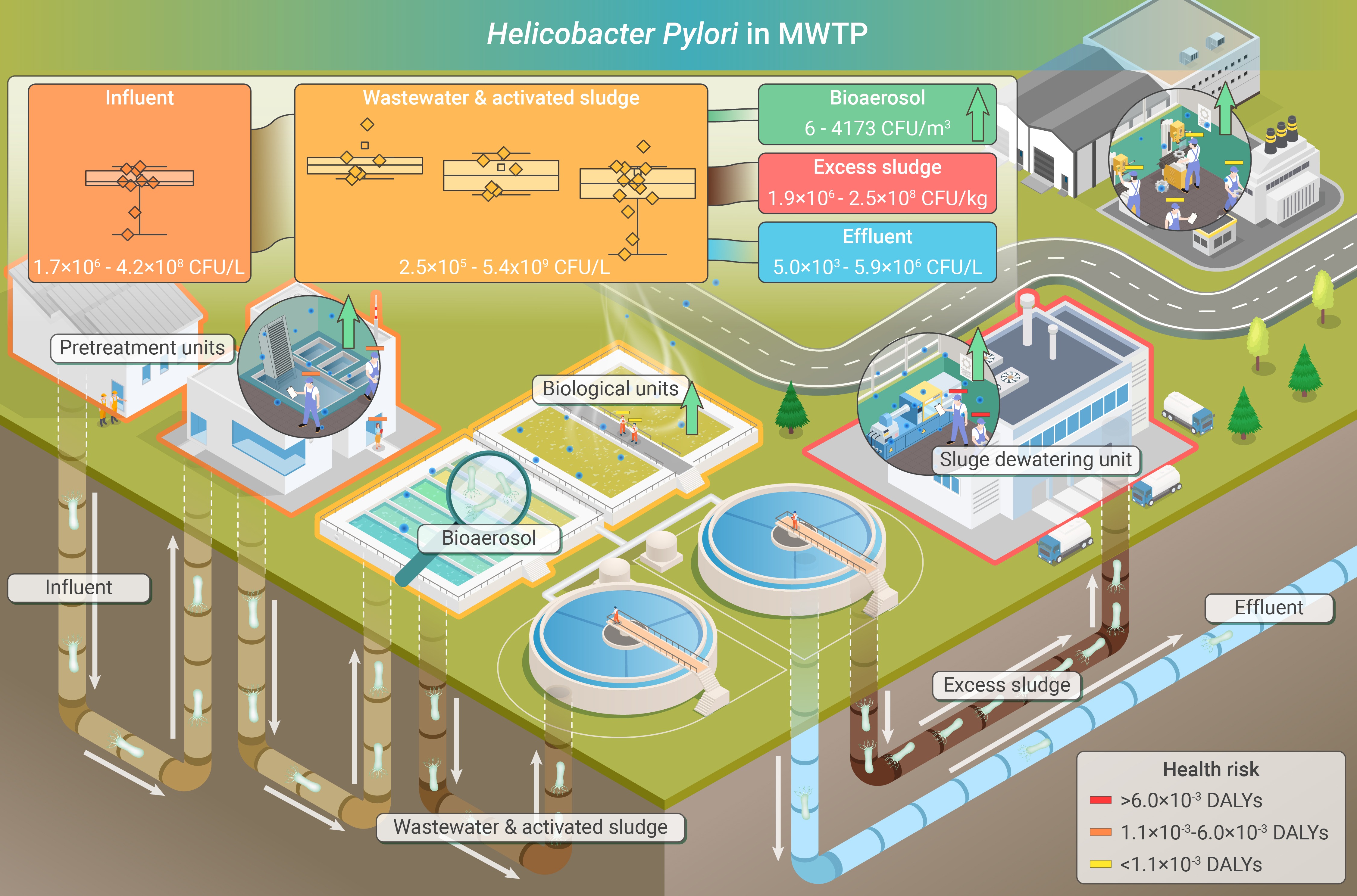
H. pylori was detected throughout the wastewater treatment process.
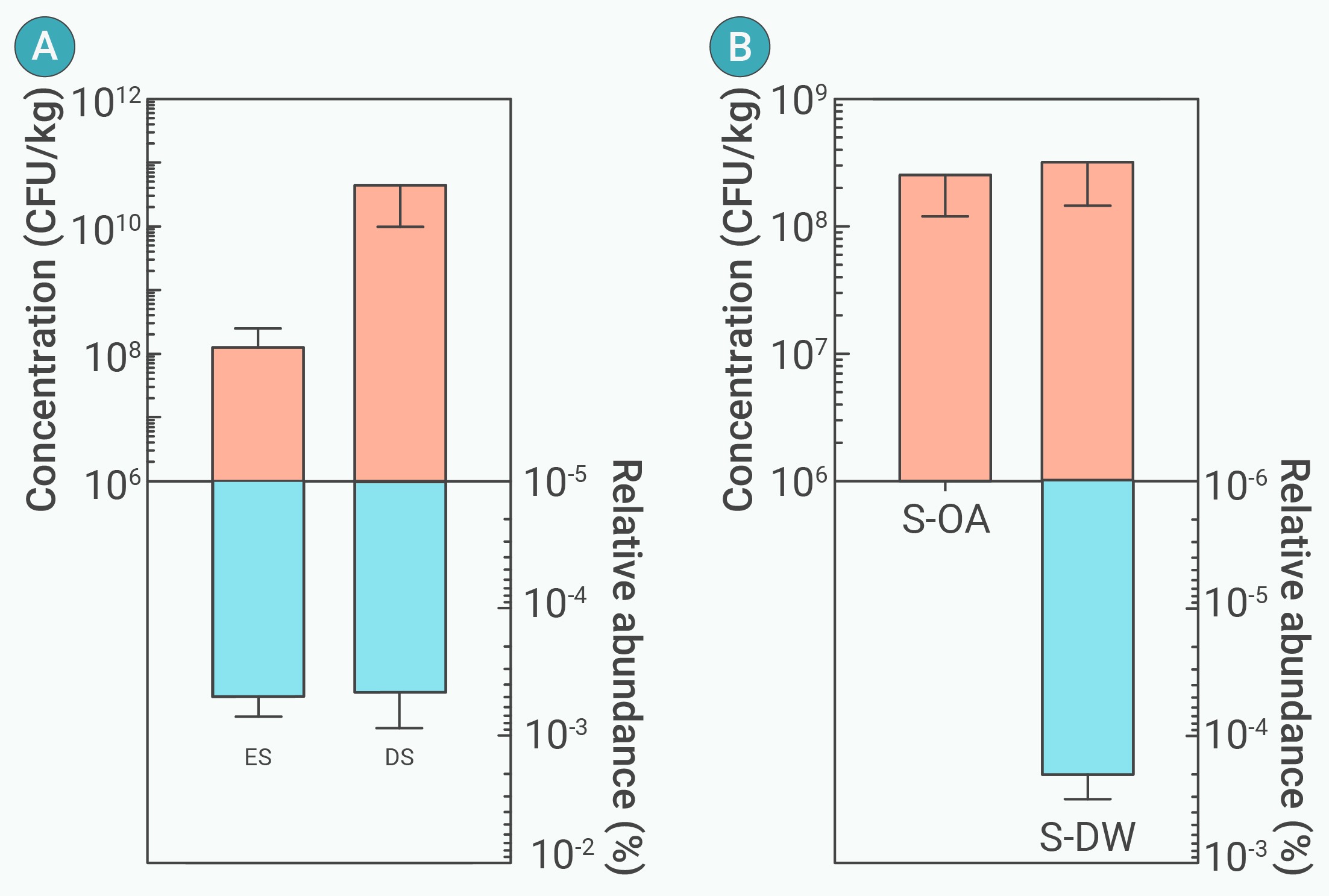
Most of the H. pylori in wastewater was transferred to the excess sludge.
H. Pylori can be released into the air as bioaerosols during wastewater treatment.
Dispersion of airborne H. pylori affected the ambient air quality.
H. Pylori infection risk existed in all sections of the wastewater treatment plant.
-
-
ABSTRACT
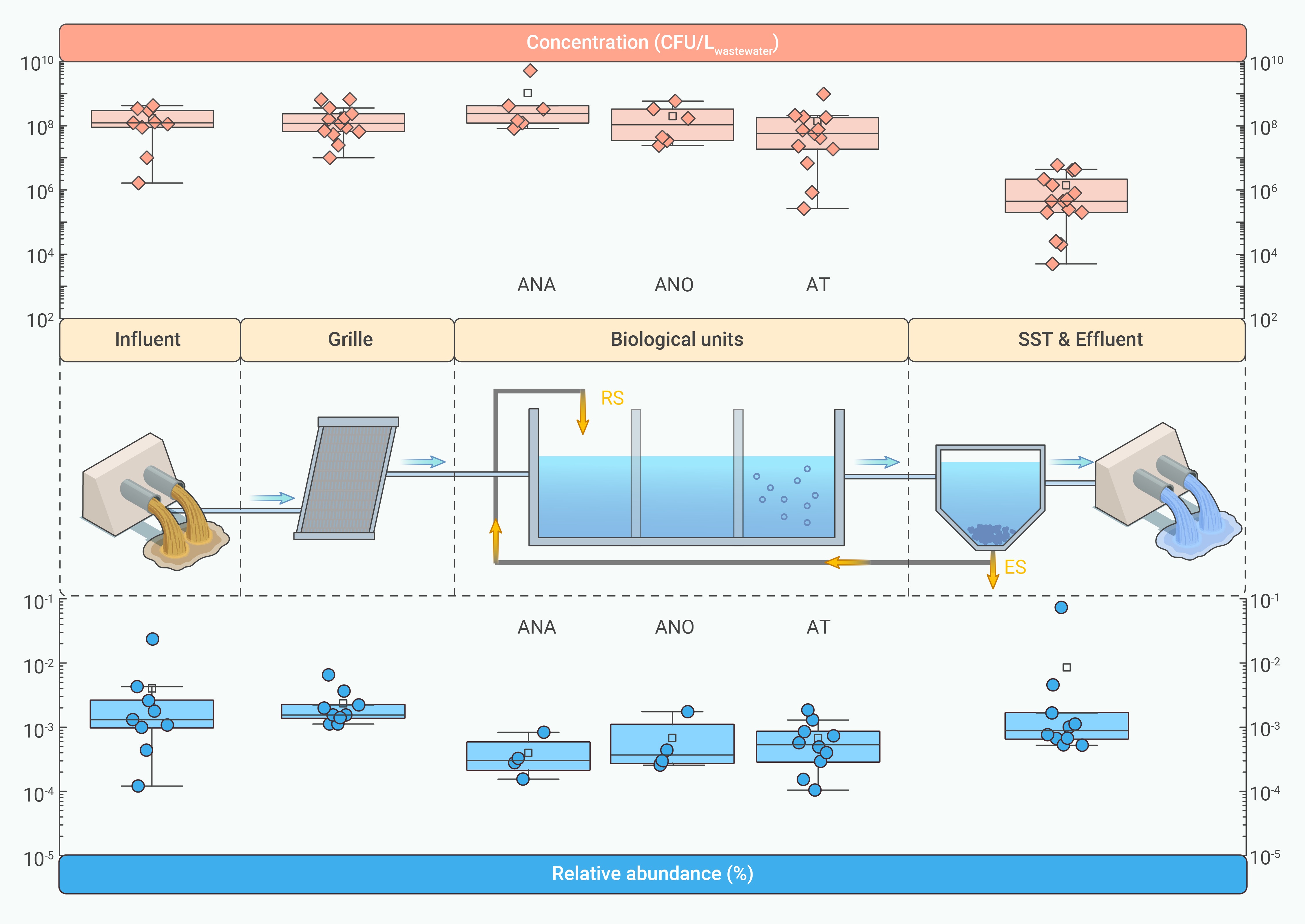
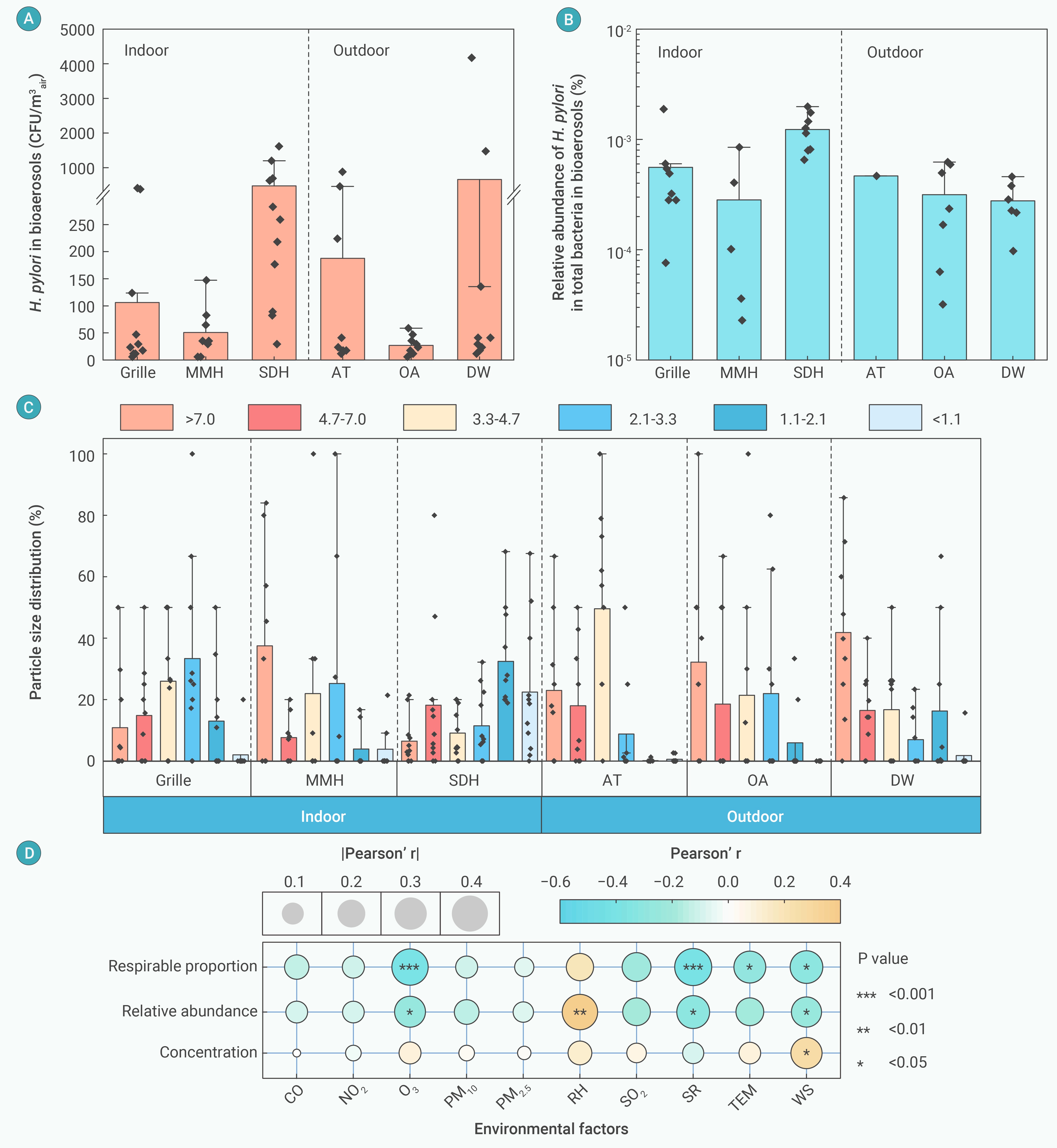
Helicobacter pylori (H. Pylori) is a highly pathogenic bacterium that can be transmitted through various means, including wastewater, which serves as both a source and sink for H. pylori. In the wastewater treatment process, the exposure risk of H. Pylori escaping through bioaerosols is easily overlooked. In this study, the pollution characteristics and variation patterns of H. Pylori in wastewater, sludge, and air medium were systematically investigated in a typical municipal wastewater treatment plant (MWTP) applying anaerobic-anoxic-aerobic process through long-term sampling. The results indicated a significant reduction of H. Pylori in wastewater and accumulation in excess sludge following the wastewater treatment process. H. Pylori was also detected in bioaerosols due to its escape during wastewater treatment and sludge dewatering. The highest detection concentrations of H. Pylori in the air were found in the sludge dewatering house. O3, solar radiation, ambient temperature, and wind speed all had negative effects on the relative abundance and respirable proportion of airborne H. pylori. In addition, H. Pylori in bioaerosols had the potential to contaminate the ambient environment and posed a potential health risk to operational workers. This study will help to recognize the pollution of H. Pylori in MWTPs and raise the attention to occupational exposure among MWTP workers. -

-
REFERENCES
[1] Jia, K., Chen, Y., Xie, Y., et al. (2024). Helicobacter pylori and immunotherapy for gastrointestinal cancer. The Innovation 5: 100561. DOI: 10.1016/j.xinn.2023.100561. [2] Engstrand, L. (2010). Helicobacter in water and waterborne routes of transmission. J. Appl. Microbiol. 90: 80S−84S. DOI: 10.1046/j.1365-2672.2001.01356.x. [3] Friedrich, V. and Gerhard, M. (2023). Vaccination against Helicobacter pylori – An approach for cancer prevention. Mol. Aspects Med. 92: 101183. DOI: 10.1016/j.mam.2023.101183. [4] Wroblewski, L.E., Peek, R.M., and Wilson, K.T. (2010). Helicobacter pylori and Gastric Cancer: Factors that modulate disease risk. Clin. Microbiol. Rev. 23: 713−739. DOI: 10.1128/cmr.00011-10. [5] Peter, S. and Beglinger, C. (2007). Helicobacter pylori and Gastric Cancer: The causal relationship. Gastroenterologia 75: 25−35. DOI: 10.1159/000101564. [6] Zhu, S., Al-Mathkour, M., Cao, L., et al. (2023). CDK1 bridges NF-κB and β-catenin signaling in response to H. pylori infection in gastric tumorigenesis. Cell Rep. 42: 112005. DOI: 10.1016/j.celrep.2023.112005. [7] Quaglia, N.C. and Dambrosio, A. (2023). Helicobacter pylori. Geoffrey, W.S. (ed). Encyclopedia of Food Safety, 2nd Edition (Academic Press), pp: 722-736. DOI: 10.1016/B978-0-12-822521-9.00061-7. [8] Kheyre, H., Morais, S., Ferro, A., et al. (2018). The occupational risk of Helicobacter pylori infection: A systematic review. Int. Arch. Occ. Env. Hea. 91: 657−674. DOI: 10.1007/s00420-018-1315-6. [9] Aziz, R.K., Khalifa, M.M., and Sharaf, R.R. (2015). Contaminated water as a source of Helicobacter pylori infection: A review. J. Adv. Res. 6: 539−547. DOI: 10.1016/j.jare.2013.07.007. [10] Farhadkhani, M., Nikaeen, M., Hassanzadeh, A., et al. (2019). Potential transmission sources of Helicobacter pylori infection: Detection of H. pylori in various environmental samples. J. Environ. Health Sci. 17: 129−134. DOI: 10.1007/s40201-018-00333-y. [11] Moreno, Y. and Antonia Ferrus, M. (2012). Specific detection of cultivable Helicobacter pylori cells from wastewater treatment plants. Helicobacter 17: 327−332. DOI: 10.1111/j.1523-5378.2012.00961.x. [12] Azevedo, N.F., Pacheco, A.P., Keevil, C.W., et al. (2004). Nutrient shock and incubation atmosphere influence recovery of culturable Helicobacter pylori from water. Appl. Environ. Microbiol. 70: 490−493. DOI: 10.1128/aem.70.1.490-493.2004. [13] Han, Y., Li, L., Wang, Y., et al. (2021). Composition, dispersion, and health risks of bioaerosols in wastewater treatment plants: A review. Front Env. Sci. Eng. 15: 38. DOI: 10.1007/s11783-020-1330-1. [14] Wang, Y., Liu, Y., Yang, K., et al. (2023). The bioaerosols generated from the sludge treatment process: Bacterial and fungal variation characteristics, source tracking, and risk assessment. Sci. Total Environ. 903: 166193. DOI: 10.1016/j.scitotenv.2023.166193. [15] Haas, C.N., Rose, J.B., and Gerba, C.P. (2014). Quantitative Microbial Risk Assessment (Wiley). pp: 159-234. DOI:10.1002/9781118910030.ch6. [16] Jabeen, R., Ahmed, M.E., Hamouda, M.A., et al. (2023). Bioaerosols in wastewater treatment plants: Trends, recent advances, and the influence of SARS-CoV-2 outbreak. Water 15: 4208. DOI: 10.3390/w15244208. [17] Yan, C., Gui, Z., and Wu, J. (2021). Quantitative microbial risk assessment of bioaerosols in a wastewater treatment plant by using two aeration modes. Environ. Sci. Pollut. R. 28: 8140−8150. DOI: 10.1007/s11356-020-11180-6. [18] Chen, Y., Yan, C., Yang, Y., et al. (2021). Quantitative microbial risk assessment and sensitivity analysis for workers exposed to pathogenic bacterial bioaerosols under various aeration modes in two wastewater treatment plants. Sci. Total Environ. 755: 142615. DOI: 10.1016/j.scitotenv.2020.142615. [19] Cui, B., An, D., Li, H., et al. (2023). Evaluating the threshold limit value of acceptable exposure concentration for exposure to bioaerosols in a wastewater treatment plant: Reverse-quantitative microbial risk assessment and sensitivity analysis. J. Hazard. Mater. 452: 130687. DOI: 10.1016/j.jhazmat.2022.130687. [20] Yan, C., Hu, Y., Gui, Z., et al. (2024). Quantitative SARS-CoV-2 exposure assessment for workers in wastewater treatment plants using Monte-Carlo simulation. Water Res. 248: 120845. DOI: 10.1016/j.watres.2023.120845. [21] Inamasu, Y., Ogawa, M., Saito, M., et al. (2022). Helicobacter pylori results in lysis and death after exposure to water. Helicobacter 27: e12921. DOI: 10.1111/hel.12921. [22] Moreno, Y., Piqueres, P., Alonso, J.L., et al. (2007). Survival and viability of Helicobacter pylori after inoculation into chlorinated drinking water. Water Res. 41: 3490−3496. DOI: 10.1016/j.watres.2007.05.020. [23] Degnan, A.J., Sonzogni, W.C., and Standridge, J.H. (2003). Development of a plating medium for selection of Helicobacter pylori from water samples. Appl. Environ. Microb. 69: 2914−2918. DOI: 10.1128/aem.69.5.2914-2918.2003. [24] Han, Y., Wang, Y., Li, L., et al. (2018). Bacterial population and chemicals in bioaerosols from indoor environment: Sludge dewatering houses in nine municipal wastewater treatment plants. Sci. Total Environ. 618: 469−478. DOI: 10.1016/j.scitotenv.2017.11.071. [25] Yang, T., Han, Y., Liu, J., et al. (2019). Aerosols from a wastewater treatment plant using oxidation ditch process: Characteristics, source apportionment, and exposure risks. Environ. Pollut. 250: 627−638. DOI: 10.1016/j.envpol.2019.04.071. [26] Mei, R. and Liu, W.-T. (2019). Quantifying the contribution of microbial immigration in engineered water systems. Microbiome 7: 144. DOI: 10.1186/s40168-019-0760-0. [27] Michaud, J.M., Thompson, L.R., Kaul, D., et al. (2018). Taxon-specific aerosolization of bacteria and viruses in an experimental ocean-atmosphere mesocosm. Nat. Commun. 9: 2017. DOI: 10.1038/s41467-018-04409-z. [28] Ryan, M., Hamilton, K., Hamilton, M., et al. (2014). Evaluating the potential for a Helicobacter pylori drinking water guideline. Risk Anal. 34: 1651−1662. DOI: 10.1111/risa.12190. [29] Wang, Y., Lai, B., Han, Y., et al. (2023). The pollution of bioaerosols in hospital sewage purification process: Composition characteristics, seasonal variation and risk assessment. J. Clean Prod. 419: 138301. DOI: 10.1016/j.jclepro.2023.138301. [30] Xie, W., Fan, C., Qi, J., et al. (2023). Decrease of bioaerosols in westerlies from Chinese coast to the northwestern Pacific: Case data comparisons. Sci. Total Environ. 864: 161040. DOI: 10.1016/j.scitotenv.2022.161040. [31] An, W., Guo, F., Song, Y., et al. (2016). Comparative genomics analyses on EPS biosynthesis genes required for floc formation of Zoogloea resiniphila and other activated sludge bacteria. Water Res. 102: 494−504. DOI: 10.1016/j.watres.2016.06.058. [32] Wu, L.W., Ning, D.L., Zhang, B., et al. (2019). Global diversity and biogeography of bacterial communities in wastewater treatment plants. Nat Microbiol. 4: 1183−1195. DOI: 10.1038/s41564-019-0426-5. [33] VandeWalle, J.L., Goetz, G.W., Huse, S.M., et al. (2012). Acinetobacter, Aeromonas and Trichococcus populations dominate the microbial community within urban sewer infrastructure. Environ. Microbiol. 14: 2538−2552. DOI: 10.1111/j.1462-2920.2012.02757.x. [34] Cui, Q., Huang, Y., Wang, H., et al. (2019). Diversity and abundance of bacterial pathogens in urban rivers impacted by domestic sewage. Environ. Pollut. 249: 24−35. DOI: 10.1016/j.envpol.2019.02.094. [35] Liu, L., Chen, G., Liu, J., et al. (2023). Sequential production of secondary metabolites by one operon affects interspecies interactions in Enterobacter sp. CGMCC 5087. The Innovation Life 1 : 100023. DOI: 10.59717/j.xinn-life.2023.100023. [36] Orta de Velásquez, M.T., Yáñez Noguez, I., Casasola Rodríguez, B., et al. (2017). Effects of ozone and chlorine disinfection on VBNC Helicobacter pylori by molecular techniques and FESEM images. Environ. Technol. 38: 744−753. DOI: 10.1080/09593330.2016.1210680. [37] Korzeniewska, E. and Harnisz, M. (2012). Culture-dependent and culture-independent methods in evaluation of emission of Enterobacteriaceae from sewage to the air and surface water. Water Air Soil Pollut. 223: 4039−4046. DOI: 10.1007/s11270-012-1171-z. [38] Wang, Y., Li, L., Han, Y., et al. (2018). Intestinal bacteria in bioaerosols and factors affecting their survival in two oxidation ditch process municipal wastewater treatment plants located in different regions. Ecotoxicol. Environ. Saf. 154: 162−170. DOI: 10.1016/j.ecoenv.2018.02.041. [39] Yang, T., Jiang, L., Han, Y., et al. (2020). Linking aerosol characteristics of size distributions, core potential pathogens and toxic metal(loid)s to wastewater treatment process. Environ. Pollut. 264: 114741. DOI: 10.1016/j.envpol.2020.114741. [40] Yu, P., Guo, S., Xu, R., et al. (2021). Cohort studies of long-term exposure to outdoor particulate matter and risks of cancer: A systematic review and meta-analysis. The Innovation 2: 100143. DOI: 10.1016/j.xinn.2021.100143. [41] Fishman, J. and Crutzen, P.J. (1978). Origin of ozone in troposphere. Nature 274: 855−858. DOI: 10.1038/274855a0. [42] Cai, Y., Zhao, Y., Yadav, A.K., et al. (2023). Ozone based inactivation and disinfection in the pandemic time and beyond: Taking forward what has been learned and best practice. Sci. Total Environ. 862: 160711. DOI: 10.1016/j.scitotenv.2022.160711. [43] Fahimipour, A.K., Hartmann, E.M., Siemens, A., et al. (2018). Daylight exposure modulates bacterial communities associated with household dust. Microbiome 6: 175. DOI: 10.1186/s40168-018-0559-4. [44] Cho, J., Prashar, A., Jones, N.L., et al. (2021). Helicobacter pylori Infection. Gastroenterol. Clin. North Am. 50: 261−282. DOI: 10.1016/j.gtc.2021.02.001. [45] Zhao, S., Liu, Y., Chang, J., et al. (2024). Bioaerosols in deodorization covers of wastewater treatment plants: Emission characteristics and health risks. Chemosphere 353: 141552. DOI: 10.1016/j.chemosphere.2024.141552. [46] Gholipour, S., Mohammadi, F., Nikaeen, M., et al. (2021). COVID-19 infection risk from exposure to aerosols of wastewater treatment plants. Chemosphere 273: 129701. DOI: 10.1016/j.chemosphere.2021.129701. [47] Van Hooste, W., Charlier, A.-M., Rotsaert, P., et al. (2010). Work-related Helicobacter pylori infection among sewage workers in municipal wastewater treatment plants in Belgium. Occup. Environ. Med. 67: 91−97. DOI: 10.1136/oem.2008.040436. [48] Zhang, Q., Meng, X., Shi, S., et al. (2022). Overview of particulate air pollution and human health in China: Evidence, challenges, and opportunities. The Innovation 3: 100312. DOI: 10.1016/j.xinn.2022.100312. -
ABOUT THIS ARTICLE
Cite this article:
Wang Y., Han Y., Wang W., et al., (2024). Characteristics, fate, and effects of Helicobacter pylori in municipal wastewater treatment plant. The Innovation Geoscience 2(3): 100080. https://doi.org/10.59717/j.xinn-geo.2024.100080
Welcome!
To request copyright permission to republish or share portions of our works, please visit Copyright Clearance Center's (CCC) Marketplace website at marketplace.copyright.com.
Article Metrics
Relative Articles
Cited by
Export File
Citation
Wang Y., Han Y., Wang W., et al., (2024). Characteristics, fate, and effects of Helicobacter pylori in municipal wastewater treatment plant. The Innovation Geoscience 2(3): 100080. https://doi.org/10.59717/j.xinn-geo.2024.100080

Format
Content


-
Figure 1.
Variations in H. pylori abundance in wastewater during treatment processes
-
Figure 2.
The response of wastewater quality characteristics on the abundance of H. pylori in wastewater
-
Figure 3.
H. pylori in sludge and environmental soil
-
Figure 4.
H. pylori in bioaerosols
-
Figure 5.
Transmission of H. pylori in the MWTP
-
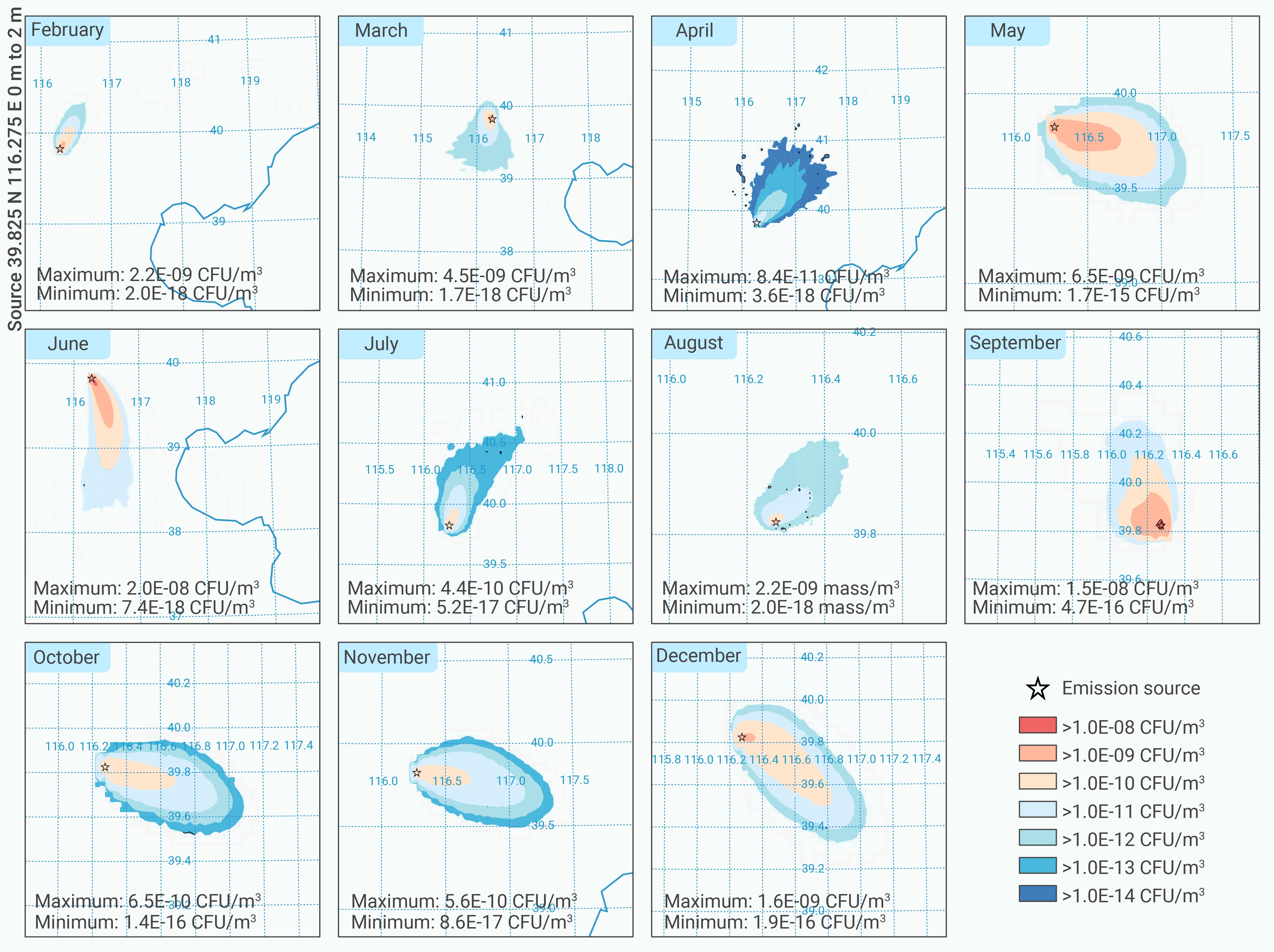
Figure 6.
Diffusion of airborne H. pylori downwind.
-
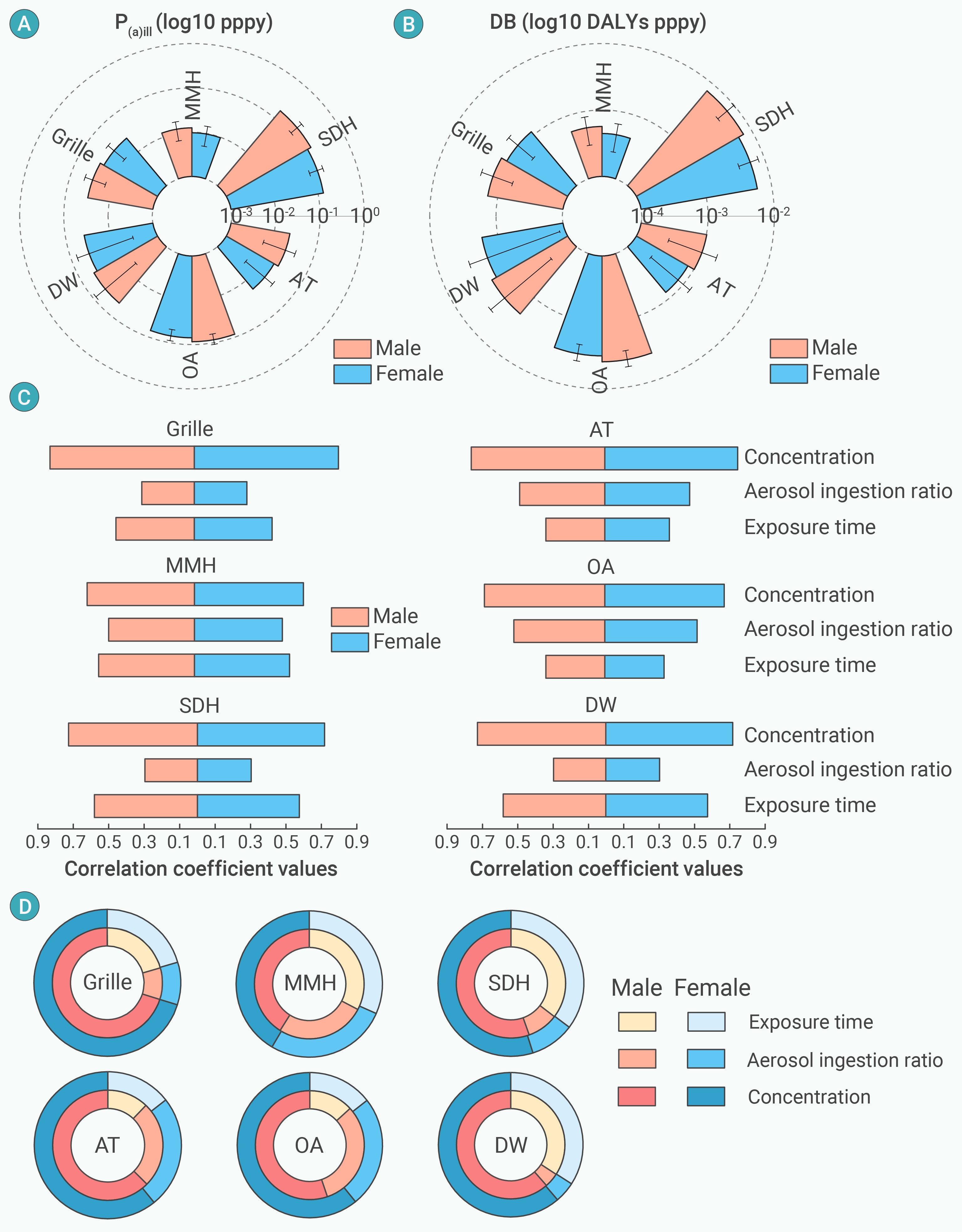
Figure 7.
Exposure risk of airborne H. pylori
