
Extended depth-of-field resolution enhancement microscopy imaging for neutralizing the impact of mineral inhomogeneous surface
-
GRAPHICAL ABSTRACT
 DownLoad:
Full size image
DownLoad:
Full size image
-
PUBLIC SUMMARY
-
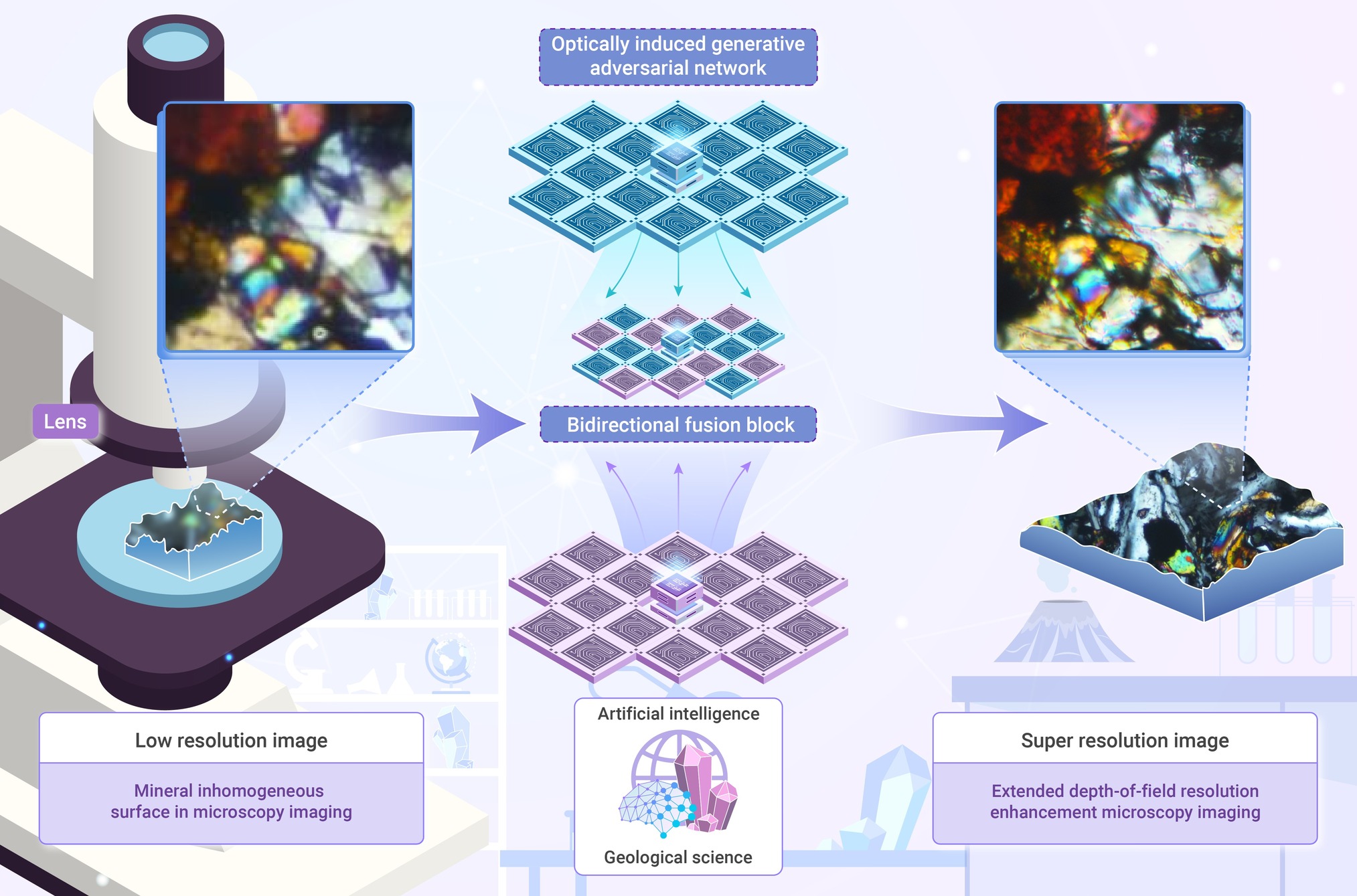
Mineral uneven surface aggravates conflict between depth-of-field (DOF) and resolution in microscopy imaging.
DOF from low-resolution image is revealed as oracles for neutralizing impact of mineral inhomogeneous surface.
Optically induced generative adversarial network (OIGAN) is proposed by integrating DOF information from minerals.
OIGAN significantly improves the performance in microthermometry of fluid inclusions and mineral classification.
-
-
ABSTRACT
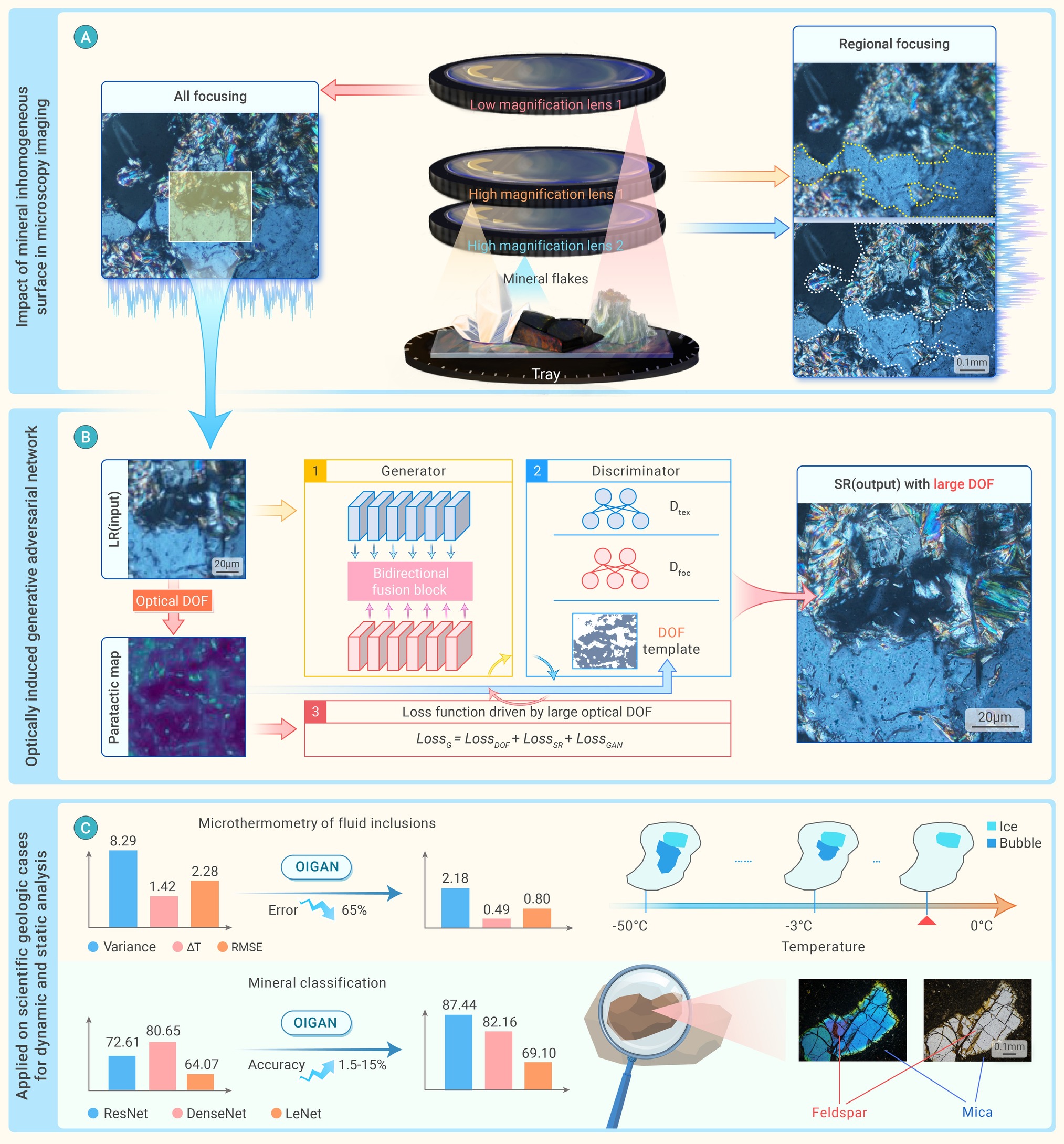
One of the most fundamental experimental methods in geoscience is to observe minerals under high magnification objectives. However, uneven microsurfaces in thin sections occur due to the irregular constituent distribution and varying hardness of minerals in natural rocks. Consequently, the conflict between large depth-of-field (DOF) and high-resolution in microscopy imaging leads to random out-of-focus issues when observing thin sections with high resolution microscopy. Although existing super-resolution algorithms promise to improve visual performance, reconstructing images with both large DOF and high-resolution simultaneously remains challenging. We address this problem by guiding the networks with optical information. Utilizing DOF information from low-resolution data, we propose an optically induced generative adversarial network (OIGAN) to neutralize the impact through computational imaging. In OIGAN, optical DOF information from low-resolution data facilitates to achieve spatial-adaptive extended-DOF resolution enhancement imaging, without incorporating extended DOF high-resolution data for supervision. The approach, trained and evaluated on the dataset with 233,156 images (115,346 pairs of low- and high-resolution data), outperforms four comparison methods on various minerals and optical conditions, leading to at least 1.54dB increase on peak signal-to-noise ratio (PSNR). Specifically, OIGAN significantly improves the accuracy of fluid inclusion ice-melting temperature measurement, reducing mean error by 65%, and enhances mineral classification accuracy with 1.5%~15% increase. OIGAN offers an insight of integrating physical knowledge into neural networks, facilitating self-identification of minerals, automatic microthermometry of fluid inclusions and other geoscience tasks via microscopy. -

-
REFERENCES
[1] Mitchell, R.N. (2021). Chang’E-5 reveals the Moon's secrets to a longer life. The Innovation 2: 100177. DOI: 10.1016/j.xinn.2021.100177. [2] Chen, Y., Hu, S., Li, J.-H., et al. (2023). Chang’e-5 lunar samples shed new light on the Moon. The Innovation Geoscience 1: 100014. DOI: 10.59717/j.xinn-geo.2023.100014. [3] Hell, S.W. and Wichmann, J. (1994). Breaking the diffraction resolution limit by stimulated-emission—stimulated-emission-depletion fluorescence microscopy. Opt. Lett. 19: 780−782. DOI: 10.1364/ol.19.000780. [4] Gustafsson, M.G.L. (2000). Surpassing the lateral resolution limit by a factor of two using structured illumination microscopy. J. Microsc-Oxford 198: 82−87. DOI: 10.1046/j.1365-2818.2000.00710.x. [5] Gustafsson, M.G.L. (2005). Nonlinear structured-illumination microscopy: Wide-field fluorescence imaging with theoretically unlimited resolution. Proc. Natl. Acad. Sci. USA 102: 13081−13086. DOI: 10.1073/pnas.0406877102. [6] Rust, M.J., Bates, M., and Zhuang, X. (2006). Sub-diffraction-limit imaging by stochastic optical reconstruction microscopy (STORM). Nat. Methods 3: 793−796. DOI: 10.1038/nmeth929. [7] Wang, Z., Zhao, T., Cai, Y., et al. (2023). Rapid, artifact-reduced, image reconstruction for super-resolution structured illumination microscopy. The Innovation 4: 100425. DOI: 10.1016/j.xinn.2023.100425. [8] Schultz, R.R. and Stevenson, R.L. (1994). A Bayesian approach to image expansion for improved definition. IEEE T. Image Process 3: 233−242. DOI: 10.1109/83.287017. [9] Schultz, R.R. and Stevenson, R.L. (1996). Extraction of high-resolution frames from video sequences. IEEE T. Image Process 5: 996−1011. DOI: 10.1109/83.503915. [10] Chang, H., Yeung, D.-Y., and Xiong, Y. (2004). Super-resolution through neighbor embedding. In Proceedings of the 2004 IEEE Computer Society Conference on Computer Vision and Pattern Recognition. DOI: 10.1109/CVPR.2004.1315043. [11] Kim, K.I., Franz, M.O., and Scholkopf, B. (2005). Iterative kernel principal component analysis for image modeling. IEEE T. Pattern Anal. 27: 1351−1366. DOI: 10.1109/TPAMI.2005.181. [12] Yang, J., Wright, J., Huang, T.S., et al. (2010). Image super-resolution via sparse representation. IEEE T. Image Process 19: 2861−2873. DOI: 10.1109/TIP.2010.2050625. [13] Dowski, E.R. and Cathey, W.T. (1995). Extended depth of field through wave-front coding. Appl. Opt. 34: 1859−1866. DOI: 10.1364/AO.34.001859. [14] Botcherby, E.J., Booth, M.J., Juškaitis, R., et al. (2008). Real-time extended depth of field microscopy. Opt. Express 16: 21843−21848. DOI: 10.1364/OE.16.021843. [15] Jin, L., Tang, Y., Wu, Y., et al. (2020). Deep learning extended depth-of-field microscope for fast and slide-free histology. Proc. Natl. Acad. Sci. USA 117: 33051−33060. DOI: 10.1073/pnas.201357111. [16] Wu, Y., Rivenson, Y., Wang, H., et al. (2019). Three-dimensional virtual refocusing of fluorescence microscopy images using deep learning. Nat. Methods 16: 1323−1331. DOI: 10.1038/s41592-019-0622-5. [17] Luo, Y., Huang, L., Rivenson, Y., et al. (2021). Single-shot autofocusing of microscopy images using deep learning. ACS Photonics 8: 625−638. DOI: 10.1021/acsphotonics.0c01774. [18] Dong, C., Loy, C.C., He, K., et al. (2015). Image super-resolution using deep convolutional networks. IEEE T. Pattern Anal. 38: 295−307. DOI: 10.1109/DSC.2016.104. [19] Zhang, Y., Li, K., Li, K., et al. (2018). Image super-resolution using very deep residual channel attention networks. In Proceedings of the European Conference on Computer Vision (ECCV). DOI: 10.1007/978-3-030-01234-2_18. [20] Liang, J., Cao, J., Sun, G., et al. (2021). Swinir: Image restoration using swin transformer. In Proceedings of the IEEE/CVF International Conference on Computer Vision. DOI: 10.1109/ICCVW54120.2021.00210. [21] Ma, C., Rao, Y., Cheng, Y., et al. (2020). Structure-preserving super resolution with gradient guidance. In Proceedings of the IEEE/CVF Conference on Computer Vision and Pattern Recognition. DOI: 10.1109/CVPR42600.2020.00779. [22] Qiao, C., Li, D., Guo, Y., et al. (2021). Evaluation and development of deep neural networks for image super-resolution in optical microscopy. Nat. Methods 18: 194−202. DOI: 10.1038/s41592-020-01048-5. [23] Wang, H., Rivenson, Y., Jin, Y., et al. (2019). Deep learning enables cross-modality super-resolution in fluorescence microscopy. Nat. Methods 16: 103−110. DOI: 10.1038/s41592-018-0239-0. [24] Qiao, C., Li, D., Liu, Y., et al. (2023). Rationalized deep learning super-resolution microscopy for sustained live imaging of rapid subcellular processes. Nat. Biotechnol. 41: 367−377. DOI: 10.1038/s41587-022-01471-3. [25] Wu, Y., Han, X., Su, Y., et al. (2021). Multiview confocal super-resolution microscopy. Nature 600: 279−284. DOI: 10.1038/s41586-021-04110-0. [26] Zhang, B., Ouyang, C., Cui, P., et al. (2024). Deep learning for cross-region streamflow and flood forecasting at a global scale. The Innovation 5: 100617. DOI: 10.1016/j.xinn.2024.100617. [27] Yuan, X. and Han, S. (2021). Single-pixel neutron imaging with artificial intelligence: Breaking the barrier in multi-parameter imaging, sensitivity, and spatial resolution. The Innovation 2: 100100. DOI: 10.1016/j.xinn.2021.100100. [28] Ye, Z., Wang, N., Zhou, J., et al. (2024). Organic crystal structure prediction via coupled generative adversarial networks and graph convolutional networks. The Innovation 5: 100562. DOI: 10.1016/j.xinn.2023.100562. [29] Li, S. and Xing, J. (2024). DeepSAT4D: Deep learning empowers four-dimensional atmospheric chemical concentration and emission retrieval from satellite. The Innovation Geoscience 2: 100061−100011. DOI: 10.59717/j.xinn-geo.2024.100061. [30] Wang, Z., Zhang, J., Hua, P., et al. (2023). Filling in missing pieces in the co-development of artificial intelligence and environmental science. The Innovation Geoscience 1: 100007−100015. DOI: 10.59717/j.xinn-geo.2023.100007. [31] Ma, H., Jiao, Y., Guo, W., et al. (2024). Machine learning predicts atomistic structures of multielement solid surfaces for heterogeneous catalysts in variable environments. The Innovation 5: 100571. DOI: 10.1016/j.xinn.2024.100571. [32] Xun, D., Wang, R., Zhang, X., et al. (2024). Microsnoop: A generalist tool for microscopy image representation. The Innovation 5: 100541. DOI: 10.1016/j.xinn.2023.100541. [33] Zhu, R., Zhang, F., Yan, J., et al. (2023). A sustainable solar city: From utopia to reality facilitated by GIScience. The Innovation Geoscience 1: 100006−100013. DOI: 10.59717/j.xinn-geo.2023.100006. [34] Luo, L., Zong, X., Shao, J., et al. (2023). LiDARchaeology: A revolutionary approach to archaeological prospection in forested areas. The Innovation Geoscience 1: 100017. DOI: 10.59717/j.xinn-geo.2023.100017. [35] Lü, G., Yue, S., Yu, Z., et al. (2023). Ubiquitous geographic information for building digital twins of geographic environments. The Innovation Geoscience 1: 100023−100022. DOI: 10.59717/j.xinn-geo.2023.100023. [36] Gomariz, A., Portenier, T., Helbling, P.M., et al. (2021). Modality attention and sampling enables deep learning with heterogeneous marker combinations in fluorescence microscopy. Nat. Mach. Intell. 3: 799−811. DOI: 10.1038/s42256-021-00379-y. [37] Ziatdinov, M., Ghosh, A., Wong, C.Y., et al. (2022). AtomAI framework for deep learning analysis of image and spectroscopy data in electron and scanning probe microscopy. Nat. Mach. Intell. 4: 1101−1112. DOI: 10.1038/s42256-022-00555-8. [38] Kench, S. and Cooper, S.J. (2021). Generating three-dimensional structures from a two-dimensional slice with generative adversarial network-based dimensionality expansion. Nat. Mach. Intell. 3: 299−305. DOI: 10.1038/s42256-021-00322-1. [39] Ledig, C., Theis, L., Huszár, F., et al. (2017). Photo-realistic single image super-resolution using a generative adversarial network. In 2017 IEEE Conference on Computer Vision and Pattern Recognition (CVPR). DOI: 10.1109/CVPR.2017.19. [40] Jiang, K., Wang, Z., Yi, P., et al. (2019). Edge-enhanced GAN for remote sensing image superresolution. IEEE Transactions on Geoscience and Remote Sensing 57: 5799−5812. DOI: 10.1109/TGRS.2019.2902431. [41] Zhang, W., Liu, Y., Dong, C., et al. (2019). RankSRGAN: Generative adversarial networks with ranker for image super-resolution. In Proceedings of the IEEE/CVF International Conference on Computer Vision. DOI: 10.1109/ICCV.2019.00319. [42] Jiang, K., Wang, Z., Yi, P., et al. (2020). Hierarchical dense recursive network for image super-resolution. Pattern Recog. 107: 107475. DOI: 10.1016/j.patcog.2020.107475. [43] Xiao, Y., Su, X., Yuan, Q., et al. (2022). Satellite video super-resolution via multiscale deformable convolution alignment and temporal grouping projection. IEEE T. Geoscience and Remote Sensing 60: 1−19. DOI: 10.1109/TGRS.2021.3107352. [44] Hu, M., Jiang, K., Wang, Z., et al. (2023). CycMuNet+: Cycle-projected mutual learning for spatial-temporal video super-resolution. IEEE T. Pattern Analysis and Machine Intelligence 45: 13376−13392. DOI: 10.1109/TPAMI.2023.3293522. [45] Xiao, Y., Yuan, Q., Jiang, K., et al. (2023). From degrade to upgrade: Learning a self-supervised degradation guided adaptive network for blind remote sensing image super-resolution. Inform. Fusion 96: 297−311. DOI: 10.1016/j.inffus.2023.03.021. [46] Qiu, X., Li, M., Zhang, L., et al. (2019). Guided filter-based multi-focus image fusion through focus region detection. Signal Processing: Image Communication 72: 35−46. DOI: 10.1016/j.image.2018.12.004. [47] Dai, Y., Gieseke, F., Oehmcke, S., et al. (2021). Attentional feature fusion. In Proceedings of the IEEE/CVF Winter Conference on Applications of Computer Vision. DOI: 10.1109/WACV48630.2021.00360. [48] Li, W., Zhou, K., Qi, L., et al. (2022). Best-buddy gans for highly detailed image super-resolution. In Proceedings of the AAAI Conference on Artificial Intelligence. DOI: 10.1609/aaai.v36i2.20030. [49] Huynh-Thu, Q. and Ghanbari, M. (2008). Scope of validity of PSNR in image/video quality assessment. Electron. Lett. 44: 800−801. DOI: 10.1049/el:20080522. [50] Zhang, R., Isola, P., Efros, A.A., et al. (2018). The unreasonable effectiveness of deep features as a perceptual metric. In Proceedings of the IEEE Conference on Computer Vision and Pattern Recognition. DOI: 10.1109/CVPR.2018.00068. [51] Heusel, M., Ramsauer, H., Unterthiner, T., et al. (2017). GANs trained by a two time-scale update rule converge to a local nash equilibrium. In Proceedings of the 31st International Conference on Neural Information Processing Systems. DOI: 10.5555/3295222.3295408. [52] Blau, Y., Mechrez, R., Timofte, R., et al. (2018). The 2018 PIRM Challenge on Perceptual Image Super-Resolution. In Proceedings of the European Conference on Computer Vision (ECCV) Workshops. DOI: 10.1007/978-3-030-11021-5_21. [53] Wang, X., Yu, K., Wu, S., et al. (2018). ESRGAN: Enhanced super-resolution generative adversarial networks. In Proceedings of the European Conference on Computer Vision (ECCV) Workshops. DOI: 10.1007/978-3-030-11021-5_5. [54] Prajapati, K., Chudasama, V., Patel, H., et al. (2020). Unsupervised single image super-resolution network (USISResNet) for real-world data using generative adversarial network. In Proceedings of the IEEE/CVF Conference on Computer Vision and Pattern Recognition Workshops. DOI: 10.1109/CVPRW50498.2020.00240. [55] Prajapati, K., Chudasama, V., Patel, H., et al. (2021). Direct unsupervised super-resolution using generative adversarial network (DUS-GAN) for real-world data. IEEE T. Image Process. 30: 8251−8264. DOI: 10.1109/TIP.2021.3113783. [56] Marr, D. and Hildreth, E. (1980). Theory of Edge Detection. P. Roy. Society B-Biol. Sci. 207: 187−217. DOI: 10.1098/rspb.1980.0020. [57] Paris, S., Hasinoff, S.W., and Kautz, J. (2011). Local Laplacian filters: Edge-aware image processing with a Laplacian pyramid. In SIGGRAPH '11: Special Interest Group on Computer Graphics and Interactive Techniques Conference. DOI: 10.1145/1964921.1964963. [58] Kong, H., Akakin, H.C., and Sarma, S.E. (2013). A generalized laplacian of gaussian filter for blob detection and its applications. IEEE T. Cybernetics 43: 1719−1733. DOI: 10.1109/TSMCB.2012.2228639. [59] Jin, D., Chen, Y., Lu, Y., et al. (2021). Neutralizing the impact of atmospheric turbulence on complex scene imaging via deep learning. Nat. Mach. Intell. 3: 876−884. DOI: 10.1038/s42256-021-00392-1. [60] Bradley, R.A. and Terry, M.E. (1952). Rank analysis of incomplete block designs: I. The method of paired comparisons. Biometrika 39: 324−345. DOI: 10.2307/2334029. [61] Maritz, M.G. and Schoeman, J. (2022). Programmable aperture using a digital micromirror device for in-line holographic microscopy. IEEE J. Quantum Elect. 58: 1−8. DOI: 10.1109/JQE.2022.3190501. [62] Yang, J., Zhang, Z., and Cheng, Q. (2022). Resolution enhancement in micro-XRF using image restoration techniques. J. Anal. Atom. Spectrom. 37: 750−758. DOI: 10.1039/D1JA00425E. [63] Shi, Q., Lai, Y., Guo, H., et al. (2021). Fluid inclusion and C-O isotopic constrains on the origin and evolution of ore-forming fluids of the Badaguan Cu-Mo deposit, Inner Mongolia. Ore Geol. Rev. 136: 104267. DOI: 10.1016/j.oregeorev.2021.104267. -
ABOUT THIS ARTICLE
Cite this article:
Sun H., Xu X., Shi Q., et al., (2024). Extended depth-of-field resolution enhancement microscopy imaging for neutralizing the impact of mineral inhomogeneous surface. The Innovation Geoscience 2(3): 100083. https://doi.org/10.59717/j.xinn-geo.2024.100083
Welcome!
To request copyright permission to republish or share portions of our works, please visit Copyright Clearance Center's (CCC) Marketplace website at marketplace.copyright.com.
Article Metrics
Relative Articles
Cited by
Export File
Citation
Sun H., Xu X., Shi Q., et al., (2024). Extended depth-of-field resolution enhancement microscopy imaging for neutralizing the impact of mineral inhomogeneous surface. The Innovation Geoscience 2(3): 100083. https://doi.org/10.59717/j.xinn-geo.2024.100083

Format
Content


-
Figure 1.
OIGAN utilizes optical DOF information to neutralize the impact of mineral inhomogeneous surface in mineral microscopy imaging
-
Figure 2.
Optically induced generative adversarial network
-
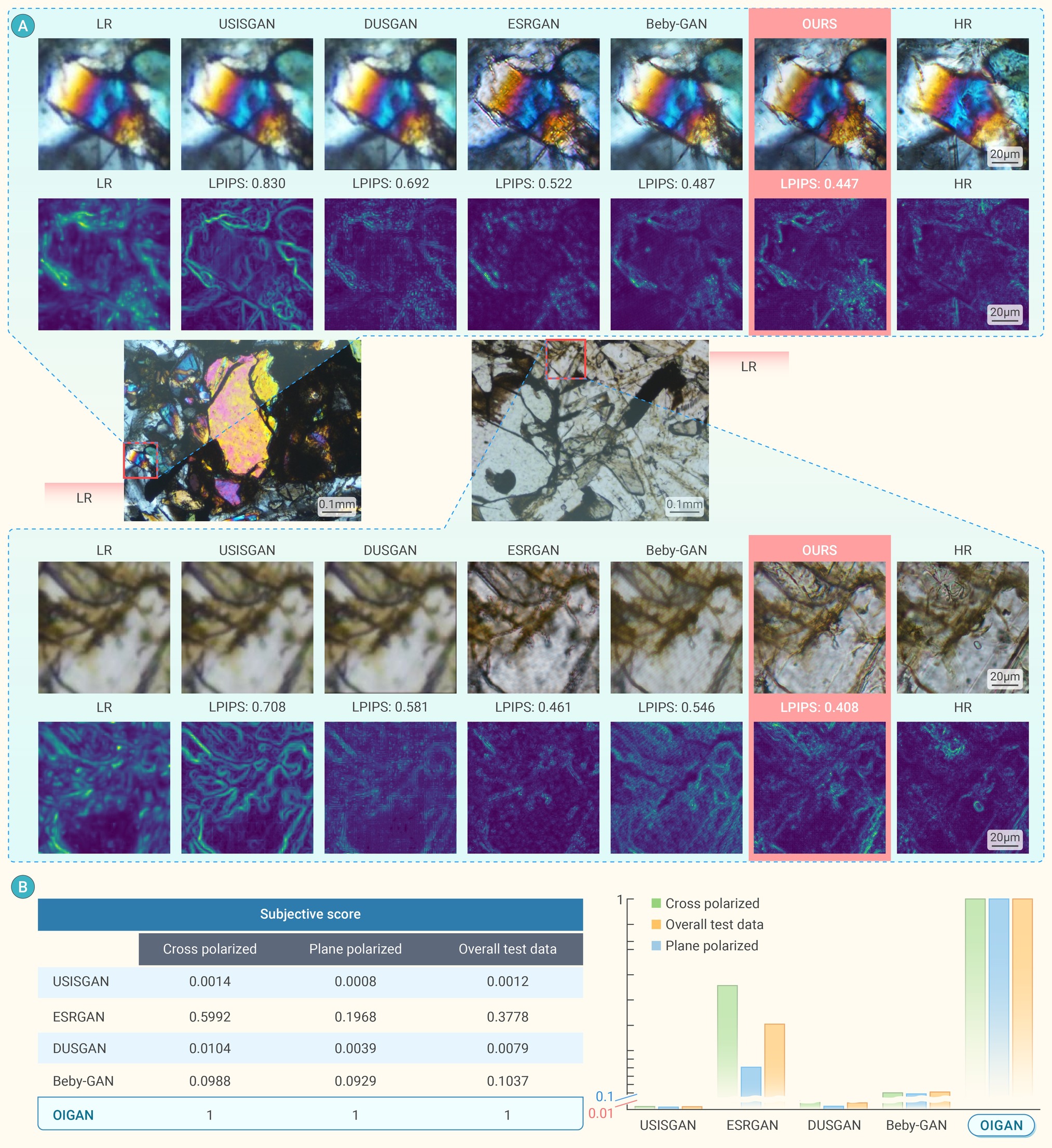
Figure 3.
OIGAN achieves high-quality extended DOF resolution enhancement imaging on mineral microscopy data
-
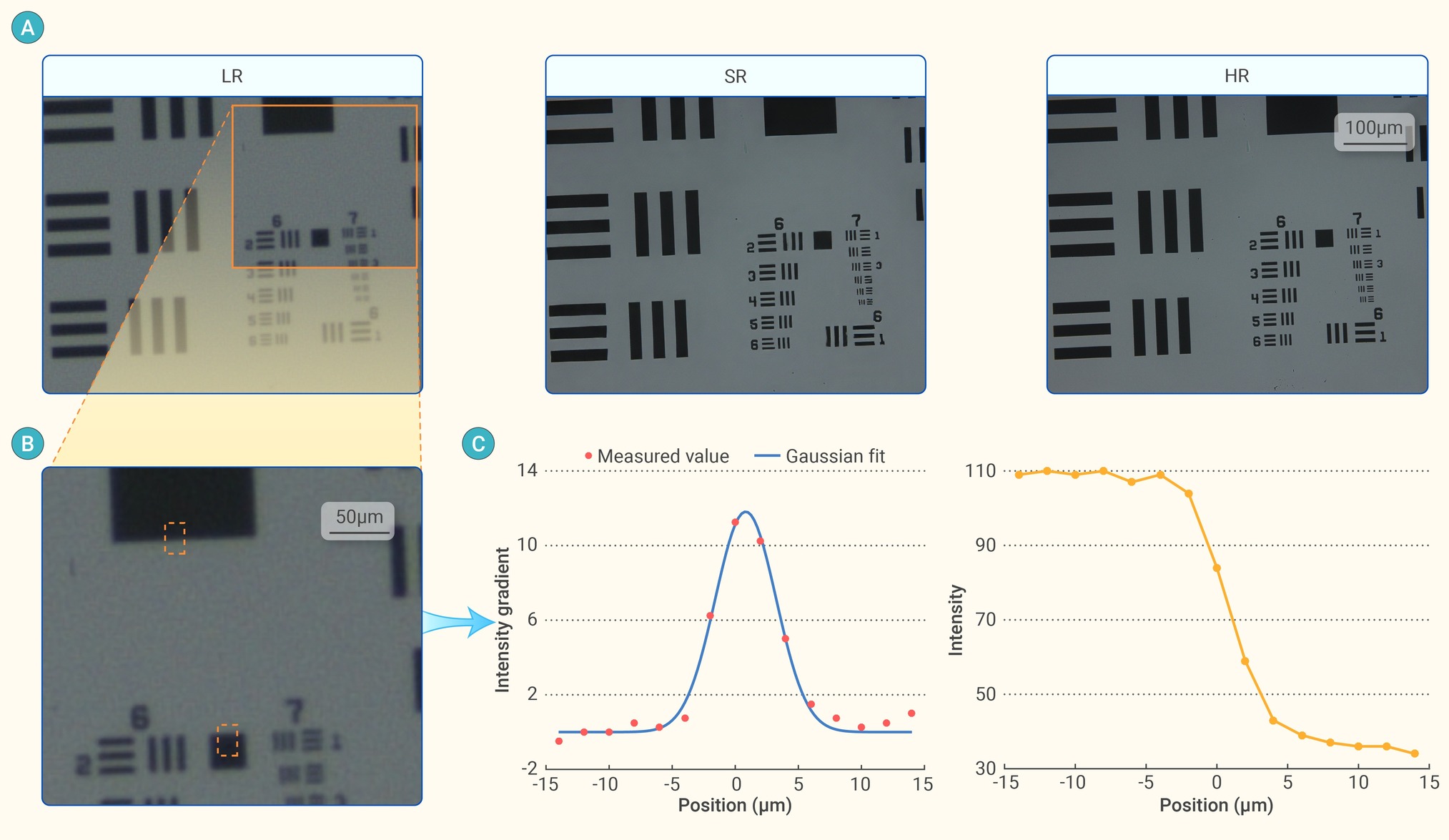
Figure 4.
Physical verification and geological benefits of extended DOF resolution enhancement imaging achieving by OIGAN
-
Figure 5.
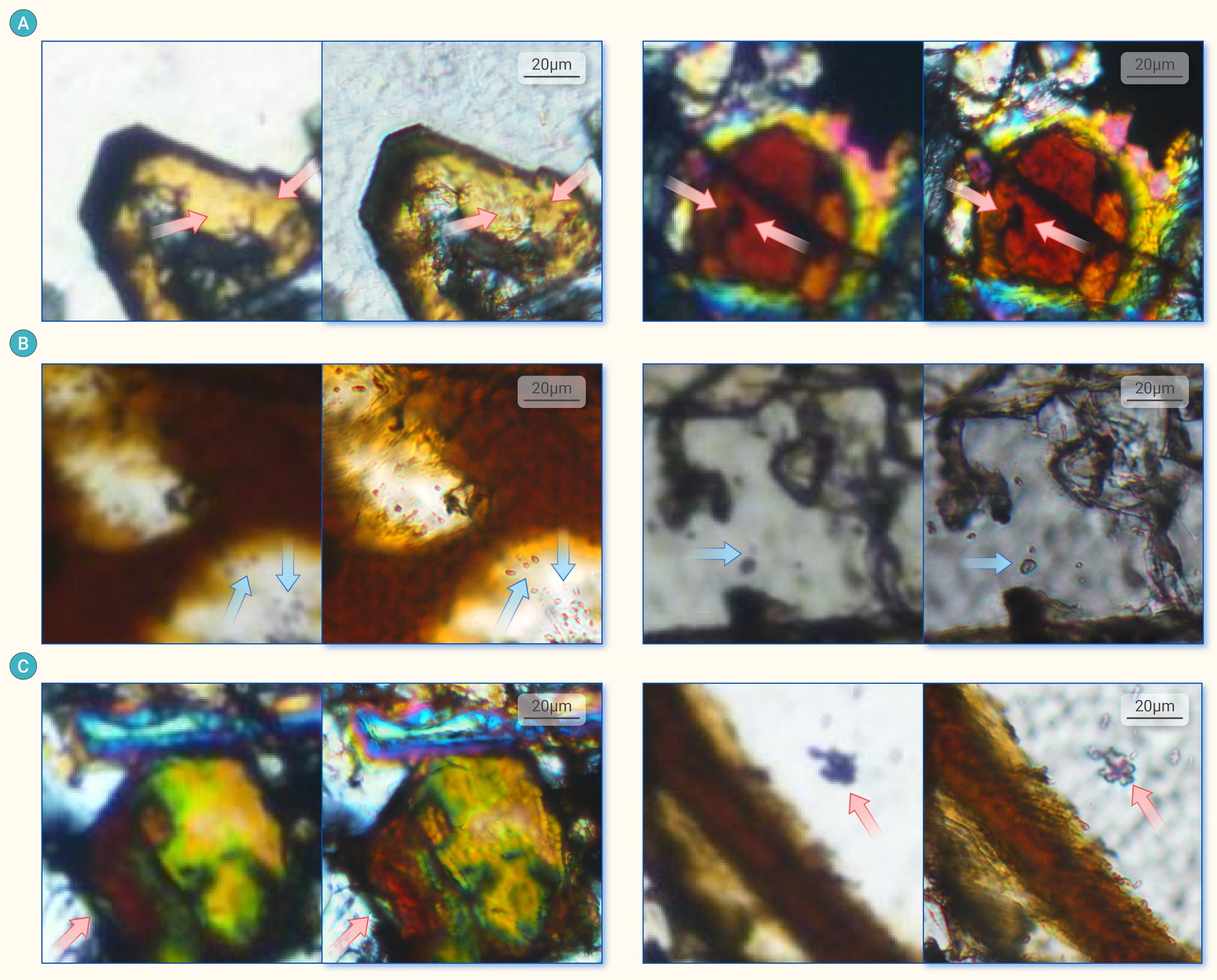
The mineral features of interest are indicated by arrows in LR images (left) and SR results of OIGAN (right)
-
Figure 6.
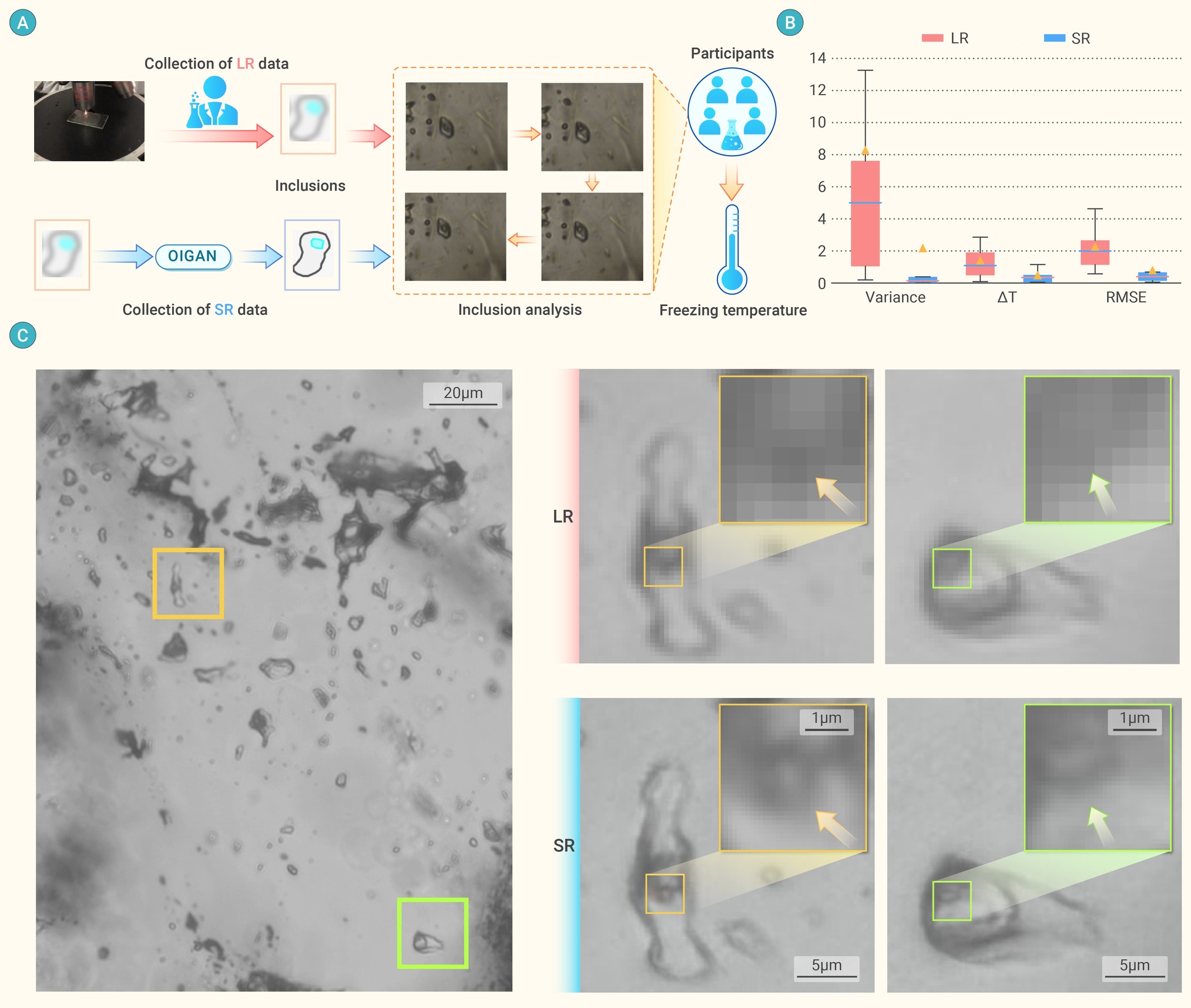
Microthermometry of fluid inclusions
-
Figure 7.
Mineral classification
