
Designing a biodiversity credit accounting framework for environmental investment and financing
-
GRAPHICAL ABSTRACT
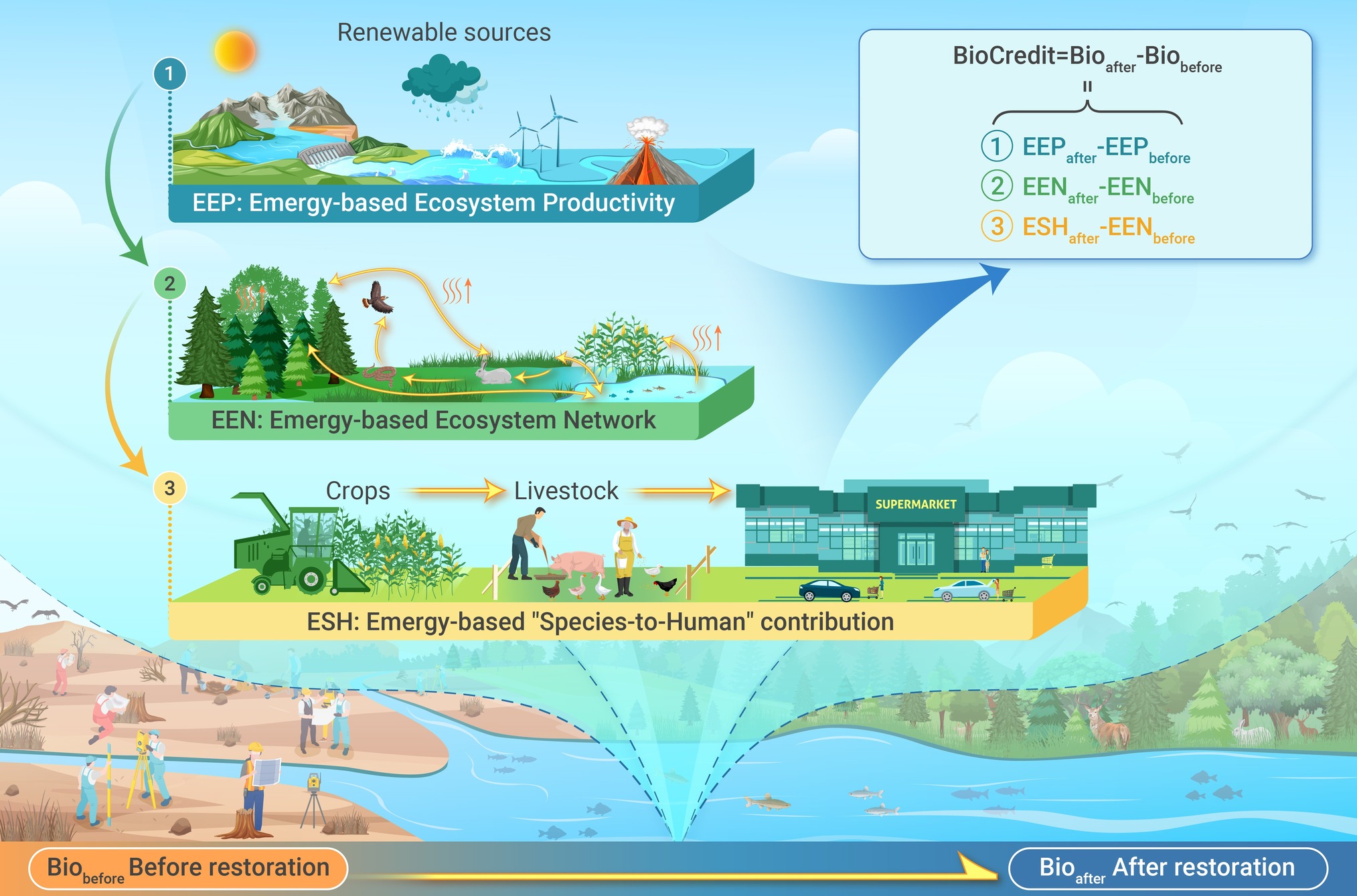
 DownLoad:
Full size image
DownLoad:
Full size image
-
PUBLIC SUMMARY
-
Ecosystem productivity, networks, and human well-being were considered in a biodiversity credit accounting method.
Among the 157 ecological restoration projects, approximately 66% achieved an improvement in biodiversity credit.
It may take at least 10 years for the profits from a biodiversity credit transaction to cover the construction costs.
Biodiversity credit accounting and trading will support the the Kunming-Montreal Global Biodiversity Framework.
-
-
ABSTRACT
Achieving biodiversity goals and targets poses a significant financial challenge due to biodiversity externalities. Efforts to address this challenge have focused on market-based solutions for biodiversity offsets to bridge the financial gap. However, accurately calculating biodiversity credits remains a barrier to promoting and implementing these solutions. Here, we propose an innovative accounting framework for biodiversity credits based on the emergy accounting approach. Emergy (spelled with an m) represents the biosphere work performed over time and space (ecosystem services) that supports species, human societies and economies, and is measured in units of solar equivalent energy (emergy, sej). This unified accounting method considers the perspectives of ecosystem productivity, ecosystem networks, and human well-being. We evaluated the biodiversity credits in 157 restoration projects and found several advantages in terms of differentiating project types and setting thresholds for biodiversity credit increases in restoration projects. Only 66% of the projects achieved biodiversity credit increases, and only 29% of the generated credit can be traded on the market. This study provides a scientific foundation for decision-making in ecosystem restoration management and contributes to broader biodiversity conservation solutions as well as to bridging the financial gap in achieving biodiversity goals. -

-
REFERENCES
[1] Pörtner, H.O., Scholes, R.J., Arneth, A., et al. (2023). Overcoming the coupled climate and biodiversity crises and their societal impacts. Science 380: eabl4881. DOI: 10.1126/science.abl4881. [2] Wei, F. (2021). Toward post-2020 global biodiversity conservation: Footprint and direction in China. The Innovation 2: 100175. DOI: 10.1016/j.xinn.2021.100175. [3] The Convention on Biological Diversity. (2022). COP 15: Nations Adopt Four Goals, 23 Targets for 2030 In Landmark UN Biodiversity Agreement. https://www.cbd.int/article/cop15-cbd-press-release-final-19dec2022. [4] CBD (The Convention on Biological Diversity). Kunming-Montreal Global Biodiversity Framework. Target 2. 30% of degraded areas are under effective restoration. Available from https://www.cbd.int/gbf/targets/2/. [5] Perino, A., Pereira, H.M., Felipe‐Lucia, M., et al. (2022). Biodiversity post-2020: Closing the gap between global targets and national-level implementation. Conserv. Lett. 15: e12848. DOI: https://doi.org/10.1111/conl.12848. [6] Waldron, A., Miller, D.C., Redding, D., et al. (2017). Reductions in global biodiversity loss predicted from conservation spending. Nature 551: 364−367. DOI: 10.1038/nature24295. [7] United Nations Environment Programme. (2022). https://www.unep.org/resources/kunming-montreal-global-biodiversity-framework?gclid=EAIaIQobChMI5uyWwpDbgAMVIRDnCh2mywz3EAAYASAAEgID4vD_BwE. [8] The Convention on Biological Diversity. Target 19: Financial resources increased to $ 200 billion per year, including $ 30 billion through international finance. https://www.cbd.int/gbf/targets/19/. [9] Gatiso, T.T., Kulik, L., Bachmann, M., et al. (2022). Effectiveness of protected areas influenced by socio-economic context. Nat. Sustain. 5: 861−868. DOI: 10.1038/s41893-022-00932-6. [10] OECD (Organization for Economic Co-operation and Development). (2019). Biodiversity: Finance and the Economic and Business Case for Action, report prepared for the G7 Environment Ministers’ Meeting, 5-6 May 2019. DOI: 10.1787/a3147942-en. [11] Paulson Institute. (2020). The Nature Conservancy & Cornell University, 2020, Financing nature: Closing the global biodiversity financing gap. https://www.paulsoninstitute.org/conservation/financing-nature-report/. [12] United Nations. (2021). World needs USD 8.1 trillion investment in nature by 2050 to tackle triple planetary crisis. https://www.unep.org/news-and-stories/press-release/world-needs-usd-81-trillion-investment-nature-2050-tackle-triple. [13] Ring, I., Hansjürgens, B., Elmqvist, T., et al. (2010). Challenges in framing the economics of ecosystems and biodiversity: The TEEB initiative. Curr. Opin. Environ. Sustain. 2: 15-26. DOI: 10.1016/j.cosust.2010.03.005. [14] Bullock, J.M., Aronson, J., Newton, A.C., et al. (2011). Restoration of ecosystem services and biodiversity: conflicts and opportunities. Trends Ecol. Evol. 26: 541-549. DOI: 10.1016/j.tree.2011.06.011. [15] Pascual, U., Balvanera, P., Anderson, C.B., et al. (2023). Diverse values of nature for sustainability. Nature 620: 813−823. DOI: 10.1038/s41586-023-06406-9. [16] Odum, H.T., Odum, E.P. (2000). The Energetic Basis for Valuation of Ecosystem Services. Ecosystems 3: 21−23. DOI: 10.1007/s100210000005. [17] Luo L., Wang H., Chen Z., et al., (2024). Biodiversity co-benefits of World Heritage protection. The Innovation Life 2: 100051. DOI: 10.59717/j.xinn-life.2024.100051. [18] Shah, A. M., Liu, G., Chen, Y., et al. (2023). Urban constructed wetlands: Assessing ecosystem services and disservices for safe, resilient, and sustainable cities. Front. Eng. Manag. 10: 582−596. DOI: 10.1007/s42524-023-0268-y. [19] World Bank (2017). The Environmental and Social Framework (ESF). https://www.worldbank.org/en/projects-operations/environmental-and-social-framework. [20] Koh, N.S., Hahn, T., Boonstra, W.J. (2019). How much of a market is involved in a biodiversity offset. A typology of biodiversity offset policies. J. Environ. Manage. 232: 679−691. DOI: 10.1016/j.jenvman.2018.11.080. [21] Mace, G.M., Barrett, M., Burgess, N.D., et al. (2018). Aiming higher to bend the curve of biodiversity loss. Nat. Sustain. 1: 448−451. DOI: 10.1038/s41893-018-0130-0. [22] Strassburg, B.B., Iribarrem, A., Beyer, H.L., et al. (2020). Global priority areas for ecosystem restoration. Nature 586: 724−729. DOI: 10.1038/s41586-020-2784-9. [23] Leclère, D., Obersteiner, M., Barrett, M., et al. (2020). Bending the curve of terrestrial biodiversity needs an integrated strategy. Nature 585: 551−556. DOI: 10.1038/s41586-020-2705-y. [24] Hua, F., Bruijnzeel, L.A., Meli, P., et al. (2022). The biodiversity and ecosystem service contributions and trade-offs of forest restoration approaches. Science 376: 839−844. DOI: 10.1126/science.abl4649. [25] Marshall, E., Southwell, D., Wintle, B.A., et al. (2023). A global analysis reveals a collective gap in the transparency of offset policies and how biodiversity is measured. Conserv. Lett. 17: e12987. DOI: 10.1111/conl.12987. [26] Brown, M.A. (2017). Banking on biodiversity: the feasibility of biodiversity banking in New Zealand. http://natlib.govt.nz/records/39371828. [27] St George, G., Wang, X.M., Linton, J., et al. (2019). Toward a synergistic operating model for westmead research hub biobanks: a questionnaire study. Biopreserv. Biobank. 17: 570−576. DOI: 10.1089/bio.2019.0010. [28] Comte, L. and Olden, J.D. (2017). Climatic vulnerability of the world’s freshwater and marine fishes. Nat. Clim. Change 7: 718−722. DOI: 10.1038/nclimate3382. [29] Díaz, S., Settele, J., Brondízio, E.S., et al. (2019). Pervasive human-driven decline of life on Earth points to the need for transformative change. Science 366: eaax3100. DOI: 10.1126/science.aax3100. [30] Jarić, I., Lennox, R.J., Kalinkat, G., et al. (2019). Susceptibility of European freshwater fish to climate change: Species profiling based on life-history and environmental characteristics. Glob. Change Biol. 25: 448-458. DOI: 10.1111/gcb.14518. [31] Yan, N., Liu, G., Xu, L., et al. (2021). Emergy-based eco-credit accounting method for wetland mitigation banking. Water Res. 210: 118028. DOI: 10.1016/j.watres.2021.118028. [32] Heal, G. (2012). Reflections—Defining and Measuring Sustainability. Rev. Environ. Econ. Policy 6: 147−163. DOI: 10.1093/reep/rer023. [33] Turner, B.L., Kasperson, R,E., Matson, P.A., et al. (2003). A framework for vulnerability analysis in sustainability science. Proc. Natl. Acad. Sci. USA 100: 8074−8079. DOI: 10.1073/pnas.1231335100. [34] Yan, N., Liu, G., Ripa, M., et al. (2020) From local to national metabolism: A review and a scale-up framework. Ecosyst. Health Sustain. 6: 1839358. DOI: 10.1080/20964129.2020.1839358. [35] Zhu, L., Hughes, A.C., Zhao, X.Q., et al. (2021). Regional scalable priorities for national biodiversity and carbon conservation planning in Asia. Sci. Adv. 7: eabe4261. DOI: 10.1126/sciadv.abe4261. [36] Schmidt-Traub, G. (2021). National climate and biodiversity strategies are hamstrung by a lack of maps. Nat. Ecol. Evol. 5: 1325−1327. DOI: 10.1038/s41559-021-01533-w. [37] Dupont, V. (2017). Biodiversity offsets in NSW Australia: The biobanking scheme versus negotiated offsets in urban areas. J. Environ. Law 29: 75−100. DOI: 10.1093/jel/eqw031. [38] Marshall, E., Wintle, B.A., Southwell, D. et al. (2020) What are we measuring? A review of metrics used to describe biodiversity in offsets exchanges. Biol. Conserv. 241: 108250. DOI: 10.1016/j.biocon.2019.108250. [39] Maseyk, F.J.F., Barea, LP., Stephens, R.T.T., et al. (2016). A disaggregated biodiversity offset accounting model to improve estimation of ecological equivalency and no net loss. Biol. Conserv. 204: 322-332. DOI: 10.1016/j.biocon.2016.10.016. [40] Pereira, H.M. and Cooper, H.D. (2006). Towards the global monitoring of biodiversity change. Trends Ecol. Evol. 21: 123-129. DOI: 10.1016/j.tree.2005.10.015. [41] Odum, H. T. (1996). Environmental accounting, EMERGY and environmental decision making. (Wiley, Chichester, 1996). https://www.wiley.com/en-us/Environmental+Accounting%3A+Emergy+and+Environmental+Decision+Making-p-9780471114420. [42] Haberl, H., Wiedenhofer, D., Pauliuk, S., et al. (2019). Contributions of sociometabolic research to sustainability science. Nat. Sustain. 2: 173−184. DOI: 10.1038/s41893-019-0225-2. [43] Geng, Y., Sarkis, J., and Mitchell, B. (2022). Rescue China’s highland lakes and their ecosystem services. Nature 609: 32-32. DOI: 10.1038/d41586-022-02319-1. [44] Cardinale, B.J., Duffy, J.E., Gonzalez, A., et al. (2012). Biodiversity loss and its impact on humanity. Nature 486: 59−67. DOI: 10.1038/nature11148. [45] Brown, M.T., Cohen, M.J., Bardi, E. et al. (2006). Species diversity in the Florida Everglades, USA: A systems approach to calculating biodiversity. Aquat. Sci. 68: 254−277. DOI: 10.1007/s00027-006-0854-1. [46] Leung, B., Hargreaves, A.L., Greenberg, D.A., et al. (2020). Clustered versus catastrophic global vertebrate declines. Nature 588: 267−271. DOI: 10.1038/s41586-020-2920-6. [47] IPBES (The Intergovernmental Science-Policy Platform on Biodiversity and Ecosystem Services). (2012). The Intergovernmental Science-Policy Platform on Biodiversity and Ecosystem Services. https://www.ipbes.net/history-establishment. [48] Puurtinen, M., Elo, M., and Kotiaho, J.S. (2022). The Living Planet Index does not measure abundance. Nature 601: E14−E15. DOI: 10.1038/s41586-021-03708-8. [49] Loreau, M., Cardinale, B.J., Isbell, F., et al. (2022). Do not downplay biodiversity loss. Nature 601: E27−E28. DOI: 10.1038/s41586-021-04179-7. [50] Sonter, L.J., Simmonds, J.S., Watson, J.E., et al. (2020). Local conditions and policy design determine whether ecological compensation can achieve No Net Loss goals. Nat. Commun. 11: 2072. DOI: 10.1038/s41467-020-15861-1. [51] Denny, J. (2023-07-31). NSW biobanking review: The method and the market. https://www.ecosystemmarketplace.com/articles/nsw-biobanking-review-the-method-and-the-market/. [52] Department of Planning, Industry and Environment. Biodiversity Assessment Method 2020. https://www.environment.nsw.gov.au/research-and-publications/publications-search/biodiversity-assessment-method-2020. [53] Fluet-Chouinard, E., Stocker, B.D., Zhang, Z., et al. (2023). Extensive global wetland loss over the past three centuries. Nature 614: 281−286. DOI: 10.1038/s41586-022-05572-6. [54] Campbell, E.T. and Tilley, D.R. (2016). Relationships between renewable emergy storage or flow and biodiversity: A modeling investigation. Ecol. Modell. 340: 134-148. DOI: 10.1016/j.ecolmodel.2016.08.004. [55] Yang, Q., Liu, G., Casazza, M., et al. (2021). Three dimensions of biodiversity: New perspectives and methods. Ecol. Indic. 130: 108099. DOI: 10.1016/j.ecolind.2021.108099. [56] Liu, G., Yang, Z., Giannetti, B.F., et al. (2021). Energy constrains to increasing complexity in the biosphere. The Innovation 2: 100169. DOI: 10.1016/j.xinn.2021.100169. [57] Lee, D. J. and Brown, M. T. (2020). Estimating the value of global ecosystem structure and productivity: A geographic information system and emergy based approach. Ecol. Modell. 439: 109307. DOI: 10.1016/j.ecolmodel.2020.109307. [58] Brun, P., Zimmermann, N.E., Graham, C.H., et al. (2019). The productivity-biodiversity relationship varies across diversity dimensions. Nat. Commun. 10: 5691. DOI: 10.1038/s41467-019-13678-1. [59] Brown, M. T. and Ulgiati, S. (2016). Emergy assessment of global renewable sources. Ecol. Modell. 339: 148-156. DOI: 10.1016/j.ecolmodel.2016.03.010. [60] Bardi, E., Cohen, M.J., and Brown, M.T. (2005). A linear optimization method for computing transformities from ecosystem energy webs. M. T. Brown, E. Bardi, D. Campbell, V. Comar, S. Huang, T. Rydberg et al. (eds.), Emergy synthesis 3: Proceedings of the 3rd biennial emergy research conference, Center for Environmental Policy, University of Florida, Gainesville, Florida, pp. 63-74. [61] Meyer, R.S., DuVal, A.E., and Jensen, H.R. (2012). Patterns and processes in crop domestication: an historical review and quantitative analysis of 203 global food crops. New Phytol. 196: 29-48. DOI: 10.1111/j.1469-8137.2012.04253.x. [62] Stetter, M.G., Gates, D.J., Mei, et al. (2017). How to make a domesticate. Curr. Biol. 27: R896-R900. DOI: 10.1016/j.cub.2017.06.048. [63] NEAD. National Environmental Accounting Database V2.0. http://www.emergy-nead.com/country/data. [64] Food and Agriculture Organization of the United Nations. https://www.fao.org/home/en. [65] Antonelli, A., Smith, R.J., and Simmonds, M.S.J. (2019). Unlocking the properties of plants and fungi for sustainable development. Nat. Plants 5: 1100−1102. DOI: 10.1038/s41477-019-0554-1. [66] NSW Department of Planning and Environment. Offsets payment calculator and market data. https://www.environment.nsw.gov.au/topics/animals-and-plants/biodiversity-offsets-scheme/developers/offsets-payment-calculator-and-market-data. [67] Antunes, A.C., Berti, E., Brose, U., et al. (2024). Linking biodiversity, ecosystem function, and Nature’s contributions to people: A macroecological energy flux perspective. Trends Ecol. Evol. 30: 427-434. DOI: 10.1016/j.tree.2024.01.004. [68] Leadley, P., Gonzalez, A., Obura, D., et al. (2022). Achieving global biodiversity goals by 2050 requires urgent and integrated actions. One Earth 5: 597−603. DOI: 10.1016/j.oneear.2022.05.009. [69] Kinzig, A.P., Perrings, C., Chapin, F.S., et al. (2012). Response—Ecosystem services: Free lunch no more. Science 335: 656−657. DOI: 10.1126/science.335.6069.656-b. -
ABOUT THIS ARTICLE
Cite this article:
Yan N., Liu G., Ulgiati S., et al., (2024). Designing a biodiversity credit accounting framework for environmental investment and financing. The Innovation Geoscience 2(3): 100089. https://doi.org/10.59717/j.xinn-geo.2024.100089
Welcome!
To request copyright permission to republish or share portions of our works, please visit Copyright Clearance Center's (CCC) Marketplace website at marketplace.copyright.com.
Article Metrics
Relative Articles
Cited by
Export File
Citation
Yan N., Liu G., Ulgiati S., et al., (2024). Designing a biodiversity credit accounting framework for environmental investment and financing. The Innovation Geoscience 2(3): 100089. https://doi.org/10.59717/j.xinn-geo.2024.100089

Format
Content
-
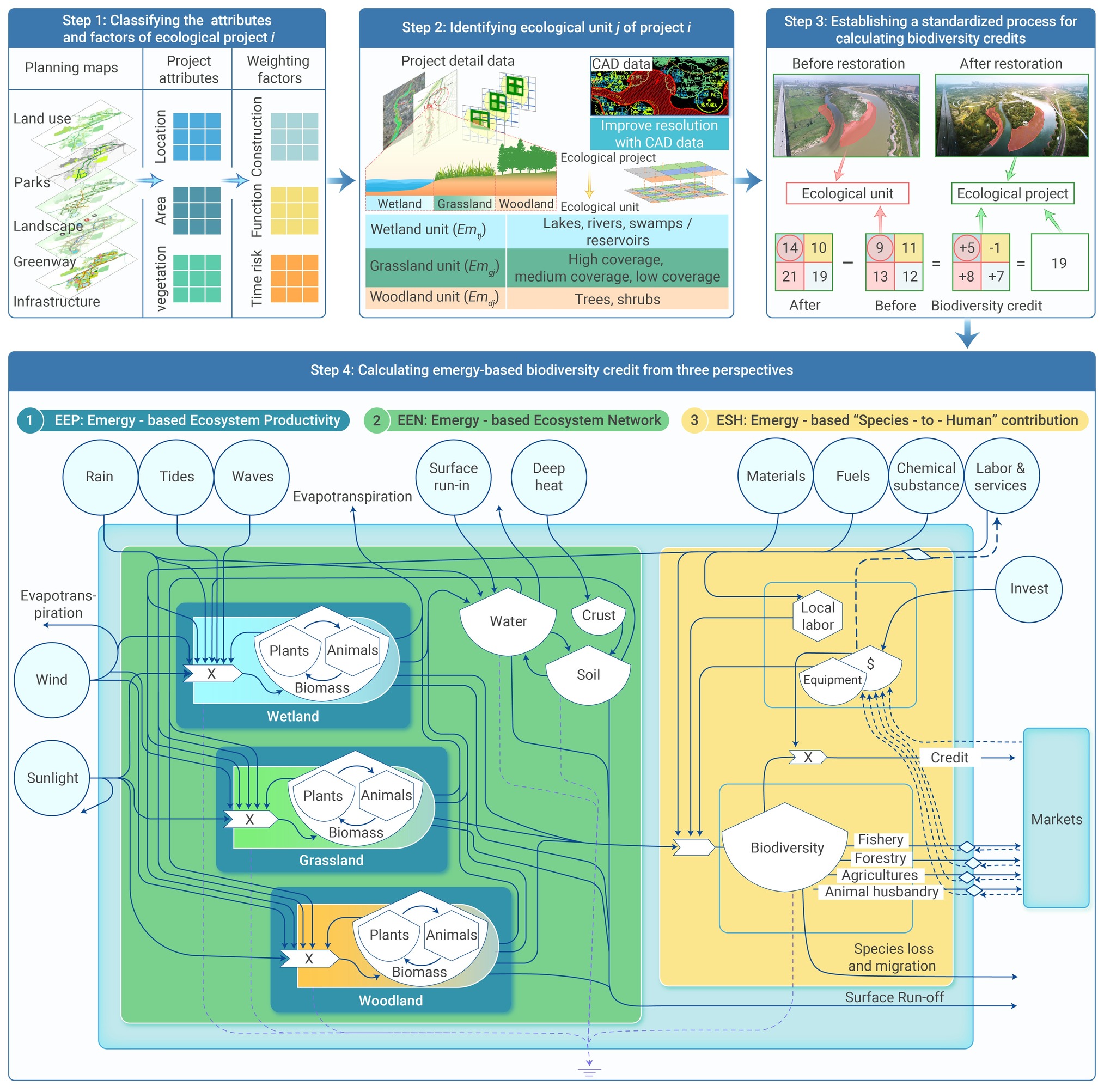
Figure 1.
The accounting framework of EmBio-credit from different perspectives.
-
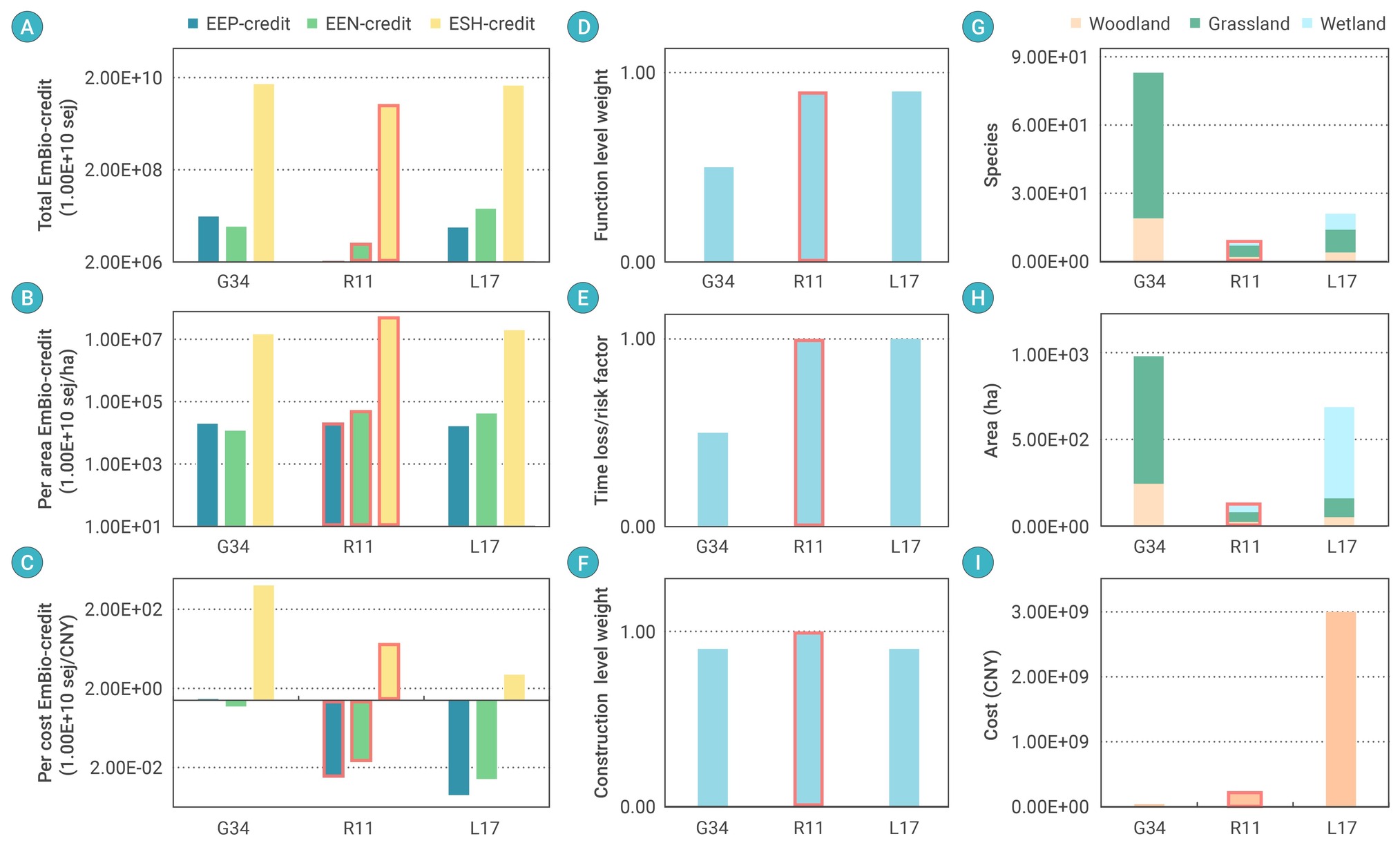
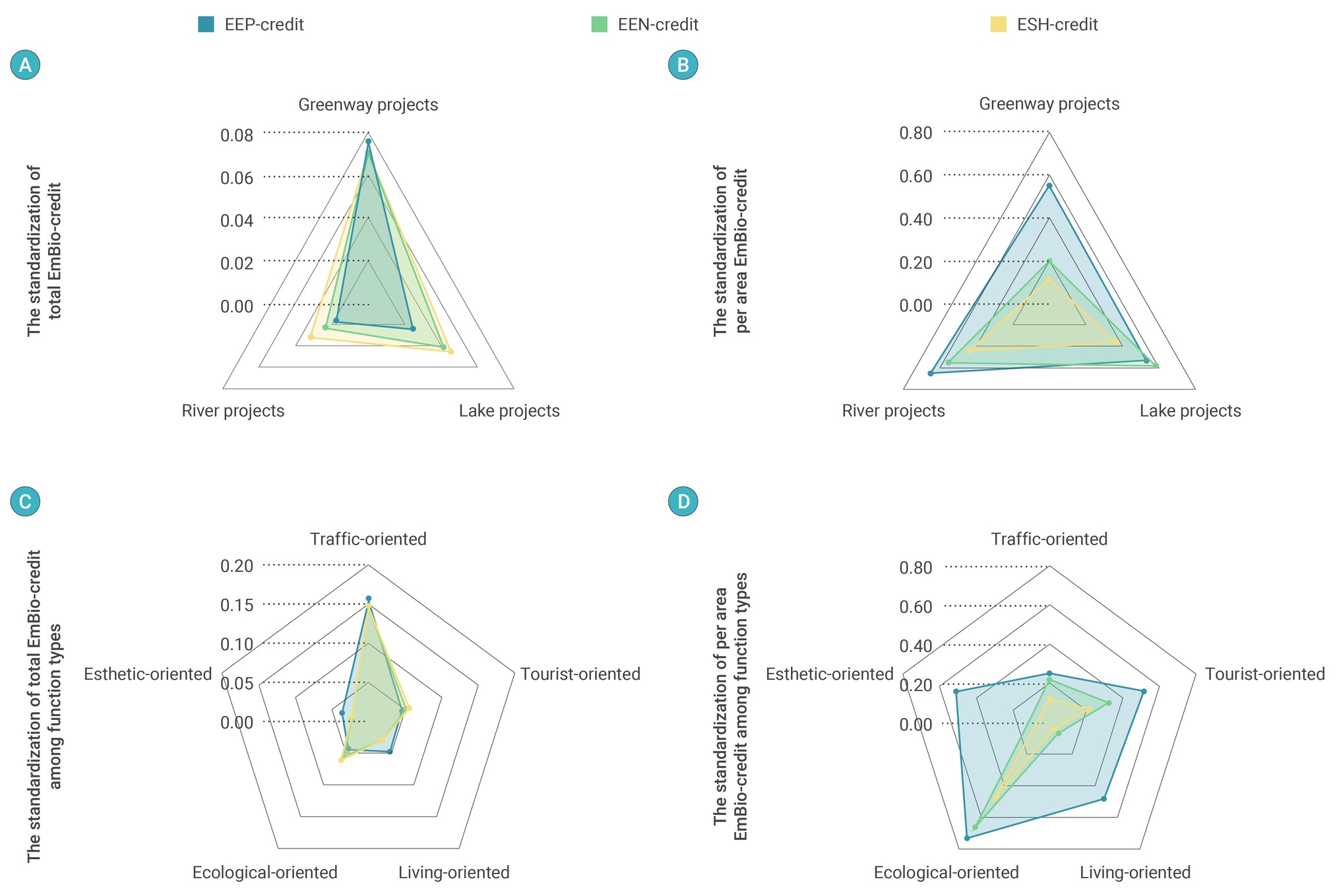
Figure 2.
EmBio-credit features of typical restoration projects
-
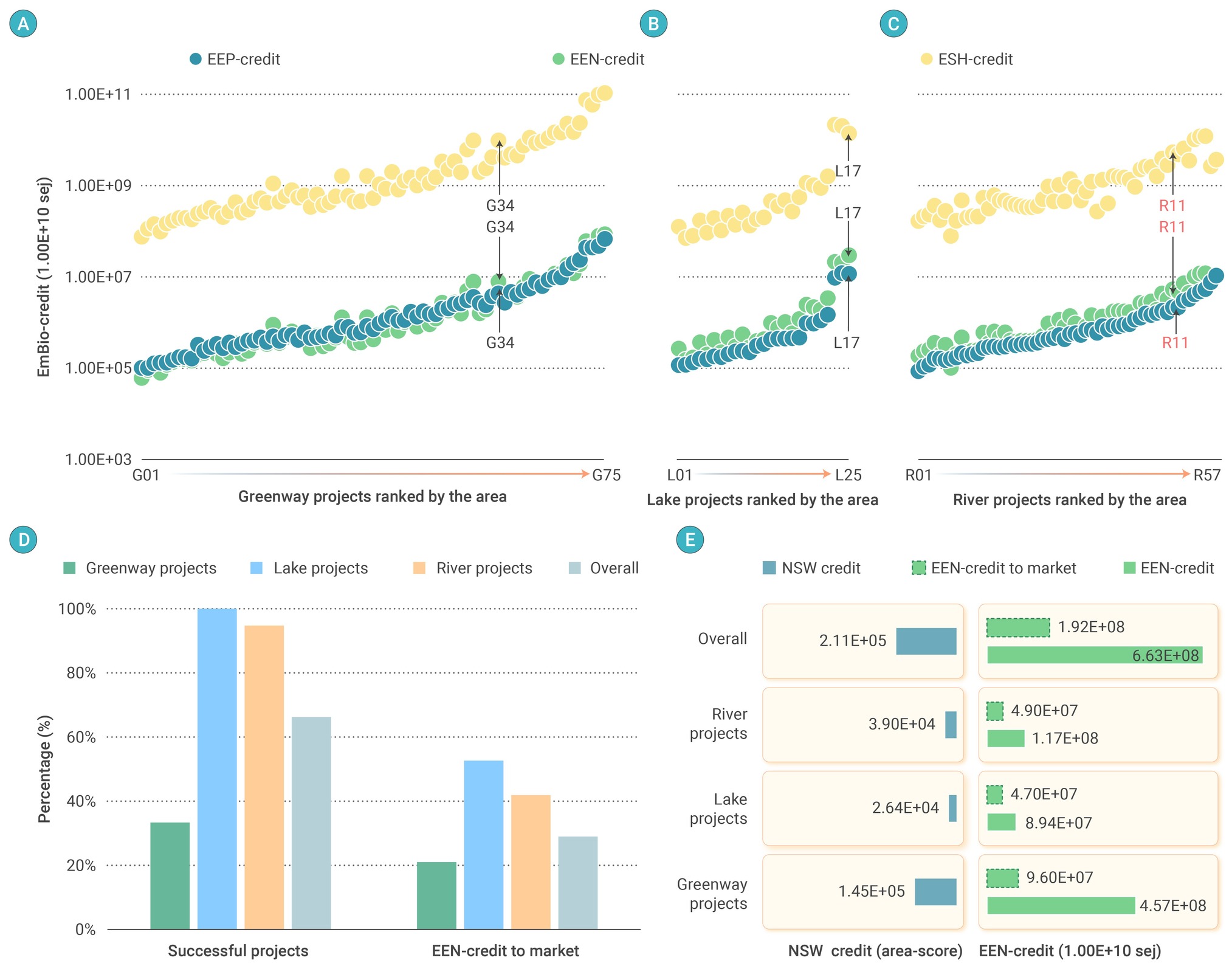
Figure 3.
EmBio-credit for all projects
-
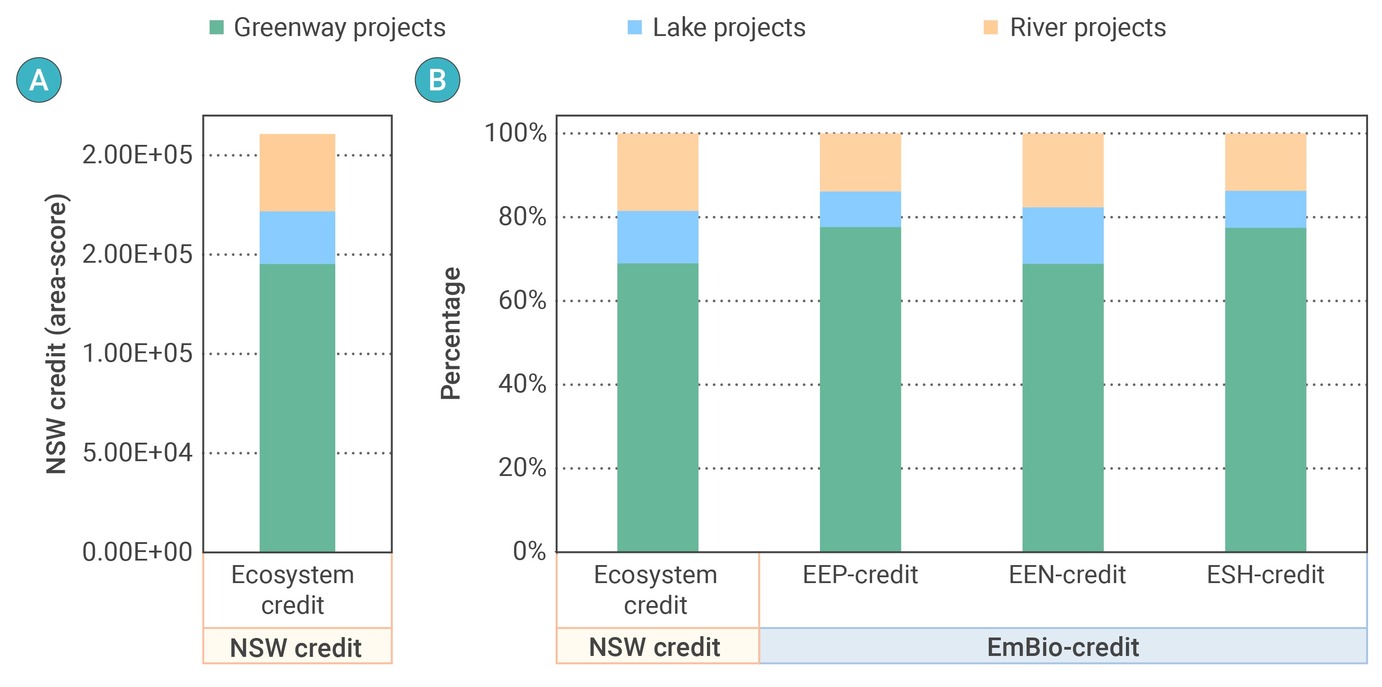
Figure 4.
The NSW credit and EmBio-credit of all ecological projects
-
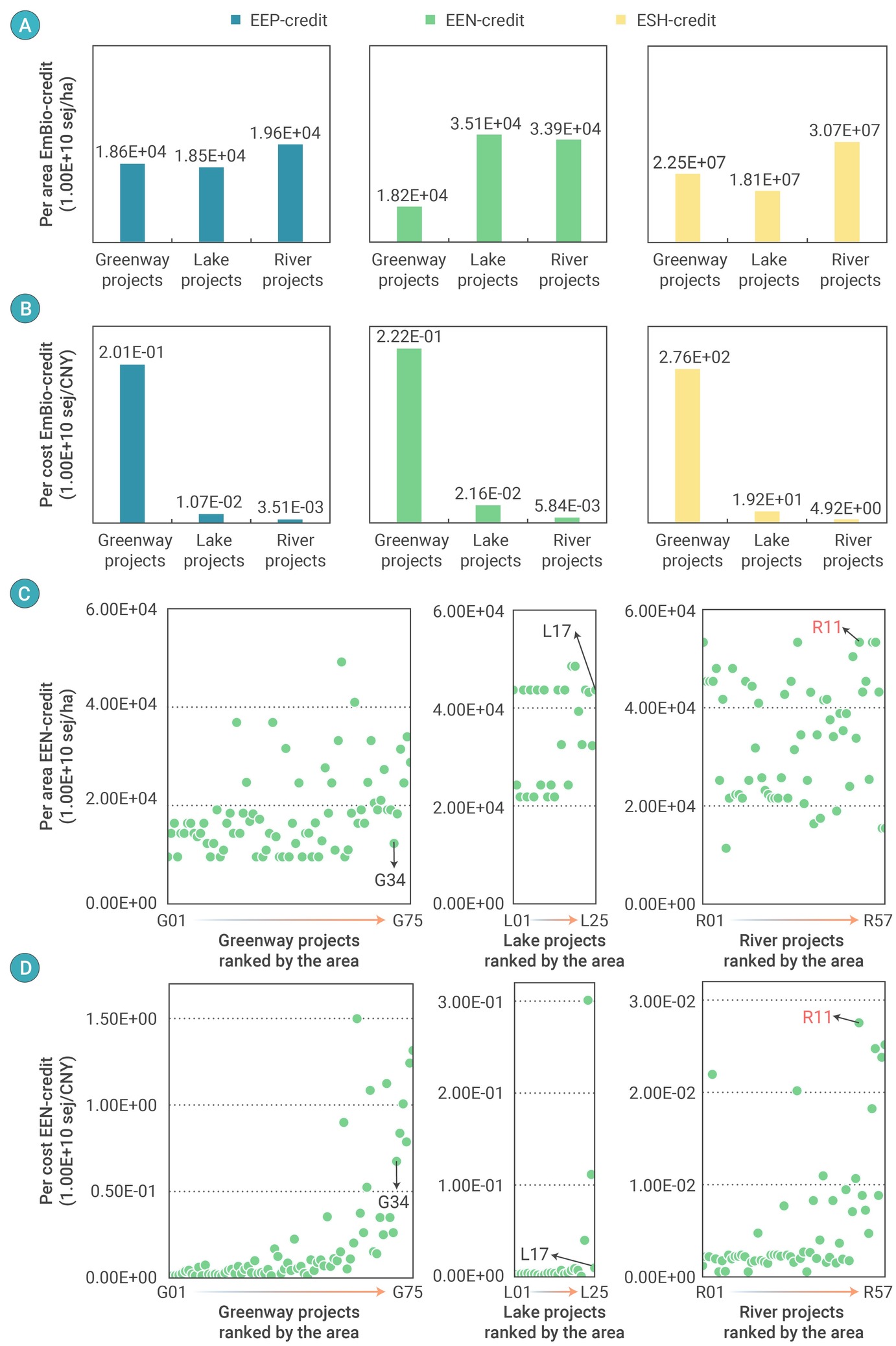
Figure 5.
EmBio-credit per unit input
-
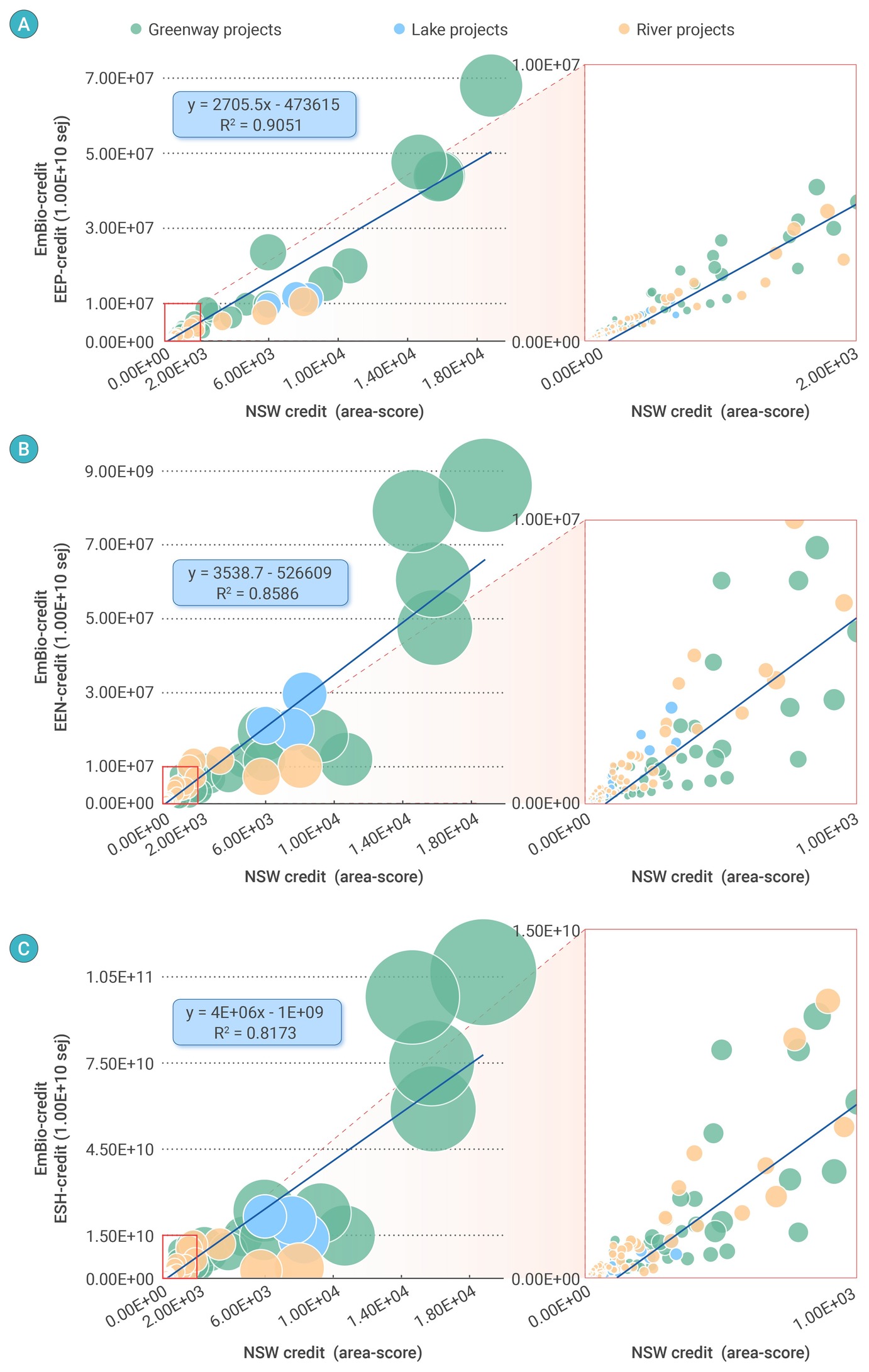
Figure 6.
The relationship between EmBio-credit and NSW credit
-
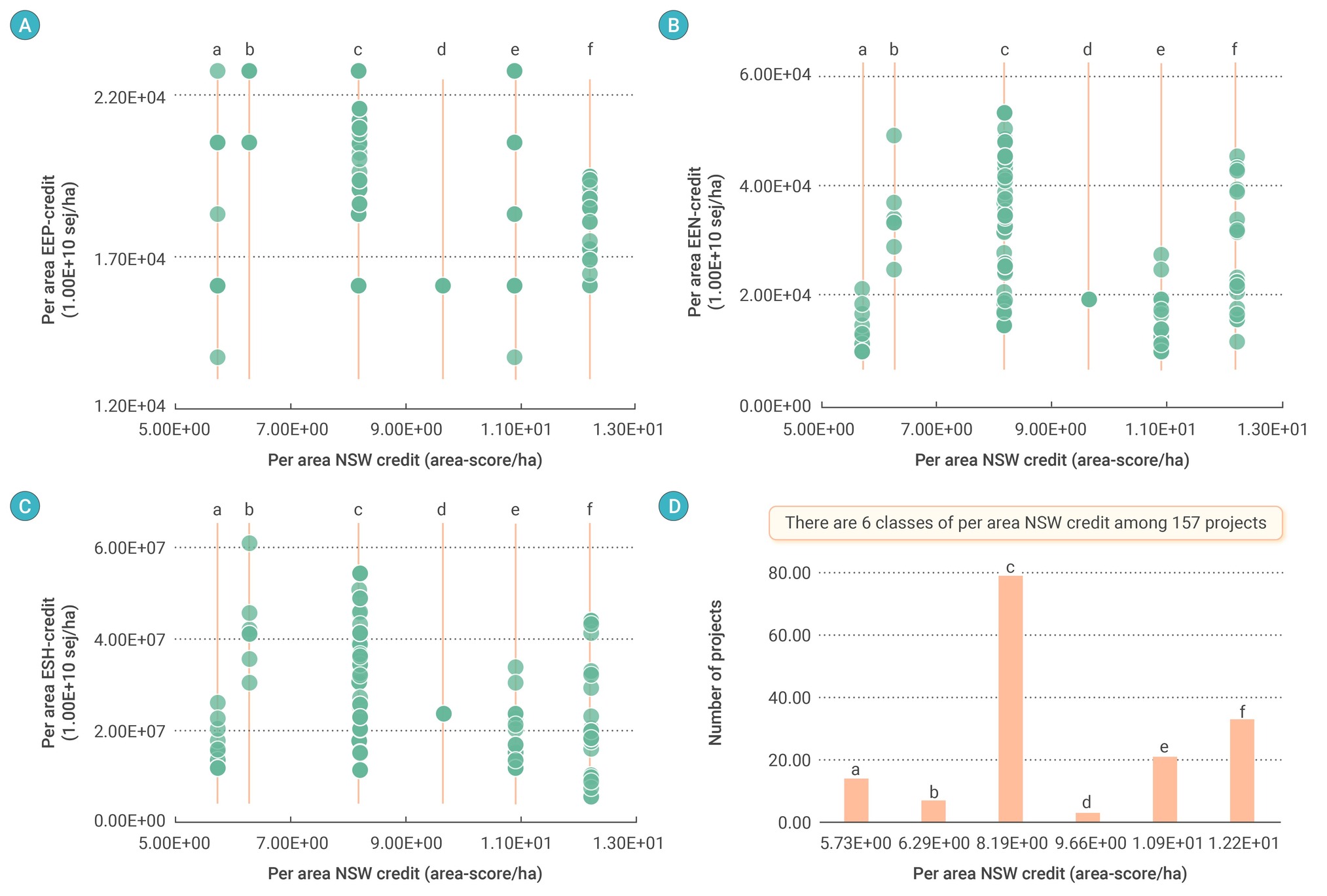
Figure 7.
The relationship between per area EmBio-credit and per area NSW credit
-
Figure 8.
The impact of different function types of projects on EmBio-credit
