
The compulsory use of dust-proof nets led to significant environmental, health and economic benefits in China
-
GRAPHICAL ABSTRACT
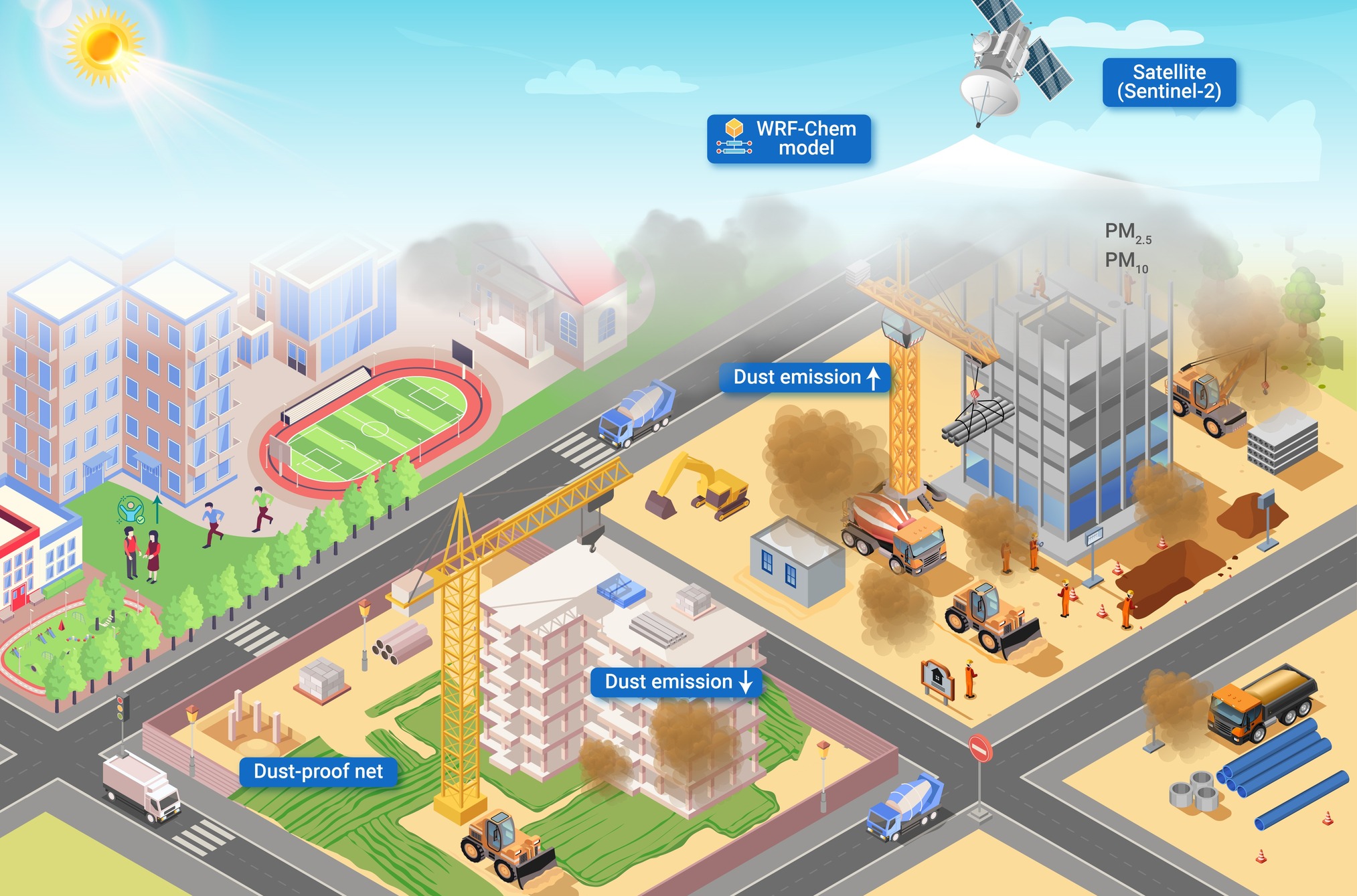
 DownLoad:
Full size image
DownLoad:
Full size image
-
PUBLIC SUMMARY
-
China mandated dust-proof nets (DPNs) on construction sites to combat air pollution.
We used satellite data and machine learning to find DPNs use surged after the 2017 policy.
This policy helped avoid over 26,836 premature deaths from 2017 to 2021.
DPNs are a cost-effective clean air tool with great potential for wider use.
-
-
ABSTRACT
In 2017, China launched a regulation on the compulsory coverage of construction wastes with dust-proof nets (DPNs) to mitigate air pollution resulting from urban construction activities. Challenges exist in quantifying how its implementation has mitigated airborne particulate matter (PM) pollution in China. Here we developed a framework combining high-resolution satellite images, machine learning, and an air quality model to identify DPNs and associated PM mitigation across China from 2016 to 2021. The total national DPN area surged significantly since 2017 and peaked in 2019, 9.78 times of that in 2016, especially in North China Plain (NCP). With a simultaneous increase of coverage duration, DPNs caused national PM emission reduction in 2019 was 23 times larger than 2016. Based on the extracted DPN dataset, we employed WRF-Chem regional air quality model to simulate the effects of DPNs on the PM-reduction across China. Next, we calculated that the use of DPNs helped a total of 253.8 million of people exposure to notably improved air quality and 26,836 people (95% CI: 23,630-30,041) avoided premature mortalities from 2017 to 2021. Accordingly, we quantified the economic benefits from DPNs use arcoss China reached 20.7 billion based on the Value of Statistical Life (VSL) model. Large potential remains for DPN use in China. The national DPN coverage could additionally increase by 3.3 times if DPN coverage rate in NCP would transfer to the entire country.-
Keywords:
- Dust-proof net /
- Urbanization /
- Air pollution /
- Premature mortalities /
- Economic benefits
-

-
REFERENCES
[1] Zheng B., Tong D., Li M., et al. (2018). Trends in China's anthropogenic emissions since 2010 as the consequence of clean air actions. Atmos. Chem. Phys. 18:14095−14111. DOI:10.5194/acp-18-14095-2018 [2] Xu R., Ye T., Huang W., et al. (2024). Global, regional, and national mortality burden attributable to air pollution from landscape fires: a health impact assessment study. The Lancet 404:2447−2459. DOI:10.1016/S0140-6736(24)02251-7 [3] Singh K., Lobell D. B. and Azevedo I. M. L. (2025). Quantifying the impact of air pollution from coal-fired electricity generation on crop productivity in India. Proc. Natl. Acad. Sci. U.S.A. 122:e2421679122. DOI:10.1073/pnas.2421679122 [4] Yue H., He C., Huang Q., et al. (2024). Substantially reducing global PM2.5-related deaths under SDG3.9 requires better air pollution control and healthcare. Nat. Commun. 15:2729. DOI:10.1038/s41467-024-46969-3. [5] Wang H., Zhou S. and Zhang P. (2024). Clean heating and clean air: Evidence from the coal-to-gas program in China. China Econ. Rev. 85:102179. DOI:https://doi.org/10.1016/j.chieco.2024.102179. [6] Wang L., Chen X., Zhang Y., et al. (2021). Switching to electric vehicles can lead to significant reductions of PM2.5 and NO2 across China. One Earth 4:1037-1048. DOI:10.1016/j.oneear.2021.06.008. [7] Huang H.N., Yang Z., Guo Y., et al. (2025). Impact of agricultural straw open-field burning on concentrations of six criteria air pollutants in China. Environ. Pollut. 373:126109. DOI:https://doi.org/10.1016/j.envpol.2025.126109. [8] Zhang Q., Zheng Y., Tong D., et al. (2019). Drivers of improved PM2.5 air quality in China from 2013 to 2017. Proc. Natl. Acad. Sci. U.S.A. 116:24463-24469. DOI:10.1073/pnas.1907956116. [9] Guo P., Yu S., Wang L., et al. (2019). High-altitude and long-range transport of aerosols causing regional severe haze during extreme dust storms explains why afforestation does not prevent storms. Environ. Chem. Lett. 17:1333−1340. DOI:10.1007/s10311-019-00858-0 [10] Zhou L., Yuan B., Mu H., et al. (2021). Coupling relationship between construction land expansion and PM2.5 in China. Environ. Sci. Pollut. Res. 28:33669-33681. DOI:10.1007/s11356-021-13160-w. [11] Chuai X., Lu Q., Huang X., et al. (2021). China’s construction industry-linked economy-resources-environment flow in international trade. J. Clean. Prod. 278:123990. DOI:https://doi.org/10.1016/j.jclepro.2020.123990. [12] Ministry of Housing and Urban-Rural Development of the People's Republic of China. (2017). The General Office of the Ministry of Housing and Urban-Rural Development on the issuance of special treatment of construction site dust work program notice.https://www.mohurd.gov.cn/gongkai/zc/wjk/art/2017/art_17339_231276.html (accessed 13 March 2017 [13] Sun X., Yin D., Qin F., et al. (2023). Revealing influencing factors on global waste distribution via deep-learning based dumpsite detection from satellite imagery. Nat. Commun. 14:1444. DOI:10.1038/s41467-023-37136-1 [14] Zhang C., Zhou L., Du M., et al. (2022). A cross-channel multi-scale gated fusion network for recognizing construction and demolition waste from high-resolution remote sensing images. Int. J. Remote Sens. 43:4541−4568. DOI:10.1080/01431161.2022.2115864 [15] Cao Y. and Huang X. (2022). A coarse-to-fine weakly supervised learning method for green plastic cover segmentation using high-resolution remote sensing images. ISPRS J. Photogramm. Remote Sens. 188:157-176. DOI:https://doi.org/10.1016/j.isprsjprs.2022.04.012. [16] Li Z., Guo H., Zhang L., et al. (2022). Time-Series Monitoring of Dust-Proof Nets Covering Urban Construction Waste by Multispectral Images in Zhengzhou, China. Remote Sens. [17] Zhu Z., Wang S. and Woodcock C. E. (2015). Improvement and expansion of the Fmask algorithm: cloud, cloud shadow, and snow detection for Landsats 4–7, 8, and Sentinel 2 images. Remote Sens. Environ. 159:269-277. DOI:https://doi.org/10.1016/j.rse.2014.12.014. [18] Wang X., Xiao X., Zou Z., et al. (2020). Gainers and losers of surface and terrestrial water resources in China during 1989–2016. Nat. Commun. 11:3471. DOI:10.1038/s41467-020-17103-w [19] Chen B., Wu S., Song Y., et al. (2022). Contrasting inequality in human exposure to greenspace between cities of Global North and Global South. Nat. Commun. 13:4636. DOI:10.1038/s41467-022-32258-4 [20] Lin X., Wu S., Chen B., et al. (2022). Estimating 10-m land surface albedo from Sentinel-2 satellite observations using a direct estimation approach with Google Earth Engine. ISPRS J. Photogramm. Remote Sens. 194:1-20. DOI:https://doi.org/10.1016/j.isprsjprs.2022.09.016. [21] Zhang H. K. and Roy D. P. (2017). Using the 500m MODIS land cover product to derive a consistent continental scale 30m Landsat land cover classification. Remote Sens. Environ. 197:15-34. DOI:https://doi.org/10.1016/j.rse.2017.05.024. [22] Sulla-Menashe D., Gray J. M., Abercrombie S. P., et al. (2019). Hierarchical mapping of annual global land cover 2001 to present: The MODIS Collection 6 Land Cover product. Remote Sens. Environ. 222:183-194. DOI:https://doi.org/10.1016/j.rse.2018.12.013. [23] Borrelli P., Robinson D. A., Fleischer L. R., et al. (2017). An assessment of the global impact of 21st century land use change on soil erosion. Nat. Commun. 8:2013. DOI:10.1038/s41467-017-02142-7 [24] Li M., Liu H., Geng G., et al. (2017). Anthropogenic emission inventories in China: a review. Natl. Sci. Rev. 4:834−866. DOI:10.1093/nsr/nwx150 [25] Chen Y., Zhang L., Henze D. K., et al. (2021). Interannual variation of reactive nitrogen emissions and their impacts on PM2.5 air pollution in China during 2005–2015. Environ. Res. Lett. 16:125004. DOI:10.1088/1748-9326/ac3695. [26] Li M., Zhang Q., Kurokawa J. I., et al. (2017). MIX: a mosaic Asian anthropogenic emission inventory under the international collaboration framework of the MICS-Asia and HTAP. Atmos. Chem. Phys. 17:935−963. DOI:10.5194/acp-17-935-2017 [27] Guenther A., Karl T., Harley P., et al. (2006). Estimates of global terrestrial isoprene emissions using MEGAN (Model of Emissions of Gases and Aerosols from Nature). Atmos. Chem. Phys. 6:3181−3210. DOI:10.5194/acp-6-3181-2006 [28] Wiedinmyer C., Akagi S. K., Yokelson R. J., et al. (2011). The Fire INventory from NCAR (FINN): a high resolution global model to estimate the emissions from open burning. Geosci. Model Dev. 4:625−641. DOI:10.5194/gmd-4-625-2011 [29] Li X., Gong P., Zhou Y., et al. (2020). Mapping global urban boundaries from the global artificial impervious area (GAIA) data. Environ. Res. Lett. 15:094044. DOI:10.1088/1748-9326/ab9be3 [30] Zhang L., Yang L., Zohner C. M., et al. Direct and indirect impacts of urbanization on vegetation growth across the world’s cities. Sci. Adv. 8:eabo0095. DOI:10.1126/sciadv.abo0095. [31] Gao B., Yang J., Chen Z., et al. (2023). Causal inference from cross-sectional earth system data with geographical convergent cross mapping. Nat. Commun. 14:5875. DOI:10.1038/s41467-023-41619-6 [32] Chen Y., Wu Y., Ma J., et al. (2021). Microplastics pollution in the soil mulched by dust-proof nets: A case study in Beijing, China. Environ. Pollut. 275:116600. DOI:https://doi.org/10.1016/j.envpol.2021.116600. [33] Zhang P., Du P., Guo S., et al. (2022). A novel index for robust and large-scale mapping of plastic greenhouse from Sentinel-2 images. Remote Sens. Environ. 276:113042. DOI:https://doi.org/10.1016/j.rse.2022.113042. [34] Zeng Y., Hao D., Huete A., et al. (2022). Optical vegetation indices for monitoring terrestrial ecosystems globally. Nat. Rev. Earth Environ. 3:477−493. DOI:10.1038/s43017-022-00298-5 [35] Wei J., Huang W., Li Z., et al. (2020). Cloud detection for Landsat imagery by combining the random forest and superpixels extracted via energy-driven sampling segmentation approaches. Remote Sens. Environ. 248:112005. DOI:https://doi.org/10.1016/j.rse.2020.112005. [36] Phalke A. R., Özdoğan M., Thenkabail P. S., et al. (2020). Mapping croplands of Europe, Middle East, Russia, and Central Asia using Landsat, Random Forest, and Google Earth Engine. ISPRS J. Photogramm. Remote Sens. 167:104-122. DOI:https://doi.org/10.1016/j.isprsjprs.2020.06.022. [37] Belgiu M. and Drăguţ L. (2016). Random forest in remote sensing: A review of applications and future directions. ISPRS J. Photogramm. Remote Sens. 114:24-31. DOI:https://doi.org/10.1016/j.isprsjprs.2016.01.011. [38] Zhang X., Liu L., Zhao T., et al. (2023). GWL_FCS30: a global 30 m wetland map with a fine classification system using multi-sourced and time-series remote sensing imagery in 2020. Earth Syst. Sci. Data 15:265−293. DOI:10.5194/essd-15-265-2023 [39] Gorelick N., Hancher M., Dixon M., et al. (2017). Google Earth Engine: Planetary-scale geospatial analysis for everyone. Remote Sens. Environ. 202:18-27. DOI:https://doi.org/10.1016/j.rse.2017.06.031. [40] Breiman L. (2001). Random Forests. Mach. Learn. 45:5−32. DOI:10.1023/A:1010933404324 [41] Loh W.Y. (2011). Classification and regression trees. WIREs Data Min. Knowl. Discov. 1:14-23. DOI:https://doi.org/10.1002/widm.8. [42] Xie Y., Lark T. J., Brown J. F., et al. (2019). Mapping irrigated cropland extent across the conterminous United States at 30 m resolution using a semi-automatic training approach on Google Earth Engine. ISPRS J. Photogramm. Remote Sens. 155:136-149. DOI:https://doi.org/10.1016/j.isprsjprs.2019.07.005. [43] EPA U. S. (1995). Compilation of Air Pollutant Emission Factors, AP-42. [44] Li N., Long X., Tie X., et al. (2016). Urban dust in the Guanzhong basin of China, part II: A case study of urban dust pollution using the WRF-Dust model. Sci. Total Environ. 541:1614-1624. DOI:https://doi.org/10.1016/j.scitotenv.2015.10.028. [45] Grell G. A., Peckham S. E., Schmitz R., et al. (2005). Fully coupled “online” chemistry within the WRF model. Atmos. Environ. 39:6957-6975. DOI:https://doi.org/10.1016/j.atmosenv.2005.04.027. [46] Ukhov A., Mostamandi S., da Silva A., et al. (2020). Assessment of natural and anthropogenic aerosol air pollution in the Middle East using MERRA-2, CAMS data assimilation products, and high-resolution WRF-Chem model simulations. Atmos. Chem. Phys. 20:9281−9310. DOI:10.5194/acp-20-9281-2020 [47] Li Q., Fu X., Peng X., et al. (2021). Halogens Enhance Haze Pollution in China. Environ. Sci. Technol. 55:13625−13637. DOI:10.1021/acs.est.1c01949 [48] Gu B., Zhang L., Van Dingenen R., et al. (2021). Abating ammonia is more cost-effective than nitrogen oxides for mitigating PM2.5 air pollution. Science 374:758-762. DOI:10.1126/science.abf8623. [49] Hong C., Mueller N. D., Burney J. A., et al. (2020). Impacts of ozone and climate change on yields of perennial crops in California. Nat. Food 1:166−172. DOI:10.1038/s43016-020-0043-8 [50] Liu Z., Zhou M., Chen Y., et al. (2021). The nonlinear response of fine particulate matter pollution to ammonia emission reductions in North China. Environ. Res. Lett. 16:034014. DOI:10.1088/1748-9326/abdf86 [51] Danabasoglu G., Lamarque J. F., Bacmeister J., et al. (2020). The Community Earth System Model Version 2 (CESM2). J. Adv. Model. Earth Syst. 12:e2019MS001916. DOI:https://doi.org/10.1029/2019MS001916. [52] Zaveri R. A., Easter R. C., Fast J. D., et al. (2008). Model for Simulating Aerosol Interactions and Chemistry (MOSAIC). J. Geophys. Res. Atmos. 113. DOI:https://doi.org/10.1029/2007JD008782. [53] Chen D., Liu Z., Fast J., et al. (2016). Simulations of sulfate–nitrate–ammonium (SNA) aerosols during the extreme haze events over northern China in October 2014. Atmos. Chem. Phys. 16:10707−10724. DOI:10.5194/acp-16-10707-2016 [54] Guo Y., Chen Y., Searchinger T. D., et al. (2020). Air quality, nitrogen use efficiency and food security in China are improved by cost-effective agricultural nitrogen management. Nat. Food 1:648−658. DOI:10.1038/s43016-020-00162-z [55] Zhong M., Saikawa E., Liu Y., et al. (2016). Air quality modeling with WRF-Chem v3.5 in East Asia: sensitivity to emissions and evaluation of simulated air quality. Geosci. Model Dev. 9:1201-1218. DOI:10.5194/gmd-9-1201-2016. [56] Liang X., Zhang S., Wu Y., et al. (2019). Air quality and health benefits from fleet electrification in China. Nat. Sustain. 2:962−971. DOI:10.1038/s41893-019-0398-8 [57] Fu X., Cheng J., Peng L., et al. (2024). Co-benefits of transport demand reductions from compact urban development in Chinese cities. Nat. Sustain. 7:294−304. DOI:10.1038/s41893-024-01271-4 [58] Zhou M., Liu H., Peng L., et al. (2022). Environmental benefits and household costs of clean heating options in northern China. Nat. Sustain. 5:329−338. DOI:10.1038/s41893-021-00837-w [59] Organization W. H. (2021). WHO global air quality guidelines: particulate matter (PM2.5 and PM10), ozone, nitrogen dioxide, sulfur dioxide and carbon monoxide. [60] Burnett R., Chen H., Szyszkowicz M., et al. (2018). Global estimates of mortality associated with long-term exposure to outdoor fine particulate matter. Proc. Natl. Acad. Sci. U.S.A. 115:9592−9597. DOI:10.1073/pnas.1803222115 [61] Peng L., Liu F., Zhou M., et al. (2021). Alternative-energy-vehicles deployment delivers climate, air quality, and health co-benefits when coupled with decarbonizing power generation in China. One Earth 4:1127−1140. DOI:10.1016/j.oneear.2021.07.007 [62] He J. and Wang H. (2010). The value of statistical life: a contingent investigation in China. (The World Bank). [63] Lei Y. and Ho M. S. (2013). The valuation of health damages. In Clearer Skies over China: Reconciling Air Quality, Climate, and Economic Goals. (The MIT Press). [64] Xie X. (2011). The value of health: method for environmental impact assessment and strategis for urban air pollution control. DOI:https://doi.org/10.3390/ijerph18041559. [65] Li J., Liu H., Lv Z., et al. (2018). Estimation of PM2.5 mortality burden in China with new exposure estimation and local concentration-response function. Environ. Pollut. 243:1710-1718. DOI:https://doi.org/10.1016/j.envpol.2018.09.089. [66] Alsharef A., Banerjee S., Uddin S. M., et al. (2021). Early Impacts of the COVID-19 Pandemic on the United States Construction Industry. Int. J. Environ. Res. Public Health. [67] National Bureau of Statistics of China. (2016). China Statistical Yearbook 2016. https://www.stats.gov.cn/sj/ndsj/2016/indexeh.htm. [68] National Bureau of Statistics of China. (2019). China Statistical Yearbook 2019. https://www.stats.gov.cn/sj/ndsj/2019/indexeh.htm. [69] Li Y., Zhao X., Liao Q., et al. (2020). Specific differences and responses to reductions for premature mortality attributable to ambient PM2.5 in China. Sci. Total Environ. 742:140643. DOI:https://doi.org/10.1016/j.scitotenv.2020.140643. [70] McDuffie E. E., Martin R. V., Spadaro J. V., et al. (2021). Source sector and fuel contributions to ambient PM2.5 and attributable mortality across multiple spatial scales. Nat. Commun. 12:3594. DOI:10.1038/s41467-021-23853-y. [71] Ministry of Ecology and Environment of the People's Repulic of China. (2016). China Ecological Environment Statistical Yearbook 2016. https://www.mee.gov.cn/hjzl/sthjzk/sthjtjnb/202108/t20210827_860992.shtml. [72] Ministry of Ecology and Environment of the People's Repulic of China. (2021). China Ecological Environment Statistical Yearbook 2021. https://www.mee.gov.cn/hjzl/sthjzk/sthjtjnb/202301/t20230118_1013682.shtml. [73] Ministry of Ecology and Environment of the People's Repulic of China. (2017). China Ecological Environment Statistical Yearbook 2017. https://www.mee.gov.cn/hjzl/sthjzk/sthjtjnb/202108/t20210827_860994.shtml. [74] Ministry of Ecology and Environment of the People's Repulic of China. (2019). China Ecological Environment Statistical Yearbook 2019. https://www.mee.gov.cn/hjzl/sthjzk/sthjtjnb/202108/t20210827_861012.shtml. [75] Wang Y., Wen Y., Zhang S., et al. (2023). Vehicular Ammonia Emissions Significantly Contribute to Urban PM2.5 Pollution in Two Chinese Megacities. Environ. Sci. Technol. 57:2698-2705. DOI:10.1021/acs.est.2c06198. [76] Jiang Y., Xing J., Wang S., et al. (2020). Understand the local and regional contributions on air pollution from the view of human health impacts. Front. Environ. Sci. Eng. 15:88. DOI:10.1007/s11783-020-1382-2 [77] Xing J., Ding D., Wang S., et al. (2019). Development and application of observable response indicators for design of an effective ozone and fine-particle pollution control strategy in China. Atmos. Chem. Phys. 19:13627−13646. DOI:10.5194/acp-19-13627-2019 [78] Made-In-China (2024). Dust-proof net price. https://www.made-in-china.com/products-search/hot-china-products/Dust-Proof_Net.html. [79] National Bureau of Statistics of China. (2013). China Statistical Yearbook 2013. https://www.stats.gov.cn/sj/ndsj/2013/indexeh.htm. [80] National Bureau of Statistics of China. (2014). China Statistical Yearbook 2014. https://www.stats.gov.cn/sj/ndsj/2014/indexeh.htm. [81] National Bureau of Statistics of China. (2015). China Statistical Yearbook 2015. https://www.stats.gov.cn/sj/ndsj/2015/indexeh.htm. [82] National Bureau of Statistics of China. (2017). China Statistical Yearbook 2017. https://www.stats.gov.cn/sj/ndsj/2017/indexeh.htm. [83] Ministry of Ecology and Environment of the People's Repulic of China. (2013). 2013 China Environmental Status Bulletin. https://www.mee.gov.cn/hjzl/sthjzk/zghjzkgb/201605/P020160526564151497131.pdf (accessed 27 May 2014). [84] Ministry of Ecology and Environment of the People's Repulic of China. (2017). 2017 China Environmental Status Bulletin. https://english.mee.gov.cn/Resources/Reports/soe/SOEE2017/201808/P020180801597738742758.pdf (accessed 22 May 2018). [85] Zhou W., Lei L., Du A., et al. (2022). Unexpected Increases of Severe Haze Pollution During the Post COVID-19 Period: Effects of Emissions, Meteorology, and Secondary Production. J. Geophys. Res. Atmos. 127:e2021JD035710. DOI:https://doi.org/10.1029/2021JD035710. [86] Xu B., Gu Z., Wang L., et al. (2019). Global Warming Increases the Incidence of Haze Days in China. J. Geophys. Res. Atmos. 124:6180-6190. DOI:https://doi.org/10.1029/2018JD030119. [87] Zhang Y., Yin Z. and Wang H. (2020). Roles of climate variability on the rapid increases of early winter haze pollution in North China after 2010. Atmos. Chem. Phys. 20:12211−12221. DOI:10.5194/acp-20-12211-2020 [88] Yue H., He C., Huang Q., et al. (2020). Stronger policy required to substantially reduce deaths from PM2.5 pollution in China. Nat. Commun. 11:1462. DOI:10.1038/s41467-020-15319-4. [89] Lv Q., Yang Z., Chen Z., et al. (2024). Crop residue burning in China (2019–2021): Spatiotemporal patterns, environmental impact, and emission dynamics. Environ. Sci. Ecotechnol. 21:100394. DOI:https://doi.org/10.1016/j.ese.2024.100394. [90] Sharma G. K. and Ghuge V. V. (2024). How urban growth dynamics impact the air quality? A case of eight Indian metropolitan cities. Sci. Total Environ. 930:172399. DOI:https://doi.org/10.1016/j.scitotenv.2024.172399. -
ABOUT THIS ARTICLE
Cite this article:
Chen Z., Zhang C., Xu J., et al. (2025). The compulsory use of dust-proof nets led to significant environmental, health and economic benefits in China. The Innovation Geoscience 3:100160. https://doi.org/10.59717/j.xinn-geo.2025.100160
Welcome!
To request copyright permission to republish or share portions of our works, please visit Copyright Clearance Center's (CCC) Marketplace website at marketplace.copyright.com.
Article Metrics
Relative Articles
Cited by
Export File
Citation
Chen Z., Zhang C., Xu J., et al. (2025). The compulsory use of dust-proof nets led to significant environmental, health and economic benefits in China. The Innovation Geoscience 3:100160. https://doi.org/10.59717/j.xinn-geo.2025.100160

Format
Content
-
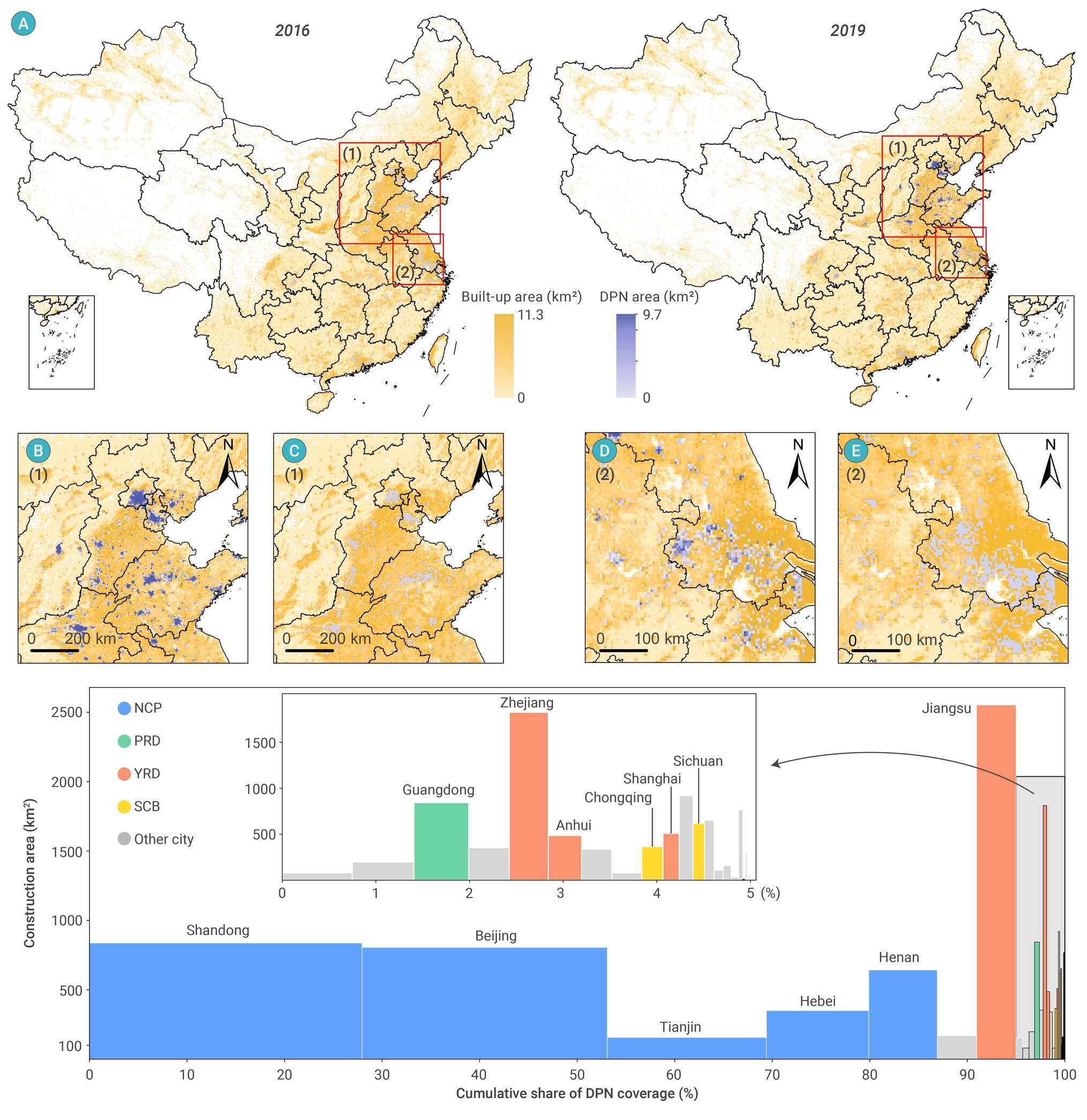
Figure 1.
Spatial distribution of DPNs
-
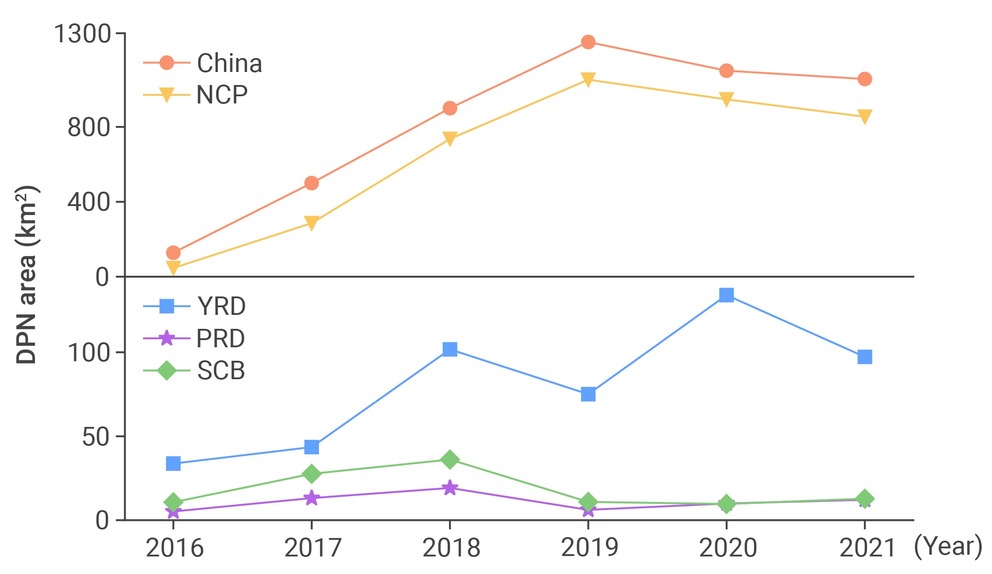
Figure 2.
The DPN area from 2016 to 2021.
-
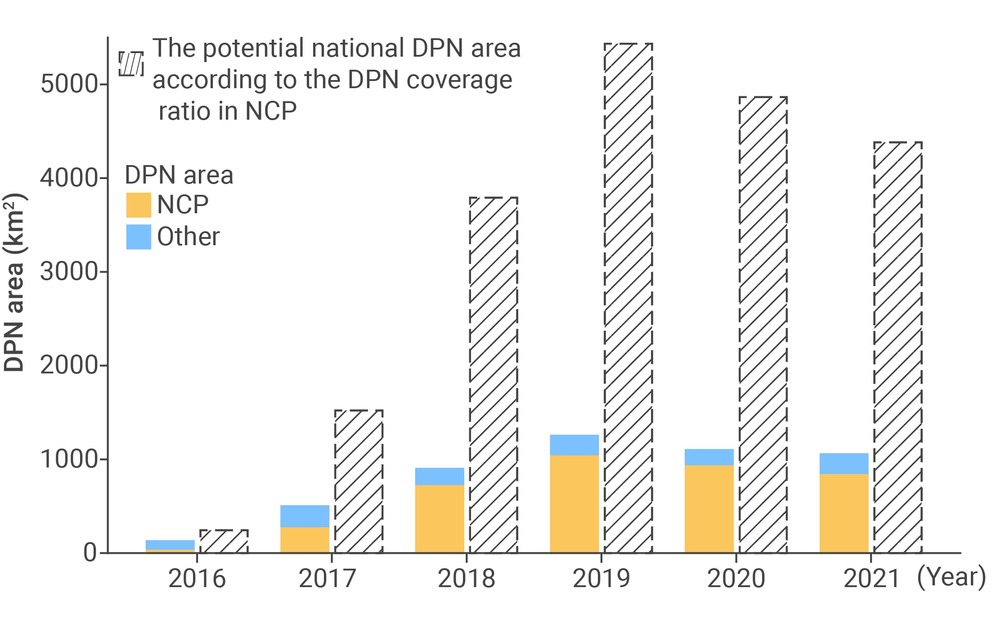
Figure 3.
The actual DPN area and potential DPN area in the NCP and other regions from 2016 to 2021.
-
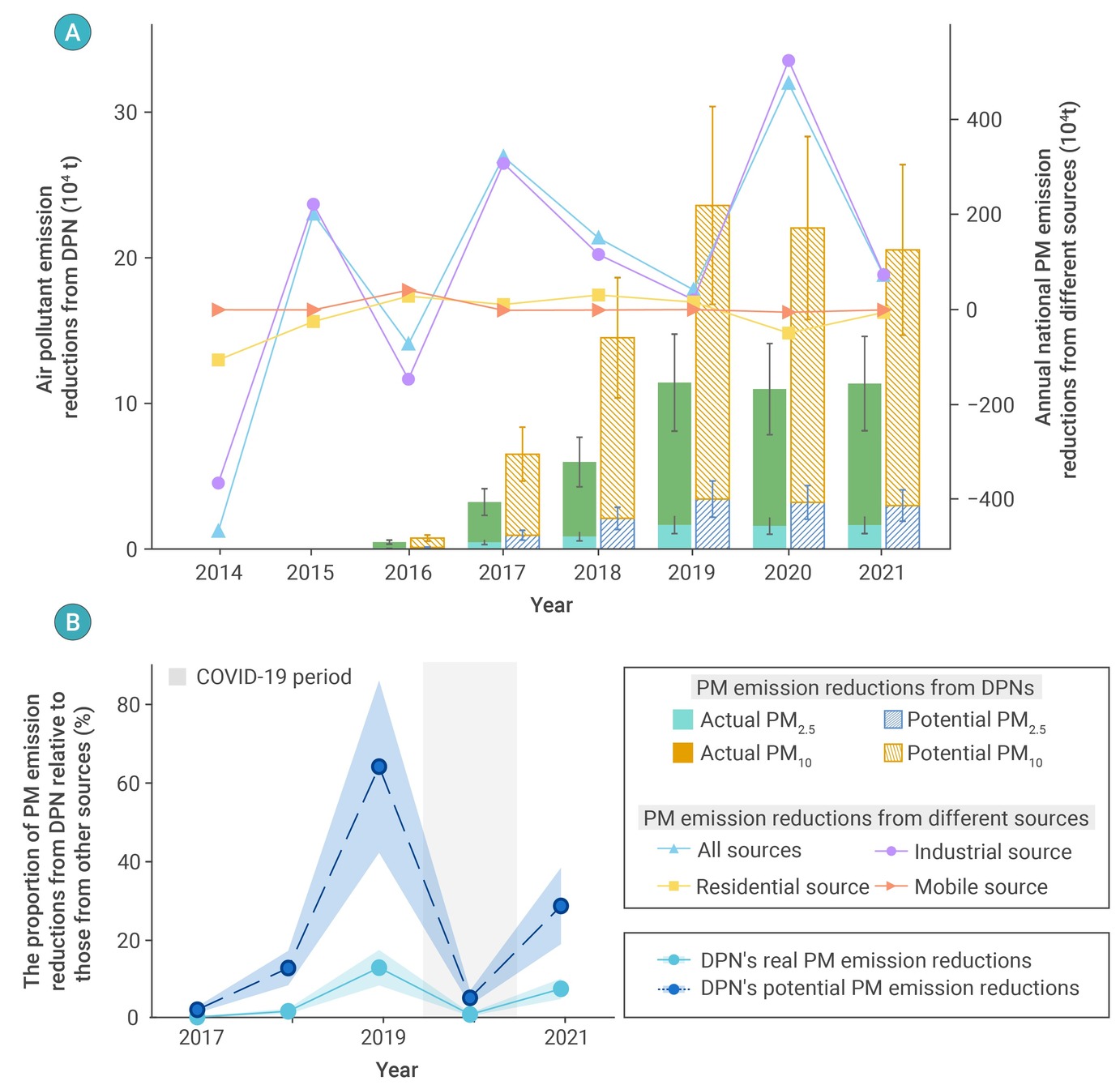
Figure 4.
The PM emission reductions from DPNs and other sources
-
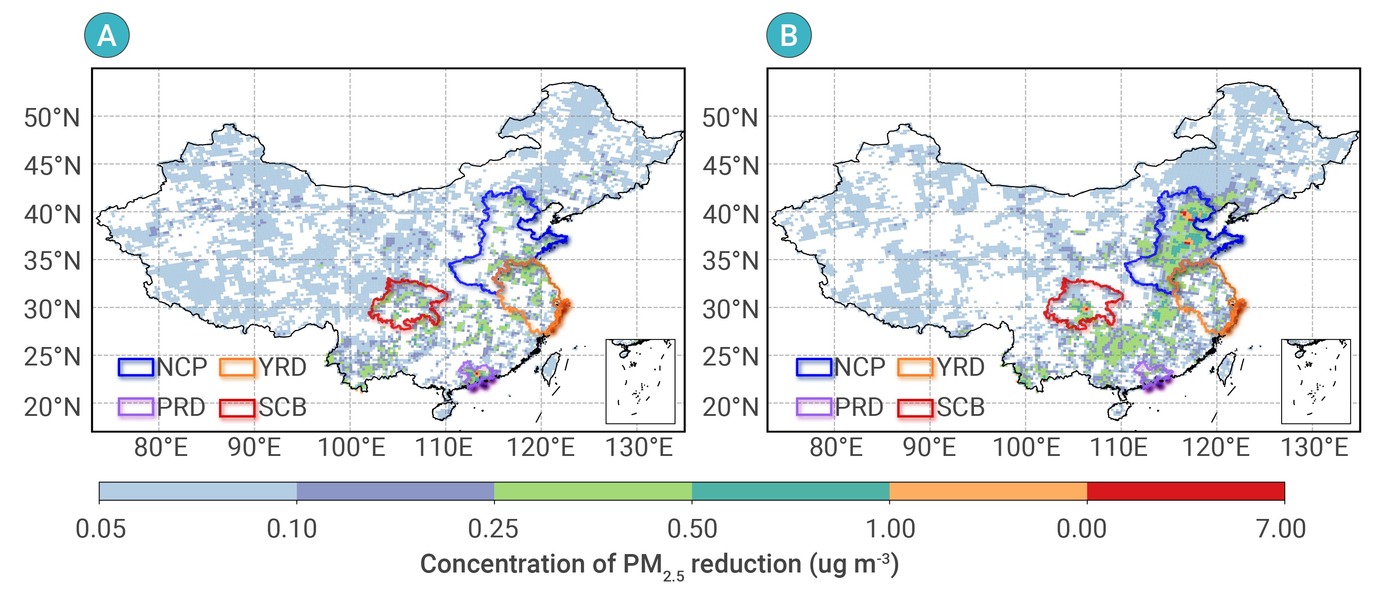
Figure 5.
Contribution of DPNs to the reduction of PM2.5 concentrations
-
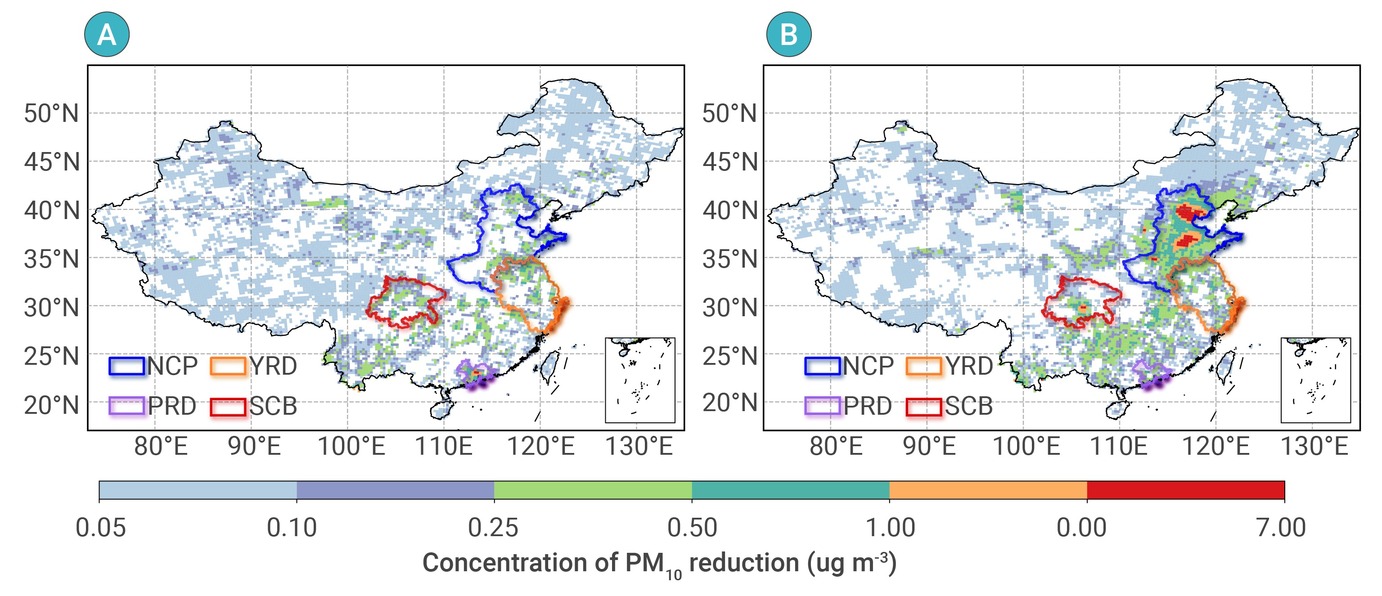
Figure 6.
Contribution of DPNs to the reduction of PM10 concentrations. a PM10 concentration reductions in 2016. b PM10 concentration reductions in 2019.
-
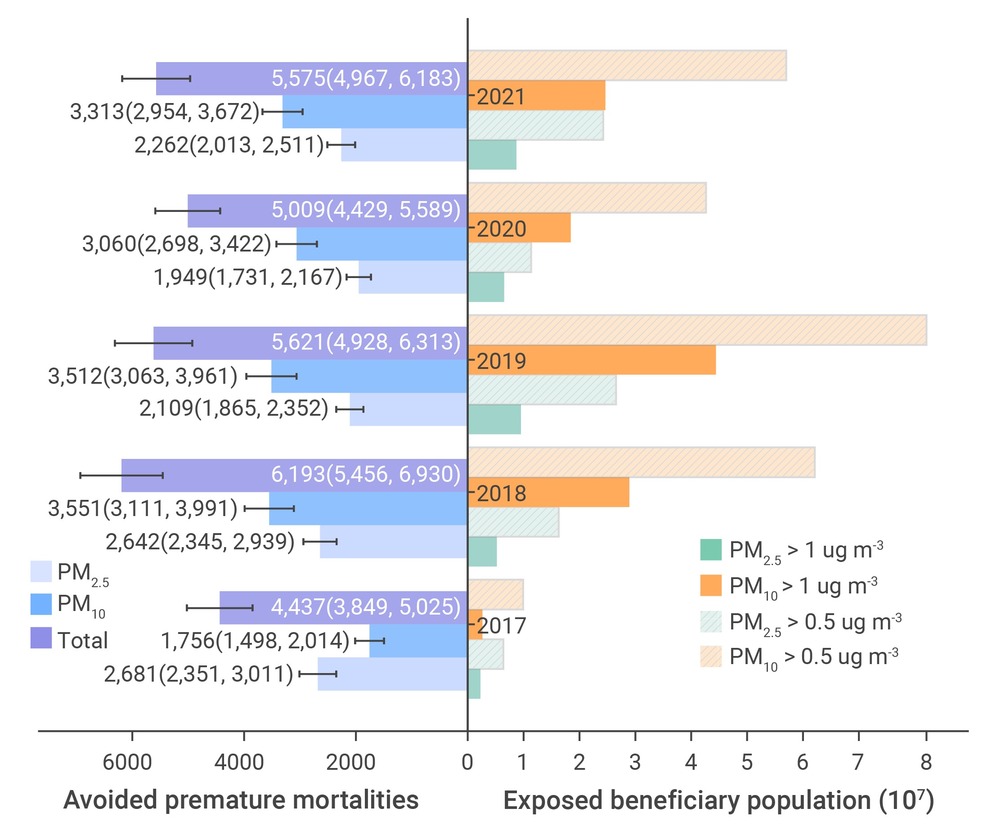
Figure 7.
The population benefited from PM-reduction and avoided premature mortalities attribute to DPNs from 2017 to 2021.
