
Floating iron biofilms as hidden barriers to methane emissions in wetlands
-
GRAPHICAL ABSTRACT
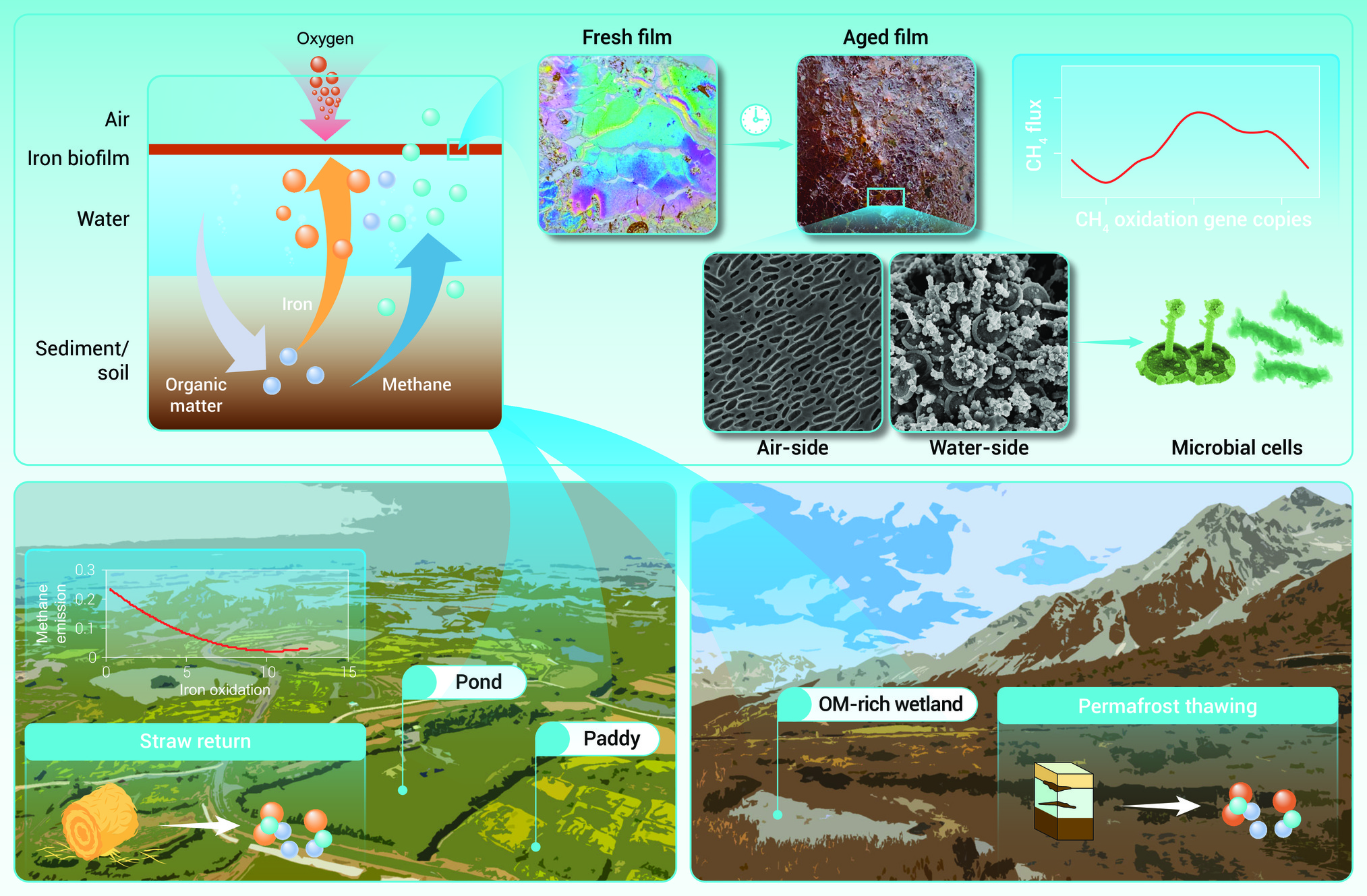
 DownLoad:
Full size image
DownLoad:
Full size image
-
PUBLIC SUMMARY
-
Iron biofilms, iridescent or rust-stained, are widely observed in shallow water systems.
Iron biofilms at wetland water-air interfaces can reduce methane emissions by up to 6.9-fold.
We challenge the long-held idea that methane oxidation occurs mainly at the sediment-water interface.
Iron biofilms are long-lasting, sustaining their methane-barrier function over time
This process offers a nature-based solution for controlling methane emissions in wetlands.
-
-
ABSTRACT
Wetland methane emissions are primarily mitigated by microbial oxidation at the sediment-water interface (SWI). Yet, this paradigm fails to explain persistent methane oversaturation in surface waters and lower-than-expected emissions. Here, we demonstrate an overlooked methane barrier formed at water–air interfaces (WAI) by self-organized iron biofilms. Organic matter inputs destabilize the SWI, enabling ferrous iron to diffuse upward and become oxidized, resulting in the formation of iron biofilms ranging in thicknesses from nanometers to centimeters at the WAI. This iron film barrier reduces methane emissions by 2.4- to 6.9-fold through physical entrapment and microbial oxidation (e.g., pmoA gene abundance: 2.1×10⁸ copies m−2), involving communities dominated by aerobic and facultative heterotrophs, as well as nitrate- and sulfur-respiring taxa. The dual methane-barrier paradigm explains emission paradoxes in straw-amended environments. This mechanism, absent from the Intergovernmental Panel on Climate Change models, could revise global methane budget estimates and guide nature-based solutions to mitigate wetland methane emissions. -

-
REFERENCES
[1] Forbrich I., Yazbeck T., Sulman B., et al. (2024). Three decades of wetland methane surface flux modeling by earth system models-advances, applications, and challenges. J. Geophys. Res. Biogeosci. 129:e2023JG007915. DOI:10.1029/2023JG007915 [2] Saunois M., Martinez A., Poulter B., et al. (2024). Global Methane Budget 2000–2020. Earth Syst. Sci. Data Discuss. 2024:1−147. DOI:10.5194/essd-2024-115 [3] Rosentreter J. A., Alcott L., Maavara T., et al. (2024). Revisiting the global methane cycle through expert opinion. Earth Future 12:e2023EF004234. DOI:10.1029/2023EF004234 [4] Koffi E. N., Bergamaschi P., Alkama R., et al. (2020). An observation-constrained assessment of the climate sensitivity and future trajectories of wetland methane emissions. Sci. Adv. 6:eaay4444. DOI:10.1126/sciadv.aay4444 [5] Cabrol L., Thalasso F., Gandois L., et al. (2020). Anaerobic oxidation of methane and associated microbiome in anoxic water of Northwestern Siberian lakes. Sci. Total Environ. 736:139588. DOI:10.1016/j.scitotenv.2020.139588 [6] Rocher-Ros G., Stanley E. H., Loken L. C., et al. (2023). Global methane emissions from rivers and streams. Nature 621:530−535. DOI:10.1038/s41586-023-06344-6 [7] Rosentreter J. A., Borges A. V., Deemer B. R., et al. (2021). Half of global methane emissions come from highly variable aquatic ecosystem sources. Nat. Geosci. 14:225−230. DOI:10.1038/s41561-021-00715-2 [8] Mao S.H., Wang J.Y., Joye S., et al. (2024). Marine methane paradox: Enigmatic production of methane in oxygenated waters. Innov. Geosci. 2:100071. DOI:10.59717/j.xinn-geo.2024.100071 [9] Zhang H., Wei T., Zhang J., et al. (2024). Microbial mediation of cryptic methane cycle in semiclosed marine water column. Innov. Geosci. 2:100082. DOI:10.59717/j.xinn-geo.2024.100082 [10] Wang S., Sun P., Zhang G., et al. (2022). Contribution of periphytic biofilm of paddy soils to carbon dioxide fixation and methane emissions. Innov. 3. DOI:10.1016/j.xinn.2021.100192. [11] Le Mer J. and Roger P. (2001). Production, oxidation, emission and consumption of methane by soils: a review. Eur. J. Soil Biol. 37:25−50. DOI:10.1016/S1164-5563(01)01067-6 [12] Perryman C. R., Bowen J. C., Shahan J., et al. (2024). Fate of methane in canals draining tropical peatlands. Nat. Commun. 15:9766. DOI:10.1038/s41467-024-54063-x [13] Yanagawa K., Okabeppu M., Kikuchi S., et al. (2025). Vertical distribution of methanotrophic archaea in an iron-rich groundwater discharge zone. PLoS One 20:e0319069. DOI:10.1371/journal.pone.0319069 [14] Yang W. H., McNicol G., Teh Y. A., et al. (2017). Evaluating the classical versus an emerging conceptual model of peatland methane dynamics. Global Biogeochem. Cycles 31:1435−1453. DOI:10.1002/2017GB005622 [15] Lapham L. L., Lloyd K. G., Fossing H., et al. (2024). Methane leakage through the sulfate–methane transition zone of the Baltic seabed. Nat. Geosci. 17:1277−1283. DOI:10.1038/s41561-024-01594-z [16] Riedinger N., Formolo M. J., Lyons T. W., et al. (2014). An inorganic geochemical argument for coupled anaerobic oxidation of methane and iron reduction in marine sediments. Geobiology 12:172−181. DOI:10.1111/gbi.12077 [17] Bar-Or I., Elvert M., Eckert W., et al. (2017). Iron-coupled anaerobic oxidation of methane performed by a mixed bacterial-archaeal community based on poorly reactive minerals. Environ. Sci. Technol. 51:12293−12301. DOI:10.1021/acs.est.7b03126 [18] Lopes F., Viollier E., Thiam A., et al. (2011). Biogeochemical modelling of anaerobic vs. aerobic methane oxidation in a meromictic crater lake (Lake Pavin, France). Appl. Geochem. 26:1919−1932. DOI:10.1016/j.apgeochem.2011.06.021 [19] Żygadłowska O. M., Venetz J., Lenstra W. K., et al. (2024). Ebullition drives high methane emissions from a eutrophic coastal basin. Geochim. Cosmochim. Acta 384:1−13. DOI:10.1016/j.gca.2024.08.028 [20] Egger M., Riedinger N., Mogollón J. M., et al. (2018). Global diffusive fluxes of methane in marine sediments. Nat. Geosci. 11:421−425. DOI:10.1038/s41561-018-0122-8 [21] Beaulieu J. J., DelSontro T. and Downing J. A. (2019). Eutrophication will increase methane emissions from lakes and impoundments during the 21st century. Nat. Commun. 10:1375. DOI:10.1038/s41467-019-09100-5 [22] Egger M., Rasigraf O., Sapart C. J., et al. (2015). Iron-mediated anaerobic oxidation of methane in brackish coastal sediments. Environ. Sci. Technol. 49:277−283. DOI:10.1021/es503663z [23] Jiang Y., Qian H., Huang S., et al. (2019). Acclimation of methane emissions from rice paddy fields to straw addition. Sci. Adv. 5:eaau9038. DOI:10.1126/sciadv.aau9038 [24] Borges A. V., Deirmendjian L., Bouillon S., et al. (2022). Greenhouse gas emissions from African lakes are no longer a blind spot. Sci. Adv. 8:eabi8716. DOI:10.1126/sciadv.abi8716 [25] Wen Z., Song K., Zhao Y., et al. (2016). Carbon dioxide and methane supersaturation in lakes of semi-humid/semi-arid region, Northeastern China. Atmos. Environ. 138:65−73. DOI:10.1016/j.atmosenv.2016.05.009 [26] Zhou L., Zhou Y., Zhang Y., et al. (2025). Rainstorm-induced organic matter pulses: A key driver of carbon emissions from inland waters. Innov. 6. DOI:10.1016/j.xinn.2024.100746. [27] Nikolaisen M., Cornulier T., Hillier J., et al. (2023). Methane emissions from rice paddies globally: A quantitative statistical review of controlling variables and modelling of emission factors. J. Clean. Prod. 409:137245. DOI:10.1016/j.jclepro.2023.137245 [28] Kappler A., Bryce C., Mansor M., et al. (2021). An evolving view on biogeochemical cycling of iron. Nat. Rev. Microbiol. 19:360−374. DOI:10.1038/s41579-020-00502-7 [29] Ratering S. and Schnell S. (2000). Localization of iron-reducing activity in paddy soilby profile studies. Biogeochemistry 48:341−365. DOI:10.1023/A:1006252315427 [30] Zhang H., Rush Z., Penn Z., et al. (2024). Films floating on water surface: Coupled redox cycling of iron species (Fe (III)/Fe (II)) at soil/water and water/air interfaces. Water 16:1298. DOI:10.3390/w16091298 [31] Dong L., Chen M., Liu C., et al. (2024). Microbe interactions drive the formation of floating iron films in circumneutral wetlands. Sci. Total Environ. 906:167711. DOI:10.1016/j.scitotenv.2023.167711 [32] Cunliffe M., Engel A., Frka S., et al. (2013). Sea surface microlayers: A unified physicochemical and biological perspective of the air–ocean interface. Prog. Oceanogr. 109:104−116. DOI:10.1016/j.pocean.2012.08.004 [33] Davison W. (1993). Iron and manganese in lakes. Earth-Sci. Rev. 34:119−163. DOI:10.1016/0012-8252(93)90029-7 [34] Kleja D. B., van Schaik J. W. J., Persson I., et al. (2012). Characterization of iron in floating surface films of some natural waters using EXAFS. Chem. Geol. 326-327:19-26. DOI:10.1016/j.chemgeo.2012.06.012. [35] Sánchez-España J., Ilin A. M., Yusta I., et al. (2023). Fe (III) biomineralization in the surface microlayer of acid mine waters catalyzed by neustonic Fe (II)-oxidizing microorganisms. Minerals 13:508. DOI:10.3390/min13040508 [36] Grathoff G. H., Baham J. E., Easterly H. R., et al. (2007). Mixed-valent Fe films (‘schwimmeisen’) on the surface of reduced ephemeral pools. Clays Clay Miner. 55:635−643. DOI:10.1346/CCMN.2007.0550610 [37] Ueyama M., Takeuchi R., Takahashi Y., et al. (2015). Methane uptake in a temperate forest soil using continuous closed-chamber measurements. Agric. For. Meteorol. 213:1−9. DOI:10.1016/j.agrformet.2015.05.004 [38] Happell J. D., Chanton J. P. and Showers W. J. (1995). Methane transfer across the water‐air interface in stagnant wooded swamps of Florida: Evaluation of mass‐transfer coefficients and isotropic fractionation. Limnol. Oceanogr. 40:290−298. DOI:10.4319/lo.1995.40.2.0290 [39] Goldman J. C., Dennett M. R. and Frew N. M. (1988). Surfactant effects on air-sea gas exchange under turbulent conditions. Deep Sea Research Part A. Oceanographic Research Papers 35:1953−1970. DOI:10.1016/0198-0149(88)90119-7 [40] Mustaffa N. I. H., Ribas-Ribas M., Banko-Kubis H. M., et al. (2020). Global reduction of in situ CO2 transfer velocity by natural surfactants in the sea-surface microlayer. Proc. R. Soc. A: Math. Phys. Eng. Sci. 476:20190763. DOI. DOI:10.1098/rspa.2019.0763 [41] Drudge C. N. and Warren L. A. (2014). Diurnal floc generation from neuston biofilms in two contrasting freshwater lakes. Environ. Sci. Technol. 48:10107−10115. DOI:10.1021/es503013w [42] Wang Y.-F., Xu J.-Y., Liu Z.-L., et al. (2024). Biological interactionsmediate soil functions by altering rare microbial communities. Environ. Sci. Technol. 58:5866−5877. DOI:10.1021/acs.est.4c00375 [43] Perkins R. B., Gray Z. N., Grathoff G., et al. (2016). Characterization of natural and synthetic floating iron surface films and their associated waters. Chem. Geol. 444:16−26. DOI:10.1016/j.chemgeo.2016.09.027 [44] Pereira R., Ashton I., Sabbaghzadeh B., et al. (2018). Reduced air–sea CO2 exchange in the Atlantic Ocean due to biological surfactants. Nat. Geosci. 11:492−496. DOI:10.1038/s41561-018-0136-2 [45] Tucci F. J. and Rosenzweig A. C. (2024). Direct methane oxidation by copper- and iron-dependent methane monooxygenases. Chem. Rev. 124:1288−1320. DOI:10.1021/acs.chemrev.3c00727 [46] ThomasArrigo L. K., Notini L., Shuster J., et al. (2022). Mineral characterization and composition of Fe-rich flocs from wetlands of Iceland: Implications for Fe, C and trace element export. Sci. Total Environ. 816:151567. DOI:10.1016/j.scitotenv.2021.151567 [47] Chauhan A., Patzner M. S., Bhattacharyya A., et al. (2024). Interactions between iron and carbon in permafrost thaw ponds. Sci. Total Environ. 946:174321. DOI:10.1016/j.scitotenv.2024.174321 [48] Garnier J., Garnier J. M., Vieira C. L., et al. (2017). Iron isotope fingerprints of redox and biogeochemical cycling in the soil-water-rice plant system of a paddy field. Sci. Total Environ. 574:1622−1632. DOI:10.1016/j.scitotenv.2016.08.202 [49] Reis P. C. J., Tsuji J. M., Weiblen C., et al. (2024). Enigmatic persistence of aerobic methanotrophs in oxygen-limiting freshwater habitats. ISME J. 18. DOI:10.1093/ismejo/wrae041. [50] Oswald K., Milucka J., Brand A., et al. (2016). Aerobic gammaproteobacterial methanotrophs mitigate methane emissions from oxic and anoxic lake waters. Limnol. Oceanogr. 61:S101−S118. DOI:10.1002/lno.10312 [51] Gan D., Zhang Z., Li H., et al. (2024). Ditch emissions partially offset global reductions in methane emissions from peatland drainage. Commun. Earth Environ. 5:640. DOI:10.1038/s43247-024-01818-5 [52] Penesyan A., Paulsen I. T., Kjelleberg S., et al. (2021). Three faces of biofilms: a microbial lifestyle, a nascent multicellular organism, and an incubator for diversity. NPJ Biofilms Microbiome 7:80. DOI:10.1038/s41522-021-00251-2 [53] Liu J., Zhu C., Zhu F., et al. (2024). Strong substance exchange at paddy soil-water interface promotes nonphotochemical formation of reactive oxygen species in overlying water. Environ. Sci. Technol. 58:7403−7414. DOI:10.1021/acs.est.3c10866 [54] Cunliffe M., Upstill-Goddard R. C. and Murrell J. C. (2011). Microbiology of aquatic surface microlayers. FEMS Microbiol. Rev. 35:233−246. DOI:10.1111/j.1574-6976.2010.00246.x [55] Huang B., Yu K. and Gambrell R. P. (2009). Effects of ferric iron reduction and regeneration on nitrous oxide and methane emissions in a rice soil. Chemosphere 74:481−486. DOI:10.1016/j.chemosphere.2008.10.015 [56] Yu Y., Feng Y., Yu Y., et al. (2024). Closing the gap between climate regulation and food security with nano iron oxides. Nat. Sustain. 7:758−765. DOI:10.1038/s41893-024-01334-6 [57] Wang L., Lin D., Xiao K.-Q., et al. (2024). Soil viral–host interactions regulate microplastic-dependent carbon storage. Proc. Natl. Acad. Sci. 121:e2413245121. DOI:10.1073/pnas.2413245121 [58] Zhu D., Liu S.-Y., Sun M.-M., et al. (2024). Adaptive expression of phage auxiliary metabolic genes in paddy soils and their contribution toward global carbon sequestration. Proc. Natl. Acad. Sci. 121:e2419798121. DOI:10.1073/pnas.2419798121 -
ABOUT THIS ARTICLE
Cite this article:
Zhang S., Huangfu Q., Zhu D., et al. (2025). Floating iron biofilms as hidden barriers to methane emissions in wetlands. The Innovation Geoscience 3:100161. https://doi.org/10.59717/j.xinn-geo.2025.100161
Welcome!
To request copyright permission to republish or share portions of our works, please visit Copyright Clearance Center's (CCC) Marketplace website at marketplace.copyright.com.
Export File
Citation
Zhang S., Huangfu Q., Zhu D., et al. (2025). Floating iron biofilms as hidden barriers to methane emissions in wetlands. The Innovation Geoscience 3:100161. https://doi.org/10.59717/j.xinn-geo.2025.100161

Format
Content
-
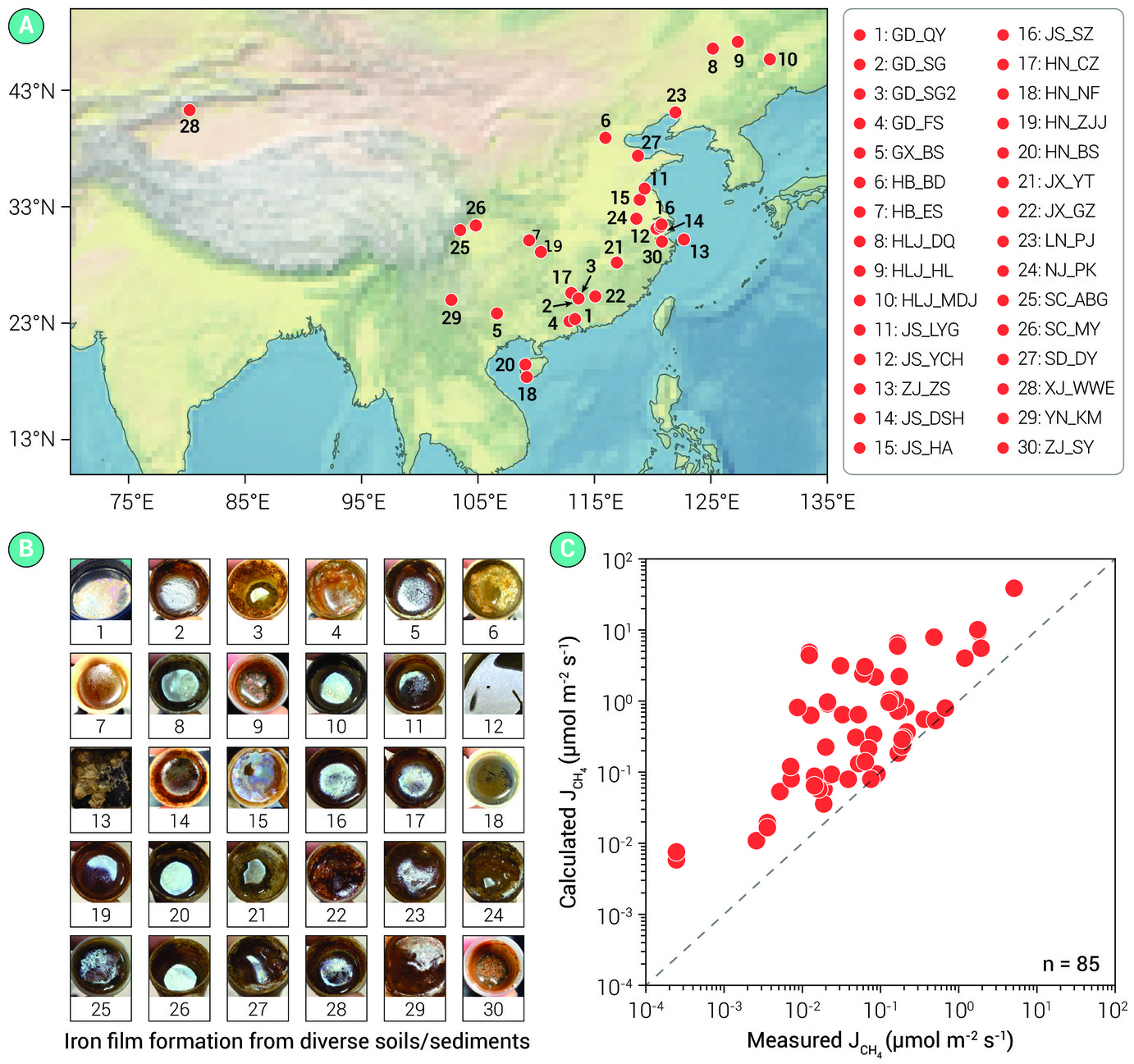
Figure 1.
Iron film formation and their methane-barrier effect across diverse soils and sediments in China
-
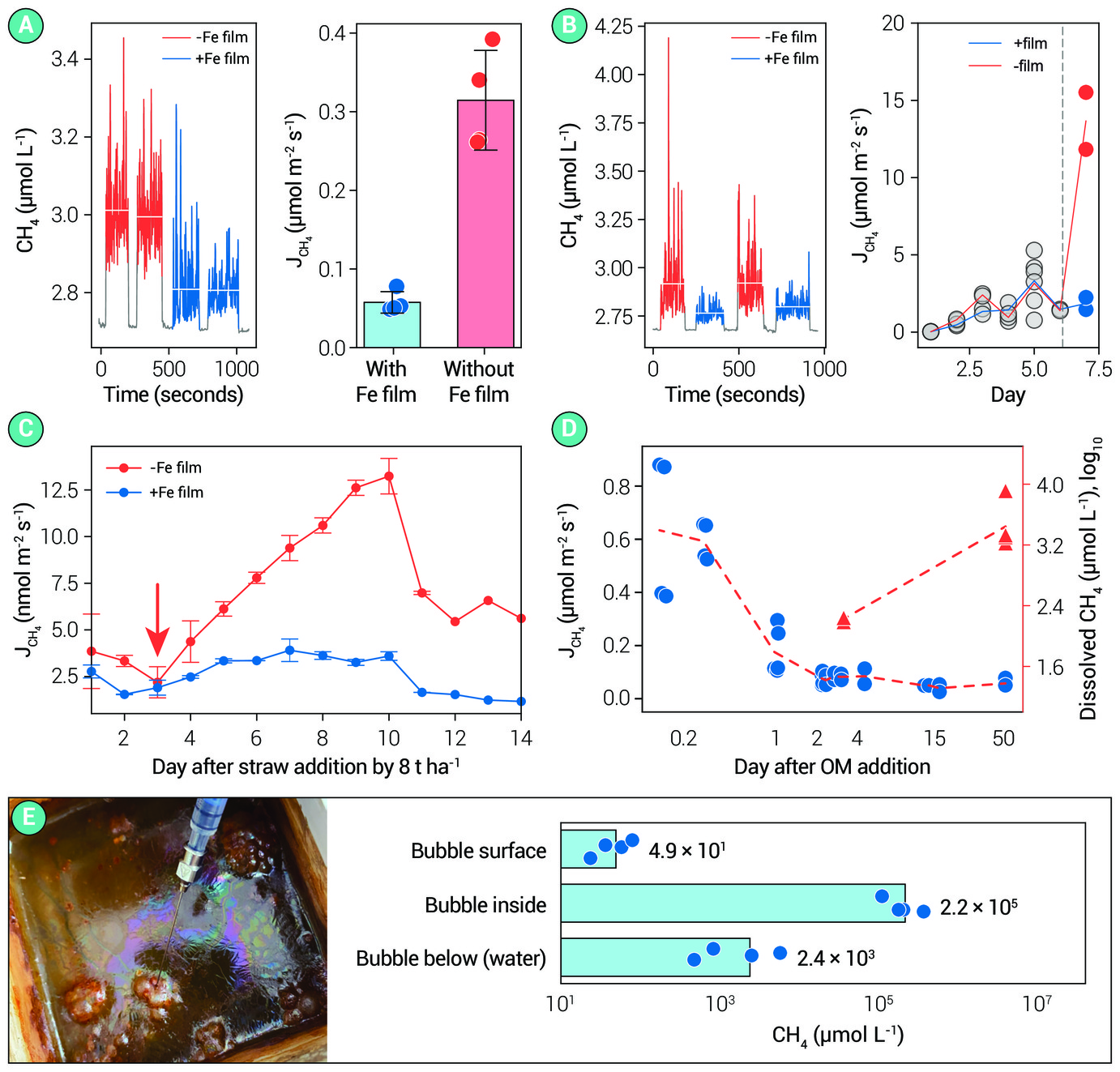
Figure 2.
Methane barrier effect of floating iron biofilms across diverse environments
-
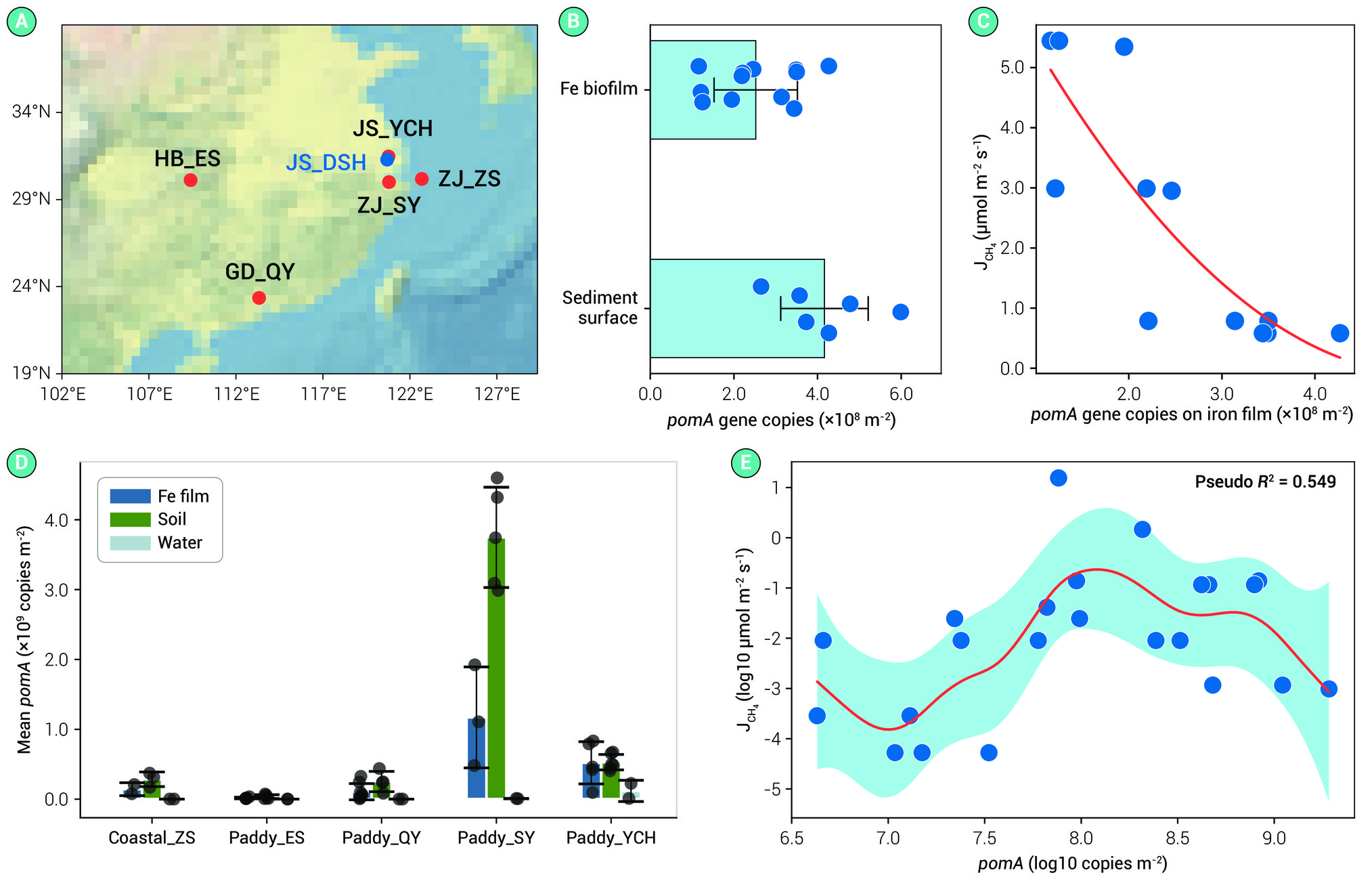
Figure 3.
Methanotrophic functional genes across environments
-
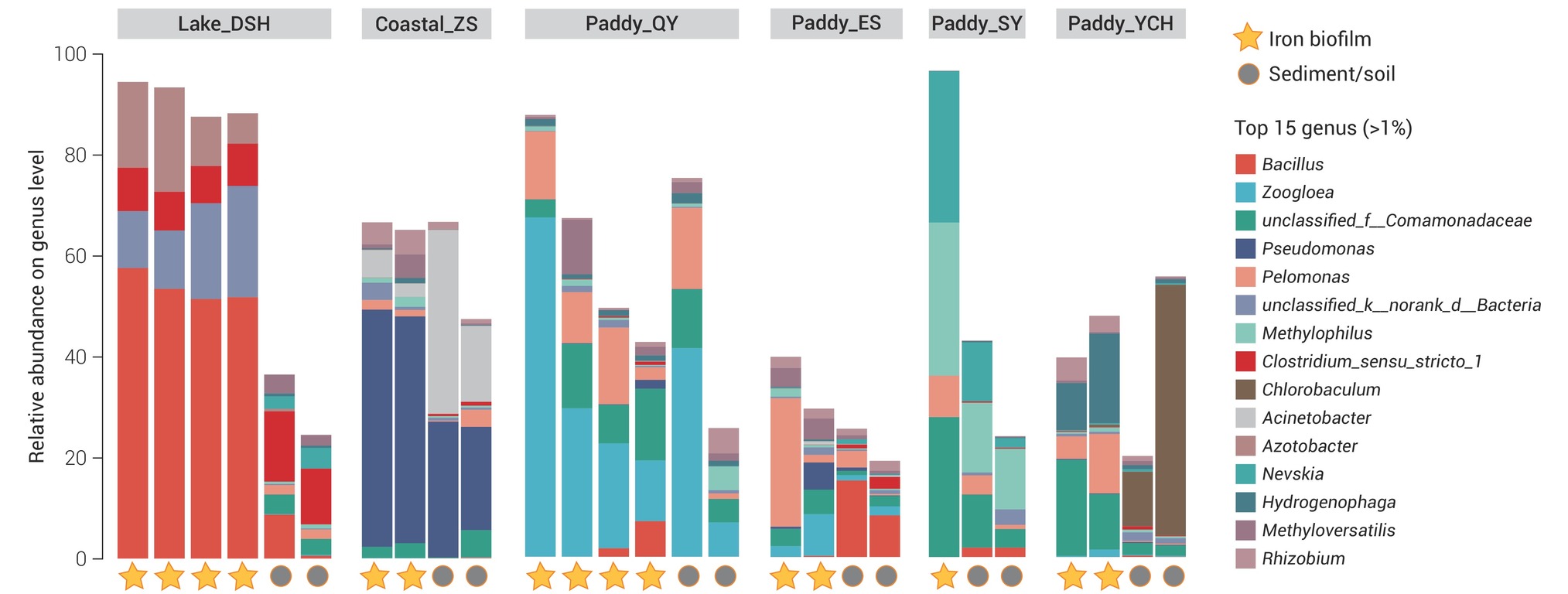
Figure 4.
Microbial community composition of iron biofilms and corresponding surface sediments or soils, based on 16S rRNA gene sequencing
-
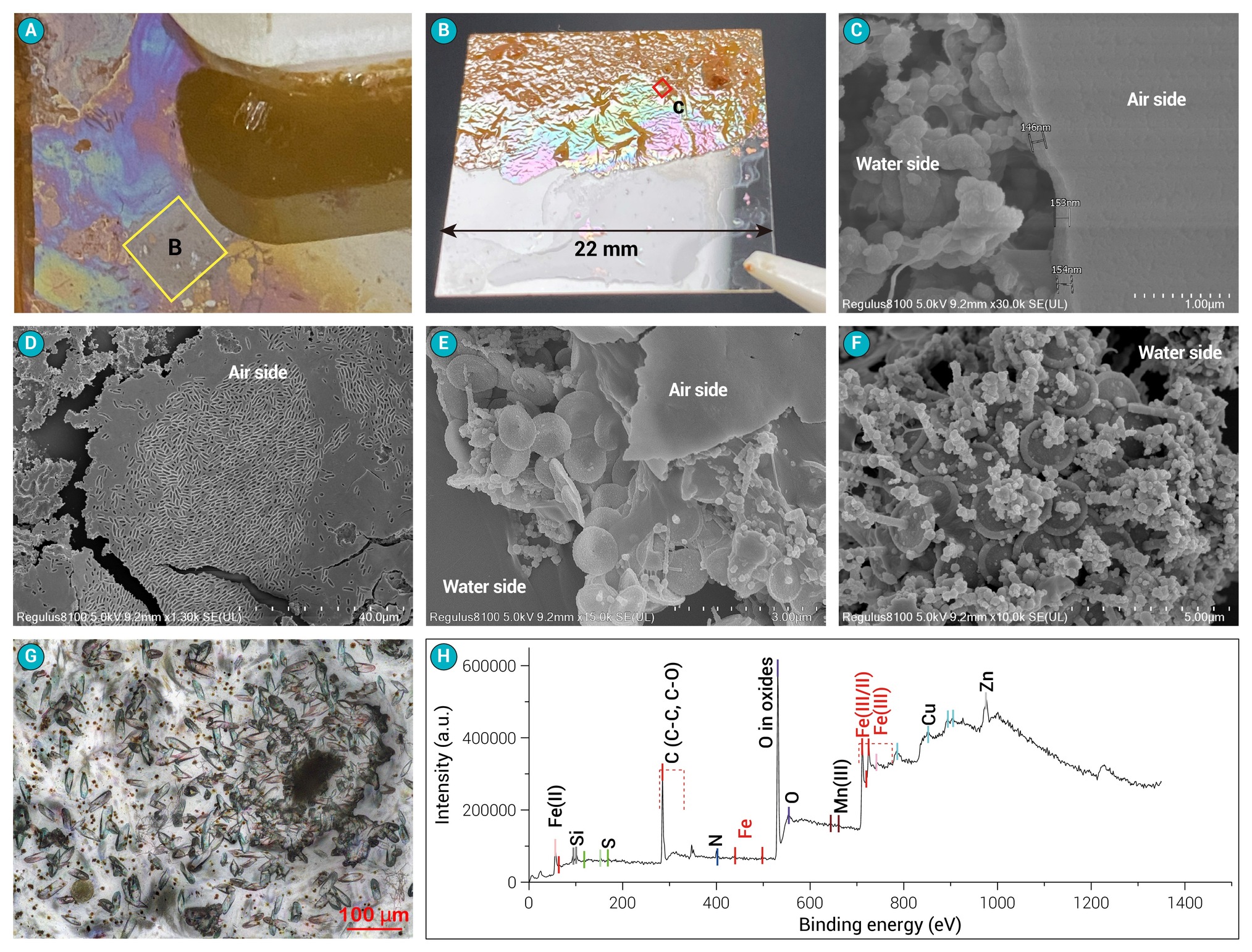
Figure 5.
Physical, chemical, and microbial characteristics of floating iron biofilms
-
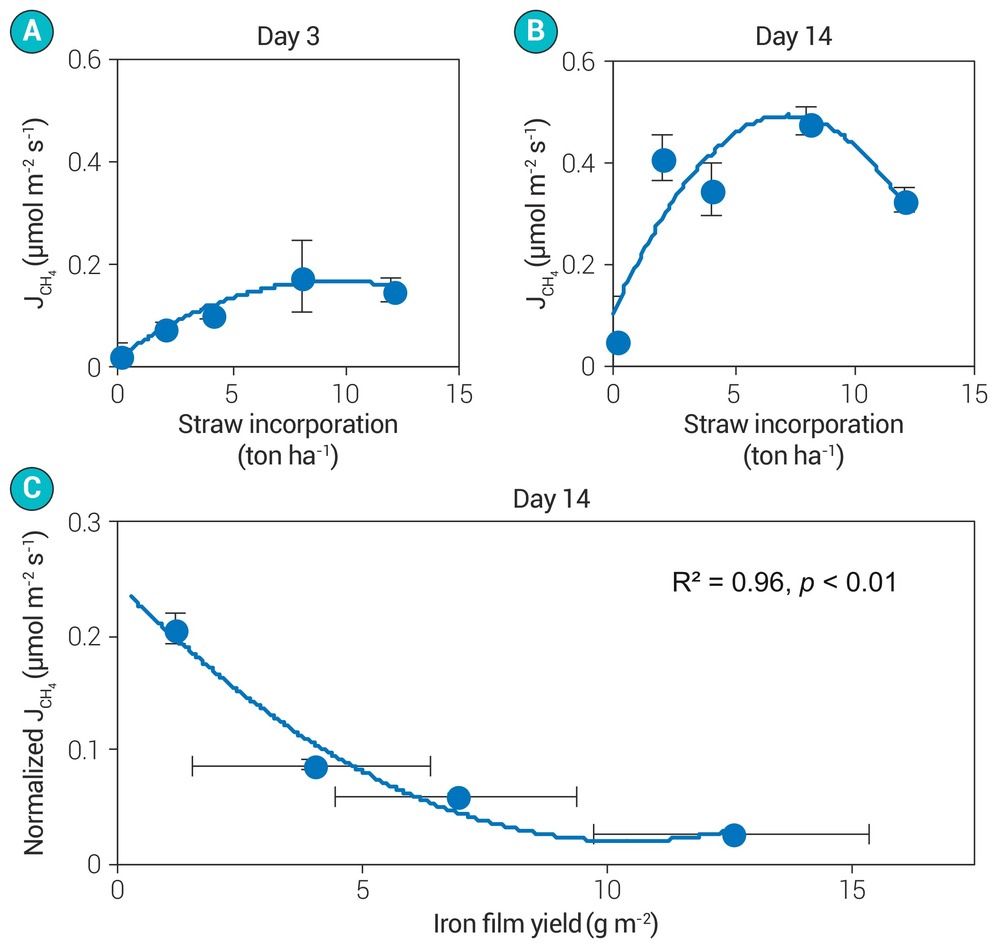
Figure 6.
Methane flux dynamics and their relationship with straw addition and floating iron biofilm formation after rice harvest from JS_YCH soils
-
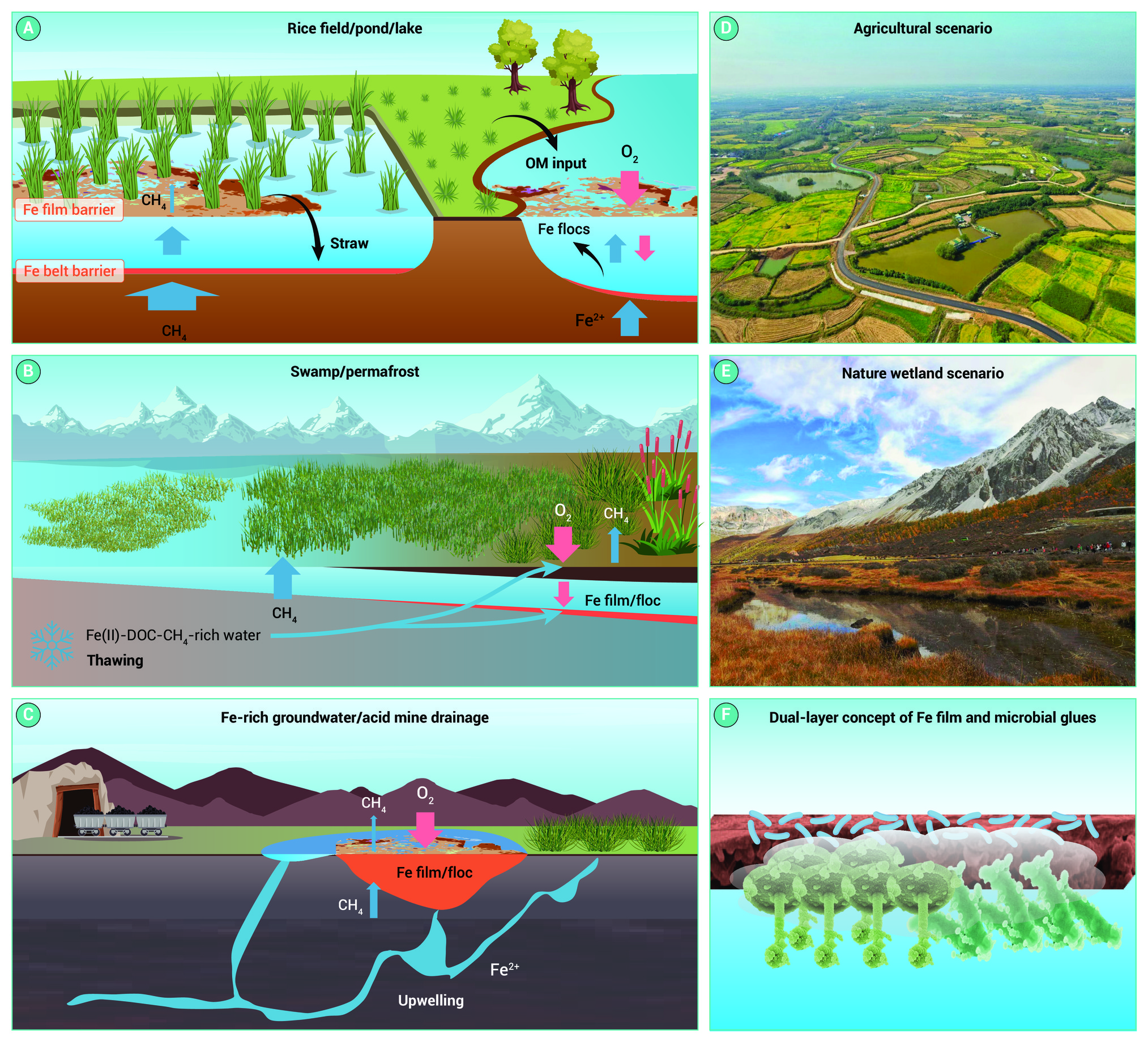
Figure 7.
Typical scenarios of iron film formation and structures in the environment
