
Strong reprocessing of dissolved organic matter along South-to-North water diversion
-
GRAPHICAL ABSTRACT

 DownLoad:
Full size image
DownLoad:
Full size image
-
PUBLIC SUMMARY
-
Canal waters accumulated more oxidized and recalcitrant DOM formulae.
DOM composition and bacterial communities showed homogenization in canal waters.
Microbial transformation drives canal DOM toward homogeneous and recalcitrant characteristics.
-
-
ABSTRACT
Freshwater ecosystems contain a diverse mix of dissolved organic matter (DOM) molecules, which play a significant role in the global carbon cycle. Here, we discovered an absorbing pattern of DOM-microbe interactions along the Middle Route of the South-to-North Water Diversion Canal in China, the largest water transfer project in the world. Using ultrahigh-resolution mass spectrometry, we tracked the molecular composition of DOM along the canal and analyzed its relationship with planktonic bacterial communities and physicochemical conditions. More oxidized and recalcitrant DOM formulae were accumulated in the canal waters, inducing the enrichment of oligotrophic taxa. Homogenization of DOM composition and bacterial communities was observed in the canal waters. Additionally, negative interactions between DOM molecules and bacterial taxa were more abundant in the canal waters (69.5%) than those in natural waters (32.2%). These results together suggest that the semi-enclosed nature of the canal and the sustained microbial and photochemical transformations drive DOM toward more homogeneity and recalcitrance, necessitating systematic quantification of carbon emissions specific to the South-to-North Water Diversion project. Incorporating carbon reduction strategies and technologies into the design and management of the national water network is scientifically imperative.-
Keywords:
- DOM /
- FT-ICR-MS /
- Microbial community /
- Interaction /
- South-to-North Water Diversion
-

-
REFERENCES
[1] Battin T. J., Luyssaert S., Kaplan L. A., et al. (2009). The boundless carbon cycle. Nat. Geosci. 2:598−600. DOI:10.1038/ngeo618 [2] Lapierre J. F., Guillemette F., Berggren M., et al. (2013). Increases in terrestrially derived carbon stimulate organic carbon processing and CO2 emissions in boreal aquatic ecosystems. Nat. Commun. 4:2972. DOI:10.1038/ncomms3972 [3] Catalá T. S., Reche I., Fuentes-Lema A., et al. (2015). Turnover time of fluorescent dissolved organic matter in the dark global ocean. Nat. Commun. 6:5986. DOI:10.1038/ncomms6986 [4] Monteith D. T., Stoddard J. L., Evans C. D., et al. (2007). Dissolved organic carbon trends resulting from changes in atmospheric deposition chemistry. Nature 450:537−540. DOI:10.1038/nature06316 [5] Tanentzap A. J., Fitch A., Orland C., et al. (2019). Chemical and microbial diversity covary in fresh water to influence ecosystem functioning. Proc. Natl. Acad. Sci. USA 116:24689−24695. DOI:10.1073/pnas.1904896116 [6] Tanentzap A. J. and Fonvielle J. A. (2024). Chemodiversity in freshwater health. Science 383:1412−1414. DOI:10.1126/science.adg8658 [7] Dittmar T., Lennartz S. T., Buck-Wiese H., et al. (2021). Enigmatic persistence of dissolved organic matter in the ocean. Nat. Rev. Earth Env. 2:570−583. DOI:10.1038/s43017-021-00183-7 [8] Hu A., Jang K. S., Tanentzap A. J., et al. (2024). Thermal responses of dissolved organic matter under global change. Nat. Commun. 15:576. DOI:10.1038/s41467-024-44813-2 [9] Osterholz H., Singer G., Wemheuer B., et al. (2016). Deciphering associations between dissolved organic molecules and bacterial communities in a pelagic marine system. ISME J. 10:1717−1730. DOI:10.1038/ismej.2015.231 [10] Zhou L., Zhou Y., Tang X., et al. (2021). Resource aromaticity affects bacterial community successions in response to different sources of dissolved organic matter. Water Res. 190:116776. DOI:10.1016/j.watres.2020.116776 [11] Jiao N., Luo T., Chen Q., et al. (2024). The microbial carbon pump and climate change. Nat. Rev. Microbiol. 22:408−419. DOI:10.1038/s41579-024-01018-0 [12] McDonough L. K., Andersen M. S., Behnke M. I., et al. (2022). A new conceptual framework for the transformation of groundwater dissolved organic matter. Nat. Commun. 13:2153. DOI:10.1038/s41467-022-29711-9 [13] Wang K., Pang Y., Yi Y., et al. (2023). Response of dissolved organic matter chemistry to flood control of a large river reservoir during an extreme storm event. Water Res. 230:119565. DOI:10.1016/j.watres.2023.119565 [14] He J., Yang Y., Wu X., et al. (2022). Responses of dissolved organic matter (DOM) characteristics in eutrophic lake to water diversion from external watershed. Environ. Pollut. 312:119992. DOI:10.1016/j.envpol.2022.119992 [15] Zhou Y., Chen L., Zhou L., et al. (2023). Key factors driving dissolved organic matter composition and bioavailability in lakes situated along the eastern route of the South-to-North water diversion project, China. Water Res. 233:119782. DOI:10.1016/j.watres.2023.119782 [16] Wilson H. F., Xenopoulos M. A., Wilson H. F., et al. (2008). Effects of agricultural land use on the composition of fluvial dissolved organic matter. Nat. Geosci. 2:37−41. DOI:10.1038/ngeo391 [17] Zeng X., Zheng Y., Chen X., et al. (2023). Molecular responses of dissolved organic matter to anthropogenic groundwater recharge: Characteristics, transformations, and sensitive molecules. Environ. Sci. Technol. 57:7789−7799. DOI:10.1021/acs.est.2c08353 [18] Zheng Y., He W., Li B., et al. (2020). Refractory humic-like dubstances: Tracking rnvironmental impacts of anthropogenic groundwater Recharge. Environ. Sci. Technol. 54:15778−15788. DOI:10.1021/acs.est.0c04561 [19] Herzsprung P., von Tumpling W., Hertkorn N., et al. (2012). Variations of DOM quality in inflows of a drinking water reservoir: Linking of van Krevelen diagrams with EEMF spectra by rank correlation. Environ. Sci. Technol. 46:5511−5518. DOI:10.1021/es300345c [20] Siddik M. A. B., Dickson K. E., Rising J., et al. (2023). Interbasin water transfers in the United States and Canada. Sci. Data 10:27. DOI:10.1038/s41597-023-01935-4 [21] Liu N., Dobbs G. R., Caldwell P. V., et al. (2022). Inter‐Basin tansfers extend the benefits of eater from forests to population venters across the conterminous U. S. Water Resour. Res. 58:e2021WR031537. DOI:10.1029/2021WR031537 [22] Sheng J., Zhang R. and Yang H. (2024). Inter-basin water transfers and water rebound effects: The South-North water transfer project in China. J. Hydrol. 638:131516. DOI:10.1016/j.jhydrol.2024.131516 [23] Bowen J. C., Wahyudio P. J., Anshari G. Z., et al. (2024). Canal networks regulate aquatic losses of carbon from degraded tropical peatlands. Nat. Geosci. 17:213−218. DOI:10.1038/s41561-024-01383-8 [24] Hou C., Chen L., Dong Y., et al. (2022). Unraveling dissolved organic matter in drinking water through integrated ozonation/ceramic membrane and biological activated carbon process using FT-ICR MS. Water Res. 222:118881. DOI:10.1016/j.watres.2022.118881 [25] Xu W., Gao Q., He C., et al. (2020). Using ESI FT-ICR MS to characterize dissolved organic matter in salt lakes with different salinity. Environ. Sci. Technol. 54:12929−12937. DOI:10.1021/acs.est.0c01681 [26] Dittmar T., Koch B., Hertkorn N., et al. (2008). A simple and efficient method for the solid‐phase extraction of dissolved organic matter (SPE‐DOM) from seawater. Limnol. Oceanogr. Meth. 6:230−235. DOI:10.4319/lom.2008.6.230 [27] Sun Y., Li X., Li X., et al. (2022). Deciphering the fingerprint of dissolved organic matter in the soil amended with biodegradable and conventional microplastics based on optical and molecular signatures. Environ. Sci. Technol. 56:15746−15759. DOI:10.1021/acs.est.2c06258 [28] Corilo Y. E., Kew W. R. and McCue L. A. EMSL-Computing/CoreMS: CoreMS 3.0.0. DOI:10.5281/zenodo.4641552 [29] Kujawinski E. B. and Behn M. D. (2006). Automated analysis of electrospray ionization fourier transform ion cyclotron resonance mass spectra of natural organic matter. Anal. Chem. 78:4363−4373. DOI:10.1021/ac0600306 [30] D'Andrilli J., Cooper W. T., Foreman C. M., et al. (2015). An ultrahigh-resolution mass spectrometry index to estimate natural organic matter lability. Rapid Commun. Mass Spectrom. 29:2385−2401. DOI:10.1002/rcm.7400 [31] Hughey C. A., Hendrickson C. L., Rodgers R. P., et al. (2001). Kendrick mass defect spectrum: A compact visual analysis for Ultrahigh-Resolution broadband mass spectra. Anal. Chem. 73:4676−4681. DOI:10.1021/ac010560w [32] Song H. S., Stegen J. C., Graham E. B., et al. (2020). Representing organic matter thermodynamics in biogeochemical reactions via substrate-explicit modeling. Front. Microbiol. 11:531756. DOI:10.3389/fmicb.2020.531756 [33] Hu A., Choi M., Tanentzap A. J., et al. (2022). Ecological networks of dissolved organic matter and microorganisms under global change. Nat. Commun. 13:3600. DOI:10.1038/s41467-022-31251-1 [34] Wu M., Li P., Li G., et al. (2022). Using potential molecular transformation to understand the molecular trade-offs in soil dissolved organic matter. Environ. Sci. Technol. 56:11827−11834. DOI:10.1021/acs.est.2c01137 [35] LaRowe D. E. and Cappellen P. V. (2011). Degradation of natural organic matter: A thermodynamic analysis. Geochim. Cosmochim. Acta 75:2030−2042. DOI:10.1016/j.gca.2011.01.020 [36] Callahan B. J., McMurdie P. J., Rosen M. J., et al. (2016). DADA2: High-resolution sample inference from Illumina amplicon data. Nat. Methods 13:581−583. DOI:10.1038/nmeth.3869 [37] Quast C., Pruesse E., Yilmaz P., et al. (2013). The SILVA ribosomal RNA gene database project: Improved data processing and web-based tools. Nucleic Acids Res. 41:D590−596. DOI:10.1093/nar/gks1219 [38] Anderson M. J. and Walsh D. C. I. (2013). PERMANOVA, ANOSIM, and the Mantel test in the face of heterogeneous dispersions: What null hypothesis are you testing. Ecol. Monogr. 83:557−574. DOI:10.1890/12-2010.1 [39] Webb C. O., Ackerly D. D., McPeek M. A., et al. (2002). Phylogenies and community ecology. Annu. Rev. Ecol. Evol. S. 33:475−505. DOI:10.1146/annurev.ecolsys.33.010802.150448 [40] Danczak R. E., Chu R. K., Fansler S. J., et al. (2020). Using metacommunity ecology to understand environmental metabolomes. Nat. Commun. 11:6369. DOI:10.1038/s41467-020-19989-y [41] She Z., Wang J., Wang S., et al. (2023). Quantifying stochastic processes in shaping dissolved organic matter pool with high-tesolution mass spectrometry. Environ. Sci. Technol. 57:16361−16371. DOI:10.1021/acs.est.3c07046 [42] Stegen J. C., Lin X., Fredrickson J. K., et al. (2013). Quantifying community assembly processes and identifying features that impose them. ISME J. 7:2069−2079. DOI:10.1038/ismej.2013.93 [43] Ning D., Yuan M., Wu L., et al. (2020). A quantitative framework reveals ecological drivers of grassland microbial community assembly in response to warming. Nat. Commun. 11:4717. DOI:10.1038/s41467-020-18560-z [44] Peres-Neto P. R. and Jackson D. A. (2001). How well do multivariate data sets match. The advantages of a Procrustean superimposition approach over the Mantel test. Oecologia 129:169−178. DOI:10.1007/s004420100720 [45] Legendre P. and Fortin M. J. (2010). Comparison of the Mantel test and alternative approaches for detecting complex multivariate relationships in the spatial analysis of genetic data. Mol. Ecol. Resour. 10:831−844. DOI:10.1111/j.1755-0998.2010.02866.x [46] Allison S. D. and Martiny J. B. (2008). Colloquium paper: Resistance, resilience, and redundancy in microbial communities. Proc. Natl. Acad. Sci. USA 105 Suppl 1:11512-11519. DOI:10.1073/pnas.0801925105 [47] Friedman J. and Alm E. J. (2012). Inferring correlation networks from genomic survey data. PLOS Comput. Biol. 8:e1002687. DOI:10.1371/journal.pcbi.1002687 [48] Roller B. R., Stoddard S. F. and Schmidt T. M. (2016). Exploiting rRNA operon copy number to investigate bacterial reproductive strategies. Nat. Microbiol. 1:16160. DOI:10.1038/nmicrobiol.2016.160 [49] Ling N., Wang T. and Kuzyakov Y. (2022). Rhizosphere bacteriome structure and functions. Nat. Commun. 13:836. DOI:10.1038/s41467-022-28448-9 [50] Huang J., Gao K., Yang L., et al. (2023). Successional action of Bacteroidota and Firmicutes in decomposing straw polymers in a paddy soil. Environ. Microbiome 18:76. DOI:10.1186/s40793-023-00533-6 [51] Nweze J. E., Sustr V., Brune A., et al. (2024). Functional similarity, despite taxonomical divergence in the millipede gut microbiota, points to a common trophic strategy. Microbiome 12:16. DOI:10.1186/s40168-023-01731-7 [52] Berg S. M., Wammer K. H. and Remucal C. K. (2023). Dissolved organic matter photoreactivity is determined by its optical properties, redox activity, and molecular composition. Environ. Sci. Technol. 57:6703−6711. DOI:10.1021/acs.est.3c01157 [53] An S., Du Y., Huang X., et al. (2024). Long-term photochemical and microbial alterations lead to the compositional convergence of algal and terrestrial dissolved organic matter. Environ. Sci. Technol. 58:18765−18776. DOI:10.1021/acs.est.4c07307 [54] Chen X., Liu J., Chen J., et al. (2022). Oxygen availability driven trends in DOM molecular composition and reactivity in a seasonally stratified fjord. Water Res. 220:118690. DOI:10.1016/j.watres.2022.118690 [55] Yang X., Zhang S., Wu D., et al. (2024). Recalcitrant components accumulation in dissolved organic matter decreases microbial metabolic quotient of red soil under long-term manuring. Sci. Total Environ. 934:173287. DOI:10.1016/j.scitotenv.2024.173287 [56] Logue J. B., Stedmon C. A., Kellerman A. M., et al. (2016). Experimental insights into the importance of aquatic bacterial community composition to the degradation of dissolved organic matter. ISME J. 10:533−545. DOI:10.1038/ismej.2015.131 [57] Ning D., Wang Y., Fan Y., et al. (2024). Environmental stress mediates groundwater microbial community assembly. Nat. Microbiol. 9:490−501. DOI:10.1038/s41564-023-01573-x [58] Stegen J. C., Lin X., Konopka A. E., et al. (2012). Stochastic and deterministic assembly processes in subsurface microbial communities. ISME J. 6:1653−1664. DOI:10.1038/ismej.2012.22 [59] Louca S., Polz M. F., Mazel F., et al. (2018). Function and functional redundancy in microbial systems. Nat. Ecol. Evol. 2:936−943. DOI:10.1038/s41559-018-0519-1 [60] Kujawinski E. B. (2011). The impact of microbial metabolism on marine dissolved organic matter. Ann. Rev. Mari. Sci. 3:567−599. DOI:10.1146/annurev-marine-120308-081003 [61] Yan H., Lin Y., Chen Q., et al. (2023). A review of the eco-environmental impacts of the South-to-North water diversion: Implications for interbasin water transfers. Engineering 30:161−169. DOI:10.1016/j.eng.2023.05.012 -
ABOUT THIS ARTICLE
Cite this article:
Cao X., Wang J., Sun Z., et al. (2025). Strong reprocessing of dissolved organic matter along South-to-North water diversion. The Innovation Geoscience 3:100170. https://doi.org/10.59717/j.xinn-geo.2025.100170
Welcome!
To request copyright permission to republish or share portions of our works, please visit Copyright Clearance Center's (CCC) Marketplace website at marketplace.copyright.com.
Article Metrics
Relative Articles
Cited by
Export File
Citation
Cao X., Wang J., Sun Z., et al. (2025). Strong reprocessing of dissolved organic matter along South-to-North water diversion. The Innovation Geoscience 3:100170. https://doi.org/10.59717/j.xinn-geo.2025.100170

Format
Content
-
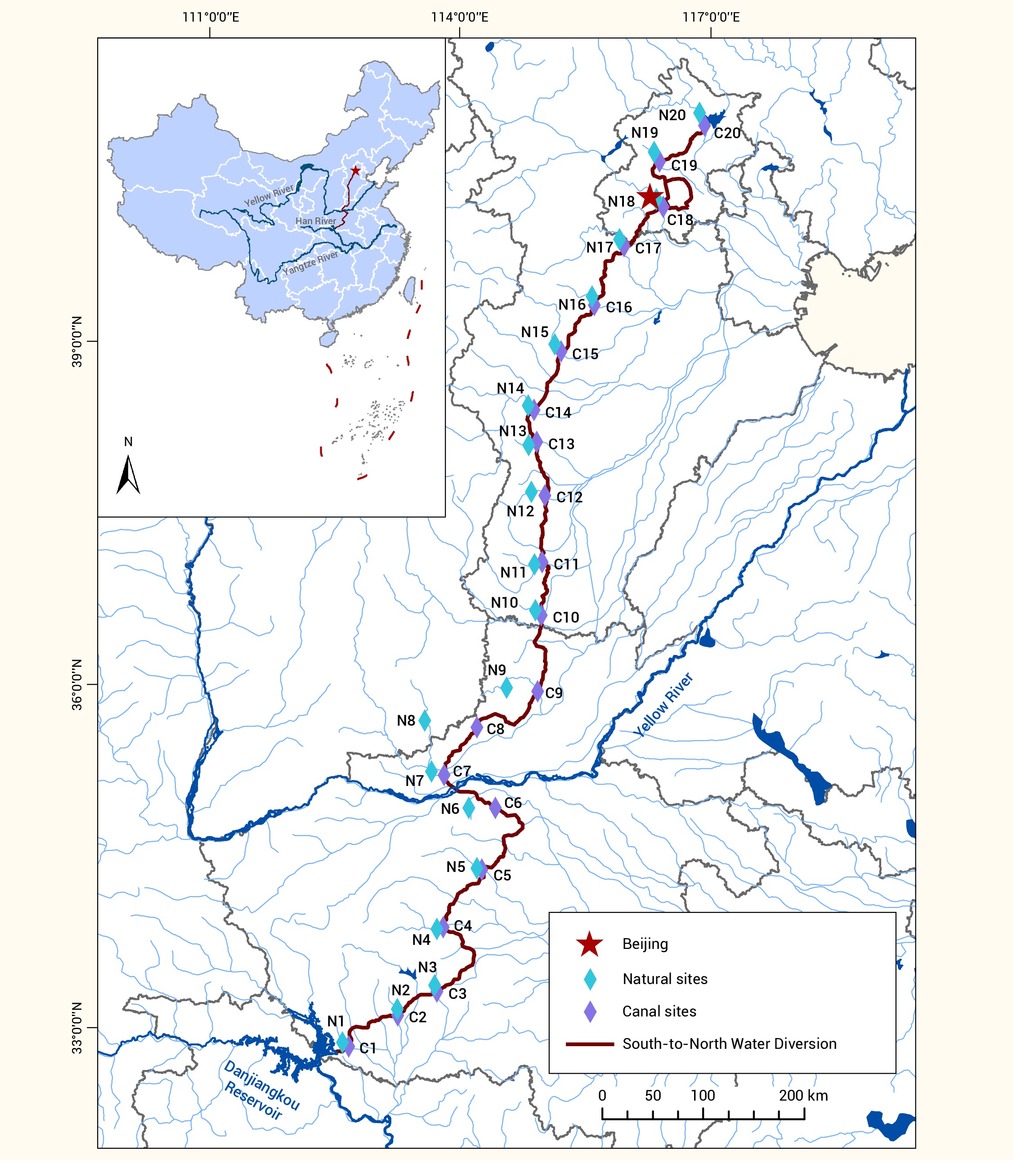
Figure 1.
Map of the sampling sites
-
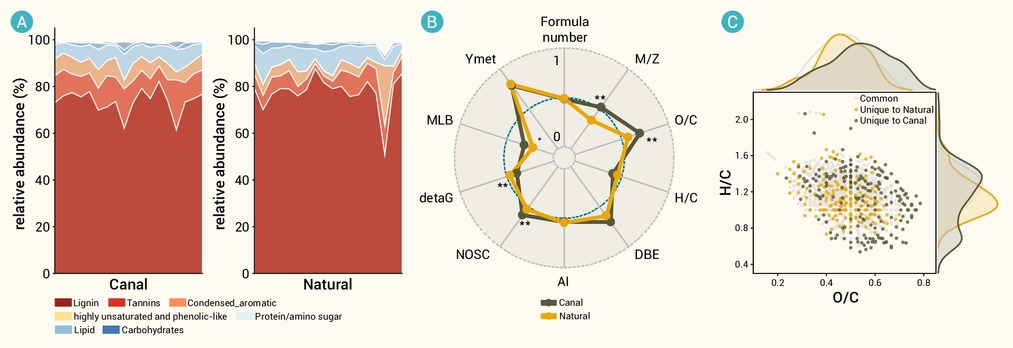
Figure 2.
Characteristics of dissolved organic matter (DOM) in natural and canal waters
-
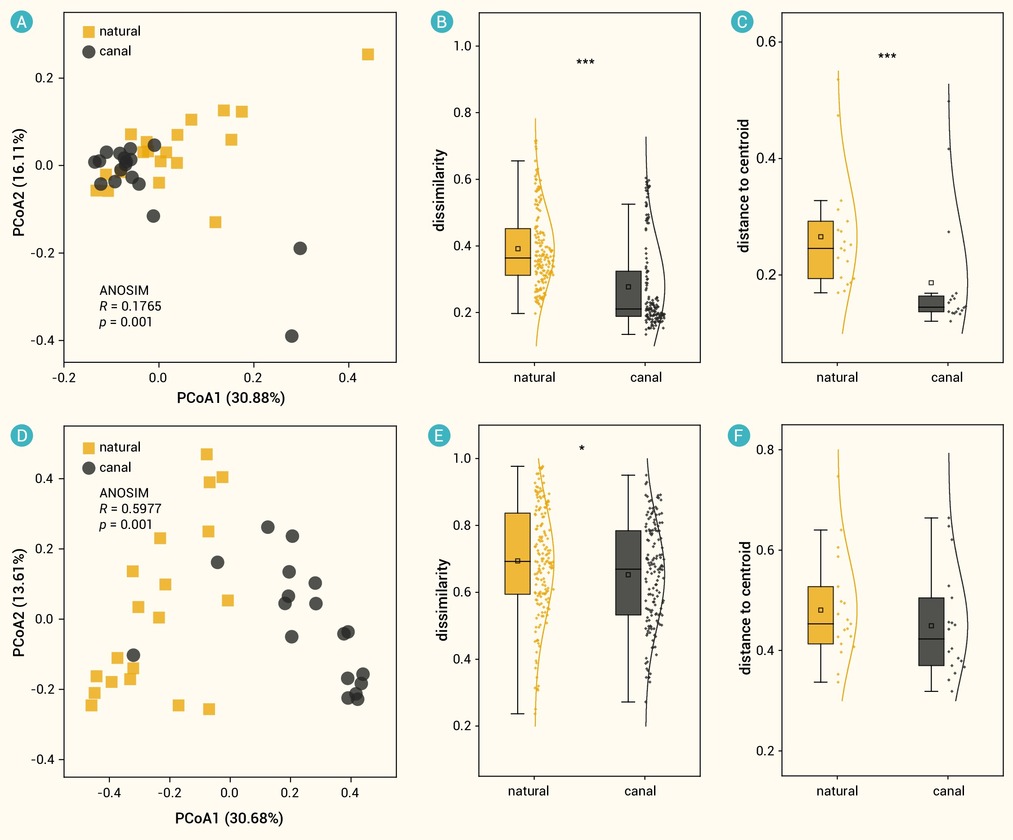
Figure 3.
Homogenization of DOM and bacterial communities in canal waters
-
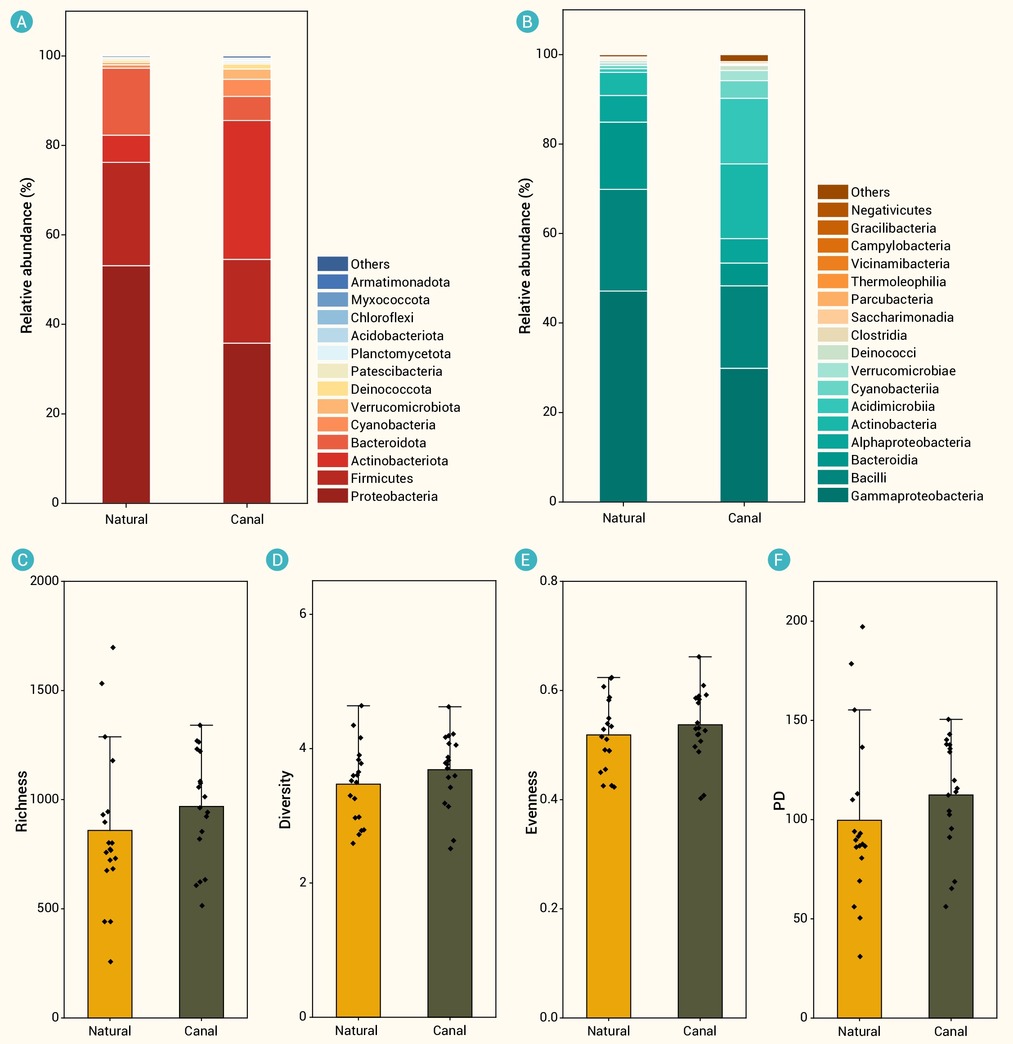
Figure 4.
The bacterial communities in natural and canal waters
-
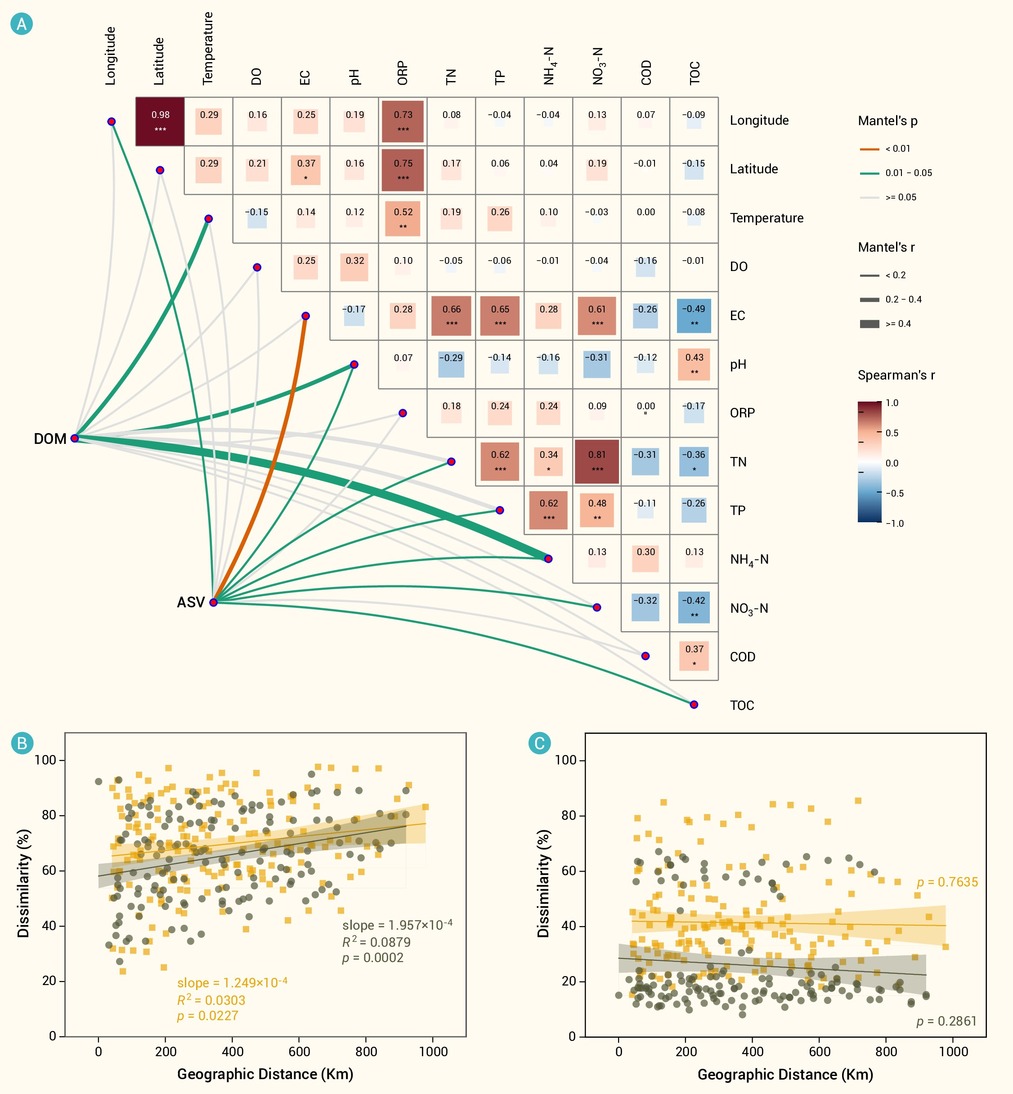
Figure 5.
The relationship between environmental variables and DOM composition or bacterial community
-
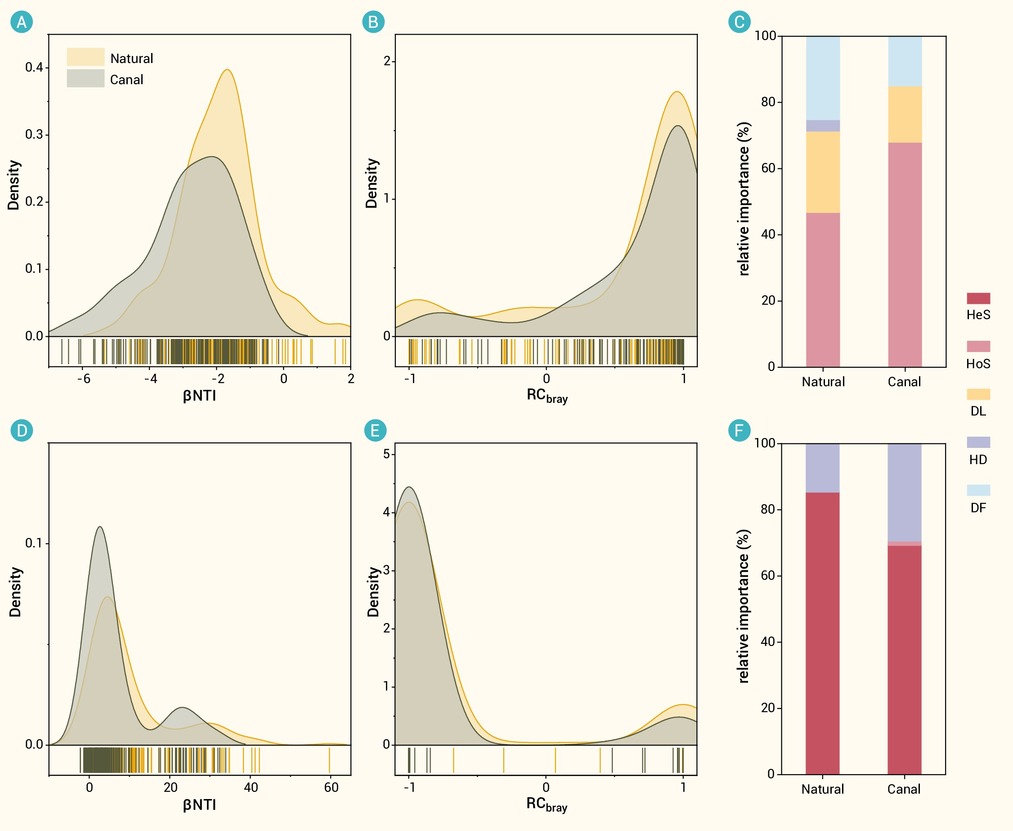
Figure 6.
The null model results of microbial communities and DOM composition
-
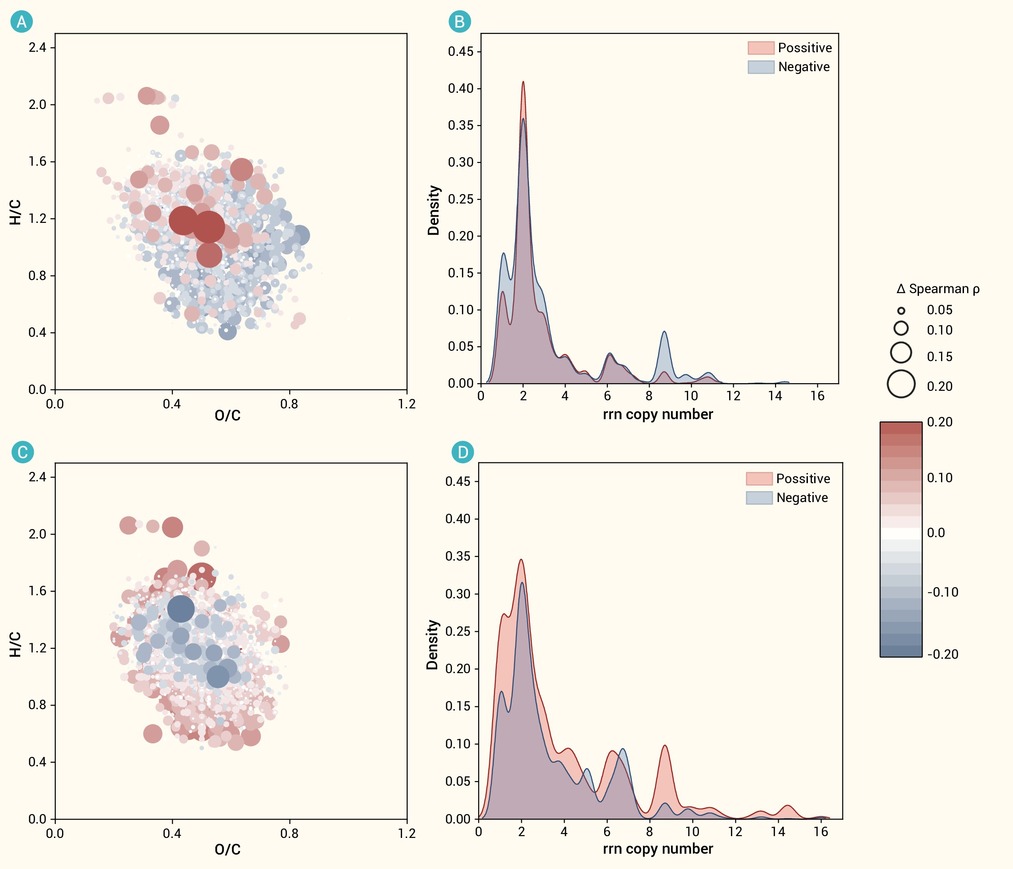
Figure 7.
Association between DOM molecules and bacterial ASVs
-
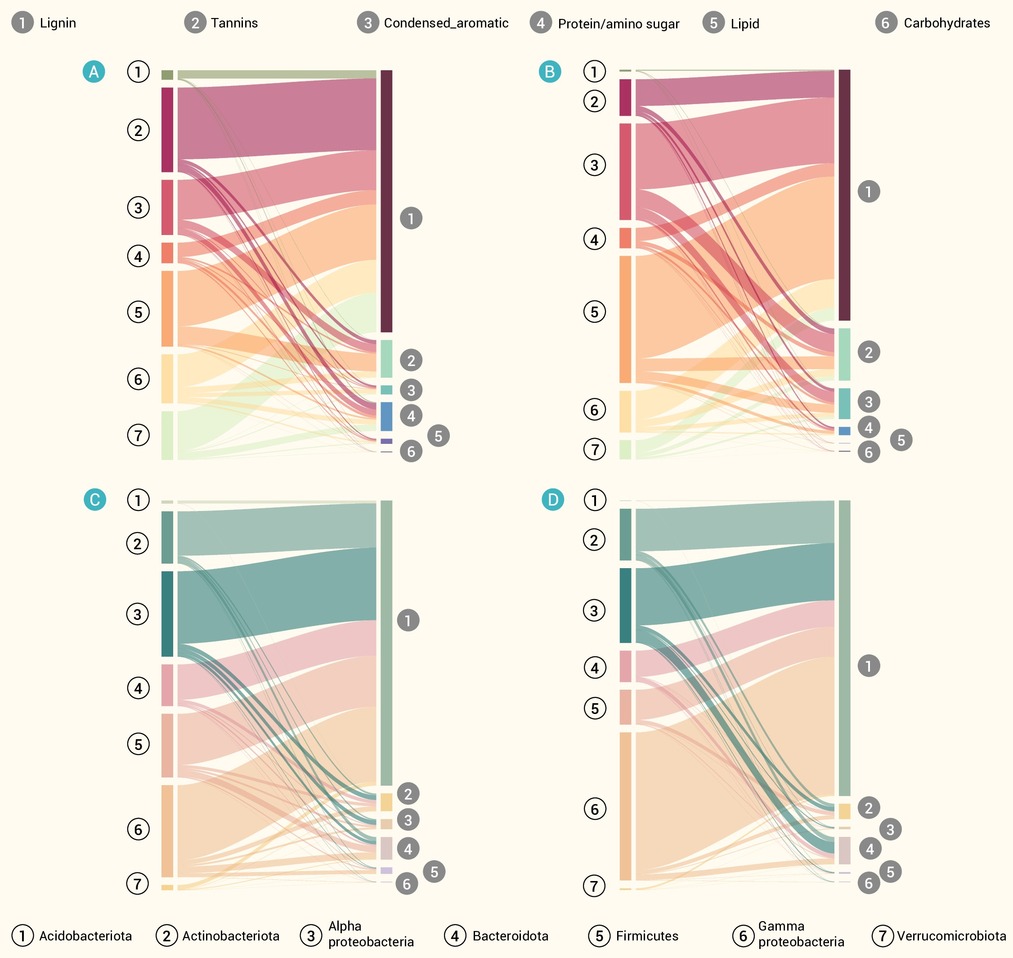
Figure 8.
Bipartite networks between DOM molecules and bacterial ASVs colored by the phylum
