RNA m6A Modification in Cancers: Molecular Mechanisms and Potential Clinical Applications


Graphical Abstract
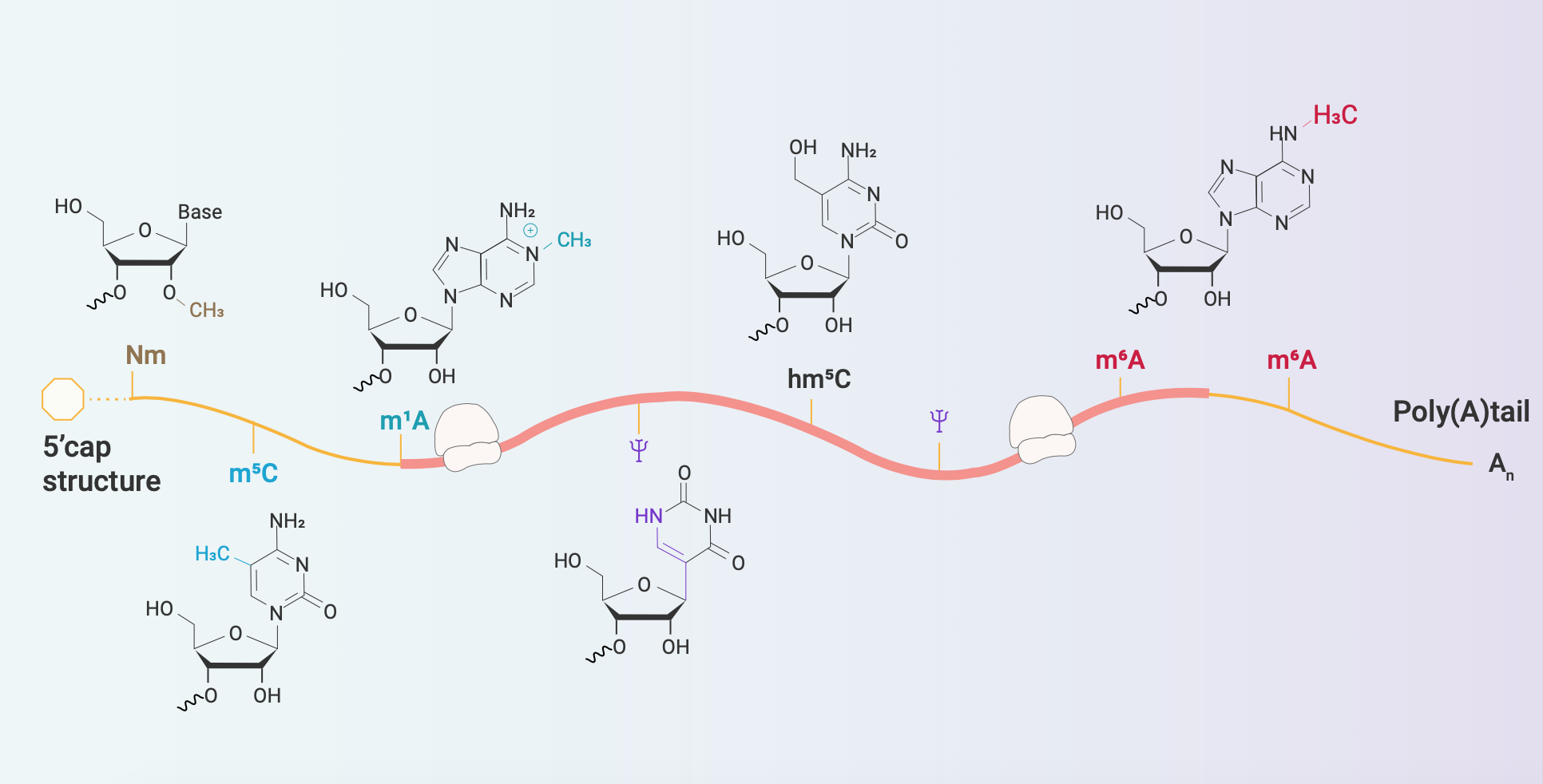
N6-Methyladenosine (m6A) RNA modification brings a new dawn for RNA modification researches in recent years. This posttranscriptional RNA modification is dynamic and reversible, and is regulated by methylases (“writers”), demethylases (“erasers”), and proteins that preferentially recognize m6A modifications (“readers”). The change of RNA m6A modification regulates RNA metabolism in eucaryon, including translation, splicing, exporting, decay, and processing. Thereby the dysregulation of m6A may lead to tumorigenesis and progression. Given the tumorigenic role of abnormal m6A expression, m6A regulators may function as potential clinical therapeutic targets for cancers. In this review, we emphasize on the underlying mechanisms of m6A modifications in tumorigenesis and further introduce the potential m6A regulators-associated therapeutic targets for tumor therapy.
Cite this article
Gu, C., Shi, X., Dai, C., Shen, F., Rocco, G., Chen, J., Huang, Z., Chen, C., He, C., Huang, T. and Chen, C. RNA m6A Modification in Cancers: Molecular Mechanisms and Potential Clinical Applications. The Innovation 1 (3), 100066 (2020). doi: 10.1016/j.xinn.2020.100066