
The role of extratumoral and intratumoral microorganisms in cancer immunotherapy
-
GRAPHICAL ABSTRACT
 DownLoad:
Full size image
DownLoad:
Full size image
-
PUBLIC SUMMARY
-
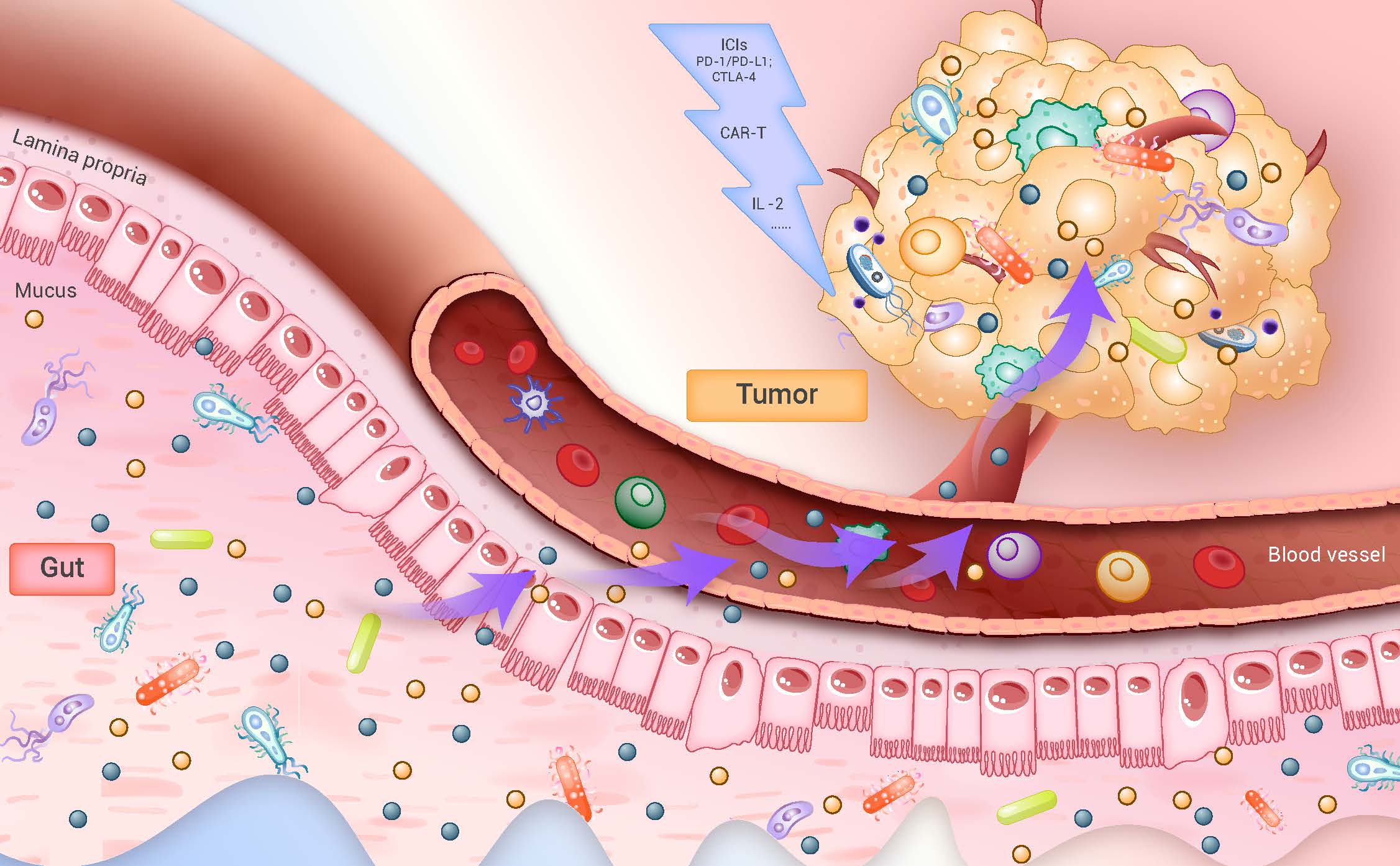
Human microorganisms are distributed inside and outside tumors.
Gut microbiome regulates immune cells and affects anti-tumor immunotherapy.
Intratumoral bacteria promote tumor development.
Intratumoral bacteria activate immune cells to enhance immunotherapy efficacy.
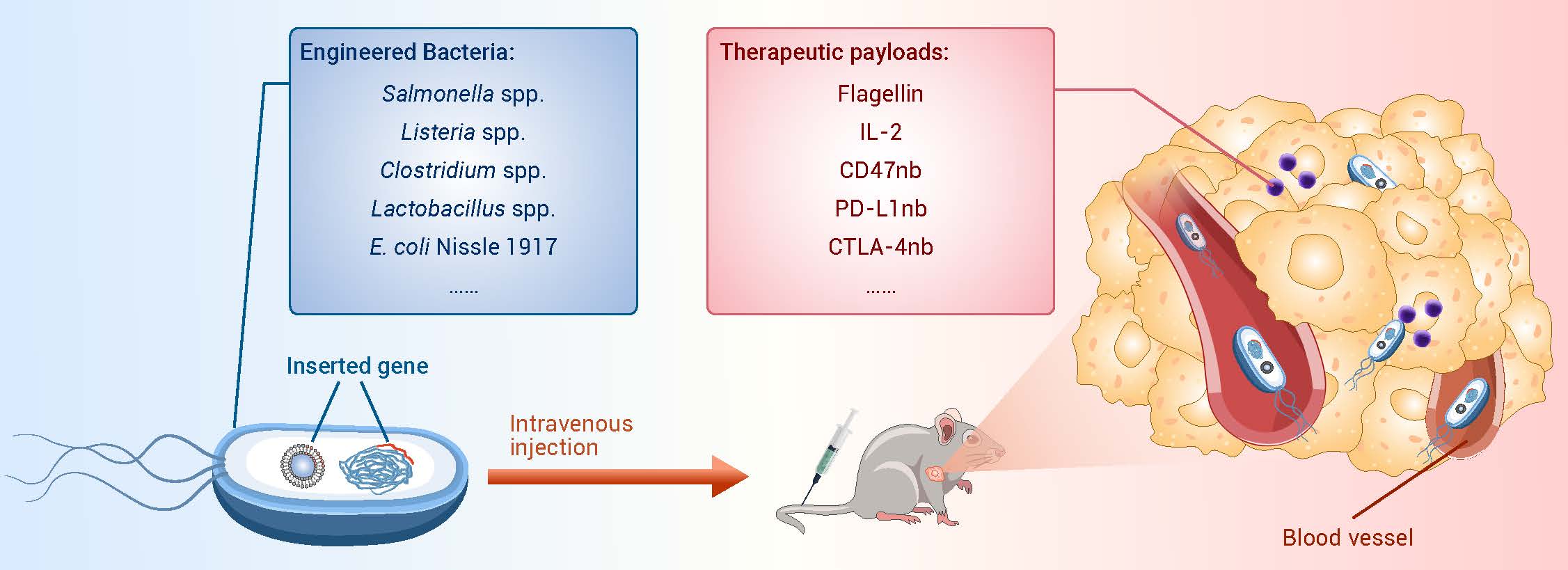
Engineered bacteria accurately target tumor sites to deliver therapeutic vectors.
-
-
ABSTRACT
Microbiome is ubiquitous in human and distributed in not only normal organs such as gut, but also in tumor tissues of the host. Numerous studies have proven that the extratumoral microbiota (mainly gut microbiota) has a close relationship with the local and systemic immune systems of the host. The bacteria, viruses and fungi in gut can influence the activity of innate and adaptive immune cells, affecting the outcomes of immunotherapy. In addition to microbiota in the gut, special microbiota (intratumoral microbiota) exists in the tumor microenvironment (TME), which provides a critical niche for anaerobic or facultative anaerobic bacteria to colonize and proliferate. Intratumoral microorganisms or their metabolites can substantially improve the immunosuppressive of the TME, reactivate immune cells, or recruit activated immune cells, indicating a potential effect on immunotherapy. Furthermore, with the development of synthetic biology, some tumor-targeting bacteria can be used as a biological chassis for the accurate delivery of different immunotherapeutic agents to tumor core through genetic programming technologies, enriching immunotherapy paradigms. In this review, we summarize the recent developments in effect of human microbiota, especially microorganisms in the TME, on immunoregulation, and discuss their potential application in the field of cancer immunotherapy. We also describe the ways to take advantage of genetically engineered bacteria targeting the TME to strengthen the efficacy of immunotherapy against cancer. Additionally, the remaining questions and further directions for microbiota application in immunotherapy are also discussed. -

-
REFERENCES
[1] Wei, W., Zeng, H., Zheng, R., et al. (2020). Cancer registration in China and its role in cancer prevention and control. Lancet Oncol. 21: e342−e349. DOI: 10.1016/S1470-2045(20)30073-5. [2] Tan, S., Li, D., and Zhu, X. (2020). Cancer immunotherapy: Pros, cons and beyond. Biomed. Pharmacother. 124: 109821. DOI: 10.1016/j.biopha.2020.109821. [3] Reck, M., Rodríguez-Abreu, D., Robinson, A.G., et al. (2016). Pembrolizumab versus chemotherapy for PD-L1-positive non-small-cell lung cancer. N. Engl. J. Med. 375: 1823−1833. DOI: 10.1056/NEJMoa1606774. [4] O'Donnell, J.S., Long, G.V., Scolyer, R.A., et al. (2017). Resistance to PD1/PDL1 checkpoint inhibition. Cancer Treat Rev. 52: 71−81. DOI: 10.1016/j.ctrv.2016.11.007. [5] Thompson, J.A. (2018). New NCCN guidelines: Recognition and management of immunotherapy-related toxicity. J. Natl. Compr. Canc. Netw. 16: 594−596. DOI: 10.6004/jnccn.2018.0047. [6] Neelapu, S.S., Tummala, S., Kebriaei, P., et al. (2018). Chimeric antigen receptor T-cell therapy - assessment and management of toxicities. Nat. Rev. Clin. Oncol. 15: 47−62. DOI: 10.1038/nrclinonc.2017.148. [7] Sepich-Poore, G.D., Zitvogel, L., Straussman, R., et al. (2021). The microbiome and human cancer. Science. 371: eabc4552. DOI: 10.1126/science.abc4552. [8] Gopalakrishnan, V., Helmink, B.A., Spencer, C.N., et al. (2018). The Influence of the gut microbiome on cancer, immunity, and cancer immunotherapy. Cancer Cell 33: 570−580. DOI: 10.1016/j.ccell.2018.03.015. [9] Helmink, B.A., Khan, M.A.W., Hermann, A., et al. (2019). The microbiome, cancer, and cancer therapy. Nat. Med. 25: 377−388. DOI: 10.1038/s41591-019-0377-7. [10] Zitvogel, L., Ma, Y., Raoult, D., et al. (2018). The microbiome in cancer immunotherapy: Diagnostic tools and therapeutic strategies. Science 359: 1366−1370. DOI: 10.1126/science.aar6918. [11] Shiao, S.L., Kershaw, K.M., Limon, J.J., et al. (2021). Commensal bacteria and fungi differentially regulate tumor responses to radiation therapy. Cancer Cell 39: 1202−1213.e1206. DOI: 10.1016/j.ccell.2021.07.002. [12] Kalaora, S., Nagler, A., Nejman, D., et al. (2021). Identification of bacteria-derived HLA-bound peptides in melanoma. Nature 592: 138−143. DOI: 10.1038/s41586-021-03368-8. [13] Alam, A., Levanduski, E., Denz, P., et al. (2022). Fungal mycobiome drives IL-33 secretion and type 2 immunity in pancreatic cancer. Cancer Cell 40: 153−167.e111. DOI: 10.1016/j.ccell.2022.01.003. [14] Wong-Rolle, A., Wei, H.K., Zhao, C., et al. (2021). Unexpected guests in the tumor microenvironment: microbiome in cancer. Protein Cell 12: 426−435. DOI: 10.1007/s13238-020-00813-8. [15] Spiljar, M., Merkler, D., and Trajkovski, M. (2017). The immune system bridges the gut microbiota with systemic energy homeostasis: Focus on TLRs, mucosal barrier, and SCFAs. Front. Immunol. 8: 1353. DOI: 10.3389/fimmu.2017.01353. [16] Meng, X., Zhang, J., Wu, H., et al. (2020). Akkermansia muciniphila aspartic protease Amuc_1434* inhibits human colorectal cancer LS174T cell viability via TRAIL-mediated apoptosis pathway. Int. J. Mol. Sci. 21: 3385. DOI: 10.3390/ijms21093385. [17] Derrien, M., Van Baarlen, P., Hooiveld, G., et al. (2011). Modulation of mucosal immune response, tolerance, and proliferation in mice colonized by the mucin-degrader Akkermansia muciniphila. Front. Microbiol. 2: 166. DOI: 10.3389/fmicb.2011.00166. [18] Wang, L., Tang, L., Feng, Y., et al. (2020). A purified membrane protein from Akkermansia muciniphila or the pasteurised bacterium blunts colitis associated tumourigenesis by modulation of CD8+ T cells in mice. Gut 69: 1988−1997. DOI: 10.1136/gutjnl-2019-320105. [19] Luo, Z.W., Xia, K., Liu, Y.W., et al. (2021). Extracellular vesicles from Akkermansia muciniphila elicit antitumor immunity against prostate cancer via modulation of CD8+ T cells and macrophages. Int. J. Nanomedicine 16: 2949−2963. DOI: 10.2147/IJN.S304515. [20] Smith, P.M., Howitt, M.R., Panikov, N., et al. (2013). The microbial metabolites, short-chain fatty acids, regulate colonic Treg cell homeostasis. Science 341: 569−573. DOI: 10.1126/science.1241165. [21] Furusawa, Y., Obata, Y., Fukuda, S., et al. (2013). Commensal microbe-derived butyrate induces the differentiation of colonic regulatory T cells. Nature 504: 446−450. DOI: 10.1038/nature12721. [22] Sun, M., Wu, W., Chen, L., et al. (2018). Microbiota-derived short-chain fatty acids promote Th1 cell IL-10 production to maintain intestinal homeostasis. Nat. Commun. 9: 3555. DOI: 10.1038/s41467-018-05901-2. [23] Eckalbar, W.L. and Erle, D.J. (2019). Singling out Th2 cells in eosinophilic esophagitis. J. Clin. Invest. 129: 1830−1832. DOI: 10.1172/JCI128479. [24] Guo, C., Xie, S., Chi, Z., et al. (2016). Bile acids control inflammation and metabolic disorder through inhibition of NLRP3 inflammasome. Immunity 45: 802−816. DOI: 10.1016/j.immuni.2016.09.008. [25] Pols, T.W., Nomura, M., Harach, T., et al. (2011). TGR5 activation inhibits atherosclerosis by reducing macrophage inflammation and lipid loading. Cell Metab. 14: 747−757. DOI: 10.1016/j.cmet.2011.11.006. [26] Biagioli, M., Carino, A., Cipriani, S., et al. (2017). The bile acid receptor GPBAR1 regulates the M1/M2 phenotype of intestinal macrophages and activation of GPBAR1 rescues mice from murine colitis. J. Immunol. 199: 718−733. DOI: 10.4049/jimmunol.1700183. [27] Morita, N., Umemoto, E., Fujita, S., et al. (2019). GPR31-dependent dendrite protrusion of intestinal CX3CR1+ cells by bacterial metabolites. Nature 566: 110−114. DOI: 10.1038/s41586-019-0884-1. [28] Diehl, G.E., Longman, R.S., Zhang, J.X., et al. (2013). Microbiota restricts trafficking of bacteria to mesenteric lymph nodes by CX(3)CR1(hi) cells. Nature 494: 116−120. DOI: 10.1038/nature11809. [29] Schluter, J., Peled, J.U., Taylor, B.P., et al. (2020). The gut microbiota is associated with immune cell dynamics in humans. Nature 588: 303−307. DOI: 10.1038/s41586-020-2971-8. [30] Reyes, A., Haynes, M., Hanson, N., et al. (2010). Viruses in the faecal microbiota of monozygotic twins and their mothers. Nature 466: 334−338. DOI: 10.1038/nature09199. [31] Liu, L., Gong, T., Tao, W., et al. (2019). Commensal viruses maintain intestinal intraepithelial lymphocytes via noncanonical RIG-I signaling. Nat. Immunol 20: 1681−1691. DOI: 10.1038/s41590-019-0513-z. [32] Wang, T., Fan, C., Yao, A., et al. (2018). The adaptor protein CARD9 protects against colon cancer by restricting mycobiota-mediated expansion of myeloid-derived suppressor cells. Imuunity 49: 504−514.e504. DOI: 10.1016/j.immuni.2018.08.018. [33] Aykut, B., Pushalkar, S., Chen, R., et al. (2019). The fungal mycobiome promotes pancreatic oncogenesis via activation of MBL. Nature 574: 264−267. DOI: 10.1038/s41586-019-1608-2. [34] Sivan, A., Corrales, L., Hubert, N., et al. (2015). Commensal bifidobacterium promotes antitumor immunity and facilitates anti-PD-L1 efficacy. Science 350: 1084−1089. DOI: 10.1126/science.aac4255. [35] Matson, V., Fessler, J., Bao, R., et al. (2018). The commensal microbiome is associated with anti-PD-1 efficacy in metastatic melanoma patients. Science 359: 104−108. DOI: 10.1126/science.aao3290. [36] Routy, B., Le Chatelier, E., Derosa, L., et al. (2018). Gut microbiome influences efficacy of PD-1-based immunotherapy against epithelial tumors. Science 359: 91−97. DOI: 10.1126/science.aan3706. [37] Derrien, M., Collado, M.C., Ben-Amor, K., et al. (2008). The Mucin degrader Akkermansia muciniphila is an abundant resident of the human intestinal tract. Appl. Environ. Microbiol. 74: 1646−1648. DOI: 10.1128/AEM.01226-07. [38] Shi, L., Sheng, J., Chen, G., et al. (2020). Combining IL-2-based immunotherapy with commensal probiotics produces enhanced antitumor immune response and tumor clearance. J. Immunother. Cancer 8: e000973. DOI: 10.1136/jitc-2020-000973. [39] Derosa, L., Routy, B., Thomas, A.M., et al. (2022). Intestinal Akkermansia muciniphila predicts clinical response to PD-1 blockade in patients with advanced non-small-cell lung cancer. Nat. Med. 28: 315−324. DOI: 10.1038/s41591-021-01655-5. [40] Mager, L.F., Burkhard, R., Pett, N., et al. (2020). Microbiome-derived inosine modulates response to checkpoint inhibitor immunotherapy. Science 369: 1481−1489. DOI: 10.1126/science.abc3421. [41] Bender, M.J., McPherson, A.C., Phelps, C.M., et al. (2023). Dietary tryptophan metabolite released by intratumoral Lactobacillus reuteri facilitates immune checkpoint inhibitor treatment. Cell 186: 1846−1862.e1826. DOI: 10.1016/j.cell.2023.03.011. [42] Frankel, A.E., Coughlin, L.A., Kim, J., et al. (2017). Metagenomic shotgun sequencing and unbiased metabolomic profiling identify specific human gut microbiota and metabolites associated with immune checkpoint therapy efficacy in melanoma patients. Neoplasia 19: 848−855. DOI: 10.1016/j.neo.2017.08.004. [43] Vétizou, M., Pitt, J.M., Daillère, R., et al. (2015). Anticancer immunotherapy by CTLA-4 blockade relies on the gut microbiota. Science 350: 1079−1084. DOI: 10.1126/science.aad1329. [44] Fessler, J., Matson, V., Gajewski, T.F. (2019). Exploring the emerging role of the microbiome in cancer immunotherapy. J. Immunother. Cancer 7: 108. DOI: 10.1186/s40425-019-0574-4. [45] Ansaldo, E., Farley, T.K., Belkaid, Y. (2021). Control of Immunity by the Microbiota. Annu. Rev. Immunol. 39: 449−479. DOI: 10.1146/annurev-immunol-093019-112348. [46] Porter, D.L., Hwang, W.T., Frey, N.V., et al. (2015). Chimeric antigen receptor T cells persist and induce sustained remissions in relapsed refractory chronic lymphocytic leukemia. Sci. Transl. Med. 7: 303ra139. [47] June, C.H., O'Connor, R.S., Kawalekar, O.U., et al. (2018). CAR T cell immunotherapy for human cancer. Science 359: 1361−1365. DOI: 10.1126/science.aar6711. [48] Grupp, S.A., Kalos, M., Barrett, D., et al. (2013). Chimeric antigen receptor-modified T cells for acute lymphoid leukemia. N. Engl. J. Med. 368: 1509−1518. DOI: 10.1056/NEJMoa1215134. [49] von Scheidt, B., Wang, M., Oliver, A.J., et al. (2019). Enterotoxins can support CAR T cells against solid tumors. Proc. Natl. Acad. Sci. USA 116: 25229−25235. DOI: 10.1073/pnas.1904618116. [50] Luu, M., Riester, Z., Baldrich, A., et al. (2021). Microbial short-chain fatty acids modulate CD8+ T cell responses and improve adoptive immunotherapy for cancer. Nat. Commun. 12: 4077. DOI: 10.1038/s41467-021-24331-1. [51] Kuczma, M.P., Ding, Z.C., Li, T., et al. (2017). The impact of antibiotic usage on the efficacy of chemoimmunotherapy is contingent on the source of tumor-reactive T cells. Oncotarget 8: 111931−111942. DOI: 10.18632/oncotarget.22953. [52] Dubin, K., Callahan, M.K., Ren, B., et al. (2016). Intestinal microbiome analyses identify melanoma patients at risk for checkpoint-blockade-induced colitis. Nat. Commun. 7: 10391. DOI: 10.1038/ncomms10391. [53] Sun, S., Luo, L., Liang, W., et al. (2020). Bifidobacterium alters the gut microbiota and modulates the functional metabolism of T regulatory cells in the context of immune checkpoint blockade. Proc. Natl. Acad. Sci. USA 117: 27509−27515. DOI: 10.1073/pnas.1921223117. [54] Blumenberg, V., Schubert, M.-L., Zamir, E., et al. (2020). Antibiotic therapy and low gut microbiome diversity is associated with decreased response and high toxicity in BCP-ALL and DLBCL patients after treatment with CD19. CAR T-Cells. Blood 136: 33−34. [55] Pfister, D., Núñez, N.G., Pinyol, R., et al. (2021). NASH limits anti-tumour surveillance in immunotherapy-treated HCC. Nature 592: 450−456. DOI: 10.1038/s41586-021-03362-0. [56] Liu, T., Li, Q., Lin, Z., et al. (2021). Viral infections and the efficacy of PD-(L)1 inhibitors in virus-related cancers: Head and neck squamous cell carcinoma and hepatocellular carcinoma. Int. Immunopharmacol. 100: 108128. DOI: 10.1016/j.intimp.2021.108128. [57] Thaiss, C.A., Zmora, N., Levy, M., Elinav, E. (2016). The microbiome and innate immunity. Nature 535: 65−74. DOI: 10.1038/nature18847. [58] Roma-Rodrigues, C., Mendes, R., Baptista, P.V., et al. (2019). Targeting tumor microenvironment for cancer therapy. Int. J. Mol. Sci. 20: 840. DOI: 10.3390/ijms20040840. [59] Forbes, N.S. (2010). Engineering the perfect (bacterial) cancer therapy. Nat. Rev. Cancer 10: 785−794. DOI: 10.1038/nrc2934. [60] Theys, J., Barbé, S., Landuyt, W., et al. (2003). Tumor-specific gene delivery using genetically engineered bacteria. Curr. Gene Ther. 3: 207−221. DOI: 10.2174/1566523034578357. [61] Sasaki, T., Fujimori, M., Hamaji, Y., et al. (2006). Genetically engineered Bifidobacterium longum for tumor-targeting enzyme-prodrug therapy of autochthonous mammary tumors in rats. Cancer Sci. 97: 649−657. DOI: 10.1111/j.1349-7006.2006.00221.x. [62] Wiemann, B. and Starnes, C.O. (1994). Coley's toxins, tumor necrosis factor and cancer research: a historical perspective. Pharmacol Ther. 64: 529−564. DOI: 10.1016/0163-7258(94)90023-X. [63] Nejman, D., Livyatan, I., Fuks, G., et al. (2020). The human tumor microbiome is composed of tumor type-specific intracellular bacteria. Science 368: 973−980. DOI: 10.1126/science.aay9189. [64] Banerjee, S., Tian, T., Wei, Z., et al. (2018). Distinct Microbial Signatures Associated With Different Breast Cancer Types. Front. Microbiol. 9: 951. DOI: 10.3389/fmicb.2018.00951. [65] Urbaniak, C., Gloor, G.B., Brackstone, M., et al. (2016). The microbiota of breast tissue and its association with breast cancer. Appl. Environ. Microbiol. 82: 5039−5048. DOI: 10.1128/AEM.01235-16. [66] Riquelme, E., Zhang, Y., Zhang, L., et al. (2019). Tumor microbiome diversity and composition influence pancreatic cancer outcomes. Cell 178: 795−806.e712. DOI: 10.1016/j.cell.2019.07.008. [67] Choi, Y., Lichterman, J.N., Coughlin, L.A., et al. (2023). Immune checkpoint blockade induces gut microbiota translocation that augments extraintestinal antitumor immunity. Sci. Immunol 8: eabo2003. DOI: 10.1126/sciimmunol.abo2003. [68] Garrett, W.S. (2015). Cancer and the microbiota. Science 348: 80−86. DOI: 10.1126/science.aaa4972. [69] Greathouse, K.L., White, J.R., Vargas, A.J., et al. (2018). Interaction between the microbiome and TP53 in human lung cancer. Genome Biol. 19: 123. DOI: 10.1186/s13059-018-1501-6. [70] Tsay, J.J., Wu, B.G., Badri, M.H., et al. (2018). Airway microbiota is associated with upregulation of the PI3K pathway in lung cancer. Am. J. Respir. Crit. Care Med. 198: 1188−1198. DOI: 10.1164/rccm.201710-2118OC. [71] Koch, M., Hussein, F., Woeste, A., et al. (2011). CD36-mediated activation of endothelial cell apoptosis by an N-terminal recombinant fragment of thrombospondin-2 inhibits breast cancer growth and metastasis in vivo. Breast Cancer Res. Treat. 128: 337−346. DOI: 10.1007/s10549-010-1085-7. [72] Dzutsev, A., Badger, J.H., Perez-Chanona, E., et al. (2017). Microbes and cancer. Annu. Rev. Immunol. 35: 199−228. DOI: 10.1146/annurev-immunol-051116-052133. [73] Grivennikov, S.I., Wang, K., Mucida, D., et al. (2012). Adenoma-linked barrier defects and microbial products drive IL-23/IL-17-mediated tumour growth. Nature. 491: 254−258. DOI: 10.1038/nature11465. [74] Triner, D., Devenport, S.N., Ramakrishnan, S.K., et al. (2019). Neutrophils restrict tumor-associated microbiota to reduce growth and invasion of colon tumors in mice. Gastroenterology. 156: 1467−1482. DOI: 10.1053/j.gastro.2018.12.003. [75] Dong, Q., Chen, E.S., Zhao, C., et al. (2021). Host-microbiome interaction in lung cancer. Front. Immunol. 12: 679829. DOI: 10.3389/fimmu.2021.679829. [76] Le Noci, V., Guglielmetti, S., Arioli, S., et al. (2018). Modulation of pulmonary microbiota by antibiotic or probiotic aerosol therapy: A strategy to promote immunosurveillance against lung metastases. Cell Rep. 24: 3528−3538. DOI: 10.1016/j.celrep.2018.08.090. [77] Balachandran, V.P., Łuksza, M., Zhao, J.N., et al. (2017). Identification of unique neoantigen qualities in long-term survivors of pancreatic cancer. Nature 551: 512−516. DOI: 10.1038/nature24462. [78] Hoste, E., Arwert, E.N., Lal, R., et al. (2015). Innate sensing of microbial products promotes wound-induced skin cancer. Nat. Commun. 6: 5932. DOI: 10.1038/ncomms6932. [79] Wang, H., Rong, X., Zhao, G., et al. (2022). The microbial metabolite trimethylamine N-oxide promotes antitumor immunity in triple-negative breast cancer. Cell Metab. 34: 581-594 e588. DOI: 10.1016/j.cmet.2022.02.010. [80] Mirji, G., Worth, A., Bhat, S.A., et al. (2022). The microbiome-derived metabolite TMAO drives immune activation and boosts responses to immune checkpoint blockade in pancreatic cancer. Sci. Immunol. 7: eabn0704. DOI: 10.1126/sciimmunol.abn0704. [81] Shi, Y., Zheng, W., Yang, K., et al. (2020). Intratumoral accumulation of gut microbiota facilitates CD47-based immunotherapy via STING signaling. J. Exp. Med. 217: e20192282. DOI: 10.1084/jem.20192282. [82] Huang, X., Pan, J., Xu, F., et al. (2021). Bacteria-based cancer immunotherapy. Adv. Sci. (Weinh) 8: 2003572. DOI: 10.1002/advs.202003572. [83] Zhou, S., Gravekamp, C., Bermudes, D., et al. (2018). Tumour-targeting bacteria engineered to fight cancer. Nat. Rev. Cancer 18: 727−743. DOI: 10.1038/s41568-018-0070-z. [84] Cai, Z., Sanchez, A., Shi, Z., et al. (2011). Activation of Toll-like receptor 5 on breast cancer cells by flagellin suppresses cell proliferation and tumor growth. Cancer Res. 71: 2466−2475. [85] Uchugonova, A., Zhang, Y., Salz, R., et al. (2015). Imaging the different mechanisms of prostate cancer cell-killing by tumor-targeting Salmonella typhimurium A1-R. Anticancer Res. 35: 5225−5229. DOI: 10.1158/0008-5472.CAN-10-1993. [86] Ganai, S., Arenas, R.B., Sauer, J.P., et al. (2011). In tumors Salmonella migrate away from vasculature toward the transition zone and induce apoptosis. Cancer Gene Ther. 18: 457−466. DOI: 10.1038/cgt.2011.10. [87] Kim, S.H., Castro, F., Paterson, Y., et al. (2009). High efficacy of a Listeria-based vaccine against metastatic breast cancer reveals a dual mode of action. Cancer Res. 69: 5860−5866. DOI: 10.1158/0008-5472.CAN-08-4855. [88] Chandra, D., Jahangir, A., Quispe-Tintaya, W., et al. (2013). Myeloid-derived suppressor cells have a central role in attenuated Listeria monocytogenes-based immunotherapy against metastatic breast cancer in young and old mice. Br. J. Cancer 108: 2281−2290. DOI: 10.1038/bjc.2013.206. [89] Bettegowda, C., Huang, X., Lin, J., et al. (2006). The genome and transcriptomes of the anti-tumor agent Clostridium novyi-NT. Nat. Biotechnol. 24: 1573−1580. DOI: 10.1038/nbt1256. [90] Cheong, I., Huang, X., Bettegowda, C., et al. (2006). A bacterial protein enhances the release and efficacy of liposomal cancer drugs. Science 314: 1308−1311. DOI: 10.1126/science.1130651. [91] Herr, H.W., Schwalb, D.M., Zhang, Z.F., et al. (1995). Intravesical bacillus Calmette-Guérin therapy prevents tumor progression and death from superficial bladder cancer: ten-year follow-up of a prospective randomized trial. J. Clin. Oncol. 13: 1404−1408. DOI: 10.1200/JCO.1995.13.6.1404. [92] Lamm, D.L. (1995). BCG immunotherapy for transitional-cell carcinoma in situ of the bladder. Oncology (Williston Park). 9: 947-952, 955, discussion 955-965. [93] De Jager, R., Guinan, P., Lamm, D., et al. (1991). Long-term complete remission in bladder carcinoma in situ with intravesical TICE bacillus Calmette Guerin. Overview analysis of six phase II clinical trials. Urology 38: 507−513. DOI: 10.1016/0090-4295(91)80166-5. [94] Dang, L.H., Bettegowda, C., Huso, D.L., et al. (2001). Combination bacteriolytic therapy for the treatment of experimental tumors. Proc. Natl. Acad. Sci. USA 98: 15155−15160. DOI: 10.1073/pnas.251543698. [95] Low, K.B., Ittensohn, M., Le, T., et al. (1999). Lipid A mutant Salmonella with suppressed virulence and TNFalpha induction retain tumor-targeting in vivo. Nat. Biotechnol. 17: 37−41. DOI: 10.1038/5205. [96] Na, H.S., Kim, H.J., Lee, H.C., et al. (2006). Immune response induced by Salmonella typhimurium defective in ppGpp synthesis. Vaccine 24: 2027−2034. DOI: 10.1016/j.vaccine.2005.11.031. [97] Zhao, M., Yang, M., Li, X.M., et al. (2005). Tumor-targeting bacterial therapy with amino acid auxotrophs of GFP-expressing Salmonella typhimurium. Proc. Natl. Acad. Sci. USA 102: 755−760. DOI: 10.1073/pnas.0408422102. [98] Leventhal, D.S., Sokolovska, A., Li, N., et al. (2020). Immunotherapy with engineered bacteria by targeting the STING pathway for anti-tumor immunity. Nat. Commun. 11: 2739. DOI: 10.1038/s41467-020-16602-0. [99] Yu, B., Yang, M., Shi, L., et al. (2012). Explicit hypoxia targeting with tumor suppression by creating an "obligate" anaerobic Salmonella Typhimurium strain. Sci Rep. 2: 436. DOI: 10.1038/srep00436. [100] Flentie, K., Kocher, B., Gammon, S.T., et al. (2012). A bioluminescent transposon reporter-trap identifies tumor-specific microenvironment-induced promoters in Salmonella for conditional bacterial-based tumor therapy. Cancer Discov. 2: 624−637. DOI: 10.1158/2159-8290.CD-11-0201. [101] Din, M.O., Danino, T., Prindle, A., et al. (2016). Synchronized cycles of bacterial lysis for in vivo delivery. Nature 536: 81−85. DOI: 10.1038/nature18930. [102] Ryan, R.M., Green, J., Williams, P.J., et al. (2009). Bacterial delivery of a novel cytolysin to hypoxic areas of solid tumors. Gene Ther. 16: 329−339. DOI: 10.1038/gt.2008.188. [103] Lim, D., Kim, K.S., Kim, H., et al. (2017). Anti-tumor activity of an immunotoxin (TGFα-PE38) delivered by attenuated Salmonella typhimurium. Oncotarget 8: 37550−37560. DOI: 10.18632/oncotarget.17197. [104] Yi, C., Huang, Y., Guo, Z.Y., et al. (2005). Antitumor effect of cytosine deaminase/5-fluorocytosine suicide gene therapy system mediated by Bifidobacterium infantis on melanoma. Acta. Pharmacol. Sin. 26: 629−634. DOI: 10.1111/j.1745-7254.2005.00094.x. [105] Theys, J., Pennington, O., Dubois, L., et al. (2006). Repeated cycles of Clostridium-directed enzyme prodrug therapy result in sustained antitumour effects in vivo. Br. J. Cancer 95: 1212−1219. DOI: 10.1038/sj.bjc.6603367. [106] Huang, C., Wang, F.B., Liu, L., et al. (2021). Hypoxic Tumor Radiosensitization Using Engineered Probiotics. Adv. Healthc. Mater. 10: e2002207. DOI: 10.1002/adhm.202002207. [107] Rosenberg, S.A. (2014). IL-2: The first effective immunotherapy for human cancer. J. Immunol. 192: 5451−5458. DOI: 10.4049/jimmunol.1490019. [108] Mulatero, C.W., Penson, R.T., Papamichael, D., et al. (2001). A phase II study of combined intravenous and subcutaneous interleukin-2 in malignant pleural mesothelioma. Lung Cancer 31: 67−72. DOI: 10.1016/S0169-5002(00)00157-4. [109] Fritz, S.E., Henson, M.S., Greengard, E., et al. (2016). A phase I clinical study to evaluate safety of orally administered, genetically engineered Salmonella enterica serovar Typhimurium for canine osteosarcoma. Vet. Med. Sci. 2: 179−190. DOI: 10.1002/vms3.32. [110] Saltzman, D.A., Heise, C.P., Hasz, D.E., et al. (1996). Attenuated Salmonella typhimurium containing interleukin-2 decreases MC-38 hepatic metastases: A novel anti-tumor agent. Cancer Biother. Radiopharm. 11: 145−153. [111] Zhang, Y.L., Lü, R., Chang, Z.S., et al. (2014). Clostridium sporogenes delivers interleukin-12 to hypoxic tumours, producing antitumour activity without significant toxicity. Lett. Appl. Microbiol. 59: 580−586. DOI: 10.1111/lam.12322. [112] Loeffler, M., Le'Negrate, G., Krajewska, et al. (2008). IL-18-producing Salmonella inhibit tumor growth. Cancer Gene Ther. 15: 787−794. DOI: 10.1038/cgt.2008.48. [113] Yoon, W., Park, Y.C., Kim, J., et al. (2017). Application of genetically engineered Salmonella typhimurium for interferon-gamma-induced therapy against melanoma. Eur. J. Cancer 70: 48−61. DOI: 10.1016/j.ejca.2016.10.010. [114] Yoon, W.S., Choi, W.C., Sin, J.I., et al. (2007). Antitumor therapeutic effects of Salmonella typhimurium containing Flt3 Ligand expression plasmids in melanoma-bearing mouse. Biotechnol. Lett. 29: 511−516. DOI: 10.1007/s10529-006-9270-9. [115] Loeffler, M., Le'Negrate, G., Krajewska, et al. (2009). Salmonella typhimurium engineered to produce CCL21 inhibit tumor growth. Cancer Immunol. Immunother. 58: 769−775. DOI: 10.1007/s00262-008-0555-9. [116] Loeffler, M., Le'Negrate, G., Krajewska, M., et al. (2007). Attenuated Salmonella engineered to produce human cytokine LIGHT inhibit tumor growth. Proc. Natl. Acad. Sci. USA 104: 12879−12883. DOI: 10.1073/pnas.0701959104. [117] Zheng, J.H., Nguyen, V.H., Jiang, S.N., et al. (2017). Two-step enhanced cancer immunotherapy with engineered Salmonella typhimurium secreting heterologous flagellin. Sci. Transl. Med. 9: eaak9537. DOI: 10.1126/scitranslmed.aak9537. [118] Shae, D., Becker, K.W., Christov, P., et al. (2019). Endosomolytic polymersomes increase the activity of cyclic dinucleotide STING agonists to enhance cancer immunotherapy. Nat. Nanotechnol. 14: 269−278. DOI: 10.1038/s41565-018-0342-5. [119] Chowdhury, S., Castro, S., Coker, C., et al. (2019). Programmable bacteria induce durable tumor regression and systemic antitumor immunity. Nat. Med. 25: 1057−1063. DOI: 10.1038/s41591-019-0498-z. [120] Gurbatri, C.R., Lia, I., Vincent, R., et al. (2020). Engineered probiotics for local tumor delivery of checkpoint blockade nanobodies. Sci. Transl. Med. 12: eaax0876. DOI: 10.1126/scitranslmed.aax0876. [121] Canale, F.P., Basso, C., Antonini, G., et al. (2021). Metabolic modulation of tumours with engineered bacteria for immunotherapy. Nature 598: 662−666. DOI: 10.1038/s41586-021-04003-2. [122] Massip, C., Branchu, P., Bossuet-Greif, N., et al. (2019). Deciphering the interplay between the genotoxic and probiotic activities of Escherichia coli Nissle 1917. PLoS Pathog. 15: e1008029. DOI: 10.1371/journal.ppat.1008029. [123] Sadecki, P.W., Balboa, S.J., Lopez, L.R., et al. (2021). Evolution of polymyxin resistance regulates colibactin production in Escherichia coli. ACS Chem. Biol. 16: 1243−1254. DOI: 10.1021/acschembio.1c00322. [124] Yang, L., Gu, X., Yu, J., et al. (2021). Oncolytic virotherapy: From bench to bedside. Front. Cell Dev. Biol. 9: 790150. DOI: 10.3389/fcell.2021.790150. [125] Ban, W., Guan, J., Huang, H., et al. (2022). Emerging systemic delivery strategies of oncolytic viruses: A key step toward cancer immunotherapy. Nano Res. 15: 4137–4153. DOI: 10.1007/s12274-021-4031-6. [126] Burke, S., Shergold, A., Elder, M.J., et al. (2020). Oncolytic Newcastle disease virus activation of the innate immune response and priming of antitumor adaptive responses in vitro. Cancer Immunol. Immunother. 69: 1015−1027. DOI: 10.1007/s00262-020-02495-x. [127] Liu, B.L., Robinson, M., Han, Z.Q., et al. (2003). ICP34.5 deleted herpes simplex virus with enhanced oncolytic, immune stimulating, and anti-tumour properties. Gene Ther. 10: 292-303. DOI: 10.1038/sj.gt.3301885. [128] Rodríguez Stewart, R.M., Berry, J.T.L., Berger, A.K., et al. (2019). Enhanced killing of triple-negative breast cancer cells by reassortant reovirus and topoisomerase inhibitors. J. Virol. 93: e01411-19. [129] Zhu, R., Weng, D., Lu, S., et al. (2018). Double-dose adenovirus-mediated adjuvant gene therapy improves liver transplantation outcomes in patients with advanced hepatocellular carcinoma. Hum. Gene Ther. 29: 251−258. DOI: 10.1089/hum.2017.114. [130] Park, J.S., Gazzaniga, F.S., Wu, M., et al. (2023). Targeting PD-L2-RGMb overcomes microbiome-related immunotherapy resistance. Nature 617: 377−385. DOI: 10.1038/s41586-023-06026-3. [131] Tanoue, T., Morita, S., Plichta, D.R., et al. (2019). A defined commensal consortium elicits CD8 T cells and anti-cancer immunity. Nature 565: 600−605. DOI: 10.1038/s41586-019-0878-z. [132] Gopalakrishnan, V., Spencer, C.N., Nezi, L., et al. (2018). Gut microbiome modulates response to anti-PD-1 immunotherapy in melanoma patients. Science 359: 97−103. DOI: 10.1126/science.aan4236. [133] Si, W., Liang, H., Bugno, J., et al. (2021). Lactobacillus rhamnosus GG induces cGAS/STING- dependent type I interferon and improves response to immune checkpoint blockade. Gut 71: 521-533. DOI: 10.1136/gutjnl-2020-323426. [134] Kim, O.Y., Park, H.T., Dinh, N.T.H., et al. (2017). Bacterial outer membrane vesicles suppress tumor by interferon-γ-mediated antitumor response. Nat. Commun. 8: 626. DOI: 10.1038/s41467-017-00729-8. -
ABOUT THIS ARTICLE
Cite this article:
Du Y., Liu L., Ma W., et al., (2023). The role of extratumoral and intratumoral microorganisms in cancer immunotherapy. The Innovation Life 1(2), 100016. https://doi.org/10.59717/j.xinn-life.2023.100016
Welcome!
To request copyright permission to republish or share portions of our works, please visit Copyright Clearance Center's (CCC) Marketplace website at marketplace.copyright.com.

Export File
Citation
Du Y., Liu L., Ma W., et al., (2023). The role of extratumoral and intratumoral microorganisms in cancer immunotherapy. The Innovation Life 1(2), 100016. https://doi.org/10.59717/j.xinn-life.2023.100016

Format
Content
-
Figure 1.
The role of extratumoral and intratumoral microbe in tumor and immunotherapy
-
Figure 2.
Engineered bacteria for cancer therapy
