
Listening to enteric bacteria from the perspective of antibiotic alternatives in animal husbandry
-
GRAPHICAL ABSTRACT
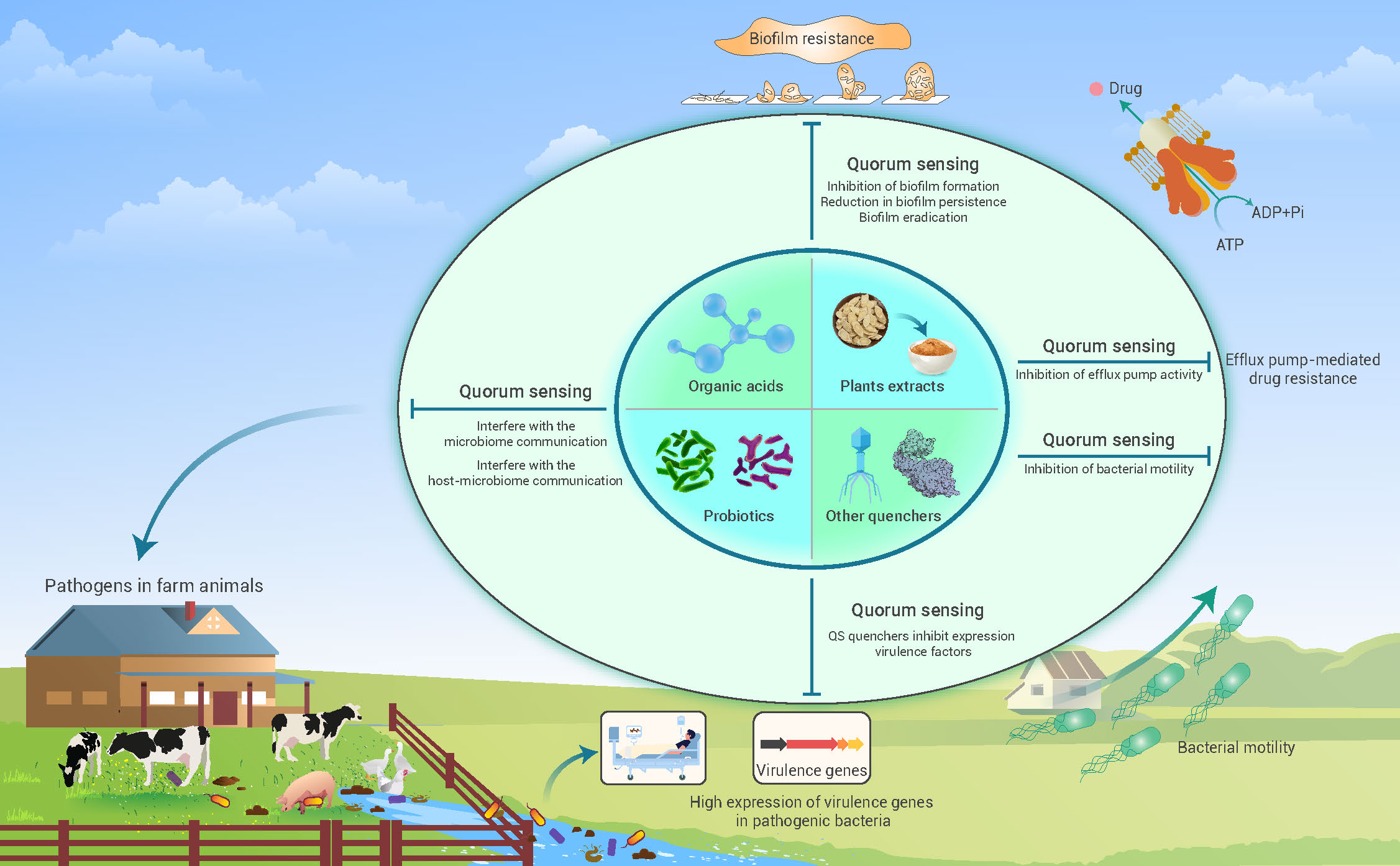
 DownLoad:
Full size image
DownLoad:
Full size image
-
PUBLIC SUMMARY
-
Quorum sensing is a bacterial communication system involved in virulence production, antibiotic resistance, motility and biofilm formation.
Quorum sensing is identified in the gut microbiota of ruminant, poultry and swine.
Halting quorum sensing by quenchers is a novel method to disrupt the pathogen transmission in animal husbandry.
-
-
ABSTRACT
Antibiotic alternatives are urgently needed to combat the gut dysbiosis and antibiotic resistance due to the long-term use of antibiotics in farm animals and the slow growth of discovery of novel antibiotics. Interfering with bacterial cell-to-cell communication, known as quorum sensing (QS) is a promising strategy. QS inhibitors, or quenchers, can suppress various social activities and physiological processes, including the production of virulence factors and biofilm formation without inducing antibiotic resistance. There are dense microbes in the gut of animals, which communicate with each other as well as the hosts. The phenomena of QS in gut pathogens of farm animals is a novel area that deserves intense interest and further research. However, a few of studies have investigated QS changes in gut pathogens of farm animals, and validation of quenchers in animals is lacking. Combining antibiotic alternatives and antibiotics could achieve a synergistic effect, and improving our understanding of QS targets and developing databases for precision medicine could lead to more effective and safe use of quenchers. In this review, we summarized recent development of QS in farm animals and the mechanism of quencher used as antibiotic alternatives. Furthermore, the review concluded the advantage of using QS to fight against bacteria and put forward some perspectives for the future development of QS in antibiotics. -

-
REFERENCES
[1] Gresse, R., Chaucheyras-Durand, F., Fleury, M.A., et al. (2017). Gut Microbiota Dysbiosis in Postweaning Piglets: Understanding the Keys to Health. Trends Microbiol. 25: 851−873. DOI: 10.1016/j.tim.2017.05.004. [2] He, S., Wang, Q., Li, S., et al. (2017). Antibiotic growth promoter olaquindox increases pathogen susceptibility in fish by inducing gut microbiota dysbiosis. Sci. China Life Sci. 60: 1260−1270. DOI: 10.1007/s11427-016-9072-6. [3] Savin, M., Bierbaum, G., Hammerl, J.A., et al. (2020). ESKAPE bacteria and extended-spectrum-beta-lactamase-producing Escherichia coli isolated from wastewater and process water from German poultry slaughterhouses. Appl. Environ. Microbiol. 86: e02748-19. DOI: 10.1128/AEM.02748-19. [4] Cheng, G., Hao, H., Xie, S., et al. (2014). Antibiotic alternatives: The substitution of antibiotics in animal husbandry. Front. Microbiol. 5: 217. [5] Njoroge, J., and Sperandio, V. (2009). Jamming bacterial communication: new approaches for the treatment of infectious diseases. EMBO Mol. Med. 1: 201−210. DOI: 10.1002/emmm.200900032. [6] Stanton, T.B. (2013). A call for antibiotic alternatives research. Trends Microbiol. 21: 111−113. DOI: 10.1016/j.tim.2012.11.002. [7] Soenen, S., Rayner, C.K., Jones, K.L., et al. (2016). The ageing gastrointestinal tract. Curr. Opin. Clin. Nutr. Metab. Care 19: 12−18. DOI: 10.1097/MCO.0000000000000238. [8] Biasato, I., Ferrocino, I., Grego, E., et al. (2019). Gut microbiota and mucin composition in female broiler chickens fed diets including yellow mealworm (Tenebrio molitor, L.). Animals (Basel) 9: 213. DOI: 10.3390/ani9050213. [9] Yan, W., Sun, C., Yuan, J., et al. (2017). Gut metagenomic analysis reveals prominent roles of Lactobacillus and cecal microbiota in chicken feed efficiency. Sci. Rep. 7: 45308. DOI: 10.1038/srep45308. [10] Engevik, M.A. and Versalovic, J. (2017). Biochemical features of beneficial microbes: Foundations for therapeutic microbiology. Microbiol. Spectr. 5: BAD-0012-2016. DOI: 10.1128/microbiolspec.BAD-0012-2016. [11] Hosny, R.A. and Fadel, M.A. (2021). Detection of quorum sensing N-acyl-homoserine lactone molecules produced by different resistant Klebsiella pneumoniae isolates recovered from poultry and different environmental niches. Appl. Biochem. Biotechnol. 193: 3351−3370. DOI: 10.1007/s12010-021-03605-w. [12] Lyte, J.M. and Lyte, M. (2019). Review: Microbial endocrinology: intersection of microbiology and neurobiology matters to swine health from infection to behavior. Animal 13: 2689−2698. DOI: 10.1017/S1751731119000284. [13] Papenfort, K. and Bassler, B.L. (2016). Quorum sensing signal-response systems in Gram-negative bacteria. Nat. Rev. Microbiol. 14: 576−588. DOI: 10.1038/nrmicro.2016.89. [14] Atkinson, S., and Williams, P. (2009). Quorum sensing and social networking in the microbial world. J. R.Soc. Interface 6: 959−978. DOI: 10.1098/rsif.2009.0203. [15] Kempner, E.S., and Hanson, F.E. (1968). Aspects of light production by Photobacterium fischeri. J. Bacteriol. 95: 975−979. DOI: 10.1128/jb.95.3.975-979.1968. [16] Eberhard, A., Burlingame, A.L., Eberhard, C., et al. (1981). Structural identification of autoinducer of Photobacterium fischeri luciferase. Biochemistry 20: 2444−2449. DOI: 10.1021/bi00512a013. [17] Fuqua, W.C., Winans, S.C., and Greenberg, E.P. (1994). Quorum sensing in bacteria: the LuxR-LuxI family of cell density-responsive transcriptional regulators. J Bacteriol. 176: 269−275. DOI: 10.1128/jb.176.2.269-275.1994. [18] Li, Y.H., and Tian, X. (2012). Quorum sensing and bacterial social interactions in biofilms. Sensors (Basel) 12: 2519−2538. DOI: 10.3390/s120302519. [19] Khan, I., Bai, Y., Zha, L., et al. (2021). Mechanism of the gut microbiota colonization resistance and enteric pathogen infection. Front. Cell Infect. Microbiol. 11: 716299. DOI: 10.3389/fcimb.2021.716299. [20] Deng, Z., Hou, K., Valencak, T.G., et al. (2022). AI-2/LuxS quorum sensing system promotes biofilm formation of Lactobacillus rhamnosus GG and enhances the resistance to enterotoxigenic Escherichia coli in germ-free zebrafish. Microbiol. Spectr. 10: e0061022. DOI: 10.1128/spectrum.00610-22. [21] Thompson, J.A., Oliveira, R.A., Djukovic, A., et al. (2015). Manipulation of the quorum sensing signal AI-2 affects the antibiotic-treated gut microbiota. Cell Rep. 10: 1861−1871. DOI: 10.1016/j.celrep.2015.02.049. [22] Sperandio, V., Torres, A.G., Jarvis, B., et al. (2003). Bacteria-host communication: The language of hormones. Proc. Natl. Acad. Sci. USA 100: 8951−8956. DOI: 10.1073/pnas.1537100100. [23] Zhanel, G.G., Wiebe, R., Dilay, L., et al. (2007). Comparative review of the carbapenems. Drugs 67: 1027−1052. DOI: 10.2165/00003495-200767070-00006. [24] Kaur, A., Preet, S., Kumar, V., et al. (2019). Synergetic effect of vancomycin loaded silver nanoparticles for enhanced antibacterial activity. Colloids. Surf. B Biointerfaces 176: 62−69. DOI: 10.1016/j.colsurfb.2018.12.043. [25] Belenky, P., Ye, J.D., Porter, C.B., et al. (2015). Bactericidal antibiotics induce toxic metabolic perturbations that lead to cellular damage. Cell Rep. 13: 968−980. DOI: 10.1016/j.celrep.2015.09.059. [26] Dafale, N.A., Srivastava, S., and Purohit, H.J. (2020). Zoonosis: An emerging link to antibiotic resistance under "One Health Approach". Indian J. Microbiol. 60: 139−152. DOI: 10.1007/s12088-020-00860-z. [27] Fan, Q., Zuo, J., Wang, H., et al. (2022). Contribution of quorum sensing to virulence and antibiotic resistance in zoonotic bacteria. Biotechnol. Adv. 59: 107965. DOI: 10.1016/j.biotechadv.2022.107965. [28] Nikaido, E., Yamaguchi, A., and Nishino, K. (2008). AcrAB multidrug efflux pump regulation in Salmonella enterica serovar Typhimurium by RamA in response to environmental signals. J. Biol. Chem. 283: 24245−24253. DOI: 10.1074/jbc.M804544200. [29] Wang, Y., Zhang, W., Wu, Z., et al. (2011). Reduced virulence is an important characteristic of biofilm infection of Streptococcus suis. FEMS Microbiol. Lett. 316: 36−43. DOI: 10.1111/j.1574-6968.2010.02189.x. [30] Liu, B., Yi, L., Li, J., et al. (2020). Autoinducer-2 influences tetracycline resistance in Streptococcus suis by regulating the tet(M) gene via transposon Tn916. Res. Vet. Sci. 128: 269−274. DOI: 10.1016/j.rvsc.2019.12.007. [31] Wang, Y., Liu, B., Li, J., et al. (2019). LuxS/AI-2 system is involved in fluoroquinolones susceptibility in Streptococcus suis through overexpression of efflux pump SatAB. Vet. Microbiol. 233: 154−158. DOI: 10.1016/j.vetmic.2019.05.006. [32] Yeo, S., Park, H., Ji, Y., et al. (2015). Influence of gastrointestinal stress on autoinducer-2 activity of two Lactobacillus species. FEMS Microbiol. Ecol. 91: fiv065. DOI: 10.1093/femsec/fiv065. [33] Vilson, A., Ramadan, Z., Li, Q., et al. (2018). Disentangling factors that shape the gut microbiota in German Shepherd dogs. PLoS One 13: e0193507. DOI: 10.1371/journal.pone.0193507. [34] Yeon, K.M. (2018). Quorum sensing as language of chemical signals. Compr. Anal. Chem. 81: 57−94. DOI: 10.1016/bs.coac.2018.03.010. [35] Zhou, S., Zhang, A., Yin, H., et al. (2016). Bacillus sp. QSI-1 modulate quorum sensing signals reduce aeromonas hydrophila level and alter gut microbial community structure in fish. Front. Cell Infect. Microbiol. 6: 184. DOI: 10.3389/fcimb.2016.00184. [36] Erickson, D.L., Nsereko, V.L., Morgavi, D.P., et al. (2002). Evidence of quorum sensing in the rumen ecosystem: detection of N-acyl homoserine lactone autoinducers in ruminal contents. Can. J. Microbiol. 48: 374−378. DOI: 10.1139/w02-022. [37] Helmy, Y.A., Kathayat, D., Deblais, L., et al. (2022). Evaluation of novel quorum sensing inhibitors targeting auto-inducer 2 (AI-2) for the control of avian pathogenic Escherichia coli infections in chickens. Microbiol. Spectr. 10: e0028622. DOI: 10.1128/spectrum.00286-22. [38] Bearson, B.L., and Bearson, S.M. (2008). The role of the QseC quorum-sensing sensor kinase in colonization and norepinephrine-enhanced motility of Salmonella enterica serovar Typhimurium. Microb. Pathog. 44: 271−278. DOI: 10.1016/j.micpath.2007.10.001. [39] Stewart, C.S., Flint, H.J., and Bryant, M.P. (1997). The rumen bacteria. In The Rumen Microbial Ecosystem, P.N. Hobson, and C.S. Stewart, eds. (Springer Netherlands), pp. 10-72. [40] Mitsumori, M., Xu, L., Kajikawa, H., et al. (2003). Possible quorum sensing in the rumen microbial community: detection of quorum-sensing signal molecules from rumen bacteria. FEMS Microbiol. Lett. 219: 47−52. DOI: 10.1016/S0378-1097(02)01192-8. [41] Cheng, K.-J., and McAllister, T.A. (1997). Compartmentation in the rumen. In The Rumen Microbial Ecosystem, P.N. Hobson, and C.S. Stewart, eds. (Springer Netherlands), pp. 492-522. [42] Taminiau, B., Daykin, M., Swift, S., et al. (2002). Identification of a quorum-sensing signal molecule in the facultative intracellular pathogen Brucella melitensis. Infect. Immun. 70: 3004−3011. DOI: 10.1128/IAI.70.6.3004-3011.2002. [43] Ghali, I., Shinkai, T., and Mitsumori, M. (2016). Mining of luxS genes from rumen microbial consortia by metagenomic and metatranscriptomic approaches. Anim. Sci. J. 87: 666−673. DOI: 10.1111/asj.12476. [44] Kumar, S., Mashooq, M., Gandham, R.K., et al. (2018). Characterization of quorum sensing system in Clostridium chauvoei. Anaerobe 52: 92−99. DOI: 10.1016/j.anaerobe.2018.06.006. [45] Xie, Y., Sun, H., Xue, M., et al. (2022). Metagenomics reveals differences in microbial composition and metabolic functions in the rumen of dairy cows with different residual feed intake. Anim. Microbiome 4: 19. DOI: 10.1186/s42523-022-00170-3. [46] Karmali, M.A. (2004). Infection by Shiga toxin-producing Escherichia coli: an overview. Mol. Biotechnol. 26: 117−122. DOI: 10.1385/MB:26:2:117. [47] Sharma, V.K. and Casey, T.A. (2014). Escherichia coli O157:H7 lacking the qseBC-encoded quorum-sensing system outcompetes the parental strain in colonization of cattle intestines. Appl. Environ. Microbiol. 80: 1882−1892. DOI: 10.1128/AEM.03198-13. [48] Liu, Q., Siloto, R.M., Lehner, R., et al. (2012). Acyl-CoA:Diacylglycerol acyltransferase: molecular biology, biochemistry and biotechnology. Prog. Lipid Res. 51: 350−377. DOI: 10.1016/j.plipres.2012.06.001. [49] Hughes, D.T., Terekhova, D.A., Liou, L., et al. (2010). Chemical sensing in mammalian host-bacterial commensal associations. Proc. Natl. Acad. Sci. USA 107: 9831−9836. DOI: 10.1073/pnas.1002551107. [50] Smith, J.N., Dyszel, J.L., Soares, J.A., et al. (2008). SdiA, an N-acylhomoserine lactone receptor, becomes active during the transit of Salmonella enterica through the gastrointestinal tract of turtles. PLoS One 3: e2826. DOI: 10.1371/journal.pone.0002826. [51] Nguyen, Y., Nguyen, N.X., Rogers, J.L., et al. (2015). Structural and mechanistic roles of novel chemical ligands on the SdiA quorum-sensing transcription regulator. mBio 6: e02429-14. DOI: 10.1128/mBio.02429-14. [52] Michael, B., Smith, J.N., Swift, S., et al. (2001). SdiA of Salmonella enterica is a LuxR homolog that detects mixed microbial communities. J Bacteriol. 183: 5733−5742. DOI: 10.1128/JB.183.19.5733-5742.2001. [53] Van Houdt, R., Aertsen, A., Moons, P., et al. (2006). N-acyl-L-homoserine lactone signal interception by Escherichia coli. FEMS Microbiol. Lett. 256: 83−89. DOI: 10.1111/j.1574-6968.2006.00103.x. [54] Yao, Y., Martinez-Yamout, M.A., Dickerson, T.J., et al. (2006). Structure of the Escherichia coli quorum sensing protein SdiA: activation of the folding switch by acyl homoserine lactones. J. Mol. Biol. 355: 262−273. DOI: 10.1016/j.jmb.2005.10.041. [55] Sharma, V.K., Bearson, S.M.D., and Bearson, B.L. (2010). Evaluation of the effects of sdiA, a luxR homologue, on adherence and motility of Escherichia coli O157 : H7. Microbiology (Reading) 156: 1303−1312. DOI: 10.1099/mic.0.034330-0. [56] Sharma, V.K. and Bearson, S.M. (2013). Evaluation of the impact of quorum sensing transcriptional regulator SdiA on long-term persistence and fecal shedding of Escherichia coli O157:H7 in weaned calves. Microb. Pathog. 57: 21−26. DOI: 10.1016/j.micpath.2013.02.002. [57] Sperandio, V., Torres, A.G., and Kaper, J.B. (2002). Quorum sensing Escherichia coli regulators B and C (QseBC): a novel two-component regulatory system involved in the regulation of flagella and motility by quorum sensing in E.coli. Mol. Microbiol. 43: 809−821. DOI: 10.1046/j.1365-2958.2002.02803.x. [58] Clarke, M.B., Hughes, D.T., Zhu, C., et al. (2006). The QseC sensor kinase: A bacterial adrenergic receptor. Proc. Natl. Acad. Sci. USA 103: 10420−10425. DOI: 10.1073/pnas.0604343103. [59] Hughes, D.T., Clarke, M.B., Yamamoto, K., et al. (2009). The QseC adrenergic signaling cascade in Enterohemorrhagic E. coli (EHEC). PLoS Pathog. 5: e1000553. DOI: 10.1371/journal.ppat.1000553. [60] Clarke, M.B. and Sperandio, V. (2005). Transcriptional regulation of flhDC by QseBC and sigma (FliA) in enterohaemorrhagic Escherichia coli. Mol. Microbiol. 57: 1734−1749. DOI: 10.1111/j.1365-2958.2005.04792.x. [61] Clarke, M.B., and Sperandio, V. (2005). Transcriptional autoregulation by quorum sensing Escherichia coli regulators B and C (QseBC) in enterohaemorrhagic E.coli (EHEC). Mol. Microbiol. 58: 441−455. DOI: 10.1111/j.1365-2958.2005.04819.x. [62] Wang, H., Shang, F., Shen, J., et al. (2021). LsrR, the effector of AI-2 quorum sensing, is vital for the H2O2 stress response in mammary pathogenic Escherichia coli. Vet. Res. 52: 127. DOI: 10.1186/s13567-021-00998-8. [63] Zhao, C., Hu, X., Bao, L., et al. (2022). Gut dysbiosis induces the development of mastitis through a reduction in host anti-inflammatory enzyme activity by endotoxemia. Microbiome 10: 205. DOI: 10.1186/s40168-022-01402-z. [64] Jacoby, G.A. and Medeiros, A.A. (1991). More extended-spectrum beta-lactamases. Antimicrob. Agents Chemother. 35:1697-704. DOI: 10.1128/AAC.35.9.1697. [65] Bush, K. (2001). New beta-lactamases in gram-negative bacteria: Diversity and impact on the selection of antimicrobial therapy. Clin. Infect. Dis. 32: 1085−1089. DOI: 10.1086/319610. [66] Xue, T., Yu, L., Shang, F., et al. (2016). Short communication: The role of autoinducer 2 (AI-2) on antibiotic resistance regulation in an Escherichia coli strain isolated from a dairy cow with mastitis. J. Dairy Sci. 99: 4693−4698. DOI: 10.3168/jds.2015-10543. [67] Pereira, A., Silva, L.J.G., Rodrigues, J., et al. (2018). Risk assessment of fluoroquinolones from poultry muscle consumption: Comparing healthy adult and pre-school populations. Food Chem. Toxicol. 118: 340−347. DOI: 10.1016/j.fct.2018.05.035. [68] Muaz, K., Riaz, M., Akhtar, S., et al. (2018). Antibiotic residues in chicken meat: Global prevalence, threats, and decontamination strategies: A review. J. Food Prot. 81: 619−627. DOI: 10.4315/0362-028X.JFP-17-086. [69] Wang, H., Ren, L., Yu, X., et al. (2017). Antibiotic residues in meat, milk and aquatic products in Shanghai and human exposure assessment. Food Control 80: 217-225. DOI: 10.1016/j.foodcont.2017.04.034. [70] Fei, Z., Song, S., Yang, X., et al. (2022). Occurrence and risk assessment of fluoroquinolone residues in chicken and pork in China. Antibiotics (Basel) 11:1292. DOI: 10.3390/antibiotics11101292. [71] Marder, E.P., Cieslak, P.R., Cronquist, A.B., et al. (2017). Incidence and trends of infections with pathogens transmitted commonly through food and the effect of increasing use of culture-independent diagnostic tests on surveillance - foodborne diseases active surveillance network, 10 U.S. sites, 2013-2016. MMWR Morb. Mortal. Wkly. Rep. 66: 397-403. DOI: 10.15585/mmwr.mm6615a1. [72] Taha-Abdelaziz, K., Yitbarek, A., Alkie, T.N., et al. (2018). PLGA-encapsulated CpG ODN and Campylobacter jejuni lysate modulate cecal microbiota composition in broiler chickens experimentally challenged with C.jejuni. Sci. Rep. 8: 12076. DOI: 10.1038/s41598-018-30510-w. [73] Azcarate-Peril, M.A., Butz, N., Cadenas, M.B., et al. (2018). An attenuated salmonella enterica serovar typhimurium strain and galacto-oligosaccharides accelerate clearance of salmonella infections in poultry through modifications to the gut microbiome. Appl. Environ. Microbiol. 84: e02526-17. DOI: 10.1128/AEM.02526-17. [74] Wagle, B.R., Donoghue, A.M., Shrestha, S., et al. (2020). Carvacrol attenuates Campylobacter jejuni colonization factors and proteome critical for persistence in the chicken gut. Poult. Sci. 99: 4566−4577. DOI: 10.1016/j.psj.2020.06.020. [75] Beery, J.T., Hugdahl, M.B., and Doyle, M.P. (1988). Colonization of gastrointestinal tracts of chicks by Campylobacter jejuni. Appl. Environ. Microbiol. 54: 2365−2370. DOI: 10.1128/aem.54.10.2365-2370.1988. [76] Meade, K.G., Narciandi, F., Cahalane, S., et al. (2009). Comparative in vivo infection models yield insights on early host immune response to Campylobacter in chickens. Immunogenetics 61: 101−110. DOI: 10.1007/s00251-008-0346-7. [77] Pielsticker, C., Glünder, G., and Rautenschlein, S. (2012). Colonization properties of Campylobacter jejuni in chickens. Eur. J. Microbiol. Immunol. (Bp) 2: 61−65. DOI: 10.1556/EuJMI.2.2012.1.9. [78] Elvers, K.T. and Park, S.F. (2002). Modulation of Campylobacter jejuni motility, adhesion to polystyrene surfaces, and invasion of INT407 cells by quorum-sensing inhibition. Microbiology (Reading) 148: 1475−1481. DOI: 10.1099/00221287-148-5-1475. [79] Plummer, P.J. (2012). LuxS and quorum-sensing in Campylobacter. Front. Cell Infect. Microbiol. 2: 22. DOI: 10.3389/fcimb.2012.00022. [80] Buswell, C.M., Herlihy, Y.M., Lawrence, L.M., et al. (1998). Extended survival and persistence of Campylobacter spp. in water and aquatic biofilms and their detection by immunofluorescent-antibody and -rRNA staining. Appl. Environ. Microbiol. 64: 733−741. [81] Zimmer, M., Barnhart, H., Idris, U., et al. (2003). Detection of Campylobacter jejuni strains in the water lines of a commercial broiler house and their relationship to the strains that colonized the chickens. Avian Dis. 47: 101−107. DOI: 10.1637/0005-2086(2003)047[0101:DOCJSI]2.0.CO;2. [82] Reeser, R.J., Medler, R.T., Billington, S.J., et al. (2007). Characterization of Campylobacter jejuni biofilms under defined growth conditions. Appl. Environ. Microbiol. 73: 1908−1913. DOI: 10.1128/AEM.00740-06. [83] Quiñones, B., Miller, W.G., Bates, A.H., et al. (2009). Autoinducer-2 production in Campylobacter jejuni contributes to chicken colonization. Appl. Environ. Microbiol. 75: 281−285. DOI: 10.1128/AEM.01803-08. [84] Muhammad, M., Muhammad, L.U., Ambali, A.G., et al. (2010). Prevalence of Salmonella associated with chick mortality at hatching and their susceptibility to antimicrobial agents. Vet. Microbiol. 140: 131−135. DOI: 10.1016/j.vetmic.2009.07.009. [85] Prouty, A.M., Schwesinger, W.H., and Gunn, J.S. (2002). Biofilm formation and interaction with the surfaces of gallstones by Salmonella spp. Infect. Immun. 70: 2640−2649. DOI: 10.1128/IAI.70.5.2640-2649.2002. [86] Cwiek, K., Korzekwa, K., Tabis, A., et al. (2020). Antimicrobial resistance and biofilm formation capacity of Salmonella enterica serovar enteritidis strains isolated from poultry and humans in Poland. Pathogens 9: 643. DOI: 10.3390/pathogens9080643. [87] Lucca, V., Apellanis Borges, K., Quedi Furian, T., et al. (2020). Influence of the norepinephrine and medium acidification in the growth and adhesion of Salmonella Heidelberg isolated from poultry. Microb. Pathog. 138: 103799. DOI: 10.1016/j.micpath.2019.103799. [88] Xue, T., Zhao, L., Sun, H., et al. (2009). LsrR-binding site recognition and regulatory characteristics in Escherichia coli AI-2 quorum sensing. Cell Res. 19: 1258−1268. DOI: 10.1038/cr.2009.91. [89] Zuo, J., Yin, H., Hu, J., et al. (2019). Lsr operon is associated with AI-2 transfer and pathogenicity in avian pathogenic Escherichia coli. Vet. Res. 50: 109. DOI: 10.1186/s13567-019-0725-0. [90] Baldwin, S., Hughes, R.J., Hao Van, T.T., et al. (2018). At-hatch administration of probiotic to chickens can introduce beneficial changes in gut microbiota. PLoS One 13: e0194825. DOI: 10.1371/journal.pone.0194825. [91] Palaniyandi, S., Mitra, A., Herren, C.D., et al. (2013). LuxS contributes to virulence in avian pathogenic Escherichia coli O78:K80:H9. Vet. Microbiol. 166: 567−575. DOI: 10.1016/j.vetmic.2013.07.009. [92] Cui, Z.Q., Wu, Z.M., Fu, Y.X., et al. (2016). Autoinducer-2 of quorum sensing is involved in cell damage caused by avian pathogenic Escherichia coli. Microb. Pathog. 99: 247−252. DOI: 10.1016/j.micpath.2016.08.033. [93] Yu, L., Li, W., Zhang, M., et al. (2018). Autoinducer2 affects trimethoprim-sulfamethoxazole susceptibility in avian pathogenic Escherichia coli dependent on the folate synthesis-associate pathway. MicrobiologyOpen 7: e00582. DOI: 10.1002/mbo3.582. [94] Giovanardi, D., Lupini, C., Pesente, P., et al. (2013). Characterization and antimicrobial resistance analysis of avian pathogenic Escherichia coli isolated from Italian turkey flocks. Poult. Sci. 92: 2661−2667. DOI: 10.3382/ps.2013-03194. [95] Brolund, A., Edquist, P.J., Makitalo, B., et al. (2014). Epidemiology of extended-spectrum beta-lactamase-producing Escherichia coli in Sweden 2007-2011. Clin. Microbiol. Infect. 20: O344−352. DOI: 10.1111/1469-0691.12413. [96] Yu, L., Shang, F., Chen, X., et al. (2018). The anti-biofilm effect of silver-nanoparticle-decorated quercetin nanoparticles on a multi-drug resistant Escherichia coli strain isolated from a dairy cow with mastitis. PeerJ. 6: e5711. DOI: 10.7717/peerj.5711. [97] Yu, L., Li, W., Li, Q., et al. (2020). Role of LsrR in the regulation of antibiotic sensitivity in avian pathogenic Escherichia coli. Poult. Sci. 99: 3675−3687. DOI: 10.1016/j.psj.2020.03.064. [98] Han, X., and Lu, C. (2009). Biological activity and identification of a peptide inhibitor of LuxS from Streptococcus suis serotype 2. FEMS Microbiol. Lett. 294: 16−23. DOI: 10.1111/j.1574-6968.2009.01534.x. [99] Surette, M.G., Miller, M.B., and Bassler, B.L. (1999). Quorum sensing in Escherichia coli, Salmonella typhimurium, and Vibrio harveyi: A new family of genes responsible for autoinducer production. Proc. Natl. Acad. Sci. USA 96: 1639−1644. DOI: 10.1073/pnas.96.4.1639. [100] Hu, J., Che, C., Jiang, W., et al. (2022). Avian pathogenic Escherichia coli through pfs affects the tran-scription of membrane proteins to resist beta-lactam antibiotics. Vet. Sci. 9: 98. DOI: 10.3390/vetsci9030098. [101] Xu, D., Zuo, J., Chen, Z., et al. (2017). Different activated methyl cycle pathways affect the pathogenicity of avian pathogenic Escherichia coli. Vet. Microbiol. 211: 160−168. DOI: 10.1016/j.vetmic.2017.10.017. [102] Yang, Y., Zhang, X., Zhang, B., et al. (2021). Quorum sensing-1 signaling of N-hexanoyl-L-homoserine lactone contributes to virulence in avian pathogenic Escherichia coli. Arch. Microbiol. 203: 6079−6089. DOI: 10.1007/s00203-021-02571-5. [103] Schokker, D., Zhang, J., Zhang, L.L., et al. (2014). Early-life environmental variation affects intestinal microbiota and immune development in new-born piglets. PLoS One 9: e100040. DOI: 10.1371/journal.pone.0100040. [104] Quesnel, H., Brossard, L., Valancogne, A., et al. (2008). Influence of some sow characteristics on within-litter variation of piglet birth weight. Animal 2: 1842−1849. DOI: 10.1017/S175173110800308X. [105] Tao, S., Xiong, Y., Wang, Z., et al. (2021). N-acyl-homoserine lactones may affect the gut health of low-birth-weight piglets by altering intestinal epithelial cell barrier function and amino acid metabolism. J. Nutr. 151: 1736−1746. DOI: 10.1093/jn/nxab104. [106] Yang, Y., Zhou, M., Hardwidge, P.R., et al. (2018). Isolation and characterization of N-acyl homoserine lactone-producing bacteria from cattle rumen and swine intestines. Front. Cell Infect. Microbiol. 8: 155. DOI: 10.3389/fcimb.2018.00155. [107] CAHFSE (2005). Collaboration in animal health and food safety epidemiology annual report. [108] NAHMS (1997). Shedding of Salmonella by finisher hogs in the US. [109] Bearson, B.L., Bearson, S.M., Lee, I.S., et al. (2010). The Salmonella enterica serovar Typhimurium QseB response regulator negatively regulates bacterial motility and swine colonization in the absence of the QseC sensor kinase. Microb. Pathog. 48: 214−219. [110] Faraldo-Gomez, J.D., and Sansom, M.S. (2003). Acquisition of siderophores in gram-negative bacteria. Nat Rev Mol Cell Biol 4: 105−116. DOI: 10.1038/nrm1015. [111] Goetz, D.H., Holmes, M.A., Borregaard, N., et al. (2002). The neutrophil lipocalin NGAL is a bacteriostatic agent that interferes with siderophore-mediated iron acquisition. Mol. Cell 10: 1033−1043. DOI: 10.1016/S1097-2765(02)00708-6. [112] Bearson, B.L., Bearson, S.M., Uthe, J.J., et al. (2008). Iron regulated genes of Salmonella enterica serovar Typhimurium in response to norepinephrine and the requirement of fepDGC for norepinephrine-enhanced growth. Microbes Infect. 10: 807−816. DOI: 10.1016/j.micinf.2008.04.011. [113] Fairbrother, J.M., Nadeau, E., and Gyles, C.L. (2005). Escherichia coli in postweaning diarrhea in pigs: An update on bacterial types, pathogenesis, and prevention strategies. Anim. Health Res. Rev. 6: 17−39. DOI: 10.1079/AHR2005105. [114] Zhu, J., Yin, X., Yu, H., et al. (2011). Involvement of quorum sensing and heat-stable enterotoxin a in cell damage caused by a porcine enterotoxigenic Escherichia coli strain. Infect. Immun. 79: 1688−1695. DOI: 10.1128/IAI.01281-10. [115] Bonetti, A., Tugnoli, B., Rossi, B., et al. (2020). Nature-identical compounds and organic acids reduce E. coli K88 growth and virulence gene expression in vitro. Toxins (Basel) 12: 468. DOI: 10.3390/toxins12080468. [116] Sturbelle, R.T., Conceição, R.C., Da Rosa, M.C., et al. (2013). The use of quorum sensing to improve vaccine immune response. Vaccine 32: 90−95. DOI: 10.1016/j.vaccine.2013.10.065. [117] Sturbelle, R.T., de Avila, L.F., Roos, T.B., et al. (2015). The role of quorum sensing in Escherichia coli (ETEC) virulence factors. Vet. Microbiol. 180: 245−252. DOI: 10.1016/j.vetmic.2015.08.015. [118] Vendeville, A., Winzer, K., Heurlier, K., et al. (2005). Making 'sense' of metabolism: autoinducer-2, LuxS and pathogenic bacteria. Nat. Rev. Microbiol. 3: 383−396. DOI: 10.1038/nrmicro1146. [119] Omonijo, F.A., Ni, L., Gong, J., et al. (2018). Essential oils as alternatives to antibiotics in swine production. Anim. Nutr. 4: 126−136. DOI: 10.1016/j.aninu.2017.09.001. [120] Wong, J.M., de Souza, R., Kendall, C.W., et al. (2006). Colonic health: Fermentation and short chain fatty acids. J. Clin. Gastroenterol. 40: 235−243. DOI: 10.1097/00004836-200603000-00015. [121] Halstead, F.D., Rauf, M., Moiemen, N.S., et al. (2015). The antibacterial activity of acetic acid against biofilm-producing pathogens of relevance to burns patients. PLoS One 10: e0136190. DOI: 10.1371/journal.pone.0136190. [122] Kundukad, B., Schussman, M., Yang, K., et al. (2017). Mechanistic action of weak acid drugs on biofilms. Sci. Rep. 7: 4783. DOI: 10.1038/s41598-017-05178-3. [123] Lemme, A., Grobe, L., Reck, M., et al. (2011). Subpopulation-specific transcriptome analysis of competence-stimulating-peptide-induced Streptococcus mutans. J. Bacteriol. 193: 1863−1877. DOI: 10.1128/JB.01363-10. [124] Heng, N.C., Tagg, J.R., and Tompkins, G.R. (2006). Identification and characterization of the loci encoding the competence-associated alternative sigma factor of Streptococcus gordonii. FEMS Microbiol. Lett. 259: 27−34. DOI: 10.1111/j.1574-6968.2006.00238.x. [125] Jack, A.A., Daniels, D.E., Jepson, M.A., et al. (2015). Streptococcus gordonii comCDE (competence) operon modulates biofilm formation with Candida albicans. Microbiology (Reading) 161: 411−421. DOI: 10.1099/mic.0.000010. [126] Davey, L., Halperin, S.A., and Lee, S.F. (2016). Mutation of the Streptococcus gordonii thiol-disulfide oxidoreductase SdbA leads to enhanced biofilm formation mediated by the CiaRH two-component signaling system. PLoS One 11: e0166656. DOI: 10.1371/journal.pone.0166656. [127] Park, T., Im, J., Kim, A.R., et al. (2021). Short-chain fatty acids inhibit the biofilm formation of Streptococcus gordonii through negative regulation of competence-stimulating peptide signaling pathway. J. Microbiol. 59: 1142−1149. DOI: 10.1007/s12275-021-1576-8. [128] Liu, J., Zhu, W., Qin, N., et al. (2022). Propionate and butyrate inhibit biofilm formation of Salmonella typhimurium grown in laboratory media and food models. Foods 11: 3493. DOI: 10.3390/foods11213493. [129] Meng, F., Zhao, H., Nie, T., et al. (2021). Acetate activates Lactobacillus bacteriocin synthesis by controlling quorum sensing. Appl. Environ. Microbiol. 87: e0072021. DOI: 10.1128/AEM.00720-21. [130] Lee, J.H., Kim, Y.G., Khadke, S.K., et al. (2021). Antibiofilm and antifungal activities of medium-chain fatty acids against Candida albicans via mimicking of the quorum-sensing molecule farnesol. Microb. Biotechnol. 14: 1353−1366. DOI: 10.1111/1751-7915.13710. [131] Hornby, J.M., Jensen, E.C., Lisec, A.D., et al. (2001). Quorum sensing in the dimorphic fungus Candida albicans is mediated by farnesol. Appl. Environ. Microbiol. 67: 2982−2992. DOI: 10.1128/AEM.67.7.2982-2992.2001. [132] Nickerson, K.W., Atkin, A.L., Hargarten, J.C., et al. (2012). Thoughts on quorum sensing and fungal dimorphism. Witzany, G. (eds). Biocommunication of Fungi (Springer, Dordrecht), pp: 189–204. DOI: https://doi.org/10.1007/978-94-007-4264-2_12. [133] Li, S., Chan, K.K., Hua, M.Z., et al. (2021). Inhibition of AI-2 quorum sensing and biofilm formation in campylobacter jejuni by decanoic and lauric acids. Front. Microbiol. 12: 811506. DOI: 10.3389/fmicb.2021.811506. [134] Widmer, K.W., Soni, K.A., Hume, M.E., et al. (2007). Identification of poultry meat-derived fatty acids functioning as quorum sensing signal inhibitors to autoinducer-2 (AI-2). J. Food Sci. 72: M363−368. DOI: 10.1111/j.1750-3841.2007.00527.x. [135] Deng, Y., Lim, A., Wang, J., et al. (2013). Cis-2-dodecenoic acid quorum sensing system modulates N-acyl homoserine lactone production through RpfR and cyclic di-GMP turnover in Burkholderia cenocepacia. BMC Microbiol. 13: 148. DOI: 10.1186/1471-2180-13-148. [136] Kim, H.S., Cha, E., Ham, S.Y., et al. (2021). Linoleic acid inhibits Pseudomonas aeruginosa biofilm formation by activating diffusible signal factor-mediated quorum sensing. Biotechnol. Bioeng. 118: 82−93. DOI: 10.1002/bit.27552. [137] Ryan, R.P., Monchy, S., Cardinale, M., et al. (2009). The versatility and adaptation of bacteria from the genus Stenotrophomonas. Nat. Rev. Microbiol. 7: 514−525. DOI: 10.1038/nrmicro2163. [138] Ribitsch, D., Heumann, S., Karl, W., et al. (2012). Extracellular serine proteases from Stenotrophomonas maltophilia: Screening, isolation and heterologous expression in E.coli. J. Biotechnol. 157: 140−147. DOI: 10.1016/j.jbiotec.2011.09.025. [139] Singh, V.K., Kavita, K., Prabhakaran, R., et al. (2013). Cis-9-octadecenoic acid from the rhizospheric bacterium Stenotrophomonas maltophilia BJ01 shows quorum quenching and anti-biofilm activities. Biofouling 29: 855−867. DOI: 10.1080/08927014.2013.807914. [140] You, J., Xue, X., Cao, L., et al. (2007). Inhibition of Vibrio biofilm formation by a marine actinomycete strain A66. Appl. Microbiol. Biotechnol. 76: 1137−1144. DOI: 10.1007/s00253-007-1074-x. [141] Dow, J.M., Crossman, L., Findlay, K., et al. (2003). Biofilm dispersal in Xanthomonas campestris is controlled by cell-cell signaling and is required for full virulence to plants. Proc. Natl. Acad. Sci. USA 100: 10995−11000. DOI: 10.1073/pnas.1833360100. [142] de Kievit, T.R. and Iglewski, B.H. (2000). Bacterial quorum sensing in pathogenic relationships. Infect. Immun. 68: 4839−4849. DOI: 10.1128/IAI.68.9.4839-4849.2000. [143] Kohler, T., Curty, L.K., Barja, F., et al. (2000). Swarming of Pseudomonas aeruginosa is dependent on cell-to-cell signaling and requires flagella and pili. J. Bacteriol. 182: 5990−5996. DOI: 10.1128/JB.182.21.5990-5996.2000. [144] Sun, M., Zhou, Z., Dong, J., et al. (2016). Antibacterial and antibiofilm activities of docosahexaenoic acid (DHA) and eicosapentaenoic acid (EPA) against periodontopathic bacteria. Microb. Pathog. 99: 196−203. DOI: 10.1016/j.micpath.2016.08.025. [145] Correia, M., Michel, V., Matos, A.A., et al. (2012). Docosahexaenoic acid inhibits Helicobacter pylori growth in vitro and mice gastric mucosa colonization. PLoS One 7: e35072. DOI: 10.1371/journal.pone.0035072. [146] Huang, C.B., George, B., and Ebersole, J.L. (2010). Antimicrobial activity of n-6, n-7 and n-9 fatty acids and their esters for oral microorganisms. Arch. Oral. Biol. 55: 555−560. DOI: 10.1016/j.archoralbio.2010.05.009. [147] Desbois, A.P. and Lawlor, K.C. (2013). Antibacterial activity of long-chain polyunsaturated fatty acids against Propionibacterium acnes and Staphylococcus aureus. Mar. Drugs 11: 4544−4557. DOI: 10.3390/md11114544. [148] Mil-Homens, D., Bernardes, N., and Fialho, A.M. (2012). The antibacterial properties of docosahexaenoic omega-3 fatty acid against the cystic fibrosis multiresistant pathogen Burkholderia cenocepacia. FEMS Microbiol. Lett. 328: 61−69. DOI: 10.1111/j.1574-6968.2011.02476.x. [149] Chanda, W., Joseph, T.P., Padhiar, A.A., et al. (2017). Combined effect of linolenic acid and tobramycin on Pseudomonas aeruginosa biofilm formation and quorum sensing. Exp. Ther. Med. 14: 4328−4338. [150] Morris, C.E. and Monier, J.M. (2003). The ecological significance of biofilm formation by plant-associated bacteria. Annu. Rev. Phytopathol. 41: 429−453. DOI: 10.1146/annurev.phyto.41.022103.134521. [151] Ta, C.A. and Arnason, J.T. (2015). Mini Review of phytochemicals and plant taxa with activity as microbial biofilm and quorum sensing inhibitors. Molecules 21: E29. DOI: 10.3390/molecules21010029. [152] Joshi, C., Patel, P., and Kothari, V. (2019). Anti-infective potential of hydroalcoholic extract of Punica granatum peel against gram-negative bacterial pathogens. F1000Res 8: 70. DOI: 10.12688/f1000research.17430.2. [153] Bourgaud, F., Gravot, A., Milesi, S., et al. (2001). Production of plant secondary metabolites: a historical perspective. Plant Sci. 161: 839-851. DOI: 10.1016/S0168-9452(01)00490-3. [154] Wang, L., Yang, R., Yuan, B., et al. (2015). The antiviral and antimicrobial activities of licorice, a widely-used Chinese herb. Acta. Pharm. Sin. B 5: 310−315. DOI: 10.1016/j.apsb.2015.05.005. [155] Reygaert, W.C. (2014). The antimicrobial possibilities of green tea. Front. Microbiol. 5: 434. DOI: 10.3389/fmicb.2014.00434. [156] Hosseinzadeh, S., Dastmalchi Saei, H., Ahmadi, M., et al. (2020). Anti-quorum sensing effects of licochalcone A and epigallocatechin-3-gallate against Salmonella Typhimurium isolates from poultry sources. Vet. Res. Forum. 11: 273−279. DOI: 10.30466/vrf.2019.95102.2289. [157] Hosseinzadeh, H., and Nassiri-Asl, M. (2014). Review of the protective effects of rutin on the metabolic function as an important dietary flavonoid. J. Endocrinol. Invest. 37: 783−788. DOI: 10.1007/s40618-014-0096-3. [158] Al-Dhabi, N.A., Arasu, M.V., Park, C.H., et al. (2015). An up-to-date review of rutin and its biological and pharmacological activities. EXCLI J. 14: 59−63. DOI: 10.17179/excli2014-663. [159] Peng, L.Y., Yuan, M., Cui, Z.Q., et al. (2018). Rutin inhibits quorum sensing, biofilm formation and virulence genes in avian pathogenic Escherichia coli. Microb. Pathog. 119: 54−59. DOI: 10.1016/j.micpath.2018.04.007. [160] Luo, J., Dong, B., Wang, K., et al. (2017). Baicalin inhibits biofilm formation, attenuates the quorum sensing-controlled virulence and enhances Pseudomonas aeruginosa clearance in a mouse peritoneal implant infection model. PLoS One 12: e0176883. DOI: 10.1371/journal.pone.0176883. [161] Peng, L.Y., Yuan, M., Wu, Z.M., et al. (2019). Anti-bacterial activity of baicalin against APEC through inhibition of quorum sensing and inflammatory responses. Sci. Rep. 9: 4063. DOI: 10.1038/s41598-019-40684-6. [162] Brenes, A., and Roura, E. (2010). Essential oils in poultry nutrition: Main effects and modes of action. Anim. Feed Sci. Technol. 158: 1−14. DOI: 10.1016/j.anifeedsci.2010.03.007. [163] Zhang, F., Ramachandran, G., Mothana, R.A., et al. (2020). Anti-bacterial activity of chitosan loaded plant essential oil against multi drug resistant K. pneumoniae. Saudi. J. Biol. Sci. 27: 3449−3455. DOI: 10.1016/j.sjbs.2020.09.025. [164] Mith, H., Clinquart, A., Zhiri, A., et al. (2015). The impact of oregano (Origanum heracleoticum) essential oil and carvacrol on virulence gene transcription by Escherichia coli O157:H7. FEMS Microbiol. Lett. 362: 1−7. DOI: 10.1093/femsle/fnu021. [165] Wagle, B.R., Donoghue, A.M., and Jesudhasan, P.R. (2021). Select Phytochemicals Reduce Campylobacter jejuni in Postharvest Poultry and Modulate the Virulence Attributes of C.jejuni. Front. Microbiol. 12: 725087. DOI: 10.3389/fmicb.2021.725087. [166] Šimunović, K., Sahin, O., Kovač, J., et al. (2020). (-)-α-Pinene reduces quorum sensing and Campylobacter jejuni colonization in broiler chickens. PLoS One 15: e0230423. DOI: 10.1371/journal.pone.0230423. [167] Kovač, J., Šimunović, K., Wu, Z., et al. (2015). Antibiotic resistance modulation and modes of action of (-)-α-pinene in Campylobacter jejuni. PLoS One 10: e0122871. DOI: 10.1371/journal.pone.0122871. [168] Pu, Liu, Yu, et al. (2018). Three new monoterpene glycosides from oil peony seed cake. Ind. Crops Prod. 111: 371−378. DOI: 10.1016/j.indcrop.2017.10.043. [169] Li, J., Fan, Q., Jin, M., et al. (2021). Paeoniflorin reduce luxS/AI-2 system-controlled biofilm formation and virulence in Streptococcus suis. Virulence 12: 3062−3073. DOI: 10.1080/21505594.2021.2010398. [170] Carneiro, V.A., Santos, H.S., Arruda, F.V., et al. (2010). Casbane diterpene as a promising natural antimicrobial agent against biofilm-associated infections. Molecules 16: 190−201. DOI: 10.3390/molecules16010190. [171] Bhambhani, S., Kondhare, K.R., and Giri, A.P. (2021). Diversity in Chemical Structures and Biological Properties of Plant Alkaloids. Molecules 26: 3374. DOI: 10.3390/molecules26113374. [172] Guo, X., Zhang, L.Y., Wu, S.C., et al. (2014). Andrographolide interferes quorum sensing to reduce cell damage caused by avian pathogenic Escherichia coli. Vet. Microbiol. 174: 496−503. DOI: 10.1016/j.vetmic.2014.09.021. [173] Zhang, X., Miao, Q., Pan, C., et al. (2023). Research advances in probiotic fermentation of Chinese herbal medicines. iMeta 2: e93. DOI: 10.3390/molecules26113374. [174] Wang, T., Tian, X.L., Xu, X.B., et al. (2022). Dietary supplementation of probiotics fermented Chinese herbal medicine Sanguisorba officinalis cultures enhanced immune response and disease resistance of crucian carp (Carassius auratus) against Aeromonas hydrophila. Fish Shellfish Immunol. 131: 682−696. DOI: 10.1016/j.fsi.2022.10.046. [175] Kim, J., Kim, J., Kim, Y., et al. (2018). Influences of quorum-quenching probiotic bacteria on the gut microbial community and immune function in weaning pigs. Anim. Sci. J. 89: 412−422. DOI: 10.1111/asj.12954. [176] Moslehi-Jenabian, S., Gori, K., and Jespersen, L. (2009). AI-2 signalling is induced by acidic shock in probiotic strains of Lactobacillus spp. Int. J. Food Microbiol. 135: 295−302. DOI: 10.1016/j.ijfoodmicro.2009.08.011. [177] Lebeer, S., Claes, I.J., Verhoeven, T.L., et al. (2008). Impact of luxS and suppressor mutations on the gastrointestinal transit of Lactobacillus rhamnosus GG. Appl. Environ. Microbiol. 74: 4711−4718. DOI: 10.1128/AEM.00133-08. [178] Velez, M.P., Petrova, M.I., Lebeer, S., et al. (2010). Characterization of MabA, a modulator of Lactobacillus rhamnosus GG adhesion and biofilm formation. FEMS Immunol. Med. Microbiol. 59: 386−398. DOI: 10.1111/j.1574-695X.2010.00680.x. [179] Jiang, L., Luo, Y., Cao, X., et al. (2021). LuxS quorum sensing system mediating Lactobacillus plantarum probiotic characteristics. Arch. Microbiol. 203: 4141−4148. DOI: 10.1007/s00203-021-02404-5. [180] Christiaen, S.E., O'Connell Motherway, M., Bottacini, F., et al. (2014). Autoinducer-2 plays a crucial role in gut colonization and probiotic functionality of Bifidobacterium breve UCC2003. PLoS One 9: e98111. DOI: 10.1371/journal.pone.0098111. [181] Azami, S., Arefian, E., and Kashef, N. (2022). Postbiotics of Lactobacillus casei target virulence and biofilm formation of Pseudomonas aeruginosa by modulating quorum sensing. Arch. Microbiol. 204: 157. DOI: 10.1007/s00203-022-02770-8. [182] Park, H., Yeo, S., Ji, Y., et al. (2014). Autoinducer-2 associated inhibition by Lactobacillus sakei NR28 reduces virulence of enterohaemorrhagic Escherichia coli O157:H7. Food Control 45: 62−69. DOI: 10.1016/j.foodcont.2014.04.024. [183] Babasaki, K., Takao, T., Shimonishi, Y., et al. (1985). Subtilosin A, a new antibiotic peptide produced by Bacillus subtilis 168: isolation, structural analysis, and biogenesis. J. Biochem. 98: 585−603. DOI: 10.1093/oxfordjournals.jbchem.a135315. [184] Algburi, A., Zehm, S., Netrebov, V., et al. (2017). Subtilosin prevents biofilm formation by inhibiting bacterial quorum sensing. Probiotics Antimicrob Proteins 9: 81−90. DOI: 10.1007/s12602-016-9242-x. [185] Tarabees, R., Gafar, K.M., El-Sayed, M.S., et al. (2019). Effects of dietary supplementation of probiotic mix and prebiotic on growth performance, cecal microbiota composition, and protection against Escherichia coli O78 in broiler chickens. Probiotics Antimicrob Proteins 11: 981−989. DOI: 10.1007/s12602-018-9459-y. [186] Tsuda, H., Okuda, S., Haraguchi, T., et al. (2019). Influence of exopolysaccharide on the growth of lactic acid bacteria. Italian Journal of Food Science 31. DOI: https://doi.org/10.14674/IJFS-1317. [187] Bikric, S., Aslim, B., Dincer, I., et al. (2022). Characterization of Exopolysaccharides (EPSs) obtained from Ligilactobacillus salivarius strains and investigation at the prebiotic potential as an alternative to plant prebiotics at poultry. Probiotics Antimicrob Proteins 14: 49−59. DOI: 10.1007/s12602-021-09790-8. [188] Mahdhi, A., Leban, N., Chakroun, I., et al. (2018). Use of extracellular polysaccharides, secreted by Lactobacillus plantarum and Bacillus spp. as reducing indole production agents to control biofilm formation and efflux pumps inhibitor in Escherichia coli. , Microb. Pathog. 125: 448−453. [189] Liu, Y., Wang, J., and Wu, C. (2021). Modulation of gut microbiota and immune system by probiotics, pre-biotics, and post-biotics. Front. Nutr. 8: 634897. DOI: 10.3389/fnut.2021.634897. [190] Rasmussen, T.B., Bjarnsholt, T., Skindersoe, M.E., et al. (2005). Screening for quorum-sensing inhibitors (QSI) by use of a novel genetic system, the QSI selector. J. Bacteriol. 187: 1799−1814. DOI: 10.1128/JB.187.5.1799-1814.2005. [191] Xavier, K.B., Miller, S.T., Lu, W., et al. (2007). Phosphorylation and processing of the quorum-sensing molecule autoinducer-2 in enteric bacteria. ACS Chem. Biol. 2: 128−136. DOI: 10.1021/cb600444h. [192] Sperandio, V., Mellies, J.L., Nguyen, W., et al. (1999). Quorum sensing controls expression of the type III secretion gene transcription and protein secretion in enterohemorrhagic and enteropathogenic Escherichia coli. Proc. Natl. Acad. Sci. USA 96: 15196−15201. DOI: 10.1073/pnas.96.26.15196. [193] Taga, M.E., Semmelhack, J.L., and Bassler, B.L. (2001). The LuxS-dependent autoinducer AI-2 controls the expression of an ABC transporter that functions in AI-2 uptake in Salmonella typhimurium. Mol. Microbiol. 42: 777−793. DOI: 10.1046/j.1365-2958.2001.02669.x. [194] Sperandio, V., Torres, A.G., Giron, J.A., et al. (2001). Quorum sensing is a global regulatory mechanism in enterohemorrhagic Escherichia coli O157:H7. J. Bacteriol. 183: 5187−5197. DOI: 10.1128/JB.183.17.5187-5197.2001. [195] McNab, R., Ford, S.K., El-Sabaeny, A., et al. (2003). LuxS-based signaling in Streptococcus gordonii: Autoinducer 2 controls carbohydrate metabolism and biofilm formation with Porphyromonas gingivalis. J. Bacteriol. 185: 274−284. DOI: 10.1128/JB.185.1.274-284.2003. [196] Kim, Y., Oh, S., Park, S., et al. (2008). Lactobacillus acidophilus reduces expression of enterohemorrhagic Escherichia coli O157:H7 virulence factors by inhibiting autoinducer-2-like activity. Food Control 19: 1042−1050. DOI: 10.1016/j.foodcont.2007.10.014. [197] Medellin-Peña, M.J., and Griffiths, M.W. (2009). Effect of molecules secreted by Lactobacillus acidophilus strain La-5 on Escherichia coli O157:H7 colonization. Appl. Environ. Microbiol. 75: 1165−1172. DOI: 10.1128/AEM.01651-08. [198] Latifi, A., Winson, M.K., Foglino, M., et al. (1995). Multiple homologues of LuxR and LuxI control expression of virulence determinants and secondary metabolites through quorum sensing in Pseudomonas aeruginosa PAO1. Mol. Microbiol. 17: 333−343. DOI: 10.1111/j.1365-2958.1995.mmi_17020333.x. [199] Fiocco, D., Capozzi, V., Collins, M., et al. (2010). Characterization of the CtsR stress response regulon in Lactobacillus plantarum. J. Bacteriol. 192: 896−900. DOI: 10.1128/JB.01122-09. [200] Seddik, H.A., Bendali, F., Gancel, F., et al. (2017). Lactobacillus plantarum and Its Probiotic and Food Potentialities. Probiotics Antimicrob Proteins 9: 111−122. DOI: 10.1007/s12602-017-9264-z. [201] Spangler, J.R., Dean, S.N., Leary, D.H., et al. (2019). Response of Lactobacillus plantarum WCFS1 to the Gram-Negative Pathogen-Associated Quorum Sensing Molecule N-3-Oxododecanoyl Homoserine Lactone. Front. Microbiol. 10: 715. DOI: 10.3389/fmicb.2019.00715. [202] Carter, G.P., Purdy, D., Williams, P., et al. (2005). Quorum sensing in Clostridium difficile: analysis of a luxS-type signalling system. J. Med. Microbiol. 54: 119−127. DOI: 10.1099/jmm.0.45817-0. [203] Gunaratnam, S., Millette, M., McFarland, L.V., et al. (2021). Potential role of probiotics in reducing Clostridioides difficile virulence: Interference with quorum sensing systems. Microb. Pathog. 153: 104798. DOI: 10.1016/j.micpath.2021.104798. [204] Saeki, E.K., Kobayashi, R.K.T., and Nakazato, G. (2020). Quorum sensing system: Target to control the spread of bacterial infections. Microb. Pathog. 142: 104068. DOI: 10.1016/j.micpath.2020.104068. [205] Kuehne, S.A., Cartman, S.T., Heap, J.T., et al. (2010). The role of toxin A and toxin B in Clostridium difficile infection. Nature 467: 711−713. DOI: 10.1038/nature09397. [206] Davies, A.H., Roberts, A.K., Shone, C.C., et al. (2011). Super toxins from a super bug: structure and function of Clostridium difficile toxins. Biochem. J. 436: 517−526. DOI: 10.1042/BJ20110106. [207] Carter, G.P., Rood, J.I., and Lyras, D. (2012). The role of toxin A and toxin B in the virulence of Clostridium difficile. Trends Microbiol. 20: 21−29. DOI: 10.1016/j.tim.2011.11.003. [208] Yong, C.C., Lim, J., Kim, B.K., et al. (2019). Suppressive effect of Lactobacillus fermentum Lim2 on Clostridioides difficile 027 toxin production. Lett. Appl. Microbiol. 68: 386−393. DOI: 10.1111/lam.13124. [209] Yun, B., Oh, S., and Griffiths, M.W. (2014). Lactobacillus acidophilus modulates the virulence of Clostridium difficile. J. Dairy Sci. 97: 4745−4758. DOI: 10.3168/jds.2014-7921. [210] Koch, G., Nadal-Jimenez, P., Cool, R.H., et al. (2014). Deinococcus radiodurans can interfere with quorum sensing by producing an AHL-acylase and an AHL-lactonase. FEMS Microbiol. Lett. 356: 62−70. DOI: 10.1111/1574-6968.12479. [211] Wen, J., Yu, Y., Chen, M., et al. (2022). Amino acid-derived quorum sensing molecule alanine on the gastrointestinal tract tolerance of the Lactobacillus strains in the cocultured fermentation model. Microbiol. Spectr. 10: e0083221. DOI: 10.1128/spectrum.00832-21. [212] Yu, L., Li, W., Zhang, M., et al. (2018). Imidazole decreases the ampicillin resistance of an Escherichia coli strain isolated from a cow with mastitis by inhibiting the function of autoinducer 2. J. Dairy Sci. 101: 3356−3362. DOI: 10.3168/jds.2017-13761. [213] Styles, M.J., Early, S.A., Tucholski, T., et al. (2020). Chemical control of quorum sensing in E. coli: Identification of small molecule modulators of SdiA and mechanistic characterization of a covalent inhibitor. ACS Infect. Dis. 6: 3092−3103. DOI: 10.1021/acsinfecdis.0c00654. [214] Bianchi, F., Basini, G., Grolli, S., et al. (2013). An innovative bovine odorant binding protein-based filtering cartridge for the removal of triazine herbicides from water. Anal. Bioanal. Chem. 405: 1067−1075. DOI: 10.1007/s00216-012-6499-0. [215] Bianchi, F., Flisi, S., Careri, M., et al. (2019). Vertebrate odorant binding proteins as antimicrobial humoral components of innate immunity for pathogenic microorganisms. PLoS One 14: e0213545. DOI: 10.1371/journal.pone.0213545. [216] Ge, H., Lin, C., Xu, Y., et al. (2022). A phage for the controlling of Salmonella in poultry and reducing biofilms. Vet. Microbiol. 269: 109432. DOI: 10.1016/j.vetmic.2022.109432. [217] Mossine, V.V., Chance, D.L., Waters, J.K., et al. (2018). Interaction of bacterial phenazines with colistimethate in Bronchial epithelial cells. Antimicrob Agents Chemother 62: e02349-17. DOI: 10.1128/AAC.02349-17. [218] Callaway, T.R., Lillehoj, H., Chuanchuen, R., et al. (2021). Alternatives to antibiotics: A symposium on the challenges and solutions for animal health and production. Antibiotics (Basel) 10: 78-87. DOI: 10.1017/S1466252313000030. [219] Bodini, S.F., Manfredini, S., Epp, M., et al. (2009). Quorum sensing inhibition activity of garlic extract and p-coumaric acid. Lett. Appl. Microbiol. 49: 551−555. DOI: 10.1111/j.1472-765X.2009.02704.x. [220] Rasmussen, T.B. and Givskov, M. (2006). Quorum sensing inhibitors: A bargain of effects. Microbiology (Reading) 152: 895−904. DOI: 10.1099/mic.0.28601-0. [221] von Bodman, S.B., Willey, J.M., and Diggle, S.P. (2008). Cell-cell communication in bacteria: united we stand. J. Bacteriol. 190: 4377−4391. DOI: 10.1128/JB.00486-08. [222] Kim, Y.G., Lee, J.H., Park, J.G., et al. (2020). Inhibition of Candida albicans and Staphylococcus aureus biofilms by centipede oil and linoleic acid. Biofouling 36: 126−137. DOI: 10.1080/08927014.2020.1730333. [223] Lee, J. and Zhang, L. (2015). The hierarchy quorum sensing network in Pseudomonas aeruginosa. Protein Cell 6: 26−41. DOI: 10.1007/s13238-014-0100-x. [224] Schilcher, K. and Horswill, A.R. (2020). Staphylococcal Biofilm Development: Structure, Regulation, and Treatment Strategies. Microbiol. Mol. Biol. Rev. 84: e00026-19. DOI: 10.1128/MMBR.00026-1. [225] Li, R., Sun, W., Xia, L., et al. (2022). Adsorption of toxic tetracycline, thiamphenicol and sulfamethoxazole by a granular activated carbon (GAC) under different conditions. Molecules 27: 7980. DOI: 10.3390/molecules27227980. [226] Wu, S., Yang, S., Wang, M., et al. (2023). Quorum sensing-based interactions among drugs, microbes, and diseases. Sci. China Life Sci. 66: 137−151. DOI: 10.1007/s11427-021-2121-0. [227] Mishra, A., Pang, H., Buchanan, R.L., et al. (2017). A system model for understanding the role of animal feces as a route of contamination of leafy greens before harvest. Appl. Environ. Microbiol. 83: e02775-16. DOI: 10.1128/AEM.02775-16. [228] Thurston-Enriquez, J.A., Gilley, J.E., and Eghball, B. (2005). Microbial quality of runoff following land application of cattle manure and swine slurry. J. Water Health 3: 157−171. DOI: 10.2166/wh.2005.0015. [229] Kendall, M.M. and Sperandio, V. (2007). Quorum sensing by enteric pathogens. Curr. Opin. Gastroenterol. 23: 10−15. DOI: 10.1097/MOG.0b013e3280118289. [230] Uhlig, F. and Hyland, N.P. (2022). Making sense of quorum sensing at the intestinal mucosal interface. Cells 11: 1734. DOI: 10.3390/cells11111734. [231] Wang, S., Payne, G.F., and Bentley, W.E. (2020). Quorum sensing communication: Molecularly connecting cells, their neighbors, and even devices. Annu. Rev. Chem. Biomol. Eng. 11: 447−468. DOI: 10.1146/annurev-chembioeng-101519-124728. [232] Abisado, R.G., Benomar, S., Klaus, J.R., et al. (2018). Bacterial quorum sensing and microbial community interactions. mBio 9: e02331-17. DOI: 10.1128/mBio.02331-17. [233] Kohler, T., Perron, G.G., Buckling, A., et al. (2010). Quorum sensing inhibition selects for virulence and cooperation in Pseudomonas aeruginosa. PLoS Pathog. 6: e1000883. DOI: 10.1371/journal.ppat.1000883. [234] Ma, P., Amemiya, H.M., He, L.L., et al. (2023). Bacterial droplet-based single-cell RNA-seq reveals antibiotic-associated heterogeneous cellular states. Cell 186: 877-891.e814. DOI: 10.1016/j.cell.2023.01.002. -
ABOUT THIS ARTICLE
Cite this article:
Wang L., Zhang Y., Xu J., et al., (2023). Listening to enteric bacteria from the perspective of antibiotic alternatives in animal husbandry. The Innovation Life 1(2), 100022. https://doi.org/10.59717/j.xinn-life.2023.100022
Welcome!
To request copyright permission to republish or share portions of our works, please visit Copyright Clearance Center's (CCC) Marketplace website at marketplace.copyright.com.

Article Metrics
Relative Articles
Cited by
Export File
Citation
Wang L., Zhang Y., Xu J., et al., (2023). Listening to enteric bacteria from the perspective of antibiotic alternatives in animal husbandry. The Innovation Life 1(2), 100022. https://doi.org/10.59717/j.xinn-life.2023.100022

Format
Content
-
Figure 1.
The relationship between common pathogens and their natural reservoirs in agriculture
-
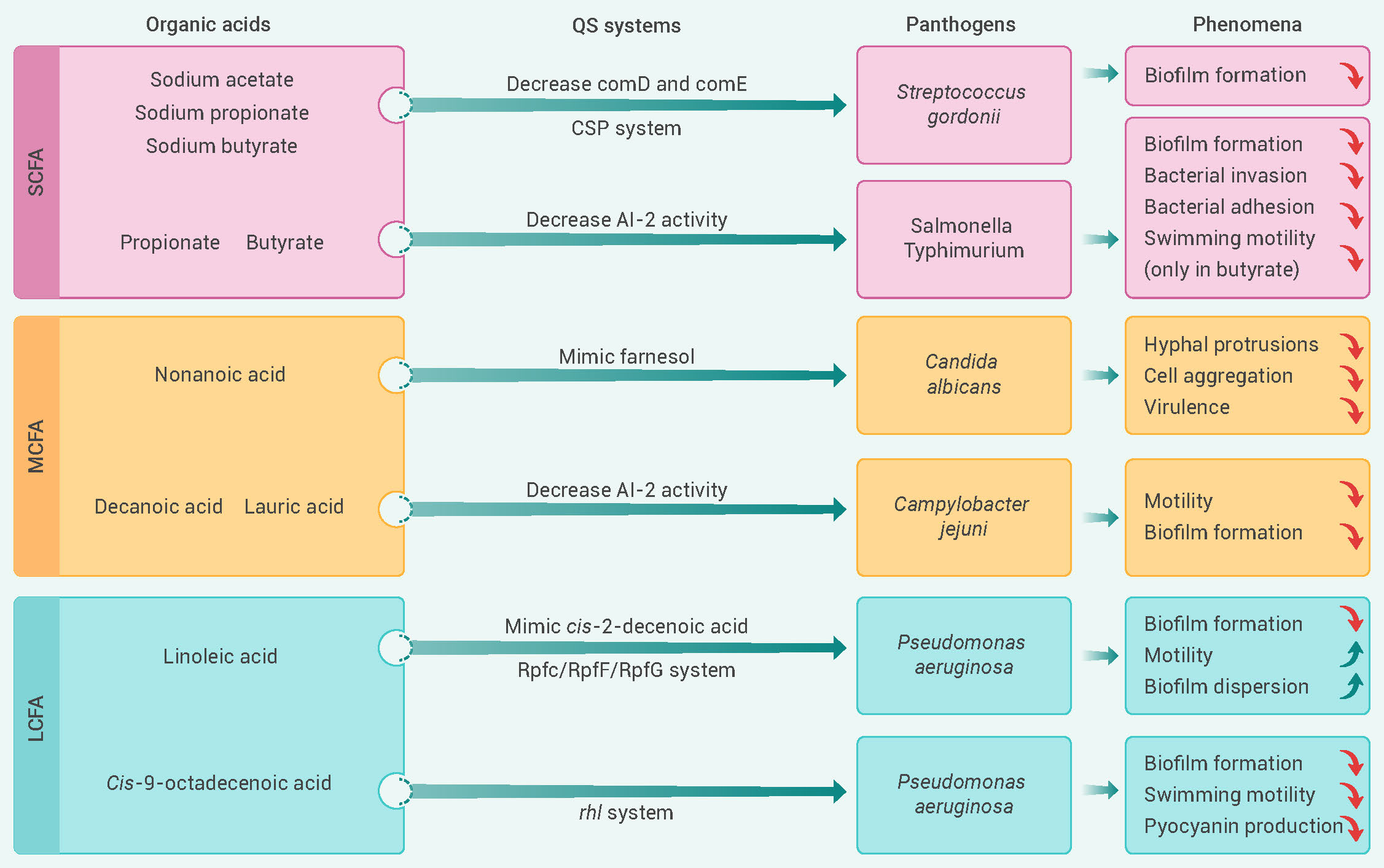
Figure 2.
The role of organic acids and their modulating mechanisms in quorum sensing system.
-
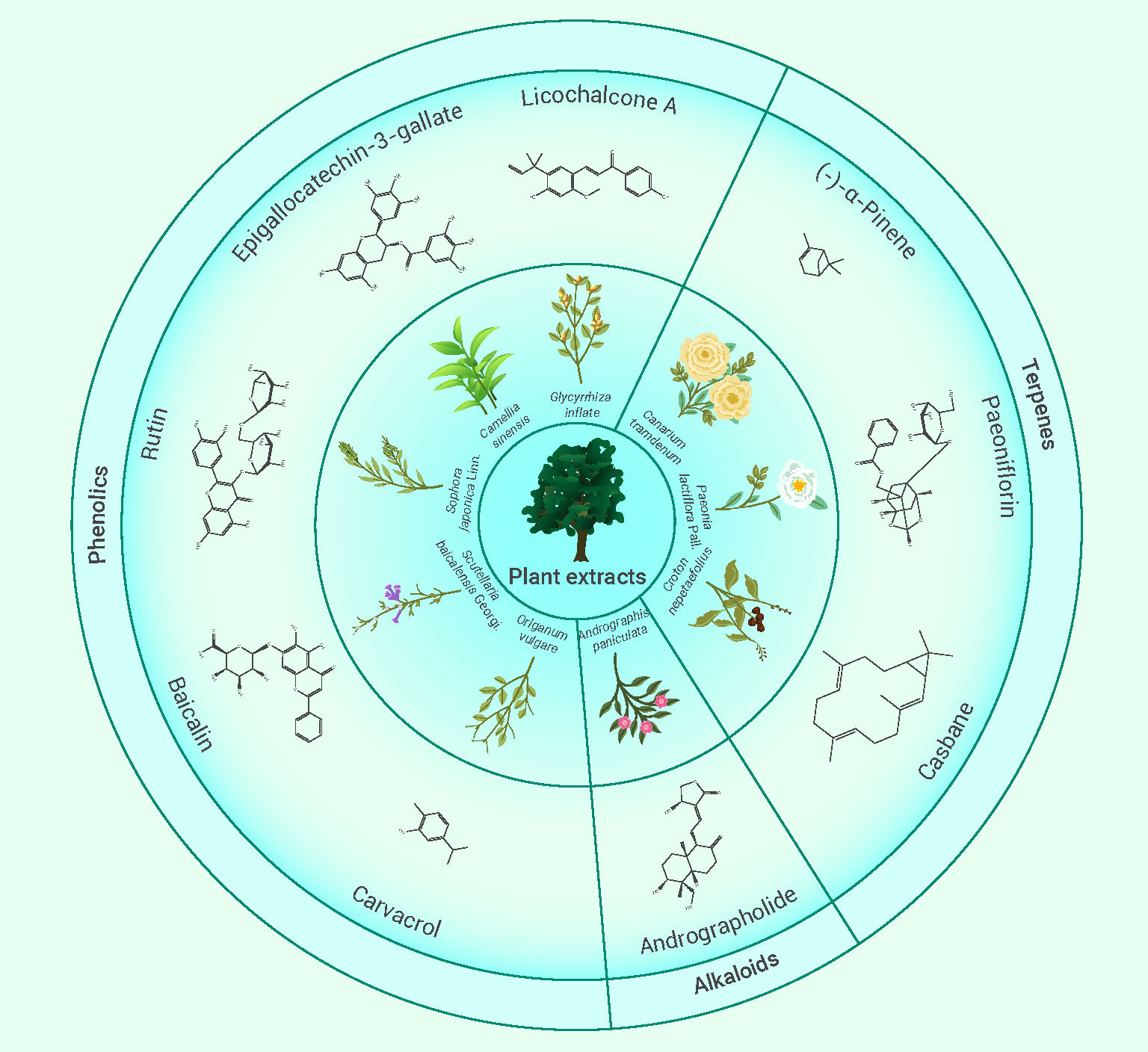
Figure 3.
Chemical structures and plant sources of phenolics, terpenes, and alkaloids.
-
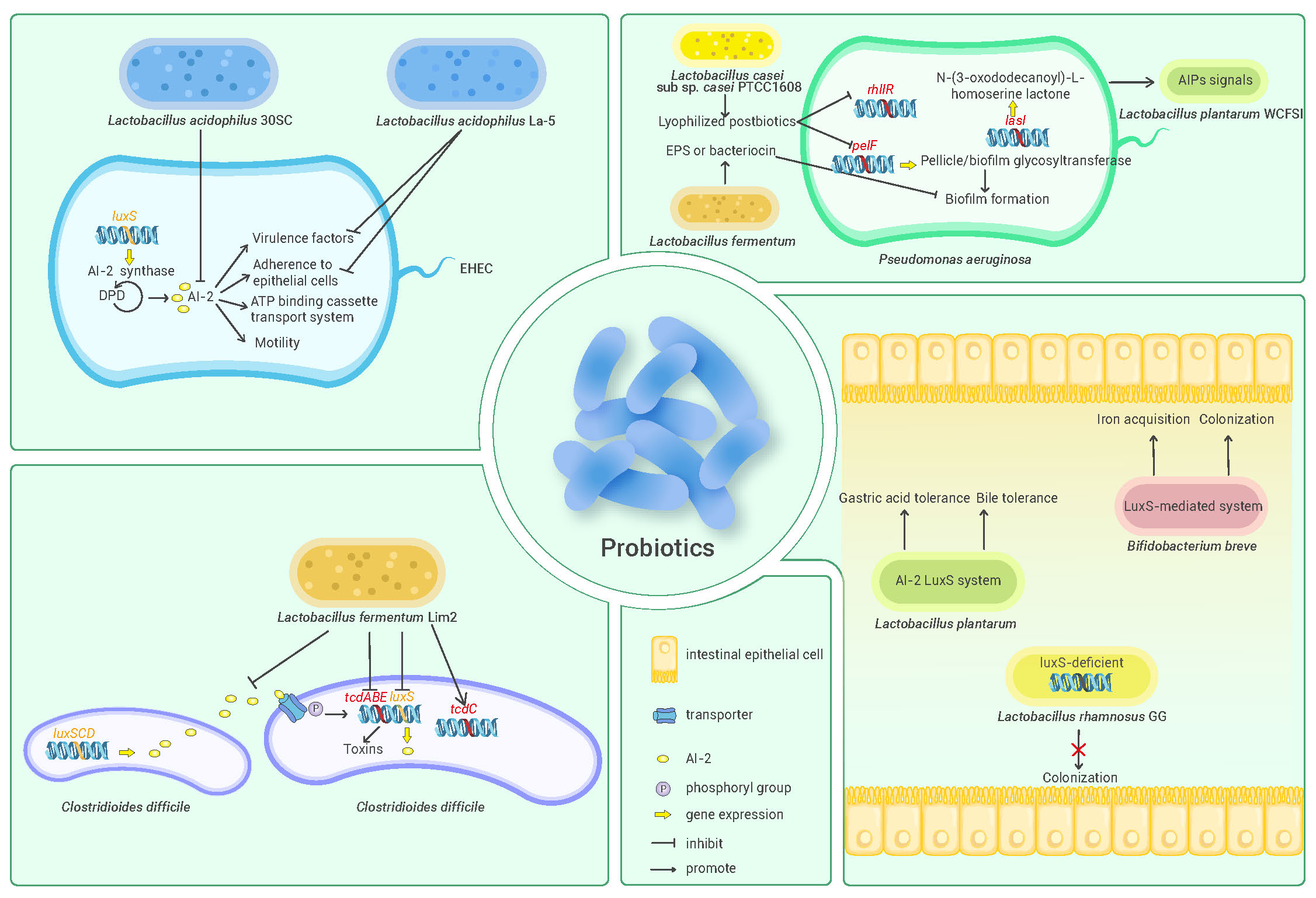
Figure 4.
The mechanisms of probiotics and bacterial derived metabolites in quorum sensing system. On the one hand they can promote adaptation to the intestinal environment, on the other hand they could interfere the virulence and pathogenicity of pathogenic bacteria against antibiotics-resistant infections.
