
Prenylated flavonoids combat metabolically dormant methicillin-resistant Staphylococcus aureus by targeting FarR
-
GRAPHICAL ABSTRACT
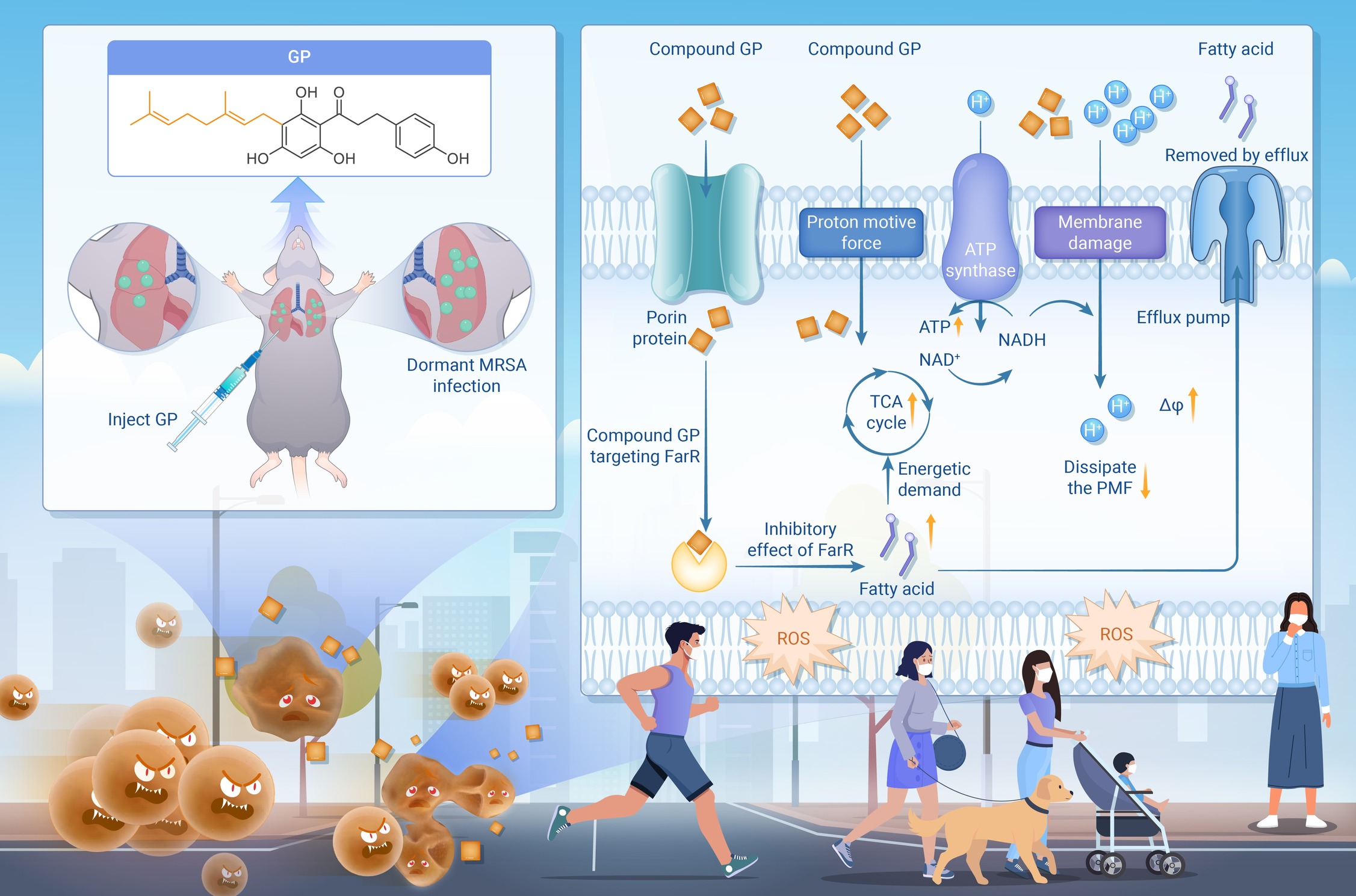
 DownLoad:
Full size image
DownLoad:
Full size image
-
PUBLIC SUMMARY
-
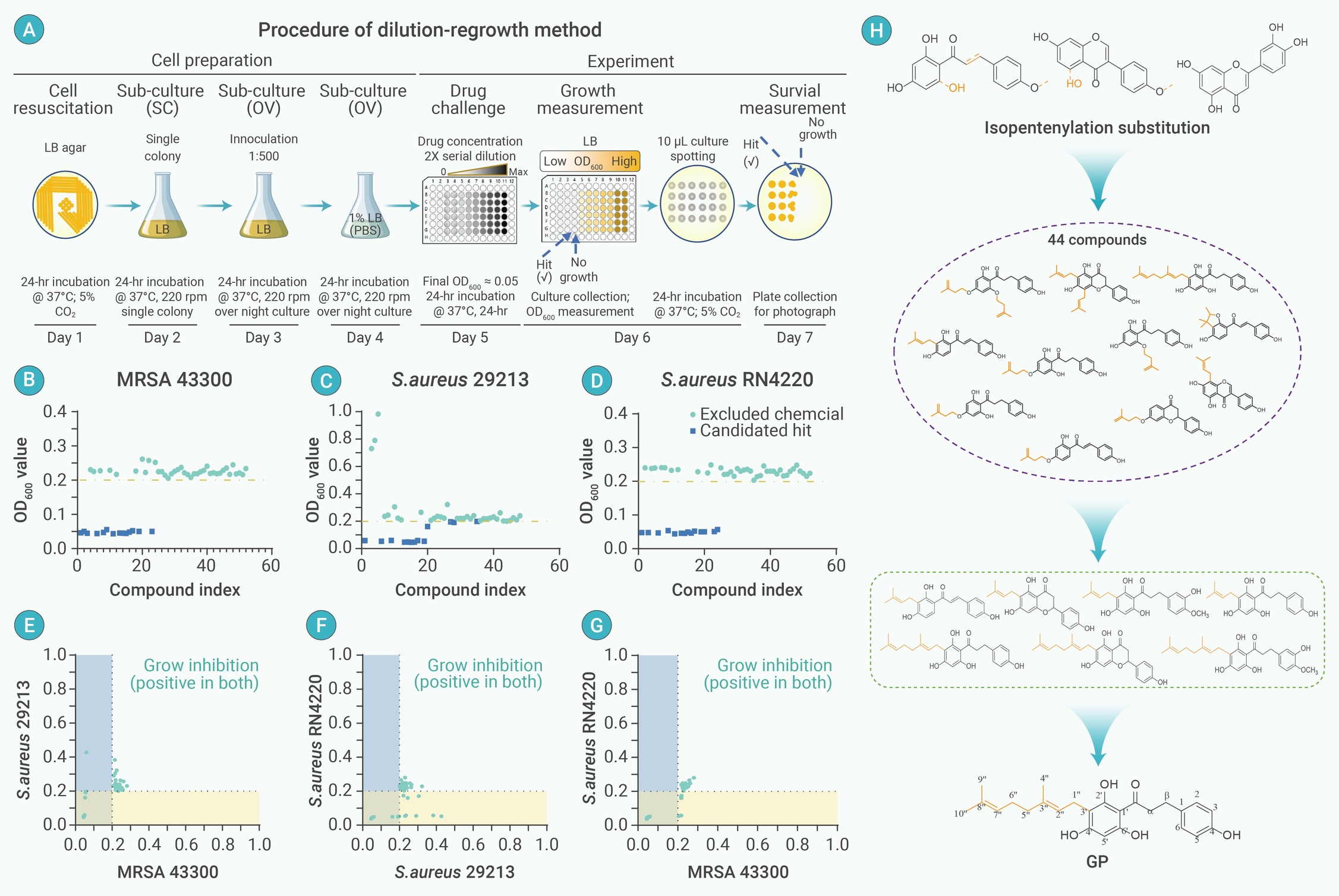
A total of 44 prenylated flavonoids were evaluated for antimicrobial activity.
3'-C-geranylphloretin (GP) kills multi drug resistant S. aureus (MRSA) persister and induces apoptosis-like cell death.
GP activates the TCA cycle in S. aureus, disrupting fatty acid metabolism. FarR participates in GP-mediated bactericidal cell death.
FarR is first reported as a critical regulator governing S. aureus persister cell development.
-
-
ABSTRACT
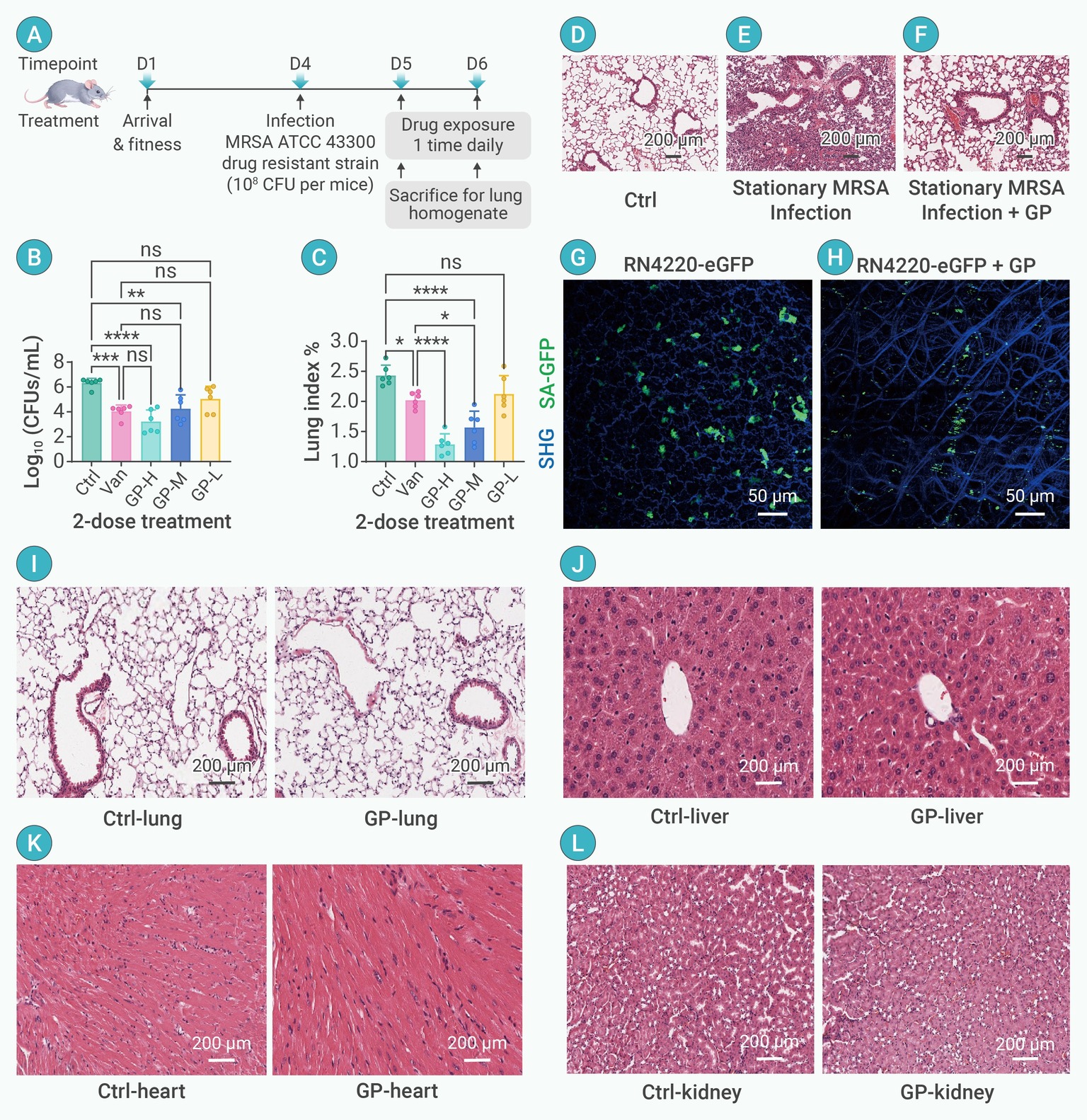
Antibiotic resistance and bacterial persistence threaten global health, with methicillin-resistant Staphylococcus aureus (MRSA) being a particularly challenging pathogen. In this work, 3'-C-geranylphloretin (GP), a prenylated phenolic compound, showed better bactericidal activity against dormant MRSA cells than vancomycin. It significantly decreased bacterial loads, lung index, and improved pathological deterioration mediated by MRSA infection in vivo, and showed good safety to normal mice. Bacterial clearance was directly observed by two-photon excitation microscopy. GP disrupted bacterial persistence by targeting the transcriptional regulator FarR, which activated fatty acid and energy metabolism. Besides, GP-induced cell membrane disruption and apoptosis-like cell death in MRSA are caused by chromosomal condensation, reactive oxygen species (ROS) accumulation, and caspase-3/7 activation. Our research holds potential for anti-persister drug development. -

-
REFERENCES
[1] Guo Y., Song G., Sun M., et al. (2020). Prevalence and therapies of antibiotic-resistance in Staphylococcus aureus. Front. Cell. Infect. Microbiol. 10:107−118. DOI:10.3389/fcimb.2020.00107 [2] Westgeest A. C., Hanssen J. L., de Boer M. G., et al. (2024). Eradication of community-onset Methicillin-resistant Staphylococcus aureus carriage: A narrative review. Clin. Microbiol. 31:173−181. DOI:10.1016/j.cmi.2024.01.003 [3] Peel T. N., Astbury S., Cheng A. C., et al. (2023). Trial of vancomycin and cefazolin as surgical prophylaxis in arthroplasty. N. Engl. J. Med. 389:1488−1498. DOI:10.1056/NEJMoa2301401 [4] Garoy E. Y., Gebreab Y. B., Achila O. O., et al. (2019). Methicillin‐resistant Staphylococcus aureus (MRSA): Prevalence and antimicrobial sensitivity pattern among patients—a multicenter study in asmara, eritrea. Can. J. Infect. Dis. Med. Microbiol. DOI:10.1155/2019/8321834. [5] Lee A. S., De Lencastre H., Garau J., et al. (2018). Methicillin-resistant Staphylococcus aureus. Nat. Rev. Dis. Primers 4:1−23. DOI:10.1038/nrdp.2018.33 [6] David M. Z., and Daum R. S. (2010). Community-associated methicillin-resistant Staphylococcus aureus: epidemiology and clinical consequences of an emerging epidemic. Clin. Microbiol. Rev. 23:616−687. DOI:10.1128/cmr.00081-09 [7] Hasanpour A. H., Sepidarkish M., Mollalo A., et al. (2023). The global prevalence of methicillin-resistant Staphylococcus aureus colonization in residents of elderly care centers: A systematic review and meta-analysis. Antimicrob. Resist. Infect. Control. 12:4. DOI:10.1186/s13756-023-01210-6 [8] Doyle J., Bachar R., Paul S., et al. (2024). Unmasking a menace: Methamphetamine, mrsa and an elusive abscess leading to pulmonic valve endocarditis. J. Am. Coll. Cardiol. 83:4418−4418. DOI:10.1016/S0735-1097(24)06408-8 [9] Jones B. E., Ying J., Stevens V., et al. (2020). Empirical anti-MRSA vs standard antibiotic therapy and risk of 30-day mortality in patients hospitalized for pneumonia. JAMA Intern. Med. 180:552−560. DOI:10.1001/jamainternmed.2019.7495 [10] Bradley C. A. (2018). Disrupting MRSA'persisters'. Nat. Rev. Drug Discov. 17:394−394. DOI:10.1038/nrd.2018.84 [11] Decollogny M., and Rottenberg S. (2024). Persisting cancer cells are different from bacterial persisters. Trends Cancer 10:5. DOI:10.1016/j.trecan.2024.02.002 [12] Abebe A. A., and Birhanu A. G. (2023). Methicillin resistant Staphylococcus aureus: molecular mechanisms underlying drug resistance development and novel strategies to combat. Infect. Drug Resist 16:7641−7662. DOI:10.2147/IDR.S428103 [13] MacNair C. R., Rutherford S. T., and Tan M. (2024). Alternative therapeutic strategies to treat antibiotic-resistant pathogens. Nat. Rev. Microbiol. 22:262−275. DOI:10.1038/s41579-023-00993-0 [14] Adefisoye M. A., and Olaniran A. O. (2023). Antimicrobial resistance expansion in pathogens: a review of current mitigation strategies and advances towards innovative therapy. JAC-AMR 5:127. DOI:10.1093/jacamr/dlad127 [15] Nandhini P., Kumar P., Mickymaray S., et al. (2022). Recent developments in methicillin-resistant Staphylococcus aureus (MRSA) treatment: A review. Antibiotics 11:606. DOI:10.3390/antibiotics11050606 [16] Vasudevan U. M., and Lee E. Y. (2020). Flavonoids, terpenoids, and polyketide antibiotics: Role of glycosylation and biocatalytic tactics in engineering glycosylation. Biotechnol. Adv. 41:107550. DOI:10.1016/j.biotechadv.2020.107550 [17] Puksasook T., Kimura S., Tadtong S., et al. (2017). Semisynthesis and biological evaluation of prenylated resveratrol derivatives as multi-targeted agents for Alzheimer’s disease. J. Nat. Med. 71:665−682. DOI:10.1007/s11418-017-1097-2 [18] Zheng E. J., Valeri J. A., Andrews I. W., et al. (2024). Discovery of antibiotics that selectively kill metabolically dormant bacteria. Cell Chem. Biol. 31:712-728. e719. DOI:10.1016/j.chembiol.2023.10.026. [19] Wong F., Zheng E. J., Valeri J. A., et al. (2024). Discovery of a structural class of antibiotics with explainable deep learning. Nature 626:177−185. DOI:10.1038/s41586-023-06887-8 [20] Mandakhalikar K. D., Rahmat J. N., Chiong E., et al. (2018). Extraction and quantification of biofilm bacteria: Method optimized for urinary catheters. Sci. Rep. 8:8069. DOI:10.1038/s41598-018-26342-3 [21] Elgamoudi B. A., and Korolik V. (2023). A guideline for assessment and characterization of bacterial biofilm formation in the presence of inhibitory compounds. Bio-protoc 13:e4866. DOI:10.3390/antibiotics9110836 [22] Huang X., Fan J., Li L., et al. (2018). Fast, long-term, super-resolution imaging with Hessian structured illumination microscopy. Nat. Biotechnol. 36:451−459. DOI:10.1038/nbt.4115 [23] Zhao W., Zhao S., Li L., et al. (2022). Sparse deconvolution improves the resolution of live-cell super-resolution fluorescence microscopy. Nat. Biotechnol. 40:606−617. DOI:10.1038/s41587-021-01092-2 [24] Pu Y., Li Y., Jin X., et al. (2019). ATP-dependent dynamic protein aggregation regulates bacterial dormancy depth critical for antibiotic tolerance. Mol. Cell 73:143−156. DOI:10.1016/j.molcel.2018.10.022 [25] Le P., Kunold E., Macsics R., et al. (2020). Repurposing human kinase inhibitors to create an antibiotic active against drug-resistant Staphylococcus aureus, persisters and biofilms. Nat. Chem. 12:145−158. DOI:10.1038/s41557-019-0378-7 [26] Zhang N., Shan W., Gao L., et al. (2023). Repurposing the Hedgehog pathway inhibitor, BMS-833923, as a phosphatidylglycerol-selective membrane-disruptive colistin adjuvant against ESKAPE pathogens. Int. J. Antimicrob. Agents 62:106888. DOI:10.1016/j.ijantimicag.2023.106888 [27] Yuan Z., Wang J., Qu Q., et al. (2023). Celastrol combats methicillin‐resistant staphylococcus aureus by targeting δ1‐pyrroline‐5‐carboxylate dehydrogenase. Adv. Sci. 10:2302459. DOI:10.1002/advs.202302459 [28] Ueki H., Wang I., Fukuyama S., et al. (2018). In vivo imaging of the pathophysiological changes and neutrophil dynamics in influenza virus-infected mouse lungs. PNAS 115:E6622−E6629. DOI:10.1073/pnas.1806265115 [29] Looney M. R., Thornton E. E., Sen D., et al. (2011). Stabilized imaging of immune surveillance in the mouse lung. Nat. Methods 8:91−96. DOI:10.1038/nmeth.1543 [30] Luo J., Luo J., Sheng Z., et al. (2024). Latest research progress on anti-microbial effects, mechanisms of action, and product developments of dietary flavonoids: A systematic literature review. Trends Food Sci. Technol. 156:104839. DOI:10.1016/j.jpgs.2024.104839 [31] Conlon B. P., Rowe S. E., Gandt A. B., et al. (2016). Persister formation in Staphylococcus aureus is associated with ATP depletion. Nat. Microbiol. 1:1−7. DOI:10.1038/nmicrobiol.2016.51 [32] Dwyer D. J., Camacho D. M., Kohanski M. A., et al. (2012). Antibiotic-induced bacterial cell death exhibits physiological and biochemical hallmarks of apoptosis. Mol. Cell 46:561−572. DOI:10.1016/j.molcel.2012.04.027 [33] Pacios O., HerreraEspejo S., Armán L., et al. (2024). Mitomycin C as an anti-persister strategy against Klebsiella pneumoniae: toxicity and synergy studies. Antibiotics 13:815. DOI:10.3390/antibiotics13090815 [34] Kwan B. W., Chowdhury N., and Wood T. K. (2015). Combatting bacterial infections by killing persister cells with mitomycin C. Environ. Microbiol. 17:4406−4414. DOI:10.1111/1462-2920.12873 [35] Li B., Dou S., Yuan J., et al. (2018). Intracellular transport is accelerated in early apoptotic cells. PNAS 115:12118−12123. DOI:10.1073/pnas.1810017115 [36] Manuse S., Shan Y., Canas S. J., et al. (2021). Bacterial persisters are a stochastically formed subpopulation of low-energy cells. PLOS Biol. 19:e3001194. DOI:10.1371/journal.pbio.3001194 [37] Jin X., Lee J., Schaefer C., et al. (2021). Membraneless organelles formed by liquid-liquid phase separation increase bacterial fitness. Sci. Adv. 7:eabh2929. DOI:10.1126/sciadv.abh2929 [38] Mo Y., Wang K., Li L., et al. (2023). Quantitative structured illumination microscopy via a physical model-based background filtering algorithm reveals actin dynamics. Nat. Commun. 14:3089. DOI:10.1038/s41467-023-38808-8 [39] Shan Y., Brown Gandt A., Rowe S. E., et al. (2017). ATP-dependent persister formation in Escherichia coli. MBio 8:1. DOI:10.1128/mbio.02267-16 [40] Zhang Y., and Rock C. O. (2008). Membrane lipid homeostasis in bacteria. Nat. Rev. Microbiol. 6:222−233. DOI:10.1038/nrmicro1839 [41] Thomas S. S., Kalia N. P., and Pethe K. (2022). Turbidity-based MIC assay and characterization of spontaneous drug resistant mutants in mycobacterium ulcerans. Methods Protoc. 2387:209−217. DOI:10.1007/978-1-0716-1779-3_20 [42] Alnaseri H., Kuiack R. C., Ferguson K. A., et al. (2019). DNA binding and sensor specificity of FarR, a novel TetR family regulator required for induction of the fatty acid efflux pump FarE in Staphylococcus aureus. J. Bacteriol. 201:10.1128/jb. 00602-00618. DOI:10.1128/jb.00602-18. [43] Iram S. H., and Cronan J. E. (2005). Unexpected functional diversity among FadR fatty acid transcriptional regulatory proteins. J. Biol. Chem. 280:32148−32156. DOI:10.1074/jbc.M504054200 [44] Wang Z., Zhu Y., Bai L., et al. (2024). A new therapeutic strategy for infectious diseases against intracellular multidrug-resistant bacteria. J. Control Release 375:467−477. DOI:10.1016/j.jconrel.2024.09.028 [45] Huang J., Zhong X. F., and Gao Y. Z. (2024). New antibiotic against multi-drug resistant bacteria. Innov. Life 2:100057. DOI:10.59717/j.xinn-life.2024.100057 [46] Wang L., Zhang Y., Xu J., et al. (2023). Listening to enteric bacteria from the perspective of antibiotic alternatives in animal husbandry. Innov. Life 1:100022-100021-100022-100014. DOI:10.59717/j.xinn-life.2023.100022. [47] Heo H. Y., Zou G., Baek S., et al. (2024). A methylazanediyl bisacetamide derivative sensitizes Staphylococcus aureus persisters to a combination of gentamicin and daptomycin. Adv. Sci. 11:2306112. DOI:10.1002/advs.202306112 [48] Garrison A. T., Abouelhassan Y., Kallifidas D., et al. (2015). Halogenated phenazines that potently eradicate biofilms, MRSA persister cells in non‐biofilm cultures, and mycobacterium tuberculosis. Angew. Chem. 127:15032−15036. DOI:10.1002/ange.201508155 [49] Bhattacharya M., and Horswill A. R. (2024). The role of human extracellular matrix proteins in defining Staphylococcus aureus biofilm infections. FEMS Microbiol. Rev. 48:fuae002. DOI:10.1093/femsre/fuae002 [50] Mao C., Xiang Y., Liu X., et al. (2019). Local photothermal/photodynamic synergistic therapy by disrupting bacterial membrane to accelerate reactive oxygen species permeation and protein leakage. ACS Appl. Mater. Interfaces. 11:17902−17914. DOI:10.1021/acsami.9b05787 [51] Antonoplis A., Zang X., Huttner M. A., et al. (2018). A dual-function antibiotic-transporter conjugate exhibits superior activity in sterilizing MRSA biofilms and killing persister cells. J.Am.Chem.Soc. 140:16140−16151. DOI:10.1021/jacs.8b08711 [52] Flores J., Dobihal G. S., Fenton A., et al. (2019). A switch in surface polymer biogenesis triggers growth-phase-dependent and antibiotic-induced bacteriolysis. Elife 8:e44912. DOI:10.7554/eLife.44912 [53] Cheng M., Wu Y., Zeng H., et al. (2024). Asymmetric total synthesis of polycyclic xanthenes and discovery of a walK activator active against MRSA. Nat. Commun. 15:5879. DOI:10.1038/s41467-024-49629-8 [54] Li J., Zhu K., Li C., et al. (2024). Alkaline shock protein 23 (Asp23)‐controlled cell wall imbalance promotes membrane vesicle biogenesis in Staphylococcus aureus. J. Extracell. Vesicles 13:e12501. DOI:10.1002/jev2.12501 [55] Patel A., Malinovska L., Saha S., et al. (2017). ATP as a biological hydrotrope. Science 356:753−756. DOI:10.1126/science.aaf6846 [56] Schramm F. D., Schroeder K., and Jonas K. (2020). Protein aggregation in bacteria. FEMS Microbiol. Rev. 44:54−72. DOI:10.1093/femsre/fuz026 [57] Saad S., Cereghetti G., Feng Y., et al. (2017). Reversible protein aggregation is a protective mechanism to ensure cell cycle restart after stress. Nat. Cell Biol. 19:1202−1213. DOI:10.1038/ncb3600 [58] Schröder K. (2020). NADPH oxidases: Current aspects and tools. Redox Biol. 34:101512. DOI:10.1016/j.redox.2020.101512 [59] Lebeaux D., Ghigo J., and Beloin C. (2014). Biofilm-related infections: bridging the gap between clinical management and fundamental aspects of recalcitrance toward antibiotics. Microbiol. Mol. Biol. Rev. 78:510−543. DOI:10.1128/mmbr.00013-14 [60] Zha Y., Chen C., Jiao Q., et al. (2024). Comprehensive profiling of antibiotic resistance genes in diverse environments and novel function discovery. Innov. Life 2:100054. DOI:10.59717/j.xinn-life.2024.100054. [61] Allison K. R., Brynildsen M. P., and Collins J. J. (2011). Metabolite-enabled eradication of bacterial persisters by aminoglycosides. Nature 473:216−220. DOI:10.1038/nature10069 [62] Gollan B., Grabe G., Michaux C., et al. (2019). Bacterial persisters and infection: past, present, and progressing. Annu. Rev. Microbiol. 73:359−385. DOI:10.1146/annurev-micro-020518-115650 [63] Defraine V., Fauvart M., and Michiels J. (2018). Fighting bacterial persistence: current and emerging anti-persister strategies and therapeutics. Drug Resist. 38:12−26. DOI:10.1016/j.drup.2018.03.002 [64] Kroemer G., Galluzzi L., and Brenner C. (2007). Mitochondrial membrane permeabilization in cell death. Physiol. Rev. 87:99−163. DOI:10.1152/physrev.00013.2006 [65] Nn D. (2004). Cell death: critical control points. Cell 116:205−219. DOI:10.1016/S0092-8674(04)00046-7 [66] Dyall S. D., Brown M. T., and Johnson P. J. (2004). Ancient invasions: from endosymbionts to organelles. Science 304:253−257. DOI:10.1126/science.1094884 [67] Almutairy B. (2024). Extensively and multidrug-resistant bacterial strains: Case studies of antibiotics resistance. Front. Microbiol. 15:1381511. DOI:10.3389/fmicb.2024.1381511 [68] Bonn C. M., Rafiqullah I. M., Crawford J. A., et al. (2023). Repeated emergence of variant TetR family regulator, FarR, and increased resistance to antimicrobial unsaturated fatty acid among clonal complex 5 methicillin-resistant Staphylococcus aureus. Antimicrob. Agents Chemother 67:e00749−00722. DOI:10.1128/aac.00749-22 [69] Pu Y., Li Y., Ma Q., et al. (2017). Dynamic protein aggregation regulates bacterial dormancy depth critical for antibiotic tolerance. bioRxiv:233890. DOI:10.1016/j.molcel.2018.10.022 [70] Harms A., Maisonneuve E., and Gerdes K. (2016). Mechanisms of bacterial persistence during stress and antibiotic exposure. Science 354:6318. DOI:10.1126/science.aaf4268 [71] Dwyer D. J., Belenky P. A., Yang J. H., et al. (2014). Antibiotics induce redox-related physiological alterations as part of their lethality. PNAS 111:E2100−E2109. DOI:10.1073/pnas.1401876111 [72] O'neill J. (2014). Antimicrobial resistance: tackling a crisis for the health and wealth of nations. Rev. Antimicrob. Resist. 354:130949. DOI:10.14894/faruawpsj.51.5_464 -
ABOUT THIS ARTICLE
Cite this article:
Sheng Z., Luo J., Gong A., et al. (2025). Prenylated flavonoids combat metabolically dormant methicillin-resistant Staphylococcus aureus by targeting FarR. The Innovation Life 3:100154. https://doi.org/10.59717/j.xinn-life.2025.100154
Welcome!
To request copyright permission to republish or share portions of our works, please visit Copyright Clearance Center's (CCC) Marketplace website at marketplace.copyright.com.
Article Metrics
Relative Articles
Cited by
Export File
Citation
Sheng Z., Luo J., Gong A., et al. (2025). Prenylated flavonoids combat metabolically dormant methicillin-resistant Staphylococcus aureus by targeting FarR. The Innovation Life 3:100154. https://doi.org/10.59717/j.xinn-life.2025.100154

Format
Content
-
Figure 1.
Assessment of the antimicrobial properties of prenylated flavonoids in vitro
-
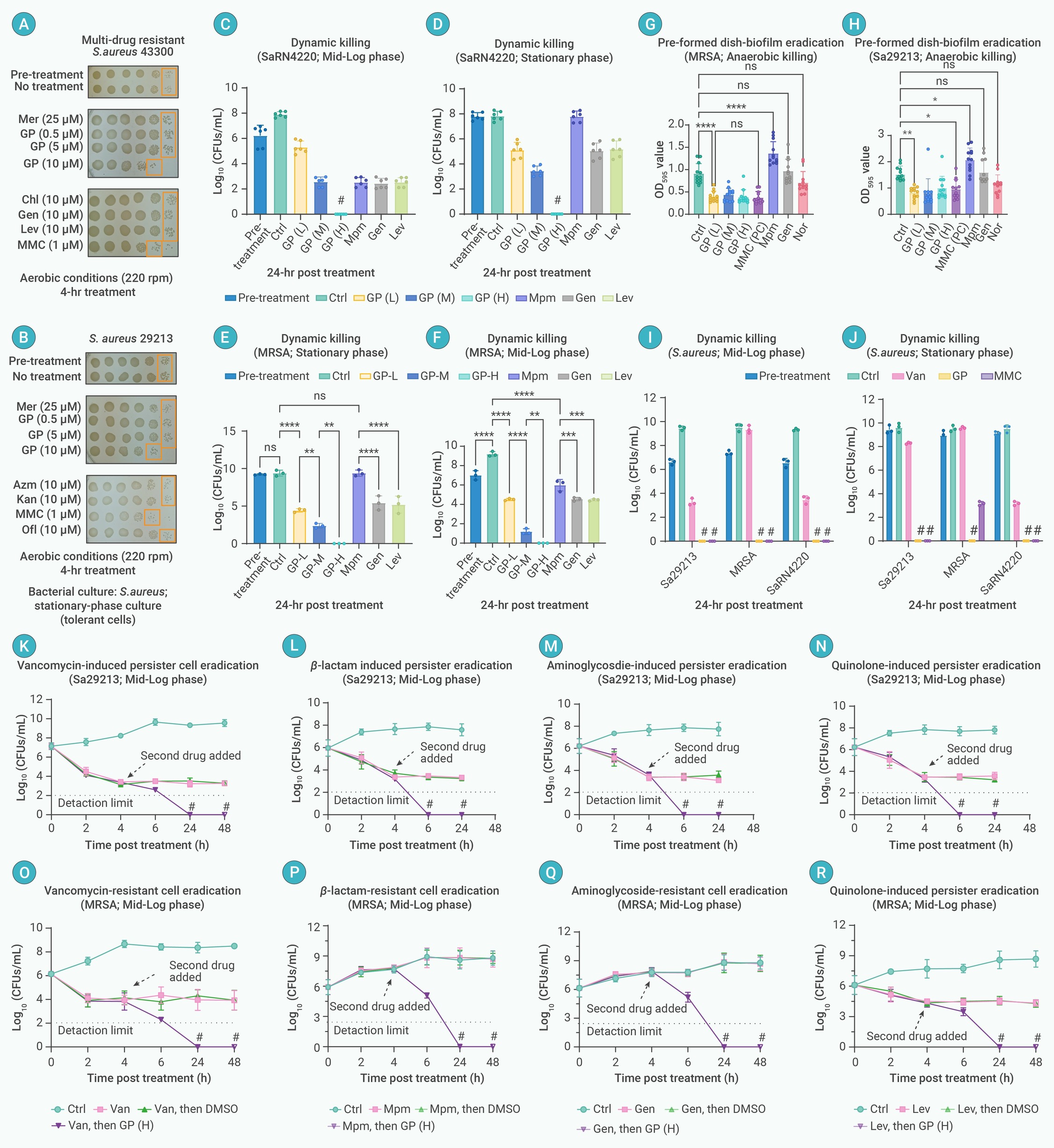
Figure 2.
GP kills stationary phase MRSA and S. aureus cells directly
-
Figure 3.
Stationary phase MRSA eradication efficacy of GP In vivo
-
Figure 4.
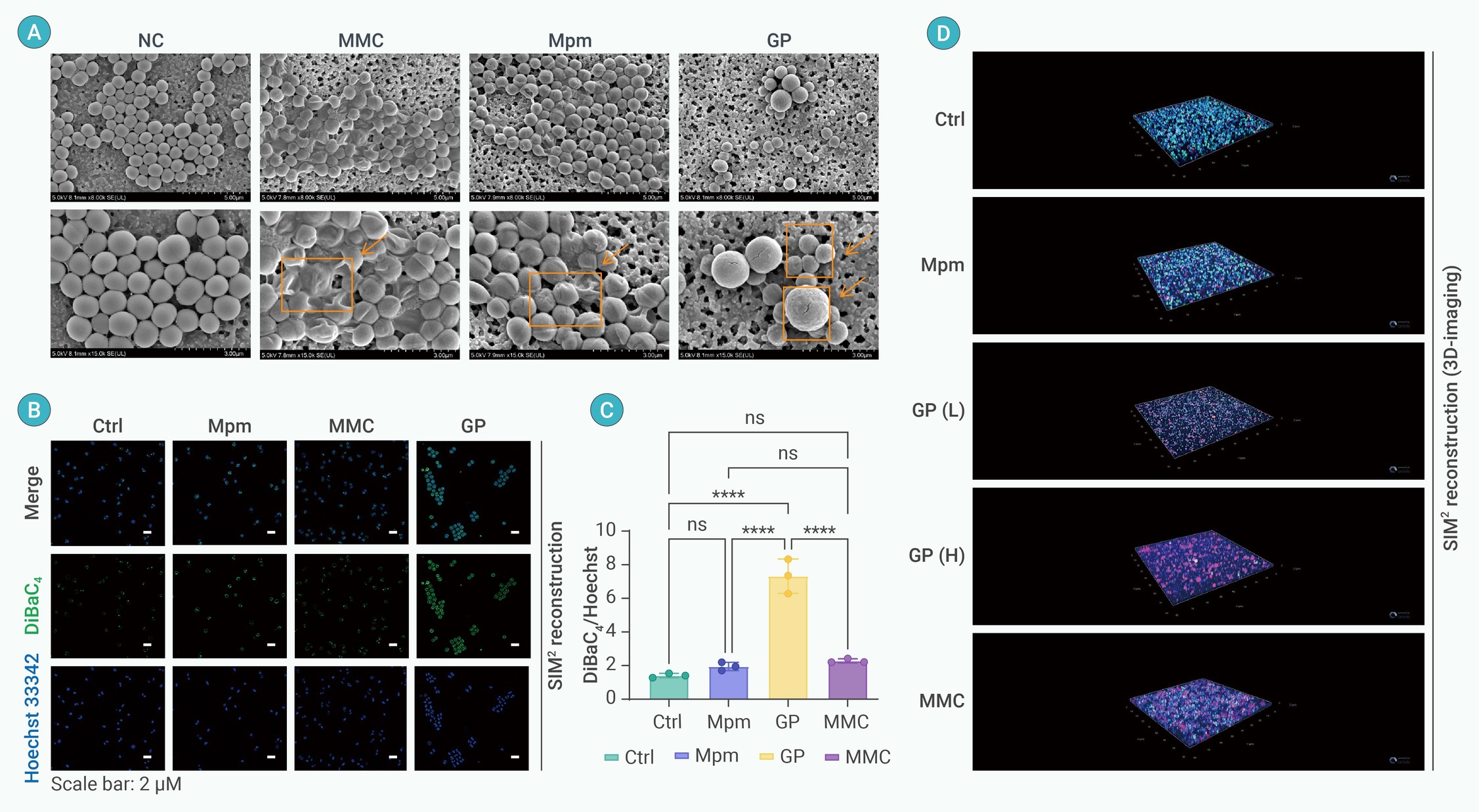
Compound GP directly disrupts the cell membrane of S. aureus
-
Figure 5.
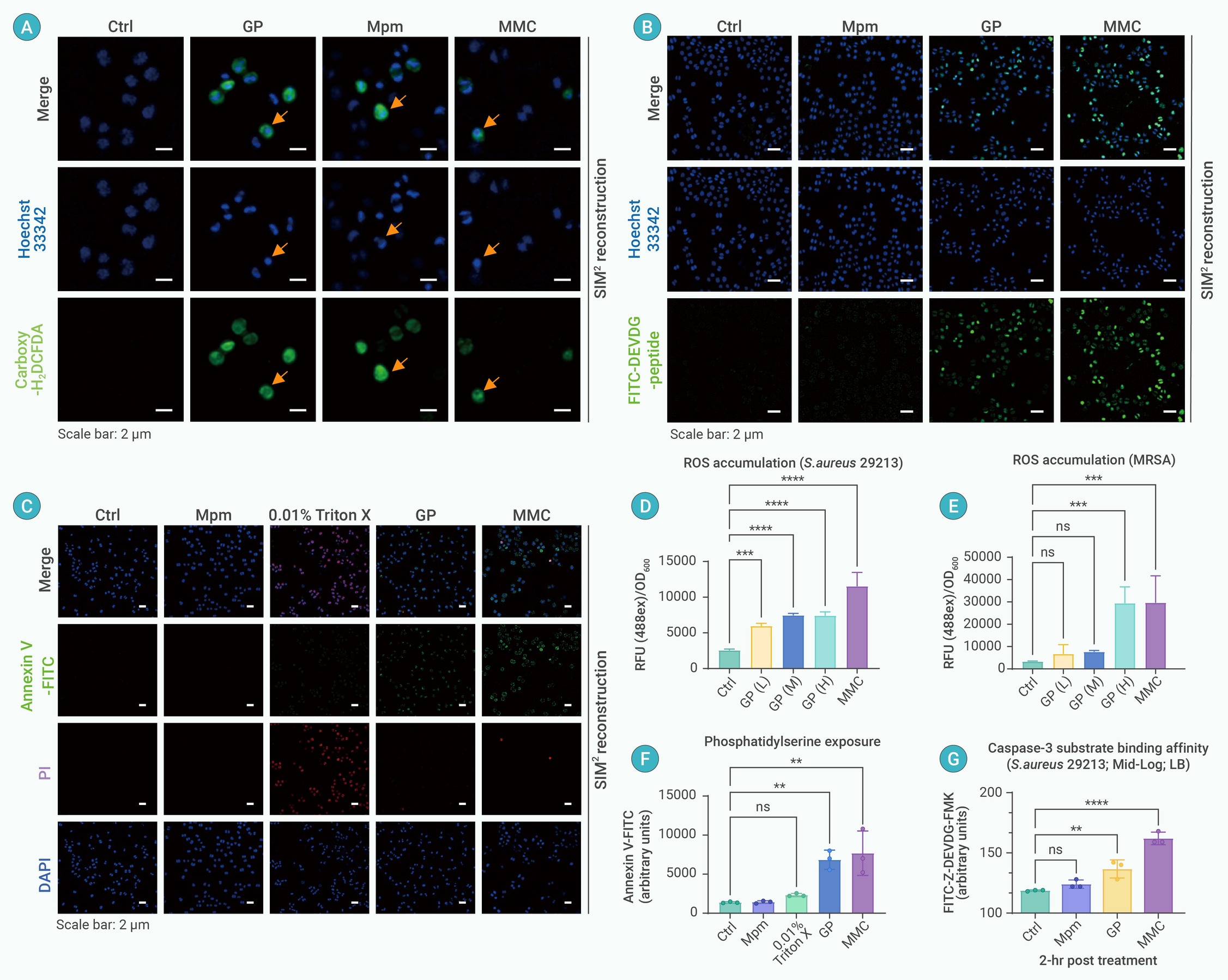
GP induces apoptotic-like cell death of S. aureus
-
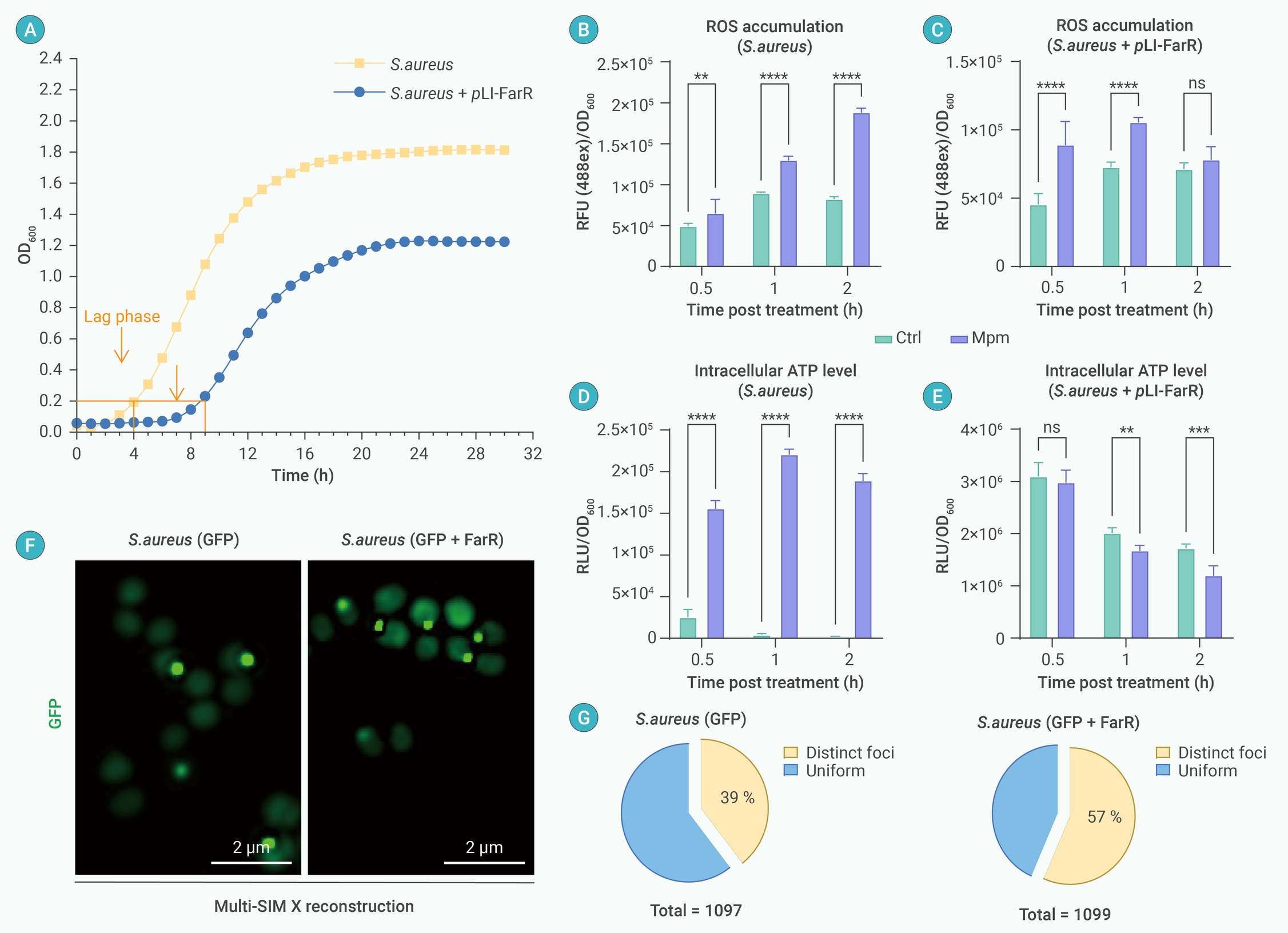
Figure 6.
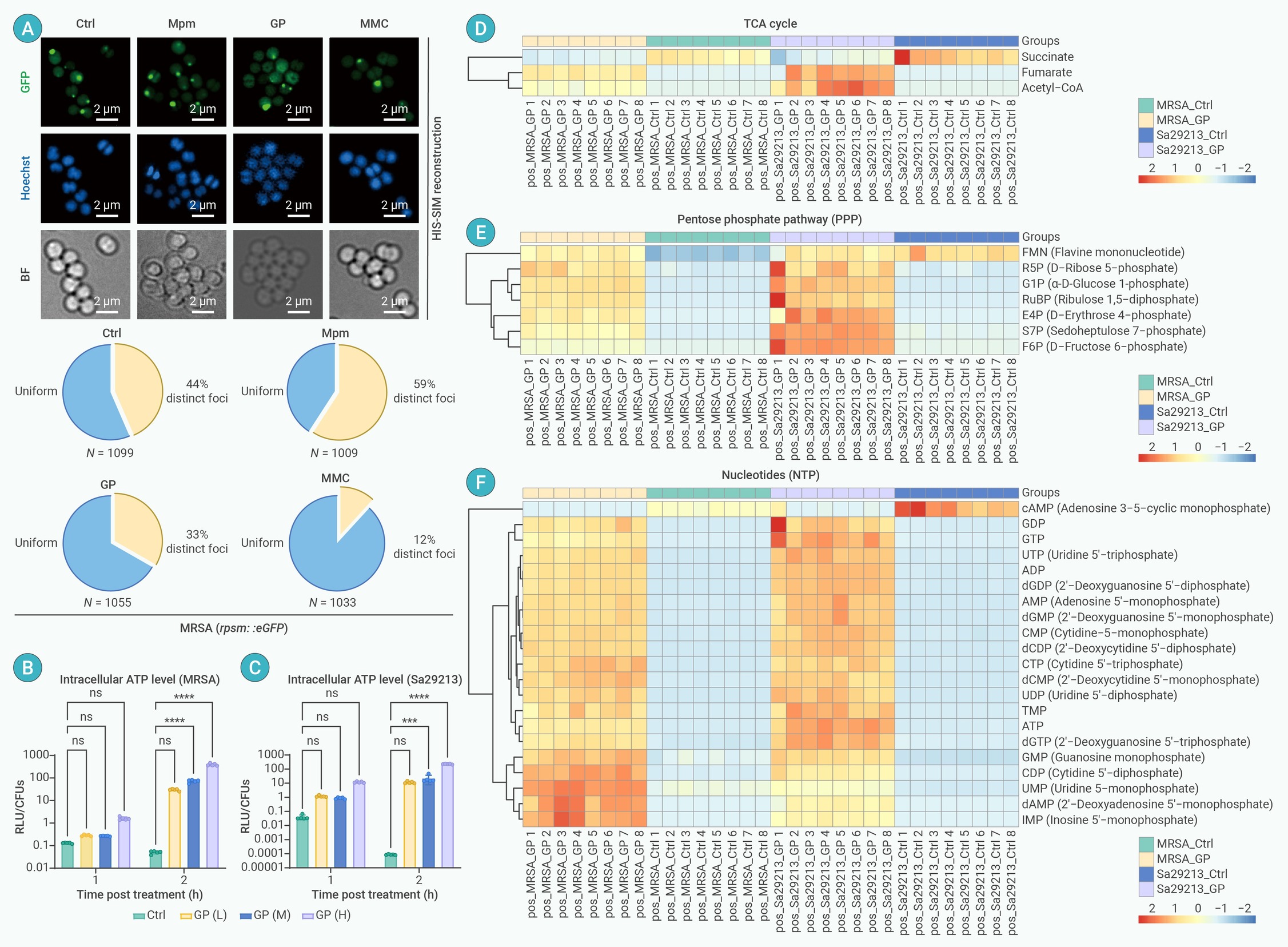
GP causes protein aggregation and energy metabolic shift of S. aureus
-
Figure 7.
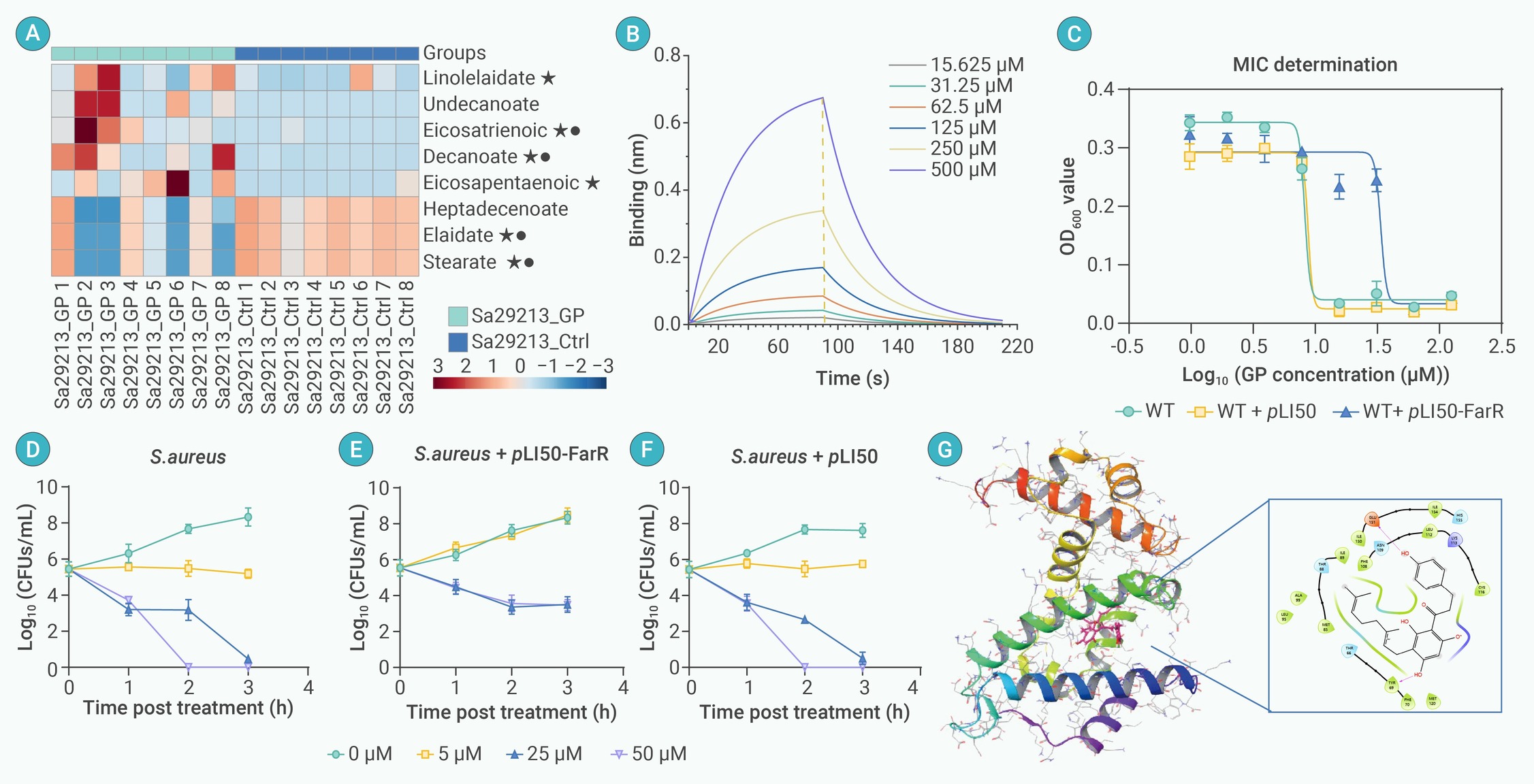
GP directly binds to FarR in S.aureus and modulates fatty acid metabolism
-
Figure 8.
Effect of FarR protein on S. aureus persister formation
