
A putative research model for sustainable fisheries driven by noninvasive diagnostic imaging
-
GRAPHICAL ABSTRACT
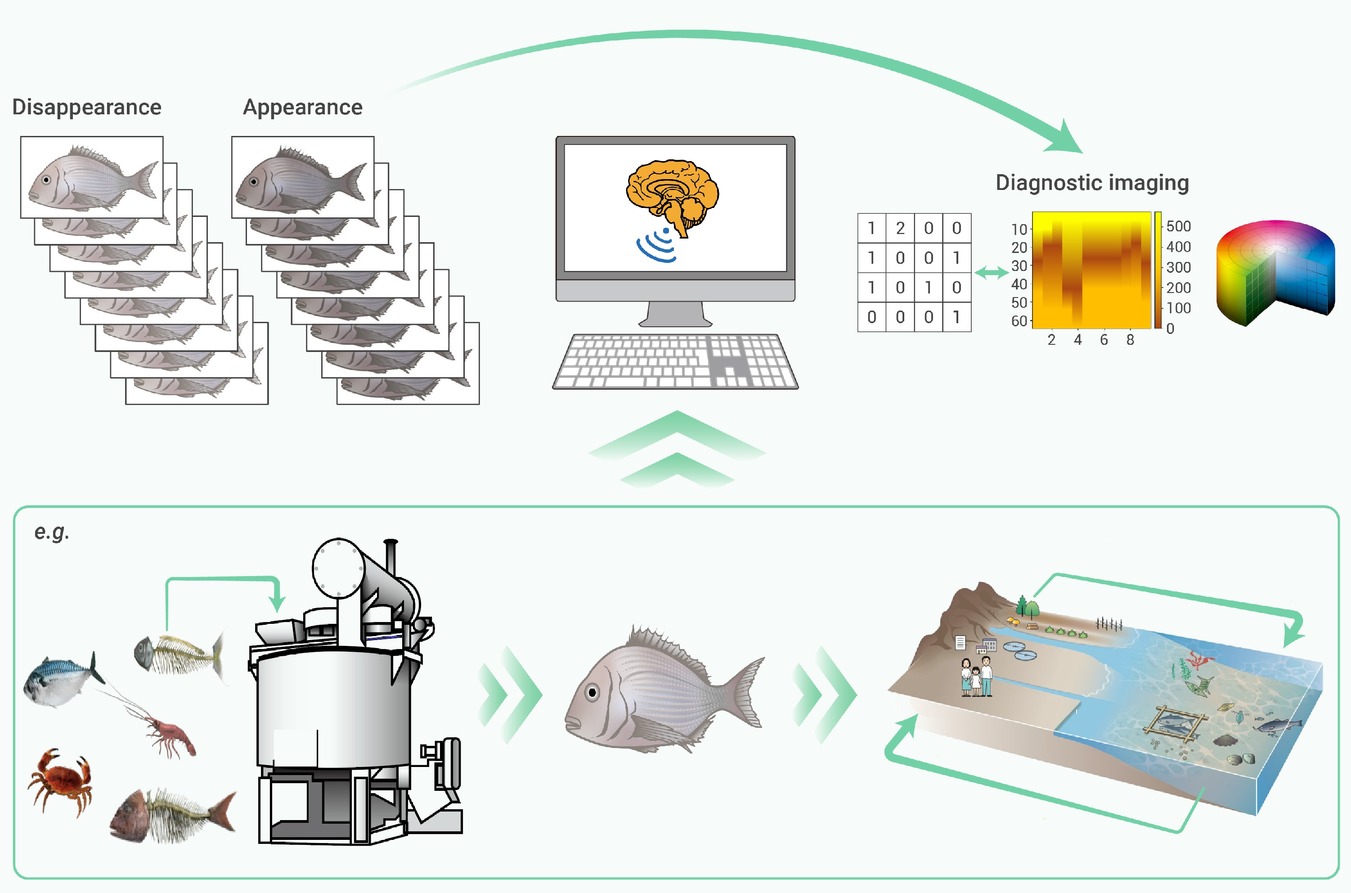
 DownLoad:
Full size image
DownLoad:
Full size image
-
PUBLIC SUMMARY
-
Anti-pathogenic property of thermophile-fermented compost as a feed additive for fish.
Noninvasive diagnosis of the compost functional properties using field photographs.
A novel research model for efficient and rapid sustainable fisheries dissemination.
-
-
ABSTRACT
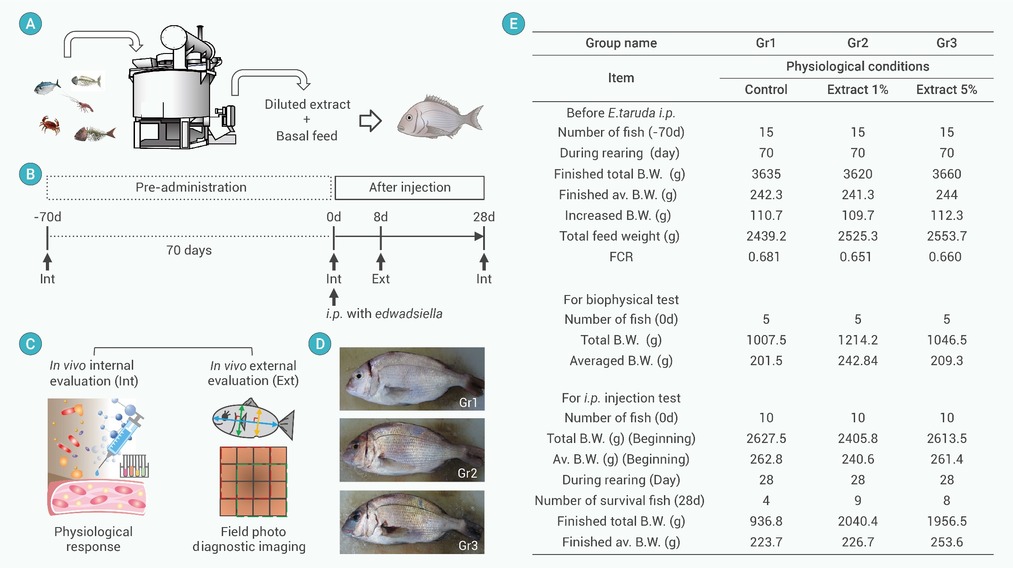
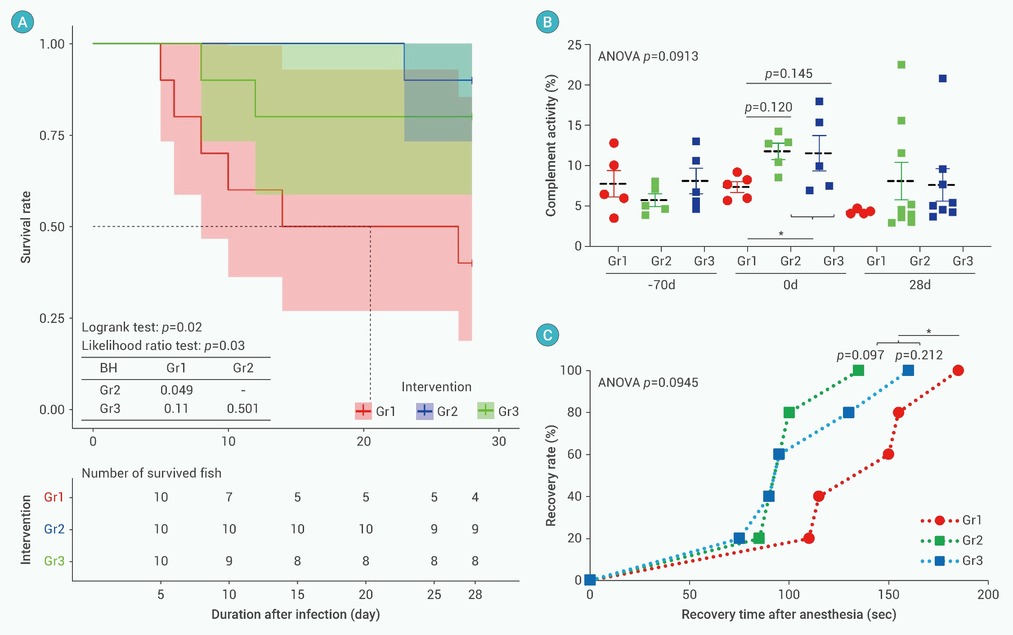
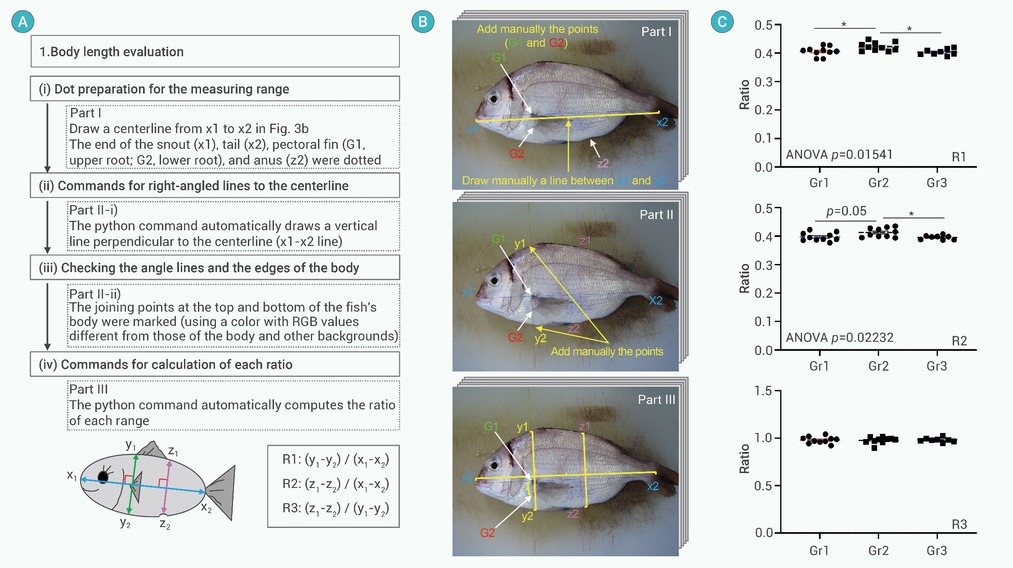
Diagnostic imaging technology has been developing rapidly in recent years, and the demand for its application is mainly in the medical field. Here, we examined the scope of application that enables rapid functional evaluation using disease-resistant fermented feed for fish as a model for evaluation in the primary industry. A survival test against the fish pathogen Edwardsiella tarda revealed the antipathogenic properties of a compost-type feed additive fermented by thermophilic Bacillaceae using nonedible marine resources. After prior administration of the compost extract to seabream as a fish model for 70 days, the mortality rate after 28 days of exposure to the fish pathogen Edwardsiella peaked at 20%, although the rate was 60% without prior administration. Under such conditions, the serum complement activity of seabream tend to increase. Furthermore, the differences in the degrees of body length, smoothness and glossiness of the fish body surface depending on the administration conditions were computationally analyzed using the field photographs. The texture analysis for the grey level co-occurrence matrix (GLCM) and local binary pattern (LBP), and color extraction analysis for colour tone (hue), colourfulness (saturation), and brightness (value) revealed quantifiable change in color balance of fish body surface after the compost administration. These results suggest that the antipathogenic property of thermophile-fermented compost as a functional feed additive can be efficiently estimated by an external diagnostic technique. This study provides a new perspective for the utilization of noninvasive diagnosis to estimate quantitatively the quality of its production activities in the food and environmental industry.-
Keywords:
- environmental science /
- compost /
- fishery /
- fish disease /
- antipathogenic property /
- diagnostic imaging
-

-
REFERENCES
[1] RockstrÖm J., Steffen W., Noone K., et al. (2009). A safe operating space for humanity. Nature 461:472−475. DOI:10.1038/461472a [2] RockstrÖm J., Gupta J., Qin D., et al. (2023). Safe and just Earth system boundaries. Nature 619:102−111. DOI:10.1038/s41586-023-06083-8 [3] Xue Y. and Bakshi B. R. (2022). Metrics for a nature-positive world: A multiscale approach for absolute environmental sustainability assessment. Sci. Total Environ. 846:157373. DOI:10.1016/j.scitotenv.2022.157373 [4] Wongkiew S., Polprasert C., Noophan P. L., et al. (2023). Effects of vermicompost leachate on nitrogen, phosphorus, and microbiome in a food waste bioponic system. J. Environ. Manage 339:117860. DOI:10.1016/j.jenvman.2023.117860 [5] De Corato U. (2020). Agricultural waste recycling in horticultural intensive farming systems by on-farm composting and compost-based tea application improves soil quality and plant health: A review under the perspective of a circular economy. Sci. Total Environ. 738:139840. DOI:10.1016/j.scitotenv.2020.139840 [6] Zhao S., Schmidt S., Gao H., et al. (2022). A precision compost strategy aligning composts and application methods with target crops and growth environments can increase global food production. Nature Food 3:741−752. DOI:10.1038/s43016-022-00584-x [7] Qiu X., Zhou G., Chen L., et al. (2021). Additive quality influences the reservoir of antibiotic resistance genes during chicken manure composting. Ecotoxicol Environ. Saf. 220:112413. DOI:10.1016/j.ecoenv.2021.112413 [8] Siddiqui Z., Hagare D., Jayasena V., et al. (2021). Recycling of food waste to produce chicken feed and liquid fertiliser. Waste Manag. 131:386−393. DOI:10.1016/j.wasman.2021.06.016 [9] Dao H. T., Sharma N. K., Swick R. A., et al. (2023). Feeding recycled food waste improved feed efficiency in laying hens from 24 to 43 weeks of age. Sci. Rep. 13:8261. DOI:10.1038/s41598-023-34878-2 [10] Plumed-Ferrer C. and von Wright A. (2009). Fermented pig liquid feed: Nutritional, safety and regulatory aspects. J. Appl. Microbiol. 106:351−368. DOI:10.1111/j.1365-2672.2008.03938.x [11] Miyamoto H. and Kikuchi J. (2023). An evaluation of homeostatic plasticity for ecosystems using an analytical data science approach. Comput. Struct. Biotechnol. J. 21:869−878. DOI:10.1016/j.csbj.2023.01.001 [12] Niisawa C., Oka S., Kodama H., et al. (2008). Microbial analysis of a composted product of marine animal resources and isolation of bacteria antagonistic to a plant pathogen from the compost. J. Gen. Appl. Microbiol. 54:149−158. DOI:10.2323/jgam.54.149 [13] Ishikawa K., Ohmori T., Miyamoto H., et al. (2013). Denitrification in soil amended with thermophile-fermented compost suppresses nitrate accumulation in plants. Appl. Microbiol. Biotechnol. 97:1349−1359. DOI:10.1007/s00253-012-4004-5 [14] Miyamoto H., Shigeta K., Suda W., et al. (2023). An agroecological structure model of compost-soil-plant interactions for sustainable organic farming. ISME Commun. 3:28. DOI:10.1038/s43705-023-00233-9 [15] Tanaka R., Miyamoto H., Kodama H., et al. (2010). Feed additives with thermophile-fermented compost enhance concentrations of free amino acids in the muscle of the flatfish Paralichthys olivaceus. J. Gen. Appl. Microbiol. 56:61−65. DOI:10.2323/jgam.56.61 [16] Tanaka R., Miyamoto H., Inoue S., et al. (2016). Thermophile-fermented compost as a fish feed additive modulates lipid peroxidation and free amino acid contents in the muscle of the carp, Cyprinus carpio. J. Biosci. Bioeng. 121:530−535. DOI:10.1016/j.jbiosc.2015.10.006 [17] Ito T., Miyamoto H., Kumagai Y., et al. (2016). Thermophile-fermented compost extract as a possible feed additive to enhance fecundity in the laying hen and pig: Modulation of gut metabolism. J. Biosci. Bioeng. 121:659−664. DOI:10.1016/j.jbiosc.2015.10.014 [18] Miyamoto H., Kodama H., Udagawa M., et al. (2012). The oral administration of thermophile-fermented compost extract and its influence on stillbirths and growth rate of pre-weaning piglets. Res. Vet. Sci. 93:137−142. DOI:10.1016/j.rvsc.2011.06.018 [19] Miyamoto H., Shimada E., Satoh T., et al. (2013). Thermophile-fermented compost as a possible scavenging feed additive to prevent peroxidation. J. Biosci. Bioeng. 116:203−208. DOI:10.1016/j.jbiosc.2013.01.024 [20] Yoshikawa S., Itaya K., Hoshina R., et al. (2024). Thermophile-fermented feed modulates the gut microbiota related to lactate metabolism in pigs. J. Appl. Microbiol. 135. DOI:10.1093/jambio/lxae254. [21] Miyamoto H., Asano F., Ishizawa K., et al. (2022). A potential network structure of symbiotic bacteria involved in carbon and nitrogen metabolism of wood-utilizing insect larvae. Sci. Total Environ. 836:155520. DOI:10.1016/j.scitotenv.2022.155520 [22] Asano F., Tsuboi A., Moriya S., et al. (2022). Amendment of a thermophile-fermented compost to humus improves the growth of female larvae of the Hercules beetle Dynastes hercules (Coleoptera: scarabaeidae). J. Appl. Microbiol. 134. DOI:10.1093/jambio/lxac006. [23] Satoh T., Nishiuchi T., Naito T., et al. (2012). Impact of oral administration of compost extract on gene expression in the rat gastrointestinal tract. J. Biosci. Bioeng. 114:500−505. DOI:10.1016/j.jbiosc.2012.05.026 [24] Miyamoto H., Seta M., Horiuchi S., et al. (2013). Potential probiotic thermophiles isolated from mice after compost ingestion. J. Appl. Microbiol. 114:1147−1157. DOI:10.1111/jam.12131 [25] Miyamoto H., Kawachi N., Kurotani A., et al. (2022). Computational estimation of sediment symbiotic bacterial structures of seagrasses overgrowing downstream of onshore aquaculture. Environ. Res. 219:115130. DOI:10.1016/j.envres.2022.115130 [26] Fujii Y., Yamada J. and Onishi T. (1971). Studies on silvering of fish skin-I purines in the skin of cultured salmon and trout. Bulletin of the Japanese Society of Scientific Fisheries 37:55−62. DOI:10.2331/suisan.37.55 [27] Sugimoto M. (2002). Morphological color changes in fish: regulation of pigment cell density and morphology. Microsc. Res. Tech. 58:496−503. DOI:10.1002/jemt.10168 [28] Nilsson Skold H., Aspengren S. and Wallin M. (2013). Rapid color change in fish and amphibians - Function, regulation, and emerging applications. Pigment Cell Melanoma Res 26:29−38. DOI:10.1111/pcmr.12040 [29] Vissio P. G., Darias M. J., Di Yorio M. P., et al. (2021). Fish skin pigmentation in aquaculture: The influence of rearing conditions and its neuroendocrine regulation. Gen. Comp. Endocrinol. 301:113662. DOI:10.1016/j.ygcen.2020.113662 [30] Noriko O. (2016). Fish skin color and its changes: mechanisms and ethological significance. Japan Soc. Colour Mater. 89:178−183. DOI:10.4011/shikizai.89.178 [31] Tørud B. and Håstein T. (2008). Skin lesions in fish: causes and solutions. Acta. Veterinaria Scandinavica 50. DOI:10.1186/1751-0147-50-s1-s7 [32] Kondo M., Kawai K., Kurohara K., et al. (2002). Adherence of Flavobacterium psychrophilum on the body surface of the ayu Plecoglossus altivelis. Microbes Infect. 4:279−283. DOI:10.1016/S1286-4579(02)01539-3 [33] Neggaz I. and Fizazi H. (2022). An Intelligent handcrafted feature selection using Archimedes optimization algorithm for facial analysis. Soft comput. 26:10435−10464. DOI:10.1007/s00500-022-06886-3 [34] Belkhatir Z., Estepar R. S. J. and Tannenbaum A. R. (2022). Wasserstein-based texture analysis in radiomic studies. Comput. Med. Imaging Graph. 102:102129. DOI:10.1016/j.compmedimag.2022.102129 [35] Varma M. and Zisserman A. (2005). A statistical approach to texture classification from single images. Int. J. Comput. Vis. 62:61−81. DOI:10.1023/B:VISI.0000046589.39864.ee [36] Yang W. L., Zhu F. and Chen W. X. (2022). Texture analysis of contrast-enhanced magnetic resonance imaging predicts microvascular invasion in hepatocellular carcinoma. Eur. J. Radiol. 156:110528. DOI:10.1016/j.ejrad.2022.110528 [37] Mustaqeem A., Baranova V., Kieu N. B., et al. (2025). Application of the gray level co-occurrence matrix (GLCM) technique for analyzing fracture networks in the granitic basement of cuu long basin, Vietnam. J. Jpn. Pet. Inst. 68:20−26. DOI:10.1627/jpi.68.20 [38] Haralick R. M., Shanmugam K. and Dinstein I. H. (1973). Textural features for image classification. IEEE Trans. Syst. Man Cybern. 3:610−621. DOI:10.1109/tsmc.1973.4309314 [39] Pfaehler E., Zwanenburg A., de Jong J. R., et al. (2019). RaCaT: An open source and easy to use radiomics calculator tool. PLoS One 14:e0212223. DOI:10.1371/journal.pone.0212223 [40] Aerts H. J., Velazquez E. R., Leijenaar R. T., et al. (2014). Decoding tumour phenotype by noninvasive imaging using a quantitative radiomics approach. Nat. Commun. 5:4006. DOI:10.1038/ncomms5006 [41] Kobayashi T. (2022). RadiomicsJ: A library to compute radiomic features. Radiol Phys. Technol. 15:255−263. DOI:10.1007/s12194-022-00664-4 [42] Fedorov A., Clunie D., Ulrich E., et al. (2016). DICOM for quantitative imaging biomarker development: A standards based approach to sharing clinical data and structured PET/CT analysis results in head and neck cancer research. PeerJ 4:e2057. DOI:10.7717/peerj.2057 [43] Herz C., Fillion-Robin J. C., Onken M., et al. (2017). dcmqi: An open source library for standardized communication of quantitative image analysis results using DICOM. Cancer Res. 77:e87−e90. DOI:10.1158/0008-5472.CAN-17-0336 [44] Vijithananda S. M., Jayatilake M. L., Goncalves T. C., et al. (2023). Texture feature analysis of MRI-ADC images to differentiate glioma grades using machine learning techniques. Sci. Rep. 13:15772. DOI:10.1038/s41598-023-41353-5 [45] Kumar V. S., Kumar P. R., Yadalam P. K., et al. (2023). Machine learning in the detection of dental cyst, tumor, and abscess lesions. BMC Oral Health 23:833. DOI:10.1186/s12903-023-03571-1 [46] Daneshvari M. H., Nourmohammadi E., Ameri M., et al. (2023). Efficient LBP-GLCM texture analysis for asphalt pavement raveling detection using eXtreme Gradient Boost. Constr. Build Mater. 401. DOI:10.1016/j.conbuildmat.2023.132731 [47] Yano T., Matsuyama H., Tanaka K., et al. (1987). Alternative pathway-hemolytic complement titer (ACH50) of porgy pagrus major serum. Nippon Suisan Gakk. 53:1887−1891. DOI:10.2331/suisan.53.1887 [48] Hatai K., Ogawa S. and Yasunaga N. (1982). Pathogenicity of Edwardsiella tarda isolated from cultured red sea bream, Pagrus major. Bulletin of Nagasaki Prefectural Institute of Fisheries:67-73. [49] Breiman L. (2001). Random Forests. Machine Learning 45:5−32. DOI:10.1023/A:1010933404324 [50] Chen T. and Guestrin C. (2016). XGBoost. Proceedings of the 22nd ACM SIGKDD International Conference on Knowledge Discovery and Data Mining: 785-794. DOI: 10.1145/2939672.2939785 [51] Ke G., Meng Q., Finley T., et al. (2017). LightGBM: A highly efficient gradient boosting decision tree. Ke, Guolin et al. “LightGBM: A Highly Efficient Gradient Boosting Decision Tree.” Neural Information Processing Systems, pp: 3146-3154 [52] Yu Z., Ma J., Qu Y., et al. (2023). PM(2.5) extended-range forecast based on MJO and S2S using LightGBM. Sci. Total Environ. 880:163358. DOI:10.1016/j.scitotenv.2023.163358. [53] Taguchi Y., Kurotani A., Yamano H., et al. (2024). Causal estimation of maternal-offspring gut commensal bacterial associations under livestock grazing management conditions. Comput. Struct. Biotechnol. J. 1. DOI:10.1016/j.csbr.2024.100012 [54] Becker V., Kavaliauskiene S., Sandblom E., et al. (2024). Echocardiography - a non-invasive alternative for assessing cardiac morphology and function in Atlantic salmon (Salmo salar L.). Aquaculture 592. DOI:10.1016/j.aquaculture.2024.741223 [55] Setthawong P., Khemthong M., Lertwanakarn T., et al. (2024). Ultrasonography for non-invasive sex identification and reproductive assessment in Nile tilapia (Oreochromis niloticus). Front Vet. Sci. 11:1467158. DOI:10.3389/fvets.2024.1467158 [56] Deng Y., Hu T., Chen J., et al. (2024). Non-invasive methods for heart rate measurement in fish based on photoplethysmography. J. Exp. Biol. 227. DOI:10.1242/jeb.246464 [57] Shang N., Zhang C., Zhang W., et al. (2025). Assessment of fish health status for waterless transportation based on image features and deep learning models. Aquaculture 595. DOI:10.1016/j.aquaculture.2024.741697 [58] Mario Perl, Stephanie Denk, Miriam Kalbitz, et al. (2012). Granzyme B: A new crossroad of complement and apoptosis. Adv. Exp. Med. Biol. 946. DOI: 10.1007/978-1-4614-0106-3_8 [59] Nishida A., Miyamoto H., Horiuchi S., et al. (2015). Bacillus hisashii sp. nov., isolated from the caeca of gnotobiotic mice fed with thermophile-fermented compost. Int. J. Syst. Evol. Microbiol. 65:3944−3949. DOI:10.1099/ijsem.0.000516 [60] Inabu Y., Taguchi Y., Miyamoto H., et al. (2022). Development of a novel feeding method for Japanese black calves with thermophile probiotics at postweaning. J. Appl. Microbiol. 132:3870−3882. DOI:10.1111/jam.15519 -
ABOUT THIS ARTICLE
Cite this article:
Miyamoto H., Ito S., Suzuki K., et al. (2025). A putative research model for sustainable fisheries driven by noninvasive diagnostic imaging. The Innovation Life 3:100155. https://doi.org/10.59717/j.xinn-life.2025.100155
Welcome!
To request copyright permission to republish or share portions of our works, please visit Copyright Clearance Center's (CCC) Marketplace website at marketplace.copyright.com.
Supplementary Information
-
download_supplementary
Data_file_fish_new
Article Metrics
Relative Articles
Cited by
Export File
Citation
Miyamoto H., Ito S., Suzuki K., et al. (2025). A putative research model for sustainable fisheries driven by noninvasive diagnostic imaging. The Innovation Life 3:100155. https://doi.org/10.59717/j.xinn-life.2025.100155

Format
Content
-
Figure 1.
Outline of this research
-
Figure 2.
Evaluation of survival rates and physiological indicators after compost administration
-
Figure 3.
Body length evaluation
-
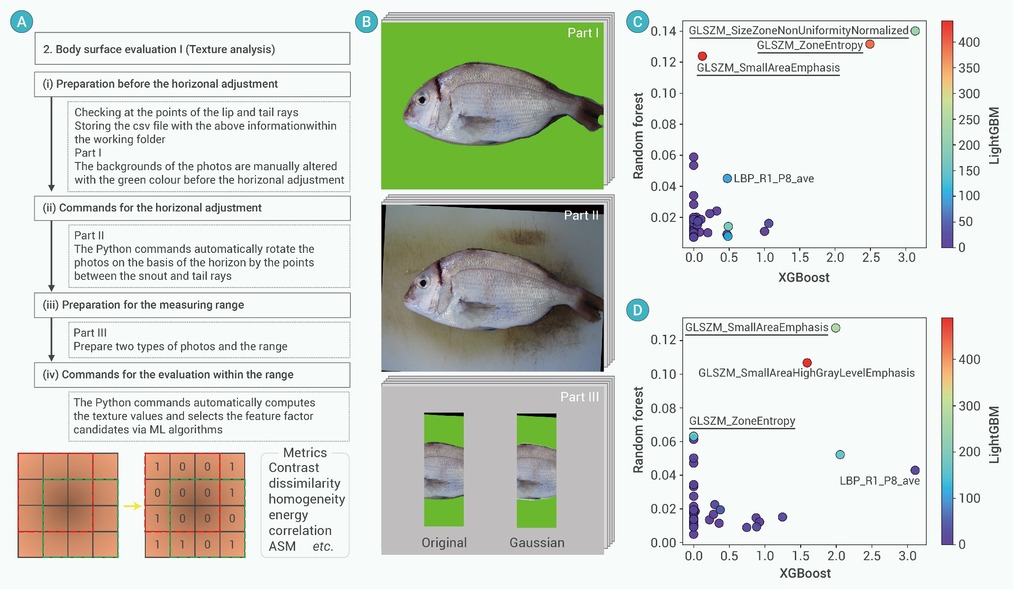
Figure 4.
Evaluation by texture analysis of the body surface
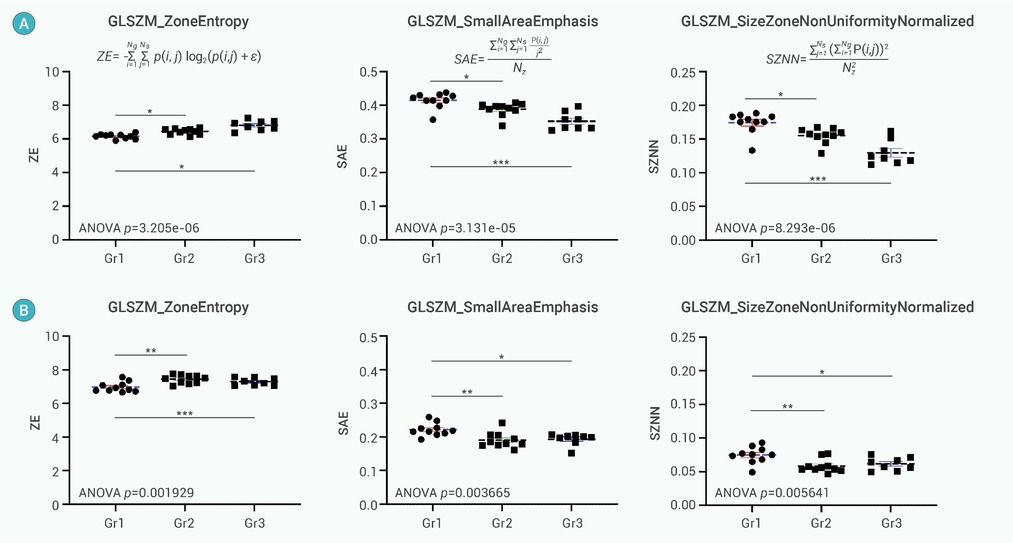
-
Figure 5.
Statistical comparison of texture features in normal and Gaussian photographs
-
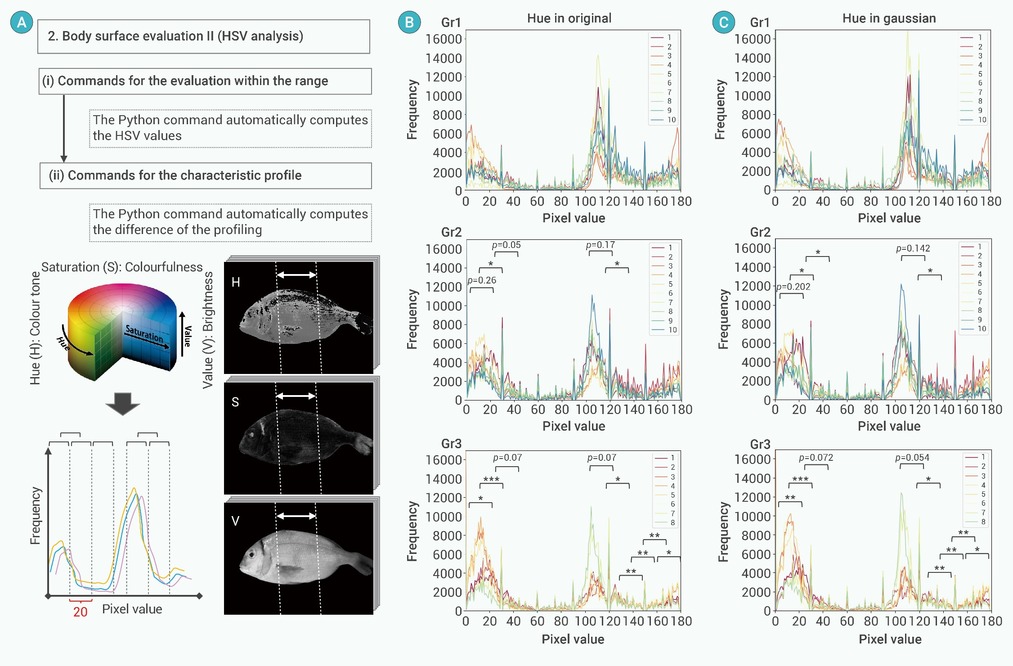
Figure 6.
HSV analysis of body surfaces
-
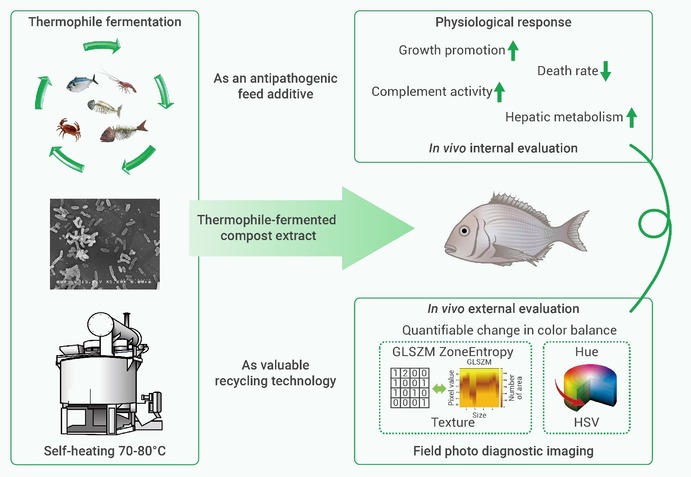
Figure 7.
Summary of this study
