
-
GRAPHICAL ABSTRACT
 DownLoad:
Full size image
DownLoad:
Full size image
-
PUBLIC SUMMARY
-
Microbial carbon utilization is fundamental to green biomanufacturing.
Enhancing the microbial ability and efficiency is crucial for the development of biomanufacturing.
Optimizing the ways to obtain carbon sources is an effective strategy to improve environmental benefits.
-
-
ABSTRACT
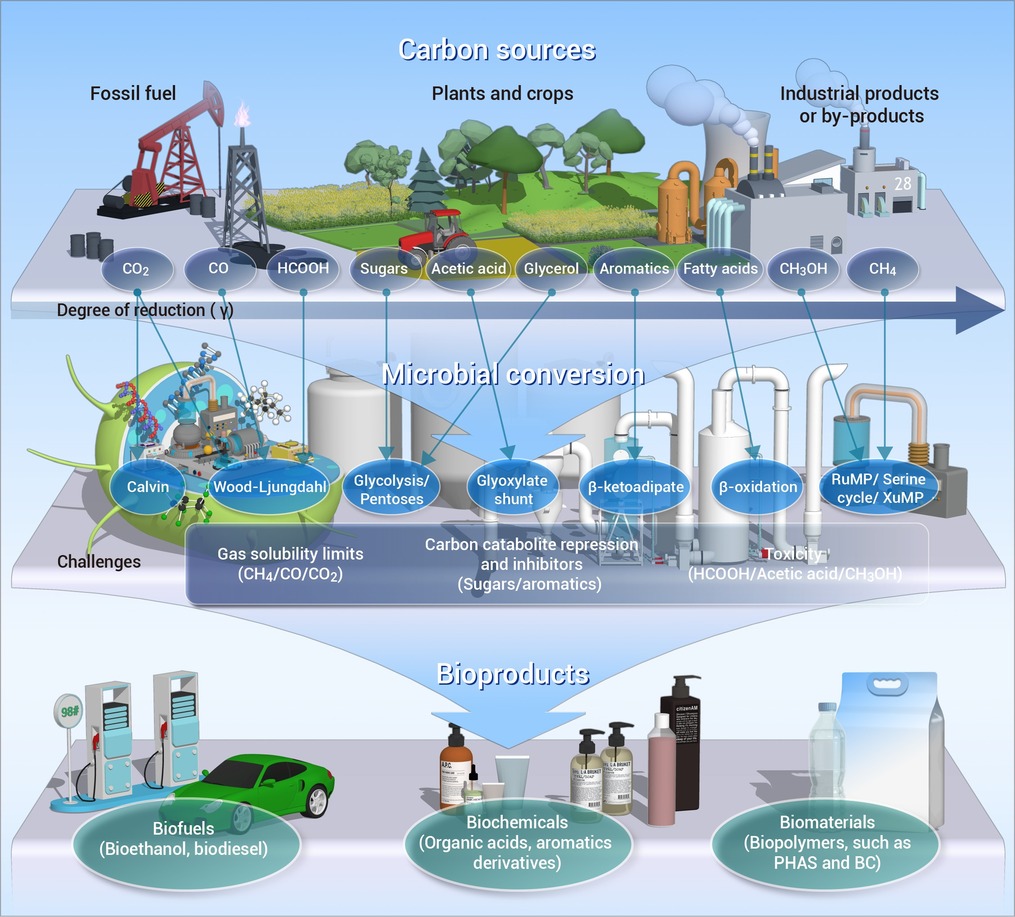
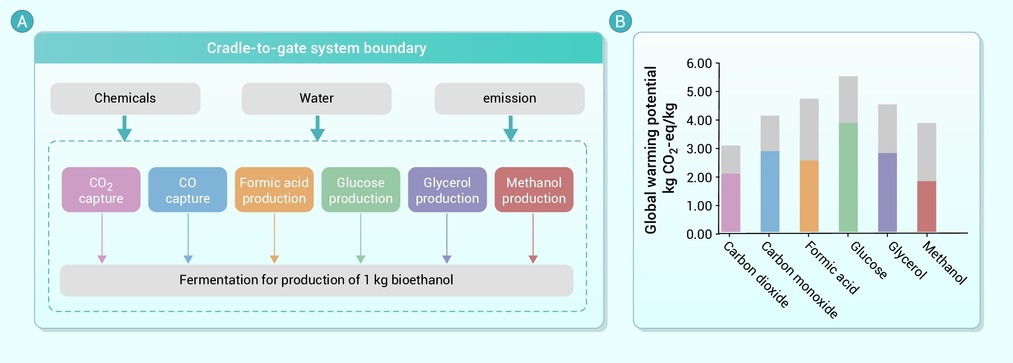
Microbial utilization of diverse carbon sources presents transformative potential for sustainable green biomanufacturing. This review examines ten distinct carbon sources including carbon dioxide, carbon monoxide, formic acid, sugars, aromatic compounds, acetic acid, glycerol, fatty acids, methanol, and methane, with an emphasis on their degree of reduction. We discuss their origins, bioconversion, and practical advantages and limitations, while also evaluating their technical feasibility and sustainability trade-offs. Finally, a comparative life-cycle assessment quantifies the climate impact of microbial utilization of these carbon sources for bioethanol production. Notably, the production of carbon sources contributes the most significant environmental impact, emphasizing the importance of optimizing carbon source acquisition pathways for sustainable green biomanufacturing. The integration of microbial carbon metabolism into biomanufacturing frameworks, enhancement of biorefinery strategies, and collaboration with geographical distributions of various resources emerge as pivotal strategies for advancing circular economies, mitigating climate change, and fostering resource-efficient production systems. This synthesis underscores the critical role of carbon source selection in aligning microbial processes with global sustainability goals. -

-
REFERENCES
[1] Zheng T. and Xia C. (2023). Electrifying biosynthesis for CO2 upcycling. Trends Chem. 5:7−10. DOI:10.1016/j.trechm.2022.10.006 [2] Wang F., Jiang X., Liu Y., et al. (2024). Tobacco as a promising crop for low-carbon biorefinery. The Innovation 5:100687. DOI:10.1016/j.xinn.2024.100687 [3] Zhang W., Shao Y., Zou X., et al. (2024). Fluctuating “soil CO2-lake” is key for understanding global climate change. The Innovation 5:100642. DOI:10.1016/j.xinn.2024.100642 [4] Masson-Delmotte; V., Zhai; P., Pörtner; H. O., et al. (2018). Global warming of 1.5°C. An IPCC Special Report on the impacts of global warming of 1.5°C above pre-industrial levels and related global greenhouse gas emission pathways, in the context of strengthening the global response to the threat of climate change, sustainable development, and efforts to eradicate poverty. IPCC. http://www.ipcc.ch/report/sr15 [5] Zhang Y. H. P., Sun J. and Ma Y. (2017). Biomanufacturing: History and perspective. J. Ind. Microbiol. Biotechnol. 44:773−784. DOI:10.1007/s10295-016-1863-2 [6] Shi S., Qi N. and Nielsen J. (2022). Microbial production of chemicals driven by CRISPR-Cas systems. Curr. Opin. Biotechnol. 73:34−42. DOI:10.1016/j.copbio.2021.07.002 [7] Ye Z., Shi B., Huang Y., et al. (2022). Revolution of vitamin E production by starting from microbial fermented farnesene to isophytol. The Innovation 3:100228. DOI:10.1016/j.xinn.2022.100228 [8] Clomburg J. M., Crumbley A. M. and Gonzalez R. (2017). Industrial biomanufacturing: The future of chemical production. Science 355. DOI:10.1126/science.aag0804. [9] Reardon S. (2024). How synthetic biologists are building better biofactories. Nature 628:224−226. DOI:10.1038/d41586-024-00907-x [10] How biomanufacturing can save the world. (2021). Nat. Biotechnol. 39:1315−1315. DOI:10.1038/s41587-021-01132-x [11] Xie D. (2022). Continuous biomanufacturing with microbes — Upstream progresses and challenges. Curr. Opin. Biotechnol. 78:102793. DOI:10.1016/j.copbio.2022.102793 [12] Wang Q., Song Y., Jin Y., et al. (2013). Biosynthesis of 2-phenylethanol using tobacco waste as feedstock. Biocatal. Biotransform. 31:292−298. DOI:10.3109/10242422.2013.857315 [13] Ma X., Liang H., Panda S., et al. (2022). C2 feedstock-based biomanufacturing of value-added chemicals. Curr. Opin. Biotechnol. 73:240−245. DOI:10.1016/j.copbio.2021.08.017 [14] Jiang W., Hernández Villamor D., Peng H., et al. (2021). Metabolic engineering strategies to enable microbial utilization of C1 feedstocks. Nat. Chem. Biol. 17:845−855. DOI:10.1038/s41589-021-00836-0 [15] Scown C. D. and Keasling J. D. (2022). Sustainable manufacturing with synthetic biology. Nat. Biotechnol. 40:304−307. DOI:10.1038/s41587-022-01248-8 [16] Aggarwal N., Pham H. L., Ranjan B., et al. (2024). Microbial engineering strategies to utilize waste feedstock for sustainable bioproduction. Nat. Rev. Bioeng. 2:155−174. DOI:10.1038/s44222-023-00129-2 [17] Sandler S. I. and Orbey H. (1991). On the thermodynamics of microbial growth processes. Biotechnol. Bioeng. 38:697−718. DOI:10.1002/bit.260380704 [18] Doran P. M. (2013). Chapter 4 - Material balances. P.M. Doran (ed). In bioprocess engineering principles (Second Edition) (Academic Press), pp: 87-137. DOI:10.1016/B978-0-12-220851-5.00004-6 [19] Ritchie H. and Roser M. (2024). CO2 emissions. https://ourworldindata.org/co2-emissions [20] Liu Z., Wang K., Chen Y., et al. (2020). Third-generation biorefineries as the means to produce fuels and chemicals from CO2. Nat. Catal. 3:274−288. DOI:10.1038/s41929-019-0421-5 [21] Wang Y., Qu L., Ding H., et al. (2024). Distributed direct air capture of carbon dioxide by synergistic water harvesting. Nat. Commun. 15:9745. DOI:10.1038/s41467-024-53961-4 [22] Kurt E., Qin J., Williams A., et al. (2023). Perspectives for using CO2 as a feedstock for biomanufacturing of fuels and chemicals. Bioengineering 10:1357. DOI:10.3390/bioengineering10121357 [23] Baker R. W., Freeman B., Kniep J., et al. (2018). CO2 capture from cement plants and steel mills using membranes. Ind. Eng. Chem. Res. 57:15963−15970. DOI:10.1021/acs.iecr.8b02574 [24] Xu Y., Isom L. and Hanna M. A. (2010). Adding value to carbon dioxide from ethanol fermentations. Bioresour. Technol. 101:3311−3319. DOI:10.1016/j.biortech.2010.01.006 [25] Zhang Q., Nurhayati, Cheng C. L., et al. (2017). Carbon capture and utilization of fermentation CO2: Integrated ethanol fermentation and succinic acid production as an efficient platform. Appl. Energy 206:364−371. DOI:10.1016/j.apenergy.2017.08.193 [26] Chou H.-H., Su H. Y., Chow T. J., et al. (2021). Engineering cyanobacteria with enhanced growth in simulated flue gases for high-yield bioethanol production. Biochem. Eng. J. 165:107823. DOI:10.1016/j.bej.2020.107823 [27] Tan C., Xu P. and Tao F. (2022). Carbon-negative synthetic biology: Challenges and emerging trends of cyanobacterial technology. Trends Biotechnol. 40:1488−1502. DOI:10.1016/j.tibtech.2022.09.012 [28] Liu X., Li L., Zhao G., et al. (2024). Optimization strategies for CO2 biological fixation. Biotechnol. Adv. 73:108364. DOI:10.1016/j.biotechadv.2024.108364 [29] Bierbaumer S., Nattermann M., Schulz L., et al. (2023). Enzymatic conversion of CO2: From natural to artificial utilization. Chem. Rev. 123:5702−5754. DOI:10.1021/acs.chemrev.2c00581 [30] Yang X., Zhang Y. and Zhao G. (2024). Artificial carbon assimilation: From unnatural reactions and pathways to synthetic autotrophic systems. Biotechnol. Adv. 70:108294. DOI:10.1016/j.biotechadv.2023.108294 [31] Li Y., Zhang J. and Chen X. (2024). Microbial conversion of CO2 to organic compounds. Energy Environ. Sci. 17:7017−7034. DOI:10.1039/D4EE02262A [32] Lv X., Yu W., Zhang C., et al. (2023). C1-based biomanufacturing: Advances, challenges and perspectives. Bioresour. Technol. 367:128259. DOI:10.1016/j.biortech.2022.128259 [33] Liu X., Luo H., Yu D., et al. (2022). Synthetic biology promotes the capture of CO2 to produce fatty acid derivatives in microbial cell factories. Bioresour. Bioprocess. 9:124. DOI:10.1186/s40643-022-00615-2 [34] Kajla S., Kumari R. and Nagi G. K. (2022). Microbial CO2 fixation and biotechnology in reducing industrial CO2 emissions. Arch. Microbiol. 204:149. DOI:10.1007/s00203-021-02677-w [35] Gupta R., Mishra A., Thirupathaiah Y., et al. (2022). Biochemical conversion of CO2 in fuels and chemicals: Status, innovation, and industrial aspects. Biomass Convers. Bior. 14:3007−3030. DOI:10.1007/s13399-022-02552-8 [36] Salehizadeh H., Yan N. and Farnood R. (2020). Recent advances in microbial CO2 fixation and conversion to value-added products. J. Chem. Eng. 390:124584. DOI:10.1016/j.cej.2020.124584 [37] Wu K.-K., Xu P.-P., Zhao L., et al. (2024). Microbial conversion of carbon dioxide into premium medium-chain fatty acids: The progress, challenges, and prospects. npj Mater. Sustain. 2:4. DOI:10.1038/s44296-024-00008-w [38] Pan H., Wang J., Wu H., et al. (2021). Synthetic biology toolkit for engineering Cupriviadus necator H16 as a platform for CO2 valorization. Biotechnol. Biofuels 14:212. DOI:10.1186/s13068-021-02063-0 [39] Liu L.-N. (2022). Advances in the bacterial organelles for CO2 fixation. Trends Microbiol. 30:567−580. DOI:10.1016/j.tim.2021.10.004 [40] Rin Kim S., Kim S. J., Kim S. K., et al. (2022). Yeast metabolic engineering for carbon dioxide fixation and its application. Bioresour. Technol. 346:126349. DOI:10.1016/j.biortech.2021.126349 [41] Xu P., Li J., Qian J., et al. (2023). Recent advances in CO2 fixation by microalgae and its potential contribution to carbon neutrality. Chemosphere 319:137987. DOI:10.1016/j.chemosphere.2023.137987 [42] Harnisch F., Deutzmann J. S., Boto S. T., et al. (2024). Microbial electrosynthesis: Opportunities for microbial pure cultures. Trends Biotechnol. 42:1035−1047. DOI:10.1016/j.tibtech.2024.02.004 [43] Gao F., Wang S., Wang W., et al. (2018). Adsorption separation of CO from syngas with CuCl@AC adsorbent by a VPSA process. RSC Adv. 8:39362−39370. DOI:10.1039/C8RA08578A [44] Hwang H. W., Yoon J., Min K., et al. (2020). Two-stage bioconversion of carbon monoxide to biopolymers via formate as an intermediate. J. Chem. Eng. 389:124394. DOI:10.1016/j.cej.2020.124394 [45] Chen X., Liu Y. and Wu J. (2020). Sustainable production of formic acid from biomass and carbon dioxide. Mol. Catal. 483:110716. DOI:10.1016/j.mcat.2019.110716 [46] Stavrakou T., Müller J. F., Peeters J., et al. (2012). Satellite evidence for a large source of formic acid from boreal and tropical forests. Nat. Geosci. 5:26−30. DOI:10.1038/ngeo1354 [47] Chen Y., Yang Y., Liu X., et al. (2023). Sustainable production of formic acid and acetic acid from biomass. Mol. Catal. 545:113199. DOI:10.1016/j.mcat.2023.113199 [48] Sipma J., Henstra A. M., Parshina S. N., et al. (2006). Microbial CO conversions with applications in synthesis gas purification and bio-desulfurization. Crit. Rev. Biotechnol. 26:41−65. DOI:10.1080/07388550500513974 [49] Bae J., Jin S., Kang S., et al. (2022). Recent progress in the engineering of C1-utilizing microbes. Curr. Opin. Biotechnol. 78:102836. DOI:10.1016/j.copbio.2022.102836 [50] Wang J., Li X., Jin H., et al. (2024). CO-driven electron and carbon flux fuels synergistic microbial reductive dechlorination. Microbiome 12:154. DOI:10.1186/s40168-024-01869-y [51] Hermann M., Teleki A., Weitz S., et al. (2020). Electron availability in CO2, CO and H2 mixtures constrains flux distribution, energy management and product formation in Clostridium ljungdahlii. Microb. Biotechnol. 13:1831−1846. DOI:10.1111/1751-7915.13625 [52] Grenz S., Baumann P. T., Rückert C., et al. (2019). Exploiting Hydrogenophaga pseudoflava for aerobic syngas-based production of chemicals. Metab. Eng. 55:220−230. DOI:10.1016/j.ymben.2019.07.006 [53] Siebert D., Busche T., Metz A. Y., et al. (2020). Genetic engineering of Oligotropha carboxidovorans strain OM5—a promising candidate for the aerobic utilization of synthesis gas. ACS Synth. Biol. 9:1426−1440. DOI:10.1021/acssynbio.0c00098 [54] Shin J., Kang S., Song Y., et al. (2019). Genome engineering of Eubacterium limosum using expanded genetic tools and the CRISPR-cas9 system. ACS Synth. Biol. 8:2059−2068. DOI:10.1021/acssynbio.9b00150 [55] Zhao C., Zhang Y. and Li Y. (2019). Production of fuels and chemicals from renewable resources using engineered Escherichia coli. Biotechnol. Adv. 37:107402. DOI:10.1016/j.biotechadv.2019.06.001 [56] Bar-Even A. (2016). Formate assimilation: The metabolic architecture of natural and synthetic pathways. Biochemistry 55:3851−3863. DOI:10.1021/acs.biochem.6b00495 [57] Bang J. and Lee S. Y. (2018). Assimilation of formic acid and CO2 by engineered Escherichia coli equipped with reconstructed one-carbon assimilation pathways. Proc. Natl. Acad. Sci. USA 115:E9271−E9279. DOI:10.1073/pnas.1810386115 [58] Bang J., Hwang C. H., Ahn J. H., et al. (2020). Escherichia coli is engineered to grow on CO2 and formic acid. Nat. Microbiol. 5:1459−1463. DOI:10.1038/s41564-020-00793-9 [59] Kim S., Lindner S. N., Aslan S., et al. (2020). Growth of E. coli on formate and methanol via the reductive glycine pathway. Nat. Chem. Biol. 16:538−545. DOI:10.1038/s41589-020-0473-5 [60] Bar-Even A., Noor E., Flamholz A., et al. (2013). Design and analysis of metabolic pathways supporting formatotrophic growth for electricity-dependent cultivation of microbes. Biochim. Biophys. Acta - Bioenerg. 1827:1039−1047. DOI:10.1016/j.bbabio.2012.10.013 [61] Yishai O., Goldbach L., Tenenboim H., et al. (2017). Engineered assimilation of exogenous and endogenous formate in Escherichia coli. ACS Synth. Biol. 6:1722−1731. DOI:10.1021/acssynbio.7b00086 [62] Tian J., Deng W., Zhang Z., et al. (2023). Discovery and remodeling of Vibrio natriegens as a microbial platform for efficient formic acid biorefinery. Nat. Commun. 14:7758. DOI:10.1038/s41467-023-43631-2 [63] Pavan M., Reinmets K., Garg S., et al. (2022). Advances in systems metabolic engineering of autotrophic carbon oxide-fixing biocatalysts towards a circular economy. Metab. Eng. 71:117−141. DOI:10.1016/j.ymben.2022.01.015 [64] Andreides D., Fliegerova K. O., Pokorna D., et al. (2022). Biological conversion of carbon monoxide and hydrogen by anaerobic culture: Prospect of anaerobic digestion and thermochemical processes combination. Biotechnol. Adv. 58:107886. DOI:10.1016/j.biotechadv.2021.107886 [65] Kumar G. R. and Chowdhary N. (2016). Biotechnological and bioinformatics approaches for augmentation of biohydrogen production: A review. Renew. Sustain. Energy Rev. 56:1194−1206. DOI:10.1016/j.rser.2015.12.022 [66] Grimalt-Alemany A., Skiadas I. V. and Gavala H. N. (2018). Syngas biomethanation: State-of-the-art review and perspectives. Biofuels Bioprod. Biorefining 12:139−158. DOI:10.1002/bbb.1826 [67] Robb F. T. and Techtmann S. M. (2018). Life on the fringe: Microbial adaptation to growth on carbon monoxide. F1000Research 7. DOI:10.12688/f1000research.16059.1 [68] Claassens N. J., Cotton C. A. R., Kopljar D., et al. (2019). Making quantitative sense of electromicrobial production. Nat. Catal. 2:437−447. DOI:10.1038/s41929-019-0272-0 [69] Cotton C. A. R., Claassens N. J., Benito-Vaquerizo S., et al. (2020). Renewable methanol and formate as microbial feedstocks. Curr. Opin. Biotechnol. 62:168−180. DOI:10.1016/j.copbio.2019.10.002 [70] Wenk S., Rainaldi V., Schann K., et al. (2024). Evolution-assisted engineering of E. coli enables growth on formic acid at ambient CO2 via the Serine Threonine Cycle. Metab. Eng. 88:14-24. DOI:10.1016/j.ymben.2024.10.007 [71] Ordal E. J. and Halvorson H. O. (1939). A comparison of hydrogen production from sugars and formic acid by normal and variant strains of Escherichia coli. J. Bacteriol. 38:199−220. DOI:10.1128/jb.38.2.199-220.1939 [72] Shin J.-H., Yoon J. H., Lee S. H., et al. (2010). Hydrogen production from formic acid in pH-stat fed-batch operation for direct supply to fuel cell. Bioresour. Technol. 101:S53−S58. DOI:10.1016/j.biortech.2009.03.032 [73] Montaño López J., Duran L. and Avalos J. L. (2022). Physiological limitations and opportunities in microbial metabolic engineering. Nat. Rev. Microbiol. 20:35−48. DOI:10.1038/s41579-021-00600-0 [74] Yang S. T. (2007). Chapter 1 - Bioprocessing – From biotechnology to biorefinery. Yang S. T. (ed). In bioprocessing for value-added products from renewable resources (Elsevier), pp: 1-24. DOI: 10.1016/B978-044452114-9/50002-5 [75] Kang A. and Lee T. S. (2015). Converting sugars to biofuels: Ethanol and beyond. Bioengineering 2:184−203. DOI:10.3390/bioengineering2040184 [76] Zhang C., Ottenheim C., Weingarten M., et al. (2022). Microbial utilization of next-generation feedstocks for the biomanufacturing of value-added chemicals and food ingredients. Front. Bioeng. Biotechnol. 10:874612. DOI:10.3389/fbioe.2022.874612 [77] Wang C., Ou J., Zhang T., et al. (2023). Sustainable aromatic production from catalytic pyrolysis of lignin mediated by a novel solid Lewis acid catalyst. Fuel 348:128513. DOI:10.1016/j.fuel.2023.128513 [78] Zheng S., Wei Z., Wozniak B., et al. (2023). Synthesis of valuable benzenoid aromatics from bioderived feedstock. Nat. Sustain. 6:1436−1445. DOI:10.1038/s41893-023-01190-w [79] Fuchs G., Boll M. and Heider J. (2011). Microbial degradation of aromatic compounds — From one strategy to four. Nat. Rev. Microbiol. 9:803−816. DOI:10.1038/nrmicro2652 [80] Lips D. (2021). Fuelling the future of sustainable sugar fermentation across generations. Eng. Biol. 6:3−16. DOI:10.1049/enb2.12017 [81] Luo Y., Zhang T. and Wu H. (2014). The transport and mediation mechanisms of the common sugars in Escherichia coli. Biotechnol. Adv. 32:905−919. DOI:10.1016/j.biotechadv.2014.04.009 [82] Ma Q., Yi J., Tang Y., et al. (2024). Co-utilization of carbon sources in microorganisms for the bioproduction of chemicals. Biotechnol. Adv. 73:108380. DOI:10.1016/j.biotechadv.2024.108380 [83] Görke B. and Stülke J. (2008). Carbon catabolite repression in bacteria: Many ways to make the most out of nutrients. Nat. Rev. Microbiol. 6:613−624. DOI:10.1038/nrmicro1932 [84] Bañares A. B., Nisola G. M., Valdehuesa K. N. G., et al. (2021). Engineering of xylose metabolism in Escherichia coli for the production of valuable compounds. Crit. Rev. Biotechnol. 41:649−668. DOI:10.1080/07388551.2021.1873243 [85] Erickson E., Bleem A., Kuatsjah E., et al. (2022). Critical enzyme reactions in aromatic catabolism for microbial lignin conversion. Nat. Catal. 5:86−98. DOI:10.1038/s41929-022-00747-w [86] Martim D. B., Brilhante A. J. V. C., Lima A. R., et al. (2024). Resolving the metabolism of monolignols and other lignin-related aromatic compounds in Xanthomonas citri. Nat. Commun. 15:7994. DOI:10.1038/s41467-024-52367-6 [87] Azubuike C. C., Allemann M. N. and Michener J. K. (2022). Microbial assimilation of lignin-derived aromatic compounds and conversion to value-added products. Curr. Opin. Microbiol. 65:64−72. DOI:10.1016/j.mib.2021.10.014 [88] Zhao Z.-M., Liu Z.-H., Zhang T., et al. (2024). Unleashing the capacity of Rhodococcus for converting lignin into lipids. Biotechnol. Adv. 70:108274. DOI:10.1016/j.biotechadv.2023.108274 [89] Tan X. and Tan T. (2022). Biofuels from biomass toward a net-zero carbon and sustainable world. Joule 6:1396−1399. DOI:10.1016/j.joule.2022.06.005 [90] Gao J., Yu W., Li Y., et al. (2023). Engineering co-utilization of glucose and xylose for chemical overproduction from lignocellulose. Nat. Chem. Biol. DOI:10.1038/s41589-023-01402-6. [91] Hua Y., Wang J., Zhu Y., et al. (2019). Release of glucose repression on xylose utilization in Kluyveromyces marxianus to enhance glucose-xylose co-utilization and xylitol production from corncob hydrolysate. Microb. Cell Fact. 18:24. DOI:10.1186/s12934-019-1068-2 [92] Ragauskas A. J., Beckham G. T., Biddy M. J., et al. (2014). Lignin valorization: Improving lignin processing in the biorefinery. Science 344:1246843. DOI:10.1126/science.1246843 [93] Kim Y., Lama S., Agrawal D., et al. (2021). Acetate as a potential feedstock for the production of value-added chemicals: Metabolism and applications. Biotechnol. Adv. 49:107736. DOI:10.1016/j.biotechadv.2021.107736 [94] Kalck P., Le Berre C. and Serp P. (2020). Recent advances in the methanol carbonylation reaction into acetic acid. Coord. Chem. Rev. 402:213078. DOI:10.1016/j.ccr.2019.213078 [95] Kiefer D., Merkel M., Lilge L., et al. (2021). From acetate to bio-based products: Underexploited potential for industrial biotechnology. Trends Biotechnol. 39:397−411. DOI:10.1016/j.tibtech.2020.09.004 [96] Dürre P. and Eikmanns B. J. (2015). C1-carbon sources for chemical and fuel production by microbial gas fermentation. Curr. Opin. Biotechnol. 35:63−72. DOI:10.1016/j.copbio.2015.03.008 [97] Vidra A. and Németh A. (2018). Bio-produced acetic acid: A review. Period. Polytech. Chem. Eng. 62:245−256. DOI:10.3311/PPch.11004 [98] Hu P., Chakraborty S., Kumar A., et al. (2016). Integrated bioprocess for conversion of gaseous substrates to liquids. Proc. Natl. Acad. Sci. USA 113:3773−3778. DOI:10.1073/pnas.1516867113 [99] Kutscha R. and Pflügl S. (2020). Microbial upgrading of acetate into value-added products—examining microbial diversity, bioenergetic constraints and metabolic engineering approaches. Int. J. Mol. Sci. 21:8777. DOI:10.3390/ijms21228777 [100] Proietti Tocca G., Agostino V., Menin B., et al. (2024). Mixotrophic and heterotrophic growth of microalgae using acetate from different production processes. Rev. Environ. Sci. Biotechnol. 23:93−132. DOI:10.1007/s11157-024-09682-7 [101] Mutyala S. and Kim J. R. (2022). Recent advances and challenges in the bioconversion of acetate to value-added chemicals. Bioresour. Technol. 364:128064. DOI:10.1016/j.biortech.2022.128064 [102] Zhang H., Cao M., Jiang X., et al. (2014). De-novo synthesis of 2-phenylethanol by Enterobacter sp. CGMCC 5087. BMC Biotechnol. 14:30. DOI:10.1186/1472-6750-14-30 [103] Luo M., Yang W., Bai L., et al. (2024). Artificial intelligence for life sciences: A comprehensive guide and future trends. Innov. Life 2:100105. DOI:10.59717/j.xinn-life.2024.100105 [104] Yang T., Ma F., Qian H., et al. (2024). AI-driven construction of digital cell model. Innov. Life 2:100102. DOI:10.59717/j.xinn-life.2024.100102 [105] Liu Y. and Chen J. (2024). Orthogonal DNA replication system accelerates evolution and cell factory construction in Escherichia coli. Innov. Life 2:100055. DOI:10.59717/j.xinn-life.2024.100055 [106] Yang Y., Chen Y., Jin Y., et al. (2022). Highly efficient fermentation of glycerol and 1,3-propanediol using a novel starch as feedstock. Food Biosci. 46:101521. DOI:10.1016/j.fbio.2021.101521 [107] Murarka A., Dharmadi Y., Yazdani S. S., et al. (2008). Fermentative utilization of glycerol by Escherichia coli and its implications for the production of fuels and chemicals. Appl. Environ. Microbiol. 74:1124−1135. DOI:10.1128/AEM.02192-07 [108] Theodosiou E. (2023). Engineering strategies for efficient bioconversion of glycerol to value-added products by Yarrowia lipolytica. Catalysts 13:657. DOI:10.3390/catal13040657 [109] Quispe C. A. G., Coronado C. J. R. and Carvalho Jr J. A. (2013). Glycerol: Production, consumption, prices, characterization and new trends in combustion. Renew. Sustain. Energy Rev. 27:475−493. DOI:10.1016/j.rser.2013.06.017 [110] Rasor B. J., Vögeli B., Landwehr G. M., et al. (2021). Toward sustainable, cell-free biomanufacturing. Curr. Opin. Biotechnol. 69:136−144. DOI:10.1016/j.copbio.2020.12.012 [111] Wang Z., Zhuge J., Fang H., et al. (2001). Glycerol production by microbial fermentation: A review. Biotechnol. Adv. 19:201−223. DOI:10.1016/S0734-9750(01)00060-X [112] Ewing T. A., Nouse N., van Lint M., et al. (2022). Fermentation for the production of biobased chemicals in a circular economy: A perspective for the period 2022–2050. Green Chem. 24:6373−6405. DOI:10.1039/D1GC04758B [113] da Silva G. P., Mack M. and Contiero J. (2009). Glycerol: A promising and abundant carbon source for industrial microbiology. Biotechnol. Adv. 27:30−39. DOI:10.1016/j.biotechadv.2008.07.006 [114] Yu Z., Chang Z., Lu Y., et al. (2023). Metabolic engineering of Saccharomyces cerevisiae for glycerol utilization. FEMS Yeast Res. 23:foad014. DOI:10.1093/femsyr/foad014 [115] Asopa R. P., Bhoi R. and Saharan V. K. (2022). Valorization of glycerol into value-added products: A comprehensive review on biochemical route. Bioresour. Technol. Reports 20:101290. DOI:10.1016/j.biteb.2022.101290 [116] Yan J., Xu J., Cao M., et al. (2018). Engineering of glycerol utilization in Gluconobacter oxydans 621H for biocatalyst preparation in a low-cost way. Microb. cell fact. 17:158. DOI:10.1186/s12934-018-1001-0 [117] Karayannis D., Vasilakis G., Charisteidis I., et al. (2023). Screening of new industrially important bacterial strains for 1,3-propanediol, 2,3-butanediol and ethanol production through biodiesel-derived glycerol fermentations. Microorganisms 11:1424. DOI:10.3390/microorganisms11061424 [118] Rani R. M., Syngkli S., Nongkhlaw J., et al. (2023). Expression and characterisation of human glycerol kinase: The role of solubilising agents and molecular chaperones. Biosci. Rep. 43:BSR20222258. DOI:10.1042/bsr20222258 [119] Wang Y.-D., Liao J.-Y., Chiang C. J., et al. (2019). A simple strategy to effectively produce d-lactate in crude glycerol-utilizing Escherichia coli. Biotechnol. Biofuels 12:273. DOI:10.1186/s13068-019-1615-4 [120] Almeida J. R. M., Fávaro L. C. L. and Quirino B. F. (2012). Biodiesel biorefinery: Opportunities and challenges for microbial production of fuels and chemicals from glycerol waste. Biotechnol. Biofuels 5:48. DOI:10.1186/1754-6834-5-48 [121] Clomburg J. M. and Gonzalez R. (2013). Anaerobic fermentation of glycerol: A platform for renewable fuels and chemicals. Trends Biotechnol. 31:20−28. DOI:10.1016/j.tibtech.2012.10.006 [122] Dobson R., Gray V. and Rumbold K. (2012). Microbial utilization of crude glycerol for the production of value-added products. J. Ind. Microbiol. Biotechnol. 39:217−226. DOI:10.1007/s10295-011-1038-0 [123] Steen E. J., Kang Y., Bokinsky G., et al. (2010). Microbial production of fatty-acid-derived fuels and chemicals from plant biomass. Nature 463:559−562. DOI:10.1038/nature08721 [124] Cho I. J., Choi K. R. and Lee S. Y. (2020). Microbial production of fatty acids and derivative chemicals. Curr. Opin. Biotechnol. 65:129−141. DOI:10.1016/j.copbio.2020.02.006 [125] Chalima A., de Castro L. F., Burgstaller L., et al. (2021). Waste-derived volatile fatty acids as carbon source for added-value fermentation approaches. FEMS Microbiol. Lett. 368:fnab054. DOI:10.1093/femsle/fnab054 [126] Florencia R., Ismael M., Manuel R., et al. (2024). Long-chain fatty acids as sole carbon source in polyhydroxyalkanoates production by Cupriavidus necator H16. Bioresour. Technol. 417:131846. DOI:10.1016/j.biortech.2024.131846 [127] Wang Z., Su C., Zhang Y., et al. (2024). Key enzymes involved in the utilization of fatty acids by Saccharomyces cerevisiae: A review. Front. microbiol. 14:1294182. DOI:10.3389/fmicb.2023.1294182 [128] Liu Y., Benitez M. G., Chen J., et al. (2021). Opportunities and challenges for microbial synthesis of fatty acid-derived chemicals (FACs). Front. bioeng. biotechnol. 9:613322. DOI:10.3389/fbioe.2021.613322 [129] Reiter M. A., Bradley T., Büchel L. A., et al. (2024). A synthetic methylotrophic Escherichia coli as a chassis for bioproduction from methanol. Nat. Catal. 7:560−573. DOI:10.1038/s41929-024-01137-0 [130] Adil A. and Rao L. (2022). Methanol production from biomass: Analysis and optimization. Mater. Today: Proc. 57:1770−1775. DOI:10.1016/j.matpr.2021.12.450 [131] Kanuri S., Roy S., Chakraborty C., et al. (2022). An insight of CO hydrogenation to methanol synthesis: Thermodynamics, catalysts, operating parameters, and reaction mechanism. Int. J. Energy Res. 46:5503−5522. DOI:10.1002/er.7562 [132] Khojasteh-Salkuyeh Y., Ashrafi O., Mostafavi E., et al. (2021). CO2 utilization for methanol production; Part I: Process design and life cycle GHG assessment of different pathways. J. CO2 Util. 50:101608. DOI:10.1016/j.jcou.2021.101608 [133] Li H., Fang W., Wang L.-X., et al. (2023). Physical regulation of copper catalyst with a hydrophobic promoter for enhancing CO2 hydrogenation to methanol. The Innovation 4:100445. DOI:10.1016/j.xinn.2023.100445 [134] Salahudeen N., Rasheed A. A., Babalola A., et al. (2022). Review on technologies for conversion of natural gas to methanol. J. Nat. Gas Sci. Eng. 108:104845. DOI:10.1016/j.jngse.2022.104845 [135] He H., Edlich-Muth C., Lindner S. N., et al. (2018). Ribulose monophosphate shunt provides nearly all biomass and energy required for growth of E coli. ACS Synth. Biol. 7:1601−1611. DOI:10.1021/acssynbio.8b00093 [136] Keller P., Noor E., Meyer F., et al. (2020). Methanol-dependent Escherichia coli strains with a complete ribulose monophosphate cycle. Nat. Commun. 11:5403. DOI:10.1038/s41467-020-19235-5 [137] Yu H. and Liao J. C. (2018). A modified serine cycle in Escherichia coli coverts methanol and CO2 to two-carbon compounds. Nat. Commun. 9:3992. DOI:10.1038/s41467-018-06496-4 [138] Wu T., Gómez-Coronado P. A., Kubis A., et al. (2023). Engineering a synthetic energy-efficient formaldehyde assimilation cycle in Escherichia coli. Nat. Commun. 14:8490. DOI:10.1038/s41467-023-44247-2 [139] Lee J. Y., Park S. H., Oh S.-H., et al. (2020). Discovery and biochemical characterization of a methanol dehydrogenase from Lysinibacillus xylanilyticus. Front. bioeng. biotechnol. 8:67. DOI:10.3389/fbioe.2020.00067 [140] Le T.-K., Lee Y.-J., Han G. H., et al. (2021). Methanol dehydrogenases as a key biocatalysts for synthetic methylotrophy. Front. bioeng. biotechnol. 9:787791. DOI:10.3389/fbioe.2021.787791 [141] Li J., Gao J., Ye M., et al. (2024). Engineering yeast for high-level production of β-farnesene from sole methanol. Metab. Eng. 85:194−200. DOI:10.1016/j.ymben.2024.08.006 [142] Gao J., Li Y., Yu W., et al. (2022). Rescuing yeast from cell death enables overproduction of fatty acids from sole methanol. Nat. Metab. 4:932−943. DOI:10.1038/s42255-022-00601-0 [143] Zhan C., Li X., Yang Y., et al. (2021). Strategies and challenges with the microbial conversion of methanol to high-value chemicals. Biotechnol. Bioeng. 118:3655−3668. DOI:10.1002/bit.27862 [144] Weng C., Peng X. and Han Y. (2023). Chapter Four - From methane to value-added bioproducts: Microbial metabolism, enzymes, and metabolic engineering. Gadd G.M., and Sariaslani S. (eds). In advances in applied microbiology (Academic Press), pp: 119-146. DOI:10.1016/bs.aambs.2023.07.004 [145] Thi Quynh Le H. and Lee E. Y. (2023). Methanotrophs: Metabolic versatility from utilization of methane to multi-carbon sources and perspectives on current and future applications. Bioresour. Technol. 384:129296. DOI:10.1016/j.biortech.2023.129296 [146] Hu L., Guo S., Wang B., et al. (2022). Bio-valorization of C1 gaseous substrates into bioalcohols: Potentials and challenges in reducing carbon emissions. Biotechnol. Adv. 59:107954. DOI:10.1016/j.biotechadv.2022.107954 [147] Zhang Z., Jiao N. and Zhang Y. (2024). Global ocean microbiome catalogue: A gateway to unlock marine microbial resources and ecosystem functions. Innov. Life 2:100099. DOI:10.59717/j.xinn-life.2024.100099 [148] Wu K., Zhou L., Tahon G., et al. (2024). Isolation of a methyl-reducing methanogen outside the Euryarchaeota. Nature 632:1124−1130. DOI:10.1038/s41586-024-07728-y [149] Holmes D. E. and Smith J. A. (2016). Chapter One - Biologically produced methane as a renewable energy source. Sariaslani S., and Gadd G.M. (eds). In advances in applied microbiology (Academic Press), pp: 1-61. DOI:10.1016/bs.aambs.2016.09.001 [150] Feng J. C., Yan J., Wang Y., et al. (2022). Methane mitigation: Learning from the natural marine environment. The Innovation 3:100297. DOI:10.1016/j.xinn.2022.100297 [151] Akberdin I. R., Thompson M., Hamilton R., et al. (2018). Methane utilization in Methylomicrobium alcaliphilum 20ZR: A systems approach. Sci. Rep. 8:2512. DOI:10.1038/s41598-018-20574-z [152] Samanta D. and Sani R. K. (2023). Methane oxidation via chemical and biological methods: Challenges and solutions. Methane 2:279−303. DOI:10.3390/methane2030019 [153] Guerrero-Cruz S., Vaksmaa A., Horn M. A., et al. (2021). Methanotrophs: Discoveries, environmental relevance, and a perspective on current and future applications. Front. microbiol. 12:678057. DOI:10.3389/fmicb.2021.678057 [154] Duc Nguyen A., Hoang Trung Chau T. and Yeol Lee E. (2021). Methanotrophic microbial cell factory platform for simultaneous conversion of methane and xylose to value-added chemicals. J. Chem. Eng. 420:127632. DOI:10.1016/j.cej.2020.127632 [155] Jiang H., Chen Y., Jiang P., et al. (2010). Methanotrophs: Multifunctional bacteria with promising applications in environmental bioengineering. Biochem. Eng. J. 49:277−288. DOI:10.1016/j.bej.2010.01.003 [156] Sakarika M., Matassa S., Carvajal-Arroyo J. M., et al. (2024). Editorial: Microbial biorefineries for a more sustainable, circular economy. Front. bioeng. biotechnol. 12:1512756. DOI:10.3389/fbioe.2024.1512756 [157] von der Assen N., Voll P., Peters M., et al. (2014). Life cycle assessment of CO2 capture and utilization: A tutorial review. Chem. Soc. Rev. 43:7982−7994. DOI:10.1039/C3CS60373C [158] Thunuguntla R., Tanner R. S. and Atiyeh H. K. (2025). Harnessing Clostridium ragsdalei for conversion of CO2 into ethanol: Insights from batch and continuous fermentation. Bioresour. Technol. 421:132133. DOI:10.1016/j.biortech.2025.132133 [159] Kim T. H., Lee J. S., Lee M. J., et al. (2025). Two-stage continuous CO fermentation process strategy for high-titer bioethanol production using Clostridium autoethanogenum. Bioresour. Technol. 421:132152. DOI:10.1016/j.biortech.2025.132152 [160] Hung Y.-H. R., Sauvageau D. and Bressler D. C. (2025). An adaptive, continuous substrate feeding strategy based on evolved gas to improve fed-batch ethanol fermentation. Appl. Microbiol. Biotechnol. 109:64. DOI:10.1007/s00253-025-13447-9 [161] Khattab Sadat Mohamed R. and Watanabe T. (2021). Efficient conversion of glycerol to ethanol by an engineered Saccharomyces cerevisiae strain. Appl. Environ. Microbiol. 87:e00268−00221. DOI:10.1128/AEM.00268-21 [162] Neuendorf C. S., Vignolle G. A., Derntl C., et al. (2021). A quantitative metabolic analysis reveals Acetobacterium woodii as a flexible and robust host for formate-based bioproduction. Metab. Eng. 68:68−85. DOI:10.1016/j.ymben.2021.09.004 [163] Kim S. J., Yoon J., Im D. K., et al. (2019). Adaptively evolved Escherichia coli for improved ability of formate utilization as a carbon source in sugar-free conditions. Biotechnol. Biofuels 12:207. DOI:10.1186/s13068-019-1547-z [164] Lee H.-M., Jeon B.-Y. and Oh M.-K. (2016). Microbial production of ethanol from acetate by engineered Ralstonia eutropha. Biotechnol. Bioprocess Eng. 21:402−407. DOI:10.1007/s12257-016-0197-2 [165] GreenDelta (2024). OpenLCA v.2.1.1. https://www.openlca.org/ [166] Wang M., Wan D., Xie X., et al. (2024). Crop-livestock integration: Implications for food security, resource efficiency and greenhouse gas mitigation. Innov. Life 2:100103. DOI:10.59717/j.xinn-life.2024.100103 [167] Rojas Sánchez D., Khalilpour K. and Hoadley A. F. A. (2021). How sustainable is CO2 conversion to ethanol. – A life cycle assessment of a new electrocatalytic carbon utilisation process. Sustain. Energy Fuels. 5:5866−5880. DOI:10.1039/D1SE01462E [168] Chavan S., Yadav B., Atmakuri A., et al. (2022). Bioconversion of organic wastes into value-added products: A review. Bioresour. Technol. 344:126398. DOI:10.1016/j.biortech.2021.126398 [169] Queneau Y. and Han B. (2022). Biomass: Renewable carbon resource for chemical and energy industry. The Innovation 3:100184. DOI:10.1016/j.xinn.2021.100184 [170] Wang J., Fu J., Zhao Z., et al. (2023). Benefit analysis of multi-approach biomass energy utilization toward carbon neutrality. The Innovation 4:100423. DOI:10.1016/j.xinn.2023.100423 [171] Wang F., Harindintwali J. D., Yuan Z., et al. (2021). Technologies and perspectives for achieving carbon neutrality. The Innovation 2:100180. DOI:10.1016/j.xinn.2021.100180 [172] Cheng M.-H., Huang H., Dien B. S., et al. (2019). The costs of sugar production from different feedstocks and processing technologies. Biofuels Bioprod. Biorefining 13:723−739. DOI:10.1002/bbb.1976 [173] Qiao W., Xu S., Liu Z., et al. (2022). Challenges and opportunities in C1-based biomanufacturing. Bioresour. Technol. 364:128095. DOI:10.1016/j.biortech.2022.128095 [174] Samul D., Leja K. and Grajek W. (2014). Impurities of crude glycerol and their effect on metabolite production. Ann Microbiol 64:891−898. DOI:10.1007/s13213-013-0767-x [175] Venkataramanan K. P., Boatman J. J., Kurniawan Y., et al. (2012). Impact of impurities in biodiesel-derived crude glycerol on the fermentation by Clostridium pasteurianum ATCC 6013. Appl. Microbiol. Biotechnol. 93:1325−1335. DOI:10.1007/s00253-011-3766-5 [176] Caporusso A., Capece A. and De Bari I. (2021). Oleaginous yeasts as cell factories for the sustainable production of microbial lipids by the valorization of agri-food wastes. Fermentation 7:50. DOI:10.3390/fermentation7020050 -
ABOUT THIS ARTICLE
Cite this article:
Wang F., Wu T., Wang L., et al. (2025). Microbial carbon utilization for a sustainable future. The Innovation Life 3:100159. https://doi.org/10.59717/j.xinn-life.2025.100159
Welcome!
To request copyright permission to republish or share portions of our works, please visit Copyright Clearance Center's (CCC) Marketplace website at marketplace.copyright.com.
Export File
Citation
Wang F., Wu T., Wang L., et al. (2025). Microbial carbon utilization for a sustainable future. The Innovation Life 3:100159. https://doi.org/10.59717/j.xinn-life.2025.100159

Format
Content
-
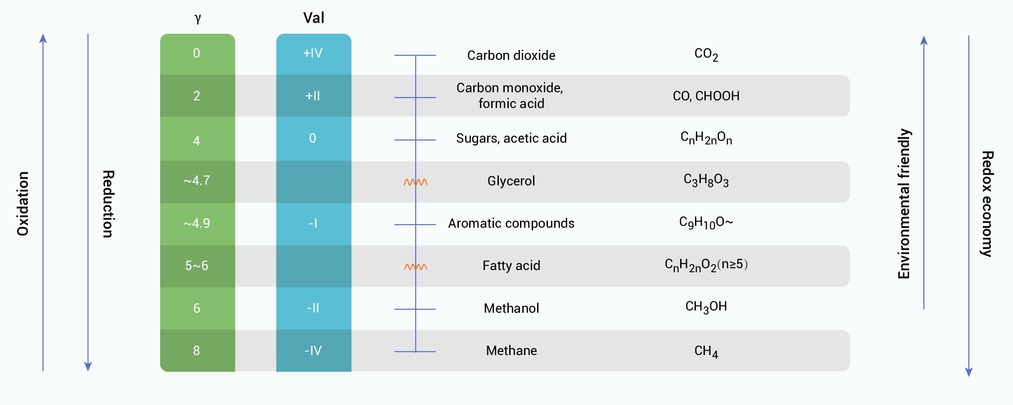
Figure 1.
Degree of reduction (γ) and relationships of common carbon sources for microorganisms, Val refers the valence of carbon.
-
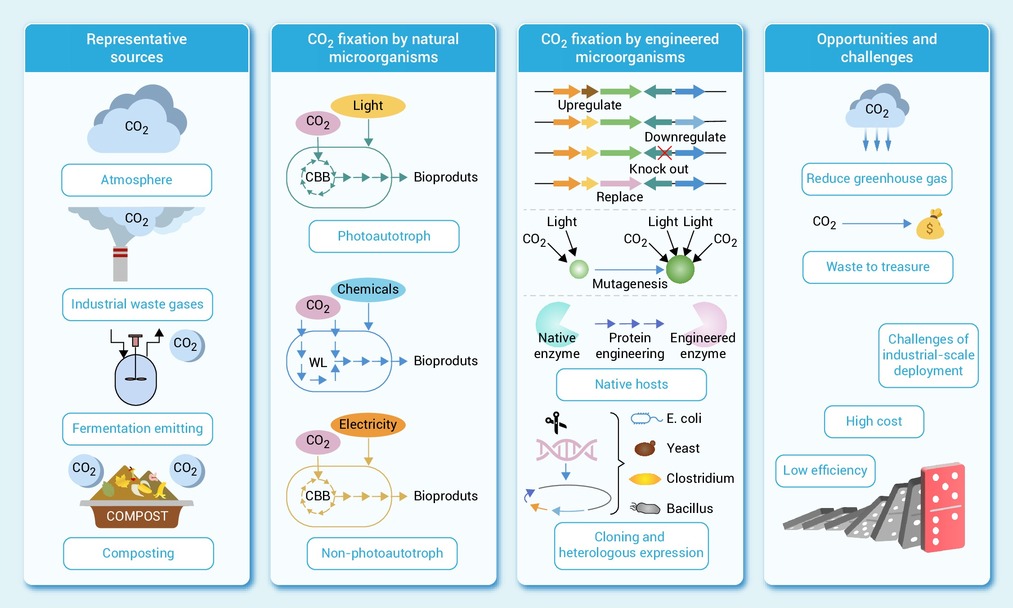
Figure 2.
Microbial CO2 fixation.
-
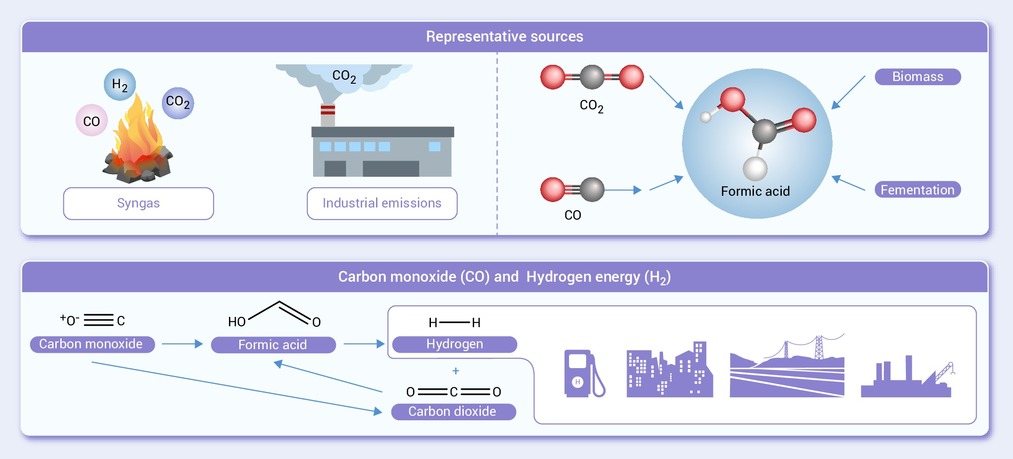
Figure 3.
Microbial carbon monoxide (CO) and formic acid utilization.
-
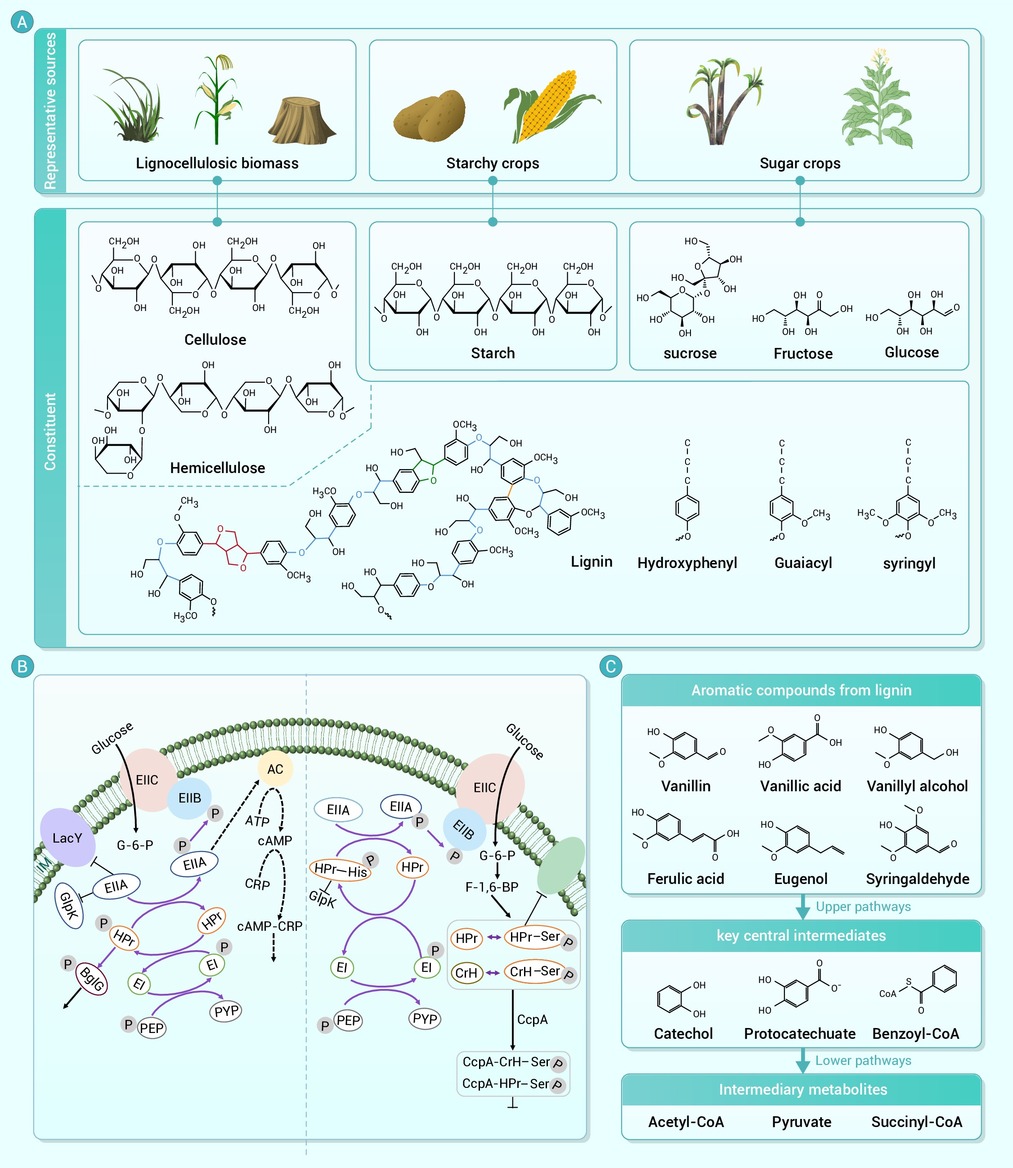
Figure 4.
Sugars and aromatic compounds as fermentation carbon sources
-
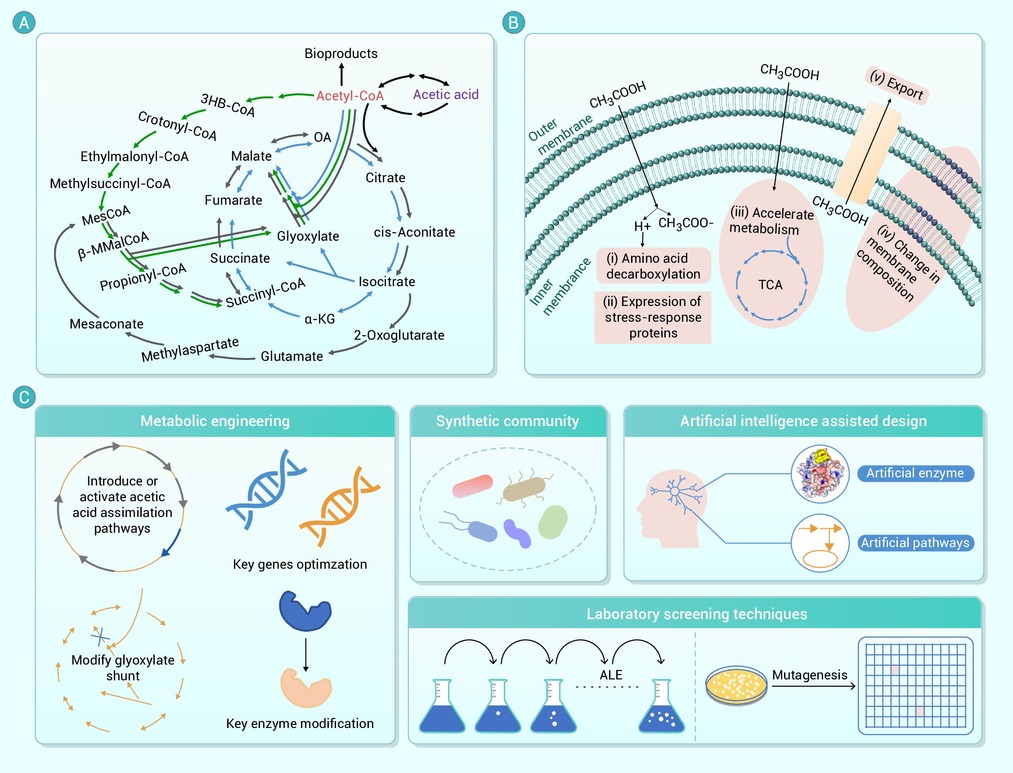
Figure 5.
Microbial acetic acid utilization
-
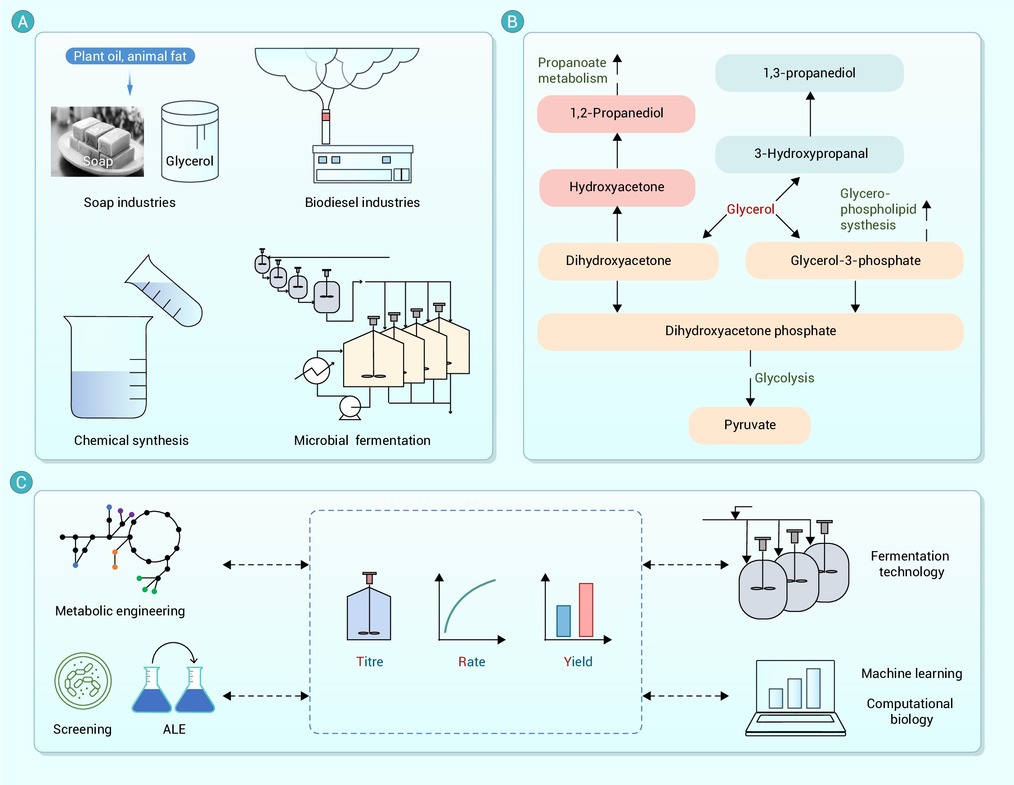
Figure 6.
Microbial glycerol utilization
-
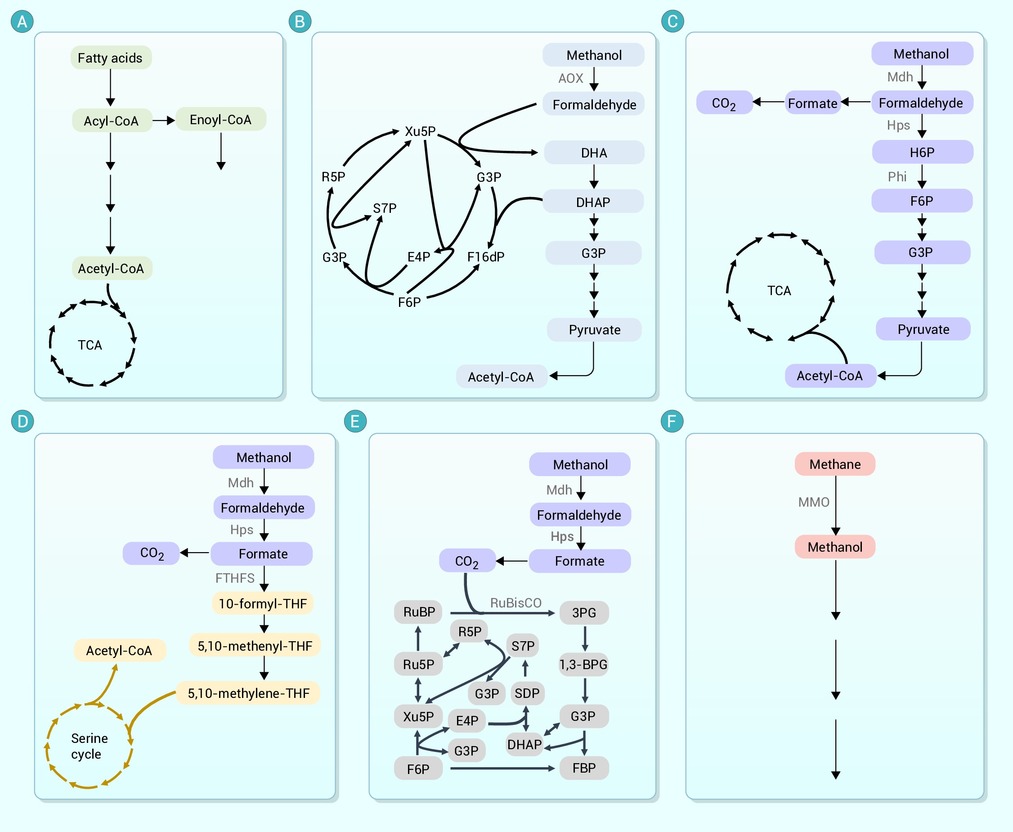
Figure 7.
Microbial fatty acids, methanol and methane utilization pathways
-
Figure 8.
Environmental impacts of six carbon sources for production of 1 kg of bioethanol
