
Astaxanthin in metabolic control: From regulatory mechanisms to therapeutic prospects
-
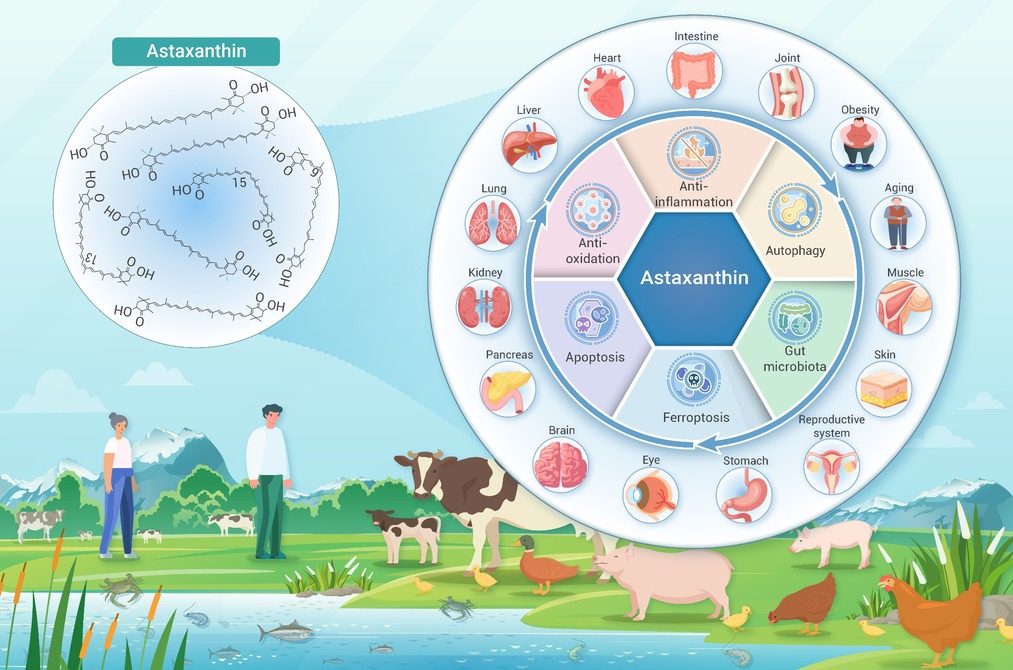
GRAPHICAL ABSTRACT
 DownLoad:
Full size image
DownLoad:
Full size image
-
PUBLIC SUMMARY
-
Describe structures giving astaxanthin (AST) super-antioxidant activity and their functional differences.
Highlight how AST regulates oxidative stress, inflammation, autophagy, apoptosis, ferroptosis, and microbes.
Prospect AST use during key stages of healthy development in humans and animals.
-
-
ABSTRACT
Astaxanthin, a naturally occurring exogenous antioxidant, possesses a unique molecular structure defined by conjugated double bonds and polar end groups, giving it unparalleled antioxidant capacity - exceeding β-carotene and α-tocopherol by orders of magnitude. Notably, astaxanthin surpasses traditional antioxidants not only in radical scavenging potency, but also in multiple metabolic modulating effects. Accumulating evidence confirms that dietary astaxanthin accumulates in intestinal tissues and the systemic circulation, where it orchestrates cellular signaling pathways to restore homeostasis under pathophysiological stress. Despite the well-established broad-spectrum bioactivities of astaxanthin, the multi-target regulatory mechanisms underlying its metabolic modulation remain incompletely elucidated. This review systematically unravels the structure-activity relationships that govern astaxanthin's biological potency, focusing on the mechanisms by which astaxanthin regulates oxidative stress, inflammation, autophagy, apoptosis, ferroptosis and gut microbiota-host interactions via metabolically activated molecular signaling during critical windows of health development in humans and animals. A deeper understanding of astaxanthin's mechanisms may pave the way for improved astaxanthin-based interventions in the future, ultimately advancing health management and prevention strategies. -

-
REFERENCES
[1] Harith Z. T., de Andrade Lima M., Charalampopoulos D., et al. (2020). Optimised production and extraction of astaxanthin from the yeast xanthophyllomyces dendrorhous. Microorganisms 8:430. DOI:10.3390/microorganisms8030430 [2] Zuluaga M., Gueguen V., Letourneur D., et al. (2018). Astaxanthin-antioxidant impact on excessive reactive oxygen species generation induced by ischemia and reperfusion injury. Chem. Biol. Interact. 279:145−158. DOI:10.1016/j.cbi.2017.11.012 [3] Mohammadi S., Barzegari A., Dehnad A., et al. (2021). Astaxanthin protects mesenchymal stem cells from oxidative stress by direct scavenging of free radicals and modulation of cell signaling. Chem. Biol. Interact. 333:109324. DOI:10.1016/j.cbi.2020.109324 [4] Chen M. H., Wang T. J., Chen L. J., et al. (2021). The effects of astaxanthin treatment on a rat model of alzheimer's disease. Brain Res. Bull. 172:151−163. DOI:10.1016/j.brainresbull.2021.04.020 [5] Zhu N., Liang X., Zhang M., et al. (2020). Astaxanthin protects cognitive function of vascular dementia. Behav. Brain Funct. 16:10. DOI:10.1186/s12993-020-00172-8 [6] Liu X., Zhou L., Xie J., et al. (2023). Astaxanthin isomers: A comprehensive review of isomerization methods and analytic techniques. J. Agric. Food Chem. 71:19920−19934. DOI:10.1021/acs.jafc.3c06863 [7] Mohamed N. M., Abdelhamid A. M., Aref M., et al. (2024). Role of cytokines and Th17/Tregs imbalance in the pathogenesis of otitis media with effusion. modulation of Notch1/Hes1/mTORC1/S6k1 signalling pathway underlies the protective effect of astaxanthin. Int. Immunopharmacol. 128, 111521. DOI:10.1016/j.intimp.2024.111521 [8] Abbaszadeh F., Jorjani M., Joghataei M. T., et al. (2022). Astaxanthin modulates autophagy, apoptosis, and neuronal oxidative stress in a rat model of compression spinal cord injury. Neurochem. Res. 47:2043−2051. DOI:10.1007/s11064-022-03593-1 [9] Cai X., Hua S., Deng J., et al. (2022). Astaxanthin activated the Nrf2/HO-1 pathway to enhance autophagy and inhibit ferroptosis, ameliorating acetaminophen-induced liver injury. ACS Appl. Mater. Interfaces 14:42887−42903. DOI:10.1021/acsami.2c10506 [10] Li K., Wang W. and Xiao W. (2023). Astaxanthin: A promising therapeutic agent for organ fibrosis. Pharmacol. Res. 188:106657. DOI:10.1016/j.phrs.2023.106657 [11] Yao G., Guo S., Yu W., et al. (2021). DFT and raman study of all-trans astaxanthin optical isomers. Spectrochim. Acta A Mol. Biomol. Spectrosc. 262:120143. DOI:10.1016/j.saa.2021.120143 [12] Zheng X. and Huang Q. (2022). Assessment of the antioxidant activities of representative optical and geometric isomers of astaxanthin against singlet oxygen in solution by a spectroscopic approach. Food Chem. 395:133584. DOI:10.1016/j.foodchem.2022.133584 [13] Coral-Hinostroza G. N., Ytrestøyl T., Ruyter B., et al. (2004). Plasma appearance of unesterified astaxanthin geometrical E/Z and optical R/S isomers in men given single doses of a mixture of optical 3 and 3′R/S isomers of astaxanthin fatty acyl diesters. Comp. Biochem. Physiol. C Toxicol. Pharmacol. 139:99−110. DOI:10.1016/j.cca.2004.09.011 [14] Yang L., Qiao X., Gu J., et al. (2021). Influence of molecular structure of astaxanthin esters on their stability and bioavailability. Food Chem. 343:128497. DOI:10.1016/j.foodchem.2020.128497 [15] Honda M., Murakami K., Osawa Y., et al. (2021). Z-Isomers of astaxanthin exhibit greater bioavailability and tissue accumulation efficiency than the all-E-isomer. J. Agric. Food Chem. 69:3489−3495. DOI:10.1021/acs.jafc.1c00087 [16] Osterlie M., Bjerkeng B. and Liaaen-Jensen S. (1999). Accumulation of astaxanthin all-E, 9Z and 13Z geometrical isomers and 3 and 3′ RS optical isomers in rainbow trout (oncorhynchus mykiss) is selective. J. Nutr. 129:391−398. DOI:10.1093/jn/129.2.391 [17] Deng Y., Zhan W., Xie S., et al. (2025). Multi-omics analysis revealed the effects of different astaxanthin sources on the antioxidant properties of scylla paramamosain. Food Chem 478:143470. DOI:10.1016/j.foodchem.2025.143470 [18] Zheng Q., Xie J., Xiao J., et al. (2024). Unraveling the underlying mechanism of interactions between astaxanthin geometrical isomers and bovine serum albumin. Spectrochim. Acta A Mol. Biomol. Spectrosc. 308:123731. DOI:10.1016/j.saa.2023.123731 [19] Liu X., Zhang J., Chen Z., et al. (2023). Cluster-determinant 36 (CD36) mediates intestinal absorption of dietary astaxanthin and affects its secretion. Food Res. Int. 173:113328. DOI:10.1016/j.foodres.2023.113328 [20] Taheri F., Sattari E., Hormozi M., et al. (2022). Dose-dependent effects of astaxanthin on ischemia/reperfusion induced brain injury in MCAO model rat. Neurochem. Res. 47:1736−1750. DOI:10.1007/s11064-022-03565-5 [21] Chae S. Y., Park R. and Hong S. W. (2022). Surface-mediated high antioxidant and anti-inflammatory effects of astaxanthin-loaded ultrathin graphene oxide film that inhibits the overproduction of intracellular reactive oxygen species. Biomater. Res. 26:30. DOI:10.1186/s40824-022-00276-4 [22] Abou-Zeid S. M., Aljuaydi S. H., AbuBakr H. O., et al. (2021). Astaxanthin mitigates thiacloprid-induced liver injury and immunotoxicity in male rats. Mar. Drugs 19:525. DOI:10.3390/md19090525 [23] Park J. H., Lee T. K., Kim D. W., et al. (2022). Astaxanthin confers a significant attenuation of hippocampal neuronal loss induced by severe ischemia-reperfusion injury in gerbils by reducing oxidative stress. Mar. Drugs 20:267. DOI:10.3390/md20040267 [24] Fu J. Y., Jing Y., Xiao Y. P., et al. (2021). Astaxanthin inhibiting oxidative stress damage of placental trophoblast cells in vitro. Syst. Biol. Reprod. Med. 67:79−88. DOI:10.1080/19396368.2020.1824031 [25] Sakayanathan P., Loganathan C. and Thayumanavan P. (2022). Protection of pancreatic beta cells against high glucose-induced toxicity by astaxanthin-s-allyl cysteine diester: Alteration of oxidative stress and apoptotic-related protein expression. Arch. Physiol. Biochem. 128:1−9. DOI:10.1080/13813455.2022.2064878 [26] Gu J., Wang X., Chen Y., et al. (2022). An enhanced antioxidant strategy of astaxanthin encapsulated in ROS-responsive nanoparticles for combating cisplatin-induced ototoxicity. J. Nanobiotechnol. 20:268. DOI:10.1186/s12951-022-01485-8 [27] Wang T., Liu Y., Zhou Y., et al. (2023). Astaxanthin protected against the adverse effects induced by diesel exhaust particulate matter via improving membrane stability and anti-oxidative property. J. Hazard. Mater. 456:131684. DOI:10.1016/j.jhazmat.2023.131684 [28] Krestinina O., Odinokova I., Sotnikova L., et al. (2022). Astaxanthin is able to prevent alcohol-induced dysfunction of liver mitochondria. Antioxidants 11:2019. DOI:10.3390/antiox11102019 [29] Tang H., Zhang Y., Wang Q., et al. (2023). Astaxanthin attenuated cigarette smoke extract-induced apoptosis via decreasing oxidative DNA damage in airway epithelium. Biomed. Pharmacother. 167:115471. DOI:10.1016/j.biopha.2023.115471 [30] Zhang Q., Luo C., Li Z., et al. (2024). Astaxanthin activates the Nrf2/Keap1/HO-1 pathway to inhibit oxidative stress and ferroptosis, reducing triphenyl phosphate (TPhP)-induced neurodevelopmental toxicity. Ecotoxicol. Environ. Saf. 271:115960. DOI:10.1016/j.ecoenv.2024.115960 [31] Wang P., Zheng X., Du R., et al. (2023). Astaxanthin protects against alcoholic liver injury via regulating mitochondrial redox balance and calcium homeostasis. J. Agric. Food Chem. 71:19531−19550. DOI:10.1021/acs.jafc.3c05529 [32] Shi H. H., Guo Y., Chen L. P., et al. (2021). Docosahexaenoic acid-acylated astaxanthin esters exhibit superior renal protective effect to recombination of astaxanthin with DHA via alleviating oxidative stress coupled with apoptosis in vancomycin-treated mice with nephrotoxicity. Mar. Drugs 19:499. DOI:10.3390/md19090499 [33] Brasil F. B., Bertolini Gobbo R. C., Souza de Almeida F. J., et al. (2021). The signaling pathway PI3K/Akt/Nrf2/HO-1 plays a role in the mitochondrial protection promoted by astaxanthin in the SH-SY5Y cells exposed to hydrogen peroxide. Neurochem. Int. 146:105024. DOI:10.1016/j.neuint.2021.105024 [34] Li Y., Liu J., Ye B., et al. (2022). Astaxanthin alleviates nonalcoholic fatty liver disease by regulating the intestinal flora and targeting the AMPK/Nrf2 signal axis. J. Agric. Food Chem. 70:10620−10634. DOI:10.1021/acs.jafc.2c04476 [35] Shatoor A. S. and Al Humayed S. (2021). Astaxanthin ameliorates high-fat diet-induced cardiac damage and fibrosis by upregulating and activating SIRT1. Saudi J. Biol. Sci. 28:7012−7021. DOI:10.1016/j.sjbs.2021.07.079 [36] Liu N., Lyu X., Zhang X., et al. (2023). Astaxanthin attenuates cognitive deficits in alzheimer's disease models by reducing oxidative stress via the SIRT1/PGC-1α signaling pathway. Cell Biosci. 13:173. DOI:10.1186/s13578-023-01129-w [37] Bayramoglu Akkoyun M., Temel Y., Bengü A. Ş., et al. (2021). Ameliorative effects of astaxanthin against copper(II) ion-induced alteration of pentose phosphate pathway and antioxidant system enzymes in rats. Environ. Sci. Pollut. Res. Int. 28:62919−62926. DOI:10.1007/s11356-021-15017-8 [38] Chang C. H., Chen K. C., Liaw K. C., et al. (2020). Astaxanthin protects PC12 cells against homocysteine- and glutamate-induced neurotoxicity. Molecules 25:214. DOI:10.3390/molecules25010214 [39] Tian Y., Che H., Yang J., et al. (2023). Astaxanthin alleviates aflatoxin B1-induced oxidative stress and apoptosis in IPEC-J2 cells via the Nrf2 signaling pathway. Toxins 15:232. DOI:10.3390/toxins15030232 [40] Zhang X.-S., Lu Y., Li W., et al. (2021). Astaxanthin ameliorates oxidative stress and neuronal apoptosis via SIRT1/NRF2/Prx2/ASK1/p38 after traumatic brain injury in mice. Br. J. Pharmacol. 178:1114−1132. DOI:10.1111/bph.15346 [41] Lee J., Lim J. W. and Kim H. (2022). Astaxanthin inhibits oxidative stress-induced ku protein degradation and apoptosis in gastric epithelial cells. Nutrients 14:3939. DOI:10.3390/nu14193939 [42] Huang P., Zhang Y., Wang F., et al. (2023). Astaxanthin protects against pirarubicin-induced H9c2 cardiomyocytes by adjusting microRNA-494-3p-mediated MDM4/p53 signalling pathway. J. Pharm. Pharmacol. 75:1521−1529. DOI:10.1093/jpp/rgad084 [43] Zhang X., Xu M., Cai S., et al. (2023). Effects of astaxanthin on microRNA expression in a rat cardiomyocyte anoxia-reoxygenation model. Front. Pharmacol. 14:1103971. DOI:10.3389/fphar.2023.1103971 [44] Jiang W., Zhao H., Zhang L., et al. (2020). Maintenance of mitochondrial function by astaxanthin protects against bisphenol a-induced kidney toxicity in rats. Biomed. Pharmacother. 121:109629. DOI:10.1016/j.biopha.2019.109629 [45] Zou Y., Zhang S., Yang J., et al. (2024). Protective effects of astaxanthin on ochratoxin a-induced liver injury: Effects of endoplasmic reticulum stress and mitochondrial fission-fusion balance. Toxins 16:68. DOI:10.3390/toxins16020068 [46] Sun L., Miyaji N., Yang M., et al. (2021). Astaxanthin prevents atrophy in slow muscle fibers by inhibiting mitochondrial reactive oxygen species via a mitochondria-mediated apoptosis pathway. Nutrients 13:379. DOI:10.3390/nu13020379 [47] Fang Q., Guo S., Zhou H., et al. (2017). Astaxanthin protects against early burn-wound progression in rats by attenuating oxidative stress-induced inflammation and mitochondria-related apoptosis. Sci. Rep. 7:41440. DOI:10.1038/srep41440 [48] Fu J., Sun H., Wei H., et al. (2020). Astaxanthin alleviates spinal cord ischemia-reperfusion injury via activation of PI3K/Akt/GSK-3β pathway in rats. J. Orthop. Surg. Res. 15:275. DOI:10.1186/s13018-020-01790-8 [49] Zhang J., Ding C., Zhang S., et al. (2020). Neuroprotective effects of astaxanthin against oxygen and glucose deprivation damage via the PI3K/Akt/GSK3β/Nrf2 signalling pathway in vitro. J. Cell. Mol. Med. 24:8977−8985. DOI:10.1111/jcmm.15531 [50] Lin C. W., Yang C. M., Yang C. H. (2020). Protective effect of astaxanthin on blue light light-emitting diode-induced retinal cell damage via free radical scavenging and activation of PI3K/Akt/Nrf2 pathway in 661W cell model. Mar. Drugs 18:387. DOI:10.3390/md18080387 [51] Zhang J., Zhang S., Bi J., et al. (2017). Astaxanthin pretreatment attenuates acetaminophen-induced liver injury in mice. Int. Immunopharmacol. 45:26−33. DOI:10.1016/j.intimp.2017.01.028 [52] Lin X., Zhao Y., Li S. (2017). Astaxanthin attenuates glutamate-induced apoptosis via inhibition of calcium influx and endoplasmic reticulum stress. Eur. J. Pharmacol. 806:43−51. DOI:10.1016/j.ejphar.2017.04.008 [53] Zhang H., Yang W., Li Y., et al. (2018). Astaxanthin ameliorates cerulein-induced acute pancreatitis in mice. Int. Immunopharmacol. 56:18−28. DOI:10.1016/j.intimp.2018.01.011 [54] Kim K., Cho H. R., Son Y. (2024). Astaxanthin induces apoptosis in MCF-7 cells through a p53-dependent pathway. Int. J. Mol. Sci. 25:7111. DOI:10.3390/ijms25137111 [55] Zhang J., Xu P., Wang Y., et al. (2015). Astaxanthin prevents pulmonary fibrosis by promoting myofibroblast apoptosis dependent on Drp1-mediated mitochondrial fission. J. Cell. Mol. Med. 19:2215−2231. DOI:10.1111/jcmm.12609 [56] Shin J., Nile A., Saini R. K., et al. (2022). Astaxanthin sensitizes low SOD2-expressing GBM cell lines to TRAIL treatment via pathway involving mitochondrial membrane depolarization. Antioxidants 11:375. DOI:10.3390/antiox11020375 [57] Kowshik J., Nivetha R., Ranjani S., et al. (2019). Astaxanthin inhibits hallmarks of cancer by targeting the PI3K/NF-κB/STAT3 signalling axis in oral squamous cell carcinoma models. IUBMB Life 71:1595−1610. DOI:10.1002/iub.2104 [58] Kim M. S., Ahn Y. T., Lee C. W., et al. (2020). Astaxanthin modulates apoptotic molecules to induce death of SKBR3 breast cancer cells. Mar. Drugs 18:266. DOI:10.3390/md18050266 [59] Li J., Dai W., Xia Y., et al. (2015). Astaxanthin inhibits proliferation and induces apoptosis of human hepatocellular carcinoma cells via inhibition of NF-κB p65 and Wnt/β-catenin in vitro. Mar. Drugs 13:6064−6081. DOI:10.3390/md13106064 [60] Li H., Yuan Y., Zhang L., et al. (2023). Reprogramming macrophage polarization, depleting ROS by astaxanthin and thioketal-containing polymers delivering rapamycin for osteoarthritis treatment. Adv. Sci. 10:e2305363. DOI:10.1002/advs.202305363 [61] Pan X., Zhang K., Shen C., et al. (2020). Astaxanthin promotes M2 macrophages and attenuates cardiac remodeling after myocardial infarction by suppression inflammation in rats. Chin. Med. J. 133:1786−1797. DOI:10.1097/CM9.0000000000000814 [62] Zhou X., Zhang J., Li Y., et al. (2021). Astaxanthin inhibits microglia M1 activation against inflammatory injury triggered by lipopolysaccharide through down-regulating miR-31-5p. Life Sci. 267:118943. DOI:10.1016/j.lfs.2020.118943 [63] Zhu C., Liu G., Cui W., et al. (2023). Astaxanthin prevents osteoarthritis by blocking Rspo2-mediated Wnt/β-catenin signaling in chondrocytes and abolishing Rspo2-related inflammatory factors in macrophages. Aging 15:5775−5797. DOI:10.18632/aging.204837 [64] Sun L., Kim S., Mori R., et al. (2022). Astaxanthin exerts immunomodulatory effect by regulating SDH-HIF-1α axis and reprogramming mitochondrial metabolism in LPS-stimulated RAW264.7 cells. Mar. Drugs 20, 660. DOI:10.3390/md20110660. [65] Park J. H., Yeo I. J., Han J. H., et al. (2018). Anti-inflammatory effect of astaxanthin in phthalic anhydride-induced atopic dermatitis animal model. Exp. Dermatol. 27:378−385. DOI:10.1111/exd.13437 [66] Chen Y., Su W., Tie S., et al. (2023). Orally deliverable sequence-targeted astaxanthin nanoparticles for colitis alleviation. Biomaterials 293:121976. DOI:10.1016/j.biomaterials.2022.121976 [67] Zhang X., Lu Y., Wu Q., et al. (2019). Astaxanthin mitigates subarachnoid hemorrhage injury primarily by increasing sirtuin 1 and inhibiting the toll-like receptor 4 signaling pathway. FASEB J. 33:722−737. DOI:10.1096/fj.201800642RR [68] Deng M., Tong R., Bian Y., et al. (2023). Astaxanthin attenuates cigarette smoking-induced oxidative stress and inflammation in a sirtuin 1-dependent manner. Biomed. Pharmacother. 159:114230. DOI:10.1016/j.biopha.2023.114230 [69] Nishida Y., Nawaz A., Kado T., et al. (2020). Astaxanthin stimulates mitochondrial biogenesis in insulin resistant muscle via activation of AMPK pathway. J. Cachexia Sarcopenia Muscle 11:241−258. DOI:10.1002/jcsm.12530 [70] Janani R., Anitha R. E., Divya P., et al. (2022). Astaxanthin ameliorates hyperglycemia induced inflammation via PI3K/Akt-NF-κB signaling in ARPE-19 cells and diabetic rat retina. Eur. J. Pharmacol. 926:174979. DOI:10.1016/j.ejphar.2022.174979 [71] Li H., Li J., Hou C., et al. (2020). The effect of astaxanthin on inflammation in hyperosmolarity of experimental dry eye model in vitro and in vivo. Exp. Eye Res. 197:108113. DOI:10.1016/j.exer.2020.108113 [72] Zhao L., Tao X., Song T. (2021). Astaxanthin alleviates neuropathic pain by inhibiting the MAPKs and NF-κB pathways. Eur. J. Pharmacol. 912:174575. DOI:10.1016/j.ejphar.2021.174575 [73] Peng Y. J., Lu J. W., Liu F. C., et al. (2020). Astaxanthin attenuates joint inflammation induced by monosodium urate crystals. FASEB J. 34:11215−11226. DOI:10.1096/fj.202000558RR [74] Wang M., Deng X., Xie Y., et al. (2020). Astaxanthin attenuates neuroinflammation in status epilepticus rats by regulating the ATP-P2X7R signal. Drug Des. Devel. Ther. 14:1651−1662. DOI:10.2147/DDDT.S249162 [75] Wu Y., Bashir M. A., Shao C., et al. (2024). Astaxanthin targets IL-6 and alleviates the LPS-induced adverse inflammatory response of macrophages. Food Funct. 15:4207−4222. DOI:10.1039/d4fo00610k [76] Han J. H., Lee Y. S., Im J. H., et al. (2019). Astaxanthin ameliorates lipopolysaccharide-induced neuroinflammation, oxidative stress and memory dysfunction through inactivation of the signal transducer and activator of transcription 3 pathway. Mar. Drugs 17:123. DOI:10.3390/md17020123 [77] Zhu L., Wu H., Ma Z., et al. (2022). Astaxanthin ameliorates lipopolysaccharide-induced acute lung injury via inhibition of inflammatory reactions and modulation of the SOCS3/JAK2/STAT3 signaling pathways in mice. Food Funct. 13:11638−11651. DOI:10.1039/d2fo02182j [78] Luo L., Huang F., Zhong S., et al. (2022). Astaxanthin attenuates ferroptosis via Keap1-Nrf2/HO-1 signaling pathways in LPS-induced acute lung injury. Life Sci. 311:121091. DOI:10.1016/j.lfs.2022.121091 [79] Yin Y., Xu N., Shi Y., et al. (2021). Astaxanthin protects dendritic cells from lipopolysaccharide-induced immune dysfunction. Mar. Drugs 19:346. DOI:10.3390/md19060346 [80] Kang H., Park Y. K., Lee J. Y. (2021). Inhibition of alcohol-induced inflammation and oxidative stress by astaxanthin is mediated by its opposite actions in the regulation of sirtuin 1 and histone deacetylase 4 in macrophages. Biochim. Biophys. Acta Mol. Cell Biol. Lipids 1866:158838. DOI:10.1016/j.bbalip.2020.158838 [81] Erzurumlu Y., Catakli D., Dogan H. K. (2023). Potent carotenoid astaxanthin expands the anti-cancer activity of cisplatin in human prostate cancer cells. J. Nat. Med. 77:572−583. DOI:10.1007/s11418-023-01701-1 [82] Babalola J. A., Lang M., George M., et al. (2023). Astaxanthin enhances autophagy, amyloid beta clearance and exerts anti-inflammatory effects in in vitro models of alzheimer's disease-related blood brain barrier dysfunction and inflammation. Brain Res. 1819:148518. DOI:10.1016/j.brainres.2023.148518 [83] Wang X., Cong P., Wang X., et al. (2023). Docosahexaenoic acid-acylated astaxanthin monoester ameliorates chronic high-fat diet-induced autophagy dysfunction via ULK1 pathway in the hypothalamus of mice. J. Sci. Food Agric. 103:12429. DOI:10.1002/jsfa.12429 [84] Wang X., Song Y., Cong P., et al. (2023). Docosahexaenoic acid-acylated astaxanthin monoester ameliorates amyloid-β pathology and neuronal damage by restoring autophagy in alzheimer's disease models. Mol. Nutr. Food Res. 67:e2300414. DOI:10.1002/mnfr.202300414 [85] Fu M., Liang X., Zhang X., et al. (2022). Astaxanthin delays brain aging in senescence-accelerated mouse prone 10: Inducing autophagy as a potential mechanism. Nutr. Neurosci. 25:2055376. DOI:10.1080/1028415X.2022.2055376 [86] Fu M., Zhang X., Zhang X., et al. (2021). Autophagy plays a role in the prolongation of the life span of Caenorhabditis elegans by astaxanthin. Rejuvenation Res. 24:198−205. DOI:10.1089/rej.2020.2355 [87] Lee H., Lim J. W., Kim H. (2020). Effect of astaxanthin on activation of autophagy and inhibition of apoptosis in helicobacter pylori-infected gastric epithelial cell line AGS. Nutrients 12:1750. DOI:10.3390/nu12061750 [88] Li J., Wang F., Xia Y., et al. (2015). Astaxanthin pretreatment attenuates hepatic ischemia reperfusion-induced apoptosis and autophagy via the ROS/MAPK pathway in mice. Mar. Drugs 13:3368−3387. DOI:10.3390/md13063368 [89] Li J., Xia Y., Liu T., et al. (2015). Protective effects of astaxanthin on conA-induced autoimmune hepatitis by the JNK/p-JNK pathway-mediated inhibition of autophagy and apoptosis. PLoS One 10:e0120440. DOI:10.1371/journal.pone.0120440 [90] Lim S. R., Kim D. W., Sung J., et al. (2021). Astaxanthin inhibits autophagic cell death induced by bisphenol A in human dermal fibroblasts. Antioxidants 10:1273. DOI:10.3390/antiox10081273 [91] Chen Y., Yu T., Deuster P. (2021). Astaxanthin protects against heat-induced mitochondrial alterations in mouse hypothalamus. Neuroscience 476:12−20. DOI:10.1016/j.neuroscience.2021.09.010 [92] Jia B. Y., Xiang D. C., Shao Q. Y., et al. (2020). Inhibitory effects of astaxanthin on postovulatory porcine oocyte aging in vitro. Sci. Rep. 10:20217. DOI:10.1038/s41598-020-77359-6 [93] Yang G., Liu X., Jing X., et al. (2023). Astaxanthin suppresses oxidative stress and calcification in vertebral cartilage endplate via activating Nrf-2/HO-1 signaling pathway. Int. Immunopharmacol. 119:110159. DOI:10.1016/j.intimp.2023.110159 [94] Chen S., Zhao L., Jin X., et al. (2025). Astaxanthin inhibits ferroptosis of hippocampal neurons in kainic acid-induced epileptic mice by activating the Nrf2/GPX4 signaling pathway. CNS Neurosci. Ther. 31:e70238. DOI:10.1111/cns.70238 [95] Rizzardi N., Pezzolesi L., Samorì C., et al. (2022). Natural astaxanthin is a green antioxidant able to counteract lipid peroxidation and ferroptotic cell death. Int. J. Mol. Sci. 23:15137. DOI:10.3390/ijms232315137 [96] Jin M., Chen X., Zheng L., et al. (2025). Astaxanthin-loaded polylactic acid-glycolic acid nanoparticles alleviates atherosclerosis by suppressing macrophage ferroptosis via the NRF2/SLC7A11/GPX4 pathway. Arch. Biochem. Biophys. 765:110316. DOI:10.1016/j.abb.2025.110316 [97] Yin B., Ren J., Liu X., et al. (2025). Astaxanthin mitigates doxorubicin-induced cardiotoxicity via inhibiting ferroptosis and autophagy: A study based on bioinformatic analysis and in vivo/vitro experiments. Front. Pharmacol. 16:1524448. DOI:10.3389/fphar.2025.1524448 [98] Ren J., Yin B., Guo Z., et al. (2023). Astaxanthin alleviates PM2.5-induced cardiomyocyte injury via inhibiting ferroptosis. Cell. Mol. Biol. Lett. 28, 95. DOI:10.1186/s11658-023-00513-1. [99] Hou C., Xiao J., Wang Y., et al. (2024). Astaxanthin activated the SLC7A11/GPX4 pathway to inhibit ferroptosis and enhance autophagy, ameliorating dry eye disease. Front. Pharmacol. 15:1407659. DOI:10.3389/fphar.2024.1407659 [100] Lin Y. Z., Chen Z. H., Yang J. F., et al. (2025). Astaxanthin prevents glucocorticoid-induced femoral head osteonecrosis by targeting ferroptosis through the JAK2/STAT3 signaling pathway. J. Agric. Food Chem. 73:4270−4287. DOI:10.1021/acs.jafc.4c09284 [101] Wang X., Liu Z., Peng P., et al. (2022). Astaxanthin attenuates osteoarthritis progression via inhibiting ferroptosis and regulating mitochondrial function in chondrocytes. Chem. Biol. Interact. 366:110148. DOI:10.1016/j.cbi.2022.110148 [102] Kong D., Liu Y., Li L., et al. (2023). Astaxanthin ameliorates oxidative stress in lens epithelial cells by regulating GPX4 and ferroptosis. Chem. Biol. Interact. 383:110684. DOI:10.1016/j.cbi.2023.110684 [103] Li J., Jia Y. C., Zhang H., et al. (2025). Nrf2 ameliorates defective autophagic processes and thereby inhibits ferroptosis in acute pancreatitis by suppressing beclin1-slc7a11 complex formation. Free Radic. Biol. Med. 230:294−308. DOI:10.1016/j.freeradbiomed.2025.02.011 [104] Dong X., Li D., Fang Z., et al. (2023). Astaxanthin alleviates lipopolysaccharide-induced acute lung injury by suppressing ferroptosis. Food Funct. 14:6115−6127. DOI:10.1039/d3fo01727c [105] Song R., Xu Y., Jia Z., et al. (2022). Integration of intestinal microbiota and metabonomics to elucidate different alleviation impacts of non-saponification and saponification astaxanthin pre-treatment on paracetamol-induced oxidative stress in rats. Food Funct. 13:1860−1880. DOI:10.1039/d1fo02972j [106] Zhang X., Zhao X., Hua Z., et al. (2023). ROS-triggered self-disintegrating and ph-responsive astaxanthin nanoparticles for regulating the intestinal barrier and colitis. Biomaterials 292:121937. DOI:10.1016/j.biomaterials.2022.121937 [107] Wang M., Ma H., Guan S., et al. (2021). Astaxanthin from haematococcus pluvialis alleviates obesity by modulating lipid metabolism and gut microbiota in mice fed a high-fat diet. Food Funct. 12:9719−9738. DOI:10.1039/d1fo01495a [108] Ren P., Yu X., Yue H., et al. (2023). Dietary supplementation with astaxanthin enhances anti-tumor immune response and aids the enhancement of molecularly targeted therapy for hepatocellular carcinoma. Food Funct. 14:8309−8320. DOI:10.1039/d3fo02986g [109] Wang J., Liu S., Wang H., et al. (2019). Xanthophyllomyces dendrorhous-derived astaxanthin regulates lipid metabolism and gut microbiota in obese mice induced by a high-fat diet. Mar. Drugs 17:337. DOI:10.3390/md17060337 [110] Liu D., Ji Y., Cheng Q., et al. (2022). Dietary astaxanthin-rich extract ameliorates atherosclerosis/retinopathy and restructures gut microbiome in apolipoprotein E-deficient mice fed on a high-fat diet. Food Funct. 13:10461−10475. DOI:10.1039/d2fo02102a [111] Chen Y., Ling C., Chen M., et al. (2023). Astaxanthin ameliorates worsened muscle dysfunction of MDX mice fed with a high-fat diet through reducing lipotoxicity and regulating gut microbiota. Nutrients 16:33. DOI:10.3390/nu16010033 [112] Liu Y. F., Xie W. J., Xi P., et al. (2024). Astaxanthin alleviates chronic prostatitis/chronic pelvic pain syndrome by increasing colonization of akkermansia muciniphila in the intestine. Phytomedicine 123:155249. DOI:10.1016/j.phymed.2023.155249 [113] Ren P., Yue H., Tang Q., et al. (2024). Astaxanthin exerts an adjunctive anti-cancer effect through the modulation of gut microbiota and mucosal immunity. Int. Immunopharmacol. 128:111553. DOI:10.1016/j.intimp.2024.111553 [114] Wu L., Lyu Y., Srinivasagan R., et al. (2020). Astaxanthin-shifted gut microbiota is associated with inflammation and metabolic homeostasis in mice. J. Nutr. 150:2687−2698. DOI:10.1093/jn/nxaa222 [115] Li C., Gao Y., Huan Y., et al. (2022). Colon and gut microbiota greatly affect the absorption and utilization of astaxanthin derived from haematococcus pluvialis. Food Res. Int. 156:111324. DOI:10.1016/j.foodres.2022.111324 [116] Gao Y., Yuan S., Chen Y., et al. (2022). The improvement effect of astaxanthin-loaded emulsions on obesity is better than that of astaxanthin in the oil phase. Food Funct. 13:3720−3731. DOI:10.1039/d1fo03185f [117] Gao Y., Yuan S., Zhang L., et al. (2020). Absorbability of astaxanthin was much lower in obese mice than in normal mice. J. Agric. Food Chem. 68:11161−11169. DOI:10.1021/acs.jafc.0c03486 [118] Wang Y., Piao Y., Chen N., et al. (2024). Xanthophyllomyces dendrorhous is a safe dietary supplement with potent antioxidant defense enhancing activity. J. Agric. Food Chem. 72:19167−19176. DOI:10.1021/acs.jafc.4c04062 [119] Jabarpour M., Aleyasin A., Nashtaei M. S., et al. (2023). Astaxanthin treatment ameliorates ER stress in polycystic ovary syndrome patients: a randomized clinical trial. Sci. Rep. 13:3376. DOI:10.1038/s41598-023-28956-8 [120] Jabarpour M., Aleyasin A., Shabani Nashtaei M., et al. (2024). Astaxanthin supplementation impact on insulin resistance, lipid profile, blood pressure, and oxidative stress in polycystic ovary syndrome patients: a triple-blind randomized clinical trial. Phytother. Res. 38:321−330. DOI:10.1002/ptr.8037 [121] Rostami S., Alyasin A., Saedi M., et al. (2023). Astaxanthin ameliorates inflammation, oxidative stress, and reproductive outcomes in endometriosis patients undergoing assisted reproduction: A randomized, triple-blind placebo-controlled clinical trial. Front. Endocrinol. (Lausanne) 14:1144323. DOI:10.3389/fendo.2023.1144323 [122] Ito N., Seki S., Ueda F. (2018). The protective role of astaxanthin for uv-induced skin deterioration in healthy people: A randomized, double-blind, placebo-controlled trial. Nutrients 10:817. DOI:10.3390/nu10070817 [123] Hill W. S., Dohnalek M. H., Ha Y., et al. (2023). A multicenter, randomized, double-blinded, placebo-controlled clinical trial to evaluate the efficacy and safety of a krill oil, astaxanthin, and oral hyaluronic acid complex on joint health in people with mild osteoarthritis. Nutrients 15:3769. DOI:10.3390/nu15173769 [124] Saeidi A., Nouri-Habashi A., Razi O., et al. (2023). Astaxanthin supplemented with high-intensity functional training decreases adipokines levels and cardiovascular risk factors in men with obesity. Nutrients 15:286. DOI:10.3390/nu15020286 [125] Choi H. D., Kim J. H., Chang M. J., et al. (2011). Effects of astaxanthin on oxidative stress in overweight and obese adults. Phytother. Res. 25:1813−1818. DOI:10.1002/ptr.3494 [126] Petyaev I. M., Klochkov V. A., Chalyk N. E., et al. (2018). Markers of hypoxia and oxidative stress in aging volunteers ingesting lycosomal formulation of dark chocolate containing astaxanthin. J. Nutr. Health Aging 22:1092−1098. DOI:10.1007/s12603-018-1063-z [127] Lopresti A. L., Smith S. J., Riggs M. L., et al. (2024). An examination into the effects of a nutraceutical supplement on cognition, stress, eye health, and skin satisfaction in adults with self-reported cognitive complaints: A randomized, double-blind, placebo-controlled trial. Nutrients 16:1770. DOI:10.3390/nu16111770 [128] Garoufi A., Papadaki M., Kalogiannis M., et al. (2024). Beneficial effects of a nutraceutical combination on lipid profiles in children with moderate and severe hypercholesterolemia. Biomolecules 14:1608. DOI:10.3390/biom14121608 [129] Waldman H. S., Bryant A. R., Parten A. L., et al. (2023). Astaxanthin supplementation does not affect markers of muscle damage or inflammation after an exercise-induced muscle damage protocol in resistance-trained males. J. Strength Cond. Res. 37:e413−e421. DOI:10.1519/JSC.0000000000004408 [130] Gu Z., Zhao H., Song Y., et al. (2024). PEGylated-liposomal astaxanthin ameliorates Aβ neurotoxicity and alzheimer-related phenotypes by scavenging formaldehyde. J. Control. Release 366:783−797. DOI:10.1016/j.jconrel.2024.01.019 [131] Murata K., Oyagi A., Takahira D., et al. (2012). Protective effects of astaxanthin from paracoccus carotinifaciens on murine gastric ulcer models. Phytother. Res. 26:1126−1132. DOI:10.1002/ptr.3681 [132] Li Y., Li J., Xu S., et al. (2024). Tetrahedral framework nucleic acid-based delivery of astaxanthin suppresses chondrocyte pyroptosis and modulates oxidative stress for the treatment of osteoarthritis. Adv. Healthc. Mater. 13:e2401452. DOI:10.1002/adhm.202401452 [133] Zhang X., Su W., Chen Y., et al. (2024). Bi-functional astaxanthin macromolecular nanocarriers to alleviate dextran sodium sulfate-induced inflammatory bowel disease. Int. J. Biol. Macromol. 256:128494. DOI:10.1016/j.ijbiomac.2023.128494 [134] Zhang L., Wang H. (2015). Multiple mechanisms of anti-cancer effects exerted by astaxanthin. Mar. Drugs 13:4310−4330. DOI:10.3390/md13074310 [135] Zhu X., Hao R., Zhang J., et al. (2022). Dietary astaxanthin improves the antioxidant capacity, immunity and disease resistance of coral trout (plectropomus leopardus). Fish. Shellfish. Immunol. 122:38−47. DOI:10.1016/j.fsi.2022.01.037 [136] Li T., Zheng P. H., Zhang X. X., et al. (2024). Effects of dietary astaxanthin on growth performance, muscle composition, non-specific immunity, gene expression, and ammonia resistance of juvenile ivory shell (babylonia areolate). Fish. Shellfish. Immunol. 145:109363. DOI:10.1016/j.fsi.2024.109363 [137] Zhao W., Guo Y. C., Huai M. Y., et al. (2022). Comparison of the retention rates of synthetic and natural astaxanthin in feeds and their effects on pigmentation, growth, and health in rainbow trout (Oncorhynchus mykiss). Antioxidants 11:2473. DOI:10.3390/antiox11122473 [138] Fang H., Niu J. (2022). Diet supplementation of astaxanthin mitigates cadmium induced negative effects on oxidative, inflammatory and non-specific immune responses, and the intestinal morphology in Trachinotus ovatus. Comp. Biochem. Physiol. C Toxicol. Pharmacol. 260:109407. DOI:10.1016/j.cbpc.2022.109407 [139] Hosseindoust A., Oh S. M., Ko H. S., et al. (2020). Muscle antioxidant activity and meat quality are altered by supplementation of astaxanthin in broilers exposed to high temperature. Antioxidants 9:1032. DOI:10.3390/antiox9111032 [140] Ao X., Kim I. H. (2019). Effects of astaxanthin produced by phaffia rhodozyma on growth performance, antioxidant activities, and meat quality in Pekin ducks. Poult. Sci. 98:4954−4960. DOI:10.3382/ps/pez256 [141] Heng N., Gao S., Chen Y., et al. (2021). Dietary supplementation with natural astaxanthin from haematococcus pluvialis improves antioxidant enzyme activity, free radical scavenging ability, and gene expression of antioxidant enzymes in laying hens. Poult. Sci. 100:101045. DOI:10.1016/j.psj.2021.101045 [142] He W., Wang H., Tang C., et al. (2023). Dietary supplementation with astaxanthin alleviates ovarian aging in aged laying hens by enhancing antioxidant capacity and increasing reproductive hormones. Poult. Sci. 102:102258. DOI:10.1016/j.psj.2022.102258 [143] Wang H., He W., Dansou D. M., et al. (2022). Astaxanthin improved the storage stability of docosahexaenoic acid-enriched eggs by inhibiting oxidation of non-esterified poly-unsaturated fatty acids. Food Chem. 381:132256. DOI:10.1016/j.foodchem.2022.132256 [144] Gao S., Li R., Heng N., et al. (2020). Effects of dietary supplementation of natural astaxanthin from haematococcus pluvialis on antioxidant capacity, lipid metabolism, and accumulation in the egg yolk of laying hens. Poult. Sci. 99:5874−5882. DOI:10.1016/j.psj.2020.08.029 [145] Takahashi T., Suzuki N., Ishii R., et al. (2022). Egg laying performance and egg quality with paracoccus carotinifaciens supplementation containing high astaxanthin levels. Br. Poult. Sci. 63:1−9. DOI:10.1080/00071668.2022.2126933 [146] Zhao Y. C., Li X. Y., Wang C. C., et al. (2023). Free astaxanthin-rich diets enhanced astaxanthin accumulation in egg yolks compared to esterified astaxanthin-rich diets. Food Chem. 405:134872. DOI:10.1016/j.foodchem.2022.134872 [147] Honda M., Kawashima Y., Hirasawa K., et al. (2021). Astaxanthin Z-isomer-rich diets enhance egg yolk pigmentation in laying hens compared to that in all-E-isomer-rich diets. Anim. Sci. J. 92:e13512. DOI:10.1111/asj.13512 [148] Szczepanik K., Furgal-Dierzuk I., Gala L., et al. (2023). Effects of hermetia illucens larvae meal and astaxanthin as feed additives on health and production indices in weaned pigs. Animals 13:163. DOI:10.3390/ani13010163 [149] Szczepanik K., Oczkowicz M., Dobrowolski P., et al. (2023). The protective effects of astaxanthin in the liver of weaned piglets. Animals 13:3268. DOI:10.3390/ani13203268 [150] Yang Y. X., Kim Y. J., Jin Z., et al. (2006). Effects of dietary supplementation of astaxanthin on production performance, egg quality in layers and meat quality in finishing pigs. Asian-Australas. J. Anim. Sci. 19:1019−1025. DOI:10.5713/ajas.2006.1019 [151] Inborr J., Campbell R., Luxford B., et al. (1997). Improving sow and litter performance by feeding astaxanthin-rich algae meal. Digestive Physiol. Pigs 2:261−263. [152] Sun J., Li J., Wang Y., et al. (2023). Astaxanthin protects oocyte maturation against cypermethrin-induced defects in pigs. Theriogenology 209:31−39. DOI:10.1016/j.theriogenology.2023.06.022 [153] Guo H. T., Wang J. R., Sun L. Z., et al. (2021). Effects of astaxanthin on plasma membrane function and fertility of boar sperm during cryopreservation. Theriogenology 164:58−64. DOI:10.1016/j.theriogenology.2021.01.007 [154] Xiang D., Jia B., Zhang B., et al. (2022). Astaxanthin supplementation improves the subsequent developmental competence of vitrified porcine zygotes. Front. Vet. Sci. 9:871289. DOI:10.3389/fvets.2022.871289 [155] Kumar R., Sahu D. S., Chandra G., et al. (2022). Effect of astaxanthin and copper supplementation on growth, immunity, antioxidant, and blood biochemical status of growing murrah buffalo heifers. Biol. Trace Elem. Res. 200:5052−5063. DOI:10.1007/s12011-021-03091-5 [156] Wan F. C., Zhang C., Jin Q., et al. (2020). Protective effects of astaxanthin on lipopolysaccharide-induced inflammation in bovine endometrial epithelial cells. Biol. Reprod. 102:339−347. DOI:10.1093/biolre/ioz187 -
ABOUT THIS ARTICLE
Cite this article:
Wang H., Huang L., Deng J., et al. (2025). Astaxanthin in metabolic control: From regulatory mechanisms to therapeutic prospects. The Innovation Life 3:100161. https://doi.org/10.59717/j.xinn-life.2025.100161
Welcome!
To request copyright permission to republish or share portions of our works, please visit Copyright Clearance Center's (CCC) Marketplace website at marketplace.copyright.com.
Export File
Citation
Wang H., Huang L., Deng J., et al. (2025). Astaxanthin in metabolic control: From regulatory mechanisms to therapeutic prospects. The Innovation Life 3:100161. https://doi.org/10.59717/j.xinn-life.2025.100161

Format
Content
-
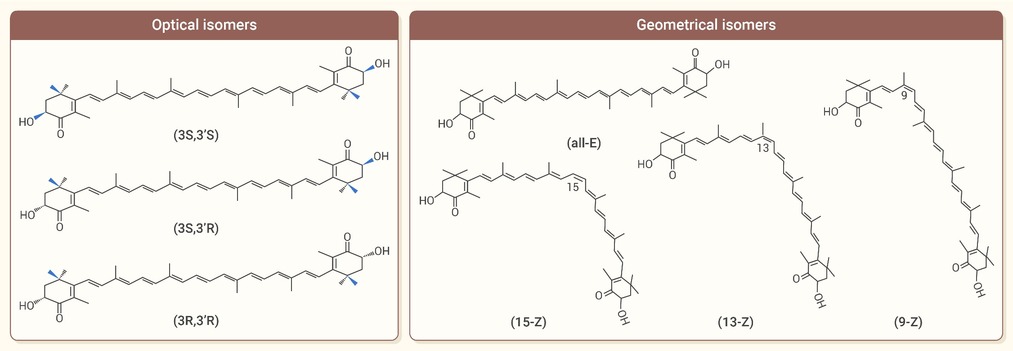
Figure 1.
Structure of astaxanthin
-
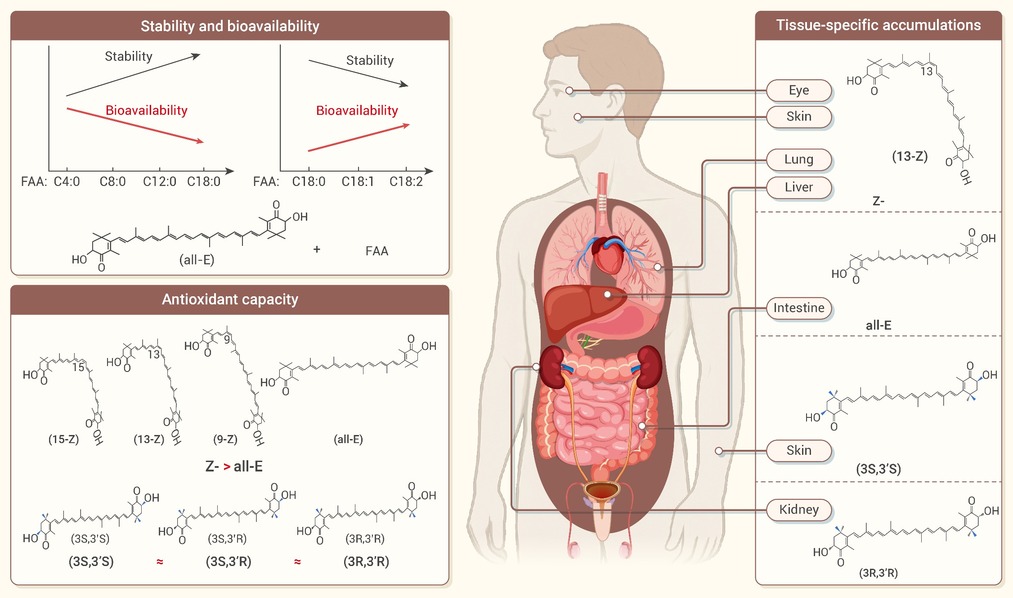
Figure 2.
Astaxanthin isomer-specific bioactivity profiles and tissue tropism
-
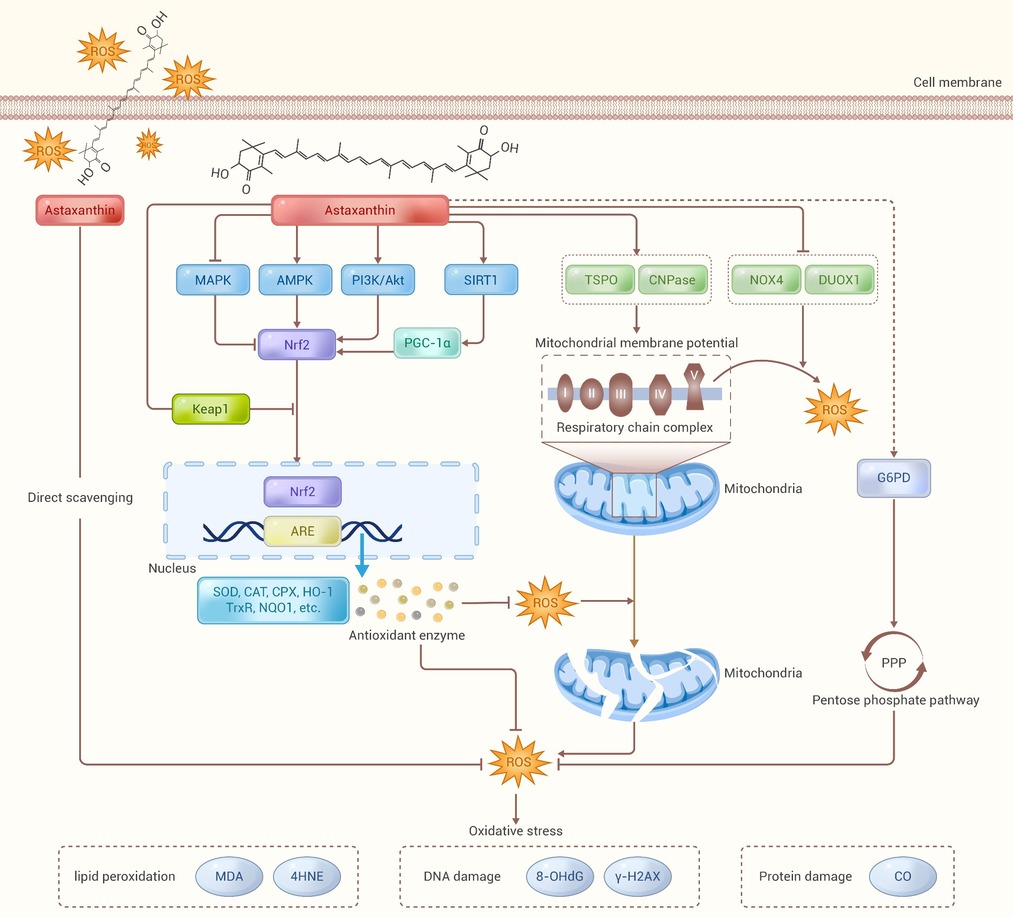
Figure 3.
Regulatory mechanisms of astaxanthin on oxidative stress
-
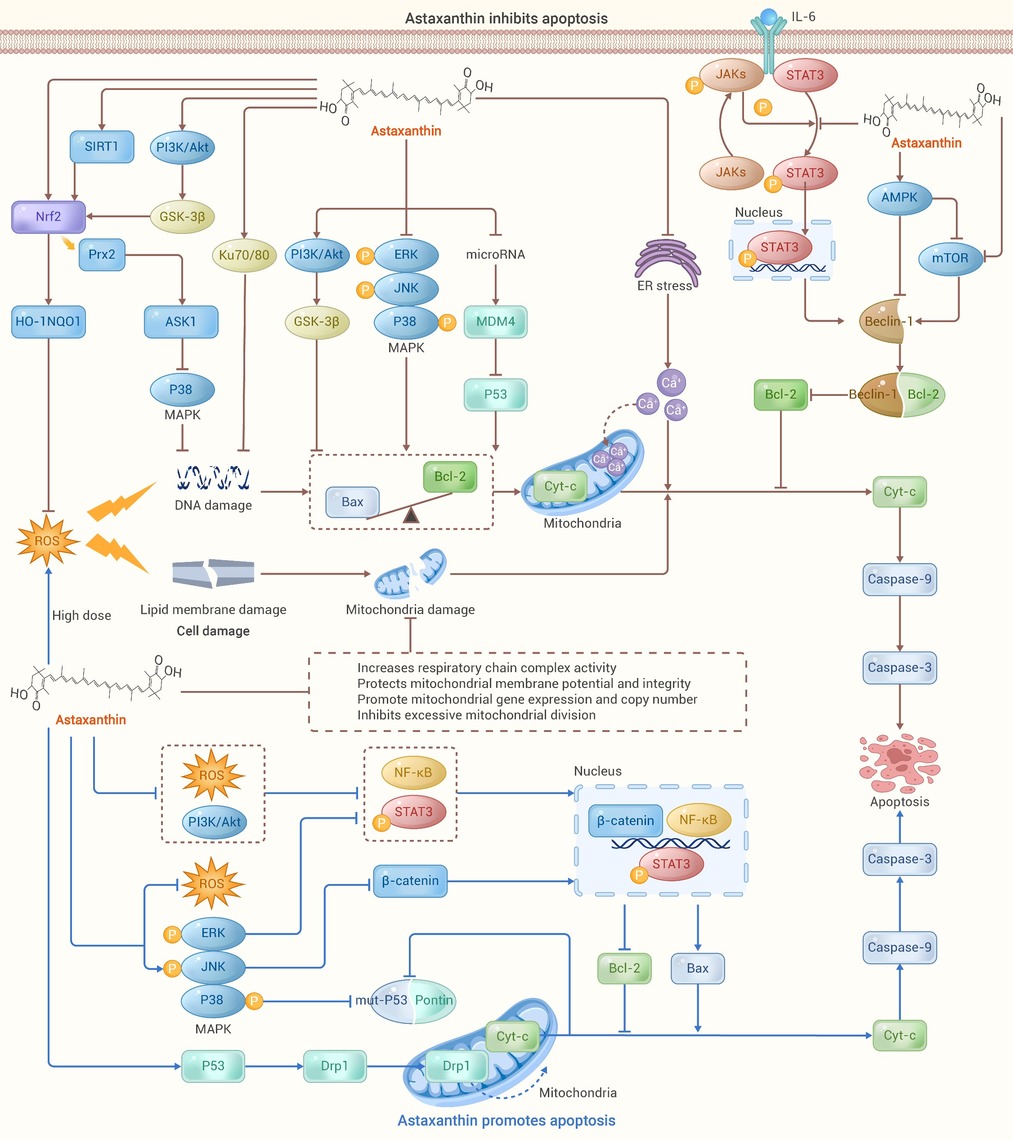
Figure 4.
Regulatory mechanisms of astaxanthin on apoptosis
-
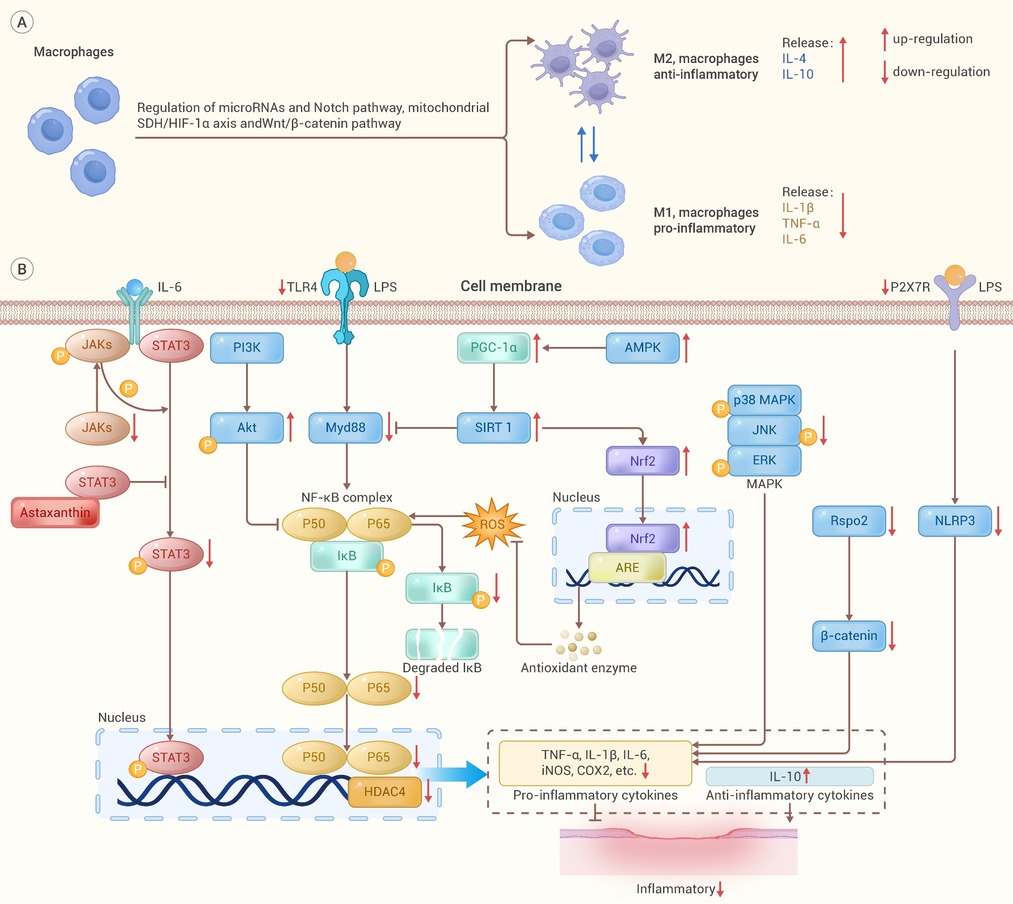
Figure 5.
Regulatory mechanisms of astaxanthin on inflammation response
-
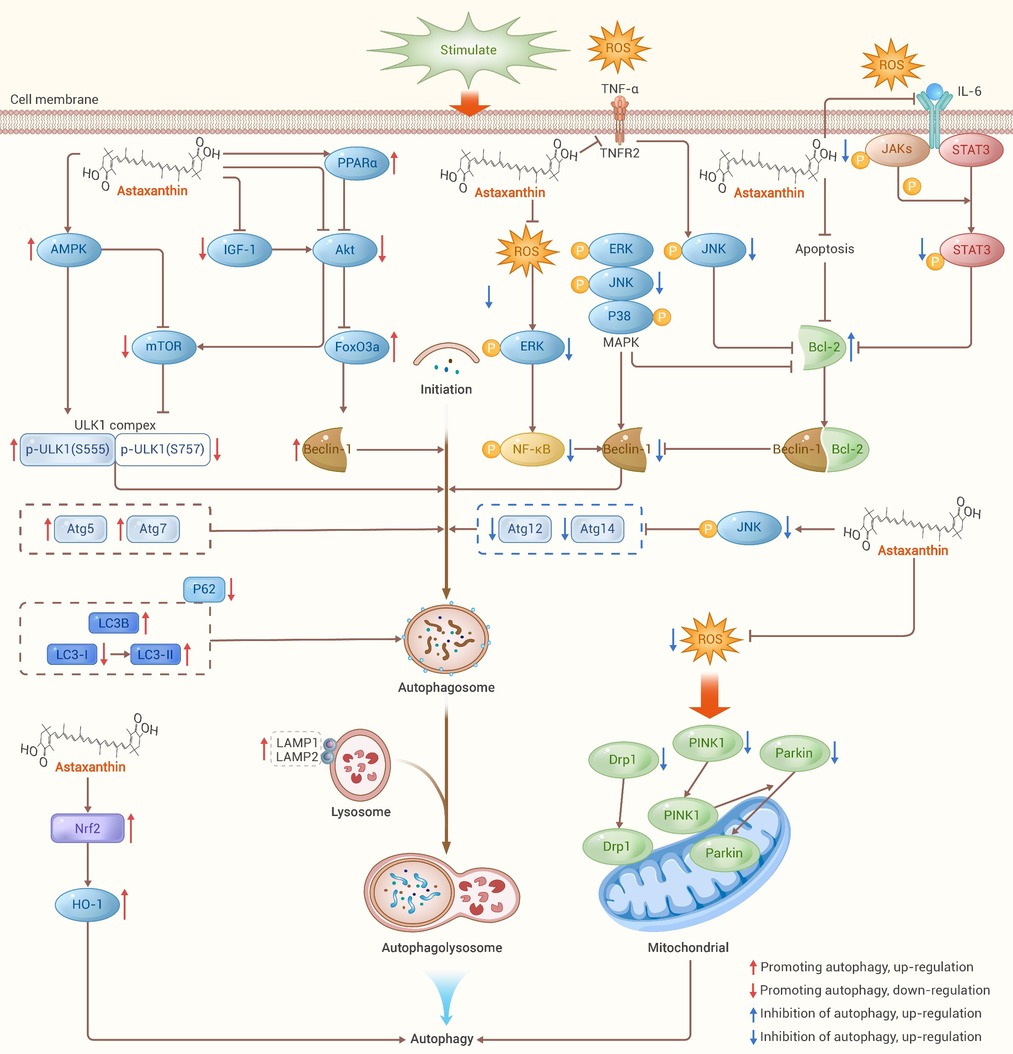
Figure 6.
Regulatory mechanisms of astaxanthin on autophagy
-
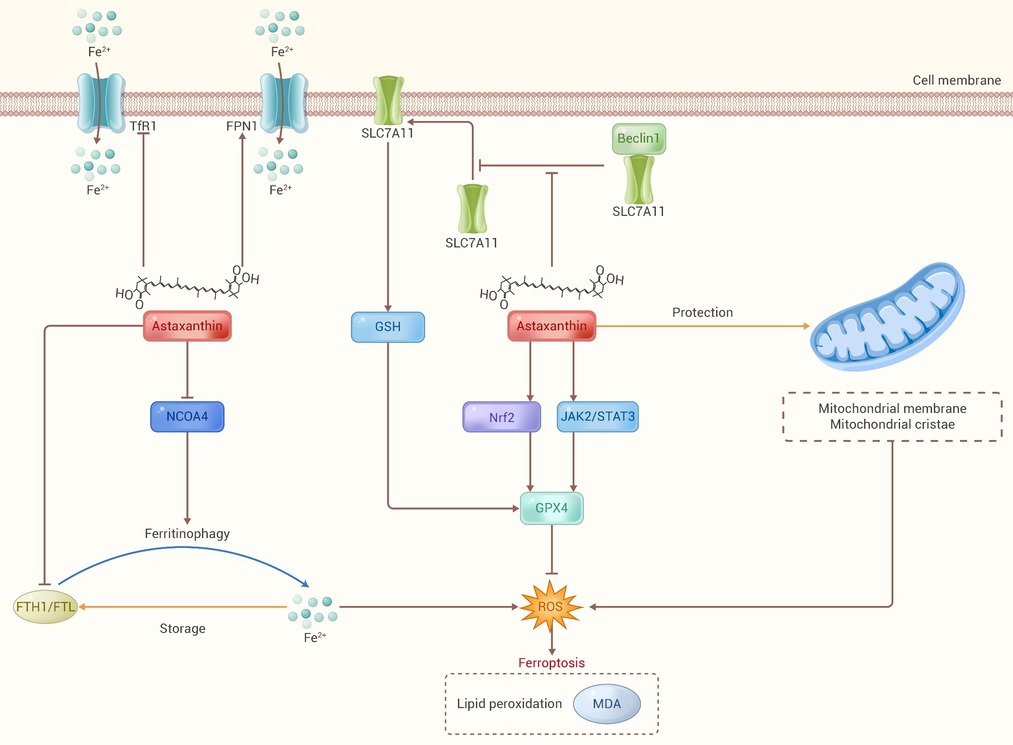
Figure 7.
Mechanisms of astaxanthin in suppressing ferroptosis
-
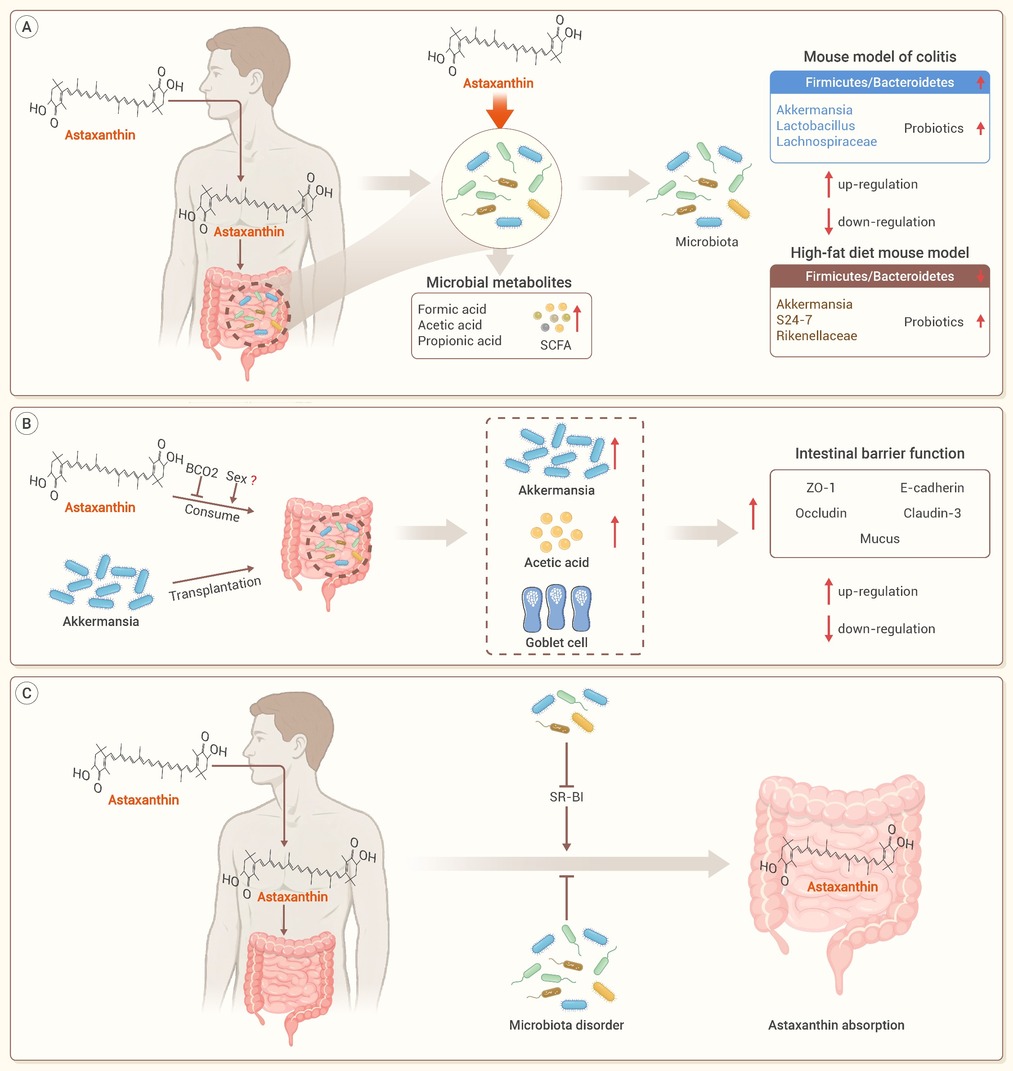
Figure 8.
Astaxanthin modulates gut microbes
