
Proceeding artificial intelligence technology towards vaccine designs
-
GRAPHICAL ABSTRACT

 DownLoad:
Full size image
DownLoad:
Full size image
-
PUBLIC SUMMARY
-
Artificial intelligence (AI) accelerates vaccine design for protein subunit, viral vector and mRNA platforms.
AI revolutionizes vaccine development by modeling immune response and accelerating clinical trials.
AI-driven strategies may enhance the efficacy of next-generation vaccines, improving pandemic preparedness.
-
-
ABSTRACT
Although vaccines have been designed to be safe and effective, it still takes years to move vaccine development from benchside to bedside. Novel strategies are needed to accelerate the vaccine design process. Artificial intelligence (AI) has started to play an important role in the life science industry. In this review, we summarized progress of AI-assisted vaccine designs in three areas, including de novo protein subunit design that focuses more on the immunogenic part of the antigen, viral vectored-based vaccine innovation that combats pre-existing immunity, and mRNA vaccine platform optimization that improves stability and translational efficiency. Additionally, we also address the multifaceted challenges associated with integrating AI into vaccine development, encompassing technical, ethical, and regulatory considerations, and offer strategic recommendations to navigate these complexities. AI-driven methodologies hold the promise of revolutionizing next-generation vaccine design by improving safety profiles, stability, immunogenicity, and overall efficacy, thereby strengthening global preparedness against emerging infectious threats. -

-
REFERENCES
[1] Watson O. J., Barnsley G., Toor J., et al. (2022). Global impact of the first year of COVID-19 vaccination: A mathematical modelling study. Lancet Infect. Dis. 22:1293−1302. DOI:10.1016/S1473-3099(22)00320-6 [2] Minor P. D. (2015). Live attenuated vaccines: Historical successes and current challenges. Virology 479-480:379-392. DOI: 10.1016/j.virol.2015.03.032. [3] Hill H. A., Elam-Evans L. D., Yankey D., et al. (2018). Vaccination coverage among children aged 19-35 months - United States, 2017. MMWR. Morbidity and mortality weekly report. 67:1123−1128. DOI:10.15585/mmwr.mm6740a4 [4] Organization W. H. (2024). Global immunization efforts have saved at least 154 million lives over the past 50 years. https://www.who.int/news/item/24-04-2024-global-immunization-efforts-have-saved-at-least-154-million-lives-over-the-past-50-years [5] Krishnamoorthy Y., Sakthivel M., Eliyas S. K., et al. (2019). Worldwide trend in measles incidence from 1980 to 2016: A pooled analysis of evidence from 194 WHO Member States. J Postgrad. Med. 65:160−163. DOI:10.4103/jpgm.JPGM_508_18 [6] Jin L., Li Z., Zhang X., et al. (2022). CoronaVac: A review of efficacy, safety, and immunogenicity of the inactivated vaccine against SARS-CoV-2. Hum. Vaccin. Immunother. 18:2096970. DOI:10.1080/21645515.2022.2096970 [7] Hu L., Sun J., Wang Y., et al. (2023). A review of inactivated COVID-19 vaccine development in China: Focusing on safety and efficacy in special populations. Vaccines (Basel) 11:1045. DOI: 10.3390/vaccines11061045 [8] Heidary M., Kaviar V. H., Shirani M., et al. (2022). A comprehensive review of the protein subunit vaccines against COVID-19. Front. Microbiol. 13:927306. DOI:10.3389/fmicb.2022.927306 [9] Richmond P., Hatchuel L., Dong M., et al. (2021). Safety and immunogenicity of S-Trimer (SCB-2019), a protein subunit vaccine candidate for COVID-19 in healthy adults: A phase 1, randomised, double-blind, placebo-controlled trial. Lancet. 397:682−694. DOI:10.1016/S0140-6736(21)00241-5 [10] Travieso T., Li J., Mahesh S., et al. (2022). The use of viral vectors in vaccine development. NPJ Vaccines. 7:75. DOI:10.1038/s41541-022-00503-y [11] Vanaparthy R., Mohan G., Vasireddy D., et al. (2021). Review of COVID-19 viral vector-based vaccines and COVID-19 variants. Infez. Med. 29:328−338. DOI:10.53854/liim-2903-3 [12] Draper S. J. and Heeney J. L. (2010). Viruses as vaccine vectors for infectious diseases and cancer. Nat. Rev. Microbiol. 8:62−73. DOI:10.1038/nrmicro2240 [13] Wang S., Liang B., Wang W., et al. (2023). Viral vectored vaccines: Design, development, preventive and therapeutic applications in human diseases. Signal Transduct. Target. Ther. 8:149. DOI:10.1038/s41392-023-01408-5 [14] Folegatti P. M., Ewer K. J., Aley P. K., et al. (2020). Safety and immunogenicity of the ChAdOx1 nCoV-19 vaccine against SARS-CoV-2: A preliminary report of a phase 1/2, single-blind, randomised controlled trial. Lancet. 396:467−478. DOI:10.1016/S0140-6736(20)31604-4 [15] Sadoff J., Le Gars M., Shukarev G., et al. (2021). Interim results of a phase 1-2a trial of Ad26.COV2.S Covid-19 vaccine. N. Engl. J. Med. 384:1824-1835. DOI: 10.1056/NEJMoa2034201. [16] Zhu F. C., Li Y. H., Guan X. H., et al. (2020). Safety, tolerability, and immunogenicity of a recombinant adenovirus type-5 vectored COVID-19 vaccine: A dose-escalation, open-label, non-randomised, first-in-human trial. Lancet. 395:1845−1854. DOI:10.1016/S0140-6736(20)31208-3 [17] Li J. X., Hou L. H., Gou J. B., et al. (2023). Safety, immunogenicity and protection of heterologous boost with an aerosolised Ad5-nCoV after two-dose inactivated COVID-19 vaccines in adults: A multicentre, open-label phase 3 trial. Lancet Infect. Dis. 23:1143−1152. DOI:10.1016/S1473-3099(23)00350-X [18] Wang S. Y., Liu W. Q., Li Y. Q., et al. (2023). A China-developed adenovirus vector-based COVID-19 vaccine: Review of the development and application of Ad5-nCov. Expert. Rev. Vaccines. 22:704−713. DOI:10.1080/14760584.2023.2242528 [19] Qin F., Xia F., Chen H., et al. (2021). A guide to nucleic acid vaccines in the prevention and treatment of infectious diseases and cancers: From basic principles to current applications. Front. Cell Dev. Biol. 9:633776. DOI:10.3389/fcell.2021.633776 [20] Pardi N., Hogan M. J., Porter F. W., et al. (2018). mRNA vaccines - A new era in vaccinology. Nat. Rev. Drug Discov. 17:261−279. DOI:10.1038/nrd.2017.243 [21] Chaudhary N., Weissman D. and Whitehead K. A. (2021). mRNA vaccines for infectious diseases: Principles, delivery and clinical translation. Nat. Rev. Drug Discov. 20:817−838. DOI:10.1038/s41573-021-00283-5 [22] Ghosh A., Larrondo-Petrie M. M. and Pavlovic M. (2023). Revolutionizing vaccine development for COVID-19: A review of AI-based approaches. Information 14:665. DOI:10.3390/info14120665 [23] McCarthy J. (2007). What is artificial intelligence. Stanford University. http://www-formal.stanford.edu/jmc/ [24] Krenn M., Pollice R., Guo S. Y., et al. (2022). On scientific understanding with artificial intelligence. Nat. Rev. Phys. 4:761−769. DOI:10.1038/s42254-022-00518-3 [25] Shinde P. P. and Shah S. (2018). A review of machine learning and deep learning applications. 2018 Fourth international conference on computing communication control and automation (ICCUBEA). DOI:10.1109/ICCUBEA.2018.8697857 [26] Rajoub B. (2020). Supervised and unsupervised learning. Zgallai, W. (ed). In Biomedical Signal Processing and Artificial Intelligence in Healthcare. (Academic Press), pp: 51-89. DOI: 10.1016/B978-0-12-818946-7.00003-2 [27] Bravi B. (2024). Development and use of machine learning algorithms in vaccine target selection. NPJ Vaccines 9:15. DOI:10.1038/s41541-023-00795-8 [28] Hederman A. P. and Ackerman M. E. (2023). Leveraging deep learning to improve vaccine design. Trends Immunol. 44:333−344. DOI:10.1016/j.it.2023.03.002 [29] Senior A. W., Evans R., Jumper J., et al. (2020). Improved protein structure prediction using potentials from deep learning. Nature 577:706−710. DOI:10.1038/s41586-019-1923-7 [30] Du Z., Su H., Wang W., et al. (2021). The trRosetta server for fast and accurate protein structure prediction. Nat. Protoc. 16:5634−5651. DOI:10.1038/s41596-021-00628-9 [31] Baek M., DiMaio F., Anishchenko I., et al. (2021). Accurate prediction of protein structures and interactions using a three-track neural network. Science. 373:871−876. DOI:10.1126/science.abj8754 [32] He H., He B., Guan L., et al. (2024). De novo generation of SARS-CoV-2 antibody CDRH3 with a pre-trained generative large language model. Nat. Commun. 15:6867. DOI:10.1038/s41467-024-50903-y [33] Chakraborty C., Bhattacharya M. and Lee S. S. (2023). Artificial intelligence enabled ChatGPT and large language models in drug target discovery, drug discovery, and development. Mol. Ther. Nucleic Acids 33:866−868. DOI:10.1016/j.omtn.2023.08.009 [34] Madani A., Krause B., Greene E. R., et al. (2023). Large language models generate functional protein sequences across diverse families. Nat. Biotechnol. 41:1099−1106. DOI:10.1038/s41587-022-01618-2 [35] Jablonka K. M., Schwaller P., Ortega-Guerrero A., et al. (2024). Leveraging large language models for predictive chemistry. Nat. Mach. Intell. 6:161−169. DOI:10.1038/s42256-023-00788-1 [36] Khakzad H., Igashov I., Schneuing A., et al. (2023). A new age in protein design empowered by deep learning. Cell Syst. 14:925−939. DOI:10.1016/j.cels.2023.10.006 [37] Peng C., Yang X., Chen A., et al. (2023). A study of generative large language model for medical research and healthcare. NPJ Digit. Med. 6:210. DOI:10.1038/s41746-023-00958-w [38] Chu A. E., Lu T. and Huang P. S. (2024). Sparks of function by de novo protein design. Nat. Biotechnol. 42:203−215. DOI:10.1038/s41587-024-02133-2 [39] Awad M. and Khanna R. (2015). Efficient learning machines. Pepper J., Weiss S. and Hauke P. (eds). Theories, concepts, and applications for engineers and system designers (Apress), pp: 1-18. DOI:10.1007/978-1-4302-5990-9. [40] Lutz I. D., Wang S., Norn C., et al. (2023). Top-down design of protein architectures with reinforcement learning. Science 380:266−273. DOI:10.1126/science.adf6591 [41] Correia B. E., Ban Y. E., Holmes M. A., et al. (2010). Computational design of epitope-scaffolds allows induction of antibodies specific for a poorly immunogenic HIV vaccine epitope. Structure 18:1116−1126. DOI:10.1016/j.str.2010.06.010 [42] Gm H., Gourisaria M. K., Pandey M., et al. (2020). A comprehensive survey and analysis of generative models in machine learning. Computer Science Review. 38:100285. DOI:10.1016/j.cosrev.2020.100285 [43] Lyu S., Sowlati-Hashjin S. and Garton M. (2024). Variational autoencoder for design of synthetic viral vector serotypes. Nat. Mach. Intell. 6:147−160. DOI:10.1038/s42256-023-00787-2 [44] Watson J. L., Juergens D., Bennett N. R., et al. (2023). De novo design of protein structure and function with RFdiffusion. Nature 620:1089−1100. DOI:10.1038/s41586-023-06415-8 [45] Abramson J., Adler J., Dunger J., et al. (2024). Accurate structure prediction of biomolecular interactions with AlphaFold 3. Nature 630:493−500. DOI:10.1038/s41586-024-07487-w [46] Jumper J., Evans R., Pritzel A., et al. (2021). Highly accurate protein structure prediction with AlphaFold. Nature 596:583−589. DOI:10.1038/s41586-021-03819-2 [47] Thirunavukarasu A. J., Ting D. S. J., Elangovan K., et al. (2023). Large language models in medicine. Nat. Med. 29:1930−1940. DOI:10.1038/s41591-023-02448-8 [48] Ferruz N., Schmidt S. and Höcker B. (2022). ProtGPT2 is a deep unsupervised language model for protein design. Nat. Commun. 13:4348. DOI:10.1038/s41467-022-32007-7 [49] Guntuboina C., Das A., Mollaei P., et al. (2023). PeptideBERT: A language model based on transformers for peptide property prediction. J. Phys. Chem. Lett. 14:10427−10434. DOI:10.1021/acs.jpclett.3c02398 [50] Lin Z., Akin H., Rao R., et al. (2023). Evolutionary-scale prediction of atomic-level protein structure with a language model. Science 379:1123−1130. DOI:10.1126/science.ade2574 [51] Chu Y., Yu D., Li Y., et al. (2024). A 5' UTR language model for decoding untranslated regions of mRNA and function predictions. Nat. Mach. Intell. 6:449−460. DOI:10.1038/s42256-024-00823-9 [52] Chen B., Cheng X., Li P., et al. (2025). xTrimoPGLM: Unified 100-billion-parameter pretrained transformer for deciphering the language of proteins. Nat. Methods. 22:1028−1039. DOI:10.1038/s41592-025-02636-z [53] Brixi G., Durrant M. G., Ku J., et al. (2025). Genome modeling and design across all domains of life with Evo 2. bioRxiv.2025.02.18.638918. DOI: 10.1101/2025.02.18.638918 [54] Nguyen E., Poli M., Durrant M. G., et al. (2024). Sequence modeling and design from molecular to genome scale with Evo. Science 386:eado9336. DOI:10.1126/science.ado9336 [55] Singhal K., Azizi S., Tu T., et al. (2023). Large language models encode clinical knowledge. Nature 620:172−180. DOI:10.1038/s41586-023-06291-2 [56] Zheng S., Li Y., Chen S., et al. (2020). Predicting drug–protein interaction using quasi-visual questionanswering system. Nat. Mach. Intell. 2:134−140. DOI:10.1038/s42256-020-0152-y [57] Malone B., Simovski B., Moline C., et al. (2020). Artificial intelligence predicts the immunogenic landscape of SARS-CoV-2 leading to universal blueprints for vaccine designs. Sci. Rep. 10:22375. DOI:10.1038/s41598-020-78758-5 [58] Kanampalliwar A. M. (2020). Reverse vaccinology and its applications. Methods Mol. Biol. 2131:1−16. DOI:10.1007/978-1-0716-0389-5_1 [59] Santos-Júnior C. D., Torres M. D. T., Duan Y., et al. (2024). Discovery of antimicrobial peptides in the global microbiome with machine learning. Cell 187:3761−3778.e3716. DOI:10.1016/j.cell.2024.05.013 [60] Correia B. E., Bates J. T., Loomis R. J., et al. (2014). Proof of principle for epitope-focused vaccine design. Nature 507:201−206. DOI:10.1038/nature12966 [61] Castro K. M., Watson J. L., Wang J., et al. (2024). Accurate single domain scaffolding of three non-overlapping protein epitopes using deep learning. bioRxiv.2024.05.07.592871. DOI: 10.1101/2024.05.07.592871 [62] Fu D., Wang W., Zhang Y., et al. (2024). Self-assembling nanoparticle engineered from the ferritinophagy complex as a rabies virus vaccine candidate. Nat. Commun. 15:8601. DOI:10.1038/s41467-024-52908-z [63] Song J. Y., Choi W. S., Heo J. Y., et al. (2022). Safety and immunogenicity of a SARS-CoV-2 recombinant protein nanoparticle vaccine (GBP510) adjuvanted with AS03: A randomised, placebo-controlled, observer-blinded phase 1/2 trial. EClinicalMedicine. 51:101569. DOI:10.1016/j.eclinm.2022.101569 [64] Song J. Y., Choi W. S., Heo J. Y., et al. (2023). Immunogenicity and safety of SARS-CoV-2 recombinant protein nanoparticle vaccine GBP510 adjuvanted with AS03: Interim results of a randomised, active-controlled, observer-blinded, phase 3 trial. EClinicalMedicine 64:102140. DOI:10.1016/j.eclinm.2023.102140 [65] Brouwer P. J. M., Antanasijevic A., Berndsen Z., et al. (2019). Enhancing and shaping the immunogenicity of native-like HIV-1 envelope trimers with a two-component protein nanoparticle. Nat. Commun. 10:4272. DOI:10.1038/s41467-019-12080-1 [66] Walls A. C., Fiala B., Schafer A., et al. (2020). Elicitation of potent neutralizing antibody responses by designed protein nanoparticle vaccines for SARS-CoV-2. Cell 183:1367-1382 e1317. DOI: 10.1016/j.cell.2020.10.043 [67] Jacob-Dolan C., Yu J., McMahan K., et al. (2023). Immunogenicity and protective efficacy of GBP510/AS03 vaccine against SARS-CoV-2 delta challenge in rhesus macaques. NPJ Vaccines 8:23. DOI:10.1038/s41541-023-00622-0 [68] Ueda G., Antanasijevic A., Fallas J. A., et al. (2020). Tailored design of protein nanoparticle scaffolds for multivalent presentation of viral glycoprotein antigens. Elife 9:e57659. DOI: 10.7554/eLife.57659 [69] Khattak M. A. A., Ascierto P. A., Queirolo P., et al. (2024). 1084P Phase II study of AI-designed personalized neoantigen cancer vaccine, EVX-01, in combination with pembrolizumab in advanced melanoma. Ann. Oncol. 35:S718−S719. DOI:10.1016/j.annonc.2024.08.1152 [70] Lisanza S. L., Gershon J. M., Tipps S. W. K., et al. (2024). Multistate and functional protein design using RoseTTAFold sequence space diffusion. Nat. Biotechnol. DOI: 10.1038/s41587-024-02395-w [71] Liang Y., Shao S., Li X. Y., et al. (2024). Mutating a flexible region of the RSV F protein can stabilize the prefusion conformation. Science 385:1484−1491. DOI:10.1126/science.adp2362 [72] Che Y., Gribenko A. V., Song X., et al. (2023). Rational design of a highly immunogenic prefusion-stabilized F glycoprotein antigen for a respiratory syncytial virus vaccine. Sci. Transl. Med. 15:eade6422. DOI:10.1126/scitranslmed.ade6422 [73] Bakkers M. J. G., Cox F., Koornneef A., et al. (2024). A foldon-free prefusion F trimer vaccine for respiratory syncytial virus to reduce off-target immune responses. Nat. Microbiol. 9:3254−3267. DOI:10.1038/s41564-024-01860-1 [74] Bakkers M. J. G., Ritschel T., Tiemessen M., et al. (2024). Efficacious human metapneumovirus vaccine based on AI-guided engineering of a closed prefusion trimer. Nat. Commun. 15:6270. DOI:10.1038/s41467-024-50659-5 [75] Williams J. A., Biancucci M., Lessen L., et al. (2023). Structural and computational design of a SARS-CoV-2 spike antigen with improved expression and immunogenicity. Sci. Adv. 9:eadg0330. DOI:10.1126/sciadv.adg0330 [76] Zabaleta N., Dai W., Bhatt U., et al. (2021). An AAV-based, room-temperature-stable, single-dose COVID-19 vaccine provides durable immunogenicity and protection in non-human primates. Cell Host Microbe 29:1437-1453 e1438. DOI: 10.1016/j.chom.2021.08.002. [77] Zhao S., Ke J., Yang B., et al. (2022). A protective AAV vaccine for SARS-CoV-2. Signal Transduct. Target. Ther. 7:310. DOI:10.1038/s41392-022-01158-w [78] Ploquin A., Szecsi J., Mathieu C., et al. (2013). Protection against henipavirus infection by use of recombinant adeno-associated virus-vector vaccines. J. Infect. Dis. 207:469−478. DOI:10.1093/infdis/jis699 [79] Smalley E. (2017). First AAV gene therapy poised for landmark approval. Nat. Biotechnol. 35:998−999. DOI:10.1038/nbt1117-998 [80] Russell S., Bennett J., Wellman J. A., et al. (2017). Efficacy and safety of voretigene neparvovec (AAV2-hRPE65v2) in patients with RPE65-mediated inherited retinal dystrophy: a randomised, controlled, open-label, phase 3 trial. Lancet. 390:849−860. DOI:10.1016/S0140-6736(17)31868-8 [81] Grimm D., Lee J. S., Wang L., et al. (2008). In vitro and in vivo gene therapy vector evolution via multispecies interbreeding and retargeting of adeno-associated viruses. J. Virol. 82:5887−5911. DOI:10.1128/JVI.00254-08 [82] Dalkara D., Byrne L. C., Klimczak R. R., et al. (2013). In vivo-directed evolution of a new adeno-associated virus for therapeutic outer retinal gene delivery from the vitreous. Sci. Transl. Med. 5:189ra176. DOI:10.1126/scitranslmed.3005708 [83] Tse L. V., Klinc K. A., Madigan V. J., et al. (2017). Structure-guided evolution of antigenically distinct adeno-associated virus variants for immune evasion. Proc. Natl. Acad. Sci. USA 114:E4812−E4821. DOI:10.1073/pnas.1704766114 [84] Bryant D. H., Bashir A., Sinai S., et al. (2021). Deep diversification of an AAV capsid protein by machine learning. Nat. Biotechnol. 39:691−696. DOI:10.1038/s41587-020-00793-4 [85] Mendonca S. A., Lorincz R., Boucher P., et al. (2021). Adenoviral vector vaccine platforms in the SARS-CoV-2 pandemic. NPJ Vaccines. 6:97. DOI:10.1038/s41541-021-00356-x [86] Fausther-Bovendo H. and Kobinger G. P. (2014). Pre-existing immunity against Ad vectors: humoral, cellular, and innate response, what's important. Hum. Vaccin. Immunother. 10:2875−2884. DOI:10.4161/hv.29594 [87] Rux J. J., Kuser P. R. and Burnett R. M. (2003). Structural and phylogenetic analysis of adenovirus hexons by use of high-resolution x-ray crystallographic, molecular modeling, and sequence-based methods. J. Virol. 77:9553−9566. DOI:10.1128/jvi.77.17.9553-9566.2003 [88] Flickinger J. C., Jr., Singh J., Carlson R., et al. (2020). Chimeric Ad5.F35 vector evades anti-adenovirus serotype 5 neutralization opposing GUCY2C-targeted antitumor immunity. J. Immunother. Cancer 8. DOI: 10.1136/jitc-2020-001046 [89] Zhu D., Brookes D. H., Busia A., et al. (2024). Optimal trade-off control in machine learning-based library design, with application to adeno-associated virus (AAV) for gene therapy. Sci. Adv. 10:eadj3786. DOI:10.1126/sciadv.adj3786 [90] Marques A. D., Kummer M., Kondratov O., et al. (2021). Applying machine learning to predict viral assembly for adeno-associated virus capsid libraries. Mol. Ther. Methods Clin. Dev. 20:276−286. DOI:10.1016/j.omtm.2020.11.017 [91] Lee J., Woodruff M. C., Kim E. H., et al. (2023). Knife's edge: Balancing immunogenicity and reactogenicity in mRNA vaccines. Exp. Mol. Med. 55:1305−1313. DOI:10.1038/s12276-023-00999-x [92] Petsch B., Schnee M., Vogel A. B., et al. (2012). Protective efficacy of in vitro synthesized, specific mRNA vaccines against influenza A virus infection. Nat. Biotechnol. 30:1210−1216. DOI:10.1038/nbt.2436 [93] Polack F. P., Thomas S. J., Kitchin N., et al. (2020). Safety and efficacy of the BNT162b2 mRNA Covid-19 vaccine. N. Engl. J. Med. 383:2603−2615. DOI:10.1056/NEJMoa2034577 [94] Baden L. R., El Sahly H. M., Essink B., et al. (2021). Efficacy and safety of the mRNA-1273 SARS-CoV-2 vaccine. N. Engl. J. Med. 384:403−416. DOI:10.1056/NEJMoa2035389 [95] Park J. W., Lagniton P. N. P., Liu Y., et al. (2021). mRNA vaccines for COVID-19: What, why and how. Int. J Biol. Sci. 17:1446−1460. DOI:10.7150/ijbs.59233 [96] Paremskaia A. I., Kogan A. A., Murashkina A., et al. (2024). Codon-optimization in gene therapy: Promises, prospects and challenges. Front. Bioeng. Biotechnol. 12:1371596. DOI:10.3389/fbioe.2024.1371596 [97] Leppek K., Byeon G. W., Kladwang W., et al. (2022). Combinatorial optimization of mRNA structure, stability, and translation for RNA-based therapeutics. Nat. Commun. 13:1536. DOI:10.1038/s41467-022-28776-w [98] Zhang H., Zhang L., Lin A., et al. (2023). Algorithm for optimized mRNA design improves stability and immunogenicity. Nature 621:396−403. DOI:10.1038/s41586-023-06127-z [99] Zheng W., Fong J. H. C., Wan Y. K., et al. (2023). Discovery of regulatory motifs in 5' untranslated regions using interpretable multi-task learning models. Cell Syst. 14:1103-1112 e1106. DOI: 10.1016/j.cels.2023.10.011 [100] Hinnebusch A. G., Ivanov I. P. and Sonenberg N. (2016). Translational control by 5'-untranslated regions of eukaryotic mRNAs. Science 352:1413−1416. DOI:10.1126/science.aad9868 [101] Cao J., Novoa E. M., Zhang Z., et al. (2021). High-throughput 5' UTR engineering for enhanced protein production in non-viral gene therapies. Nat. Commun. 12:4138. DOI:10.1038/s41467-021-24436-7 [102] Yuan Y., Wu Y., Cheng J., et al. (2024). Applications of artificial intelligence to lipid nanoparticle delivery. Particuology 90:88−97. DOI:10.1016/j.partic.2023.11.014 [103] Alameh M. G., Tombacz I., Bettini E., et al. (2022). Lipid nanoparticles enhance the efficacy of mRNA and protein subunit vaccines by inducing robust T follicular helper cell and humoral responses. Immunity 55:1136−1138. DOI:10.1016/j.immuni.2022.05.007 [104] Xu Y., Ma S., Cui H., et al. (2024). AGILE platform: A deep learning powered approach to accelerate LNP development for mRNA delivery. Nat. Commun. 15:6305. DOI:10.1038/s41467-024-50619-z [105] Witten J., Raji I., Manan R. S., et al. (2024). Artificial intelligence-guided design of lipid nanoparticles for pulmonary gene therapy. Nat. Biotechnol. DOI: 10.1038/s41587-024-02490-y [106] Maharjan R., Kim K. H., Lee K., et al. (2024). Machine learning-driven optimization of mRNA-lipid nanoparticle vaccine quality with XGBoost/Bayesian method and ensemble model approaches. Journal of Pharmaceutical Analysis.100996. DOI: 10.1016/j.jpha.2024.100996 [107] Gao S., Fang A., Huang Y., et al. (2024). Empowering biomedical discovery with AI agents. Cell 187:6125−6151. DOI:10.1016/j.cell.2024.09.022 [108] Wang G., Liu X., Wang K., et al. (2023). Deep-learning-enabled protein-protein interaction analysis for prediction of SARS-CoV-2 infectivity and variant evolution. Nat. Med. 29:2007−2018. DOI:10.1038/s41591-023-02483-5 [109] Liu T., Shi K. and Li W. (2020). Deep learning methods improve linear B-cell epitope prediction. BioData Min. 13:1. DOI:10.1186/s13040-020-00211-0 [110] Han W., Chen N., Xu X., et al. (2023). Predicting the antigenic evolution of SARS-COV-2 with deep learning. Nat. Commun. 14:3478. DOI:10.1038/s41467-023-39199-6 [111] Shen L.-C., Zhang Y., Wang Z., et al. (2025). Self-iterative multiple-instance learning enables the prediction of CD4+T cell immunogenic epitopes. Nat. Mach. Intell. DOI: 10.1038/s42256-025-01073-z [112] Zhao Y., Yu J., Su Y., et al. (2025). A unified deep framework for peptide–major histocompatibility complex–T cell receptor binding prediction. Nat. Mach. Intell. 7:650−660. DOI:10.1038/s42256-025-01002-0 [113] Kalemati M., Darvishi S. and Koohi S. (2023). CapsNet-MHC predicts peptide-MHC class I binding based on capsule neural networks. Commun. Biology. 6:492. DOI:10.1038/s42003-023-04867-2 [114] Chang T. G., Cao Y., Sfreddo H. J., et al. (2024). LORIS robustly predicts patient outcomes with immune checkpoint blockade therapy using common clinical, pathologic and genomic features. Nat. Cancer 5:1158−1175. DOI:10.1038/s43018-024-00772-7 [115] Jiang Y., Zhang Z., Wang W., et al. (2023). Biology-guided deep learning predicts prognosis and cancer immunotherapy response. Nat. Commun. 14:5135. DOI:10.1038/s41467-023-40890-x [116] Ma J., Wang S., Zhao C., et al. (2023). Computer-aided discovery of potent broad-spectrum vaccine adjuvants. Angew. Chem. Int. Ed. 62:e202301059. DOI:10.1002/anie.202301059 [117] Adams C. S., Kim H., Burtner A. E., et al. (2025). De novo design of protein minibinder agonists of TLR3. Nat. Commun. 16:1234. DOI:10.1038/s41467-025-56369-w [118] Cui Z., Shi C., An R., et al. (2025). In silico-guided discovery of polysaccharide derivatives as adjuvants in nanoparticle vaccines for cancer immunotherapy. ACS Nano 19:2099−2116. DOI:10.1021/acsnano.4c08898 [119] Mout R., Jing R., Tanaka-Yano M., et al. (2025). Design of soluble Notch agonists that drive T cell development and boost immunity. Cell DOI: 10.1016/j.cell.2025.07.009 [120] Cross J. L., Choma M. A. and Onofrey J. A. (2024). Bias in medical AI: Implications for clinical decision-making. PLOS Digit. Health. 3:e0000651. DOI:10.1371/journal.pdig.0000651 -
ABOUT THIS ARTICLE
Cite this article:
Zhao F. and Zai X. (2025). Proceeding artificial intelligence technology towards vaccine designs. The Innovation Life 3:100162. https://doi.org/10.59717/j.xinn-life.2025.100162
Welcome!
To request copyright permission to republish or share portions of our works, please visit Copyright Clearance Center's (CCC) Marketplace website at marketplace.copyright.com.
Export File
Citation
Zhao F. and Zai X. (2025). Proceeding artificial intelligence technology towards vaccine designs. The Innovation Life 3:100162. https://doi.org/10.59717/j.xinn-life.2025.100162

Format
Content
-
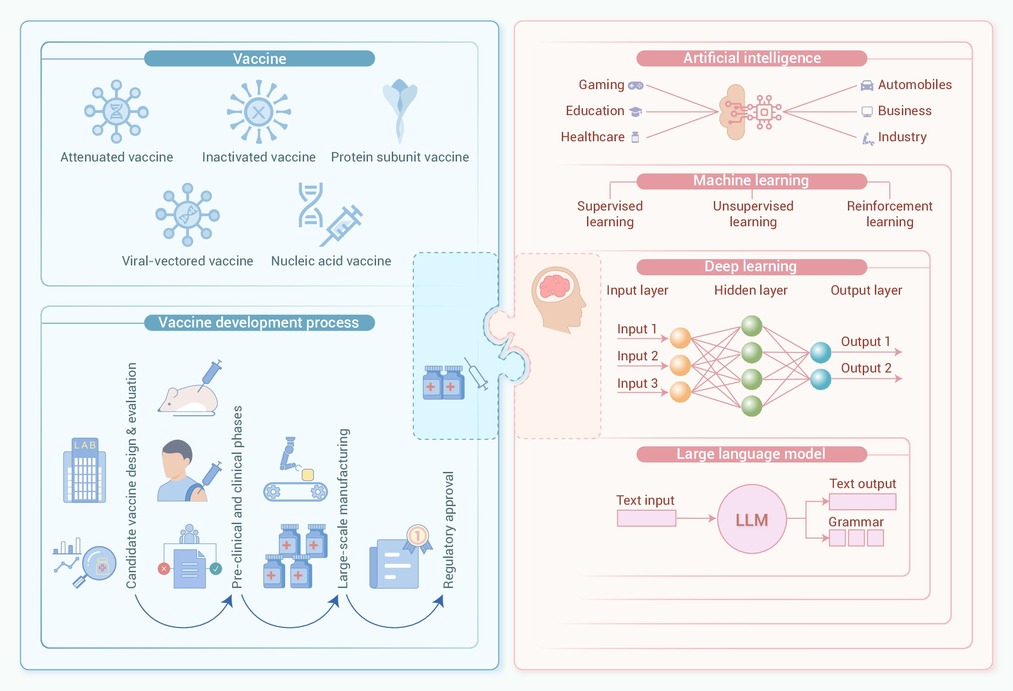
Figure 1.
Brief introduction to vaccines and AI
-
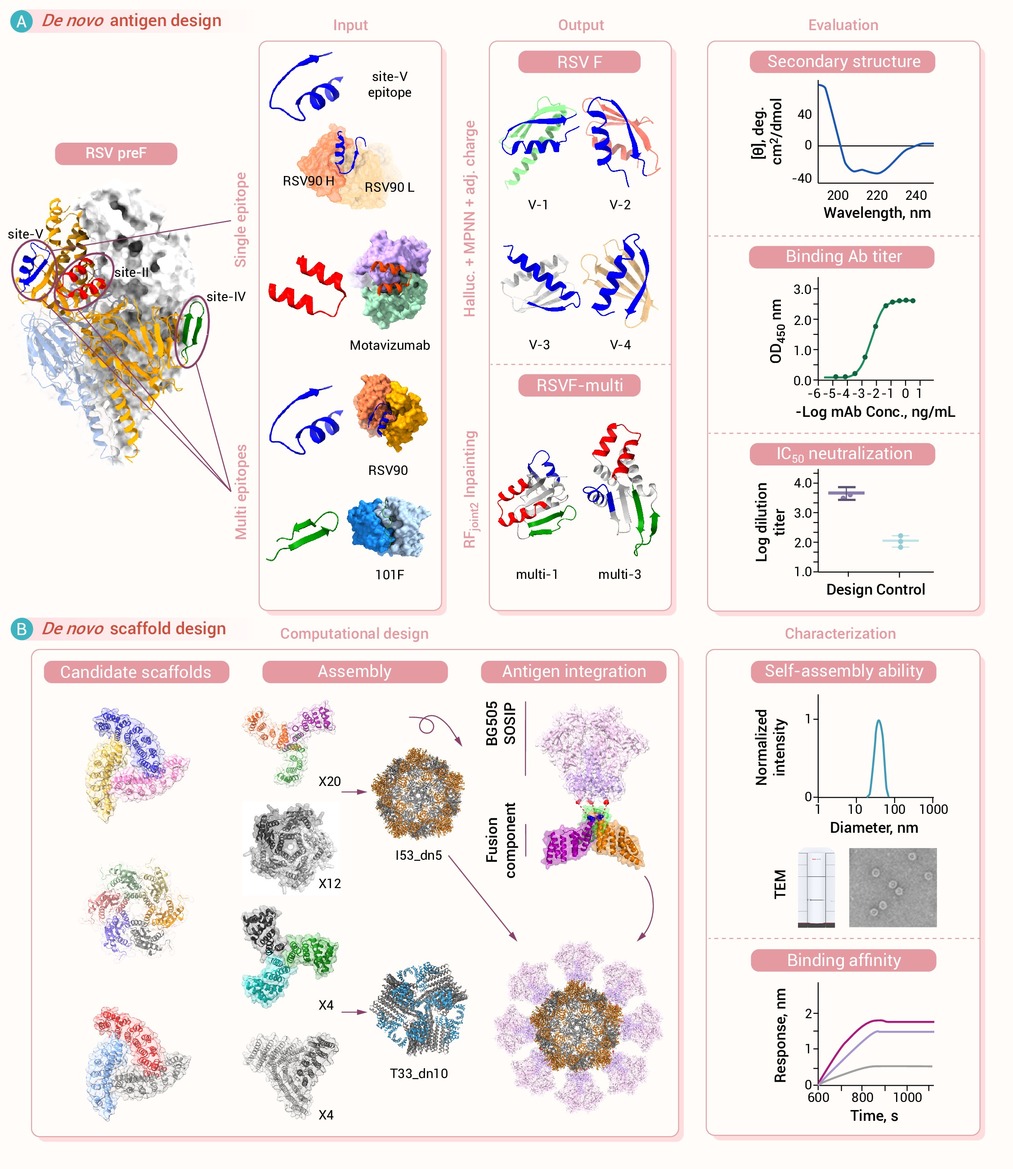
Figure 2.
AI-assisted protein subunit vaccine design
-
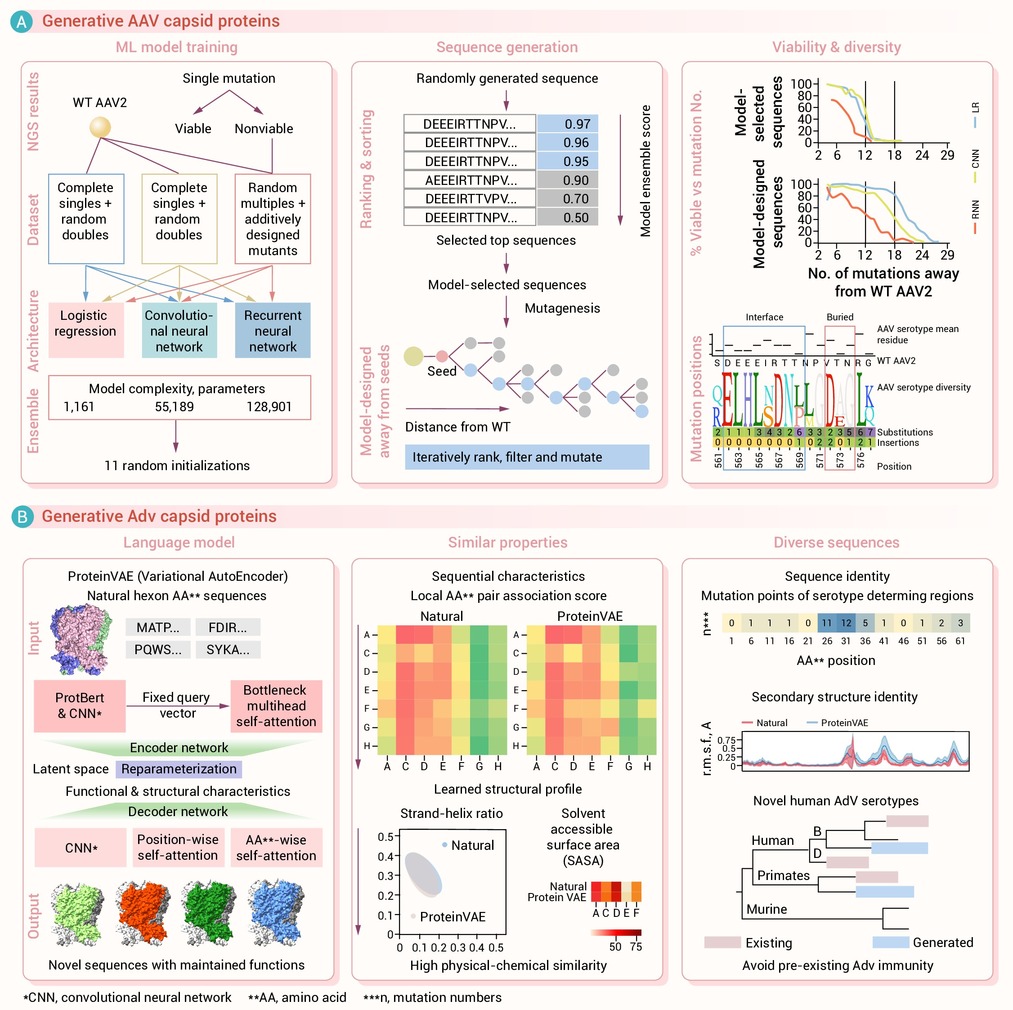
Figure 3.
AI-assisted viral vectored vaccine innovation
-
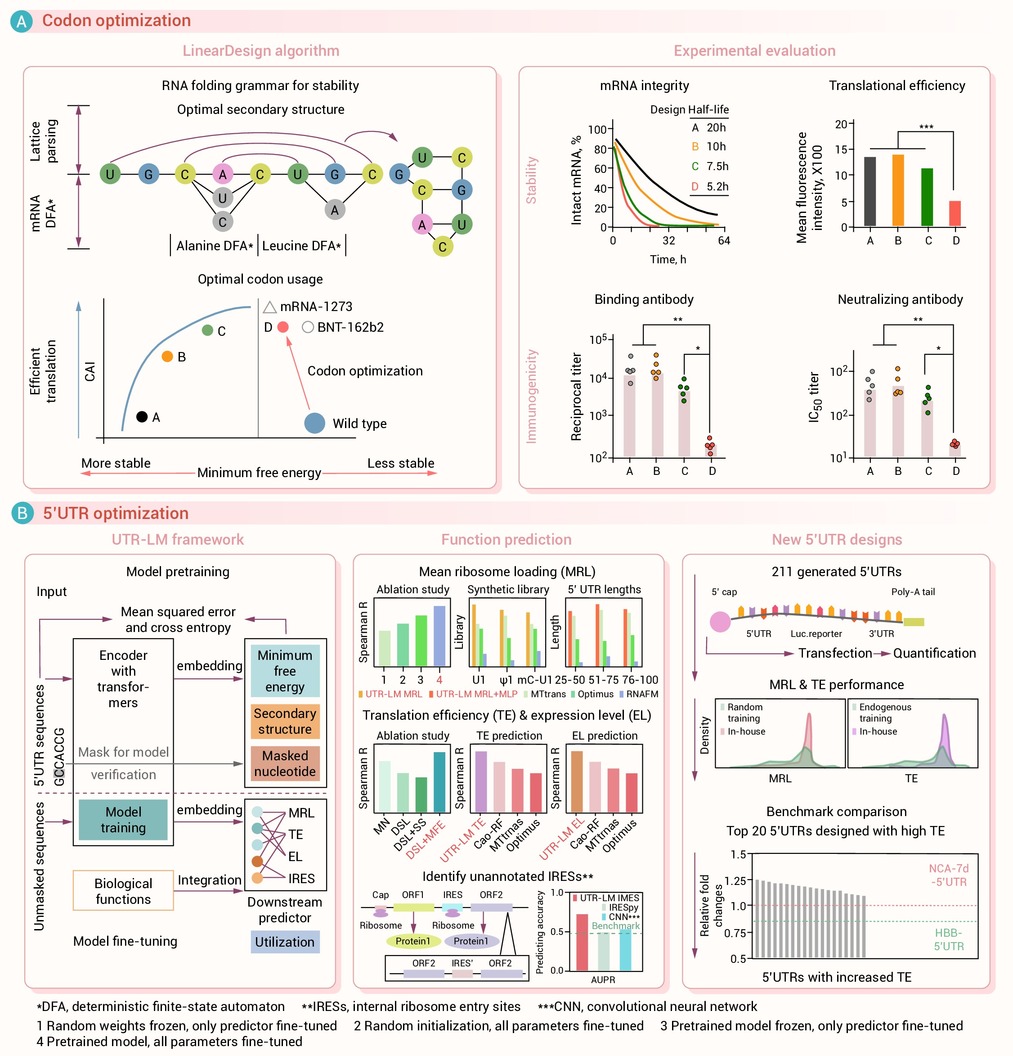
Figure 4.
AI-based mRNA vaccine modification
-
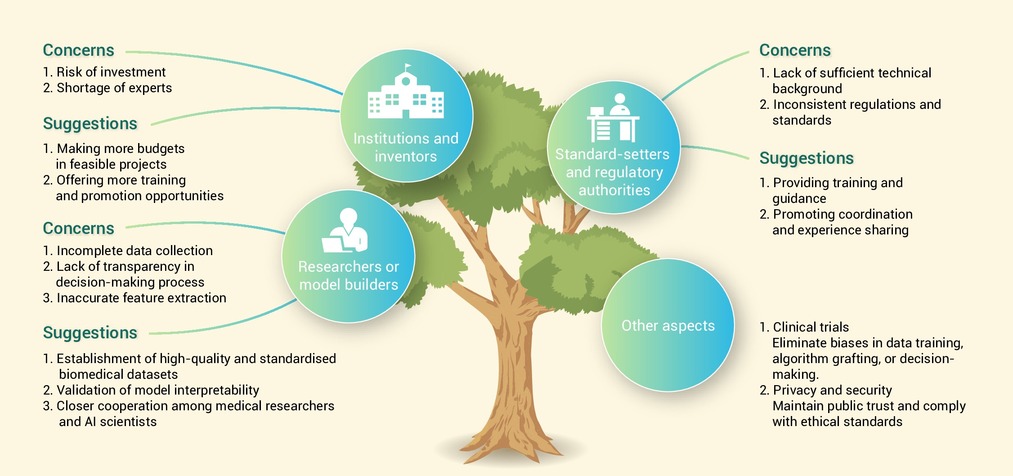
Figure 5.
Concerns behind AI-driven vaccine development and proposed suggestions
