
The invisible hand shaping plants: Explore the applications, challenges, and ecological prospects of plant growth regulators
-
GRAPHICAL ABSTRACT
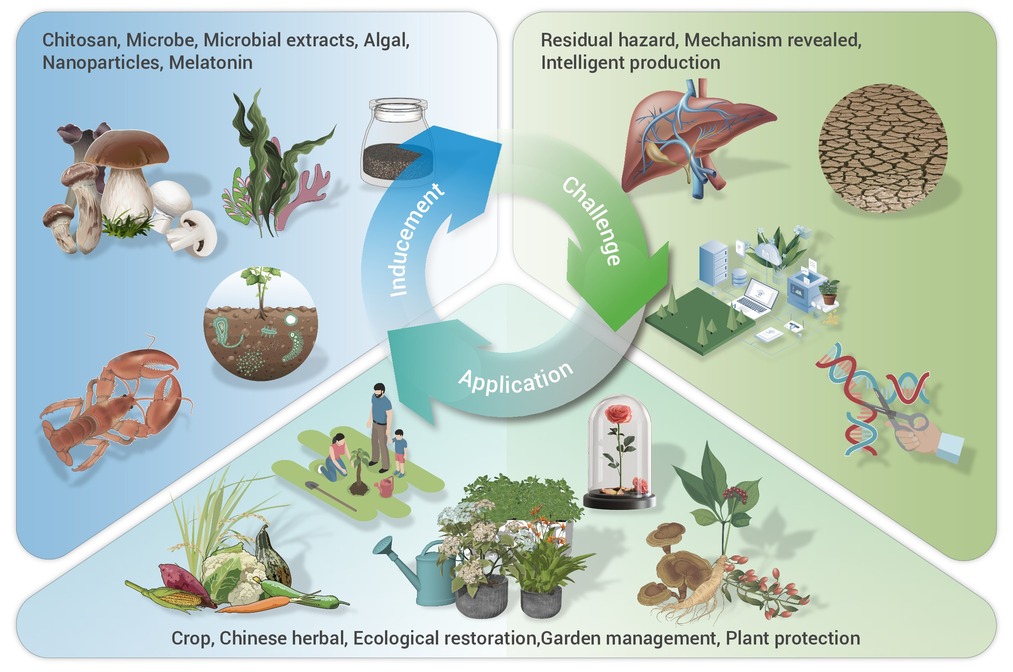
 DownLoad:
Full size image
DownLoad:
Full size image
-
PUBLIC SUMMARY
-
Plant growth regulators (PGRs) create a new model for regulating plant growth.
PGRs are widely applied in agriculture, horticulture, medicinal herbs, and ecological restoration.
Challenges: safety, mechanism study, and new formulation development.
Promote biopesticides over pesticides, enhance PGRs' role in phytoremediation.
-
-
ABSTRACT
In the past two decades, research on plant growth regulators has developed rapidly. The year 2020 marked an important milestone, as the number of research papers published in this field exceeded 1,000 for the first time, and the number of papers continued to grow exponentially thereafter. However, in this vigorous development process, a comprehensive and accurate overview of this field is particularly lacking. Our review aims to fill this gap and provide a panoramic view of the rapidly developing field of plant growth regulation. We will comprehensively analyze the research progress and applications of plant growth hormones and plant growth regulators from multiple key areas. Our narrative spans the historical origins of plant growth regulators and their transformative impacts across various fields, along with the economic and ecological effects they bring, including agriculture, horticulture, environmental protection, and plant breeding. Additionally, we discuss the potential applications and challenges associated with plant growth regulators. Looking ahead, we cautiously anticipate further advancements in the field of plant growth regulator research, particularly in conjunction with gene editing technologies and smart agriculture. This review paper aims to provide a comprehensive reference framework for researchers, agricultural workers, and related industries, helping them better understand the fundamental principles and practical applications of plant growth hormones and regulators, thereby promoting further research and development in this field. Through systematic analysis and summarization, we hope to provide a theoretical foundation and practical guidance for future studies, facilitating the sustainable development of plant production. -

-
REFERENCES
[1] Rademacher W. (2015). Plant growth regulators: Backgrounds and uses in plant production. J. Plant Growth Regul 34:845−872. DOI:10.1007/s00344-015-9541-6 [2] Dey R. and Raghuwanshi R. (2020). Comprehensive assessment of growth parameters for screening endophytic bacterial strains in Solanum lycopersicum (Tomato). Heliyon 6:e05325. DOI:10.1016/j.heliyon.2020.e05325 [3] Kalam S., Basu A. and Podile A.R. (2020). Functional and molecular characterization of plant growth promoting Bacillus isolates from tomato rhizosphere. Heliyon 6:e04734. DOI:10.1016/j.heliyon.2020.e04734 [4] Haque M.M., Mosharaf M.K., Khatun, M., et al. (2020). Biofilm producing rhizobacteria with multiple plant growth-promoting traits promote growth of tomato under water-deficit stress. Front. Microbiol 11:542053. DOI:10.3389/fmicb.2020.542053 [5] Darwin C. and Darwin F. (1880). The power of movement in plants. John Murray. DOI:10.5962/bhl.title.102319 [6] Went F.W. (1926). On growth-accelerating substances in the coleoptile of Avena sativa. Proceedings of the Koninklijke Nederlandse Akademie van Wetenschappen. 30:10–19. https://dwc.knaw.nl/DL/publications/PU00015412.pdf [7] Kögl F., Haagen-Smit A.J. and Erxleben H. (1934). Über ein neues Auxin („Hetero-auxin“) aus Harn. 11. Mitteilung über pflanzliche Wachstumsstoffe. J. Biol. Chem 228:90-103. DOI: 10.1515/bchm2.1934.228.1-2.90 [8] Woodward A.W. and Bartel B. (2005). Auxin: Regulation, action, and interaction. Ann. Bot 95:707−735. DOI:10.1093/aob/mci083 [9] Vanneste S. and Friml J. (2009). Auxin: A trigger for change in plant development. Cell 136:1005−1016. DOI:10.1016/j.cell.2009.03.001 [10] Cross B.E. (1954). Gibberellic acid. Part I. J. Chem. Soc 0:4670−4676. DOI:10.1039/JR9540004670 [11] Takahashi N., Kitamura H., Kawarada A., et al. (1955). Biochemical studies on "bakanae" fungus. Part XXXIV. Isolation of gibberellin A. Bull. Agric. Chem. Soc. Jpn. 19:267−277. DOI:10.1080/03758397.1955.10856832 [12] Hoad G.V., Phinney B.O., Sponsel V.M., et al. (1981). The biological activity of sixteen gibberellin A4 and gibberellin A9 derivatives using seven bioassays. Phytochemistry 20:703−713. DOI:10.1016/0031-9422(81)85159-X [13] Tamura S., Sakurai A., Kainuma K., et al. (1963). Isolation of helminthosporol as a natural plant growth regulator and its chemical structure. Agric. Biol. Chem 27:738−739. DOI:10.1271/bbb1961.27.738 [14] Miller C.O., Skoog F., Okomura F.S., et al. (1956). Isolation, structure and synthesis of kinetin, a substrance promoting cell division. J. Am. Chem. Soc 78:1375−1380. DOI:10.1021/ja01588a032 [15] Koshimizu K., Matsubara S., Kusaki T., et al. (1967). Isolation of a new cytokinin from immature yellow lupin seeds. Agric. Biol. Chem. 31:795−801. DOI:10.1080/00021369.1967.10858881 [16] Letham D.S. and Palni L.M.S. (1983). The biosynthesis and metabolism of cytokinins. Ann. Rev. Plant Physiol. 34:163−197. DOI:10.1146/annurev.pp.34.060183.001115 [17] Ohkuma K., Lyon J.L., Addicott F.T., et al. (1963). Abscisin II, an abscission-accelerating substance from young cotton fruit. Science 142:1592−1593. DOI:10.1126/science.142.3599.1592 [18] Peterson G.E. (1967). The discovery and development of 2,4-D. Agric. Hist 41: 243–254. https://www.jstor.org/stable/3740338 [19] Troyer J.R. (2001). In the beginning: The multiple discovery of the first hormone herbicides. Weed Sci 49:290−297. DOI:10.1614/0043-1745(2001)049[0290:ITBTMD]2.0.CO;2 [20] Zhao C.S., Yaschenko A., Alonso, J.M., et al. (2021). Leveraging synthetic biology approaches in plant hormone research. Curr. Opin. Plant Biol 60:101998. DOI:10.1016/j.pbi.2020.101998 [21] Davière J.M. and Achard P. (2016). A pivotal role of DELLAs in regulating multiple hormone signals. Mol. Plant 9:10−20. DOI:10.1016/j.molp.2015.09.011 [22] Wang J., Qin H., Zhou S.R., et al. (2020). The ubiquitin-binding protein OsDSK2a mediates seedling growth and salt responses by regulating gibberellin metabolism in rice. Plant Cell 32:414−428. DOI:10.1105/tpc.19.00593 [23] Fortune Business Insights. (2025). Plant growth regulators market size, share & industry analysis, by type (cytokinins, auxins, gibberellins, ethylene, and others), crop type (cereals, oilseeds & pulses, fruits & vegetables, turf & ornamentals, and others), and regional forecast, 2025-2032. https://www.fortunebusinessinsights.com/plant-growth-regulators-market-103064 [24] Giannakoula A.E., Ilias I.F, Dragišić Maksimović J.J., et al. (2012). The effects of plant growth regulators on growth, yield, and phenolic profile of lentil plants. J. Food Compos Anal 28:46−53. DOI:10.1016/j.jfca.2012.06.005 [25] Desai S.A., Patel B.B., Aklade S.A., et al. (2020). Performance of tuberose cv. prajwal as influenced by different plant growth enhancers. Ind. J. Pure App. Biosci. 8:472−477. DOI:10.18782/2582-2845.8376 [26] Garcia-Martinez J.L., Sponsel V.M. and Gaskin P. (1987). Gibberellins in developing fruits of Pisum sativum cv. alaska: Studies on their role in pod growth and seed development. Planta 170:130−137. DOI:10.1007/BF00392389 [27] Kaminek M. (1992). Progress in cytokinin research. Trends Biotechnol 10:159−164. DOI:10.1016/0167-7799(92)90204-9 [28] Gao M.Y., Wang Z.T., Jia Z.Z., et al. (2023). Brassinosteroids alleviate nanoplastic toxicity in edible plants by activating antioxidant defense systems and suppressing nanoplastic uptake. Environ. Int 174:107901. DOI:10.1016/j.envint.2023.107901 [29] Xu S., Song S., Dong X., et al. (2021). GmbZIP1 negatively regulates ABA-induced inhibition of nodulation by targeting GmENOD40–1 in soybean. BMC Plant Biol 21:35. DOI:10.1186/s12870-020-02810-9 [30] Alariqi M., Ramadan M., Wang Q.Q., et al. (2023). Cotton 4-coumarate-CoA ligase 3 enhanced plant resistance to Verticillium dahliae by promoting jasmonic acid signaling-mediated vascular lignification and metabolic flux. Plant J 115:190−204. DOI:10.1111/tpj.16223 [31] Chutia R., Scharfenberg S., Neumann S., et al. (2021). Modulation of phosphate deficiency-induced metabolic changes by iron availability in Arabidopsis thaliana. Int. J. Mol. Sci 22:7609. DOI:10.3390/ijms22147609 [32] Zhao M.X., Li J.J., Shi X.N., et al. (2023). Effects of exogenous plant regulators on growth and development of "Kyoho" grape under salt alkali stress. Front. Plant Sci 14:1274684. DOI:10.3389/fpls.2023.1274684 [33] Ullah G., Ibrahim M., Nawaz G., et al. (2023). Plant-derived smoke mitigates the inhibitory effects of the auxin inhibitor 2,3,5-Triiodo benzoic acid (TIBA) by enhancing root architecture and biochemical parameters in maize. Plants 12:2604. DOI:10.3390/plants12142604 [34] Wang J.H., Gao T.Y., Hu H., et al. (2023). Maleic hydrazide prompting growth and delaying senescence of mother frond in S. Polyrriza 7498. J. Plant Physiol 284:153966. DOI:10.1016/j.jplph.2023.153966. [35] Singh S.K., Richmond M.D., Pearce R.C., et al. (2020). Maleic hydrazide elicits global transcriptomic changes in chemically topped tobacco to influence shoot bud development. Planta 252:64. DOI:10.1007/s00425-020-03460-9 [36] Zhao C.Z., Zhang H., Song C.P., et al. (2020). Mechanisms of plant responses and adaptation to soil salinity. The Innovation 1:100017. DOI:10.1016/j.xinn.2020.100017 [37] Negin B., Yaaran A., Kelly G., et al. (2019). Mesophyll abscisic acid restrains early growth and flowering but does not directly suppress photosynthesis. Plant Physiol 180:910−925. DOI:10.1104/pp.18.01334 [38] Lu Y.C., Chen Y.H., Huang T.H., et al. (2024). Effects of paclobutrazol on reproductive and vegetative traits of Phalaenopsis join grace ‘TH288-4’. Plants 13:2385. DOI:10.3390/plants13172385 [39] Ren J.H., Jiang Y.H., Han W.W., et al. (2024). Simultaneous enhancement of maize yield and lodging resistance via delaying plant growth retardant application. Field Crop Res 317:109530. DOI:10.1016/j.fcr.2024.109530 [40] de Oliveira L.S., Soratto R.P., Cairo P.A.R., et al. (2023). Common bean plant size and yield in response to rates of foliar-applied paclobutrazol, mepiquat chloride, and prohexadione calcium. J. Plant Growth Regul 42:3543−3551. DOI:10.1007/s00344-022-10816-w [41] Dhankher O.P. and Foyer C.H. (2018). Climate resilient crops for improving global food security and safety. Plant Cell Environ 5:877−884. DOI:10.1111/pce.13207 [42] Rhaman M.S., Imran S., Rauf F., et al. (2021). Seed priming with phytohormones: An effective approach for the mitigation of abiotic stress. Plants 10:37. DOI:10.3390/plants10010037 [43] Volkov V. (2015). Salinity tolerance in plants. Quantitative approach to ion transport starting from halophytes and stepping to genetic and protein engineering for manipulating ion fluxes. Front Plant Sci 6:873. DOI:10.3389/fpls.2015.00873 [44] Hirayama T. and Shinozaki K. (2020). Research on plant abiotic stress responses in the post-genome era: Past, present and future. Plant J 61:1041−1052. DOI:10.1111/j.1365-313X.2010.04124.x [45] Wani S.H., Kumar V., Shriram V., et al. (2016). Phytohormones and their metabolic engineering for abiotic stress tolerance in crop plants. Crop J 4:162−176. DOI:10.1016/j.cj.2016.01.010 [46] Ahmad P., Abd-Allah E.F., Alyemeni M.N., et al. (2018). Exogenous application of calcium to 24-epibrassinosteroid pre-treated tomato seedlings mitigates NaCl toxicity by modifying ascorbate glutathione cycle and secondary metabolites. Sci. Rep 8:13515. DOI:10.1038/s41598-018-31917-1 [47] Mulqueen P. (2003). Recent advances in agrochemical formulation. Adv. Colloid Interface Sci 106:83−107. DOI:10.1016/S0001-8686(03)00106-4 [48] Hwang O.J. and Back K. (2018). Melatonin is involved in skotomorphogenesis by regulating brassinosteroid biosynthesis in rice plants. J. Pineal Res 65:e12495. DOI:10.1111/jpi.12495 [49] Benitez-Alfonso Y. and Caño-Delgado A.I. (2023). Brassinosteroids en route. Nat. Chem. Biol 19:1294−1295. DOI:10.1038/s41589-023-01367-6 [50] Kurepin L.V., Joo S.H., Kim S.K., et al. (2012). Interaction of brassinosteroids with light quality and plant hormones in regulating shoot growth of young sunflower and Arabidopsis seedlings. J. Plant Growth Regul 31:156−164. DOI:10.1007/s00344-011-9227-7 [51] Ahammed G.J., Choudhary S.P., Chen S., et al. (2013). Role of brassinosteroids in alleviation of phenanthrene-cadmium co-contamination-induced photosynthetic inhibition and oxidative stress in tomato. J. Exp. Bot 64:199−213. DOI:10.1093/jxb/ers323 [52] Beale S.I. (1990). Biosynthesis of the tetrapyrrole pigment precursor, 5-aminolevulinic acid from glutamate. Plant Physiol 93:1273−1279. DOI:10.1104/pp.93.4.1273 [53] Akram N.A. and Ashraf M. (2013). Regulation in plant stress tolerance by a potential plant growth regulator, 5-aminolevulinic acid. J. Plant Growth Regul 32:663−679. DOI:10.1007/s00344-013-9325-9 [54] Rhaman M.S., Imran S., Karim M.M., et al. (2021). 5-aminolevulinic acid-mediated plant adaptive responses to abiotic stress. Plant Cell Rep 40:1451−1469. DOI:10.1007/s00299-021-02690-9 [55] Yang C., Liu C., Li S., et al. (2023). The transcription factors WRKY41 and WRKY53 mediate early flowering induced by the novel plant growth regulator guvermectin in Arabidopsis thaliana. Int. J. Mol. Sci 24:8424. DOI:10.3390/ijms24098424 [56] Zheng Z., Chen S., Wei P., et al. (2023). The proteomics and metabolomics studies of GZU001 on promoting the Merisis of maize (Zea mays L.) roots. BMC Plant Biol 23:103. DOI:10.1186/s12870-023-04130-0 [57] Ke D.P., Guo J.G., Li K., et al. (2022). Carotenoid-derived bioactive metabolites shape plant root architecture to adapt to the rhizospheric environments. Front Plant Sci 13:986414. DOI:10.3389/fpls.2022.986414 [58] Chandran H., Meena M. and Swapnil P. (2021). Plant growth-promoting rhizobacteria as a green alternative for sustainable agriculture. Sustainability 13:10986. DOI:10.3390/su131910986 [59] Goswami M. and Deka S. (2020). Plant growth-promoting rhizobacteria—Alleviators of abiotic stresses in soil: A review. Pedosphere 30:40−61. DOI:10.1016/S1002-0160(19)60839-8 [60] Shahrajabian M.H., Petropoulos S.A. and Sun, W. (2023). Survey of the influences of microbial biostimulants on horticultural crops: case studies and successful paradigms. Horticulturae 9:193. DOI:10.3390/horticulturae9020193 [61] Marisel O.G., Yoania R.R., Lily Z.M., et al. (2024). Bioprospecting a mountain-derived phosphorus-solubilizing bacterium: Bacillus thuringiensis B3 as a plant-growth promoter in lettuce and tomato horticultural crops. Sci. Hortic 337:113568. DOI:10.1016/j.scienta.2024.113568 [62] Visentin I., Ferigolo L.F., Russo G., et al. (2024). Strigolactones promote flowering by inducing the miR319-LA-SFT module in tomato. Proc. Natl. Acad. Sci. USA 121:e2316371121. DOI:10.1073/pnas.2316371121 [63] Kodama K., Rich M.K., Yoda A., et al. (2022). An ancestral function of strigolactones as symbiotic rhizosphere signals. Nat. Commun. 13:3974. DOI:10.1038/s41467-022-31708-3 [64] Takahashi F., Suzuki T., Osakabe Y., et al. (2018). A small peptide modulates stomatal control via abscisic acid in long-distance signalling. Nature 556:235−238. DOI:10.1038/s41586-018-0009-2 [65] Stührwohldt N., Bühler E., Sauter M., et al. (2021). Phytosulfokine (PSK) precursor processing by subtilase SBT3.8 and PSK signaling improve drought stress tolerance in Arabidopsis. J. Exp. Bot 72: 3427-3440. DOI:10.1093/jxb/erab017 [66] Yan J.J., Xin P.Y., Cheng S.J., et al. (2023). A sensitive and accurate method for quantifying endogenous systemin levels and verifying natural occurrence of Leu-Systemin. Plant Commun. 4:100638. DOI:10.1016/j.xplc.2023.100638 [67] Ding S.T., Lv J.R., Hu Z.J., et al. (2022). Phytosulfokine peptide optimizes plant growth and defense via glutamine synthetase GS2 phosphorylation in tomato. EMBO J 42:e111858. DOI:10.15252/embj.2022111858 [68] Tang X.G., Yuan Y.D., Wang L.J., et al. (2021). Identifying prioritized planting areas for medicinal plant Thesium chinense Turcz. under climate change in China. Ecol. Inf 66:101459. DOI:10.1016/j.ecoinf.2021.101459 [69] Li Z., Li J., Shu Z., et al. (2025). Comparative metabolomic analysis provides insights into the metabolite profiles of wild and cultivated Dendrobium flexicaule. BMC Plant Biol 25:217. DOI:10.1186/s12870-025-06054-3 [70] Yang S.J., Zhang X.H., Cao Z Y., et al. (2014). Growth-promoting Sphingomonas paucimobilis ZJSH1 associated with Dendrobium officinale through phytohormone production and nitrogen fixation. Microb. Biotechnol 7:611−620. DOI:10.1111/1751-7915.12148 [71] Sanyal R., Nandi S., Pandey S., et al. (2022). In vitro propagation and secondary metabolite production in Gloriosa superba L. Appl. Microbiol. Biotechnol 106:5399−5414. DOI:10.1007/s00253-022-12094-8 [72] Li H., Jiang X., Mashiguchi K. et al. (2024). Biosynthesis and signal transduction of plant growth regulators and their effects on bioactive compound production in Salvia miltiorrhiza (Danshen). Chin. Med 19:102. DOI:10.1186/s13020-024-00971-5 [73] Pacheco A.C., Cabral C.S., Aleman E., et al. (2013). Salicylic acid-induced changes to growth, flowering and flavonoids production in marigold plants. J. Med. Plants Res 7:3158−3163. DOI:10.5897/JMPR2013.5208 [74] Lyu C., Kang C.Z., Wang R.S., et al. (2023). A field trials-based study reveals the effects of chlormequat chloride on the quality of medicinal plant Salvia miltiorrhiza Bge. (Lamiaceae) in practical cultivation. Ind. Crop. Prod 194:116396. DOI:10.1016/j.indcrop.2023.116396 [75] Du Z.X., Cao J,Y., Meng J., et al. (2025). Effects of typical plant growth regulator chlormequat chloride on alkaloidal compounds in Corydalis yanhusuo and molecular mechanisms. Ecotox. Environ. Safe 290:117579. DOI:10.1016/j.ecoenv.2024.117579 [76] Convention on biological diversity. (2011). The targets 2011–2020 of global strategy for plant conservation. https://www.cbd.int/gspc/targets.shtml [77] Rathwell R., Popova E., Shukla M.R., et al. (2016). Development of cryopreservation methods for cherry birch (Betula lenta L. ), an endangered tree species in Canada. Can. J. For. Res 46:1284−1292. DOI:10.1139/cjfr-2016-0166 [78] Normah M.N., Sulong N. and Reed B.M. (2019). Cryopreservation of shoot tips of recalcitrant and tropical species: Advances and strategies. Cryobiology 87:1−14. DOI:10.1016/j.cryobiol.2019.01.008 [79] Cruz-Cruz C.A., González-Arnao M.T. and Engelmann F. (2013) Biotechnology and conservation of plant biodiversity. Resources 2:73-95. DOI:10.3390/resources2020073 [80] Coelho N., Gonçalves S. and Romano A. (2020). Endemic plant species conservation: Biotechnological approaches. Plants 9:345. DOI:10.3390/plants9030345 [81] Pence V.C., Ballesteros D., Walters C., et al. (2020). Cryobiotechnologies: Tools for expanding long-term ex situ conservation to all plant species. Biol Conserv 250:108736. DOI:10.1016/j.biocon.2020.108736 [82] Ryynänen L. and Häggman H. (1999). Substitution of ammonium ions during cold hardening and post-thaw cultivation enhances recovery of cryopreserved shoot tips of Betula pendula. J. Plant Physiol 154:735−742. DOI:10.1016/S0176-1617(99)80252-1 [83] Ryynänen L., and Häggman H. (2001). Recovery of cryopreserved silver birch shoot tips is affected by the pre-freezing age of the cultures and ammonium substitution. Plant Cell Rep 20:354−360. DOI:10.1007/s002990100336 [84] Mežaka I., Kļaviņa D., Kaļāne L., et al. (2023). Large-scale in vitro propagation and ex vitro adaptation of the endangered medicinal plant Eryngium maritimum L. Horticulturae 9:271. DOI:10.3390/horticulturae9020271 [85] Kim J.H., Kim H.L. and Han S.H. (2024). In vitro callus induction and growth for medicinal use of an endangered Korean native plant, Glochidion chodoense C. S. Lee & H. T. Im. Rhizosphere-Neth 29:100863. DOI:10.1016/j.rhisph.2024.100863 [86] Nowakowska M., Pavlovic Z., Nowicki M., et al. (2024). In vitro regeneration from leaf explants of helianthus verticillatus, a critically endangered sunflower. Plants 13:285. DOI:10.3390/plants13020285 [87] Pang J., Xiong Y., Zeng Y., et al. (2024). Shoot organogenesis from tetrastigma hemsleyanum leaf and petiole explants, and subsequent plant regeneration and acclimatization. J. Plant Growth Regul 43:4782−4795. DOI:10.1007/s00344-024-11433-5 [88] Maślanka M., Mazur J. and Kapczyńska A. (2022). Invitro organogenesis of critically endangered lachenalia viridiflora. Agronomy 12:475. DOI:10.3390/agronomy12020475 [89] Gupta Riya., Lodhiyal Neelu., Lodhiyal L.S., et al. (2025). Vegetative propagation of Polygonatum cirrhifolium (Wall. ) Royle through rhizome cuttings. J. Appl. Res. Med. Aroma 45:100626. DOI:10.1016/j.jarmap.2025.100626 [90] Takahashi F., Suzuki T., Osakabe Y. et al. (2018). A small peptide modulates stomatal control via abscisic acid in long-distance signalling. Nature 556:235−238. DOI:10.1038/s41586-018-0009-2 [91] Liu P., Song Y., Wei J., et al. (2023). Synergistic effects of earthworms and plants on chromium removal from acidic and alkaline soils: Biological responses and implications. Biology 12:831. DOI:10.3390/biology12060831 [92] Peng X., Zhao R., Yang Y., et al. (2023). Effect of the combination of phosphate-solubilizing bacteria with orange residue-based activator on the phytoremediation of cadmium by ryegrass. Plants 12:2727. DOI:10.3390/plants12142727 [93] Villacís J., Casanoves F., Hang S., et al. (2016). Selection of forest species for the rehabilitation of disturbed soils in oil fields in the Ecuadorian Amazon. Sci. Total Environ 566–567:761-770. DOI:10.1016/j.scitotenv.2016.05.102 [94] Karam E.A., Maresca V., Sorbo S., et al. (2017). Effects of triacontanol on ascorbate-glutathione cycle in Brassica napus L. exposed to cadmium-induced oxidative stress. Ecotox. Environ. Safe 144:268−274. DOI:10.1016/j.ecoenv.2017.06.035 [95] Sun S., Zhou X., Cui X., et al. (2020). Exogenous plant growth regulators improved phytoextraction efficiency by Amaranths hypochondriacus L. in cadmium contaminated soil. Plant Growth Regul 90:29−40. DOI:10.1007/s10725-019-00548-5 [96] Ren X.M., Guo S.J., Tian W., et al. (2019). Effects of plant growth-promoting bacteria (PGPB) inoculation on the growth, antioxidant activity, Cu uptake, and bacterial community structure of rape (Brassica napus L. ) grown in Cu-contaminated agricultural soil. Front. Microbiol 10:1455. DOI:10.3389/fmicb.2019.01455 [97] Zhang C., Wang H. and Wang H. (2020). Mechanisms of plant tolerance to heavy metals mediated by gibberellic acid. J. Ecol. Rural. Environ 36:137−144. DOI:10.19741/j.issn.1673-4831.2019.0689 [98] Jan S., Bhardwaj R., Sharma N.R., et al. (2024). Unraveling the role of plant growth regulators and plant growth promoting rhizobacteria in phytoremediation. J. Plant Growth Regul 43:2471−2487. DOI:10.1007/s00344-024-11284-0 [99] Yang Q., Yu Hao., Yang Chen., et al. (2024). Enhanced phytoremediation of cadmium-contaminated soil using chelating agents and plant growth regulators: Effect and mechanism. R. Soc. Open Sci 11:240672. DOI:10.1098/rsos.240672 [100] George S., Rafi M., Aldarmaki M., et al. (2023). Ticarcillin degradation product thiophene acetic acid is a novel auxin analog that promotes organogenesis in tomato. Front. Plant Sci 14:1182704. DOI:10.3389/fpls.2023.1182074 [101] Pantoja-Benavides A.D., Garces-Varon G. and Restrepo-Díaz H. (2021). Foliar growth regulator sprays induced tolerance to combined heat stress by enhancing physiological and biochemical responses in rice. Front. Plant Sci 12:702892. DOI:10.3389/fpls.2021.702892 [102] Marian I.M., Vonk P.J., Valdes I.D., et al. (2022). The transcription factor roc1 is a key regulator of cellulose degradation in the wood-decaying mushroom Schizophyllum commune. mBio 13:e00628−22. DOI:10.1128/mbio.00628-22 [103] Niazian M. and Sabbatini P. (2021). Traditional in vitro strategies for sustainable production of bioactive compounds and manipulation of metabolomic profile in medicinal, aromatic and ornamental plants. Planta 254:111. DOI:10.1007/s00425-021-03771-5 [104] Oldroyd G.E.D., Murray J.D., Poole P.S., et al. (2011). The rules of engagement in the legume-rhizobial symbiosis. Annu. Rev. Genet 45:119−144. DOI:10.1146/annurev-genet-110410-132549 [105] Glick B.R. (2004). Bacterial ACC deaminase and the alleviation of plant stress. Adv. Appl. Microbiol 56:291−312. DOI:10.1016/S0065-2164(04)56009-4 [106] Rashki S., Asgarpour K., Tarrahimofrad H., et al. (2021). Chitosan-based nanoparticles against bacterial infections. Carbohydr. Polym 251:117108. DOI:10.1016/j.carbpol.2020.117108 [107] Malerba M. and Cerana R. (2016). Chitosan effects on plant systems. Int. J. Mol. Sci 17:996. DOI:10.3390/ijms17070996 [108] Samari E., Chashmi N.A., Ghanati F., et al. (2022). Interactions between second messengers, SA and MAPK6 signaling pathways lead to chitosan-induced lignan production in Linum album cell culture. Ind. Crop Prod 177:114525. DOI:10.1016/j.indcrop.2022.114525 [109] Battacharyya D., Babgohari M.Z., Rathor P., et al. (2015). Seaweed extracts as biostimulants in horticulture. Sci. Hortic 196:39−48. DOI:10.1016/j.scienta.2015.09.012 [110] Roy A., Girish TR., Nori SS., et al. (2025). Marine algae oligosaccharides: Eco-friendly elicitors for sustainable agriculture. Algal. Res 89:104093. DOI:10.1016/j.algal.2025.104093 [111] Van Oosten M.J., Pepe O., De Pascale S., et al. (2017). The role of biostimulants and bioeffectors as alleviators of abiotic stress in crop plants. Chem. Biol. Technol. Agric 4:1−12. DOI:10.1186/s40538-017-0089-5 [112] EL Boukhari M.E.M., Barakate M., Bouhia Y., et al. (2020). Trends in seaweed extract based biostimulants: Manufacturing process and beneficial effect on soil-plant systems. Plants 9:1−23. DOI:10.3390/plants9030359 [113] Al-Juthery H.W.A., Abbas Drebee H., Al-Khafaji BMK., et al. (2020). Plant biostimulants, seaweeds extract as a model (article review). IOP Conf. Ser. Earth Environ. Sci 553:012015. DOI:10.1088/1755-1315/553/1/012015 [114] Shahhoseini R., Azizi M., Asili J., et al. (2020). Effects of zinc oxide nanoelicitors on yield, secondary metabolites, zinc and iron absorption of Feverfew (Tanacetum parthenium (L. ) Schultz Bip). Acta Physiol. Plant 42:52. DOI:10.1007/s11738-020-03043-x [115] Wu H.H. and Li Z.H. (2022). Recent advances in nano-enabled agriculture for improving plant performance. Crop J 10:1−12. DOI:10.1016/j.cj.2021.06.002 [116] Arnao M.B. and Hernández-Ruiz J. (2018). Melatonin and its relationship to plant hormones. Ann. Bot 121:195−207. DOI:10.1093/aob/mcx114 [117] Wang Y., Reiter R.J., Chan Z. (2018). Phytomelatonin: A universal abiotic stress regulator. J. Exp. Bot 69:963−974. DOI:10.1093/jxb/erx473 [118] Sun C.L., Liu L.J., Wang L.X., et al. (2021). Melatonin: A master regulator of plant development and stress responses. J. Integr. Plant Biol 63:126−145. DOI:10.1111/jipb.12993 [119] Gatasheh M.K., Shah A.A., Kaleem M., et al. (2024). Application of CuNPs and AMF alleviates arsenic stress by encompassing reduced arsenic uptake through metabolomics and ionomics alterations in Elymus sibiricus. BMC Plant Biol 24:667. DOI:10.1186/s12870-024-05359-z [120] Zhao L.J., Lu L., Wang A., et al. (2020). Nano-biotechnology in agriculture: Use of nanomaterials to promote plant growth and stress tolerance. Agric. Food Chem 68:1935−1947. DOI:10.1021/acs.jafc.9b06615 [121] Sheikhalipour M., Gohari G., Esmaielpour B., et al. (2023). Melatonin and TiO2 NPs application-induced changes in growth, photosynthesis, antioxidant enzymes activities and secondary metabolites in stevia (Stevia rebaudiana Bertoni) under drought stress conditions. J. Plant Growth Regul 42:2023−2040. DOI:10.1007/s00344-022-10679-1 [122] Faizan M., Bhat J.A., Noureldeen A., et al. (2021). Zinc oxide nanoparticles and 24-epibrassinolide alleviates Cu toxicity in tomato by regulating ROS scavenging, stomatal movement and photosynthesis. Ecotox. Environ. Safe 218:112293. DOI:10.1016/j.ecoenv.2021.112293 [123] Khan A.R., Salam A., Li G.L., et al. (2024). Nanoparticles and their crosstalk with stress mitigators: A novel approach towards abiotic stress tolerance in agricultural systems. Crop J 12:1280−1298. DOI:10.1016/j.cj.2024.09.010 [124] Xiao R., Wang P., Mi S., et al. (2019). Effects of crop straw and its derived biochar on the mobility and bioavailability in Cd and Zn in two smelter-contaminated alkaline soils. Ecotox. Environ. Safe 181:155−163. DOI:10.1016/j.ecoenv.2019.06.005 [125] Hong C.P., Wang M.C. and Yang C.Y. (2020). NADPH oxidase RbohD and ethylene signaling are involved in modulating seedling growth and survival under submergence stress. Plants 9:471. DOI:10.3390/plants9040471 [126] Sandepogu M., Shukla P.S., Asiedu S., et al. (2019). Combination of Ascophyllum nodosum extract and humic acid improve early growth and reduces post-harvest loss of lettuce and spinach. Agriculture 9:240. DOI:10.3390/agriculture9110240 [127] Patel J.S., Selvaraj V., Gunupuru L.R., et al. (2020). Combined application of Ascophyllum nodosum extract and chitosan synergistically activates host-defense of peas against powdery mildew. BMC Plant Biol 20:113. DOI:10.1186/s12870-020-2287-8 [128] Yang Q., Yu H., Yang C., et al. (2024). Enhanced phytoremediation of cadmium-contaminated soil using chelating agents and plant growth regulators: Effect and mechanism. R. Soc. Open Sci 11:240672. DOI:10.1098/rsos.240672 [129] Naz Rabia., Sarfraz Amina., Anwar Zahid., et al. (2021). Combined ability of salicylic acid and spermidine to mitigate the individual and interactive effects of drought and chromium stress in maize (Zea mays L. ). Plant Physiol. Biochem 159:285−300. DOI:10.1016/j.plaphy.2020.12.022 [130] Danish M., Shahid M., Farah M.A., et al. (2024). Co-application of salt tolerant bacterium Achromobacter xylosoxidans and methyl jasmonate (MeJA) synergistically improved growth and adaptive traits in Fagopyrum esculentum L. (buckwheat) under salinity stress. Ind. Crop Prod 222:120032. DOI:10.1016/j.indcrop.2024.120032 [131] Amaro Baron A.C., Baron D., Souza E.R., et al. (2022). Effects of the plant growth regulators, cobalt and molybdenum on the physiology of ‘Crimson Seedless’ grapevines. Acta Physiol. Plant 44:63. DOI:10.1007/s11738-022-03394-7 [132] Huang C.L., Wang D., Li N., et al. (2021). Exposure to ethephon compromises endometrial decidualization in mice during early pregnancy via GPR120. Ecotox. Environ. Safe 220:112361. DOI:10.1016/j.ecoenv.2021.112361 [133] Harada Y., Tanaka N., Ichikawa M., et al. (2016). PPARα-dependent cholesterol/testosterone disruption in Leydig cells mediates 2,4-dichlorophenoxyacetic acid-induced testicular toxicity in mice. Arch. Toxicol 90:3061−3071. DOI:10.1007/s00204-016-1669-z [134] Li X.M., Lian T.T., Su B.d., et al. (2024). Construction of a physiologically based pharmacokinetic model of paclobutrazol and exposure estimation in the human body. Toxicology 505:153841. DOI:10.1016/j.tox.2024.153841 [135] Rademacher W. (2015). Plant growth regulators: Backgrounds and uses in plant production. J. Plant Growth Regul 34:845−872. DOI:10.1007/s00344-015-9541-6 [136] Young A.L. and Newton M. (2004). Long overlooked historical information on agent orange and TCDD following massive applications of 2,4,5-T-containing herbicides, Eglin Air Force Base, Florida. Environ. Sci. Pollut. Res. Int 11:209−221. DOI:10.1007/BF02979627 [137] Zhang L., Sun Y.J., Xu Z.M., et al. (2021). Insights into pH-dependent transformation of gibberellic acid in aqueous solution: Transformation pathway, mechanism and toxicity estimation. J. Environ. Sci 104:1−10. DOI:10.1016/j.jes.2020.11.009 [138] Jiang X.L., Wang Y.A., Xie H., et al. (2019). Environmental behavior of paclobutrazol in soil and its toxicity on potato and taro plants. Environ. Sci. Pollut. Res 26:27385−27395. DOI:10.1007/s11356-019-05947-9 [139] Vasetska O., Prodanchuk M. and Zhminko P. (2016). Acute toxicity of the new plant growth regulators-derivatives of pyridine N-oxide. Toxicol. Lett 258:S199. DOI:10.1016/j.toxlet.2016.06.1727 [140] Wu W.J., Epstein H., Xu X.Y., et al. (2024). Radiative trigger thresholds of foliar photoprotective pigment regulation for global vegetation. The Innovation 5:100649. DOI:10.1016/j.xinn.2024.100649 [141] Maury S., Sow M.D., Le Gac A.L., et al. (2019). Phytohormone and chromatin crosstalk: The missing link for developmental plasticity. Front. Plant Sci 10:395. DOI:10.3389/fpls.2019.00395 [142] Jiang K., Guo H.W., Zhai J.X. (2023). Interplay of phytohormones and epigenetic regulation: A recipe for plant development and plasticity. J. Integr. Plant Biol 65:381−398. DOI:10.1111/jipb.13384 [143] Jie H., Ma Y., Xie D.Y., et al. (2022). Transcriptional and metabolic characterization of feeding ramie growth enhanced by a combined application of gibberellin and ethrel. Int. J. Mol. Sci 23:12025. DOI:10.3390/ijms231912025 [144] Jie H., Zhao L., Ma Y., et al. (2023). Integrated transcriptome and metabolome analysis reveal that exogenous gibberellin application regulates lignin synthesis in ramie. Agronomy 13:1450. DOI:10.3390/agronomy13061450 [145] Wang X.C., Wu J., Guan M.L., et al. (2020). Arabidopsis MYB4 plays dual roles in flavonoid biosynthesis. Plant J 101:637−652. DOI:10.1111/tpj.14570 [146] Premathilake A.T., Ni J., Bai S., et al. (2020). R2R3-MYB transcription factor PpMYB17 positively regulates flavonoid biosynthesis in pear fruit. Planta 252:59. DOI:10.1007/s00425-020-03473-4 [147] Naik J., Misra P., Trivedi P.K., et al. (2022). Molecular components associated with the regulation of flavonoid biosynthesis. Plant Sci 317:111196. DOI:10.1016/j.plantsci.2022.111196 [148] Wang J., Zhang H., Tian S., et al. (2023). The R2R3MYB transcription factors MaMYBF and MaMYB1 regulate flavonoid biosynthesis in grape hyacinth. Plant Physiol. Biochem 194:85−95. DOI:10.1016/j.plaphy.2022.11.010 [149] Takeuchi J., Okamoto M., Akiyama T., et al. (2014). Designed abscisic acid analogs as antagonists of PYL-PP2C receptor interactions. Nat. Chem. Biol 10:477−482. DOI:10.1038/nchembio.1524 [150] Takeuchi J., Mimura N., Okamoto M., et al. (2018). Structure-based chemical design of abscisic acid antagonists that block PYL-PP2C receptor interactions. ACS Chem. Biol 13:1313−1321. DOI:10.1021/acschembio.8b00105 [151] Shabek N., Ticchiarelli F., Mao H., et al. (2018). Structural plasticity of D3–D14 ubiquitin ligase in strigolactone signalling. Nature 563:652−656. DOI:10.1038/s41586-018-0743-5 [152] Liu N., Li W., Qin Y., et al. (2025). Comprehensive co-expression network reveals the fine-tuning of AsHSFA2c in balancing drought tolerance and growth in oat. Commun. Biol 8:393. DOI:10.1038/s42003-025-07857-8 [153] Cavallari N., Artner C. and Benkova E. (2021). Auxin-regulated lateral root organogenesis. Csh. Perspect Biol 13:a039941. DOI:10.1101/cshperspect.a039941 [154] Sarabi V. and Arjmand-Ghajur E. (2021). Exogenous plant growth regulators/plant growth promoting bacteria roles in mitigating water-deficit stress on chicory (Cichorium pumilum Jacq. ) at a physiological level. Agric. Water Manage 245:106439. DOI:10.1016/j.agwat.2020.106439 [155] Yang L., Luo S., Jiao J., et al. (2023). Integrated transcriptomic and metabolomic analysis reveals the mechanism of gibberellic acid regulates the growth and flavonoid synthesis in phellodendron chinense schneid seedlings. Int. J. Mol. Sci 24:16045. DOI:10.3390/ijms242216045 [156] Zhang J., Ma N., Xu G., et al. (2024). Metabonomic investigation of penicillium expansum infection of apples and salicylic acid-mediated disease resistance. Food Bioprocess Technol. 17:2869−2884. DOI:10.1007/s11947-023-03302-y [157] Takeuchi J., Fukui K., Seto Y., et al. (2020). Ligand-receptor interactions in plant hormone signaling. Plant J 105:290−306. DOI:10.1111/tpj.15115 [158] Zhang Y.Q., Berman A. and Shani E. (2023). Plant hormone transport and localization: signaling molecules on the move. Annu. Rev. Plant. Biol 74:453−479. DOI:10.1146/annurev-arplant-070722-015329 [159] Niazian M., Shariatpanahi M., Abdipour M., et al. (2019). Modeling callus induction and regeneration in an anther culture of tomato (Lycopersicon esculentum L. ) using image processing and artificial neural network method. Protoplasma 256:1317−1332. DOI:10.1007/s00709-019-01379-x [160] Hesami M., and Jones A.M.P. (2020). Application of artificial intelligence models and optimization algorithms in plant cell and tissue culture. Appl. Microbiol. Biotechnol 104:9449−9485. DOI:10.1007/s00253-020-10888-2 [161] Hesami M., Naderi R., Tohidfar M., et al. (2020). Development of support vector machine-based model and comparative analysis with artificial neural network for modeling the plant tissue culture procedures: effect of plant growth regulators on somatic embryogenesis of chrysanthemum, as a case study. Plant Methods 16:112. DOI:10.1186/s13007-020-00655-9 [162] Khattab A.R. and Farag M.A. (2020). Current status and perspectives of xanthones production using cultured plant biocatalyst models aided by in-silico tools for its optimization. Crit. Rev. Biotechnol 40:415−431. DOI:10.1080/07388551.2020.1721426 [163] Kaur P., Gupta R.C., Dey A., et al. (2020). Optimization of salicylic acid and chitosan treatment for bitter secoiridoid and xanthone glycosides production in shoot cultures of Swertia paniculata using response surface methodology and artificial neural network. BMC Plant Biol 20:225. DOI:10.1186/s12870-020-02410-7 [164] Salehi M., Farhadi S., Moieni A., et al. (2020). Mathematical modeling of growth and paclitaxel biosynthesis in Corylus avellana cell culture responding to fungal elicitors using multilayer perceptron-genetic algorithm. Front. Plant Sci 11:1148. DOI:10.3389/fpls.2020.01148 -
ABOUT THIS ARTICLE
Cite this article:
Liu Y., Hu Y., Kong M., et al. (2025). The invisible hand shaping plants: Explore the applications, challenges, and ecological prospects of plant growth regulators. The Innovation Life 3:100170. https://doi.org/10.59717/j.xinn-life.2025.100170
Welcome!
To request copyright permission to republish or share portions of our works, please visit Copyright Clearance Center's (CCC) Marketplace website at marketplace.copyright.com.
Export File
Citation
Liu Y., Hu Y., Kong M., et al. (2025). The invisible hand shaping plants: Explore the applications, challenges, and ecological prospects of plant growth regulators. The Innovation Life 3:100170. https://doi.org/10.59717/j.xinn-life.2025.100170

Format
Content
-
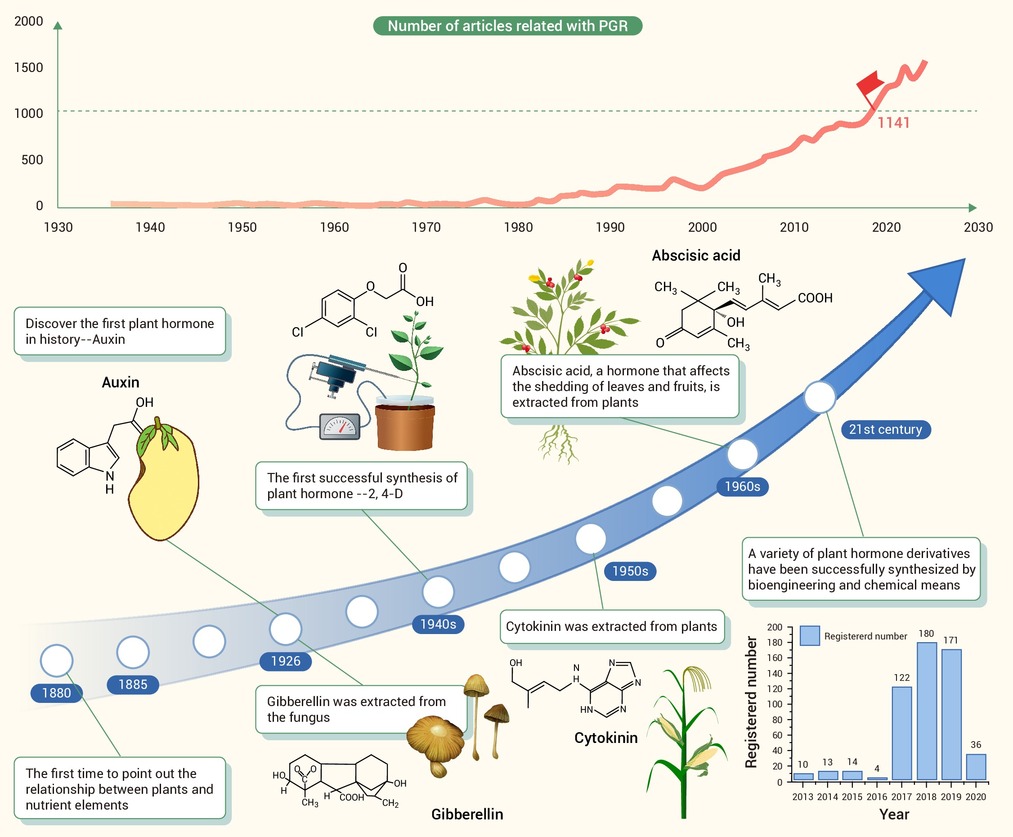
Figure 1.
A review of the historical development of plant growth regulators.
-
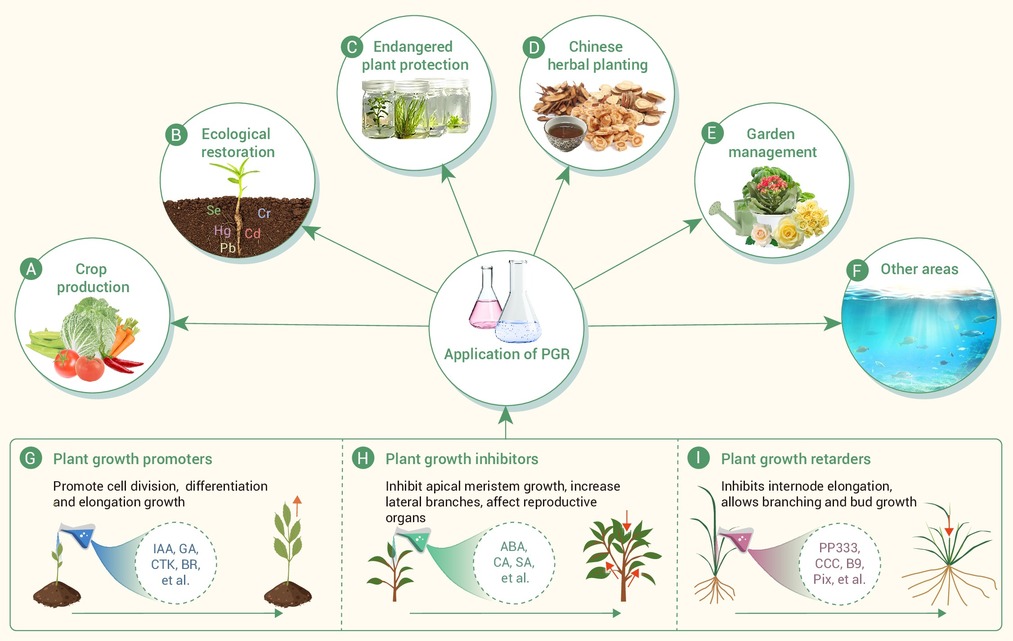
Figure 2.
Classification and application of plant growth regulators.
-
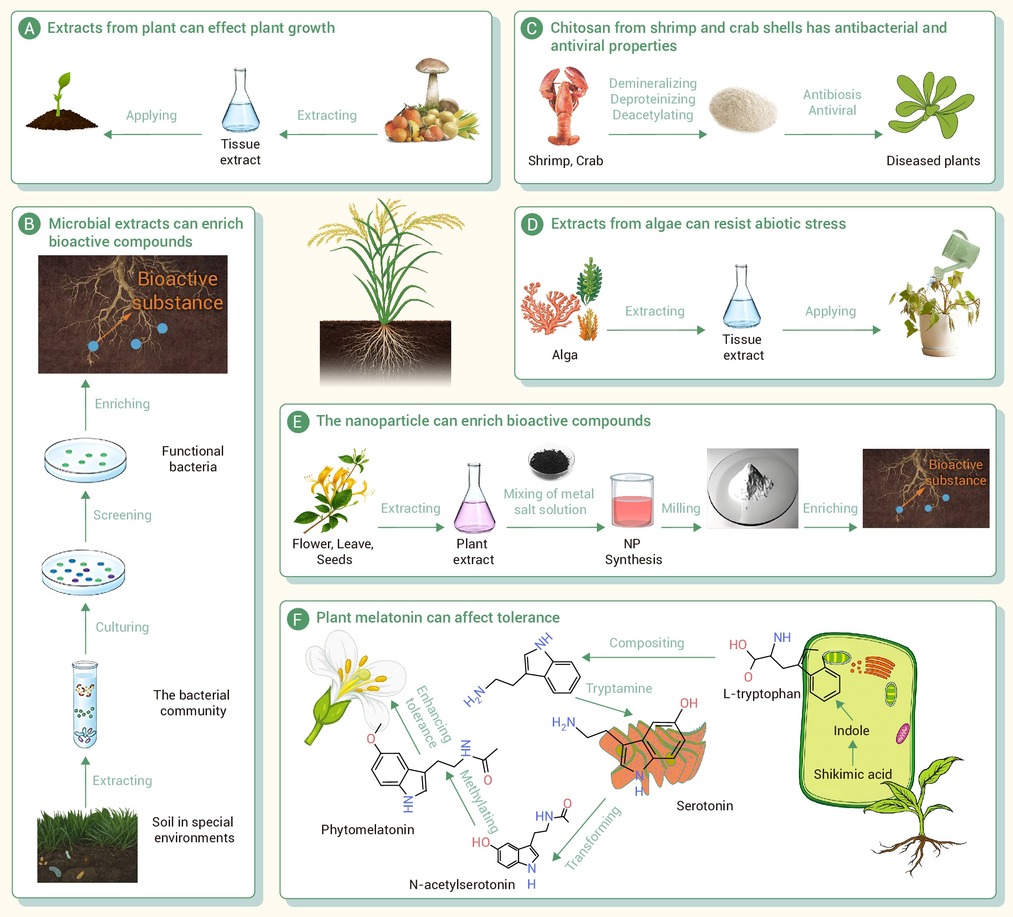
Figure 3.
Classification and Extraction of plant growth regulators.
-
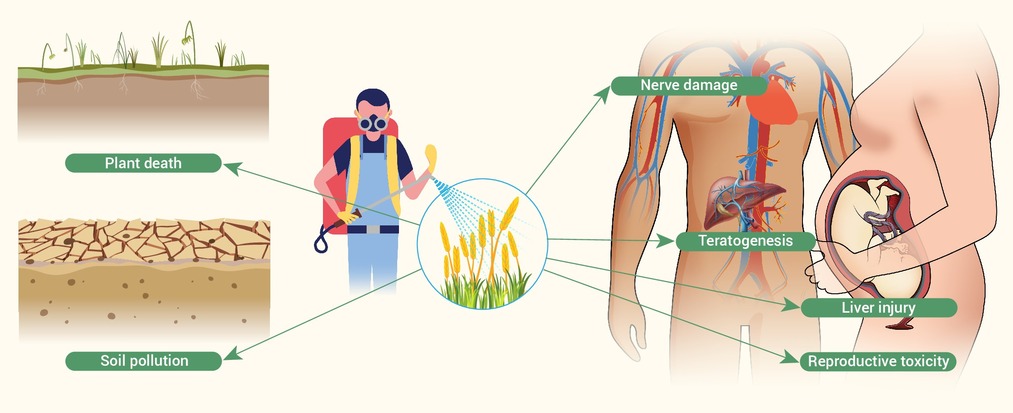
Figure 4.
Safety issues caused by residues of plant growth regulators.
-
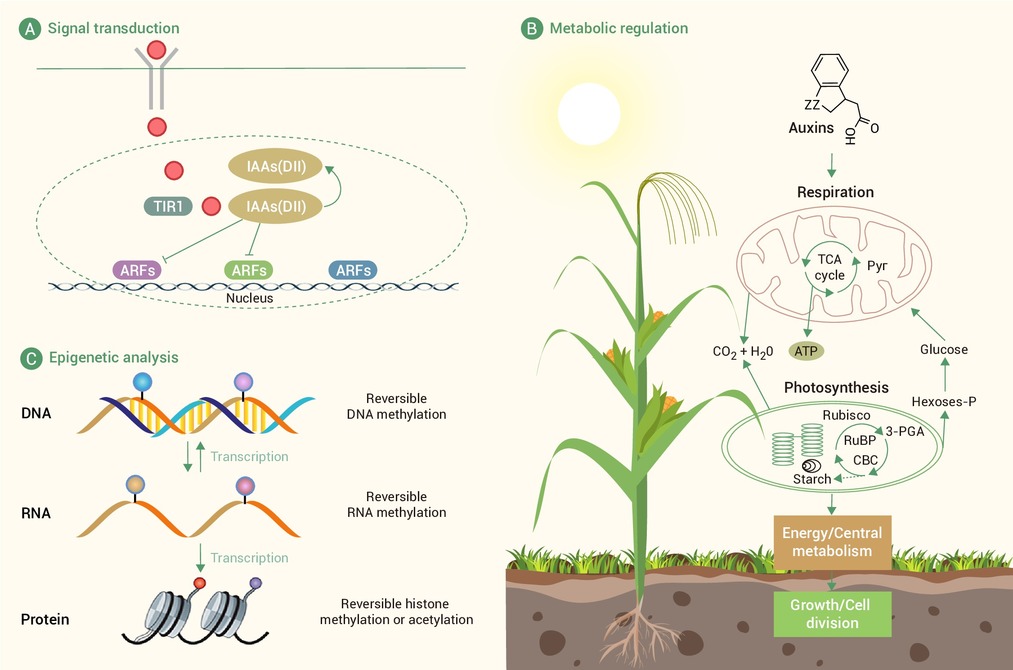
Figure 5.
Analysis of the mechanism of action of PGRs.
-
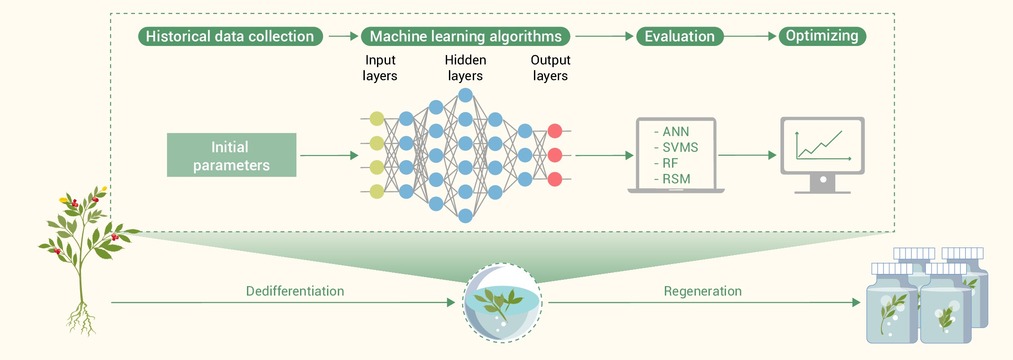
Figure 6.
Intelligent optimization of the formulation process for novel PGRs.
