
Comprehensive overview of plant development: Morphogenesis above ground
-
GRAPHICAL ABSTRACT
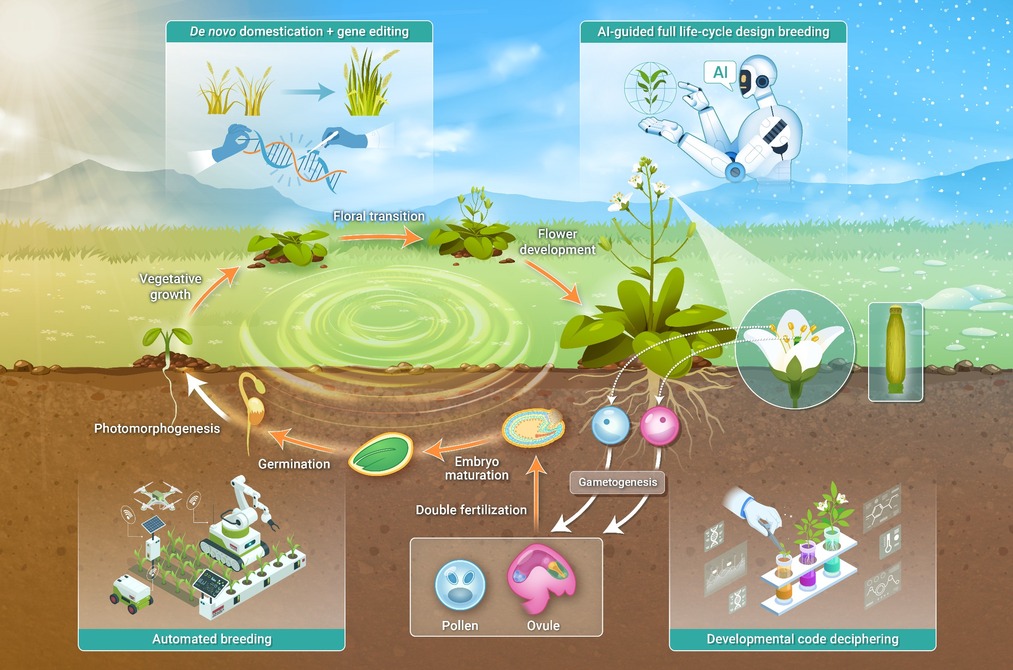
 DownLoad:
Full size image
DownLoad:
Full size image
-
PUBLIC SUMMARY
-
Plant development determines agronomic traits.
Plant development is the basis for domestication.
Whole life-cycle plant development illustration facilitates smart breeding and intelligent cultivation.
-
-
ABSTRACT
Plant development is a serial and dynamic process that encompasses various stages, from embryogenesis to senescence, influenced by both genetic and environmental factors. This review provides an in-depth exploration of the mechanisms underlying plant growth and development, highlighting key morphogenesis processes such as photomorphogenesis, plant growth, shoot branching, floral transition, flower development, fruit development and reproductivity specification. We delve into the molecular genetics of plant development, focusing on regulator and signaling pathways that govern critical developmental events. Furthermore, we discuss the role of phytohormones, including auxins, cytokinins, gibberellins, abscisic acid, and ethylene, in regulating developmental transitions. The interaction between plants and their environment, particularly light, temperature, and nutrient availability, is also examined, emphasizing how these external cues impact developmental pathways. Overall, this comprehensive overview offers insights into the intricate interplay between genetic programs and environmental stimuli in shaping plant architecture and life cycle, which will facilitate smart breeding and intelligent cultivation. -

-
REFERENCES
[1] Goldberg R. (1988). Plants: Novel developmental processes. Science 240:1460−1467. DOI:10.1126/science.3287622 [2] Sussex M. (1989). Developmental programming of the shoot meristem. Cell 56:225−229. DOI:10.1016/0092-8674(89)90895-7 [3] Sussex I. and Kerk N. (2001). The evolution of plant architecture. Curr. Opin. Plant Biol. 4:33−37. DOI:10.1016/S1369-5266(00)00132-1 [4] Wang B., Smith S. and Li J. (2018). Genetic regulation of shoot architecture. Annu. Rev. Plant Biol. 69:437−468. DOI:10.1146/annurev-arplant-042817-040422 [5] Lü T., Gao F., Su T., et al. (2025). Developmental genetics of fruit diversity in Brassicaceae. Curr. Opin. Plant Biol. 85:102707. DOI:10.1016/j.pbi.2025.102707 [6] Sauquet H., von Balthazar M., Magallón S., et al. (2017). The ancestral flower of angiosperms and its early diversification. Nat. Commun. 8:16047. DOI:10.1038/ncomms16047 [7] Freytes S., Canelo M. and Cerdan P. (2021). Regulation of flowering time: When and where. Curr. Opin. Plant Biol. 63:102049. DOI:10.1016/J.Pbi.2021.102049 [8] Billey E., Hafidh S., Cruz-Gallardo I., et al. (2021). LARP6C orchestrates posttranscriptional reprogramming of gene expression during hydration to promote pollen tube guidance. Plant Cell 33:2637−2661. DOI:10.1093/plcell/koab131 [9] Yang W., Shi D. and Chen Y. (2010). Female gametophyte development in flowering plants. Annu. Rev. Plant Biol. 61:89−108. DOI:10.1146/annurev-arplant-042809-112203 [10] Hater F., Nakel T. and Gross-Hardt R. (2020). Reproductive multitasking: The female gametophyte. Annu. Rev. Plant Biol. 71:517−546. DOI:10.1146/annurev-arplant-081519-035943 [11] Berger F. and Twell D. (2011). Germline specification and function in plants. Annu. Rev. Plant Biol. 62:461−484. DOI:10.1146/annurev-arplant-042110-103824 [12] Dresselhaus T., Sprunck S. and Wessel G. (2016). Fertilization mechanisms in flowering plants. Curr. Biol. 26:R125−R139. DOI:10.1016/j.cub.2015.12.032 [13] Hafidh S. and Honys D. (2021). Reproduction multitasking: The male gametophyte. Annu. Rev. Plant Biol. 72:581−614. DOI:10.1146/annurev-arplant-080620-021907 [14] Chaudhury A., Ming L., Miller C., et al. (1997). Fertilization-independent seed development in Arabidopsis thaliana. Proc. Natl. Acad. Sci. USA 94:4223−4228. DOI:10.1073/pnas.94.8.4223 [15] Durbak A., Yao H. and McSteen P. (2012). Hormone signaling in plant development. Curr. Opin. Plant Biol. 15:92−96. DOI:10.1016/j.pbi.2011.12.004 [16] Alvarez-Buylla E., Benitez M., Corvera-Poire A., et al. (2010). Flower development. Arabidopsis Book 8:e0127. DOI:10.1199/tab.0127 [17] Prunet N. and Meyerowitz E. (2016). Genetics and plant development. C.R. Biol. 339:240−246. DOI:10.1016/j.crvi.2016.05.003 [18] Thomson B. and Wellmer F. (2019). Molecular regulation of flower development. Plant Development and Evolution 131:185−210. DOI:10.1016/bs.ctdb.2018.11.007 [19] Zik M. and Irish V. (2003). Flower development: Initiation, differentiation, and diversification. Annu. Rev. Cell Dev. Biol. 19:119−140. DOI:10.1146/annurev.cellbio.19.111301.134635 [20] Cheng Q., Li J. and Wang B. (2024). ABP1/ABLs and TMKs form receptor complexes to perceive extracellular auxin and trigger fast phosphorylation responses. Innov. Life 2:100063. DOI:10.59717/j.xinn-life.2024.100063 [21] Dong Y., Su N. and Zhang Y. (2024). New wine in an old bottle: ABCB19, known as auxin exporter, also exports brassinosteroids. Innov. Life 2:100072. DOI:10.59717/j.xinn-life.2024.100072 [22] Franklin K. (2009). Light and temperature signal crosstalk in plant development. Curr. Opin. Plant Biol. 12:63−68. DOI:10.1016/j.pbi.2008.09.007 [23] Pierik R., Fankhauser C., Strader L., et al. (2021). Architecture and plasticity: Optimizing plant performance in dynamic environments. Plant Physiol. 187:1029−1032. DOI:10.1093/plphys/kiab402 [24] Sultan S. (2010). Plant developmental responses to the environment: Eco-devo insights. Curr. Opin. Plant Biol. 13:96−101. DOI:10.1016/j.pbi.2009.09.021 [25] Wang Q. and Lin C. (2020). Mechanisms of Cryptochrome-Mediated Photoresponses in Plants. Annu. Rev. Plant Biol. 71:103−129. DOI:10.1146/annurev-arplant-050718-100300 [26] Legris M., Ince Y. C. and Fankhauser C. (2019). Molecular mechanisms underlying phytochrome-controlled morphogenesis in plants. Nat. Commun. 10:5219. DOI:10.1038/s41467-019-13045-0 [27] Kami C., Lorrain S., Hornitschek P., et al. (2010). Light-regulated plant growth and development. Curr. Top. Dev Biol. 91:29−66. DOI:10.1016/S0070-2153(10)91002-8 [28] Smith H. (1970). Phytochrome and photomorphogenesis in plants. Nature 227:665−668. DOI:10.1038/227665a0 [29] Christie J., Arvai A., Baxter K., et al. (2012). Plant UVR8 photoreceptor senses UV-B by Tryptophan-mediated disruption of cross-dimer salt bridges. Science 335:1492−1496. DOI:10.1126/science.1218091 [30] Li J., Li G., Wang H., et al. (2011). Phytochrome signaling mechanisms. Arabidopsis Book 9:e0148. DOI:10.1199/tab.0148 [31] Hiltbrunner A., Viczian A., Bury E., et al. (2005). Nuclear accumulation of the phytochrome A photoreceptor requires FHY1. Curr. Biol. 15:2125−2130. DOI:10.1016/j.cub.2005.10.042 [32] Klose C., Viczian A., Kircher S., et al. (2015). Molecular mechanisms for mediating light-dependent nucleo/cytoplasmic partitioning of phytochrome photoreceptors. New Phytol. 206:965−971. DOI:10.1111/nph.13207 [33] Christie J., Reymond P., Powell G., et al. (1998). Arabidopsis NPH1: A flavoprotein with the properties of a photoreceptor for phototropism. Science 282:1698−1701. DOI:10.1126/science.282.5394.1698 [34] Lariguet P., Schepens I., Hodgson D., et al. (2006). PHYTOCHROME KINASE SUBSTRATE 1 is a phototropin 1 binding protein required for phototropism. Proc. Natl. Acad. Sci. USA 103:10134−10139. DOI:10.1073/pnas.0603799103 [35] Ahmad M. and Cashmore A. (1993). HY4 gene of A. thaliana encodes a protein with characteristics of a blue-light photoreceptor. Nature 366:162−166. DOI:10.1038/366162a0 [36] Ahmad M., Jarillo J., Smirnova O., et al. (1998). Cryptochrome blue-light photoreceptors of Arabidopsis implicated in phototropism. Nature 392:720−723. DOI:10.1038/33701 [37] Guo H., Yang H., Mockler T., et al. (1998). Regulation of flowering time by Arabidopsis photoreceptors. Science 279:1360−1363. DOI:10.1126/science.279.5355.1360 [38] Yanovsky M. and Kay S. (2002). Molecular basis of seasonal time measurement in Arabidopsis. Nature 419:308−312. DOI:10.1038/nature00996 [39] Zeng D., Lv J., Li X., et al. (2025). The Arabidopsis blue-light photoreceptor CRY2 is active in darkness to inhibit root growth. Cell 188:60−76. DOI:10.1016/j.cell.2024.10.031 [40] Huang Y., Baxter R., Smith B., et al. (2006). Crystal structure of cryptochrome 3 from Arabidopsis thaliana and its implications for photolyase activity. Proc. Natl. Acad. Sci. USA 103:17701−17706. DOI:10.1073/pnas.0608554103 [41] Baudry A., Ito S., Song Y., et al. (2010). F-box proteins FKF1 and LKP2 act in concert with ZEITLUPE to control Arabidopsis clock progression. Plant Cell 22:606−622. DOI:10.1105/tpc.109.072843 [42] Song Y., Estrada D., Johnson R., et al. (2014). Distinct roles of FKF1, Gigantea, and Zeitlupe proteins in the regulation of Constans stability in Arabidopsis photoperiodic flowering. Proc. Natl. Acad. Sci. USA 111:17672−17677. DOI:10.1073/pnas.1415375111 [43] Wu D., Hu Q., Yan Z., et al. (2012). Structural basis of ultraviolet-B perception by UVR8. Nature 484:214−U296. DOI:10.1038/nature10931 [44] Wang Q., Zuo Z., Wang X., et al. (2016). Photoactivation and inactivation of Arabidopsis cryptochrome 2. Science 354:343−347. DOI:10.1126/science.aaf9030 [45] Shao K., Zhang X., Li X., et al. (2020). The oligomeric structures of plant cryptochromes. Nat. Struct. Mol. Biol. 27:480−488. DOI:10.1038/s41594-020-0420-x [46] Ma L., Wang X., Guan Z., et al. (2020). Structural insights into BIC-mediated inactivation of Arabidopsis cryptochrome 2. Nat. Struct. Mol. Biol. 27:472−479. DOI:10.1038/s41594-020-0410-z [47] Li H., Burgie E., Gannam Z., et al. (2022). Plant phytochrome B is an asymmetric dimer with unique signalling potential. Nature 604:127−133. DOI:10.1038/s41586-022-04529-z [48] Wang Z., Wang W., Zhao D., et al. (2024). Light-induced remodeling of phytochrome B enables signal transduction by phytochrome-interacting factor. Cell 187:6235−6250. DOI:10.1016/j.cell.2024.09.005 [49] Zhang Y., Lin X., Ma C., et al. (2023). Structural insights into plant phytochrome A as a highly sensitized photoreceptor. Cell Res. 33:806−809. DOI:10.1038/s41422-023-00858-4 [50] Huq E. and Quail P. (2002). PIF4, a phytochrome-interacting bHLH factor, functions as a negative regulator of phytochrome B signaling in Arabidopsis. EMBO J. 21:2441−2450. DOI:10.1093/emboj/21.10.2441 [51] Ma D., Li X., Guo Y., et al. (2016). Cryptochrome 1 interacts with PIF4 to regulate high temperature-mediated hypocotyl elongation in response to blue light. Proc. Natl. Acad. Sci. USA 113:224−229. DOI:10.1073/pnas.1511437113 [52] Pedmale U., Huang S., Zander M., et al. (2016). Cryptochromes interact directly with PIFs to control plant growth in limiting blue light. Cell 164:233−245. DOI:10.1016/j.cell.2015.12.018 [53] Lau O. and Deng X. (2010). Plant hormone signaling lightens up: Integrators of light and hormones. Curr. Opin. Plant Biol. 13:571−577. DOI:10.1016/j.pbi.2010.07.001 [54] Gao H., Song W., Severing E., et al. (2022). PIF4 enhances DNA binding of CDF2 to co-regulate target gene expression and promote Arabidopsis hypocotyl cell elongation. Nat. Plants 8:1082−1093. DOI:10.1038/s41477-022-01213-y [55] Oh E., Zhu J. and Wang Z. (2012). Interaction between BZR1 and PIF4 integrates brassinosteroid and environmental responses. Nat. Cell Biol. 14:802−809. DOI:10.1038/ncb2545 [56] Martinez C., Espinosa-Ruiz A., de Lucas M., et al. (2018). PIF4-induced BR synthesis is critical to diurnal and thermomorphogenic growth. EMBO J. 37:e99552. DOI:10.15252/embj.201899552 [57] Li K., Yu R., Fan L., et al. (2016). DELLA-mediated PIF degradation contributes to coordination of light and gibberellin signalling in Arabidopsis. Nat. Commun. 7:11868. DOI:10.1038/ncomms11868 [58] Zhang X., Ji Y., Xue C., et al. (2018). Integrated regulation of apical hook development by transcriptional coupling of EIN3/EIL1 and PIFs in Arabidopsis. Plant Cell 30:1971−1988. DOI:10.1105/tpc.18.00018 [59] Xu F., He S., Zhang J., et al. (2018). Photoactivated CRY1 and phyB interact directly with AUX/IAA proteins to inhibit Auxin signaling in Arabidopsis. Mol. Plant 11:523−541. DOI:10.1016/j.molp.2017.12.003 [60] Mao Z., He S., Xu F., et al. (2020). Photoexcited CRY1 and phyB interact directly with ARF6 and ARF8 to regulate their DNA-binding activity and auxin-induced hypocotyl elongation in Arabidopsis. New Phytol. 225:848−865. DOI:10.1111/nph.16194 [61] Liang T., Mei S., Shi C., et al. (2018). UVR8 interacts with BES1 and BIM1 to regulate transcription and photomorphogenesis in Arabidopsis. Dev. Cell 44:512-523 e515. DOI:10.1016/j.devcel.2017.12.028 [62] Wang W., Lu X., Li L., et al. (2018). Photoexcited CRYPTOCHROME1 interacts with dephosphorylated BES1 to regulate brassinosteroid signaling and photomorphogenesis in Arabidopsis. Plant Cell 30:1989−2005. DOI:10.1105/tpc.17.00994 [63] Liu B., Zuo Z., Liu H., et al. (2011). Arabidopsis cryptochrome 1 interacts with SPA1 to suppress COP1 activity in response to blue light. Genes Dev. 25:1029−1034. DOI:10.1101/gad.2025011 [64] Favory J., Stec A., Gruber H., et al. (2009). Interaction of COP1 and UVR8 regulates UV-B-induced photomorphogenesis and stress acclimation in Arabidopsis. EMBO J. 28:591−601. DOI:10.1038/emboj.2009.4 [65] Osterlund M., Hardtke C., Wei N., et al. (2000). Targeted destabilization of HY5 during light-regulated development of Arabidopsis. Nature 405:462−466. DOI:10.1038/35013076 [66] Seo H., Watanabe E., Tokutomi S., et al. (2004). Photoreceptor ubiquitination by COP1 E3 ligase desensitizes phytochrome A signaling. Genes Dev. 18:617−622. DOI:10.1101/gad.1187804 [67] Weidler G., Zur Oven-Krockhaus S., Heunemann M., et al. (2012). Degradation of Arabidopsis CRY2 is regulated by SPA proteins and phytochrome A. Plant Cell 24:2610−2623. DOI:10.1105/tpc.112.098210 [68] Liu Q., Wang Q., Liu B., et al. (2016). The blue light-dependent polyubiquitination and degradation of Arabidopsis Cryptochrome2 requires multiple E3 ubiquitin ligases. Plant Cell Physiol. 57:2175−2186. DOI:10.1093/pcp/pcw134 [69] Jang I., Henriques R., Seo H., et al. (2010). Arabidopsis PHYTOCHROME INTERACTING FACTOR proteins promote phytochrome B polyubiquitination by COP1 E3 ligase in the nucleus. Plant Cell 22:2370−2383. DOI:10.1105/tpc.109.072520 [70] Miao L., Zhao J., Yang G., et al. (2022). Arabidopsis cryptochrome 1 undergoes COP1 and LRBs-dependent degradation in response to high blue light. New Phytol. 234:1347−1362. DOI:10.1111/nph.17695 [71] Dong J., Ni W., Yu R., et al. (2017). Light-dependent degradation of PIF3 by SCFEBF1/2 promotes a photomorphogenic response in Arabidopsis. Curr. Biol. 27:2420−2430. DOI:10.1016/j.cub.2017.06.062 [72] Shi H., Shen X., Liu R., et al. (2016). The red light receptor phytochrome B directly enhances substrate-E3 ligase interactions to attenuate ethylene responses. Dev. Cell 39:597−610. DOI:10.1016/j.devcel.2016.10.020 [73] Ren H., Han J., Yang P., et al. (2019). Two E3 ligases antagonistically regulate the UV-B response in Arabidopsis. Proc. Natl. Acad. Sci. USA 116:4722−4731. DOI:10.1073/pnas.1816268116 [74] Zhang Q., Lin L., Fang F., et al. (2023). Dissecting the functions of COP1 in the UVR8 pathway with a COP1 variant in Arabidopsis. Plant J. 113:478−492. DOI:10.1111/tpj.16059 [75] Ni W., Xu S., Tepperman J., et al. (2014). A mutually assured destruction mechanism attenuates light signaling in Arabidopsis. Science 344:1160−1164. DOI:10.1126/science.1250778 [76] Chen Y., Hu X., Liu S., et al. (2021). Regulation of Arabidopsis photoreceptor CRY2 by two distinct E3 ubiquitin ligase. Nat. Commun. 12:2155. DOI:10.1038/s41467-021-22410-x [77] Ma L., Li X., Zhao Z., et al. (2021). Light-Response Bric-A-Brack/Tramtrack/Broad proteins mediate cryptochrome 2 degradation in response to low ambient temperature. Plant Cell 33:3610−3620. DOI:10.1093/plcell/koab219 [78] Jiang L., Zhang S., Niu Y., et al. (2025). Photoexcited CRY1 physically interacts with ATG8 to regulate selective autophagy of HY5 and photomorphogenesis in Arabidopsis. Plant Cell 37:koaf196. DOI:10.1093/plcell/koaf196 [79] Kathare P., Xin R., Ganesan A., et al. (2022). SWAP1-SFPS-RRC1 splicing factor complex modulates pre-mRNA splicing to promote photomorphogenesis in Arabidopsis. Proc. Natl. Acad. Sci. USA 119:e2214565119. DOI:10.1073/pnas.2214565119 [80] Yan T., Heng Y., Wang W., et al. (2022). SWELLMAP 2, a phyB-interacting splicing factor, negatively regulates seedling photomorphogenesis in Arabidopsis. Front. Plant Sci. 13:836519. DOI:10.3389/fpls.2022.836519 [81] Dong J., Chen H., Deng X., et al. (2020). Phytochrome B induces intron retention and translational inhibition of PHYTOCHROME-INTERACTING FACTOR3. Plant Physiol. 182:159−166. DOI:10.1104/pp.19.00835 [82] Zhao Z., Dent C., Liang H., et al. (2022). CRY2 interacts with CIS1 to regulate thermosensory flowering via FLM alternative splicing. Nat. Commun. 13:7045. DOI:10.1038/s41467-022-34886-2 [83] Jiang B., Zhong Z., Gu L., et al. (2023). Light-induced LLPS of the CRY2/SPA1/FIO1 complex regulating mRNA methylation and chlorophyll homeostasis in Arabidopsis. Nat. Plants. 9:2042−2058. DOI:10.1038/s41477-023-01580-0 [84] Wang X., Jiang B., Gu L., et al. (2021). A photoregulatory mechanism of the circadian clock in Arabidopsis. Nat. Plants 7:1397−1408. DOI:10.1038/s41477-021-01002-z [85] Yang J., Li L., Li X., et al. (2023). The blue light receptor CRY1 interacts with FIP37 to promote N6-methyladenosine RNA modification and photomorphogenesis in Arabidopsis. New Phytol. 237:840−854. DOI:10.1111/nph.18583 [86] Li X., Liang T. and Liu H. (2022). How plants coordinate their development in response to light and temperature signals. Plant Cell 34:955−966. DOI:10.1093/plcell/koab302 [87] Jung J., Domijan M., Klose C., et al. (2016). Phytochromes function as thermosensors in Arabidopsis. Science 354:886−889. DOI:10.1126/science.aaf6005 [88] Legris M., Klose C., Burgie E., et al. (2016). Phytochrome B integrates light and temperature signals in Arabidopsis. Science 354:897−900. DOI:10.1126/science.aaf5656 [89] Hahm J., Kim K., Qiu Y., et al. (2020). Increasing ambient temperature progressively disassembles Arabidopsis phytochrome B from individual photobodies with distinct thermostabilities. Nat. Commun. 11:1660. DOI:10.1038/s41467-020-15526-z [90] Fujii Y., Tanaka H., Konno N., et al. (2017). Phototropin perceives temperature based on the lifetime of its photoactivated state. Proc. Natl. Acad. Sci. USA 114:9206−9211. DOI:10.1073/pnas.1704462114 [91] Ma L., Li X., Zhao Z., et al. (2021). Light-Response Bric-A-Brack/Tramtrack/Broad proteins mediate cryptochrome 2 degradation in response to low ambient temperature. Plant Cell 33:3610−3620. DOI:10.1093/plcell/koab219 [92] Saitoh A., Takase T., Abe H., et al. (2021). ZEITLUPE enhances expression of PIF4 and YUC8 in the upper aerial parts of Arabidopsis seedlings to positively regulate hypocotyl elongation. Plant Cell Rep. 40:479−489. DOI:10.1007/s00299-020-02643-8 [93] Hayes S., Sharma A., Fraser D., et al. (2017). UV-B perceived by the UVR8 photoreceptor inhibits plant thermomorphogenesis. Curr. Biol. 27:120−127. DOI:10.1016/j.cub.2016.11.004 [94] Sasaki A., Ashikari M., Ueguchi-Tanaka M., et al. (2002). Green revolution: A mutant gibberellin-synthesis gene in rice - new insight into the rice variant that helped to avert famine over thirty years ago. Nature 416:701−702. DOI:10.1038/416701a [95] Davière J., Wild M., Regnault T., et al. (2014). Class I TCP-DELLA interactions in inflorescence shoot apex determine plant height. Curr. Biol. 24:1923−1928. DOI:10.1016/j.cub.2014.07.012 [96] Ueguchi-Tanaka M., Nakajima M., Katoh E., et al. (2007). Molecular interactions of a soluble gibberellin receptor, GID1, with a rice DELLA protein, SLR1, and gibberellin. Plant Cell 19:2140−2155. DOI:10.1105/tpc.106.043729 [97] Van de Velde K., Thomas S., Heyse F., et al. (2021). N-terminal truncated RHT-1 proteins generated by translational reinitiation cause semi-dwarfing of wheat Green Revolution alleles. Mol. Plant 14:679−687. DOI:10.1016/j.molp.2021.01.002 [98] Liao Z., Yu H., Duan J., et al. (2019). SLR1 inhibits MOC1 degradation to coordinate tiller number and plant height in rice. Nat. Commun. 10:2738. DOI:10.1038/S41467-019-10667-2 [99] Guo H., Li L., Ye H., et al. (2009). Three related receptor-like kinases are required for optimal cell elongation in Arabidopsis thaliana. Proc. Natl. Acad. Sci. USA 106:7648−7653. DOI:10.1073/pnas.0812346106 [100] Zhiponova M., Vanhoutte I., Boudolf V., et al. (2013). Brassinosteroid production and signaling differentially control cell division and expansion in the leaf. New Phytol. 197:490−502. DOI:10.1111/nph.12036 [101] Castorina G. and Consonni G. (2020). The role of brassinosteroids in controlling plant height in Poaceae: A genetic perspective. Int. J. Mol. Sci. 21:1191. DOI:10.3390/Ijms21041191 [102] Hong Z., Ueguchi-Tanaka M., Umemura K., et al. (2003). A rice brassinosteroid-deficient mutant, ebisu dwarf (d2), is caused by a loss of function of a new member of cytochrome P450. Plant Cell 15:2900−2910. DOI:10.1105/tpc.014712 [103] Tanabe S., Ashikari M., Fujioka S., et al. (2005). A novel cytochrome P450 is implicated in brassinosteroid biosynthesis via the characterization of a rice dwarf mutant, dwarf11, with reduced seed length. Plant Cell 17:776−790. DOI:10.1105/tpc.104.024950 [104] Lee S., Hwang J., Joo S., et al. (2010). Biosynthesis and metabolism of dolichosterone in Arabidopsis thaliana. Bull. Korean Chem. Soc. 31:3475−3478. DOI:10.5012/bkcs.2010.31.11.3475 [105] He J., Gendron J., Sun Y., et al. (2005). BZR1 is a transcriptional repressor with dual roles in brassinosteroid homeostasis and growth responses. Science 307:1634−1638. DOI:10.1126/science.1107580 [106] Tong H., Liu L., Jin Y., et al. (2012). DWARF AND LOW-TILLERING acts as a direct downstream target of a GSK3/SHAGGY-like kinase to mediate brassinosteroid responses in rice. Plant Cell 24:2562−2577. DOI:10.1105/tpc.112.097394 [107] Vert G. and Chory J. (2006). Downstream nuclear events in brassinosteroid signalling. Nature 441:96−100. DOI:10.1038/nature04681 [108] Li L., Yu X., Thompson A., et al. (2009). Arabidopsis MYB30 is a direct target of BES1 and cooperates with BES1 to regulate brassinosteroid-induced gene expression. Plant J. 58:275−286. DOI:10.1111/j.1365-313X.2008.03778.x [109] Yin Y., Vafeados D., Tao Y., et al. (2005). A new class of transcription factors mediates brassinosteroid-regulated gene expression in Arabidopsis. Cell 120:249−259. DOI:10.1016/j.cell.2004.11.044 [110] Tong H. and Chu C. (2018). Functional specificities of brassinosteroid and potential utilization for crop improvement. Trends Plant Sci. 23:1016−1028. DOI:10.1016/j.tplants.2018.08.007 [111] Niu M., Wang H., Yin W., et al. (2022). Rice DWARF AND LOW-TILLERING and the homeodomain protein OSH15 interact to regulate internode elongation via orchestrating brassinosteroid signaling and metabolism. Plant Cell 34:3754−3772. DOI:10.1093/plcell/koac196 [112] Tong H., Xiao Y., Liu D., et al. (2014). Brassinosteroid regulates cell elongation by modulating gibberellin metabolism in rice. Plant Cell 26:4376−4393. DOI:10.1105/tpc.114.132092 [113] Unterholzner S., Rozhon W., Papacek M., et al. (2015). Brassinosteroids are master regulators of gibberellin biosynthesis in Arabidopsis. Plant Cell 27:2261−2272. DOI:10.1105/tpc.15.00433 [114] Bai M., Shang J., Oh E., et al. (2012). Brassinosteroid, gibberellin and phytochrome impinge on a common transcription module in Arabidopsis. Nat. Cell Biol. 14:810−U878. DOI:10.1038/ncb2546 [115] Gallego-Bartolomé J., Minguet E., Grau-Enguix F., et al. (2012). Molecular mechanism for the interaction between gibberellin and brassinosteroid signaling pathways in Arabidopsis. Proc. Natl. Acad. Sci. USA 109:13446−13451. DOI:10.1073/pnas.1119992109 [116] Chen Y., Fan X., Song W., et al. (2012). Over-expression of OsPIN2 leads to increased tiller numbers, angle and shorter plant height through suppression of OsLAZY1. Plant Biotechnol. J. 10:139−149. DOI:10.1111/j.1467-7652.2011.00637.x [117] Multani D., Briggs S., Chamberlin M., et al. (2003). Loss of an MDR transporter in compact stalks of maize br2 and sorghum dw3 mutants. Science 302:81−84. DOI:10.1126/science.1086072 [118] Li A., Hao C., Wang Z., et al. (2022). Wheat breeding history reveals synergistic selection of pleiotropic genomic sites for plant architecture and grain yield. Mol. Plant 15:504−519. DOI:10.1016/j.molp.2022.01.004 [119] Hirano K., Yoshida H., Aya K., et al. (2017). SMALL ORGAN SIZE 1 and SMALL ORGAN SIZE 2/DWARF AND LOW-TILLERING form a complex to integrate auxin and brassinosteroid signaling in rice. Mol. Plant 10:590−604. DOI:10.1016/j.molp.2016.12.013 [120] Tian Z., Chen B., Li H., et al. (2024). Strigolactone-gibberellin crosstalk mediated by a distant silencer fine-tunes plant height in upland cotton. Mol. Plant 17:1539−1557. DOI:10.1016/j.molp.2024.08.007 [121] Lazar G. and Goodman H. (2006). MAX1, a regulator of the flavonoid pathway, controls vegetative axillary bud outgrowth in Arabidopsis. Proc. Natl. Acad. Sci. USA 103:472−476. DOI. DOI:10.1073/pnas.0509463102 [122] Lin H., Wang R., Qian Q., et al. (2009). DWARF27, an iron-containing protein required for the biosynthesis of strigolactones, regulates rice tiller bud outgrowth. Plant Cell 21:1512−1525. DOI:10.1105/tpc.109.065987 [123] Liu F., Wang P., Zhang X., et al. (2018). The genetic and molecular basis of crop height based on a rice model. Planta 247:1−26. DOI:10.1007/s00425-017-2798-1 [124] Schumacher K., Schmitt T., Rossberg M., et al. (1999). The Lateral suppressor (Ls) gene of tomato encodes a new member of the VHIID protein family. Proc. Natl. Acad. Sci. USA 96:290−295. DOI:10.1073/pnas.96.1.290 [125] Li X., Qian Q., Fu Z., et al. (2003). Control of tillering in rice. Nature 422:618−621. DOI:10.1038/nature01518 [126] Zhu Y. and Wagner D. (2020). Plant inflorescence architecture: The formation, activity, and fate of axillary meristems. Cold Spring Harbor Perspect. Biol. 12:a034652. DOI:10.1101/cshperspect.a034652 [127] Shi B., Zhang C., Tian C., et al. (2016). Two-step regulation of a meristematic cell population acting in shoot branching in Arabidopsis. PLos Genet. 12:e1006168. DOI:10.1371/journal.pgen.1006168 [128] Fletcher L., Brand U., Running M., et al. (1999). Signaling of cell fate decisions by CLAVATA3 in Arabidopsis shoot meristems. Science 283:1911−1914. DOI:10.1126/science.283.5409.1911 [129] Shao G., Lu Z., Xiong J., et al. (2019). Tiller bud formation regulators MOC1 and MOC3 cooperatively promote tiller bud outgrowth by activating FON1 expression in rice. Mol. Plant 12:1090−1102. DOI:10.1016/j.molp.2019.04.008 [130] Lu Z., Shao G., Xiong J., et al. (2015). MONOCULM 3, an ortholog of WUSCHEL in rice, is required for tiller bud formation. J. Genet. Genomics 42:71−78. DOI:10.1016/j.jgg.2014.12.005 [131] Brand U., Grünewald M., Hobe M., et al. (2002). Regulation of CLV3 expression by two homeobox genes in Arabidopsis. Plant Physiol. 129:565−575. DOI:10.1104/pp.001867 [132] Keller T., Abbott J., Moritz T., et al. (2006). Arabidopsis REGULATOR OF AXILLARY MERISTEMS1 controls a leaf axil stem cell niche and modulates vegetative development. Plant Cell 18:598−611. DOI:10.1105/tpc.105.038588 [133] Müller D., Schmitz G. and Theres K. (2006). Blind homologous R2R3 Myb genes control the pattern of lateral meristem initiation in Arabidopsis. Plant Cell 18:586−597. DOI:10.1105/tpc.105.038745 [134] Schmitz G., Tillmann E., Carriero F., et al. (2002). The tomato Blind gene encodes a MYB transcription factor that controls the formation of lateral meristems. Proc. Natl. Acad. Sci. USA 99:1064−1069. DOI:10.1073/pnas.022516199 [135] Jeifetz D., David-Schwartz R., Borovsky Y., et al. (2011). CaBLIND regulates axillary meristem initiation and transition to flowering in pepper. Planta 234:1227−1236. DOI:10.1007/s00425-011-1479-8 [136] Guo D., Zhang J., Wang X., et al. (2015). The WRKY transcription factor WRKY71/EXB1 controls shoot branching by transcriptionally regulating RAX Genes in Arabidopsis. Plant Cell 27:3112−3127. DOI:10.1105/tpc.15.00829 [137] Yang F., Wang Q., Schmitz G., et al. (2012). The bHLH protein ROX acts in concert with RAX1 and LAS to modulate axillary meristem formation in Arabidopsis. Plant J. 71:61−70. DOI:10.1111/j.1365-313X.2012.04970.x [138] Doebley J., Stec A. and Hubbard L. (1997). The evolution of apical dominance in maize. Nature 386:485−488. DOI:10.1038/386485a0 [139] Hubbard L., McSteen P., Doebley J., et al. (2002). Expression patterns and mutant phenotype of teosinte branched1 correlate with growth suppression in maize and teosinte. Genetics 162:1927−1935. DOI:10.1093/genetics/162.4.1927 [140] Aguilar-Martínez J. A., Poza-Carrión C. and Cubas P. (2007). Arabidopsis BRANCHED1 acts as an integrator of branching signals within axillary buds. Plant Cell 19:458−472. DOI:10.1105/tpc.106.048934 [141] Minakuchi K., Kameoka H., Yasuno N., et al. (2010). FINE CULM1 (FC1) works downstream of strigolactones to inhibit the outgrowth of axillary buds in rice. Plant Cell Physiol. 51:1127−1135. DOI:10.1093/pcp/pcq083 [142] Braun N., de Saint Germain A., Pillot J. P., et al. (2012). The pea TCP transcription factor PsBRC1 acts downstream of strigolactones to control shoot branching. Plant Physiol. 158:225−238. DOI:10.1104/pp.111.182725 [143] Xie Y. R., Liu Y., Ma M. D., et al. (2020). FHY3 and FAR1 integrate light and strigolactone signaling to regulate branching. Nat. Commun. 11:1955. DOI:10.1038/S41467-020-15893-7 [144] Otori K., Tanabe N., Tamoi M., et al. (2019). Sugar Transporter Protein 1 (STP1) contributes to regulation of the genes involved in shoot branching via carbon partitioning in Arabidopsis. Biosci. Biotechnol. Biochem. 83:472−481. DOI:10.1080/09168451.2018.1550355 [145] Dun E. A., de Saint Germain A., Rameau C., et al. (2012). Antagonistic action of strigolactone and cytokinin in bud outgrowth control. Plant Physiol. 158:487−498. DOI:10.1104/pp.111.186783 [146] Wang L., Wang B., Yu H., et al. (2020). Transcriptional regulation of strigolactone signalling in Arabidopsis. Nature 583:277−281. DOI:10.1038/s41586-020-2382-x [147] Hu J., Ji Y. Y., Hu X. T., et al. (2020). BES1 functions as the co-regulator of D53-like SMXLs to inhibit BRC1 expression in strigolactone-regulated shoot branching in Arabidopsis. Plant Commun. 1:100014. DOI:10.1016/J.Xplc.2019.100014 [148] González-Grandío E., Pajoro A., Franco-Zorrilla J. M., et al. (2017). Abscisic acid signaling is controlled by a BRANCHED1/HD-ZIP I cascade in Arabidopsis axillary buds. Proc. Natl. Acad. Sci. USA 114:E245−E254. DOI:10.1073/pnas.1613199114 [149] Liu X., Hu Q., Yan J., et al. (2020). ζ-Carotene isomerase suppresses tillering in rice through the coordinated biosynthesis of strigolactone and abscisic acid. Mol. Plant 13:1784−1801. DOI:10.1016/j.molp.2020.10.001 [150] Luo L., Takahashi M., Kameoka H., et al. (2019). Developmental analysis of the early steps in strigolactone-mediated axillary bud dormancy in rice. Plant J. 97:1006−1021. DOI:10.1111/tpj.14266 [151] Zhou A., Kane A., Wu S., et al. (2025). Evolution of interorganismal strigolactone biosynthesis in seed plants. Science 387:eadp0779. DOI:10.1126/science.adp0779 [152] Abe S., Sado A., Tanaka K., et al. (2014). Carlactone is converted to carlactonoic acid by MAX1 in Arabidopsis and its methyl ester can directly interact with AtD14 in vitro. Proc. Natl. Acad. Sci. USA 111:18084−18089. DOI:10.1073/pnas.1410801111 [153] Jiang L., Liu X., Xiong G. S., et al. (2013). DWARF 53 acts as a repressor of strigolactone signalling in rice. Nature 504:401−405. DOI:10.1038/nature12870 [154] Soundappan I., Bennett T., Morffy N., et al. (2015). SMAX1-LIKE/D53 family members enable distinct MAX2-dependent responses to strigolactones and karrikins in Arabidopsis. Plant Cell 27:3143−3159. DOI:10.1105/tpc.15.00562 [155] Wang L., Wang B., Jiang L., et al. (2015). Strigolactone signaling in Arabidopsis regulates shoot development by targeting D53-like SMXL repressor proteins for ubiquitination and degradation. Plant Cell 27:3128−3142. DOI:10.1105/tpc.15.00605 [156] Zhou F., Lin Q. B., Zhu L. H., et al. (2013). D14-SCF(D3)-dependent degradation of D53 regulates strigolactone signalling. Nature 504:406−410. DOI:10.1038/nature12878 [157] Song X., Lu Z., Yu H., et al. (2017). IPA1 functions as a downstream transcription factor repressed by D53 in strigolactone signaling in rice. Cell Res. 27:1128−1141. DOI:10.1038/cr.2017.102 [158] Li Q., Yu H., Chang W., et al. (2024). SMXL5 attenuates strigolactone signaling in Arabidopsis thaliana by inhibiting SMXL7 degradation. Mol. Plant 17:631−647. DOI:10.1016/j.molp.2024.03.006 [159] Zhang J., Wang B., Xu H., et al. (2025). Root microbiota regulates tiller number in rice. Cell 188:3152−3166. DOI:10.1016/j.cell.2025.03.033 [160] Domagalska M. and Leyser O. (2011). Signal integration in the control of shoot branching. Nat. Rev. Mol. Cell Biol. 12:211−221. DOI:10.1038/nrm3088 [161] Tanaka M., Takei K., Kojima M., et al. (2006). Auxin controls local cytokinin biosynthesis in the nodal stem in apical dominance. Plant J. 45:1028−1036. DOI:10.1111/j.1365-313X.2006.02656.x [162] Hayward A., Stirnberg P., Beveridge C., et al. (2009). Interactions between auxin and strigolactone in shoot branching control. Plant Physiol. 151:400−412. DOI:10.1104/pp.109.137646 [163] Prusinkiewicz P., Crawford S., Smith R., et al. (2009). Control of bud activation by an auxin transport switch. Proc. Natl. Acad. Sci. USA 106:17431−17436. DOI:10.1073/pnas.0906696106 [164] Shinohara N., Taylor C. and Leyser O. (2013). Strigolactone can promote or inhibit shoot branching by triggering rapid depletion of the auxin efflux protein PIN1 from the plasma membrane. PLoS Biol. 11:e1001474. DOI:10.1371/journal.pbio.1001474 [165] Fang Z., Ji Y., Hu J., et al. (2020). Strigolactones and brassinosteroids antagonistically regulate the stability of the D53-OsBZR1 complex to determine FC1 expression in rice tillering. Mol. Plant 13:586−597. DOI:10.1016/j.molp.2019.12.005 [166] Hu J., Sun S. and Wang X. (2020). Regulation of shoot branching by strigolactones and brassinosteroids: Conserved and specific functions of Arabidopsis BES1 and rice BZR1. Mol. Plant 13:808−810. DOI:10.1016/j.molp.2020.03.008 [167] Wang Y., Sun S., Zhu W. J., et al. (2013). Strigolactone/MAX2-induced degradation of brassinosteroid transcriptional effector BES1 regulates shoot branching. Dev. Cell 27:681−688. DOI:10.1016/j.devcel.2013.11.010 [168] Wang J., Tian C., Zhang C., et al. (2017). Cytokinin signaling activates WUSCHEL expression during axillary meristem initiation. Plant Cell 29:1373−1387. DOI:10.1105/tpc.16.00579 [169] Jasinski S., Piazza P., Craft J., et al. (2005). KNOX action in Arabidopsis is mediated by coordinate regulation of cytokinin and gibberellin activities. Curr. Biol. 15:1560−1565. DOI:10.1016/j.cub.2005.07.023 [170] Yanai O., Shani E., Dolezal K., et al. (2005). Arabidopsis KNOXI proteins activate cytokinin biosynthesis. Curr. Biol. 15:1566−1571. DOI:10.1016/j.cub.2005.07.060 [171] Lo S., Yang S., Chen K. T., et al. (2008). A novel class of gibberellin 2-Oxidases control semidwarfism, tillering, and root development in rice. Plant Cell 20:2603−2618. DOI:10.1105/tpc.108.060913 [172] Cao D., Chabikwa T., Barbier F., et al. (2023). Auxin-independent effects of apical dominance induce changes in phytohormones correlated with bud outgrowth. Plant Physiol. 192:1420−1434. DOI:10.1093/plphys/kiad034 [173] Takei K., Sakakibara H., Taniguchi M., et al. (2001). Nitrogen-dependent accumulation of cytokinins in root and the translocation to leaf: Implication of cytokinin species that induces gene expression of maize response regulator. Plant Cell Physiol. 42:85−93. DOI:10.1093/Pcp/Pce009 [174] Foo E., Yoneyama K., Hugill C. J., et al. (2013). Strigolactones and the regulation of pea symbioses in response to nitrate and phosphate deficiency. Mol. Plant 6:76−87. DOI:10.1093/mp/sss115 [175] Yoneyama K., Xie X. N., Kusumoto D., et al. (2007). Nitrogen deficiency as well as phosphorus deficiency in sorghum promotes the production and exudation of 5-deoxystrigol, the host recognition signal for arbuscular mycorrhizal fungi and root parasites. Planta 227:125−132. DOI:10.1007/s00425-007-0600-5 [176] Hu Q., Liu H., He Y., et al. (2024). Regulatory mechanisms of strigolactone perception in rice. Cell 187:7551−7567. DOI:10.1016/j.cell.2024.10.009 [177] Wu K., Wang S., Song W., et al. (2020). Enhanced sustainable green revolution yield via nitrogen-responsive chromatin modulation in rice. Science 367:eaaz2046. DOI:10.1126/science.aaz2046 [178] Zhang J., Zhang Y., Chen J., et al. (2024). Sugar transporter modulates nitrogen-determined tillering and yield formation in rice. Nat. Commun. 15:9233. DOI:10.1038/s41467-024-53651-1 [179] Liu Y., Wang H., Jiang Z., et al. (2021). Genomic basis of geographical adaptation to soil nitrogen in rice. Nature 590:600−605. DOI:10.1038/s41586-020-03091-w [180] de Jong M., George G., Ongaro V., et al. (2014). Auxin and strigolactone signaling are required for modulation of Arabidopsis shoot branching by nitrogen supply. Plant Physiol. 166:384−U549. DOI:10.1104/pp.114.242388 [181] Hou M. M., Luo F. F., Wu D. X., et al. (2021). OsPIN9, an auxin efflux carrier, is required for the regulation of rice tiller bud outgrowth by ammonium. New Phytol. 229:935−949. DOI:10.1111/nph.16901 [182] Zhou J., Jiao F., Wu Z., et al. (2008). OsPHR2 is involved in phosphate-starvation signaling and excessive phosphate accumulation in shoots of plants. Plant Physiol. 146:1673−1686. DOI:10.1104/pp.107.111443 [183] Yuan K., Zhang H., Yu C., et al. (2023). Low phosphorus promotes NSP1-NSP2 heterodimerization to enhance strigolactone biosynthesis and regulate shoot and root architecture in rice. Mol. Plant 16:1811−1831. DOI:10.1016/j.molp.2023.09.022 [184] Liu Y., Jafari F. and Wang H. (2021). Integration of light and hormone signaling pathways in the regulation of plant shade avoidance syndrome. Abiotech. 2:131−145. DOI:10.1007/s42994-021-00038-1 [185] Waite J. and Dardick C. (2018). TILLER ANGLE CONTROL 1 modulates plant architecture in response to photosynthetic signals. J. Exp. Bot. 69:4935−4944. DOI:10.1093/jxb/ery253 [186] Nakamura M., Nishimura T. and Morita M. T. (2019). Gravity sensing and signal conversion in plant gravitropism. J. Exp. Bot. 70:3495−3506. DOI:10.1093/jxb/erz158 [187] Wang W., Gao H., Liang Y., et al. (2022). Molecular basis underlying rice tiller angle: Current progress and future perspectives. Mol. Plant 15:125−137. DOI:10.1016/j.molp.2021.12.002 [188] Li P., Wang Y., Qian Q., et al. (2007). LAZY1 controls rice shoot gravitropism through regulating polar auxin transport. Cell Res. 17:402−410. DOI:10.1038/cr.2007.38 [189] Chen J., Yu R., Li N., et al. (2023). Amyloplast sedimentation repolarizes LAZYs to achieve gravity sensing in plants. Cell 186:4788−4802. DOI:10.1016/j.cell.2023.09.014 [190] Liu L., Zhu Y., Shen L., et al. (2013). Emerging insights into florigen transport. Curr. Opin. Plant Biol. 16:607−613. DOI:10.1016/j.pbi.2013.06.001 [191] Wötzel S., Andrello M., Albani M., et al. (2022). Arabis alpina: A perennial model plant for ecological genomics and life-history evolution. Mol. Ecol. Resour. 22:468−486. DOI:10.1111/1755-0998.13490 [192] André D., Marcon A., Lee K., et al. (2022). FLOWERING LOCUS T paralogs control the annual growth cycle in Populus trees. Curr. Biol. 32:2988−2996. DOI:10.1016/j.cub.2022.05.023 [193] Zhang S., Huang G., Zhang Y., et al. (2023). Sustained productivity and agronomic potential of perennial rice. Nat. Sustainability 6:81−88. DOI:10.1038/s41893-022-00997-3 [194] Wu C., Cheng Z. and Gao J. (2024). Mysterious Bamboo flowering phenomenon: A literature review and new perspectives. Sci. Total Environ. 911:168695. DOI:10.1016/j.scitotenv.2023.168695 [195] Wu T., Liu Z., Yu T., et al. (2024). Flowering genes identification, network analysis, and database construction for 837 plants. Hortic. Res. 11:uhae013. DOI:10.1093/hr/uhae013 [196] Bouché F., Lobet G., Tocquin P., et al. (2016). FLOR-ID: An interactive database of flowering-time gene networks in Arabidopsis thaliana. Nucleic Acids Res. 44:D1167−D1171. DOI:10.1093/nar/gkv1054 [197] Xu Y., Kong X. D., Guo Y., et al. (2023). Structural variations and environmental specificities of flowering time-related genes in Brassica napus. Theor. Appl. Genet. 136:42. DOI:0.1007/S00122-023-04326-W. DOI:10.1007/s00122-023-04326-w [198] Calderwood A., Lloyd A., Hepworth J., et al. (2021). Total FLC transcript dynamics from divergent paralogue expression explains flowering diversity in Brassica napus. New Phytol. 229:3534−3548. DOI:10.1111/nph.17131 [199] Wei H., Wang X., Xu H., et al. (2020). Molecular basis of heading date control in rice. Abiotech 1:219−232. DOI:10.1007/s42994-020-00019-w [200] Zhou S., Zhu S., Cui S., et al. (2021). Transcriptional and post-transcriptional regulation of heading date in rice. New Phytol. 230:943−956. DOI:10.1111/nph.17158 [201] Jing Y., Guo Q., Zha P., et al. (2019). The chromatin-remodelling factor PICKLE interacts with CONSTANS to promote flowering in Arabidopsis. Plant Cell Environ. 42:2495−2507. DOI:10.1111/pce.13557 [202] Jing Y., Guo Q. and Lin R. (2019). The chromatin-remodeling factor PICKLE antagonizes polycomb repression of FT to promote flowering. Plant Physiol. 181:656−668. DOI:10.1104/pp.19.00596 [203] Chen Y., Song S., Gan Y., et al. (2020). SHAGGY-like kinase 12 regulates flowering through mediating CONSTANS stability in Arabidopsis. Sci. Adv. 6:eaaw0413. DOI:10.1126/sciadv.aaw0413 [204] Lee N., Ozaki Y., Hempton A., et al. (2023). The FLOWERING LOCUS T gene expression is controlled by high-irradiance response and external coincidence mechanism in long days in Arabidopsis. New Phytol. 239:208−221. DOI:10.1111/nph.18932 [205] Zhu Y., Klasfeld S. and Wagner D. (2021). Molecular regulation of plant developmental transitions and plant architecture via PEPB family proteins: An update on mechanism of action. J. Exp. Bot. 72:2301−2311. DOI:10.1093/jxb/eraa598 [206] Zhu Y., Liu L., Shen L., et al. (2016). NaKR1 regulates long-distance movement of FLOWERING LOCUS T in Arabidopsis. Nat. Plants 2:16075. DOI:10.1038/Nplants.2016.75 [207] Wang T., Guo J., Peng Y., et al. (2021). Light-induced mobile factors from shoots regulate rhizobium-triggered soybean root nodulation. Science 374:65−71. DOI:10.1126/science.abh2890 [208] Zhang Y., Hua C., Kiang J., et al. (2024). A dephosphorylation-dependentmolecular switch for FT repression mediates flowering in Arabidopsis. Plant Commun. 5:100779. DOI:10.1016/j.xplc.2023.100779 [209] Zhu Y., Klasfeld S., Jeong C., et al. (2020). TERMINAL FLOWER 1-FD complex target genes and competition with FLOWERING LOCUS T. Nat. Commun. 11:5118. DOI:10.1038/S41467-020-18782-1 [210] Martignago D., Falavigna V., Lombardi A., et al. (2023). The bZIP transcription factor AREB3 mediates FT signalling and floral transition at the Arabidopsis shoot apical meristem. PLoS Genet. 19:e1010766. DOI:10.1371/journal.pgen.1010766 [211] Dong L., Cheng Q., Fang C., et al. (2022). Parallel selection of distinct Tof5 alleles drove the adaptation of cultivated and wild soybean to high latitudes. Mol. Plant 15:308−321. DOI:10.1016/j.molp.2021.10.004 [212] Zheng S., Hu H., Ren H., et al. (2019). The Arabidopsis H3K27me3 demethylase JUMONJI 13 is a temperature and photoperiod dependent flowering repressor. Nat. Commun. 10:1303. DOI:10.1038/S41467-019-09310-X [213] Susila H., Juric S., Liu L., et al. (2021). Florigen sequestration in cellular membranes modulates temperature-responsive flowering. Science 373:1137−1141. DOI:10.1126/science.abh4054 [214] Barnes A., Rodríguez-Zapata F., Juárez-Núñez K., et al. (2022). An adaptive teosinte mexicana introgression modulates phosphatidylcholine levels and is associated with maize flowering time. Proc. Natl. Acad. Sci. USA 119:e2100036119. DOI:10.1073/pnas.2100036119 [215] Yu Y., Qiao L., Chen J., et al. (2020). Arabidopsis REM16 acts as a B3 domain transcription factor to promote flowering time via directly binding to the promoters of SOC1 and FT. Plant J. 103:1386−1398. DOI:10.1111/tpj.14807 [216] Shen L., Zhang Y. and Sawettalake N. (2022). A Molecular switch for FLOWERING LOCUS C activation determines flowering time in Arabidopsis. Plant Cell 34:818−833. DOI:10.1093/plcell/koab286 [217] Li T., Wang Y., Natran A., et al. (2024). C-TERMINAL DOMAIN PHOSPHATASE-LIKE 3 contributes to GA-mediated growth and flowering by interaction with DELLA proteins. New Phytol. 242:2555−2569. DOI:10.1111/nph.19742 [218] Ortuño-Miquel S., Rodríguez-Cazorla E., Zavala-Gonzalez E., et al. (2019). Arabidopsis HUA ENHANCER 4 delays flowering by upregulating the MADS-box repressor genes FLC and MAF4. Sci. Rep. 9:1478. DOI:10.1038/S41598-018-38327-3 [219] Yuan C., Hu Y., Liu Q., et al. (2023). MED8 regulates floral transition in Arabidopsis by interacting with FPA. Plant J. 116:1234−1247. DOI:10.1111/tpj.16419 [220] Wang Y., Tao Z., Wang W., et al. (2020). Molecular variation in a functionally divergent homolog of FCA regulates flowering time in Arabidopsis thaliana. Nat. Commun. 11:5830. DOI:10.1038/S41467-020-19666-0 [221] Li X. D., Chen L. M., Yao L., et al. (2022). Calcium-dependent protein kinase CPK32 mediates calcium signaling in regulating Arabidopsis flowering time. Natl. Sci. Rev. 9:nwab180. DOI:10.1093/nsr/nwab180 [222] Zhu P., Lister C. and Dean C. (2021). Cold-induced Arabidopsis FRIGIDA nuclear condensates for FLC repression. Nature 599:657−661. DOI:10.1038/s41586-021-04062-5 [223] Fulgione A., Neto C., Elfarargi A., et al. (2022). Parallel reduction in flowering time from de novo mutations enable evolutionary rescue in colonizing lineages. Nat. Commun. 13:1461. DOI:10.1038/S41467-022-28800-Z [224] Guo X., Liang R., Lou S., et al. (2023). Natural variation in the SVP contributes to the pleiotropic adaption of Arabidopsis thaliana across contrasted habitats. J. Genet. Genomics 50:993−1003. DOI:10.1016/j.jgg.2023.08.004 [225] Yuan S., Zhang Z., Zheng C., et al. (2016). Arabidopsis cryptochrome 1 functions in nitrogen regulation of flowering. Proc. Natl. Acad. Sci. USA 113:7661−7666. DOI:10.1073/pnas.1602004113 [226] Sanagi M., Aoyama S., Kubo A., et al. (2021). Low nitrogen conditions accelerate flowering by modulating the phosphorylation state of FLOWERING BHLH 4 in Arabidopsis. Proc. Natl. Acad. Sci. USA 118:e2022942118. DOI:10.1073/pnas.2022942118 [227] Chen H., Lin S., Cheng L., et al. (2021). Potential transceptor AtNRT1.13 modulates shoot architecture and flowering time in a nitrate-dependent manner. Plant Cell 33:3595-3595. DOI:10.1093/plcell/koab172 [228] Xu T., Wu X., Wong C., et al. (2022). FIONA1-mediated m6A modification regulates the floral transition in Arabidopsis. Adv. Sci. 9:2103628. DOI:10.1002/Advs.202103628 [229] Liu S., Chen S., Zhou Y., et al. (2023). VERNALIZATION1 represses FLOWERING PROMOTING FACTOR1-LIKE1 in leaves for timely flowering in Brachypodium distachyon. Plant Cell 35:3697−3711. DOI:10.1093/plcell/koad190 [230] Yu B., He X., Tang Y., et al. (2023). Photoperiod controls plant seed size in a CONSTANS-dependent manner. Nat. Plants 9:343−354. DOI:10.1038/s41477-023-01350-y [231] Zuo X., Wang S., Liu X., et al. (2024). FLOWERING LOCUS T1 and TERMINAL FLOWER1 regulatory networks mediate flowering initiation in apple. Plant Physiol. 195:580−597. DOI:10.1093/plphys/kiae086 [232] Li X., Zhou H., Cheng L., et al. (2022). Shoot-to-root translocated GmNN1/FT2a triggers nodulation and regulates soybean nitrogen nutrition. PLoS Biol. 20:e3001739. DOI:10.1371/journal.pbio.3001739 [233] Schiessl S., Quezada-Martinez D., Tebartz E., et al. (2019). The vernalisation regulator FLOWERING LOCUS C is differentially expressed in biennial and annual Brassica napus. Sci. Rep. 9:14911. DOI:10.1038/S41598-019-51212-X [234] Yin S., Wan M., Guo C., et al. (2020). Transposon insertions within alleles of BnaFLC.A10 and BnaFLC.A2 are associated with seasonal crop type in rapeseed. J. Exp. Bot. 71:4729-4741. DOI:10.1093/jxb/eraa237 [235] Zhai D., Zhang L., Li L., et al. (2024). Reciprocal conversion between annual and polycarpic perennial flowering behavior in the Brassicaceae. Cell 187:3319−3337. DOI:10.1016/j.cell.2024.04.047 [236] Blümel M., Dally N. and Jung C. (2015). Flowering time regulation in crops - what did we learn from Arabidopsis. Curr. Opin. Biotechnol. 32:121−129. DOI:10.1016/j.copbio.2014.11.023 [237] Franks S. J., Sim S. and Weis A. E. (2007). Rapid evolution of flowering time by an annual plant in response to a climate fluctuation. Proc. Natl. Acad. Sci. USA 104:1278−1282. DOI:10.1073/pnas.0608379104 [238] O'Neill C., Lu X., Calderwood A., et al. (2019). Vernalization and floral transition in autumn drive winter annual life history in oilseed rape. Curr. Biol. 29:4300−4306. DOI:10.1016/j.cub.2019.10.051 [239] Shan H., Cheng J., Zhang R., et al. (2019). Developmental mechanisms involved in the diversification of flowers. Nat. Plants 5:917−923. DOI:10.1038/s41477-019-0498-5 [240] Chandler J. (2011). Founder cell specification. Trends Plant Sci. 16:607−613. DOI:10.1016/j.tplants.2011.08.005 [241] Cheng Y., Dai X. and Zhao Y. (2006). Auxin biosynthesis by the YUCCA flavin monooxygenases controls the formation of floral organs and vascular tissues in Arabidopsis. Genes Dev. 20:1790−1799. DOI:10.1101/gad.1415106 [242] Okada K., Ueda J., Komaki M., et al. (1991). Requirement of the auxin polar transport system in early stages of Arabidopsis floral bud formation. Plant Cell 3:677−684. DOI:10.1105/tpc.3.7.677 [243] Besnard F., Refahi Y., Morin V., et al. (2014). Cytokinin signalling inhibitory fields provide robustness to phyllotaxis. Nature 505:417−421. DOI:10.1038/nature12791 [244] Schoof H., Lenhard M., Haecker A., et al. (2000). The stem cell population of Arabidopsis shoot meristems in maintained by a regulatory loop between the CLAVATA and WUSCHEL genes. Cell 100:635−644. DOI:10.1016/s0092-8674(00)80700-x [245] Laux T., Mayer K., Berger J., et al. (1996). The WUSCHEL gene is required for shoot and floral meristem integrity in Arabidopsis. Development 122:87−96. DOI:10.1242/dev.122.1.87 [246] Sun B. and Ito T. (2015). Regulation of floral stem cell termination in Arabidopsis. Front. Plant Sci. 6:17. DOI:10.3389/fpls.2015.00017 [247] Pelayo M., Yamaguchi N. and Ito T. (2021). One factor, many systems: The floral homeotic protein AGAMOUS and its epigenetic regulatory mechanisms. Curr. Opin. Plant Biol. 61:102009. DOI:10.1016/j.pbi.2021.102009 [248] Chandler J. and Werr W. (2017). DORNROSCHEN, DORNROSCHEN-LIKE, and PUCHI redundantly control floral meristem identity and organ initiation in Arabidopsis. J. Exp. Bot. 68:3457−3472. DOI:10.1093/jxb/erx208 [249] Aida M., Ishida T., Fukaki H., et al. (1997). Genes involved in organ separation in Arabidopsis: An analysis of the cup-shaped cotyledon mutant. Plant Cell 9:841−857. DOI:10.1105/tpc.9.6.841 [250] Sieber P., Wellmer F., Gheyselinck J., et al. (2007). Redundancy and specialization among plant microRNAs: Role of the MIR164 family in developmental robustness. Development 134:1051−1060. DOI:10.1242/dev.02817 [251] Theissen G. (2001). Development of floral organ identity: Stories from the MADS house. Curr. Opin. Plant Biol. 4:75−85. DOI:10.1016/s1369-5266(00)00139-4 [252] Coen E. and Meyerowitz E. (1991). The war of the whorls: Genetic interactions controlling flower development. Nature 353:31−37. DOI:10.1038/353031a0 [253] Causier B., Schwarz-Sommer Z. and Davies B. (2010). Floral organ identity: 20 years of ABCs. Semin. Cell Dev. Biol. 21:73−79. DOI:10.1016/j.semcdb.2009.10.005 [254] Becker A. and Theissen G. (2003). The major clades of MADS-box genes and their role in the development and evolution of flowering plants. Mol. Phylogenet. Evol. 29:464−489. DOI:10.1016/s1055-7903(03)00207-0 [255] O'Maoileidigh D., Graciet E. and Wellmer F. (2014). Gene networks controlling Arabidopsis thaliana flower development. New Phytol. 201:16−30. DOI:10.1111/nph.12444 [256] Krizek B., Lewis M. and Fletcher J. (2006). RABBIT EARS is a second-whorl repressor of AGAMOUS that maintains spatial boundaries in Arabidopsis flowers. Plant J. 45:369−383. DOI:10.1111/j.1365-313X.2005.02633.x [257] Prunet N., Yang W., Das P., et al. (2017). SUPERMAN prevents class B gene expression and promotes stem cell termination in the fourth whorl of Arabidopsis thaliana flowers. Proc. Natl. Acad. Sci. USA 114:7166−7171. DOI:10.1073/pnas.1705977114 [258] Wollmann H., Mica E., Todesco M., et al. (2010). On reconciling the interactions between APETALA2, miR172 and AGAMOUS with the ABC model of flower development. Development 137:3633−3642. DOI:10.1242/dev.036673 [259] Gómez-Felipe A., Branchini E., Wang B., et al. (2024). Two orthogonal differentiation gradients locally coordinate fruit morphogenesis. Nat. Commun. 15:2912. DOI:10.1038/S41467-024-47325-1 [260] Roeder A. (2021). Arabidopsis sepals: A model system for the emergent process of morphogenesis. Quant. Plant Biol. 2:e14. DOI:10.1017/qpb.2021.12 [261] Sauret-Gueto S., Schiessl K., Bangham A., et al. (2013). JAGGED controls Arabidopsis petal growth and shape by interacting with a divergent polarity field. PLoS Biol. 11:e1001550. DOI:10.1371/journal.pbio.1001550 [262] Silveira S., Le Gloanec C., Gomez-Felipe A., et al. (2022). Live-imaging provides an atlas of cellular growth dynamics in the stamen. Plant Physiol. 188:769−781. DOI:10.1093/plphys/kiab363 [263] Fu X., Shan H., Yao X., et al. (2022). Petal development and elaboration. J. Exp. Bot. 73:3308−3318. DOI:10.1093/jxb/erac092 [264] Fukushima K. and Hasebe M. (2014). Adaxial-abaxial polarity: The developmental basis of leaf shape diversity. Genesis 52:1−18. DOI:10.1002/dvg.22728 [265] Walcher-Chevillet C. and Kramer E. (2016). Breaking the mold: Understanding the evolution and development of lateral organs in diverse plant models. Curr. Opin. Genet. Dev. 39:79−84. DOI:10.1016/j.gde.2016.06.005 [266] Cheng J., Yao X., Li X., et al. (2023). Diversification of ranunculaceous petals in shape supports a generalized model for plant lateral organ morphogenesis and evolution. Sci. Adv. 9:eadf8049. DOI:10.1126/sciadv.adf8049 [267] Lian H., Li X., Liu Z., et al. (2013). HYL1 is required for establishment of stamen architecture with four microsporangia in Arabidopsis. J. Exp. Bot. 64:3397−3410. DOI:10.1093/jxb/ert178 [268] Vandenbussche M., Horstman A., Zethof J., et al. (2009). Differential recruitment of transcription factors for lateral development and organ fusion in Petunia and Arabidopsis. Plant Cell 21:2269−2283. DOI:10.1105/tpc.109.065862 [269] Dinneny J., Weigel D. and Yanofsky M. (2006). NUBBIN and JAGGED define stamen and carpel shape in Arabidopsis. Development 133:1645−1655. DOI:10.1242/dev.02335 [270] Dinneny J., Yadegari R., Fischer R., et al. (2004). The role of JAGGED in shaping lateral organs. Development 131:1101−1110. DOI:10.1242/dev.00949 [271] Roeder A., Chickarmane V., Cunha A., et al. (2010). Variability in the control of cell division underlies sepal epidermal patterning in Arabidopsis thaliana. PLoS Biol. 8:e1000367. DOI:10.1371/journal.pbio.1000367 [272] Roeder A., Cunha A., Ohno C., et al. (2012). Cell cycle regulates cell type in the Arabidopsis sepal. Development 139:4416−4427. DOI:10.1242/dev.082925 [273] Ren H., Dang X., Cai X., et al. (2017). Spatio-temporal orientation of microtubules controls conical cell shape in Arabidopsis thaliana petals. PLoS Genet. 13:e1006851. DOI:10.1371/journal.pgen.1006851 [274] Saffer A., Carpita N. and Irish V. (2017). Rhamnose-containing cell wall polymers suppress helical plant growth independently of microtubule orientation. Curr. Biol. 27:2248-2259 e2244. DOI:10.1016/j.cub.2017.06.032 [275] Pyke K. and Page A. (1998). Plastid ontogeny during petal development in Arabidopsis. Plant Physiol. 116:797−803. DOI:10.1104/pp.116.2.797 [276] Zheng X., Lan J., Yu H., et al. (2022). Arabidopsis transcription factor TCP4 represses chlorophyll biosynthesis to prevent petal greening. Plant Commun. 3:100309. DOI:10.1016/j.xplc.2022.100309 [277] Bowman J. (1997). Evolutionary conservation of angiosperm flower development at the molecular and genetic levels. J. Biosci. 22:515−527. DOI. DOI:10.1007/Bf02703197 [278] Buzgo M., Soltis P. and Soltis D. (2004). Floral developmental morphology of Amborella trichopoda (Amborellaceae). Int. J. Plant Sci. 165:925−947. DOI:10.1086/424024 [279] Cirilli M., Rossini L., Chiozzotto R., et al. (2022). Less is more: Natural variation disrupting a miR172 gene at the di locus underlies the recessive double-flower trait in peach (P persica L. Batsch). BMC Plant Biol. 22:318. DOI:10.1186/s12870-022-03691-w [280] Gattolin S., Cirilli M., Chessa S., et al. (2020). Mutations in orthologous PETALOSA TOE-type genes cause a dominant double-flower phenotype in phylogenetically distant eudicots. J. Exp. Bot. 71:2585−2595. DOI:10.1093/jxb/eraa032 [281] Cartolano M., Castillo R., Efremova N., et al. (2007). A conserved microRNA module exerts homeotic control over Petunia hybrida and Antirrhinum majus floral organ identity. Nat. Genet. 39:901−905. DOI:10.1038/ng2056 [282] Duan X., Zhao C., Jiang Y., et al. (2020). Parallel evolution of apetalous lineages within the buttercup family (Ranunculaceae): Outward expansion of AGAMOUS1, rather than disruption of APETALA3-3. Plant J. 104:1169−1181. DOI:10.1111/tpj.14985 [283] Hsu H., Chen W., Shen Y., et al. (2021). Multifunctional evolution of B and AGL6 MADS box genes in orchids. Nat. Commun. 12:902. DOI:10.1038/s41467-021-21229-w [284] Hsu H., Hsu W., Lee Y., et al. (2015). Model for perianth formation in orchids. Nat. Plants 1:15046. DOI:10.1038/Nplants.2015.46 [285] Sharma B. and Kramer E. (2013). Sub- and neo-functionalization of APETALA3 paralogs have contributed to the evolution of novel floral organ identity in Aquilegia (columbine, Ranunculaceae). New Phytol. 197:949−957. DOI:10.1111/nph.12078 [286] Koyama T., Ohme-Takagi M. and Sato F. (2011). Generation of serrated and wavy petals by inhibition of the activity of TCP transcription factors in Arabidopsis thaliana. Plant Signal. Behav. 6:697−699. DOI:10.4161/psb.6.5.14979 [287] Zheng G., Wei W., Li Y., et al. (2019). Conserved and novel roles of miR164-CUC2 regulatory module in specifying leaf and floral organ morphology in strawberry. New Phytol. 224:480−492. DOI:10.1111/nph.15982 [288] Ballerini E., Min Y., Edwards M., et al. (2020). POPOVICH, encoding a C2H2 zinc-finger transcription factor, plays a central role in the development of a key innovation, floral nectar spurs, in Aquilegia. Proc. Natl. Acad. Sci. USA 117:22552−22560. DOI:10.1073/pnas.2006912117 [289] Puzey J., Gerbode S., Hodges S., et al. (2012). Evolution of spur-length diversity in Aquilegia petals is achieved solely through cell-shape anisotropy. Proc. R. Soc. B Biol. Sci. 279:1640−1645. DOI:10.1098/rspb.2011.1873 [290] Zhang R., Min Y., Holappa L., et al. (2020). A role for the auxin response factors ARF6 and ARF8 homologs in petal spur elongation and nectary maturation in Aquilegia. New Phytol. 227:1392−1405. DOI:10.1111/nph.16633 [291] Yao X., Zhang W., Duan X., et al. (2019). The making of elaborate petals in Nigella through developmental repatterning. New Phytol. 223:385−396. DOI:10.1111/nph.15799 [292] Fairnie A., Yeo M., Gatti S., et al. (2022). Eco-Evo-Devo of petal pigmentation patterning. Essays Biochem. 66:753−768. DOI:10.1042/Ebc20220051 [293] Bradshaw E., Rudall P., Devey D., et al. (2010). Comparative labellum micromorphology of the sexually deceptive temperate orchid genus Ophrys: Diverse epidermal cell types and multiple origins of structural colour. Bot. J. Linn. Soc. 162:504−540. DOI:10.1111/j.1095-8339.2010.01033.x [294] Zhang R., Fu X., Zhao C., et al. (2020). Identification of the key regulatory genes involved in elaborate petal development and specialized character formation in Nigella damascena (Ranunculaceae). Plant Cell 32:3095−3112. DOI:10.1105/tpc.20.00330 [295] Galego L. and Almeida J. (2002). Role of DIVARICATA in the control of dorsoventral asymmetry in Antirrhinum flowers. Genes Dev. 16:880−891. DOI:10.1101/gad.221002 [296] Luo D., Carpenter R., Copsey L., et al. (1999). Control of organ asymmetry in flowers of Antirrhinum. Cell 99:367−376. DOI:10.1016/s0092-8674(00)81523-8 [297] Luo D., Carpenter R., Vincent C., et al. (1996). Origin of floral asymmetry in Antirrhinum. Nature 383:794−799. DOI:10.1038/383794a0 [298] Busch A., Horn S., Mühlhausen A., et al. (2012). Corolla monosymmetry: Evolution of a morphological novelty in the Brassicaceae family. Mol. Biol. Evol. 29:1241−1254. DOI:10.1093/molbev/msr297 [299] Busch A. and Zachgo S. (2009). Flower symmetry evolution: Towards understanding the abominable mystery of angiosperm radiation. Bioessays 31:1181−1190. DOI:10.1002/bies.200900081 [300] Chapman M. A., Tang S., Draeger D., et al. (2012). Genetic analysis of floral symmetry in Van Gogh's sunflowers reveals independent recruitment of CYCLOIDEA genes in the Asteraceae. PLoS Genet. 8:e1002628. DOI:10.1371/journal.pgen.1002628 [301] Howarth D., Martins T., Chimney E., et al. (2011). Diversification of CYCLOIDEA expression in the evolution of bilateral flower symmetry in Caprifoliaceae and Lonicera (Dipsacales). Ann. Bot. 107:1521−1532. DOI:10.1093/aob/mcr049 [302] Pabón-Mora N., Madrigal Y., Alzate J. F., et al. (2020). Evolution of Class II TCP genes in perianth bearing Piperales and their contribution to the bilateral calyx in Aristolochia. New Phytol. 228:752−769. DOI:10.1111/nph.16719 [303] Sengupta A. and Hileman L. (2022). A CYC-RAD-DIV-DRIF interaction likely pre-dates the origin of floral monosymmetry in Lamiales. EvoDevo 13:3. DOI:10.1186/s13227-021-00187-w [304] Zhang W., Kramer E. and Davis C. (2010). Floral symmetry genes and the origin and maintenance of zygomorphy in a plant-pollinator mutualism. P. Natl. Acad. Sci. USA 107:6388−6393. DOI:10.1073/pnas.0910155107 [305] Zhao H., Liao H., Li S., et al. (2023). Delphinieae flowers originated from the rewiring of interactions between duplicated and diversified floral organ identity and symmetry genes. Plant Cell 35:994−1012. DOI:10.1093/plcell/koac368 [306] Citerne H., Jabbour F., Nadot S., et al. (2010). The evolution of floral symmetry. Adv. Bot. Res. 54:85−137. DOI:10.1016/S0065-2296(10)54003-5 [307] Su S., Xiao W., Guo W., et al. (2017). The CYCLOIDEA-RADIALIS module regulates petal shape and pigmentation, leading to bilateral corolla symmetry in Torenia fournieri (Linderniaceae). New Phytol. 215:1582−1593. DOI:10.1111/nph.14673 [308] Zhao Y., Broholm S., Wang F., et al. (2020). TCP and MADS-box transcription factor networks regulate heteromorphic flower type identity in Gerbera hybrida. Plant Physiol. 184:1455−1468. DOI:10.1104/pp.20.00702 [309] Hohenstatt M., Mikulski P., Komarynets O., et al. (2018). PWWP-DOMAIN INTERACTOR OF POLYCOMBS1 interacts with polycomb-group proteins and histones and regulates Arabidopsis flowering and development. Plant Cell 30:117−133. DOI:10.1105/tpc.17.00117 [310] Zhou Y., Wang Y., Krause K., et al. (2018). Telobox motifs recruit CLF/SWN-PRC2 for H3K27me3 deposition via TRB factors in Arabidopsis. Nat. Genet. 50:638−644. DOI:10.1038/s41588-018-0109-9 [311] Drews G., Bowman J. and Meyerowitz E. (1991). Negative regulation of the Arabidopsis homeotic gene AGAMOUS by the APETALA2 product. Cell 65:991−1002. DOI:10.1016/0092-8674(91)90551-9 [312] Huang Z., Shi T., Zheng B., et al. (2017). APETALA2 antagonizes the transcriptional activity of AGAMOUS in regulating floral stem cells in Arabidopsis thaliana. New Phytol. 215:1197−1209. DOI:10.1111/nph.14151 [313] Krogan N., Hogan K. and Long J. (2012). APETALA2 negatively regulates multiple floral organ identity genes in Arabidopsis by recruiting the co-repressor TOPLESS and the histone deacetylase HDA19. Development 139:4180−4190. DOI:10.1242/dev.085407 [314] Brand U., Fletcher J., Hobe M., et al. (2000). Dependence of stem cell fate in Arabidopsis on a feedback loop regulated by CLV3 activity. Science 289:617−619. DOI:10.1126/science.289.5479.617 [315] Cao X., He Z., Guo L., et al. (2015). Epigenetic mechanisms are critical for the regulation of WUSCHEL expression in floral meristems. Plant Physiol. 168:1189−1196. DOI:10.1104/pp.15.00230 [316] Lohmann J., Hong R., Hobe M., et al. (2001). A molecular link between stem cell regulation and floral patterning in Arabidopsis. Cell 105:793−803. DOI:10.1016/S0092-8674(01)00384-1 [317] Maier A., Stehling-Sun S., Wollmann H., et al. (2009). Dual roles of the bZIP transcription factor PERIANTHIA in the control of floral architecture and homeotic gene expression. Development 136:1613−1620. DOI:10.1242/dev.033647 [318] Yanofsky M., Ma H., Bowman J., et al. (1990). The protein encoded by the Arabidopsis homeotic gene agamous resembles transcription factors. Nature 346:35−39. DOI:10.1038/346035a0 [319] Liu X., Kim Y., Müller R., et al. (2011). AGAMOUS terminates floral stem cell maintenance in Arabidopsis by directly repressing WUSCHEL through recruitment of polycomb group proteins. Plant Cell 23:3654−3670. DOI:10.1105/tpc.111.091538 [320] Shang E., Wang X., Li T., et al. (2021). Robust control of floral meristem determinacy by position-specific multifunctions of KNUCKLES. Proc. Natl. Acad. Sci. USA 118:e2102826118. DOI:10.1073/pnas.2102826118 [321] Sun B., Xu Y., Ng K., et al. (2009). A timing mechanism for stem cell maintenance and differentiation in the Arabidopsis floral meristem. Genes Dev. 23:1791−1804. DOI:10.1101/gad.1800409 [322] Yamaguchi N., Huang J., Tatsumi Y., et al. (2018). Chromatin-mediated feed-forward auxin biosynthesis in floral meristem determinacy. Nat. Commun. 9:5290. DOI:10.1038/s41467-018-07763-0 [323] Gross T. and Becker A. (2021). Transcription factor action orchestrates the complex expression pattern of CRABS CLAW in Arabidopsis. Genes 12:1663. DOI:10.3390/genes12111663 [324] Scofield S., Dewitte W. and Murray J. (2007). The KNOX gene SHOOT MERISTEMLESS is required for the development of reproductive meristematic tissues in Arabidopsis. Plant J. 50:767−781. DOI:10.1111/j.1365-313X.2007.03095.x [325] Spinelli S., Martin A., Viola I., et al. (2011). A mechanistic link between STM and CUC1 during Arabidopsis development. Plant Physiol. 156:1894−1904. DOI:10.1104/pp.111.177709 [326] Marsch-Martínez N. and de Folter S. (2016). Hormonal control of the development of the gynoecium. Curr. Opin. Plant Biol. 29:104−114. DOI:10.1016/j.pbi.2015.12.006 [327] Kamiuchi Y., Yamamoto K., Furutani M., et al. (2014). The CUC1 and CUC2 genes promote carpel margin meristem formation during Arabidopsis gynoecium development. Front. Plant Sci. 5:165. DOI:10.3389/fpls.2014.00165 [328] Reyes-Olalde J., Zúñiga-Mayo V., Serwatowska J., et al. (2017). The bHLH transcription factor SPATULA enables cytokinin signaling, and both activate auxin biosynthesis and transport genes at the medial domain of the gynoecium. PLoS Genet. 13:e1006726. DOI:10.1371/journal.pgen.1006726 [329] Roeder A. Ferrándiz C. and Yanofsky M. (2003). The role of the REPLUMLESS homeodomain protein in patterning the Arabidopsis fruit. Curr. Biol. 13:1630−1635. DOI:10.1016/j.cub.2003.08.027 [330] Dinneny J., Weigel D. and Yanofsky M. (2005). A genetic framework for fruit patterning in Arabidopsis thaliana. Development 132:4687−4696. DOI:10.1242/dev.02062 [331] Gu Q., Ferrándiz C., Yanofsky M., et al. (1998). The FRUITFULL MADS-box gene mediates cell differentiation during Arabidopsis fruit development. Development 125:1509−1517. DOI:10.1242/dev.125.8.1509 [332] Marsch-Martínez N., Zúñiga-Mayo V., Herrera-Ubaldo H., et al. (2014). The NTT transcription factor promotes replum development in Arabidopsis fruits. Plant J. 80:69−81. DOI:10.1111/tpj.12617 [333] Cheng Y., Dai X. and Zhao Y. (2006). Auxin biosynthesis by the YUCCA flavin monooxygenases controls the formation of floral organs and vascular tissues in Arabidopsis. Genes Dev. 20:1790−1799. DOI:10.1101/gad.1415106 [334] Nemhauser J., Feldman L. and Zambryski P. (2000). Auxin and ETTIN in Arabidopsis gynoecium morphogenesis. Development 127:3877−3888. DOI:10.1242/dev.127.18.3877 [335] Larsson E., Roberts C., Claes A., et al. (2014). Polar auxin transport is essential for medial versus lateral tissue specification and vascular-mediated valve outgrowth in Arabidopsis gynoecia. Plant Physiol. 166:1998−U1237. DOI:10.1104/pp.114.245951 [336] Moubayidin L. and Ostergaard L. (2014). Dynamic control of auxin distribution imposes a bilateral-to-radial symmetry switch during gynoecium development. Curr. Biol. 24:2743−2748. DOI:10.1016/j.cub.2014.09.080 [337] Girin T., Paicu T., Stephenson P., et al. (2011). INDEHISCENT and SPATULA interact to specify carpel and valve margin tissue and thus promote seed dispersal in Arabidopsis. Plant Cell 23:3641−3653. DOI:10.1105/tpc.111.090944 [338] Huang F., Zago M., Abas L., et al. (2010). Phosphorylation of conserved PIN motifs directs Arabidopsis PIN1 polarity and auxin transport. Plant Cell 22:1129−1142. DOI:10.1105/tpc.109.072678 [339] Carabelli M., Turchi L., Morelli G., et al. (2021). Coordination of biradial-to-radial symmetry and tissue polarity by HD-ZIP II proteins. Nat. Commun. 12:4321. DOI:10.1038/s41467-021-24550-6 [340] Jiang Y., Curran-French S., Koh S., et al. (2024). O-glycosylation of the transcription factor SPATULA promotes style development in Arabidopsis. Nat. Plants 10:283−299. DOI:10.1038/s41477-023-01617-4 [341] Ostergaard L. (2009). Don't 'leaf' now. The making of a fruit. Curr. Opin. Plant Biol. 12:36−41. DOI:10.1016/j.pbi.2008.09.011 [342] Ballester P., Martínez-Godoy M., Ezquerro M., et al. (2021). A transcriptional complex of NGATHA and bHLH transcription factors directs stigma development in Arabidopsis. Plant Cell 33:3645−3657. DOI:10.1093/plcell/koab236 [343] Alvarez J. P., Goldshmidt A., Efroni I., et al. (2009). The NGATHA distal organ development genes are essential for style specification in Arabidopsis. Plant Cell 21:1373−1393. DOI:10.1105/tpc.109.065482 [344] Martínez-Fernández I., Sanchís S., Marini N., et al. (2014). The effect of NGATHA altered activity on auxin signaling pathways within the Arabidopsis gynoecium. Front. Plant Sci. 5:210. DOI:10.3389/fpls.2014.00210 [345] Sohlberg J., Myrenås M., Kuusk S., et al. (2006). STY1 regulates auxin homeostasis and affects apical-basal patterning of the Arabidopsis gynoecium. Plant J. 47:112−123. DOI:10.1111/j.1365-313X.2006.02775.x [346] Wang Y., Wang N., Lan J., et al. (2024). Arabidopsis transcription factor TCP4 controls the identity of the apical gynoecium. Plant Cell 36:2668−2688. DOI:10.1093/plcell/koae107 [347] Li S., Xie Z., Hu C., et al. (2016). A review of Auxin Response Factors (ARFs) in plants. Front. Plant Sci. 7:47. DOI:10.3389/fpls.2016.00047 [348] Sessions A., Nemhauser J., McColl A., et al. (1997). ETTIN patterns the Arabidopsis floral meristem and reproductive organs. Development 124:4481−4491. DOI:10.1242/dev.124.22.4481 [349] Kuhn A., Harborough S., McLaughlin H., et al. (2020). Direct ETTIN-auxin interaction controls chromatin states in gynoecium development. eLife 9:e51787. DOI:10.7554/eLife.51787 [350] Simonini S., Deb J., Moubayidin L., et al. (2016). A noncanonical auxin-sensing mechanism is required for organ morphogenesis in Arabidopsis. Genes Dev. 30:2286−2296. DOI:10.1101/gad.285361.116 [351] Simonini S., Bencivenga S., Trick M., et al. (2017). Auxin-induced modulation of ETTIN activity orchestrates gene expression in Arabidopsis. Plant Cell 29:1864−1882. DOI:10.1105/tpc.17.00389 [352] Li W., Huang X., Zou J., et al. (2020). Three STIGMA AND STYLE STYLISTs pattern the fine architectures of apical gynoecium and are critical for male gametophyte-pistil interaction. Curr. Biol. 30:4780−4788. DOI:10.1016/j.cub.2020.09.006 [353] Roeder A. and Yanofsky M. (2006). Fruit development in Arabidopsis. Arabidopsis Book 4:e0075. DOI:10.1199/tab.0075 [354] Ripoll J., Zhu M., Brocke S., et al. (2019). Growth dynamics of the Arabidopsis fruit is mediated by cell expansion. Proc. Natl. Acad. Sci. USA 116:25333−25342. DOI:10.1073/pnas.1914096116 [355] Ripoll J., Bailey L., Mai Q., et al. (2015). microRNA regulation of fruit growth. Nat. Plants 1:15036. DOI:10.1038/Nplants.2015.36 [356] Di Marzo M., Herrera-Ubaldo H., Caporali E., et al. (2020). SEEDSTICK controls Arabidopsis fruit size by regulating cytokinin levels and FRUITFULL. Cell Rep. 30:2846−2857. DOI:10.1016/j.celrep.2020.01.101 [357] Petrella R., Caselli F., Roig-Villanova I., et al. (2020). BPC transcription factors and a Polycomb Group protein confine the expression of the ovule identity gene SEEDSTICK in Arabidopsis. Plant J. 102:582−599. DOI:10.1111/tpj.14673 [358] Balanzà V., Roig-Villanova I., Di Marzo M., et al. (2016). Seed abscission and fruit dehiscence required for seed dispersal rely on similar genetic networks. Development 143:3372−3381. DOI:10.1242/dev.135202 [359] Liljegren S., Roeder A., Kempin S., et al. (2004). Control of fruit patterning in Arabidopsis by INDEHISCENT. Cell 116:843−853. DOI:10.1016/S0092-8674(04)00217-X [360] Rajani S. and Sundaresan V. (2001). The Arabidopsis myc/bHLH gene ALCATRAZ enables cell separation in fruit dehiscence. Curr. Biol. 11:1914−1922. DOI:10.1016/S0960-9822(01)00593-0 [361] Sorefan K., Girin T., Liljegren S., et al. (2009). A regulated auxin minimum is required for seed dispersal in Arabidopsis. Nature 459:583−U114. DOI:10.1038/nature07875 [362] Arnaud N., Girin T., Sorefan K., et al. (2010). Gibberellins control fruit patterning in Arabidopsis thaliana. Genes Dev. 24:2127−2132. DOI:10.1101/gad.593410 [363] Marsch-Martínez N., Ramos-Cruz D., Reyes-Olalde J., et al. (2012). The role of cytokinin during Arabidopsis gynoecia and fruit morphogenesis and patterning. Plant J. 72:222−234. DOI:10.1111/j.1365-313X.2012.05062.x [364] Mitsuda N. and Ohme-Takagi M. (2008). NAC transcription factors NST1 and NST3 regulate pod shattering in a partially redundant manner by promoting secondary wall formation after the establishment of tissue identity. Plant J. 56:768−778. DOI:10.1111/j.1365-313X.2008.03633.x [365] Ogawa M., Kay P., Wilson S., et al. (2009). ARABIDOPSIS DEHISCENCE ZONE POLYGALACTURONASE1 (ADPG1), ADPG2, and QUARTET2 are Polygalacturonases required for cell separation during reproductive development in Arabidopsis. Plant Cell 21:216−233. DOI:10.1105/tpc.108.063768 [366] Huang X. and Sun M. (2025). Cell fate determination during sexual plant reproduction. New Phytol. 245:480−495. DOI:10.1111/nph.20230 [367] Johnson M., Harper J. and Palanivelu R. (2019). A fruitful journey: Pollen tube navigation from germination to fertilization. Annu. Rev. Plant Biol. 70:809−837. DOI:10.1146/annurev-arplant-050718-100133 [368] Li H., Meng J. and Yang W. (2018). Multilayered signaling pathways for pollen tube growth and guidance. Plant Reprod. 31:31−41. DOI:10.1007/s00497-018-0324-7 [369] Goldberg R., de Paiva G. and Yadegari R. (1994). Plant embryogenesis: Zygote to seed. Science 266:605−614. DOI:10.1126/science.266.5185.605 [370] Twell D., Park S., Hawkins T., et al. (2002). MOR1/GEM1 has an essential role in the plant-specific cytokinetic phragmoplast. Nat. Cell Biol. 4:711−714. DOI:10.1038/ncb844 [371] Russell S. and Jones D. (2015). The male germline of angiosperms: Repertoire of an inconspicuous but important cell lineage. Front. Plant Sci. 6:173. DOI:10.3389/fpls.2015.00173 [372] McCue A., Cresti M., Feijó J., et al. (2011). Cytoplasmic connection of sperm cells to the pollen vegetative cell nucleus: Potential roles of the male germ unit revisited. J. Exp. Bot. 62:1621−1631. DOI:10.1093/jxb/err032 [373] Sprunck S. (2020). Twice the fun, double the trouble: Gamete interactions in flowering plants. Curr. Opin. Plant Biol. 53:106−116. DOI:10.1016/j.pbi.2019.11.003 [374] Brewbaker J. (1967). The distribution and phylogenetic significance of binucleate and trinucleate pollen grains in the angiosperms. Am. J. Bot. 54:1069−1083. DOI:10.1002/j.1537-2197.1967.tb10735.x [375] Whittington A., Vugrek O., Wei K., et al. (2001). MOR1 is essential for organizing cortical microtubules in plants. Nature 411:610−613. DOI:10.1038/35079128 [376] Park S., Howden R. and Twell D. (1998). The Arabidopsis thaliana gametophytic mutation gemini pollen1 disrupts microspore polarity, division asymmetry and pollen cell fate. Development 125:3789−3799. DOI:10.1242/dev.125.19.3789 [377] Zhou H., Madden B., Muddimanm D., et al. (2006). Chromatin assembly factor 1 interacts with histone H3 methylated at lysine 79 in the processes of epigenetic silencing and DNA repair. Biochemistry 45:2852−2861. DOI:10.1021/bi0521083 [378] Chen Z., Hui J., Ingouff M., et al. (2008). Chromatin assembly factor 1 regulates the cell cycle but not cell fate during male gametogenesis in Arabidopsis thaliana. Development 135:65−73. DOI:10.1242/dev.010108 [379] Iwakawa H., Shinmyo A. and Sekine M. (2006). Arabidopsis CDKA;1, a cdc2 homologue, controls proliferation of generative cells in male gametogenesis. Plant J. 45:819−831. DOI:10.1111/j.1365-313X.2005.02643.x [380] Kim H., Oh S., Brownfield L., et al. (2008). Control of plant germline proliferation by SCFFBL17 degradation of cell cycle inhibitors. Nature 455:1134−1137. DOI:10.1038/nature07289 [381] Gusti A., Baumberger N., Nowack M., et al. (2009). The Arabidopsis thaliana F-Box protein FBL17 is essential for progression through the second mitosis during pollen development. PLoS One 4:e4780. DOI:10.1371/journal.pone.0004780 [382] Chen Z., Hafidh S., Poh S., et al. (2009). Proliferation and cell fate establishment during Arabidopsis male gametogenesis depends on the Retinoblastoma protein. Proc. Natl. Acad. Sci. USA 106:7257−7262. DOI:10.1073/pnas.0810992106 [383] Boniotti M. and Gutierrez C. (2001). A cell-cycle-regulated kinase activity phosphorylates plant retinoblastoma protein and contains, in Arabidopsis, a CDKA/cyclin D complex. Plant J. 28:341−350. DOI:10.1046/j.1365-313X.2001.01160.x [384] Desvoyes B., de Mendoza A., Ruiz-Trillo I., et al. (2014). Novel roles of plant RETINOBLASTOMA-RELATED (RBR) protein in cell proliferation and asymmetric cell division. J. Exp. Bot. 65:2657−2666. DOI:10.1093/jxb/ert411 [385] Desvoyes B. and Gutierrez C. (2020). Roles of plant retinoblastoma protein: Cell cycle and beyond. EMBO J. 39:e105802. DOI:10.15252/embj.2020105802 [386] Gombos M., Raynaud C., Nomoto Y., et al. (2023). The canonical E2Fs together with RETINOBLASTOMA-RELATED are required to establish quiescence during plant development. Commun. Biol. 6:903. DOI:10.1038/s42003-023-05259-2 [387] Brownfield L., Hafidh S., Borg M., et al. (2009). A plant germline-specific integrator of sperm specification and cell cycle progression. PLoS Genet. 5:e1000430. DOI:10.1371/journal.pgen.1000430 [388] Brownfield L., Hafidh S., Durbarry A., et al. (2009). Arabidopsis DUO POLLEN3 is a key regulator of male germline development and embryogenesis. Plant Cell 21:1940−1956. DOI:10.1105/tpc.109.066373 [389] Durbarry A., Vizir I. and Twell D. (2005). Male germ line development in Arabidopsis duo pollen mutants reveal gametophytic regulators of generative cell cycle progression. Plant Physiol. 137:297−307. DOI:10.1104/pp.104.053165 [390] Rotman N., Durbarry A., Wardle A., et al. (2005). A novel class of MYB factors controls sperm-cell formation in plants. Curr. Biol. 15:244−248. DOI:10.1016/j.cub.2005.01.013 [391] Borg M., Rutley N., Kagale S., et al. (2014). An EAR-dependent regulatory module promotes male germ cell division and sperm fertility in Arabidopsis. Plant Cell 26:2098−2113. DOI:10.1105/tpc.114.124743 [392] Li C., Potuschak T., Colón-Carmona A., et al. (2005). Arabidopsis TCP20 links regulation of growth and cell division control pathways. Proc. Natl. Acad. Sci. USA 102:12978−12983. DOI:10.1073/pnas.0504039102 [393] Sun Y., Wang X., Pan L., et al. (2021). Plant egg cell fate determination depends on its exact position in female gametophyte. Proc. Natl. Acad. Sci. USA 118:e2017488118. DOI:10.1073/pnas.2017488118 [394] Huang B. and Russell S. (1992). Female germ unit: Organization, isolation, and function. Int. Rev. Cytol. 140:233−293. DOI:10.1016/S0074-7696(08)61099-2 [395] Koszegi D., Johnston A., Rutten T., et al. (2011). Members of the RKD transcription factor family induce an egg cell-like gene expression program. Plant J. 67:280−291. DOI:10.1111/j.1365-313X.2011.04592.x [396] Tedeschi F., Rizzo P., Rutten T., et al. (2017). RWP-RK domain-containing transcription factors control cell differentiation during female gametophyte development in Arabidopsis. New Phytol. 213:1909−1924. DOI:10.1111/nph.14293 [397] Koi S., Hisanaga T., Sato K., et al. (2016). An evolutionarily conserved plant RKD factor controls germ cell differentiation. Curr. Biol. 26:1775−1781. DOI:10.1016/j.cub.2016.05.013 [398] Rövekamp M., Bowman J. and Grossniklaus U. (2016). Marchantia MpRKD regulates the gametophyte-sporophyte transition by keeping egg cells quiescent in the absence of fertilization. Curr. Biol. 26:1782−1789. DOI:10.1016/j.cub.2016.05.028 [399] Cai H., Ma S., Su H., et al. (2022). Positional signals establishment in the regulation of female germline specification. Seed Biol. 1:0006. DOI:10.48130/SeedBio-2022-0006 [400] Cai H., Liu L., Ma S., et al. (2023). Insights into the role of phytohormones in plant female germline cell specification. Curr. Opin. Plant Biol. 75:102439. DOI:10.1016/j.pbi.2023.102439 [401] Cai H., Liu K., Ma S., et al. (2025). Gibberellin and cytokinin signaling antagonistically control female-germline cell specification in Arabidopsis. Dev. Cell 60:706−722. DOI:10.1016/j.devcel.2024.11.009 [402] Gross-Hardt R., Kägi C., Baumann N., et al. (2007). LACHESIS restricts gametic cell fate in the female gametophyte of Arabidopsis. PLoS Biol. 5:494−500. DOI:10.1371/journal.pbio.0050047 [403] Moll C., von Lyncker L., Zimmermann S., et al. (2008). CLO/GFA1 and ATO are novel regulators of gametic cell fate in plants. Plant J. 56:913−921. DOI:10.1111/j.1365-313X.2008.03650.x [404] Völz R., von Lyncker L., Baumann N., et al. (2012). LACHESIS-dependent egg-cell signaling regulates the development of female gametophytic cells. Development 139:498−502. DOI:10.1242/dev.075234 [405] Kong J., Lau S. and Jürgens G. (2015). Twin plants from supernumerary egg cells in Arabidopsis. Curr. Biol. 25:225−230. DOI:10.1016/j.cub.2014.11.021 [406] Pagnussat G., Yu H. and Sundaresana V. (2007). Cell-fate switch of synergid to egg cell in Arabidopsis eostre mutant embryo sacs arises from misexpression of the BEL1-like homeodomain gene BLH1. Plant Cell 19:3578−3592. DOI:10.1105/tpc.107.054890 [407] Cheung A., Duan Q., Li C., et al. (2022). Pollen-pistil interactions: It takes two to tangle but a molecular cast of many to deliver. Curr. Opin. Plant Biol. 69:102279. DOI:10.1016/J.Pbi.2022.102279 [408] Lan Z., Song Z., Wang Z., et al. (2023). Antagonistic RALF peptides control an intergeneric hybridization barrier on Brassicaceae stigmas. Cell 186:4773−4787. DOI:10.1016/j.cell.2023.09.003 [409] Liu C., Shen L., Xiao Y., et al. (2021). Pollen PCP-B peptides unlock a stigma peptide-receptor kinase gating mechanism for pollination. Science 372:171−175. DOI:10.1126/science.abc6107 [410] Ge Z., Bergonci T., Zhao Y., et al. (2017). Arabidopsis pollen tube integrity and sperm release are regulated by RALF-mediated signaling. Science 358:1596−1599. DOI:10.1126/science.aao3642 [411] Mecchia M., Santos-Fernandez G., Duss N., et al. (2017). RALF4/19 peptides interact with LRX proteins to control pollen tube growth in Arabidopsis. Science 358:1600−1603. DOI:10.1126/science.aao5467 [412] Meng J., Liang L., Jia P., et al. (2020). Integration of ovular signals and exocytosis of a Ca2+ channel by MLOs in pollen tube guidance. Nat. Plants 6:143−153. DOI:10.1038/s41477-020-0599-1 [413] Marshall E., Costa L. and Gutierrez-Marcos J. (2011). Cysteine-Rich Peptides (CRPs) mediate diverse aspects of cell-cell communication in plant reproduction and development. J. Exp. Bot. 62:1677−1686. DOI:10.1093/jxb/err002 [414] Meng J., Xu Y., Wang W., et al. (2023). Central-cell-produced attractants control fertilization recovery. Cell 186:3593−3605. DOI:10.1016/j.cell.2023.06.024 [415] Meng J., Zhang M., Yang W., et al. (2019). TICKET attracts pollen tubes and mediates reproductive isolation between relative species in Brassicaceae. Sci. China-Life Sci. 62:1413−1419. DOI:10.1007/s11427-019-9833-3 [416] Okuda S., Tsutsui H., Shiina K., et al. (2009). Defensin-like polypeptide LUREs are pollen tube attractants secreted from synergid cells. Nature 458:357−361. DOI:10.1038/nature07882 [417] Takeuchi H. and Higashiyama T. (2012). A species-specific cluster of defensin-like genes encodes diffusible pollen tube attractants in Arabidopsis. PLoS Biol. 10:e1001449. DOI:10.1371/journal.pbio.1001449 [418] Wang W-Q, Meng J-G, Yang F, et al. (2024). A non-defensin peptide NPA1 attracts pollen tube in Arabidopsis. Seed Biology 3:e003. DOI:10.48130/seedbio-0024-0001 [419] Zhong S., Liu M., Wang Z., et al. (2019). Cysteine-rich peptides promote interspecific genetic isolation in Arabidopsis. Science 364:eaau9564. DOI:10.1126/science.aau9564 [420] Higashiyama T., Yabe S., Sasaki N., et al. (2001). Pollen tube attraction by the synergid cell. Science 293:1480−1483. DOI:10.1126/science.1062429 [421] Takeuchi H. and Higashiyama T. (2016). Tip-localized receptors control pollen tube growth and LURE sensing in Arabidopsis. Nature 531:245−248. DOI:10.1038/nature17413 [422] Wang T., Liang L., Xue Y., et al. (2016). A receptor heteromer mediates the male perception of female attractants in plants. Nature 531:241−244. DOI:10.1038/nature16975 [423] Meng J., Li S. and Li H. (2024). Central cell: The key to determine persistent pollen tube attraction or termination. Sci. China-Life Sci. 67:2030−2032. DOI:10.1007/s11427-023-2534-2 [424] Capron A., Gourgues M., Neiva L., et al. (2008). Maternal control of male-gamete delivery in Arabidopsis involves a putative GPI-anchored protein encoded by the LORELEI gene. Plant Cell 20:3038−3049. DOI:10.1105/tpc.108.061713 [425] Duan Q., Kita D., Johnson E., et al. (2014). Reactive oxygen species mediate pollen tube rupture to release sperm for fertilization in Arabidopsis. Nat. Commun. 5:3129. DOI:10.1038/Ncomms4129 [426] Galindo-Trigo S., Blanco-Tourinan N., DeFalco T., et al. (2020). RLK1L receptor-like kinases HERK1 and ANJEA are female determinants of pollen tube reception. EMBO Rep. 21:e48466. DOI:10.15252/embr.201948466 [427] Escobar-Restrepo J., Huck N., Kessler S., et al. (2007). The FERONIA receptor-like kinase mediates male-female interactions during pollen tube reception. Science 317:656−660. DOI:10.1126/science.1143562 [428] Ngo Q., Vogler H., Lituiev D., et al. (2014). A calcium dialog mediated by the FERONIA signal transduction pathway controls plant sperm delivery. Dev. Cell 29:491−500. DOI:10.1016/j.devcel.2014.04.008 [429] Kessler S., Shimosato-Asano H., Keinath N., et al. (2010). Conserved molecular components for pollen tube reception and fungal invasion. Science 330:968−971. DOI:10.1126/science.1195211 [430] Huang J., Ju Y., Wang X., et al. (2015). A one-step rectification of sperm cell targeting ensures the success of double fertilization. J. Integr. Plant Biol. 57:496−503. DOI:10.1111/jipb.12322 [431] Johnson M., von Besser K., Zhou Q., et al. (2004). Arabidopsis hapless mutations define essential gametophytic functions. Genetics 168:971−982. DOI:10.1534/genetics.104.029447 [432] Sprunck S., Rademacher S., Vogler F., et al. (2012). Egg cell-secreted EC1 triggers sperm cell activation during double fertilization. Science 338:1093−1097. DOI:10.1126/science.1223944 [433] Wang W., Xiong H. X., Zhao P., et al. (2022). DMP8 and 9 regulate HAP2/GCS1 trafficking for the timely acquisition of sperm fusion competence. Proc. Natl. Acad. Sci. USA 119:e2207608119. DOI:10.1073/pnas.2207608119 [434] Misamore M., Gupta S. and Snell W. (2003). The Chlamydomonas Fus1 protein is present on the mating type plus fusion organelle and required for a critical membrane adhesion event during fusion with minus gametes. Mol. Biol. Cell 14:2530−2542. DOI:10.1091/mbc.E02-12-0790 [435] Mori T., Igawa T., Tamiya G., et al. (2014). Gamete attachment requires GEX2 for successful fertilization in Arabidopsis. Curr. Biol. 24:170−175. DOI:10.1016/j.cub.2013.11.030 [436] Chen S., Wang L., Jia P., et al. (2022). Osmoregulation determines sperm cell geometry and integrity for double fertilization in flowering plants. Mol. Plant 15:1488−1496. DOI:10.1016/j.molp.2022.07.013 [437] Mori T., Kuroiwa H., Higashiyama T., et al. (2006). GENERATIVE CELL SPECIFIC 1 is essential for angiosperm fertilization. Nat. Cell Biol. 8:64−71. DOI:10.1038/ncb1345 [438] Zhong S., Li L., Wang Z., et al. (2022). RALF peptide signaling controls the polytubey block in Arabidopsis. Science 375:290−296. DOI:10.1126/science.abl4683 [439] Duan Q., Liu M., Kita D., et al. (2020). FERONIA controls pectin- and nitric oxide-mediated male-female interaction. Nature 579:561−566. DOI:10.1038/s41586-020-2106-2 [440] Yu X., Zhang X., Zhao P., et al. (2021). Fertilized egg cells secrete endopeptidases to avoid polytubey. Nature 592:433−437. DOI:10.1038/s41586-021-03387-5 [441] Maruyama D., Völz R., Takeuchi H., et al. (2015). Rapid elimination of the persistent synergid through a cell fusion mechanism. Cell 161:907−918. DOI:10.1016/j.cell.2015.03.018 [442] Pereira A., Nobre M., Pinto S., et al. (2016). "Love is strong, and you're so sweet": JAGGER is essential for persistent synergid degeneration and polytubey block in Arabidopsis thaliana. Mol. Plant 9:601−614. DOI:10.1016/j.molp.2016.01.002 View in Article CrossRef Arabidopsis thaliana" target="_blank">Google Scholar
[443] Chen D., Yan W., Fu L., et al. (2018). Architecture of gene regulatory networks controlling flower development in Arabidopsis thaliana. Nat. Commun. 9:4534. DOI:10.1038/S41467-018-06772-3 [444] Smith S. (2016). Pleiotropy and the evolution of floral integration. New Phytol. 209:80−85. DOI:10.1111/nph.13583 [445] Bai Y., Gheyret G., Zhang H., et al. (2024). Trait-based neighbourhood effects modulate the growth-weather relationships of subtropical trees. Innov. Life 2:100106. DOI:10.59717/j.xinn-life.2024.100106 [446] Cao X. and Ren B. (2024). Legume nitrogen fixation under nitrate has “FUN” with zinc. Innov. Life 2:100092. DOI:10.59717/j.xinn-life.2024.100092 [447] Liu Q. and Fu X. (2023). Can heterotrimeric G proteins improve sustainable crop production and promote a more sustainable Green Revolution. Innov. Life 1:100024. DOI:10.59717/j.xinn-life.2023.100024 [448] Zhang X., Meng W., Liu D., et al. (2024). Enhancing rice panicle branching and grain yield through tissue-specific brassinosteroid inhibition. Science 383:eadk8838. DOI:10.1126/science.adk8838 [449] Song L., Liu J., Cao B., et al. (2023). Reducing brassinosteroid signalling enhances grain yield in semi-dwarf wheat. Nature 617:118−124. DOI:10.1038/s41586-023-06023-6 [450] Tian J., Wang C., Chen F., et al. (2024). Maize smart-canopy architecture enhances yield at high densities. Nature 632:576−584. DOI:10.1038/s41586-024-07669-6 [451] Li T., Wang C., Pan J., et al. (2025). Exploring potential strategies for haploid induction based on double fertilization in plants. Plant Biotechnol. J. 23:4000−4016. DOI:10.1111/pbi.70197 [452] Xie Y., Zhang T., Yang M., et al. (2025). Engineering crop flower morphology facilitates robotization of cross-pollination and speed breeding. Cell 188:5809−5830. DOI:10.1016/j.cell.2025.07.028 [453] Li S-Z, Wang J, Jia S-G, et al. (2023). Synthetic apomixis: From genetic basis to agricultural application. Seed Biol. 2:10. DOI:10.48130/SeedBio-2023-0010 [454] Shao Z., Qian T., Sun T., et al. (2025). Spatial-temporal large models: A super hub linking multiple scientific areas with artificial intelligence. The Innovation 6:100763. DOI:10.1016/j.xinn.2024.100763 [455] Xu Y., Liu X., Cao X., et al. (2021). Artificial intelligence: A powerful paradigm for scientific research. The Innovation 2:100179. DOI:10.1016/j.xinn.2021.100179 [456] Xu Y., Wang F., An Z., et al. (2023). Artificial intelligence for science-bridging data to wisdom. The Innovation 4:100525. DOI:10.1016/j.xinn.2023.100525 [457] Xu Y., Wang F. and Zhang T. (2024). Artificial intelligence is restructuring a new world. The Innovation 5:100725. DOI:10.1016/j.xinn.2024.100725 [458] Ma X.-K., Yu Y., Huang T., et al. (2024). Bioinformatics software development: Principles and future directions. The Innovation Life 2:100083. DOI:10.59717/j.xinn-life.2024.100083 [459] Cao X., Xie H., Song M., et al. (2023). Cut-dip-budding delivery system enables genetic modifications in plants without tissue culture. The Innovation 4:100345. DOI:10.1016/j.xinn.2022.100345 [460] Cao X., Xie H., Song M., et al. (2023). Extremely simplified cut-dip-budding method for genetic transformation and gene editing in Taraxacum kok-saghyz. Innov. Life 1:100040. DOI:10.59717/j.xinn-life.2023.100040 [461] Han X., Chen Y., Liu R., et al. (2024). Engineering hfCas12Max for improved gene editing efficiency. Innov. Life 2:100067. DOI:10.59717/j.xinn-life.2024.100067 -
ABOUT THIS ARTICLE
Cite this article:
Li X., Liu R., Chen S.-Y., et al. (2025). Comprehensive overview of plant development: Morphogenesis above ground. The Innovation Life 3:100172. https://doi.org/10.59717/j.xinn-life.2025.100172
Welcome!
To request copyright permission to republish or share portions of our works, please visit Copyright Clearance Center's (CCC) Marketplace website at marketplace.copyright.com.
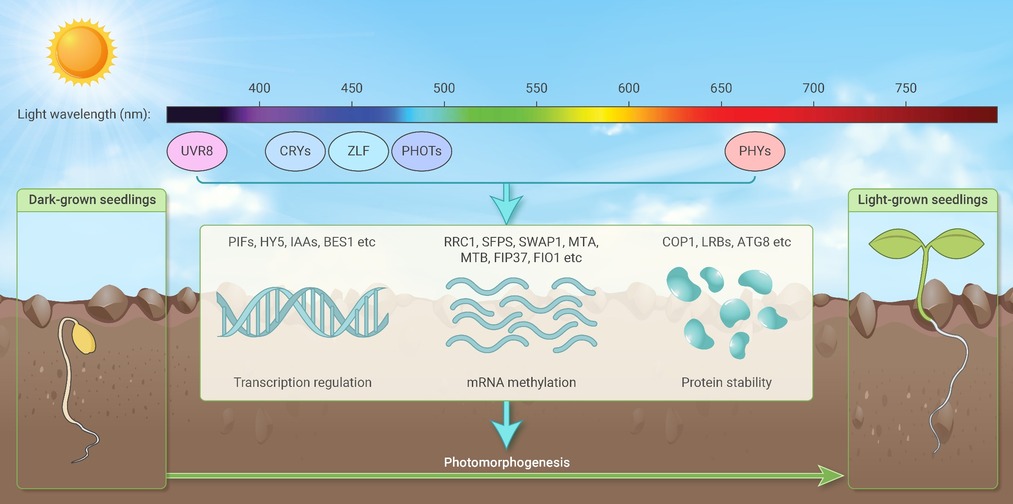
Export File
Citation
Li X., Liu R., Chen S.-Y., et al. (2025). Comprehensive overview of plant development: Morphogenesis above ground. The Innovation Life 3:100172. https://doi.org/10.59717/j.xinn-life.2025.100172

Format
Content
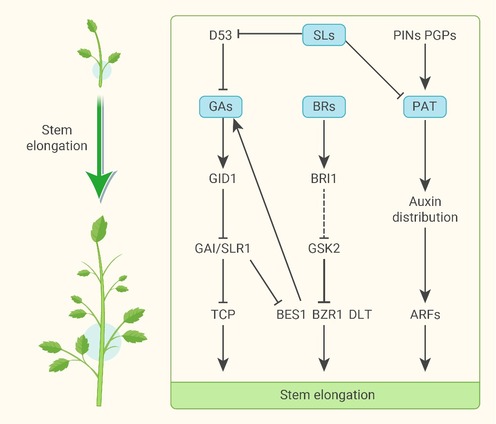
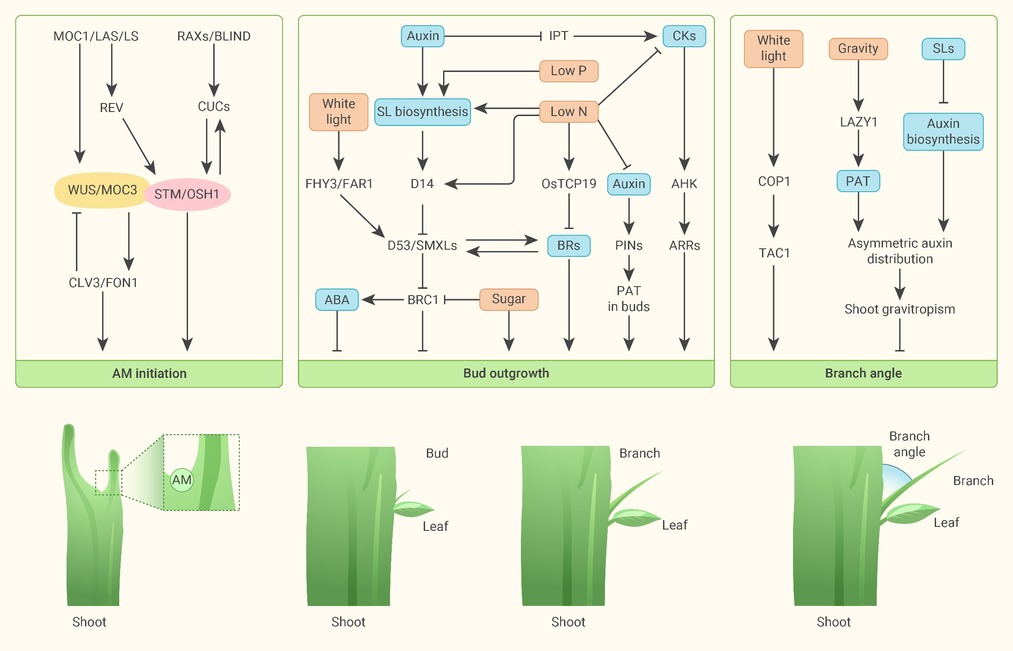
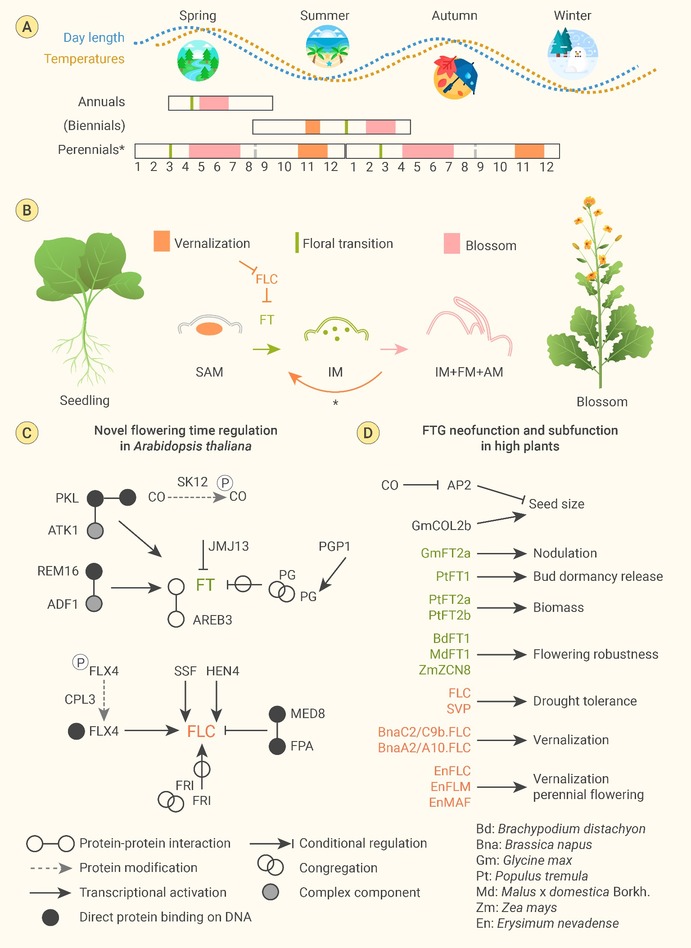
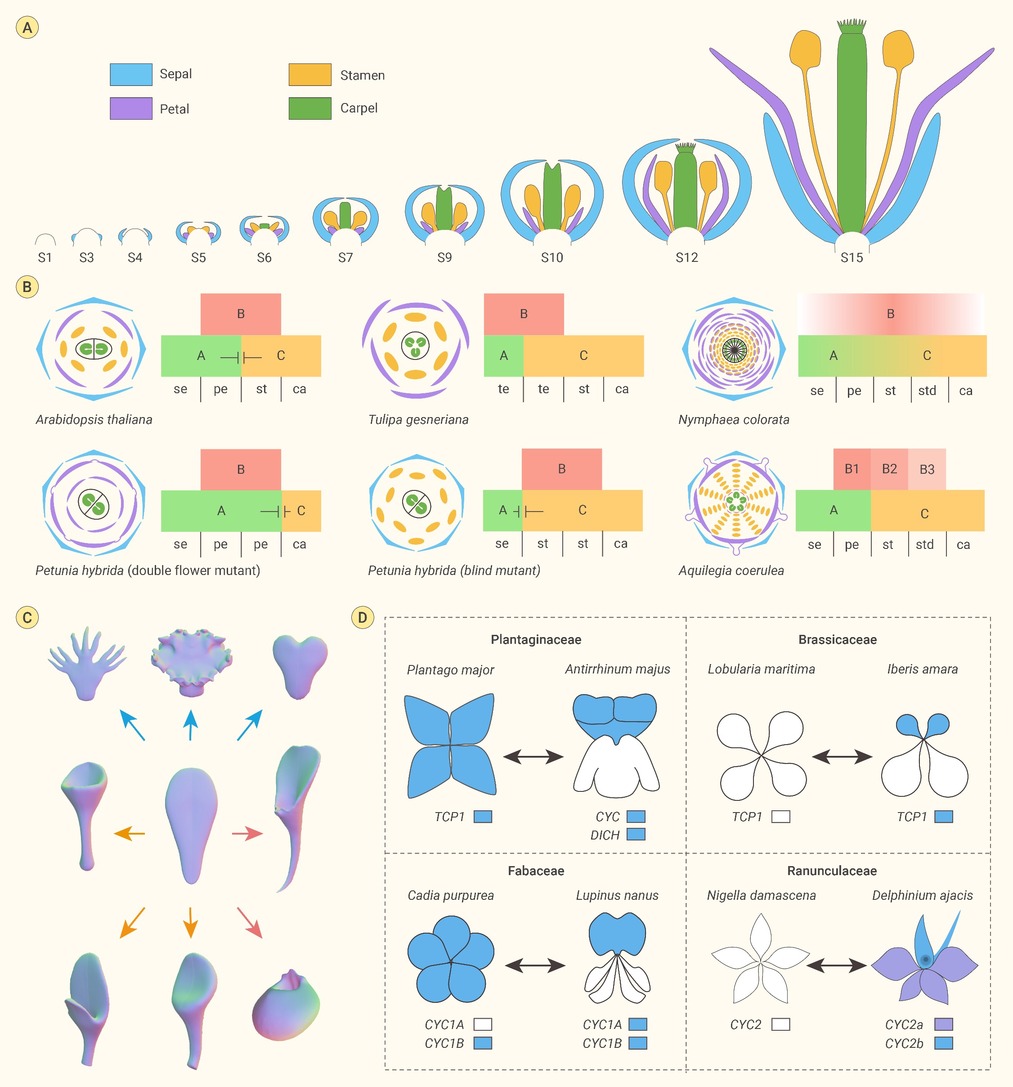
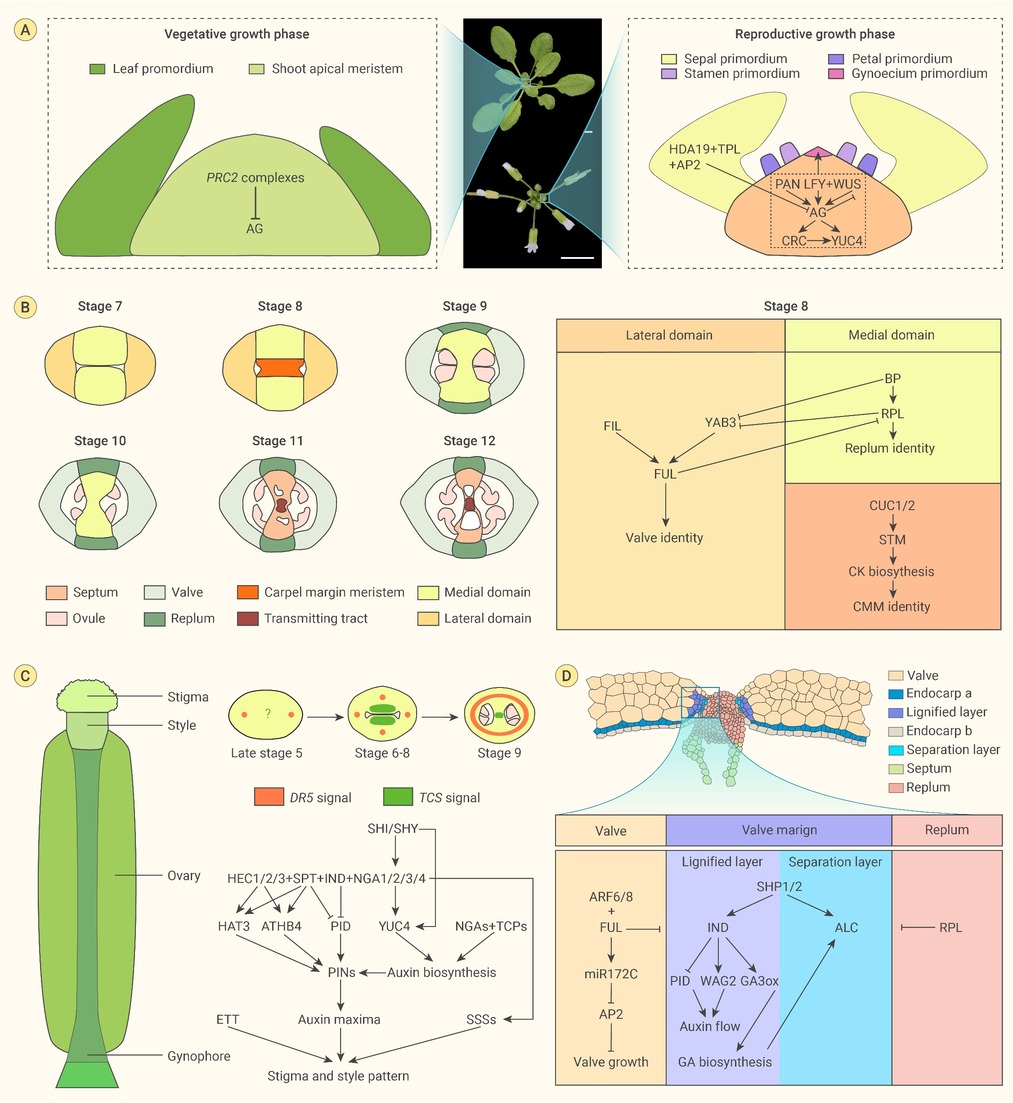
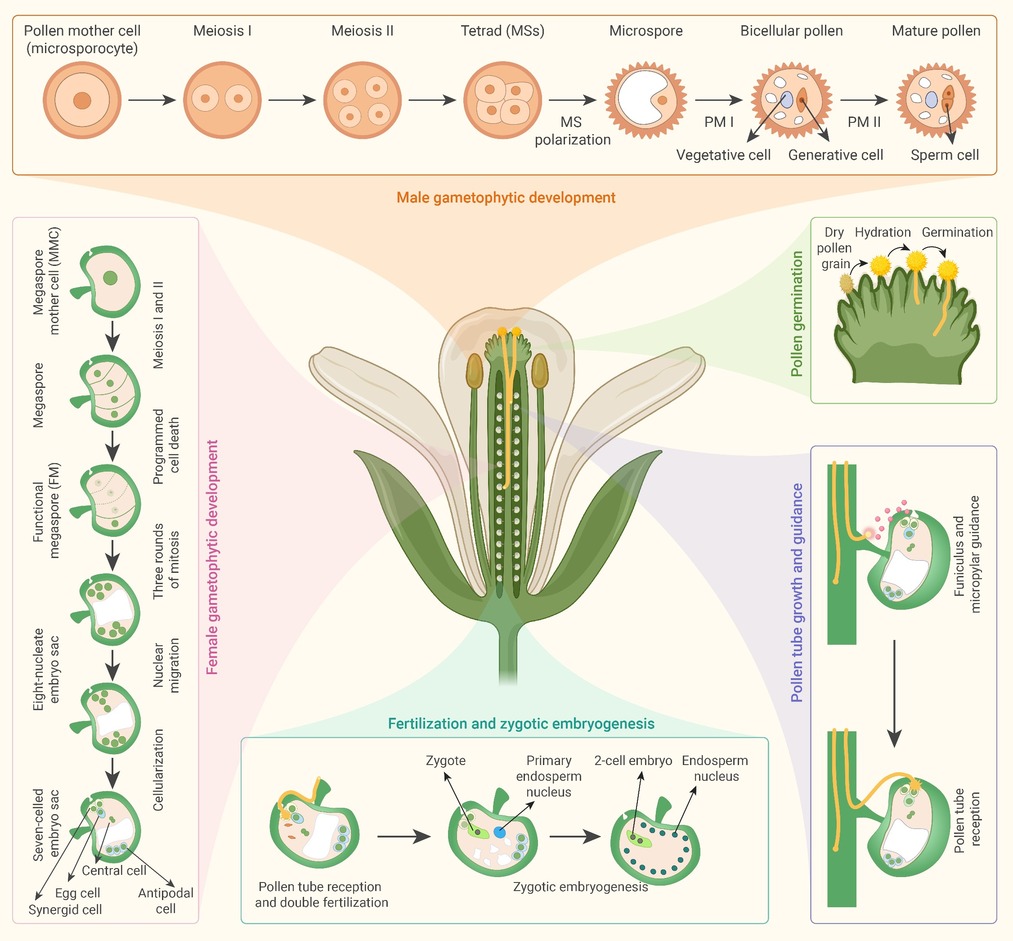
-
Figure 1.
Light signaling pathways regulating photomorphogenesis in Arabidopsis
-
Figure 2.
Genetic network regulating plant height
-
Figure 3.
Genetic networks regulating shoot branching
-
Figure 4.
Regulated transition of flowering via new FTG Screening of flowering time genes (FTG) is never stopped
-
Figure 5.
Development and evolution of flowers
-
Figure 6.
Developmental processes and GRNs involving in the gynoecium and fruit development
-
Figure 7.
Gametophytic development and fertilization in Arabidopsis
