
Tryptophan metabolism in inter-organ communication and its potential applications for disease prevention and control
-
GRAPHICAL ABSTRACT
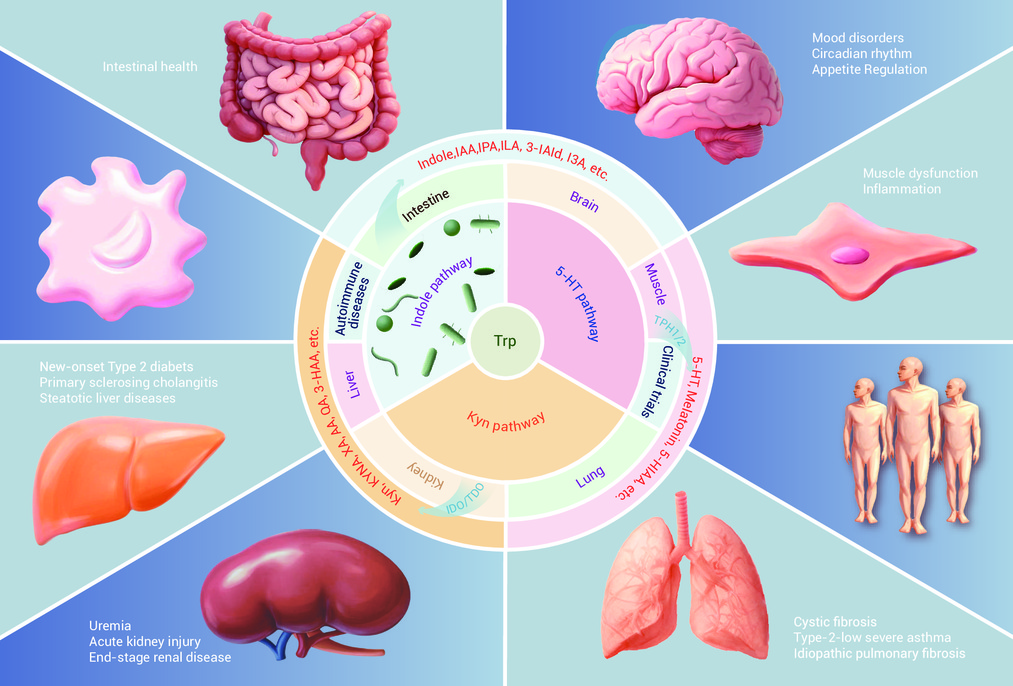
 DownLoad:
Full size image
DownLoad:
Full size image
-
PUBLIC SUMMARY
-
Tryptophan (Trp) metabolism consists of the kynurenine, the 5-hydroxytryptamine, and the indole pathways.
Trp metabolites modulate various physiological and pathological processes in many organs in the human body.
The inter-organ communications mediated by Trp metabolites account for diseases prevention and control.
-
-
ABSTRACT
Tryptophan (Trp) is an indispensable amino acid which, in addition to being incorporated into proteins, is involved in energy metabolism and gives rise to metabolites with pivotal functions in modulating a variety of physiological processes in mammals. These metabolites are generated in the body through two major metabolic pathways, namely the kynurenine and the 5-hydroxytryptamine pathways. Within the intestinal microbiota, Trp is a precursor for the synthesis of indole and indole-related compounds that have been shown to be active on several host’s tissues and organs. Increasing experimental and clinical studies demonstrated the versatile functions of Trp metabolites in various aspects of physiological and pathophysiological processes involved in energy and nutrient metabolism, as well as organ development and inter-organ communication through both peripheral and local regulatory networks. Recent research highlights the importance of such inter-organ communication in the maintenance of the host health. In this context, this review comprehensively summarizes the function of Trp metabolites and their physiological implications in communication between different organs and tissues, and between the intestinal microbiota and the lodging host’s cells. The metabolic connection between the intestine and other organs such as brain, liver, lung, kidney, and muscle are presented. The potential therapeutic applications of the regulation of Trp metabolism in different pathophysiological situations are discussed.-
Keywords:
- Inter-organ communications /
- Intestine /
- Tryptophan /
- Kynurenine /
- 5-Hydroxytryptamine /
- Indole
-

-
REFERENCES
[1] Xue C., Li G., Zheng Q., et al. (2023). Tryptophan metabolism in health and disease. Cell Metab. 35:1304−1326. DOI:10.1016/j.cmet.2023.06.004 [2] Blachier F., Blais A., Elango R., et al. (2021). Tolerable amounts of amino acids for human supplementation: Summary and lessons from published peer-reviewed studies. Amino Acids 53:1313−1328. DOI:10.1007/s00726-021-03054-z [3] Kałużna-Czaplińska J., Gątarek P., Chirumbolo S., et al. (2019). How important is tryptophan in human health. Crit. Rev. Food Sci. Nutr. 59:72−88. DOI:10.1080/10408398.2017.1357534 [4] Miao J., Hu Z., Xu K., et al. (2024). The origin and metabolism of tryptophan. Y. Yin, S.W. Kim, and X. Tang (Eds). Tryptophan in animal nutrition and human health (Springer), pp: 1-15. DOI:10.1007/978-981-97-4719-1_1 [5] Zhao Y., Wang L., Xiong X., et al. (2024). Tryptophan metabolism in human diseases. Y. Yin, S.W. Kim, and X. Tang (Eds). Tryptophan in animal nutrition and human health (Springer), pp: 159-180. DOI:10.1007/978-981-97-4719-1_5 [6] Martins L. B., Silveira A. L. M. and Teixeira A. L. (2023). The involvement of kynurenine pathway in neurodegenerative diseases. Curr. Neuropharmacol. 21:260−272. DOI:10.2174/1570159X20666220922153221 [7] Venkateswaran N., Lafita-Navarro M. C., Hao Y. H., et al. (2019). MYC promotes tryptophan uptake and metabolism by the kynurenine pathway in colon cancer. Genes Dev. 33:1236−1251. DOI:10.1101/gad.327056.119 [8] Walther D. J., Peter J. U., Bashammakh S., et al. (2003). Synthesis of serotonin by a second tryptophan hydroxylase isoform. Science 299:76. DOI:10.1126/science.1078197 [9] Berger M., Gray J. A. and Roth B. L. (2012). Effects of increasing tryptophan intake on growth and physiological changes in nursery pigs. J. Anim. Sci. 90:2264−75. DOI:10.2527/jas.2011-4203 [10] Berger, M., J.A. Gray, and B.L. Roth. (2009). The expanded biology of serotonin. Annu. Rev. Med. 60:355−66. DOI:10.1146/annurev.med.60.042307.110802 [11] Frohlich E. E., Farzi A., Mayerhofer R., et al. (2016). Cognitive impairment by antibiotic-induced gut dysbiosis: Analysis of gut microbiota-brain communication. Brain Behav. Immun. 56:140−55. DOI:10.1016/j.bbi.2016.02.020 [12] Carhart-Harris R. L. and Nutt D. J. (2017). Serotonin and brain function: A tale of two receptors. J. Psychopharmacol 31:1091−1120. DOI:10.1177/0269881117725915 [13] Moncrieff J., Cooper R. E., Stockmann T., et al. (2023). The serotonin theory of depression: A systematic umbrella review of the evidence. Mol. Psychiatry 28:3243−3256. DOI:10.1038/s41380-022-01661-0 [14] Edmonston D., Isakova T., Wolf M., et al. (2023). Plasma serotonin and cardiovascular outcomes in chronic kidney disease. J. Am. Heart Assoc. 12:e029785. DOI:10.1161/JAHA.123.029785 [15] Jin W.Y., Guo J.X., Zhang M., et al. (2023). Absolute quantification of the microbiota spatial distribution in the murine large intestine. The Innovation Life 1:100030. DOI:10.59717/j.xinn-life.2023.100030 [16] Zunszain P. A., Anacker C., Cattaneo A., et al. (2012). Interleukin-1β: A new regulator of the kynurenine pathway affecting human hippocampal neurogenesis. Neuropsychopharmacology 37:939−949. DOI:10.1038/npp.2011.277 [17] Banzola I., Mengus C., Wyler S., et al. (2018). Expression of indoleamine 2,3-dioxygenase induced by IFN-γ and TNF-α as potential biomarker of prostate cancer progression. Front. Immunol. 9. DOI:10.3389/fimmu.2018.01051 [18] Munn D. H. and Mellor A. L. (2016). IDO in the tumor microenvironment: Inflammation, counter-regulation, and tolerance. Trends. Immunol. 37:193−207. DOI:10.1016/j.it.2016.01.002 [19] Agudelo L. Z., Ferreira D. M. S., Cervenka I., et al. (2018). Kynurenic acid and Gpr35 regulate adipose tissue energy homeostasis and inflammation. Cell Metab. 27: 378-392 e5. DOI:10.1016/j.cmet.2018.01.004. [20] Gutknecht L., Kriegebaum C., Waider J., et al. (2009). Spatio-temporal expression of tryptophan hydroxylase isoforms in murine and human brain convergent data from Tph2 knockout mice. Eur. Neuropsychopharmacology 19:266−82. DOI:10.1016/j.euroneuro.2008.12.005 [21] Sutanto C. N., Xia X., Heng C. W., et al. (2024). The impact of 5-hydroxytryptophan supplementation on sleep quality and gut microbiota composition in older adults: A randomized controlled trial. Clin. Nutr. 43:593−602. DOI:10.1016/j.clnu.2024.01.010 [22] O’Hara J. R. and Sharkey K. A. (2007). Proliferative capacity of enterochromaffin cells in guinea-pigs with experimental ileitis. Cell and Tissue Research 329:433−441. DOI:10.1007/s00441-007-0430-6 [23] Erspamer V. and Asero B. (1952). Identification of enteramine, the specific hormone of the enterochromaffin cell system, as 5-Hydroxytryptamine. Nature 169:800−801. DOI:10.1038/169800b0 [24] Gordon J. A. and Hen R. (2004). The serotonergic system and anxiety. NeuroMolecular Med. 5:027−040. DOI:10.1385/nmm:5:1:027 [25] Suchacki K. J., Ramage L. E., Kwok T. N. C., et al. (2023). The serotonin transporter sustains human brown adipose tissue thermogenesis. Nature Metabolism 5:1319−1336. DOI:10.1038/s42255-023-00839-2 [26] Dhenain T., Côté F. and Coman T. (2019). Serotonin and orthodontic tooth movement. Biochimie 161:73−79. DOI:10.1016/j.biochi.2019.04.002 [27] Fijałkowska A., Jędrejko K., Sułkowska-Ziaja K., et al. (2022). Edible mushrooms as a potential component of dietary interventions for major depressive disorder. Foods 11:1489. DOI:10.3390/foods11101489 [28] Shi X., Huang L., Song K., et al. (2021). Enzymatic tailoring in luzopeptin biosynthesis involves cytochrome P450‐mediated carbon–nitrogen bond desaturation for hydrazone formation. Angew. Chem. Int. Ed. 60:19821−19828. DOI:10.1002/anie.202105312 [29] Shi X., Zhao G., Li H., et al. (2023). Hydroxytryptophan biosynthesis by a family of heme-dependent enzymes in bacteria. Nat. Chem. Biol. 19:1415−1422. DOI:10.1038/s41589-023-01416-0 [30] Keszthelyi D., Troost F. J. and Masclee A. A. (2009). Understanding the role of tryptophan and serotonin metabolism in gastrointestinal function. Neurogastroenterol Motil. 21:1239−49. DOI:10.1111/j.1365-2982.2009.01370.x [31] Lee J. H., Wood T. K. and Lee J. (2015). Roles of indole as an interspecies and interkingdom signaling molecule. Trends Microbiol. 23:707−718. DOI:10.1016/j.tim.2015.08.001 [32] Roager H. M. and Licht T. R. (2018). Microbial tryptophan catabolites in health and disease. Nat. Commun. 9:3294. DOI:10.1038/s41467-018-05470-4 [33] Agus A., Planchais J. and Sokol H. (2018). Gut microbiota regulation of tryptophan metabolism in health and disease. Cell Host Microbe 23:716−724. DOI:10.1016/j.chom.2018.05.003 [34] Smith T. (1897). A modification of the method for determining the production of indol by bacteria. J. Exp. Med. 2:543−547. DOI:10.1084/jem.2.5.543 [35] Gorelik O., Rogad A., Holoidovsky L., et al. (2022). Indole intercepts the communication between enteropathogenic E. coli and Vibrio cholerae. Gut Microbes 14. DOI:10.1080/19490976.2022.2138677 [36] Boya B. R., Kumar P., Lee J. H., et al. (2021). Diversity of the tryptophanase gene and its evolutionary implications in living organisms. Microorganisms 9:2156. DOI:10.3390/microorganisms9102156 [37] Demoss R. D. and Moser K. (1969). Tryptophanase in diverse bacterial species. J. Bacteriol. 98:167−171. DOI:10.1128/jb.98.1.167-171.1969 [38] El-Faham A., Khattab S. N., Ghabbour H. A., et al. (2014). Microwave irradiation: Synthesis and characterization of α-ketoamide and bis (α-ketoamide) derivatives via the ring opening of N-acetylisatin. Chem. Cent. J. 8:27. DOI:10.1186/1752-153x-8-27 [39] Bhattarai Y., Williams B. B., Battaglioli E. J., et al. (2018). Gut microbiota-produced tryptamine activates an epithelial G-protein-coupled receptor to increase colonic secretion. Cell Host Microbe 23: 775-785 e5. DOI:10.1016/j.chom.2018.05.004 [40] Bhattarai Y., Jie S., Linden D. R., et al. (2020). Bacterially derived tryptamine increases mucus release by activating a host receptor in a mouse model of inflammatory bowel disease. iScience 23:101798. DOI:10.1016/j.isci.2020.101798 [41] Zhang X., Gan M., Li J., et al. (2020). Endogenous indole pyruvate pathway for tryptophan metabolism mediated by IL4I1. J. Agric. Food Chem. 68:10678−10684. DOI:10.1021/acs.jafc.0c03735 [42] Wang G., Fan Y., Zhang G., et al. (2024). Microbiota-derived indoles alleviate intestinal inflammation and modulate microbiome by microbial cross-feeding. Microbiome 12. DOI:10.1186/s40168-024-01750-y [43] Zelante T., Iannitti Rossana G., Cunha C., et al. (2013). Tryptophan catabolites from microbiota engage aryl hydrocarbon receptor and balance mucosal reactivity via interleukin-22. Immunity 39:372−385. DOI:10.1016/j.immuni.2013.08.003 [44] Peesh P., Blasco-Conesa M. P., El Hamamy A., et al. (2025). Benefits of equilibrium between microbiota-and host-derived ligands of the aryl hydrocarbon receptor after stroke in aged male mice. Nat. Commun. 16:1767. DOI:10.1038/s41467-025-57014-2 [45] Wang M., Guo J., Hart A. L., et al. (2023). Indole-3-aldehyde reduces inflammatory responses and restores intestinal epithelial barrier function partially via Aryl Hydrocarbon Receptor (AhR) in experimental colitis models. Journal of Inflammation Research. 16:5845−5864. DOI:10.2147/jir.S432747 [46] Li H. Y., Huang S. Y., Zhou D. D., et al. (2023). Theabrownin inhibits obesity and non-alcoholic fatty liver disease in mice via serotonin-related signaling pathways and gut-liver axis. J. Adv. Res. 52:59−72. DOI:10.1016/j.jare.2023.01.008 [47] Hu Q., Jin L., Zeng J., et al. (2020). Tryptophan metabolite-regulated Treg responses contribute to attenuation of airway inflammation during specific immunotherapy in a mouse asthma model. Hum. Vaccin. Immunother. 16:1891−1899. DOI:10.1080/21645515.2019.1698900 [48] de Araújo E. F., Feriotti C., Galdino N. A. L., et al. (2017). The IDO-AhR axis controls Th17/Treg immunity in a pulmonary model of fungal infection. Front. Immunol. 8:880. DOI:10.3389/fimmu.2017.00880 [49] Harding J. N., Gross M., Patel V., et al. (2021). Association between particulate matter containing EPFRs and neutrophilic asthma through AhR and Th17. Respir. Res. 22:275. DOI:10.1186/s12931-021-01867-w [50] Lamas B., Richard M. L., Leducq V., et al. (2016). CARD9 impacts colitis by altering gut microbiota metabolism of tryptophan into aryl hydrocarbon receptor ligands. Nat. Med. 22:598−605. DOI:10.1038/nm.4102 [51] Zhu H., Cao C., Wu Z., et al. (2021). The probiotic L. casei Zhang slows the progression of acute and chronic kidney disease. Cell Metab. 33:1926−1942.e8. DOI:10.1016/j.cmet.2021.06.014 [52] Rothhammer V., Mascanfroni I. D., Bunse L., et al. (2016). Type I interferons and microbial metabolites of tryptophan modulate astrocyte activity and central nervous system inflammation via the aryl hydrocarbon receptor. Nat. Med. 22:586−597. DOI:10.1038/nm.4106 [53] Gao K., Mu C. l., Farzi A., et al. (2020). Tryptophan metabolism: A link between the gut microbiota and brain. Adv. Nutr. 11:709−723. DOI:10.1093/advances/nmz127 [54] Fernandes B., Marx W., McGuinness A., et al. (2020). The kynurenine pathway in major depressive disorder, bipolar disorder, and schizophrenia: A meta-analysis of 101 studies. Neuropsychopharmacology 45:101−102. DOI:10.1038/s41380-020-00951-9 [55] Ma N., He T., Johnston L. J., et al. (2020). Host-microbiome interactions: The aryl hydrocarbon receptor as a critical node in tryptophan metabolites to brain signaling. Gut Microbes 11:1203−1219. DOI:10.1080/19490976.2020.1758008 [56] Sehgal R., Ilha M., Vaittinen M., et al. (2021). Indole-3-propionic acid, a gut-derived tryptophan metabolite, associates with hepatic fibrosis. Nutrients 13. DOI:10.3390/nu13103509 [57] Bhattarai Y., Williams B. B., Battaglioli E. J., et al. (2018). Gut microbiota-produced tryptamine activates an epithelial G-protein-coupled receptor to increase colonic secretion. Cell Host Microbe 23: 775-785. e5. DOI:10.1016/j.chom.2018.05.004 [58] Gutiérrez-Vázquez C. and Quintana F. J. (2018). Regulation of the immune response by the aryl hydrocarbon receptor. Immunity 48:19−33. DOI:10.1186/s40246-025-00835-5 [59] Tian P., Chen Y., Zhu H., et al. (2022). Bifidobacterium breve CCFM1025 attenuates major depression disorder via regulating gut microbiome and tryptophan metabolism: A randomized clinical trial. Brain Behav. Immun. 100:233−241. DOI:10.1016/j.bbi.2021.11.023 [60] Schaub A. C., Schneider E., Vazquez-Castellanos J. F., et al. (2022). Clinical, gut microbial and neural effects of a probiotic add-on therapy in depressed patients: A randomized controlled trial. Transl. Psychiatry 12:227. DOI:10.1038/s41398-022-01977-z [61] Valles-Colomer M., Falony G., Darzi Y., et al. (2019). The neuroactive potential of the human gut microbiota in quality of life and depression. Nat. Microbiol. 4:623−632. DOI:10.1038/s41564-018-0337-x [62] Savitz J. (2020). The kynurenine pathway: A finger in every pie. Mol. Psychiatry 25:131−147. DOI:10.1038/s41380-019-0414-4 [63] Raison C. L., Capuron L. and Miller A. H. (2006). Cytokines sing the blues: Inflammation and the pathogenesis of depression. Trends. Immunol. 27:24−31. DOI:10.1016/j.it.2005.11.006 [64] Sumara G., Sumara O., Kim J. K., et al. (2012). Gut-derived serotonin is a multifunctional determinant to fasting adaptation. Cell Metab. 16:588−600. DOI:10.1016/j.cmet.2012.09.014 [65] Yang Y. (2024). Study on the regulation of tryptophan metabolism mediated by clostridium sporogenes on the growth and muscle development in Piglets. Southwest University of Science and Technology. DOI:10.27415/d.cnki.gxngc.2024.000977 [66] King L. J., Parke D. V. and Williams R. T. (1966). The metabolism of [2-14C] indole in the rat. Biochem. J. 98:266−77. DOI:10.1042/bj0980266 [67] Gillam E. M., Notley L. M., Cai H., et al. (2000). Oxidation of indole by cytochrome P450 enzymes. Biochemistry 39:13817−24. DOI:10.1021/bi001229u [68] Rahman A., Rao M. S. and Khan K. M. (2018). Intraventricular infusion of quinolinic acid impairs spatial learning and memory in young rats: A novel mechanism of lead-induced neurotoxicity. J. Neuroinflammation 15:263. DOI:10.1186/s12974-018-1306-2 [69] Crabbe M., Dirkx N., Casteels C., et al. (2019). Excitotoxic neurodegeneration is associated with a focal decrease in metabotropic glutamate receptor type 5 availability: an in vivo PET imaging study. Sci. Rep. 9:12916. DOI:10.1038/s41598-019-49356-x [70] Bratek-Gerej E., Ziembowicz A., Godlewski J., et al. (2021). The mechanism of the neuroprotective effect of kynurenic acid in the experimental model of neonatal hypoxia-ischemia: The link to oxidative stress. Antioxidants (Basel) 10:1775. DOI:10.3390/antiox10111775 [71] Dallera C. A., Placeres-Uray F., Mastromatteo-Alberga P., et al. (2025). 3,3'-Diindolylmethane improves pathology and neurological outcome following traumatic brain injury. Neurotherapeutics 22:e00531. DOI:10.1016/j.neurot.2025.e00531 [72] Dylla L., Reisz J. A., Poisson S. N., et al. (2025). Elevated initial blood kynurenine is associated with increased odds of post-stroke infection: Kynurenine and post-stroke infection. J. Stroke Cerebrovasc. Dis. 34:108268. DOI:10.1016/j.jstrokecerebrovasdis.2025.108268 [73] Möller I. R., Slivacka M., Nielsen A. K., et al. (2019). Conformational dynamics of the human serotonin transporter during substrate and drug binding. Nat. Commun. 10:1687. DOI:10.1038/s41467-019-09675-z [74] Cheng T. H., Ma M. C., Liao M. T., et al. (2020). Indoxyl sulfate, a tubular toxin, contributes to the development of chronic kidney disease. Toxins (Basel) 12. DOI:10.3390/toxins12110684 [75] Brown S. J., Christofides K., Weissleder C., et al. (2024). Sex- and suicide-specific alterations in the kynurenine pathway in the anterior cingulate cortex in major depression. Neuropsychopharmacology 49:584−592. DOI:10.1038/s41386-023-01736-8 [76] Chen X., Beltran D. J., Tsygankova V. D., et al. (2021). Kynurenines increase MRS metabolites in basal ganglia and decrease resting-state connectivity in frontostriatal reward circuitry in depression. Transl. Psychiatry 11:456. DOI:10.1038/s41398-021-01587-1 [77] Nikkheslat N., Zajkowska Z., Legido-Quigley C., et al. (2025). Sex-specific alterations of the kynurenine pathway in association with risk for and remission of depression in adolescence. Biol. Psychiatry 98:549−557. DOI:10.1016/j.biopsych.2024.11.020 [78] Emily C., Gwenaelle L. G., Matthew G. P., et al. (2022). Microbial-derived metabolites as a risk factor of age-related cognitive decline and dementia. Mol. Neurodegener 17. DOI:10.1186/s13024-022-00548-6 [79] Antenucci N., D'Errico G., Fazio F., et al. (2024). Changes in kynurenine metabolites in the gray and white matter of the dorsolateral prefrontal cortex of individuals affected by schizophrenia. Schizophrenia (Heidelb) 10:27. DOI:10.1038/s41537-024-00447-3 [80] Stone T.W. (2020). Does kynurenic acid act on nicotinic receptors. An assessment of the evidence. J. Neurochem. 152:627−649. DOI:10.1111/jnc.14907 [81] Coelho W. S., Costa K. C. and Sola-Penna M. (2007). Serotonin stimulates mouse skeletal muscle 6-phosphofructo-1-kinase through tyrosine-phosphorylation of the enzyme altering its intracellular localization. Mol. Genet. Metab. 92:364−370. DOI:10.1016/j.ymgme.2007.07.010 [82] Wikoff W. R., Anfora A. T., Liu J., et al. (2009). Metabolomics analysis reveals large effects of gut microflora on mammalian blood metabolites. Proc. Natl. Acad. Sci. USA 106:3698−3703. DOI:10.1073/pnas.0812874106 [83] Dugue P. A., Hodge A. M., Ulvik A., et al. (2022). Association of markers of inflammation, the kynurenine pathway and B vitamins with age and mortality, and a signature of inflammaging. J. Gerontol. A Biol. Sci. Med. Sci. 77:826−836. DOI:10.1093/gerona/glab163 [84] Guo W. and Xiong W. (2024). From gut microbiota to brain: Implications on binge eating disorders. Gut Microbes 16:2357177. DOI:10.1080/19490976.2024.2357177 [85] Terry S. M., Barnett J. A. and Gibson D. L. (2022). A critical analysis of eating disorders and the gut microbiome. J. Eat. Disord. 10:154. DOI:10.1186/s40337-022-00681-z [86] Yang D., Chen X., Wang J., et al. (2019). Dysregulated lung commensal bacteria drive interleukin-17B production to promote pulmonary fibrosis through their outer membrane vesicles. Immunity 50:692−706.e7. DOI:10.1016/j.immuni.2019.02.001 [87] Bae H. R., Leung P. S. C., Hodge D. L., et al. (2020). Multi-omics: Differential expression of IFN-γ results in distinctive mechanistic features linking chronic inflammation, gut dysbiosis, and autoimmune diseases. J. Autoimmun. 111:102436. DOI:10.1016/j.jaut.2020.102436 [88] Grosicki G., Fielding R. and Lustgarten M. (2018). Gut microbiota contribute to age-related changes in skeletal muscle size, composition, and function: Biological basis for a gut-muscle axis. Calcif. Tissue Int. 102:433−442. DOI:10.1007/s00223-017-0345-5 [89] Miyazaki T., Ise M., Seo H., et al. (1997). Indoxyl sulfate increases the gene expressions of TGF-beta 1, TIMP-1 and pro-alpha 1(I) collagen in uremic rat kidneys. Kidney Int. Suppl. 62: S15-22. URL:https://pubmed.ncbi.nlm.nih.gov/9350672/ [90] Li L., Fu H. and Liu Y. (2022). The fibrogenic niche in kidney fibrosis: Components and mechanisms. Nat. Rev. Nephrol. 18:545−557. DOI:10.1038/s41581-022-00590-z [91] Shimizu H., Yisireyili M., Nishijima F., et al. (2012). Stat3 contributes to indoxyl sulfate-induced inflammatory and fibrotic gene expression and cellular senescence. Am. J. Nephrol. 36:184−9. DOI:10.1159/000341515 [92] Guo X., Han Y. and Lv W. (2020). Research progress of quinolinic acid in neuropsychiatric disease. Journal of Hainan Medical University 26:1277−1280. DOI:10.13210/j.cnki.jhmu.20200401.006 [93] Fang Z., Pan T., Li L., et al. (2022). Bifidobacterium longum mediated tryptophan metabolism to improve atopic dermatitis via the gut-skin axis. Gut Microbes 14:2044723. DOI:10.1080/19490976.2022.2044723 [94] Lamas B., Natividad J. M. and Sokol H. (2018). Aryl hydrocarbon receptor and intestinal immunity. Mucosal Immunol. 11:1024−1038. DOI:10.1038/s41385-018-0019-2 [95] Roth W., Zadeh K., Vekariya R., et al. (2021). Tryptophan metabolism and gut-brain homeostasis. Int. J. Mol. Sci. 22:2973. DOI:10.3390/ijms22062973 [96] Debnath N., Kumar R., Kumar A., et al. (2021). Gut-microbiota derived bioactive metabolites and their functions in host physiology. Biotechnol. Genet. Eng. Rev. 37:105−153. DOI:10.1080/02648725.2021.1989847 [97] Hou Y., Li J. and Ying S. (2023). Tryptophan metabolism and gut microbiota: A novel regulatory axis integrating the microbiome, immunity, and cancer. Metabolites 13:1166. DOI:10.3390/metabo13111166 [98] Chyan Y. J., Poeggeler B., Omar R. A., et al. (1999). Potent neuroprotective properties against the Alzheimer β-amyloid by an endogenous melatonin-related indole structure, indole-3-propionic acid. J. Biol. Chem. 274:21937−21942. DOI:10.1074/jbc.274.31.21937 [99] Gomez de Agüero M., Ganal-Vonarburg S. C., Fuhrer T., et al. (2016). The maternal microbiota drives early postnatal innate immune development. Science 351:1296−1302. DOI:10.1126/science.aad2571 [100] Singh N. P., Singh U. P., Singh B., et al. (2011). Activation of aryl hydrocarbon receptor (AhR) leads to reciprocal epigenetic regulation of FoxP3 and IL-17 expression and amelioration of experimental colitis. PloS One 6:e23522. DOI:10.1371/journal.pone.0023522 [101] Mascanfroni I. D., Takenaka M. C., Yeste A., et al. (2015). Metabolic control of type 1 regulatory T cell differentiation by AHR and HIF1-α. Nat. Med. 21:638−646. DOI:10.1038/nm.3868 [102] Cao J., Bao Q. and Hao H. (2024). Indole-3-carboxaldehyde alleviates LPS-induced intestinal inflammation by inhibiting ROS production and NLRP3 inflammasome activation. Antioxidants 13:1107. DOI:10.3390/antiox13091107 [103] Severus Gaspar B., Profir M. and Maria Cretoiu S. (2024). Tryptophan metabolites and the microbiome-gut-brain axis in major gut disorders. H. Himmerich (Eds). Weight Loss - A Multidisciplinary Perspective. Intech Open: Rijeka. DOI:10.5772/intechopen.1004564 [104] Martchenko S. E., Martchenko A., Cox B. J., et al. (2020). Circadian GLP-1 secretion in mice is dependent on the intestinal microbiome for maintenance of diurnal metabolic homeostasis. Diabetes 69:2589−2602. DOI:10.2337/db20-0262 [105] Wagner S., Brierley D. I., Leeson-Payne A., et al. (2023). Obesity medication lorcaserin activates brainstem GLP-1 neurons to reduce food intake and augments GLP-1 receptor agonist induced appetite suppression. Mol. Metab. 68:101665. DOI:10.1016/j.molmet.2022.101665 [106] Xie Y., Zou X., Han J., et al. (2022). Indole-3-propionic acid alleviates ischemic brain injury in a mouse middle cerebral artery occlusion model. Exp. Neurol. 353:114081. DOI:10.1016/j.expneurol.2022.114081 [107] Artigas F. (2013). Serotonin receptors involved in antidepressant effects. Pharmacology & Therapeutics 137:119−131. DOI:10.1016/j.pharmthera.2012.09.006 [108] Bhatt S., Devadoss T., Manjula S. N., et al. (2021). 5-HT 3 receptor antagonism a potential therapeutic approach for the treatment of depression and other disorders. Curr. Neuropharmacol. 19:1545−1559. DOI:10.2174/1570159x18666201015155816 [109] Karayol R., Medrihan L., Warner-Schmidt J. L., et al. (2021). Serotonin receptor 4 in the hippocampus modulates mood and anxiety. Mol. Psychiatry 26:2334−2349. DOI:10.1038/s41380-020-00994-y [110] van Donkelaar E. L., Blokland A., Ferrington L., et al. (2011). Mechanism of acute tryptophan depletion: Is it only serotonin. Mol. Psychiatry 16:695−713. DOI:10.1038/mp.2011.9 [111] Baldwin D. and Rudge S. (1995). The role of serotonin in depression and anxiety. Int. Clin. Psychopharmacol. 9 Suppl 4: 41-45. DOI:10.1097/00004850-199501004-00006 [112] Rothhammer V., Borucki D. M., Tjon E. C., et al. (2018). Microglial control of astrocytes in response to microbial metabolites. Nature 557:724−728. DOI:10.1038/s41586-018-0119-x [113] Bravo J. A., Forsythe P., Chew M. V., et al. (2011). Ingestion of lactobacillus strain regulates emotional behavior and central GABA receptor expression in a mouse via the vagus nerve. Proc. Natl. Acad. Sci. USA 108:16050−5. DOI:10.1073/pnas.1102999108 [114] Yano J. M., Yu K., Donaldson G. P., et al. (2015). Indigenous bacteria from the gut microbiota regulate host serotonin biosynthesis. Cell 161:264−76. DOI:10.1016/j.cell.2015.02.047 [115] Clarke G., Grenham S., Scully P., et al. (2013). The microbiome-gut-brain axis during early life regulates the hippocampal serotonergic system in a sex-dependent manner. Mol. Psychiatry 18:666−73. DOI:10.1038/mp.2012.77 [116] Więdłocha M., Marcinowicz P., Janoska-Jaździk M., et al. (2021). Gut microbiota, kynurenine pathway and mental disorders - Review. Prog. Neuropsychopharmacol Biol. Psychiatry 106:110145. DOI:10.1016/j.pnpbp.2020.110145 [117] Zhou M., Fan Y., Xu L., et al. (2023). Microbiome and tryptophan metabolomics analysis in adolescent depression: Roles of the gut microbiota in the regulation of tryptophan-derived neurotransmitters and behaviors in human and mice. Microbiome 11:145. DOI:10.1186/s40168-023-01589-9 [118] Funakoshi H., Kanai M. and Nakamura T. (2011). Modulation of tryptophan metabolism, promotion of neurogenesis and alteration of anxiety-related behavior in tryptophan 2,3-dioxygenase-deficient mice. International Journal of Tryptophan Research 4:7−18. DOI:10.4137/ijtr.S5783 [119] Pu J., Liu Y., Gui S., et al. (2021). Metabolomic changes in animal models of depression: A systematic analysis. Mol. Psychiatry 26:7328−7336. DOI:10.1038/s41380-021-01269-w [120] Pu J., Liu Y., Gui S., et al. (2022). Effects of pharmacological treatment on metabolomic alterations in animal models of depression. Transl. Psychiatry 12:175. DOI:10.1038/s41398-022-01947-5 [121] Fuertig R., Azzinnari D., Bergamini G., et al. (2016). Mouse chronic social stress increases blood and brain kynurenine pathway activity and fear behaviour: Both effects are reversed by inhibition of indoleamine 2,3-dioxygenase. Brain Behav. Immun. 54:59−72. DOI:10.1016/j.bbi.2015.12.020 [122] Haroon E., Welle J. R., Woolwine B. J., et al. (2020). Associations among peripheral and central kynurenine pathway metabolites and inflammation in depression. Neuropsychopharmacology 45:998−1007. DOI:10.1038/s41386-020-0607-1 [123] Marx W., McGuinness A. J., Rocks T., et al. (2020). Tryptophan intake and metabolism in older adults with mood disorders. Nutrients 12. DOI:10.3390/nu12103183. [124] Chojnacki C., Poplawski T., Chojnacki J., et al. (1995). Brain tryptophan concentrations and serotonin synthesis remain responsive to food consumption after the ingestion of sequential meals. Am. J. Clin. Nutr. 61:312−9. DOI:10.1093/ajcn/61.2.312 [125] Fernstrom M. H. and Fernstrom J. D. (2018). Tryptophan supplementation and serotonin function: Genetic variations in behavioural effects. Proc. Nutr. Soc. 77:174−188. DOI:10.1017/S0029665117004451 [126] Boros F. A., Klivenyi P., Toldi J., et al. (2019). Indoleamine 2,3-dioxygenase as a novel therapeutic target for Huntington's disease. Expert Opin. Ther. Targets 23:39−51. DOI:10.1080/14728222.2019.1549231 [127] Huang Y. S., Ogbechi J., Clanchy F. I., et al. (2020). IDO and kynurenine metabolites in peripheral and CNS disorders. Front. Immunol. 11:388. DOI:10.3389/fimmu.2020.00388 [128] Tang K., Wu Y. H., Song Y., et al. (2021). Indoleamine 2,3-dioxygenase 1 (IDO1) inhibitors in clinical trials for cancer immunotherapy. J. Hematol. Oncol. 14:68. DOI:10.1186/s13045-021-01080-8 [129] Shin A. C., Zheng H. and Berthoud H. R. (2009). An expanded view of energy homeostasis: Neural integration of metabolic, cognitive, and emotional drives to eat. Physiol. Behav. 97:572−80. DOI:10.1016/j.physbeh.2009.02.010 [130] Yoo E. S., Yu J. and Sohn J. W. (2021). Neuroendocrine control of appetite and metabolism. Exp. Mol. Med. 53:505−516. DOI:10.1038/s12276-021-00597-9 [131] Namkung J., Kim H. and Park S. (2015). Peripheral serotonin: A new player in systemic energy homeostasis. Mol. Cells 38:1023−8. DOI:10.14348/molcells.2015.0258 [132] Park S., Kim Y., Lee J., et al. (2021). A systems biology approach to investigating the interaction between serotonin synthesis by tryptophan hydroxylase and the metabolic homeostasis. Int. J. Mol. Sci. 22. DOI:10.3390/ijms22052452 [133] Han Y., Xia G., Srisai D., et al. (2021). Deciphering an AgRP-serotoninergic neural circuit in distinct control of energy metabolism from feeding. Nat. Commun. 12:3525. DOI:10.1038/s41467-021-23846-x [134] Alcantara I. C., Tapia A. P. M., Aponte Y., et al. (2022). Acts of appetite: Neural circuits governing the appetitive, consummatory, and terminating phases of feeding. Nature Metabolism 4:836−847. DOI:10.1038/s42255-022-00611-y [135] Siemian J. N., Arenivar M. A., Sarsfield S., et al. (2021). Hypothalamic control of interoceptive hunger. Curr. Biol. 31: 3797-3809 e5. DOI:10.1016/j.cub.2021.06.048 [136] He Y., Cai X., Liu H., et al. (2021). 5-HT recruits distinct neurocircuits to inhibit hunger-driven and non-hunger-driven feeding. Mol. Psychiatry. 26:7211−7224. DOI:10.1038/s41380-021-01220-z [137] Nonogaki K. (2022). The regulatory role of the central and peripheral serotonin network on feeding signals in metabolic diseases. Int. J. Mol. Sci. 23. DOI:10.3390/ijms23031600 [138] Yoo E. S., Li L., Jia L., et al. (2021). Galpha(i/o)-coupled Htr2c in the paraventricular nucleus of the hypothalamus antagonizes the anorectic effect of serotonin agents. Cell Rep. 37:109997. DOI:10.1016/j.celrep.2021.109997 [139] He, Y., H. Liu, N. Yin, et al. (2021). Barbadin potentiates long-term effects of lorcaserin on POMC neurons and weight loss. J. Neurosci. 41:5734−5746. DOI:10.1523/JNEUROSCI.3210-20.2021 [140] Nayak B. N., Singh R. B. and Buttar H. S. (2022). Biochemical and dietary functions of tryptophan and its metabolites in human health. R.B. Singh, S. Watanabe, and A.A. Isaza (Eds). Functional foods and nutraceuticals in metabolic and non-communicable diseases. Academic Press. pp: 783-798. DOI:10.1016/b978-0-12-819815-5.00003-3 [141] Zhang C., Zhang J., Huang G., et al. (2021). Effects of dietary L‐tryptophan supplementation on growth performance, food intake, digestive enzyme activity and serotonin (5‐HT) levels in juvenile Chinese mitten crab (Eriocheir sinensis). Aquac. Nutr. 27:1602−1611. DOI:10.1111/anu.13300 [142] Ahmed H.S. (2025). The multifaceted role of L-type amino acid transporter 1 at the blood-brain barrier: Structural implications and therapeutic potential. Mol. Neurobiol. 62:3813−3832. DOI:10.1007/s12035-024-04506-9 [143] Errasti-Murugarren E. and Palacín M. (2022). Heteromeric amino acid transporters in brain: From physiology to pathology. Neurochem. Res. 47:23−36. DOI:10.1007/s11064-021-03261-w [144] Shen Y. B., Voilqué G., Odle J., et al. (2012). Dietary L-tryptophan supplementation with reduced large neutral amino acids enhances feed efficiency and decreases stress hormone secretion in nursery pigs under social-mixing stress. J. Nutr. 142:1540−6. DOI:10.3945/jn.112.163824 [145] He W. and Wu G. (2020). Metabolism of amino acids in the brain and their roles in regulating food intake. Adv. Exp. Med. Biol. 1265:167−185. DOI:10.1007/978-3-030-45328-2_10 [146] Pijl H., Cohen A. F., Verkes R. J., et al. (1995). Plasma amino acid ratios related to brain serotonin synthesis in response to food intake in bulimia nervosa. Biol. Psychiatry. 38:659−68. DOI:10.1016/0006-3223(95)00043-7 [147] Wurtman R. J. and Wurtman J. J. (1998). Serotoninergic mechanisms and obesity. J. Nutr. Biochem. 9:511−515. DOI:10.1016/s0955-2863(98)00029-1 [148] Gheorghe C. E., Martin J. A., Manriquez F. V., et al. (2019). Focus on the essentials: Tryptophan metabolism and the microbiome-gut-brain axis. Curr. Opin. Pharmacol. 48:137−145. DOI:10.1016/j.coph.2019.08.004 [149] Kaur H., Bose C. and Mande S. S. (2019). Tryptophan metabolism by gut microbiome and gut-brain-axis: An in silico analysis. Front. Neurosci. 13:1365. DOI:10.3389/fnins.2019.01365 [150] Blachier F., Andriamihaja M. and Kong X. F. (2022). Fate of undigested proteins in the pig large intestine: What impact on the colon epithelium. Anim. Nutr. 9:110−118. DOI:10.1016/j.aninu.2021.08.001 [151] Han H., Yi B., Zhong R., et al. (2021). From gut microbiota to host appetite: Gut microbiota-derived metabolites as key regulators. Microbiome 9:162. DOI:10.1186/s40168-021-01093-y [152] Noormohammadi M., Ghorbani Z., Löber U., et al. (2023). The effect of probiotic and synbiotic supplementation on appetite-regulating hormones and desire to eat: A systematic review and meta-analysis of clinical trials. Pharmacol. Res. 187:106614. DOI:10.1016/j.phrs.2022.106614 [153] Qi R., Zhang B., Qiu X., et al. (2024). Microbiome and metabolome analyses indicate variations in the gut microbiota that disrupt regulation of appetite. FASEB J. 38:e70003. DOI:10.1096/fj.202401360R [154] Zhao X., Qiu Y., Liang L., et al. (2025). Interkingdom signaling between gastrointestinal hormones and the gut microbiome. Gut Microbes 17:2456592. DOI:10.1080/19490976.2025.2456592 [155] Cho H. and Lim J. (2024). The emerging role of gut hormones. Mol. Cells 47:100126. DOI:10.1016/j.mocell.2024.100126 [156] Guerrero-Hreins E., Goldstone A. P., Brown R. M., et al. (2021). The therapeutic potential of GLP-1 analogues for stress-related eating and role of GLP-1 in stress, emotion and mood: A review. Prog. Neuropsychopharmacol. Biol. Psychiatry 110:110303. DOI:10.1016/j.pnpbp.2021.110303 [157] Samanta S. (2024). Neuropeptide Y and Serotonin: A contrasting relationship in feeding behavior and obesity. Saptadip Samanta (ed). Body Recomposition (CRC Press), pp: 295–316. DOI: 10.1201/9781003361473 [158] Dvorak Z., Poulikova K. and Mani S. (2021). Indole scaffolds as a promising class of the aryl hydrocarbon receptor ligands. Eur. J. Med. Chem. 215:113231. DOI:10.1016/j.ejmech.2021.113231 [159] Kou Z. and Dai W. (2021). Aryl hydrocarbon receptor: Its roles in physiology. Biochem. Pharmacol. 185:114428. DOI:10.1016/j.bcp.2021.114428 [160] Tan Y. Q., Wang Y. N., Feng H. Y., et al. (2022). Host/microbiota interactions-derived tryptophan metabolites modulate oxidative stress and inflammation via aryl hydrocarbon receptor signaling. Free. Radic. Biol. Med. 184:30−41. DOI:10.1016/j.freeradbiomed.2022.03.025 [161] Wei G. Z., Martin K. A., Xing P. Y., et al. (2021). Tryptophan-metabolizing gut microbes regulate adult neurogenesis via the aryl hydrocarbon receptor. Proc. Natl. Acad. Sci. USA 118:e2021091118. DOI:10.1073/pnas.2021091118 [162] Kristie B. Y. and Hsiao E. Y. (2021). Roles for the gut microbiota in regulating neuronal feeding circuits. J. Clin. Invest. 131:e143772. DOI:10.1172/jci143772 [163] Song X., Wang L., Liu Y., et al. (2022). The gut microbiota-brain axis: Role of the gut microbial metabolites of dietary food in obesity. Food Res. Int. 153:110971. DOI:10.1016/j.foodres.2022.110971 [164] Ye L., Bae M., Cassilly C. D., et al. (2021). Enteroendocrine cells sense bacterial tryptophan catabolites to activate enteric and vagal neuronal pathways. Cell Host Microbe 29: 179-196 e9. DOI:10.1016/j.chom.2020.11.011 [165] Boscaini S., Leigh S. J., Lavelle A., et al. (2022). Microbiota and body weight control: Weight watchers within. Mol. Metab. 57:101427. DOI:10.1016/j.molmet.2021.101427 [166] Correia A. S. and Vale N. (2022). Tryptophan metabolism in depression: A narrative review with a focus on serotonin and kynurenine Pathways. Int. J. Mol. Sci. 23. DOI:10.3390/ijms23158493 [167] Dadvar S., Ferreira D. M. S., Cervenka I., et al. (2018). The weight of nutrients: Kynurenine metabolites in obesity and exercise. J. Intern. Med. 284:519−533. DOI:10.1111/joim.12830 [168] Delgado I., Cussotto S., Anesi A., et al. (2022). Association between the indole pathway of tryptophan metabolism and subclinical depressive symptoms in obesity: A preliminary study. Int. J. Obes.(Lond) 46:885−888. DOI:10.1038/s41366-021-01049-0 [169] Deng Y., Zhou M., Wang J., et al. (2021). Involvement of the microbiota-gut-brain axis in chronic restraint stress: disturbances of the kynurenine metabolic pathway in both the gut and brain. Gut Microbes 13:1−16. DOI:10.1080/19490976.2020.1869501 [170] Brown S. J., Huang X. F. and Newell K. A. (2021). The kynurenine pathway in major depression: What we know and where to next. Neurosci. Biobehav. Rev. 127:917−927. DOI:10.1016/j.neubiorev.2021.05.018 [171] Tanaka M., Toth F., Polyak H., et al. (2021). Immune influencers in action: Metabolites and enzymes of the tryptophan-kynurenine metabolic pathway. Biomedicines 9:734. DOI:10.3390/biomedicines9070734 [172] Conn K., Milton L. K., Huang K., et al. (2024). Psilocybin restrains activity-based anorexia in female rats by enhancing cognitive flexibility: contributions from 5-HT1A and 5-HT2A receptor mechanisms. Mol. Psychiatry 29:3291−3304. DOI:10.1038/s41380-024-02575-9 [173] Fan Y., Stoving R. K., Berreira Ibraim S., et al. (2023). The gut microbiota contributes to the pathogenesis of anorexia nervosa in humans and mice. Nat. Microbiol. 8:787−802. DOI:10.1038/s41564-023-01355-5 [174] Wang D., Wu J., Zhu P., et al. (2022). Tryptophan-rich diet ameliorates chronic unpredictable mild stress induced depression- and anxiety-like behavior in mice: The potential involvement of gut-brain axis. Food Res. Int. 157:111289. DOI:10.1016/j.foodres.2022.111289 [175] Butler M. J., Perrini A. A. and Eckel L. A. (2021). The role of the gut microbiome, immunity, and neuroinflammation in the pathophysiology of eating disorders. Nutrients 13:500. DOI:10.3390/nu13020500 [176] Li Y., Jiang Q. and Wang L. (2021). Appetite regulation of TLR4-induced inflammatory signaling. Front Endocrinol (Lausanne) 12:777997. DOI:10.3389/fendo.2021.777997 [177] Seitz J., Trinh S., Kogel V., et al. (2021). Brain volume loss, astrocyte reduction, and inflammation in anorexia nervosa. Adv. Neurobiol. 26:283−313. DOI:10.1007/978-3-030-77375-5_12 [178] Anjom-Shoae J., Hajishafiee M., Fitzgerald P. C., et al. (2025). Acute decrease in the plasma tryptophan-to-large-neutral-amino-acids ratio attenuates the effects of L-tryptophan on gut hormones and energy intake in healthy males: A randomized, cross-over, exploratory trial. Am. J. Clin. Nutr. 121:816−825. DOI:10.1016/j.ajcnut.2025.02.016 [179] Huang T., Chen X., Chen D., et al. (2023). Eugenol promotes appetite through TRP channels mediated-CaMKK2/AMPK signaling pathway. Phytother. Res. 37:2759−2770. DOI:10.1002/ptr.7768 [180] Li Q., Tan D., Xiong S., et al. (2025). Time-restricted feeding promotes glucagon-like peptide-1 secretion and regulates appetite via tryptophan metabolism of gut Lactobacillus in pigs. Gut Microbes 17:2467185. DOI:10.1080/19490976.2025.2467185 [181] Lukić I., Ivković S., Mitić M., et al. (2022). Tryptophan metabolites in depression: Modulation by gut microbiota. Front. Behav. Neurosci. 16:987697. DOI:10.3389/fnbeh.2022.987697 [182] Hsu Y.J., Wu M. F., Lee M. C., et al. (2021). Exercise training combined with bifidobacterium longum OLP-01 treatment regulates insulin resistance and physical performance in db/db mice. Food Funct. 12:7728−7740. DOI:10.1039/d0fo02939d [183] Kim W J., Ryu R., Doo E H., et al. (2025). Supplementation with the probiotic strains bifidobacterium longum and lactiplantibacillus rhamnosus alleviates glucose intolerance by Restoring the IL-22 response and pancreatic beta cell dysfunction in type 2 diabetic mice. Probiotics Antimicrob Proteins 17:541−556. DOI:10.1007/s12602-023-10156-5 [184] Schellekens H., Torres-Fuentes C., van de Wouw M., et al. (2021). Bifidobacterium longum counters the effects of obesity: Partial successful translation from rodent to human. EBioMedicine. 63:103176. DOI:10.1016/j.ebiom.2020.103176 [185] Tack J., Verbeure W., Mori H., et al. (2021). The gastrointestinal tract in hunger and satiety signalling. United European Gastroenterology J. 9:727−734. DOI:10.1002/ueg2.12097 [186] Yao T., He J., Cui Z., et al. (2021). Central 5-HTR2C in the control of metabolic homeostasis. Front Endocrinol (Lausanne) 12:694204. DOI:10.3389/fendo.2021.694204 [187] Klein D. C. (2007). Arylalkylamine N-acetyltransferase:“the Timezyme”. Journal of Biological Chemistry 282:4233−4237. DOI:10.1074/jbc.R600036200 [188] Chong N W., Bernard M. and Klein D C. (2000). Characterization of the chicken serotonin N-acetyltransferase gene: Activation via clock gene heterodimer/e box interaction. Journal of Biological Chemistry 275:32991−32998. DOI:10.1074/jbc.M005671200 [189] Bubenik G. A. (2002). Gastrointestinal melatonin: Localization, function, and clinical relevance. Digestive Diseases and Sciences 47:2336−2348. DOI:10.1023/a:1020107915919 [190] Dubocovich M. L., Rivera-Bermudez M. A., Gerdin M. J., et al. (2003). Molecular pharmacology, regulation and function of mammalian melatonin receptors. Front. Biosci. 8:1093−108. DOI:10.2741/1089 [191] Gao T., Li Y., Wang X., et al. (2023). The melatonin–mitochondrial axis: Engaging the repercussions of ultraviolet radiation photoaging on the skin’s circadian rhythm. Antioxidants 12:1000. DOI:10.3390/antiox12051000 [192] Horodincu L. and Solcan C. (2023). Influence of different light spectra on melatonin synthesis by the pineal gland and influence on the immune system in chickens. Animals 13:2095. DOI:10.3390/ani13132095 [193] Burris T. P. (2008). Nuclear hormone receptors for heme: REV-ERBα and REV-ERBβ are ligand-regulated components of the mammalian clock. Mol. Endocrinol. 22:1509−1520. DOI:10.1210/me.2007-0519 [194] Paulose J. K., Wright J. M., Patel A. G., et al. (2016). Human gut bacteria are sensitive to melatonin and express endogenous circadian rhythmicity. PloS One 11:e0146643. DOI:10.1371/journal.pone.0146643 [195] Xiang H., Liu Z., Xiang H., et al. (2022). Dynamics of the gut-liver axis in rats with varying fibrosis severity. Int. J. Biol. Sci. 18:3390−3404. DOI:10.7150/ijbs.69833 [196] Beaumont M., Neyrinck A. M., Olivares M., et al. (2018). The gut microbiota metabolite indole alleviates liver inflammation in mice. Faseb. J. 32:fj201800544. DOI:10.1096/fj.201800544 [197] Knudsen C., Neyrinck A. M., Leyrolle Q., et al. (2021). Hepatoprotective effects of indole, a gut microbial metabolite, in leptin-deficient obese mice. J. Nutr. 151:1507−1516. DOI:10.1093/jn/nxab032 [198] Ji Y., Gao Y., Chen H., et al. (2019). Indole-3-acetic acid alleviates nonalcoholic fatty liver disease in mice via attenuation of hepatic lipogenesis, and oxidative and inflammatory stress. Nutrients 11. DOI:10.3390/nu11092062 [199] Krishnan S., Ding Y., Saedi N., et al. (2018). Gut microbiota-derived tryptophan metabolites modulate inflammatory response in hepatocytes and macrophages. Cell Rep. 23:1099−1111. DOI:10.1016/j.celrep.2018.03.109 [200] Santana Machado T., Poitevin S., Paul P., et al. (2018). Indoxyl sulfate upregulates liver p-glycoprotein expression and activity through aryl hydrocarbon receptor signaling. J. Am. Soc. Nephrol. 29:906−918. DOI:10.1681/asn.2017030361 [201] Weigand K. M., Schirris T. J. J., Houweling M., et al. (2019). Uremic solutes modulate hepatic bile acid handling and induce mitochondrial toxicity. Toxicol. In Vitro 56:52−61. DOI:10.1016/j.tiv.2019.01.003 [202] Rinella M E., Lazarus J V., Ratziu V., et al. (2023). A multisociety delphi consensus statement on new fatty liver disease nomenclature. Hepatology 78:1966−1986. DOI:10.1097/hep.0000000000000520 [203] Zhao J., Hu Y. and Peng J. (2021). Targeting programmed cell death in metabolic dysfunction-associated fatty liver disease (MAFLD): A promising new therapy. Cell Mol. Biol. Lett. 26:17. DOI:10.1186/s11658-021-00254-z [204] Rafice S A., Chauhan N., Efimov I., et al. (2009). Oxidation of L-tryptophan in biology: A comparison between tryptophan 2,3-dioxygenase and indoleamine 2,3-dioxygenase. Biochem. Soc. Trans. 37:408−12. DOI:10.1042/bst0370408 [205] Zhu Y., Shang L., Tang Y., et al. (2024). Genome-wide profiling of h3K27ac identifies TDO2 as a pivotal therapeutic target in metabolic associated steatohepatitis liver disease. Adv. Sci.(Weinh) 11:e2404224. DOI:10.1002/advs.202404224 [206] Zhang H., Zhang D. and Hu X. (2022). A potential fatty acid metabolism-related gene signature for prognosis in clear cell renal cell carcinoma. Cancers (Basel) 14:4943. DOI:10.3390/cancers14194943 [207] Sui G., Jia L., Quan D., et al. (2021). Activation of the gut microbiota-kynurenine-liver axis contributes to the development of nonalcoholic hepatic steatosis in nondiabetic adults. Aging (Albany NY) 13:21309−21324. DOI:10.18632/aging.203460 [208] Vivoli E., Cappon A., Cozzi A., et al. (2015). A novel role for the kynurenine pathway in experimental steatohepatitis. Digestive and Liver Disease 47:e21. DOI:10.1016/j.dld.2015.01.048 [209] Choi W., Namkung J., Hwang I., et al. (2018). Serotonin signals through a gut-liver axis to regulate hepatic steatosis. Nat. Commun. 9:4824. DOI:10.1038/s41467-018-07287-7 [210] Hubbard T. D., Murray I. A. and Perdew G. H. (2015). Indole and tryptophan metabolism: Endogenous and dietary routes to Ah receptor activation. Drug. Metab. Dispos. 43:1522−35. DOI:10.1124/dmd.115.064246 [211] Simona P., Paola P., Elena C., et al. (2013). Antiangiogenic effects of N6-isopentenyladenosine, an endogenous isoprenoid end product, mediated by AMPK activation. FASEB. J. 28:1132−1144. DOI:10.1096/fj.13-238238. [212] Dhillon A K., Rupp C., Bergquist A., et al. (2021). Associations of neopterin and kynurenine-tryptophan ratio with survival in primary sclerosing cholangitis. Scand. J. Gastroenterol. 56:443−452. DOI:10.1080/00365521.2021.1880627 [213] Fossdal G., Braadland P., Hov J R., et al. (2025). Mitochondrial dysfunction and lipid alterations in primary sclerosing cholangitis. Scand. J. Gastroenterol. 60:165−173. DOI:10.1080/00365521.2024.2447521 [214] Vesterhus M., Holm A., Hov J. R., et al. (2017). Novel serum and bile protein markers predict primary sclerosing cholangitis disease severity and prognosis. J. Hepatol. 66:1214−1222. DOI:10.1016/j.jhep.2017.01.019 [215] Association, A. D. (2020). 2. Classification and diagnosis of diabetes: Standards of medical care in diabetes-2020. Diabetes Care 43: S14-s31. DOI:10.2337/dc20-S002 [216] Gao J., Yang T., Song B., et al. (2023). Abnormal tryptophan catabolism in diabetes mellitus and its complications: Opportunities and challenges. Biomed. Pharmacother. 166. DOI:10.1016/j.biopha.2023.115395 [217] Oxenkrug G. (2013). Insulin resistance and dysregulation of tryptophan-kynurenine and kynurenine-nicotinamide adenine dinucleotide metabolic pathways. Mol. Neurobiol. 48:294−301. DOI:10.1007/s12035-013-8497-4 [218] Abedi S., Vessal M., Asadian F., et al. (2021). Association of serum kynurenine/tryptophan ratio with poor glycemic control in patients with type2 diabetes. J. Diabetes Metab. Disord. 20:1521−1527. DOI:10.1007/s40200-021-00895-z [219] Zheng F., Wang Z., Stanton C., et al. (2021). Lactobacillus rhamnosus FJSYC4-1 and Lactobacillus reuteri FGSZY33L6 alleviate metabolic syndrome via gut microbiota regulation. Food Funct. 12:3919−3930. DOI:10.1039/d0fo02879g [220] Wilson J. B., Epstein M., Lopez B., et al. (2023). The role of neurochemicals, stress hormones and immune system in the positive feedback loops between diabetes, obesity and depression. Front. Endocrinol.(Lausanne) 14:1224612. DOI:10.3389/fendo.2023.1224612 [221] Niu B., Pan T., Xiao Y., et al. (2025). The therapeutic potential of dietary intervention: Based on the mechanism of a tryptophan derivative-indole propionic acid on metabolic disorders. Crit. Rev. Food Sci. Nutr. 65:1729−1748. DOI:10.1080/10408398.2023.2299744 [222] Menni C., Hernandez M. M., Vital M., et al. (2019). Circulating levels of the anti-oxidant indoleproprionic acid are associated with higher gut microbiome diversity. Gut Microbes 10:688−695. DOI:10.1080/19490976.2019.1586038 [223] Kim E., Jiang M., Huang H., et al. (2019). Isl1 regulation of nkx2.1 in the early foregut epithelium is required for trachea-esophageal separation and lung lobation. Dev. Cell. 51: 675-683.e4. DOI:10.1016/j.devcel.2019.11.002 [224] Zhao M., Shao F., Yu D., et al. (2022). Maturation and specialization of group 2 innate lymphoid cells through the lung-gut axis. Nat. Commun. 13:7600. DOI:10.1038/s41467-022-35347-6 [225] Sousa A. A., Hemez C., Lei L., et al. (2024). Systematic optimization of prime editing for the efficient functional correction of CFTR F508del in human airway epithelial cells. Nat. Biomed. Eng. 9:7−21. DOI:10.1038/s41551-024-01233-3 [226] McKay I., van Dorst J., Katz T., et al. (2023). Diet and the gut-lung axis in cystic fibrosis - direct & indirect links. Gut Microbes 15:2156254. DOI:10.1080/19490976.2022.2156254 [227] Egan M. E., Pearson M., Weiner S. A., et al. (2004). Curcumin, a major constituent of turmeric, corrects cystic fibrosis defects. Science 304:600−2. DOI:10.1126/science.1093941 [228] Pariano M., Puccetti M., Stincardini C., et al. (2023). Aryl hydrocarbon receptor agonism antagonizes the hypoxia-driven inflammation in cystic fibrosis. Am. J. Respir. Cell. Mol. Biol. 68:288−301. DOI:10.1165/rcmb.2022-0196OC [229] Rinaldi A. L., Morse M. A., Fields H. W., et al. (2002). Curcumin activates the aryl hydrocarbon receptor yet significantly inhibits (-)-benzo(a)pyrene-7R-trans-7,8-dihydrodiol bioactivation in oral squamous cell carcinoma cells and oral mucosa. Cancer. Res. 62: 5451-6. URL:https://pubmed.ncbi.nlm.nih.gov/12359752/ [230] Karp C. L., Flick L. M., Park K. W., et al. (2004). Defective lipoxin-mediated anti-inflammatory activity in the cystic fibrosis airway. Nat. Immunol. 5:388−92. DOI:10.1038/ni1056 [231] Di Nardo G., Oliva S., Menichella A., et al. (2014). Lactobacillus reuteri ATCC55730 in cystic fibrosis. J. Pediatr. Gastroenterol. Nutr. 58:81−6. DOI:10.1097/mpg.0000000000000187 [232] Zelante T., Puccetti M., Giovagnoli S., et al. (2021). Regulation of host physiology and immunity by microbial indole-3-aldehyde. Curr. Opin. Immunol. 70:27−32. DOI:10.1016/j.coi.2020.12.004 [233] Puccetti M., Pariano M., Renga G., et al. (2021). Targeted drug delivery technologies potentiate the overall therapeutic efficacy of an indole derivative in a mouse cystic fibrosis setting. Cells 10. DOI:10.3390/cells10071601 [234] Ray K. J., Santee C., McCauley K., et al. (2022). Gut bifidobacteria enrichment following oral Lactobacillus-supplementation is associated with clinical improvements in children with cystic fibrosis. BMC Pulm. Med. 22:287. DOI:10.1186/s12890-022-02078-9 [235] Hashikura N., Murakami R., Sakurai T., et al. (2023). Synbiotics of bifidobacterium breve MCC1274 and lactulose enhances production of tryptophan metabolites in fermented human fecal communities. Food Res. Int. 163:112308. DOI:10.1016/j.foodres.2022.112308 [236] Yong C. C., Sakurai T., Kaneko H., et al. (2024). Human gut-associated Bifidobacterium species salvage exogenous indole, a uremic toxin precursor, to synthesize indole-3-lactic acid via tryptophan. Gut Microbes 16:2347728. DOI:10.1080/19490976.2024.2347728 [237] Genestet C., Le Gouellec A., Chaker H., et al. (2014). Scavenging of reactive oxygen species by tryptophan metabolites helps pseudomonas aeruginosa escape neutrophil killing. Free Radic. Biol. Med. 73:400−10. DOI:10.1016/j.freeradbiomed.2014.06.003 [238] Badi Y. E., Pavel A. B., Pavlidis S., et al. (2022). Mapping atopic dermatitis and anti-IL-22 response signatures to type 2-low severe neutrophilic asthma. J. Allergy. Clin. Immunol. 149:89−101. DOI:10.1016/j.jaci.2021.04.010 [239] Chung K. F. (2023). Type-2-low severe asthma endotypes for new treatments: The new asthma frontier. Curr. Opin. Allergy. Clin. Immunol. 23:199−204. DOI:10.1097/aci.0000000000000899 [240] Sze E., Bhalla A. and Nair P. (2020). Mechanisms and therapeutic strategies for non-T2 asthma. Allergy 75:311−325. DOI:10.1111/all.13985 [241] Li L., Xu Z., Ni H., et al. (2024). Hydrogen-rich water alleviates asthma airway inflammation by modulating tryptophan metabolism and activating aryl hydrocarbon receptor via gut microbiota regulation. Free Radic. Biol. Med. 224:50−61. DOI:10.1016/j.freeradbiomed.2024.08.009 [242] Shenhav L., Fehr K., Reyna M. E., et al. (2024). Microbial colonization programs are structured by breastfeeding and guide healthy respiratory development. Cell 187:5431−5452.e20. DOI:10.1016/j.cell.2024.07.022 [243] Liu A., Ma T., Xu N., et al. (2021). Adjunctive probiotics alleviates asthmatic symptoms via modulating the gut microbiome and serum metabolome. Microbiol. Spectr. 9:e0085921. DOI:10.1128/Spectrum.00859-21 [244] Yan Z., Chen B., Yang Y., et al. (2022). Multi-omics analyses of airway host-microbe interactions in chronic obstructive pulmonary disease identify potential therapeutic interventions. Nat. Microbiol. 7:1361−1375. DOI:10.1038/s41564-022-01196-8 [245] Gurczynski S. J., Lipinski J. H., Strauss J., et al. (2023). Horizontal transmission of gut microbiota attenuates mortality in lung fibrosis. JCI. Insight 9:e164572. DOI:10.1172/jci.insight.164572 [246] Wang Y., Wu G R., Yue H., et al. (2024). Kynurenine acts as a signaling molecule to attenuate pulmonary fibrosis by enhancing the AHR-PTEN axis. J. Adv. Res. 71:521−532. DOI:10.1016/j.jare.2024.06.017 [247] Van der Leek A. P., Yanishevsky Y. and Kozyrskyj A. L. (2017). The kynurenine pathway as a novel link between allergy and the gut microbiome. Front. Immunol. 8:1374. DOI:10.3389/fimmu.2017.01374 [248] Wu K. K., Kuo C. C., Yet S. F., et al. (2020). 5-methoxytryptophan: An arsenal against vascular injury and inflammation. J. Biomed. Sci. 27:79. DOI:10.1186/s12929-020-00671-w [249] Wu K.K. (2021). Control of tissue fibrosis by 5-Methoxytryptophan, an innate anti-inflammatory metabolite. Front. Pharmacol. 12:759199. DOI:10.3389/fphar.2021.759199 [250] Fang L., Chen H., Kong R., et al. (2020). Endogenous tryptophan metabolite 5-Methoxytryptophan inhibits pulmonary fibrosis by downregulating the TGF-β/SMAD3 and PI3K/AKT signaling pathway. Life Sci. 260:118399. DOI:10.1016/j.lfs.2020.118399 [251] Zhuo J., Liu D., Yu Q., et al. (2024). Indole-3-acetic acid attenuates pulmonary fibrosis by modulating lung microbiota, inhibiting fibroblast activation, and alleviating alveolar epithelial cell senescence. Life Sci. 359:123191. DOI:10.1016/j.lfs.2024.123191 [252] Huang Z., Li H., Zhang Q., et al. (2017). Discovery of indolinone-based multikinase inhibitors as potential therapeutics for idiopathic pulmonary fibrosis. ACS Med. Chem. Lett. 8:1142−1147. DOI:10.1021/acsmedchemlett.7b00164 [253] Lei H., Cao Z., Wu H., et al. (2022). Structural and PK-guided identification of indole-based non-acidic autotaxin (ATX) inhibitors exhibiting high in vivo anti-fibrosis efficacy in rodent model. Eur. J. Med. Chem. 227:113951. DOI:10.1016/j.ejmech.2021.113951 [254] Miao H., Liu F., Wang Y. N., et al. (2024). Targeting Lactobacillus johnsonii to reverse chronic kidney disease. Signal Transduct. Target. Ther. 9:195. DOI:10.1038/s41392-024-01913-1 [255] Nigam S. K. and Bush K. T. (2019). Uraemic syndrome of chronic kidney disease: altered remote sensing and signalling. Nat. Rev. Nephrol. 15:301−316. DOI:10.1038/s41581-019-0111-1 [256] Vanholder R., Schepers E., Pletinck A., et al. (2014). The uremic toxicity of indoxyl sulfate and p-cresyl sulfate: a systematic review. J. Am. Soc. Nephrol. 25:1897−907. DOI:10.1681/ASN.2013101062 [257] Viaene L., Annaert P., de Loor H., et al. (2013). Albumin is the main plasma binding protein for indoxyl sulfate and p-cresyl sulfate. Biopharm. Drug. Dispos. 34:165−75. DOI:10.1002/bdd.1834 [258] Devine E., Krieter D H., Rüth M., et al. (2014). Binding affinity and capacity for the uremic toxin indoxyl sulfate. Toxins (Basel). 6:416−29. DOI:10.3390/toxins6020416 [259] Enomoto A., Takeda M., Tojo A., et al. (2002). Role of organic anion transporters in the tubular transport of indoxyl sulfate and the induction of its nephrotoxicity. J. Am. Soc. Nephrol. 13:1711−20. DOI:10.1097/01.asn.0000022017.96399.b2 [260] Wakamatsu T., Yamamoto S., Ito T., et al. (2018). Indoxyl sulfate promotes macrophage IL-1β production by activating aryl hydrocarbon receptor/NF-κ/MAPK Cascades, but the NLRP3 inflammasome was not activated. Toxins (Basel) 10:124. DOI:10.3390/toxins10030124 [261] Wang W., Hao G., Pan Y., et al. (2019). Serum indoxyl sulfate is associated with mortality in hospital-acquired acute kidney injury: a prospective cohort study. BMC Nephrol. 20:57. DOI:10.1186/s12882-019-1238-9 [262] Sun C. Y., Hsu H. H. and Wu M. S. (2013). p-Cresol sulfate and indoxyl sulfate induce similar cellular inflammatory gene expressions in cultured proximal renal tubular cells. Nephrol. Dial. Transplant. 28:70−8. DOI:10.1093/ndt/gfs133 [263] Shimizu H., Yisireyili M., Higashiyama Y., et al. (2013). Indoxyl sulfate upregulates renal expression of ICAM-1 via production of ROS and activation of NF-κB and p53 in proximal tubular cells. Life Sci. 92:143−8. DOI:10.1016/j.lfs.2012.11.012 [264] Bolati D., Shimizu H., Yisireyili M., et al. (2013). Indoxyl sulfate, a uremic toxin, downregulates renal expression of Nrf2 through activation of NF-κB. BMC Nephrol. 14:56. DOI:10.1186/1471-2369-14-56 [265] Motojima M., Hosokawa A., Yamato H., et al. (2003). Uremic toxins of organic anions up-regulate PAI-1 expression by induction of NF-kappaB and free radical in proximal tubular cells. Kidney Int. 63:1671−80. DOI:10.1046/j.1523-1755.2003.00906.x [266] Edamatsu T., Fujieda A. and Itoh Y. (2018). Phenyl sulfate, indoxyl sulfate and p-cresyl sulfate decrease glutathione level to render cells vulnerable to oxidative stress in renal tubular cells. PLoS One 13:e0193342. DOI:10.1371/journal.pone.0193342 [267] Owada S., Goto S., Bannai K., et al. (2008). Indoxyl sulfate reduces superoxide scavenging activity in the kidneys of normal and uremic rats. Am. J. Nephrol. 28:446−54. DOI:10.1159/000112823 [268] Ratliff B. B., Abdulmahdi W., Pawar R., et al. (2016). Oxidant mechanisms in renal injury and disease. Antioxid. Redox Signal. 25:119−46. DOI:10.1089/ars.2016.6665 [269] Humphreys B. D. (2018). Mechanisms of renal fibrosis. Annu. Rev. Physiol. 80:309−326. DOI:10.1146/annurev-physiol-022516-034227 [270] Hui Y., Zhao J., Yu Z., et al. (2023). The role of tryptophan metabolism in the occurrence and progression of acute and chronic kidney diseases. Mol. Nutr. Food Res. 67:e2300218. DOI:10.1002/mnfr.202300218 [271] Devlin A. S., Marcobal A., Dodd D., et al. (2016). Modulation of a circulating uremic solute via rational genetic manipulation of the gut microbiota. Cell Host & Microbe 20:709−715. DOI:10.1016/j.chom.2016.10.021 [272] Li L., Xiong Q., Zhao J., et al. (2020). Inulin-type fructan intervention restricts the increase in gut microbiome-generated indole in patients with peritoneal dialysis: A randomized crossover study. Am. J. Clin. Nutr. 111:1087−1099. DOI:10.1093/ajcn/nqz337 [273] Wang Y., Li J., Chen C., et al. (2020). Targeting the gut microbial metabolic pathway with small molecules decreases uremic toxin production. Gut Microbes 12:1−19. DOI:10.1080/19490976.2020.1823800 [274] Graboski A. L., Kowalewski M. E., Simpson J. B., et al. (2023). Mechanism-based inhibition of gut microbial tryptophanases reduces serum indoxyl sulfate. Cell Chem. Biol. 30:1402−1413.e7. DOI:10.1016/j.chembiol.2023.07.015 [275] Billing A. M., Kim Y. C., Gullaksen S., et al. (2024). Metabolic communication by SGLT2 inhibition. Circulation 149:860−884. DOI:10.1161/circulationaha.123.065517 [276] Lee H., Jang H. B., Yoo M. G., et al. (2020). Amino acid metabolites associated with chronic kidney disease: An eight-year follow-up korean epidemiology study. Biomedicines 8:222. DOI:10.3390/biomedicines8070222 [277] Cheng Y., Li Y., Benkowitz P., et al. (2020). The relationship between blood metabolites of the tryptophan pathway and kidney function: A bidirectional mendelian randomization analysis. Sci. Rep. 10:12675. DOI:10.1038/s41598-020-69559-x [278] Liu J. J., Ching J., Wee H N., et al. (2023). Plasma tryptophan-kynurenine pathway metabolites and risk for progression to end-stage kidney disease in patients with type 2 diabetes. Diabetes Care 46:2223−2231. DOI:10.2337/dc23-1147 [279] Zhang T., Sun W., Wang L., et al. (2023). Rosa laevigata michx. Polysaccharide ameliorates diabetic nephropathy in mice through inhibiting ferroptosis and PI3K/AKT pathway-mediated apoptosis and modulating tryptophan metabolism. J. Diabetes Res. 2023:9164883.DOI:10.1155/2023/9164883 [280] Chen D. Q., Cao G., Chen H., et al. (2019). Identification of serum metabolites associating with chronic kidney disease progression and anti-fibrotic effect of 5-methoxytryptophan. Nat. Commun. 10:1476. DOI:10.1038/s41467-019-09329-0 [281] Gao H., Lin J., Xiong F., et al. (2022). Urinary microbial and metabolomic profiles in kidney stone disease. Front. Cell Infect. Microbiol. 12:953392. DOI:10.3389/fcimb.2022.953392 [282] Zhou Z., Feng D., Shi D., et al. (2023). Untargeted and targeted metabolomics reveal bile acid profile changes in rats with ethylene glycol-induced calcium oxalate nephrolithiasis. Chem. Biol. Interact. 381:110570. DOI:10.1016/j.cbi.2023.110570 [283] Ticinesi A., Nouvenne A., Chiussi G., et al. (2020). Calcium oxalate nephrolithiasis and gut microbiota: Not just a gut-kidney axis. A nutritional perspective. Nutrients 12:548. DOI:10.3390/nu12020548 [284] Lee H S., Kim S M., Jang J H., et al. (2021). Serum 5-hydroxyindoleacetic acid and ratio of 5-Hydroxyindoleacetic acid to serotonin as metabolomics indicators for acute oxidative stress and inflammation in vancomycin-associated acute kidney injury. Antioxidants (Basel) 10:895. DOI:10.3390/antiox10060895 [285] Tan B., Chen J., Qin S., et al. (2021). Tryptophan pathway-targeted metabolomics study on the mechanism and intervention of cisplatin-induced acute kidney injury in rats. Chem. Res. Toxicol. 34:1759−1768. DOI:10.1021/acs.chemrestox.1c00110 [286] Wee H. N., Liu J. J., Ching J., et al. (2021). The kynurenine pathway in acute kidney injury and chronic kidney disease. Am. J. Nephrol. 52:771−787. DOI:10.1159/000519811 [287] Hu L., Bai Y., Lai C., et al. (2023). Plasma indole-3-aldehyde as a novel biomarker of acute kidney injury after cardiac surgery: a reanalysis using prospective metabolomic data. BMC Anesthesiol. 23:364. DOI:10.1186/s12871-023-02330-7 [288] Saeedi B. J., Liu K. H., Owens J. A., et al. (2020). Gut-resident lactobacilli activate hepatic Nrf2 and protect against oxidative liver injury. Cell Metab. 31:956−968.e5. DOI:10.1016/j.cmet.2020.03.006 [289] Carabotti M., Scirocco A., Maselli M., et al. (2015). The gut-brain axis: interactions between enteric microbiota, central and enteric nervous systems. Annals of Gastroenterology 28: 203-209. URL:https://pubmed.ncbi.nlm.nih.gov/25830558/ [290] Milosevic I., Vujovic A., Barac A., et al. (2019). Gut-liver axis, gut microbiota, and Its modulation in the management of liver diseases: A review of the literature. Int. J. Mol. Sci. 20:395. DOI:10.3390/ijms20020395 [291] Lin F., Smith T. and Bayley H. (1988). A role for tryptophan in regulation of protein synthesis in porcine muscle. The Journal of nutrition 118:445−9. DOI:10.1093/jn/118.4.445 [292] Priatno W., Jo Y., Nejad J., et al. (2020). "Dietary supplementation of L-tryptophan" increases muscle development, adipose tissue catabolism and fatty acid transportation in the muscles of Hanwoo steers. J. Anim. Sci. Technol. 62:595−604. DOI:10.5187/jast.2020.62.5.595 [293] Yang Y., Liu J. and Qi R. (2023). Research progress of physicochemical property of indole propionic acid and acid Its regulation of animal intestinal health. Chin. J. Anim. Nutr. 35:4883−4890. DOI:10.12418/CJAN2023.453 [294] Hajduch E., Rencurel F., Balendran A., et al. (1999). Serotonin (5-Hydroxytryptamine), a novel regulator of glucose transport in rat skeletal muscle. J. Biol. Chem. 274:13563−13568. DOI:10.1074/jbc.274.19.13563 [295] David J. A., Joshua P. N., Tim S., et al. (2019). Exercise training impacts skeletal muscle gene expression related to the kynurenine pathway. American Journal of Physiology-cell Physiology 316:444−448. DOI:10.1152/ajpcell.00448.2018 [296] Kaiser H., Yu K., Pandya C., et al. (2019). Kynurenine, a tryptophan metabolite that increases with age, induces muscle atrophy and lipid peroxidation. Oxidative Medicine Cell. Longev. 2019:9894238. DOI:10.1155/2019/9894238 [297] Sanfilippo S., Imbesi R. and Sanfilippo S. (1995). Effects of a tryptophan deficient diet on the morphology of skeletal muscle fibers of the rat Preliminary observations at neuroendocrinological and submicroscopical levels. Ital. J. Anat. Embryol. 100:131−141. DOI:1995:100 Suppl 1:131-41 [298] Solon-Biet S., Cogger V., Pulpitel T., et al. (2019). Branched chain amino acids impact health and lifespan indirectly via amino acid balance and appetite control. Nat. Metab. 1:532−545. DOI:10.1038/s42255-019-0059-2 [299] Wu Z., You H. and Lei J. (2024). The role of the tryptophan-kynurenine pathway in neuropathic pain. Acta. Physiologica. Sinica. 76:818−826. DOI:10.13294/j.aps.2024.0073 [300] Zhang H., Ryu D., Wu Y., et al. (2016). NAD+ repletion improves mitochondrial and stem cell function and enhances life span in mice. Science. 352:1436−43. DOI:10.1126/science.aaf2693 [301] Agudelo L. Z., Ferreira D. M. S., Cervenka I., et al. (2018). Kynurenic acid and gpr35 regulate adipose tissue energy homeostasis and inflammation. Cell Metab. 27:378−392. DOI:10.1016/j.cmet.2018.01.004 [302] Han J., Tian H., Liu Y., et al. (2018). 5-HT promotes pulmonary arterial smooth muscle cell proliferation through the TRPC channel. Cell. Mol. Biol. 64:89−96. DOI:10.14715/cmb/2018.64.13.17 [303] Zheng Y., Chen L., Chen Y., et al. (2020). Role of NOX/ROS in 5-HT-mediated proliferation of rat pulmonary artery smooth muscle cells. Journal of Third Military Medical University 42:2382−2386. DOI:10.16016/j.1000-5404.202006132 [304] Zheng Q., Zhang H., Zhao H., et al. (2025). Ca(2+)/calmodulin-dependent protein kinase II β decodes ER Ca(2+) transients to trigger autophagosome formation. Mol. Cell 85:620−637. DOI:10.1016/j.molcel.2024.12.005 [305] Hajduch E., Dombrowski L., Darakhshan F., et al. (1999). Biochemical localisation of the 5-HT2A (serotonin) receptor in rat skeletal muscle. Biochem. Biophys. Res. Commun. 257:369−72. DOI:10.1006/bbrc.1999.0471 [306] Zeng J., Luo Z. and Lu Y. (2024). The role of β2 adrenergic receptor in fibrogenesis during wound healing via TGF-β1/Smad3 signaling pathway. Chinese Journal of Clinical Medicine 31:169−176. DOI:10.12025/j.issn.1008-6358.2024.20240093 [307] Arendt J., Aulinas A., Feingoid K. R., et al. (2000). Physiology of the pineal gland and melatonin. URL:https://pubmed.ncbi.nlm.nih.gov/31841296/ [308] George A., Moonsang S., Michael B., et al. (2016). Gut permeability and microbiota in parkinson's disease: Role of depression, tryptophan catabolites, oxidative and nitrosative stress and melatonergic pathways. Curr. Pharm. Des. 22:6142−6151. DOI:10.2174/1381612822666160906161513 [309] Ioannis S., Nils R., Robert R., et al. (2011). Melatonin restores muscle regeneration and enhances muscle function after crush injury in rats. J. Pineal Res. 52:62−70. DOI:10.1111/j.1600-079X.2011.00919.x [310] Sara S., Valentina B., Barbara C., et al. (2016). Melatonin behavior in restoring chemical damaged C2C12 myoblasts. Microsc Res Tech. 79:532−40. DOI:10.1002/jemt.22663 [311] Jale O. and Enver O. (2003). Effects of melatonin on skeletal muscle of rats with experimental hyperthyroidism. Endocr. Res. 29:445−55. DOI:10.1081/erc-120026950 [312] Chen W., Tu Y., Cai P., et al. (2023). Melatonin supplementation promotes muscle fiber hypertrophy and regulates lipid metabolism of skeletal muscle in weaned piglets. J. Anim. Sci. 101:skad256. DOI:10.1093/jas/skad256 [313] Du L., Qi R., Wang J., et al. (2021). Indole-3-Propionic acid, a functional metabolite of clostridium sporogenes, promotes muscle tissue development and reduces muscle cell inflammation. Int. J. Mol. Sci. 22:12435. DOI:10.3390/ijms222212435 [314] Scott S. A., Fu J. and Chang P. V. (2020). Microbial tryptophan metabolites regulate gut barrier function via the aryl hydrocarbon receptor. Proc. Natl. Acad. Sci. USA 117:19376−19387. DOI:10.1073/pnas.2000047117 [315] Lidia M. V., Cristina S. F., Lara R. O., et al. (2024). Evaluation of pro-regenerative and anti-inflammatory effects of isolecanoric acid in the muscle: Potential treatment of Duchenne Muscular Dystrophy. Biomedocine Pharmacotherapy 170:116056. DOI:10.1016/j.biopha.2023.116056 [316] Hager Tarek H. I. (2022). Assessment toxic effects of exposure to 3-indoleacetic acid via hemato-biochemical, hormonal, and histopathological screening in rats. Environ. Sci. Pollut. Res. 60:90703−90718. DOI:10.1007/s11356-022-22026-8 [317] Lu C. L., Zheng C. M., Lu K. C., et al. (2021). Indoxyl-sulfate-induced redox imbalance in chronic kidney disease. Antioxidants. DOI:10.3390/antiox10060936 [318] Yuki E., Hiroshi W., Riho A., et al. Indoxyl sulfate potentiates skeletal muscle atrophy by inducing the oxidative stress-mediated expression of myostatin and atrogin-1. Sci. Rep.. 6: 32084.DOI:10.1038/srep32084 [319] Zhang Z., Guo Q., Yang Z., et al. (2025). Bifidobacterium adolescentis-derived nicotinic acid improves host skeletal muscle mitochondrial function to ameliorate sarcopenia. Cell Rep. 44:115265. DOI:10.1016/j.celrep.2025.115265 [320] Zhang Z., Fang Y., He Y., et al. (2024). Bifidobacterium animalis probio-M8 improves sarcopenia physical performance by mitigating creatine restrictions imposed by microbial metabolites. npj Biofilms Microbiomes 10:144. DOI:10.1038/s41522-024-00618-1 [321] Almulla A. F., Vasupanrajit A., Tunvirachaisakul C., et al. The tryptophan catabolite or kynurenine pathway in schizophrenia: Meta-analysis reveals dissociations between central, serum, and plasma compartments. Molecular Psychiatry 27: 3679-3691. DOI:10.1038/s41380-022-01552-4 [322] Rajda C., Galla Z., Polyák H., et al. (2020). Cerebrospinal fluid neurofilament light chain is associated with kynurenine pathway metabolite changes in multiple sclerosis. Int. J. Mol. Sci. 21:2665. DOI:10.3390/ijms21082665 [323] Bohár Z., Toldi J., Fülöp F., et al. (2015). Changing the face of kynurenines and neurotoxicity: Therapeutic considerations. Int. J. Mol. Sci. 16:9772−93. DOI:10.3390/ijms16059772 [324] Li F., Wang Y., Song X., et al. The intestinal microbial metabolite nicotinamide n-oxide prevents herpes simplex encephalitis via activating mitophagy in microglia. Gut Microbes 14: 2096989. DOI:10.1080/19490976.2022.2096989 [325] Sonner J. K., Keil M., Falk-Paulsen M., et al. (2019). Dietary tryptophan links encephalogenicity of autoreactive T cells with gut microbial ecology. Nat. Commun. 10:4877. DOI:10.1038/s41467-019-12776-4 [326] Wrzosek L., Ciocan D., Hugot C., et al. (2021). Microbiota tryptophan metabolism induces aryl hydrocarbon receptor activation and improves alcohol-induced liver injury. Gut 70:1299−1308. DOI:10.1136/gutjnl-2020-321565 [327] Niu Y., Hu X., Song Y., et al. (2024). Blautia coccoides is a newly identified bacterium increased by leucine deprivation and has a novel function in improving metabolic disorders. Adv. Sci.(Weinh) 11:e2309255. DOI:10.1002/advs.202309255 [328] Yu J. S., Youn G. S., Choi J., et al. (2021). Lactobacillus lactis and pediococcus pentosaceus-driven reprogramming of gut microbiome and metabolome ameliorates the progression of non-alcoholic fatty liver disease. Clin. Transl. Med. 11:e634. DOI:10.1002/ctm2.634 [329] Nemet I., Li X S., Haghikia A., et al. (2023). Atlas of gut microbe-derived products from aromatic amino acids and risk of cardiovascular morbidity and mortality. Eur. Heart J. 44:3085−3096. DOI:10.1093/eurheartj/ehad333 [330] Xue H., Chen X., Yu C., et al. (2022). Gut microbially produced indole-3-propionic acid inhibits atherosclerosis by promoting reverse cholesterol transport and its deficiency is causally related to atherosclerotic cardiovascular disease. Circ. Res. 131:404−420. DOI:10.1161/circresaha.122.321253 [331] Das J. K., Guo F., Hunt C., et al. (2022). A metabolically engineered bacterium controls autoimmunity and inflammation by remodeling the pro-inflammatory microenvironment. Gut Microbes 14:2143222. DOI:10.1080/19490976.2022.2143222 [332] Choi S. C., Brown J., Gong M., et al. (2020). Gut microbiota dysbiosis and altered tryptophan catabolism contribute to autoimmunity in lupus-susceptible mice. Sci. Transl. Med. 12:eaax2220. DOI:10.1126/scitranslmed.aax2220 [333] Marqueze E. C., Nogueira L. F. R., Vetter C., et al. (2021). Exogenous melatonin decreases circadian misalignment and body weight among early types. J. Pineal. Res. 71:e12750. DOI:10.1111/jpi.12750 [334] Zakharia Y., McWilliams R. R., Rixe O., et al. Phase II trial of the IDO pathway inhibitor indoximod plus pembrolizumab for the treatment of patients with advanced melanoma. J. Immunother. Cancer. 9: e002057. DOI:10.1136/jitc-2020-002057 [335] Huynh J. C., Cho M., Monjazeb A., et al. (2024). Phase I/II trial of BMS-986,205 and nivolumab as first line therapy in hepatocellular carcinoma. Invest. New Drugs 42:35−43. DOI:10.1007/s10637-023-01416-w [336] Jung K. H., LoRusso P., Burris H., et al. (2019). Phase I study of the indoleamine 2,3-dioxygenase 1 (IDO1) Inhibitor navoximod (GDC-0919) administered with PD-L1 inhibitor (Atezolizumab) in advanced solid tumors. Clin. Cancer Res. 25:3220−3228. DOI:10.1158/1078-0432.CCR-18-2740 [337] Rab S. O., Jaafar H. K., Jabir M. S., et al. (2025). Harnessing IDO inhibitors to optimize cancer immunotherapy. Naunyn Schmiedebergs Arch. Pharmacol. DOI:10.1007/s00210-025-04445-9 [338] Wu J, Zhang M., Zhang H., et al. (2024). PMN-MDSC: A culprit behind immunosenescence and Increased susceptibility to clostridioides difficile Infection during aging. Engineering 42:59−73. DOI:10.1016/j.eng.2024.06.014 [339] Bender M. J., McPherson A. C., Phelps C. M., et al. (2023). Dietary tryptophan metabolite released by intratumoral Lactobacillus reuteri facilitates immune checkpoint inhibitor treatment. Cell 186:1846−1862.e26. DOI:10.1016/j.cell.2023.03.011 [340] Tintelnot J., Xu Y., Lesker T. R., et al. (2023). Microbiota-derived 3-IAA influences chemotherapy efficacy in pancreatic cancer. Nature 615:168−174. DOI:10.1038/s41586-023-05728-y -
ABOUT THIS ARTICLE
Cite this article:
Tang X., Wu J., Hu Z., et al. (2025). Tryptophan metabolism in inter-organ communication and its potential applications for disease prevention and control. The Innovation Life 3:100177. https://doi.org/10.59717/j.xinn-life.2026.100177
Welcome!
To request copyright permission to republish or share portions of our works, please visit Copyright Clearance Center's (CCC) Marketplace website at marketplace.copyright.com.
Export File
Citation
Tang X., Wu J., Hu Z., et al. (2025). Tryptophan metabolism in inter-organ communication and its potential applications for disease prevention and control. The Innovation Life 3:100177. https://doi.org/10.59717/j.xinn-life.2026.100177

Format
Content
-
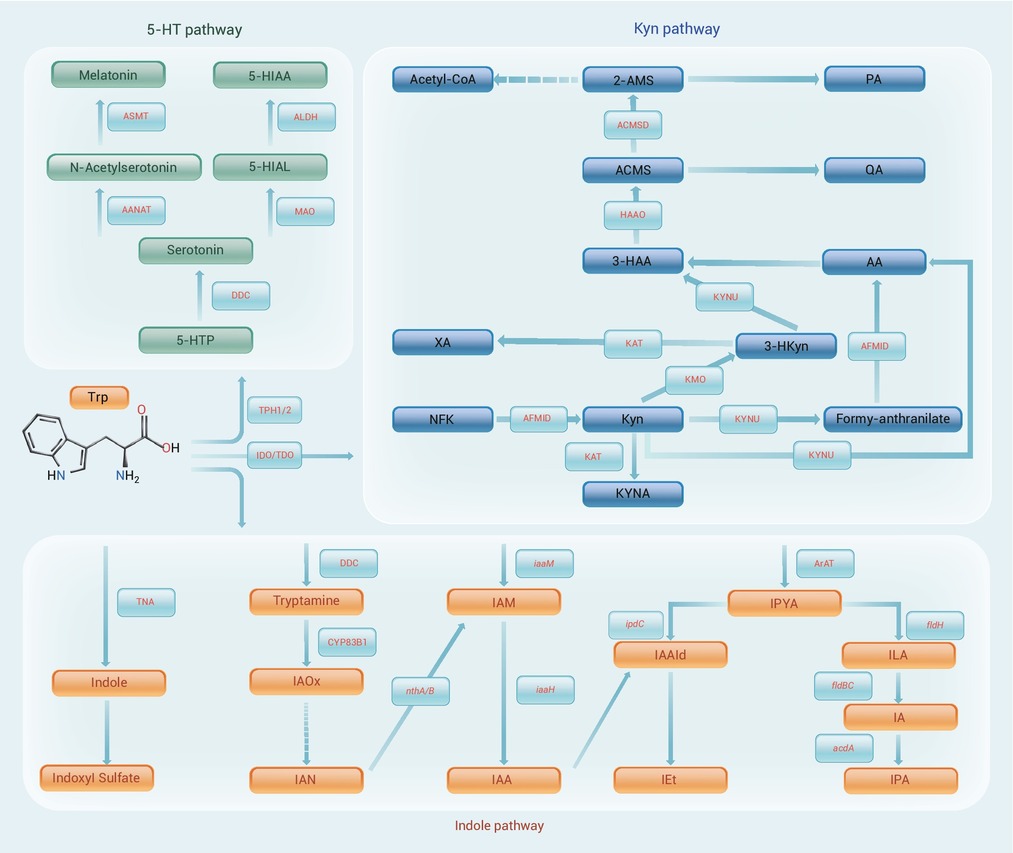
Figure 1.
The metabolic pathways of Trp
-
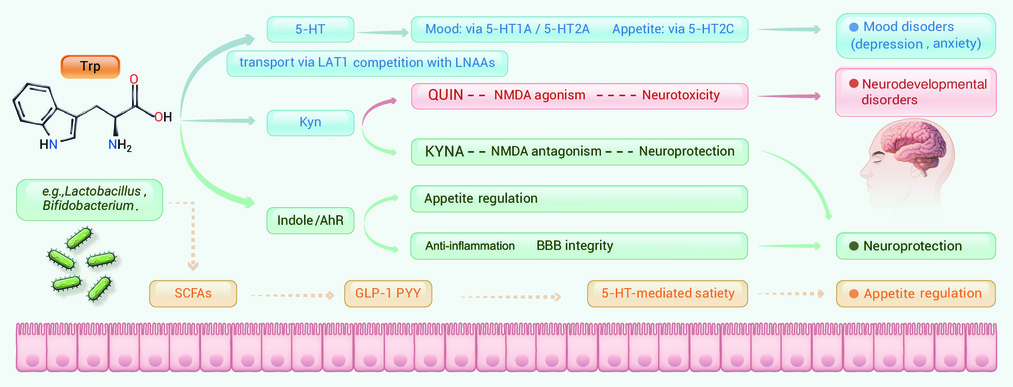
Figure 2.
Trp metabolism in neurological activity in the brain
-
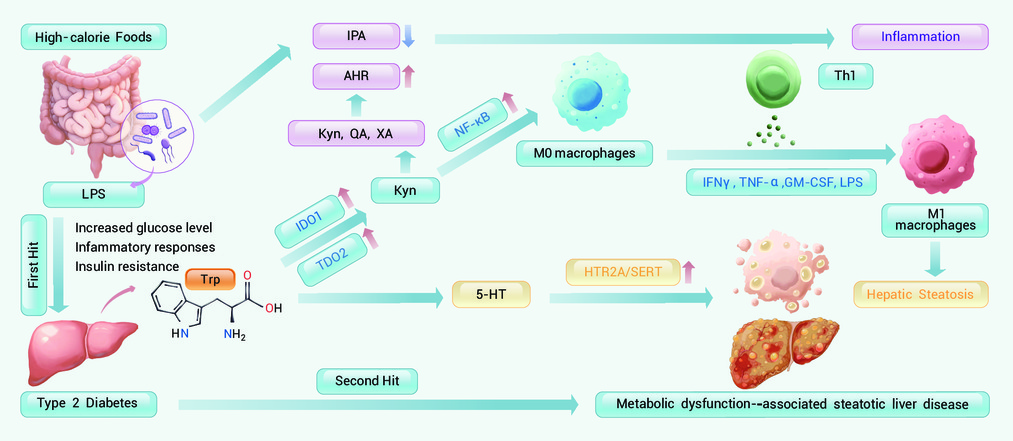
Figure 3.
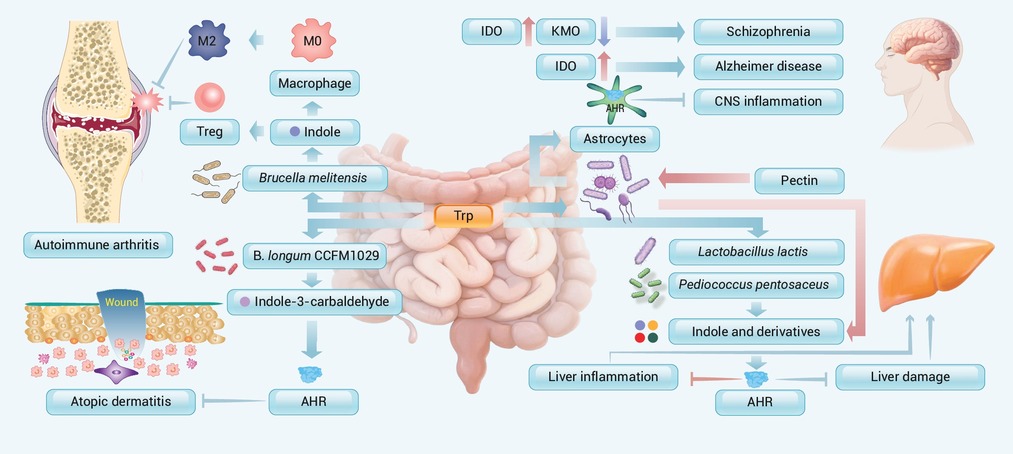
Trp metabolism in liver diseases
-
Figure 4.
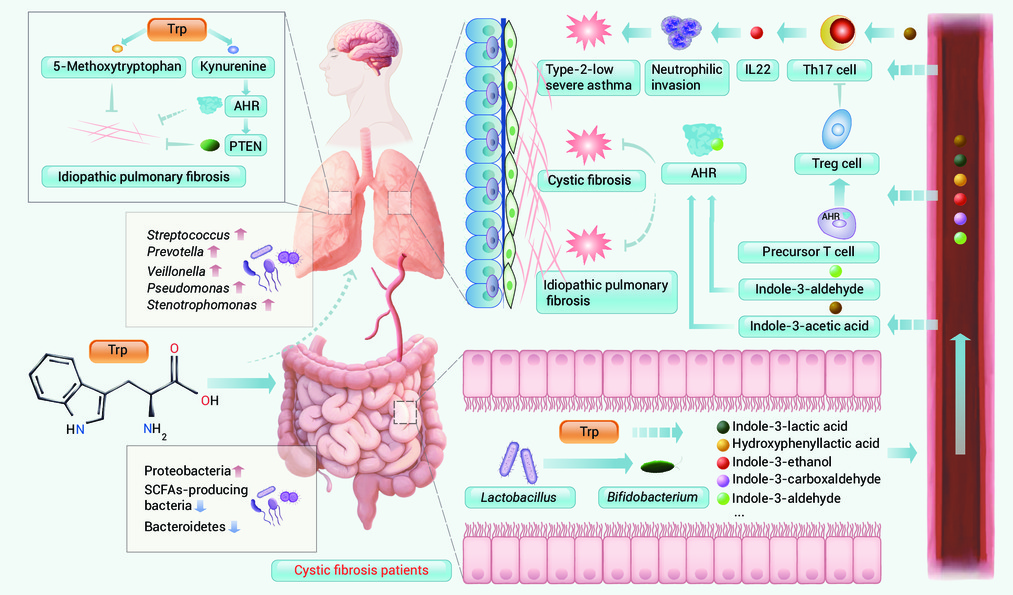
Trp metabolism in lung diseases
-
Figure 5.
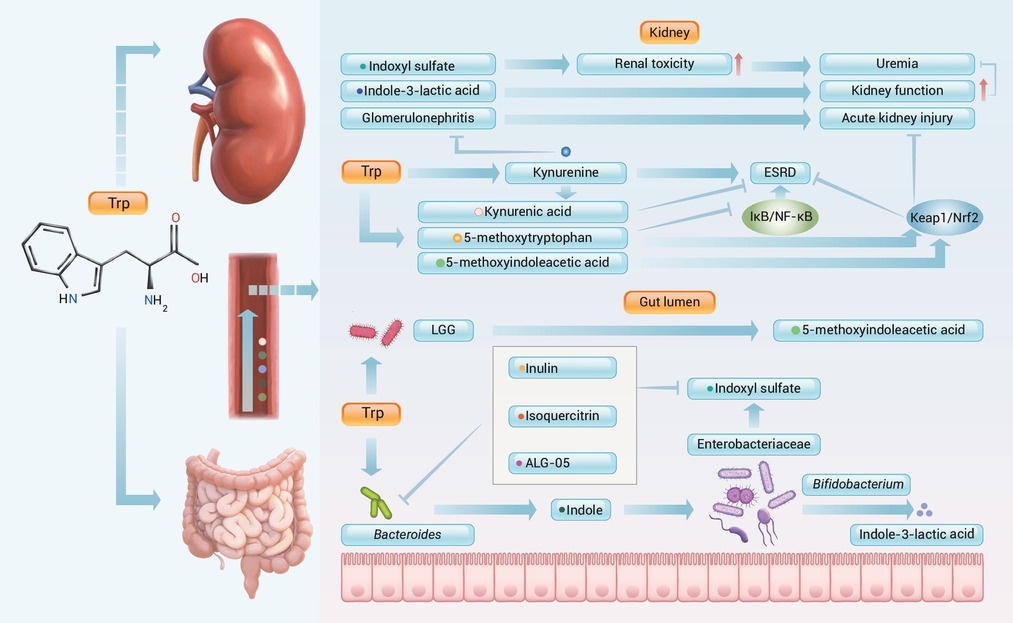
Trp metabolism in kidney diseases
-
Figure 6.
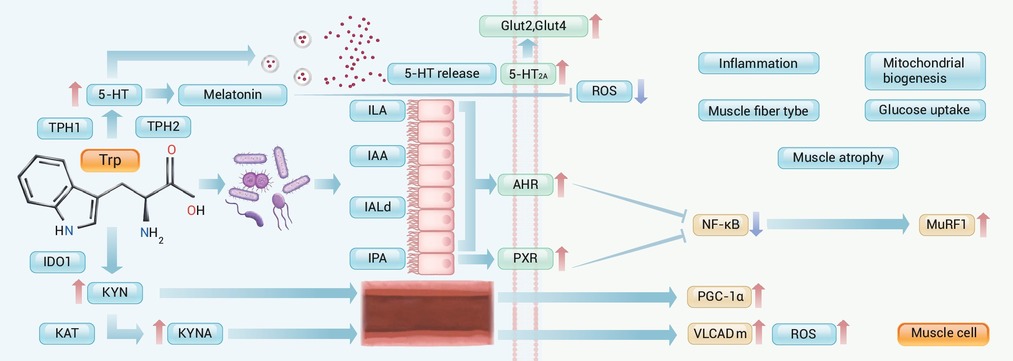
Trp metabolism in muscle dysfunction
-
Figure 7.
The clinical application of Trp metabolites in diseases control
