
From gut dysbiosis to placental dysfunction in maternal obesity: A common soil for gestational complications
-
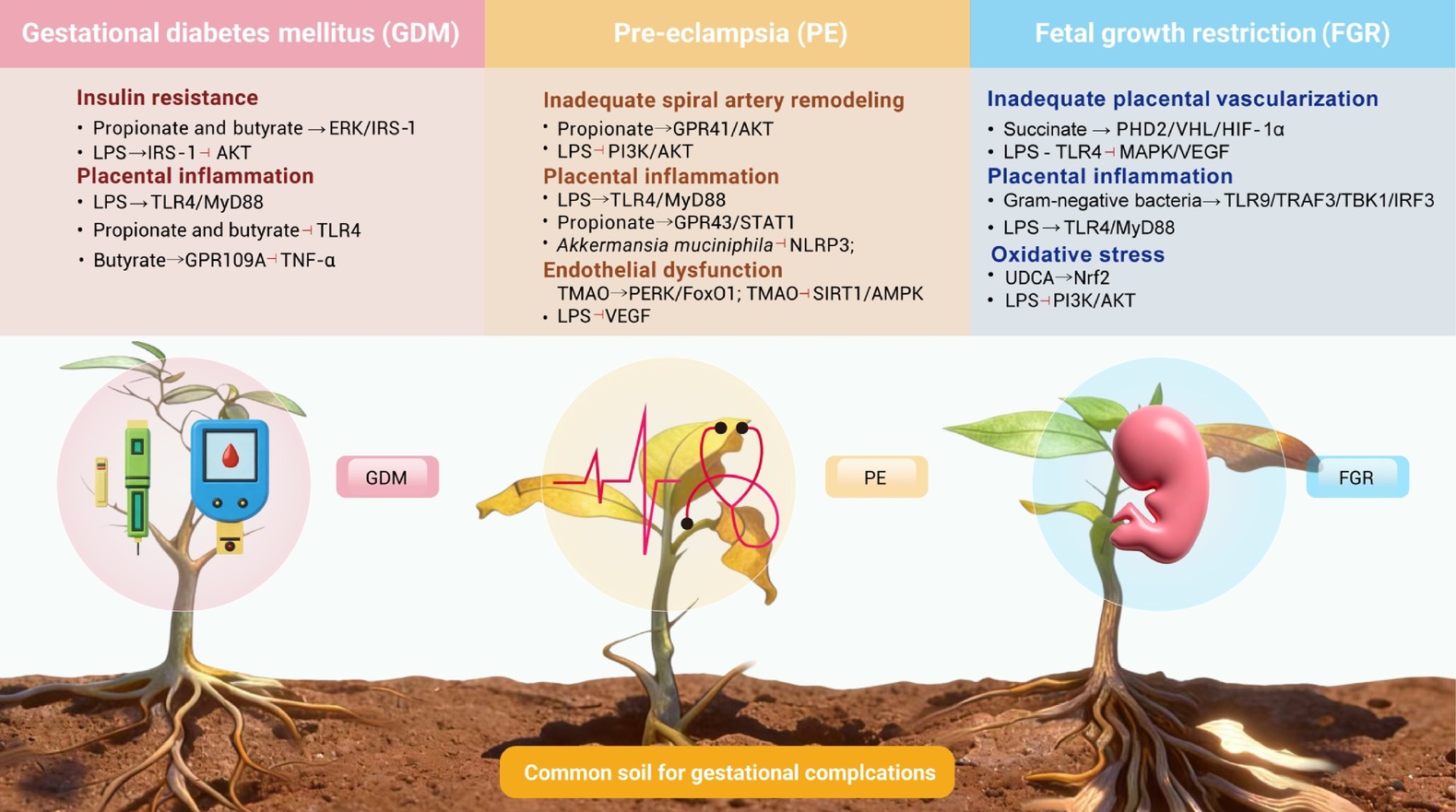
GRAPHICAL ABSTRACT
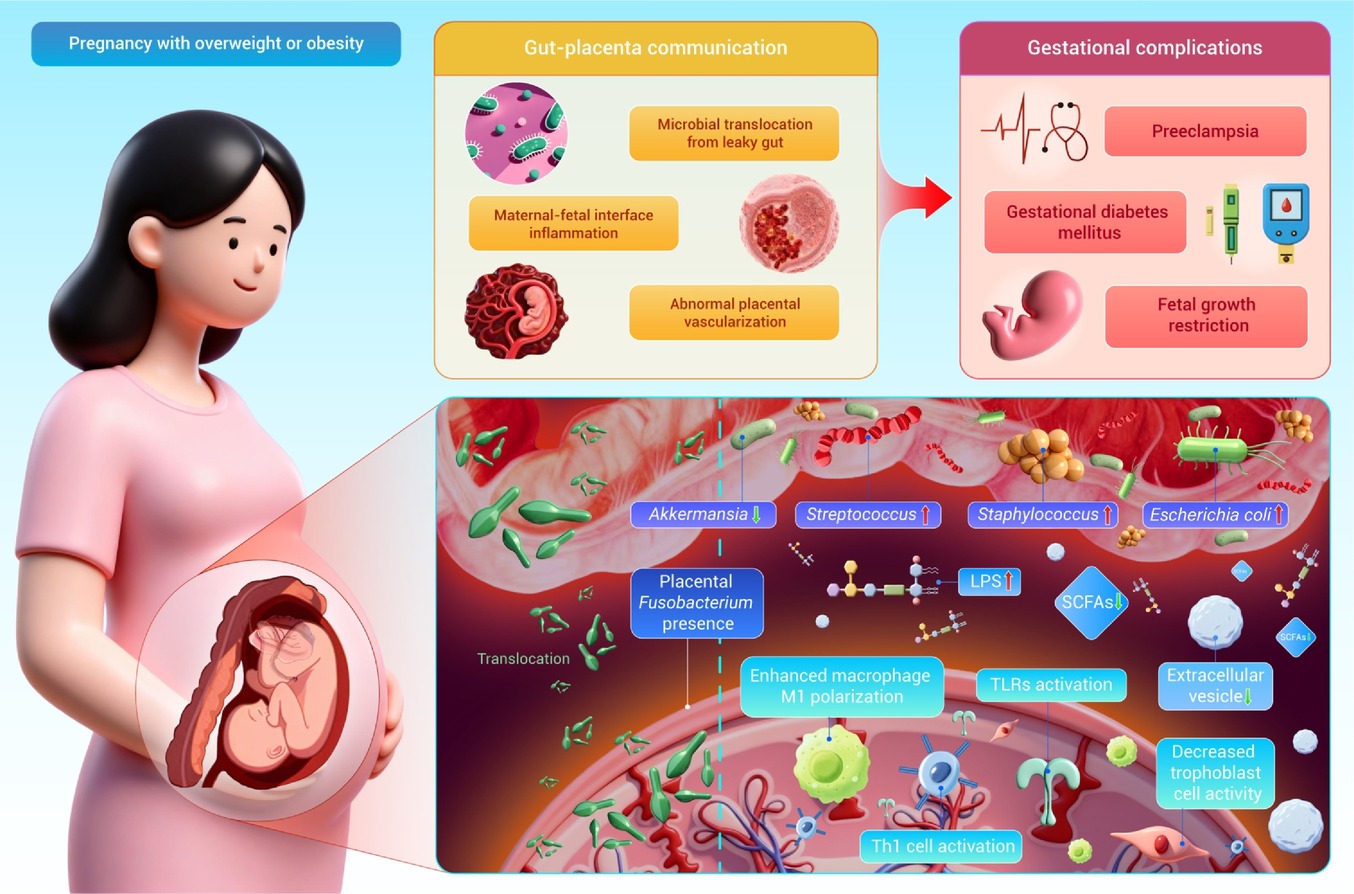
 DownLoad:
Full size image
DownLoad:
Full size image
-
PUBLIC SUMMARY
-
Maternal obesity increases the risk of gestational diabetes, preeclampsia, and fetal growth restriction.
This review explores the 100 years of the gut-placenta axis and its role in placental health and pregnancy.
Obesity-related gut dysbiosis forms a “common soil” linking placenta dysfunction to pregnancy complications.
-
-
ABSTRACT
Maternal obesity constitutes a risk factor for gestational complications and adverse pregnancy outcomes. While insulin resistance, metabolic syndrome, and inflammation are recognized contributors, the clinical heterogeneity among these disorders suggests the involvement of systemic, cross-organ interactions. Among these, the gut-placenta axis has become a mechanistic bridge linking maternal metabolism with placental development and fetal health. This review examines the evolution of the gut-placenta axis over the past 50 years and looks forward to its clinical translation in the next 50 years. The obesity-related gut microbiota alterations and their associations with placental dysfunction are summarized. We propose that obesity-induced gut dysbiosis establishes a shared pathophysiological foundation, or “common soil”, characterized by microbial translocation, inflammation at the maternal-fetal interface, and abnormal placental vascularization. From this shared foundation emerge diseases including gestational diabetes mellitus (GDM), preeclampsia (PE), and fetal growth restriction (FGR). Current microbiota-targeted interventions have demonstrated partial metabolic improvements but limited clinical efficacy, highlighting the need for better experimental models, optimal timing, and targeted delivery. Ultimately, targeting this common soil may enable a transition from association to prevention, and transform obesity-related pregnancy complications from adverse outcomes into preventable conditions.-
Keywords:
- maternal obesity /
- gut microbiota /
- placenta /
- gut-placenta axis /
- gestational complications
-

-
REFERENCES
[1] Johansson K., Bodnar L. M., Stephansson O., et al. (2024). Safety of low weight gain or weight loss in pregnancies with class 1, 2, and 3 obesity: A population-based cohort study. Lancet. 403:1472−1481. DOI:10.1016/S0140-6736(24)00255-1 [2] Collaborators G. A. B. (2025). Global, regional, and national prevalence of adult overweight and obesity, 1990-2021, with forecasts to 2050: A forecasting study for the global burden of disease study 2021. Lancet. 405:813−838. DOI:10.1016/S0140-6736(25)00355-1 [3] Shirvanifar M., Ahlqvist V. H., Lundberg M., et al. (2024). Adverse pregnancy outcomes attributable to overweight and obesity across maternal birth regions: A Swedish population-based cohort study. Lancet Public Health 9:e776−e786. DOI:10.1016/s2468-2667(24)00188-9 [4] Voerman E., Santos S., Inskip H., et al. (2019). Association of gestational weight gain with adverse maternal and infant outcomes. JAMA 321:1702−1715. DOI:10.1001/jama.2019.3820 [5] Weir T. L., Majumder M. and Glastras S. J. (2024). A systematic review of the effects of maternal obesity on neonatal outcomes in women with gestational diabetes. Obes. Rev. 25:e13747. DOI:10.1111/obr.13747 [6] Atta N., Ezeoke A., Petry C. J., et al. (2024). Associations of high bmi and excessive gestational weight gain with pregnancy outcomes in women with type 1 diabetes: A systematic review and meta-analysis. Diabetes Care 47:1855−1868. DOI:10.2337/dc24-0725 [7] Brombach C., Tong W. and Giussani D. A. (2022). Maternal obesity: New placental paradigms unfolded. Trends Mol. Med. 28:823−835. DOI:10.1016/j.molmed.2022.05.013 [8] Catalano P. M. and Shankar K. (2017). Obesity and pregnancy: Mechanisms of short term and long term adverse consequences for mother and child. BMJ 356:j1. DOI:10.1136/bmj.j1 [9] Hampton T. (2020). Do gut bacteria play a role in preeclampsia. JAMA 323:2120−2121. DOI:10.1001/jama.2020.4755 [10] Pronovost G. N., Yu K. B., Coley-O'Rourke E. J. L., et al. (2023). The maternal microbiome promotes placental development in mice. Sci. Adv. 9:eadk1887. DOI:10.1126/sciadv.adk1887 [11] Wu J., Zheng X., Wu C., et al. (2025). Melatonin alleviates high temperature exposure induced fetal growth restriction via the gut-placenta-fetus axis in pregnant mice. J. Adv. Res. 68:131−146. DOI:10.1016/j.jare.2024.02.014 [12] Fisman E. Z., Westermeier F. and Santulli G. (2025). A new kid in town: Cardiovascular diabetology-endocrinology reports. Cardiovasc. Diabetol. 24:30. DOI:10.1186/s12933-025-02602-1 [13] Hibler E. A. and Lloyd-Jones D. M. (2021). Addressing the "common soil" of risk factors for cardiovascular disease and cancer. JACC CardioOncol. 3:59−61. DOI:10.1016/j.jaccao.2021.02.003 [14] Tian Z., Zhang X., Yao G., et al. (2024). Intestinal flora and pregnancy complications: Current insights and future prospects. Imeta 3:e167. DOI:10.1002/imt2.167 [15] Miller J. K. and Burns J. (1970). Histopathology of Listeria monocytogenes after oral feeding to mice. Appl. Microbiol. 19:772−775. DOI:10.1128/am.19.5.772-775.1970 [16] Wetli C. V., Roldan E. O. and Fojaco R. M. (1983). Listeriosis as a cause of maternal death: An obstetric complication of the acquired immunodeficiency syndrome (AIDS). Am. J. Obstet. Gynecol. 147:7−9. DOI:10.1016/0002-9378(83)90074-1 [17] Anderson G. D. (1975). Listeria monocytogenes septicemia in pregnancy. Obstet. Gynecol. 46:102−104. DOI:10.1097/00006250-197507000-00021 [18] Li Y., Shibata Y., Zhang L., et al. (2011). Periodontal pathogen Aggregatibacter actinomycetemcomitans LPS induces mitochondria-dependent-apoptosis in human placental trophoblasts. Placenta 32:11−19. DOI:10.1016/j.placenta.2010.10.007 [19] Equils O., Uh A., Blue C., et al. (2007). 100: Lipopolysaccharide (LPS) stimulation induces corticotropin releasing hormone (CRH) expression through MyD88 in trophoblast cells. Am. J. Obstet. Gynecol. 197:S42. DOI:10.1016/j.ajog.2007.10.111 [20] Aagaard K., Ma J., Antony K. M., et al. (2014). The placenta harbors a unique microbiome. Sci. Transl. Med. 6:237ra265. DOI:10.1126/scitranslmed.3008599 [21] Kennedy K. M., de Goffau M. C., Perez-Muñoz M. E., et al. (2023). Questioning the fetal microbiome illustrates pitfalls of low-biomass microbial studies. Nature 613:639−649. DOI:10.1038/s41586-022-05546-8 [22] Morffy Smith C. D., Gong M., Andrew A. K., et al. (2019). Composition of the gut microbiota transcends genetic determinants of malaria infection severity and influences pregnancy outcome. EBioMedicine 44:639−655. DOI:10.1016/j.ebiom.2019.05.052 [23] Chen X., Li P., Liu M., et al. (2020). Gut dysbiosis induces the development of pre-eclampsia through bacterial translocation. Gut 69:513−522. DOI:10.1136/gutjnl-2019-319101 [24] Jin J., Gao L., Zou X., et al. (2022). Gut dysbiosis promotes preeclampsia by regulating macrophages and trophoblasts. Circ. Res. 131:492−506. DOI:10.1161/CIRCRESAHA.122.320771 [25] Huang S., Chen J., Cui Z., et al. (2023). Lachnospiraceae-derived butyrate mediates protection of high fermentable fiber against placental inflammation in gestational diabetes mellitus. Sci. Adv. 9:eadi7337. DOI:10.1126/sciadv.adi7337 [26] Argaw-Denboba A., Schmidt T. S. B., Di Giacomo M., et al. (2024). Paternal microbiome perturbations impact offspring fitness. Nature 629:652−659. DOI:10.1038/s41586-024-07336-w [27] Gray T. K., Lowe W. and Lester G. E. (1981). Vitamin D and pregnancy: The maternal-fetal metabolism of vitamin D. Endocr. Rev. 2:264−274. DOI:10.1210/edrv-2-3-264 [28] Yaron Y., Lessing J. B. and Peyser M. R. (1992). Abruptio placentae associated with perforated appendicitis and generalized peritonitis. Am. J. Obstet. Gynecol. 166:14−15. DOI:10.1016/0002-9378(92)91818-u [29] Disson O., Grayo S., Huillet E., et al. (2008). Conjugated action of two species-specific invasion proteins for fetoplacental listeriosis. Nature 455:1114−1118. DOI:10.1038/nature07303 [30] Lecuit M., Nelson D. M., Smith S. D., et al. (2004). Targeting and crossing of the human maternofetal barrier by Listeria monocytogenes: Role of internalin interaction with trophoblast E-cadherin. Proc. Natl. Acad. Sci. USA 101:6152−6157. DOI:10.1073/pnas.0401434101 [31] Yeganegi M., Watson C. S., Martins A., et al. (2009). Effect of Lactobacillus rhamnosus GR-1 supernatant and fetal sex on lipopolysaccharide-induced cytokine and prostaglandin-regulating enzymes in human placental trophoblast cells: Implications for treatment of bacterial vaginosis and prevention of preterm labor. Am. J. Obstet. Gynecol. 200:532.e531−532.e538. DOI:10.1016/j.ajog.2008.12.032 [32] Yang S., Li W., Challis J. R. G., et al. (2014). Probiotic Lactobacillus rhamnosus GR-1 supernatant prevents lipopolysaccharide-induced preterm birth and reduces inflammation in pregnant CD-1 mice. Am. J. Obstet. Gynecol. 211:44.e41−44.e12. DOI:10.1016/j.ajog.2014.01.029 [33] Gomez-Arango L. F., Barrett H. L., McIntyre H. D., et al. (2017). Contributions of the maternal oral and gut microbiome to placental microbial colonization in overweight and obese pregnant women. Sci. Rep. 7:2860. DOI:10.1038/s41598-017-03066-4 [34] Gil A., Rueda R., Ozanne S. E., et al. (2020). Is there evidence for bacterial transfer via the placenta and any role in the colonization of the infant gut. - A systematic review. Crit. Rev. Microbiol. 46:493−507. DOI:10.1080/1040841x.2020.1800587 [35] Chen Y., Ou Z., Pang M., et al. (2023). Extracellular vesicles derived from Akkermansia muciniphila promote placentation and mitigate preeclampsia in a mouse model. J. Extracell. Vesicles 12:e12328. DOI:10.1002/jev2.12328 [36] Xie Y., Zhao F., Wang Y., et al. (2024). Fetal growth restriction induced by maternal gal-3 deficiency is associated with altered gut-placenta axis. Cell Death Dis. 15:575. DOI:10.1038/s41419-024-06962-6 [37] Zhang H., Zha X., Zhang B., et al. (2024). Gut microbiota contributes to bisphenol A-induced maternal intestinal and placental apoptosis, oxidative stress, and fetal growth restriction in pregnant ewe model by regulating gut-placental axis. Microbiome 12:28. DOI:10.1186/s40168-024-01749-5 [38] Wang J., Gao Y., Ren S., et al. (2024). Gut microbiota-derived trimethylamine N-Oxide: A novel target for the treatment of preeclampsia. Gut Microbes 16:2311888. DOI:10.1080/19490976.2024.2311888 [39] Feng C., Wu Y., Zhang X., et al. (2025). Maternal milk fat globule membrane enriched gut L. murinus and circulating SCFAs to improve placental efficiency and fetal development in intrauterine growth restricted mice model. Gut Microbes 17:2449095. DOI:10.1080/19490976.2024.2449095 [40] Karvas R. M., Zemke J. E., Ali S. S., et al. (2023). 3D-cultured blastoids model human embryogenesis from pre-implantation to early gastrulation stages. Cell Stem Cell 30:1148−1165.e1147. DOI:10.1016/j.stem.2023.08.005 [41] Deng Z., Dai F., Wang R., et al. (2024). Organ-on-a-chip: Future of female reproductive pathophysiological models. J. Nanobiotechnology. 22:455. DOI:10.1186/s12951-024-02651-w [42] Mao Q., Ye Q., Xu Y., et al. (2023). Murine trophoblast organoids as a model for trophoblast development and CRISPR-Cas9 screening. Dev. Cell. 58:2992−3008.e2997. DOI:10.1016/j.devcel.2023.11.007 [43] Hori T., Okae H., Shibata S., et al. (2024). Trophoblast stem cell-based organoid models of the human placental barrier. Nat. Commun. 15:962. DOI:10.1038/s41467-024-45279-y [44] Wollert T., Pasche B., Rochon M., et al. (2007). Extending the host range of Listeria monocytogenes by rational protein design. Cell 129:891−902. DOI:10.1016/j.cell.2007.03.049 [45] Arutyunyan A., Roberts K., Troulé K., et al. (2023). Spatial multiomics map of trophoblast development in early pregnancy. Nature 616:143−151. DOI:10.1038/s41586-023-05869-0 [46] Abbas Y., Turco M. Y., Burton G. J., et al. (2020). Investigation of human trophoblast invasion in vitro. Hum. Reprod. Update 26:501−513. DOI:10.1093/humupd/dmaa017 [47] Ma T., Yang S. T. and Kniss D. A. (1999). Development of an in vitro human placenta model by the cultivation of human trophoblasts in a fiber-based bioreactor system. Tissue Eng. 5:91−102. DOI:10.1089/ten.1999.5.91 [48] Vento-Tormo R., Efremova M., Botting R. A., et al. (2018). Single-cell reconstruction of the early maternal-fetal interface in humans. Nature 563:347−353. DOI:10.1038/s41586-018-0698-6 [49] Turco M. Y., Gardner L., Kay R. G., et al. (2018). Trophoblast organoids as a model for maternal-fetal interactions during human placentation. Nature 564:263−267. DOI:10.1038/s41586-018-0753-3 [50] Sheridan M. A., Fernando R. C., Gardner L., et al. (2020). Establishment and differentiation of long-term trophoblast organoid cultures from the human placenta. Nat. Protoc. 15:3441−3463. DOI:10.1038/s41596-020-0381-x [51] Greenbaum S., Averbukh I., Soon E., et al. (2023). A spatially resolved timeline of the human maternal-fetal interface. Nature 619:595−605. DOI:10.1038/s41586-023-06298-9 [52] Wang S., Liu Y., Qin S., et al. (2022). Composition of maternal circulating short-chain fatty acids in gestational diabetes mellitus and their associations with placental metabolism. Nutrients 14:3727. DOI:10.3390/nu14183727 [53] Tao Z., Chen Y., He F., et al. (2023). Alterations in the gut microbiome and metabolisms in pregnancies with fetal growth restriction. Microbiol. Spectr. 11:e0007623. DOI:10.1128/spectrum.00076-23 [54] Xiong L., Azad M. A. K., Liu Y., et al. (2024). Intrauterine growth restriction affects colonic barrier function via regulating the Nrf2/Keap1 and TLR4-NF-κB/ERK pathways and altering colonic microbiome and metabolome homeostasis in growing-finishing pigs. Antioxidants 13:283. DOI:10.3390/antiox13030283 [55] Liu B., Zhu X., Cui Y., et al. (2021). Consumption of dietary fiber from different sources during pregnancy alters sow gut microbiota and improves performance and reduces inflammation in sows and piglets. mSystems 6:e00591−00520. DOI:10.1128/mSystems.00591-20 [56] Brantsaeter A. L., Myhre R., Haugen M., et al. (2011). Intake of probiotic food and risk of preeclampsia in primiparous women: The Norwegian mother and child cohort study. Am. J. Epidemiol. 174:807−815. DOI:10.1093/aje/kwr168 [57] Nordqvist M., Jacobsson B., Brantsæter A., et al. (2018). Timing of probiotic milk consumption during pregnancy and effects on the incidence of preeclampsia and preterm delivery: A prospective observational cohort study in Norway. BMJ Open 8:e018021. DOI:10.1136/bmjopen-2017-018021 [58] Davidson S. J., Barrett H. L., Price S. A., et al. (2021). Probiotics for preventing gestational diabetes. Cochrane Database. Syst. Rev. 4:CD009951. DOI:10.1002/14651858.CD009951.pub3 [59] Nachum Z., Perlitz Y., Shavit L. Y., et al. (2024). The effect of oral probiotics on glycemic control of women with gestational diabetes mellitus-a multicenter, randomized, double-blind, placebo-controlled trial. Am. J. Obstet. Gynecol. MFM 6:101224. DOI:10.1016/j.ajogmf.2023.101224 [60] Pellonperä O., Mokkala K., Houttu N., et al. (2019). Efficacy of fish oil and/or probiotic intervention on the incidence of gestational diabetes mellitus in an at-risk group of overweight and obese women: A randomized, placebo-controlled, double-blind clinical trial. Diabetes Care 42:1009−1017. DOI:10.2337/dc18-2591 [61] Rautava S., Collado M. C., Salminen S., et al. (2012). Probiotics modulate host-microbe interaction in the placenta and fetal gut: A randomized, double-blind, placebo-controlled trial. Neonatology 102:178−184. DOI:10.1159/000339182 [62] Callaway L. K., McIntyre H. D., Barrett H. L., et al. (2019). Probiotics for the prevention of gestational diabetes mellitus in overweight and obese women: Findings from the SPRING double-blind randomized controlled trial. Diabetes Care 42:364−371. DOI:10.2337/dc18-2248 [63] Mokkala K., Paulin N., Houttu N., et al. (2021). Metagenomics analysis of gut microbiota in response to diet intervention and gestational diabetes in overweight and obese women: A randomised, double-blind, placebo-controlled clinical trial. Gut 70:309−318. DOI:10.1136/gutjnl-2020-321643 [64] Cui Z., Wang S., Niu J., et al. (2024). Bifidobacterium species serve as key gut microbiome regulators after intervention in gestational diabetes mellitus. BMC Microbiol. 24:520. DOI:10.1186/s12866-024-03680-z [65] Vanda R., Dastani T., Taghavi S. A., et al. (2024). Pregnancy outcomes in pregnant women taking oral probiotic undergoing cerclage compared to placebo: Two blinded randomized controlled trial. BMC Pregnancy and Childb. 24:311. DOI:10.1186/s12884-024-06496-x [66] Movaghar R., Abbasalizadeh S., Vazifekhah S., et al. (2024). The effects of synbiotic supplementation on blood pressure and other maternal outcomes in pregnant mothers with mild preeclampsia: A triple-blinded randomized controlled trial. BMC Womens Health 24:80. DOI:10.1186/s12905-024-02922-6 [67] Wan J., An L., Ren Z., et al. (2023). Effects of galactooligosaccharides on maternal gut microbiota, glucose metabolism, lipid metabolism and inflammation in pregnancy: A randomized controlled pilot study. Front. Endocrinol. 14:1034266. DOI:10.3389/fendo.2023.1034266 [68] Phipps E. A., Thadhani R., Benzing T., et al. (2019). Pre-eclampsia: Pathogenesis, novel diagnostics and therapies. Nat. Rev. Nephrol. 15:275−289. DOI:10.1038/s41581-019-0119-6 [69] Qin X., Zhang M., Chen S., et al. (2024). Short-chain fatty acids in fetal development and metabolism. Trends Mol. Med. 31:625−639. DOI:10.1016/j.molmed.2024.11.014 [70] Swingle K. L., Hamilton A. G., Safford H. C., et al. (2025). Placenta-tropic VEGF mRNA lipid nanoparticles ameliorate murine pre-eclampsia. Nature 637:412−421. DOI:10.1038/s41586-024-08291-2 [71] Guo P., Wang W., Xiang Q., et al. (2024). Engineered probiotic ameliorates ulcerative colitis by restoring gut microbiota and redox homeostasis. Cell Host Microbe 32:1502. DOI:10.1016/j.chom.2024.07.028 [72] Wang L., Liu Q., Chen Y., et al. (2022). Antioxidant potential of Pediococcus pentosaceus strains from the sow milk bacterial collection in weaned piglets. Microbiome 10:83. DOI:10.1186/s40168-022-01278-z [73] Stringer J. S. A., Pokaprakarn T., Prieto J. C., et al. (2024). Diagnostic accuracy of an integrated ai tool to estimate gestational age from blind ultrasound sweeps. JAMA 332:649−657. DOI:10.1001/jama.2024.10770 [74] Bolatai A., He Y. and Wu N. (2022). Vascular endothelial growth factor and its receptors regulation in gestational diabetes mellitus and eclampsia. J. Transl. Med. 20:400. DOI:10.1186/s12967-022-03603-4 [75] Zhang C. X. W., Candia A. A. and Sferruzzi-Perri A. N. (2024). Placental inflammation, oxidative stress, and fetal outcomes in maternal obesity. Trends Endocrin. Met. 35:638−647. DOI:10.1016/j.tem.2024.02.002 [76] Sweeting A., Hannah W., Backman H., et al. (2024). Epidemiology and management of gestational diabetes. Lancet. 404:175−192. DOI:10.1016/S0140-6736(24)00825-0 [77] Olmos-Ortiz A., Flores-Espinosa P., Díaz L., et al. (2021). Immunoendocrine dysregulation during gestational diabetes mellitus: The central role of the placenta. Int. J. Mol. Sci. 22:8087. DOI:10.3390/ijms22158087 [78] Wang S., Cui Z. and Yang H. (2024). Interactions between host and gut microbiota in gestational diabetes mellitus and their impacts on offspring. BMC Microbiol. 24:161. DOI:10.1186/s12866-024-03255-y [79] Sun Z., Pan X.-F., Li X., et al. (2023). The gut microbiome dynamically associates with host glucose metabolism throughout pregnancy: Longitudinal findings from a matched case-control study of gestational diabetes mellitus. Adv. Sci. 10:e2205289. DOI:10.1002/advs.202205289 [80] Wang S., Liu Y., Tam W. H., et al. (2024). Maternal gestational diabetes mellitus associates with altered gut microbiome composition and head circumference abnormalities in male offspring. Cell Host Microbe 32:1192−1206.e1195. DOI:10.1016/j.chom.2024.06.005 [81] Crusell M. K. W., Hansen T. H., Nielsen T., et al. (2018). Gestational diabetes is associated with change in the gut microbiota composition in third trimester of pregnancy and postpartum. Microbiome 6:89. DOI:10.1186/s40168-018-0472-x [82] Hu P., Chen X., Chu X., et al. (2021). Association of gut microbiota during early pregnancy with risk of incident gestational diabetes mellitus. J. Clin. Endocrin. Metab. 106:e4128−e4141. DOI:10.1210/clinem/dgab346 [83] Pinto Y., Frishman S., Turjeman S., et al. (2023). Gestational diabetes is driven by microbiota-induced inflammation months before diagnosis. Gut 72:918−928. DOI:10.1136/gutjnl-2022-328406 [84] Frishman S., Nuriel-Ohayon M., Turjeman S., et al. (2024). Positive effects of diet-induced microbiome modification on GDM in mice following human faecal transfer. Gut 73:e17. DOI:10.1136/gutjnl-2023-331456 [85] Ye D., Huang J., Wu J., et al. (2023). Integrative metagenomic and metabolomic analyses reveal gut microbiota-derived multiple hits connected to development of gestational diabetes mellitus in humans. Gut Microbes 15:2154552. DOI:10.1080/19490976.2022.2154552 [86] Dimitriadis E., Rolnik D. L., Zhou W., et al. (2023). Pre-eclampsia. Nat. Rev. Dis. Primers 9:8. DOI:10.1038/s41572-023-00417-6 [87] Paquin A., Werlang A. and Coutinho T. (2022). Arterial health abnormalities in women with pre-eclampsia: Contributing role of central obesity. Eur. Heart J. 43:ehac544.2502. DOI:10.1093/eurheartj/ehac544.2502 [88] Ray J. G., Abdulaziz K. E., Berger H., et al. (2022). Aspirin use for preeclampsia prevention among women with prepregnancy diabetes, obesity, and hypertension. JAMA 327:388−390. DOI:10.1001/jama.2021.22749 [89] Venkatesh S. S., Ferreira T., Benonisdottir S., et al. (2022). Obesity and risk of female reproductive conditions: A Mendelian randomisation study. PLoS Med 19:e1003679. DOI:10.1371/journal.pmed.1003679 [90] Tyrmi J. S., Kaartokallio T., Lokki A. I., et al. (2023). Genetic risk factors associated with preeclampsia and hypertensive sisorders of pregnancy. JAMA Cardiol. 8:674−683. DOI:10.1001/jamacardio.2023.1312 [91] Ahmadian E., Rahbar Saadat Y., Hosseiniyan Khatibi S. M., et al. (2020). Pre-eclampsia: Microbiota possibly playing a role. Pharmacol. Res. 155:104692. DOI:10.1016/j.phrs.2020.104692 [92] Colonetti T., Limas Carmo Teixeira D., Grande A. J., et al. (2023). The role of intestinal microbiota on pre-eclampsia: Systematic review and meta-analysis. Eur. J. Obstet. Gynecol. Reprod. Biol. 291:49−58. DOI:10.1016/j.ejogrb.2023.10.003 [93] Liu X., Zeng X., Li X., et al. (2024). Landscapes of gut bacterial and fecal metabolic signatures and their relationship in severe preeclampsia. J. Transl. Med. 22:360. DOI:10.1186/s12967-024-05143-5 [94] Chang Y., Chen Y., Zhou Q., et al. (2020). Short-chain fatty acids accompanying changes in the gut microbiome contribute to the development of hypertension in patients with preeclampsia. Clin. Sci. 134:289−302. DOI:10.1042/CS20191253 [95] Hemberger M., Hanna C. W. and Dean W. (2020). Mechanisms of early placental development in mouse and humans. Nat. Rev. Gene 21:27−43. DOI:10.1038/s41576-019-0169-4 [96] Meijer S., Pasquinelli E., Renzi S., et al. (2023). Gut micro- and mycobiota in preeclampsia: Bacterial composition differences suggest role in pathophysiology. Biomolecules 13:346. DOI:10.3390/biom13020346 [97] Spencer R., Maksym K., Hecher K., et al. (2023). Maternal PlGF and umbilical Dopplers predict pregnancy outcomes at diagnosis of early-onset fetal growth restriction. J. Clin. Invest. 133:e169199. DOI:10.1172/JCI169199 [98] Martins J. G., Biggio J. R. and Abuhamad A. (2020). Society for maternal-fetal medicine consult series #52: Diagnosis and management of fetal growth restriction: (replaces clinical guideline number 3, April 2012). Am. J. Obstet. Gynecol. 223:B2−B17. DOI:10.1016/j.ajog.2020.05.010 [99] Lawn J. E., Ohuma E. O., Bradley E., et al. (2023). Small babies, big risks: Global estimates of prevalence and mortality for vulnerable newborns to accelerate change and improve counting. Lancet. 401:1707−1719. DOI:10.1016/S0140-6736(23)00522-6 [100] Conde-Agudelo A., Villar J., Risso M., et al. (2024). Metabolomic signatures associated with fetal growth restriction and small for gestational age: A systematic review. Nat. Commun. 15:9752. DOI:10.1038/s41467-024-53597-4 [101] Garcia-Manau P., Bonacina E., Martin-Alonso R., et al. (2025). Angiogenic factors versus fetomaternal Doppler for fetal growth restriction at term: An open-label, randomized controlled trial. Nat. Med. 31:1008−1015. DOI:10.1038/s41591-024-03421-9 [102] Arenas G. A. and Lorca R. A. (2024). Effects of hypoxia on uteroplacental and fetoplacental vascular function during pregnancy. Front. Physiol. 15:1490154. DOI:10.3389/fphys.2024.1490154 [103] Hurtado I., Bonacina E., Garcia-Manau P., et al. (2023). Usefulness of angiogenic factors in prenatal counseling of late-onset fetal growth-restricted and small-for-gestational-age gestations: A prospective observational study. Arch. Gynecol. Obstet. 308:1485−1495. DOI:10.1007/s00404-022-06833-5 [104] Carbillon L. (2024). Fetal growth decline may reflect placental dysfunction and high stillbirth risk in mothers with obesity. Am. J. Obstet. Gynecol. 230:101−102. DOI:10.1016/j.ajog.2023.09.010 [105] Gardosi J. and Hugh O. (2023). Stillbirth risk and smallness for gestational age according to Hadlock, INTERGROWTH-21st, WHO, and grow fetal weight standards: Analysis by maternal ethnicity and body mass index. Am. J. Obstet. Gynecol. MFM 229:547.e541−547.e513. DOI:10.1016/j.ajog.2023.05.026 [106] Pritchard N. L., Hiscock R., Walker S. P., et al. (2023). Defining poor growth and stillbirth risk in pregnancy for infants of mothers with overweight and obesity. Am. J. Obstet. Gynecol. 229:59.e51−59.e12. DOI:10.1016/j.ajog.2022.12.322 [107] Cömert T. K., Akpinar F., Erkaya S., et al. (2022). The effect of pre-pregnancy obesity on gut and meconium microbiome and relationship with fetal growth. J. Matern. Fetal Neona. 35:10629−10637. DOI:10.1080/14767058.2022.2148098 [108] Tu X., Duan C., Lin B., et al. (2022). Characteristics of the gut microbiota in pregnant women with fetal growth restriction. BMC Pregnancy and Childb. 22:297. DOI:10.1186/s12884-022-04635-w [109] Kosińska-Kaczyńska K., Krawczyk D., Bednorz M., et al. (2025). Maternal and placental microbiome and immune crosstalk in pregnancies with small-for-gestational-age fetuses-a pilot case-control study. Front. Cell Infect. Microbiol. 15:1596588. DOI:10.3389/fcimb.2025.1596588 [110] He X., Li Z., Li X., et al. (2023). The fecal microbiota of gravidas with fetal growth restriction newborns characterized by metagenomic sequencing. Curr. Res. Transl. Med. 71:103354. DOI:10.1016/j.retram.2022.103354 [111] Coskun R., Chang Z. L., Marcial Rodríguez A., et al. (2025). Effects of the gut microbiota on placental angiogenesis and intrauterine growth in gnotobiotic mice. Proc. Natl. Acad. Sci. USA 122:e2426341122. DOI. DOI:10.1073/pnas.2426341122 [112] Ruebel M. L., Gilley S. P., Yeruva L., et al. (2024). Associations between maternal microbiome, metabolome and incidence of low-birth weight in Guatemalan participants from the Women First Trial. Front. Microbiol. 15:1456087. DOI:10.3389/fmicb.2024.1456087 [113] Ziętek M., Celewicz Z. and Szczuko M. (2021). Short-chain fatty acids, maternal microbiota and metabolism in pregnancy. Nutrients 13:1244. DOI:10.3390/nu13041244 [114] Wallace J. G., Bellissimo C. J., Yeo E., et al. (2019). Obesity during pregnancy results in maternal intestinal inflammation, placental hypoxia, and alters fetal glucose metabolism at mid-gestation. Sci. Rep. 9:17621. DOI:10.1038/s41598-019-54098-x [115] Koren O., Konnikova L., Brodin P., et al. (2024). The maternal gut microbiome in pregnancy: Implications for the developing immune system. Nat. Rev. Gastroenterol. Hepatol. 21:35−45. DOI:10.1038/s41575-023-00864-2 [116] Enache R.-M., Profir M., Roşu O. A., et al. (2024). The role of gut microbiota in the onset and progression of obesity and associated comorbidities. Int. J. Mol. Sci. 25:12321. DOI:10.3390/ijms252212321 [117] Stanislawski M. A., Dabelea D., Wagner B. D., et al. (2017). Pre-pregnancy weight, gestational weight gain, and the gut microbiota of mothers and their infants. Microbiome 5:113. DOI:10.1186/s40168-017-0332-0 [118] Yang X., Zhang M., Zhang Y., et al. (2023). Ecological change of the gut microbiota during pregnancy and progression to dyslipidemia. npj Biofilms and Microbiomes 9:14. DOI:10.1038/s41522-023-00383-7 [119] Sugino K. Y., Paneth N. and Comstock S. S. (2019). Michigan cohorts to determine associations of maternal pre-pregnancy body mass index with pregnancy and infant gastrointestinal microbial communities: Late pregnancy and early infancy. PLoS One 14:e0213733. DOI:10.1371/journal.pone.0213733 [120] Abdullah B., Daud S., Aazmi M. S., et al. (2022). Gut microbiota in pregnant Malaysian women: A comparison between trimesters, body mass index and gestational diabetes status. BMC Pregnancy and Childb. 22:152. DOI:10.1186/s12884-022-04472-x [121] Zacarías M. F., Collado M. C., Gómez-Gallego C., et al. (2018). Pregestational overweight and obesity are associated with differences in gut microbiota composition and systemic inflammation in the third trimester. PLoS One 13:e0200305. DOI:10.1371/journal.pone.0200305 [122] Santacruz A., Collado M. C., García-Valdés L., et al. (2010). Gut microbiota composition is associated with body weight, weight gain and biochemical parameters in pregnant women. Br. J. Nutr. 104:83−92. DOI:10.1017/S0007114510000176 [123] Yi D., Li T., Xiao Y., et al. (2025). Hydroxytyrosol improved insulin resistance in male offspring born to high-fat diet dams by remodeling gut microbiota. J. Nutr. Biochem. 146:110041. DOI:10.1016/j.jnutbio.2025.110041 [124] Marousez L., Verce M., Dubernat L., et al. (2025). Maternal high-fat diet during lactation reduces sialylated milk oligosaccharides and shapes early-life microbiota in rat offspring. Food Funct. 16:5123−5132. DOI:10.1039/d5fo00559k [125] Gohir W., Kennedy K. M., Wallace J. G., et al. (2019). High-fat diet intake modulates maternal intestinal adaptations to pregnancy and results in placental hypoxia, as well as altered fetal gut barrier proteins and immune markers. J. Physiol. 597:3029−3051. DOI:10.1113/JP277353 [126] Guo Y., Wang Z., Chen L., et al. (2018). Diet induced maternal obesity affects offspring gut microbiota and persists into young adulthood. Food Funct. 9:4317−4327. DOI:10.1039/c8fo00444g [127] Gomez-Arango L. F., Barrett H. L., McIntyre H. D., et al. (2016). Connections between the gut microbiome and metabolic hormones in early pregnancy in overweight and obese women. Diabetes 65:2214−2223. DOI:10.2337/db16-0278 [128] Gomez-Arango L. F., Barrett H. L., McIntyre H. D., et al. (2016). Increased systolic and diastolic blood pressure is associated with altered gut microbiota composition and butyrate production in early pregnancy. Hypertension 68:974−981. DOI:10.1161/HYPERTENSIONAHA.116.07910 [129] Han H., Yi B., Zhong R., et al. (2021). From gut microbiota to host appetite: Gut microbiota-derived metabolites as key regulators. Microbiome 9:162. DOI:10.1186/s40168-021-01093-y [130] Wu W., Lo Y., Chiu J., et al. (2024). Gut microbes with the GBU genes determine TMAO production from L-carnitine intake and serve as a biomarker for precision nutrition. Gut Microbes 17:2446374. DOI:10.1080/19490976.2024.2446374 [131] York A. (2021). A muciniphila boosts metabolic health. Nat. Rev. Micro. 19:343−343. DOI:10.1038/s41579-021-00556-1 [132] Yoon H. S., Cho C. H., Yun M. S., et al. (2021). Akkermansia muciniphila secretes a glucagon-like peptide-1-inducing protein that improves glucose homeostasis and ameliorates metabolic disease in mice. Nat. Microbiol. 6:563−573. DOI:10.1038/s41564-021-00880-5 [133] Chanda D. and De D. (2024). Meta-analysis reveals obesity associated gut microbial alteration patterns and reproducible contributors of functional shift. Gut Microbes 16:2304900. DOI:10.1080/19490976.2024.2304900 [134] Ziętek M., Celewicz Z., Kikut J., et al. (2021). Implications of SCFAs on the parameters of the lipid and hepatic profile in pregnant women. Nutrients 13:1749. DOI:10.3390/nu13061749 [135] Molan K., Ambrožič Avguštin J., Likar M., et al. (2025). Fecal short-chain fatty acids are associated with obesity in gestational diabetes. Biomedicines 13:387. DOI:10.3390/biomedicines13020387 [136] Kim K. N., Yao Y. and Ju S. Y. (2019). Short chain fatty acids and fecal microbiota abundance in humans with obesity: A systematic review and meta-analysis. Nutrients 11:2512. DOI:10.3390/nu11102512 [137] Mokkala K., Pellonperä O., Röytiö H., et al. (2017). Increased intestinal permeability, measured by serum zonulin, is associated with metabolic risk markers in overweight pregnant women. Metabolism 69:43−50. DOI:10.1016/j.metabol.2016.12.015 [138] Mishra S. P., Wang B., Jain S., et al. (2023). A mechanism by which gut microbiota elevates permeability and inflammation in obese/diabetic mice and human gut. Gut 72:1848−1865. DOI:10.1136/gutjnl-2022-327365 [139] Tang R., Xiao G., Jian Y., et al. (2022). The gut microbiota dysbiosis in preeclampsia contributed to trophoblast cell proliferation, invasion, and migration via lncRNA BC030099/NF-κB pathway. Mediators Inflamm. 2022:6367264. DOI:10.1155/2022/6367264 [140] Feng H., Su R., Song Y., et al. (2016). Positive correlation between enhanced expression of TLR4/MyD88/NF-κB with insulin resistance in placentae of gestational diabetes mellitus. PLoS One 11:e0157185. DOI:10.1371/journal.pone.0157185 [141] Cheng S.-B., Nakashima A., Huber W. J., et al. (2019). Pyroptosis is a critical inflammatory pathway in the placenta from early onset preeclampsia and in human trophoblasts exposed to hypoxia and endoplasmic reticulum stressors. Cell Death Dis. 10:927. DOI:10.1038/s41419-019-2162-4 [142] Fan M., Li X., Gao X., et al. (2019). LPS induces preeclampsia-like phenotype in rats and htr8/svneo cells dysfunction through TLR4/p38 MAPK pathway. Front. Physiol. 10:1030. DOI:10.3389/fphys.2019.01030 [143] Wang J., Gu X., Yang J., et al. (2019). Gut microbiota dysbiosis and increased plasma LPS and TMAO levels in patients with preeclampsia. Front. Cell. Infect. Microbiol. 9:409. DOI:10.3389/fcimb.2019.00409 [144] Li H., Liu S., Chen H., et al. (2024). Gut dysbiosis contributes to SCFAs reduction-associated adipose tissue macrophage polarization in gestational diabetes mellitus. Life Sci. 350:122744. DOI:10.1016/j.lfs.2024.122744 [145] Tang H., Li H., Li D., et al. (2023). The gut microbiota of pregnant rats alleviates fetal growth restriction by inhibiting the TLR9/MyD88 pathway. J. Microbiol. Biotechnol. 33:1213−1227. DOI:10.4014/jmb.2304.04020 [146] Yong W., Zhao Y., Jiang X., et al. (2022). Sodium butyrate alleviates pre-eclampsia in pregnant rats by improving the gut microbiota and short-chain fatty acid metabolites production. J. Appl. Microbiol. 132:1370−1383. DOI:10.1111/jam.15279 [147] Tilves C., Yeh H., Maruthur N., et al. (2022). Increases in circulating and fecal butyrate are associated with reduced blood pressure and hypertension: Results from the SPIRIT trial. J. Am. Heart. Assoc. 11:e024763. DOI:10.1161/JAHA.121.024763 [148] Cui J., Wang J. and Wang Y. (2023). The role of short-chain fatty acids produced by gut microbiota in the regulation of pre-eclampsia onset. Front. Cell Infect. Microbiol. 13:1177768. DOI:10.3389/fcimb.2023.1177768 [149] Kimura I., Miyamoto J., Ohue-Kitano R., et al. (2020). Maternal gut microbiota in pregnancy influences offspring metabolic phenotype in mice. Science 367:eaaw8429. DOI:10.1126/science.aaw8429 [150] Han W., Wang J., Yan X., et al. (2024). Butyrate and iso-butyrate: A new perspective on nutrition prevention of gestational diabetes mellitus. Nutrition & Diabetes 14:24. DOI:10.1038/s41387-024-00276-4 [151] Grzeszczak K., Łanocha-Arendarczyk N., Malinowski W., et al. (2023). Oxidative stress in pregnancy. Biomolecules 13:1768. DOI:10.3390/biom13121768 [152] Haidery F., Lambertini L., Tse I., et al. (2025). NRF2 deficiency leads to inadequate beta cell adaptation during pregnancy and gestational diabetes. Redox Biol. 81:103566. DOI:10.1016/j.redox.2025.103566 [153] Shi L., Wang Z., Xiao J., et al. (2025). Folic acid alleviates hydrogen peroxide-induced oxidative stress in bovine placental trophoblast cells by regulating the NRF2/mTOR signaling pathway. Int. J. Mol. Sci. 26:2818. DOI:10.3390/ijms26062818 [154] Xie G., Zhang Q., Dong J., et al. (2024). Maternal vitamin D3 supplementation in an oxidized-oil diet protects fetus from developmental impairment and ameliorates oxidative stress in mouse placenta and fetus. J. Nutr. 154:2920−2931. DOI:10.1016/j.tjnut.2024.07.025 [155] Zakeri S., Rahimi Z., Rezvani N., et al. (2024). The influence of Nrf2 gene promoter methylation on gene expression and oxidative stress parameters in preeclampsia. BMC Med. Genomics 17:64. DOI:10.1186/s12920-023-01791-6 [156] Yanagisawa M., Nagamatsu T., Kurano M., et al. (2023). Upregulation of autotaxin by oxidative stress via Nrf2 activation: A novel insight into the compensation mechanism in preeclamptic placenta. J. Reprod. Immunol. 160:104153. DOI:10.1016/j.jri.2023.104153 [157] Duan Y., Sun F., Que S., et al. (2018). Prepregnancy maternal diabetes combined with obesity impairs placental mitochondrial function involving Nrf2/ARE pathway and detrimentally alters metabolism of offspring. Obes. Res. Clin. Pract. 12:90−100. DOI:10.1016/j.orcp.2017.01.002 [158] Shandilya S., Kumar S., Kumar Jha N., et al. (2022). Interplay of gut microbiota and oxidative stress: Perspective on neurodegeneration and neuroprotection. J. Adv. Res. 38:223−244. DOI:10.1016/j.jare.2021.09.005 [159] Kim S. Y., Chae C. W., Lee H. J., et al. (2020). Sodium butyrate inhibits high cholesterol-induced neuronal amyloidogenesis by modulating NRF2 stabilization-mediated ROS levels: Involvement of NOX2 and SOD1. Cell Death Dis. 11:469. DOI:10.1038/s41419-020-2663-1 [160] Zhang Y., Cheng Y., Liu J., et al. (2022). Tauroursodeoxycholic acid functions as a critical effector mediating insulin sensitization of metformin in obese mice. Redox Biol. 57:102481. DOI:10.1016/j.redox.2022.102481 [161] Zhang D. D. (2025). Thirty years of NRF2: Advances and therapeutic challenges. Nat. Rev. Drug. Discov. 24:421−444. DOI:10.1038/s41573-025-01145-0 [162] Pérez-Gutiérrez L. and Ferrara N. (2023). Biology and therapeutic targeting of vascular endothelial growth factor A. Nat. Rev. Mol. Cell Biol. 24:816−834. DOI:10.1038/s41580-023-00631-w [163] Liu J., Quan L., Wang J., et al. (2025). Knockdown of VEGF-B improves HFD-induced insulin resistance by enhancing glucose uptake in vascular endothelial cells via the PI3K/Akt pathway. Int. J. Biol. Macromol. 285:138279. DOI:10.1016/j.ijbiomac.2024.138279 [164] Umapathy A., Chamley L. W. and James J. L. (2020). Reconciling the distinct roles of angiogenic/anti-angiogenic factors in the placenta and maternal circulation of normal and pathological pregnancies. Angiogenesis 23:105−117. DOI:10.1007/s10456-019-09694-w [165] Biwer L. A., Lu Q., Ibarrola J., et al. (2023). Smooth muscle mineralocorticoid receptor promotes hypertension after preeclampsia. Circ. Res. 132:674−689. DOI:10.1161/CIRCRESAHA.122.321228 [166] Di Martino D. D., Soldavini C. M., Rossi G., et al. (2023). The sFlt-1/PlGF ratio in patients affected by gestational diabetes and SARS-CoV-2 Infection. Metabolites 13:54. DOI:10.3390/metabo13010054 [167] Kinugawa M., Kumasawa K., Nemoto K., et al. (2025). Impact of parity and pre-pregnancy BMI on second-trimester sFlt-1 and PlGF levels in normotensive pregnancies. Hypertens Pregnancy 44:2534022. DOI:10.1080/10641955.2025.2534022 [168] Lim J. H., Kim Y., Kim M. Y., et al. (2024). Placental growth factor deficiency initiates obesity- and aging-associated metabolic syndrome. Metabolism 161:156002. DOI:10.1016/j.metabol.2024.156002 [169] Lin X., Zhang Y., He X., et al. (2021). The choline metabolite TMAO inhibits netosis and promotes placental development in GDM of humans and mice. Diabetes 70:2250−2263. DOI:10.2337/db21-0188 [170] Wen Y., Peng L., Xu R., et al. (2019). Maternal serum trimethylamine-N-oxide is significantly increased in cases with established preeclampsia. Pregnancy Hypertens 15:114−117. DOI:10.1016/j.preghy.2018.12.001 [171] Zhou T., Heianza Y., Chen Y., et al. (2019). Circulating gut microbiota metabolite Trimethylamine N-Oxide (TMAO) and changes in bone density in response to weight loss diets: The POUNDS lost trial. Diabetes Care 42:1365−1371. DOI:10.2337/dc19-0134 [172] Chang Q.-X., Chen X., Ming-Xin Y., et al. (2021). Trimethylamine N-oxide increases soluble fms-like tyrosine Kinase-1 in human placenta via NADPH oxidase dependent ROS accumulation. Placenta 103:134−140. DOI:10.1016/j.placenta.2020.10.021 [173] Zhou S., Xue J., Shan J., et al. (2022). Gut-flora-dependent metabolite trimethylamine-n-oxide promotes atherosclerosis-associated inflammation responses by indirect ros stimulation and signaling involving AMPK and SIRT1. Nutrients 14:3338. DOI:10.3390/nu14163338 [174] Ma Y., Yang Y., Lv M., et al. (2022). 1,25(OH)2D3 alleviates LPS-induced preeclampsia-like rats impairment in the protective effect by TLR4/NF-kB pathway. Placenta 130:34−41. DOI:10.1016/j.placenta.2022.10.012 [175] Albers R. E., Kaufman M. R., Natale B. V., et al. (2019). Trophoblast-specific expression of Hif-1α results in preeclampsia-Like symptoms and fetal growth restriction. Sci. Rep. 9:2742. DOI:10.1038/s41598-019-39426-5 [176] Desoye G. and Carter A. M. (2022). Fetoplacental oxygen homeostasis in pregnancies with maternal diabetes mellitus and obesity. Nat. Rev. Endocrinol. 18:593−607. DOI:10.1038/s41574-022-00717-z [177] Bellissimo C. J., Ribeiro T. A., Yeo E., et al. (2025). Maternal high-fat, high-sucrose diet-induced excess adiposity is linked to placental hypoxia and disruption of fetoplacental immune homeostasis in late gestation. Biol. Reprod. 7:ioaf143. DOI:10.1093/biolre/ioaf143 [178] Adams D., Beckers K., Gomes V., et al. (2021). Abstract P224: Obesity is associated with hypoxia at the maternal-fetal interface in a mouse model of superimposed preeclampsia, BPH/5. Hypertension 78:AP224−AP224. DOI:10.1161/hyp.78.suppl_1.P224 [179] Yuan X., Ruan W., Bobrow B., et al. (2023). Targeting hypoxia-inducible factors: Therapeutic opportunities and challenges. Nat. Rev. Drug Discov. 23:175−200. DOI:10.1038/s41573-023-00848-6 [180] Deng F., Yin C., Luo C., et al. (2025). Lactobacillus reuteri-mediated dietary xylooligosaccharides enhance jejunal cell survival via suppression of oxygen-dependent apoptotic processes in a pig model. Imeta 4:e70080. DOI:10.1002/imt2.70080 [181] Xu J., Yang Y., Li X., et al. (2023). Pleiotropic activities of succinate: The interplay between gut microbiota and cardiovascular diseases. Imeta 2:e124. DOI:10.1002/imt2.124 [182] Wang X., Xu S., Zhou X., et al. (2021). Low chorionic villous succinate accumulation associates with recurrent spontaneous abortion risk. Nat. Commun. 12:3428. DOI:10.1038/s41467-021-23827-0 [183] Huber-Ruano I., Calvo E., Mayneris-Perxachs J., et al. (2022). Orally administered Odoribacter laneus improves glucose control and inflammatory profile in obese mice by depleting circulating succinate. Microbiome 10:135. DOI:10.1186/s40168-022-01306-y [184] Serena C., Ceperuelo-Mallafré V., Keiran N., et al. (2018). Elevated circulating levels of succinate in human obesity are linked to specific gut microbiota. ISME J. 12:1642−1657. DOI:10.1038/s41396-018-0068-2 [185] de Goffau, M.C., Lager, S., Sovio, U., et al. (2019). Human placenta has no microbiome but can contain potential pathogens. Nature 572:329−334. DOI:10.1038/s41586-019-1451-5 [186] Gaccioli F., Stephens K., Sovio U., et al. (2023). Placental Streptococcus agalactiae DNA is associated with neonatal unit admission and foetal pro-inflammatory cytokines in term infants. Nat. Microbiol. 8:2338−2348. DOI:10.1038/s41564-023-01528-2 [187] Benny P. A., Al-Akwaa F. M., Dirkx C., et al. (2021). Placentas delivered by pre-pregnant obese women have reduced abundance and diversity in the microbiome. FASEB J. 35:e21524. DOI:10.1096/fj.202002184RR [188] Tanz L. J., Stuart J. J., Rimm E. B., et al. (2017). Abstract P314: Higher c-reactive protein levels among women with a history of hypertensive disorders of pregnancy. Circulation 135:AP314−AP314. DOI:10.1161/circ.135.suppl_1.p314 [189] Ye C., Katagiri S., Miyasaka N., et al. (2020). The periodontopathic bacteria in placenta, saliva and subgingival plaque of threatened preterm labor and preterm low birth weight cases: A longitudinal study in Japanese pregnant women. Clin. Oral Investig. 24:4261−4270. DOI:10.1007/s00784-020-03287-4 [190] Parhi L., Abed J., Shhadeh A., et al. (2022). Placental colonization by Fusobacterium nucleatum is mediated by binding of the Fap2 lectin to placentally displayed Gal-GalNAc. Cell Rep. 38:110537. DOI:10.1016/j.celrep.2022.110537 [191] Stockham S., Stamford J. E., Roberts C. T., et al. (2015). Abnormal pregnancy outcomes in mice using an induced periodontitis model and the haematogenous migration of Fusobacterium nucleatum sub-species to the murine placenta. PLoS One 10:e0120050. DOI:10.1371/journal.pone.0120050 [192] Wu C., Chen Y., Scheible M., et al. (2021). Genetic and molecular determinants of polymicrobial interactions in Fusobacterium nucleatum. Proc. Natl. Acad. Sci. USA 118:e2006482118. DOI:10.1073/pnas.2006482118 [193] Kotzur R., Kahlon S., Isaacson B., et al. (2024). Pregnancy trained decidual NK cells protect pregnancies from harmful Fusobacterium nucleatum infection. PLoS Pathog. 20:e1011923. DOI:10.1371/journal.ppat.1011923 [194] Einenkel R., Ehrhardt J., Zygmunt M., et al. (2024). Less is more! Low amount of Fusobacterium nucleatum supports macrophage-mediated trophoblast functions in vitro. Front. Immunol. 15:1447190. DOI:10.3389/fimmu.2024.1447190 [195] Zakis D. R., Paulissen E., Kornete L., et al. (2022). The evidence for placental microbiome and its composition in healthy pregnancies: A systematic review. J. Reprod. Immunol. 149:103455. DOI:10.1016/j.jri.2021.103455 [196] Socha M. W., Malinowski B., Puk O., et al. (2021). The role of NF-κB in uterine spiral arteries remodeling, insight into the cornerstone of preeclampsia. Int. J. Mol. Sci. 22:704. DOI:10.3390/ijms22020704 [197] Chen C., Yang Z. and Qiu Z. (2023). Bioinformatics prediction and experimental validation of the role of macrophage polarization and ferroptosis in gestational diabetes mellitus. J. Inflamm. Res. 16:6087−6105. DOI:10.2147/jir.S440826 [198] Zheng X., Ma W., Wang Y., et al. (2023). Heat stress-induced fetal intrauterine growth restriction is associated with elevated LPS levels along the maternal intestine-placenta-fetus axis in pregnant mice. J. Agric. Food. Chem. 71:19592−19609. DOI:10.1021/acs.jafc.3c07058 [199] Zhang H., Liu X., Zheng Y., et al. (2022). Effects of the maternal gut microbiome and gut-placental axis on melatonin efficacy in alleviating cadmium-induced fetal growth restriction. Ecotoxicol. Environ. Saf. 237:113550. DOI:10.1016/j.ecoenv.2022.113550 [200] Cotechini T., Komisarenko M., Sperou A., et al. (2014). Inflammation in rat pregnancy inhibits spiral artery remodeling leading to fetal growth restriction and features of preeclampsia. J. Exp. Med. 211:165−179. DOI:10.1084/jem.20130295 [201] Jahan F., Vasam G., Cariaco Y., et al. (2023). A comparison of rat models that best mimic immune-driven preeclampsia in humans. Front. Endocr. 14:1219205. DOI:10.3389/fendo.2023.1219205 [202] Fricke E. M., Elgin T. G., Gong H., et al. (2018). Lipopolysaccharide-induced maternal inflammation induces direct placental injury without alteration in placental blood flow and induces a secondary fetal intestinal injury that persists into adulthood. Am. J. Reprod. Immunol. 79:e12816. DOI:10.1111/aji.12816 [203] Deer E., Herrock O., Campbell N., et al. (2023). The role of immune cells and mediators in preeclampsia. Nat. Rev. Nephrol. 19:257−270. DOI:10.1038/s41581-022-00670-0 [204] Joshi N. P., Madiwale S. D., Sundrani D. P., et al. (2023). Fatty acids, inflammation and angiogenesis in women with gestational diabetes mellitus. Biochimie 212:31−40. DOI:10.1016/j.biochi.2023.04.005 [205] Al-Ofi E., Alrafiah A., Maidi S., et al. (2021). Altered expression of angiogenic biomarkers in pregnancy associated with gestational diabetes. Int. J. Gen. Med. 14:3367−3375. DOI:10.2147/IJGM.S316670 [206] Villota S. D., Toledo-Rodriguez M. and Leach L. (2021). Compromised barrier integrity of human feto-placental vessels from gestational diabetic pregnancies is related to downregulation of occludin expression. Diabetologia 64:195−210. DOI:10.1007/s00125-020-05290-6 [207] Musa E., Salazar-Petres E., Arowolo A., et al. (2023). Obesity and gestational diabetes independently and collectively induce specific effects on placental structure, inflammation and endocrine function in a cohort of South African women. J. Physiol. 601:1287−1306. DOI:10.1113/JP284139 [208] Chen D., Wang Y., Li S., et al. (2022). Maternal propionate supplementation ameliorates glucose and lipid metabolic disturbance in hypoxia-induced fetal growth restriction. Food Funct. 13:10724−10736. DOI:10.1039/d2fo01481e [209] Guo H., Yang Y., Qiao Y., et al. (2021). Heat stress affects fetal brain and intestinal function associated with the alterations of placental barrier in late pregnant mouse. Ecotoxicol. Environ. Saf. 227:112916. DOI:10.1016/j.ecoenv.2021.112916 [210] Sun P., Wang M., Chai X., et al. (2025). Disruption of tryptophan metabolism by high-fat diet-triggered maternal immune activation promotes social behavioral deficits in male mice. Nat. Commun. 16:2105. DOI:10.1038/s41467-025-57414-4 [211] Sun P., Wang M., Liu Y., et al. (2023). High-fat diet-disturbed gut microbiota-colonocyte interactions contribute to dysregulating peripheral tryptophan-kynurenine metabolism. Microbiome 11:154. DOI:10.1186/s40168-023-01606-x [212] Pessa-Morikawa T., Husso A., Kärkkäinen O., et al. (2022). Maternal microbiota-derived metabolic profile in fetal murine intestine, brain and placenta. BMC Microbiol. 22:46. DOI:10.1186/s12866-022-02457-6 [213] Peng X., Huang Y., Wang G., et al. (2022). Maternal long-term intake of inulin improves fetal development through gut microbiota and related metabolites in a rat model. J. Agric. Food Chem. 70:1840−1851. DOI:10.1021/acs.jafc.1c07284 [214] Perry A., Stephanou A. and Rayman M. P. (2022). Dietary factors that affect the risk of pre-eclampsia. BMJ Nutr. Prev. Health. 5:118−133. DOI:10.1136/bmjnph-2021-000399 [215] Hart T. L., Petersen K. S. and Kris-Etherton P. M. (2022). Nutrition recommendations for a healthy pregnancy and lactation in women with overweight and obesity – strategies for weight loss before and after pregnancy. Fertil. and Steril. 118:434−446. DOI:10.1016/j.fertnstert.2022.07.027 [216] Yu E. W., Gao L., Stastka P., et al. (2020). Fecal microbiota transplantation for the improvement of metabolism in obesity: The FMT-TRIM double-blind placebo-controlled pilot trial. PLoS Med. 17:e1003051. DOI:10.1371/journal.pmed.1003051 [217] Tao Y., Gu Y., Mao X., et al. (2020). Effects of probiotics on type II diabetes mellitus: A meta-analysis. J. Transl. Med. 18:30. DOI:10.1186/s12967-020-02213-2 [218] Halkjær S. I., Refslund Danielsen M., de Knegt V. E., et al. (2024). Multi-strain probiotics during pregnancy in women with obesity influence infant gut microbiome development: Results from a randomized, double-blind placebo-controlled study. Gut Microbes 16:2337968. DOI:10.1080/19490976.2024.2337968 [219] Jones J. M., Reinke S. N., Mousavi-Derazmahalleh M., et al. (2024). Maternal prebiotic supplementation during pregnancy and lactation modifies the microbiome and short chain fatty acid profile of both mother and infant. Clin. Nutr. 43:969−980. DOI:10.1016/j.clnu.2024.02.030 [220] Halkjær S. I., de Knegt V. E., Kallemose T., et al. (2023). No effect of multi-strain probiotic supplementation on metabolic and inflammatory markers and newborn body composition in pregnant women with obesity: Results from a randomized, double-blind placebo-controlled study. Nutr. Metab. Cardiovasc. Dis. 33:2444−2454. DOI:10.1016/j.numecd.2023.07.030 [221] Halkjær S. I., de Knegt V. E., Lo B., et al. (2020). Multistrain probiotic increases the gut microbiota diversity in obese pregnant women: Results from a randomized, double-blind placebo-controlled study. Curr. Dev. Nutr. 4:nzaa095. DOI:10.1093/cdn/nzaa095 [222] Okesene-Gafa K. A. M., Li M., McKinlay C. J. D., et al. (2019). Effect of antenatal dietary interventions in maternal obesity on pregnancy weight-gain and birthweight: Healthy mums and babies (HUMBA) randomized trial. Am. J. Obstet. Gynecol. 221:152.e151−152.e113. DOI:10.1016/j.ajog.2019.03.003 [223] Lindsay K. L., Kennelly M., Culliton M., et al. (2014). Probiotics in obese pregnancy do not reduce maternal fasting glucose: A double-blind, placebo-controlled, randomized trial (Probiotics in Pregnancy Study). Am. J. Clin. Nutr. 99:1432−1439. DOI:10.3945/ajcn.113.079723 [224] Saros L., Vahlberg T., Koivuniemi E., et al. (2022). Fish oil and/or probiotics intervention in overweight/obese pregnant women and overweight risk in 24-month-old children. J. Pediatr. Gastroenterol. Nutr. 76:218−226. DOI:10.1097/MPG.0000000000003659 [225] Fu Y., Gou W., Wu P., et al. (2024). Landscape of the gut mycobiome dynamics during pregnancy and its relationship with host metabolism and pregnancy health. Gut 73:1302−1312. DOI:10.1136/gutjnl-2024-332260 [226] Hasain Z., Raja Ali R. A., Ahmad H. F., et al. (2022). The roles of probiotics in the gut microbiota composition and metabolic outcomes in asymptomatic post-gestational diabetes women: A randomized controlled trial. Nutrients 14:3878. DOI:10.3390/nu14183878 [227] Chatzakis C., Goulis D. G., Mareti E., et al. (2019). Prevention of gestational diabetes mellitus in overweight or obese pregnant women: A network meta-analysis. Diabetes Res. Clin. Pract. 158:107924. DOI:10.1016/j.diabres.2019.107924 [228] Wang C., Tung Y., Chang H., et al. (2020). Effect of probiotic supplementation on newborn birth weight for mother with gestational diabetes mellitus or overweight/obesity: A systematic review and meta-analysis. Nutrients 12:3477. DOI:10.3390/nu12113477 [229] Grev J., Berg M. and Soll R. (2018). Maternal probiotic supplementation for prevention of morbidity and mortality in preterm infants. Cochrane Database Syst. Rev. 12:CD012519. DOI:10.1002/14651858.CD012519.pub2 [230] Mantaring J., Benyacoub J., Destura R., et al. (2018). Effect of maternal supplement beverage with and without probiotics during pregnancy and lactation on maternal and infant health: A randomized controlled trial in the Philippines. BMC Pregnancy and Childb. 18:193. DOI:10.1186/s12884-018-1828-8 [231] Hemberger M. and Dean W. (2023). The placenta: Epigenetic insights into trophoblast developmental models of a generation-bridging organ with long-lasting impact on lifelong health. Physiol. Rev. 103:2523−2560. DOI:10.1152/physrev.00001.2023 [232] Han X., Cai C., Deng W., et al. (2024). Landscape of human organoids: Ideal model in clinics and research. The Innovation 5:100620. DOI:10.1016/j.xinn.2024.100620 [233] Itsuma N., Nakazawa M. and Yoko M. A. (2024). 3D morphogenesis and bacterial co-culture in a canine gut-on-a-chip using biopsy-derived intestinal organoids from healthy and ibd patients. Gastroenterology 30:S85. DOI:10.1053/j.gastro.2023.11.271 [234] Montgomery-Csobán T., Kavanagh K., Murray P., et al. (2024). Machine learning-enabled maternal risk assessment for women with pre-eclampsia (the PIERS-ML model): A modelling study. Lancet Digit. Health 6:e238−e250. DOI:10.1016/S2589-7500(23)00267-4 [235] Wang L., Jia Z., Xu K., et al. (2024). When will dual-purpose pigs fly. The Innovation 5:100702. DOI:10.1016/j.xinn.2024.100702 [236] Wild R. A., Zhao D., McPhaul M. J., et al. (2025). Weight loss before conception: Effects on atherogenic apolipoprotein lipid particles and endothelial function during pregnancy. F&S Reports 6:185−192. DOI:10.1016/j.xfre.2025.02.009 [237] Hinkle S. N., Mumford S. L., Grantz K. L., et al. (2023). Gestational weight change in a diverse pregnancy cohort and mortality over 50 years: A prospective observational cohort study. Lancet. 402:1857−1865. DOI:10.1016/s0140-6736(23)01517-9 [238] Perumal N., Wang D., Darling A. M., et al. (2023). Suboptimal gestational weight gain and neonatal outcomes in low and middle income countries: Individual participant data meta-analysis. BMJ 382:e072249. DOI:10.1136/bmj-2022-072249 [239] Kasahara K., Ichikawa Y., Hironaka J., et al. (2025). Time for a change? Threshold for obesity in contemporary Japanese population. Metabolism 171:156352. DOI:10.1016/j.metabol.2025.156352 [240] Sun X., Sun Z., Peng W., et al. (2024). Expert consensus and call on actions for weight management in China: Advancing healthy China initiative through strategic actions. China CDC Weekly 6:1347−1353. DOI:10.46234/ccdcw2024.268 [241] Hillesund E. R., Seland S., Bere E., et al. (2018). Preeclampsia and gestational weight gain in the Norwegian Fit for Delivery trial. BMC Res. Notes 11:282. DOI:10.1186/s13104-018-3396-4 [242] Catalano P. M. (2019). Reassessing strategies to improve pregnancy outcomes in overweight and obese women. Lancet Diabetes Endocrinol. 7:2−3. DOI:10.1016/S2213-8587(18)30337-1 [243] Houttu N., Vahlberg T., Miles E. A., et al. (2023). The impact of fish oil and/or probiotics on serum fatty acids and the interaction with low-grade inflammation in pregnant women with overweight and obesity: Secondary analysis of a randomised controlled trial. Br. J. Nutr. 131:1−16. DOI:10.1017/S0007114523001915 [244] Chen Y., Li Z., Tye K. D., et al. (2019). Probiotic supplementation during human pregnancy affects the gut microbiota and immune status. Front. Cell Infect. Microbiol. 9:254. DOI:10.3389/fcimb.2019.00254 [245] Obuchowska A., Gorczyca K., Standyło A., et al. (2022). Effects of probiotic supplementation during pregnancy on the future maternal risk of metabolic syndrome. Int. J. Mol. Sci. 23:8253. DOI:10.3390/ijms23158253 [246] Gao S. and Wang J. (2023). Maternal and infant microbiome: Next-generation indicators and targets for intergenerational health and nutrition care. Protein Cell 14:807−823. DOI:10.1093/procel/pwad029 [247] Cani P. D., Depommier C., Derrien M., et al. (2022). Akkermansia muciniphila: Paradigm for next-generation beneficial microorganisms. Nat. Rev. Gastroenterol Hepatol. 19:625−637. DOI:10.1038/s41575-022-00631-9 [248] Altemani F., Barrett H. L., Gomez-Arango L., et al. (2021). Pregnant women who develop preeclampsia have lower abundance of the butyrate-producer Coprococcus in their gut microbiota. Pregnancy Hypertens 23:211−219. DOI:10.1016/j.preghy.2021.01.002 [249] Rasmussen T. S., Mentzel C. M. J., Danielsen M. R., et al. (2023). Fecal virome transfer improves proliferation of commensal gut Akkermansia muciniphila and unexpectedly enhances the fertility rate in laboratory mice. Gut Microbes 15:2208504. DOI:10.1080/19490976.2023.2208504 [250] Qaisar R., Zuhra H., Karim A., et al. (2025). Butyrate improves handgrip strength and physical performance by reducing intestinal leak in post-menopausal women, a randomized controlled trial. Euro. J. Nutr. 64:141. DOI:10.1007/s00394-025-03656-3 [251] H. Al Wattar B., Dodds J., Placzek A., et al. (2019). Mediterranean-style diet in pregnant women with metabolic risk factors (ESTEEM): A pragmatic multicentre randomised trial. PLoS Med. 16:e1002857. DOI:10.1371/journal.pmed.1002857 [252] Zhang D., Cheng D., Cao Y., et al. (2022). The effect of dietary fiber supplement on prevention of gestational diabetes mellitus in women with pre-pregnancy overweight/obesity: A randomized controlled trial. Front. Pharm. 13:922015. DOI:10.3389/fphar.2022.922015 [253] Harreiter J., Simmons D., Desoye G., et al. (2019). Nutritional lifestyle intervention in obese pregnant women, including lower carbohydrate intake, is associated with increased maternal free fatty acids, 3-β-hydroxybutyrate, and fasting glucose concentrations: A secondary factorial analysis of the european multicenter, randomized controlled DALI lifestyle intervention trial. Diabetes Care 42:1380−1389. DOI:10.2337/dc19-0418 [254] Molina-Vega M., Picón-César M. J., Gutiérrez-Repiso C., et al. (2021). Metformin action over gut microbiota is related to weight and glycemic control in gestational diabetes mellitus: A randomized trial. Biomed. Pharmacother. 145:112465. DOI:10.1016/j.biopha.2021.112465 [255] Wu K., Zhang Y., Wang T., et al. (2025). Advancing disease-modifying therapies for Parkinson’s disease: Current strategies and future directions. The Innovation 101112. DOI:10.1016/j.xinn.2025.101112 [256] Ratiner K., Ciocan D., Abdeen S. K., et al. (2024). Utilization of the microbiome in personalized medicine. Nat. Rev. Microbiol. 22:291−308. DOI:10.1038/s41579-023-00998-9 [257] Carneiro P. V., Montenegro N. d. A., Lana A., et al. (2022). Lipids from gut microbiota: Pursuing a personalized treatment. Trends Mol Med 28:631−643. DOI:10.1016/j.molmed.2022.06.001 -
ABOUT THIS ARTICLE
Cite this article:
Wo Y., Zhong R., Wang L., et al. (2026). From gut dysbiosis to placental dysfunction in maternal obesity: A common soil for gestational complications. The Innovation Life 4:100185. https://doi.org/10.59717/j.xinn-life.2026.100185
Welcome!
To request copyright permission to republish or share portions of our works, please visit Copyright Clearance Center's (CCC) Marketplace website at marketplace.copyright.com.
Export File
Citation
Wo Y., Zhong R., Wang L., et al. (2026). From gut dysbiosis to placental dysfunction in maternal obesity: A common soil for gestational complications. The Innovation Life 4:100185. https://doi.org/10.59717/j.xinn-life.2026.100185

Format
Content
-
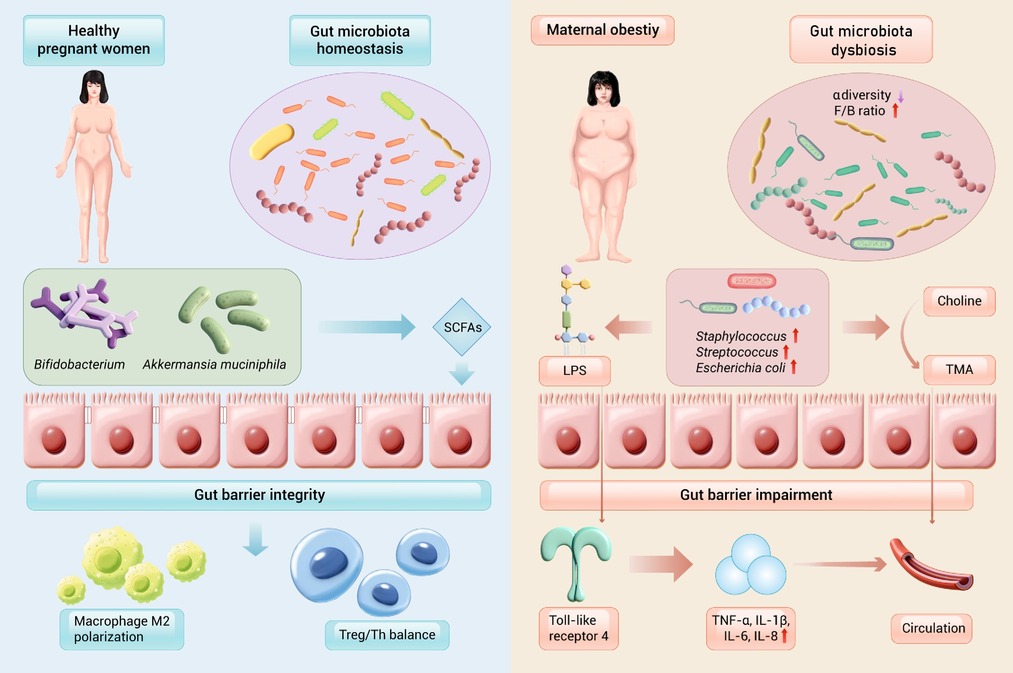
Figure 1.
Differences in the gut microenvironment between healthy pregnancies and pregnancies with obesity
-
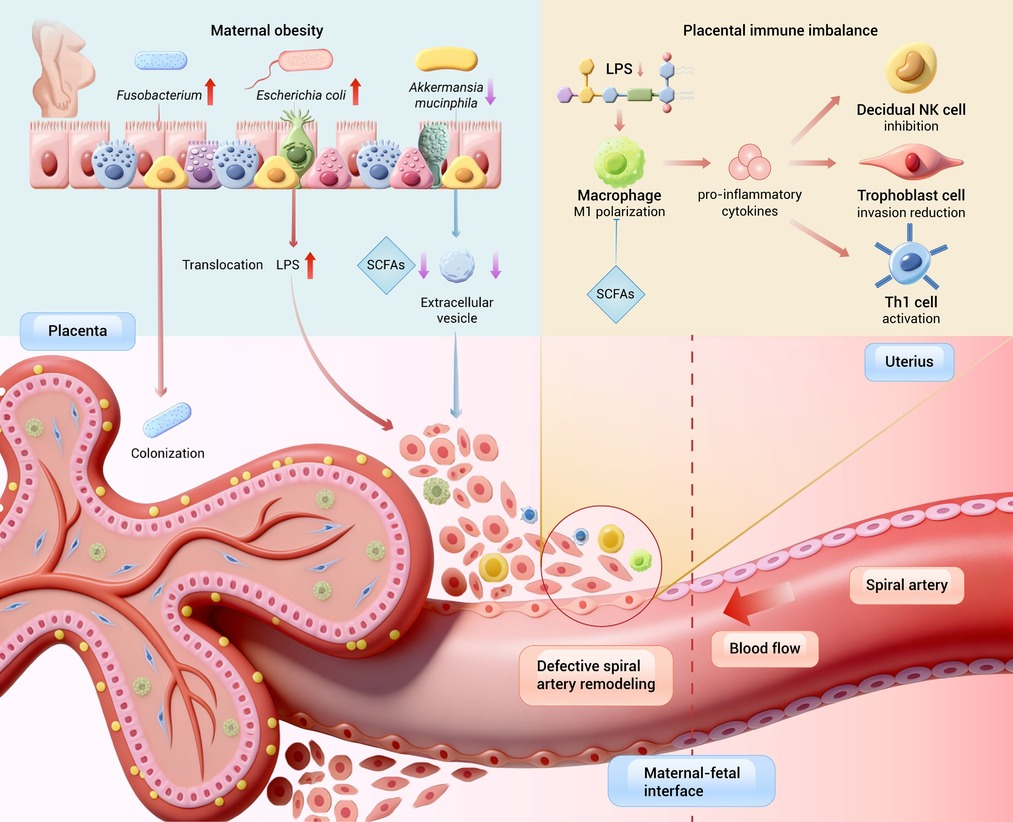
Figure 2.
Maternal obesity-induced gut microbiota contributes to the placental immune imbalance and defective spiral artery remodeling
-
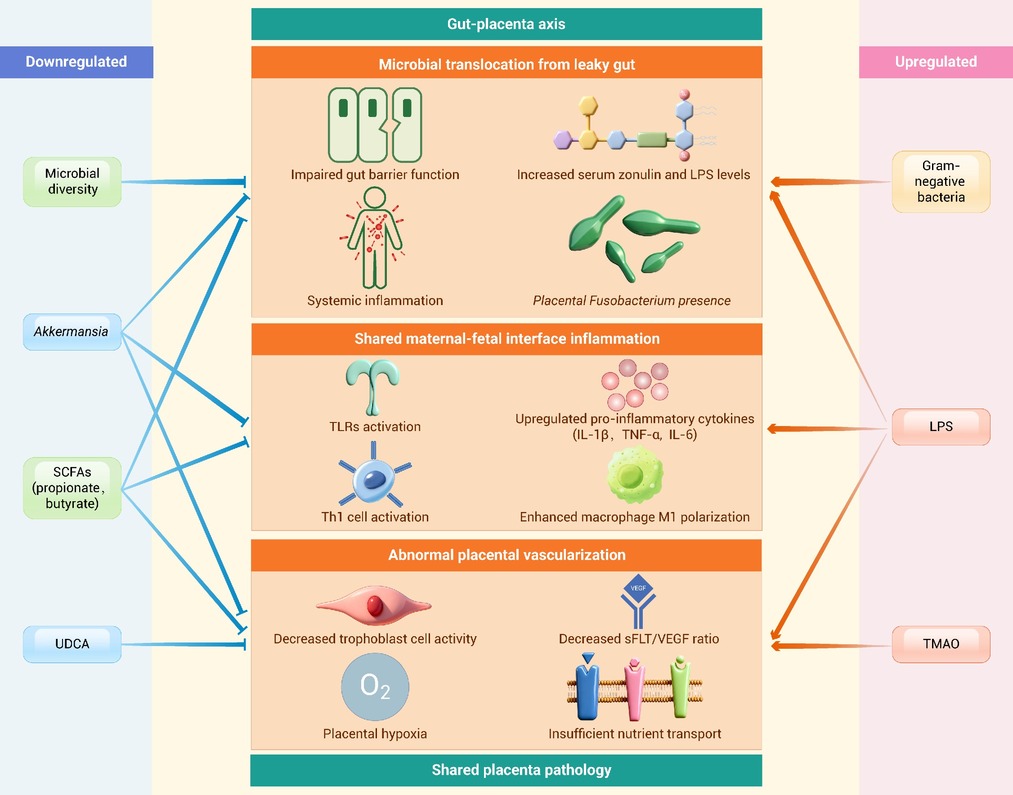
Figure 3.
Gut dysbiosis in maternal obesity shapes the shared placental pathologies
-
Figure 4.
The “common soil” framework of gut-placenta crosstalk in obesity-related gestational complications
-
Figure 5.
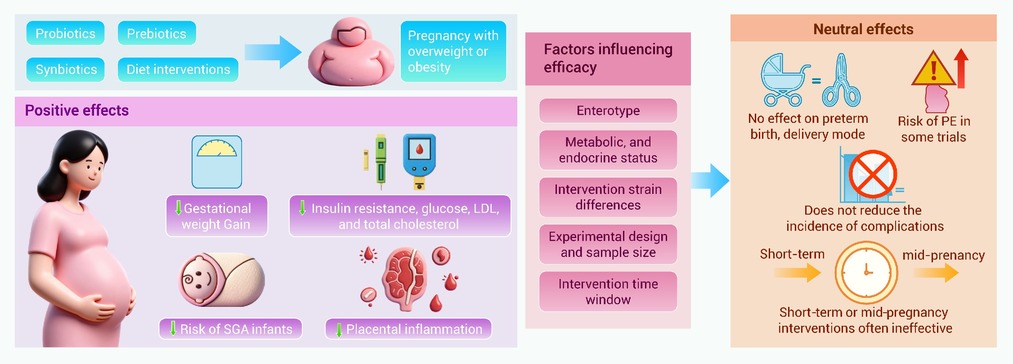
Gut microbiota intervention in maternal obesity: Current evidence and future directions
-
Figure 6.
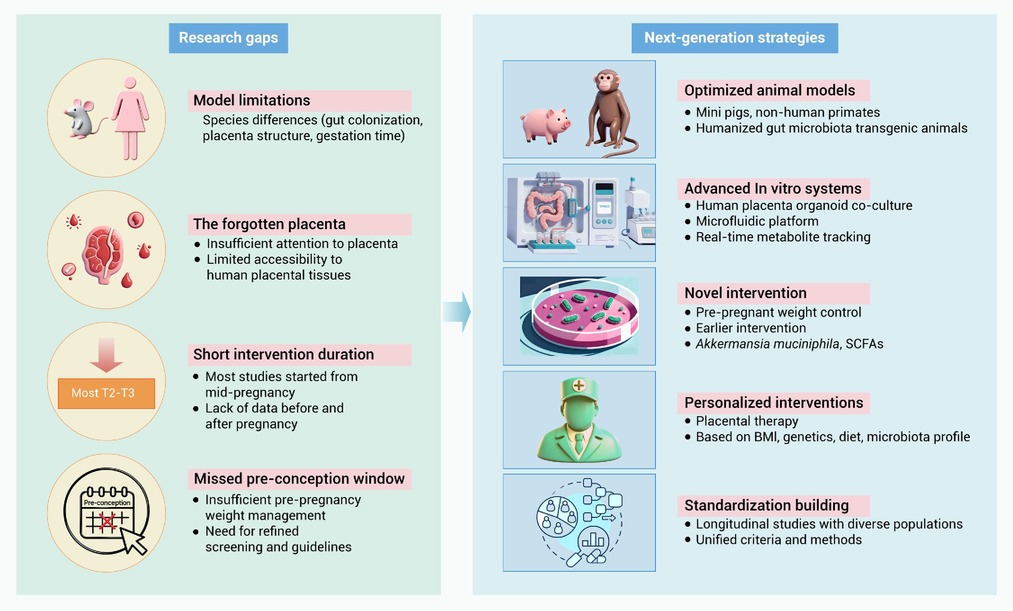
Problems with current research on gut microbiota interventions and the way forward
