
Artificial intelligence in bone biology: Transforming basic research into advanced therapeutics
-
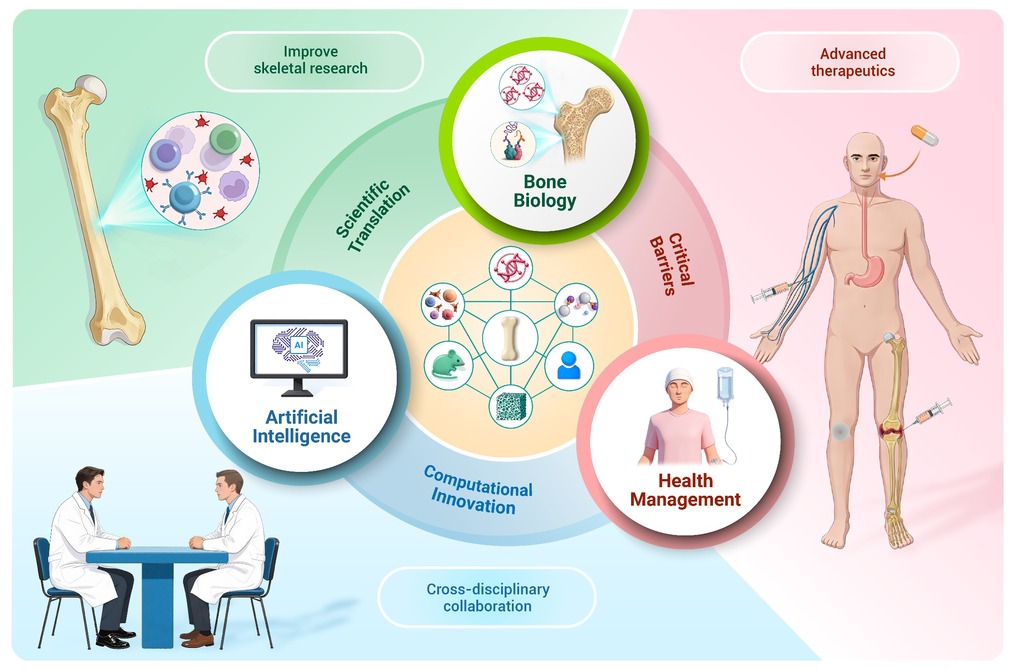
GRAPHICAL ABSTRACT
 DownLoad:
Full size image
DownLoad:
Full size image
-
PUBLIC SUMMARY
-
Artificial Intelligence (AI) accelerates the translation of bone biology into advanced therapeutics.
Computational innovation integrates complex data to overcome critical barriers in skeletal research.
Cross-disciplinary collaboration is vital to bridge research findings with therapeutic applications.
-
-
ABSTRACT
Bone biology orchestrates complex interactions at cellular, molecular, and systemic levels, maintaining skeletal homeostasis and systemic physiology. While significant progress has been made in understanding bone pathophysiology, traditional research methods face challenges in deconvoluting the intricate bone microenvironment and translating findings into effective therapeutic strategies. Artificial intelligence (AI) directly addresses these limitations with its exceptional capacity for analyzing vast, complex datasets and identifying subtle patterns that are often missed by conventional approaches. This review explores how AI is revolutionizing bone biology research and accelerating its translation into therapeutic applications. We categorize AI techniques, including machine learning (ML), deep learning (DL), and natural language processing (NLP), and systematically assess their applications in bone biology. AI shows remarkable potential in decoding complex cellular signaling networks, identifying novel biomarkers, enhancing diagnostic accuracy, and enabling personalized therapeutic approaches for bone disorders. We critically evaluate current implementations and delineate challenges related to data quality, model interpretability, and ethical considerations. Finally, we propose future directions focusing on data standardization, multi-omics integration, and cross-disciplinary collaboration to unlock the full potential of AI in advancing bone health management and developing novel therapies. -

-
REFERENCES
[1] llen K. D., Thoma L. M. and Golightly Y. M. (2022). Epidemiology of osteoarthritis. Osteoarthr. Cartil. 30:184−195. DOI:10.1016/j.joca.2021.04.020 [2] Buttgereit F., Palmowski A., Bond M., et al. (2024). Osteoporosis and fracture risk are multifactorial in patients with inflammatory rheumatic diseases. Nat. Rev. Rheumatol. 20:417−431. DOI:10.1038/s41584-024-01120-w [3] Yu S. and Yao X. (2024). Advances on immunotherapy for osteosarcoma. Mol. Cancer 23:192. DOI:10.1186/s12943-024-02105-9 [4] Florencio-Silva R., Sasso G. R., Sasso-Cerri E., et al. (2015). Biology of bone tissue: Structure, function, and factors that influence bone cells. Biomed. Res. Int. 2015:421746. DOI:10.1155/2015/421746 [5] Su N., Yang J., Xie Y., et al. (2019). Bone function, dysfunction and its role in diseases including critical illness. Int. J. Biol. Sci. 15:776−787. DOI:10.7150/ijbs.27063 [6] Iaquinta M. R., Montesi M. and Mazzoni E. (2024). Advances in bone biology. Int. J. Mol. Sci. 25. DOI:10.3390/ijms25136892. [7] Zaidi M., Kim S. M., Mathew M., et al. (2023). Bone circuitry and interorgan skeletal crosstalk. Elife 12:e83142. DOI:10.7554/eLife.83142 [8] Besio R., Chow C. W., Tonelli F., et al. (2019). Bone biology: Insights from osteogenesis imperfecta and related rare fragility syndromes. FEBS J. 286:3033−3056. DOI:10.1111/febs.14963 [9] Starling S. (2019). A role for autophagy in bone biology. Nat. Rev. Endocrinol. 15:438−439. DOI:10.1038/s41574-019-0223-5 [10] Li Q., Cheng J. C., Jiang Q., et al. (2021). Role of sirtuins in bone biology: Potential implications for novel therapeutic strategies for osteoporosis. Aging Cell 20:e13301. DOI:10.1111/acel.13301 [11] Fotiou D. and Katodritou E. (2025). From biology to clinical practice: The bone marrow microenvironment in multiple myeloma. J. Clin. Med. 14. DOI:10.3390/jcm14020327 [12] Yang D., Xu J., Xu K., et al. (2024). Skeletal interoception in osteoarthritis. Bone Res. 12:22. DOI:10.1038/s41413-024-00328-6 [13] Misseri G., Gregoretti C. and Lo Bianco G. (2024). Review of evaluation and treatment of knee pain. JAMA 331:706−707. DOI:10.1001/jama.2023.27754 [14] Lin S., Zhuang Y., Chen K., et al. (2024). Osteoinductive biomaterials: Machine learning for prediction and interpretation. Acta Biomater. 187:422−433. DOI:10.1016/j.actbio.2024.08.017 [15] Stegen S. and Carmeliet G. (2024). Metabolic regulation of skeletal cell fate and function. Nat. Rev. Endocrinol. 20:399−413. DOI:10.1038/s41574-024-00969-x [16] Wang Y., Liu S., Spiteri A. G., et al. (2024). Understanding machine learning applications in dementia research and clinical practice: A review for biomedical scientists and clinicians. Alzheimers Res. Ther. 16:175. DOI:10.1186/s13195-024-01540-6 [17] Cao F., Xu Z., Li X. X., et al. (2024). Trends and cross-country inequalities in the global burden of osteoarthritis, 1990-2019: A population-based study. Ageing Res. Rev. 99:102382. DOI:10.1016/j.arr.2024.102382 [18] Huang K. and Cai H. (2024). The interplay between osteoarthritis and osteoporosis: Mechanisms, implications, and treatment considerations - a narrative review. Exp. Gerontol. 197:112614. DOI:10.1016/j.exger.2024.112614 [19] Li M. M., Huang Y., Sumathipala M., et al. (2024). Contextual AI models for single-cell protein biology. Nat. Methods 21:1546−1557. DOI:10.1038/s41592-024-02341-3 [20] He X., Li Y., Zou D., et al. (2024). An overview of magnesium-based implants in orthopaedics and a prospect of its application in spine fusion. Bioact. Mater. 39:456−478. DOI:10.1016/j.bioactmat.2024.04.026 [21] Varghese C., Harrison E. M., O'Grady G., et al. (2024). Artificial intelligence in surgery. Nat. Med. 30:1257−1268. DOI:10.1038/s41591-024-02970-3 [22] Matsubara S. (2024). Medical artificial intelligence and human values. N. Engl. J. Med. 391:1167. DOI:10.1056/NEJMc2408971 [23] Hao M., Gong J., Zeng X., et al. (2024). Large-scale foundation model on single-cell transcriptomics. Nat. Methods 21:1481−1491. DOI:10.1038/s41592-024-02305-7 [24] Yaung K. N., Yeo J. G., Kumar P., et al. (2023). Artificial intelligence and high-dimensional technologies in the theragnosis of systemic lupus erythematosus. Lancet Rheumatol. 5:e151−e165. DOI:10.1016/S2665-9913(23)00010-3 [25] Wojtara M., Rana E., Rahman T., et al. (2023). Artificial intelligence in rare disease diagnosis and treatment. Clin. Transl. Sci. 16:2106−2111. DOI:10.1111/cts.13619 [26] Sharif N., Gilani S. Z., Suter D., et al. (2023). Machine learning for abdominal aortic calcification assessment from bone density machine-derived lateral spine images. EBioMedicine 94:104676. DOI:10.1016/j.ebiom.2023.104676 [27] Nielsen R. L., Monfeuga T., Kitchen R. R., et al. (2024). Data-driven identification of predictive risk biomarkers for subgroups of osteoarthritis using interpretable machine learning. Nat. Commun. 15:2817. DOI:10.1038/s41467-024-46663-4 [28] Al Turkestani N., Li T., Bianchi J., et al. (2024). A comprehensive patient-specific prediction model for temporomandibular joint osteoarthritis progression. Proc. Natl. Acad. Sci. U S A 121:e2306132121. DOI:10.1073/pnas.2306132121 [29] Khanal S. K., Tarafdar A. and You S. (2023). Artificial intelligence and machine learning for smart bioprocesses. Bioresour. Technol. 375:128826. DOI:10.1016/j.biortech.2023.128826 [30] Zhang Y., Li J., Yang Q., et al. (2025). A clinically applicable AI system for detection and diagnosis of bone metastases using CT scans. Nat. Commun. 16:4444. DOI:10.1038/s41467-025-59433-7 [31] Tieu A., Kroen E., Kadish Y., et al. (2024). The role of artificial intelligence in the Identification and evaluation of bone fractures. Bioengineering (Basel) 11. DOI:10.3390/bioengineering11040338 [32] Papalia G. F., Brigato P., Sisca L., et al. (2024). Artificial intelligence in detection, management, and prognosis of bone metastasis: A systematic review. Cancers (Basel) 16. DOI:10.3390/cancers16152700 [33] Bowes M. A., Kacena K., Alabas O. A., et al. (2021). Machine-learning, MRI bone shape and important clinical outcomes in osteoarthritis: Data from the osteoarthritis initiative. Ann. Rheum. Dis. 80:502−508. DOI:10.1136/annrheumdis-2020-217160 [34] Yadalam P. K. and Ardila C. M. (2025). Deep neural networks based on sp7 protein sequence prediction in peri-Implant bone formation. Int. J. Dent. 2025:7583275. DOI:10.1155/ijod/7583275 [35] Fodeh S., Wang R., Murphy T. E., et al. (2024). BoneScore: A natural language processing algorithm to extract bone mineral density data from DXA scans. Health Informatics J. 30:14604582241295930. DOI:10.1177/14604582241295930 [36] Desai D., Kantliwala S. V., Vybhavi J., et al. (2024). Review of AlphaFold 3: Transformative advances in drug design and therapeutics. Cureus 16:e63646. DOI:10.7759/cureus.63646 [37] Xia J., Zhang Y. and Jiang B. (2025). The evolution of machine learning potentials for molecules, reactions and materials. Chem. Soc. Rev. 54:4790−4821. DOI:10.1039/d5cs00104h [38] ordan M. I. and Mitchell T. M. (2015). Machine learning: Trends, perspectives, and prospects. Science 349:255−260. DOI:10.1126/science.aaa8415 [39] Mahesh B. (2020). Machine learning algorithms-a review. Int. J. Sci. Res. 9:381–386. DOI: https:/dx.doiorg/10.21275/SR22815163219 [40] Nasteski V. (2017). An overview of the supervised machine learning methods. Horizons. b 4:56. DOI:10.20544/HORIZONS.B.04.1.17.P05 [41] Kokkotis C., Moustakidis S., Papageorgiou E., et al. (2020). Machine learning in knee osteoarthritis: A review. Osteoarthr. Cartil. Open. 2:100069. DOI:10.1016/j.ocarto.2020.100069 [42] Parisi L., RaviChandran N. and Lanzillotta M. (2023). Supervised machine learning for aiding diagnosis of knee osteoarthritis: A systematic review and meta-analysis. TechRxiv. 26:2020. DOI:10.36227/techrxiv.13132931.v1 [43] Pruneski J. A., Pareek A., Kunze K. N., et al. (2023). Supervised machine learning and associated algorithms: applications in orthopedic surgery. Knee Surg. Sports Traumatol. Arthrosc. 31:1196−1202. DOI:10.1007/s00167-022-07181-2 [44] Xuan A., Chen H., Chen T., et al. (2023). The application of machine learning in early diagnosis of osteoarthritis: A narrative review. Ther. Adv. Musculoskelet. Dis. 15:1759720X231158198. DOI:10.1177/1759720X231158198 [45] Castagno S., Gompels B., Strangmark E., et al. (2024). Understanding the role of machine learning in predicting progression of osteoarthritis. Bone Joint J. 106-B:1216–1222. DOI:10.1302/0301-620X.106B11.BJJ-2024-0453.R1 [46] Wang X., Liu T., Sheng Y., et al. (2025). Exploration and verification of circulating diagnostic biomarkers in osteoarthritis based on machine learning. Front Genet 16:1513675. DOI:10.3389/fgene.2025.1513675 [47] Wang H., Zhang Z., Cheng X., et al. (2024). Machine learning algorithm-based biomarker exploration and validation of mitochondria-related diagnostic genes in osteoarthritis. PeerJ. 12:e17963. DOI:10.7717/peerj.17963 [48] Anam M., Hussain M., Nadeem M. W., et al. (2021). Osteoporosis prediction for trabecular bone using machine learning: A review. Computers, Materials & Continua. 67:89−105. DOI:10.32604/cmc.2021.013159 [49] Smets J., Shevroja E., Hügle T., et al. (2020). Machine learning solutions for osteoporosis—a review. J. Bone Miner. Res. 36: 833-851. DOI: 10.1002/jbmr.4292 [50] Hugle M., Omoumi P., van Laar J. M., et al. (2020). Applied machine learning and artificial intelligence in rheumatology. Rheumatol. Adv. Pract. 4:rkaa005. DOI:10.1093/rap/rkaa005 [51] Shi Y., Zhou M., Chang C., et al. (2024). Advancing precision rheumatology: Applications of machine learning for rheumatoid arthritis management. Front. Immunol. 15:1409555. DOI:10.3389/fimmu.2024.1409555 [52] Chen Y., Liu H., Yu Q., et al. (2024). Entry point of machine learning in axial spondyloarthritis. RMD Open 10:e003832. DOI:10.1136/rmdopen-2023-003832 [53] Momtazmanesh S., Nowroozi A. and Rezaei N. (2022). Artificial intelligence in rheumatoid arthritis: Current status and future perspectives: A state-of-the-art review. Rheumatol. Ther. 9:1249−1304. DOI:10.1007/s40744-022-00475-4 [54] Rivellese F., Surace A. E. A., Goldmann K., et al. (2022). Rituximab versus tocilizumab in rheumatoid arthritis: Synovial biopsy-based biomarker analysis of the phase 4 R4RA randomized trial. Nat. Med. 28:1256−1268. DOI:10.1038/s41591-022-01789-0 [55] Guo J. L., Januszyk M. and Longaker M. T. (2023). Machine learning in tissue engineering. Tissue Eng. Part A 29:2−19. DOI:10.1089/ten.tea.2022.012 [56] Kolomenskaya E., Butova V., Poltavskiy A., et al. (2023). Application of artificial intelligence at all stages of bone tissue engineering. Biomedicines 12:76. DOI:10.3390/biomedicines12010076 [57] Naeem S., Ali A., Anam S., et al. (2023). An unsupervised machine learning algorithms: Comprehensive review. Int. J. Com. Dig. Sys. 13:No.1. DOI:10.12785/ijcds/130172 [58] Kong S. H. and Shin C. S. (2021). Applications of machine learning in bone and mineral research. Endocrinol. Metab. 36:928−937. DOI:10.3803/EnM.2021.1111 [59] Trezza A., Visibelli A., Roncaglia B., et al. (2024). Unsupervised learning in precision medicine: Unlocking personalized healthcare through AI. Appl. Sci. 14:9305. DOI:10.3390/app14209305 [60] Obeagu E. I., Ezeanya C. U., Ogenyi F. C., et al. (2025). Big data analytics and machine learning in hematology: Transformative insights, applications and challenges. Medicine 104:e41766. DOI:10.1097/MD.0000000000041766 [61] Li Q., Wang J. and Zhao C. (2024). From genomics to metabolomics: Molecular insights into osteoporosis for enhanced diagnostic and therapeutic approaches. Biomedicines 12:2389. DOI:10.3390/biomedicines12102389 [62] Yang J. and Wu J. (2023). Discovery of potential biomarkers for osteoporosis diagnosis by individual omics and multi-omics technologies. Expert Rev. Mol. Diagn. 23:505−520. DOI:10.1080/14737159.2023.2208750 [63] Yang T. L., Shen H., Liu A., et al. (2020). A road map for understanding molecular and genetic determinants of osteoporosis. Nat. Rev. Endocrinol. 16:91−103. DOI:10.1038/s41574-019-0282-7 [64] Hansen M. S., Madsen K., Price M., et al. (2024). Transcriptional reprogramming during human osteoclast differentiation identifies regulators of osteoclast activity. Bone Res. 12:5. DOI:10.1038/s41413-023-00312-6 [65] Gaweda A. E., Lederer E. D. and Brier M. E. (2022). Use of artificial intelligence to identify new mechanisms and approaches to therapy of bone bisorders associated with chronic kidney disease. Front. Med. 9:807994. DOI:10.3389/fmed.2022.807994 [66] Wang H., Joshi P., Hong S. H., et al. (2022). Predicting the targets of IRF8 and NFATc1 during osteoclast differentiation using the machine learning method framework cTAP. BMC Genomics 23:14. DOI:10.1186/s12864-021-08159-z [67] Liang W., Wei T., Hu L., et al. (2024). An integrated multi-omics analysis reveals osteokines involved in global regulation. Cell Metab. 36:1144–1163 e1147. DOI:10.1016/j.cmet.2024.03.006. [68] Yu C., Liu J., Nemati S., et al. (2021). Reinforcement learning in healthcare: A survey. ACM Comput. Surv. 55:1−36. DOI:10.1145/347760 [69] Thompson E., Tashman A. and Scialla J. J. (2025). Chronic kidney disease-mineral and bone disorder management in 4D: The case for dynamic treatment regime methods to optimize care. Curr.Osteoporos. Rep. 23:16. DOI:10.1007/s11914-025-00911-8 [70] Mackay B. S., Marshall K., Grant-Jacob J. A., et al. (2021). The future of bone regeneration: Integrating AI into tissue engineering. Biomed. Phys. Eng. Express. 7:052002. DOI:10.1088/2057-1976/ac154f [71] Hoveidaei A. H., Sadat-Shojai M., Nabavizadeh S. S., et al. (2025). Clinical challenges in bone tissue engineering - A narrative review. Bone 192:117363. DOI:10.1016/j.bone.2024.117363 [72] Aslam Khan M. U., Aslam M. A., Bin Abdullah M. F., et al. (2024). Current perspectives of protein in bone tissue engineering: Bone structure, ideal scaffolds, fabrication techniques, applications, scopes, and future advances. ACS Appl. Bio. Mater. 7:5082−5106. DOI:10.1021/acsabm.4c00362 [73] Mohammed A. and Kora R. (2023). A comprehensive review on ensemble deep learning: Opportunities and challenges. J. King Saud Univ. Comput. Inf. Sci. 35:757−774. DOI:10.1016/j.jksuci.2023.01.014 [74] Sharifani K. and Amini M. (2023). Machine learning and deep learning: A review of methods and applications. World Inf. Technol. Eng. J. 10:3897−3904. DOI:10.2139/ssrn.4458723 [75] Sistaninejhad B., Rasi H. and Nayeri P. (2023). A Review paper about deep learning for medical image analysis. Comput. Math. Methods Med. 2023:7091301. DOI:10.1155/2023/7091301 [76] Wang Y., Lin Q., Zhao S., et al. (2024). Automated diagnosis of bone metastasis by classifying bone scintigrams using a self-defined deep learning model. Curr. Med. Imaging 20:e15734056281578. DOI:10.2174/0115734056281578231212104108 [77] Shen S. C., Pena Fernandez M., Tozzi G., et al. (2021). Deep learning approach to assess damage mechanics of bone tissue. J. Mech. Behav. Biomed. Mater. 123:104761. DOI:10.1016/j.jmbbm.2021.104761 [78] van Eekelen L., Pinckaers H., van den Brand M., et al. (2022). Using deep learning for quantification of cellularity and cell lineages in bone marrow biopsies and comparison to normal age-related variation. Pathology 54:318−327. DOI:10.1016/j.pathol.2021.07.011 [79] Cao R., Nelson S. D., Davis S., et al. (2023). Label-free intraoperative histology of bone tissue via deep-learning-assisted ultraviolet photoacoustic microscopy. Nat. Biomed. Eng. 7:124−134. DOI:10.1038/s41551-022-00940-z [80] He Y., Pan I., Bao B., et al. (2020). Deep learning-based classification of primary bone tumors on radiographs: A preliminary study. EBioMedicine 62:103121. DOI:10.1016/j.ebiom.2020.103121 [81] Tao Y., Huang X., Tan Y., et al. (2021). Qualitative histopathological classification of primary bone tumors using deep learning: A pilot study. Front. Oncol. 11:735739. DOI:10.3389/fonc.2021.735739 [82] Cohen-Karlik E., Awida Z., Bergman A., et al. (2021). Quantification of osteoclasts in culture, powered by bachine learning. Front. Cell Dev. Biol. 9:674710. DOI:10.3389/fcell.2021.674710 [83] Shiffman S., Rios Piedra E. A., Adedeji A. O., et al. (2023). Analysis of cellularity in H&E-stained rat bone marrow tissue via deep learning. J. Pathol. Inform. 14:100333. DOI:10.1016/j.jpi.2023.100333 [84] Irshaid L., Bleiberg J., Weinberger E., et al. (2022). Histopathologic and machine deep learning criteria to predict lymphoma transformation in bone marrow biopsies. Arch. Pathol. Lab. Med. 146:182−193. DOI:10.5858/arpa.2020-0510-OA [85] Chen D., Sarkar S., Candia J., et al. (2016). Machine learning based methodology to identify cell shape phenotypes associated with microenvironmental cues. Biomaterials 104:104−118. DOI:10.1016/j.biomaterials.2016.06.040 [86] Krichevsky S., Ouseph M. M., Zhang Y., et al. (2023). A deep learning-based pathomics methodology for quantifying and characterizing nucleated cells in the bone marrow microenvironment. Blood 142:2294. DOI:10.1182/blood-2023-191272 [87] Coudray N., Occidental M. A., Mantilla J. G., et al. (2025). Quantitative and morphology-based deep convolutional neural network approaches for osteosarcoma survival prediction in the neoadjuvant and metastatic settings. Clin.Cancer. Res. 31:365−375. DOI:10.1158/1078-0432.CCR-24-2599 [88] Lu L., Ono N. and Welch J. D. (2025). Linking transcriptome and morphology in bone cells at cellular resolution with generative AI. J. Bone Miner. Res. 40:20−26. DOI:10.1093/jbmr/zjae151 [89] Jothi R. and Jayanthi K. (2024). A deep multi-filtering network based on dilated mask RCNN framework with self-attention RNN model for segmenting and classifying bone fracture. Multimed. Tools Appl. 84:29815−29841. DOI:10.1007/s11042-024-20245-4 [90] Deshmukh S. and Khaparde A. (2022). Faster region-convolutional neural network oriented feature learning with optimal trained recurrent neural network for bone age assessment for pediatrics. Biomed. Signal. Process. Control. 71:103016. DOI:10.1016/j.bspc.2021.103016 [91] Chen H, Dreizin D, Gomez C, et al. (2025). Interpretable severity scoring of pelvic trauma through automated fracture detection and bayesian inference. IEEE Trans. Med. Imaging 44:130−141. DOI:10.1109/TMI.2024.3428836 [92] Thomsen F. S. L., Iarussi E., Borggrefe J., et al. (2023). Bone-GAN: Generation of virtual bone microstructure of high resolution peripheral quantitative computed tomography. Med. Phys. 50:6943−6954. DOI:10.1002/mp.16482 [93] Ali M., Ali M., Hussain M., et al. (2024). Generative adversarial networks (gans) for medical image processing: Recent advancements. Arch. Comput. Methods Eng. 32:1185−1198. DOI:10.1007/s11831-024-10174-8 [94] Ahmad Z., Jaffri Z. u. A., Chen M., et al. (2024). Understanding GANs: Fundamentals, variants, training challenges, applications, and open problems. Multimed. Tools. Appl. 84:10347−10423. DOI:10.1007/s11042-024-19361-y [95] Jin L., Tang Y., Coole J. B., et al. (2024). DeepDOF-SE: Affordable deep-learning microscopy platform for slide-free histology. Nat. Commun. 15:2935. DOI:10.1038/s41467-024-47065-2 [96] Mao X., Hui Q., Zhu S., et al. (2023). Automated skeletal bone age assessment with two-stage convolutional transformer network based on X-ray images. Diagnostics 13:1837. DOI:10.3390/diagnostics13111837 [97] Liu J., Wang H., Shan X., et al. (2024). Hybrid transformer convolutional neural network-based radiomics models for osteoporosis screening in routine CT. BMC Med. Imaging 24:62. DOI:10.1186/s12880-024-01240-5 [98] Li W., Zou X., Zhang J., et al. (2025). Predicting lung cancer bone metastasis using CT and pathological imaging with a Swin Transformer model. J. Bone Oncol. 52:100681. DOI:10.1016/j.jbo.2025.100681 [99] Casey A., Davidson E., Poon M., et al. (2021). A systematic review of natural language processing applied to radiology reports. BMC Med. Inform. Decis. Mak. 21:179. DOI:10.1186/s12911-021-01533-7 [100] AlShehri Y., Sidhu A., Lakshmanan L. V. S., et al. (2024). Applications of natural language processing for automated clinical data analysis in orthopaedics. J. Am. Acad. Orthop. Surg. 32:439−446. DOI:10.5435/JAAOS-D-23-00839 [101] Cai J., Han R., Li J., et al. (2024). Exploring mechanobiology network of bone and dental tissue based on Natural Language Processing. J. Biomech. 174:112271. DOI:10.1016/j.jbiomech.2024.112271 [102] Raza S., Garg M., Reji D. J., et al. (2024). Nbias: A natural language processing framework for BIAS identification in text. Expert Syst. Appl. 237:121542. DOI:10.1016/j.eswa.2023.121542 [103] Maree M., Al-Qasem R. and Tantour B. (2024). Transforming legal text interactions: Leveraging natural language processing and large language models for legal support in Palestinian cooperatives. Int. J. Inf. Technol. 16:551−558. DOI:10.1007/s41870-023-01584-1 [104] Yadalam P. K., Pawar A. R., Natarajan P. M., et al. (2025). A novel dual embedding few-shot learning approach for classifying bone loss using orthopantomogram radiographic notes. Head Face Med. 21:49. DOI:10.1186/s13005-025-00528-3 [105] Gill J. K., Chetty M., Lim S., et al. (2025). BioBERT based text mining for incorporating prior knowledge in the inference of genetic network models. Comput. Biol. Med. 186:109623. DOI:10.1016/j.compbiomed.2024.109623 [106] Cung M., Sosa B., Yang H. S., et al. (2024). The performance of artificial intelligence chatbot large language models to address skeletal biology and bone health queries. J Bone Miner. Res. 39:106−115. DOI:10.1093/jbmr/zjad007 [107] Chen Y., Chen L., Wu J., et al. (2025). Throw out an oligopeptide to catch a protein: Deep learning and natural language processing-screened tripeptide PSP promotes Osteolectin-mediated vascularized bone regeneration. Bioact. Mater. 46:37−54. DOI:10.1016/j.bioactmat.2024.11.011 [108] Gill S. S., Golec M., Hu J., et al. (2025). Edge AI: A taxonomy, systematic review and future directions. Cluster Comput. 28:1−53. DOI:10.1007/s10586-024-04686-y [109] Razavi-Termeh S. V., Sadeghi-Niaraki A., Ali F., et al. (2025). Cutting-Edge strategies for absence data identification in natural hazards: Leveraging voronoi-entropy in flood susceptibility mapping with advanced AI techniques. JHyd. 648:132337. DOI:10.1016/j.jhydrol.2024.132337 [110] Dessay M., Couture E., Maaroufi H., et al. (2022). Attenuated clinical and osteoclastic phenotypes of Paget's disease of bone linked to the p.Pro392Leu/SQSTM1 mutation by a rare variant in the DOCK6 gene. BMC Med. Genomics 15:41. DOI:10.1186/s12920-022-01198-9. [111] Huo K., Yang Y., Yang T., et al. (2024). Identification of drug targets and agents associated with ferroptosis-related osteoporosis through integrated network pharmacology and molecular docking technology. Curr. Pharm. Des. 30:1103−1114. DOI:10.2174/0113816128288225240318045050 [112] Xu J., Wen X., Sun L., et al. (2025). Large model era: Deep learning in osteoporosis drug discovery. J. Chem. Inf. Model. 65:2232−2244. DOI:10.1021/acs.jcim.4c02264 [113] Zeng P., Huang H. and Li D. (2024). Combining bioinformatics, network pharmacology, and artificial intelligence to predict the mechanism of resveratrol in the treatment of rheumatoid arthritis. Heliyon 10:e37371. DOI:10.1016/j.heliyon.2024.e37371 [114] Zhong J., Hu X., Dong J., et al. (2024). Bisphosphonates activated keratin assembled nanoparticle targeting bone fracture for enhanced immunomodulatory and osteoinductivity. Chem. Eng. J. 489:151265. DOI:10.1016/j.cej.2024.151265 [115] Lee S. B., Abdal Dayem A., Kmiecik S., et al. (2024). Efficient improvement of the proliferation, differentiation, and anti-arthritic capacity of mesenchymal stem cells by simply culturing on the immobilized FGF2 derived peptide, 44-ERGVVSIKGV-53. J. Adv. Res. 62:119−141. DOI:10.1016/j.jare.2023.09.041 [116] Kanemaru N., Yasaka K., Fujita N., et al. (2025). The fine-tuned large language model for extracting the progressive bone metastasis from unstructured radiology reports. J. Imaging Inform. Med. 38:865−872. DOI:10.1007/s10278-024-01242-3 [117] kumar Yadalam P. (2023). Pre-trained language models based sequence prediction of wnt-sclerostin protein sequences in alveolar bone formation. J. Pioneering Med. Sci. 12:55−60. DOI:10.61091/jpms202312311 [118] Chen Y. Q., Yu T., Song Z. Q., et al. (2025). Application of large language models in drug-induced osteotoxicity prediction. J. Chem. Inf. Model. 65:3370−3379. DOI:10.1021/acs.jcim.5c00275 [119] Arbeeva L., Minnig M. C., Yates K. A., et al. (2023). Machine learning approaches to the prediction of osteoarthritis phenotypes and outcomes. Curr. Rheumatol. Rep. 25:213−225. DOI:10.1007/s11926-023-01114-9 [120] Wang R., Wang Y., Niu Y., et al. (2023). Deep learning-predicted dihydroartemisinin rescues osteoporosis by maintaining mesenchymal stem cell stemness through activating histone 3 jys 9 acetylation. ACS. Cent. Sci. 9:1927–1943. DOI:10.1021/acscentsci.3c00794 [121] Wang P. and Ho D. (2023). Deep learning and drug discovery for healthy aging. ACS. Cent. Sci. 9:1860−1863. DOI:10.1021/acscentsci.3c01212 [122] Cui H., Wang C., Maan H., et al. (2024). scGPT: Toward building a foundation model for single-cell multi-omics using generative AI. Nat. Methods 21:1470−1480. DOI:10.1038/s41592-024-02201-0 [123] Vickram A. S., Infant S. S., Manikandan S., et al. (2025). 3D bio-printed scaffolds and smart implants: evaluating functional performance in animal surgery models. Ann. Med. Surg. 87:3618−3634. DOI:10.1097/MS9.0000000000003333 [124] Bai L., Zhou D., Li G., et al. (2024). Engineering bone/cartilage organoids: Strategy, progress, and application. Bone Res. 12:66. DOI:10.1038/s41413-024-00376-y [125] van Leeuwen K. G., Schalekamp S., Rutten M., et al. (2024). Comparison of commercial AI software performance for aadiograph lung nodule detection and bone age prediction. Radiology 310:e230981. DOI:10.1148/radiol.230981 [126] Jeong S., Han K., Kang Y., et al. (2025). The impact of artificial intelligence on radiologists' reading time in bone age radiograph assessment: A preliminary retrospective observational study. J. Imaging Inform. Med. 38:1915−1923. DOI:10.1007/s10278-024-01323-3 [127] Guo H., Li Q., Zreiqat H., et al. (2026). Emerging technologies for personalised oro-maxillofacial bone regeneration: Design strategies and fabrication techniques. Biomaterials 326:123709. DOI:10.1016/j.biomaterials.2025.123709 [128] Yan M., Liang T., Zhao H., et al. (2024). Model properties and clinical application in the finite element analysis of knee joint: A review. Orthop. Surg. 16:289−302. DOI:10.1111/os.13980 [129] Ma X., Xu J., Fu J., et al. (2025). A geometric deep learning model for real-time prediction of knee joint biomechanics under meniscal extrusion. Ann. Biomed. Eng. 53:2503−2512. DOI:10.1007/s10439-025-03798-9 [130] Malachi I. O., Olawumi A. O. and Oladapo B. I. (2025). AI-driven optimization of spinal implant design using parametric modelling. Colloids Surf. B. Biointerfaces 253:114753. DOI:10.1016/j.colsurfb.2025.114753 [131] Luo M., Yang W., Bai L., et al. (2024). Artificial intelligence for life sciences: A comprehensive guide and future trends. Innov. Life 2:100105. DOI:10.59717/j.xinn-life.2024.100105 [132] Enshaei N. and Naderkhani F. (2024). The role of data quality for reliable AI performance in medical applications. IEEE Reliability Magazine. 1:24−28. DOI:10.1109/MRL.2024.3430192 [133] Esmaeilzadeh P. (2024). Challenges and strategies for wide-scale artificial intelligence (AI) deployment in healthcare practices: A perspective for healthcare organizations. Artif. Intell. Med. 151:102861. DOI:10.1016/j.artmed.2024.102861 [134] Tripathi S., Gabriel K., Dheer S., et al. (2023). Understanding biases and disparities in radiology AI datasets: A review. J. Am. Coll. Radiol. 20:836−841. DOI:10.1016/j.jacr.2023.06.015 [135] Siddiqui I. A., Littlefield N., Carlson L. A., et al. (2024). Fair AI-powered orthopedic image segmentation: Addressing bias and promoting equitable healthcare. Sci. Rep. 14:16105. DOI:10.1038/s41598-024-66873-6 [136] Asim M. N., Ibrahim M. A., Asif T., et al. (2025). RNA sequence analysis landscape: A comprehensive review of task types, databases, datasets, word embedding methods, and language models. Heliyon 11:e41488. DOI:10.1016/j.heliyon.2024.e41488 [137] Tong L., van Wijnen A. J., Wang H., et al. (2024). Advancing bone biology: The mutual promotion of biology and pioneering technologies. Innov. Life 2:100078. DOI:10.59717/j.xinn-life.2024.100078 [138] Cook C. V., Lighty A. M., Smith B. J., et al. (2024). A review of mathematical modeling of bone remodeling from a systems biology perspective. Front. Syst. Biol. 4:1368555. DOI:10.3389/fsysb.2024.1368555 [139] Papalia G. F., Brigato P., Sisca L., et al. (2024). Artificial intelligence in detection, management, and prognosis of bone metastasis: A systematic review. Cancers 16:2700. DOI:10.3390/cancers16152700 [140] Panahi O. and Farrokh S. (2025). Ethical considerations of AI in implant dentistry: A clinical perspective. J. Clin. Rev. Case. Rep. 10:01−05. DOI:10.33140/JCRC20250105 [141] Shi M., Gong Z., Zeng P., et al. (2024). Multi-quantifying maxillofacial traits via a demographic parity-based AI model. BME Front 5:0054. DOI:10.34133/bmef.0054 [142] Khosravi B., Rouzrokh P., Erickson B. J., et al. (2024). Analyzing racial differences in imaging joint replacement registries using generative artificial intelligence: Advancing orthopaedic data equity. Arthroplast. Today 29:101503. DOI:10.1016/j.artd.2024.101503 [143] Toy T. (2024). Transparency in AI. AI & SOCIETY 39:2841−2851. DOI:10.1007/s00146-023-01786-y [144] Lili S., Xiujun Y., Guangjun Y., et al. (2020). Technical realization of integrating bone age artificial intelligence assessment system with hospital RIS-PACS network. Chin. J. Med. Instrum. 44:415−419. DOI:10.3969/j.issn.1671-7104.2020.05.008 [145] Kutbi M. (2024). Artificial intelligence-based applications for bone fracture detection using medical images: A systematic review. Diagnostics 14:1879. DOI:10.3390/diagnostics14171879 [146] Russell R. G., Lovett Novak L., Patel M., et al. (2023). Competencies for the use of artificial intelligence-based tools by health care professionals. Acad. Med. 98:348−356. DOI:10.1097/ACM.0000000000004963 [147] Arora A., Alderman J. E., Palmer J., et al. (2023). The value of standards for health datasets in artificial intelligence-based applications. Nat. Med. 29:2929−2938. DOI:10.1038/s41591-023-02608-w [148] Tong L., Shi W., Isgut M., et al. (2023). Integrating multi-omics data with EHR for precision medicine using advanced artificial intelligence. IEEE Rev. Biomed. Eng. 17:80−97. DOI:10.1109/RBME.2023.3324264 [149] Yetgin A. (2025). Revolutionizing multi‐omics analysis with artificial intelligence and data processing. Quant. Biol. 13:e70002. DOI:10.1002/qub2.70002 [150] Prem E. (2023). From ethical AI frameworks to tools: A review of approaches. AI and Ethics 3:699−716. DOI:10.1007/s43681-023-00258-9 [151] Bai L., Wu Y., Li G., et al. (2024). AI-enabled organoids: Construction, analysis, and application. Bioact. Mater. 31:525−548. DOI:10.1016/j.bioactmat.2023.09.005 [152] Zhou L., Huang J., Li C., et al. (2025). Organoids and organs-on-chips: Recent advances, applications in drug development, and regulatory challenges. Med. 6:100667. DOI:10.1016/j.medj.2025.100667 [153] Tanaka M. (2025). From Serendipity to precision: Integrating AI, multi-omics, and human-specific models for personalized neuropsychiatric care. Biomedicines 13:167. DOI:10.3390/biomedicines13010167 [154] Fan J., Xu J., Wen X., et al. (2024). The Future of bone regeneration: Artificial intelligence in biomaterials discovery. Mater. Today Commun. 40:109982 DOI:https://doi.org/10.1016/j.mtcomm.2024.109982. [155] Vaishya R., Dhall S. and Vaish A. (2024). Artificial intelligence (AI): A potential game changer in regenerative orthopedics-a scoping review. Indian J. Orthop. 58:1362−1374. DOI:10.1007/s43465-024-01189-1 -
ABOUT THIS ARTICLE
Cite this article:
Li C., Zhong Z., Zhang N., et al. (2026). Artificial intelligence in bone biology: Transforming basic research into advanced therapeutics. The Innovation Life 4:100186. https://doi.org/10.59717/j.xinn-life.2026.100186
Welcome!
To request copyright permission to republish or share portions of our works, please visit Copyright Clearance Center's (CCC) Marketplace website at marketplace.copyright.com.
Export File
Citation
Li C., Zhong Z., Zhang N., et al. (2026). Artificial intelligence in bone biology: Transforming basic research into advanced therapeutics. The Innovation Life 4:100186. https://doi.org/10.59717/j.xinn-life.2026.100186

Format
Content
-
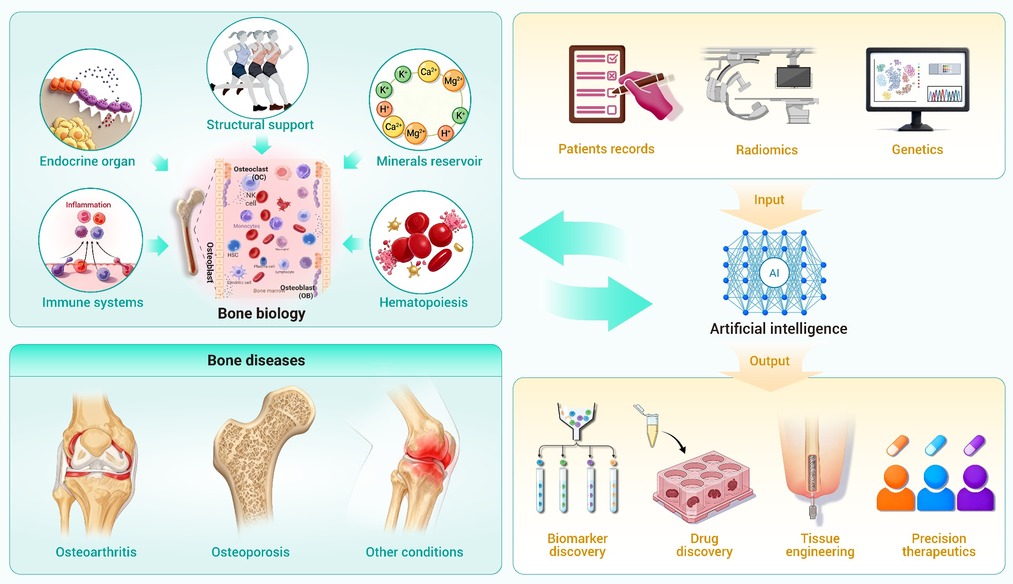
Figure 1.
The intersection of bone biology, disease, and Artificial Intelligence (AI)
-
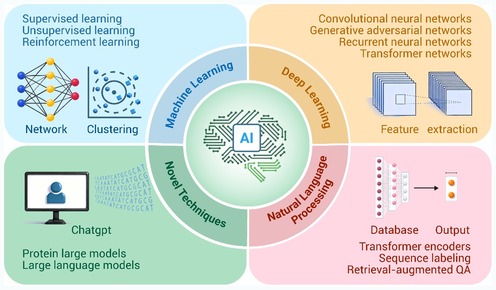
Figure 2.
A schematic of the landscape of Artificial Intelligence
-
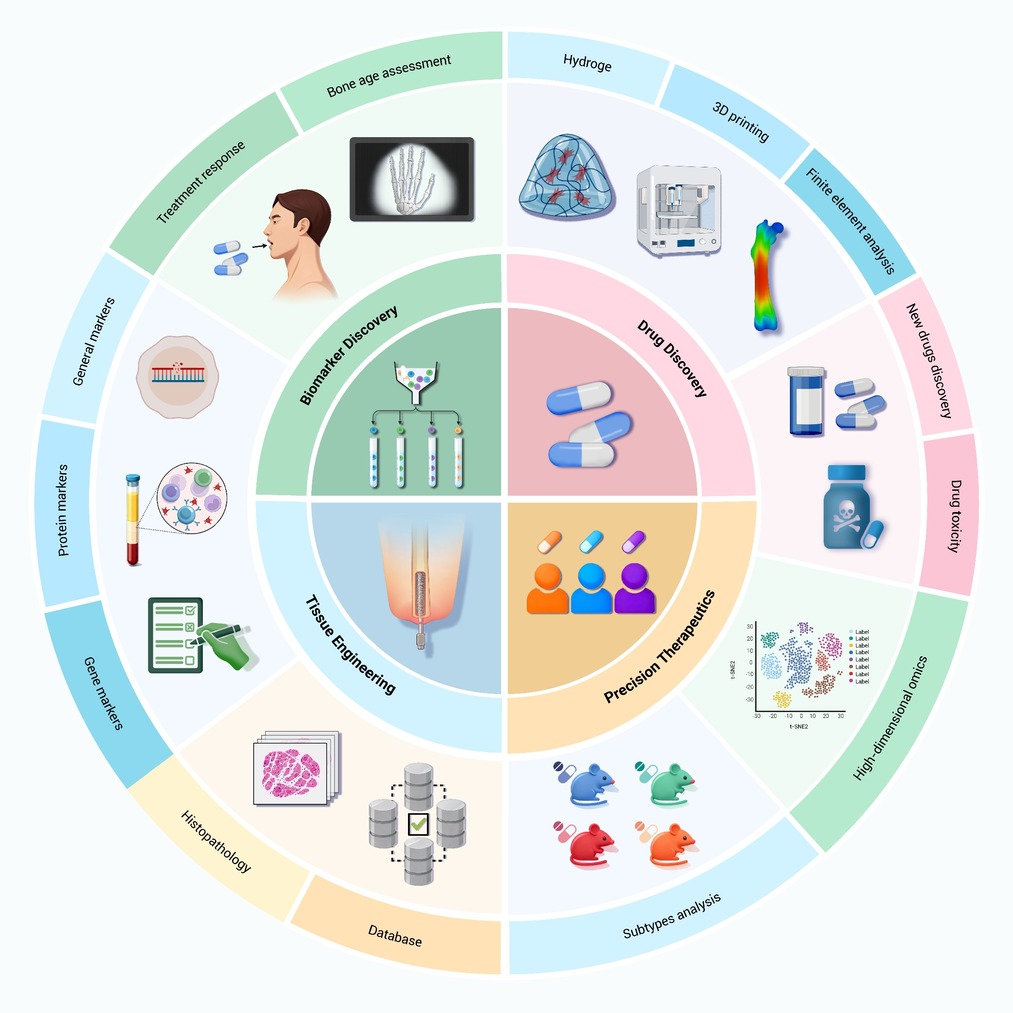
Figure 3.
The integrated application of AI across the research-to-clinic pipeline in bone biology
-
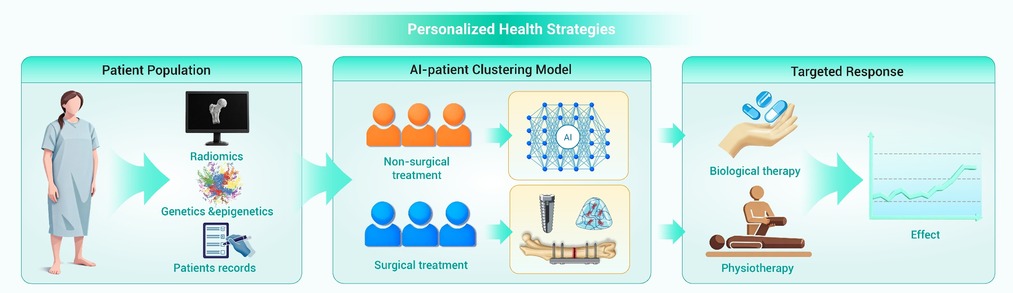
Figure 4.
AI-driven personalization of medicine for musculoskeletal conditions
-
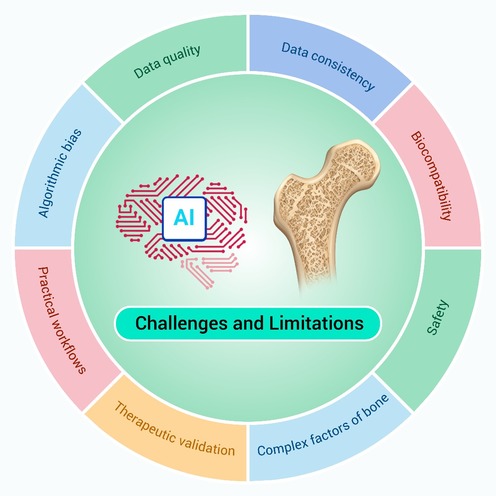
Figure 5.
Challenges and limitations in integrating AI into bone biology research and advanced therapeutics
-
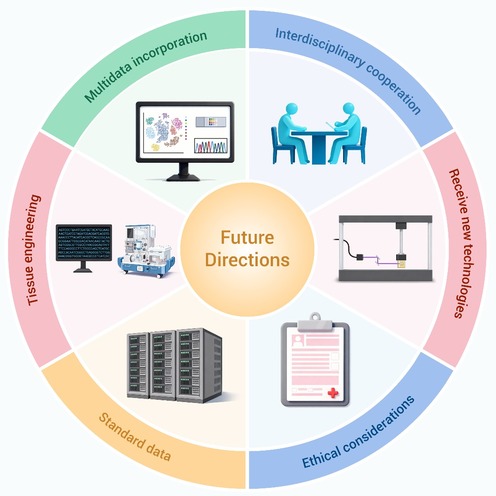
Figure 6.
A strategic roadmap for future directions in bridge AI and bone biology
