
Advancements in precision nutrition: Targeted strategies for personalized health
-
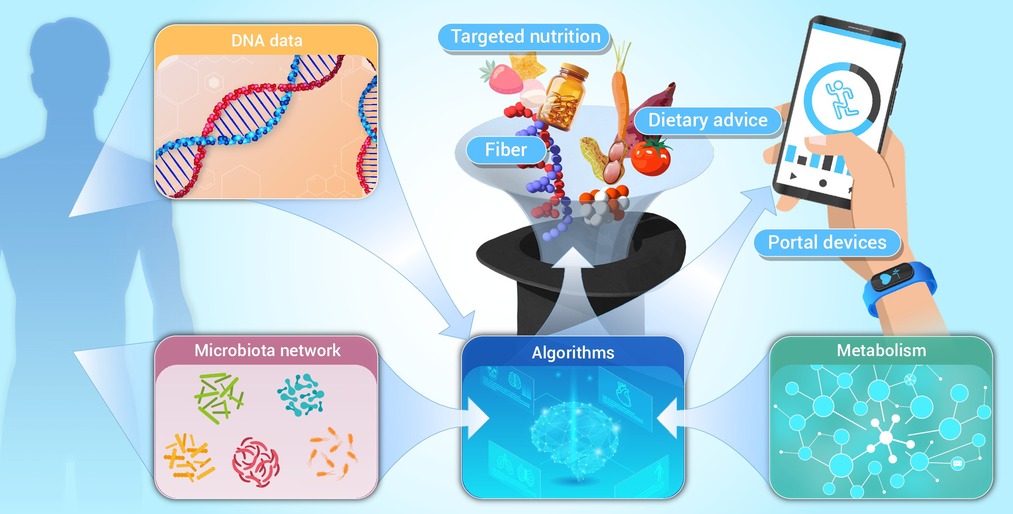
GRAPHICAL ABSTRACT
 DownLoad:
Full size image
DownLoad:
Full size image
-
PUBLIC SUMMARY
-
Individual biological differences and health status advocate precision nutrition.
Wearable sensors and portable devices gain instant individual-specific data.
Artificial intelligence helps to collect, handle, and evaluate abundant information.
Targeted nutrition is a favorable approach for developing precision nutrition.
-
-
ABSTRACT
As the need for more effective nutritional interventions grows, precision nutrition has emerged as a strategy that leverages individual characteristics such as health status, genetic makeup, epigenetic profiles, and microbiota profiles to develop personalized nutrition plans tailored to treat and prevent disease. This strategy involves identifying an individual's health status through specific biomarkers, collecting personalized data via portable testing devices or digital tools, and managing individual-specific information via various algorithms. This review highlights advances in the biological underpinnings of precision nutrition, including understanding interindividual variation, designing target-specific nutrition plans, and addressing the challenges and opportunities of precision nutrition. Furthermore, targeted nutrition which focuses on delivering and releasing specific nutrients to particular sites in the body was explored as a recent innovation within precision nutrition. This review primarily examines targeted nutrition involving the controlled delivery of proteins/peptides, probiotics, fatty acids, polyphenols, and carotenoids, with a focus on the treatment of diseases affecting specific organs. -

-
REFERENCES
[1] Adams S. H., Anthony J. C., Carvajal R., et al. (2020). Perspective: Guiding principles for the implementation of personalized nutrition approaches that benefit health and function. Adv. Nutr. 11:25−34. DOI:10.1093/advances/nmz086 [2] Bashiardes S., Abdeen S. K. and Elinav E. (2019). Personalized nutrition: Are we there yet. J. Pediatr. Gastroenterol. Nutr. 69:633. DOI:10.1097/MPG.0000000000002491 [3] Virgili F. and Perozzi G. (2008). How does nutrigenomics impact human health. IUBMB Life 60:341−344. DOI:10.1002/iub.85 [4] Raiten D. J., Combs G. F., Jr., Steiber A. L., et al. (2021). Perspective: Nutritional status as a biological variable (NABV): Integrating nutrition science into basic and clinical research and care. Adv. Nutr. 12:1599−1609. DOI:10.1093/advances/nmab046 [5] Di Renzo L., Gualtieri P., Romano L., et al. (2019). Role of personalized nutrition in chronic-degenerative diseases. Nutrients 11:1707. DOI:10.3390/nu11081707 [6] Bentley D. R. (2000). Decoding the human genome sequence. Hum. Mol. Genet. 9:2353−2358. DOI:10.1093/hmg/9.16.2353 [7] Zeevi D., Korem T., Zmora N., et al. (2015). Personalized nutrition by prediction of glycemic responses. Cell 163:1079−1094. DOI:10.1016/j.cell.2015.11.001 [8] Morabito A., De Simone G., Pastorelli R., et al. (2025). Algorithms and tools for data-driven omics integration to achieve multilayer biological insights: A narrative review. J. Transl. Med. 23:425. DOI:10.1186/s12967-025-06446-x [9] Mbunge E., Muchemwa B., Jiyane S. e., et al. (2021). Sensors and healthcare 5.0: Transformative shift in virtual care through emerging digital health technologies. Glob. Health J. 5:169-177. DOI:10.1016/j.glohj.2021.11.008 [10] Shahidi F. and Pan Y. (2022). Influence of food matrix and food processing on the chemical interaction and bioaccessibility of dietary phytochemicals: A review. Crit. Rev. Food Sci. Nutr. 62:6421−6445. DOI:10.1080/10408398.2021.1901650 [11] Turgeon S. L. and Rioux L.-E. (2011). Food matrix impact on macronutrients nutritional properties. Food Hydrocolloids 25:1915−1924. DOI:10.1016/j.foodhyd.2011.02.026 [12] Weaver C. M. and Givens D. I. (2025). Overview: The food matrix and its role in the diet. Crit. Rev. Food Sci. Nutr.:1-18. DOI:10.1080/10408398.2025.2453074 [13] Hughes R. L., Kable M. E., Marco M., et al. (2019). The role of the gut microbiome in predicting response to diet and the development of precision nutrition models. Part II: Results. Adv. Nutr. 10:979−998. DOI:10.1093/advances/nmz049 [14] Mills S., Stanton C., Lane J. A., et al. (2019). Precision nutrition and the microbiome, part I: Current state of the science. Nutrients 11:923. DOI:10.3390/nu11040923 [15] Gan J., Siegel J. B. and German J. B. (2019). Molecular annotation of food—towards personalized diet and precision health. Trends Food Sci. Technol. 91:675−680. DOI:10.1016/j.jpgs.2019.07.016 [16] Ivanova V. N., Nikitin I., Zhuchenko N. A., et al. (2019). Clustering of multidimensional objects in the formation of personalized diets. Int. J. Adv. Comput. Sci. Appl. 10:45−50. DOI:10.14569/ijacsa.2019.0100206 [17] Newton R. S., Blumberg J. B., Reed D. G., et al. (2020). The American Nutrition Association®: Championing the science and practice of personalized nutrition. J. Am. Coll. Nutr. 39:1−4. DOI:10.1080/07315724.2020.1699380 [18] Laing B. B., Lim A. G. and Ferguson L. R. (2019). A personalised dietary approach—a way forward to manage nutrient deficiency, effects of the Western diet, and food intolerances in inflammatory bowel disease. Nutrients 11:1532. DOI:10.3390/nu11071532 [19] Michel M. and Burbidge A. (2019). Nutrition in the digital age—how digital tools can help to solve the personalized nutrition conundrum. Trends Food Sci. Technol. 90:194−200. DOI:10.1016/j.jpgs.2019.02.018 [20] Bush C. L., Blumberg J. B., El-Sohemy A., et al. (2019). Toward the definition of personalized nutrition: A proposal by the American Nutrition Association. J. Am. Coll. Nutr. 39:5−15. DOI:10.1080/07315724.2019.1685332 [21] Zeisel S. H. (2020). Precision (Personalized) nutrition: Understanding metabolic heterogeneity. Annu. Rev. Food Sci. Technol. 11:71−92. DOI:10.1146/annurev-food-032519-051736 [22] Hausman-Cohen S. R., Hausman-Cohen L. J., Williams G. E., et al. (2020). Genomics of detoxification: How genomics can be used for targeting potential intervention and prevention strategies including nutrition for environmentally acquired illness. J. Am. Coll. Nutr. 39:94−102. DOI:10.1080/07315724.2020.1713654 [23] Laddu D. and Hauser M. (2019). Addressing the nutritional phenotype through personalized nutrition for chronic disease prevention and management. Prog. Cardiovasc. Dis. 62:9−14. DOI:10.1016/j.pcad.2018.12.004 [24] Yang X., Qiu M.-T., Hu J.-W., et al. (2013). GSTT1 null genotype contributes to lung cancer risk in Asian populations: A meta-analysis of 23 studies. PLOS ONE 8:e62181. DOI:10.1371/journal.pone.0062181 [25] Ivanov I. V., Mappes T., Schaupp P., et al. (2018). Ultraviolet radiation oxidative stress affects eye health. J. Biophotonics 11:e201700377. DOI:10.1002/jbio.201700377 [26] Sun H., Zhou Y., Jiang S., et al. (2023). Association between low-sodium salt intervention and long-term blood pressure changes is modified by ENaC genetic variation: A gene–diet interaction analysis in a randomized controlled trial. Food Funct. 14:9782−9791. DOI:10.1039/D3FO02393A [27] Chen J., Dan L., Yuan S., et al. (2025). Dietary antioxidant capacity, genetic susceptibility and polymorphism, and inflammatory bowel disease risk in a prospective cohort. Clin. Gastroenterol. Hepatol. 23:1623−1632. DOI:10.1016/j.cgh.2024.09.033 [28] Lin K., McCormick N., Yokose C., et al. (2023). Interactions between genetic risk and diet influencing risk of incident female gout: Discovery and replication analysis of four prospective cohorts. Arthritis Rheumatol. 75:1028−1038. DOI:10.1002/art.42419 [29] Inbar-Feigenberg M., Choufani S., Butcher D. T., et al. (2013). Basic concepts of epigenetics. Fertil. Steril. 99:607−615. DOI:10.1016/j.fertnstert.2013.01.117 [30] Chen L., Song H., Luo Z., et al. (2020). PHLPP2 is a novel biomarker and epigenetic target for the treatment of vitamin C in pancreatic cancer. Int. J. Oncol. 56:1294−1303. DOI:10.3892/ijo.2020.5001 [31] Aruoma O. I., Hausman-Cohen S., Pizano J., et al. (2019). Personalized nutrition: Translating the science of nutrigenomics into practice: Proceedings from the 2018 American College of Nutrition meeting. J. Am. Coll. Nutr. 38:287−301. DOI:10.1080/07315724.2019.1582980 [32] Wallace T. C., Bultman S., D’Adamo C., et al. (2019). Personalized nutrition in disrupting cancer—proceedings from the 2017 American College of Nutrition annual meeting. J. Am. Coll. Nutr. 38:1−14. DOI:10.1080/07315724.2018.1500499 [33] Bordoni L. and Gabbianelli R. (2019). Primers on nutrigenetics and nutri(epi)genomics: Origins and development of precision nutrition. Biochimie 160:156−171. DOI:10.1016/j.biochi.2019.03.006 [34] Johnson A. J., Vangay P., Al-Ghalith G. A., et al. (2019). Daily sampling reveals personalized diet-microbiome associations in humans. Cell Host Microbe 25:789−802. DOI:10.1016/j.chom.2019.05.005 [35] Asnicar F., Berry S. E., Valdes A. M., et al. (2021). Microbiome connections with host metabolism and habitual diet from 1,098 deeply phenotyped individuals. Nat. Med. 27:321−332. DOI:10.1038/s41591-020-01183-8 [36] Janssen A. W. F. and Kersten S. (2017). Potential mediators linking gut bacteria to metabolic health: A critical view. J. Physiol. 595:477−487. DOI:10.1113/JP272476 [37] Mann E. R., Lam Y. K. and Uhlig H. H. (2024). Short-chain fatty acids: Linking diet, the microbiome and immunity. Nat. Rev. Immunol. 24:577−595. DOI:10.1038/s41577-024-01014-8 [38] Miller K. D., O’Connor S., Pniewski K. A., et al. (2023). Acetate acts as a metabolic immunomodulator by bolstering T-cell effector function and potentiating antitumor immunity in breast cancer. Nat. Cancer 4:1491−1507. DOI:10.1038/s43018-023-00636-6 [39] Wang R., Yang X., Liu J., et al. (2022). Gut microbiota regulates acute myeloid leukaemia via alteration of intestinal barrier function mediated by butyrate. Nat. Commun. 13:2522. DOI:10.1038/s41467-022-30240-8 [40] Tian P., Yang W., Guo X., et al. (2023). Early life gut microbiota sustains liver-resident natural killer cells maturation via the butyrate-IL-18 axis. Nat. Commun. 14:1710. DOI:10.1038/s41467-023-37419-7 [41] Chen H.-C., Liu Y.-W., Chang K.-C., et al. (2023). Gut butyrate-producers confer post-infarction cardiac protection. Nat. Commun. 14:7249. DOI:10.1038/s41467-023-43167-5 [42] Yang X., Zhang M., Liu Y., et al. (2023). Inulin-enriched Megamonas funiformis ameliorates metabolic dysfunction-associated fatty liver disease by producing propionic acid. npj Biofilms Microbiomes 9:84. DOI:10.1038/s41522-023-00451-y [43] Sinha S. R., Haileselassie Y., Nguyen L. P., et al. (2020). Dysbiosis-induced secondary bile acid deficiency promotes intestinal inflammation. Cell Host Microbe 27:659−670. DOI:10.1016/j.chom.2020.01.021 [44] Wang J. and Jia H. (2016). Metagenome-wide association studies: Fine-mining the microbiome. Nat. Rev. Microbiol. 14:508−522. DOI:10.1038/nrmicro.2016.83 [45] Hou S., Yu J., Li Y., et al. (2025). Advances in fecal microbiota transplantation for gut dysbiosis-related diseases. Adv. Sci. 12:2413197. DOI:10.1002/advs.202413197 [46] Kim J.-H., Kim K. and Kim W. (2021). Gut microbiota restoration through fecal microbiota transplantation: A new atopic dermatitis therapy. Exp. Mol. Med. 53:907−916. DOI:10.1038/s12276-021-00627-6 [47] D’Auria E., Abrahams M., Zuccotti G. V., et al. (2019). Personalized nutrition approach in food allergy: Is it prime time yet. Nutrients 11:359. DOI:10.3390/nu11020359 [48] Flanagan A., Bechtold D. A., Pot G. K., et al. (2021). Chrono-nutrition: From molecular and neuronal mechanisms to human epidemiology and timed feeding patterns. J. Neurochem. 157:53−72. DOI:10.1111/jnc.15246 [49] Bennett G., Bardon L. A. and Gibney E. R. (2022). A comparison of dietary patterns and factors influencing food choice among ethnic groups living in one locality: A systematic review. Nutrients 14:941. DOI:10.3390/nu14050941 [50] Wang Z., Cui L., Yu W., et al. (2025). Vitamin D nutritional status in China: A multicenter cross-sectional study. Nutr., Metab. Cardiovasc. Dis.36:104275. DOI:10.1016/j.numecd.2025.104275 [51] Palmnäs M., Brunius C., Shi L., et al. (2020). Perspective: Metabotyping—a potential personalized nutrition strategy for precision prevention of cardiometabolic disease. Adv. Nutr. 11:524−532. DOI:10.1093/advances/nmz121 [52] Hjorth M. F., Astrup A., Zohar Y., et al. (2019). Personalized nutrition: Pretreatment glucose metabolism determines individual long-term weight loss responsiveness in individuals with obesity on low-carbohydrate versus low-fat diet. Int. J. Obes 43:2037−2044. DOI:10.1038/s41366-018-0298-4 [53] Ritz C., Astrup A., Larsen T. M., et al. (2019). Weight loss at your fingertips: Personalized nutrition with fasting glucose and insulin using a novel statistical approach. Eur. J. Clin. Nutr. 73:1529−1535. DOI:10.1038/s41430-019-0423-z [54] Welendorf C., Nicoletti C. F., Pinhel M. A. d. S., et al. (2019). Obesity, weight loss, and influence on telomere length: New insights for personalized nutrition. Nutrition 66:115−121. DOI:10.1016/j.nut.2019.05.002 [55] Alvarenga L., Cardozo L. F. M. F., Lindholm B., et al. (2020). Intestinal alkaline phosphatase modulation by food components: Predictive, preventive, and personalized strategies for novel treatment options in chronic kidney disease. EPMA J. 11:565−579. DOI:10.1007/s13167-020-00228-9 [56] Goecks J., Jalili V., Heiser L. M., et al. (2020). How machine learning will transform biomedicine. Cell 181:92−101. DOI:10.1016/j.cell.2020.03.022 [57] Zhang Z., Azizi M., Lee M., et al. (2019). A versatile, cost-effective, and flexible wearable biosensor for in situ and ex situ sweat analysis, and personalized nutrition assessment. Lab Chip 19:3448−3460. DOI:10.1039/C9LC00734B [58] Li M., Wang L., Liu R., et al. (2021). A highly integrated sensing paper for wearable electrochemical sweat analysis. Biosens. Bioelectron. 174:112828. DOI:10.1016/j.bios.2020.112828 [59] Xiao J., Liu Y., Su L., et al. (2019). Microfluidic chip-based wearable colorimetric sensor for simple and facile detection of sweat glucose. Anal. Chem. 91:14803−14807. DOI:10.1021/acs.analchem.9b03110 [60] Sempionatto J. R., Khorshed A. A., Ahmed A., et al. (2020). Epidermal enzymatic biosensor for sweat vitamin C: Towards personalized nutrition. ACS Sensors 5:1804−1813. DOI:10.1021/acssensors.0c00604 [61] Chen L., Xu J. and Li S. C. (2019). DeepMF: Deciphering the latent patterns in omics profiles with a deep learning method. BMC Bioinf. 20:648. DOI:10.1186/s12859-019-3291-6 [62] Sundaravadivel P., Kesavan K., Kesavan L., et al. (2018). Smart-Log: A deep-learning based automated nutrition monitoring system in the IoT. IEEE Trans. Consum. Electron. 64:390−398. DOI:10.1109/TCE.2018.2867802 [63] Azodi C. B., Tang J. and Shiu S.-H. (2020). Opening the black box: Interpretable machine learning for geneticists. Trends Genet. 36:442−455. DOI:10.1016/j.tig.2020.03.005 [64] Sallinen R. J., Dethlefsen O., Ruotsalainen S., et al. (2020). Genetic risk score for serum 25-hydroxyvitamin D concentration helps to guide personalized vitamin D supplementation in healthy finnish adults. J. Nutr. 151:281−292. DOI:10.1093/jn/nxaa391 [65] Yang Y., Shi C.-Y., Xie J., et al. (2020). Identification of potential dipeptidyl peptidase (DPP)-IV inhibitors among Moringa oleifera phytochemicals by virtual screening, molecular docking nalysis, ADME/T-based prediction, and in vitro analyses. Molecules 25:189. DOI:10.3390/molecules25010189 [66] Xie L., Mo J., Ni J., et al. (2020). Structure-based design of human pancreatic amylase inhibitors from the natural anthocyanin database for type 2 diabetes. Food Funct. 11:2910−2923. DOI:10.1039/C9FO02885D [67] Rasouli H., Hosseini-Ghazvini S. M.-B., Adibi H., et al. (2017). Differential α-amylase/α-glucosidase inhibitory activities of plant-derived phenolic compounds: A virtual screening perspective for the treatment of obesity and diabetes. Food Funct. 8:1942−1954. DOI:10.1039/C7FO00220C [68] Guimarães R., Calhelha R. C., Froufe H. J. C., et al. (2016). Wild Roman chamomile extracts and phenolic compounds: Enzymatic assays and molecular modelling studies with VEGFR-2 tyrosine kinase. Food Funct. 7:79−83. DOI:10.1039/C5FO00586H [69] Zhao W., Zhang D., Yu Z., et al. (2020). Novel membrane peptidase inhibitory peptides with activity against angiotensin converting enzyme and dipeptidyl peptidase IV identified from hen eggs. J. Funct. Foods 64:103649. DOI:10.1016/j.jff.2019.103649 [70] Hebert P. R., Gaziano J. M., Chan K. S., et al. (1997). Cholesterol lowering with statin drugs, risk of stroke, and total mortality: An overview of randomized trials. JAMA 278:313−321. DOI:10.1001/jama.1997.03550040069040 [71] Shi W., Hou T., Guo D., et al. (2019). Evaluation of hypolipidemic peptide (Val-Phe-Val-Arg-Asn) virtual screened from chickpea peptides by pharmacophore model in high-fat diet-induced obese rat. J. Funct. Foods 54:136−145. DOI:10.1016/j.jff.2019.01.001 [72] Guo J.-F., Ning Z.-Q., Wu X., et al. (2019). Discovery of a natural PI3Kδ inhibitor through virtual screening and biological assay study. Biochem. Biophys. Res. Commun. 508:709−714. DOI:10.1016/j.bbrc.2018.12.009 [73] Liu H., Liang J., Xiao G., et al. (2021). Dendrobine suppresses lipopolysaccharide-induced gut inflammation in a co-culture of intestinal epithelial Caco-2 cells and RAW264.7 macrophages. eFood 2:92-99. DOI:10.2991/efood.k.210409.001 [74] Liang D., Liu C., Li Y., et al. (2023). Engineering fucoxanthin-loaded probiotics’ membrane vesicles for the dietary intervention of colitis. Biomaterials 297:122107. DOI:10.1016/j.biomaterials.2023.122107 [75] Hou S., Lai C., Song Y., et al. (2023). A food-grade and senescent cell-targeted fisetin delivery system based on whey protein isolate-galactooligosaccharides Maillard conjugate. Food Sci. Hum. Wellness 13:688−697. DOI:10.26599/FSHW.2022.9250058 [76] Bao C., Liu B., Li B., et al. (2020). Enhanced transport of shape and rigidity-tuned α-lactalbumin nanotubes across intestinal mucus and cellular barriers. Nano Lett. 20:1352−1361. DOI:10.1021/acs.nanolett.9b04841 [77] Wen S., Wang W., Huang K., et al. (2022). Novel capsaicin releasing system targeted protects ischemic brain from cardiac arrest. J. Drug Delivery Sci. Technol. 70:103229. DOI:10.1016/j.jddst.2022.103229 [78] Tian C., Asghar S., Hu Z., et al. (2019). Understanding the cellular uptake and biodistribution of a dual-targeting carrier based on redox-sensitive hyaluronic acid-ss-curcumin micelles for treating brain glioma. Int. J. Biol. Macromol. 136:143−153. DOI:10.1016/j.ijbiomac.2019.06.060 [79] Agwa M. M., Abdelmonsif D. A., Khattab S. N., et al. (2020). Self-assembled lactoferrin-conjugated linoleic acid micelles as an orally active targeted nanoplatform for Alzheimer's disease. Int. J. Biol. Macromol. 162:246−261. DOI:10.1016/j.ijbiomac.2020.06.058 [80] Monaco A., Ferrandino I., Boscaino F., et al. (2018). Conjugated linoleic acid prevents age-dependent neurodegeneration in a mouse model of neuropsychiatric lupus via the activation of an adaptive response. J. Lipid Res. 59:48−57. DOI:10.1194/jlr.M079400 [81] Lu Y., Guo Z., Zhang Y., et al. (2019). Microenvironment remodeling micelles for Alzheimer's disease therapy by early modulation of activated microglia. Adv. Sci. 6:1801586. DOI:10.1002/advs.201801586 [82] Wei X., Yang D., Xing Z., et al. (2021). Quercetin loaded liposomes modified with galactosylated chitosan prevent LPS/D-GalN induced acute liver injury. Mater. Sci. Eng.: C 131:112527. DOI:10.1016/j.msec.2021.112527 [83] Zhao F.-Q., Wang G.-F., Xu D., et al. (2021). Glycyrrhizin mediated liver-targeted alginate nanogels delivers quercetin to relieve acute liver failure. Int. J. Biol. Macromol. 168:93−104. DOI:10.1016/j.ijbiomac.2020.11.204 [84] Hua Z., Zhang X., Zhao X., et al. (2023). Hepatic-targeted delivery of astaxanthin for enhanced scavenging free radical scavenge and preventing mitochondrial depolarization. Food Chem. 406:135036. DOI:10.1016/j.foodchem.2022.135036 [85] Hua Z., Zhang X., Chen Y., et al. (2023). A bifunctional hepatocyte-mitochondrion targeting nanosystem for effective astaxanthin delivery to the liver. Food Chem. 424:136439. DOI:10.1016/j.foodchem.2023.136439 [86] Teng W., Zhao L., Yang S., et al. (2019). The hepatic-targeted, resveratrol loaded nanoparticles for relief of high fat diet-induced nonalcoholic fatty liver disease. J. Controlled Release 307:139−149. DOI:10.1016/j.jconrel.2019.06.023 [87] Chen Z., Li W., Shi L., et al. (2020). Kidney-targeted astaxanthin natural antioxidant nanosystem for diabetic nephropathy therapy. Eur. J. Pharm. Biopharm. 156:143−154. DOI:10.1016/j.ejpb.2020.09.005 [88] Shu G., Lu C., Wang Z., et al. (2021). Fucoidan-based micelles as P-selectin targeted carriers for synergistic treatment of acute kidney injury. Nanomed.: Nanotechnol. Biol. Med. 32:102342. DOI:10.1016/j.nano.2020.102342 [89] Liu D., Jin F., Shu G., et al. (2019). Enhanced efficiency of mitochondria-targeted peptide SS-31 for acute kidney injury by pH-responsive and AKI-kidney targeted nanopolyplexes. Biomaterials 211:57−67. DOI:10.1016/j.biomaterials.2019.04.034 [90] Zhang S., Kang L., Hu S., et al. (2021). Carboxymethyl chitosan microspheres loaded hyaluronic acid/gelatin hydrogels for controlled drug delivery and the treatment of inflammatory bowel disease. Int. J. Biol. Macromol. 167:1598−1612. DOI:10.1016/j.ijbiomac.2020.11.117 [91] Yang C., Zhang M., Lama S., et al. (2020). Natural-lipid nanoparticle-based therapeutic approach to deliver 6-shogaol and its metabolites M2 and M13 to the colon to treat ulcerative colitis. J. Controlled Release 323:293−310. DOI:10.1016/j.jconrel.2020.04.032 [92] Zhang X., Zhao X., Tie S., et al. (2022). A smart cauliflower-like carrier for astaxanthin delivery to relieve colon inflammation. J. Controlled Release 342:372−387. DOI:10.1016/j.jconrel.2022.01.014 [93] Zhang X., Zhao X., Hua Z., et al. (2023). ROS-triggered self-disintegrating and pH-responsive astaxanthin nanoparticles for regulating the intestinal barrier and colitis. Biomaterials 292:121937. DOI:10.1016/j.biomaterials.2022.121937 [94] Chen Y., Su W., Tie S., et al. (2023). Orally deliverable sequence-targeted astaxanthin nanoparticles for colitis alleviation. Biomaterials 293:121976. DOI:10.1016/j.biomaterials.2022.121976 [95] Tie S. and Tan M. (2022). Current advances in multifunctional nanocarriers based on marine polysaccharides for colon delivery of food polyphenols. J. Agric. Food Chem. 70:903−915. DOI:10.1021/acs.jafc.1c05012 [96] Tie S., Zhang L., Li B., et al. (2023). Effect of dual targeting procyanidins nanoparticles on metabolomics of lipopolysaccharide-stimulated inflammatory macrophages. Food Sci. Hum. Wellness 12:2252−2262. DOI:10.1016/j.fshw.2023.03.045 [97] Tie S., Su W., Chen Y., et al. (2022). Dual targeting procyanidin nanoparticles with glutathione response for colitis treatment. Chem. Eng. J. 441:136095. DOI:10.1016/j.cej.2022.136095 [98] Gou S., Huang Y., Wan Y., et al. (2019). Multi-bioresponsive silk fibroin-based nanoparticles with on-demand cytoplasmic drug release capacity for CD44-targeted alleviation of ulcerative colitis. Biomaterials 212:39−54. DOI:10.1016/j.biomaterials.2019.05.012 [99] Zhang X., Ma Y., Ma L., et al. (2019). Oral administration of chondroitin sulfate-functionalized nanoparticles for colonic macrophage-targeted drug delivery. Carbohydr. Polym. 223:115126. DOI:10.1016/j.carbpol.2019.115126 [100] Lee T. and Chang Y. H. (2020). Structural, physicochemical, and in-vitro release properties of hydrogel beads produced by oligochitosan and de-esterified pectin from yuzu (Citrus junos) peel as a quercetin delivery system for colon target. Food Hydrocolloids 108:106086. DOI:10.1016/j.foodhyd.2020.106086 [101] Shishir M. R. I., Karim N., Xie J., et al. (2020). Colonic delivery of pelargonidin-3-O-glucoside using pectin-chitosan-nanoliposome: Transport mechanism and bioactivity retention. Int. J. Biol. Macromol. 159:341−355. DOI:10.1016/j.ijbiomac.2020.05.076 [102] Liang D., Su W., Zhao X., et al. (2022). Microfluidic fabrication of pH-responsive nanoparticles for encapsulation and colon-target release of fucoxanthin. J. Agric. Food Chem. 70:124−135. DOI:10.1021/acs.jafc.1c05580 [103] Qin X.-S., Luo Z.-G. and Li X.-L. (2021). An enhanced pH-sensitive carrier based on alginate-Ca-EDTA in a set-type W1/O/W2 double emulsion model stabilized with WPI-EGCG covalent conjugates for probiotics colon-targeted release. Food Hydrocolloids 113:106460. DOI:10.1016/j.foodhyd.2020.106460 [104] Irwin C., Desbrow B., Khalesi S., et al. (2019). Challenges following a personalised diet adhering to dietary guidelines in a sample of Australian university students. Nutr. Health 25:185−194. DOI:10.1177/0260106019841247 [105] Kohlenberg-Müller K., Ramminger S., Kolm A., et al. (2019). Nutrition assessment in process-driven, personalized dietetic intervention–the potential importance of assessing behavioural components to improve behavioural change: Results of the EU-funded IMPECD project. Clin. Nutr. ESPEN 32:125−134. DOI:10.1016/j.clnesp.2019.03.017 [106] Vallée Marcotte B., Cormier H., Garneau V., et al. (2018). Nutrigenetic testing for personalized nutrition: An evaluation of public perceptions, attitudes, and concerns in a population of French Canadians. Lifestyle Genom. 11:155−162. DOI:10.1159/000499626 [107] Franco R. Z., Fallaize R., Hwang F., et al. (2019). Strategies for online personalised nutrition advice employed in the development of the eNutri web app. Proc. Nutr. Soc. 78:407−417. DOI:10.1017/S0029665118002707 [108] Grigorian A., Tabatabaeyan A., Salesi M., et al. (2025). Astaxanthin supplement improves clinical outcomes, quality of life, and inflammatory factors in patients with rheumatoid arthritis: A randomized clinical trial. Food Funct. 16:5850−5858. DOI:10.1039/D5FO00949A [109] Li N., Cui C., Xu J., et al. (2024). Quercetin intervention reduced hepatic fat deposition in patients with nonalcoholic fatty liver disease: A randomized, double-blind, placebo-controlled crossover clinical trial. Am. J. Clin. Nutr. 120:507−517. DOI:10.1016/j.ajcnut.2024.07.013 [110] Musso G., Pinach S., Mariano F., et al. (2025). Effect of phospholipid curcumin Meriva on liver histology and kidney disease in nonalcoholic steatohepatitis: A randomized, double-blind, placebo-controlled trial. Hepatology 81:560−575. DOI:10.1097/HEP.0000000000000937 [111] Mathers J. C. (2019). Paving the way to better population health through personalised nutrition. EFSA J. 17:e170713. DOI:10.2903/j.efsa.2019.e170713 -
ABOUT THIS ARTICLE
Cite this article:
Hua Z., Zhang X., Su W., et al. (2026). Advancements in precision nutrition: Targeted strategies for personalized health. The Innovation Life 4:100191. https://doi.org/10.59717/j.xinn-life.2026.100191
Welcome!
To request copyright permission to republish or share portions of our works, please visit Copyright Clearance Center's (CCC) Marketplace website at marketplace.copyright.com.
Export File
Citation
Hua Z., Zhang X., Su W., et al. (2026). Advancements in precision nutrition: Targeted strategies for personalized health. The Innovation Life 4:100191. https://doi.org/10.59717/j.xinn-life.2026.100191

Format
Content
-
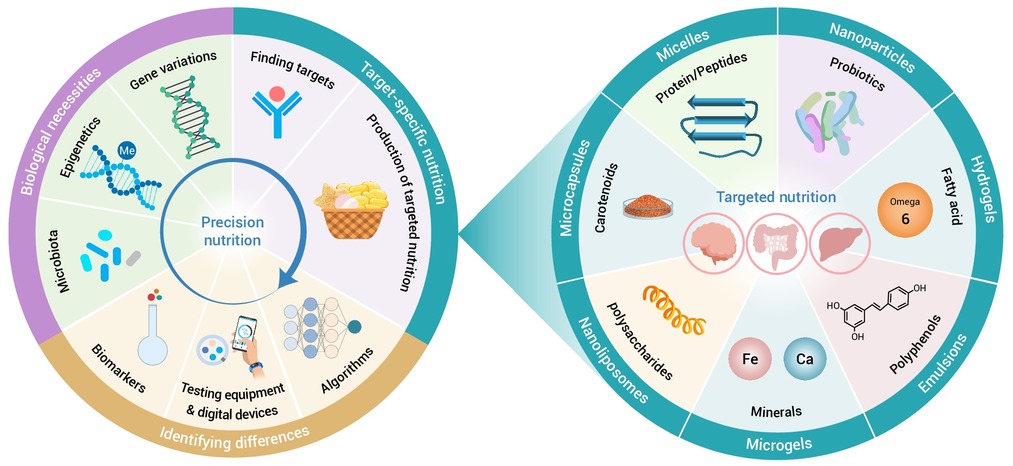
Figure 1.
Overview of precision nutrition: biological foundations, interindividual differences, and target-specific nutrition
-
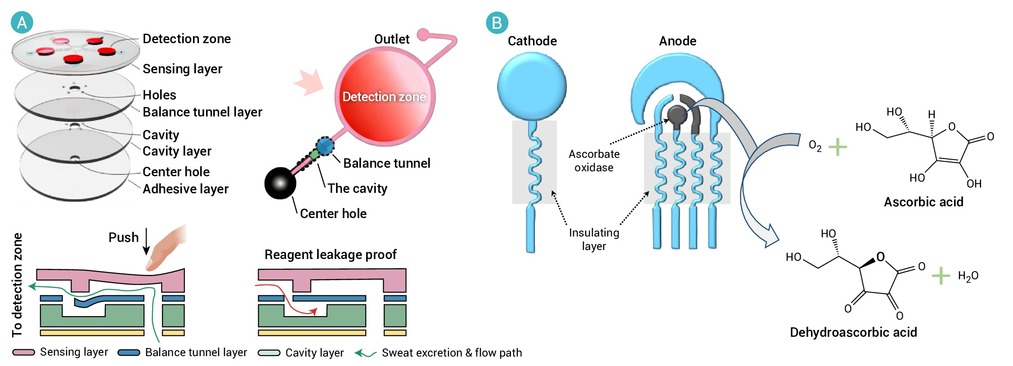
Figure 2.
Portable testing equipment for individual-specific biomarker collection
-
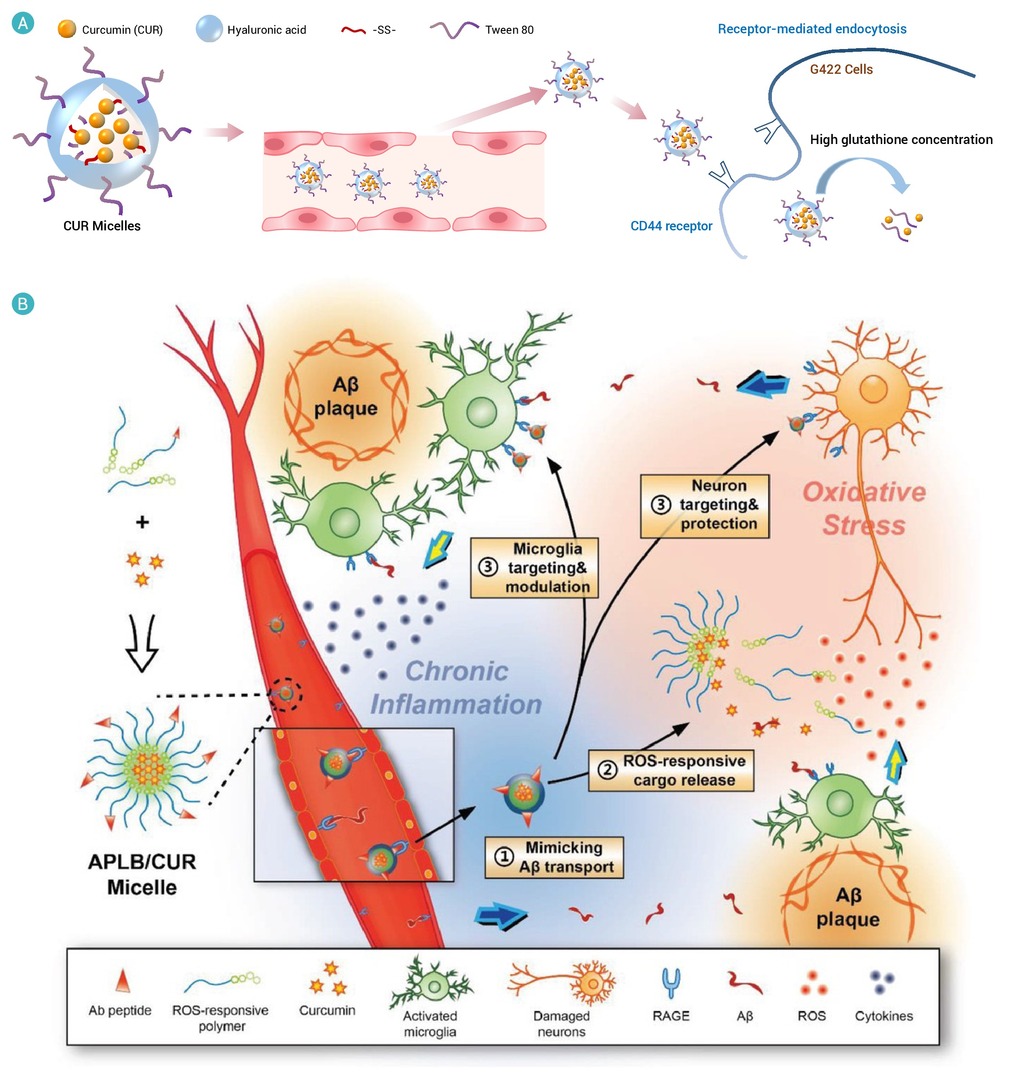
Figure 3.
Targeted Nutrition for Brain Disorders
-
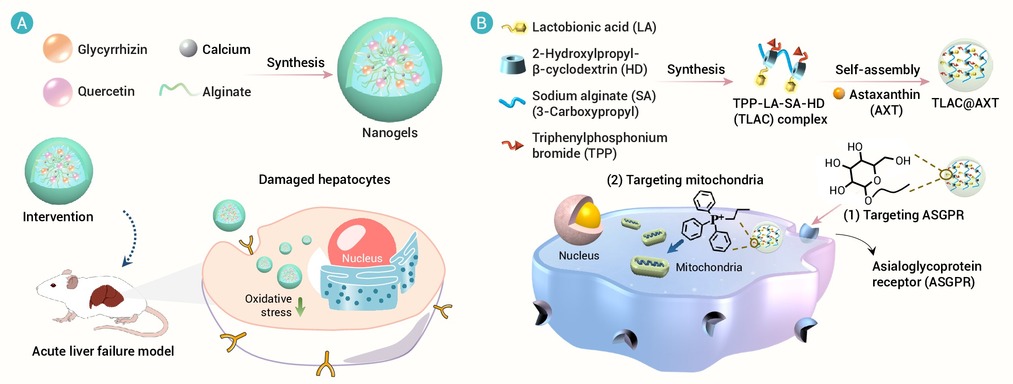
Figure 4.
Production of targeted nutrition for the liver
-
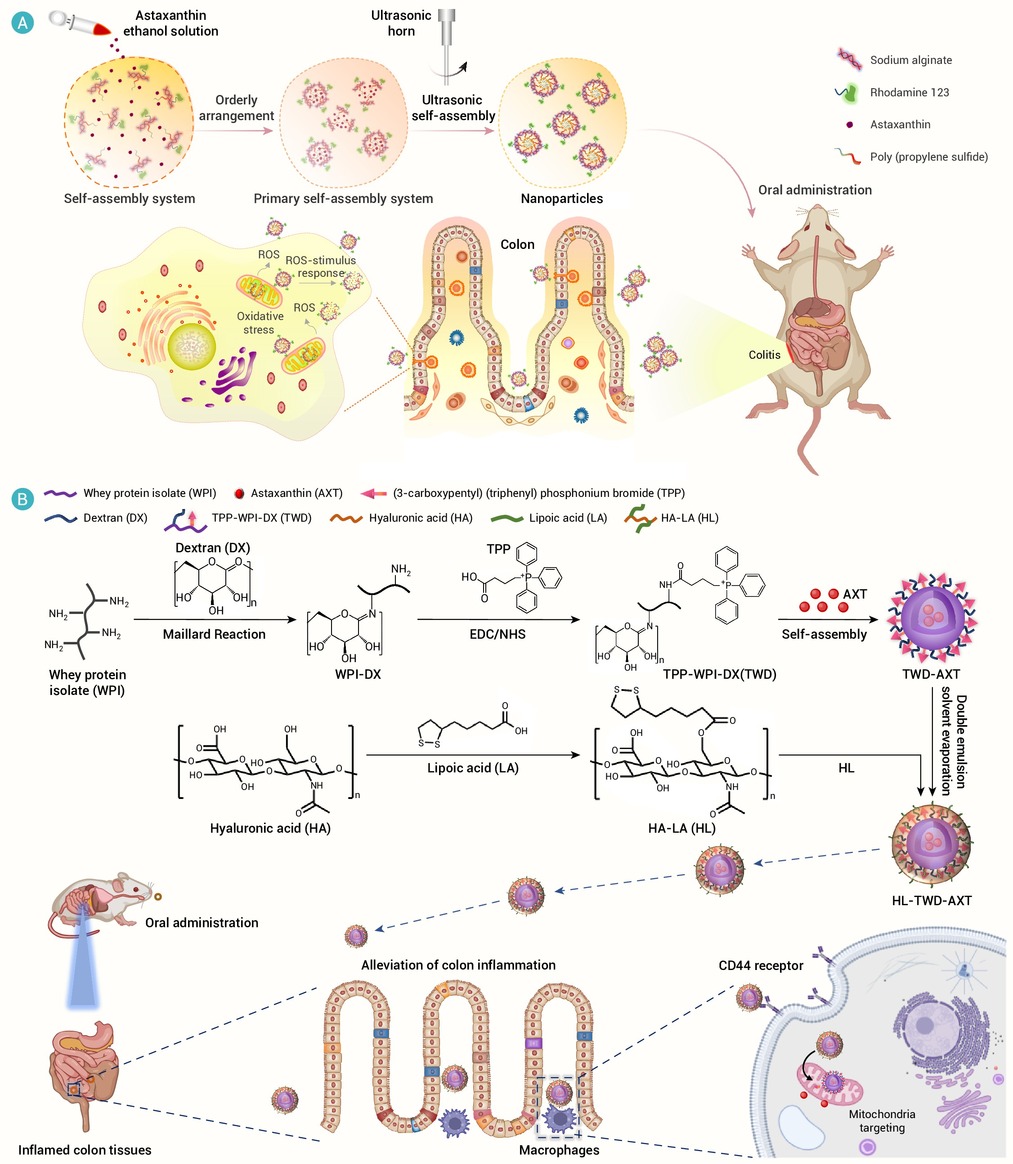
Figure 5.
Production of targeted nutrition for colon delivery
