
Extraterrestrial bioconstruction technology system: Bridging space station applications and deep-space missions
-
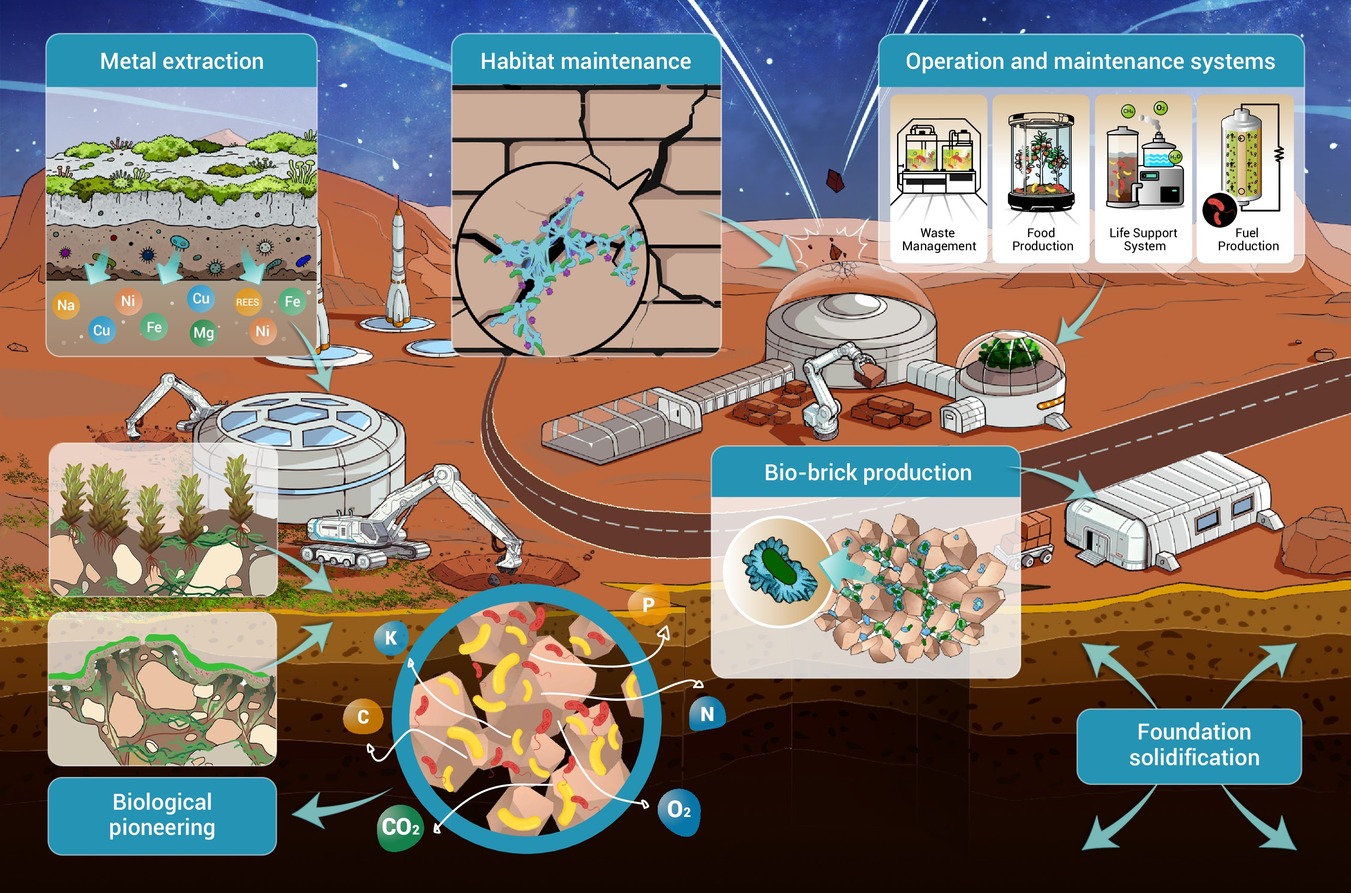
GRAPHICAL ABSTRACT
 DownLoad:
Full size image
DownLoad:
Full size image
-
PUBLIC SUMMARY
-
Microbe-driven bioconstruction offers a sustainable path for long-term human habitats in deep space.
Systematically discusses the potential of microorganisms in extraterrestrial construction.
Presents an 'Earth-Space Station-Extraterrestrial Object' multi-dimensional roadmap for bioconstruction.
First proposes a full-lifecycle paradigm for extraterrestrial bioconstruction.
-
-
ABSTRACT
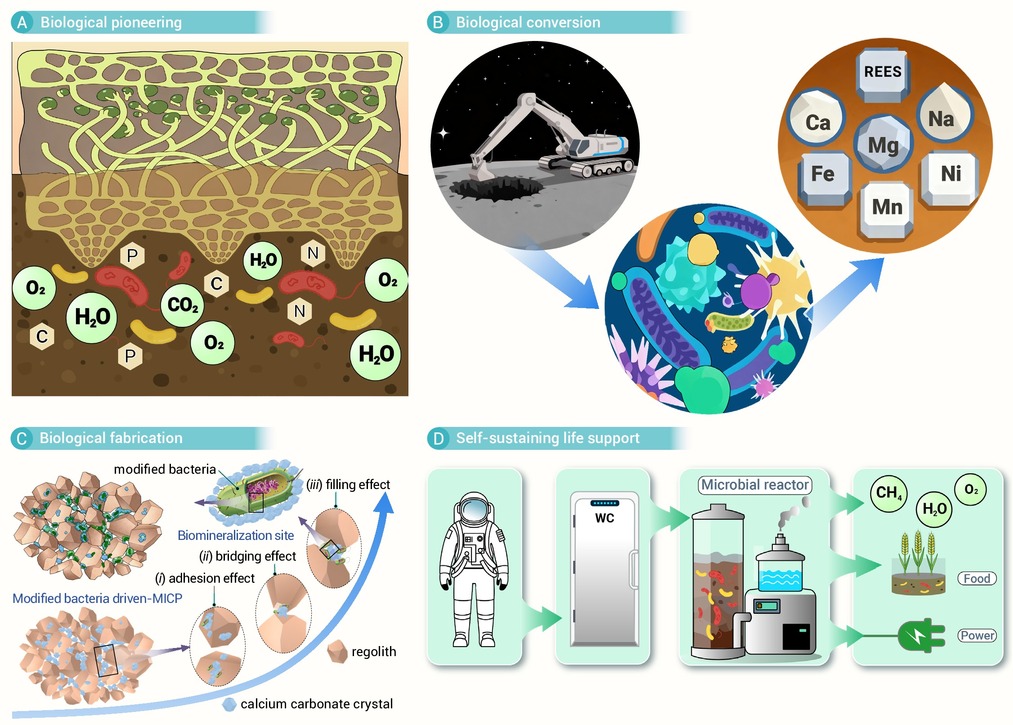
Microbe-driven bioconstruction offers a promising approach to sustainable deep-space habitats as missions shift from short-term exploration to long-term human presence. This review presents the first full-lifecycle bioconstruction paradigm that integrates Earth-derived extremophilic microorganisms, space station validation, and in-situ utilization of Lunar and Martian resources. It addresses gaps in extraterrestrial bioconstruction strategies. The proposed four-stage paradigm begins with biological pioneering using extremophilic microorganisms to establish survival conditions. This is followed by biological conversion of extraterrestrial resources for metal extraction, thereby enabling the synthesis of building materials through biological fabrication and their in-situ assembly into integrated habitats. The final stage involves integration into a self-sustaining life support system for long-term habitation. Key challenges include limited adaptability under compound space stresses, slow screening processes, limited in-orbit validation, and uncertain material longevity. Recommended directions include AI-driven strain optimization, expanded space and lunar experiments, and predictive modeling of material behaviour to support the development of resilient and resource-efficient extraterrestrial habitats. -

-
REFERENCES
[1] Pulsiri N., Dobson R.R., Isckia T., et al. (2022). Ad-Astra: A bibliometric analysis of Lunar and Mars explorations. 2022 Portland international conference on management of engineering and technology. IEEE. pp:1-8. DOI:10.23919/PICMET53225.2022.9882849 [2] Anand M., Crawford I.A, Balat-Pichelin M., et al. (2012). A brief review of chemical and mineralogical resources on the Moon and likely initial in situ resource utilization (ISRU) applications. Planet. Space Sci. 74:42−48. DOI:10.1016/j.pss.2012.08.012 [3] Liu J., Li H., Sun L., et al. (2022). In-situ resources for infrastructure construction on Mars: A review. Int. J. Transp. Sci. Technol. 11:1−16. DOI:10.1016/j.ijtst.2021.02.001 [4] Creech S., Guidi J., and Elburn D. (2022). Artemis: An overview of NASA's activities to return humans to the Moon. In 2022 IEEE aerospace conference (AERO). IEEE. pp:1-7. DOI:10.1109/AERO53065.2022.9843277 [5] Xu L., Li H., Pei Z., et al. (2022). A brief introduction to the international lunar research station program and the interstellar express mission. Chin. J. Space Sci. 42:511−513. DOI:10.11728/cjss2022.04.yg28 [6] Amini K., Moradi M., Teymoori P.E.B., et al. (2022). Design of a set of habitat units and the corresponding surrounding cluster for long-term scientific missions in the pre-terraforming era on Mars. Icarus 385:115119. DOI:10.1016/j.icarus.2022.115119 [7] Weppler J., Sabathier V. and Bander A. (2009). Costs of an international lunar base. Center for strategic and international studies. https://csis-website-prod.s3.amazonaws.com/s3fs-public/legacy_files/files/publication/090923_weppler_lunar_base_costs.pdf [8] Bao C., Zhang D., Wang Q., et al. (2024). Lunar in situ large-scale construction: Quantitative evaluation of regolith solidification techniques. Engineering 39:204−221. DOI:10.1016/j.eng.2024.03.004 [9] Zhou C., Gao Y.Y., Zhou Y., et al. (2024). Properties and characteristics of regolith-based materials for extraterrestrial construction. Engineering 37:159−181. DOI:10.1016/j.eng.2023.11.019 [10] Sakamoto K. and Wajima T. (2020). Preparation of geopolymer cement from simulated lunar rock sand using alkali fusion. Int. J. Geomate. 18:62−67. DOI:10.21660/2020.70.9162 [11] Allende M.I., Miller J.E., Davis B.A., et al. (2020). Prediction of micrometeoroid damage to lunar construction materials using numerical modeling of hypervelocity impact events. Int. J. Impact Eng. 138:103499. DOI:10.1016/j.ijimpeng.2020.103499 [12] Badyukov D.D. (2020). Micrometeoroids: The flux on the Moon and a source of volatiles. Solar Syst. Res. 54:263−274. DOI:10.1134/S0038094620040024 [13] Seedhouse E. (2020). International space station life support system. Life support systems for humans in space (Springer Cham.), pp:151-179. DOI:10.1007/978-3-030-52859-1_5 [14] Liu H. (2025). Biogenic construction: The new era of civil engineering. Biogeotech. 3:100130. DOI:10.1016/j.bgtech.2024.100130 [15] Berliner A.J., Lipsky I., Ho D., et al. (2022). Space bioprocess engineering on the horizon. Commun. Eng. 1:13. DOI:10.1038/s44172-022-00012-9 [16] Nangle S.N., Wolfson M.Y., Hartsough L., et al. (2020). The case for biotech on Mars. Nat. Biotechnol. 38:401−407. DOI:10.1038/s41587-020-0485-4 [17] Santomartino R., Averesch N.J.H., Bhuiyan M., et al. (2023). Toward sustainable space exploration: A roadmap for harnessing the power of microorganisms. Nat. Commun. 14:1391. DOI:10.1038/s41467-023-37070-2 [18] Santomartino R., Zea L. and Cockell, C. S. (2022). The smallest space miners: Principles of space biomining. Extremophiles 26:7. DOI:10.1007/s00792-021-01253-w [19] Dikshit R., Dey A., Gupta N., et al. (2021). Space bricks: From LSS to machinable structures via MICP. Ceram. Int. 47:14892−14898. DOI:10.1016/j.ceramint.2020.07.309 [20] Sukhinov D.V., Gotovtsev P.M. and Sergeeva Y.E. (2023). Phototrophic microorganisms in bioregenerative life support systems for long-term crewed expeditions: Prospects and challenges. Acta Astronaut. 211:518−538. DOI:10.1016/j.actaastro.2023.07.006 [21] Langenfeld N.J., Kusuma P., Wallentine T., et al. (2021). Optimizing nitrogen fixation and recycling for food production in regenerative life support systems. Front. Astron. Space. 8:699688. DOI:10.3389/fspas.2021.699688 [22] Zhou X., Liang B., Zhang T., et al. (2024). Co-inoculation of fungi and desert cyanobacteria facilitates biological soil crust formation and soil fertility. Front. Microbiol. 15:1377732. DOI:10.3389/fmicb.2024.1377732 [23] Shu W and Huang L (2022). Microbial diversity in extreme environments. Nat. Rev. Microbiol. 20: 219–235. DOI: 10.1038/s41579-021-00648-y. [24] Gostinčar C., Stajich J.E. and Gunde-Cimerman N. (2023). Extremophilic and extremotolerant fungi. Curr. Biol. 33:R752−R756. DOI:10.1016/j.cub.2023.06.011 [25] Moroni L., Tabury K., Stenuit H., et al. (2022). What can biofabrication do for space and what can space do for biofabrication. Trends Biotechnol. 40:398−411. DOI:10.1016/j.tibtech.2021.08.008 [26] Cockell C.S. (2022). Bridging the gap between microbial limits and extremes in space: Space microbial biotechnology in the next 15 years. Microb. Biotechnol. 15:29−41. DOI:10.1111/1751-7915.13927 [27] Prasad B., Richter P, Vadakedath N, et al. (2021). How the space environment influences organisms: An astrobiological perspective and review. Int. J. Astrobiol. 20:159−177. DOI:10.1017/S1473550421000057 [28] Liu J., Zhang W., He K., et al. (2022). Survival of the magnetotactic bacterium Magnetospirillum gryphiswaldense exposed to Earth’s lower near space. Sci. Bull. 67:1335−1339. DOI:10.1016/j.scib.2022.03.005 [29] Wood C., Bruinink A., Trembath-Reichert E., et al. (2024). Active microbiota persist in dry permafrost and active layer from Elephant Head, Antarctica. ISME Commun. 4:ycad002. DOI:10.1093/ismeco/ycad002 [30] Siliakus M.F., van der Oost J. and Kengen S.W. (2017). Adaptations of archaeal and bacterial membranes to variations in temperature, pH and pressure. Extremophiles. 21:651−670. DOI:10.1007/s00792-017-0939-x [31] Obruča S., Dvořák P., Sedláček P., et al. (2022). Polyhydroxyalkanoates synthesis by halophiles and thermophiles: Towards sustainable production of microbial bioplastics. Biotechnol. Adv. 58:107906. DOI:10.1016/j.biotechadv.2022.107906 [32] Somayaji A., Dhanjal C.R., Lingamsetty R., et al. (2022). An insight into the mechanisms of homeostasis in extremophiles. Microbiol. Res. 263:127115. DOI:10.1016/j.micres.2022.127115 [33] Sylvia D.M., Fuhrmann J.J., Hartel P.G., et al. (2021). Bacteria and archaea. Terry Gentry, Jeffry J. F., David A.Z.(ed). Principles and applications of soil microbiology (Elsevier, Amsterdam), pp:111-148. DOI:10.1016/B978-0-12-820202-9.00005-8 [34] Abath N., Ferrada E., Barve A., et al. (2013). Growth temperature and genome size in bacteria are negatively correlated, suggesting genomic streamlining during thermal adaptation. Genome biol. Evol. 5:966−977. DOI:10.1093/gbe/evt050 [35] Hu E.Z., Lan X.R., Liu Z.L., et al. (2022). A positive correlation between GC content and growth temperature in prokaryotes. BMC genomics 23:110. DOI:10.1186/s12864-022-08353-7 [36] Hurst L.D. and Merchant A.R. (2001). High guanine–cytosine content is not an adaptation to high temperature: A comparative analysis amongst prokaryotes. Proc. Biol. Sci. 268:493−497. DOI:10.1098/rspb.2000.1397 [37] Ahmad A., Rahamtullah and Mishra R. (2022). Structural and functional adaptation in extremophilic microbial α-amylases. Biophys. Rev. 14:499−515. DOI:10.1007/s12551-022-00931-z [38] Liu L., Cai L., Chu Y., et al. (2022). Thermostability mechanisms of β-agarase by analyzing its structure through molecular dynamics simulation. AMB Express 12:50. DOI:10.1186/s13568-022-01394-x [39] Lewin A., Wentzel A. and Valla S. (2013). Metagenomics of microbial life in extreme temperature environments. Curr. Opin Biotech. 24:516−525. DOI:10.1016/j.copbio.2012.10.012 [40] Collins T. and Margesin R. (2019). Psychrophilic lifestyles: Mechanisms of adaptation and biotechnological tools. Appl. Microbiol. Biot. 103:2857−2871. DOI:10.1007/s00253-019-09659-5 [41] Truongvan N., Jang S. and Lee C. (2016). Flexibility and stability trade-off in active site of cold-adapted Pseudomonas mandelii esterase EstK. Biochemistry. 55:3542−3549. DOI:10.1021/acs.biochem.6b00177 [42] Goordial J., Raymond-Bouchard I., Zolotarov Y.,et al. (2016). Cold adaptive traits revealed by comparative genomic analysis of the eurypsychrophile Rhodococcus sp. JG3 isolated from high elevation McMurdo Dry Valley permafrost, Antarctica. FEMS microbiol ecol, 92: fiv154. DOI:10.1093/femsec/fiv154 [43] Yusof N.A., Hashim N.H.F. and Bharudin I. (2021). Cold adaptation strategies and the potential of psychrophilic enzymes from the antarctic yeast, Glaciozyma antarctica PI12. J. Fungi 7:528. DOI:10.3390/jof7070528 [44] Casanueva A., Tuffin M., Cary C.,et al. (2010). Molecular adaptations to psychrophily: The impact of ‘omic’technologies. Trends Microbiol. 18:374−381. DOI:10.1016/j.tim.2010.05.002 [45] Nayak T., Sengupta I. and Dhal P.K. (2021). A new era of radiation resistance bacteria in bioremediation and production of bioactive compounds with therapeutic potential and other aspects: An in-perspective review. J. Environl. Radioactiv. 237:106696. DOI:10.1016/j.jenvrad.2021.106696 [46] Jin M., Xiao A., Zhu L., et al. (2019). The diversity and commonalities of the radiation-resistance mechanisms of Deinococcus and its up-to-date applications. AMB express 9:1−12. DOI:10.1186/s13568-019-0862-x [47] Liu F., Li N. and Zhang Y. (2023). The radioresistant and survival mechanisms of Deinococcus radiodurans. Radiat. Med. Protect. 4:70−79. DOI:10.1016/j.radmp.2023.03.001 [48] Makarova K.S., Aravind L., Wolf Y.I., et al. (2001). Genome of the extremely radiation-resistant bacterium Deinococcus radiodurans viewed from the perspective of comparative genomics. Microbiol. Mol. Biol. Rev. 65:44−79. DOI:10.1128/MMBR.65.1.44-79.2001 [49] Timmins J. and Moe E. (2016). A decade of biochemical and structural studies of the DNA repair machinery of Deinococcus radiodurans: Major findings, functional and mechanistic insight and challenges. Comput. Struct. Biotechnol J. 14:168−176. DOI:10.1016/j.csbj.2016.04.001 [50] Cho C., Lee G.W., Hong S.H., et al. (2019). Novel functions of peroxiredoxin Q from Deinococcus radiodurans R1 as a peroxidase and a molecular chaperone. FEBS Lett. 593:219−229. DOI:10.1002/1873-3468.13302 [51] Lim S., Jung J.H., Blanchard L. and de Groot A. (2019). Conservation and diversity of radiation and oxidative stress resistance mechanisms in Deinococcus species. FEMS microbiol. Rev. 43:19−52. DOI:10.1093/femsre/fuy037 [52] Hibshman J.D., Clegg J. S. and Goldstein B. (2020). Mechanisms of desiccation tolerance: Themes and variations in brine shrimp, roundworms, and tardigrades. Front. Physiol. 11:592016. DOI:10.3389/fphys.2020.592016 [53] Karlinsey J.E., Fung A.M., Johnston N., et al. (2022). Cyclopropane fatty acids are important for Salmonella enterica serovar Typhimurium virulence. Infect. Immune. 90:e00479−21. DOI:10.1128/IAI.00479-21 [54] Olgenblum G.I., Hutcheson B.O., Pielak, G.J.,et al. (2024). Protecting proteins from desiccation stress using molecular glasses and gels. Chem. Rev. 124:5668−5694. DOI:10.1021/acs.chemrev.3c00752 [55] Marks R.A., Ekwealor J.T.B., Artur M.A.S., et al. (2025). Life on the dry side: A roadmap to understanding desiccation tolerance and accelerating translational applications. Nat. Commun. 16:3284. DOI:10.1038/s41467-025-58656-y [56] Claudia M.V., Javiera A.A., Sebastián N.S., et al. (2024). Interplay between desiccation and oxidative stress responses in iron-oxidizing acidophilic bacteria. J. Biotechnol. 383:64−72. DOI:10.1016/j.jbiotec.2024.01.017 [57] Calahan D., Dunham M., DeSevo C., et al, (2011). Genetic analysis of desiccation tolerance in Saccharomyces cerevisiae. Genetics. 189: 507-519. DOI: 10.1534/genetics.111.130369 [58] Colica G., Li H., Rossi F., et al. (2014). Microbial secreted exopolysaccharides affect the hydrological behavior of induced biological soil crusts in desert sandy soils. Soil Biol. Biochem. 68:62−70. DOI:10.1016/j.soilbio.2013.09.017 [59] Nawaz M., Hassan M.U., Chattha M.U., et al. (2022). Trehalose: A promising osmo-protectant against salinity stress—physiological and molecular mechanisms and future prospective. Mol. Biol. Rep. 49:11255−11271. DOI:10.1007/s11033-022-07681-x [60] Khaleque H.N., González C., Shafique R., et al. (2019). Uncovering the mechanisms of halotolerance in the extremely acidophilic members of the Acidihalobacter genus through comparative genome analysis. Front. Microbiol. 10:155. DOI:10.3389/fmicb.2019.00155 [61] Beblo-Vranesevic K., Huber H. and Rettberg P. (2017). High tolerance of Hydrogenothermus marinus to sodium perchlorate. Front. Microbiol. 8:1369. DOI:10.3389/fmicb.2017.01369 [62] Heinz J., Waajen A.C., Airo A., et al. (2019). Bacterial growth in chloride and perchlorate brines: Halotolerances and salt stress responses of Planococcus halocryophilus. Astrobiology 19:1377−1387. DOI:10.1089/ast.2019.2069 [63] Kyriatzi A., Tzivras G., Pirintsos S., et al. (2021) Biotechnology under extreme conditions: Lichens after extreme UVB radiation and extreme temperatures produce large amounts of hydrogen. J. Biotechnol. 342: 128-138. DOI: 10.1016/j.jbiotec.2021.10.011. [64] de la Torre Noetzel R., Miller A.Z., de la Rosa J.M., et al. (2018). Cellular responses of the lichen Circinaria gyrosa in Mars-like conditions. Front. Microbiol. 9:308. DOI:10.3389/fmicb.2018.00308 [65] Rokaya N., Carr E.C., Tiwari S., et al. (2025). Design of co-culturing system of diazotrophic cyanobacteria and filamentous fungi for potential application in self-healing concrete. Mater Today Commun. 44:112093. DOI:10.1016/j.mtcomm.2025.112093 [66] Jimenez M., L’Heureux J., Kolaya E. et al. (2024). Synthetic extremophiles via species-specific formulations improve microbial therapeutics. Nat. Mater. 23:1436−1443. DOI:10.1038/s41563-024-01937-6 [67] Chen J., Li, Y., and Mahadevan R. (2023). Genetic engineering of Acidithiobacillus ferridurans using CRISPR systems to mitigate toxic release in biomining. Environ. Sci. Technol. 57:12315−12324. DOI:10.1021/acs.est.3c02492 [68] Chen J., Liu Y., Diep P., et al. (2022). Genetic engineering of extremely acidophilic Acidithiobacillus species for biomining: Progress and perspectives. J. Hazard. Mater. 438:129456. DOI:10.1016/j.jhazmat.2022.129456 [69] Wang Q., Hu Z., Li Z., et al (2023). Exploring the application and prospects of synthetic biology in engineered living materials. Adv. Mater. 35: 2305828. DOI: 10.1002/adma.202305828. [70] Li F., Li X., Ye L., et al. (2022) A genetically engineered composite biofilm for microbial induced calcium carbonate precipitation by synergic effect of urease, protein adhesive and xanthan gum. J. Environ. Chem. Eng. 10: 108431. DOI: 10.1016/j.jece.2022.108431. [71] Berepiki A., Hitchcock A., Moore C.M., et al. (2016). Tapping the unused potential of photosynthesis with a heterologous electron sink. ACS Synth. Biol. 5:1369−1375. DOI:10.1021/acssynbio.6b00100 [72] Rosa L. T., Vernhes É., Soulet A.L., et al. (2024). Structural insights into the mechanism of DNA branch migration during homologous recombination in bacteria. EMBO J. 43:6180−6198. DOI:10.1038/s44318-024-00264-5 [73] Hertzog M., Perry T.N., Dupaigne P., et al. (2023). Assembly mechanism and cryoEM structure of RecA recombination nucleofilaments from Streptococcus pneumoniae. Nucleic Acids Res. 51:2800−2817. DOI:10.1093/nar/gkad080 [74] Horne W.H., Volpe R.P., Korza G., et al. (2022). Effects of desiccation and freezing on microbial ionizing radiation survivability: Considerations for Mars sample return. Astrobiology, 22:1337−1350. DOI:10.1089/ast.2022.0065 [75] Kochhar N., Kumar I.K., Shrivastava S., et al. (2022). Perspectives on the microorganism of extreme environments and their applications. Curr. Res. Microb. Sci. 3:100134. DOI:10.1016/j.crmicr.2022.100134 [76] Jomova K., Alomar S.Y., Alwasel S.H., et al. (2024). Several lines of antioxidant defense against oxidative stress: Antioxidant enzymes, nanomaterials with multiple enzyme-mimicking activities, and low-molecular-weight antioxidants. Arch Toxicol, 98:1323−1367. DOI:10.1007/s00204-024-03696-4 [77] Elsaesser A., Burr D.J., Mabey P., et al. (2023). Future space experiment platforms for astrobiology and astrochemistry research. npj Microgravity 9:43. DOI:10.1038/s41526-023-00292-1 [78] Sweet P., Ball N., Vu S., Anderson L., et al. (2025). Bionutrients-1: Utilizing genomics and transcriptomics to assess the reliability of microorganisms for in situ nutrient production on long duration missions. 2025 NASA HRP IWS human research program investigator's workshop. https://ntrs.nasa.gov/citations/20250000598. [79] Zhang B., Zhong R., Shen G., et al. (2025). The space radiobiological exposure facility on the China space station. Astrobiology 25:32−41. DOI:10.1089/ast.2024.0027 [80] NASA. (2023). Exposed: International space station tests organisms and materials in space. https://www.nasa.gov/missions/station/iss-research/exposed-international-space-station-tests-organisms-materials-in-space/ [81] Billi D. (2019). Desert cyanobacteria under space and planetary simulations: A tool for searching for life beyond Earth and supporting human space exploration. Int. J. Astrobiol. 18:483−489. DOI:10.1017/S147355041800037X [82] Ott E., Kawaguchi Y., Kölbl D., et al. (2020). Molecular repertoire of Deinococcus radiodurans after 1 year of exposure outside the International Space Station within the Tanpopo mission. Microbiome. 8:1−16. DOI:10.1186/s40168-020-00927-5 [83] Deshevaya E.A., Fialkina S.V., Shubralova E.V., et al. (2024). Survival of microorganisms during two-year exposure in outer space near the ISS. Sci. Rep. 14:334. DOI:10.1038/s41598-023-49525-z [84] Gomoiu I., Chatzitheodoridis E., Vadrucci S., et al. (2013). The effect of spaceflight on growth of Ulocladium chartarum colonies on the international space station. PLoS One. 8:e62130. DOI:10.1371/journal.pone.0062130 [85] Senatore G., Mastroleo F., Leys N., et al. (2018). Effect of microgravity & space radiation on microbes. Future Microbiol. 13:831−847. DOI:10.2217/fmb-2017-0251 [86] Sengupta P., Muthamilselvi Sivabalan S.K., Singh N.K., et al. (2024). Genomic, functional, and metabolic enhancements in multidrug-resistant Enterobacter bugandensis facilitating its persistence and succession in the International Space Station. Microbiome. 12:62. DOI:10.1186/s40168-024-01777-1 [87] Sowmeya V.G. and Sathiavelu M. (2024). Biofilm dynamics in space and their potential for sustainable space exploration–A comprehensive review. Life Sci. Space Res. 44:108−121. DOI:10.1016/j.lssr.2024.08.006 [88] Acres J.M., Youngapelian M.J. and Nadeau J. (2021). The influence of spaceflight and simulated microgravity on bacterial motility and chemotaxis. npj Microgravity 7:7. DOI:10.1038/s41526-021-00135-x [89] Kim W., Tengra F.K., Young Z., et al. (2013) Spaceflight promotes biofilm formation by Pseudomonas aeruginosa. PloS one. 8: e62437. DOI: 10.1371/journal.pone.0062437 [90] Wilson J.W., Ott C.M., Zu Bentrup K.H., et al. (2007) Space flight alters bacterial gene expression and virulence and reveals a role for global regulator Hfq. Proc. Natl. Acad. Sci. USA. 104: 16299-16304. DOI: 10.1073/pnas.0707155104 [91] Flores P., McBride S.A., Galazka J.M., et al. (2023). Biofilm formation of Pseudomonas aeruginosa in spaceflight is minimized on lubricant impregnated surfaces. npj Microgravity 9:66. DOI:10.1038/s41526-023-00316-w [92] Marra D., Rizzo M. and Caserta S. (2025). Microfluidics unveils role of gravity and shear stress on Pseudomonas fluorescens motility and biofilm growth. npj Biofilms Microbi. 11:122. DOI:10.1038/s41522-025-00744-4 [93] Moreno-Villanueva M., Wong M., Lu T., et al. (2017). Interplay of space radiation and microgravity in DNA damage and DNA damage response. npj Microgravity. 3:14. DOI:10.1038/s41526-017-0019-7 [94] Zhao L., Zhang G., Tang A., et al. (2023). Microgravity alters the expressions of DNA repair genes and their regulatory miRNAs in space-flown Caenorhabditis elegans. Life Sci. Space Res. 37:25−38. DOI:10.1016/j.lssr.2023.02.002 [95] Irby I. and Broddrick J.T. (2024). Microbial adaptation to spaceflight is correlated with bacteriophage-encoded functions. Nat. Commun. 15:3474. DOI:10.1038/s41467-023-42104-w [96] Revellame E.D., Aguda R., Chistoserdov A., et al. (2021). Microalgae cultivation for space exploration: Assessing the potential for a new generation of waste to human life-support system for long duration space travel and planetary human habitation. Algal Research. 55:102258. DOI:10.1016/j.algal.2021.102258 [97] Napoli A., Micheletti D., Pindo M., et al. (2022). Absence of increased genomic variants in the cyanobacterium Chroococcidiopsis exposed to Mars-like conditions outside the space station. Sci. Rep. 12:8437. DOI:10.1038/s41598-022-12631-5 [98] Billi D., Mosca C., Fagliarone C., et al. (2020). Exposure to low Earth orbit of an extreme-tolerant cyanobacterium as a contribution to lunar astrobiology activities. Int. J. Astrobiol. 19:53−60. DOI:10.1017/S1473550419000168 [99] Kawaguchi Y., Yang Y., Kawashiri N., et al. (2013). The possible interplanetary transfer of microbes: Assessing the viability of Deinococcus spp. under the ISS environmental conditions for performing exposure experiments of microbes in the Tanpopo mission. Origins Life Evol. B. 43:411−428. DOI:10.1007/s11084-013-9346-1 [100] Cortesão M., Fuchs F.M., Commichau F.M., et al. (2019). Bacillus subtilis spore resistance to simulated Mars surface conditions. Front. Microbiol. 10:333. DOI:10.3389/fmicb.2019.00333 [101] Panitz C., Horneck G., Rabbow E., et al. (2015). The SPORES experiment of the EXPOSE-R mission: Bacillus subtilis spores in artificial meteorites. Int. J. Astrobiol. 14:105−114. DOI:10.1017/S1473550414000251 [102] Onofri S., de Vera J.P., Zucconi L. et al. (2015). Survival of Antarctic cryptoendolithic fungi in simulated Martian conditions on board the International Space Station. Astrobiology 15:1052−1059. DOI:10.1089/ast.2015.1324 [103] Santomartino R., Waajen A.C., De Wit W., et al. (2020). No effect of microgravity and simulated Mars gravity on final bacterial cell concentrations on the International Space Station: Applications to space bioproduction. Front. Microbiol. 11:579156. DOI:10.3389/fmicb.2020.579156 [104] Cockell C.S., Santomartino R., Finster K., et al. (2020). Space station biomining experiment demonstrates rare earth element extraction in microgravity and Mars gravity. Nat. Commun. 11:5523. DOI:10.1038/s41467-020-19276-w [105] Cockell C.S., Santomartino R., Finster K., et al. (2021). Microbially-enhanced vanadium mining and bioremediation under micro-and Mars gravity on the International Space Station. Front. Microbiol. 12:641387. DOI:10.3389/fmicb.2021.641387 [106] Gu J.D. (2007). Microbial colonization of polymeric materials for space applications and mechanisms of biodeterioration: A review. Int. Biodeter. Biodeg. 59:170−179. DOI:10.1016/j.ibiod.2006.08.010 [107] Zhang W., Chen N., Yuan J., et al. Initial attempt: Design and application of microorganism-material interaction test on On-orbit space microgravity conditions. Acta Astronaut. 228: 384-395. DOI:10.1016/j.actaastro.2024.12.006 [108] Mahnert A., Verseux C., Schwendner P., et al. (2021). Microbiome dynamics during the HI - SEAS IV mission, and implications for future crewed missions beyond Earth. Microbiome. 9:27. DOI:10.1186/s40168-020-00959-x [109] Cowen D., Zhang R. and Komorowski M. (2024). Infections in long - duration space missions. The Lancet Microbe. 5:100875. DOI:10.1016/S2666-5247(24)00098-3 [110] Romsdahl J., Blachowicz A., Chiang A.J., et al. (2018). Characterization of Aspergillus niger isolated from the international space station. mSystems. 3:e00112−18. DOI:10.1128/mSystems.00112-18 [111] Simoes M.F., Antunes A. (2021). Microbial pathogenicity in space. Pathogens 10:450. DOI:10.3390/pathogens10040450 [112] Afshinnekoo E., Scott R.T., MacKay M.J., et al. (2020). Fundamental biological features of spaceflight: Advancing the field to enable deep - space exploration. Cell. 183:1162−1184. DOI:10.1016/j.cell.2020.10.050 [113] Urbaniak C., Lorenzi H., Thissen J., et al. (2020). The influence of spaceflight on the astronaut salivary microbiome and the search for a microbiome biomarker for viral reactivation. Microbiome. 8:56. DOI:10.1186/s40168-020-00830-z [114] Tozzo P., Delicati A. and Caenazzo L. (2022). Skin microbial changes during space flights: A systematic review. Life 12:1498. DOI:10.3390/life12101498 [115] Slaba T.C., Rahmanian S., George S., et al. (2025). Validated space radiation exposure predictions from earth to mars during Artemis-I. npj Microgravity 11:6. DOI:10.1038/s41526-025-00459-y [116] Berger T., Matthiä D., Burmeister S., et al. (2020). Long term variations of galactic cosmic radiation on board the International Space Station, on the Moon and on the surface of Mars. J. Space Weather Spac. 10:34. DOI:10.1051/swsc/2020028 [117] George S.P., Gaza R., Matthiä D., et al. (2024). Space radiation measurements during the Artemis I lunar mission. Nature 634:48−52. DOI:10.1038/s41586-024-07927-7 [118] Maier S., Tamm A., Wu D., et al. (2018). Photoautotrophic organisms control microbial abundance, diversity, and physiology in different types of biological soil crusts. ISME J. 12:1032−1046. DOI:10.1038/s41396-018-0062-8 [119] Guida G., Nicosia A., Settanni L., et al. (2023). A review on effects of biological soil crusts on hydrological processes. Earth-Sci. Rev. 243:104516. DOI:10.1016/j.earscirev.2023.104516 [120] Hartmann M. and Six J. (2023). Soil structure and microbiome functions in agroecosystems. Nat. Rev. Earth Env. 4:4−18. DOI:10.1038/s43017-022-00366-w [121] Rabot E., Wiesmeier M., Schlüter S., et al. (2018). Soil structure as an indicator of soil functions: A review. Geoderma 314:122−137. DOI:10.1016/j.geoderma.2017.11.009 [122] Cao Y., Xiao B. and Ghanbarian B. (2024). Biocrusts enhance soil structural stability during freeze-thaw cycles and improve soil erosion resistance in cold-winter drylands. Catena 243:108206. DOI:10.1016/j.catena.2024.108206 [123] Rodriguez-Caballero E., Stanelle T., Egerer S., et al. (2022). Global cycling and climate effects of aeolian dust controlled by biological soil crusts. Nat. Geosci. 15:458−463. DOI:10.1038/s41561-022-00942-1 [124] Liu Y., Cockell C.S., Wang G., et al. (2008). Control of Lunar and Martian dust—Experimental insights from artificial and natural cyanobacterial and algal crusts in the desert of Inner Mongolia. China. Astrobiology 8:75−86. DOI:10.1089/ast.2007.0122 [125] Yu X., Xiao B., Cao Y., et al. (2024). Microbial-induced extracellular polymers are fundamentally responsible for the mechanical stability of biocrusts in drylands. Catena 245:108349. DOI:10.1016/j.catena.2024.108349 [126] Lan S., Ouyang H., Wu L.,et al. (2017). Biological soil crust community types differ in photosynthetic pigment composition, fluorescence and carbon fixation in Shapotou region of China. Appl. Soil Ecology 111:9−16. DOI:10.1016/j.apsoil.2016.11.009 [127] Mackelprang R., Vaishampayan P., Fisher K. (2022). Adaptation to environmental extremes structures functional traits in biological soil crust and hypolithic microbial communities. Msystems 7:e01419−21. DOI:10.1128/msystems.01419-21 [128] Garcia-Pichel F. (2023). The microbiology of biological soil crusts. Annual Rev. Microbiol. 77:149−171. DOI:10.1146/annurev-micro-032521-015202 [129] Wang C. and Kuzyakov Y. (2024). Soil organic matter priming: The pH effects. Global Change Biol. 30:e17349. DOI:10.1111/gcb.17349 [130] Xiao B., Ma S., and Hu K. (2019). Moss biocrusts regulate surface soil thermal properties and generate buffering effects on soil temperature dynamics in dryland ecosystem. Geoderma 351:9−24. DOI:10.1016/j.geoderma.2019.05.017 [131] Chilton A.M., Neilan B.A. and Eldridge D.J. (2018). Biocrust morphology is linked to marked differences in microbial community composition. Plant Soil. 429:65−75. DOI:10.1007/s11104-017-3442-3 [132] Liao K., Chen C., Ye W., et al. (2024). The adaptability, distribution, ecological function and restoration application of biological soil crusts on metal tailings: A critical review. Sci. Total Environ. 927:172169. DOI:10.1016/j.scitotenv.2024.172169 [133] Wild B., Gerrits R., Bonneville S. (2022). The contribution of living organisms to rock weathering in the critical zone. npj Mat. Degrad 6:98. DOI:10.1038/s41529-022-00312-7 [134] Armbrust E.V. (2009). The life of diatoms in the world's oceans. Nature 459:185−192. DOI:10.1038/nature08057 [135] Liu D. and Zhang Y.X. (2025). Diatom-driven activation of in-situ lunar resource utilization for space farming. Biogeotech. 3:100162. DOI:10.1016/j.bgtech.2025.100162 [136] Resl P., Bujold A.R., Tagirdzhanova G., et al. (2022). Large differences in carbohydrate degradation and transport potential among lichen fungal symbionts. Nat. Commun. 13:2634. DOI:10.1038/s41467-022-30218-6 [137] Koehle A.P., Brumwell S.L., Seto E.P., et al. (2023). Microbial applications for sustainable space exploration beyond low Earth orbit. npj Microgravity 9:47. DOI:10.1038/s41526-023-00285-0 [138] Averesch N.J., Berliner A.J., Nangle S.N., et al. (2023). Microbial biomanufacturing for space-exploration—what to take and when to make. Nat. Commun. 14:2311. DOI:10.1038/s41467-023-37910-1 [139] Verseux C., Baqué M., Lehto K. et al. (2016). Sustainable life support on Mars–the potential roles of cyanobacteria. Int. J. Astrobiol. 15:65−92. DOI:10.1017/S147355041500021X [140] Xia Y., Yuan Y., Li C., et al. (2023). Phosphorus-solubilizing bacteria improve the growth of Nicotiana benthamiana on lunar regolith simulant by dissociating insoluble inorganic phosphorus. Commun. Biology. 6:1039. DOI:10.1038/s42003-023-05391-z [141] Aung K.M.M. and Ting Y. (2005). Bioleaching of spent fluid catalytic cracking catalyst using Aspergillus niger. J. biotechnol. 116:159−170. DOI:10.1016/j.jbiotec.2004.10.008 [142] Jung H., Inaba Y. and Banta S. (2022). Genetic engineering of the acidophilic chemolithoautotroph Acidithiobacillus ferrooxidans. Trends Biotechnol. 40:677−692. DOI:10.1016/j.tibtech.2021.10.004 [143] Johnson D.B. (2014). Biomining—biotechnologies for extracting and recovering metals from ores and waste materials. Current Opin. Biotech. 30:24−31. DOI:10.1016/j.copbio.2014.04.008 [144] Li C., Hu H., Yang M.F., et al. (2022). Characteristics of the lunar samples returned by the Chang’E-5 mission. Natl. Sci. Rev. 9:nwab188. DOI:10.1093/nsr/nwab188 [145] Gumulya Y., Zea L. and Kaksonen A.H. (2022). In situ resource utilisation: The potential for space biomining. Miner. Eng. 176:107288. DOI:10.1016/j.mineng.2021.107288 [146] Hazen R.M., Downs R.T., Morrison S.M., et al. (2023). On the diversity and formation modes of martian minerals. J. Geophys. Res- Planet. 128:e2023JE007865. DOI:10.1029/2023JE007865 [147] Jaiswal M. and Srivastava S. (2024). A review on sustainable approach of bioleaching of precious metals from electronic wastes. J. Hazard. Mater. Adv. 14:100435. DOI:10.1016/j.hazadv.2024.100435 [148] Volger, R., Pettersson G.M., Brouns S.J.J., et al. (2020). Mining moon & mars with microbes: Biological approaches to extract iron from Lunar and Martian regolith. Planet. Space Sci. 184:104850. DOI:10.1016/j.pss.2020.104850 [149] Tiquia-Arashiro S. and Rodrigues D.F. (2016). Nanoparticles synthesized by microorganisms. Tiquia-Arashiro S., Rodrigues D.F. (eds). Extremophiles: Applications in nanotechnology. (Springer-International publisher), pp:1-15. DOI:10.1007/978-3-319-45215-9. [150] Yang Y., Li H., Yuan Y., et al. (2025). Microbiological mechanisms and effects of dissimilatory iron reduction on combined contaminants bio-transformation: A review. Process Biochem. 153:47−65. DOI:10.1016/j.procbio.2025.03.004 [151] Olsson-Francis K. and Cockell C.S. (2010). Use of cyanobacteria for in-situ resource use in space applications. Planet. Space Sci. 58:1279−1285. DOI:10.1016/j.pss.2010.05.005 [152] Spietz R.L., Payne D., Szilagyi R.,et al. (2022). Reductive biomining of pyrite by methanogens. Trends Microbiol. 30:1072−1083. DOI:10.1016/j.tim.2022.05.005 [153] Vo P.H., Danaee S., Hai H.T.N., et al. (2024). Biomining for sustainable recovery of rare earth elements from mining waste: A comprehensive review. Sci. Total Environ. 908:168210. DOI:10.1016/j.scitotenv.2023.168210 [154] Castelein S.M., Aarts T.F., Schleppi J., et al. (2021). Iron can be microbially extracted from Lunar and Martian regolith simulants and 3D printed into tough structural materials. Plos one 16:e0249962. DOI:10.1371/journal.pone.0249962 [155] McLeod C.L. and Krekeler M.P. (2017). Sources of extraterrestrial rare earth elements: To the Moon and beyond. Res. 6:40. DOI:10.3390/resources6030040 [156] Zhang J. and Liu J. (2024). Thorium anomaly on the lunar surface and its indicative meaning. Acta Geochim. 43:507−519. DOI:10.1007/s11631-023-00670-2 [157] VanBommel S.J., Sharma S., Kizovski T.V., et al. (2025). Rare earth element assessment in Jezero crater using the Planetary Instrument for X-ray Lithochemistry on the Mars 2020 rover Perseverance: A case study of cerium. Icarus 425:116355. DOI:10.1016/j.icarus.2024.116355 [158] Ren K., Wang Q., Cao Y., et al. (2021). Multicomponent rare-earth cerate and zirconocerate ceramics for thermal barrier coating materials. J. Eur. Ceram. Soc. 41:1720−1725. DOI:10.1016/j.jeurceramsoc.2020.10.005 [159] Jing H., Geng L., Qiu S., et al. (2023). Research progress of rare earth composite shielding materials. J. Rare Earth 41:32−41. DOI:10.1016/j.jre.2022.06.004 [160] Srikant, Sharma V.K., Kumar V., et al. (2021). A review of recent research on rare earth particulate composite materials and structures with their applications. Trans. Indian Inst. Met. 74:2569−2581. DOI:10.1007/s12666-021-02338-y [161] Hossain M.K., Ahmed M.H., Khan M.I., et al. (2021). Recent progress of rare earth oxides for sensor, detector, and electronic device applications: A review. ACS Appl. Electron. Mater. 3:4255−4283. DOI:10.1021/acsaelm.1c00703 [162] Hossain M.K., Raihan G.A., Akbar M.A., et al. (2022). Current applications and future potential of rare earth oxides in sustainable nuclear, radiation, and energy devices: A review. ACS Appl. Electron. Mater. 4:3327−3353. DOI:10.1021/acsaelm.2c00069 [163] Zhang X., Wang H., He Y., et al. (2025). Application of PVA fiber-reinforced biocement for the stabilization of dispersive soil: Water stability, mechanical properties, and modification mechanism. Mater. Today Commun. 48:113439. DOI:10.1016/j.mtcomm.2025.113439 [164] Zhang X., Wang H., Wang Y., et al. (2024). Improved methods, properties, applications and prospects of microbial induced carbonate precipitation (MICP) treated soil: A review. Biogeotech. 3:100123. DOI:10.1016/j.bgtech.2024.100123 [165] Gebru K.A., Kidanemariam T.G., Gebretinsae, H. K. (2021) Bio-cement production using microbially induced calcite precipitation (MICP) method: A review. Chem. Eng. Sci. 238: 116610. DOI:10.1016/j.ces.2021.116610. [166] Gao Y., Wang L., He J., et al. (2022). Denitrification-based MICP for cementation of soil: Treatment process and mechanical performance. Acta Geotech. 17:3799−3815. DOI:10.1007/s11440-022-01489-6 [167] O’Donnell ST, Kavazanjian E and Rittmann B.E. (2017). MIDP: Liquefaction mitigation via microbial denitrification as a two-Stage process II: MICP. J. Geotech. Geoenviron. 143:04017095. DOI:10.1061/(ASCE)GT.1943-5606.0001806 [168] Shivaprakash S.H. and Burns S.E. (2025). Microbial interactions during carbonate biomineralization via urea hydrolysis metabolic pathway. Acta Geotech. 20:3929−3950. DOI:10.1007/s11440-025-02609-8 [169] Volpin F., Badeti U., Wang C., et al. (2020). Urine treatment on the international space station: Current practice and novel approaches. Membranes 10:327. DOI:10.3390/membranes10110327 [170] Lambert S.E. and Randall D.G. (2019). Manufacturing bio-bricks using microbial induced calcium carbonate precipitation and human urine. Water res. 160:158−166. DOI:10.1016/j.watres.2019.05.069 [171] Yang Y., Chu J., Cheng L., et al. (2022). Utilization of carbide sludge and urine for sustainable biocement production. J. Environ. Chem. Eng. 10:107443. DOI:10.1016/j.jece.2022.107443 [172] Fang C. and Achal V. (2024). Enhancing carbon neutrality: A perspective on the role of microbially induced carbonate precipitation (MICP). Biogeotech. 2:100083. DOI:10.1016/j.bgtech.2024.100083 [173] Xiao Y., Zhao C., Sun Y., et al. (2021). Compression behavior of MICP-treated sand with various gradations. Acta Geotech. 16:1391−1400. DOI:10.1007/s11440-020-01116-2 [174] Wilpiszeski R.L., Aufrecht J.A., Retterer S.T., et al. (2019). Soil aggregate microbial communities: Towards understanding microbiome interactions at biologically relevant scales. Appl. Environ. Microbiol. 85:e00324−19. DOI:10.1128/AEM.00324-19 [175] Azami M., Kazemi Z., Moazen S., et al. (2024). A comprehensive review of lunar-based manufacturing and construction. Prog. Aerosp. Sci. 150:101045. DOI:10.1016/j.paerosci.2024.101045 [176] Chen Y., Hu S., Li J.H., et al. (2023). Chang’e-5 lunar samples shed new light on the Moon. The Innovation Geoscience 1:100014−1. DOI:10.59717/j.xinn-geo.2023.100014 [177] Liu H., Xiao Y., Shi J., Cao B., et al. (2025). 3D printing lunar regolith simulant with microbial-carbonated magnesium oxide. Biogeotech. 100197. DOI: 10.1016/j.bgtech.2025.100197 [178] Gu J., Qian X., Liu Y., et al. (2024). Charging properties and particle dynamics of Chang’e-5 lunar sample in an external electric field. Engineering 42:267−277. DOI:10.1016/j.eng.2024.08.003 [179] Dikshit R., Gupta N., Dey A., et al. (2022). Microbial induced calcite precipitation can consolidate martian and lunar regolith simulants. Plos one 17:e0266415. DOI:10.1371/journal.pone.0266415 [180] Shi J.Q., Xiao Z., Xiao Y., et al. (2024) Bio-molding of lunar regolith with bio-carbonized magnesium oxide. Biogeotech. 3: 100159. DOI: 10.1016/j.bgtech.2024.100159 [181] Jiang N.J., Yoshioka H., Yamamoto K., et al. (2016). Ureolytic activities of a urease-producing bacterium and purified urease enzyme in the anoxic condition: Implication for subseafloor sand production control by microbially induced carbonate precipitation (MICP). Ecol. Eng. 90:96−104. DOI:10.1016/j.ecoleng.2016.01.073 [182] Ng S. and Chu J. (2024). Frozen enzyme EICP method for more effective soil improvement. Acta Geotech. 19:7117−7124. DOI:10.1007/s11440-024-02348-2 [183] Kidanemariam T.G., Gebru K.A. and Kidane Gebretinsae H. (2024). A mini review of enzyme-induced calcite precipitation (EICP) technique for eco-friendly bio-cement production. Environ. Sci. Pollut. Res. Int. 31:16206−16215. DOI:10.1007/s11356-023-31555-9 [184] Ahenkorah I., Rahman M.M., Karim M R., et al. (2021). A review of enzyme induced carbonate precipitation (EICP): The role of enzyme kinetics. Sustain. Chem. 2:92−114. DOI:10.3390/suschem2010007 [185] Li C., Li S., Xing J., Gao Y., et al. (2025). On-site test of fixed mobile sand dunes using combined technology of sand plants and EICP in the Ulanbuh Desert, China. Acta Geotech. 20:1921−1934. DOI:10.1007/s11440-024-02524-4 [186] Madusanka C., Udayanga D., Nilmini R., et al. (2024). A review of recent advances in fungal mycelium based composites. Discover Mater. 4:13. DOI:10.1007/s43939-024-00084-8 [187] Elsacker E., Vandelook, ., Van Wylick A., et al. (2020). A comprehensive framework for the production of mycelium-based lignocellulosic composites. Sci. Total Environ. 725:138431. DOI:10.1016/j.scitotenv.2020.138431 [188] Zhang X., Hu J., Fan X., et al. (2022). Naturally grown mycelium-composite as sustainable building insulation materials. J. Clean. Prod. 342:130784. DOI:10.1016/j.jclepro.2022.130784 [189] Bonga K.B., Bertolacci L., Contardi M., et al. (2024). Mycelium agrowaste‐bound biocomposites as thermal and acoustic insulation materials in building construction. macromol. Mater. Eng. 309:2300449. DOI:10.1002/mame.202300449 [190] Maximino C. Ongpeng J., Inciong E., et al. (2020). Using waste in producing bio-composite mycelium bricks. Appl. Sci. 10:5303. DOI:10.3390/app10155303 [191] Viles E., Heyneman E., Lin S., et al. (2025). Mycelium as a scaffold for biomineralized engineered living materials. Cell Rep. Phys. Sci. 6:102517. DOI:10.1016/j.xcrp.2025.102517 [192] Heveran C.M., Williams S.L., Qiu J., et al. (2020). Biomineralization and successive regeneration of engineered living building materials. Matter 2:481−494. DOI:10.1016/j.matt.2019.11.016 [193] Roberts A.D., Whittall D.R., Breitling R., et al. (2021). Blood, sweat, and tears: Extraterrestrial regolith biocomposites with in vivo binders. Mater. Today Bio. 12:100136. DOI:10.1016/j.mtbio.2021.100136 [194] Sauer R.L. (1985). Metabolic support for a lunar base. In lunar bases and space activities of the 21st century. https://ntrs.nasa.gov/citations/19860045375 [195] Jacobson T.A., Kler J.S., Hernke M.T. et al. (2019). Direct human health risks of increased atmospheric carbon dioxide. Nat. Sustain. 2:691−701. DOI:10.1038/s41893-019-0323-1 [196] Horneck G., Facius R., Reichert M., et al. (2006) HUMEX, a study on the survivability and adaptation of humans to long-duration exploratory missions, part II: Missions to Mars. Adv. Space Res. 38: 752-759. DOI: 10.1016/j.asr.2005.06.072. [197] Keller R., Goli K., Porter W., et al. (2023). Cyanobacteria and algal-based biological life support system (BLSS) and planetary surface atmospheric revitalizing bioreactor brief concept review. Life 13:816. DOI:10.3390/life13030816 [198] Kerner M., Wolff T. and Brinkmann T. (2024). Efficient supply with carbon dioxide from flue gas during large scale production of microalgae: A novel approach for bioenergy facades. Bioresource Technol. 391:129917. DOI:10.1016/j.biortech.2023.129917 [199] Wagner I., Braun M., Slenzka K., et al. (2016). Photobioreactors in life support systems. Adv. Biochem. Eng. Biotechnol. 153:143−184. DOI:10.1007/10_2015_327 [200] Gan F. and Bryant D.A. (2015). Adaptive and acclimative responses of cyanobacteria to far‐red light. Environ. Microbiol. 17:3450−3465. DOI:10.1111/1462-2920.12992 [201] Salisbury F.B., Gitelson J.I. and Lisovsky G.M. (1997). Bios-3: Siberian experiments in bioregenerative life support.Attempts to purify air and grow food for space exploration in a sealed environment began in 1972. BioScience. 47: 575-585. DOI:10.2307/1313164 [202] Detrell G., Keppler J., Helisch H., et al. (2020). PBR@ LSR: The algae-based photobioreactor experiment at the ISS–operations and results. 2020 international conference on environmental systems. https://ttu-ir.tdl.org/handle/2346/86331 [203] Ellery A. (2021). Supplementing closed ecological life support systems with in-situ resources on the moon. Life 11:770. DOI:10.3390/life11080770 [204] Ewert M.K., Drysdale A.E., Levri J.A. et al. (2002). Advanced life support requirements, assumptions and reference missions. AE technical paper. No. 2002-01-2480. DOI:10.4271/2002-01-2480 [205] Pickett M.T., Roberson L.B., Calabria J.L., et al. (2020). Regenerative water purification for space applications: Needs, challenges, and technologies towards' closing the loop. Life Sci. Space Res. 24:64−82. DOI:10.1016/j.lssr.2019.10.002 [206] Espinosa-Ortiz E.J., Gerlach R., Peyton B.M., et al. (2023). Biofilm reactors for the treatment of used water in space: Potential, challenges, and future perspectives. Biofilm. 6:100140. DOI:10.1016/j.bioflm.2023.100140 [207] Tang Y., Dong W., Ai W., et al. (2021). Design and establishment of a large-scale controlled ecological life-support system integrated experimental platform. Life Sci. Space Res. 31:121−130. DOI:10.1016/j.lssr.2021.08.001 [208] Llorente B., Williams T.C., Goold H.D., et al. (2022). Harnessing bioengineered microbes as a versatile platform for space nutrition. Nat. Commun. 13:6177. DOI:10.1038/s41467-022-33974-7 [209] Janssen M., Wijffels R.H. and Barbosa M.J. (2022). Microalgae based production of single-cell protein. Curr. Opin. Biotech. 75:102705. DOI:10.1016/j.copbio.2022.102705 [210] Kumar B.R., Deviram G., Mathimani T., et al. (2019). Microalgae as rich source of polyunsaturated fatty acids. Biocatal. Agric. Biotechnol. 17:583−588. DOI:10.1016/j.bcab.2019.01.017 [211] Coulombier N., Jauffrais T. and Lebouvier, N. (2021). Antioxidant compounds from microalgae: A review. Mar. Drugs. 19:549. DOI:10.3390/md19100549 [212] Williamson E., Ross I.L., Wall B.T., et al. (2024). Microalgae: Potential novel protein for sustainable human nutrition. Trends Plant Sci. 29:370−382. DOI:10.1016/j.tplants.2023.08.006 [213] Sharma P. and Nuri S.M. (2019). Nutrient recovery and microbial diversity in human urine fed microbial fuel cell. Water Sci. Technol. 79:718−730. DOI:10.2166/wst.2019.089 [214] Oishi W., Vinnerås B. and Sano D. (2023). Resource recovery technologies as microbial risk barriers: Towards safe use of excreta in agriculture. Environ. Sci.: Water Res. Technol. 9:1008−1029. DOI:10.1039/D2EW00832G [215] Caballero P., Macías-Benítez S., Revilla E., et al. (2020). Effect of subtilisin, a protease from Bacillus sp., on soil biochemical parameters and microbial biodiversity. Eur. J. Soil Biol. 101:103244. DOI:10.1016/j.ejsobi.2020.103244 [216] Busato J.G., Lima L.S., Aguiar N.O., et al. (2012). Changes in labile phosphorus forms during maturation of vermicompost enriched with phosphorus-solubilizing and diazotrophic bacteria. Bioresource Technol. 110:390−395. DOI:10.1016/j.biortech.2012.01.126 [217] Lee H., Diao J., Tian Y., et al. (2025). Developing an alternative medium for in-space biomanufacturing. Nat. Commun. 16:728. DOI:10.1038/s41467-025-56088-2 [218] Verbeelen T., Leys N., Ganigué R., et al. (2021). Development of nitrogen recycling strategies for bioregenerative life support systems in space. Front. Microbiol. 12:700810. DOI:10.3389/fmicb.2021.700810 [219] Fu Y., Li L., Xie B., et al. (2016). How to establish a bioregenerative life support system for long-term crewed missions to the moon or Mars. Astrobiology 16:925−936. DOI:10.1089/ast.2016.1477 [220] Fu Y., Liu H., Liu D. et al. (2025). A case for supporting human long-term survival on the moon: “Lunar Palace 365” mission. Acta Astronaut. 228:131−140. DOI:10.1016/j.actaastro.2024.12.002 [221] Kyazze G. (2020). Four ways microbial fuel cells might revolutionise electricity production in the future. The Conversation. https://theconversation.com/four-ways-microbial-fuel-cells-might-revolutionise-electricity-production-in-the-future-152184 [222] Dotson B., Valencia D.S., Millwater C., et al. (2024). Cohesion and shear strength of compacted lunar and Martian regolith simulants. Icarus. 411:115943. DOI:10.1016/j.icarus.2024.115943 [223] Xi B., Jiang M., Mo P., et al. (2024). Bearing capacity of lunar soil ground under extraterrestrial environmental effects. Comp. Geotech. 165:105923. DOI:10.1016/j.compgeo.2023.105923 [224] Zhang K., Tang C.S., Jiang N.J., et al. (2023). Microbial-induced carbonate precipitation (MICP) technology: A review on the fundamentals and engineering applications. Environ. Earth Sci. 82:229. DOI:10.1007/s12665-023-10899-y [225] Van Paassen L.A., Ghose R., van der Linden, et al. (2010). Quantifying biomediated ground improvement by ureolysis: Large-scale biogrout experiment. J. Geotech. Geoen. 136:1721−1728. DOI:10.1061/(ASCE)GT.1943-5606.0000382 [226] Van Paassen, L. A. (2011). Bio-mediated ground improvement: From laboratory experiment to pilot applications. Han J, Alzamora D.E. (eds). Geo-Frontiers 2011: Advances in geotechnical engineering, pp: 4099-4108. DOI:10.1061/41165(397)419 [227] Ghasemi P. and Montoya B.M. (2022). Field implementation of microbially induced calcium carbonate precipitation for surface erosion reduction of a coastal plain sandy slope. J. Geotech. Geoen. 148:04022071. DOI:10.1061/(ASCE)GT.1943-5606.0002836 [228] Xiao Y., He X., Zaman M., et al. (2022). Review of strength improvements of biocemented soils. Int. J. Geomech. 22:03122001. DOI:10.1061/(ASCE)GM.1943-5622.0002565 [229] Gao X., Han Z., Zhao Y., et al. (2024). Interaction of microorganisms with carbonates from the micro to the macro scales during sedimentation: Insights into the early stage of biodegradation. J. Environ. Manage. 356:120714. DOI:10.1016/j.jenvman.2024.120714 [230] Jongvivatsakul P., Janprasit K., Nuaklong P., et al. (2019). Investigation of the crack healing performance in mortar using microbially induced calcium carbonate precipitation (MICP) method. Constr. Build. Mater. 212:737−744. DOI:10.1016/j.conbuildmat.2019.04.035 [231] Zhang Y.S., Liu Y., Sun X. et al. (2024). Application of microbially induced calcium carbonate precipitation (MICP) technique in concrete crack repair: A review. Constr. Build. Mater. 411:134313. DOI:10.1016/j.conbuildmat.2023.134313 [232] Reda M.A. and Chidiac S.E. (2022). Performance of capsules in self-healing cementitious material. Materis 15:7302. DOI:10.3390/ma15207302 [233] Gupta N., Kulkarni R., Naik A.R., et al. (2025). Bacterial bio-cementation can repair space bricks. Front. Space Technol. 6:1550526. DOI:10.3389/frspt.2025.1550526 [234] Atmakuri A., Yadav B., Tiwari B., et al. (2024). Nature’s architects: A comprehensive review of extracellular polymeric substances and their diverse applications. Waste Dispos. Sustain. Energy 6:529−551. DOI:10.1007/s42768-024-00205-2 [235] Chevrier V.F., Hanley J. and Altheide T.S. (2009). Stability of perchlorate hydrates and their liquid solutions at the Phoenix landing site, Mars. Geophys. Res. Lett. 36:L10202. DOI:10.1029/2009GL037497 [236] Hecht M.H., Kounaves S.P., Quinn R.C., et al. (2009) Detection of perchlorate and the soluble chemistry of Martian soil at the Phoenix Lander Site. Science 325: 64–67. DOI: 10.1126/science.1172466 [237] Rzymski P., Poniedziałek B., Hippmann N., et al. (2022). Screening the survival of cyanobacteria under perchlorate stress. Potential implications for Mars in situ resource utilization. Astrobiology 22:672−684. DOI:10.1089/ast.2021.0100 [238] Rzymski P., Losiak A., Heinz J., et al. (2024). Perchlorates on Mars: Occurrence and implications for putative life on the Red Planet. Icarus 421:116246. DOI:10.1016/j.icarus.2024.116246 [239] Fagliarone C., Fernandez B.G., Di Stefano G., et al. (2024). Insights into the chaotropic tolerance of the desert cyanobacterium Chroococcidiopsis sp. 029 (Chroococcidiopsales, cyanobacteria). J. Phycol. 60: 185-194. DOI: 10.1111/jpy.13414 [240] Díaz-Rullo J., Rodríguez-Valdecantos G., Torres-Rojas F. et al. (2021). Mining for perchlorate resistance genes in microorganisms from sediments of a hypersaline pond in Atacama Desert, Chile. Front. Microbiol. 12:723874. DOI:10.3389/fmicb.2021.723874 [241] Misra G., Smith W., Garner M., et al. (2021). Potential biological remediation strategies for removing perchlorate from Martian regolith. New Space 9:217−227. DOI:10.1089/space.2020.0055 [242] Ruff S.E., Schwab L., Vidal E., et al. (2024). Widespread occurrence of dissolved oxygen anomalies, aerobic microbes, and oxygen-producing metabolic pathways in apparently anoxic environments. FEMS Microbiol. Ecol. 100:fiae132. DOI:10.1093/femsec/fiae132 [243] Meylani V., Santri D.J. and Surahman E. (2024). Microbial electrochemical technologies: Different configurations, electrodes and working principle/microbial electrochemical eechnologies—working principle and design of biocathode. Selvasembian R., Mal J., Das S., Verma D.K., Anastopoulos I. (eds). Emerging trends in microbial electrochemical technologies for sustainable mitigation of water resources contamination (Springer, Cham.), pp:63-81. DOI: 10.1007/978-3-031-74636-9_3 [244] Li X., Bai W., Yang Q., et al. (2024). The extremotolerant desert moss Syntrichia caninervis is a promising pioneer plant for colonizing extraterrestrial environments. The Innovation 5:100657. DOI:10.1016/j.xinn.2024.100657 [245] Sun F., Xiao B., Kidron G.J., et al. (2024). Biocrusts critical regulation of soil water vapor transport (diffusion, sorption, and late‐stage evaporation) in drylands. Water Resour Res. 60:e2023WR036520. DOI:10.1029/2023WR036520 [246] Verseux C., Heinicke C., Ramalho T.P., et al. (2021). A low-pressure, N2/CO2 atmosphere is suitable for cyanobacterium-based life-support systems on Mars. Front microbiol. 12:611798. DOI:10.3389/fmicb.2021.611798 [247] Figueira J., Koch S., Müller D.W. et al. (2025). Biomining of lunar regolith simulant EAC-1 A with the fungus Penicillium simplicissimum. Fungal Biol. Biotechnol. 12:8. DOI:10.1186/s40694-025-00201-z [248] Santomartino R., Blanco G.R., Gudgeon A., et al. (2024). Testing microbial biomining from asteroidal material onboard the International Space Station. bioRxiv 2024-01. DOI: 10.1101/2024.01.13.575412 [249] Kruyer N.S., Realff M.J., Sun W., et al. (2021). Designing the bioproduction of Martian rocket propellant via a biotechnology-enabled in situ resource utilization strategy. Nat. Commun. 12:6166. DOI:10.1038/s41467-021-26393-7 [250] Rampelotto P.H. (2010). Resistance of microorganisms to extreme environmental conditions and its contribution to astrobiology. Sustainability. 2:1602−1623. DOI:10.3390/su2061602 [251] Putatunda C., Solanki P., Pathania S., et al. (2023). Screening strategies: . Bhatt A.K., Bhatia R.K. and Bhalla T.C. (eds). Basic biotechniques for bioprocess and bioentrepreneurship (Academic Press), pp: 23-46. DOI: 10.1016/B978-0-12-816109-8.00002-7 [252] Ott E., Fuchs F.M., Moeller R., et al. (2019). Molecular response of Deinococcus radiodurans to simulated microgravity explored by proteometabolomic approach. Sci. Rep. 9:18462. DOI:10.1038/s41598-019-54742-6 [253] Mohseni P. and Ghorbani A. (2024). Exploring the synergy of artificial intelligence in microbiology: Advancements, challenges, and future prospects. Comput. Struct. Biotechnology Rep. 1:100005. DOI:10.1016/j.csbr.2024.100005 [254] Choi S.R., Lee M. (2023). Transformer architecture and attention mechanisms in genome data analysis: A comprehensive review. Biology 12:1033. DOI:10.3390/biology12071033 [255] Zhu M., Wang Q., Mu H., et al. (2023). A fitness trade-off between growth and survival governed by Spo0A-mediated proteome allocation constraints in Bacillus subtilis. Sci Adv. 9:eadg9733. DOI:10.1126/sciadv.adg9733 [256] SESRI: Bringing space to earth (2020). Nature. DOI:10.1038/d42473-020-00198-6. (2023-10-01). https://www.nature.com/articles/d42473-020-00198-6 [257] Zhao C., Xiao Y., He X., et al. (2025). Influence of injection methods on bio-mediated precipitation of carbonates in fracture-mimicking microfluidic chip. Géotechnique 75:153−165. DOI:10.1680/jgeot.23.00155 [258] Xiao Y., He X., Stuedlein A.W., et al. (2022). Crystal growth of micp through microfluidic chip tests. J. Geotech. Geoenviron. 148:06022002. DOI:10.1061/(ASCE)GT.1943-5606.0002756 [259] Krakos A. (2024). Lab-on-chip technologies for space research—current trends and prospects. Microchimica Acta 191:31. DOI:10.1007/s00604-023-06084-4 [260] Vandaele A.C., Aoki S., Bauduin S., et al. (2024). Composition and chemistry of the Martian atmosphere as observed by Mars express and ExoMars trace gas orbiter. Space Sci Rev. 220:75. DOI:10.1007/s11214-024-01109-7 [261] Schorghofer N., Williams J.P., Martinez‐Camacho, et al. (2021). Carbon dioxide cold traps on the moon. Geophys. Res. Lett. 48:e2021GL095533. DOI:10.1029/2021GL095533 -
ABOUT THIS ARTICLE
Cite this article:
Li S., Gan Y., Zhou C., et al. (2026). Extraterrestrial bioconstruction technology system: Bridging space station applications and deep-space missions. The Innovation Life 4:100193. https://doi.org/10.59717/j.xinn-life.2026.100193
Welcome!
To request copyright permission to republish or share portions of our works, please visit Copyright Clearance Center's (CCC) Marketplace website at marketplace.copyright.com.
Export File
Citation
Li S., Gan Y., Zhou C., et al. (2026). Extraterrestrial bioconstruction technology system: Bridging space station applications and deep-space missions. The Innovation Life 4:100193. https://doi.org/10.59717/j.xinn-life.2026.100193

Format
Content
-
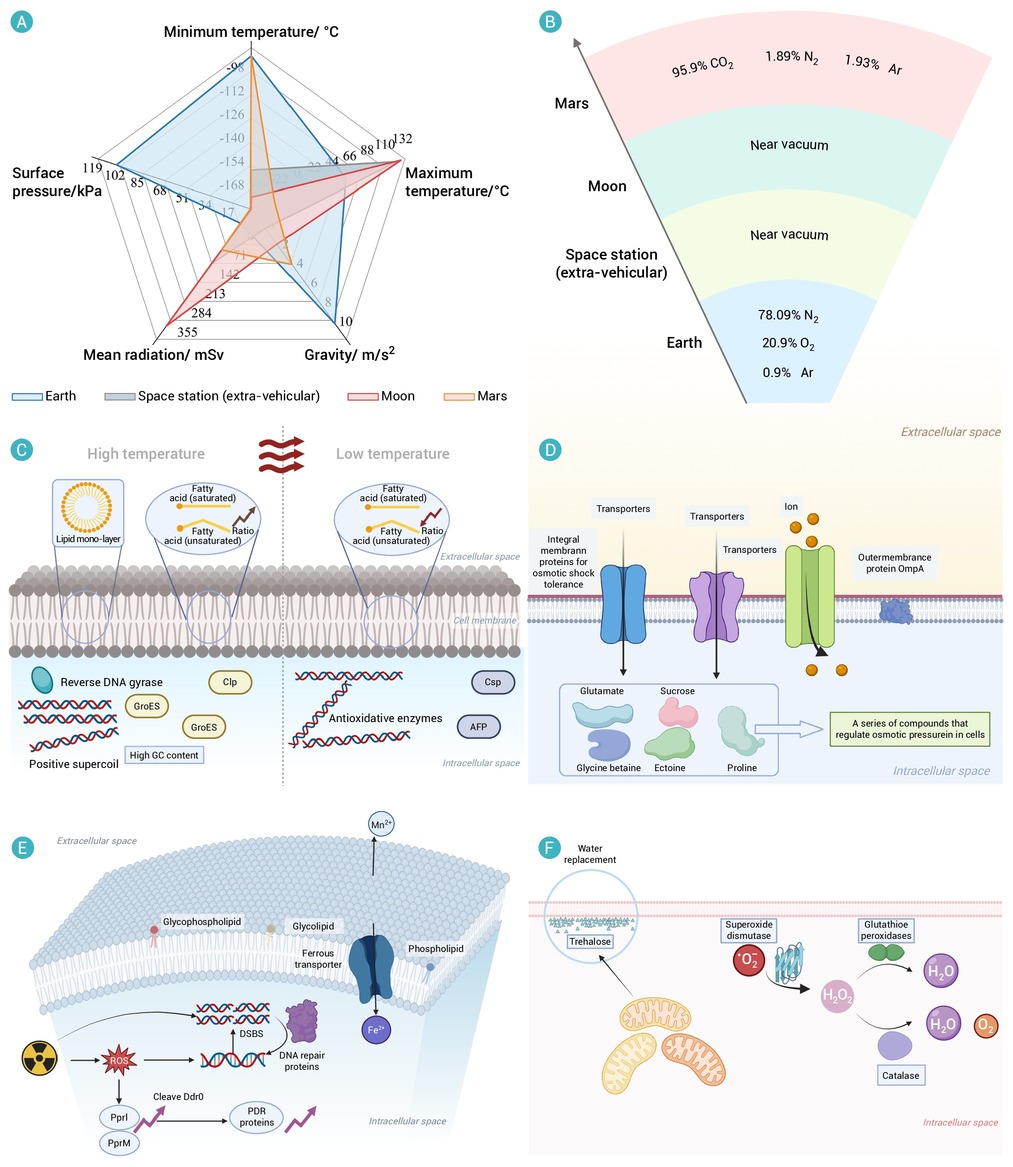
Figure 1.
Extremophiles’ adaptive responses to extremes extraterrestrial Extreme Conditions
-
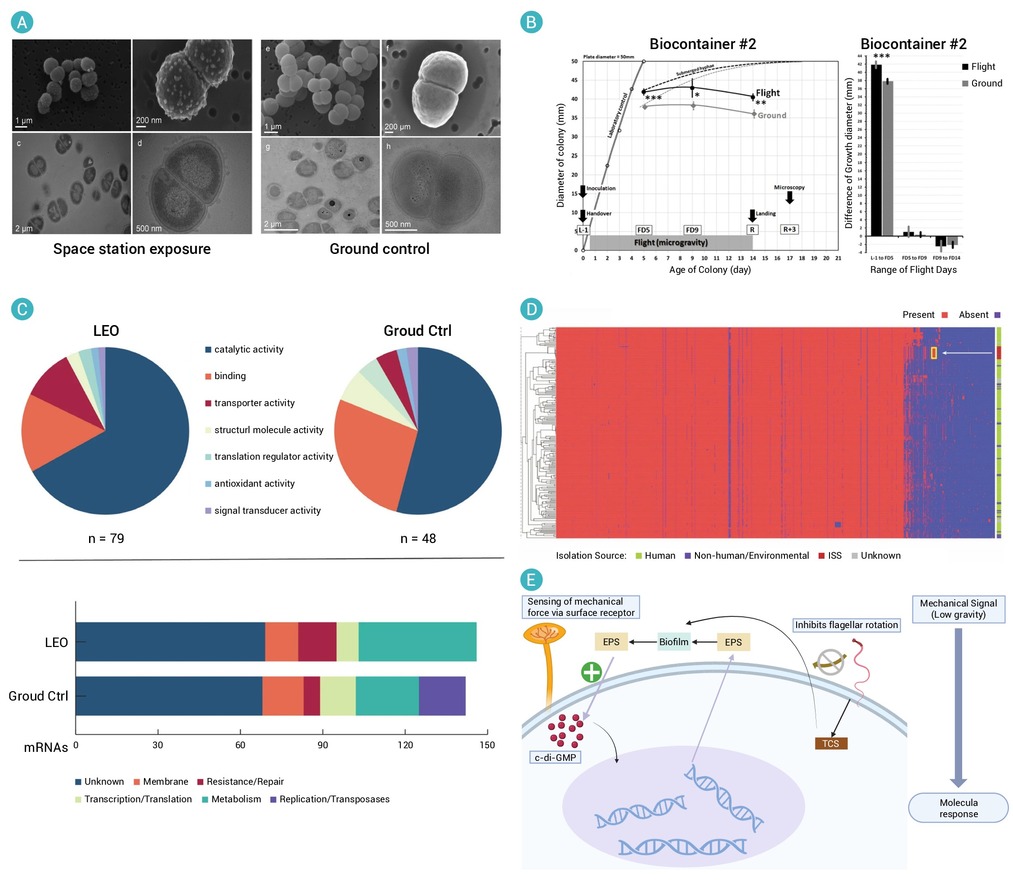
Figure 2.
Multidimensional microbial responses in space station
-
Figure 3.
New paradigm for extraterrestrial bioconstruction
-
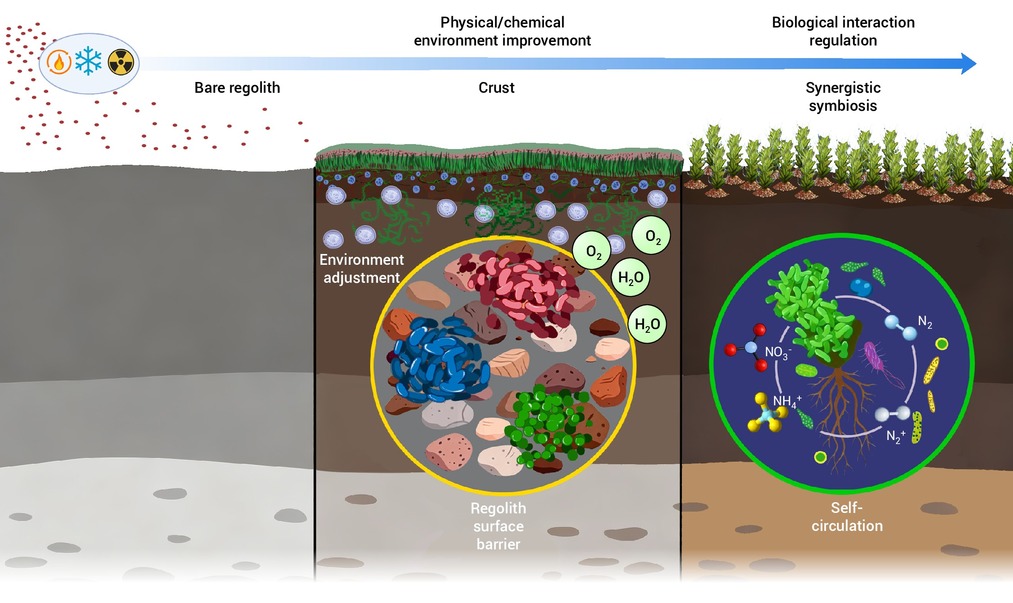
Figure 4.
Biological pioneering process.
-
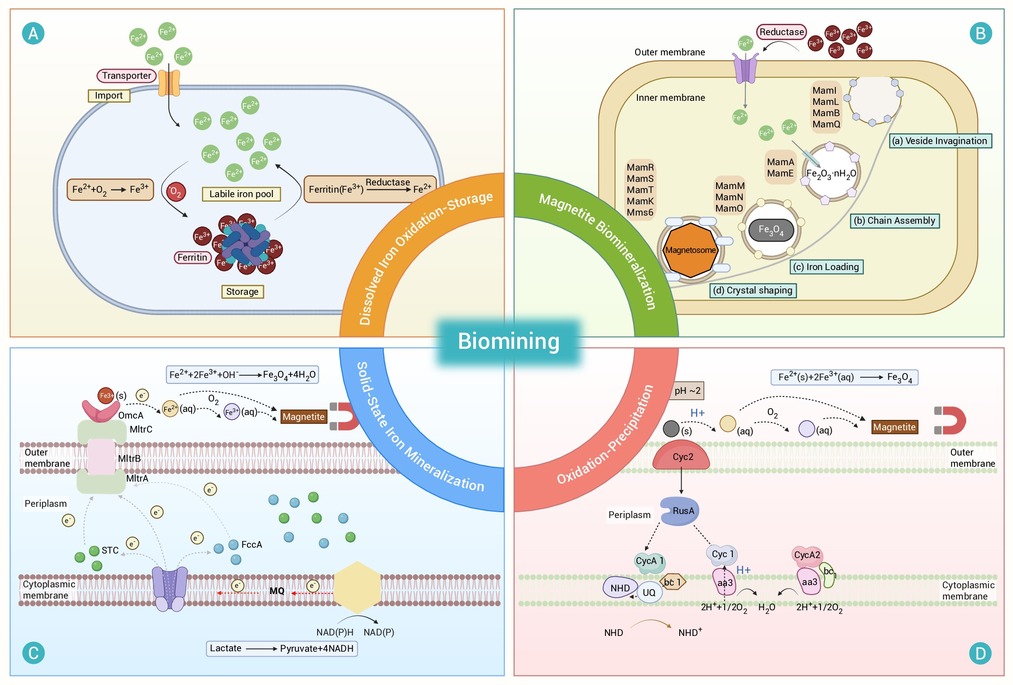
Figure 5.
Biological mining mechanisms. Four potential extraterrestrial biological mining methods
-
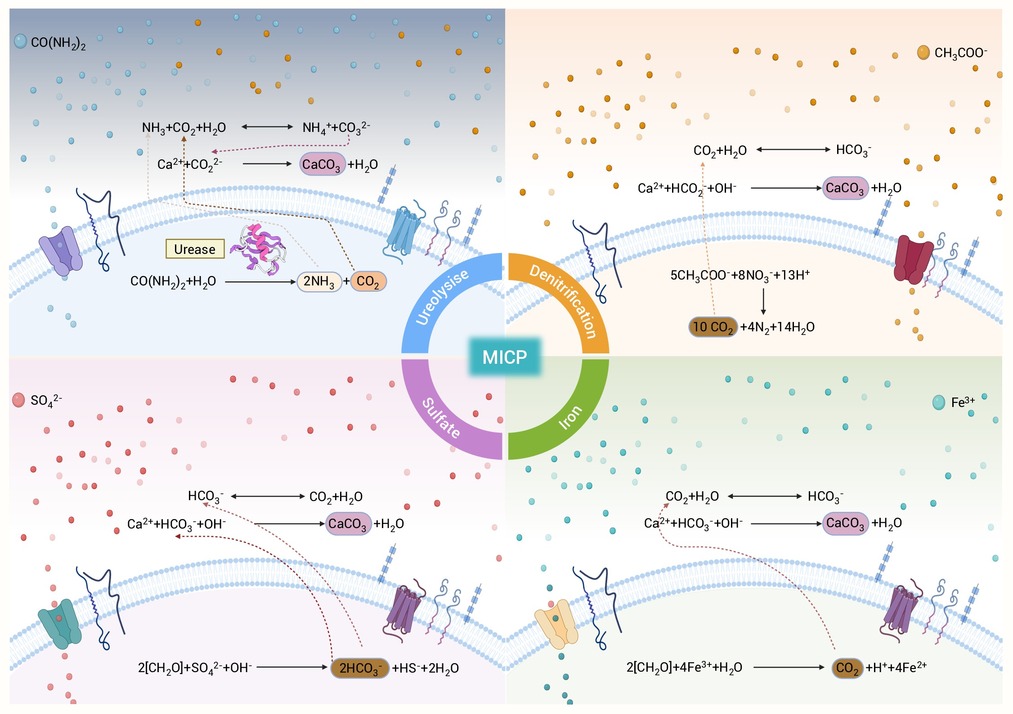
Figure 6.
MICP mechanisms
