
-
GRAPHICAL ABSTRACT
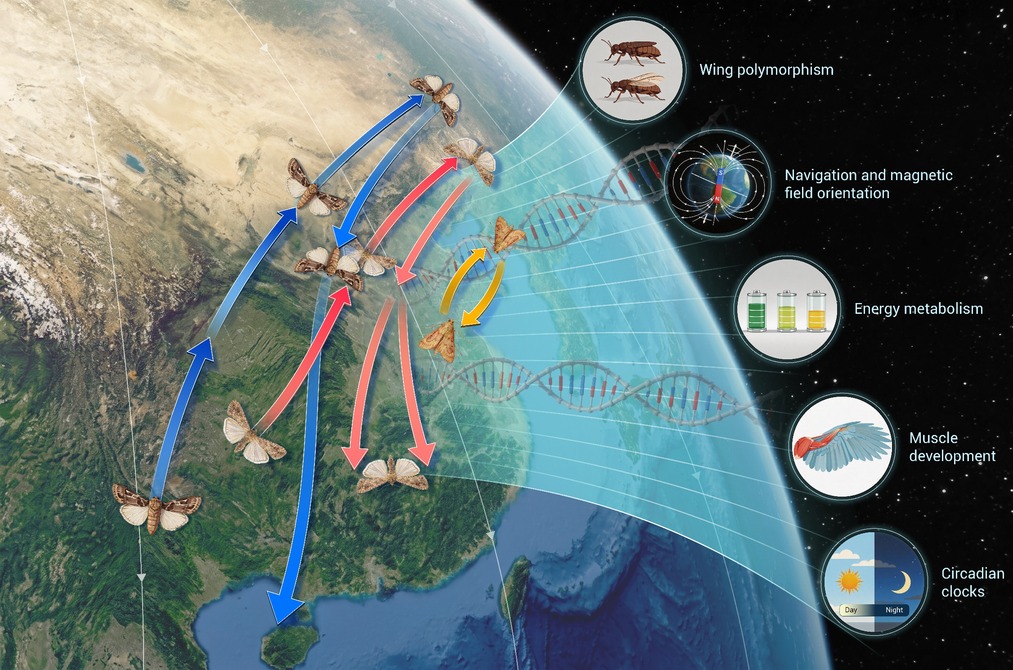
 DownLoad:
Full size image
DownLoad:
Full size image
-
PUBLIC SUMMARY
-
Research into insect migration mechanisms supports population monitoring, outbreak prediction and pest control.
Genomic approaches uncover the molecular basis underlying insect migration.
Integrating advances in genomics and ecology is essential for migration-related research.
Migratory insect genomics has progressed rapidly in recent years and shows great application potential.
Rapidly evolving insect migration genomics reveal key mechanisms of this important biological phenomenon.
-
-
ABSTRACT
Insect migration is a complex, large-scale biological phenomenon with profound ecological, evolutionary, and physiological significance. Numerous agricultural and non-agricultural insect species exhibit seasonal or multigenerational migratory behaviors. Resolving the mechanistic underpinnings of these behaviors is essential for understanding population dynamics, predicting outbreak risks, and improving pest management strategies. The rapid development and decreasing cost of high-throughput sequencing technologies have enabled the generation of high-quality reference genomes for an increasing number of migratory insects. These genomic resources offer unprecedented opportunities to investigate the molecular and evolutionary processes underlying migration. Despite these advances, critical gaps remain, including incomplete understanding of the genetic architecture and regulatory networks governing migratory traits. Additionally, challenges associated with assembling and annotating highly heterozygous insect genomes, the limited application of telomere-to-telomere and pan-genome approaches, and difficulties in linking genomic variation to migratory behavior under natural conditions still hinder our understanding. Furthermore, functional validation of candidate genes and translation of genomic knowledge into practical monitoring and pest management strategies remain limited. Integrative reviews that synthesize progress across genomics, molecular biology, population genetics, and ecology are crucial for facilitating systematic investigations of migration-related traits across multiple biological scales. This review aims to provide a comprehensive synthesis of recent advances in genomics research of migratory insects, hence, offering a comprehensive overview of the rapidly advancing genomic and molecular foundations of insect migration, thereby contributing to a deeper understanding of the mechanisms that drive one of the most remarkable biological phenomena in nature.-
Keywords:
- migration /
- genome /
- sequencing technology /
- regulatory mechanism /
- adaptation
-

-
REFERENCES
[1] Sheikh A.A, Rehman N., and Kumar R. (2017). Diverse adaptations in insects: A review. J. Entomol. Zool. Stud. 5:343−350. https://api.semanticscholar.org/CorpusID:55130400 [2] Chapman J.W., Reynolds D.R., and Wilson K. (2015). Long-range seasonal migration in insects: Mechanisms, evolutionary drivers and ecological consequences. Ecol. Lett. 18:287-302. DOI: 10.1111/ele.12407 [3] Doyle T., Jimenez-Guri E., Hawkes W.L.S., et al. (2022). Genome-wide transcriptomic changes reveal the genetic pathways involved in insect migration. Mol. Ecol. 31:4332-4350. DOI: 10.1111/mec.16588 [4] Xu H.J., Xue J., Lu B., et al. (2015). Two insulin receptors determine alternative wing morphs in planthoppers. Nature 519:464−467. DOI:10.1038/nature14286 [5] Du B., Ding D., Ma C., et al. (2022). Locust density shapes energy metabolism and oxidative stress resulting in divergence of flight traits. Proc. Natl. Acad. Sci. USA 119:e2115753118. DOI:10.1073/pnas.2115753118 [6] Chapman J.W., Nesbit R.L., Burgin L.E., et al. (2010). Flight orientation behaviors promote optimal migration trajectories in high-flying insects. Science 327:682−685. DOI:10.1126/science.1182990 [7] Darveau C.A. (2024). Insect flight energetics and the evolution of size, form, and function. Integr. Comp. Biol. 64:586−597. DOI:10.1093/icb/icae028 [8] Lin X., Yao Y., Wang B., et al. (2016). Ecological trade-offs between migration and reproduction are mediated by the nutrition-sensitive insulin-signaling pathway. Int. J. Biol. Sci. 12:607−16. DOI:10.7150/ijbs.14802 [9] Hu Q.L., Zhuo J.C., Fang G.Q., et al. (2024). The genomic history and global migration of a windborne pest. Sci. Adv. 10:eadk3852. DOI:10.1126/sciadv.adk3852 [10] Hawkes W.L., Doyle T., Massy R., et al. (2024). The most remarkable migrants—systematic analysis of the Western European insect flyway at a Pyrenean mountain pass. Proc. R. Soc. B. Biol. Sci. 291:20232831. DOI:10.1098/rspb.2023.2831 [11] Gorki J.L., López-Mañas R., Sáez L., et al. (2024). Pollen metabarcoding reveals the origin and multigenerational migratory pathway of an intercontinental-scale butterfly outbreak. Curr. Biol. 34:2684-2692. DOI: 10.1016/j.cub.2024.05.037 [12] Hu G., Lim K.S., Horvitz N., et al. (2016). Mass seasonal bioflows of high-flying insect migrants. Science 354:1584−1587. DOI:10.1126/science.aah4379 [13] Talavera G., Bataille C., Benyamini D., et al. (2018). Round-trip across the Sahara: Afrotropical Painted Lady butterflies recolonize the Mediterranean in early spring. Biol. Lett. 14:20180274. DOI:10.1098/rsbl.2018.0274 [14] Reynolds S.K., Clem C.S., Fitz-Gerald B., et al. (2024). A comprehensive review of long-distance hover fly migration (Diptera: Syrphidae). Ecol. Entomol. 49:749-767. DOI: 10.1111/een.13373 [15] Choi N.J., Kang I.J., and Nam K. (2025). Genomic analysis reveals annual variation in the migratory pathways to east Asia in the brown planthopper (Nilaparvata lugens). Evol. Appl. 18:e70171. DOI:10.1111/eva.70171 [16] Dong S., Li X., Liu Q., et al. (2025). Comparative genomics uncovers evolutionary drivers of locust migratory adaptation. BMC Genom. 26:203. DOI:10.1186/s12864-025-11376-5 [17] Xu Q., Jin M., Xiao H., et al. (2025). Genomic predictions of invasiveness and adaptability of the cotton bollworm in response to climate change. J. Genet. Genom. 52:1109-1120. DOI: 10.1016/j.jgg.2025.01.016 [18] Zhan S., Merlin C., Boore J.L., et al. (2011). The monarch butterfly genome yields insights into long-distance migration. Cell 147:1171−1185. DOI:10.1016/j.cell.2011.09.052 [19] Mita K., Kasahara M., Sasaki S., et al. (2004). The genome sequence of silkworm, Bombyx mori. DNA Res. 11:27−35. DOI:10.1093/dnares/11.1.27 [20] Xia Q., Zhou Z., Lu C., et al. (2004). A draft sequence for the genome of the domesticated silkworm (Bombyx mori). Science 306:1937−1940. DOI:10.1126/science.1102210 [21] Wang X., Fang X., Yang P., et al. (2014). The locust genome provides insight into swarm formation and long-distance flight. Nat. Commun. 5:2957. DOI:10.1038/ncomms3957 [22] Wang S., Minter M., Homem R.A., et al. (2020). Odorant binding proteins promote flight activity in the migratory insect, Helicoverpa armigera. Mol. Ecol. 29:3795−3808. DOI:10.1111/mec.15556 [23] Li Y., Chai Q., Chen Y., et al. (2024). Genome-wide investigation of the OR gene family in Helicoverpa armigera and functional analysis of OR48 and OR75 in metamorphosis development. Int. J. Biol. Macromol. 278:134646. DOI:10.1016/j.ijbiomac.2024.134646 [24] Hou B., Cai Y., Zhang J., et al. (2025). Population genomics reveals population structure and local adaptation of the Helicoverpa armigera lineage in Xinjiang, China. Pest Manag. Sci. 81:4403−4415. DOI:10.1002/ps.8803 [25] Hotaling S., Sproul J.S., Heckenhauer J., et al. (2021). Long reads are revolutionizing 20 years of insect genome sequencing. Genome Biol. Evol. 13:evab138. DOI:10.1093/gbe/evab138 [26] Li X., Jiang F., Liu Q., et al. (2025). GAF-dependent chromatin plasticity determines promoter usage to mediate locust gregarious behavior. Embo j. 44:2928−2948. DOI:10.1038/s44318-025-00428-x [27] Nayyar N., Arya S.K., Harrison D.A., et al. (2026). Recent advances and applications of single-cell sequencing in insects. Curr. Opin. Insect Sci. 73:101455. DOI:10.1016/j.cois.2025.101455 [28] Gouin A., Bretaudeau A., Nam K., et al. (2017). Two genomes of highly polyphagous lepidopteran pests (Spodoptera frugiperda, Noctuidae) with different host-plant ranges. Sci. Rep. 7:11816. DOI:10.1038/s41598-017-10461-4 [29] Wright C.J., Stevens L., Mackintosh A., et al. (2024). Comparative genomics reveals the dynamics of chromosome evolution in Lepidoptera. Nat. Ecol. Evol. 8:777−790. DOI:10.1038/s41559-024-02329-4 [30] Cabral-de-Mello D.C. and Palacios-Gimenez O.M. (2025). Repetitive DNAs: The 'invisible' regulators of insect adaptation and speciation. Curr. Opin. Insect Sci. 67:101295. DOI:10.1016/j.cois.2024.101295 [31] Gompert Z., Feder J.L., Parchman T.L., et al. (2025). Adaptation repeatedly uses complex structural genomic variation. Science 388:eadp3745. DOI:10.1126/science.adp3745 [32] Robinson G.E., Hackett K.J., Purcell-Miramontes M., et al. (2011). Creating a buzz about insect genomes. Science 331:1386. DOI:10.1126/science.331.6023.1386 [33] Darwin Tree of Life Project Consortium. (2022). Sequence locally, think globally: The Darwin Tree of Life Project. Proc. Natl. Acad. Sci. USA 119:e2115642118. DOI:10.1073/pnas.2115642118 [34] Mei Y., Jing D., Tang S., et al. (2022). InsectBase 2.0: A comprehensive gene resource for insects. Nucleic Acids Res. 50:D1040-D1045. DOI:10.1093/nar/gkab1090. [35] Li F., Zhao X., Li M., et al. (2019). Insect genomes: progress and challenges. Insect. Mol. Biol. 28:739−758. DOI:10.1111/imb.12599 [36] Jones C.M., Papanicolaou A., Mironidis G.K., et al. (2015). Genomewide transcriptional signatures of migratory flight activity in a globally invasive insect pest. Mol. Ecol. 24:4901-4911. DOI: 10.1111/mec.13362 [37] Xu H.J. and Zhang C.X. (2017). Insulin receptors and wing dimorphism in rice planthoppers. Philos. Trans. R. Soc. B, Biol. Sci. 372:20150489. DOI:10.1098/rstb.2015.0489 [38] Hou L., Guo S., Ding D., et al. (2022). Neuroendocrinal and molecular basis of flight performance in locusts. Cell Mol. Life. Sci. 79:325. DOI:10.1007/s00018-022-04344-9 [39] Hidalgo S. and Chiu J.C. (2024). Integration of photoperiodic and temperature cues by the circadian clock to regulate insect seasonal adaptations. J. Comp. Physiol. A 210:585−599. DOI:10.1007/s00359-023-01667-1 [40] Mishyna M., Ciaravolo V., Litsa M., et al. (2024). Leg muscles of migratory locust (Locusta migratoria) as a protein source: Extraction, protein composition and foaming properties. Food Res. Int. 197:115228. DOI:10.1016/j.foodres.2024.115228. [41] Fruttero L.L., Leyria J., and Canavoso L.E. (2025). Insect flight and lipid metabolism: Beyond the classic knowledge. In: Advances in experimental medicine and biology. (Springer, Cham). DOI:10.1007/5584_2024_849 [42] Musselman L.P., Cedden D., Güney G., et al. (2025). Insect lipidomics: Advances, applications, and physiological insights. In: Advances in experimental medicine and biology. (Springer, Cham). DOI:10.1007/5584_2025_878 [43] Jin M., Liu B., Zheng W., et al. (2023). Chromosome-level genome of black cutworm provides novel insights into polyphagy and seasonal migration in insects. BMC Biol. 21:2. DOI:10.1186/s12915-022-01504-y [44] Ji J., Gao Y., Xu C., et al. (2024). Chromosome-level genome assembly of marmalade hoverfly Episyrphus balteatus (Diptera: Syrphidae). Sci. Data. 11:844. DOI:10.1038/s41597-024-03666-6 [45] García-Berro A., Talla V., Vila R., et al. (2023). Migratory behaviour is positively associated with genetic diversity in butterflies. Mol. Ecol. 32:560-574. DOI: 10.1111/mec.16770 [46] Freedman M.G. and Kronforst M.R. (2023). Migration genetics take flight: Genetic and genomic insights into monarch butterfly migration. Curr. Opin. Insect. Sci. 59:101079. DOI:10.1016/j.cois.2023.101079 [47] Webster M.T., Beaurepaire A., Neumann P., et al. (2023). Population genomics for insect conservation. Annu. Rev. Anim. Biosci. 11:115−140. DOI:10.1146/annurev-animal-122221-075025 [48] Mouritsen H. (2018). Long-distance navigation and magnetoreception in migratory animals. Nature 558:50−59. DOI:10.1038/s41586-018-0176-1 [49] Flockhart D.T.T., Fitz-Gerald B., Brower L.P., et al. (2017). Migration distance as a selective episode for wing morphology in a migratory insect. Mov. Ecol. 5:7. DOI:10.1186/s40462-017-0098-9 [50] Zera A.J. and Denno R.F. (1997). Physiology and ecology of dispersal polymorphism in insects. Annu. Rev. Entomol. 42:207−30. DOI:10.1146/annurev.ento.42.1.207 [51] Deem K.D., Gregory L.E., Liu X., et al. (2024). Evolution and molecular mechanisms of wing plasticity in aphids. Curr. Opin. Insect Sci. 61:101142. DOI: 10.1016/j.cois.2023.101142 [52] Huang J., Feng H., Drake V.A., et al. (2024). Massive seasonal high-altitude migrations of nocturnal insects above the agricultural plains of East China. Proc. Natl. Acad. Sci. USA 121:e2317646121. DOI:10.1073/pnas.2317646121 [53] Zhang J.L., Chen S.J., Liu X.Y., et al. (2022). The transcription factor Zfh1 acts as a wing-morph switch in planthoppers. Nat. Commun. 13:5670. DOI:10.1038/s41467-022-33422-6 [54] Xue J., Zhou X., Zhang C.X., et al. (2014). Genomes of the rice pest brown planthopper and its endosymbionts reveal complex complementary contributions for host adaptation. Genome Biol. 15:521. DOI:10.1186/s13059-014-0521-0 [55] Veale A.J., Foster B.J., Dearden P.K., et al. (2018). Genotyping-by-sequencing supports a genetic basis for wing reduction in an alpine New Zealand stonefly. Sci. Rep. 8:16275. DOI:10.1038/s41598-018-34123-1 [56] Zhou X., Chen J., Liang M.S., et al. (2013). Differential DNA methylation between two wing phenotypes adults of Sogatella furcifera. Genesis 51:819−826. DOI:10.1002/dvg.22722 [57] Chen S.J., Zhang J.L., Ma W.J., et al. (2023). FoxO and rotund form a binding complex governing wing polyphenism in planthoppers. IScience 26:107182. DOI: 10.1016/j.isci.2023.107182 [58] Yu J., Zhao W., Chen X., et al. (2024). A plant virus manipulates the long-winged morph of insect vectors. Proc. Natl. Acad. Sci. USA 121:e2315341121. DOI:10.1073/pnas.2315341121 [59] Grob R., Wegmann J.W., Rössler W., et al. (2024). Cataglyphis ants have a polarity-sensitive magnetic compass. Curr. Biol. 34:5833−5838. DOI:10.1016/j.cub.2024.11.012 [60] Ma Y.B., Wan G.J., Ji Y., et al. (2025). Geomagnetic and visual cues guide seasonal migratory orientation in the nocturnal fall armyworm, the world’s most invasive insect. eLife. 14:RP109098. DOI:10.7554/eLife.109098.1 [61] Reppert S.M. and de Roode J.C. (2018). Demystifying monarch butterfly migration. Curr. Biol. 28:R1009−R1022. DOI:10.1016/j.cub.2018.02.067 [62] Kyriacou C.P. and Rosato E. (2022). Genetic analysis of cryptochrome in insect magnetosensitivity. Systematic Review. Front. Physiol. 13:928416. DOI:10.3389/fphys.2022.928416 [63] Guerra P.A. and Reppert S.M. (2015). Sensory basis of lepidopteran migration: Focus on the monarch butterfly. Curr. Opin. Neurobiol. 34:20−28. DOI:10.1016/j.conb.2015.01.009 [64] Tong D., Zhang L., Wu N., et al. (2022). The oriental armyworm genome yields insights into the long-distance migration of noctuid moths. Cell Rep. 41:111843. DOI: 10.1016/j.celrep.2022.111843 [65] Buehlmann C., Mangan M., and Graham P. (2020). Multimodal interactions in insect navigation. Anim. Cogn. 23:1129−1141. DOI:10.1007/s10071-020-01383-2 [66] Dovey K.M., Kemfort J.R., and Towne W.F. (2013). The depth of the honeybee's backup sun-compass systems. J. Exp. Biol. 216:2129-2139. DOI:10.1242/jeb.084160 [67] Krapp H.G. (2007). Polarization vision: How insects find their way by watching the sky. Curr. Biol. 17:R557−r560. DOI:10.1016/j.cub.2007.05.022 [68] Wang H., Shi Y., Wang L., et al. (2018). CYP6AE gene cluster knockout in Helicoverpa armigera reveals role in detoxification of phytochemicals and insecticides. Nat. Commun. 9:4820. DOI:10.1038/s41467-018-07226-6 [69] Jin M., North H.L., Peng Y., et al. (2023). Adaptive evolution to the natural and anthropogenic environment in a global invasive crop pest, the cotton bollworm. The Innovation 4:100454. DOI:10.1016/j.xinn.2023.100454 [70] Peng Y., Mao K., Zhang Z., et al. (2024). Landscape of structural variants reveals insights for local adaptations in the Asian corn borer. Cell Rep. 43:114928. DOI:10.1016/j.celrep.2024.114928 [71] Megha Treesa, T. (2024). Insect chemosensory receptor genes: Expression, expansion and functional evolution (Doctoral dissertation, Friedrich Schiller University Jena). https://pure.mpg.de/view/item_3595998_2 [72] Jin M., Peng Y., Peng J., et al. (2023). Transcriptional regulation and overexpression of GST cluster enhances pesticide resistance in the cotton bollworm, Helicoverpa armigera (Lepidoptera: Noctuidae). Commun. Biol. 6:1064. DOI:10.1038/s42003-023-05447-0 [73] Kim J., Rahman M.M., Han C., et al. (2025). Genome-wide exploration of metabolic-based pyrethroid resistance mechanism in Helicoverpa armigera. J. Pest Sci. 98:429−448. DOI:10.1007/s10340-024-01797-8 [74] Zhang L., Li Z., Peng Y., et al. (2023). Global genomic signature reveals the evolution of fall armyworm in the Eastern hemisphere. Mol. Ecol. 32:5463−5478. DOI:10.1111/mec.17117 [75] Gimenez S., Abdelgaffar H., Goff G.L., et al. (2020). Adaptation by copy number variation increases insecticide resistance in the fall armyworm. Commun. Biol. 3:664. DOI:10.1038/s42003-020-01382-6 [76] Zhan S., Zhang W., Niitepõld K., et al. (2014). The genetics of monarch butterfly migration and warning colouration. Nature 514:317−321. DOI:10.1038/nature13812 [77] Wang S., Teng D., Li X., et al. (2022). The evolution and diversification of oakleaf butterflies. Cell 185:3138−3152. DOI:10.1016/j.cell.2022.06.042 [78] Zhang W. and Lohman D.J. (2024). Uncovering the functional basis of mantids that resemble plants. Sci. China Life Sci. 67:215−216. DOI:10.1007/s11427-023-2450-5 [79] Wang X. and Kang L. (2014). Molecular mechanisms of phase change in locusts. Annu Rev Entomol. 59:225−244. DOI:10.1146/annurev-ento-011613-162019 [80] Verlinden H., Sterck L., Li J., et al. (2021). First draft genome assembly of the desert locust, Schistocerca gregaria. F1000Res. 9:775. DOI:10.12688/f1000research.25148.2 [81] Topaz C.M., D'Orsogna M.R., Edelstein-Keshet L., et al. (2012). Locust dynamics: Behavioral phase change and swarming. PLoS Comput. Biol. 8:e1002642. DOI:10.1371/journal.pcbi.1002642 [82] Jin M., Peng Y., Peng J., et al. (2024). A supergene controls facultative diapause in the crop pest Helicoverpa armigera. Cell Rep. 43:114939. DOI:10.1016/j.celrep.2024.114939 [83] Coates B.S., Dopman E.B., Wanner K.W., et al. (2018). Genomic mechanisms of sympatric ecological and sexual divergence in a model agricultural pest, the European corn borer. Curr. Opin. Insect Sci. 26:50−56. DOI:10.1016/j.cois.2018.01.005 [84] Guo X. and Kang L. (2025). Phenotypic plasticity inpocusts: Trade-off between migration and reproduction. Annu. Rev. Entomol. 70:23−44. DOI:10.1146/annurev-ento-013124-124333 [85] Roff D.A. and Fairbairn D.J. (2007). The evolution and genetics of migration in insects. BioScience 57:155−164. DOI:10.1641/b570210 [86] Sharma S., Dwivedi S., Chandra S., et al. (2019). Collagen: A brief analysis. Oral maxillofac. pathol. j. 10:1. DOI:10.5005/jp-journals-10037-1143 [87] Salamito M., Nauroy P. and Ruggiero F. (2021). The collagen superfamily: Everything you always wanted to know. Ruggiero F. (ed.) The collagen superfamily and collagenopathies. (Springer International Publishing), pp:1-22. DOI:10.1007/978-3-030-67592-9_1 [88] Zeltz C. and Gullberg D. (2016). The integrin-collagen connection--a glue for tissue repair? J. Cell Sci. 129:653-664. DOI:10.1242/jcs.180992 [89] Saunders D.S. (2009). Circadian rhythms and the evolution of photoperiodic timing in insects. Physiol. Entomol. 34:301-308. DOI: 10.1111/j.1365-3032.2009.00699.x [90] Merlin C., Iiams S.E., and Lugena A.B. (2020). Monarch butterfly migration moving into the genetic era. Trends Genet. 36:689−701. DOI:10.1016/j.tig.2020.06.011 [91] Patke A., Young M.W., and Axelrod S. (2020). Molecular mechanisms and physiological importance of circadian rhythms. Nat. Rev. Mol. Cell Biol. 21:67−84. DOI:10.1038/s41580-019-0179-2 [92] Cox K.H. and Takahashi J.S. (2019). Circadian clock genes and the transcriptional architecture of the clock mechanism. J. Mol. Endocrinol. 63:R93−R102. DOI:10.1530/jme-19-0153 [93] Fagiani F., Di Marino D., Romagnoli A., et al. (2022). Molecular regulations of circadian rhythm and implications for physiology and diseases. Signal Transduct. Target Ther. 7:41. DOI:10.1038/s41392-022-00899-y [94] Sun T., Yang F., Zhang H., et al. (2024). CRY1 is involved in the take-off behaviour of migratory Cnaphalocrocis medinalis individuals. BMC Biol. 22:169. DOI:10.1186/s12915-024-01964-4 [95] Coppack T. and Bairlein F. (2011). Circadian control of nocturnal songbird migration. J. Ornithol. 152:67−73. DOI:10.1007/s10336-011-0708-z [96] Sandrelli F., Costa R., Kyriacou C.P., et al. (2008). Comparative analysis of circadian clock genes in insects. Insect Mol. Biol. 17:447−463. DOI:10.1111/j.1365-2583.2008.00832.x [97] Hickmann F., Meuti M.E., Michel A.P., et al. (2025). Where do all the pests go? Understanding the genomic mechanisms of crop pest dynamics during the off-season. Curr. Opin. Insect Sci. 69:101340. DOI: 10.1016/j.cois.2025.101340 [98] Sun Z., Fu P., Chen Y., et al. (2025). Population genomics of migratory and resident Spodoptera frugiperda reveals key genes and loci driving migration traits. Pest Manag. Sci. 81:3112-3121. DOI: 10.1002/ps.8682 [99] Merlin C., Gegear R.J., and Reppert S.M. (2009). Antennal circadian clocks coordinate sun compass orientation in migratory monarch butterflies. Science 325:1700−1704. DOI:10.1126/science.1176221 [100] Zhu H., Sauman I., Yuan Q., et al. (2008). Cryptochromes define a novel circadian clock mechanism in monarch butterflies that may underlie sun compass navigation. PLoS Biol. 6:e4. DOI:10.1371/journal.pbio.0060004 [101] Partch C.L., Green C.B., and Takahashi J.S. (2014). Molecular architecture of the mammalian circadian clock. Trends Cell Biol. 24:90−99. DOI:10.1016/j.tcb.2013.07.002 [102] Chang D.C., McWatters H.G., Williams J.A., et al. (2003). Constructing a feedback loop with circadian clock molecules from the silkmoth, Antheraea pernyi. J. Biol. Chem. 278:38149−38158. DOI:10.1074/jbc.M306937200 [103] Tobita H. and Kiuchi T. (2022). Knockouts of positive and negative elements of the circadian clock disrupt photoperiodic diapause induction in the silkworm, Bombyx mori. Insect Biochem. Mol. Biol. 149:103842. DOI:10.1016/j.ibmb.2022.103842 [104] Gotter A.L., Levine J.D., and Reppert S.M. (1999). Sex-linked period genes in the silkmoth, Antheraea pernyi: Implications for circadian clock regulation and the evolution of sex chromosomes. Neuron. 24:953−965. DOI:10.1016/s0896-6273(00)81042-9 [105] Kozak G.M., Wadsworth C.B., Kahne S.C., et al. (2019). Genomic basis of circannual rhythm in the European corn borer moth. Curr. Biol. 29:3501–3509. DOI:10.1016/j.cub.2019.08.053 [106] Zhang J., Cong Q., Shen J., et al. (2024). What one genus of showy moths can say about migration, adaptation, and wing pattern. Proc. Nat. Acad. Sci. USA 121:e2319726121. DOI:10.1073/pnas.2319726121 [107] Nagoshi R.N., Koffi D., Agboka K., et al. (2017). Comparative molecular analyses of invasive fall armyworm in Togo reveal strong similarities to populations from the eastern United States and the Greater Antilles. PLoS ONE 12:e0181982. DOI:10.1371/journal.pone.0181982 [108] Nagoshi R.N., Htain N.N., Boughton D., et al. (2020). Southeastern Asia fall armyworms are closely related to populations in Africa and India, consistent with common origin and recent migration. Sci. Rep. 10:1421. DOI:10.1038/s41598-020-58249-3 [109] Tay W.T., Rane R.V., Padovan A., et al. (2022). Global population genomic signature of Spodoptera frugiperda (fall armyworm) supports complex introduction events across the Old World. Commun. Biol. 5:297. DOI:10.1038/s42003-022-03230-1 [110] Yainna S., Tay W.T., Durand K., et al. (2022). The evolutionary process of invasion in the fall armyworm (Spodoptera frugiperda). Sci. Rep. 12:21063. DOI:10.1038/s41598-022-25529-z [111] Lewald K.M., Tabuloc C.A., Godfrey K.E., et al. (2023). Genome assembly and population sequencing reveal three populations and signatures of insecticide resistance of Tuta absoluta in Latin America. Genome Biol. Evol. 15:evad060. DOI:10.1093/gbe/evad060 [112] Lenormand T. (2002). Gene flow and the limits to natural selection. Trends. Ecol. Evol. 17:183-189. DOI:10.1016/S0169-5347(02)02497-7 [113] Liu H., Jiang F., Wang S., et al. (2022). Chromosome-level genome of the globe skimmer dragonfly (Pantala flavescens). Gigascience 11:giac009. DOI:10.1093/gigascience/giac009 [114] Cao L. and Wang N. (2024). A comparison of the large-scale gene expression patterns in summer and fall migratory Pantala flavescens (Fabricius) in northern China. Ecol. Evol. 14:e70147. DOI:10.1002/ece3.70147 [115] Altizer S. and Davis A.K. (2010). Populations of Monarch butterflies with different migratory behaviors show divergence in wing morphology. Evolution 64:1018−1028. DOI:10.1111/j.1558-5646.2010.00946.x [116] Reppert S.M., Guerra P.A., and Merlin C. (2016). Neurobiology of Monarch Butterfly Migration. Annu. Rev. Entomol. 61:25−42. DOI:10.1146/annurev-ento-010814-020855 [117] Ding D., Zhang J., Du B., et al. (2022). Non-canonical function of an Hif-1α splice variant contributes to the sustained flight of locusts. eLife 11:e74554. DOI:10.7554/eLife.74554 [118] Merlin C. and Liedvogel M. (2019). The genetics and epigenetics of animal migration and orientation: Birds, butterflies and beyond. J. Exp. Biol. 222:jeb191890. DOI:10.1242/jeb.191890 [119] Xiao H.J., Fu X.W., Liu Y.Q., et al. (2016). Synchronous vitellogenin expression and sexual maturation during migration are negatively correlated with juvenile hormone levels in Mythimna separata. Sci. Rep. 6:33309. DOI:10.1038/srep33309 [120] Shipilina D., Höök L., Näsvall K., et al. (2024). Gene expression responses to environmental cues shed light on components of the migratory syndrome in butterflies. bioRxiv, 2024-07. DOI:10.1101/2024.07.17.602486 [121] Phillips J.B., Jorge P.E., and Muheim R. (2010). Light-dependent magnetic compass orientation in amphibians and insects: Candidate receptors and candidate molecular mechanisms. J. R. Soc. Interface 7:S241-s256. DOI:10.1098/rsif.2009.0459.focus [122] Wan G., Hayden A.N., Iiams S.E., et al. (2021). Cryptochrome 1 mediates light-dependent inclination magnetosensing in monarch butterflies. Nat. Commun. 12:771. DOI:10.1038/s41467-021-21002-z [123] Boyle J.H., Strickler S., Twyford A.D., et al. (2023). Temporal matches between monarch butterfly and milkweed population changes over the past 25,000 years. Curr. Biol. 33:3702−3710. DOI:10.1016/j.cub.2023.07.057 [124] Triant D.A., Pirro S., Kawahara A.Y., et al. (2025). The complete genome of three at-risk Florida butterflies: Cyclargus thomasi bethunebakeri, Eumaeus atala and Heraclides ponceana. Biodivers. Genomes 2025:10.56179/001c.144799. DOI:10.56179/001c.144799 [125] Freedman M.G., de Roode J.C., Forister M.L., et al. (2021). Are eastern and western monarch butterflies distinct populations? A review of evidence for ecological, phenotypic, and genetic differentiation and implications for conservation. Conserv. Sci. Pract. 3:e432. DOI:10.1111/csp2.432 [126] Oberhauser K.S. (2026). Eastern North American monarch butterfly conservation needs and opportunities: What the science tells us. Insects 17:235. DOI:10.3390/insects17030235 [127] Sherpa S., Tutagata J., Gaude T., et al. (2022). Genomic shifts, phenotypic clines, and fitness costs associated with cold tolerance in the Asian tiger mosquito. Mol. Biol. Evol. 39:msac104. DOI:10.1093/molbev/msac104 [128] Vijayan S. and Somanathan H. (2023). Migration in honey bees. Insectes S. 70:127−140. DOI:10.1007/s00040-022-00892-2 [129] Zhang L., Lecoq M., Latchininsky A., et al. (2019). Locust and grasshopper Management. Annu. Rev. Entomol. 64:15−34. DOI:10.1146/annurev-ento-011118-112500 [130] Qin S., Yin H., Yang C., et al. (2016). A magnetic protein biocompass. Nat. Mater. 15:217−226. DOI:10.1038/nmat4484 [131] Johnsen S. and Lohmann K.J. (2005). The physics and neurobiology of magnetoreception. Nat. Rev. Neurosci. 6:703−712. DOI:10.1038/nrn1745 -
ABOUT THIS ARTICLE
Cite this article:
Li H., Gabuin N. D., Yesaya A., et al. (2026). The genomics of adaptation in migratory insects. The Innovation Life 4:100218. https://doi.org/10.59717/j.xinn-life.2026.100218
Welcome!
To request copyright permission to republish or share portions of our works, please visit Copyright Clearance Center's (CCC) Marketplace website at marketplace.copyright.com.
Export File
Citation
Li H., Gabuin N. D., Yesaya A., et al. (2026). The genomics of adaptation in migratory insects. The Innovation Life 4:100218. https://doi.org/10.59717/j.xinn-life.2026.100218

Format
Content
-
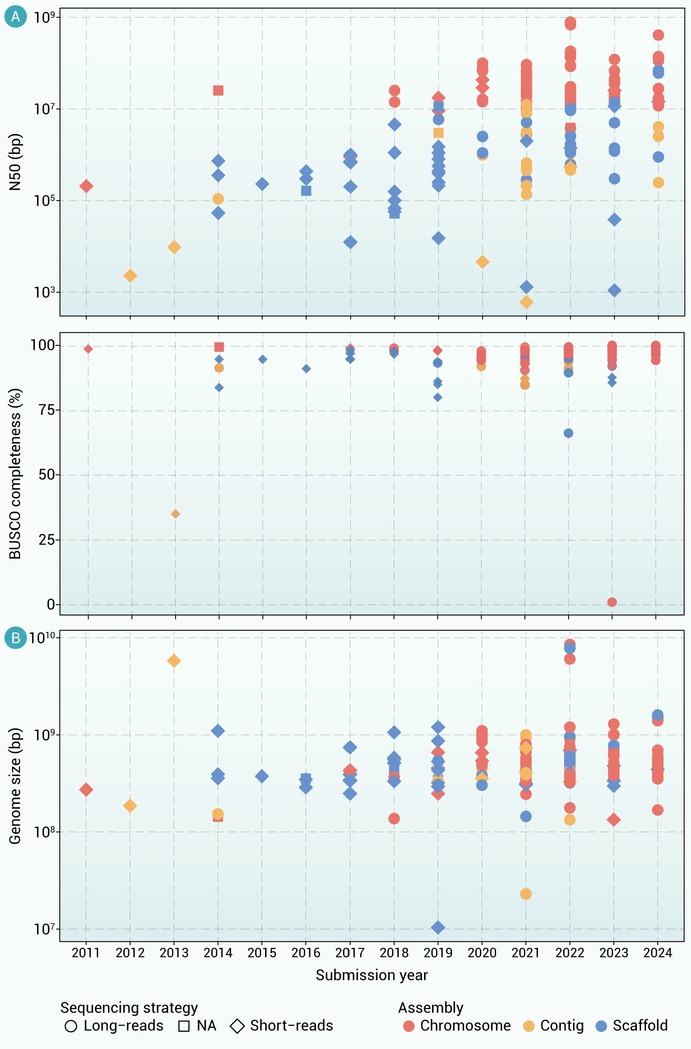
Figure 1.
Trends in genome sequencing and assembly of migratory insects
-
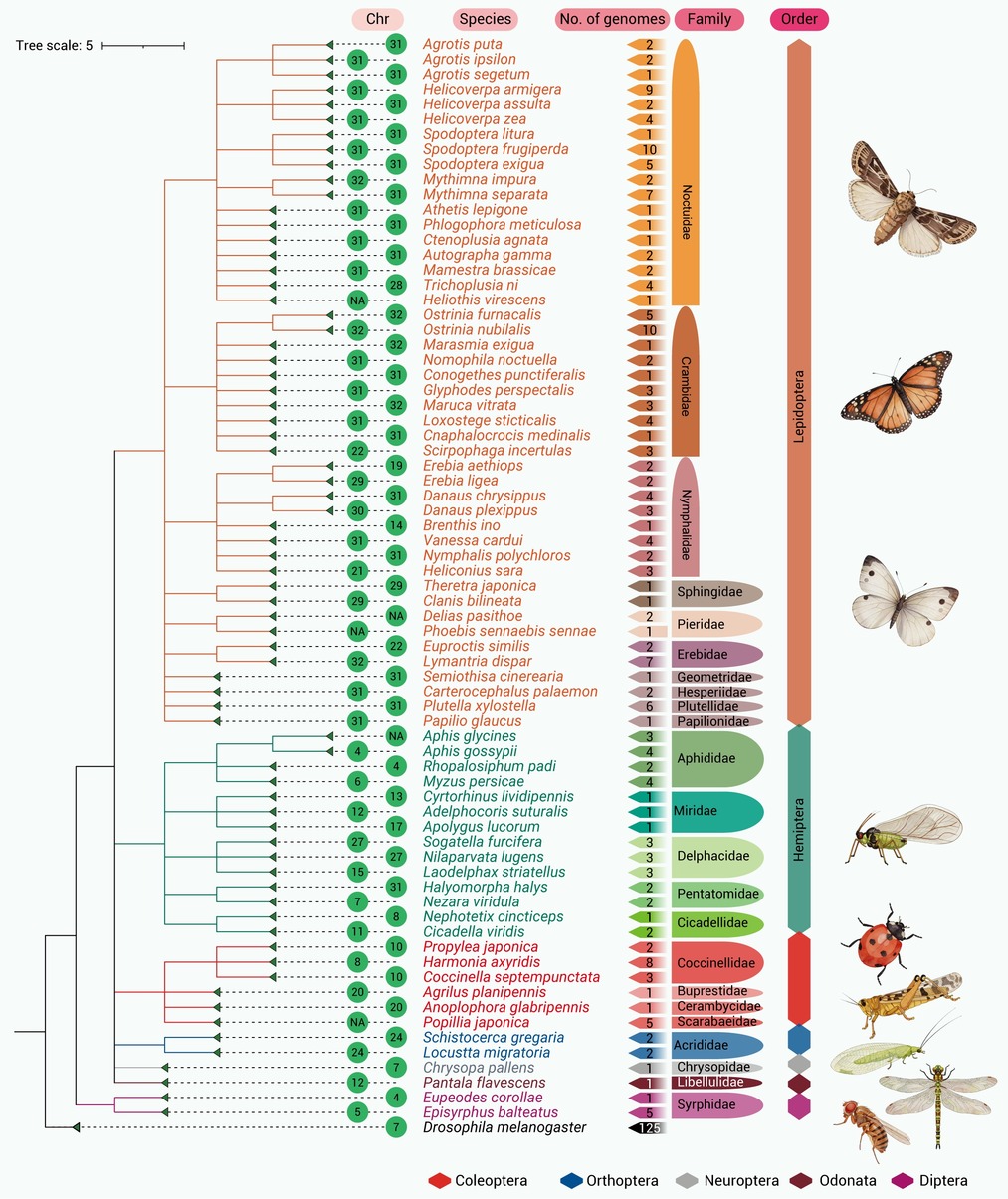
Figure 2.
Phylogenetic framework of migratory insects showing genome representation across major lineages
-
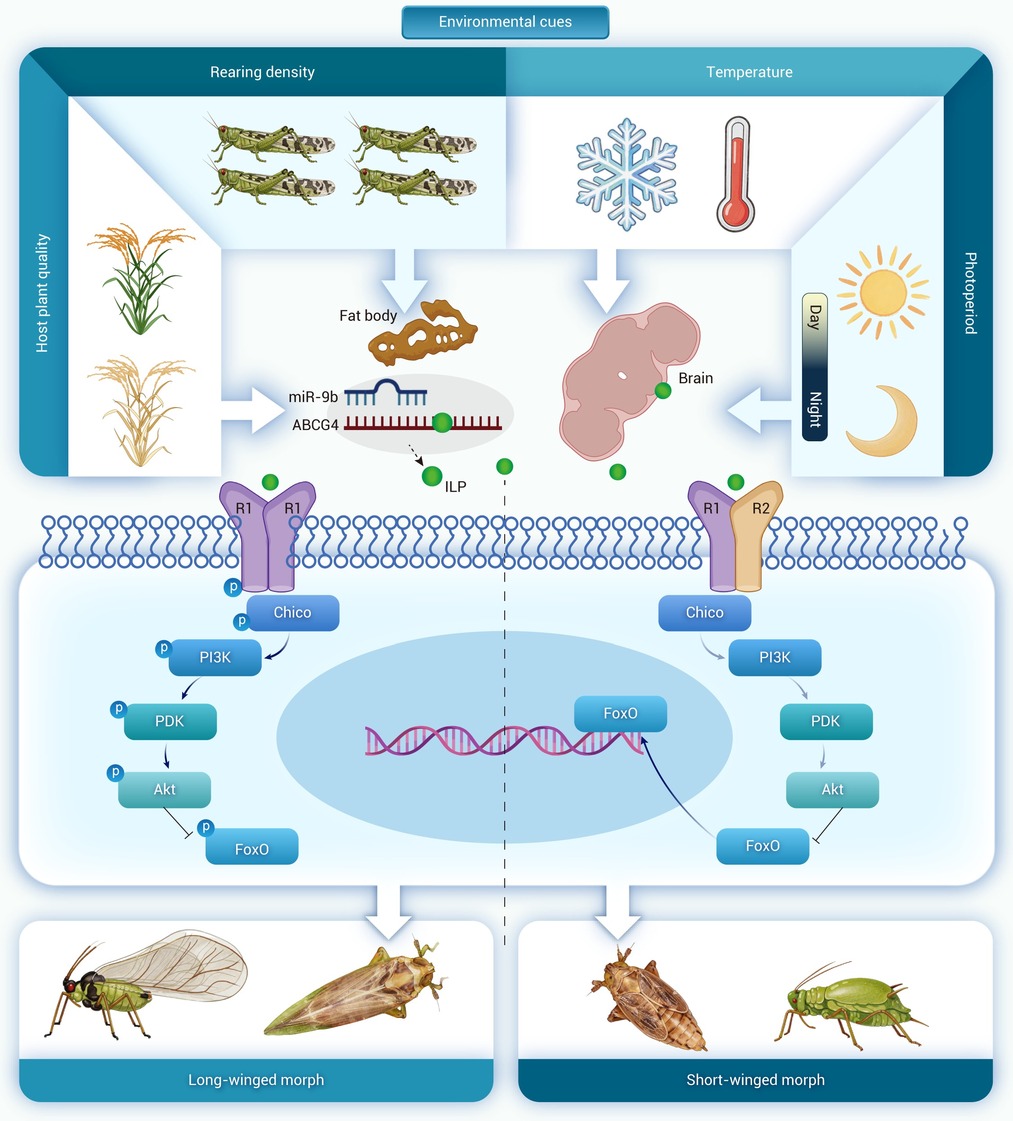
Figure 3.
A diagrammatic model for interpreting wing-polymorphism regulation in the representative species of migratory insects
-
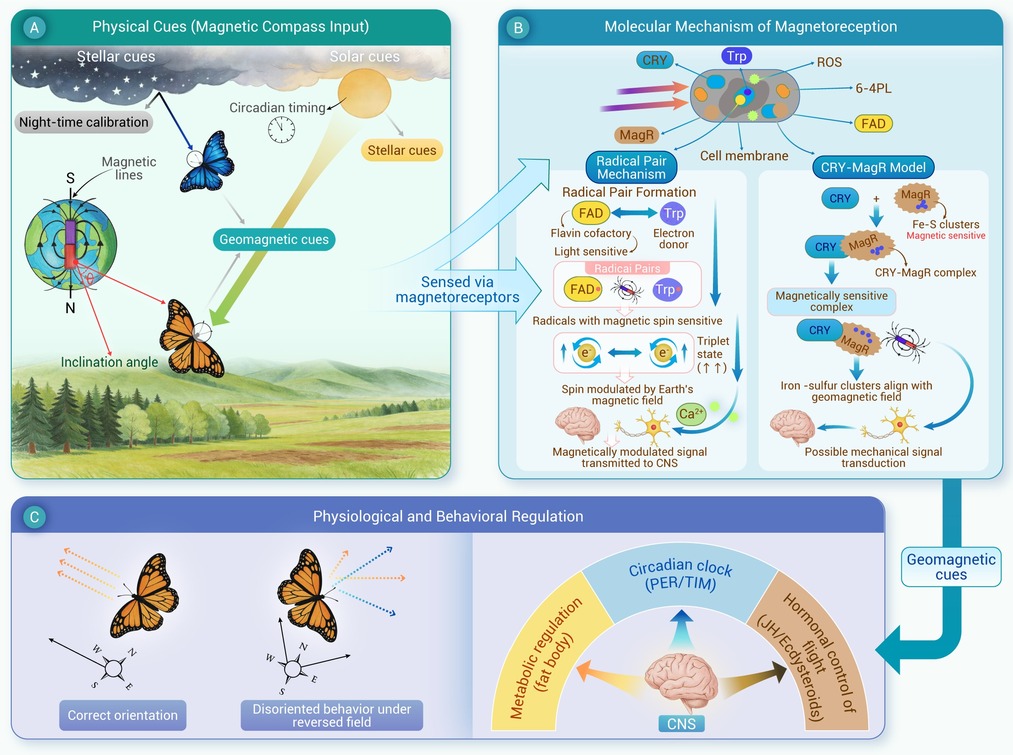
Figure 4.
Diagrammatic illustration integrating the geomagnetic cues in migratory insects
-
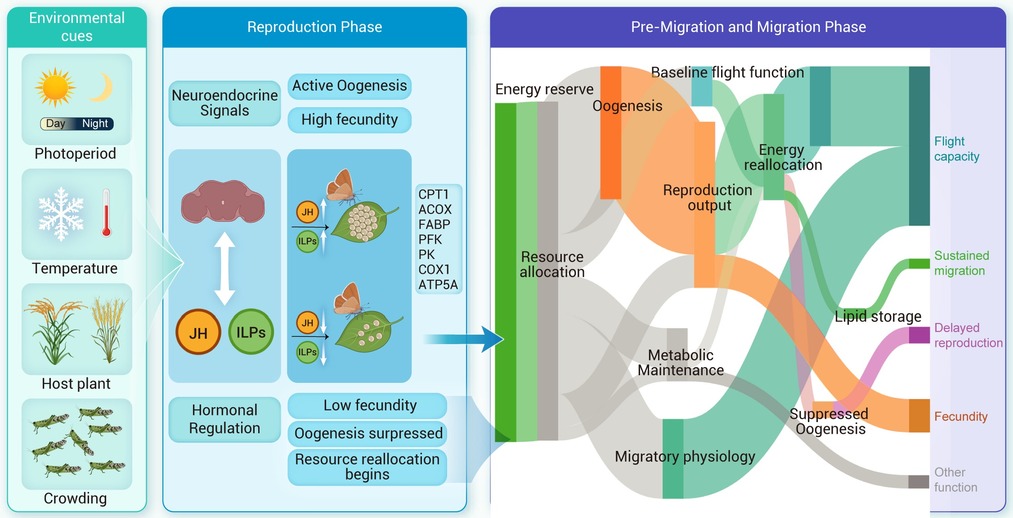
Figure 5.
Environmental regulation of reproductive and migratory trade-offs in migratory insects
