
Proline-PRODH metabolism promotes placental angiogenesis via the mtROS-STAT3-bFGF/VEGF-A axis
-
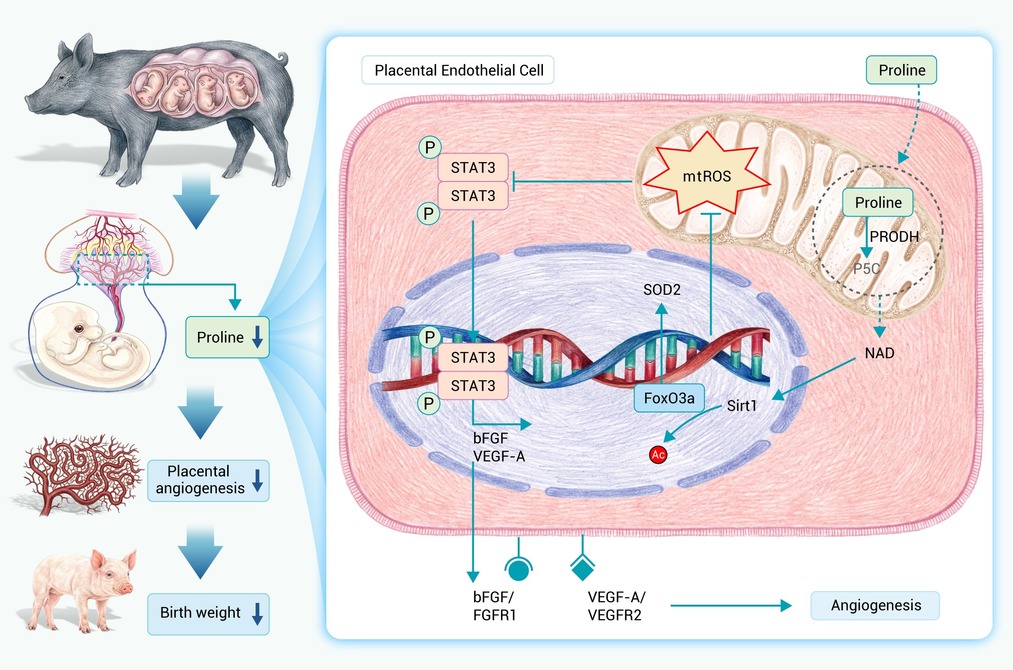
GRAPHICAL ABSTRACT
 DownLoad:
Full size image
DownLoad:
Full size image
-
PUBLIC SUMMARY
-
Dietary proline (Pro) deficiency damages placental angiogenesis and raises low birth weight risk.
Proline regulates placental angiogenesis via mitochondrial reactive oxygen species (mtROS).
mtROS regulates the activation of signal transducer and activator of transcription 3 and angiogenic factors.
Pro dehydrogenase metabolism maintains mtROS homeostasis via sirtuin 1/superoxide dismutase 2 pathways.
-
-
ABSTRACT
Functional amino acids have been shown to regulate fetal and placental development. However, little is known about the role and mechanism of proline (Pro) in placental angiogenesis. Here, we analyzed amino acid profiles and vascular development in pig placentae at different gestational time points, and found that decreased placental Pro availability was associated with impaired angiogenesis. In a nutrient-restricted mouse model, dietary Pro deficiency reduced placental proline availability, further increased the incidence of low birth weight (LBW), and exacerbated placental vascular defects. Mechanistically, Pro regulates mitochondrial reactive oxygen species (mtROS) homeostasis and subsequently promotes placental angiogenesis through the mediation of phospho-signal transducer and activator of transcription 3 (p-STAT3Tyr705)-basic fibroblast growth factor (bFGF)/vascular endothelial growth factor A (VEGF-A) pathway. Moreover, Pro-proline dehydrogenase (PRODH) metabolism maintains mtROS homeostasis through glutathione-independent and Sirtuin 1/superoxide dismutase 2-dependent pathways. Collectively, these results demonstrate that dietary Pro plays a crucial role in placental angiogenesis and identify the Pro-PRODH-mtROS- STAT3-bFGF/VEGF-A axis as a potential target for the prevention of LBW. -

-
REFERENCES
[1] Fawzi W. W., Msamanga G. I., Urassa W., et al. (2007). Vitamins and perinatal outcomes among HIV-negative women in Tanzania. N. Engl. J. Med. 356:1423−1431. DOI:10.1056/NEJMoa064868 [2] Huang Z., Huang S., Song T., et al. (2021). Placental angiogenesis in mammals: A review of the regulatory effects of signaling pathways and functional nutrients. Adv. Nutr. 12:2415−2434. DOI:10.1093/advances/nmab070 [3] Burton G. J. and Jauniaux E. (2018). Pathophysiology of placental-derived fetal growth restriction. Am. J. Obstet. Gynecol. 218:S745−s761. DOI:10.1016/j.ajog.2017.11.577 [4] Wu G., Bazer F. W., Datta S., et al. (2008). Proline metabolism in the conceptus: Implications for fetal growth and development. Amino acids 35:691−702. DOI:10.1007/s00726-008-0052-7 [5] Yam M., Engel A. L., Wang Y., et al. (2019). Proline mediates metabolic communication between retinal pigment epithelial cells and the retina. J. Biol. Chem. 294:10278−10289. DOI:10.1074/jbc.RA119.007983 [6] Krishnan N., Dickman M. B. and Becker D. F. (2008). Proline modulates the intracellular redox environment and protects mammalian cells against oxidative stress. Free Radic. Biol. Med. 44:671−681. DOI:10.1016/j.freeradbiomed.2007.10.054 [7] Seiler N. (2000). Ornithine aminotransferase, a potential target for the treatment of hyperammonemias. Curr. drug targets 1:119−153. DOI:10.2174/1389450003349254 [8] Adachi R., Okada K., Skene R., et al. (2017). Discovery of a novel prolyl-tRNA synthetase inhibitor and elucidation of its binding mode to the ATP site in complex with l-proline. Biochem. Biophys. Res. Commun. 488:393−399. DOI:10.1016/j.bbrc.2017.05.064 [9] Xiong G., Deng L., Zhu J., et al. (2014). Prolyl-4-hydroxylase α subunit 2 promotes breast cancer progression and metastasis by regulating collagen deposition. BMC cancer 14:1. DOI:10.1186/1471-2407-14-1 [10] Huang S., Li J., Ye H., et al. (2025). Increased proline intake during gestation alleviates obesity-related impaired fetal development and placental function in gilts. Anim. Nutr. 20:355−365. DOI:10.1016/j.aninu.2024.10.007 [11] Li K., Cui H., Wang S., et al. (2026). Proline alleviates low-protein diet-induced adverse pregnancy outcomes by enriching akkermansia and activating placental Wnt/Igf1 signaling. J. Agric. Food Chem. 74:9281−9293. DOI:10.1021/acs.jafc.5c12788 [12] Wilson M. E., Biensen N. J. and Ford S. P. (1999). Novel insight into the control of litter size in pigs, using placental efficiency as a selection tool. J. Anim. Sci. 77:1654−1658. DOI:10.2527/1999.7771654x [13] Colson A., Sonveaux P., Debiève F., et al. (2021). Adaptations of the human placenta to hypoxia: Opportunities for interventions in fetal growth restriction. Hum. Reprod. Update 27:531−569. DOI:10.1093/humupd/dmaa053 [14] Huang S., Wu Z., Huang Z., et al. (2021). Maternal supply of cysteamine alleviates oxidative stress and enhances angiogenesis in porcine placenta. J. Anim. Sci. Biotechnol. 12:91. DOI:10.1186/s40104-021-00609-8 [15] Wu Z., Xiang Q., Feng L., et al. (2023). Adenosine-ADORA2A promotes ang-induced angiogenesis in intrauterine growth restriction placenta via the stat3/akt pathway. Arterioscler. Thromb. Vasc. Biol. 43:e190−e209. DOI:10.1161/atvbaha.122.318948 [16] LeBoeuf S. E., Wu W. L., Karakousi T. R., et al. (2020). Activation of oxidative stress response in cancer generates a druggable dependency on exogenous non-essential amino acids. Cell Metab. 31:339−350.e334. DOI:10.1016/j.cmet.2019.11.012 [17] Lewis C. A., Parker S. J., Fiske B. P., et al. (2014). Tracing compartmentalized NADPH metabolism in the cytosol and mitochondria of mammalian cells. Mol. Cell 55:253−263. DOI:10.1016/j.molcel.2014.05.008 [18] Grivennikova V. G., Kareyeva A. V. and Vinogradov A. D. (2018). Oxygen-dependence of mitochondrial ROS production as detected by Amplex Red assay. Redox Biol. 17:192−199. DOI:10.1016/j.redox.2018.04.014 [19] Wu G., Bazer F. W., Cudd T. A., et al. (2004). Maternal nutrition and fetal development. J. Nutr. 134:2169−2172. DOI:10.1093/jn/134.9.2169 [20] Gu F., Jiang L., Xie L., et al. (2021). Supplementing N-carbamoylglutamate in late gestation increases newborn calf weight by enhanced placental expression of mTOR and angiogenesis factor genes in dairy cows. Anim. Nutr. 7:981−988. DOI:10.1016/j.aninu.2021.05.007 [21] Hu C., Wu Z., Huang Z., et al. (2021). Nox2 impairs VEGF-A-induced angiogenesis in placenta via mitochondrial ROS-STAT3 pathway. Redox Biol. 45:102051. DOI:10.1016/j.redox.2021.102051 [22] Fukushima K., Murata M., Hachisuga M., et al. (2008). Hypoxia inducible factor 1 alpha regulates matrigel-induced endovascular differentiation under normoxia in a human extravillous trophoblast cell line. Placenta 29:324−331. DOI:10.1016/j.placenta.2008.01.006 [23] Armistead B., Kadam L., Drewlo S., et al. (2020). The role of NF-κB in healthy and preeclamptic placenta: Trophoblasts in the spotlight. Int. J. Mol. Sci. 21:1775. DOI:10.3390/ijms21051775 [24] Fang K., Sun M., Leng Z., et al. (2023). Targeting IGF1R signaling enhances the sensitivity of cisplatin by inhibiting proline and arginine metabolism in oesophageal squamous cell carcinoma under hypoxia. J. Exp. Clin. Cancer Res. 42:73. DOI:10.1186/s13046-023-02623-2 [25] Chini C. C. S., Zeidler J. D., Kashyap S., et al. (2021). Evolving concepts in NAD(+) metabolism. Cell Metab. 33:1076−1087. DOI:10.1016/j.cmet.2021.04.003 [26] Peng J., Zhang Y., Gao K., et al. (2026). NMN-SIRT1 signaling ameliorates IUGR via oxidative stress-mediated mitophagy to promote placental angiogenesis. Innov. Life 4:100201. DOI:10.59717/j.xinn-life.2026.100201 [27] Wu Q. J., Zhang T. N., Chen H. H., et al. (2022). The sirtuin family in health and disease. Signal. Transduct. Target Ther. 7:402. DOI:10.1038/s41392-022-01257-8 [28] Zhu Y., Park S. H., Ozden O., et al. (2012). Exploring the electrostatic repulsion model in the role of Sirt3 in directing MnSOD acetylation status and enzymatic activity. Free Radic. Biol. Med. 53:828−833. DOI:10.1016/j.freeradbiomed.2012.06.020 [29] Dong Z. B., Wu H. M., He Y. C., et al. (2022). MiRNA-124-3p.1 sensitizes hepatocellular carcinoma cells to sorafenib by regulating FOXO3a by targeting AKT2 and SIRT1. Cell Death Dis. 13:35. DOI:10.1038/s41419-021-04491-0 [30] Zhao X., Petursson F., Viollet B., et al. (2014). Peroxisome proliferator-activated receptor γ coactivator 1α and FoxO3A mediate chondroprotection by AMP-activated protein kinase. Arthritis Rheumatol. 66:3073−3082. DOI:10.1002/art.38791 [31] Phang J. M., Liu W. and Zabirnyk O. (2010). Proline metabolism and microenvironmental stress. Annu. Rev. Nutr. 30:441−463. DOI:10.1146/annurev.nutr.012809.104638 [32] Huang S., Zhang L., Luo J., et al. (2023). Cysteamine and N-Acetyl-cysteine alleviate placental oxidative stress and barrier function damage induced by deoxynivalenol. J. Agric. Food Chem. 71:6846−6858. DOI:10.1021/acs.jafc.3c00399 [33] Gobelli D., Serrano-Lorenzo P., Esteban-Amo M. J., et al. (2023). The mitochondrial succinate dehydrogenase complex controls the STAT3-IL-10 pathway in inflammatory macrophages. iScience 26:107473. DOI:10.1016/j.isci.2023.107473 [34] Cao Y., Wang J., Tian H., et al. (2020). Mitochondrial ROS accumulation inhibiting JAK2/STAT3 pathway is a critical modulator of CYT997-induced autophagy and apoptosis in gastric cancer. J. Exp. Clin. Cancer Res. 39:119. DOI:10.1186/s13046-020-01621-y [35] Jung Y. Y., Ha I. J., Um J. Y., et al. (2022). Fangchinoline diminishes STAT3 activation by stimulating oxidative stress and targeting SHP-1 protein in multiple myeloma model. J. Adv. Res. 35:245−257. DOI:10.1016/j.jare.2021.03.008 [36] Vettore L. A., Westbrook R. L. and Tennant D. A. (2021). Proline metabolism and redox; maintaining a balance in health and disease. Amino acids 53:1779−1788. DOI:10.1007/s00726-021-03051-2 [37] Kaul S., Sharma S. S. and Mehta I. K. (2008). Free radical scavenging potential of L-proline: Evidence from in vitro assays. Amino acids 34:315−320. DOI:10.1007/s00726-006-0407-x [38] Xiong L., Ye X., Chen Z., et al. (2021). Advanced maternal age-associated SIRT1 deficiency compromises trophoblast epithelial-mesenchymal transition through an increase in vimentin acetylation. Aging cell 20:e13491. DOI:10.1111/acel.13491 [39] Bordbari S., Mörchen B., Pylaeva E., et al. (2022). SIRT1-mediated deacetylation of FOXO3a transcription factor supports pro-angiogenic activity of interferon-deficient tumor-associated neutrophils. Int. J. Cancer 150:1198−1211. DOI:10.1002/ijc.33871 [40] Alvarez M. E., Savouré A. and Szabados L. (2022). Proline metabolism as regulatory hub. Trends Plant Sci. 27:39−55. DOI:10.1016/j.tplants.2021.07.009 [41] Wu G., Bazer F. W., Hu J., et al. (2005). Polyamine synthesis from proline in the developing porcine placenta. Biol. Reprod. 72:842−850. DOI:10.1095/biolreprod.104.036293 [42] Liu L., Su X., Quinn W. J., 3rd, et al. (2018). Quantitative analysis of NAD synthesis-breakdown fluxes. Cell Metab. 27:1067−1080.e1065. DOI:10.1016/j.cmet.2018.03.018 [43] Maltepe E. and Fisher S. J. (2015). Placenta: the forgotten organ. Annu. Rev. Cell Dev. Biol. 31:523−552. DOI:10.1146/annurev-cellbio-100814-125620 -
ABOUT THIS ARTICLE
Cite this article:
Huang S., Wu D., Chen Z., et al. (2026). Proline-PRODH metabolism promotes placental angiogenesis via the mtROS-STAT3-bFGF/VEGF-A axis. The Innovation Life 4:100233. https://doi.org/10.59717/j.xinn-life.2026.100233
Welcome!
To request copyright permission to republish or share portions of our works, please visit Copyright Clearance Center's (CCC) Marketplace website at marketplace.copyright.com.
Export File
Citation
Huang S., Wu D., Chen Z., et al. (2026). Proline-PRODH metabolism promotes placental angiogenesis via the mtROS-STAT3-bFGF/VEGF-A axis. The Innovation Life 4:100233. https://doi.org/10.59717/j.xinn-life.2026.100233

Format
Content
-
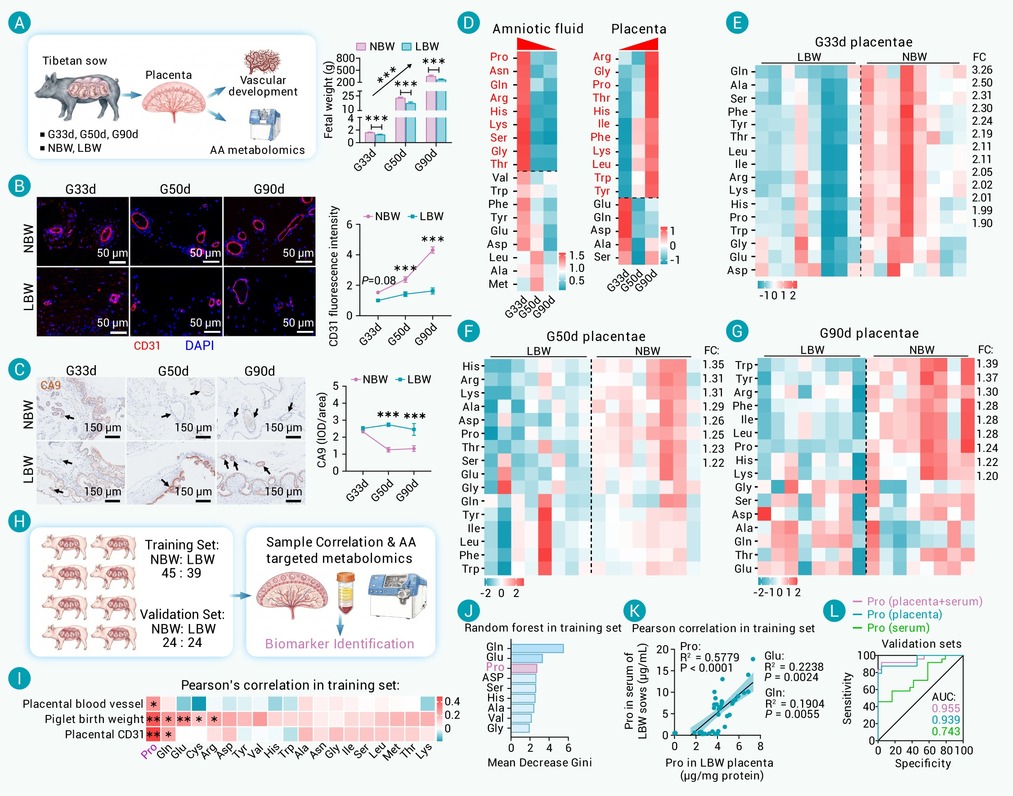
Figure 1.
Placental poor vascularization in sows is associated with insufficient placental Pro abundance
-
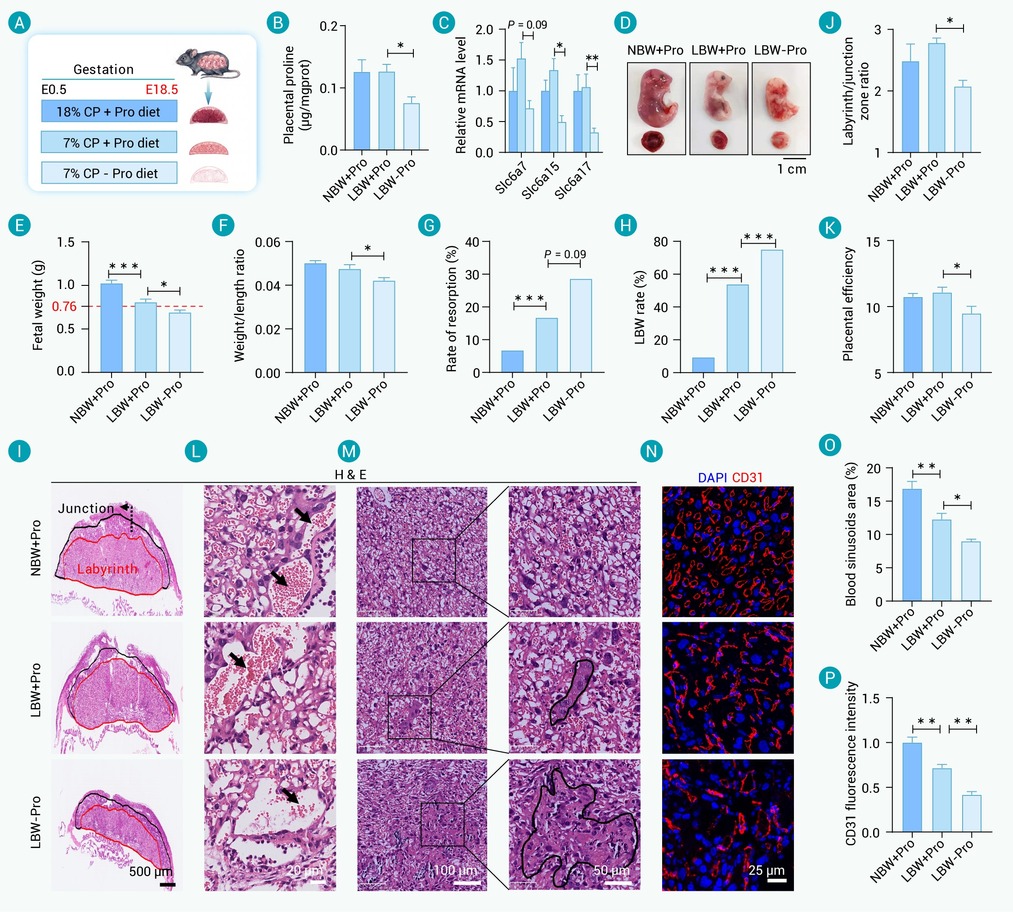
Figure 2.
Dietary Pro deprivation during pregnancy exacerbates nutritionally restricted-induced pregnancy impairment and impaired placental angiogenesis
-
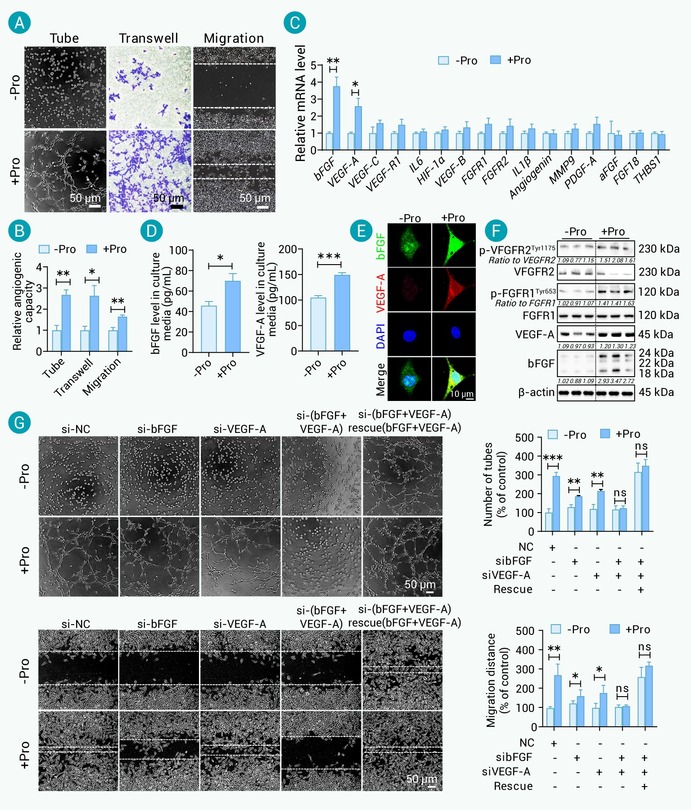
Figure 3.
Pro depends on VEGF-A and bFGF expression to support angiogenesis
-
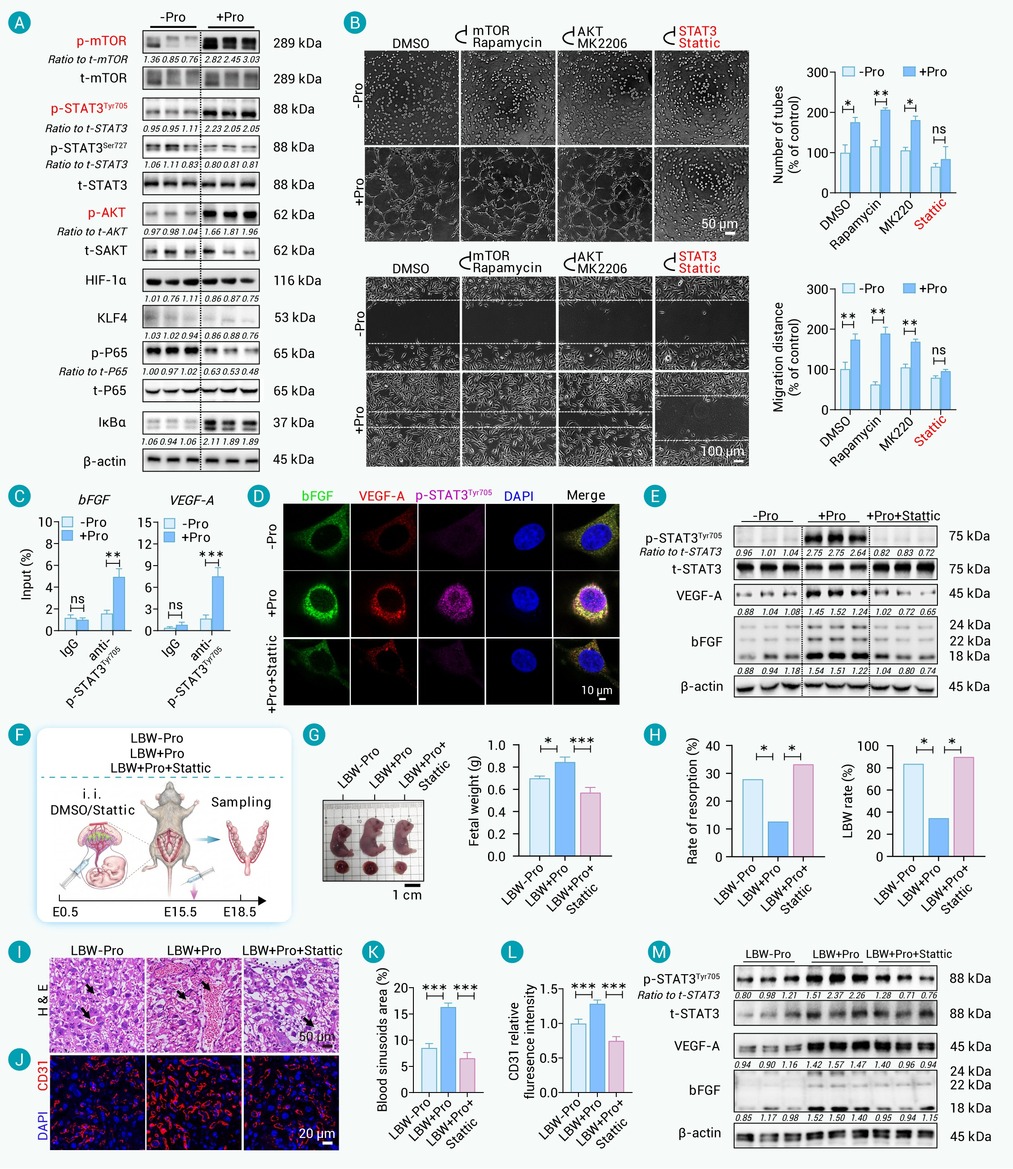
Figure 4.
Phosphorylated p-STAT3Tyr705-bFGF/VEGF-A pathway mediates Pro promotion of placental angiogenesis
-
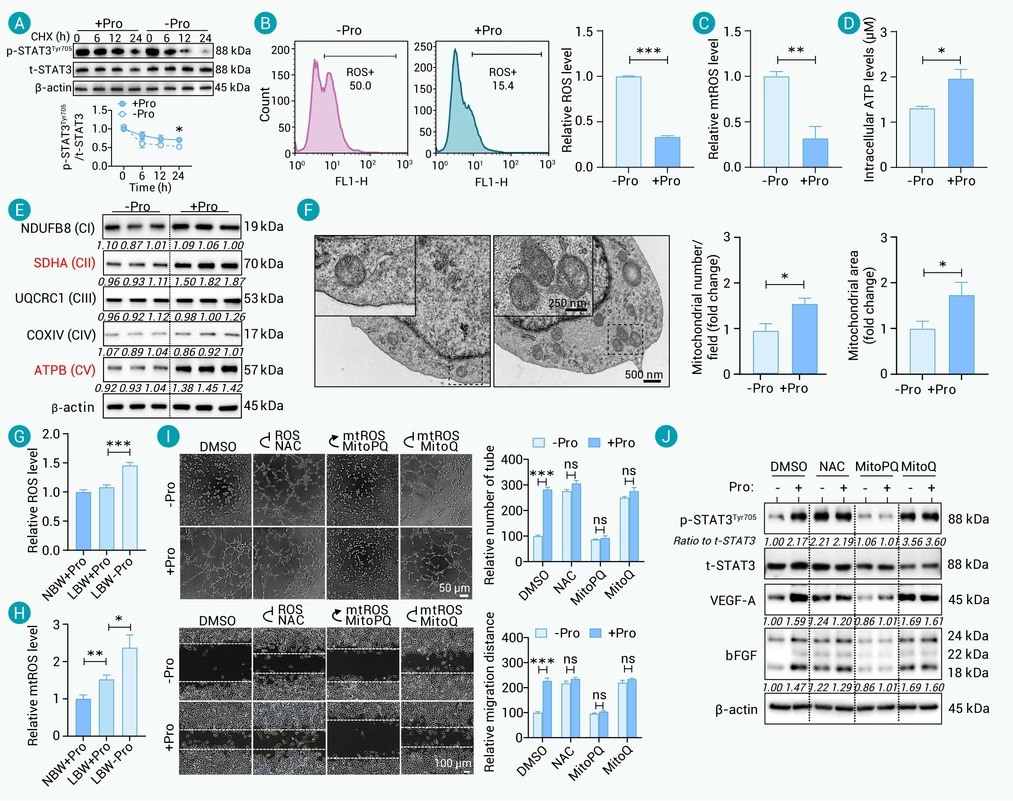
Figure 5.
Pro improves mtROS homeostasis to maintain p-STAT3Tyr705-bFGF/VEGF-A pathway
-
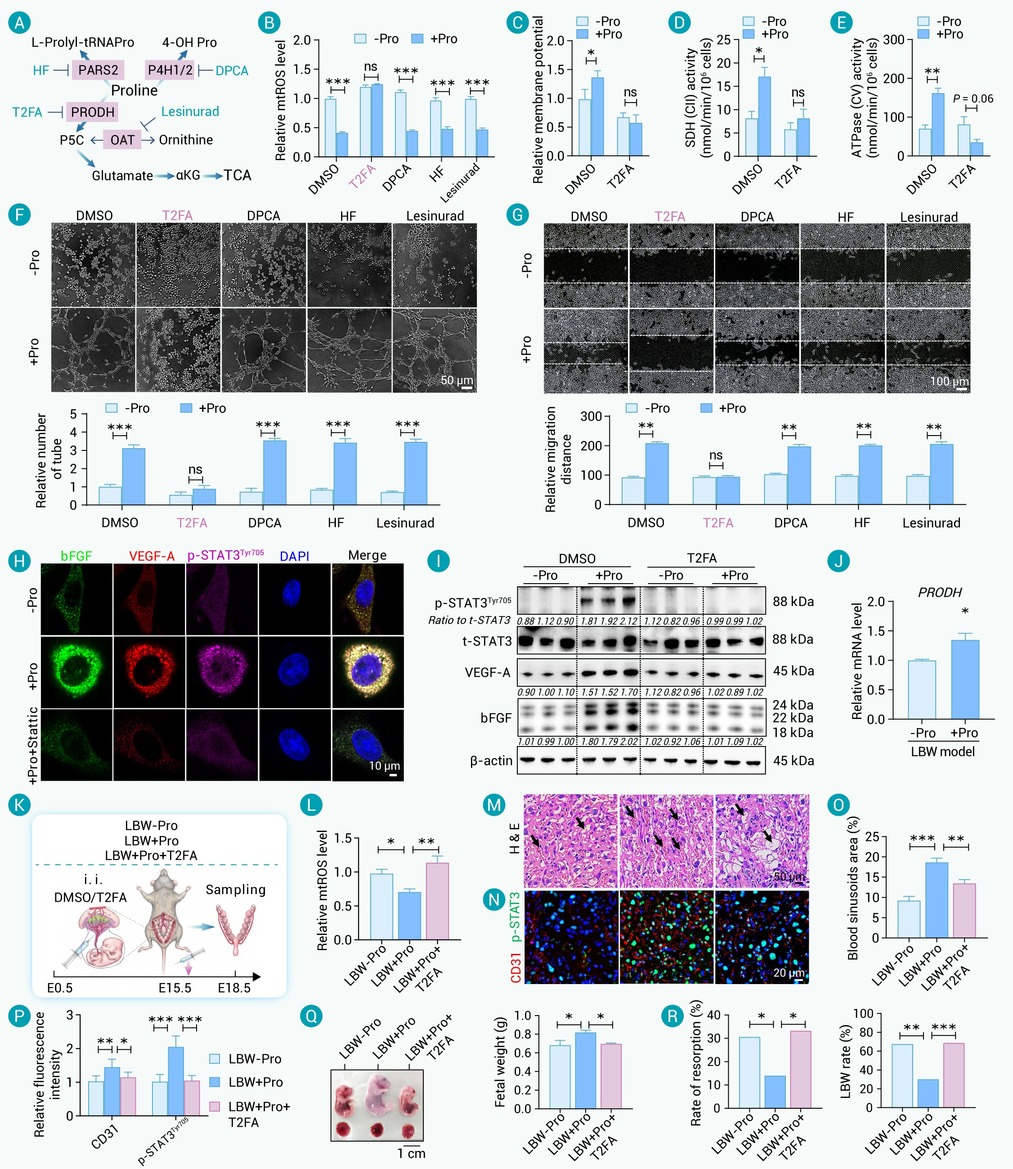
Figure 6.
Pro regulates mtROS homeostasis and angiogenesis via PRODH catabolic pathway and gestational nutritional restriction
-
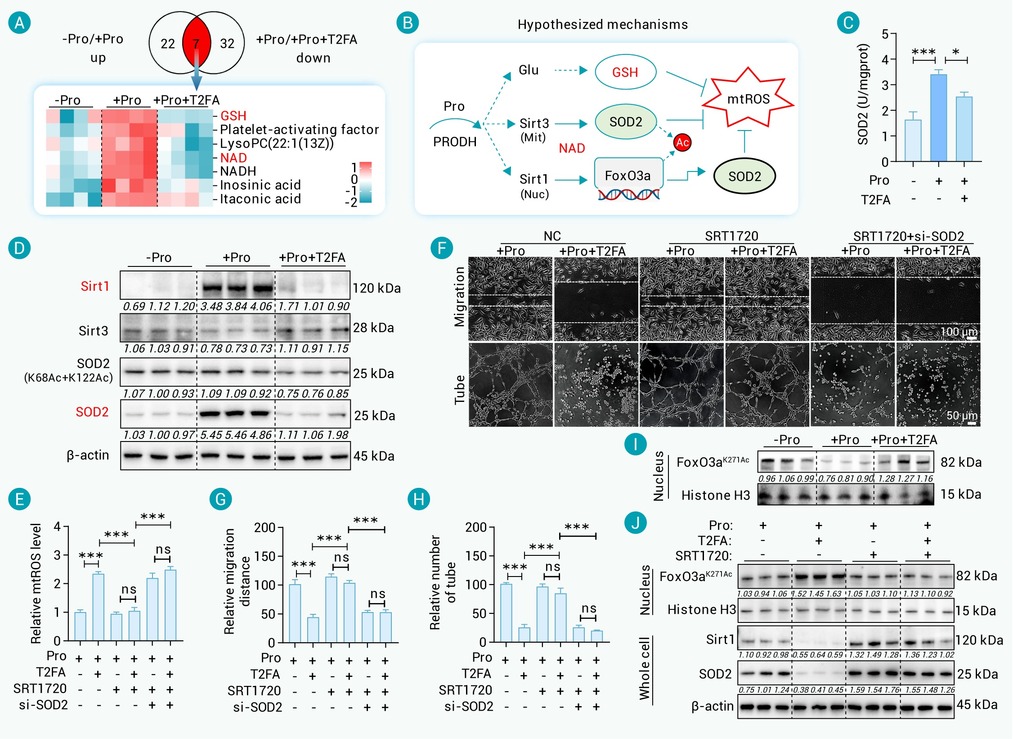
Figure 7.
Pro-PRODH catabolism maintain mtROS homeostasis in Sirt1-SOD2-dependent pathway
