
Emerging two-dimensional materials: Synthesis, physical properties, and application for catalysis in energy conversion and storage
-
GRAPHICAL ABSTRACT
 DownLoad:
Full size image
DownLoad:
Full size image
-
PUBLIC SUMMARY
-
The breadth, synthesis methods, and physical properties of two-dimensional (2D) materials are summarized.
The applications of 2D catalysts in energy conversion and storage are discussed.
Opportunities for designing highly efficient 2D catalysts and expanding their applications are presented.
-
-
ABSTRACT
Inorganic, organic, and hybrid two-dimensional (2D) materials are being developed for ever-expanding numbers of applications, though energy and catalysis remain the main drivers of their development. We present overviews of bottom-up and top-down synthetic strategies of such materials and examine manufacturing scalability issues. Mechanical, electrical, and thermal properties and their modulation are highlighted because they are fundamental to the above-mentioned drivers. The burgeoning importance of heterostructures in such materials, particularly for catalysis and electrode design and function is stressed. Detailed attention is given to applications of 2D materials to the electrocatalysis reactions: oxygen reduction, oxygen evolution, hydrogen evolution, carbon dioxide reduction, and nitrogen reduction. Water splitting, carbon dioxide reduction, and nitrogen reduction by photocatalysis are also examined. A perspective of expected advances in the expansion of applications and types of 2D materials, with a focus on heterostructure development, is presented in the conclusion. -

-
REFERENCES
[1] Novoselov, K.S., Geim, A.K., Morozov, S.V., et al. (2004). Electric field effect in atomically thin carbon films. Science 306: 666−669. DOI: 10.1126/science.1102896. [2] Zou, X., Xu, Y., and Duan, W. (2021). 2D materials: Rising star for future applications. The Innovation 2: 100115. DOI: 10.1016/j.xinn.2021.100115. [3] Das, S., Pandey, D., Thomas, J., et al. (2019). The role of graphene and other 2D materials in solar photovoltaics. Adv. Mater. 31: e1802722. DOI: 10.1002/adma.201802722. [4] Jung, I., Shin, Y.-H., Kim, S., et al. (2017). Flexible piezoelectric polymer-based energy harvesting system for roadway applications. Appl. Energ. 197: 222−229. DOI: 10.1016/j.apenergy.2017.04.020. [5] Lee, G.J., Lee, M.K., Park, J.J., et al. (2019). Piezoelectric energy harvesting from two-dimensional boron nitride nanoflakes. ACS Appl. Mater. Interfaces 11: 37920−37926. DOI: 10.1021/acsami.9b12187. [6] Lee, M.H., and Wu, W. (2022). 2D materials for wearable energy harvesting. Adv. Mater. Technol. 7: 2101623. DOI: 10.1002/admt.202101623. [7] Zhang, X.Y., Hou, L.L., Ciesielski, et al. (2016). 2D materials beyond graphene for high-performance energy storage applications. Adv. Energy Mater. 6: 1600671. DOI: 10.1002/aenm.201600671. [8] Tao, H.C., Gao, Y.A., Talreja, N., et al. (2017). Two-dimensional nanosheets for electrocatalysis in energy generation and conversion. J. Mater. Chem. A 5: 7257−7284. DOI: 10.1039/c7ta00075h. [9] Kumbhakar, P., Jayan, J.S., Sreedevi Madhavikutty, A., et al. (2023). Prospective applications of two-dimensional materials beyond laboratory frontiers: A review. iScience 26: 106671. DOI: 10.1016/j.isci.2023.106671. [10] Ranasinghe, J.C., Jain, A., Wu, W., et al. (2022). Engineered 2D materials for optical bioimaging and path toward therapy and tissue engineering. J. Mater. Res. 37: 1689−1713. DOI: 10.1557/s43578-022-00591-5. [11] Wang, J., Lee, S.A., Jang, H.W., et al. (2022). Emerging two-dimensional-based nanostructured catalysts: Applications in sustainable organic transformations. Langmuir 38: 9064−9072. DOI: 10.1021/acs.langmuir.2c01442. [12] Zheng, F., Chen, Z., Li, J., et al. (2022). A highly sensitive CRISPR-empowered surface plasmon resonance sensor for diagnosis of inherited diseases with femtomolar-level real-time quantification. Adv. Sci. 9: 2105231. DOI: 10.1002/advs.202105231. [13] Chen, Z., Wu, C., Yuan, Y., et al. (2023). CRISPR-Cas13a-powered electrochemical biosensor for the detection of the L452R mutation in clinical samples of SARS-CoV-2 variants. J. Nanobiotechnol. 21: 141. DOI: 10.1186/s12951-023-01903-5. [14] Chen, Z., Li, J., Li, T., et al. (2022). A CRISPR/Cas12a-empowered surface plasmon resonance platform for rapid and specific diagnosis of the omicron variant of SARS-CoV-2. Natl. Sci. Rev. 9: nwac104. DOI: 10.1093/nsr/nwac104. [15] Yin, P., Jiang, X., Huang, R., et al. (2021). 2D materials for nonlinear photonics and electro-optical applications. Adv. Mater. Interf. 8: 2100367. DOI: 10.1002/admi.202100367. [16] Ben, J., Liu, X., Wang, C., et al. (2021). 2D III-nitride materials: Properties, growth, and applications. Adv. Mater. 33: e2006761. DOI: 10.1002/adma.202006761. [17] Lin, Z., Wang, C., and Chai, Y. (2020). Emerging group-VI elemental 2D materials: Preparations, properties, and device applications. Small 16: e2003319. DOI: 10.1002/smll.202003319. [18] Yang, S., Chen, Y., and Jiang, C. (2021). Strain engineering of two-dimensional materials: Methods, properties, and applications. InfoMat 3: 397−420. DOI: 10.1002/inf2.12177. [19] Yang, F., Cheng, S., Zhang, X., et al. (2018). 2D organic materials for optoelectronic applications. Adv. Mater. 30: 1702415. DOI: 10.1002/adma.201702415. [20] Tahir, M.B., and Fatima, U. (2021). Recent trends and emerging challenges in two-dimensional materials for energy harvesting and storage applications. Energy Storage 4: e244. DOI: 10.1002/est2.244. [21] Ashraf, N., Isa khan, M., Majid, A., et al. (2020). A review of the interfacial properties of 2-D materials for energy storage and sensor applications. Chin. J. Phys. 66: 246−257. DOI: 10.1016/j.cjph.2020.03.035. [22] Fan, Q., Zhang, M., Jia, M., et al. (2018). Electrochemical CO2 reduction to C2+ species: Heterogeneous electrocatalysts, reaction pathways, and optimization strategies. Mater. Today Energy 10: 280−301. DOI: 10.1016/j.mtener.2018.10.003. [23] Park, J., Lee, M., Feng, D., et al. (2018). Stabilization of hexaaminobenzene in a 2D conductive metal-organic framework for high power sodium storage. J. Am. Chem. Soc. 140: 10315−10323. DOI: 10.1021/jacs.8b06020. [24] Wu, Z., Adekoya, D., Huang, X., et al. (2020). Highly conductive two-dimensional metal−organic frameworks for resilient lithium storage with superb rate capability. ACS Nano 14: 12016−12026. DOI: 10.1021/acsnano.0c05200. [25] Tan, Z.L., Wei, J.X., Liu, Y., et al. (2022). V2CTx MXene and its derivatives: synthesis and recent progress in electrochemical energy storage applications. Rare Met. 41: 775−797. DOI: 10.1007/s12598-021-01821-1. [26] Qiu, Z.M., Bai, Y., Gao, Y.D., et al. (2022). MXenes nanocomposites for energy storage and conversion. Rare Met. 41: 1101−1128. DOI: 10.1007/s12598-021-01876-0. [27] Wang, C., Liu, F., Yan, S., et al. (2022). Assemble 2D redox-active covalent organic framework/graphene hybrids as high-performance capacitive materials. Carbon 190: 412−421. DOI: 10.1016/j.carbon.2022.01.026. [28] Zhang, F., Zhang, J., Ma, J., et al. (2021). Polyvinylpyrrolidone (PVP) assisted in-situ construction of vertical metal-organic frameworks nanoplate arrays with enhanced electrochemical performance for hybrid supercapacitors. J. Colloid Interf. Sci. 593: 32−40. DOI: 10.1016/j.jcis.2021.02.101. [29] Fan, H., Yu, H., Wu, X., et al. (2016). Controllable preparation of square nickel chalcogenide (NiS and NiSe2) nanoplates for superior Li/Na ion storage properties. ACS Appl. Mater. Interfaces 8: 25261−25267. DOI: 10.1021/acsami.6b07300. [30] Hao, G.P., Tang, C., Zhang, E., et al. (2017). Thermal exfoliation of layered metal-organic frameworks into ultrahydrophilic graphene stacks and their applications in Li-S batteries. Adv. Mater. 29: 1702829. DOI: 10.1002/adma.201702829. [31] Iqbal, M.Z., Shaheen, M., Khan, M.W., et al. (2023). The rise of 2D conductive metal-organic framework: Cu3(HHTP)2 d-π MOF for integrated battery-supercapacitor hybrids. Mater. Today Sustain. 22: 100331. DOI: 10.1016/j.mtsust.2023.100331. [32] Li, W., Li, H., Khan, K., et al. (2022). Infrared light emission devices based on two-dimensional materials. Nanomaterials (Basel) 12: 2996. DOI: 10.3390/nano12172996. [33] Jayakumar, A., Surendranath, A., and Pv, M. (2018). 2D materials for next generation healthcare applications. Int. J. Pharm. 551: 309−321. DOI: 10.1016/j.ijpharm.2018.09.041. [34] Jeong, G.H., Sasikala, S.P., Yun, T., et al. (2020). Nanoscale assembly of 2D materials for energy and environmental applications. Adv. Mater. 32: e1907006. DOI: 10.1002/adma.201907006. [35] Özkan, D., Özekinci, M.C., Öztürk, Z.T., et al. (2020). Two dimensional materials for military applications. Defence. Sci. J. 70: 672−681. DOI: 10.14429/dsj.70.15879. [36] Sreehari, S., George, N.S., Jose, L.M., et al. (2023). A review on 2D transition metal nitrides: Structural and morphological impacts on energy storage and photocatalytic applications. J. Alloys Compd. 950: 169888. DOI: 10.1016/j.jallcom.2023.169888. [37] Yu, Y., Guo, J., Zhang, H., et al. (2022). Shear-flow-induced graphene coating microfibers from microfluidic spinning. The Innovation 3: 100209. DOI: 10.1016/j.xinn.2022.100209. [38] Xu, M., and Wei, M. (2018). Layered double hydroxide-based catalysts: Recent advances in preparation, structure, and applications. Adv. Funct. Mater. 28: 1802943. DOI: 10.1002/adfm.201802943. [39] Zhu, J., Hu, Z., Guo, S., et al. (2023). Non-epitaxial growth of highly oriented transition metal dichalcogenides with density-controlled twin boundaries. The Innovation 4: 100502. DOI: 10.1016/j.xinn.2023.100502. [40] Mortazavi, B., Shahrokhi, M., Makaremi, M., et al. (2018). First-principles investigation of Ag-, Co-, Cr-, Cu-, Fe-, Mn-, Ni-, Pd- and Rh-hexaaminobenzene 2D metal-organic frameworks. Mater. Today Energy 10: 336−342. DOI: 10.1016/j.mtener.2018.10.007. [41] Li, S., Zhang, Y., Cheng, Q., et al. (2023). Construction of hierarchical porous two-dimensional Zn-MOF-based heterostructures for supercapacitor applications. J. Alloys Compd. 968: 171971. DOI: 10.1016/j.jallcom.2023.171971. [42] Wang, K.-B., Bi, R., Wang, Z.-K., et al. (2020). Metal–organic frameworks with different spatial dimensions for supercapacitors. New J. Chem. 44: 3147−3167. DOI: 10.1039/c9nj05198h. [43] Liu, X., Guan, C., Hu, Y., et al. (2018). 2D metal-organic frameworks derived nanocarbon arrays for substrate enhancement in flexible supercapacitors. Small 14: e1702641. DOI: 10.1002/smll.201702641. [44] Liu, Q., Zhang, Q., Shi, W., et al. (2022). Self-assembly of polyoxometalate clusters into two-dimensional clusterphene structures featuring hexagonal pores. Nat. Chem. 14: 433−440. DOI: 10.1038/s41557-022-00889-1. [45] Zhou, J., Li, L., Gao, X.J., et al. (2022). Clusterphene: A new two-dimensional structure from cluster self-assembly. Nano Research 15: 5790−5791. DOI: 10.1007/s12274-022-4399-y. [46] Boott, C.E., Nazemi, A., and Manners, I. (2015). Synthetic covalent and non-covalent 2D materials. Angew. Chem. Int. Ed. 54: 13876−13894. DOI: 10.1002/anie.201502009. [47] Lange, R.Z., Synnatschke, K., Qi, H., et al. (2020). Enriching and quantifying porous single layer 2D polymers by exfoliation of chemically modified van der waals crystals. Angew. Chem. Int. Ed. 59: 5683−5695. DOI: 10.1002/anie.201912705. [48] Tahara, K., Yamaga, H., Ghijsens, E., et al. (2011). Control and induction of surface-confined homochiral porous molecular networks. Nat. Chem. 3: 714−719. DOI: 10.1038/nchem.1111. [49] Zhuo, M.-P., Tao, Y.-C., Wang, X.-D., et al. (2018). 2D organic photonics: An asymmetric optical waveguide in self-assembled halogen-bonded cocrystals. Angew. Chem. Int. Ed. 57: 11300−11304. DOI: 10.1002/anie.201806149. [50] Chandrasekhar, N., and Chandrasekar, R. (2012). Reversibly shape-shifting organic optical waveguides: Formation of organic nanorings, nanotubes, and nanosheets. Angew. Chem. Int. Ed. 51: 3556−3561. DOI: 10.1002/anie.201106652. [51] Fang, X., and Yan, D. (2018). White-light emission and tunable room temperature phosphorescence of dibenzothiophene. Sci. China Chem. 61: 397−401. DOI: 10.1007/s11426-017-9183-9. [52] Rodenas, T., Luz, I., Prieto, G., et al. (2015). Metal–organic framework nanosheets in polymer composite materials for gas separation. Nat. Mater. 14: 48−55. DOI: 10.1038/nmat4113. [53] Liu, G., Jin, W., and Xu, N. (2016). Two-dimensional-material membranes: A new family of high-performance separation membranes. Angew Chem. Int. Ed. 55: 13384−13397. DOI: 10.1002/anie.201600438. [54] Colson, J.W., and Dichtel, W.R. (2013). Rationally synthesized two-dimensional polymers. Nat. Chem. 5: 453−465. DOI: 10.1038/nchem.1628. [55] Mizuno, H., Haku, U., Marutani, Y., et al. (2012). Single crystals of 5,5′-bis(4′-methoxybiphenyl-4-yl)-2,2′-bithiophene for organic laser media. Adv. Mater. 24: 5744−5749. DOI: 10.1002/adma.201202470. [56] Wang, X., Li, H., Wu, Y., et al. (2014). Tunable morphology of the self-assembled organic microcrystals for the efficient laser optical resonator by molecular modulation. J. Am. Chem. Soc. 136: 16602−16608. DOI: 10.1021/ja5088503. [57] Li, Z., Kim, M.-H., Wang, C., et al. (2017). Controlling propagation and coupling of waveguide modes using phase-gradient metasurfaces. Nat. Nanotechnol. 12: 675−683. DOI: 10.1038/nnano.2017.50. [58] Wang, X., Liao, Q., Kong, Q., et al. (2014). Whispering-gallery-mode microlaser based on self-assembled organic single-crystalline hexagonal microdisks. Angew. Chem. Int. Ed. 53: 5863−5867. DOI: 10.1002/anie.201310659. [59] Tan, C., Cao, X., Wu, X.-J., et al. (2017). Recent advances in ultrathin two-dimensional nanomaterials. Chem. Rev. 117: 6225−6331. DOI: 10.1021/acs.chemrev.6b00558. [60] Ahsan, M.A., He, T., Noveron, J.C., et al. (2022). Low-dimensional heterostructures for advanced electrocatalysis: An experimental and computational perspective. Chem. Soc. Rev. 51: 812−828. DOI: 10.1039/D1CS00498K. [61] Xu, X., Wu, X., Tian, Z., et al. (2022). Modulating the electronic structures and potential applications of Zr2CO2/MSe2 (M = Mo, W) heterostructures by different stacking modes: A density functional theory calculation. Appl. Surf. Sci. 599: 154014. DOI: 10.1016/j.apsusc.2022.154014. [62] Velický, M., and Toth, P.S. (2017). From two-dimensional materials to their heterostructures: An electrochemist's perspective. Appl. Mater. Today 8: 68−103. DOI: 10.1016/j.apmt.2017.05.003. [63] Chen, C.-Y., Tan, G.-H., Hsu, H.-L., et al. (2020). Recent progress on advanced optical structures for emerging photovoltaics and photodetectors. Adv. Energy Sustain. Res. 1: 2000035. DOI: 10.1002/aesr.202000035. [64] Cui, D., Xie, W., Zhang, S., et al. (2023). Construction of 2D covalent organic framework and graphene oxide hybrids as highperformance capacitive materials. Polym. Chem. 14: 803−810. DOI: 10.1039/D2PY01497A. [65] Bhimanapati, G.R., Lin, Z., Meunier, V., et al. (2015). Recent advances in two-dimensional materials beyond graphene. ACS Nano 9: 11509−11539. DOI: 10.1021/acsnano.5b05556. [66] Geim, A.K., and Grigorieva, I.V. (2013). Van der waals heterostructures. Nature 499: 419−425. DOI: 10.1038/s43586-022-00139-1. [67] Yan, X., Zhao, Y., Cao, G., et al. (2023). 2D organic materials: Status and challenges. Adv. Sci. 10: e2203889. DOI: 10.1002/advs.202203889. [68] Wang, H., Wang, Q., and Li, Y. (2019). Two-dimensional organic materials and their electronic applications. Chem. Lett. 48: 14−21. DOI: 10.1246/cl.180811. [69] Xie, Z., Li, Y.S., Chen, L., et al. (2016). Functional conjugated porous polymer materials. Acta Polym. Sin. 12: 1621−1634. DOI: 10.11777/j.issn1000-3304. [70] Wang, P., Jiang, X., Hu, J., et al. (2016). Giant magnetic anisotropy of a 5d transition metal decorated two-dimensional polyphthalocyanine framework. J. Mater. Chem. C. 4: 2147−2154. DOI: 10.1039/c5tc04402b. [71] Yu, H.-D., Regulacio, M.D., Ye, E., et al. (2013). Chemical routes to top-down nanofabrication. Chem. Soc. Rev. 42: 6006−6018. DOI: 10.1039/c3cs60113g. [72] Zhao, T., Guo, J., Li, T., et al. (2023). Substrate engineering for wafer-scale two-dimensional material growth: Strategies, mechanisms, and perspectives. Chem. Soc. Rev. 52: 1650−1671. DOI: 10.1039/d2cs00657j. [73] Xie, L. (2015). Two-dimensional transition metal dichalcogenide alloys: Preparation, characterization and applications. Nanoscale 7: 18392−18401. DOI: 10.1039/c5nr05712d. [74] Ou, M., Wang, X., Yu, L., et al. (2021). The emergence and evolution of borophene. Adv. Sci. 8 : 2001801. DOI: https://doi.org/10.1002/advs.202001801. [75] Xiao, X., Song, H., Lin, S., et al. (2016). Scalable salt-templated synthesis of two-dimensional transition metal oxides. Nat. Commun. 7: 11296. DOI: 10.1038/ncomms11296. [76] Gao, Y., Guo, Y., Zou, Y., et al. (2023). Hydrothermal synthesis of CuS catalysts for electrochemical CO2 reduction: Unraveling the effect of the sulfur precursor. ACS Appl. Energy Mater. 6: 1340−1354. DOI: 10.1021/acsaem.2c03131. [77] Kozhakhmetov, A., Torsi, R., Chen, C.Y., et al. (2020). Scalable low-temperature synthesis of two-dimensional materials beyond graphene. J. Phys. Mater. 4: 012001. DOI: 10.1088/2515-7639/abbdb1. [78] Song, Y., Song, X., Wang, X., et al. (2022). Two-dimensional metal–organic framework superstructures from ice-templated self-assembly. J. Am. Chem. Soc. 144: 17457−17467. DOI: 10.1021/jacs.2c06109. [79] Zhang, T., Qi, H., Liao, Z., et al. (2019). Engineering crystalline quasi-two-dimensional polyaniline thin film with enhanced electrical and chemiresistive sensing performances. Nat. Commun. 10: 4225. DOI: 10.1038/s41467-019-11921-3. [80] Miró, P., Han, J.H., Cheon, J., et al. (2014). Hexagonal transition-metal chalcogenide nanoflakes with pronounced lateral quantum confinement. Angew. Chem. Int. Ed. 53: 12624−12628. DOI: 10.1002/anie.201404704. [81] Bianco, E., Butler, S., Jiang, S., et al. (2013). Stability and exfoliation of germanane: A germanium graphane analogue. ACS Nano 7: 4414−4421. DOI: 10.1021/nn4009406. [82] Maschita, J., Banerjee, T., and Lotsch, B.V. (2022). Direct and linker-exchange alcohol-assisted hydrothermal synthesis of imide-linked covalent organic frameworks. Chem. Mater. 34: 2249−2258. DOI: 10.1021/acs.chemmater.1c04051. [83] Li, Y., Wang, H., Xie, L., et al. (2011). MoS2 nanoparticles grown on graphene: An advanced catalyst for the hydrogen evolution reaction. J. Am. Chem. Soc. 133: 7296−7299. DOI: 10.1021/ja201269b. [84] Murray, C., Norris, D.J., and Bawendi, M.G. (1993). Synthesis and characterization of nearly monodisperse CdE (E= sulfur, selenium, tellurium) semiconductor nanocrystallites. J. Am. Chem. Soc. 115: 8706−8715. DOI: 10.1021/ja00072a025. [85] Rodríguez-San-Miguel, D., Amo-Ochoa, P., and Zamora, F. (2016). MasterChem: Cooking 2D-polymers. Chem. Commun. 52: 4113−4127. DOI: 10.1039/c5cc10283a. [86] Dong, R., Zhang, T., and Feng, X. (2018). Interface-assisted synthesis of 2D materials: Trend and challenges. Chem. Rev. 118: 6189−6235. DOI: 10.1021/acs.chemrev.8b00056. [87] Wang, L., Sahabudeen, H., Zhang, T., et al. (2018). Liquid-interface-assisted synthesis of covalent-organic and metal-organic two-dimensional crystalline polymers. npj 2D Mater. Appl. 2 : 26. DOI: 10.1038/s41699-018-0071-5. [88] Gu, H., Zhang, H., Wang, X., et al. (2023). Robust construction of CdSe nanorods @ Ti3C2 MXene nanosheet for superior photocatalytic H2 evolution. Appl. Catal. B: Environ. 328: 122537. DOI: 10.1016/j.apcatb.2023.122537. [89] Li, S., Zhuang, Z., Xia, L., et al. (2023). Improving the electrophilicity of nitrogen on nitrogen-doped carbon triggers oxygen reduction by introducing covalent vanadium nitride. Sci. Chin. Mater. 66: 160−168. DOI: 10.1007/s40843-022-2116-3. [90] Hu, M.-L., Masoomi, M.Y., and Morsali, A. (2019). Template strategies with MOFs. Coordin. Chem. Rev. 387: 415−435. DOI: 10.1016/j.ccr.2019.02.021. [91] Jin, E., Geng, K., Lee, K.H., et al. (2020). Topology-templated synthesis of crystalline porous covalent organic frameworks. Angew. Chem. Int. Ed. 132: 12260−12267. DOI: 10.1002/ange.202004728. [92] Simon, P., Bahrig, L., Baburin, I.A., et al. (2014). Interconnection of nanoparticles within 2D superlattices of PbS/oleic acid thin films. Adv. Mater. 26: 3042−3049. DOI: 10.1002/adma.201305667. [93] Le, T.-H., Oh, Y., Kim, H., et al. (2020). Exfoliation of 2D materials for energy and environmental applications. Chem.-Eur. J. 26 : 6360–6401. DOI: https://doi.org/10.1002/chem.202000223. [94] Chen, J., and Packard, C.E. (2021). Controlled spalling-based mechanical substrate exfoliation for III-V solar cells: A review. Sol. Energ. Mater. Sol. C. 225: 111018. DOI: 10.1016/j.solmat.2021.111018. [95] Sinclair, R.C., Suter, J.L., and Coveney, P.V. (2019). Micromechanical exfoliation of graphene on the atomistic scale. Phys. Chem. Chem. Phys. 21: 5716−5722. DOI: 10.1039/c8cp07796g. [96] Li, Q., Yan, F., and Texter, J. (2020). Electrospinning graphene - retention of anisotropy. MRS Adv. 5(40-41): 2101−2110. DOI: 10.1557/adv.2020.263. [97] Li, Y., Kuang, G., Jiao, Z., et al. (2022). Recent progress on the mechanical exfoliation of 2D transition metal dichalcogenides. Mater. Res. Express 9: 122001. DOI: 10.1088/2053-1591/aca6c6. [98] Kobayashi, T., Sato, C., Dohi, T., et al. (2023). Propose an automated exfoliation process of MoS2 with a universal mechanical setup. Appl. Phys. Express 16: 106502. DOI: 10.35848/1882-0786/acfd7d. [99] Daw, D., Sebait, R., and Biswas, C. (2020). Van der waals force mediated, rotationally aligned dry-transfer-stacking of two-dimensional tungsten diselenide. J. Korean Phys. Soc. 77: 884−887. DOI: 10.3938/jkps.77.884. [100] Mertens, R., Peleg, R., and Levran, A. (2023). XG Sciences. https://www.graphene-info.com/xg-sciences. [101] Texter, J. (2014). Graphene dispersions. Curr. Opin. Colloid Interface Sci. 19: 163−174. DOI: 10.1016/j.cocis.2014.04.004. [102] Ager, D., Vasantha, V.A., Crombez, R., et al. (2014). Aqueous graphene dispersions optical properties and stimuli-responsive phase transfer. ACS Nano 8: 11191−11205. DOI: 10.1021/nn502946f. [103] Su, C.-Y., Lu, A.-Y., Xu, Y., et al. (2011). High-quality thin graphene films from fast electrochemical exfoliation. ACS Nano 5: 2332−2339. DOI: 10.1021/nn200025p. [104] Zhang, Y., Hou, W., Chang, R., et al. (2024). Ultrafast alternating-current exfoliation toward large-scale synthesis of graphene and its application for flexible supercapacitors. J. Colloid Interf. Sci. 654 : 246–257. DOI: 10.1016/j.jcis.2023.10.030. [105] He, L., Zhou, X., Cai, W., et al. (2020). Electrochemical exfoliation and functionalization of black phosphorene to enhance mechanical properties and flame retardancy of waterborne polyurethane. Compos. B Eng. 202: 108446. DOI: 10.1016/j.compositesb.2020.108446. [106] Le, T.H., Oh, Y., Kim, H., et al. (2020). Exfoliation of 2D materials for energy and environmental applications. Chemistry 26: 6360−6401. DOI: 10.1002/chem.202000223. [107] Khan, U., Porwal, H., O'Neill, A., et al. (2012). Size selection of dispersed, exfoliated graphene flakes by controlled centrifugation. Carbon 50: 470−475. DOI: 10.1016/j.carbon.2011.09.001. [108] Zheng, W., and Lee, L.Y.S. (2022). Beyond sonication: Advanced exfoliation methods for scalable production of 2D materials. Matter 5: 515−545. DOI: 10.1016/j.matt.2021.12.010. [109] Peshkovsky, A.S., Peshkovsky, S.L., and Bystryak, S. (2013). Scalable high-power ultrasonic technology for the production of translucent nanoemulsions. Chem. Eng. Process. 69: 77−82. DOI: 10.1016/j.cep.2013.02.010. [110] Xia, D., Li, Q., Zhang, S., et al. (2021). Editorial: Material surfaces and interfaces at the nanoscale: From theory to application. Frontiers Chem. 9: 656661. DOI: 10.3389/fchem.2021.656661. [111] Deng, D., Novoselov, K.S., Fu, Q., et al. (2016). Catalysis with two-dimensional materials and their heterostructures. Nat. Nanotechnol. 11: 218−230. DOI: 10.1038/nnano.2015.340. [112] Kang, J., Sangwan V.K., Wood, J.D., et al. (2017). Solution-based processing of monodisperse two-dimensional nanomaterials. Accounts. Chem. Res. 50: 943−951. DOI: 10.1021/acs.accounts.6b00643. [113] Smith, R.J., King, P.J., Wirtz, C., et al. (2012). Lateral size selection of surfactant-stabilised graphene flakes using size exclusion chromatography. Chem. Phys. Lett. 531: 169−172. DOI: 10.1016/j.cplett.2012.02.027. [114] Backes, C., Szydlowska, B.M., Harvey, A., et al. (2016). Production of highly monolayer enriched dispersions of liquid-exfoliated nanosheets by liquid cascade centrifugation. ACS Nano 10: 1589. DOI: 10.1021/acsnano.5b07228. [115] Ribeiro, D.S., Santos, J.C., Grieger, S., et al. (2023). Measuring the surface area concentration and specific surface area of mass-produced graphene nanoflakes via fluorescence quenching. ACS Appl. Nano Mater. 6: 11198−11210. DOI: 10.1021/acsanm.3c01227. [116] Akinwande, D., Brennan, C.J., Bunch, J.S., et al. (2017). A review on mechanics and mechanical properties of 2D materials—Graphene and beyond. Extreme Mech. Lett. 13: 42−77. DOI: 10.1016/j.eml.2017.01.008. [117] Wu, D., Zhou, J., and Li, Y. (2007). Mechanical strength of solid catalysts: Recent developments and future prospects. AIChE J. 53: 2618−2629. DOI: 10.1002/aic.11291. [118] Lee, C., Wei, X., Kysar, J.W., et al. (2008). Measurement of the elastic properties and intrinsic strength of monolayer graphene. Science 321: 385−388. DOI. DOI: 10.1126/science.1157996. [119] Nicholl, R.J., Conley, H.J., Lavrik, N.V., et al. (2015). The effect of intrinsic crumpling on the mechanics of free-standing graphene. Nat. Commun. 6: 8789. DOI: 10.1038/ncomms9789. [120] Bertolazzi, S., Brivio, J., and Kis, A. (2011). Stretching and breaking of ultrathin MoS2. ACS Nano 5: 9703−9709. DOI: 10.1021/nn203879f. [121] Falin, A., Cai, Q., Santos, E.J.G., et al. (2017). Mechanical properties of atomically thin boron nitride and the role of interlayer interactions. Nat. Commun. 8: 15815. DOI: 10.1038/ncomms15815. [122] Lipatov, A., Lu, H., Alhabeb, M., et al. (2018). Elastic properties of 2D Ti3C2Tx MXene monolayers and bilayers. Sci. Adv. 4: eaat0491. DOI: 10.1038/s41467-024-45657-6. [123] Zhang, D.B., Akatyeva, E., and Dumitrică, T. (2011). Bending ultrathin graphene at the margins of continuum mechanics. Phys. Rev. Lett. 106: 255503. DOI: 10.1103/PhysRevLett.106.255503. [124] Shekhawat, A., and Ritchie, R.O. (2016). Toughness and strength of nanocrystalline graphene. Nat. Commun. 7: 10546. DOI: 10.1038/ncomms10546. [125] Zhang, P., Ma, L., Fan, F., et al. (2014). Fracture toughness of graphene. Nat. Commun. 5: 3782. DOI: 10.1038/ncomms4782. [126] Castro Neto, A.H., Guinea, F., Peres, N.M.R., et al. (2009). The electronic properties of graphene. Rev. Mod. Phys. 81: 109−162. DOI: 10.1103/RevModPhys.81.109. [127] Novoselov, K.S., Geim, A.K., Morozov, S.V., et al. (2005). Two-dimensional gas of massless dirac fermions in graphene. Nature 438: 197−200. DOI: 10.1038/nature04233. [128] Mayorov, A.S., Gorbachev, R.V., Morozov, S.V., et al. (2011). Micrometer-scale ballistic transport in encapsulated graphene at room temperature. Nano Lett. 11: 2396−2399. DOI: 10.1021/nl200758b. [129] Yu, W., Lau, W., Chan, S., et al. (2003). Ab initio study of phase transformations in boron nitride. Phys. Rev. B 67: 014108. DOI: 10.1103/PhysRevB.67.014108. [130] Wang, J., Ma, F., Liang, W., et al. (2017). Electrical properties and applications of graphene, hexagonal boron nitride (h-BN), and graphene/h-BN heterostructures. Mater. Today Physics 2: 6−34. DOI: 10.1016/j.mtphys.2017.07.001. [131] Zhang, K., Feng, Y., Wang, F., et al. (2017). Two dimensional hexagonal boron nitride (2D-hBN): Synthesis, properties and applications. J. Mater. Chem. C 5: 11992−12022. DOI: 10.1039/c7tc04300g. [132] Wu, F., Tian, H., Shen, Y., et al. (2022). Vertical MoS2 transistors with sub-1-nm gate lengths. Nature 603: 259−264. DOI: 10.1038/s41586-021-04323-3. [133] Li, Y., Li, Y.-L., Sa, B., et al. (2017). Review of two-dimensional materials for photocatalytic water splitting from a theoretical perspective. Catal. Sci. Technol. 7: 545−559. DOI: 10.1039/C6CY02178F. [134] Su, J., Liu, Z.-t., Feng, L.-p., et al. (2015). Effect of temperature on thermal properties of monolayer MoS2 sheet. J. Alloys Compd. 622: 777−782. DOI: 10.1016/j.jallcom.2014.10.191. [135] Wu, F., Tian, H., Shen, Y., et al. (2022). High thermal conductivity 2D materials: From theory and engineering to applications. Adv. Mater. Interf. 9: 2200409. DOI: 10.1002/admi.202200409. [136] Nika, D.L., Askerov, A.S., and Balandin, A.A. (2012). Anomalous size dependence of the thermal conductivity of graphene ribbons. Nano Lett. 12: 3238−3244. DOI: 10.1021/nl301230g. [137] Balandin, A.A., Ghosh, S., Bao, W., et al. (2008). Superior thermal conductivity of single-layer graphene. Nano Lett. 8: 902−907. DOI: 10.1021/nl0731872. [138] Cai, Q., Scullion, D., Gan, W., et al. (2019). High thermal conductivity of high-quality monolayer boron nitride and its thermal expansion. Sci. Adv. 5: eaav0129. DOI. DOI: 10.1126/sciadv.aav0129. [139] Gu, X., Li, B., and Yang, R. (2016). Layer thickness-dependent phonon properties and thermal conductivity of MoS2. J. Appl. Phys. 119: 085106. DOI: 10.1063/1.4942827. [140] Sui, X., Zhang, Z., and Liu, K. (2023). Controllable growth of two-dimensional quantum materials. Sci. Chin. Phys. Mech. 66: 117502. DOI: 10.1007/s11433-022-1989-9. [141] Yu, W., Sisi, L., Haiyan, Y., et al. (2020). Progress in the functional modification of graphene/graphene oxide: A review. RSC Adv. 10: 15328−15345. DOI: 10.1039/D0RA01068E. [142] Jin, Y., Zheng, Y., Podkolzin, S.G., et al. (2020). Band gap of reduced graphene oxide tuned by controlling functional groups. J. Mater. Chem. C 8: 4885−4894. DOI: 10.1039/C9TC07063J. [143] Laskar, M.R., Nath, D.N., Ma, L., et al. (2014). p-type doping of MoS2 thin films using Nb. Appl. Phys. Lett. 104: 092104. DOI: 10.1063/1.4867197. [144] Roy, T., Tosun, M., Kang, J.S., et al. (2014). Field-effect transistors built from all two-dimensional material components. ACS Nano 8: 6259−6264. DOI: 10.1021/nn501723y. [145] Sadeghi, H., Sangtarash, S., and Lambert, C.J. (2016). Cross-plane enhanced thermoelectricity and phonon suppression in graphene/MoS2 van der Waals heterostructures. 2D Mater. 4 : 015012. DOI: 10.1088/2053-1583/4/1/015012. [146] Zhang, W., Chuu, C.-P., Huang, J.-K., et al. (2014). Ultrahigh-gain photodetectors based on atomically thin graphene-MoS2 heterostructures. Sci. Rep. 4: 3826. DOI: 10.1038/srep03826. [147] Azadmanjiri, J., Srivastava, V.K., Kumar, P., et al. (2020). Graphene-supported 2D transition metal dichalcogenide van der waals heterostructures. Appl. Mater. Today 19: 100600. DOI: 10.1016/j.apmt.2020.100600. [148] Low, J., Yu, J., Jaroniec, M., et al. (2017). Heterojunction photocatalysts. Adv. Mater. 29: 1601694. DOI: 10.1002/adma.201601694. [149] Wang, Y., Legut, D., Liu, X., et al. (2022). Mott transition and superexchange mechanism in magnetically doped XSi2N4 caused by large 3 d orbital onsite Coulomb interaction. Phys. Rev. B 106: 104421. DOI: 10.1103/physrevb.106.104421. [150] Xu, S.-Y., Ma, Q., Shen, H., et al. (2018). Electrically switchable Berry curvature dipole in the monolayer topological insulator WTe2. Nat. Phys. 14: 900−906. DOI: 10.1038/s41567-018-0189-6. [151] Dai, L., Xue, Y., Qu, L., et al. (2015). Metal-free catalysts for oxygen reduction reaction. Chem. Rev. 115: 4823−4892. DOI: 10.1021/cr5003563. [152] Hao, L., Gao, Y., Robertson, A.W., et al. (2024). A universal strategy for fabrication of dual atom materials for multifunctional electrocatalysis. The Innovation Materials 2: 100050. DOI: 10.59717/j.xinn-mater.2024.100050. [153] Cheng, H., Cao, Z., Chen, Z., et al. (2019). Catalytic system based on sub-2 nm Pt particles and its extraordinary activity and durability for oxygen reduction. Nano Lett. 19: 4997−5002. DOI: 10.1021/acs.nanolett.9b01221. [154] Rowley-Neale, S.J., Brownson, D.A., Smith, G.C., et al. (2015). 2D nanosheet molybdenum disulphide (MoS2) modified electrodes explored towards the hydrogen evolution reaction. Nanoscale 7: 18152−18168. DOI: 10.1039/c5nr05164a. [155] Jayabal, S., Saranya, G., Wu, J., et al. (2017). Understanding the high-electrocatalytic performance of two-dimensional MoS2 nanosheets and their composite materials. J. Mater. Chem. A 5: 24540−24563. DOI: 10.1039/C7TA08327K. [156] Huang, H., Feng, X., Du, C., et al. (2015). High-quality phosphorus-doped MoS2 ultrathin nanosheets with amenable ORR catalytic activity. Chem. Commun. 51: 7903−7906. DOI: 10.1039/C5CC01841B. [157] Wang, Z., Zhao, J., Cai, Q., et al. (2017). Computational screening for high-activity MoS2 monolayer-based catalysts for the oxygen reduction reaction via substitutional doping with transition metal. J. Mater. Chem. A 5: 9842−9851. DOI: 10.1039/C7TA00577F. [158] Ye, Y., Li, H., Cai, F., et al. (2017). Two-dimensional mesoporous carbon doped with Fe–N active sites for efficient oxygen reduction. ACS Catal. 7: 7638−7646. DOI: 10.1021/acscatal.7b02101. [159] Zhong, H., Ly, K.H., Wang, M., et al. (2019). A phthalocyanine-based layered two-dimensional conjugated metal–organic framework as a highly efficient electrocatalyst for the oxygen reduction reaction. Angew. Chem. Int. Ed. 58: 10677−10682. DOI: 10.1002/anie.201907002. [160] Novoselov, K.S. (2009). Cracking bilayers. Nat. Phys. 5: 862−863. DOI: 10.1038/nphys1471. [161] Vineesh, T.V., Kumar, M.P., Takahashi, C., et al. (2015). Bifunctional electrocatalytic activity of boron-doped graphene derived from boron carbide. Adv. Energy Mater. 5: 1500658. DOI: 10.1002/aenm.201500658. [162] Han, J., Huang, G., Wang, Z., et al. (2018). Low-temperature carbide-mediated growth of bicontinuous nitrogen-doped mesoporous graphene as an efficient oxygen reduction electrocatalyst. Adv. Mater. 30: 1803588. DOI: 10.1002/adma.201803588. [163] Ma, Z., Dou, S., Shen, A., et al. (2015). Sulfur-doped graphene derived from cycled lithium–sulfur batteries as a metal-free electrocatalyst for the oxygen reduction reaction. Angew Chem. Int. Ed. 127: 1908−1912. DOI: 10.1002/anie.201410258. [164] Zhang, C., Mahmood, N., Yin, H., et al. (2013). Synthesis of phosphorus-doped graphene and its multifunctional applications for oxygen reduction reaction and lithium ion batteries. Adv. Mater. 25: 4932−4937. DOI: 10.1002/adma.201301870. [165] Sun, Z., Masa, J., Liu, Z., et al. (2012). Highly concentrated aqueous dispersions of graphene exfoliated by sodium taurodeoxycholate: dispersion behavior and potential application as a catalyst support for the oxygen-reduction reaction. Chem. Euro. J. 18: 6972−6978. DOI: 10.1002/chem.201103253. [166] Zhao, J., and Chen, Z. (2015). Carbon-doped boron nitride nanosheet: An efficient metal-free electrocatalyst for the oxygen reduction reaction. J. Phys. Chem. C 119: 26348−26354. DOI: 10.1021/acs.jpcc.5b09037. [167] Zhang, L., Xu, Q., Niu, J., et al. (2015). Role of lattice defects in catalytic activities of graphene clusters for fuel cells. Phys. Chem. Chem. Phys. 17: 16733−16743. DOI: 10.1039/c5cp02014j. [168] Jia, Y., Zhang, L., Du, A., et al. (2016). Defect graphene as a trifunctional catalyst for electrochemical reactions. Adv. Mater. 28: 9532−9538. DOI: 10.1002/adma.201602912. [169] Yan, D., Li, Y., Huo, J., et al. (2017). Defect chemistry of nonprecious-metal electrocatalysts for oxygen reactions. Adv. Mater. 29: 1606459. DOI: 10.1002/adma.201606459. [170] Li, D., Jia, Y., Chang, G., et al. (2018). A defect-driven metal-free electrocatalyst for oxygen reduction in acidic electrolyte. Chem 4: 2345−2356. DOI: 10.1016/j.chempr.2018.07.005. [171] Yang, S., Feng, X., Wang, X., et al. (2011). Graphene-based carbon nitride nanosheets as efficient metal-free electrocatalysts for oxygen reduction reactions. Angew. Chem. Int. Ed. 50: 5339−5343. DOI: 10.1002/anie.201100170. [172] Li, G., Li, S., Ge, J., et al. (2017). Discontinuously covered IrO2–RuO2@Ru electrocatalysts for the oxygen evolution reaction: how high activity and long-term durability can be simultaneously realized in the synergistic and hybrid nano-structure. J. Mater. Chem. A 5: 17221−17229. DOI: 10.1039/c7ta05126c. [173] Pawar, S.M., Pawar, B.S., Hou, B., et al. (2017). Self-assembled two-dimensional copper oxide nanosheet bundles as an efficient oxygen evolution reaction (OER) electrocatalyst for water splitting applications. J. Mater. Chem. A 5: 12747−12751. DOI: 10.1039/c7ta02835k. [174] Bao, J., Zhang, X., Fan, B., et al. (2015). Ultrathin spinel-structured nanosheets rich in oxygen deficiencies for enhanced electrocatalytic water oxidation. Angew. Chem. Int. Ed. 127: 7507−7512. DOI: 10.1002/anie.201502226. [175] Sun, Y., Gao, S., Lei, F., et al. (2014). Atomically-thin non-layered cobalt oxide porous sheets for highly efficient oxygen-evolving electrocatalysts. Chem. Sci. 5: 3976−3982. DOI: 10.1039/c4sc00565a. [176] Morales-Guio, C.G., Liardet, L., and Hu, X. (2016). Oxidatively electrodeposited thin-film transition metal (oxy) hydroxides as oxygen evolution catalysts. J. Am. Chem. Soc. 138: 8946−8957. DOI: 10.1021/jacs.6b05196. [177] Luan, C., Liu, G., Liu, Y., et al. (2018). Structure effects of 2D materials on α-nickel hydroxide for oxygen evolution reaction. ACS Nano 12: 3875−3885. DOI: 10.1021/acsnano.8b01296. [178] Zhang, B., Qi, Z., Wu, Z., et al. (2018). Defect-rich 2D material networks for advanced oxygen evolution catalysts. ACS Energy Lett. 4: 328−336. DOI: 10.1021/acsenergylett.8b02343. [179] Li, Y., and Zhao, C. (2017). Enhancing water oxidation catalysis on a synergistic phosphorylated NiFe hydroxide by adjusting catalyst wettability. ACS Catal. 7: 2535−2541. DOI: 10.1021/acscatal.6b03497. [180] He, K., Cao, Z., Liu, R., et al. (2016). In situ decomposition of metal-organic frameworks into ultrathin nanosheets for the oxygen evolution reaction. Nano Research 9: 1856−1865. DOI: 10.1007/s12274-016-1078-x. [181] Zhuang, L., Ge, L., Yang, Y., et al. (2017). Ultrathin iron-cobalt oxide nanosheets with abundant oxygen vacancies for the oxygen evolution reaction. Adv. Mater. 29: 1606793. DOI: 10.1002/adma.201606793. [182] Valdez, R., Grotjahn, D.B., Smith, D.K., et al. (2015). Nanosheets of Co-(Ni and Fe) layered double hydroxides for electrocatalytic water oxidation reaction. Int. J. Electrochem. Sci. 10: 909−918. DOI: 10.1016/s1452-3981(23)05043-5. [183] Wang, A.-L., Xu, H., and Li, G.-R. (2016). NiCoFe layered triple hydroxides with porous structures as high-performance electrocatalysts for overall water splitting. ACS Energy Lett. 1: 445−453. DOI: 10.1021/acsenergylett.6b00219. [184] Huang, J., Chen, J., Yao, T., et al. (2015). CoOOH nanosheets with high mass activity for water oxidation. Angew. Chem. Int. Ed. 127: 8846−8851. DOI: 10.1002/anie.201502836. [185] Xu, K., Chen, P., Li, X., et al. (2015). Metallic nickel nitride nanosheets realizing enhanced electrochemical water oxidation. J. Am. Chem. Soc. 137: 4119−4125. DOI: 10.1021/ja5119495. [186] Read, C.G., Callejas, J.F., Holder, C.F., et al. (2016). General strategy for the synthesis of transition metal phosphide films for electrocatalytic hydrogen and oxygen evolution. ACS Appl. Mater. Interfaces 8: 12798−12803. DOI: 10.1021/acsami.6b02352. [187] Jiang, J., Lu, S., Gao, H., et al. (2016). Ternary FeNiS2 ultrathin nanosheets as an electrocatalyst for both oxygen evolution and reduction reactions. Nano Energy 27: 526−534. DOI: 10.1016/j.nanoen.2016.07.032. [188] Liu, T., Asiri, A.M., and Sun, X. (2016). Electrodeposited Co-doped NiSe2 nanoparticles film: a good electrocatalyst for efficient water splitting. Nanoscale 8: 3911−3915. DOI: 10.1039/c5nr07170d. [189] Liang, Q., Zhong, L., Du, C., et al. (2018). Achieving highly efficient electrocatalytic oxygen evolution with ultrathin 2D Fe-doped nickel thiophosphate nanosheets. Nano Energy 47: 257−265. DOI: 10.1016/j.nanoen.2018.02.048. [190] Chen, P., Xu, K., Zhou, T., et al. (2016). Strong-coupled cobalt borate nanosheets/graphene hybrid as electrocatalyst for water oxidation under both alkaline and neutral conditions. Angew. Chem. Int. Ed. 55: 2488−2492. DOI: 10.1002/anie.201511032. [191] Zhao, S., Wang, Y., Dong, J., et al. (2016). Ultrathin metal–organic framework nanosheets for electrocatalytic oxygen evolution. Nat. Energy 1: 1−10. DOI: 10.1038/nenergy.2016.184. [192] Li, X., Guo, Y., Li, Y., et al. (2023). 2D Ti3C2Tx mXene-supported graphitic carbon-nitride-decorated Co3O4 nanoparticles as efficient catalysts for oxygen evolution reaction. ACS Appl. Energy Mater. 6: 5774−5786. DOI: 10.1021/acsaem.3c00162. [193] Wu, Y., Liu, Y., Li, G.-D., et al. (2017). Efficient electrocatalysis of overall water splitting by ultrasmall NixCo3−xS4 coupled Ni3S2 nanosheet arrays. Nano Energy 35: 161−170. DOI: 10.1016/j.nanoen.2017.03.024. [194] Zou, X., Liu, Y., Li, G.D., et al. (2017). Ultrafast formation of amorphous bimetallic hydroxide films on 3D conductive sulfide nanoarrays for large-current-density oxygen evolution electrocatalysis. Adv. Mater. 29: 1700404. DOI: 10.1002/adma.201700404. [195] Li, F., Li, J., Zhou, L., et al. (2021). Enhanced OER performance of composite Co–Fe-based MOF catalysts via a one-pot ultrasonic-assisted synthetic approach. Sustain. Energy Fuels 5: 1095−1102. DOI: 10.1039/D0SE01750G. [196] Yang, H., Li, F., Zhan, S., et al. (2022). Intramolecular hydroxyl nucleophilic attack pathway by a polymeric water oxidation catalyst with single cobalt sites. Nat. Catal. 5: 414−429. DOI: 10.1038/s41929-022-00783-6. [197] Chai, G.-L., Qiu, K., Qiao, M., et al. (2017). Active sites engineering leads to exceptional ORR and OER bifunctionality in P, N Co-doped graphene frameworks. Energ. Environ. Sci. 10: 1186−1195. DOI: 10.1039/c6ee03446b. [198] Feng, L.-L., Yu, G., Wu, Y., et al. (2015). High-index faceted Ni3S2 nanosheet arrays as highly active and ultrastable electrocatalysts for water splitting. J. Am. Chem. Soc. 137: 14023−14026. DOI: 10.1021/jacs.5b08186. [199] Wu, Q., Wei, W., Lv, X., et al. (2019). Computational screening of defective group IVA monochalcogenides as efficient catalysts for hydrogen evolution reaction. J. Phys. Chem. C 123: 11791−11797. DOI: 10.1021/acs.jpcc.9b02783. [200] Li, S., Tuo, P., Xie, J., et al. (2018). Ultrathin MXene nanosheets with rich fluorine termination groups realizing efficient electrocatalytic hydrogen evolution. Nano Energy 47: 512−518. DOI: 10.1016/j.nanoen.2018.03.022. [201] Cao, B., Veith, G.M., Neuefeind, J.C., et al. (2013). Mixed close-packed cobalt molybdenum nitrides as non-noble metal electrocatalysts for the hydrogen evolution reaction. J. Am. Chem. Soc. 135: 19186−19192. DOI: 10.1021/ja4081056. [202] Zhang, X., Ji, J., Yang, Q., et al. (2019). Phosphate doped ultrathin FeP nanosheets as efficient electrocatalysts for the hydrogen evolution reaction in acid media. ChemCatChem 11: 2484−2489. DOI: 10.1002/cctc.201900256. [203] Song, B., Li, K., Yin, Y., et al. (2017). Tuning mixed nickel iron phosphosulfide nanosheet electrocatalysts for enhanced hydrogen and oxygen evolution. ACS Catal. 7: 8549−8557. DOI: 10.1021/acscatal.7b02575. [204] Gusmão, R., Sofer, Z., and Pumera, M. (2019). Exfoliated layered manganese trichalcogenide phosphite (MnPX3, X= S, Se) as electrocatalytic van der Waals materials for hydrogen evolution. Adv. Funct. Mater. 29: 1805975. DOI: 10.1002/adfm.201805975. [205] Zheng, T., Sang, W., He, Z., et al. (2017). Conductive tungsten oxide nanosheets for highly efficient hydrogen evolution. Nano Lett. 17: 7968−7973. DOI: 10.1021/acs.nanolett.7b04430. [206] Park, H., Zhang, Y., Scheifers, J.P., et al. (2017). Graphene-and phosphorene-like boron layers with contrasting activities in highly active Mo2B4 for hydrogen evolution. J. Am. Chem. Soc. 139: 12915−12918. DOI: 10.1021/jacs.7b07247. [207] Shao, G., Jing, C., Ma, Z., et al. (2024). Dynamic coordination engineering of 2D PhenPtCl2 nanosheets for superior hydrogen evolution. Nat. Commun. 15: 385. DOI: 10.1038/s41467-024-44717-1. [208] Gholamvand, Z., McAteer, D., Backes, C., et al. (2016). Comparison of liquid exfoliated transition metal dichalcogenides reveals MoSe2 to be the most effective hydrogen evolution catalyst. Nanoscale 8: 5737−5749. DOI: 10.1039/c5nr08553e. [209] Gao, J., Li, L., Tan, J., et al. (2016). Vertically oriented arrays of ReS2 nanosheets for electrochemical energy storage and electrocatalysis. Nano Lett. 16: 3780−3787. DOI: 10.1021/acs.nanolett.6b01180. [210] Tan, S.M., Sofer, Z., Luxa, J., et al. (2016). Aromatic-exfoliated transition metal dichalcogenides: implications for inherent electrochemistry and hydrogen evolution. ACS Catal. 6: 4594−4607. DOI: 10.1021/acscatal.6b00761. [211] Kibsgaard, J., Chen, Z., Reinecke, B.N., et al. (2012). Engineering the surface structure of MoS2 to preferentially expose active edge sites for electrocatalysis. Nat. Mater. 11: 963−969. DOI: 10.1038/nmat3439. [212] Yuan, J., Wu, J., Hardy, W.J., et al. (2015). Facile synthesis of single crystal vanadium disulfide nanosheets by chemical vapor deposition for efficient hydrogen evolution reaction. Adv. Mater. 27: 5605−5609. DOI: 10.1002/adma.201502075. [213] Wang, L., Tranca, D.C., Zhang, J., et al. (2017). Toward activity origin of electrocatalytic hydrogen evolution reaction on carbon-rich crystalline coordination polymers. Small 13: 1700783. DOI: 10.1002/smll.201700783. [214] Zheng, Y., Jiao, Y., Li, L.H., et al. (2014). Toward design of synergistically active carbon-based catalysts for electrocatalytic hydrogen evolution. ACS Nano 8: 5290−5296. DOI: 10.1021/nn501434a. [215] Long, G.-f., Wan, K., Liu, M.-y., et al. (2017). Active sites and mechanism on nitrogen-doped carbon catalyst for hydrogen evolution reaction. J. Catal. 348: 151−159. DOI: 10.1016/j.jcat.2017.02.021. [216] Tian, Y., Mei, R., Xue, D.-z., et al. (2016). Enhanced electrocatalytic hydrogen evolution in graphene via defect engineering and heteroatoms co-doping. Electrochim. Acta 219: 781−789. DOI: 10.1016/j.electacta.2016.10.055. [217] Zhou, Y., Leng, Y., Zhou, W., et al. (2015). Sulfur and nitrogen self-doped carbon nanosheets derived from peanut root nodules as high-efficiency non-metal electrocatalyst for hydrogen evolution reaction. Nano Energy 16: 357−366. DOI: 10.1016/j.nanoen.2015.07.008. [218] Ito, Y., Shen, Y., Hojo, D., et al. (2016). Correlation between chemical dopants and topological defects in catalytically active nanoporous graphene. Adv. Mater. 28: 10644−10651. DOI: 10.1002/adma.201604318. [219] Jiao, Y., Zheng, Y., Davey, K., et al. (2016). Activity origin and catalyst design principles for electrocatalytic hydrogen evolution on heteroatom-doped graphene. Nat. Energy 1: 1−9. DOI: 10.1038/nenergy.2016.130. [220] Zhang, W., Lou, H., and Yang, G. (2023). 2D metal-free BSi5 with an intrinsic metallicity and remarkable HER activity. J. Phys. Chem. Lett. 14: 11036−11042. DOI: 10.1021/acs.jpclett.3c03055. [221] Duan, J., Chen, S., Jaroniec, M., et al. (2015). Porous C3N4 nanolayers@N-graphene films as catalyst electrodes for highly efficient hydrogen evolution. ACS Nano 9: 931−940. DOI: 10.1021/nn506701x. [222] Tan, X., Tahini, H.A., and Smith, S.C. (2016). p-Doped graphene/graphitic carbon nitride hybrid electrocatalysts: unraveling charge transfer mechanisms for enhanced hydrogen evolution reaction performance. ACS Catal. 6: 7071−7077. DOI: 10.1021/acscatal.6b01951. [223] Liu, D., Wang, J., Lu, J., et al. (2019). Direct synthesis of metal-doped phosphorene with enhanced electrocatalytic hydrogen evolution. Small Methods 3: 1900083. DOI: 10.1002/smtd.201900083. [224] Tang, Y.J., Wang, Y., Wang, X.L., et al. (2016). Molybdenum disulfide/nitrogen-doped reduced graphene oxide nanocomposite with enlarged interlayer spacing for electrocatalytic hydrogen evolution. Adv. Energy Mater. 6: 1600116. DOI: 10.1002/aenm.201600116. [225] Saadi, F.H., Carim, A.I., Drisdell, W.S., et al. (2017). Operando spectroscopic analysis of CoP films electrocatalyzing the hydrogen-evolution reaction. J. Am. Chem. Soc. 139: 12927−12930. DOI: 10.1021/jacs.7b07606. [226] Sun, Z. (2023). Renewably powered electrochemical CO2 reduction toward a sustainable carbon economy. RSC Sustain. 1: 1908−1911. DOI: 10.1039/D3SU90049E. [227] Li, X., Chen, Y., Zhan, X., et al. (2023). Strategies for enhancing electrochemical CO2 reduction to multi-carbon fuels on copper. The Innovation Materials 1: 100014. DOI: 10.59717/j.xinn-mater.2023.100014. [228] Xu, L., Ma, X., Wu, L., et al. (2022). In situ periodic regeneration of catalyst during CO2 electroreduction to C2+ products. Angew. Chem. Int. Ed. 61: e202210375. DOI: 10.1002/anie.202210375. [229] Tao, H., Fan, Q., Ma, T., et al. (2020). Two-dimensional materials for energy conversion and storage. Prog. Mater. Sci. 111: 100637. DOI: 10.1016/j.pmatsci.2020.100637. [230] Yang, D., Zhu, Q., and Han, B. (2020). Electroreduction of CO2 in ionic liquid-based electrolytes. The Innovation 1: 100016. DOI: 10.1016/j.xinn.2020.100016. [231] Li, C., Ji, Y., Wang, Y., et al. (2023). Applications of metal–organic frameworks and their derivatives in electrochemical CO2 reduction. Nano-Micro Lett. 15: 113. DOI: 10.1007/s40820-023-01092-8. [232] Ma, W., He, X., Wang, W., et al. (2021). Electrocatalytic reduction of CO2 and CO to multi-carbon compounds over Cu-based catalysts. Chem. Soc. Rev. 50: 12897−12914. DOI: 10.1039/d1cs00535a. [233] Yin, Y., Kang, X., and Han, B. (2022). Two-dimensional materials: synthesis and applications in the electro-reduction of carbon dioxide. Chem. Synthesis 2: 19. DOI: 10.20517/cs.2022.20. [234] Su, J., Liu, Y., Song, Y., et al. (2022). Recent development of nanomaterials for carbon dioxide electroreduction. SmartMat. 3: 35−53. DOI: 10.1002/smm2.1106. [235] Jiao, X., Hu, Z., Li, L., et al. (2022). Progress and perspectives for engineering and recognizing active sites of two-dimensional materials in CO2 electroreduction. Sci. China Chem. 65: 428−440. DOI: 10.1007/s11426-021-1184-6. [236] Bi, W., Wu, C., and Xie, Y. (2018). Atomically thin two-dimensional solids: An emerging platform for CO2 electroreduction. ACS Energy Lett. 3: 624−633. DOI: 10.1021/acsenergylett.7b01343. [237] Lu, Q., Rosen, J., Zhou, Y., et al. (2014). A selective and efficient electrocatalyst for carbon dioxide reduction. Nat. Commun. 5: 3242. DOI: 10.1038/ncomms4242. [238] Lee, C.-Y., Zhao, Y., Wang, C., et al. (2017). Rapid formation of self-organised Ag nanosheets with high efficiency and selectivity in CO2 electroreduction to CO. Sustain. Energy Fuels 1: 1023−1027. DOI: 10.1039/C7SE00069C. [239] Mistry, H., Reske, R., Zeng, Z., et al. (2014). Exceptional size-dependent activity enhancement in the electroreduction of CO2 over Au nanoparticles. J. Am. Chem. Soc. 136: 16473−16476. DOI: 10.1021/ja508879j. [240] Zhang, T., Li, X., Qiu, Y., et al. (2018). Multilayered Zn nanosheets as an electrocatalyst for efficient electrochemical reduction of CO2. J. Catal. 357: 154−162. DOI: 10.1016/j.jcat.2017.11.003. [241] Xiao, J., Gao, M.-R., Liu, S., et al. (2020). Hexagonal Zn nanoplates enclosed by Zn(100) and Zn(002) facets for highly selective CO2 electroreduction to CO. ACS Appl. Mater. Interfaces 12: 31431−31438. DOI: 10.1021/acsami.0c06891. [242] Li, S.-H., Hu, S., Liu, H., et al. (2023). Two-dimensional metal coordination polymer derived indium nanosheet for efficient carbon dioxide reduction to formate. ACS Nano 17: 9338−9346. DOI: 10.1021/acsnano.3c01059. [243] Wu, J., Sharma, P.P., Harris, B.H., et al. (2014). Electrochemical reduction of carbon dioxide: IV dependence of the Faradaic efficiency and current density on the microstructure and thickness of tin electrode. J. Power Sources 258: 189−194. DOI: 10.1016/j.jpowsour.2014.02.014. [244] Lei, F., Liu, W., Sun, Y., et al. (2016). Metallic tin quantum sheets confined in graphene toward high-efficiency carbon dioxide electroreduction. Nat. Commun. 7: 12697. DOI: 10.1038/ncomms12697. [245] Wu, D., Wang, X., Fu, X.-Z., et al. (2021). Ultrasmall Bi nanoparticles confined in carbon nanosheets as highly active and durable catalysts for CO2 electroreduction. Appl. Catal. B: Environ. 284: 119723. DOI: 10.1016/j.apcatb.2020.119723. [246] Yang, H., Han, N., Deng, J., et al. (2018). Selective CO2 reduction on 2D mesoporous Bi nanosheets. Adv. Energy Mater. 8: 1801536. DOI: 10.1002/aenm.201801536. [247] Yin, J., Yin, Z., Jin, J., et al. (2021). A new hexagonal cobalt nanosheet catalyst for selective CO2 conversion to ethanal. J. Am. Chem. Soc. 143: 15335−15343. DOI: 10.1021/jacs.1c06877. [248] Gao, S., Lin, Y., Jiao, X., et al. (2016). Partially oxidized atomic cobalt layers for carbon dioxide electroreduction to liquid fuel. Nature 529: 68−71. DOI: 10.1038/nature16455. [249] Zhou, L., and Lv, R. (2022). Rational catalyst design and interface engineering for electrochemical CO2 reduction to high-valued alcohols. J. Energy. Chem. 70: 310−331. DOI: 10.1016/j.jechem.2022.02.033. [250] Zhang, B., Zhang, J., Hua, M., et al. (2020). Highly electrocatalytic ethylene production from CO2 on nanodefective Cu nanosheets. J. Am. Chem. Soc. 142: 13606−13613. DOI: 10.1021/jacs.0c06420. [251] Zhang, Z., Bian, L., Tian, H., et al. (2022). Tailoring the surface and interface structures of copper-based catalysts for electrochemical reduction of CO2 to ethylene and ethanol. Small 18: 2107450. DOI: 10.1002/smll.202107450. [252] Xiao, C., and Zhang, J. (2021). Architectural design for enhanced C2 product selectivity in electrochemical CO2 reduction using Cu-based catalysts: A review. ACS Nano 15: 7975−8000. DOI: 10.1021/acsnano.0c10697. [253] Chen, C., Sun, X., Yan, X., et al. (2020). A strategy to control the grain boundary density and Cu+/Cu0 ratio of Cu-based catalysts for efficient electroreduction of CO2 to C2 products. Green Chem. 22: 1572−1576. DOI: 10.1039/D0GC00247J. [254] Xiang, Q., Li, F., Wang, J., et al. (2021). Heterostructure of ZnO nanosheets/Zn with a highly enhanced edge surface for efficient CO2 electrochemical reduction to CO. ACS Appl. Mater. Interfaces 13: 10837−10844. DOI: 10.1021/acsami.0c20302. [255] Sikam, P., Takahashi, K., Roongcharoen, T., et al. (2021). Effect of 3d-transition metals doped in ZnO monolayers on the CO2 electrochemical reduction to valuable products: First principles study. Appl. Surf. Sci. 550: 149380. DOI: 10.1016/j.apsusc.2021.149380. [256] Gao, S., Sun, Z., Liu, W., et al. (2017). Atomic layer confined vacancies for atomic-level insights into carbon dioxide electroreduction. Nat. Commun. 8: 14503. DOI: 10.1038/ncomms14503. [257] Han, Y., An, S., Zhan, X., et al. (2023). Electrocatalytic reduction of CO2 to CO with almost 100% faradaic efficiency using oxygen-vacancy enriched two-dimensional MgO. CCS Chem. DOI: 10.31635/ccschem.023.202303128. [258] Han, N., Wang, Y., Deng, J., et al. (2019). Self-templated synthesis of hierarchical mesoporous SnO2 nanosheets for selective CO2 reduction. J. Mater. Chem. A 7: 1267−1272. DOI: 10.1039/C8TA10959A. [259] Li, P., Bi, J., Liu, J., et al. (2022). In situ dual doping for constructing efficient CO2-to-methanol electrocatalysts. Nat. Commun. 13: 1965. DOI: 10.1038/s41467-022-29698-3. [260] Liu, W., Zhai, P., Li, A., et al. (2022). Electrochemical CO2 reduction to ethylene by ultrathin CuO nanoplate arrays. Nat. Commun. 13: 1877. DOI: 10.1038/s41467-022-29428-9. [261] Asadi, M., Kumar, B., Behranginia, A., et al. (2014). Robust carbon dioxide reduction on molybdenum disulphide edges. Nat. Commun. 5: 4470. DOI: 10.1038/ncomms5470. [262] Li, H., Liu, X., Chen, S., et al. (2019). Edge-exposed molybdenum disulfide with N-doped carbon hybridization: A hierarchical hollow electrocatalyst for carbon dioxide reduction. Adv. Energy Mater. 9: 1900072. DOI: 10.1002/aenm.201900072. [263] Asadi, M., Kim, K., Liu, C., et al. (2016). Nanostructured transition metal dichalcogenide electrocatalysts for CO2 reduction in ionic liquid. Science 353: 467−470. DOI. DOI: 10.1126/science.aaf4767. [264] Yang, D., Zhu, Q., Sun, X., et al. (2020). Electrosynthesis of a defective indium selenide with 3D structure on a substrate for tunable CO2 electroreduction to eyngas. Angew. Chem. Int. Ed. 59: 2354−2359. DOI: 10.1002/anie.201914831. [265] Abbasi, P., Asadi, M., Liu, C., et al. (2017). Tailoring the edge structure of molybdenum disulfide toward electrocatalytic reduction of carbon dioxide. ACS Nano 11: 453−460. DOI: 10.1021/acsnano.6b06392. [266] Hong, X., Chan, K., Tsai, C., et al. (2016). How doped MoS2 breaks transition-metal scaling relations for CO2 electrochemical reduction. ACS Catal. 6: 4428−4437. DOI: 10.1021/acscatal.6b00619. [267] Sun, X., Zhu, Q., Kang, X., et al. (2016). Molybdenum–bismuth bimetallic chalcogenide nanosheets for highly efficient electrocatalytic reduction of carbon dioxide to methanol. Angew. Chem. Int. Ed. 55: 6771−6775. DOI: 10.1002/anie.201603034. [268] Song, Y., Zhang, J.-J., Zhu, Z., et al. (2021). Zwitterionic ultrathin covalent organic polymers for high-performance electrocatalytic carbon dioxide reduction. Appl. Catal. B: Environ. 284: 119750. DOI: 10.1016/j.apcatb.2020.119750. [269] Lin, S., Diercks, C.S., Zhang, Y.-B., et al. (2015). Covalent organic frameworks comprising cobalt porphyrins for catalytic CO2 reduction in water. Science 349: 1208−1213. DOI. DOI: 10.1126/science.aac8343. [270] Hao, L., Xia, Q., Zhang, Q., et al. (2021). Improving the performance of metal-organic frameworks for thermo-catalytic CO2 conversion: Strategies and perspectives. Chinese Journal of Catalysis 42: 1903−1920. DOI: 10.1016/S1872-2067(21)63841-X. [271] Zhang, W., Liu, S., Yang, Y., et al. (2023). Exclusive Co-N4 sites confined in two-dimensional metal-organic layers enabling highly selective CO2 electroreduction at industrial-level current. Angew. Chem. Int. Ed. 62: e202219241. DOI: 10.1002/anie.202219241. [272] Zhong, H., Ghorbani-Asl, M., Ly, K.H., et al. (2020). Synergistic electroreduction of carbon dioxide to carbon monoxide on bimetallic layered conjugated metal-organic frameworks. Nat. Commun. 11: 1409. DOI: 10.1038/s41467-020-15141-y. [273] Li, F., Gu, G.H., Choi, C., et al. (2020). Highly stable two-dimensional bismuth metal-organic frameworks for efficient electrochemical reduction of CO2. Appl. Catal. B: Environ. 277: 119241. DOI: 10.1016/j.apcatb.2020.119241. [274] Zhu, H.-J., Lu, M., Wang, Y.-R., et al. (2020). Efficient electron transmission in covalent organic framework nanosheets for highly active electrocatalytic carbon dioxide reduction. Nat. Commun. 11: 497. DOI: 10.1038/s41467-019-14237-4. [275] Ma, T., Fan, Q., Li, X., et al. (2019). Graphene-based materials for electrochemical CO2 reduction. J. CO2 Util. 30 : 168–182. DOI: 10.1016/j.jcou.2019.02.001. [276] Wang, H., Chen, Y., Hou, X., et al. (2016). Nitrogen-doped graphenes as efficient electrocatalysts for the selective reduction of carbon dioxide to formate in aqueous solution. Green Chem. 18: 3250−3256. DOI: 10.1039/C6GC00410E. [277] Sun, X., Kang, X., Zhu, Q., et al. (2016). Very highly efficient reduction of CO2 to CH4 using metal-free N-doped carbon electrodes. Chem. Sci. 7: 2883−2887. DOI: 10.1039/C5SC04158A. [278] Wu, J., Liu, M., Sharma, P.P., et al. (2016). Incorporation of nitrogen defects for efficient reduction of CO2 via two-electron pathway on three-dimensional graphene foam. Nano Lett. 16: 466−470. DOI: 10.1021/acs.nanolett.5b04123. [279] Hao, X., An, X., Patil, A.M., et al. (2021). Biomass-derived N-doped carbon for efficient electrocatalytic CO2 reduction to CO and Zn–CO2 Batteries. ACS Appl. Mater. Interfaces 13: 3738−3747. DOI: 10.1021/acsami.0c13440. [280] Song, Y., Chen, W., Zhao, C., et al. (2017). Metal-free nitrogen-doped mesoporous carbon for electroreduction of CO2 to ethanol. Angew. Chem. Int. Ed. 56: 10840−10844. DOI: 10.1002/anie.201706777. [281] Sreekanth, N., Nazrulla, M.A., Vineesh, T.V., et al. (2015). Metal-free boron-doped graphene for selective electroreduction of carbon dioxide to formic acid/formate. Chem. Commun. 52: 16061−16064. DOI: 10.1039/C5CC06051F. [282] Liu, Y., Zhao, J., and Cai, Q. (2016). Pyrrolic-nitrogen doped graphene: a metal-free electrocatalyst with high efficiency and selectivity for the reduction of carbon dioxide to formic acid: A computational study. Phys. Chem. Chem. Phys. 18: 5491−5498. DOI: 10.1039/C5CP07458D. [283] Li, H., Xiao, N., Hao, M., et al. (2018). Efficient CO2 electroreduction over pyridinic-N active sites highly exposed on wrinkled porous carbon nanosheets. Chem. Eng. J. 351: 613−621. DOI: 10.1016/j.cej.2018.06.077. [284] Pan, F., Deng, W., Justiniano, C., et al. (2018). Identification of champion transition metals centers in metal and nitrogen-codoped carbon catalysts for CO2 reduction. Appl. Catal. B: Environ. 226: 463−472. DOI: 10.1016/j.apcatb.2018.01.001. [285] Guo, W., Tan, X., Bi, J., et al. (2021). Atomic indium catalysts for switching CO2 electroreduction products from formate to CO. J. Am. Chem. Soc. 143: 6877−6885. DOI: 10.1021/jacs.1c00151. [286] Shi, G., Xie, Y., Du, L., et al. (2022). Constructing Cu−C bonds in a graphdiyne-regulated Cu single-atom electrocatalyst for CO2 reduction to CH4. Angew. Chem. Int. Ed. 61: e202203569. DOI: 10.1002/anie.202203569. [287] Lv, Z., Li, Z., Liu, H., et al. (2023). Simultaneously enhancing adsorbed hydrogen and dinitrogen to enable efficient electrochemical NH3 synthesis on Sm(OH)3. Small Struct. 4: 2300158. DOI: 10.1002/sstr.202300158. [288] Iqbal, M.S., Yao, Z.-B., Ruan, Y.-K., et al. (2023). Single-atom catalysts for electrochemical N2 reduction to NH3. Rare Met. 42: 1075−1097. DOI: 10.1007/s12598-022-02215-7. [289] Iqbal, M.S., Ruan, Y., Iftikhar, R., et al. (2023). Lithium-mediated electrochemical dinitrogen reduction reaction. Ind. Chem. Mater. 1: 563−581. DOI: 10.1039/D3IM00006K. [290] Shen, H., Choi, C., Masa, J., et al. (2021). Electrochemical ammonia synthesis: Mechanistic understanding and catalyst design. Chem 7: 1708−1754. DOI: 10.1016/j.chempr.2021.01.009. [291] Yao, Z., Liu, S., Liu, H., et al. (2023). Pre-adsorbed H-assisted N2 activation on single-atom cadmium-O5 decorated In2O3 for efficient NH3 electrosynthesis. Adv. Funct. Mater. 33: 2209843. DOI: 10.1002/adfm.202209843. [292] Ruan, Y., He, Z.-H., Liu, Z.-T., et al. (2023). Emerging two-dimensional materials for the electrocatalytic nitrogen reduction reaction to yield ammonia. J. Mater. Chem. A 11: 22590−22607. DOI: 10.1039/D3TA04848A. [293] Huang, H., Xia, L., Shi, X., et al. (2018). Ag nanosheets for efficient electrocatalytic N2 fixation to NH3 under ambient conditions. Chem. Commun. 54: 11427−11430. DOI: 10.1039/C8CC06365F. [294] Liu, H.-M., Han, S.-H., Zhao, Y., et al. (2018). Surfactant-free atomically ultrathin rhodium nanosheet nanoassemblies for efficient nitrogen electroreduction. J. Mater. Chem. A 6: 3211−3217. DOI: 10.1039/C7TA10866D. [295] Li, X., Shen, P., Luo, Y., et al. (2022). PdFe single-atom alloy metallene for N2 electroreduction. Angew. Chem. Int. Ed. 61: e202205923. DOI: 10.1002/anie.202205923. [296] Lai, F., Feng, J., Ye, X., et al. (2020). Oxygen vacancy engineering in spinel-structured nanosheet wrapped hollow polyhedra for electrochemical nitrogen fixation under ambient conditions. J. Mater. Chem. A 8: 1652−1659. DOI: 10.1039/C9TA11408D. [297] Han, Z., Choi, C., Hong, S., et al. (2019). Activated TiO2 with tuned vacancy for efficient electrochemical nitrogen reduction. Appl. Catal. B: Environ. 257: 117896. DOI: 10.1016/j.apcatb.2019.117896. [298] Sun, Z., Huo, R., Choi, C., et al. (2019). Oxygen vacancy enables electrochemical N2 fixation over WO3 with tailored structure. Nano Energy 62: 869−875. DOI: 10.1016/j.nanoen.2019.06.019. [299] Xiong, W., Zhou, M., Huang, X., et al. (2022). Direct in situ vertical growth of interlaced mesoporous NiO nanosheets on carbon felt for electrocatalytic ammonia synthesis. Chem. Euro. J. 28: e202200779. DOI: 10.1002/chem.202200779. [300] Vedhanarayanan, B., Chiu, C.-c., Regner, J., et al. (2022). Highly exfoliated NiPS3 nanosheets as efficient electrocatalyst for high yield ammonia production. Chem. Eng. J. 430: 132649. DOI: 10.1016/j.cej.2021.132649. [301] Fei, H., Guo, T., Xin, Y., et al. (2022). Sulfur vacancy engineering of MoS2 via phosphorus incorporation for improved electrocatalytic N2 reduction to NH3. Appl. Catal. B: Environ. 300: 120733. DOI: 10.1016/j.apcatb.2021.120733. [302] Zhao, Z., Park, J., Choi, C., et al. (2022). Engineering vacancy and hydrophobicity of two-dimensional TaTe2 for efficient and stable electrocatalytic N2 reduction. The Innovation 3: 100190. DOI: 10.1016/j.xinn.2021.100190. [303] Zhao, X., Lan, X., Yu, D., et al. (2018). Deep eutectic-solvothermal synthesis of nanostructured Fe3S4 for electrochemical N2 fixation under ambient conditions. Chem. Commun. 54: 13010−13013. DOI: 10.1039/C8CC08045C. [304] Jin, H., Li, L., Liu, X., et al. (2019). Nitrogen vacancies on 2D layered W2N3: A stable and efficient active site for nitrogen reduction reaction. Adv. Mater. 31: 1902709. DOI: 10.1002/adma.201902709. [305] Zhang, L., Ji, X., Ren, X., et al. (2018). Efficient electrochemical N2 reduction to NH3 on MoN nanosheets array under ambient conditions. ACS Sustainable Chem. Eng. 6: 9550−9554. DOI: 10.1021/acssuschemeng.8b01438. [306] Kong, Y., Kong, H., Lv, C., et al. (2022). Engineering reductive iron on a layered double hydroxide electrocatalyst for facilitating nitrogen reduction reaction. Adv. Mater. Interf. 9: 2102242. DOI: 10.1002/admi.202102242. [307] Li, W., Fang, W., Wu, C., et al. (2020). Bimetal–MOF nanosheets as efficient bifunctional electrocatalysts for oxygen evolution and nitrogen reduction reaction. J. Mater. Chem. A 8: 3658−3666. DOI: 10.1039/C9TA13473E. [308] Liu, X., Wang, Z., Zhao, J., et al. (2019). Two-dimensional π-conjugated osmium bis(dithiolene) complex (OsC4S4) as a promising electrocatalyst for ambient nitrogen reduction to ammonia. Appl. Surf. Sci. 487: 833−839. DOI: 10.1016/j.apsusc.2019.05.109. [309] Jiang, M., Han, L., Peng, P., et al. (2022). Quasi-phthalocyanine conjugated covalent organic frameworks with nitrogen-coordinated transition metal centers for high-efficiency electrocatalytic ammonia synthesis. Nano Lett. 22: 372−379. DOI: 10.1021/acs.nanolett.1c04009. [310] Wang, S., Li, B., Li, L., et al. (2020). Highly efficient N2 fixation catalysts: transition-metal carbides M2C (MXenes). Nanoscale 12: 538−547. DOI: 10.1039/C9NR09157B. [311] Li, T., Yan, X., Huang, L., et al. (2019). Fluorine-free Ti3C2Tx (T = O, OH) nanosheets (~50–100 nm) for nitrogen fixation under ambient conditions. J. Mater. Chem. A 7: 14462−14465. DOI: 10.1039/c9ta03254a. [312] Zhang, M., Choi, C., Huo, R., et al. (2020). Reduced graphene oxides with engineered defects enable efficient electrochemical reduction of dinitrogen to ammonia in wide pH range. Nano Energy 68: 104323. DOI: 10.1016/j.nanoen.2019.104323. [313] Zhao, J., Yang, J., Ji, L., et al. (2019). Defect-rich fluorographene nanosheets for artificial N2 fixation under ambient conditions. Chem. Commun. 55: 4266−4269. DOI: 10.1039/C9CC01920K. [314] Wu, T., Li, X., Zhu, X., et al. (2020). P-Doped graphene toward enhanced electrocatalytic N2 reduction. Chem. Commun. 56: 1831−1834. DOI: 10.1039/c9cc09179c. [315] Xia, L., Yang, J., Wang, H., et al. (2019). Sulfur-doped graphene for efficient electrocatalytic N2-to-NH3 fixation. Chem. Commun. 55: 3371−3374. DOI: 10.1039/c9cc00602h. [316] Zhao, Z., Long, Y., Luo, S., et al. (2021). Metal-free C3N4 with plentiful nitrogen vacancy and increased specific surface area for electrocatalytic nitrogen reduction. J. Energy. Chem. 60: 546−555. DOI: 10.1016/j.jechem.2021.01.015. [317] Chu, K., Li, Q.-q., Liu, Y.-p., et al. (2020). Filling the nitrogen vacancies with sulphur dopants in graphitic C3N4 for efficient and robust electrocatalytic nitrogen reduction. Appl. Catal. B: Environ. 267: 118693. DOI: 10.1016/j.apcatb.2020.118693. [318] Fan, Q., Choi, C., Yan, C., et al. (2019). High-yield production of few-layer boron nanosheets for efficient electrocatalytic N2 reduction. Chem. Commun. 55: 4246−4249. DOI: 10.1039/C9CC00985J. [319] Qiu, W., Xie, X.-Y., Qiu, J., et al. (2018). High-performance artificial nitrogen fixation at ambient conditions using a metal-free electrocatalyst. Nat. Commun. 9: 3485. DOI: 10.1038/s41467-018-05758-5. [320] Lin, W., Chen, H., Lin, G., et al. (2022). Creating frustrated lewis pairs in defective boron carbon nitride for electrocatalytic nitrogen reduction to ammonia. Angew Chem. Int. Ed. 61: e202207807. DOI: 10.1002/anie.202207807. [321] Guo, W., Zhang, K., Liang, Z., et al. (2019). Electrochemical nitrogen fixation and utilization: Theories, advanced catalyst materials and system design. Chem. Soc. Rev. 48: 5658−5716. DOI: 10.1039/C9CS00159J. [322] Chen, G.-F., Cao, X., Wu, S., et al. (2017). Ammonia electrosynthesis with high selectivity under ambient conditions via a Li+ incorporation strategy. J. Am. Chem. Soc. 139: 9771−9774. DOI: 10.1021/jacs.7b04393. [323] Xu, G., Li, H., Bati, A.S.R., et al. (2020). Nitrogen-doped phosphorene for electrocatalytic ammonia synthesis. J. Mater. Chem. A 8: 15875−15883. DOI: 10.1039/D0TA03237A. [324] Zhang, Y., Dong, N., Tao, H., et al. (2017). Exfoliation of stable 2D black phosphorus for device fabrication. Chem. Mater. 29: 6445−6456. DOI: 10.1021/acs.chemmater.7b01991. [325] Lv, C., Jia, N., Qian, Y., et al. (2023). Ammonia electrosynthesis with a stable metal-free 2D silicon phosphide catalyst. Small 19: 2205959. DOI: 10.1002/smll.202205959. [326] Feng, C., Wu, Z.P., Huang, K.W., et al. (2022). Surface modification of 2D photocatalysts for solar energy conversion. Adv. Mater. 34: 2200180. DOI: 10.1002/adma.202200180. [327] Qian, W., Xu, S., Zhang, X., et al. (2021). Differences and similarities of photocatalysis and electrocatalysis in two-dimensional nanomaterials: Strategies, traps, applications and challenges. Nano-Micro Lett. 13: 156. DOI: 10.1007/s40820-021-00681-9. [328] Sun, Z., Talreja, N., Tao, H., et al. (2018). Catalysis of carbon dioxide photoreduction on nanosheets: Fundamentals and challenges. Angew. Chem. Int. Ed. 57: 7610−7627. DOI: 10.1002/anie.201710509. [329] Huang, F., Wang, Y., Dong, X., et al. (2023). Merging benzotrithiophene covalent organic framework photocatalysis with TEMPO for selective oxidation of organic sulfides. Sci. China Chem. 66: 3290−3296. DOI: 10.1007/s11426-023-1644-x. [330] Wang, Y., Huang, F., Sheng, W., et al. (2023). Blue light photocatalytic oxidation of sulfides to sulfoxides with oxygen over a thiazole-linked 2D covalent organic framework. Appl. Catal. B: Environ. 338: 123070. DOI: 10.1016/j.apcatb.2023.123070. [331] Zhang, H., Zhang, P., Qiu, M., et al. (2019). Ultrasmall MoOx clusters as a novel cocatalyst for photocatalytic hydrogen evolution. Adv. Mater. 31: 1804883. DOI: 10.1002/adma.201804883. [332] Zhang, J., Zhang, P., Wang, T., et al. (2015). Monoclinic WO3 nanomultilayers with preferentially exposed (002) facets for photoelectrochemical water splitting. Nano Energy 11: 189−195. DOI: 10.1016/j.nanoen.2014.10.021. [333] Lin, Z., Du, C., Yan, B., et al. (2019). Two-dimensional amorphous CoO photocatalyst for efficient overall water splitting with high stability. J. Catal. 372: 299−310. DOI: 10.1016/j.jcat.2019.03.025. [334] Yu, J., Qi, L., and Jaroniec, M. (2010). Hydrogen production by photocatalytic water splitting over Pt/TiO2 nanosheets with exposed (001) facets. J. Phys. Chem. C 114: 13118−13125. DOI: 10.1021/jp104488b. [335] Sakai, N., Ebina, Y., Takada, K., et al. (2005). Photocurrent generation from semiconducting manganese oxide nanosheets in response to visible light. J. Phys. Chem. B 109: 9651−9655. DOI: 10.1021/jp0500485. [336] Sun, B., Qian, Y., Liang, Z., et al. (2019). Oxygen vacancy-rich BiO2-x ultra-thin nanosheet for efficient full-spectrum responsive photocatalytic oxygen evolution from water splitting. Sol. Energ. Mater. Sol. C. 195: 309−317. DOI: 10.1016/j.solmat.2019.03.030. [337] Zhao, R., Zhang, Y., Wu, F., et al. (2024). Sonochemical regulation of oxygen vacancies for Bi2WO6 nanosheet-based photoanodes to promote photoelectrochemical performance. Nanoscale. 16: 3024−3033. DOI: 10.1039/D3NR05097A. [338] Liu, Y., Xiong, J., Luo, S., et al. (2015). Ultrathin HNbWO6 nanosheets: Facile synthesis and enhanced hydrogen evolution performance from photocatalytic water splitting. Chem. Commun. 51: 15125−15128. DOI: 10.1039/C5CC05788D. [339] Park, S., Song, H.J., Lee, C.W., et al. (2015). Enhanced photocatalytic activity of ultrathin Ba5Nb4O15 two-dimensional nanosheets. ACS Appl. Mater. Interfaces 7: 21860−21867. DOI: 10.1021/acsami.5b06281. [340] Khan, M.S., Diao, Z., Osada, M., et al. (2020). Nitrogen doped ultrathin calcium/sodium niobate perovskite nanosheets for photocatalytic water oxidation. Sol. Energ. Mater. Sol. C. 205: 110283. DOI: 10.1016/j.solmat.2019.110283. [341] Pan, S.-h., Shi, J.-j., Zhang, M., et al. (2019). Photocatalytic performance enhancement of two-dimensional ruddlesden-popper type perovskite K2La2Ti3O10 by nitrogen-doping. Mater. Res. Express 6: 075047. DOI: 10.1088/2053-1591/ab17b8. [342] Ida, S., Okamoto, Y., Koga, S., et al. (2013). Black-colored nitrogen-doped calcium niobium oxide nanosheets and their photocatalytic properties under visible light irradiation. RSC Adv. 3: 11521−11524. DOI: 10.1039/C3RA40638E. [343] Ying, Y., Lin, Z., and Huang, H. (2023). “Edge/basal plane half-reaction separation” mechanism of two-dimensional materials for photocatalytic water splitting. ACS Energy Lett. 8: 1416−1423. DOI: 10.1021/acsenergylett.2c02811. [344] Guo, Z., Zhou, J., Zhu, L., et al. (2016). MXene: A promising photocatalyst for water splitting. J. Mater. Chem. A 4: 11446−11452. DOI: 10.1039/C6TA04414J. [345] Cheng, L., Zhang, D., Liao, Y., et al. (2019). One-step solid-phase synthesis of 2D ultrathin CdS nanosheets for enhanced visible-light photocatalytic hydrogen evolution. Sol. RRL 3 : 1900062. DOI: https://doi.org/10.1002/solr.201900062. [346] Kouser, S., Thannikoth, A., Gupta, U., et al. (2015). 2D-gaS as a photocatalyst for water splitting to produce H2. Small 11 : 4723–4730. DOI: https://doi.org/10.1002/smll.201501077. [347] Zhou, G., Shan, Y., Wang, L., et al. (2019). Photoinduced semiconductor-metal transition in ultrathin troilite FeS nanosheets to trigger efficient hydrogen evolution. Nat. Commun. 10: 399. DOI: 10.1038/s41467-019-08358-z. [348] Sun, Y., Cheng, H., Gao, S., et al. (2012). Freestanding tin disulfide single-layers realizing efficient visible-light water splitting. Angew. Chem. Int. Ed. 124: 8857−8861. DOI: 10.1002/ange.201204675. [349] Yuan, Y.-J., Lu, H.-W., Yu, Z.-T., et al. (2015). Noble-metal-free molybdenum disulfide cocatalyst for photocatalytic hydrogen production. ChemSusChem 8 : 4113–4127. DOI: https://doi.org/10.1002/cssc.201501203. [350] Liu, H., Xu, B., Liu, J.M., et al. (2016). Highly efficient and ultrastable visible-light photocatalytic water splitting over ReS2. Phys. Chem. Chem. Phys. 18: 14222−14227. DOI: 10.1039/C6CP01007E. [351] Sun, Y., Sun, Z., Gao, S., et al. (2012). Fabrication of flexible and freestanding zinc chalcogenide single layers. Nat. Commun. 3: 1057. DOI: 10.1038/ncomms2066. [352] Wang, J., Meng, J., Li, Q., et al. (2016). Single-layer cadmium chalcogenides: Promising visible-light driven photocatalysts for water splitting. Phys. Chem. Chem. Phys. 18: 17029−17036. DOI: 10.1039/C6CP01001F. [353] Wang, F., Shifa, T.A., He, P., et al. (2017). Two-dimensional metal phosphorus trisulfide nanosheet with solar hydrogen-evolving activity. Nano Energy 40 : 673–680. DOI: https://doi.org/10.1016/j.nanoen.2017.09.017. [354] Shifa, T.A., Wang, F., Cheng, Z., et al. (2018). High crystal quality 2D manganese phosphorus trichalcogenide nanosheets and their photocatalytic activity. Adv. Funct. Mater. 28: 1800548. DOI: 10.1002/adfm.201800548. [355] Hinnemann, B., Moses, P.G., Bonde, J., et al. (2005). Biomimetic hydrogen evolution: MoS2 nanoparticles as catalyst for hydrogen evolution. J. Am. Chem. Soc. 127: 5308−5309. DOI: 10.1021/ja0504690. [356] Wang, Y., Brocks, G., and Er, S. (2024). Data-driven discovery of intrinsic direct-gap 2D materials as potential photocatalysts for efficient water splitting. ACS Catal. 14: 1336−1350. DOI: 10.1021/acscatal.3c05181. [357] Silva, C.G., Bouizi, Y., Fornés, V., et al. (2009). Layered double hydroxides as highly efficient photocatalysts for visible light oxygen generation from water. J. Am. Chem. Soc. 131: 13833−13839. DOI: 10.1021/ja905467v. [358] Zhao, Y., Jia, X., Waterhouse, G.I.N., et al. (2016). Layered double hydroxide nanostructured photocatalysts for renewable energy production. Adv. Energy Mater. 6: 1501974. DOI: 10.1002/aenm.201501974. [359] Xu, S.-M., Pan, T., Dou, Y.-B., et al. (2015). Theoretical and experimental study on MIIMIII-layered double hydroxides as efficient photocatalysts toward oxygen evolution from water. J. Phys. Chem. C 119: 18823−18834. DOI: 10.1021/acs.jpcc.5b01819. [360] Zhao, Y., Li, B., Wang, Q., et al. (2014). NiTi-layered double hydroxides nanosheets as efficient photocatalysts for oxygen evolution from water using visible light. Chem. Sci. 5: 951−958. DOI: 10.1039/c3sc52546e. [361] Wan, Y., Zhang, J., Wang, D., et al. (2023). A data-driven search of two-dimensional covalent organic frameworks for visible-light-driven overall water splitting. J. Phys. Chem. Lett. 14: 7421−7432. DOI: 10.1021/acs.jpclett.3c01956. [362] Xu, J., Zhang, L., Shi, R., et al. (2013). Chemical exfoliation of graphitic carbon nitride for efficient heterogeneous photocatalysis. J. Mater. Chem. A 1: 14766−14772. DOI: 10.1039/C3TA13188B. [363] Zhang, Y., Mori, T., Ye, J., et al. (2010). Phosphorus-doped carbon nitride solid: Enhanced electrical conductivity and photocurrent generation. J. Am. Chem. Soc. 132: 6294−6295. DOI: 10.1021/ja101749y. [364] Zhang, G., Zhang, M., Ye, X., et al. (2014). Iodine modified carbon nitride semiconductors as visible light photocatalysts for hydrogen evolution. Adv. Mater. 26: 805−809. DOI: 10.1002/adma.201303611. [365] Yang, Y., Hu, G., Chen, F., et al. (2015). An atom-scale interfacial coordination strategy to prepare hierarchically porous Fe3O4–graphene frameworks and their application in charge and size selective dye removal. Chem. Commun. 51: 14405−14408. DOI: 10.1039/C5CC06257H. [366] Liu, J., Liu, Y., Liu, N., et al. (2015). Metal-free efficient photocatalyst for stable visible water splitting via a two-electron pathway. Science 347: 970−974. DOI: 10.1126/science.aaa3145. [367] Srivastava, P., Hembram, K.P.S.S., Mizuseki, H., et al. (2015). Tuning the electronic and magnetic properties of phosphorene by vacancies and adatoms. J. Phys. Chem. C 119: 6530−6538. DOI: 10.1021/jp5110938. [368] Sa, B., Li, Y.-L., Qi, J., et al. (2014). Strain engineering for phosphorene: The potential application as a photocatalyst. J. Phys. Chem. C 118: 26560−26568. DOI: 10.1021/jp508618t. [369] Rahman, M.Z., Kwong, C.W., Davey, K., et al. (2016). 2D phosphorene as a water splitting photocatalyst: fundamentals to applications. Energ. Environ. Sci. 9: 709−728. DOI: 10.1039/C5EE03732H. [370] Yu, T., Wang, C., Yan, X., et al. (2021). Anisotropic janus SiP2 monolayer as a photocatalyst for water splitting. J. Phys. Chem. Lett. 12: 2464−2470. DOI: 10.1021/acs.jpclett.0c03841. [371] Lu, B., Zheng, X., and Li, Z. (2019). Few-Layer P4O2: a promising photocatalyst for water splitting. ACS Appl. Mater. Interfaces 11: 10163−10170. DOI: 10.1021/acsami.8b21001. [372] Shen, H., Peppel, T., Strunk, J., et al. (2020). Photocatalytic reduction of CO2 by metal-free-based materials: recent advances and future perspective. Sol. RRL 4: 1900546. DOI: 10.1002/solr.201900546. [373] Zhou, G., Yang, J., Zhu, X., et al. (2020). Cryo-induced closely bonded heterostructure for effective CO2 conversion: The case of ultrathin BP nanosheets/g-C3N4. J. Energy. Chem. 49: 89−95. DOI: 10.1016/j.jechem.2020.01.020. [374] Yue, S., Zhao, Z., Zhang, T., et al. (2024). Ultrathin two-dimensional photocatalysts for carbon dioxide reduction into fuels and chemicals. Mater. Today Energy 40: 101482. DOI: 10.1016/j.mtener.2023.101482. [375] Cao, S., Shen, B., Tong, T., et al. (2018). 2D/2D heterojunction of ultrathin MXene/Bi2WO6 nanosheets for improved photocatalytic CO2 reduction. Adv. Funct. Mater. 28: 1800136. DOI: 10.1002/adfm.201800136. [376] Su, T., Peng, R., Hood, Z.D., et al. (2018). One-step synthesis of Nb2O5/C/Nb2C (MXene) composites and their use as photocatalysts for hydrogen evolution. ChemSusChem 11: 688−699. DOI: 10.1002/cssc.201702317. [377] Ye, M., Wang, X., Liu, E., et al. (2018). Boosting the photocatalytic activity of P25 for carbon dioxide reduction by using a surface-alkalinized titanium carbide MXene as cocatalyst. ChemSusChem 11: 1606−1611. DOI: 10.1002/cssc.201800083. [378] Liang, L., Li, X., Sun, Y., et al. (2018). Infrared light-driven CO2 overall splitting at room temperature. Joule 2: 1004−1016. DOI: 10.1016/j.joule.2018.02.019. [379] Wang, K., Zhang, L., Su, Y., et al. (2018). Photoreduction of carbon dioxide of atmospheric concentration to methane with water over CoAl-layered double hydroxide nanosheets. J. Mater. Chem. A 6: 8366−8373. DOI: 10.1039/C8TA01309H. [380] Kong, T.-T., Huang, J., Jia, X.-G., et al. (2019). Synthesis and optimization of Ti/Li/Al ternary layered double hydroxides for efficient photocatalytic reduction of CO2 to CH4. Sci. Rep. 9: 5659. DOI: 10.1038/s41598-019-41979-4. [381] Xiong, X., Zhao, Y., Shi, R., et al. (2020). Selective photocatalytic CO2 reduction over Zn-based layered double hydroxides containing tri or tetravalent metals. Sci. Bull. 65: 987−994. DOI: 10.1016/j.scib.2020.03.032. [382] Anton Wein, L., Zhang, H., Urushidate, K., et al. (2018). Optimized photoreduction of CO2 exclusively into methanol utilizing liberated reaction space in layered double hydroxides comprising zinc, copper, and gallium. Appl. Surf. Sci. 447: 687−696. DOI: 10.1016/j.apsusc.2018.04.046. [383] Zhao, Y., Chen, G., Bian, T., et al. (2015). Defect-rich ultrathin ZnAl-layered double hydroxide nanosheets for efficient photoreduction of CO2 to CO with Water. Adv. Mater. 27: 7824−7831. DOI: 10.1002/adma.201503730. [384] Tu, W., Li, Y., Kuai, L., et al. (2017). Construction of unique two-dimensional MoS2–TiO2 hybrid nanojunctions: MoS2 as a promising cost-effective cocatalyst toward improved photocatalytic reduction of CO2 to methanol. Nanoscale 9: 9065−9070. DOI: 10.1039/C7NR03238B. [385] Dai, W., Yu, J., Deng, Y., et al. (2017). Facile synthesis of MoS2/Bi2WO6 nanocomposites for enhanced CO2 photoreduction activity under visible light irradiation. Appl. Surf. Sci. 403: 230−239. DOI: 10.1016/j.apsusc.2017.01.171. [386] Ouyang, T., Fan, W., Guo, J., et al. (2020). DFT study on Ag loaded 2H-MoS2 for understanding the mechanism of improved photocatalytic reduction of CO2. Phys. Chem. Chem. Phys. 22: 10305−10313. DOI: 10.1039/D0CP01485K. [387] Zhou, P., Chao, Y., Lv, F., et al. (2020). Designing noble metal single-atom-loaded two-dimension photocatalyst for N2 and CO2 reduction via anion vacancy engineering. Sci. Bull. 65: 720−725. DOI: 10.1016/j.scib.2019.12.025. [388] Sharan, A., Sajjad, M., Singh, D.J., et al. (2022). Two-dimensional ternary chalcogenides FeX2Y4 (X= Ga, In; Y= S, Se, Te): Promising materials for sustainable energy. Phys. Rev. Mater. 6: 094005. DOI: 10.1103/PhysRevMaterials.6.094005. [389] Mo, Z., Zhu, X., Jiang, Z., et al. (2019). Porous nitrogen-rich g-C3N4 nanotubes for efficient photocatalytic CO2 reduction. Appl. Catal. B: Environ. 256: 117854. DOI: 10.1016/j.apcatb.2019.117854. [390] Li, Y., Ren, J., Ouyang, S., et al. (2019). Atomic carbon chains-mediated carriers transfer over polymeric carbon nitride for efficient photocatalysis. Appl. Catal. B: Environ. 259: 118027. DOI: 10.1016/j.apcatb.2019.118027. [391] Fu, J., Liu, K., Jiang, K., et al. (2019). Graphitic carbon nitride with dopant induced charge localization for enhanced photoreduction of CO2 to CH4. Adv. Sci. 6: 1900796. DOI: 10.1002/advs.201900796. [392] Samanta, S., Yadav, R., Kumar, A., et al. (2019). Surface modified C, O co-doped polymeric g-C3N4 as an efficient photocatalyst for visible light assisted CO2 reduction and H2O2 production. Appl. Catal. B: Environ. 259: 118054. DOI: 10.1016/j.apcatb.2019.118054. [393] Wu, J., Feng, Y., Li, D., et al. (2019). Efficient photocatalytic CO2 reduction by P–O linked g-C3N4/TiO2-nanotubes Z-scheme composites. Energy 178: 168−175. DOI: 10.1016/j.energy.2019.04.168. [394] Bafaqeer, A., Tahir, M., and Amin, N.A.S. (2019). Well-designed ZnV2O6/g-C3N4 2D/2D nanosheets heterojunction with faster charges separation via pCN as mediator towards enhanced photocatalytic reduction of CO2 to fuels. Appl. Catal. B: Environ. 242: 312−326. DOI: 10.1016/j.apcatb.2018.09.097. [395] Yu, J., Feng, H., Tang, L., et al. (2020). Metal-free carbon materials for persulfate-based advanced oxidation process: Microstructure, property and tailoring. Prog. Mater. Sci. 111: 100654. DOI: 10.1016/j.pmatsci.2020.100654. [396] Yeh, T.-F., Cihlář, J., Chang, C.-Y., et al. (2013). Roles of graphene oxide in photocatalytic water splitting. Mater. Today 16: 78−84. DOI: 10.1016/j.mattod.2013.03.006. [397] Xu, M., Hu, X., Wang, S., et al. (2019). Photothermal effect promoting CO2 conversion over composite photocatalyst with high graphene content. J. Catal. 377: 652−661. DOI: 10.1016/j.jcat.2019.08.010. [398] Shtansky, D.V., Firestein, K.L., and Golberg, D.V. (2018). Fabrication and application of BN nanoparticles, nanosheets and their nanohybrids. Nanoscale 10: 17477−17493. DOI: 10.1039/C8NR05027A. [399] Han, C., Zhang, N., and Xu, Y.-J. (2016). Structural diversity of graphene materials and their multifarious roles in heterogeneous photocatalysis. Nano Today 11: 351−372. DOI: 10.1016/j.nantod.2016.05.008. [400] Gong, X., Liu, G., Li, Y., et al. (2016). Functionalized-graphene composites: fabrication and applications in sustainable energy and environment. Chem. Mater. 28: 8082−8118. DOI: 10.1021/acs.chemmater.6b01447. [401] Lei, K., Wang, D., Ye, L., et al. (2020). A metal-free donor-acceptor covalent organic framework photocatalyst for visible-light-driven reduction of CO2 with H2O. ChemSusChem 13: 1725−1729. DOI: 10.1002/cssc.201903545. [402] Zhou, J., Cui, J.-X., Dong, M., et al. (2020). Synergetic effect of H+ adsorption and ethylene functional groups of covalent organic frameworks on the CO2 photoreduction in aqueous solution. Chem. Commun. 56: 7261−7264. DOI: 10.1039/d0cc02896g. [403] Barman, S., Singh, A., Rahimi, F.A., et al. (2021). Metal-free catalysis: A redox-active donor–acceptor conjugated microporous polymer for selective visible-light-driven CO2 reduction to CH4. J. Am. Chem. Soc. 143: 16284−16292. DOI: 10.1021/jacs.1c07916. [404] Li, J., Liu, P., Huang, H., et al. (2020). Metal-free 2D/2D black phosphorus and covalent triazine framework heterostructure for CO2 photoreduction. ACS Sustainable Chem. Eng. 8: 5175−5183. DOI: 10.1021/acssuschemeng.9b07591. [405] Wang, X., He, J., Li, J., et al. (2020). Immobilizing perovskite CsPbBr3 nanocrystals on Black phosphorus nanosheets for boosting charge separation and photocatalytic CO2 reduction. Appl. Catal. B: Environ. 277: 119230. DOI: 10.1016/j.apcatb.2020.119230. [406] Zhang, G., Li, Y., He, C., et al. (2021). Recent progress in 2D catalysts for photocatalytic and electrocatalytic artificial nitrogen reduction to ammonia. Adv. Energy Mater. 11: 2003294. DOI: 10.1002/aenm.202003294. [407] Zhang, G., Yang, X., He, C., et al. (2020). Constructing a tunable defect structure in TiO2 for photocatalytic nitrogen fixation. J. Mater. Chem. A 8: 334−341. DOI: 10.1039/C9TA10471B. [408] Zhao, Y., Zhao, Y., Shi, R., et al. (2019). Tuning oxygen vacancies in ultrathin TiO2 nanosheets to boost photocatalytic nitrogen fixation up to 700 nm. Adv. Mater. 31: 1806482. DOI: 10.1002/adma.201806482. [409] Zhao, Z., Hong, S., Yan, C., et al. (2019). Efficient visible-light driven N2 fixation over two-dimensional Sb/TiO2 composites. Chem. Commun. 55: 7171−7174. DOI: 10.1039/C9CC02291K. [410] Zhao, Z., Choi, C., Hong, S., et al. (2020). Surface-engineered oxidized two-dimensional Sb for efficient visible light-driven N2 fixation. Nano Energy 78: 105368. DOI: 10.1016/j.nanoen.2020.105368. [411] Woods, J.M., Jung, Y., Xie, Y., et al. (2016). One-step synthesis of MoS2/WS2 layered heterostructures and catalytic activity of defective transition metal dichalcogenide films. ACS Nano 10: 2004−2009. DOI: j.nanoen.2020.105368. DOI: 10.1021/acsnano.5b06126. [412] Li, H., Shang, J., Ai, Z., et al. (2015). Efficient visible light nitrogen fixation with BiOBr nanosheets of oxygen vacancies on the exposed {001} facets. J. Am. Chem. Soc. 137: 6393−6399. DOI: 10.1021/jacs.5b03105. [413] Di, J., Xia, J., Chisholm, M.F., et al. (2019). Defect-tailoring mediated electron–hole separation in single-unit-cell Bi3O4Br nanosheets for boosting photocatalytic hydrogen evolution and nitrogen fixation. Adv. Mater. 31: 1807576. DOI: 10.1002/adma.201807576. [414] Wang, S., Hai, X., Ding, X., et al. (2017). Light-switchable oxygen vacancies in ultrafine Bi5O7Br nanotubes for boosting solar-driven nitrogen fixation in pure water. Adv. Mater. 29: 1701774. DOI: 10.1002/adma.201701774. [415] Bai, Y., Ye, L., Chen, T., et al. (2016). Facet-dependent photocatalytic N2 fixation of bismuth-rich Bi5O7I nanosheets. ACS Appl. Mater. Interfaces 8: 27661−27668. DOI: 10.1021/acsami.6b08129. [416] Zhou, S., Zhang, C., Liu, J., et al. (2019). Formation of an oriented Bi2WO6 photocatalyst induced by in situ Bi reduction and its use for efficient nitrogen fixation. Catal. Sci. Technol. 9: 5562−5566. DOI: 10.1039/C9CY00972H. [417] Sun, S., Li, X., Wang, W., et al. (2017). Photocatalytic robust solar energy reduction of dinitrogen to ammonia on ultrathin MoS2. Appl. Catal. B: Environ. 200: 323−329. DOI: 10.1016/j.apcatb.2016.07.025. [418] Zhao, Y., Zhao, Y., Waterhouse, G.I.N., et al. (2017). Layered-double-hydroxide nanosheets as efficient visible-light-driven photocatalysts for dinitrogen fixation. Adv. Mater. 29: 1703828. DOI: 10.1002/adma.201703828. [419] Dong, G., Ho, W., and Wang, C. (2015). Selective photocatalytic N2 fixation dependent on g-4 induced by nitrogen vacancies. J. Mater. Chem. A 3: 23435−23441. DOI: 10.1039/C5TA06540B. [420] Shiraishi, Y., Shiota, S., Kofuji, Y., et al. (2018). Nitrogen fixation with water on carbon-nitride-based metal-free photocatalysts with 0.1% solar-to-ammonia energy conversion efficiency. ACS Appl. Energy Mater. 1 : 4169–4177. DOI: 10.1021/acsaem.8b00829. [421] Mucke, D., Linck, M., Guzzinati, G., et al. (2023). Effect of self and extrinsic encapsulation on electron resilience of porous 2D polymer nanosheets. Micron 174: 103525. DOI: 10.1016/j.micron.2023.103525. [422] Li, X., Yadav, P., and Loh, K.P. (2020). Function-oriented synthesis of two-dimensional (2D) covalent organic frameworks–from 3D solids to 2D sheets. Chem. Soc. Rev. 49: 4835−4866. DOI: 10.1039/D0CS00236D. [423] Smith, R.J., King, P.J., Wirtz, C., et al. (2012). Lateral size selection of surfactant-stabilised graphene flakes using size exclusion chromatography. Chem. Phys. Lett. 531: 169−172. DOI: 10.1016/j.cplett.2012.02.027. [424] Kang, J., Sangwan, V.K., Wood, J.D., et al. (2017). Solution-based processing of monodisperse two-dimensional nanomaterials. Accounts. Chem. Res. 50: 943−951. DOI: 10.1021/acs.accounts.6b00643. [425] Smith, R.J., King, P.J., Lotya, M., et al. (2011). Large-scale exfoliation of inorganic layered compounds in aqueous surfactant solutions. Adv. Mater. 23: 3944−3948. DOI: 10.1002/adma.201102584. [426] Ma, H., Xing, Y., Cui, B., et al. (2022). Recent advances in two-dimensional layered and non-layered materials hybrid heterostructures. Chinese Phys. B 31: 108502. DOI: 10.1088/1674-1056/ac5c36. [427] Kolb, H.C., Finn, M.G., and Sharpless, K.B. (2001). Click chemistry: diverse chemical function from a few good reactions. Angew. Chem. Int. Ed. 40: 2004−2021. DOI: 3.0.co;2-5">10.1002/1521-3773(20010601)40:11<2004::aidanie2004>3.0.co;2-5. [428] Escorihuela, J., Marcelis, A.T.M., and Zuilhof, H. (2015). Metal-free click chemistry reactions on surfaces. Adv. Mater. Interf. 2: 1500135. DOI: 10.1002/admi.201500135. [429] Romsted, L.S., Zhang, J., Cuccovia, I.M., et al. (2003). Concentration of urea in interfacial regions of aqueous cationic, anionic, and zwitterionic micelles determined by chemical trapping. Langmuir 19: 9179−9190. DOI: 10.1021/la035077q. [430] Ni, H., Skaja, A.D., Sailer, R.A., et al. (2000). Moisture-curing alkoxysilane-functionalized isocyanurate coatings. Macromol. Chem. Phys. 201: 722−732. DOI: 3.0.co;2-d">10.1002/(sici)1521-3935(20000301)201:6<722::aid-macp722>3.0.co;2-d. [431] Cao, L. (2015). Two-dimensional transition-metal dichalcogenide materials: Toward an age of atomic-scale photonics. Mrs. Bull. 40: 592−599. DOI: 10.1557/mrs.2015.144. [432] Backes, C., Szydłowska, B.M., Harvey, A., et al. (2016). Production of highly monolayer enriched dispersions of liquid-exfoliated nanosheets by liquid cascade centrifugation. ACS Nano 10: 1589−1601. DOI: 10.1021/acsnano.5b07228. [433] He, Z., Kim, C., Lin, L., et al. (2017). Formation of heterostructures via direct growth CN on h-BN porous nanosheets for metal-free photocatalysis. Nano Energy 42: 58−68. DOI: 10.1016/j.nanoen.2017.10.043. [434] Velicky, M., Hendren, W.R., Donelly, G.E., et al. (2019). Optimising the visibility of graphene and graphene oxide on gold with multilayer heterostructures. Nanotechnology 43: 30. DOI: 10.1088/1361-6528/aabec1. [435] Zhang, Y., Yao, Y., Sendeku, M.G., et al. (2019). Recent progress in CVD growth of 2D transition metal dichalcogenides and related heterostructures. Adv. Mater. 31: e1901694. DOI: 10.1002/adma.201901694. [436] Fatima, N., Tahir, M.B., Noor, A., et al. (2021). Influence of van der waals heterostructures of 2D materials on catalytic performance of ZnO and its applications in energy: A review. Int. J. Hydrogen. Energ 46: 25413−25423. DOI: 10.1016/j.ijhydene.2021.05.086. [437] Li, J., Zhou, W., Xu, L., et al. (2022). Recent progress on the interfacial regulation and application of 2D antimonene-based van der Waals heterostructures. Appl. Phys. Lett. 121: 100501. DOI: 10.1063/5.0103000. [438] Wei, C., Tan, L., and Zhang, Y. (2022). MXene/organics heterostructures enable ultrastable and high-rate lithium/sodium batteries. ACS Appl. Mater. Interfaces 2: 14. DOI: 10.1021/acsami.1c22787. [439] Li, L., Zhang, Q., Li, H., et al. (2023). Liquid metal catalyzed chemical vapor deposition towards morphology engineering of 2D epitaxial heterostructures. Chem. Commun. 59: 14636−14648. DOI: 10.1039/D3CC04914K. -
ABOUT THIS ARTICLE
Cite this article:
Xu L., Iqbal R., Wang Y., et al., (2024). Emerging two-dimensional materials: Synthesis, physical properties, and application for catalysis in energy conversion and storage. The Innovation Materials 2(1): 100060. https://doi.org/10.59717/j.xinn-mater.2024.100060
Welcome!
To request copyright permission to republish or share portions of our works, please visit Copyright Clearance Center's (CCC) Marketplace website at marketplace.copyright.com.
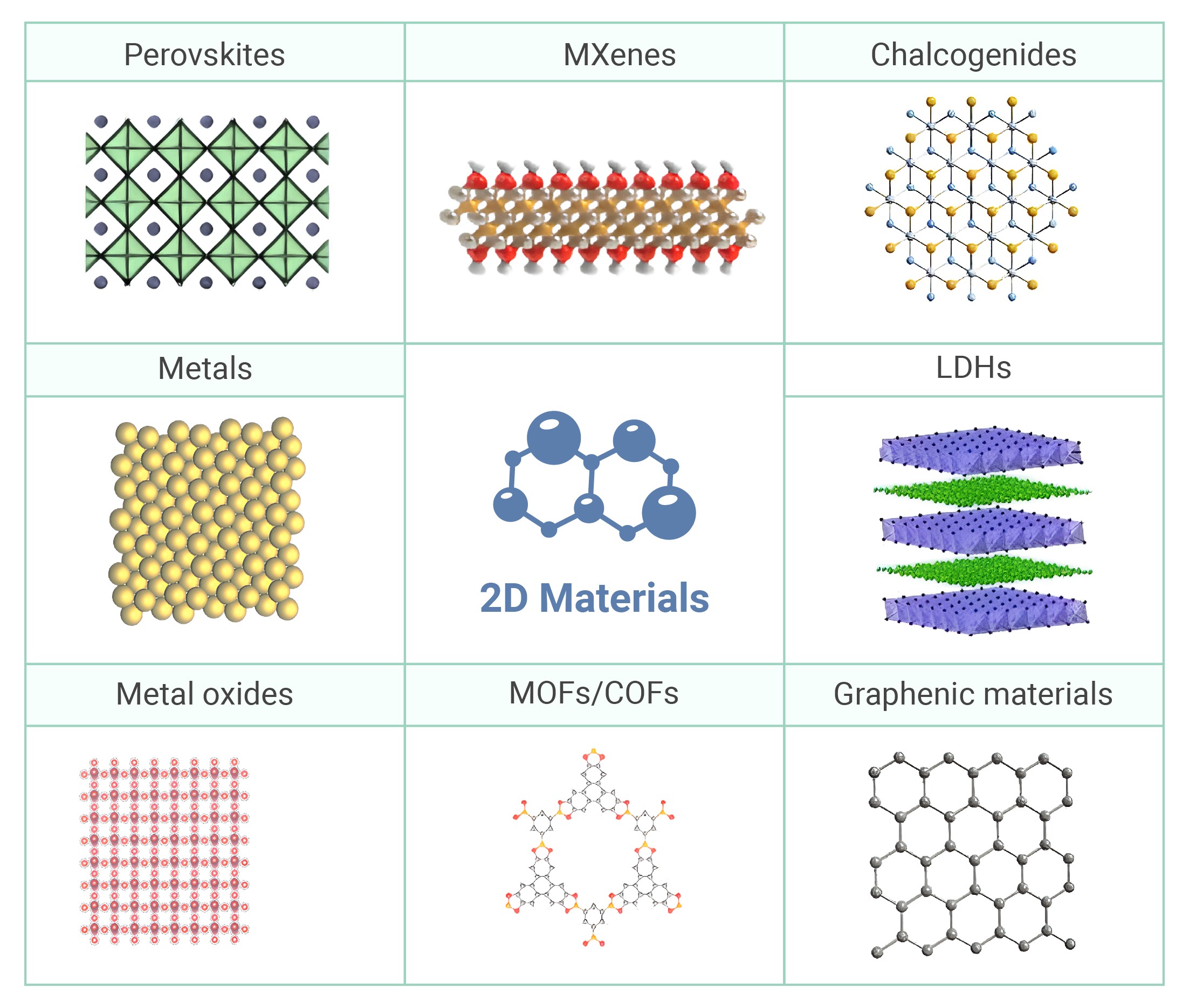
Article Metrics
Relative Articles
Cited by
Export File
Citation
Xu L., Iqbal R., Wang Y., et al., (2024). Emerging two-dimensional materials: Synthesis, physical properties, and application for catalysis in energy conversion and storage. The Innovation Materials 2(1): 100060. https://doi.org/10.59717/j.xinn-mater.2024.100060

Format
Content


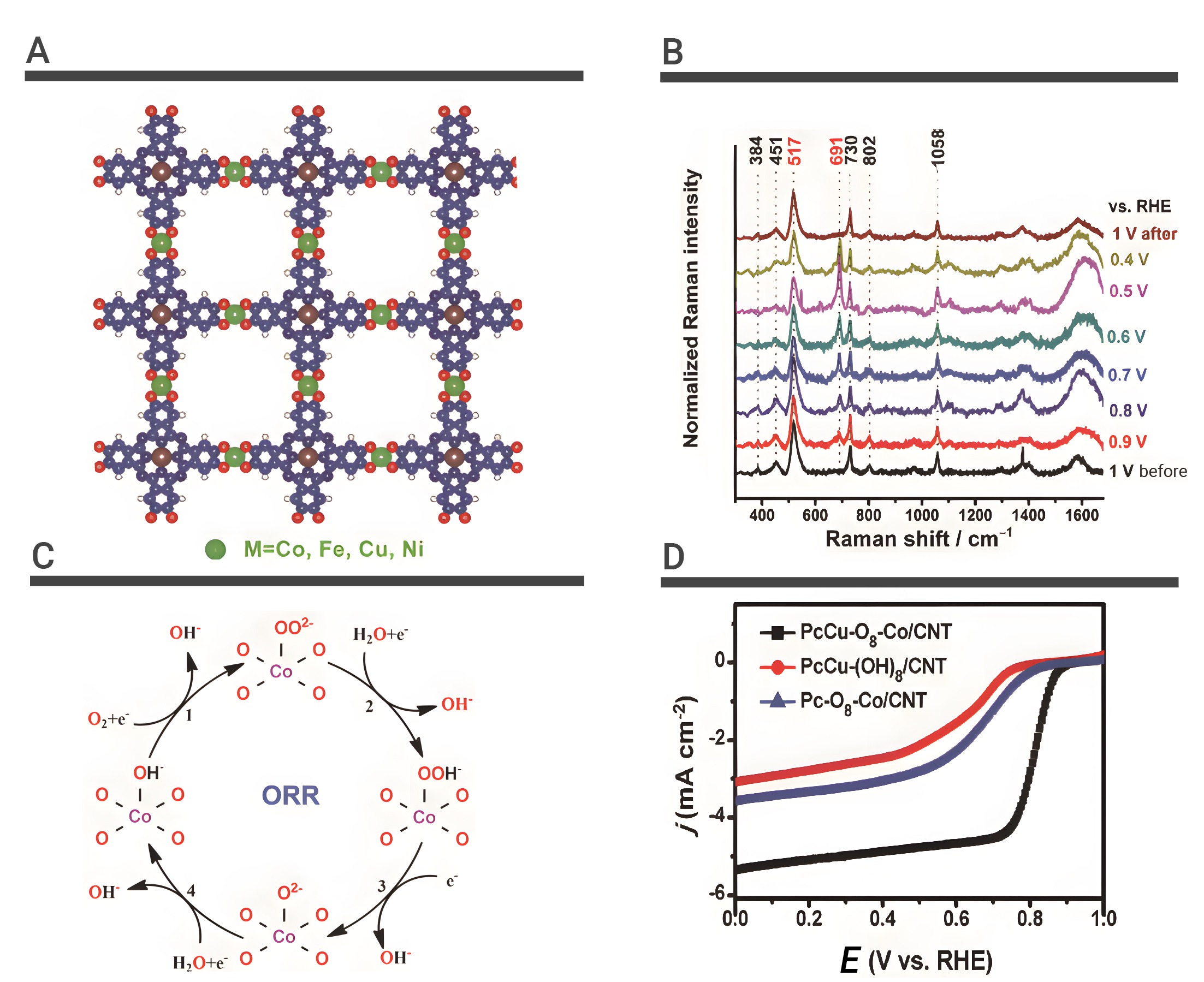
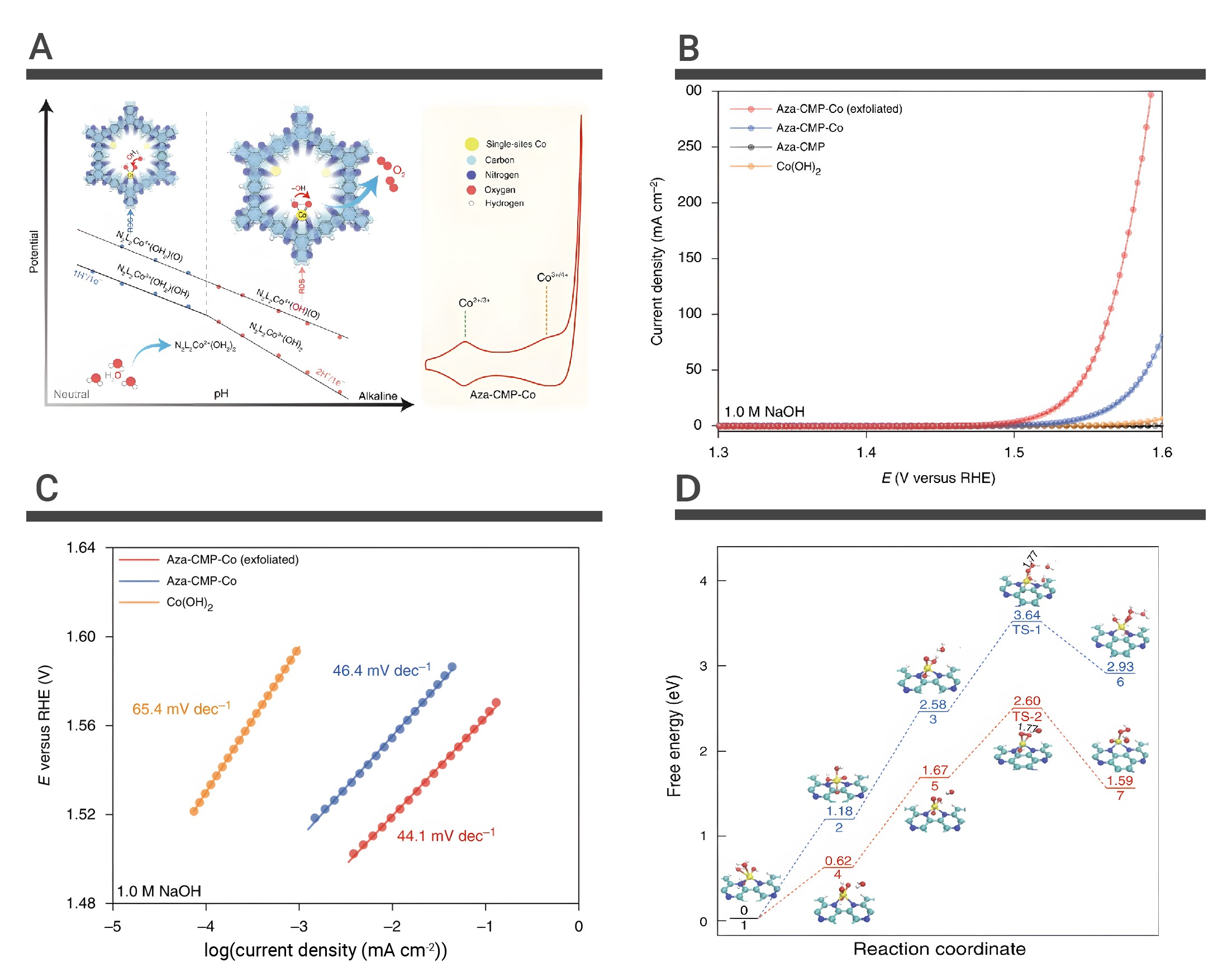


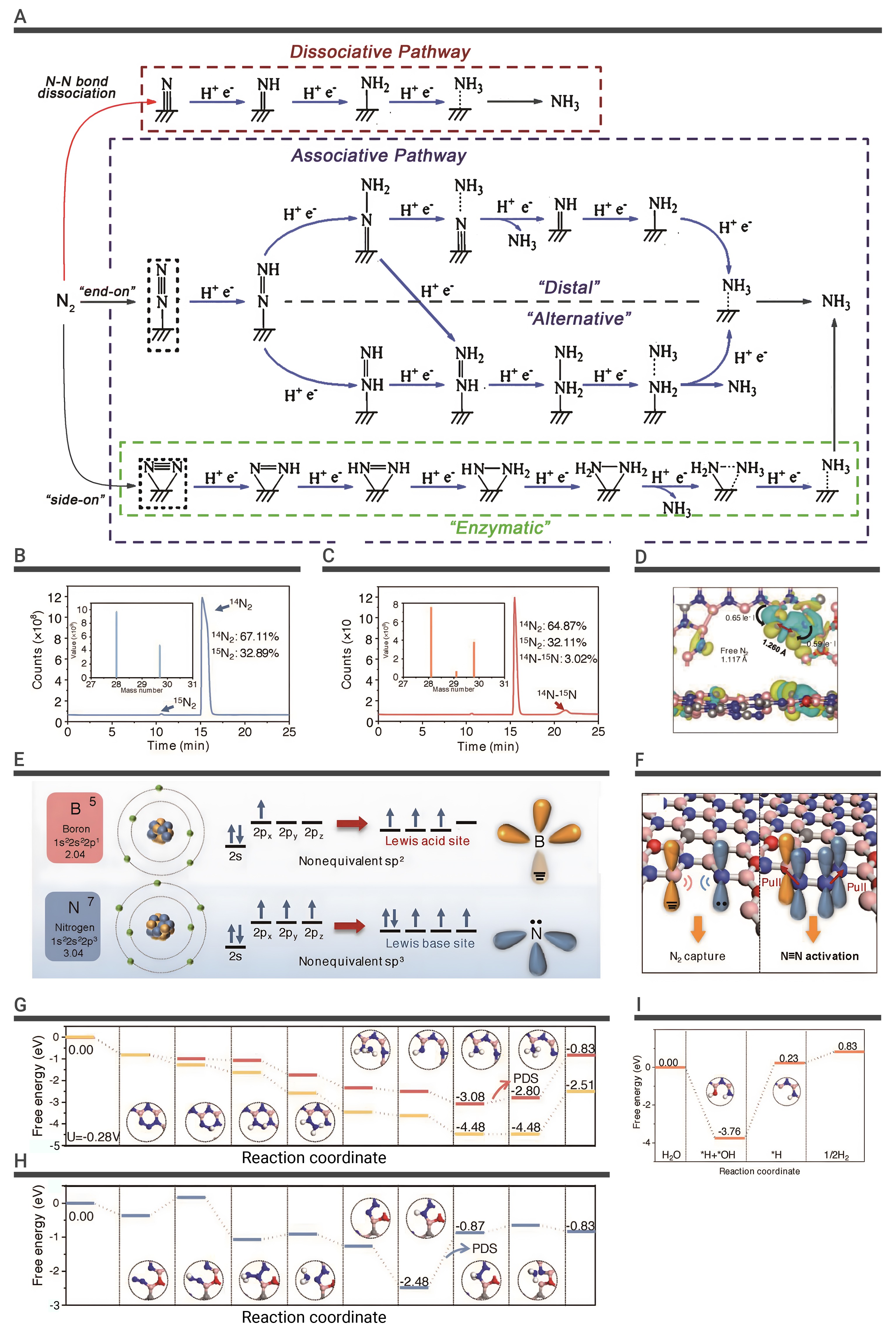


-
Figure 1.
Breadth of 2D nanosheet materials. Each 2D material in Figure 1 was adapted with permission.59 Copyright 2017, American Chemical Society.
-
Figure 2.
Schematic diagram explaining bottom-up approach
-
Figure 3.
Physical properties of 2D materials
-
Figure 4.
Structure and ORR activity of PcCu-O8-M MOF
-
Figure 5.
OER mechanism and activity of Aza-CMP-Co
-
Figure 6.
Structure and HER activity of 2D PhenPtCl2
-
Figure 7.
Structure and ECR activity of MOFs
-
Figure 8.
NRR mechanisms and N2 adsorption and activation on BCN
-
Figure 9.
2D materials for photocatalytic water splitting
-
Figure 10.
2D materials for photocatalytic CO2 reduction
