
Bark extractives as sources of carbon-efficient functional precursors and materials
-
GRAPHICAL ABSTRACT
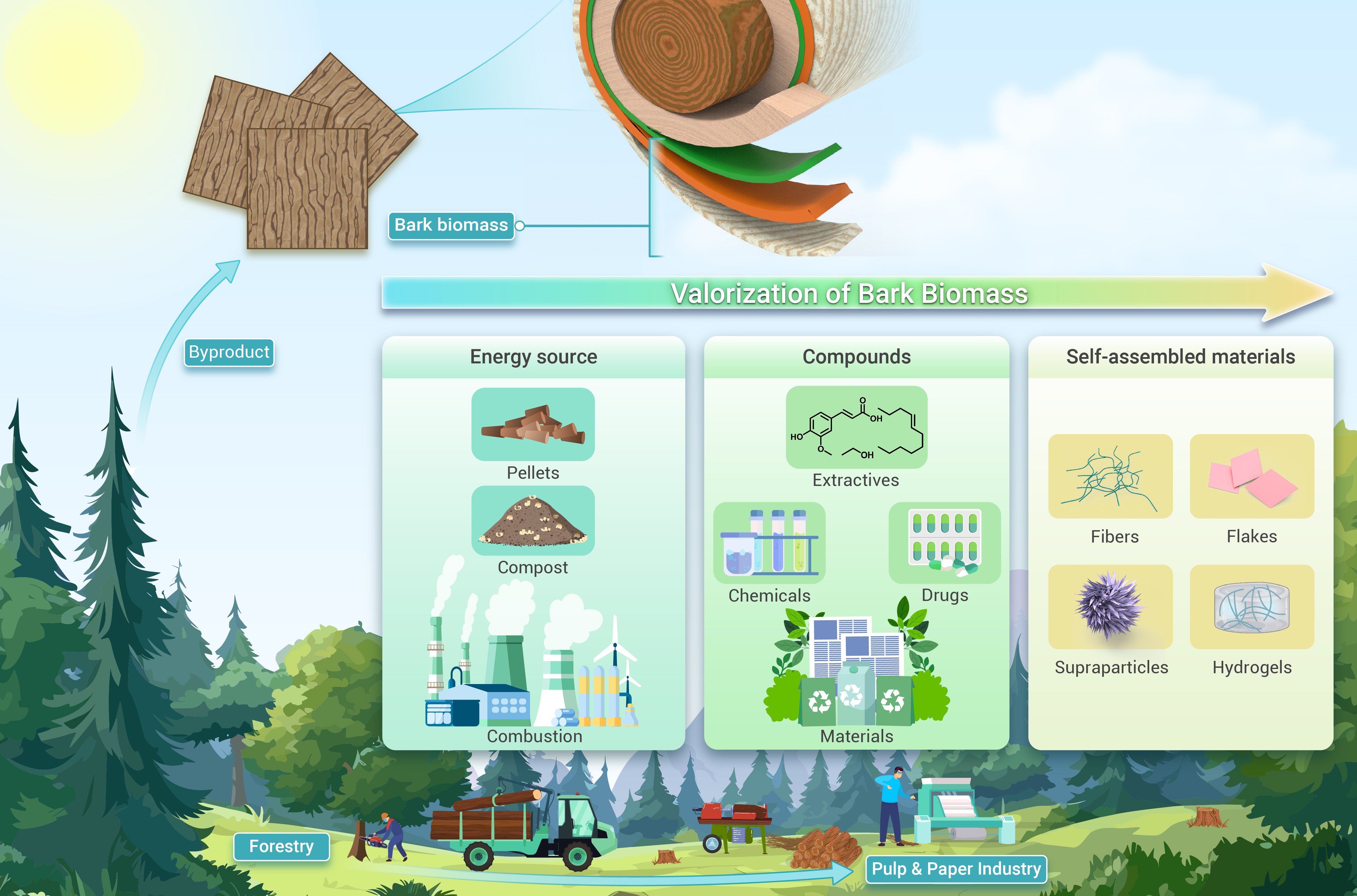
 DownLoad:
Full size image
DownLoad:
Full size image
-
PUBLIC SUMMARY
-
Concise overviews of bark extractives are outlined, highlighting their chemical variety and possible applications.
Self-assembly of bark extractives into complex suprastructures is key to developing materials with specific functions.
Perspectives for converting bark extractives into eco-friendly, value-added materials for circular bioeconomy.
-
-
ABSTRACT
Biomass residues generated in forest operations represent an abundant and renewable resource in need for valorization. Bark is becoming increasingly relevant, not only in the bioproducts sector, but also in the context of the circular bioeconomy, which is placing emphasis on underutilized residues and waste. Among these, tree bark is one of the largest forestry by-products, accessible at a megaton scale but so far mostly utilized for its solid fuel value. Bark valorization should include the isolation of valuable natural compounds that add functionalities to a variety of bioproducts. This is the subject of this review, which considers bark extractives prospects, under the biorefinery concept, placing attention on extractives' chemical profiles and properties. We introduce the most recent pathways reported for bark fractionation and the opportunities to achieve new materials by using the concepts of supramolecular chemistry, leading to special assemblies. We show that value-added chemicals and materials are possible and expected to become most relevant in efforts aimed at maximizing bark utilization.-
Keywords:
- Bark /
- Extractives /
- Suprastructure /
- Self-assembly /
- Biorefinery
-

-
REFERENCES
[1] Deneyer, A., Peeters, E., Renders, T., et al. (2018). Direct upstream integration of biogasoline production into current light straight run naphtha petrorefinery processes. Nat. Energy 3: 969−977. DOI: 10.1038/s41560-018-0245-6. [2] Mika, L.T., Cséfalvay, E., and Németh, Á. (2017). Catalytic conversion of carbohydrates to initial platform chemicals: chemistry and sustainability. Chem. Rev. 118: 505−613. DOI: 10.1021/acs.chemrev.7b00395. [3] Li, C., Zhao, X., Wang, A., et al. (2015). Catalytic transformation of lignin for the production of chemicals and fuels. Chem. Rev. 115: 11559−11624. DOI: 10.1021/acs.chemrev.5b00155. [4] Liu, Z., Wang, K., Chen, Y., et al. (2020). Third-generation biorefineries as the means to produce fuels and chemicals from CO2. Nat. Catal. 3: 274−288. DOI: 10.1038/s41929-019-0421-5. [5] Guo, S., Liu, Q., Sun, J., et al. (2018). A review on the utilization of hybrid renewable energy. Renew. Sustain. Energy Rev. 91: 1121−1147. DOI: 10.1016/j.rser.2018.04.105. [6] Bar-On, Y.M., Phillips, R., and Milo, R. (2018). The biomass distribution on Earth. Proc. Natl. Acad. Sci. USA 115: 6506−6511. DOI: 10.1073/pnas.1711842115. [7] Bilgili, F., Koçak, E., Bulut, Ü., et al. (2017). Can biomass energy be an efficient policy tool for sustainable development. Renew. Sustain. Energy Rev. 71: 830−845. DOI: 10.1016/j.rser.2016.12.109. [8] Liao, Y., Koelewijn, S.-F., Van den Bossche, G., et al. (2020). A sustainable wood biorefinery for low–carbon footprint chemicals production. Science 367: 1385−1390. DOI: 10.1126/science.aau1567. [9] Pang, J., Sun, J., Zheng, M., et al. (2019). Transition metal carbide catalysts for biomass conversion: A review. Appl. Catal. B Environ. 254: 510−522. DOI: 10.1016/j.apcatb.2019.05.034. [10] Pásztory, Z., Mohácsiné, I.R., Gorbacheva, G., et al. (2016). The utilization of tree bark. Bioresources 11: 7859−7888. DOI: 10.15376/biores.11.3.Pasztory. [11] Thorenz, A., Wietschel, L., Stindt, D., et al. (2018). Assessment of agroforestry residue potentials for the bioeconomy in the European Union. J. Clean Prod. 176: 348−359. DOI: 10.1016/j.jclepro.2017.12.143. [12] Klasnja, B., Kopitovic, S., and Orlovic, S. (2002). Wood and bark of some poplar and willow clones as fuelwood. Biomass Bioenergy 23: 427−432. DOI: 10.1016/s0961-9534(02)00069-7. [13] Lu, W., Sibley, J.L., Gilliam, C.H., et al. (2006). Estimation of U. S. Bark generation and implications for horticultural industries. J. Environ. Hortic. 24: 29−34. DOI: 10.24266/0738-2898-24.1.29. [14] Feng, S., Cheng, S., Yuan, Z., et al. (2013). Valorization of bark for chemicals and materials: A review. Renew. Sustain. Energy Rev. 26: 560−578. DOI: 10.1016/j.rser.2013.06.024. [15] Wang, J., Fu, J., Zhao, Z., et al. (2023). Benefit analysis of multi-approach biomass energy utilization toward carbon neutrality. The Innovation 4: 100423. DOI: 10.1016/j.xinn.2023.100423. [16] Zhu, H., Luo, W., Ciesielski, P.N., et al. (2016). Wood-derived materials for green electronics, biological devices, and energy applications. Chem. Rev. 116: 9305−9374. DOI: 10.1021/acs.chemrev.6b00225. [17] Tardy, B.L., Mattos, B.D., Otoni, C.G., et al. (2021). Deconstruction and reassembly of renewable polymers and biocolloids into next generation structured materials. Chem. Rev. 121: 14088−14188. DOI: 10.1021/acs.chemrev.0c01333. [18] Arisandi, R., Ashitani, T., Takahashi, K., et al. (2019). Lipophilic extractives of the wood and bark fromEucalyptus pellitaF. Muell grown in Merauke, Indonesia. J. Wood Chem. Technol. 40: 146−154. DOI: 10.1080/02773813.2019.1697295. [19] Krall, E.M., Serum, E.M., Sibi, M.P., et al. (2018). Catalyst-free lignin valorization by acetoacetylation. Structural elucidation by comparison with model compounds. Green Chem. 20: 2959−2966. DOI: 10.1039/c8gc01071d. [20] Ditzel, F.I., Prestes, E., Carvalho, B.M., et al. (2017). Nanocrystalline cellulose extracted from pine wood and corncob. Carbohydr. Polym. 157: 1577−1585. DOI: 10.1016/j.carbpol.2016.11.036. [21] Barbini, S., Sriranganadane, D., España Orozco, S., et al. (2020). Tools for bark biorefineries: Studies toward improved characterization of lipophilic lignocellulosic extractives by combining supercritical fluid and gas chromatography. ACS Sustain. Chem. Eng. 9: 1323−1332. DOI: 10.1021/acssuschemeng.0c07914. [22] Leite, C. and Pereira, H. (2017). Cork-containing barks—a review. Front. Mater. 3: 63. DOI: 10.3389/fmats.2016.00063. [23] Krogell, J., Holmbom, B., Pranovich, A., et al. (2012). Extraction and chemical characterization of Norway spruce inner and outer bark. Nor. Pulp. Pap. Res. J. 27: 6−17. DOI: 10.3183/npprj-2012-27-01-p006-017. [24] Şen, A., Miranda, I., Santos, S., et al. (2010). The chemical composition of cork and phloem in the rhytidome of Quercus cerris bark. Ind. Crops. Prod. 31: 417−422. DOI: 10.1016/j.indcrop.2010.01.002. [25] Krekling, T., Franceschi, V.R., Berryman, A.A., et al. (2000). The structure and development of polyphenolic parenchyma cells in Norway spruce (Picea abies) bark. Flora 195: 354−369. DOI: 10.1016/s0367-2530(17)30994-5. [26] Freire, C.S.R., Silvestre, A.J.D., Neto, C.P., et al. (2002). Lipophilic extractives of the inner and outer barks of eucalyptus globulus. Holzforschung 56: 372−379. DOI: 10.1515/hf.2002.059. [27] Benouadah, N., Pranovich, A., Labidi, J., et al. (2022). Valorization of waste bark for biorefineries: chemical characterization of Eucalyptus camaldulensis inner and outer barks. Holzforschung 76: 285−293. DOI: 10.1515/hf-2021-0173. [28] Costa, R., Lourenço, A., Oliveira, V., et al. (2019). Chemical characterization of cork, phloem and wood from different Quercus suber provenances and trees. Heliyon 5: e02910. DOI: 10.1016/j.heliyon.2019.e02910. [29] Brennan, M., Fritsch, C., Cosgun, S., et al. (2020). Quantitative and qualitative composition of bark polyphenols changes longitudinally with bark maturity in Abies alba Mill. Ann. For. Sci. 77: 9. DOI: 10.1007/s13595-019-0916-x. [30] Eberhardt, T.L. (2012). Impact of industrial source on the chemical composition of loblolly pine bark. Forest Prod. J. 62(7-8): 516−519. DOI: 10.13073/fpj-d-12-00007.1. [31] Jyske, T., Brännström, H., Sarjala, T., et al. (2020). Fate of antioxidative compounds within bark during storage: A case of norway spruce logs. Molecules 25: 4228. DOI: 10.3390/molecules25184228. [32] Routa, J., Brännström, H., Hellström, J., et al. (2020). Influence of storage on the physical and chemical properties of Scots pine bark. Bioenergy Res. 14: 575−587. DOI: 10.1007/s12155-020-10206-8. [33] Routa, J., Brännström, H., and Laitila, J. (2020). Effects of storage on dry matter, energy content and amount of extractives in Norway spruce bark. Biomass Bioenergy 143: 105821. DOI: 10.1016/j.biombioe.2020.105821. [34] Pokhrel, D. and Viraraghavan, T. (2004). Treatment of pulp and paper mill wastewater—a review. Sci. Total. Env. 333(1-3): 37−58. DOI: 10.1016/j.scitotenv.2004.05.017. [35] Liu, Z., Wang, H., and Hui, L. (2018). Pulping and papermaking of non-wood fibers. Kazi, S. N. (ed). Pulp and Paper Processing (InTech), pp: 37-58. DOI: 10.5772/intechopen.79017. [36] Bajpai, P. (2015). Basic overview of pulp and paper manufacturing process. Bajpai, P. (ed). Green chemistry and sustainability in pulp and paper industry (Springer, Cham), pp: 11-39. DOI: 10.1007/978-3-319-18744-0_2. [37] Menager, C., Guigo, N., Vincent, L., et al. (2021). Suberin from cork as a tough cross-linker in bioepoxy resins. ACS Appl. Polym. Mater. 3: 6090−6101. DOI: 10.1021/acsapm.1c00927. [38] Elansary, Szopa, Kubica, et al. (2019). Polyphenol profile and pharmaceutical potential of quercus spp. bark extracts. Plants 8: 486. DOI: 10.3390/plants8110486. [39] Vek, V., Šmidovnik, T., Humar, M., et al. (2022). Comparison of the content of extractives in the bark of the trunk and the bark of the branches of silver fir (abies alba mill. ). Molecules 28: 225. DOI: 10.3390/molecules28010225. [40] Md Salim, R., Asik, J., and Sarjadi, M.S. (2021). Chemical functional groups of extractives, cellulose and lignin extracted from native Leucaena leucocephala bark. Wood Sci. Technol. 55: 295−313. DOI: 10.1007/s00226-020-01258-2. [41] Sivakami, M., Renuka Devi, K., Renuka, R., et al. (2020). Green synthesis of magnetic nanoparticles via Cinnamomum verum bark extract for biological application. J. Environ. Chem. Eng. 8: 104420. DOI: 10.1016/j.jece.2020.104420. [42] Han, Y., Yu, M., and Wang, L. (2018). Bio-based films prepared with soybean by-products and pine (Pinus densiflora) bark extract. J. Clean Prod. 187: 1−8. DOI: 10.1016/j.jclepro.2018.03.115. [43] Abedini, A., Colin, M., Hubert, J., et al. (2020). Abundant extractable metabolites from temperate tree barks: The specific antimicrobial activity of prunus avium extracts. Antibiotics 9: 111. DOI: 10.3390/antibiotics9030111. [44] Rosdiana, N.A., Dumarçay, S., Gérardin, C., et al. (2017). Characterization of bark extractives of different industrial Indonesian wood species for potential valorization. Ind. Crops Prod. 108: 121−127. DOI: 10.1016/j.indcrop.2017.06.034. [45] Graça, J. (2015). Suberin: the biopolyester at the frontier of plants. Front. Chem. 3: 62. DOI: 10.3389/fchem.2015.00062. [46] Correia, V.G., Bento, A., Pais, J., et al. (2020). The molecular structure and multifunctionality of the cryptic plant polymer suberin. Mater. Today Bio. 5: 100039. DOI: 10.1016/j.mtbio.2019.100039. [47] Handiso, B., Valle-Delgado, J.J., Johansson, L.-S., et al. (2021). The physicochemical properties of cellulose surfaces modified with (depolymerised) suberin and suberin fatty acid. Ind. Crops Prod. 159: 113070. DOI: 10.1016/j.indcrop.2020.113070. [48] De Oliveira, H., Yoon, B., Michaud, V., et al. (2017). All natural cork composites with suberin-based polyester and lignocellulosic residue. Ind. Crops Prod. 109: 843−849. DOI: 10.1016/j.indcrop.2017.09.044. [49] Maiti, S., Ray, S.S., and Kundu, A.K. (1989). Rosin - a renewable resource for polymers and polymer chemicals. Prog. Polym. Sci. 14: 297−338. DOI. DOI: 10.1016/0079-6700(89)90005-1. [50] San Feliciano, A., Gordaliza, M., Salinero, M., et al. (2007). Abietane acids: Sources, biological activities, and therapeutic uses. Planta Med. 59: 485−490. DOI: 10.1055/s-2006-959744. [51] Wilbon, P.A., Chu, F.X., and Tang, C.B. (2013). Progress in renewable polymers from natural terpenes, terpenoids, and rosin. Macromol Rapid Comm. 34: 8−37. DOI: 10.1002/marc.201200513. [52] Silvestre, A.J.D. and Gandini, A. (2008). Rosin: Major sources, properties and applications. Belgacem, M.N. and Gandini, A. (eds). Monomers, polymers and composites from renewable resources (Elsevier), pp: 67-88. DOI: 10.1016/b978-0-08-045316-3.00004-1. [53] Kugler, S., Ossowicz, P., Malarczyk-Matusiak, K., et al. (2019). Advances in rosin-based chemicals: The latest recipes, applications and future trends. Molecules 24: 1651. DOI: 10.3390/molecules24091651. [54] Vevere, L., Fridrihsone, A., Kirpluks, M., et al. (2020). A review of wood biomass-based fatty acids and rosin acids use in polymeric materials. Polymers 12: 2706. DOI: 10.3390/polym12112706. [55] Laavola, M., Haavikko, R., Hamalainen, M., et al. (2016). Betulin derivatives effectively suppress inflammation in vitro and in vivo. J. Nat. Prod. 79: 274−280. DOI: 10.1021/acs.jnatprod.5b00709. [56] Amiri, S., Dastghaib, S., Ahmadi, M., et al. (2020). Betulin and its derivatives as novel compounds with different pharmacological effects. Biotechnol. Adv. 38: 107409. DOI: 10.1016/j.biotechadv.2019.06.008. [57] Grymel, M., Zawojak, M., and Adamek, J. (2019). Triphenylphosphonium analogues of betulin and betulinic acid with biological activity: A comprehensive review. J. Nat. Prod. 82: 1719−1730. DOI: 10.1021/acs.jnatprod.8b00830. [58] Sousa, J.L.C., Freire, C.S.R., Silvestre, A.J.D., et al. (2019). Recent developments in the functionalization of betulinic acid and its natural analogues: A route to new bioactive compounds. Molecules 24: 355. DOI: 10.3390/molecules24020355. [59] Ali-Seyed, M., Jantan, I., Vijayaraghavan, K., et al. (2016). Betulinic acid: Recent advances in chemical modifications, effective delivery, and molecular mechanisms of a promising anticancer therapy. Chem. Bio. Drug Des. 87: 517−536. DOI: 10.1111/cbdd.12682. [60] Guo, J.L., Suma, T., Richardson, J.J., et al. (2019). Modular assembly of biomaterials using polyphenols as building blocks. ACS Biomater. Sci. Eng. 5: 5578−5596. DOI: 10.1021/acsbiomaterials.8b01507. [61] Khanbabaee, K. and van Ree, T. (2001). Tannins: Classification and definition. Nat. Prod. Rep. 18: 641−649. DOI: 10.1039/b101061l. [62] Pizzi, A. (2008). Tannins: Major sources, properties and applications. Belgacem, M. N. and Gandini, A. (eds). Monomers, polymers and composites from renewable resources (Elsevier), pp: 179-199. DOI: 10.1016/b978-0-08-045316-3.00008-9. [63] Favari, C., Mena, P., Curti, C., et al. (2020). Flavan‐3‐ols: Catechins and proanthocyanidins. Tomás-Barberán, F. A., González-Sarrías, A., and García-Villalba, R. (eds). Dietary Polyphenols: Their metabolism and health effects (CRC Press), pp: 283-317. DOI: 10.1002/9781119563754.ch8. [64] Salminen, J.P. and Karonen, M. (2011). Chemical ecology of tannins and other phenolics: We need a change in approach. Funct. Ecol. 25: 325−338. DOI: 10.1111/j.1365-2435.2010.01826.x. [65] Zeller, W.E. (2019). Activity, purification, and analysis of condensed tannins: Current state of affairs and future endeavors. Crop. Sci. 59: 886−904. DOI: 10.2135/cropsci2018.05.0323. [66] Zhu, H.F., Li, P.Z., Ren, S.X., et al. (2019). Low-cost Ru/C-catalyzed depolymerization of the polymeric proanthocyanidin-rich fraction from bark to produce oligomeric proanthocyanidins with antioxidant activity. ACS Omega 4: 16471−16480. DOI: 10.1021/acsomega.9b02071. [67] Zhang, A.B., Li, J.J., Zhang, S.F., et al. (2017). Characterization and acid-catalysed depolymerization of condensed tannins derived from larch bark. RSC Adv. 7: 35135−35146. DOI: 10.1039/c7ra03410e. [68] Lin, Z., Richardson, J.J., Zhou, J., et al. (2023). Direct synthesis of amorphous coordination polymers and metal–organic frameworks. Nat Rev Chem 7: 273−286. DOI: 10.1038/s41570-023-00474-1. [69] Ju, Y., Liao, H.T., Richardson, J.J., et al. (2022). Nanostructured particles assembled from natural building blocks for advanced therapies. Chem. Soc. Rev. 51: 4287−4336. DOI: 10.1039/d1cs00343g. [70] Wang, Y., He, Y., Wang, Q., et al. (2023). Microporous membranes for ultrafast and energy-efficient removal of antibiotics through polyphenol-mediated nanointerfaces. Matter 6: 260−273. DOI: 10.1016/j.matt.2022.09.021. [71] Ejima, H., Richardson, J.J., Liang, K., et al. (2013). One-step assembly of coordination complexes for versatile film and particle engineering. Science 341: 154−157. DOI: 10.1126/science.1237265. [72] Guo, J., Ping, Y., Ejima, H., et al. (2014). Engineering multifunctional capsules through the assembly of metal-phenolic networks. Angew. Chem. Int. Ed. 53: 5546−5551. DOI: 10.1002/anie.201311136. [73] Yin, Y., Li, X., Xie, Q., et al. (2023). Morphogenesis of biogenic phenolic mesocrystals mediated by competitive intermolecular interactions. Chem. Mater. 35: 10206−10215. DOI: 10.1021/acs.chemmater.3c02449. [74] Zhang, Y.J., Wang, J., He, Y.X., et al. (2023). Customizable Supraparticles Constructed from Catechol-Terminated Molecular Building Blocks with Controllable Intermolecular Interactions. Angew. Chem. Int. Ed. DOI: 10.1002/anie.202303463. [75] Qu, Y., De Rose, R., Kim, C.J., et al. (2023). Supramolecular polyphenol‐DNA microparticles for in vivo adjuvant and antigen co‐delivery and immune stimulation. Angew. Chem. Int. Ed. 62: e202214935. DOI: 10.1002/anie.202214935. [76] Pan, J.Z., Gong, G.D., Wang, Q., et al. (2022). A single-cell nanocoating of probiotics for enhanced amelioration of antibiotic-associated diarrhea. Nat. Commun. 13: 2117. DOI: 10.1038/s41467-022-29672-z. [77] Zhou, Z., Li, K., Shi, L., et al. (2022). Self‐assembled integrative nutrient carrier platform containing green tea catechin for short bowel syndrome treatment. Adv. Healthc. Mater. 12: e2201933. DOI: 10.1002/adhm.202201933. [78] Liao, X., Gong, G., Dai, M., et al. (2023). Systemic tumor suppression via macrophage‐driven automated homing of metal‐phenolic‐gated nanosponges for metastatic melanoma. Adv. Sci. 10: e2207488. DOI: 10.1002/advs.202207488. [79] Zhao, Z., Pan, D.C., Qi, Q.M., et al. (2020). Engineering of living cells with polyphenol-functionalized biologically active nanocomplexes. Adv. Mater. 32: e2003492. DOI: 10.1002/adma.202003492. [80] Zhang, Y., Wang, J., He, Y., et al. (2023). Customizable supraparticles constructed from catechol‐terminated molecular building blocks with controllable intermolecular interactions. Angew. Chem. Int. Ed. 62: e202303463. DOI: 10.1002/anie.202303463. [81] Xu, W., Pan, S., Noble, B.B., et al. (2022). Site‐selective coordination assembly of dynamic metal‐phenolic networks. Angew. Chem. Int. Ed. 61: 08037. DOI: 10.1002/anie.202208037. [82] Guo, J., Sun, H., Alt, K., et al. (2015). Boronate-phenolic network capsules with dual response to acidic ph and cis-diols. Adv. Healthc. Mater. 4: 1796−1801. DOI: 10.1002/adhm.201500332. [83] Xu, W., Pan, S., Noble, B.B., et al. (2023). Engineering flexible metal‐phenolic networks with guest responsiveness via intermolecular interactions. Angew. Chem. Int. Ed. 62: e202302448. DOI: 10.1002/anie.202302448. [84] Mattos, B.D., Zhu, Y., Tardy, B.L., et al. (2023). Versatile assembly of metal–phenolic network foams enabled by tannin–cellulose nanofibers. Adv. Mater. 35: 2209685. DOI: 10.1002/adma.202209685. [85] Zhang, C., Tang, Y., Wang, Q., et al. (2023). Near infrared light-induced dynamic modulation of enzymatic activity through polyphenol-functionalized liquid metal nanodroplets. Chin. Chem. Lett. 34: 107795. DOI: 10.1016/j.cclet.2022.107795. [86] Jin, X., Wang, Q., Pan, J., et al. (2023). A biologically stable, self-catalytic DNAzyme machine encapsulated by metal-phenolic nanoshells for multiple microRNA imaging. Chin. Chem. Lett. 34 :108200. DOI: 10.1016/j.cclet.2023.108200. [87] Zhang, B., He, Y., Liu, J., et al. (2023). Advancing collagen-based biomaterials for oral and craniofacial tissue regeneration. Collagen and Leather 5: 14. DOI: 10.1186/s42825-023-00120-y. [88] Luo, W., Xiao, G., Tian, F., et al. (2019). Engineering robust metal–phenolic network membranes for uranium extraction from seawater. Energy Environ. Sci. 12: 607−614. DOI: 10.1039/c8ee01438h. [89] Xiao, G., Xie, Q., He, Y., et al. (2023). Synergistic adsorption and in situ catalytic conversion of SO2 by transformed bimetal-phenolic functionalized biomass. Environ. Sci. Technol. 57: 12911−12921. DOI: 10.1021/acs.est.3c03827. [90] BeMiller, J.N. (1989). Carbohydrates. In Natural Products of Woody Plants: Chemicals Extraneous to the Lignocellulosic Cell Wall, J.W. Rowe, ed. (Springer), pp. 155-178. [91] Rao, J., Lv, Z., Chen, G., et al. (2023). Hemicellulose: Structure, chemical modification, and application. Prog. Polym. Sci. 140: 101675. DOI: 10.1016/j.progpolymsci.2023.101675. [92] Rennie, E.A. and Scheller, H.V. (2014). Xylan biosynthesis. Curr. Opin. in Biotechnol. 26: 100−107. DOI: 10.1016/j.copbio.2013.11.013. [93] Voiniciuc, C. (2022). Modern mannan: a hemicellulose's journey. New Phytol. 234: 1175−1184. DOI: 10.1111/nph.18091. [94] Pournou, A. (2020). Wood anatomy, chemistry and physical properties. In Biodeterioration of Wooden Cultural Heritage, (Springer, Cham), pp. 1-41. 10.1007/978-3-030-46504-9_1. [95] Munekata, N., Tsuyama, T., Kamei, I., et al. (2022). Deposition patterns of feruloylarabinoxylan during cell wall formation in moso bamboo. Planta 256: 59. DOI: 10.1007/s00425-022-03970-8. [96] Marriott, P.E., Gómez, L.D., and McQueen‐Mason, S.J. (2015). Unlocking the potential of lignocellulosic biomass through plant science. New Phytol. 209: 1366−1381. DOI: 10.1111/nph.13684. [97] de Oliveira, D.M., Finger-Teixeira, A., Rodrigues Mota, T., et al. (2015). Ferulic acid: a key component in grass lignocellulose recalcitrance to hydrolysis. Plant Biotechnol. J. 13: 1224−1232. DOI: 10.1111/pbi.12292. [98] Ralph, J., Kim, H., Lu, F., et al. (2023). Lignins and lignification. Salminen, J-P., Wähälä, K., Freitas, V., et al. (eds). Recent Advances in Polyphenol Research (John Wiley & Sons Ltd), pp: 1-50. DOI: 10.1002/9781119844792.ch1. [99] Shahin, L., Zhang, L., Mohnen, D., et al. (2023). Insights into pectin O-acetylation in the plant cell wall: structure, synthesis, and modification. Cell Surf. 9: 100099. DOI: 10.1016/j.tcsw.2023.100099. [100] Gawkowska, D., Cybulska, J., and Zdunek, A. (2018). Structure-related gelling of pectins and linking with other natural compounds: A review. Polymers 10: 762. DOI: 10.3390/polym10070762. [101] Kpodo, F.M., Agbenorhevi, J.K., Alba, K., et al. (2018). Structure-function relationships in pectin emulsification. Food Biophys. 13: 71−79. DOI: 10.1007/s11483-017-9513-4. [102] Busse-Wicher, M., Gomes, T.C.F., Tryfona, T., et al. (2014). The pattern of xylan acetylation suggests xylan may interact with cellulose microfibrils as a twofold helical screw in the secondary plant cell wall of Arabidopsis thaliana. Plant J. 79: 492−506. DOI: 10.1111/tpj.12575. [103] Bozzo, G.G. and Unterlander, N. (2021). In through the out door: Biochemical mechanisms affecting flavonoid glycoside catabolism in plants. Plant Sci. 308: 110904. DOI: 10.1016/j.plantsci.2021.110904. [104] Badal, S. and Delgoda, R. (2017). Pharmacognosy (Elsevier, AP). DOI: 10.1016/c2014-0-01794-7. [105] Attard, T.M., Bukhanko, N., Eriksson, D., et al. (2018). Supercritical extraction of waxes and lipids from biomass: A valuable first step towards an integrated biorefinery. J. Clean Prod. 177: 684−698. DOI: 10.1016/j.jclepro.2017.12.155. [106] Berg, A. and Guzmán, F. (2023). Wood biorefineries. Niemz, P., Teischinger, A., and Sandberg, D. (eds). Springer handbook of wood science and technology (Springer Cham), pp: 1713-1751. 10.1007/978-3-030-81315-4_32. [107] Peters, D. and Stojcheva, V. (2017). Crude tall oil Low ILUC risk assessment—Comparing global supply and demand. ECOFYS Netherlands B.V. 1-23. [108] Aryan, V. and Kraft, A. (2021). The crude tall oil value chain: Global availability and the influence of regional energy policies. J. Clean Prod. 280: 124616. DOI: 10.1016/j.jclepro.2020.124616. [109] Aro, T. and Fatehi, P. (2017). Tall oil production from black liquor: Challenges and opportunities. Sep. Purif. Technol. 175: 469−480. DOI: 10.1016/j.seppur.2016.10.027. [110] Barbini, S., Jaxel, J., Karlstrom, K., et al. (2021). Multistage fractionation of pine bark by liquid and supercritical carbon dioxide. Bioresource Technol. 341 : 125862. DOI: 10.1016/j.biortech.2021.125862. [111] Sut, S., Maccari, E., Zengin, G., et al. (2022). "Smart extraction chain" With green solvents: Extraction of bioactive compounds from picea abies bark waste for pharmaceutical, nutraceutical and cosmetic uses. Molecules 27: 6719. DOI: 10.3390/molecules27196719. [112] Patinha, D.J.S., Domingues, R.M.A., Villaverde, J.J., et al. (2013). Lipophilic extractives from the bark of Eucalyptus grandis x globulus, a rich source of methyl morolate: Selective extraction with supercritical CO2. Ind. Crops Prod. 43: 340−348. DOI: 10.1016/j.indcrop.2012.06.056. [113] Talmaciu, A.I., Ravber, M., Volf, I., et al. (2016). Isolation of bioactive compounds from spruce bark waste using sub- and supercritical fluids. J. Supercrit. Fluid 117: 243−251. DOI: 10.1016/j.supflu.2016.07.001. [114] Böttcher, S. and Drusch, S. (2017). Saponins—Self-assembly and behavior at aqueous interfaces. Adv. Colloid Interface Sci. 243: 105−113. DOI: 10.1016/j.cis.2017.02.008. [115] Rodrigues, V.H., de Melo, M.M.R., Portugal, I., et al. (2019). Simulation and techno-economic optimization of the supercritical CO2 extraction of Eucalyptus globulus bark at industrial scale. J. Supercrit. Fluid 145: 169−180. DOI: 10.1016/j.supflu.2018.11.025. [116] Kwan, I., Huang, T., Ek, M., et al. (2022). Bark from Nordic tree species–a sustainable source for amphiphilic polymers and surfactants. Nor. Pulp. Pap. Res. J. 37: 566−575. DOI: 10.1515/npprj-2022-0003. [117] Gandini, A., Pascoal, C., and Silvestre, A.J.D. (2006). Suberin: A promising renewable resource for novel macromolecular materials. Prog. Polym. Sci. 31: 878−892. DOI: 10.1016/j.progpolymsci.2006.07.004. [118] Hordyjewska, A., Ostapiuk, A., Horecka, A., et al. (2019). Betulin and betulinic acid: triterpenoids derivatives with a powerful biological potential. Phytochem. Rev. 18: 929−951. DOI: 10.1007/s11101-019-09623-1. [119] Demets, O.V., Takibayeva, A.T., Kassenov, R.Z., et al. (2022). Methods of betulin extraction from birch bark. Molecules 27: 3621. DOI: 10.3390/molecules27113621. [120] Pizzi, A. (2019). Tannins: Prospectives and actual industrial applications. Biomolecules 9: 344. DOI: 10.3390/biom9080344. [121] Shirmohammadli, Y., Efhamisisi, D., and Pizzi, A. (2018). Tannins as a sustainable raw material for green chemistry: A review. Ind. Crops Prod. 126: 316−332. DOI: 10.1016/j.indcrop.2018.10.034. [122] Fraga-Corral, M., Garcia-Oliveira, P., Pereira, A.G., et al. (2020). Technological application of tannin-based extracts. Molecules 25: 614. DOI: 10.3390/molecules25030614. [123] Pagliaro, M., Albanese, L., Scurria, A., et al. (2021). Tannin: A new insight into a key product for the bioeconomy in forest regions. Biofuel Bioprod Bior. 15: 973−979. DOI: 10.1002/bbb.2217. [124] Filgueira, D., Moldes, D., Fuentealba, C., et al. (2017). Condensed tannins from pine bark: A novel wood surface modifier assisted by laccase. Ind. Crops Prod. 103: 185−194. DOI: 10.1016/j.indcrop.2017.03.040. [125] Das, A.K., Islam, M.N., Faruk, M.O., et al. (2020). Review on tannins: Extraction processes, applications and possibilities. S. Afr. J. Bot. 135: 58−70. DOI: 10.1016/j.sajb.2020.08.008. [126] Dhawale, P.V., Vineeth, S.K., Gadhave, R.V., et al. (2022). Tannin as a renewable raw material for adhesive applications: a review. Mater. Adv. 3: 3365−3388. DOI: 10.1039/d1ma00841b. [127] de Hoyos-Martínez, P.L., Merle, J., Labidi, J., et al. (2019). Tannins extraction: A key point for their valorization and cleaner production. J. Clean Prod. 206: 1138−1155. DOI: 10.1016/j.jclepro.2018.09.243. [128] Wina, E., Muetzel, S., and Becker, K. (2005). The impact of saponins or saponin-containing plant materials on ruminant production - A review. J. Agr. Food Chem. 53: 8093−8105. DOI: 10.1021/jf048053d. [129] Cheok, C.Y., Salman, H.A.K., and Sulaiman, R. (2014). Extraction and quantification of saponins: A review. Food Res. Int. 59: 16−40. DOI: 10.1016/j.foodres.2014.01.057. [130] Zhang, J.H., Wang, Y.C., Rodriguez, B.J., et al. (2022). Microfabrication of peptide self-assemblies: inspired by nature towards applications. Chem. Soc. Rev. 51: 6936−6947. DOI: 10.1039/d2cs00122e. [131] Wang, H.M., Feng, Z.Q.Q., and Xu, B. (2017). Bioinspired assembly of small molecules in cell milieu. Chem. Soc. Rev. 46: 2421−2436. DOI: 10.1039/c6cs00656f. [132] Keizer, H.M. and Sijbesma, R.P. (2005). Hierarchical self-assembly of columnar aggregates. Chem. Soc. Rev. 34: 226−234. DOI: 10.1039/b312177c. [133] Noro, A., Hayashi, M., and Matsushita, Y. (2012). Design and properties of supramolecular polymer gels. Soft Matter 8: 6416−6429. DOI: 10.1039/c2sm25144b. [134] Mason, T.O. and Shimanovich, U. (2018). Fibrous protein self-assembly in biomimetic materials. Adv. Mater. 30: 1706462. DOI: 10.1002/adma.201706462. [135] Qiu, L., Zhang, H.R., Bick, T., et al. (2021). Construction of highly ordered glyco-inside nano-assemblies through raft dispersion polymerization of galactose-decorated monomer. Angew. Chem. Int. Ed. 60: 11098−11103. DOI: 10.1002/anie.202015692. [136] Miyata, M., Tohnai, N., and Hisaki, I. (2007). Crystalline host–guest assemblies of steroidal and related molecules: Diversity, hierarchy, and supramolecular chirality. Acc. Chem. Res. 40: 694−702. DOI: 10.1021/ar700017a. [137] Seiffert, S., Kumacheva, E., Okay, O., et al. (2015). Supramolecular polymer networks and gels (Springer). DOI: 10.1007/978-3-319-15404-6. [138] Bag, B.G., Dey, P.P., Dinda, S.K., et al. (2008). A simple route for renewable nano-sized arjunolic and asiatic acids and self-assembly of arjuna-bromolactone. Beilstein J. Org. Chem. 4: 24. DOI: 10.3762/bjoc.4.24. [139] Bag, B.G. and Dash, S.S. (2011). First self-assembly study of betulinic acid, a renewable nano-sized, 6-6-6-6-5 pentacyclic monohydroxy triterpenic acid. Nanoscale 3: 4564−4566. DOI: 10.1039/c1nr10886g. [140] Bag, B.G. and Majumdar, R. (2012). Self-assembly of a renewable nano-sized triterpenoid 18β-glycyrrhetinic acid. RSC Adv. 2: 8623−8626. DOI: 10.1039/c2ra21051g. [141] Bag, B.G. and Paul, K. (2012). Vesicular and fibrillar gels by self-assembly of nanosized oleanolic acid. Asian J. Org. Chem. 1: 150−154. DOI: 10.1002/ajoc.201200032. [142] Bag, B.G. and Majumdar, R. (2017). Self-assembly of renewable nano-sized triterpenoids. Chem. Rec. 17: 841−873. DOI: 10.1002/tcr.201600123. [143] Bag, B.G. and Dash, S.S. (2015). Hierarchical self-assembly of a renewable nanosized pentacyclic dihydroxy-triterpenoid betulin yielding flower-like architectures. Langmuir 31: 13664−13672. DOI: 10.1021/acs.langmuir.5b03730. [144] Bag, B.G., Das, S., Hasan, S.N., et al. (2017). Nanoarchitectures by hierarchical self-assembly of ursolic acid: entrapment and release of fluorophores including anticancer drug doxorubicin. RSC Adv. 7: 18136−18143. DOI: 10.1039/c7ra02123b. [145] Bag, B.G., Barai, A.C., Wijesekera, K., et al. (2017). First vesicular self-assembly of crotocembraneic acid, a nano-sized fourteen membered macrocyclic diterpenic acid. Chemistryselect 2: 4969−4973. DOI: 10.1002/slct.201700500. [146] Bag, B.G., Hasan, S.N., Pongpamorn, P., et al. (2017). First hierarchical self-assembly of a seco-triterpenoid α-onocerin yielding supramolecular architectures. Chemistryselect 2: 6650−6657. DOI: 10.1002/slct.201701285. [147] Bag, B.G., Garai, C., and Ghorai, S. (2019). Vesicular self-assembly of a natural ursane-type dihydroxy-triterpenoid corosolic acid. RSC Adv. 9: 15190−15195. DOI: 10.1039/c9ra02801c. [148] Bag, B.G., Hasan, S.N., Ghorai, S., et al. (2019). First self-assembly of dihydroxy triterpenoid maslinic acid yielding vesicles. ACS Omega 4: 7684−7690. DOI: 10.1021/acsomega.8b03667. [149] Panja, S.K. and Bag, B.G. (2020). Flower- and grass-like self-assemblies of an oleanane-type triterpenoid erythrodiol: Application in the removal of toxic dye from water. ACS Omega 5: 30488−30494. DOI: 10.1021/acsomega.0c04291. [150] Ghorai, S. and Bag, B.G. (2020). First vesicular self-assembly of a trihydroxy-diterpenoid andrographolide in aqueous medium: Entrapment and release of fluorophore and anti-cancer drug doxorubicin. Chemistryselect 5: 15032−15038. DOI: 10.1002/slct.202003248. [151] Panja, S.K., Patra, S., and Bag, B.G. (2021). Self-assembly of the monohydroxy triterpenoid lupeol yielding nano-fibers, sheets and gel: environmental and drug delivery applications. RSC Adv. 11: 33500−33510. DOI: 10.1039/d1ra06137b. [152] Ghorai, S. and Bag, B.G. (2021). Garland, flower, and petals via a hierarchical self-assembly of ursane-type triterpenoid uvaol. ACS Omega 6: 20560−20568. DOI: 10.1021/acsomega.1c02630. [153] Banerjee, J., Hasan, S.N., Samanta, S., et al. (2022). Self-assembled maslinic acid attenuates doxorobucin induced cytotoxicity via Nrf2 signaling pathway: An in vitro and in silico study in human healthy cells. Cell Biochem. Biophys. 80: 563−578. DOI: 10.1007/s12013-022-01083-3. [154] Niu, X., Foster, E.J., Patrick, B.O., et al. (2022). Betulin self-assembly: From high axial aspect crystals to hedgehog suprastructures. Adv. Funct. Mater. 32: 2206058. DOI: 10.1002/adfm.202206058. [155] Hou, Y., Zou, L.J., Li, Q.L., et al. (2022). Supramolecular assemblies based on natural small molecules: Union would be effective. Mater. Today Bio. 15: 100327. DOI: 10.1016/j.mtbio.2022.100327. [156] Muro-Small, M.L., Chen, J., and McNeil, A.J. (2011). Dissolution parameters reveal role of structure and solvent in molecular gelation. Langmuir 27: 13248−13253. DOI: 10.1021/la202702r. [157] Lin, R. and Cui, H.G. (2015). Supramolecular nanostructures as drug carriers. Curr. Opin. Chem. Eng. 7: 75−83. DOI: 10.1016/j.coche.2014.11.005. [158] Zhang, X. and Wang, C. (2011). Supramolecular amphiphiles. Chem. Soc. Rev. 40: 94−101. DOI: 10.1039/B919678C. [159] Gao, Y.X., Hao, J., Wu, J.D., et al. (2016). Solvent-directed assembly of a pyridinium-tailored methyl oleanolate amphiphile: Stepwise growth of microrods and nanofibers. Langmuir 32: 1685−1692. DOI: 10.1021/acs.langmuir.5b04398. [160] Gao, Y.X., Hao, J., Wu, J.D., et al. (2015). Supramolecular helical nanofibers assembled from a pyridinium-functionalized methyl glycyrrhetate amphiphile. Nanoscale 7: 13568−13575. DOI: 10.1039/c5nr03699b. [161] Zhai, Z.L., Ye, S.F., Yan, X.Y., et al. (2020). pH-responsive wormlike micelles formed by an anionic surfactant derived from rosin. J. Agr. Food Chem. 68: 10063−10070. DOI: 10.1021/acs.jafc.0c03749. [162] Zhang, J., Gu, W., Xing, X., et al. (2023). Designed synthesis of natural rigid dehydroabietylamine-tailored symmetric benzamide organogels by amide bonds and rigid rings coordinated self-assembly strategy. Colloids Surf. A Physicochem Eng. Asp. 656: 130487. DOI: 10.1016/j.colsurfa.2022.130487. [163] Gao, Y.Q., Li, J., Song, Z.Q., et al. (2015). Turning renewable resources into value-added products: Development of rosin-based insecticide candidates. Ind. Crops Prod. 76: 660−671. DOI: 10.1016/j.indcrop.2015.07.067. [164] Lin, H.X., Yang, M.S., Tian, C., et al. (2018). Design of diversified self-assembly systems based on a natural rosin-based tertiary amine for doxorubicin delivery and excellent emulsification. Colloid. Surface. B 165: 191−198. DOI: 10.1016/j.colsurfb.2018.01.049. [165] Aro, T. and Fatehi, P. (2017). Production and application of lignosulfonates and sulfonated lignin. ChemSusChem 10: 1861−1877. DOI: 10.1002/cssc.201700082. [166] Li, J., Lin, H.X., Chen, X.Y., et al. (2017). Self-assembled structures and excellent surface properties of a novel anionic phosphate diester surfactant derived from natural rosin acids. J. Colloid Interf. Sci. 486: 67−74. DOI: 10.1016/j.jcis.2016.09.061. [167] Zhao, L.L., Liu, Z.G., Huang, X.E., et al. (2013). Synthesis and properties of rosin-modified lignosulfonates. Adv. Mater. 634-638: 456−460. DOI: 10.4028/www.scientific.net/AMR.634-638.456. [168] Hu, J., Zhang, M., and Ju, Y. (2009). A simple oleanlic acid derivative as potent organogelator. Soft Matter 5: 4971−4974. DOI: 10.1039/b916427h. [169] Li, W.B., Zhang, H.B., Zhai, Z.L., et al. (2022). Fast and reversible photoresponsive self-assembly behavior of rosin-based amphiphilic polymers. J. Agr. Food Chem. 70: 12885−12896. DOI: 10.1021/acs.jafc.2c04389. [170] Volkov, A.G. and Deamer, D.W. (2020). Liquid-liquid interfaces theory and methods (CRC press). DOI: 10.1201/9781003068778. [171] Kita-Tokarczyk, K., Junginger, M., Belegrinou, S., et al. (2011). Amphiphilic polymers at Interfaces. Müller, A.H.E. and Borisov, O. (eds). Self Organized Nanostructures of Amphiphilic Block Copolymers II (Springer Berlin Heidelberg), pp. 151-201. DOI: 10.1007/12_2010_58. [172] Dai, L.L., Sharma, R., and Wu, C.-y. (2005). Self-assembled structure of nanoparticles at a liquid−liquid interface. Langmuir 21: 2641−2643. DOI: 10.1021/la047256t. [173] Ravera, F., Dziza, K., Santini, E., et al. (2021). Emulsification and emulsion stability: The role of the interfacial properties. Adv. Colloid Interface Sci. 288: 102344. DOI: 10.1016/j.cis.2020.102344. [174] Wan, Z.L., Sun, Y.G., Ma, L.L., et al. (2017). Thermoresponsive structured emulsions based on the fibrillar self-assembly of natural saponin glycyrrhizic acid. Food Funct. 8: 75−85. DOI: 10.1039/c6fo01485b. [175] Wan, Z.L., Sun, Y.G., Ma, L.L., et al. (2017). Responsive emulsion gels with tunable properties formed by self-assembled nanofibrils of natural saponin glycyrrhizic acid for oil structuring. J. Agr. Food Chem. 65: 2394−2405. DOI: 10.1021/acs.jafc.6b05242. [176] Zeeshan, M., Ali, H., Khan, S., et al. (2019). Glycyrrhizic acid-loaded pH-sensitive poly-(lactic-co-glycolic acid) nanoparticles for the amelioration of inflammatory bowel disease. Nanomedicine 14: 1946−1971. DOI: 10.2217/nnm-2018-0415. [177] Niu, X., Wan, Z., Mhatre, S.E., et al. (2023). Structured emulgels by interfacial assembly of terpenes and nanochitin. ACS Nano 17: 25542−25551. DOI: 10.1021/acsnano.3c09533. [178] Li, Q., Wan, Z.L., and Yang, X.Q. (2022). Glycyrrhizic acid: self-assembly and applications in multiphase food systems. Curr. Opin. Food Sci. 43: 107−113. DOI: 10.1016/j.cofs.2021.11.008. [179] Li, Q., He, Q., Xu, M., et al. (2020). Food-grade emulsions and emulsion gels prepared by soy protein–pectin complex nanoparticles and glycyrrhizic acid nanofibrils. J. Agr. Food Chem. 68: 1051−1063. DOI: 10.1021/acs.jafc.9b04957. [180] Liu, L., Wu, W.N., Chen, X.L., et al. (2022). Responsive emulsion gels of glycyrrhizic acid and alanine for cigarette capsules. Colloids Surf. A Physicochem. Eng. Asp. 652: 129878. DOI: 10.1016/j.colsurfa.2022.129878. [181] Li, Q., Xu, M.Y., Xie, J., et al. (2021). Large amplitude oscillatory shear (LAOS) for nonlinear rheological behavior of heterogeneous emulsion gels made from natural supramolecular gelators. Food Res. Int. 140: 110076. DOI: 10.1016/j.foodres.2020.110076. [182] Zhu, Z.B., Wen, Y., Yi, J.H., et al. (2019). Comparison of natural and synthetic surfactants at forming and stabilizing nanoemulsions: Tea saponin, Quillaja saponin, and Tween 80. J. Colloid Interf. Sci. 536: 80−87. DOI: 10.1016/j.jcis.2018.10.024. [183] Tucker, I.M., Burley, A., Petkova, R.E., et al. (2020). Surfactant/biosurfactant mixing: Adsorption of saponin/nonionic surfactant mixtures at the air-water interface. J. Colloid Interf. Sci. 574: 385−392. DOI: 10.1016/j.jcis.2020.04.061. [184] Denkov, N., Tcholakova, S., and Cholakova, D. (2019). Surface phase transitions in foams and emulsions. Curr. Opin. Colloid In. 44: 32−47. DOI: 10.1016/j.cocis.2019.09.005. [185] Tsibranska, S., Tcholakova, S., Golemanov, K., et al. (2020). Role of interfacial elasticity for the rheological properties of saponin-stabilized emulsions. J. Colloid Interf. Sci. 564: 264−275. DOI: 10.1016/j.jcis.2019.12.108. [186] Deng, F.K., Li, K.C., Feng, Q., et al. (2021). Evaluation of frictional and rheological properties of choline/N-acetyl-L-proline ionic liquid modified with molecular aggregates of tea saponin derivatives. J. Mol. Liq. 338: 116649. DOI: 10.1016/j.molliq.2021.116649. [187] Glikman, D., García Rey, N., Richert, M., et al. (2022). pH effects on the molecular structure and charging state of β-Escin biosurfactants at the air-water interface. J. Colloid Interf. Sci. 607: 1754−1761. DOI: 10.1016/j.jcis.2021.09.086. [188] Böttcher, S., Scampicchio, M., and Drusch, S. (2016). Mixtures of saponins and beta-lactoglobulin differ from classical protein/surfactant-systems at the air-water interface. Colloids Surf. A Physicochem. Eng. Asp. 506: 765−773. DOI: 10.1016/j.colsurfa.2016.07.057. [189] Shi, R., Chen, W., Pan, F., et al. (2022). Characterization of the binding behavior, structure and foaming properties of bovine α-lactalbumin combined with saponin by the multi-spectroscopic and silico approaches. Food Hydrocoll. 124: 107259. DOI: 10.1016/j.foodhyd.2021.107259. [190] Xu, X.F., Sun, Q.J., and McClements, D.J. (2019). Enhancing the formation and stability of emulsions using mixed natural emulsifiers: Hydrolyzed rice glutelin and quillaja saponin. Food Hydrocoll. 89: 396−405. DOI: 10.1016/j.foodhyd.2018.11.020. [191] Su, E.Y., Li, Q., Xu, M.Y., et al. (2021). Highly stable and thermo-responsive gel foams by synergistically combining glycyrrhizic acid nanofibrils and cellulose nanocrystals. J. Colloid Interf. Sci. 587: 797−809. DOI: 10.1016/j.jcis.2020.11.039. [192] Santini, E., Jarek, E., Ravera, F., et al. (2019). Surface properties and foamability of saponin and saponin-chitosan systems. Colloid. Surface. B 181: 198−206. DOI: 10.1016/j.colsurfb.2019.05.035. [193] Orczyk, M., Wojciechowski, K., and Brezesinski, G. (2020). The influence of steroidal and triterpenoid saponins on monolayer models of the outer leaflets of human erythrocytes, E. coli and S. cerevisiae cell membranes. J. Colloid Interf. Sci. 563: 207−217. DOI: 10.1016/j.jcis.2019.12.014. [194] Yuan, Y.K., Xiao, J.Z., Zhang, P.Y., et al. (2021). Development of pH-driven zein/tea saponin composite nanoparticles for encapsulation and oral delivery of curcumin. Food Chem. 364: 130401. DOI: 10.1016/j.foodchem.2021.130401. [195] Schreiner, T.B., Santamaria-Echart, A., Ribeiro, A., et al. (2020). Formulation and optimization of nanoemulsions using the natural surfactant saponin from quillaja bark. Molecules 25: 1538. DOI: 10.3390/molecules25071538. [196] Zhang, S.L., Tian, L., Yi, J.H., et al. (2020). Mixed plant-based emulsifiers inhibit the oxidation of proteins and lipids in walnut oil-in-water emulsions: Almond protein isolate-camellia saponin. Food Hydrocoll. 109: 106136. DOI: 10.1016/j.foodhyd.2020.106136. [197] Chen, X.W. and Yang, X.Q. (2019). Characterization of orange oil powders and oleogels fabricated from emulsion templates stabilized solely by a natural triterpene saponin. J. Agr. Food Chem. 67: 2637−2646. DOI: 10.1021/acs.jafc.8b04588. [198] Du, L.Y., Li, S.Y., Jiang, Q.B., et al. (2021). Interfacial interaction of small molecular emulsifiers tea saponin and monoglyceride: Relationship to the formation and stabilization of emulsion gels. Food Hydrocoll. 117: 106737. DOI: 10.1016/j.foodhyd.2021.106737. [199] Kharat, M. and McClements, D.J. (2019). Fabrication and characterization of nanostructured lipid carriers (NLC) using a plant-based emulsifier: Quillaja saponin. Food Res. Int. 126: 108601. DOI: 10.1016/j.foodres.2019.108601. [200] Ma, M.J., Yuan, Y.K., Yang, S., et al. (2020). Fabrication and characterization of zein/tea saponin composite nanoparticles as delivery vehicles of lutein. LWT-Food Sci. Technol. 125: 109270. DOI: 10.1016/j.lwt.2020.109270. [201] Wei, Y., Li, C., Zhang, L., et al. (2020). Influence of calcium ions on the stability, microstructure and in vitro digestion fate of zein-propylene glycol alginate-tea saponin ternary complex particles for the delivery of resveratrol. Food Hydrocoll. 106: 105886. DOI: 10.1016/j.foodhyd.2020.105886. [202] Xu, M.Y., Wan, Z.L., and Yang, X.Q. (2021). Recent advances and applications of plant-based bioactive saponins in colloidal multiphase food systems. Molecules 26: 6075. DOI: 10.3390/molecules26196075. [203] Chen, X.W., Zhang, H., Li, X.X., et al. (2023). Edible HIPE-Gels and oleogels formed by synergistically combining natural triterpenoid saponin and citrus dietary fiber. Carbohydr. Polym. 305: 120499. DOI: 10.1016/j.carbpol.2022.120499. [204] Zhou, J.J., Lin, Z.X., Ju, Y., et al. (2020). Polyphenol-mediated assembly for particle engineering. Acc. Chem. Res. 53: 1269−1278. DOI: 10.1021/acs.accounts.0c00150. [205] Kim, N., Lee, I., Choi, Y., et al. (2021). Molecular design of heterogeneous electrocatalysts using tannic acid-derived metal-phenolic networks. Nanoscale 13: 20374−20386. DOI: 10.1039/d1nr05901g. [206] Wu, D., Zhou, J.J., Creyer, M.N., et al. (2021). Phenolic-enabled nanotechnology: versatile particle engineering for biomedicine. Chem. Soc. Rev. 50: 4432−4483. DOI: 10.1039/d0cs00908c. [207] Lee, J., Cho, H., Choi, J., et al. (2015). Chemical sporulation and germination: cytoprotective nanocoating of individual mammalian cells with a degradable tannic acid–FeIII complex. Nanoscale 7: 18918−18922. DOI: 10.1039/c5nr05573c. [208] Guo, J., Yu, Y., Zhu, W., et al. (2020). Modular assembly of red blood cell superstructures from metal–organic framework nanoparticle–based building blocks. Adv. Funct. Mater. 31: 2005935. DOI: 10.1002/adfm.202005935. [209] Guo, J., Suastegui, M., Sakimoto, K.K., et al. (2018). Light-driven fine chemical production in yeast biohybrids. Science 362: 813−816. DOI: 10.1126/science.aat9777. -
ABOUT THIS ARTICLE
Cite this article:
Niu X., He Y., Musl O., et al., (2024). Bark extractives as sources of carbon-efficient functional precursors and materials. The Innovation Materials 2(2): 100074. https://doi.org/10.59717/j.xinn-mater.2024.100074
Welcome!
To request copyright permission to republish or share portions of our works, please visit Copyright Clearance Center's (CCC) Marketplace website at marketplace.copyright.com.

Export File
Citation
Niu X., He Y., Musl O., et al., (2024). Bark extractives as sources of carbon-efficient functional precursors and materials. The Innovation Materials 2(2): 100074. https://doi.org/10.59717/j.xinn-mater.2024.100074

Format
Content

-
Figure 1.
Bark and extractives in current research (2010-present)
-
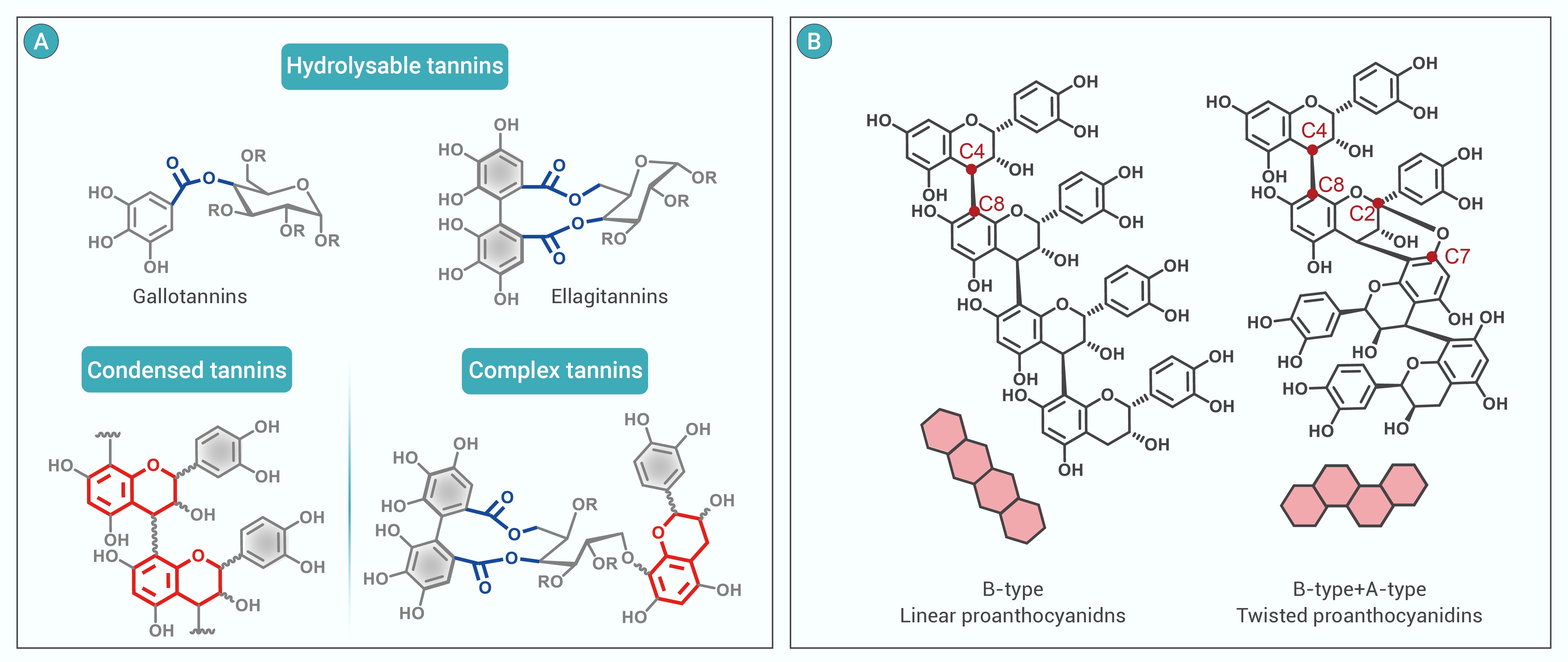
Figure 2.
Structures of polyphenols extracted from bark
-
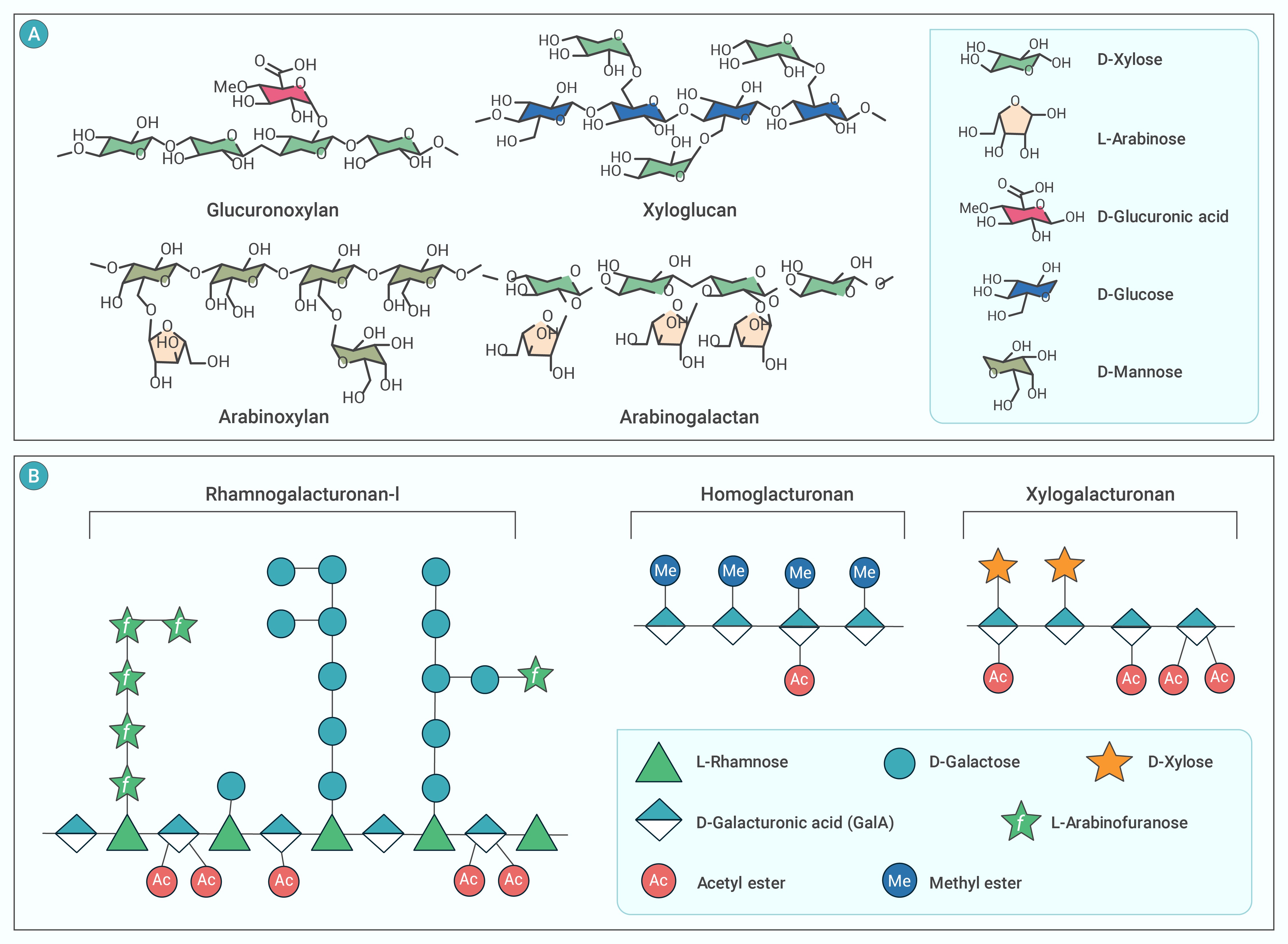
Figure 3.
Typical structures of saccharide-based bark extractives
-
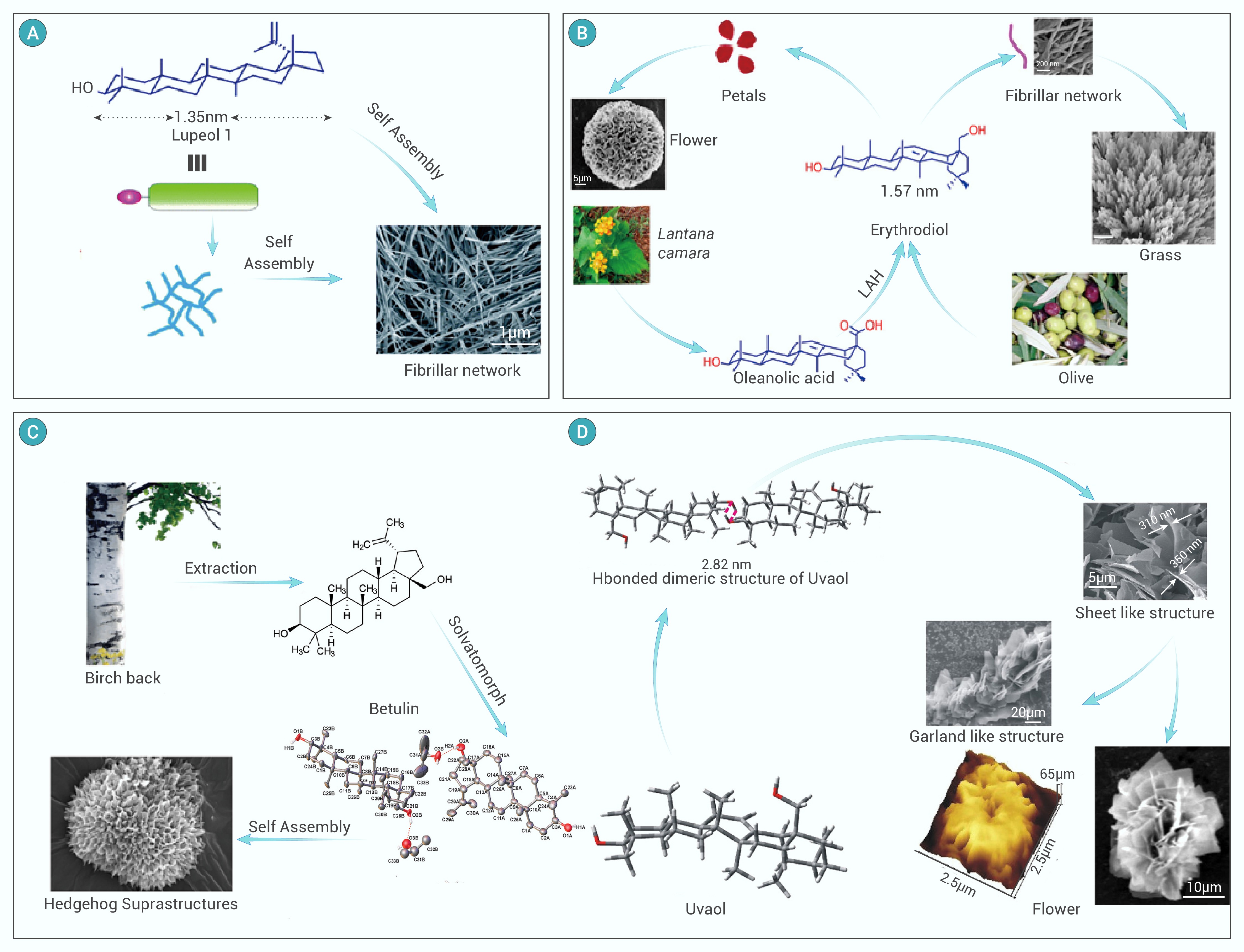
Figure 4.
Superstructures formed from terpenoids
-
Figure 5.
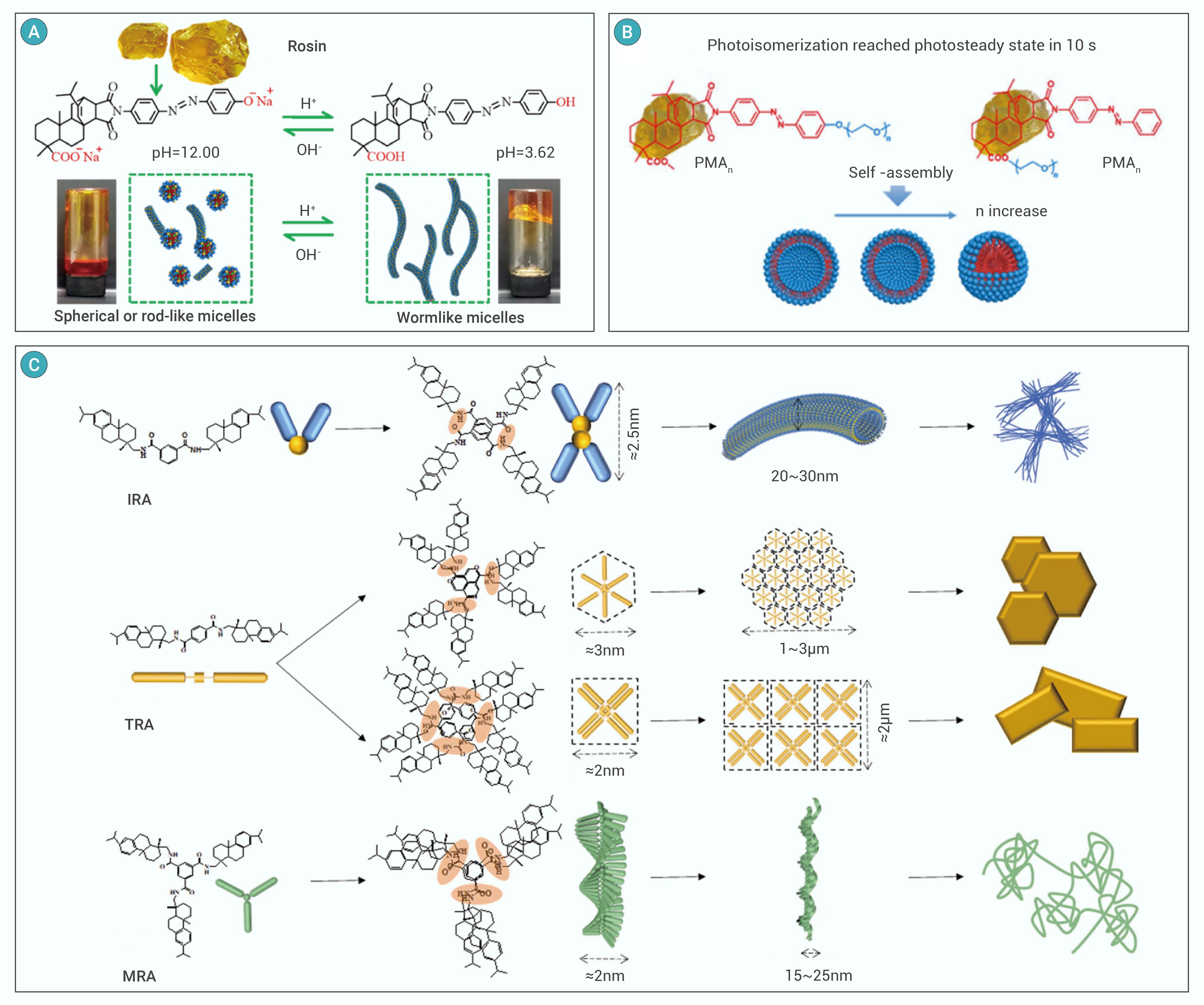
Self-assembled structures formed by amphiphilic terpenoids
-
Figure 6.
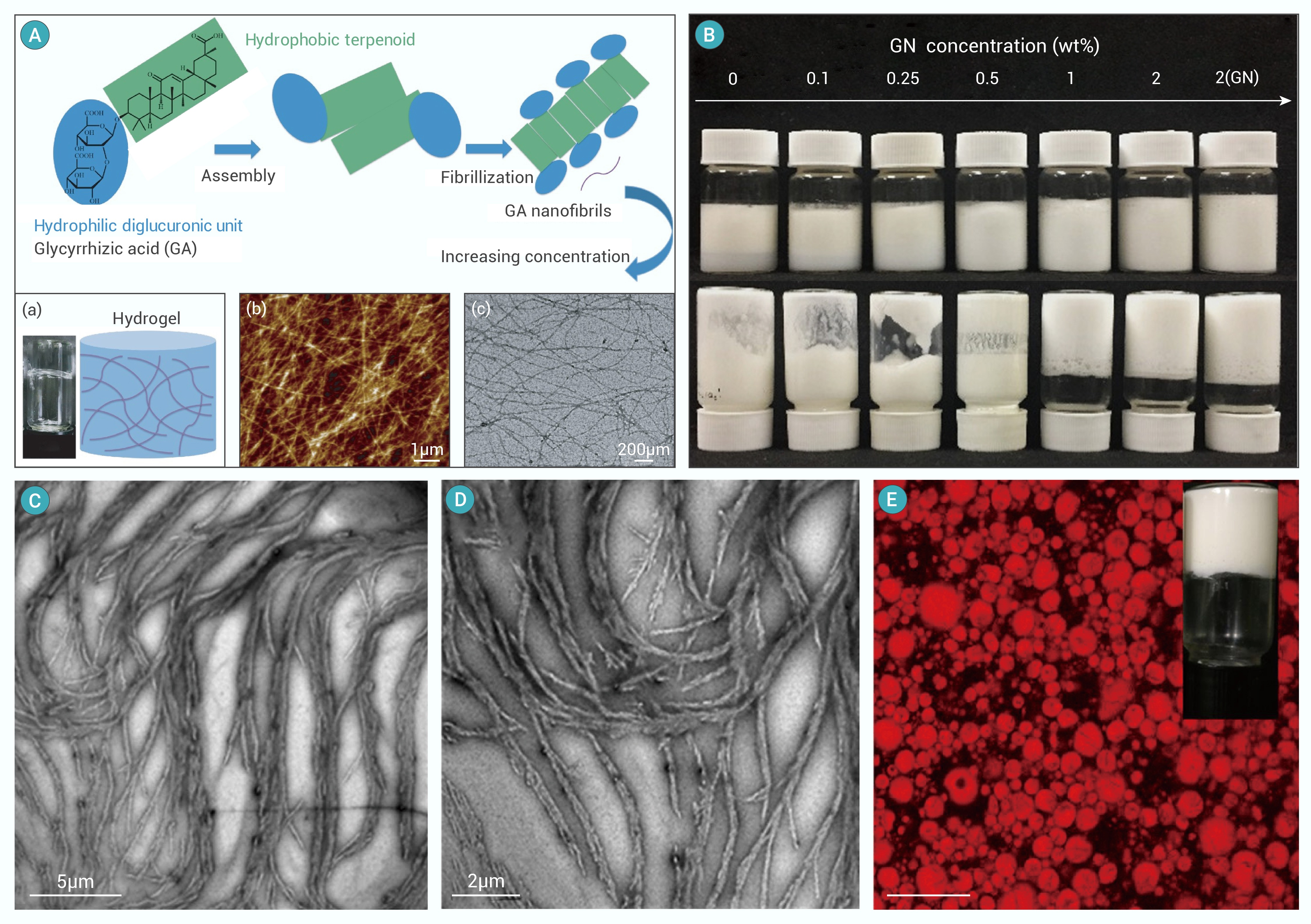
Self-assembly of glycyrrhizic acid
-
Figure 7.
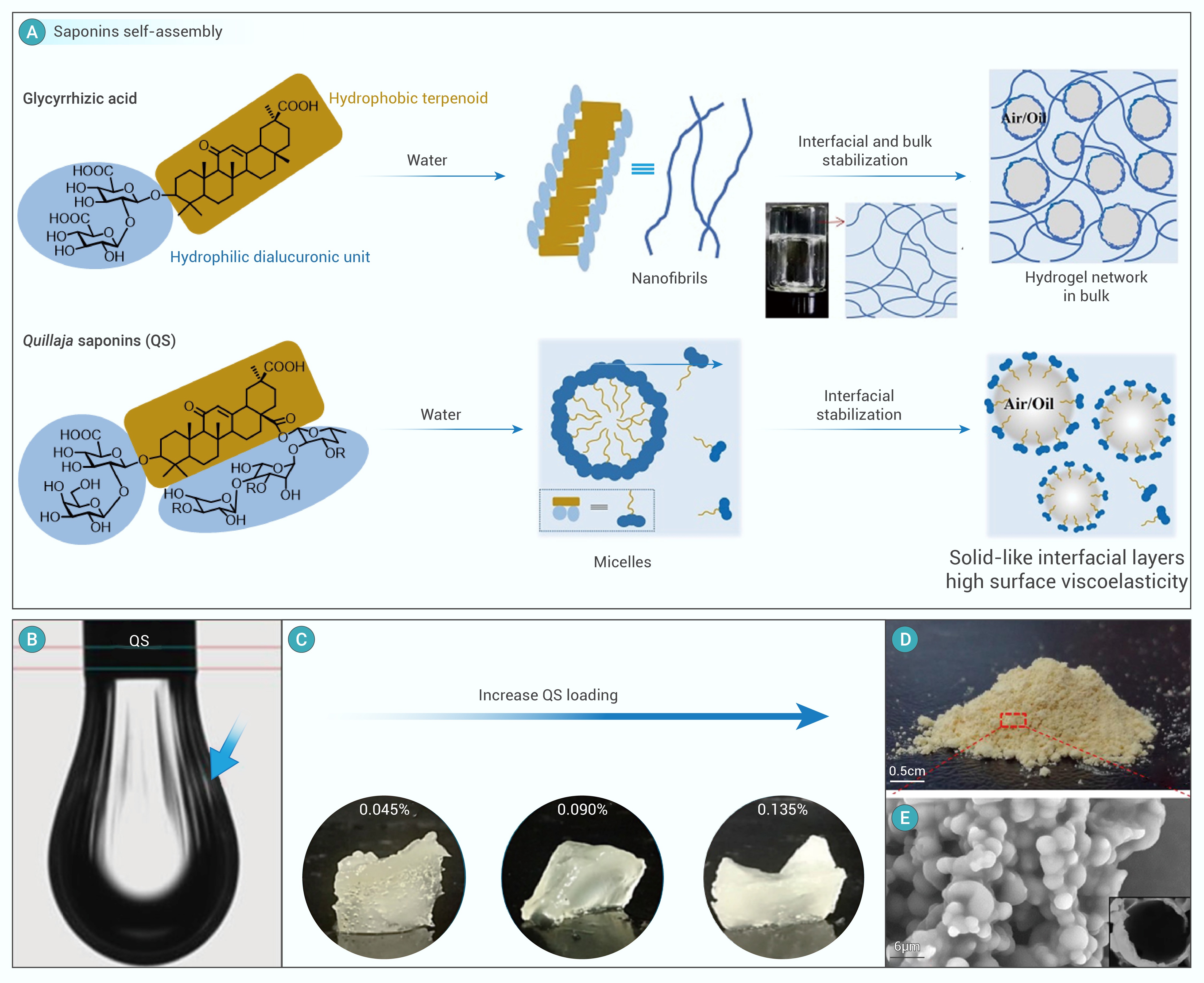
Assembly of small molecular amphiphiles
-
Figure 8.
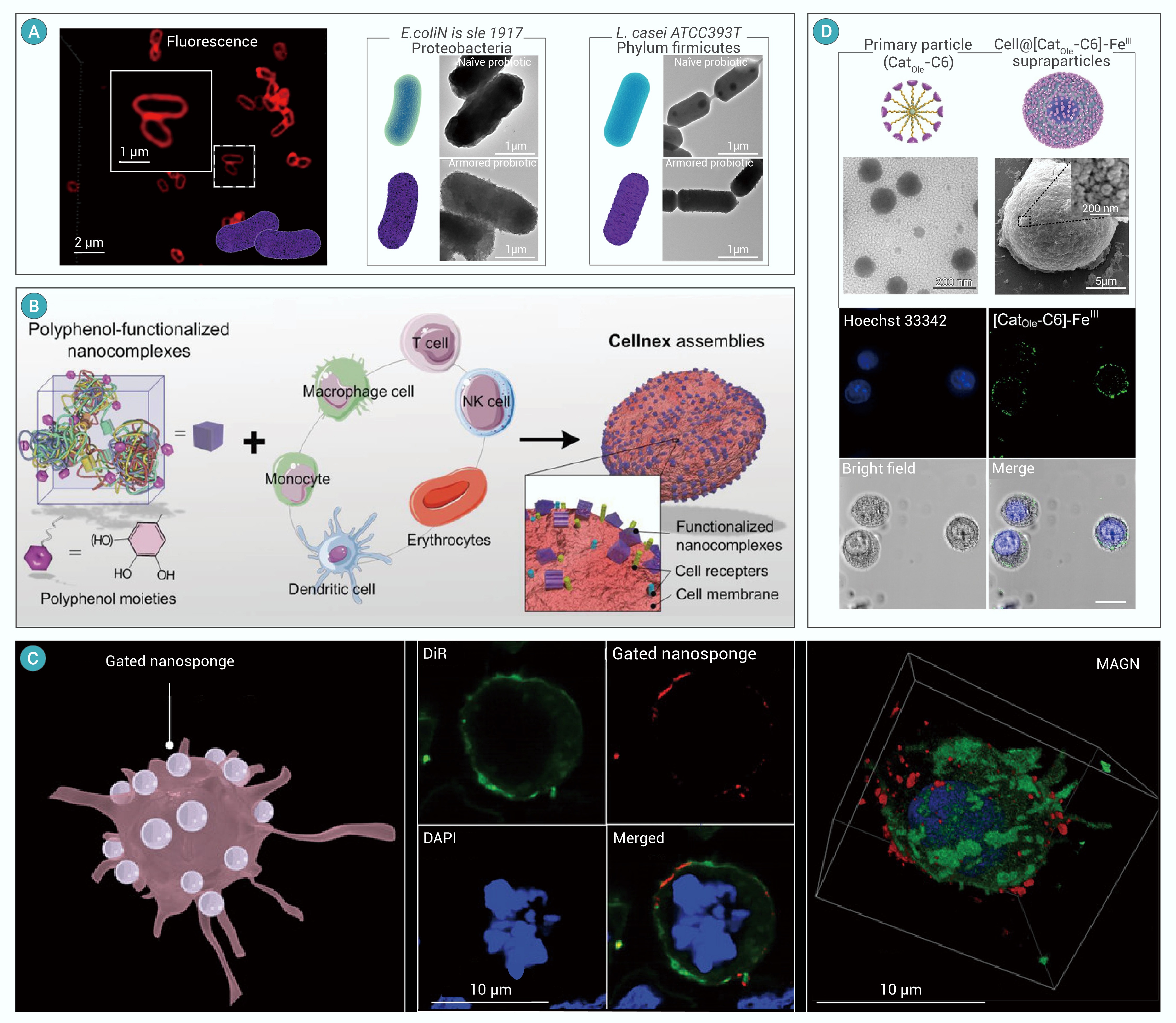
Polyphenol-based assemblies at cellular surfaces
-
Figure 9.
The valorization of bark-derived materials
