
CO2-mediated conversion of physical pressure into chemical pressure to realize lattice strain
-
GRAPHICAL ABSTRACT
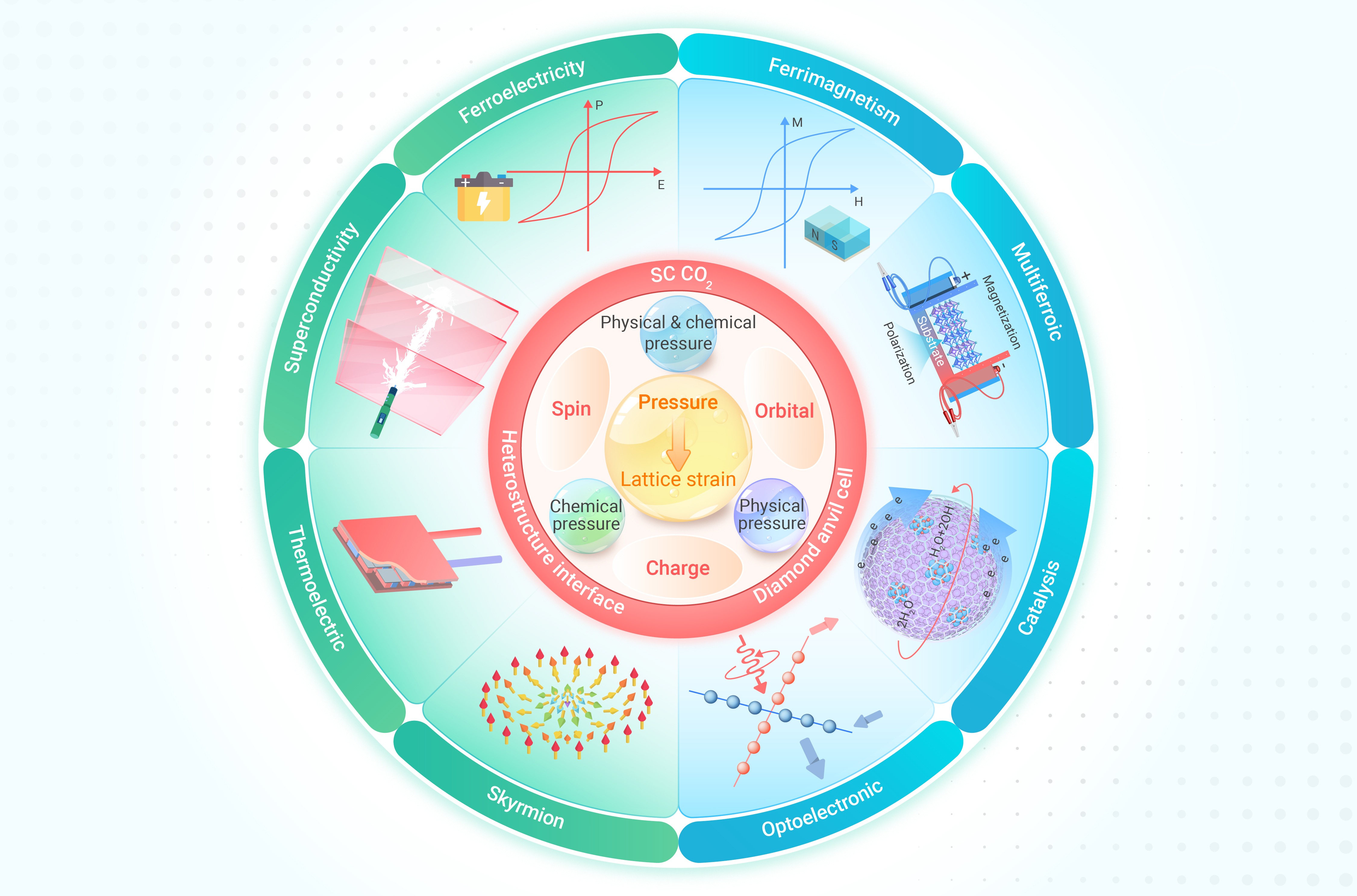
 DownLoad:
Full size image
DownLoad:
Full size image
-
PUBLIC SUMMARY
-
Supercritical CO2 mediates the conversion of physical pressure into chemical pressure induced lattice strain.
Lattice strain effectively modulates the coupling between spins, charges and orbitals in materials.
Lattice strain brings some novel physical phenomena.
-
-
ABSTRACT
Lattice strains often lead to novel phenomena, and they are used in a variety of applications, such as thermoelectricity, ferroelectricity, ferromagnetic, skyrmion and superconductivity. In this paper, we briefly summarize the novel phenomena brought about by lattice strain. An efficient method to realize lattice strain using supercritical CO2 (SC CO2) is proposed. When CO2 molecules shuttle through the confined space of the crystal structure, it can generate huge energy subsequently. Specifically, CO2 carries MPa-level external physical pressure inside the crystal structure, forming localized defects or phase transitions. This alters the original chemical coordination environment and generates internal chemical pressures up to the GPa level. The crystal is stripped from three-dimensional to two-dimensional under high pressure, and lattice strain is realized at the same time. This work will provide new insights into the realization of lattice strain and give valuable guidance to broaden its application. -

-
REFERENCES
[1] Callister Jr, W.D. and Rethwisch, D. G. (2007). Materials science and engineering an introduction (John Wiley & Sons). [2] He, Q., Ding, Z., Ye, Y., and Yang, Y.J.J. (2017). Design of high-entropy alloy: A perspective from nonideal mixing. Jom 69: 2092−2098. DOI: 10.1007/s11837-017-2452-1. [3] Fang, K., Yu, Z., and Fan, S. (2012). Realizing effective magnetic field for photons by controlling the phase of dynamic modulation. Nat. Photonics 6: 782−787. DOI: 10.1038/nphoton.2012.236. [4] Liu, B., Li, J., Wang, G., et al. (2022). Lattice strain modulation toward efficient blue perovskite light-emitting diodes. Sci. Adv. 8: eabq0138. DOI: 10.1126/sciadv.abq0138. [5] Chen, Q., Yang, K., Liang, M., et al. (2023). Lattice modulation strategies for 2D material assisted epitaxial growth. Nano Converg. 10: 39. DOI: 10.1186/s40580-023-00388-0. [6] Liang, S., Moreo, A., and Dagotto, E. (2013). Nematic state of pnictides stabilized by interplay between spin, orbital, and lattice degrees of freedom. Phys. Rev. Lett. 111: 047004. DOI: 10.1103/PhysRevLett.111.047004. [7] Runge, E. and Fulde, P. (2004). Charge degrees of freedom in frustrated lattice structures. Phys. Rev. B 70: 245113. DOI: 10.1103/PhysRevB.70.245113. [8] Tokura, Y. and Nagaosa, N. (2000). Orbital physics in transition-metal oxides. Science 288: 462−468. DOI: 10.1126/science.288.5465.462. [9] Jiang, B., Yu, Y., Cui, J., et al. (2021). High-entropy-stabilized chalcogenides with high thermoelectric performance. Science 371: 830−834. DOI: 10.1126/science.abe1292. [10] Choi, K.J., Biegalski, M., Li, Y.L., et al. (2004). Enhancement of ferroelectricity in strained BaTiO3 thin films. Science 306: 1005−1009. DOI: 10.1126/science.1103218. [11] Zhang, L., Chen, J., Fan, L., et al. (2018). Giant polarization in super-tetragonal thin films through interphase strain. Science 361: 494−497. DOI: 10.1126/science.aan2433. [12] Cenker, J., Sivakumar, S., Xie, K., et al. (2022). Reversible strain-induced magnetic phase transition in a van der Waals magnet. Nat. Nanotechnol. 17: 256−261. DOI: 10.1038/s41565-021-01052-6. [13] Smith, A.M., Mohs, A.M., and Nie, S. (2009). Tuning the optical and electronic properties of colloidal nanocrystals by lattice strain. Nat. Nanotechnol. 4: 56−63. DOI: 10.1038/nnano.2008.360. [14] Shibata, K., Iwasaki, J., Kanazawa, N., et al. (2015). Large anisotropic deformation of skyrmions in strained crystal. Nature Nanotechnol. 10: 589−592. DOI: 10.1038/nnano.2015.113. [15] Chen, L., Liu, B., Xu, G., et al. (2021). Lattice distortion induced first-and second-order topological phase transition in a rectangular high-Tc superconducting monolayer. Phys. Rev. Res. 3: 023166. DOI: 10.1103/PhysRevResearch.3.023166. [16] Nandi, S., Kim, M.G., Kreyssig, A., et al. (2010). Anomalous suppression of the orthorhombic lattice distortion in superconducting Ba(Fe1−xCox)2As2 single crystals. Phys. Rev. Lett. 104: 057006. DOI: 10.1103/PhysRevLett.104.057006. [17] Zhang, J.-B., Struzhkin, V.V., Yang, W., et al. (2015). Effects of pressure and distortion on superconductivity in Ti2Ba2CaCu2O8+δ. J. Phys. Condens. Mat. 27: 445701. DOI: 10.1088/0953-8984/27/44/445701. [18] Sun, Z., Fan, Q., Zhang, M., et al. (2019). Supercritical fluid‐facilitated exfoliation and processing of 2D materials. Adv. Sci. 6: 1901084. DOI: 10.1002/advs.201901084. [19] Hu, L., Zhang, Y., Wu, H., et al. (2018). Entropy engineering of SnTe: Multi‐principal‐element alloying leading to ultralow lattice thermal conductivity and state‐of‐the‐art thermoelectric performance. Adv. Energy Mater. 8: 1802116. DOI: 10.1002/aenm.201802116. [20] Liu, R., Chen, H., Zhao, K., et al. (2017). Entropy as a gene‐like performance indicator promoting thermoelectric materials. Adv. Mater. 29: 1702712. DOI: 10.1002/adma.201702712. [21] Jiang, B., Qiu, P., Eikeland, E., et al. (2017). Cu8GeSe6-based thermoelectric materials with an argyrodite structure. J. Mater. Chem. C 5: 943−952. DOI: 10.1039/C6TC05068A. [22] Liu, J., Li, A., Fu, C., et al. (2023). Band anisotropy in thermoelectric materials. The Innovation Materials 1: 100004. DOI: 10.59717/j.xinn-mater.2023.100004. [23] Nix, W.D. (1989). Mechanical properties of thin films. Metall. Mater. Trans. A 20: 2217−2245. DOI: 10.1007/bf02666659. [24] Speck, J.S., Daykin, A.C., Seifert, A., et al. (1995). Domain configurations due to multiple misfit relaxation mechanisms in epitaxial ferroelectric thin films. III. Interfacial defects and domain misorientations. J. Appl. Phys. 78: 1696−1706. DOI: 10.1063/1.360267. [25] Nix, W.D. and Clemens, B.M. (1999). Crystallite coalescence: A mechanism for intrinsic tensile stresses in thin films. J. Mater. 14: 3467−3473. DOI: 10.1557/jmr.1999.0468. [26] Somayazulu, M., Ahart, M., Mishra, A.K., et al. (2019). Evidence for superconductivity above 260 K in lanthanum superhydride at megabar pressures. Phys. Rev. Lett. 122: 027001. DOI: 10.1103/PhysRevLett.122.027001. [27] Aoyama, T., Yamauchi, K., Iyama, A., et al. (2014). Giant spin-driven ferroelectric polarization in TbMnO3 under high pressure. Nat. Commun. 5: 4927. DOI: 10.1038/ncomms5927. [28] Csontos, M., Mihaly, G., Jankó, B., et al. (2005). Pressure-induced ferromagnetism in (In, Mn)Sb dilute magnetic semiconductor. Nat. Mater. 4: 447−449. DOI: 10.1038/nmat1388. [29] Wang, Y., Zhang, L., Wang, J., et al. (2021). Chemical-pressure-modulated BaTiO3 thin films with large spontaneous polarization and high Curie temperature. J. Am. Chem. Soc. 143: 6491−6497. DOI: 10.1021/jacs.1c00605. [30] Zhang, L., Chen, J., Fan, L., et al. (2018). Giant polarization in super-tetragonal thin films through interphase strain. Science 361: 494−497. DOI: 10.1126/science.aan2433. [31] Sun, J., Li, Q., Zhu, H., et al. (2020). Negative-pressure-induced large polarization in nanosized PbTiO3. Adv. Mater. 32: 2002968. DOI: 10.1002/adma.202002968. [32] Mabud, S.A. and Glazer, A.M. (1979). Lattice parameters and birefringence in PbTiO3 single crystals. J. Appl. Crystallogr. 12: 49−53. DOI: 10.1107/S0021889879011754. [33] Swanson, H.E. (1953). Standard X-ray diffraction powder patterns (US Department of Commerce, National Bureau of Standards). [34] Li, Z., Zhang, Z., Liu, J., et al. (2022). Enhancement of interfacial polarization in BaTiO3 thin films via oxygen inhomogeneity. Adv. Electron. Mater. 8: 2100876. DOI: 10.1002/aelm.202100876. [35] Li, T., Deng, S., Liu, H., et al. (2021). Strong room-temperature ferroelectricity in strained SrTiO3 homoepitaxial film. Adv. Mater. 33: 2008316. DOI: 10.1002/adma.202008316. [36] Gong, C., Li, L., Li, Z., et al. (2017). Discovery of intrinsic ferromagnetism in two-dimensional van der Waals crystals. Nature 546: 265−269. DOI: 10.1038/nature22060. [37] Huang, B., Clark, G., Navarro-Moratalla, E., et al. (2017). Layer-dependent ferromagnetism in a van der Waals crystal down to the monolayer limit. Nature 546: 270−273. DOI: 10.1038/nature22391. [38] Li, T., Jiang, S., Sivadas, N., et al. (2019). Pressure-controlled interlayer magnetism in atomically thin CrI3. Nat. Mater. 18: 1303−1308. DOI: 10.1038/s41563-019-0506-1. [39] Fei, Z., Huang, B., Malinowski, P., et al. (2018). Two-dimensional itinerant ferromagnetism in atomically thin Fe3GeTe2. Nat. Mater. 17: 778−782. DOI: 10.1038/s41563-018-0149-7. [40] Deng, Y., Yu, Y., Song, Y., et al. (2018). Gate-tunable room-temperature ferromagnetism in two-dimensional Fe3GeTe2. Nature 563: 94−99. DOI: 10.1038/s41586-018-0626-9. [41] Gibertini, M., Koperski, M., Morpurgo, A.F., et al. (2019). Magnetic 2D materials and heterostructures. Nat. Nanotechnol. 14: 408−419. DOI: 10.1038/s41565-019-0438-6. [42] Wang, Y., Yan, J., Li, J., et al. (2019). Magnetic anisotropy and topological Hall effect in the trigonal chromium tellurides Cr5Te8. Phys. Rev. B 100: 024434. DOI: 10.1103/PhysRevB.100.024434. [43] Nagaosa, N., Sinova, J., Onoda, S., et al. (2010). Anomalous hall effect. Rev. Mod. Phys. 82: 1539. DOI: 10.1103/RevModPhys.82.1539. [44] Mermin, N.D. and Wagner, H. (1966). Absence of ferromagnetism or antiferromagnetism in one-or two-dimensional isotropic Heisenberg models. Phys. Rev. Lett. 17: 1133. DOI: 10.1103/PhysRevLett.17.1133. [45] Vlassiouk, I.V., Stehle, Y., Pudasaini, P.R., et al. (2018). Evolutionary selection growth of two-dimensional materials on polycrystalline substrates. Nat. Mater. 17: 318−322. DOI: 10.1038/s41563-018-0019-3. [46] Wang, J., Neaton, J.B., Zheng, H., et al. (2003). Epitaxial BiFeO3 multiferroic thin film heterostructures. Science 299: 1719−1722. DOI: 10.1126/science.1080615. [47] Reyren, N., Thiel, S., Caviglia, A.D., et al. (2007). Superconducting interfaces between insulating oxides. Science 317: 1196−1199. DOI: 10.1126/science.1146006. [48] Moore, R.G., Zhang, J., Nascimento, V.B., et al. (2007). A surface-tailored, purely electronic, Mott metal-to-insulator transition. Science 318: 615−619. DOI: 10.1126/science.1145374. [49] Ahn, C.H., Bhattacharya, A., Di Ventra, M., et al. (2006). Electrostatic modification of novel materials. Rev. Mod. Phys. 78: 1185. DOI: 10.1103/RevModPhys.78.1185. [50] Lu, D., Baek, D.J., Hong, S.S., et al. (2016). Synthesis of freestanding single-crystal perovskite films and heterostructures by etching of sacrificial water-soluble layers. Nat. Mater. 15: 1255−1260. DOI: 10.1038/nmat4749. [51] Ji, D., Cai, S., Paudel, T.R., et al. (2019). Freestanding crystalline oxide perovskites down to the monolayer limit. Nature 570: 87−90. DOI: 10.1038/s41586-019-1255-7. [52] Dong, G., Li, S., Yao, M., et al. (2019). Super-elastic ferroelectric single-crystal membrane with continuous electric dipole rotation. Science 366: 475−479. DOI: 10.1126/science.aay7221. [53] Fuchs, D., Pinta, C., Schwarz, T., et al. (2007). Ferromagnetic order in epitaxially strained LaCoO3 thin films. Phys. Rev. B 75: 144402. DOI: 10.1103/PhysRevB.75.144402. [54] Choi, W.S., Kwon, J.-H., Jeen, H., et al. (2012). Strain-induced spin states in atomically ordered cobaltites. Nano Lett. 12: 4966−4970. DOI: 10.1021/nl302562f. [55] Guo, E.-J., Desautels, R., Keavney, D., et al. (2019). Nanoscale ferroelastic twins formed in strained LaCoO3 films. Sci. Adv. 5: eaav5050. DOI: 10.1126/sciadv.aav5050. [56] Li, S., Wang, J., Zhang, Q., et al. (2019). Maximization of ferromagnetism in LaCoO3 films by competing symmetry. Phys. Rev. Mater. 3: 114409. DOI: 10.1103/PhysRevMaterials.3.114409. [57] Biškup, N., Salafranca, J., Mehta, V., et al. (2014). Insulating ferromagnetic LaCoO3−δ films: A phase induced by ordering of oxygen vacancies. Phys. Rev. Lett. 112: 087202. DOI: 10.1103/PhysRevLett.112.087202. [58] Li, S., Zhang, Q., Lin, S., et al. (2021). Strong ferromagnetism achieved via breathing lattices in atomically thin cobaltites. Adv. Mater. 33: 2001324. DOI: 10.1002/adma.202001324. [59] Ye, X., Fortunato, N., Sarkar, A., et al. (2022). Creating a ferromagnetic ground state with Tc above room temperature in a paramagnetic alloy through non-equilibrium nanostructuring. Adv. Mater. 34: 2108793. DOI: 10.1002/adma.202108793. [60] Li, D., Wang, H., Li, K., et al. (2023). Emergent and robust ferromagnetic-insulating state in highly strained ferroelastic LaCoO3 thin films. Nat. Commun. 14: 3638. DOI: 10.1038/s41467-023-39369-6. [61] Jien-Wei, Y.E.H. (2006). Recent progress in high entropy alloys. Ann. Chim-Sci. Mat. 31: 633−648. DOI: 10.3166/acsm.31.633-648. [62] Yeh, J.-W. (2015). Physical metallurgy of high-entropy alloys. Jom 67: 2254−2261. DOI: 10.1007/s11837-015-1583-5. [63] Lu, Z.P., Wang, H., Chen, M.W., et al. (2015). An assessment on the future development of high-entropy alloys: Summary from a recent workshop. Intermetallics 66: 67−76. DOI: 10.1016/j.intermet.2015.06.021. [64] Pickering, E.J. and Jones, N.G. (2016). High-entropy alloys: A critical assessment of their founding principles and future prospects. Int. Mater. Rev. 61: 183−202. DOI: 10.1080/09506608.2016.1180020. [65] Nutor, R.K., Cao, Q., Wang, X., et al. (2020). Phase selection, lattice distortions, and mechanical properties in high‐entropy alloys. Adv. Eng. Mater. 22: 2000466. DOI: 10.1002/adem.202000466. [66] Wang, L., Ding, J., Chen, S., et al. (2023). Tailoring planar slip to achieve pure metal-like ductility in body-centred-cubic multi-principal element alloys. Nat. Mater. 22: 950−957. DOI: 10.1038/s41563-023-01517-0. [67] Zeng, Y., Ouyang, B., Liu, J., et al. (2022). High-entropy mechanism to boost ionic conductivity. Science 378: 1320−1324. DOI: 10.1126/science.abq1346. [68] Sun, Y., and Dai, S. (2021). High-entropy materials for catalysis: A new frontier. Sci. Adv. 7: eabg1600. DOI: 10.1126/sciadv.abg1600. [69] He, Q.F., Wang, J.G., Chen, H.A., et al. (2022). A highly distorted ultraelastic chemically complex Elinvar alloy. Nature 602: 251−257. DOI: 10.1038/s41586-021-04309-1. [70] Sohn, S.S., Kwiatkowski da Silva, A., Ikeda, Y., et al. (2019). Ultrastrong medium‐entropy single‐phase alloys designed via severe lattice distortion. Adv. Mater. 31: 1807142. DOI: 10.1002/adma.201807142. [71] Wang, F., Balbus, G.H., Xu, S., et al. (2020). Multiplicity of dislocation pathways in a refractory multiprincipal element alloy. Science 370: 95−101. DOI: 10.1126/science.aba3722. [72] Zhang, Y., Stocks, G.M., Jin, K., et al. (2015). Influence of chemical disorder on energy dissipation and defect evolution in concentrated solid solution alloys. Nat. Commun. 6: 8736. DOI: 10.1038/ncomms9736. [73] Lu, C., Niu, L., Chen, N., et al. (2016). Enhancing radiation tolerance by controlling defect mobility and migration pathways in multicomponent single-phase alloys. Nat. Commun. 7: 13564. DOI: 10.1038/ncomms13564. [74] Yao, R.Q., Zhou, Y.T., Shi, H., et al. (2021). Nanoporous surface high‐entropy alloys as highly efficient multisite electrocatalysts for nonacidic hydrogen evolution reaction. Adv. Funct. Mater. 31: 2009613. DOI: 10.1002/adfm.202009613. [75] Jia, Z., Nomoto, K., Wang, Q., et al. (2021). A self‐supported high‐entropy metallic glass with a nanosponge architecture for efficient hydrogen evolution under alkaline and acidic conditions. Adv. Funct. Mater. 31: 2101586. DOI: 10.1002/adfm.202101586. [76] Hossain, M.Z. and Marian, J. (2014). Stress-dependent solute energetics in W-Re alloys from first-principles calculations. Acta Mater. 80: 107−117. DOI: 10.1016/j.actamat.2014.07.028. [77] Ye, Y.F., Zhang, Y.H., He, Q.F., et al. (2018). Atomic-scale distorted lattice in chemically disordered equimolar complex alloys. Acta Mater. 150: 182−194. DOI: 10.1016/j.actamat.2018.03.008. [78] Ye, Y.F., Liu, C.T., and Yang, Y. (2015). A geometric model for intrinsic residual strain and phase stability in high entropy alloys. Acta Mater. 94: 152−161. DOI: 10.1016/j.actamat.2015.04.051. [79] Varvenne, C., Luque, A., Nöhring, W.G., et al. (2016). Average-atom interatomic potential for random alloys. Phys.l Rev. B 93: 104201. DOI: 10.1103/PhysRevB.93.104201. [80] Yin, B., Yoshida, S., Tsuji, N., et al. (2020). Yield strength and misfit volumes of NiCoCr and implications for short-range-order. Nat.Commun. 11: 2507. DOI: 10.1038/s41467-020-16083-1. [81] Yin, B. and Curtin, W.A. (2019). First-principles-based prediction of yield strength in the RhIrPdPtNiCu high-entropy alloy. Npj Comput. Mater. 5: 14. DOI: 10.1038/s41524-019-0151-x. [82] Li, J., Chen, Y., He, Q., et al. (2022). Heterogeneous lattice strain strengthening in severely distorted crystalline solids. Proc. Natl. Acad. Sci. 119: e2200607119. DOI: 10.1073/pnas.2200607119. [83] Schlom, D.G., Chen, L.-Q., Fennie, C.J., et al. (2014). Elastic strain engineering of ferroic oxides. Mrs Bull. 39: 118−130. DOI: 10.1557/mrs.2014.1. [84] Ramesh, R. and Schlom, D.G. (2008). Whither oxide electronics. Mrs Bull. 33: 1006−1014. DOI: 10.1557/mrs2008.220. [85] Haeni, J.H., Irvin, P., Chang, W., et al. (2004). Room-temperature ferroelectricity in strained SrTiO3. Nature 430: 758−761. DOI: 10.1038/nature02773. [86] Schlom, D.G., Chen, L.-Q., Eom, C.-B., et al. (2007). Strain tuning of ferroelectric thin films. Annu. Rev. Mater. 37: 589−626. DOI: 10.1146/annurev.matsci.37.061206.113016. [87] Warusawithana, M.P., Cen, C., Sleasman, C.R., et al. (2009). A ferroelectric oxide made directly on silicon. Science 324: 367−370. DOI: 10.1126/science.1169678. [88] Zeches, R.J., Rossell, M.D., Zhang, J.X., et al. (2009). A strain-driven morphotropic phase boundary in BiFeO3. Science 326: 977−980. DOI: 10.1126/science.1177046. [89] He, Q., Chu, Y.H., Heron, J.T., et al. (2011). Electrically controllable spontaneous magnetism in nanoscale mixed phase multiferroics. Nat. Commun. 2: 225. DOI: 10.1038/ncomms1221. [90] Iijima, K., Terashima, T., Bando, Y., et al. (1992). Atomic layer growth of oxide thin films with perovskite‐type structure by reactive evaporation. J. Appl. Phys. 72: 2840−2845. DOI: 10.1063/1.351536. [91] Bozovic, I., Eckstein, J.N., Virshup, G.F., et al. (1994). Atomic-layer engineering of cuprate superconductors. J. Supercond. 7: 187−195. DOI: 10.1007/BF00730392. [92] Specht, E.D., Christen, H.M., Norton, D.P., et al. (1998). X-ray diffraction measurement of the effect of layer thickness on the ferroelectric transition in epitaxial KTaO3/KNbO3 multilayers. Phys. Rev. Lett. 80: 4317. DOI: 10.1103/PhysRevLett.80.4317. [93] Schlom, D.G., Haeni, J.H., Lettieri, J., et al. (2001). Oxide nano-engineering using MBE. Mater. Sci. Eng. B 87: 282−291. DOI: 10.1016/S0921-5107(01)00726-7. [94] Ohtomo, A., Muller, D.A., Grazul, J.L., et al. (2002). Artificial charge-modulationin atomic-scale perovskite titanate superlattices. Nature 419: 378−380. DOI: 10.1038/nature00977. [95] Warusawithana, M.P., Colla, E.V., Eckstein, J.N., et al. (2003). Artificial dielectric superlattices with broken inversion symmetry. Phys. Rev. Lett. 90: 036802. DOI: 10.1103/PhysRevLett.90.036802. [96] Tenne, D.A., Bruchhausen, A., Lanzillotti-Kimura, N.D., et al. (2006). Probing nanoscale ferroelectricity by ultraviolet Raman spectroscopy. Science 313: 1614−1616. DOI: 10.1126/science.1130306. [97] Bousquet, E., Dawber, M., Stucki, N., et al. (2008). Improper ferroelectricity in perovskite oxide artificial superlattices. Nature 452: 732−736. DOI: 10.1038/nature06817. [98] Zheng, H., Wang, J., Lofland, S.E., et al. (2004). Multiferroic BaTiO3-CoFe2O4 nanostructures. Science 303: 661−663. DOI: 10.1126/science.1094207. [99] Mohaddes-Ardabili, L., Zheng, H., Ogale, S.B., et al. (2004). Self-assembled single-crystal ferromagnetic iron nanowires formed by decomposition. Nat. Mater. 3: 533−538. DOI: 10.1038/nmat1162. [100] Zheng, H., Wang, J., Mohaddes-Ardabili, L., et al. (2004). Three-dimensional heteroepitaxy in self-assembled BaTiO3–CoFe2O4 nanostructures. Appl. Phys. Lett. 85: 2035−2037. DOI: 10.1063/1.1786653. [101] MacManus-Driscoll, J.L., Zerrer, P., Wang, H., et al. (2008). Strain control and spontaneous phase ordering in vertical nanocomposite heteroepitaxial thin films. Nat. Mater. 7: 314−320. DOI: 10.1038/nmat2124. [102] Freund, L.B. and Suresh, S. (2004). Thin film materials: stress, defect formation and surface evolution (Cambridge University Press). [103] Klenov, D.O., Donner, W., Foran, B.,ET AL. (2003). Impact of stress on oxygen vacancy ordering in epitaxial (La0.5Sr0.5)CoO3−∂ thin films. Appl. Phys. Lett. 82 :3427-3429. DOI: 10.1063/1.1575503. [104] Donner, W., Chen, C., Liu, M., et al. (2011). Epitaxial strain-induced chemical ordering in La0.5Sr0.5CoO3-δ films on SrTiO3. Chem. Mater. 23 :984-988. DOI: 10.1021/cm102657v. [105] Boullay, P., Dorcet, V., Pérez, O., et al. (2009). Structure determination of a brownmillerite Ca2Co2O5 thin film by precession electron diffraction. Phys. Rev. B 79: 184108. DOI: 10.1103/PhysRevB.79.184108. [106] Nguyen, L.D., Brown, A.S., Thompson, M.A., et al. (1992). 50-nm self-aligned-gate pseudomorphic AlInAs/GaInAs high electron mobility transistors. IEEE Trans. on Electron Devices 39: 2007−2014. DOI: 10.1109/16.155871. [107] Welser, J., Hoyt, J.L., and Gibbons, J.F. (1994). Electron mobility enhancement in strained-Si n-type metal-oxide-semiconductor field-effect transistors. IEEE Electron Device Lett. 15: 100−102. DOI: 10.1109/55.285389. [108] Lee, J.H., Fang, L., Vlahos, E., et al. (2010). A strong ferroelectric ferromagnet created by means of spin–lattice coupling. Nature 466: 954−958. DOI: 10.1038/nature09331. [109] Newnham, R.E., Skinner, D.P., and Cross, L.E. (1978). Connectivity and piezoelectric-pyroelectric composites. MRS Bull. 13: 525−536. DOI: 10.1016/0025-5408(78)90161-7. [110] Hemley, R.J. (2000). Effects of high pressure on molecules. Annu. Rev. Phys. Chem. 51: 763−800. DOI: 10.1146/annurev.physchem.51.1.763. [111] Duffy, T.S. (2005). Synchrotron facilities and the study of the Earth's deep interior. Rep. Prog. Phys. 68: 1811. DOI: 10.1088/0034-4885/68/8/r03. [112] McMillan, P.F. (2006). Chemistry at high pressure. Chem. Soc. Rev. 35: 855−857. DOI: 10.1039/B610410J. [113] Grochala, W., Hoffmann, R., Feng, J., et al. (2007). The chemical imagination at work in very tight places. Angew. Chem. Int. Ed. 46: 3620−3642. DOI: 10.1002/anie.200602485. [114] Yoo, C.-S. (2013). Physical and chemical transformations of highly compressed carbon dioxide at bond energies. Phys. Chem. Chem. Phys. 15: 7949−7966. DOI: 10.1039/c3cp50761k. [115] Guillaume, C.L., Gregoryanz, E., Degtyareva, O., et al. (2011). Cold melting and solid structures of dense lithium. Nat. Phys. 7: 211−214. DOI: 10.1038/nphys1864. [116] Lundegaard, L.F., Weck, G., McMahon, M.I., et al. (2006). Observation of an O8 molecular lattice in the ɛ phase of solid oxygen. Nature 443: 201−204. DOI: 10.1038/nature05174. [117] Degtyareva, O., Gregoryanz, E., Somayazulu, M., et al. (2005). Novel chain structures in group VI elements. Nat. Mater. 4: 152−155. DOI: 10.1038/nmat1294. [118] Souza-Neto, N.M., Zhao, J., Alp, E.E., et al. (2012). Reentrant valence transition in EuO at high pressures: Beyond the bond-valence model. Phys. Rev. Lett. 109: 026403. DOI: 10.1103/PhysRevLett.109.026403. [119] Siril, P.F. and Türk, M. (2020). Synthesis of metal nanostructures using supercritical carbon dioxide: A green and upscalable process. Small 16: 2001972. DOI: 10.1002/smll.202001972. [120] Padrela, L., Rodrigues, M.A., Duarte, A., et al. (2018). Supercritical carbon dioxide-based technologies for the production of drug nanoparticles/nanocrystals–a comprehensive review. Adv. Drug Deliv. Rev. 131: 22−78. DOI: 10.1016/j.addr.2018.07.010. [121] Olmos, A., Asensio, G., and Perez, P.J. (2016). Homogeneous metal-based catalysis in supercritical carbon dioxide as reaction medium. ACS Catal. 6: 4265−4280. DOI: 10.1021/acscatal.6b00848. [122] Nalawade, S.P., Picchioni, F., and Janssen, L. (2006). Supercritical carbon dioxide as a green solvent for processing polymer melts: Processing aspects and applications. Prog. Polym. Sci. 31: 19−43. DOI: 10.1016/j.progpolymsci.2005.08.002. [123] Yan, P., Zhou, Y., Zhang, B., et al. (2022). CO2 Entropy Depletion‐induced 2D Amorphous Structure in Non‐van der Waals VO2. ChemPhysChem 23: e202200342. DOI: 10.1002/cphc.202200342. [124] Berlincourt, D. and Jaffe, H. (1958). Elastic and piezoelectric coefficients of single-crystal barium titanate. Phys. Rev. 111: 143. DOI: 10.1103/PhysRev.111.143. [125] Schneider, G.A. and Heyer, V. (1999). Influence of the electric field on Vickers indentation crack growth in BaTiO3. J. Eur. Ceram. Soc. 19: 1299−1306. DOI: 10.1016/S0955-2219(98)00424-5. [126] Liu, W., Xu, Q., Cui, W., et al. (2017). CO2‐assisted fabrication of two‐dimensional amorphous molybdenum oxide nanosheets for enhanced plasmon resonances. Angew. Chem. Int. Ed. 56: 1600−1604. DOI: 10.1002/anie.201610708. [127] Gao, B., Xu, S., and Xu, Q. (2023). CO2‐induced spin-lattice coupling for strong magnetoelectric materials. Adv. Sci. 11: 2303692. DOI: 10.1002/advs.202303692. [128] Du, L., Gao, B., Xu, S., et al. (2023). Strong ferromagnetism of g-C3N4 achieved by atomic manipulation. Nat. Commun. 14: 2278. DOI: 10.1038/s41467-023-38012-8. [129] Liu, W., Zheng, X., and Xu, Q. (2023). Supercritical CO2 directional-assisted synthesis of low-dimensional materials for functional applications. Small 19: 2301097. DOI: 10.1002/smll.202301097. [130] Ge, T., Cui, W., and Xu, Q. (2023). Supercritical CO2-induced amorphization in 2D materials: Mechanism and applications. Angew. Chem. Int. Ed. 62: e202300446. DOI: 10.1002/ange.202300446. [131] Li, L., Gao, B., Xu, S., et al. (2023). Strong ferromagnetic manipulation of SrTiO3 from CO2‐straining effect on electronic structure modulation. Small 19: 2300765. DOI: 10.1002/smll.202300765. [132] Rao, S.S., Lee, Y.F., Prater, J.T., et al. (2014). Laser annealing induced ferromagnetism in SrTiO3 single crystal. Appl. Phys. Lett. 105: 042403. DOI: 10.1063/1.4891184. [133] Zhang, S., Guo, D., Wang, M., et al. (2015). Magnetism in SrTiO3 before and after UV irradiation. Appl. Surf. Sci. 335: 115−120. DOI: 10.1016/j.apsusc.2015.02.035. [134] Trabelsi, H., Bejar, M., Dhahri, E., et al. (2016). Effect of the oxygen deficiencies creation on the suppression of the diamagnetic behavior of SrTiO3 compound. J. Alloys Compd. 680: 560−564. DOI: 10.1016/j.jallcom.2016.04.145. [135] Ren, Z., Gao, B., Xu, S., et al. (2023). CO2‐induced strong room‐temperature ferromagnetism in BiFeO3. Adv. Electron. Mater. 10: 2300626. DOI: 10.1002/aelm.202300626. [136] Kiselev, S.V., Ozerov, R.P., and Zhdanov, G.S. (1963). Detection of magnetic order in ferroelectric BiFeO3 by neutron diffraction. Soviet Physics Doklady 7: 742. [137] Zvezdin, A.K. and Pyatakov, A.P. (2012). On the problem of coexistence of the weak ferromagnetism and the spin flexoelectricity in multiferroic bismuth ferrite. Europhysics Lett. 99: 57003. DOI: 10.1209/0295-5075/99/57003. [138] Wei, J., Wu, C., Liu, Y., et al. (2017). Structural distortion, spin-phonon coupling, interband electronic transition, and enhanced magnetization in rare-earth-substituted bismuth ferrite. Inorg. Chem. 56: 8964−8974. DOI: 10.1021/acs.inorgchem.7b00914. [139] Hwang, H.Y., Iwasa, Y., Kawasaki, M., et al. (2012). Emergent phenomena at oxide interfaces. Nat. Mater. 11: 103−113. DOI: 10.1038/nmat3223. [140] Zhou, Y., Yan, P., Zhang, S., et al. (2021). Conversion of non-van der Waals VO2 solid to 2D ferromagnet by CO2-induced phase engineering. Nano Today 40: 101272. DOI: 10.1016/j.nantod.2021.101272. [141] Gao, B., Li, L., Chen, Z., et al. (2023). Pressure coupled lanthanide ion doping to enhance optical properties in BaTiO3. Small 20: 2308427. DOI: 10.1002/smll.202308427. [142] Qi, Y., Xu, Q., Wang, Y., et al. (2016). CO2-induced phase engineering: protocol for enhanced photoelectrocatalytic performance of 2D MoS2 nanosheets. ACS Nano 10: 2903−2909. DOI: 10.1021/acsnano.6b00001. [143] Ge, T., Cui, W., Gao, B., Tian, Q., et al. (2023). Supercritical CO2mediated multi‐scale structural engineering in PdCu/C for boosting electrocatalytic formic acid oxidation. ChemCatChem 15: e202300936. DOI: 10.1002/cctc.202300936. [144] Zhou, Y., Yan, P., Jia, J., et al. (2020). , Supercritical CO2-constructed intralayer [Bi2O2]2+ structural distortion for enhanced CO2 electroreduction. J. Mater. Chem. A 8: 13320−13327. DOI: 10.1039/D0TA04163G. -
ABOUT THIS ARTICLE
Cite this article:
Gao B. and Xu Q. (2024). CO2-mediated conversion of physical pressure into chemical pressure to realize lattice strain. The Innovation Materials 2(3): 100083. https://doi.org/10.59717/j.xinn-mater.2024.100083
Welcome!
To request copyright permission to republish or share portions of our works, please visit Copyright Clearance Center's (CCC) Marketplace website at marketplace.copyright.com.
Export File
Citation
Gao B. and Xu Q. (2024). CO2-mediated conversion of physical pressure into chemical pressure to realize lattice strain. The Innovation Materials 2(3): 100083. https://doi.org/10.59717/j.xinn-mater.2024.100083

Format
Content
-
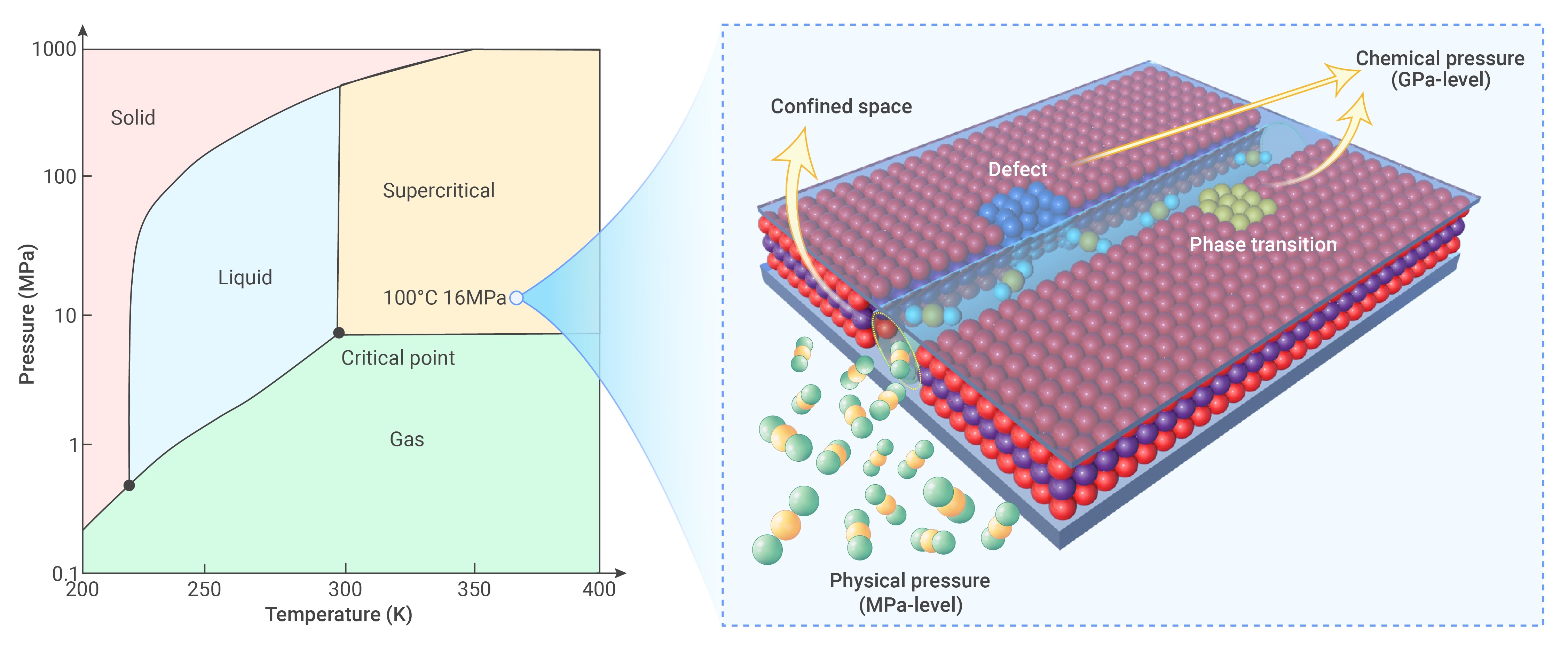
Figure 1.
SC CO2 acts on materials
-
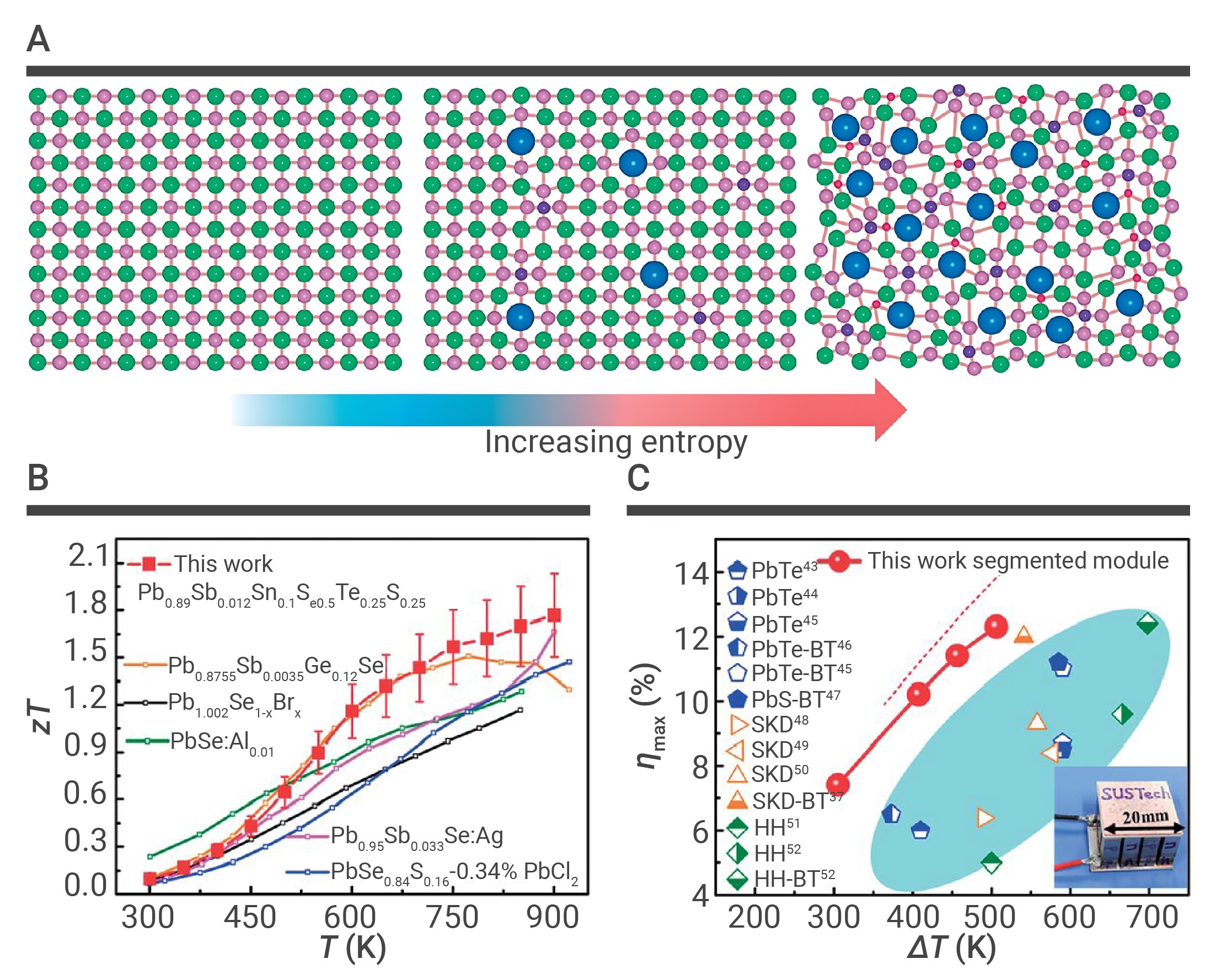
Figure 2.
Improving the performance of thermoelectric materials and modules through entropy engineering
-
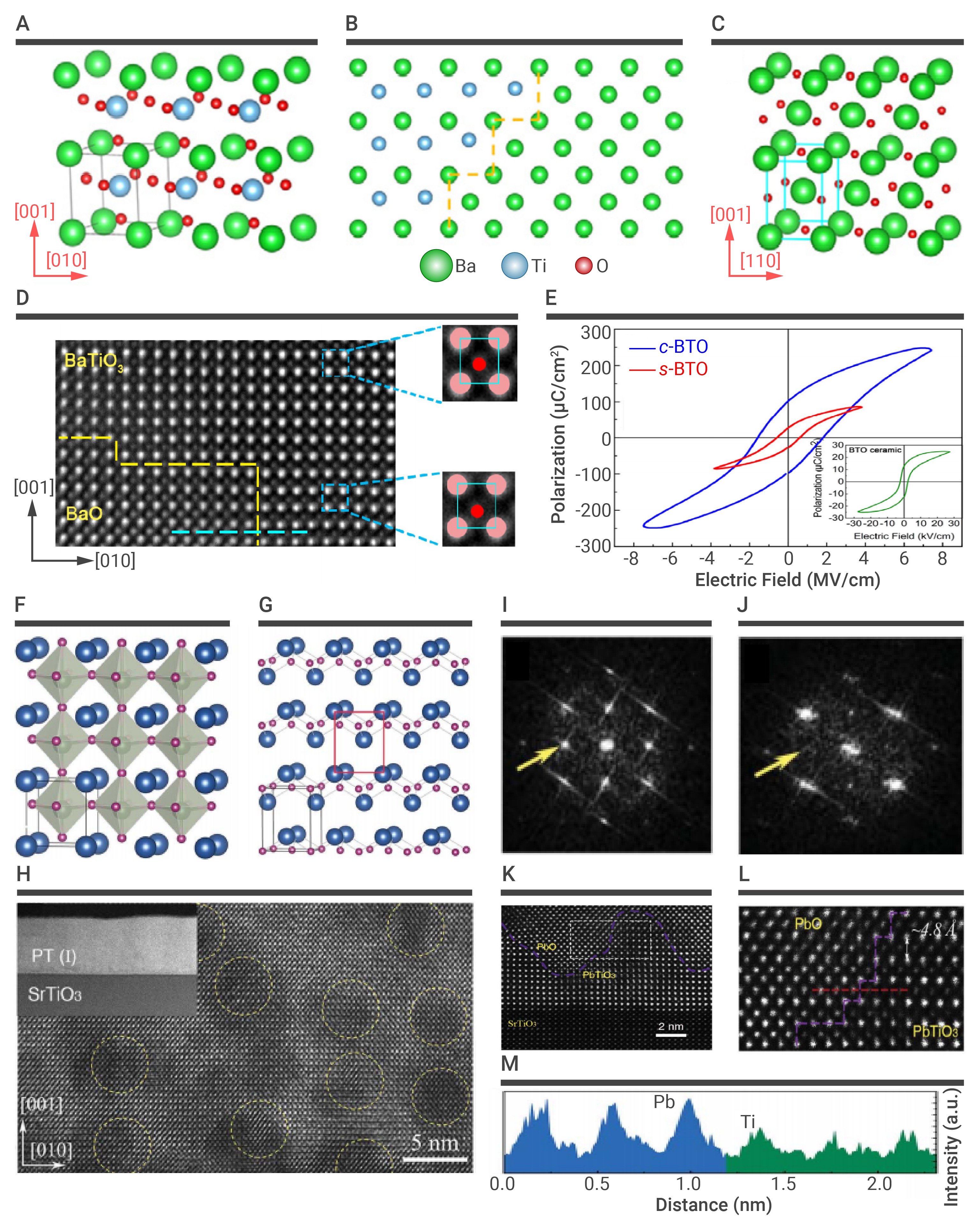
Figure 3.
Strain-induced ferroelectricity in BaTiO3 and PbTiO3
-
Figure 4.
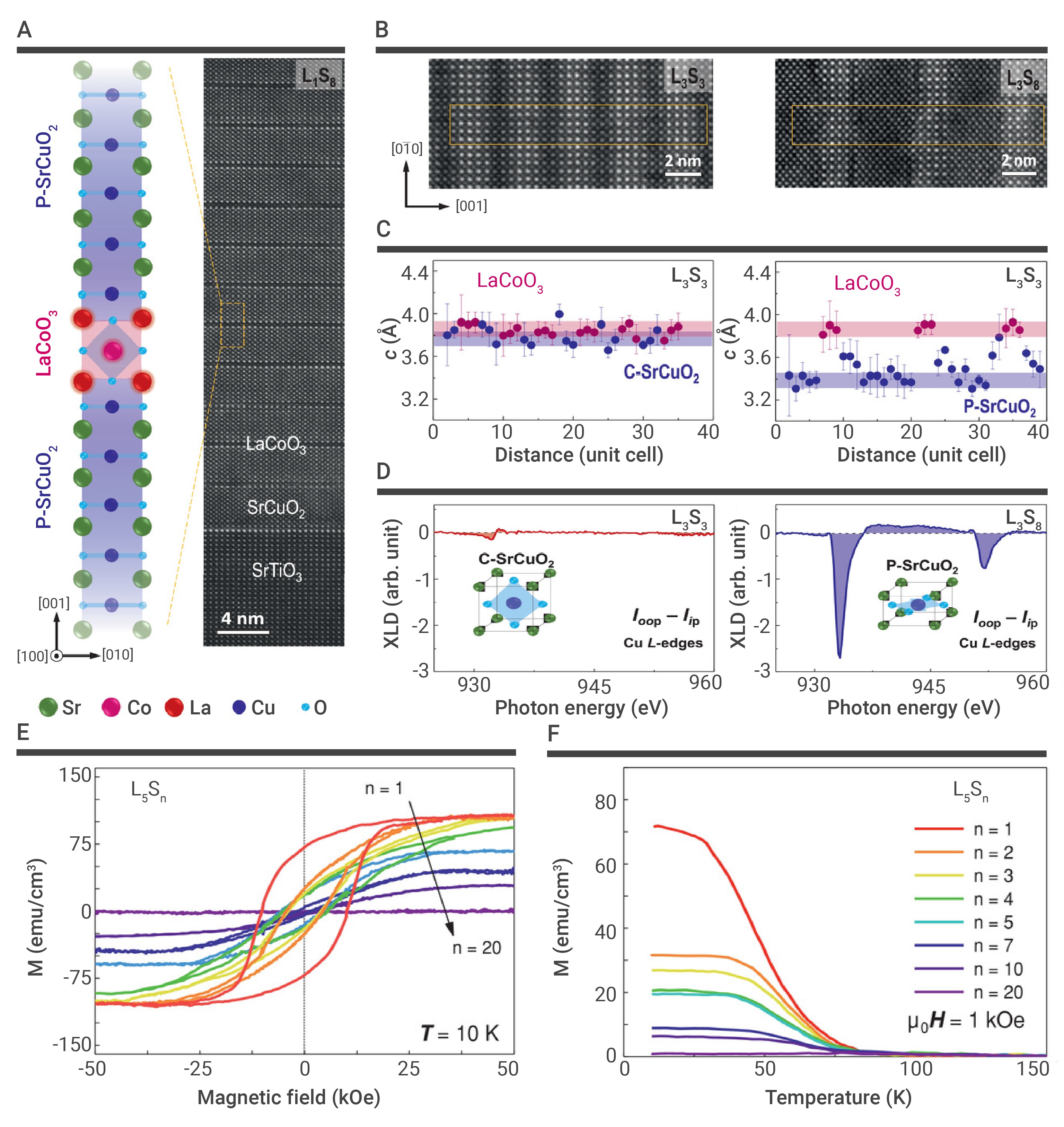
Structural and electronic state characterizations of the (LmSn) superlattices
-
Figure 5.
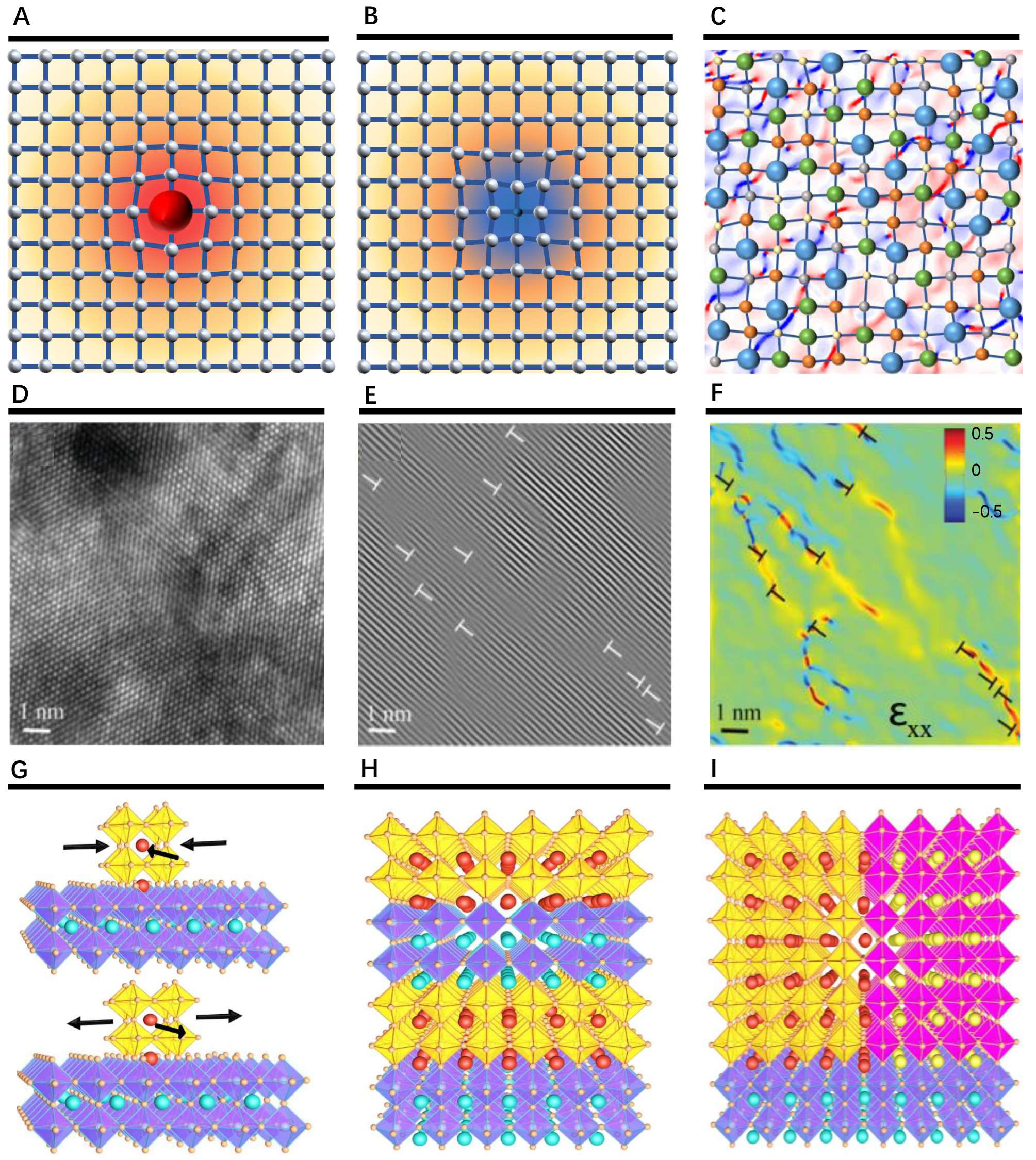
Generation of lattice strain
-
Figure 6.
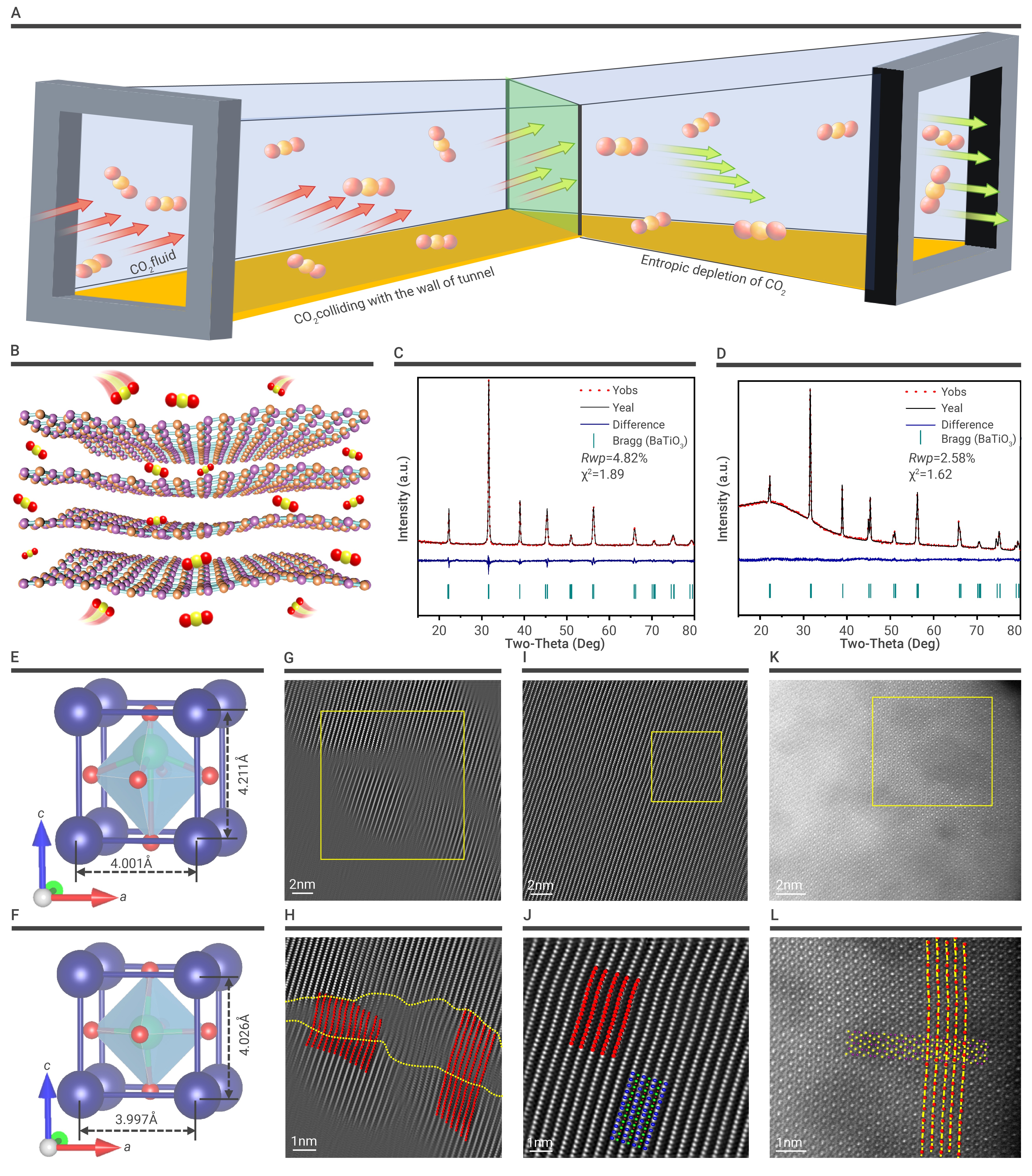
Lattice strain under the action of SC CO2
-
Figure 7.
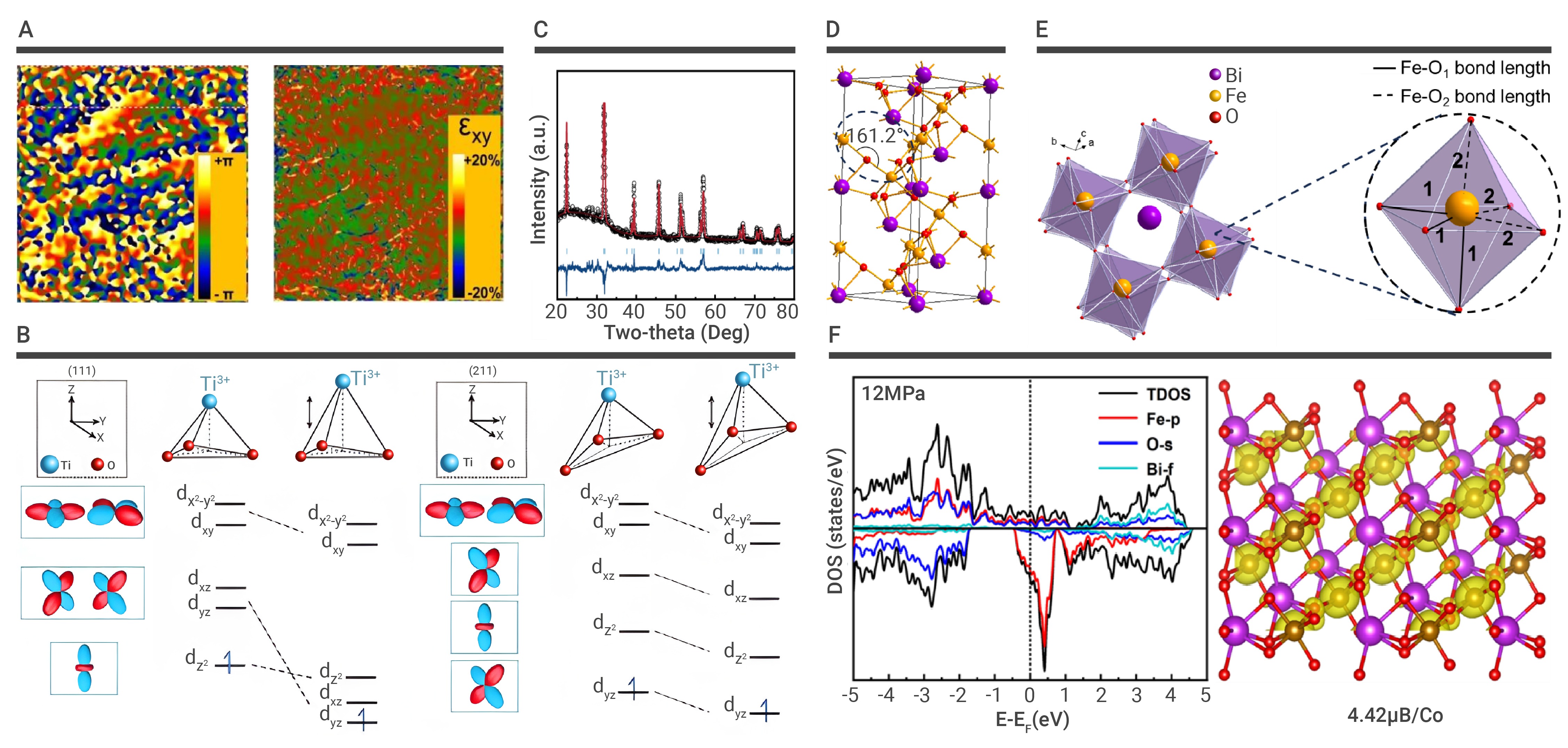
Strain-induced ferromagnetism of SrTiO3 and BiFeO3
-
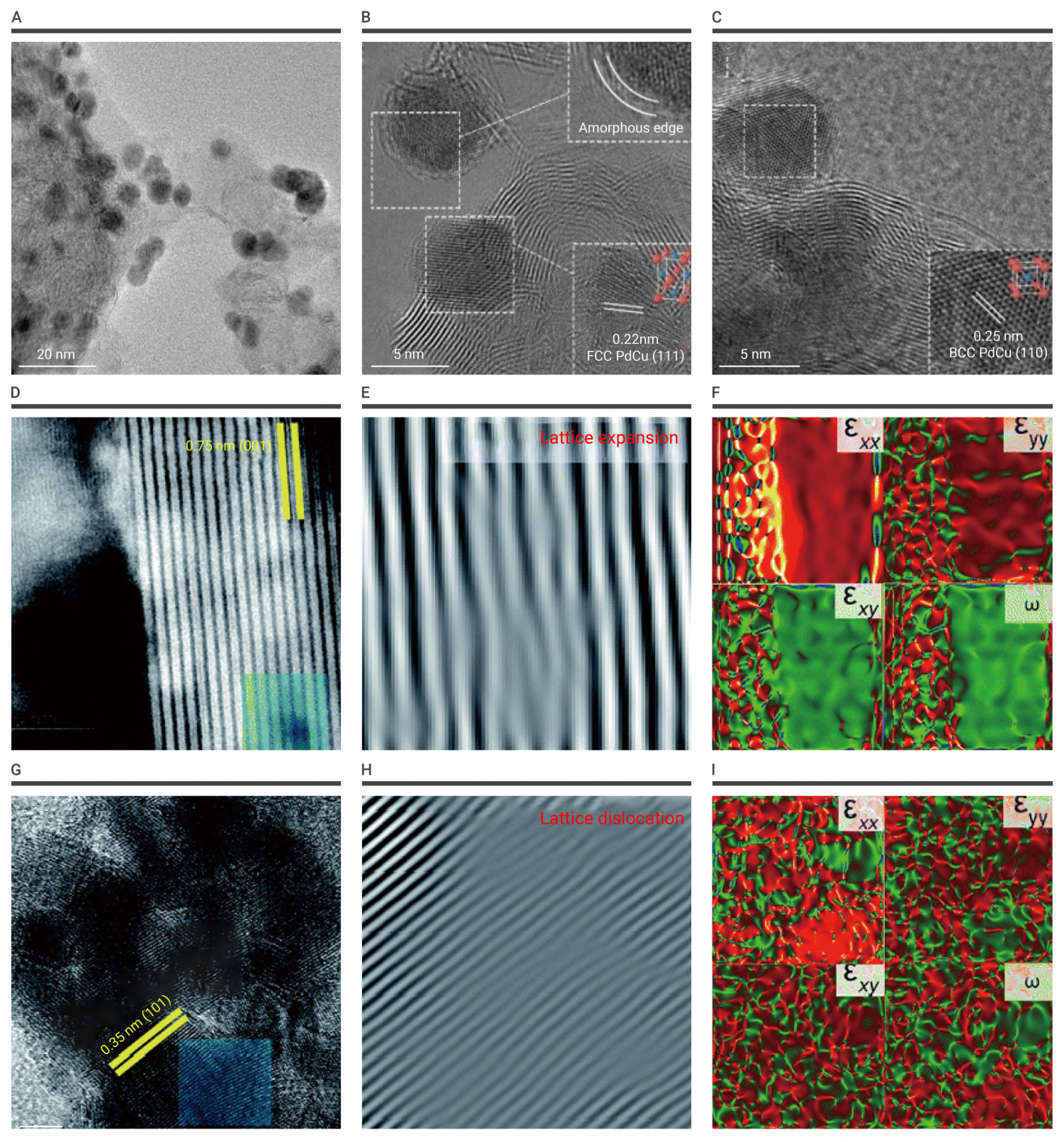
Figure 8.
Microstructural characterization of nanosheets
-
Figure 9.
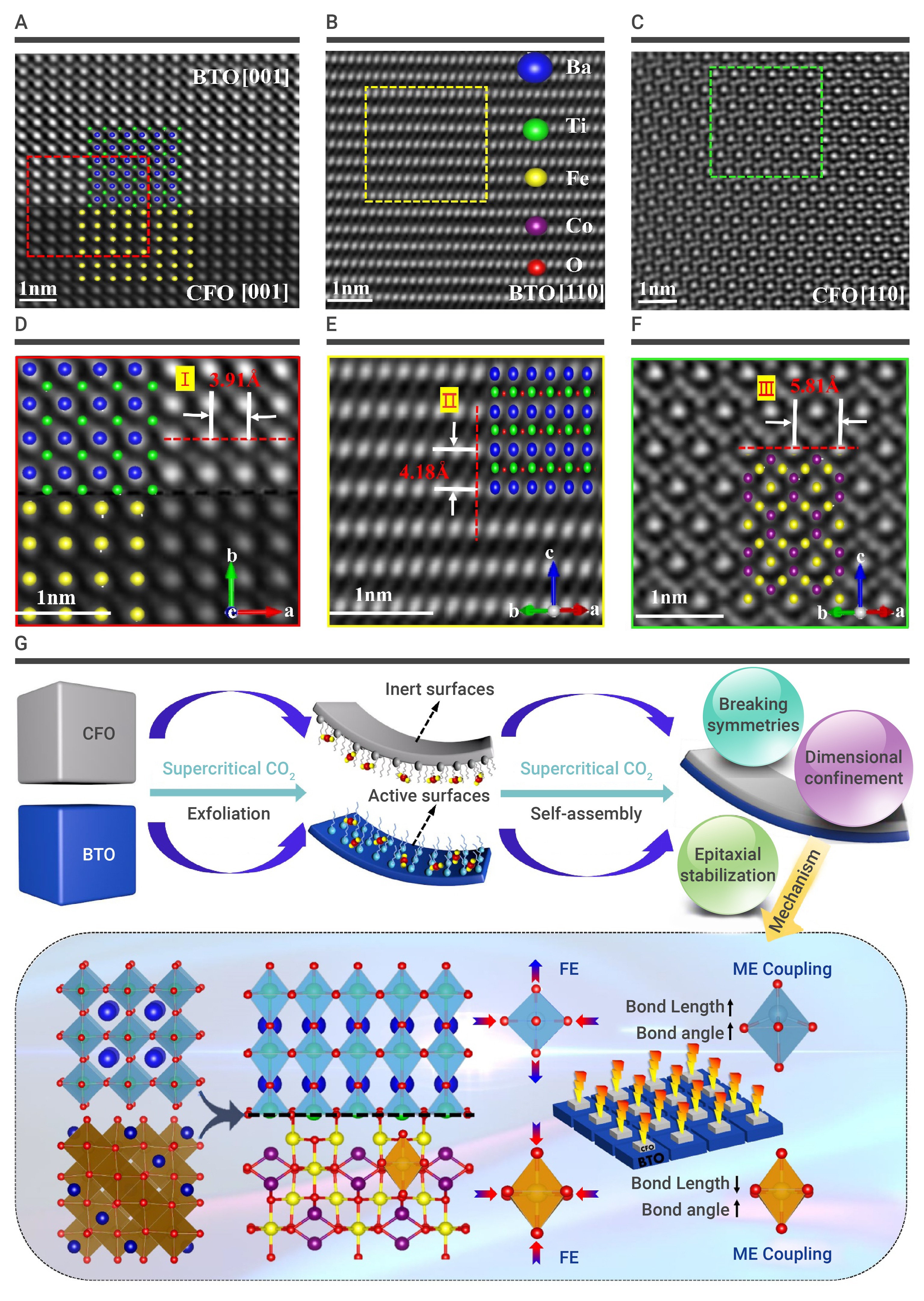
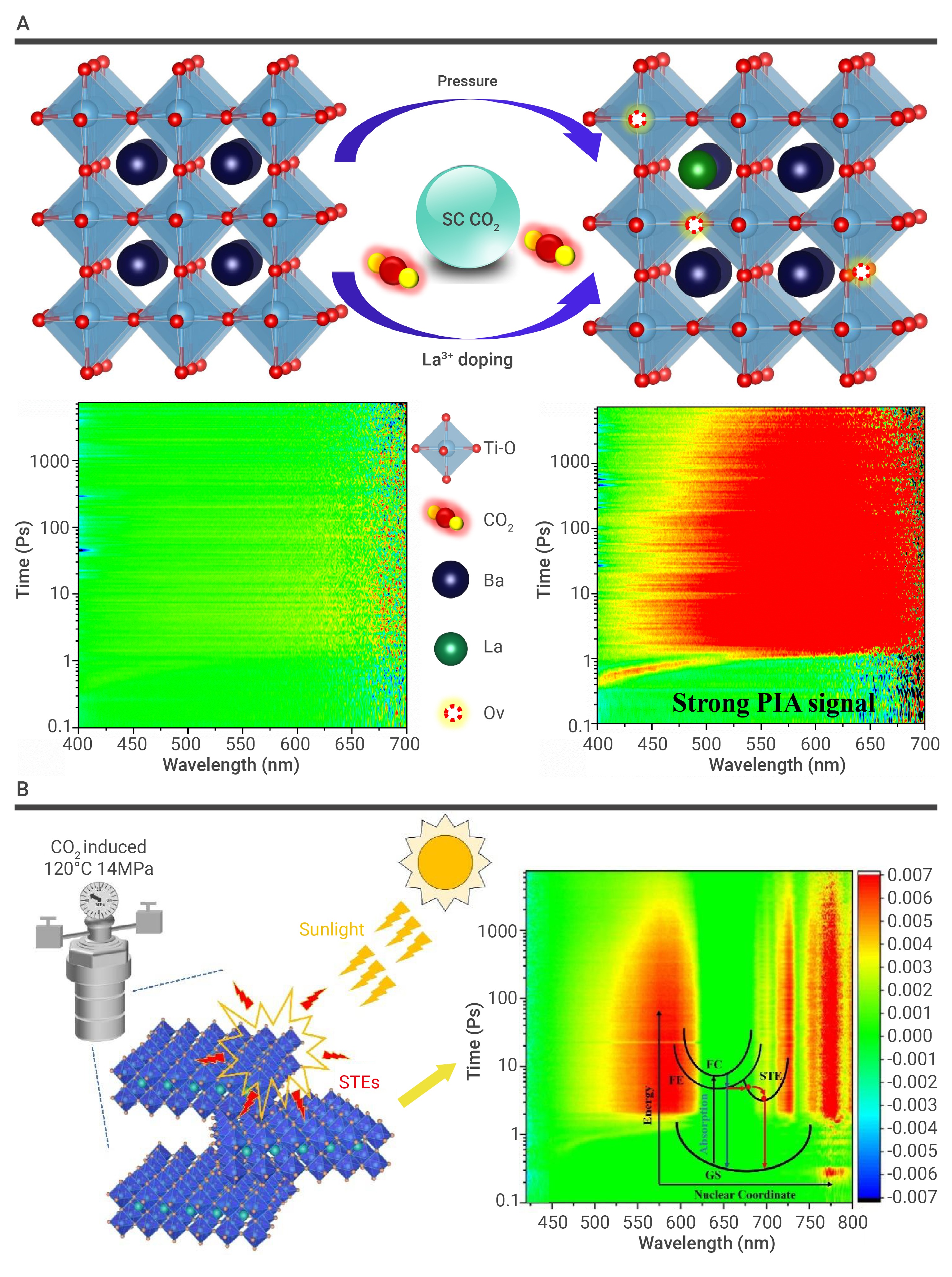
Luminescence Properties of BaTiO3 and SrTiO3
-
Figure 10.
Strain-induced catalytic properties
